Feeds:
Posts
Comments

Archive for January, 2023

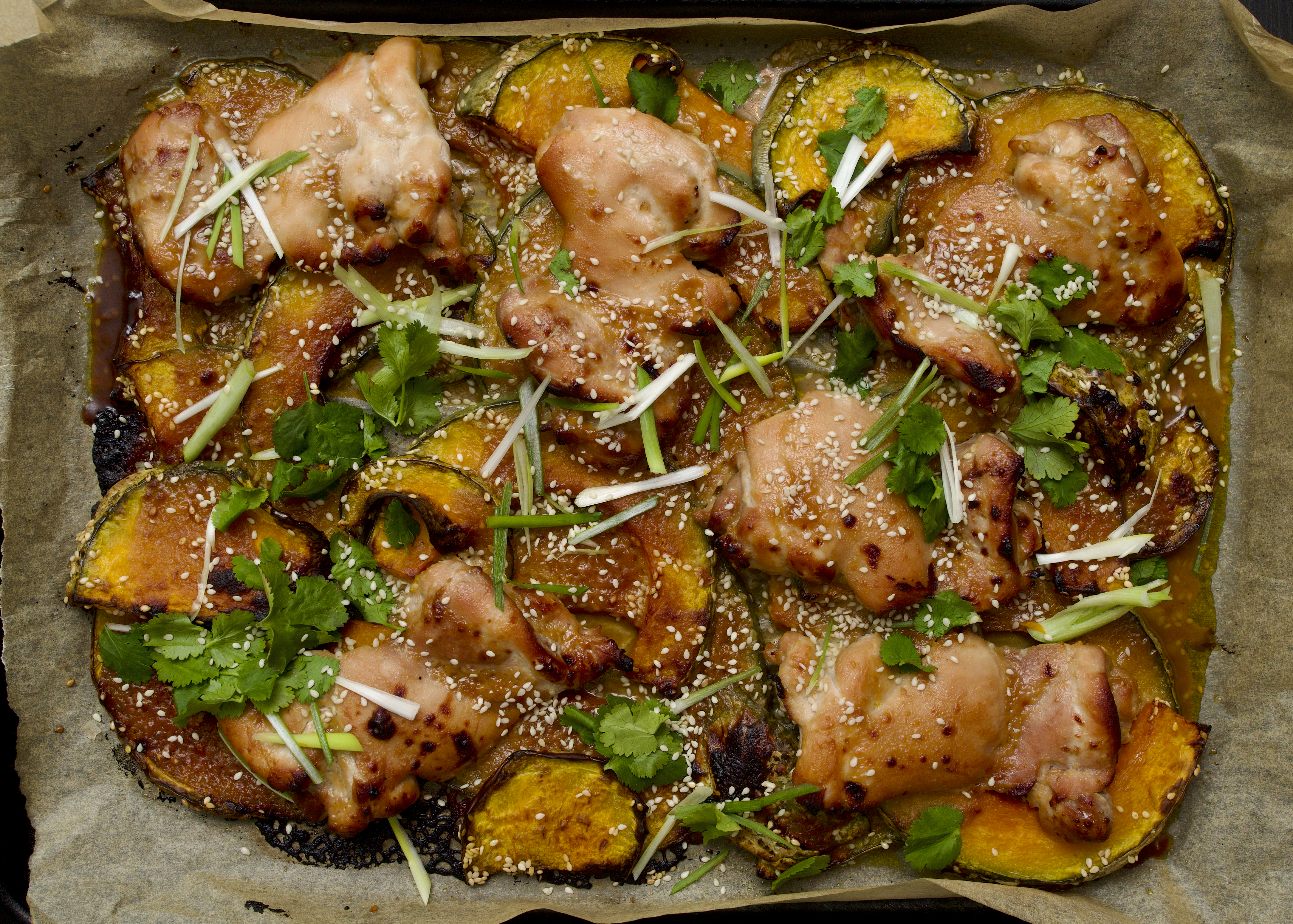
We love pretty much anything with miso. This miso chicken roasted on a bed of sesame pumpkin is an excellent combination.

Wine Suggestion: We’re on a sherry so for this dish we pulled La Gitana Manzanilla out to find if it worked and were delighted to find it really does. If you have a Manzanilla/Fino to hand give it a go, otherwise find a textural Chardonnay which balances the flavours with an extra stalkiness and more time in bottle.

Sticky miso chicken on sesame pumpkin – serves 3

  • 1.5kg pumpkin, thinly sliced (we used crown prince)
  • 2 tbsp extra virgin olive oil
  • 2 tbsp sesame seeds, plus extra to garnish
  • 1 scallion, thinly sliced, to serve
  • coriander leaves, to serve

FOR THE STICKY MISO CHICKEN:

  • 95g white miso paste
  • 1 tbsp sesame oil
  • 1 tbsp soy sauce
  • 60ml mirin
  • 2 tbsp brown sugar
  • 1 tbsp brown rice vinegar
  • 6 skinless and boneless chicken thigh fillets

Heat the oven to 240C/fan 220C/gas 9 and line a large baking tray with baking paper.

Toss the pumpkin slices in a large bowl with the olive oil, sesame seeds and a good pinch of salt. Spread the pumpkin out over the baking tray and bake in the hot oven for 20 minutes.

To make the chicken, put the miso, sesame oil, soy sauce, mirin, brown sugar and brown rice vinegar into a large bowl and whisk to combine. Add the chicken and toss to coat, then set aside.

After 20 minutes, top the pumpkin with the chicken fillets and pour over any remaining marinade. Roast for another 20 minutes or until the chicken is cooked through.

Sprinkle over sliced scallions, coriander leaves and sesame seeds to serve.

(Original recipe by Donna Hay in Olive Magazine, Christmas 2020.)
Read Full Post »

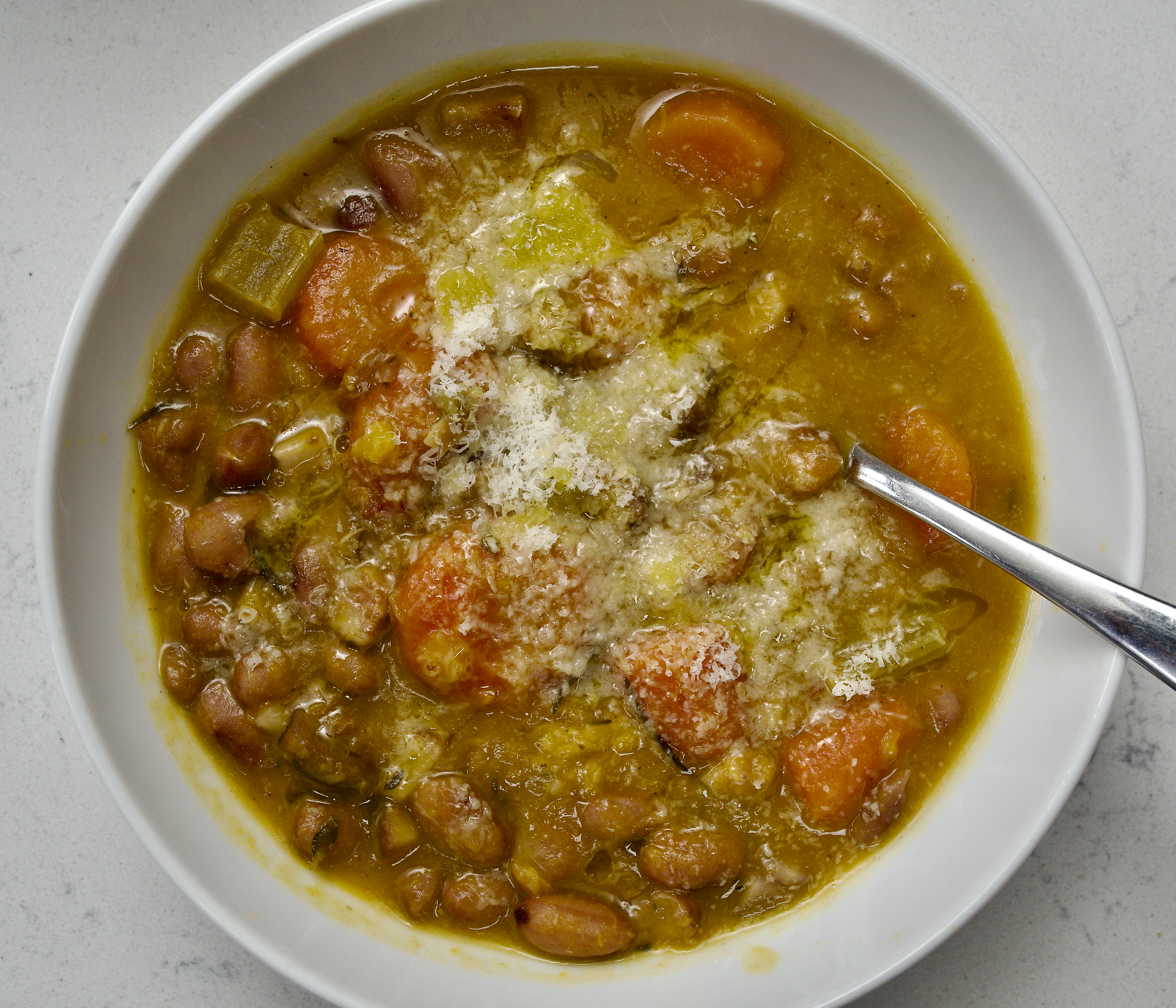
This is a delicious soup recipe from Cooking by Jeremy Lee. Make it on a cold day when you don’t have very much else to do, it takes an age but tastes amazing. You need to soak the beans the night before.

Chestnut, bacon, bean and pumpkin soup – serves 6

  • 2 small onions
  • 3 sticks of celery
  • 3 large carrots
  • 1 smoked ham hock or diced smoked pancetta
  • 4 tbsp olive oil
  • a small stick of rosemary
  • a small handful of thyme
  • 4 bay leaves
  • 4 cloves of garlic, peeled
  • a big pinch of dried chilli flakes
  • 250g dried borlotti beans, soaked overnight in lots of cold water
  • 1 small pumpkin or a wedge of pumkin, roughly 1kg
  • 250g vac-packed chesnuts
  • Parmesan and good extra virgin olive oil, to serve

Peel and cut the onions, celery and carrot into chunky pieces. If using a smoked ham hock cut it into small cubes.

Warm the olive oil in a wide, heavy saucepan and add the pork, herbs, garlic, chilli flakes and vegetables. Stir well, cover with a lid and cook over a gentle heat, stirring occaionally, for roughly 1½ – 2 hours. If your ring is hot they may take a bit less time than this to become soft and caramelised. The idea is to cook them as slowly as possible until you achieve this then proceed with the recipe.

Drain the beans and rinse under cold water until it runs clear. Put the beans into a saucepan with lots of cold water and bring the boil over a high heat. Drain well and lightly rinse, then tip them on to the vegetables and cover with 4-5cm of water. Bring to the boil, then lower to a simmer and cook for at least an hour or until the beans are tender. Don’t be tempted to stir the soup while the beans are cooking, you want them to hold together.

Heat the oven to 180C and roast the pumpkin whole for 40 minutes to 1 hour or until soft and fudgy. Remove from the oven and leave to cool, then remove the seeds and skin. Purée the cooked pumpkin and add to the cooked beans.

Chop the chestnuts coarsely and add them to the soup, then gently reheat. Take care when stirring to keep the beans as intact as possible. Season well with salt and black pepper.

Serve in warm bowls with lots of grated Parmesan cheese and drizzled with your best olive oil.

(Original recipe from Cooking by Jeremy Lee, 4th Estate, 2022.)

Read Full Post »

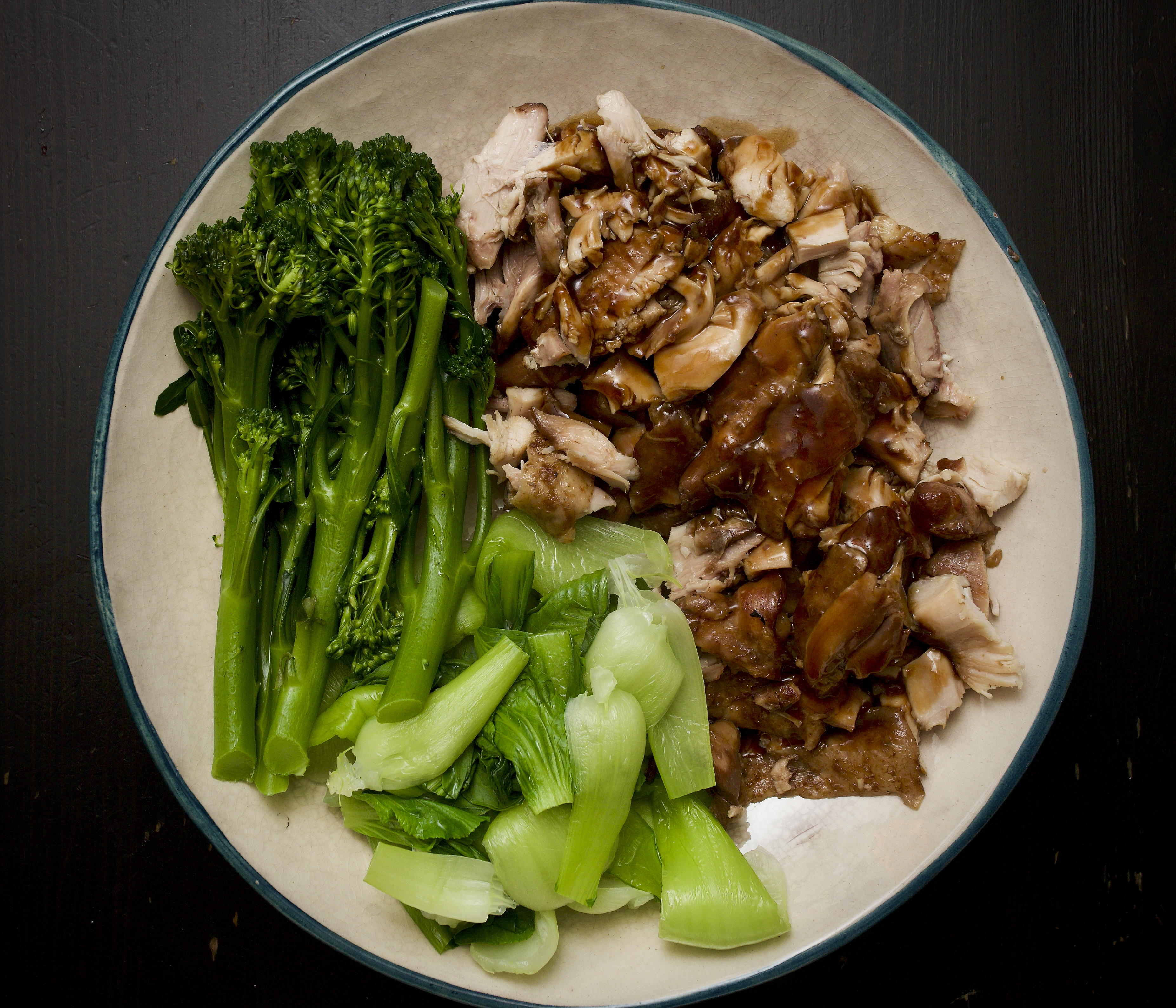
Happy Chinese New Year and all good fortune in the year of the rabbit. We celebrated with this simple version of a classic, super tender chicken with a delicous sauce.

Wine Suggestion: If you feel like a white, go for a Marsanne like Andre Perret’s VdP version from the Northern Rhone. That’s what we did.

Soy sauce chicken – serves 4

  • 1kg chicken thighs
  • 1 tbsp rapeseed oil
  • 4 scallions, 3 cut in half, 1 finely slice on an angle, to serve
  • 1 thumb-sized piece of ginger, grated
  • 3 star anise
  • 2 bay leaves
  • 240ml light soy sauce
  • 2 tbsp dark soy sauce
  • 1 tbsp oyster sauce
  • 2 tbsp Shaoxing rice wine
  • 3 tbsp dark brown sugar
  • 1 tbsp cornflour mixed with 1 tbsp water
  • steamed jasmine rice and steamed greens to serve

Season the chicken with salt and set aside.

Heat the oil in a wok, then add the 3 halved scallions, ginger, star anise and bay leaves. Toss for about 5 minutes until fragrant.

Pour in the light soy sauce, dark soy sauce, oyster sauce, Shaoxing rice wine, 2 tbsp of the sugar and 480ml of water. Turn the heat up to hight and bring to the boil.

Slide in the chicken thighs, skin side down, in a single layer. Add more water if need to just about cover the chicken.

Turn the heat to low, cover with a lid and leave to simmer for 35 minutes. Turn the chicken over and cook for another 10 minutes.

Remove the chicken to a plate and leave until cool enough to handle, then remove the bones and slice. Arrange on a serving dish.

Meanwhile, strain the cooking liquid and discard the solids. Put 150ml into a small pan and put the pan over a medium heat. Just before it boils, add the cornflower mixture and 1 tbsp brown sugar. Remove from the heat once it’s at a nice thickness (you can add a bit more of the reserved cooking liquor if it gets too thick – you want it coating the back of a spoon).

Pour the sauce over the sliced chicken and sprinkle over the sliced scallion. Serve with jasmine rice and lots of steamed greens.

(Original recipe by Thy Lundkvist in BBC Good Food Magazine, January 2022.)

Read Full Post »

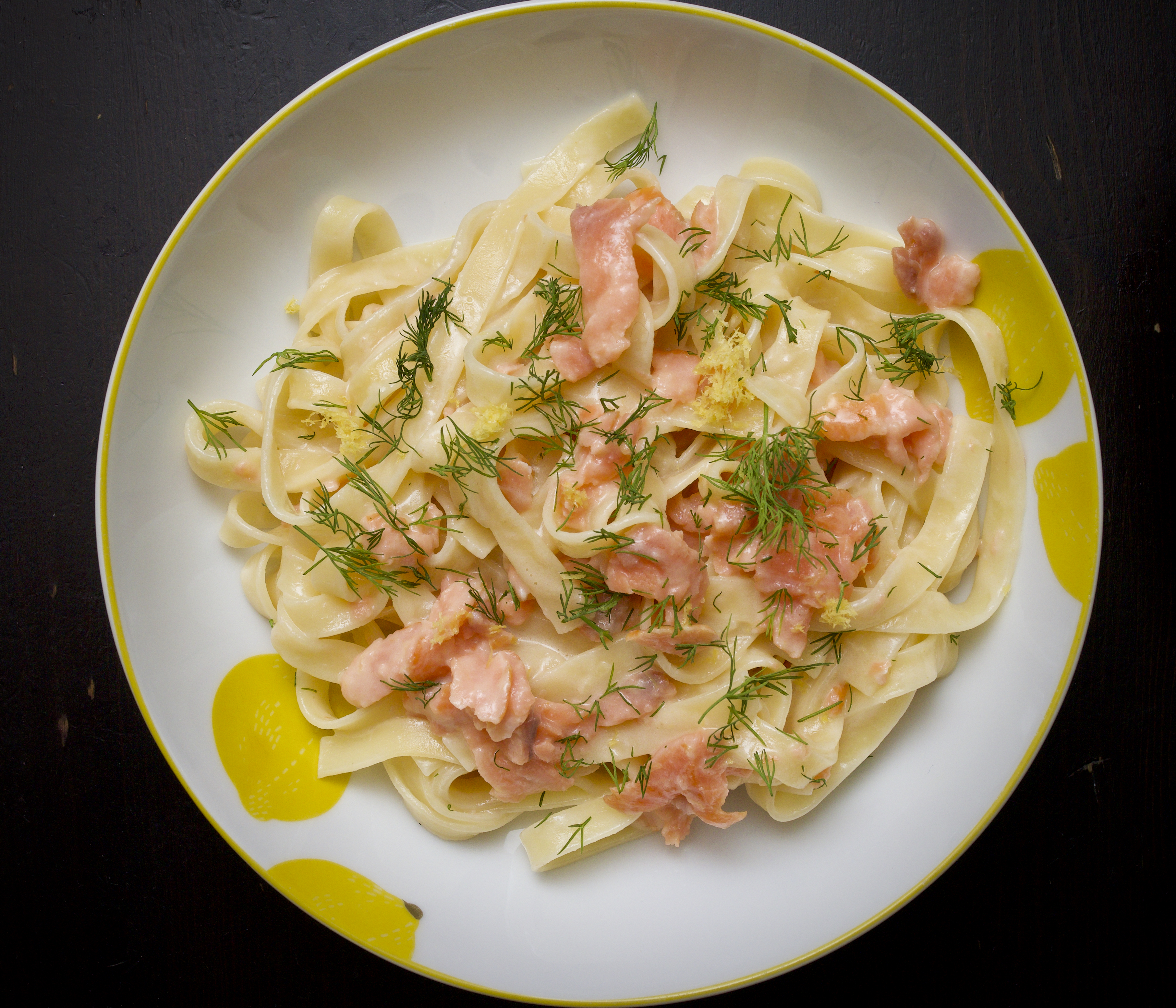
We’re clearing out in January, rather then dieting. This recipe used up the last of a side of smoked salmon and its simplicity is perfect.

Wine Suggestion: We think Verdicchio is under-rated as a grape and for food combinations like this where you have a creaminess, combined with some Omega fatty acids and citrus zest it is the business. Tonight our choice was Sartarelli’s Tralivio which balances fruit weight with an almost saline minerality.

Tagliatelle with Salmon and Mascarpone – serves 4

  • 400g tagliatelle
  • 200g smoked salmon, snipped with scissors into short strips
  • 125g mascarpone
  • 20g soft butter
  • zest of 1 lemon, plus more to garnish
  • a few sprigs of dill, snipped

Cook the tagliatelle in lots of very salty water until al dente.

Meanwhile, tip the salmon strips into a large warm serving bowl along with the mascarpone, butter and lemon zest. Add a ladleful of the pasta cooking water to loosen it all to a cream, then taste and add salt if needed.

Drain the pasta, reserving some water, then tip into the bowl with the sauce and toss gently, adding more cooking water if needed. Serve sprinkled with the dill and some more lemon zest.

(Original recipe from An A-Z of Pasta by Rachel Roddy, Penguin: Fig Tree, 2021.)

Read Full Post »

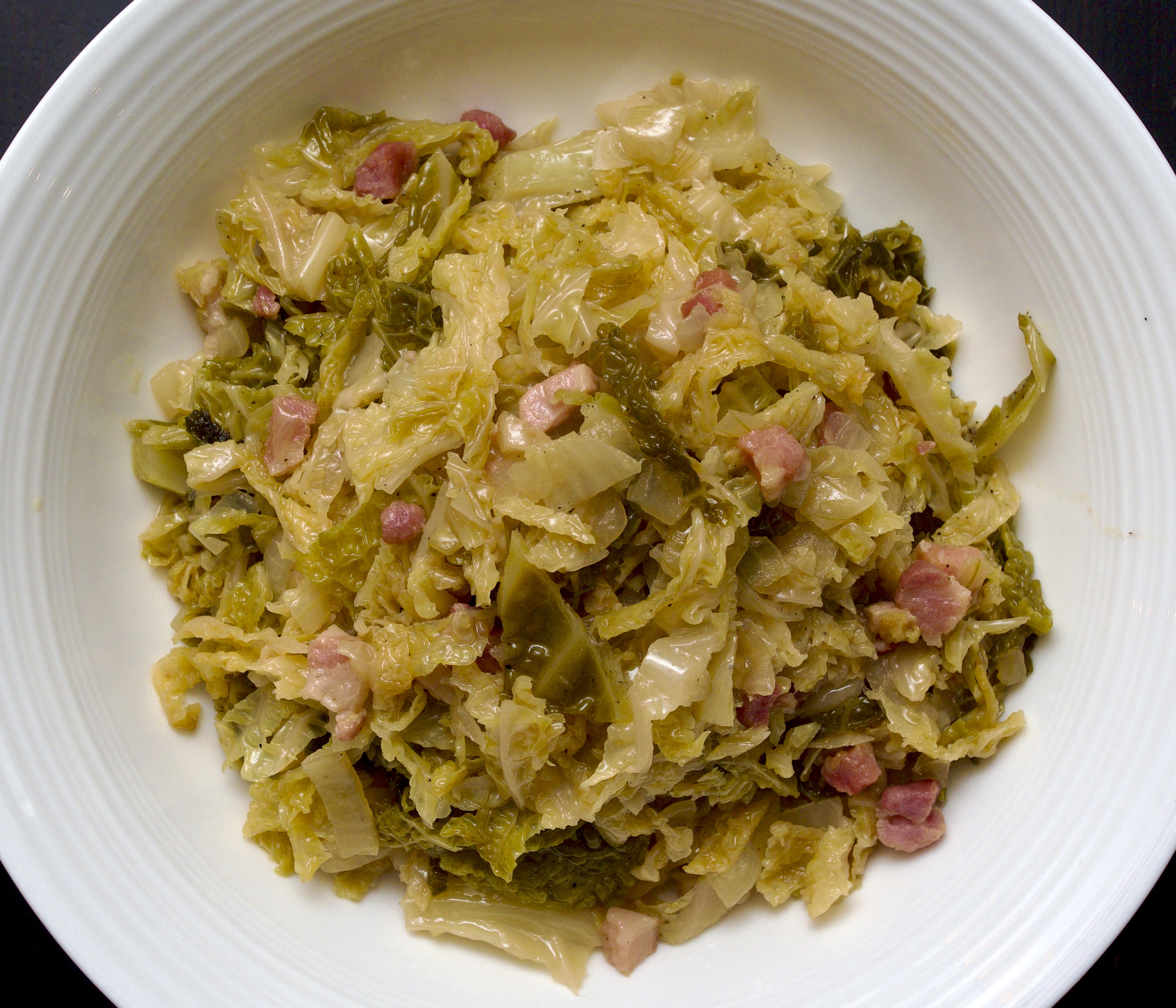
Don’t judge this just by the look as it just looks like well cooked cabbage … and it is … but we’re addicted. Lifted to another level by the vinegar, this is our new favourite side.

Stewed Cabbage – serves 4

  • 3 tbsp extra virgin olive oil
  • 1 large onion, finely chopped
  • 60g pancetta, chopped (optional)
  • 1 small Savoy cabbage or half of a large one (about 600g)
  • 2 heaped tbsp salted butter
  • 1 tbsp white wine vinegar

Put the oil, onion and pancetta (if using) into a large saucepan over a medium-low heat. Add some salt if you are not using pancetta. Cook gently, without browning, for about 15 minutes until soft.

Slice the cabbage into wedges and remove the tough core. Shred the leaves finely and rinse in a colander. Add the wet cabbage to the pan, then the butter, and stir for a few minutes until the butter melts. Stir through the vinegar and cover with a lid. Reduce the heat to low and leave to cook for 60 to 80 minutes, stirring occasionlly, until completely soft and wilted. Add a splash of water if it looks dry at any point.

Season to taste with salt and serve.

(Original recipe from Stagioni by Olivia Cavalli, Pavillon, 2022.)

Read Full Post »

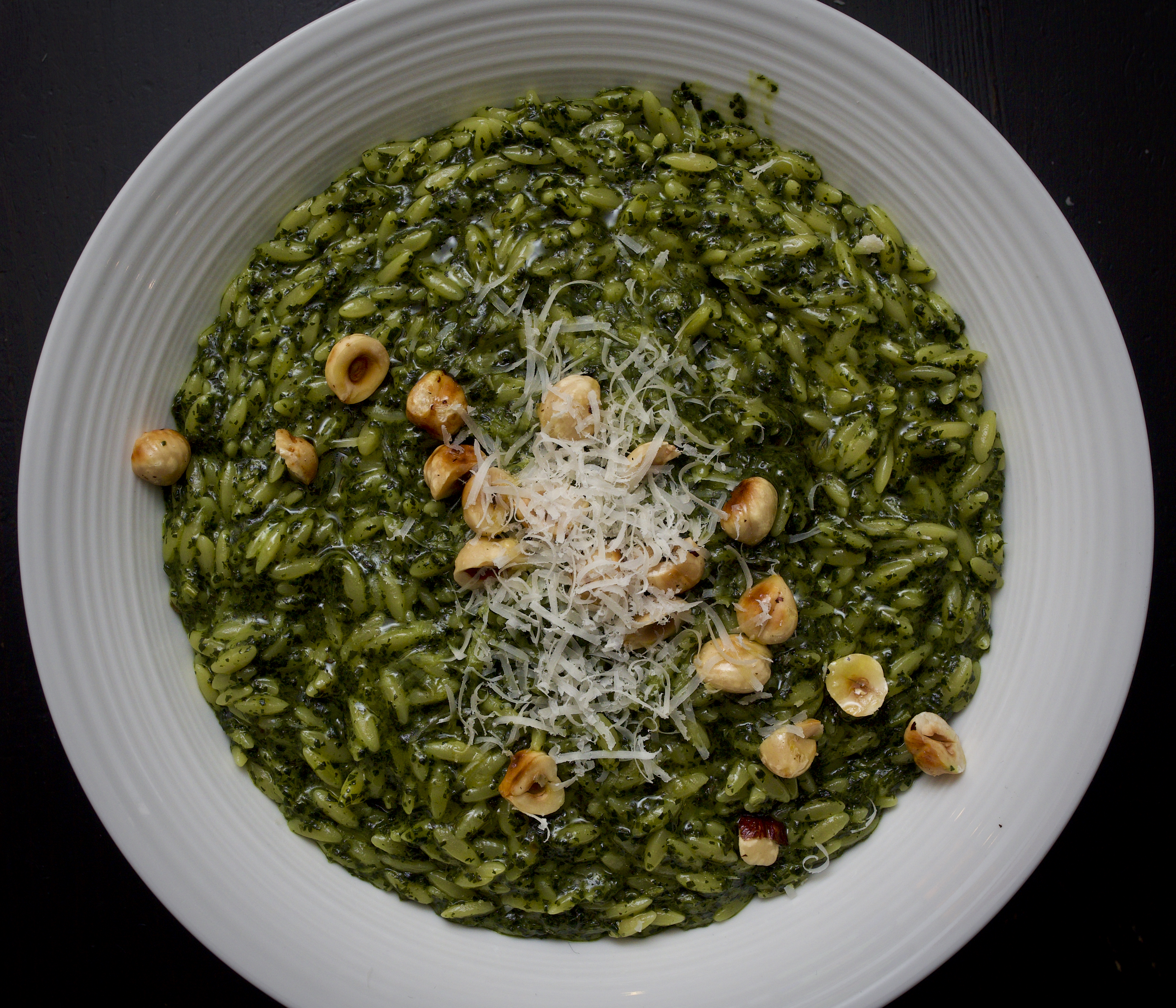
We love the colour of this dish – a delicious bowlful of goodness.

Wine Suggestion: This demands a simple, earthy red like Morisfarms Mandriolo, a Sangiovese dominant wine from the Maremma on the Tuscan coast. The Moris family have lived on their farm for over three hundred years and their gentle care and organic approach to winemaking comes from their love of the land. A thoughtful wine.

Risoni di Cavolo Nero – serves 2

  • handful of hazlenuts
  • 150-200g cavolo nero
  • 4 tbsp extra virgin olive oil, plus extra to serve
  • garlic
  • 2-3 anchovies in oil
  • a pinch of chilli flakes
  • 700ml home-made chicken or vegetable stock
  • ½ lemon
  • 240g orzo
  • 2 tbsp mascarpone
  • finely grated Parmesan, to serve

Heat the oven to 150C fan.

Toast the hazelnuts in the oven for 15 minutes, then set aside.

Strip the cavolo nero leaves from the stalks, then roughly chop the leaves and rinse them in cold water. Discard the tough stalks.

Put the oil, garlic and anchovies in a pan and heat gently for a few minutes until the anchovies have melted. Add the chilli and cook for another minute, stirring. Add the cavolo nero and cook for 3-4 minutes until just wilted. Discard the garlic and transfer to a blender. Add a splash of stock and a squeeze of lemon juice, then blend to a smooth liquid.

Put the rest of the stock into the same pan and bring to the boil. Add the orzo and reduce heat to a simmer and cook for 6-7 minutes, stirring occasionally, until the stock has been absorbed by the pasta, add a splash of water if it drys up too soon. Add the green purée and cook for another 2 minutes – you are looking for a risotto-type consistency. Finely grate in the zest of ½ a lemon and stir in the mascarpone. Taste for seasoning and add more lemon juice if needed.

Serve with the toasted hazelnuts crumbled on top, some finely grated Parmesan and a good drizzle of your best olive oil.

(Original recipe from Stagioni by Olivia Cavalli, Pavillon, 2022.)

Read Full Post »