Feeds:
Posts
Comments

Archive for January, 2026

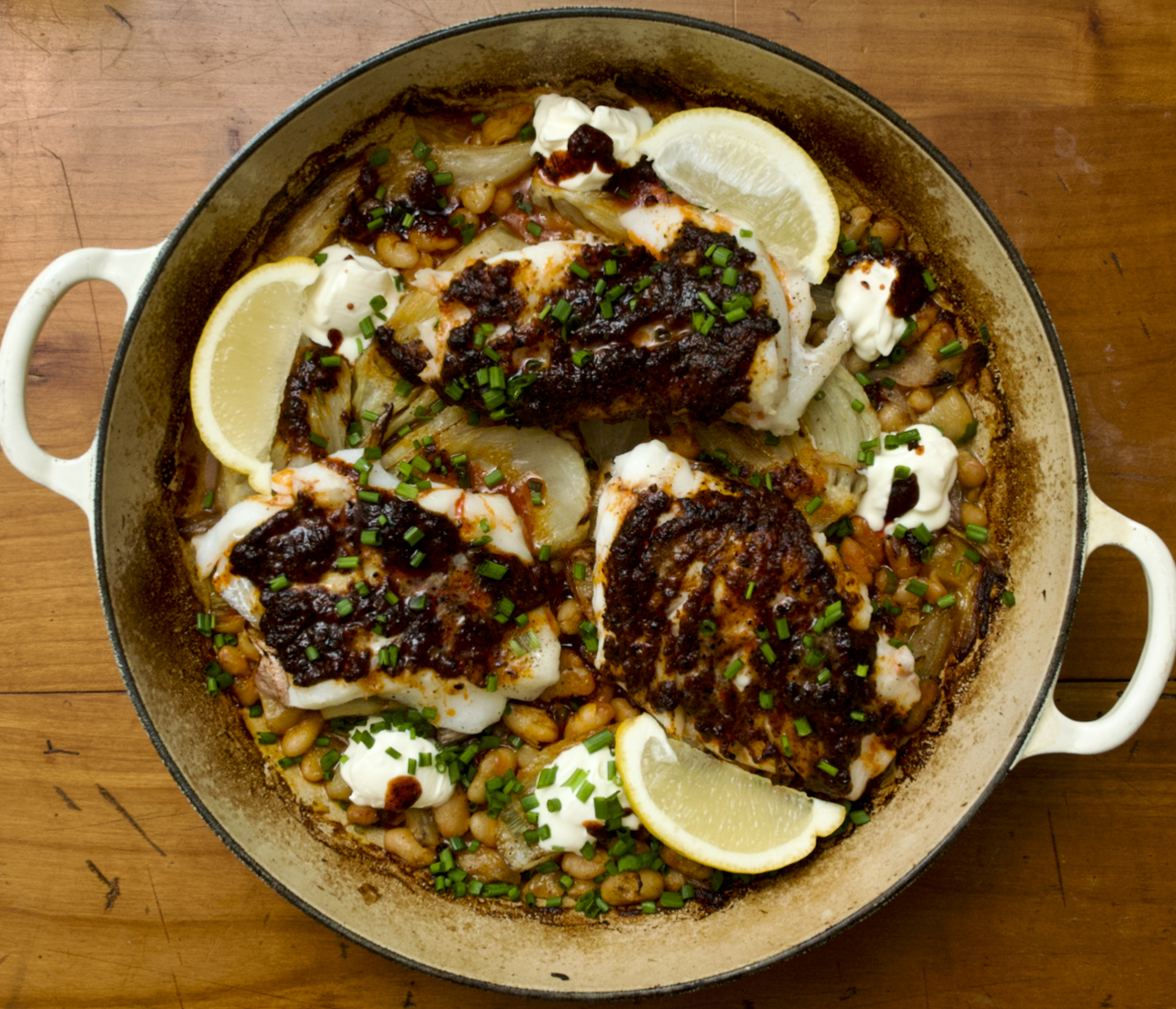
There are all sorts of good things going on in this dish from Ottolenghi Comfort. The beans turn lovely and creamy, the fennel is soft and sort of caramelised and the smoky ‘nduja butter is delicious. Highly recommended!

Wine Suggestion:

Braised fennel and cod with beans and ‘nduja butter – serves 4

  • 60ml olive oil
  • 2-3 large fennel bulbs, halved and cut into wedges
  • 3 banana shallots, quartered lengthwise and peeled
  • 1 head of garlic, unpeeled and halved widthways
  • 1 x 400g tin of cannellini beans (or black-eyed beans – we couldn’t get these this time)
  • 150ml chicken stock
  • 125ml dry white wine (or dry vermouth if you have it)
  • 4 skinless cod fillets (or haddock or hake)
  • 50g crème fraîche
  • 5g chives, finely chopped
  • lemon wedges, to serve

FOR THE ‘NDUJA BUTTER:

  • 45g unsalted butter
  • 25g ‘nduja paste (we used an Irish one from Corndale Farm in Limavady)
  • ¾ tsp Urfa chilli flakes
  • ¾ tsp chipotle chilli flakes
  • ½ tsp smoked paprika

Heat the oven to 220C fan.

You need a shallow casserole dish with a lid. Cut out a piece of baking paper into a circle roughly a cm less than the width of your dish.

Put the olive oil into the casserole and put over a medium-high heat. Add the fennel, shallots and garlic and sauté for about 6 minutes, or until the veg starts to catch a little.

Add the beans, stock, wine, 1 tsp of salt and a generous amount of black pepper. Stir gently and bring to a simmer, then place the paper on top, cover with the lid and bake in to the hot oven for 30 minutes or until the vegetables are soft. Remove the parchment and return to the oven without the lid (you can add a splash more stock or water if it looks a bit dry). Bake for another 10-15 minutes, until the vegetables have browned here and there.

Meanwhile, combine all the ingredients for the ‘nduja butter in a small saucepan and put over a medium-low heat. Bring to a gentle simmer, breaking the ‘nduja up with the back of a spoon to incorporate with the butter, then remove from the heat.

Season the fish very lightly with salt and some pepper. Drizzle 1½ tsp of the ‘nduja butter over each fish fillet and reserve the rest. Take the pan out of the oven and place the fish on top. Return to the oven, uncovered, for 7-10 minutes or until the fish is just cooked.

Remove from the oven and allow to rest for 5 minutes, then dollop on the crème fraîche, drizzle with the rest of the ‘nduja buttter and sprinkle with the chives. Serve with the lemon wedges for squeezing over.

(Original recipe from Ottolenghi Comfort by Yotam Ottolenghi, Helen Goh, Verena Lochmuller & Tara Wigley, Ebury Press, 2024.)
Read Full Post »

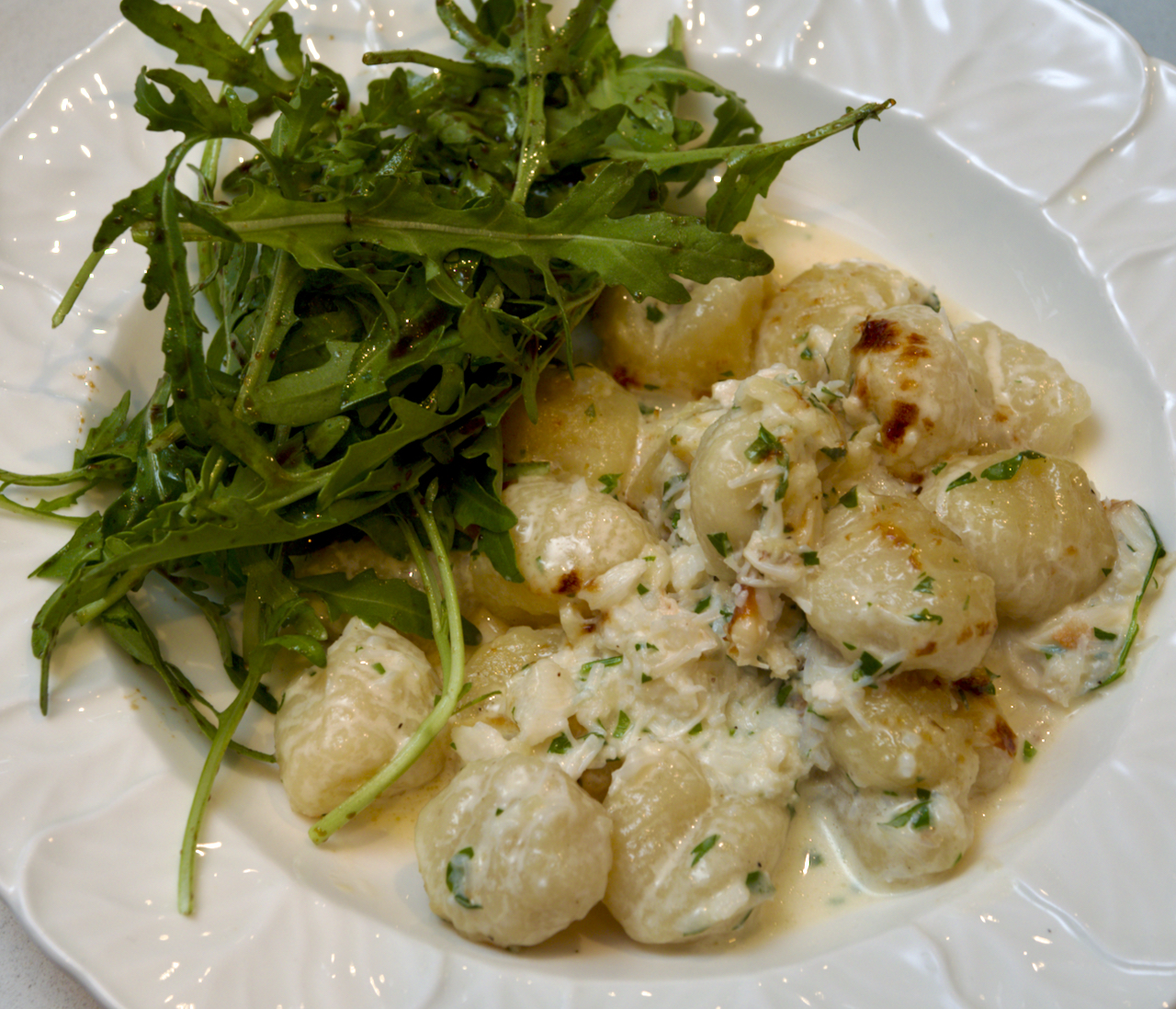
We buy big tubs of Lambay Island white crabmeat and freeze it in small portions so we can have weeknight dishes like this one. Really simple but tastes luxurious.

Wine Suggestion: This demands a richer white, but with a core of minerality, texture and acidity. Tonight we opened a La Clef du Recit Sancerre Le Chêne Fourchu … an uncommonly oaked Sauvignon Blanc which, when handled deftly like this, adds layers and structure. We love how this has hints of tropical fruits, lemon and mandarin.

Baked crab and lemon gnocchi – serves 2

  • 1 pack of pre-made gnocchi – about 400g – go for a good quality one
  • 150ml double cream
  • 30g Parmesan, finely grated, plus a bit extra
  • juice of ½ lemon
  • 100g white crabmeat
  • a handful of flatleaf parsley, chopped
  • dressed green salad, to serve

Cook the gnocchi in boiling salty water until if floats to the top, then scoop it out and set aside.

Heat the cream in a large pan, then add the Parmesan and lemon juice. Let it bubble up, then turn off the heat and add the crab, parsley and gnocchi. Sesson well with black pepper, then tip it all into a baking dish.

Sprinkle over some more Parmesan and place under a hot grill for a few minutes or until brown and bubbling.

(Original recipe by Janine Ratcliffe in Olive Magazine, August, 2016.)

Read Full Post »

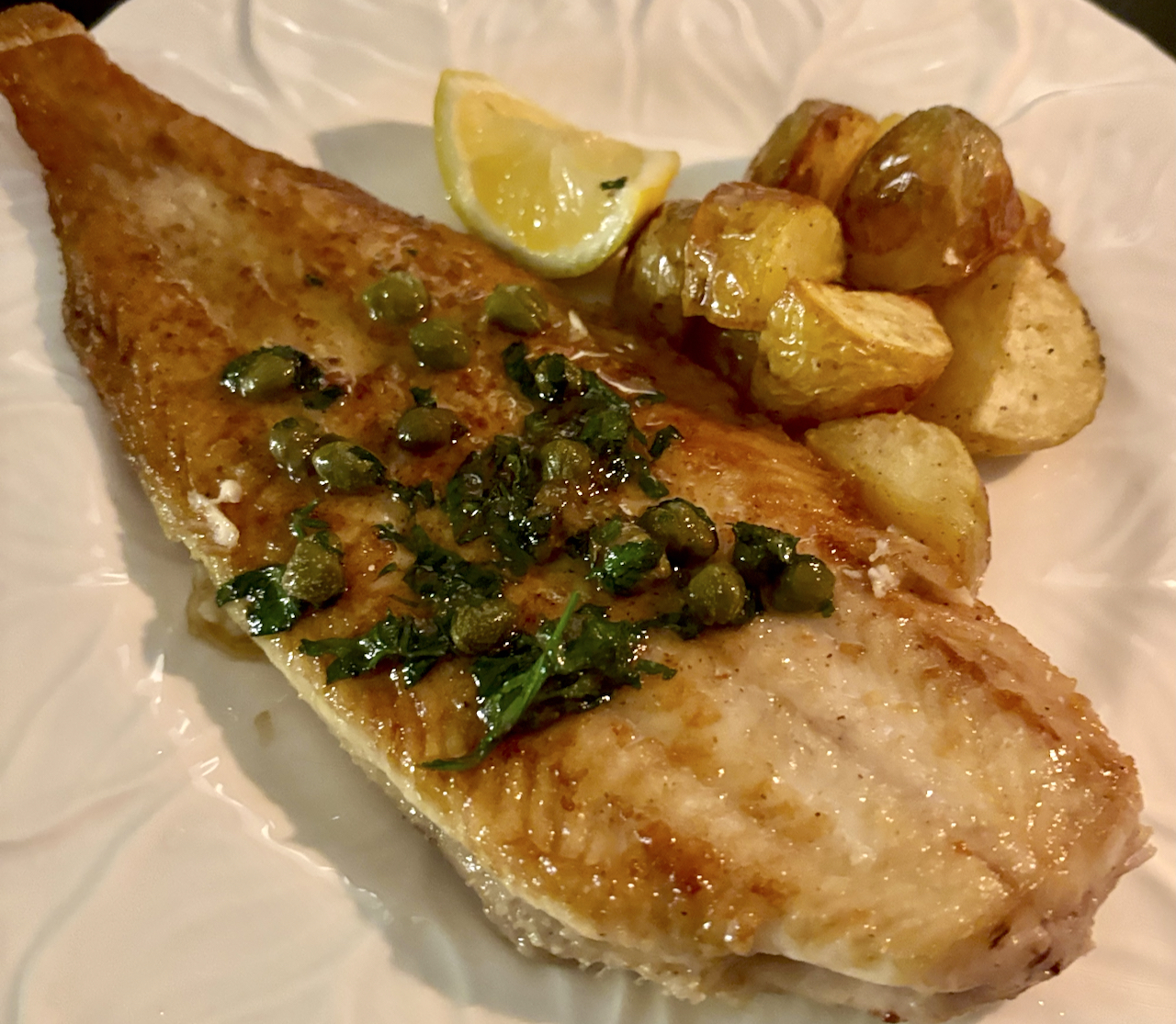
This might just be our favourite fish dish — and honestly, we can’t believe it took us this long to realise how utterly simple it is to cook. Dover sole (also known as black sole here in Ireland) is a truly special fish: delicate, buttery, and elegant with very little effort required in the kitchen. Since subscribing to a fish box from Urban Monger, we’ve been pushed out of our comfort zone and into cooking more seafood. This recipe is a great confidence booster: classic, quick, and very satisfying.

Wine Suggestion: Such a lovely fish needs respect, so don’t skimp on quality and look for a crisp, dry white with depth and personality. We chose a Chablis from Nathalie & Gilles Fèvre which is made in stailess steel, but left on its fine lees to add texture to an already layered, pure fruited wine: white stonefruit, a lemony twist and a limestone backbone.

Dover sole à la meunière – serves 2

  • 2 x 400-450g Dover soles trimmed and skinned (the ones we had were labelled black sole in Ireland but they are the same thing)
  • 25g plain flour
  • 4 tbsp flour
  • 50g unsalted butter
  • 2 tsp lemon juice
  • 1 tbsp chopped parsley
  • 2 tsp capers
  • lemon wedges, to serve
  • roast baby potatoes, to serve

If you need to trim the fish yourself, take a pair of scissors and cut the frilly fins and the fleshy bones off both sides. You will be removing about 4 cm off all around so you are left with just the 4 fillets on the backbone.

Season the fish with salt and white pepper, then dip both sides into the flour and pat off any excess.

Heat the oil in a non-stick for well-seasoned frying pan. Add one of the soles, lower the heat slightly and add a small piece of the butter. Fry over a moderate heat for 4-5 minutes until golden brown and cooked through. Transfer to a plate and keep warm while you cook the second fish.

Pour off the frying oil and discard. Add the rest of the butter to the pan and allow to melt over a moderate heat. When it starts to smell nutty and turn brown, add the lemon juice, parsley, capers and some seasoning. Pour some of the beurre noisette over each fish and serve with the lemon wedges and some roast baby potatoes.

(Original recipe from Rick Stein’s Food Stories, BBC Books, Penguin Random House, 2024.)

Read Full Post »

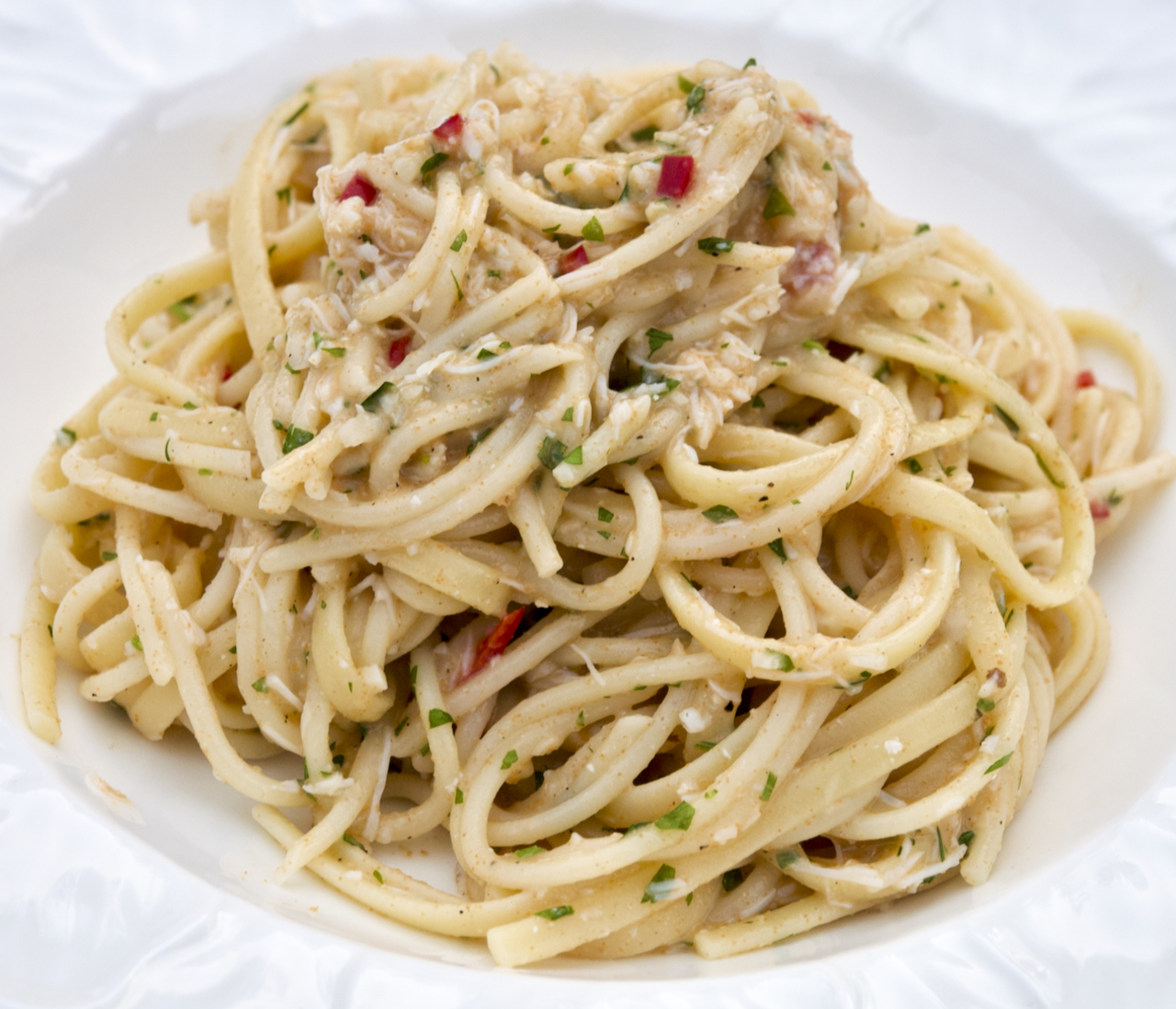
This is super simple which is just the treatment that you want to give delicious Lambay Island Crab.

Wine Suggestion: We’re planning a trip to Galicia so are getting in the mood and trying a few Albariños. Tonight somethin a little special, the Pazo Señorans Colección which is 5 years old and all the better for it. Bone dry, but with a depth of fruit and a saline minerality reflecting both sunshine and the Atlantic weather. A delightful match with crab.

Crab linguine – serves 4

  • 400g linguine
  • 4 tbsp extra virgin olive oil
  • 1 red chilli, deseeded and chopped
  • 2 cloves of garlic, finely chopped
  • 100g brown crabmeat
  • 200g white crabmeat
  • about 5 tbsp white wine
  • small squeeze of lemon
  • a large handful of flat-leaf parsley leaves, very finely chopped

Bring a large pan of salty water to the boil and cook the linguine for 1 minutes less than it says on the packet.

Meanwhile, gently heat 3 tbsp of the olive oil with the chilli and garlic in a large pan. Cook very gently until they start to sizzle, then turn up the heat and add the white wine. Simmer until the wine and olive oil come together, then remove from the heat and add the brown crabmeat. Use a wooden spoon to mash it into the olive oil to make a thick sauce.

When the pasta is cooked, turn off the heat. Place the sauce over a very low heat and use tongs to lift the pasta from the water into the crab sauce.

Remove the sauce from the heat and add the white crabmeat and parsley to the pasta with a little sea salt. Stir really well, adding a drop of pasta water if needed. Taste for seasoning and add a small squeeze of lemon. Serve immediately drizzle with some more olive oil.

(Original recipe from BBC Good Food.)

Read Full Post »

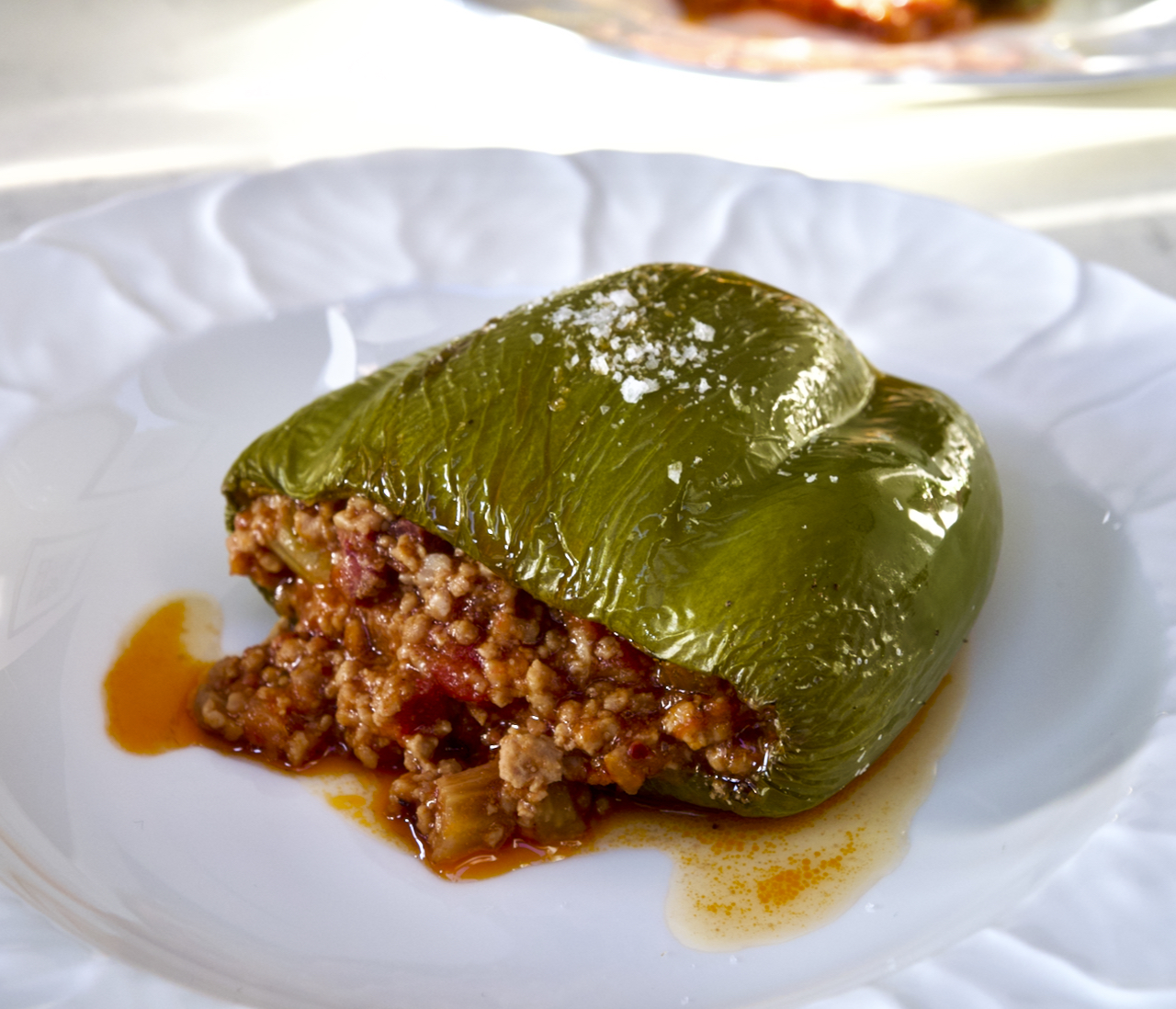
Roasted green peppers stuffed with a delicious slow-cooked ragu with pork and chorizo. If you cook the ragu in advance this is a quick and simple dinner and it tastes absolutely delicious. Something good to have in the freezer for a rainy day. Serve with a salad on the side.

Wine Suggestion: José Pizarro recommends serving with a rich Bobal from Vanencia or Utiel-Requena which sounds pretty good to us.

Spanish Stuffed Peppers – serves 8

  • 3 tbsp olive oil
  • 1 large onion, finely chopped
  • 2 celery stalks, finely chopped
  • 2 garlic cloves, crushed
  • 200g cooking chorizo, skin removed and finely chopped
  • 500g pork mince
  • 1 star anise
  • finely grated zest of 1 lemon
  • 200ml white wine
  • 400g tin of chopped tomatoes
  • 2 tbsp tomato purée
  • 350ml chicken stock
  • 8 large green peppers

Heat the oil in a large, deep frying pan and gently fry the onion and celery for 10 minutes or until very soft. Add the garlic and chorizo and cook for 5 minutes or until the chorizo has released its oil.

Turn up the heat and add the pork mince. Stir and break it up with a wooden spoon until browned all over.

Add the star anise, lemon zest, and white wine and allow to bubble for a few minutes.

Add the tomatoes, tomato purée and chicken stock. Season well with salt and pepper and bring to the boil, then reduce and simmer for 2-3 hours. Give it a stir now and then and add a little stock or water if it reduces too much.

At this point you can either proceed with the recipe or cool the ragu and store in the fridge or freezer for later.

Heat the oven to 180C fan.

Cut the tops off the peppers and deseed them. Put the peppers upright in a roasting tin so they fit snugly and won’t fall over. Drizzle with olive oil and season well with salt and pepper. Roast for 20 minutes or until softened but still holding their shape (we had large peppers so we cooked them for a bit longer than this).

Fill the peppers with the ragu and roast for another 15 minutes or until bubbling.

(Original recipe from The Spanish Pantry by José Pizarro, Quadrille, 2025.)

Read Full Post »