Feeds:
Posts
Comments

Archive for September, 2012

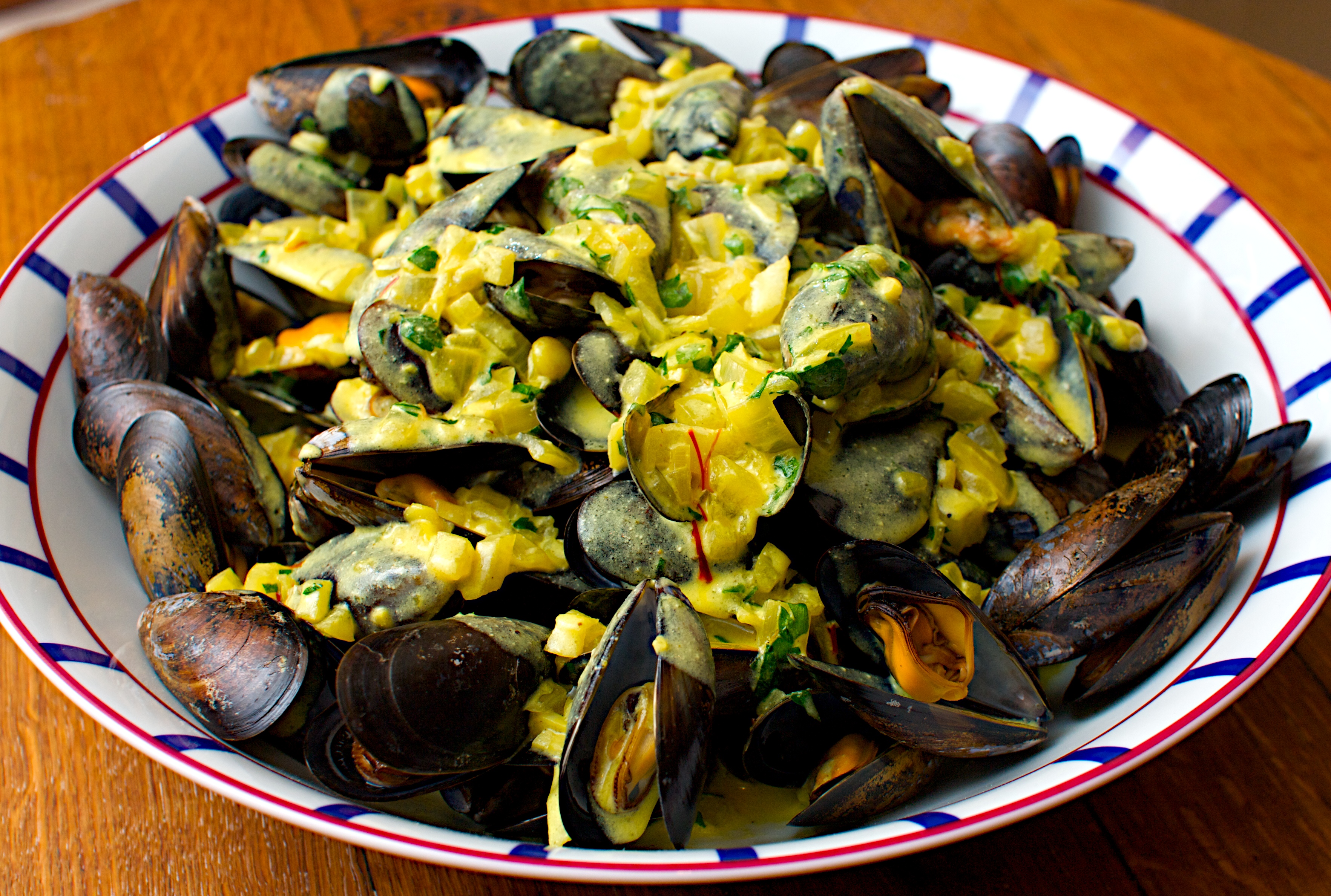
La Mouclade

A traditional French dish of steamed mussels with a light creamy, curry sauce. Serve with lots of crusty bread.

La mouclade – to serve 4

  • A good pinch of saffron threads
  • 1.75kg mussels, cleaned
  • 120ml dry white wine
  • 25g butter
  • 1 small onion, finely chopped
  • 2 garlic cloves, finely chopped
  • ½ tsp medium curry powder (buy a good quality one)
  • 2 tbsp cognac
  • 2 tsp plain flour
  • 200ml crème fraîche
  • 3 tbsp chopped parsley

Moisten the saffron with a tablespoon of warm water in a small bowl.

Put the mussels and wine in a large pot, cover and cook over a high heat for 3-4 minutes, shaking the pan now and then, until the mussels have opened. Drain the mussels in a colander set over a bowl to catch the cooking liquor. Put the mussels in a large serving bowl and keep warm.

Melt the butter in a pan, add the onion, garlic and curry powder and cook gently, without browning, for a few minutes. Add the cognac and cook until almost evaporated, then stir in the flour and cook for another minute. Gradually stir in the saffron liquid and all but the last tablespoon or so of the mussel liquor (so you avoid any grit). Bring the sauce to a simmer and cook for 2-3 minutes. Add the crème fraîche and simmer for another 3 minutes, until reduced a bit. Season, stir in the parsley and pour the sauce over the mussels.

Wine Suggestion: A classic match for this dish is a white Bordeaux where the fresh grassiness of Sauvignon Blanc is complemented by the richness of Semillon and structure from a bit of oak. Almost an exotic combination with the mouclade, but perfect.

(Original recipe from Rick Stein’s French Odyssey, BBC Books, 2005.)
Read Full Post »

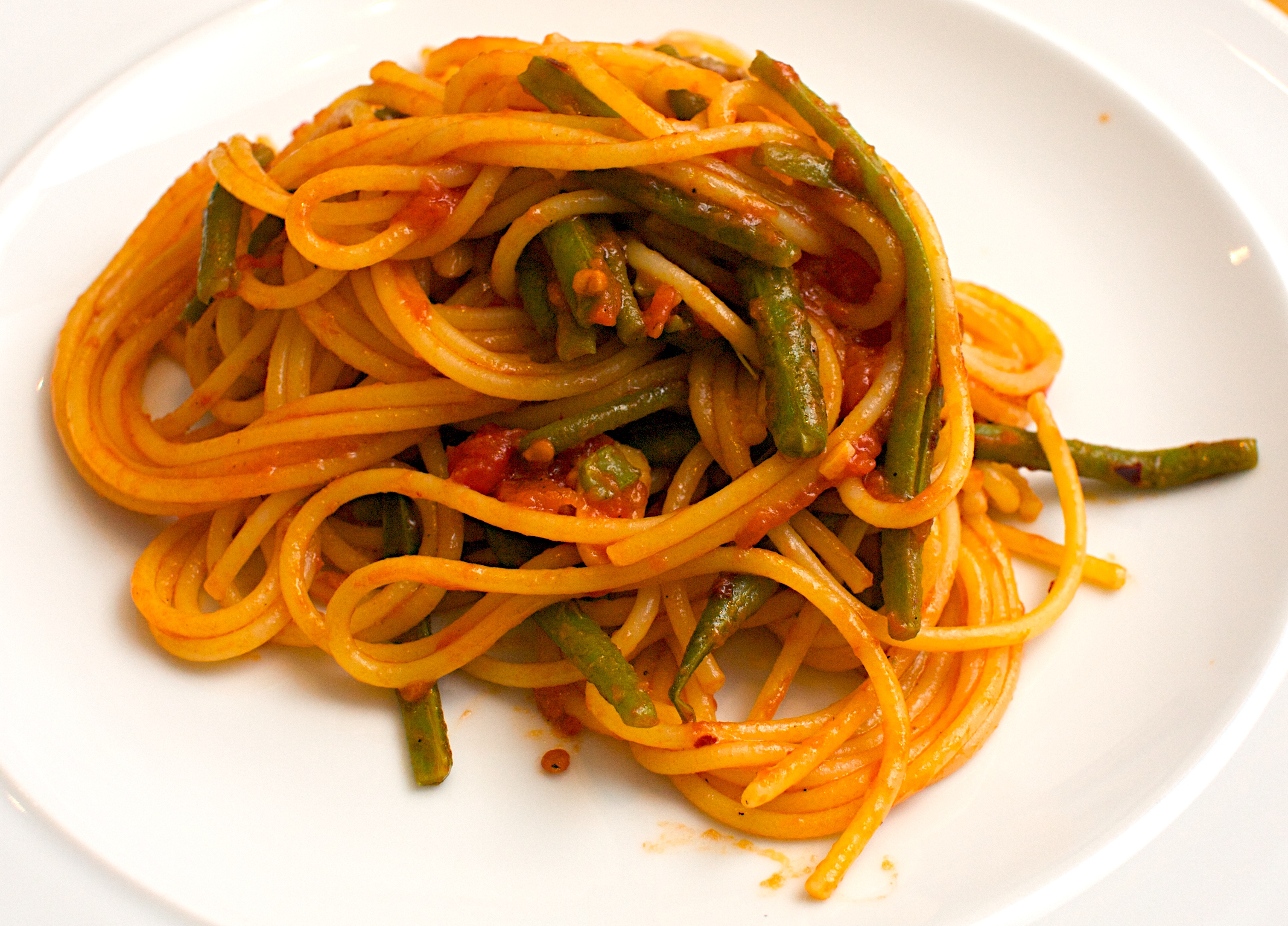
Really simple and delicious. Works best with really fine green beans.

Spaghetti with tomato sauce & green beans – to serve 4

  • 2 garlic cloves
  • 1/2 tsp chilli flakes
  • 50g Parmesan
  • 1 tbsp extra virgin olive oil
  • 400g tin of really good quality tomatoes (Italian brands are usually good)
  • 100g fine green beans
  • 300g spaghetti

Finely slice the garlic and grate the Parmesan.

Heat a thick-bottomed saucepan. Add the olive oil, then the garlic and cook until soft but not brown. Add the tomatoes, season, and add the chilli flakes. Cook over a medium heat for 20 minutes.

Trim the beans, then cook in boiling salted water until very tender. Drain well and add to the tomato sauce.

Cook the spaghetti in boiling salted water until al dente. Drain and stir the pasta into the tomato and green bean sauce. Season and toss with a bit of olive oil.

Serve with the Parmesan.

Wine Suggestion: Nothing too big and heavy required here, try a dry rosé from Bordeaux.

(Original recipe from Rose Gray and Ruth Rogers’ River Cafe: Italian Two Easy, Clarkson Potter, 2006.)

Read Full Post »

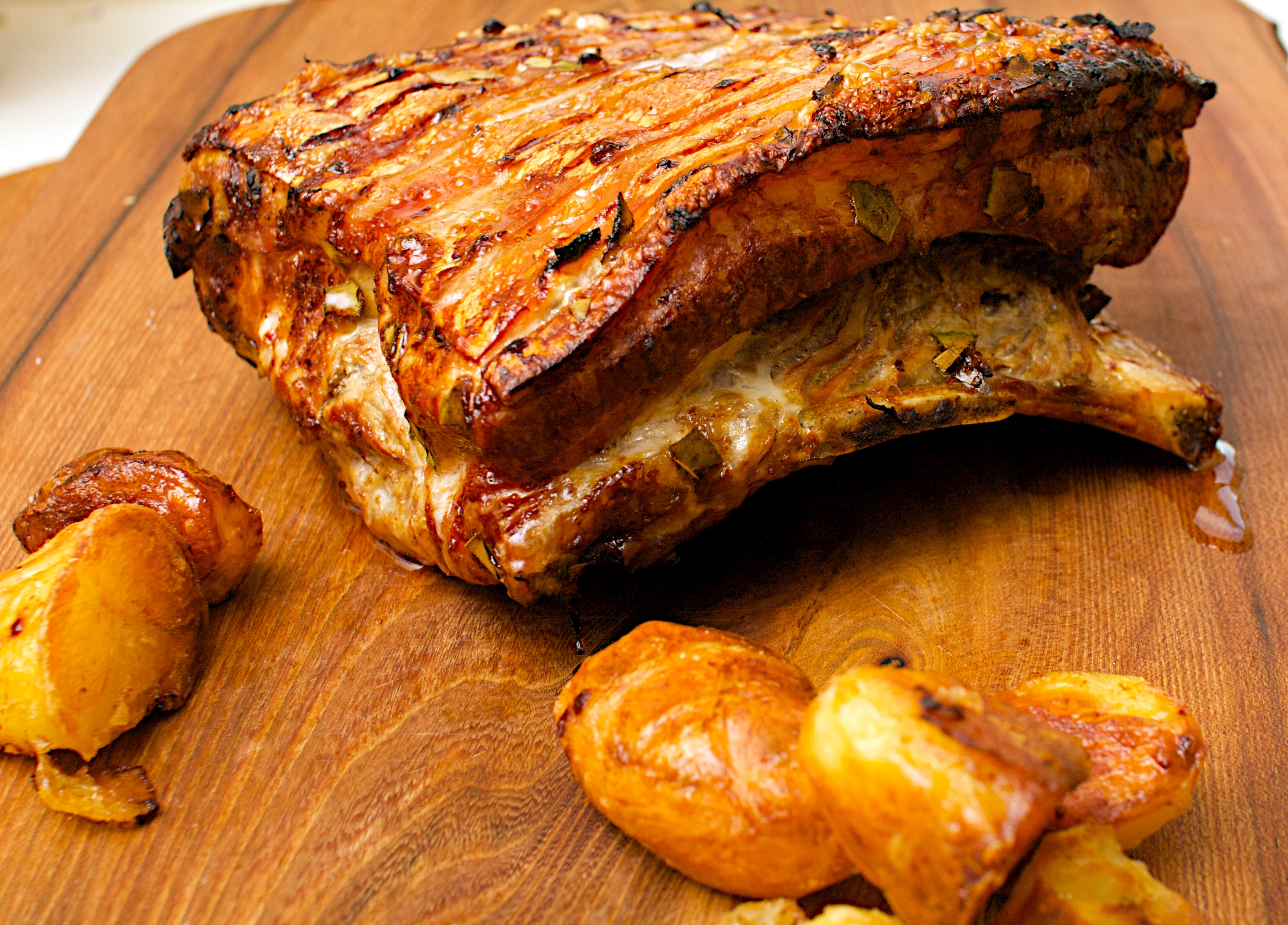
Totally worth the effort and time, this just melted in the mouth. The roast potatoes done under the roasting pork belly worked a real treat and had that heavenly combination of meltingly fluffy and soft centres and a chewy-crunchy crust.

Roast pork – to feed 4-6

  • 1.8kg belly pork, skin on
  • about 8 dried bay leaves
  • 3-4 fat cloves of garlic
  • olive oil
  • 1kg potatoes
  • glass of white wine

Use a very sharp knife to score the skin. You need to go through the fat under the skin but don’t cut into the meat. This will give you delicious strips of crackling.

Crumble the bay leaves into tiny pieces, squash the garlic with the back of a knife, then mash to two together with a pestle and mortar. Add plenty of salt and black pepper. Add enough oil to make a spreadable paste. Place the pork skin side down and massage the paste into it, pushing it into every crevice. Leave the meat in a cool place for an hour or so to soak up the flavours.

Peel the potatoes, cut them into large chunks and drop them into salted boiling water. Cook until they are just tender, then drain and tip into a roasting tin. Shake them about to rough up the edges.

Preheat the oven to 200ºC/Gas 6. You need to cook the pork directly on the bars above the potatoes. Pour a bit of oil on the potatoes to prevent them from sticking, add a wine glass of water and toss, then put the roasting tin on the lower shelf. Put the pork directly on the top shelf, skin side down. Cook for an hour, turning the potatoes once. Check the pork for any pinkness and if necessary cook a little longer (it will probably take an hour and a half in total).

Turn the oven up to 250ºC/Gas 9. Turn the pork skin side up and continue to cook until the skin is puffed up and crispy. Take the meat from the oven and leave to rest. Take the potatoes out when they are really brown and sticky. Remove the potatoes form the roasting tin and pour in a glass of white wine. Bring to the boil on the hob, stirring well to get all the tasty bits from the bottom of the tin.

Cut the meat into thick chunks and serve with the potatoes, gravy and green salad or apple sauce.

Wine Suggestion: Go for a good-quality, full-bodied Chardonnay. We tried the Atarangi Craighall Chardonnay from New Zealand.

(Original recipe from Nigel Slater’s Appetite, Fourth Estate, 2000.)

We had leftovers the next day in a crusty bread roll … yum 🙂

Read Full Post »

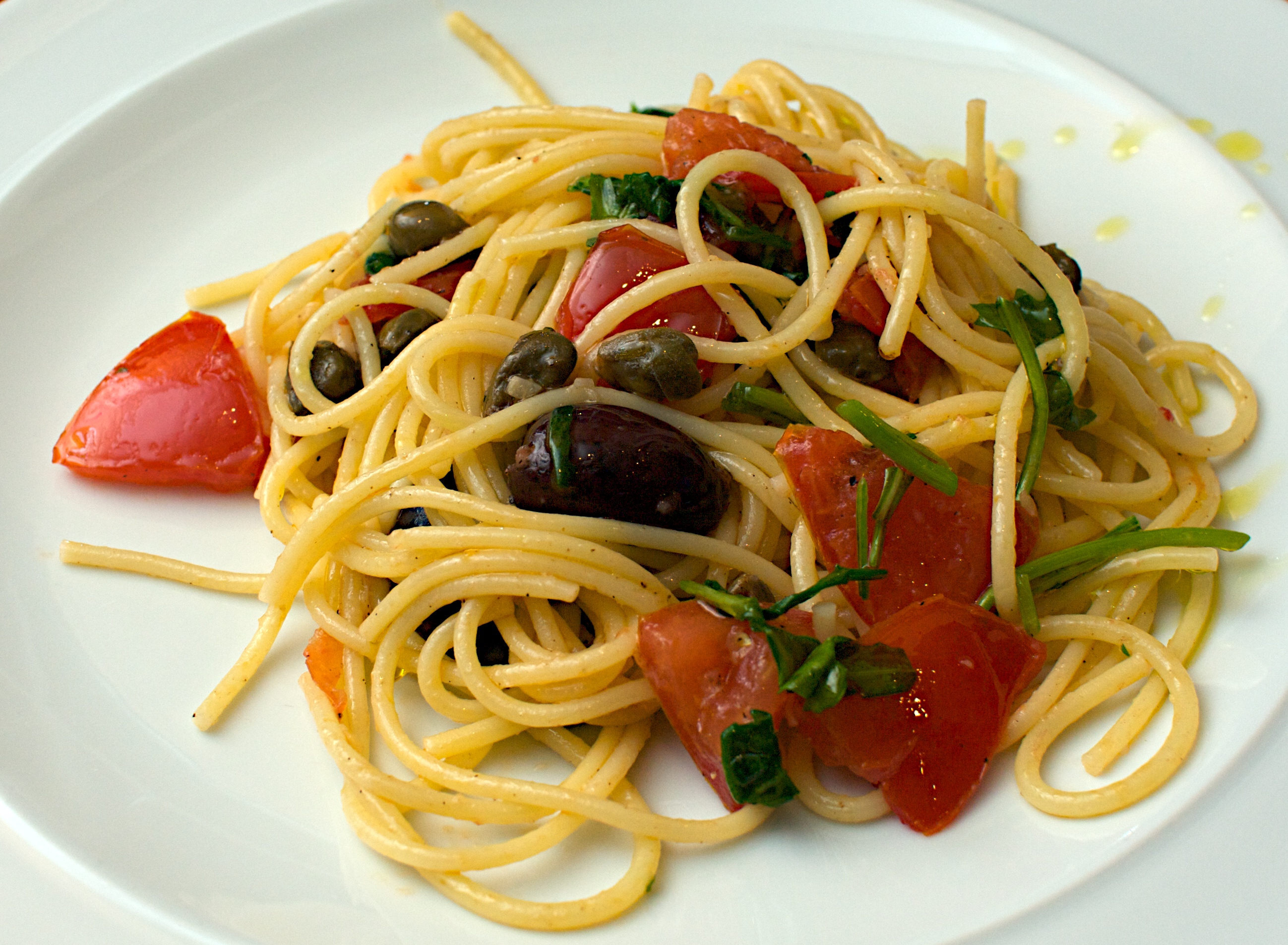
Sometimes the simple recipes are the best.

Spaghetti with raw tomato and rocket – to serve 4

  • 4 plum ripe plum tomatoes
  • 2 garlic cloves
  • 1 dried hot chile
  • 2 tbsp capers
  • 3 tbsp black olives
  • 3 tbsp rocket
  • extra virgin olive oil
  • 300g spaghetti

Cut the tomatoes in half and squeeze out the excess juice and seeds, and chop the flesh coarsely. Crush the garlic with a teaspoon of sea salt with the flat of a knife. Rinse the capers, and pit the olives. Roughly chop the rocket.

Combine the tomatoes with the garlic, the crumbled chile, capers and olives. Season really well, add the olive oil and leave aside for 30 minutes.

Cook the spaghetti in boiling salted water until al dente. Drain, and stir the pasta into the tomatoes. Add the rocket. Toss to coat and season with black pepper.

Serve with some more olive oil.

Wine Suggestion: You want to find a wine as fresh as the ingredients being used, so try a youthful Dolcetto from the Piedmont region in north-west Italy.

(Original recipe from Rose Gray and Ruth Rogers’ Italian Two Easy, Clarkson/Potter, 20o6.)

Read Full Post »

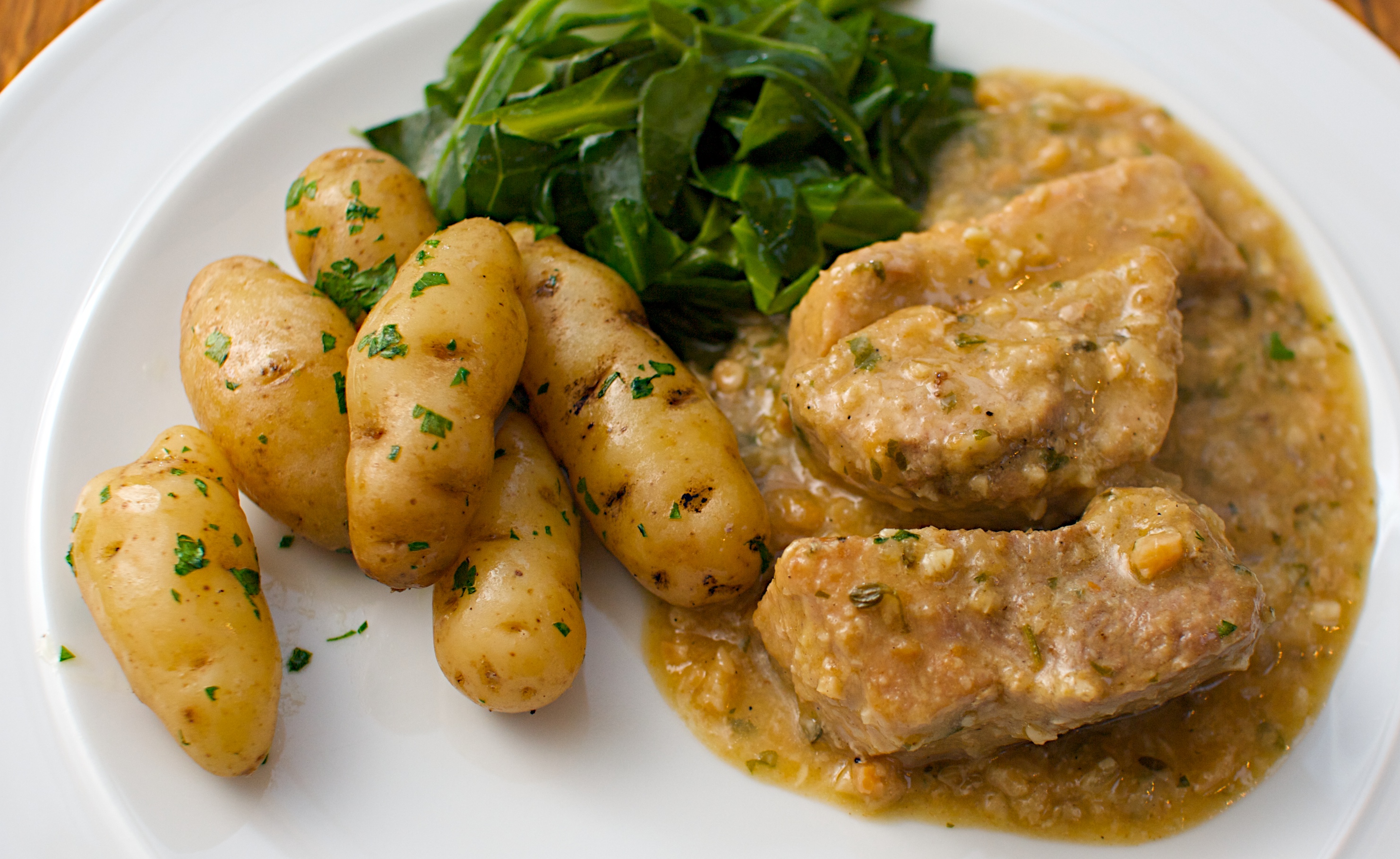
Inspired by the food of Valencia this dish has a bit of wholesome soul-food about it, while maintaining a vibrant taste of Spain with the Pimenton and garlic. The pork becomes tender and just melts with flavour. We served it with tasty new potatoes and some tender-heart cabbage quickly fried with a little butter.

Pork in an Almond Sauce – Carne en salsa de almendras, serves 4

  • 5 tbsp olive oil
  • 8 garlic cloves, 4 chopped and 4 peeled and left whole
  • 15g slice of fresh white bread, crustless
  • 1kg piece of rindless, shoulder of pork
  • plain flour, for dusting
  • 1 large onion, finely chopped
  • 1/2 tsp pimenton dulce / smoked, sweet Spanish paprika
  • 1 large sprig of thyme, leaves picked
  • 2 fresh bay leaves
  • 200ml dry white wine
  • 200ml chicken stock
  • 75g blanched almonds, toasted
  • 1tbsp  flat parsley

Heat 2 tablespoons of the olive oil in a large shallow flame-proof casserole dish. Add the 4 whole garlic cloves and the slice of bread and fry over a medium heat for 2 minutes, turning one, until golden. Lift out and leave to drain and cool.

Cut pork into 2.5cm/1 inch slices and then into 75-100g pieces. You want them to be quite large. Season well then dust them in the flour. Add another 2 tablespoons of olive oil to the pan and add the pieces of pork to seal and only lightly colour. Remove to a plate and set aside.

Add the remaining oil to the pan with the onion, chopped garlic, pimenton dulce, thyme and bay leaves and cook gently for 10 minutes until onions are soft and sweet but not browned. Add the wine and stock and bring to the boil, rubbing the base of the pan to release any bits and pieces.

Return the pork to the pan, lower the heat  and season well. Cover and simmer gently for 1.5 hours or until the meat is meltingly tender.

Spoon about 16 tablespoons of the sauce into a liquidiser or food processor and add the fried bread, fried garlic cloves, almonds and parsley leaves. Blend to a smooth paste (this is called a picada in Spain). Stir the picada back into the pan, taste and adjust for seasoning, cover then cook for a further 5 minutes which will allow the sauce to thicken.

Wine suggestion: You could try an oaked, white Rioja particularly if you can find one with a bit of age, or alternately a dry Amontillado sherry. Both have good texture and a savouriness which works well and touches of nut and saltiness in the palate that will complement the flavours without overwhelming them

(Original recipe from Rick Stein’s Spain, BBC Books, 2011.)

Read Full Post »

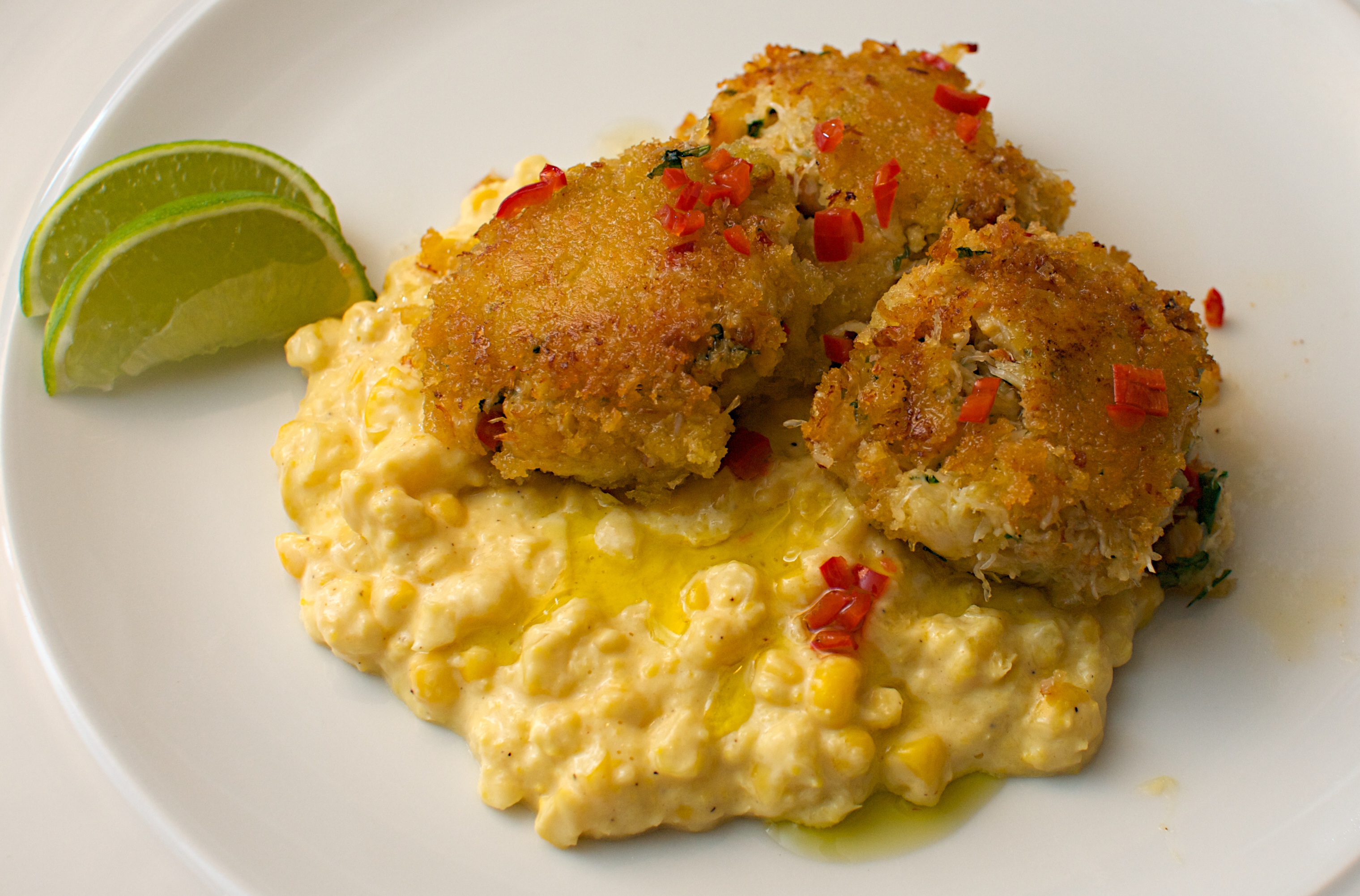
These are unusual little crab cakes with a side dish of sweet, fresh corn purée. It’s corn season at the moment in Ireland so make them while it’s still available.

Crab cakes with corn purée and chilli oil – to serve 4 as a starter (makes 8 little cakes)

  • 250g fresh picked white crab meat
  • 1 red chilli, deseeded and finely diced
  • 1 tbsp finely chopped coriander leaves
  • 100ml top-quality mayonnaise
  • squeeze of lime or lemon juice
  • 50g fresh white breadcrumbs
  • 150g unsalted butter

For the chilli oil:

  • 1 red chilli, deseeded and finely chopped
  • 80ml extra virgin olive oil

For the corn purée:

  • 3 fresh corn cobs
  • 120ml water
  • 40g unsalted butter
  • 2 tsp sugar
  • 50ml crème fraîche
  • 1tsp Tabasco
  • lime wedges (to serve)

Put the crab into a bowl, add the chilli and coriander and mix with a fork. Stir in the mayonnaise. Add a squeeze of lime or lemon juice and season with salt. Make 8 little crab cakes from the mixture and place on a tray. Chill for 30 minutes.

Spread the breadcrumbs evenly on a board and roll the cakes to coat generously. Cover and refrigerate until ready to cook.

Make the chilli oil by putting the chopped chilli in a small bowl, add a good pinch of salt and add the olive oil. Stir and leave to infuse.

For the corn purée, cut the kernels from the cobs. Put the kernals into a saucepan, add the water, butter and sugar, and season generously with salt and pepper. Cover and cook on a gentle heat until the corn is tender, about 20-25 minutes, then drain, but keep the cooking liquor.

Transfer half the corn to a bowl with a slotted spoon. Tip the rest into a blender or food processor and blend until smooth. Pass through a really fine sieve to make sure you have a really smooth purée; it it’s too thick you can add a bit of the reserved cooking liquor to loosen. Stir in the rest of the corn, the crème fraîche, and the Tabasco. Check the seasoning and keep warm.

To cook the crab cakes, heat the butter in a wide non-stick pan over a medium-low heat. When the oil has warmed, gently transfer the crab cakes into the pan and cook for a couple of minutes on each side or until golden and crispy. Remove with a slotted spoon and drain on kitchen paper.

Serve the crab cakes hot with the corn purée. Serve with the chilli oil and lime wedges.

Wine Suggestion: This is a relatively rich dish so needs to be paired with a wine that has a bit of weight to it. Try and find a Chardonnay that is not too heavy on the oak and from a cooler climate, such as a Pouilly-Fuissé, or one from the Macedon Ranges in Australia.

(Original recipe from Skye Gyngell’s My favourite ingredients, Quadrille Publishing Limited, 2008.)

Read Full Post »

This is a great antipasti plate to serve with some cured meats, crusty bread and good olive oil.

Roasted Peppers with Capers – to serve 4 as an antipasti plate

  • 2 red peppers
  • 2 yellow peppers
  • Extra virgin olive oil
  • 3 tbsp Marjoram leaves
  • 6 tbsp salted capers
  • 2 tbsp red wine vinegar

Preheat the oven to 200C.

Brush the peppers with olive oil and roast on a baking tray in the oven for about 30 minutes, turning once. Put the peppers in a bowl, cover with cling film and leave to cool. Peel and remove the seeds when the peppers are cool enough to handle.

Chop the marjoram. Rinse and chop the capers, and mix with the vinegar.

Lay the peppers on a serving dish and season. Sprinkle with the vinegar and capers, scatter over the marjoram, and drizzle with olive oil.

(Original recipe from Rose Gray and Ruth Rogers’ Italian Two Easy, Clarkson Potter, 2006.)

Read Full Post »

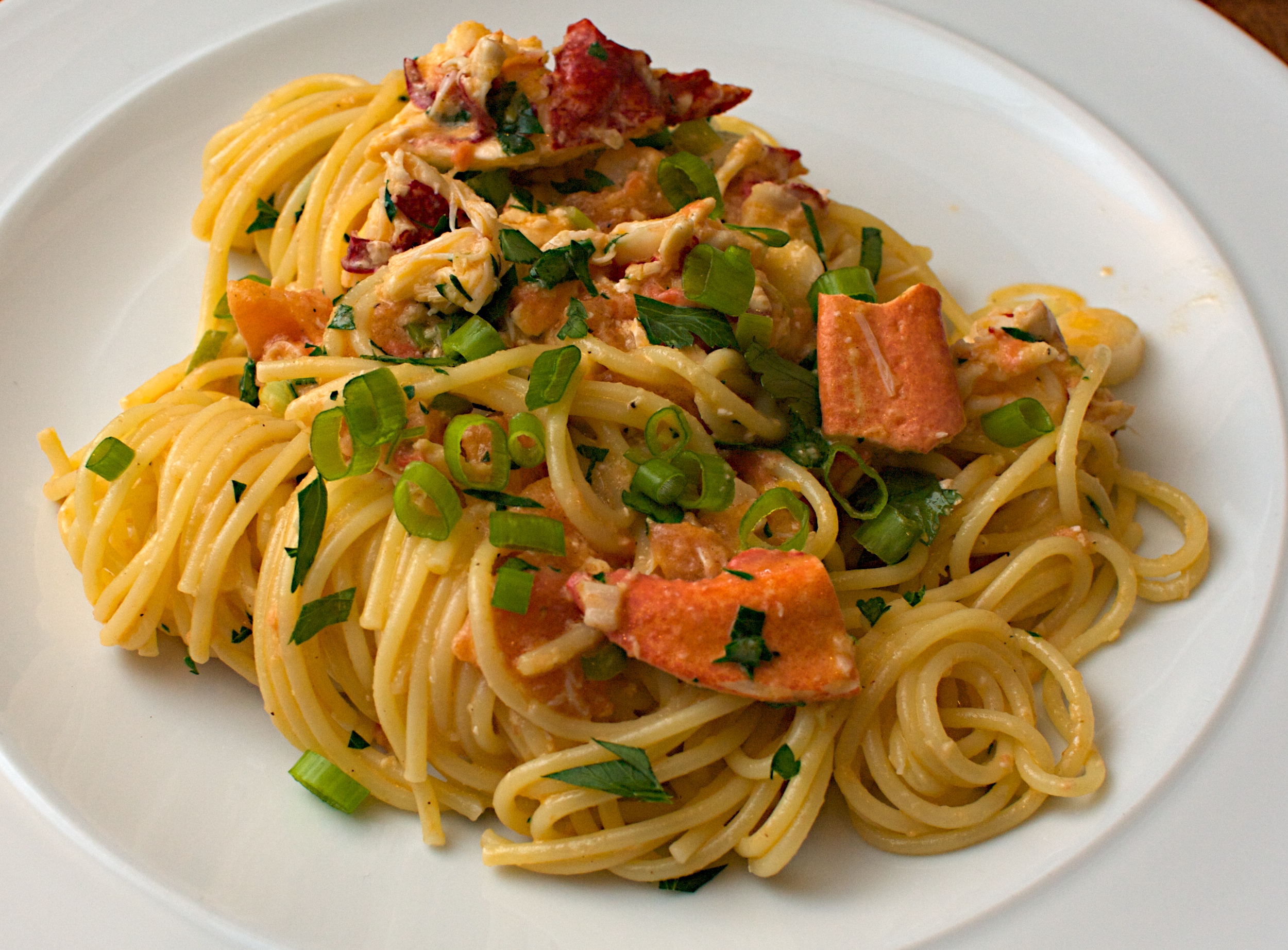
Lobster Spaghetti

Lobsters are really plentiful at the moment which makes the prices really low… woohoo!

Lobster Spaghetti – to serve 2 generously

  • 500g vine-ripened tomatoes
  • 1 cooked lobster
  • 100ml extra virgin olive oil
  • 2 garlic cloves, finely chopped
  • 5cm piece fresh ginger, finely grated
  • 50ml dry white wine
  • 60ml double cream
  • finely grated zest of half a lemon
  • 1 tbsp lemon juice
  • 4 scallions, thinly sliced
  • 2 tbsp finely chopped flat-leaf parsley
  • 250g spaghetti

Cut a small cross in the base of each tomato and put in a bowl. Pour over boiling water to cover and leave for 1 minute, then drain and refresh in cold water. Peel the tomatoes, then scoop out the seeds and roughly chop.

Cut the lobster in half, then scoop out all the meat and cut into bit-sized chunks.

Heat the oil in a frying pan over a medium heat. Add the garlic and cook, stirring for about 30 seconds. Add the ginger and white wine and cook for another few minutes until most the wine has evaporated. Add the tomato, season well and cook, stirring occasionally, until the tomato breaks down into the sauce. Reduce the heat to low, then add the lobster meat, cream, lemon zest and juice, and most of the scallions, stirring to warm through. Take the sauce off the heat, then stir in most of the parsley and season.

Meanwhile, cook the spaghetti until al dente, then drain.

Toss the pasta with the lobster sauce and divide among bowls. Garnish with the rest of the scallions and parsley, then serve.

Wine Suggestion: Go for a rosé but make sure it has a bit of body. A Provencal rosé would be good or if you can find it a Cerasuolo di Vittoria from Sicily.

Read Full Post »