Feeds:
Posts
Comments

Archive for August, 2013

We made this with some leftover chorizo that had been cluttering the fridge for a while. It works really well before dinner with some toasted bread but equally as part of a Tapas selection, or starter with olives etc.  Multiply the quantities depending on how much sausage you have. You can also make individual portions in smaller jars. Leave this in the fridge for at least a week before serving and it will mellow and subtly take on the flavours of the herbs and oil, so make sure the olive oil is decent and herbs are fresh.

Herb-marinated Sausage 

  • 1 cured sausage e.g. chorizo
  • 1 garlic clove
  • 10 juniper berries
  • 2 thyme sprigs
  • 1 bay leaf
  • a small sprig of fresh rosemary
  • 300-600ml olive oil
  • toasted bread, to serve

Slice the sausage and remove the skin. Put the sausage slices in a clean jar with the garlic, juniper berries, thyme, bay leaf and rosemary. Add enough olive oil to cover, close the lid and leave in the fridge for at least a week.

Serve with toasted bread.

(Original recipe from Stéphane Reynaud’s Pork & Sons, Phaidon, 2005.)

Read Full Post »

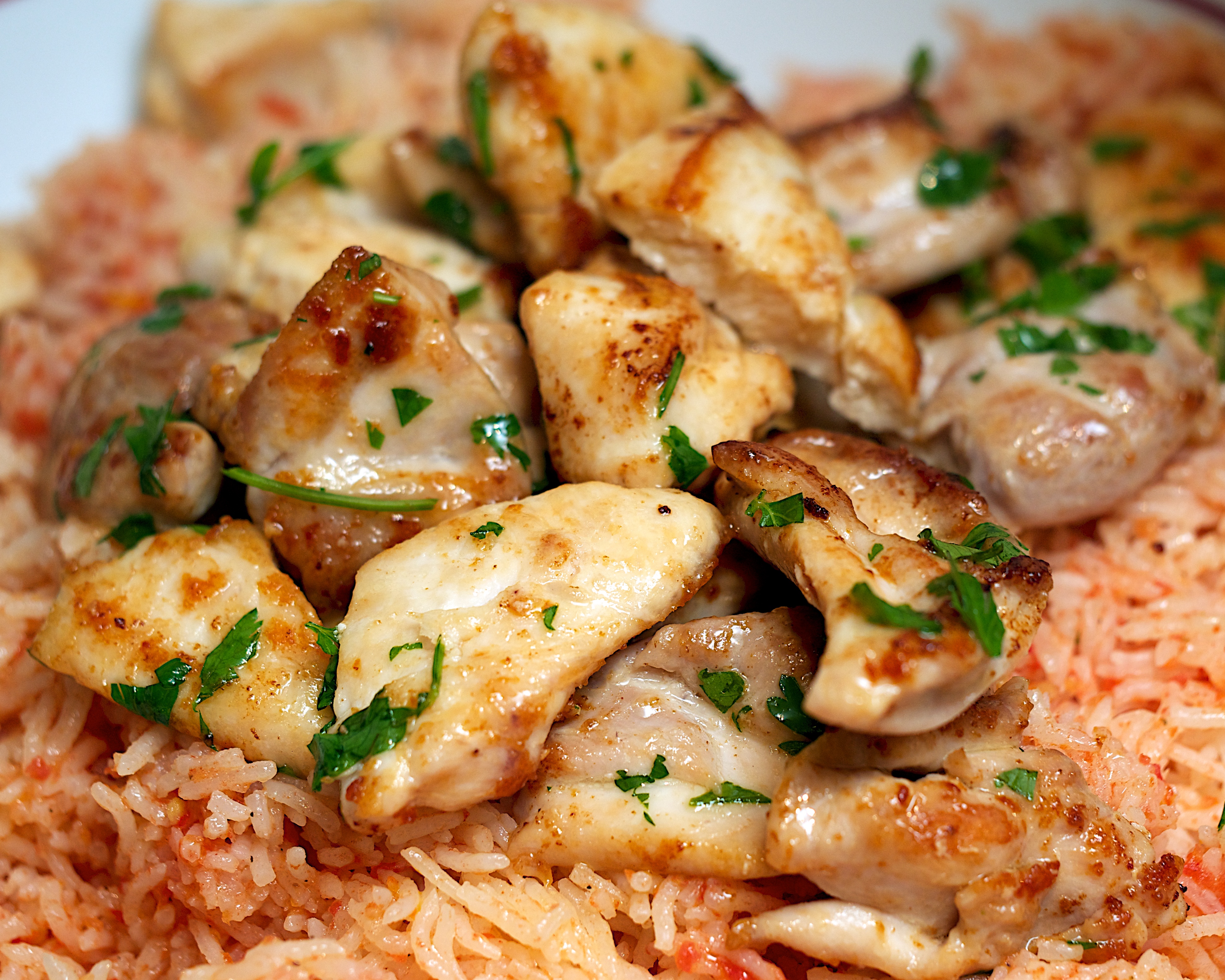
This dish was divine.  The moist chicken pieces perfectly match the pilaf with the whole combination epitomising Turkish cuisine – sitting comfortably on the European / Middle East divide. Try to find the sumac as it gives the dish an authentic sharp lemony tang.

Wine Suggestion: Look for a good quality Albariño or Godello from Spain that has seen a small amount of oak for structure. These will provide a good balance of citrus/zestiness, medium body and tangy minerality to complement the chicken and sumac.

Sautéed Chicken with Tomato Pilfaf – to serve 4

  • 4 chicken fillets, breast or thigh, cut into cubes
  • 1 tbsp sunflower oil
  • 35g butter
  • 2 tbsp chopped parsley
  • lemon quarters or sumac to garnish

FOR THE TOMATO PILAF 

  • 300g basmati rice
  • 500g ripe tomatoes, peeled
  • 1 chicken stock cube
  • 2 tsp sugar
  • 75g butter, cut into small cubes

Make the pilaf first. Pour cold water over the rice and leave to soak in a bowl for a few minutes, then strain and rinse under cold water.

Quarter the tomatoes, remove the core, then liquefy in a food processor. Add enough water to the tomato juice to make it up to 650ml. Pour into a pan, add the crumbled stock cube, the sugar and some salt and pepper and bring to the boil.

Add the rice and stir well. Simmer, covered, over a low heat, for 18-20 minutes or until the rice is tender and the liquid has been absorbed. Don’t be tempted to stir it during this time but you can add a bit more water if it looks dry. Fold in the butter. Taste and adjust the seasoning.

While the rice is cooking, heat the oil and butter in a frying pan and sauté the chicken for 6-8 minutes or until lightly browned, turning once. Sprinkle the chicken with the parsley and serve with lemon quarters or sprinkle with sumac, along with the rice.

(Original recipe from Claudia Roden’s Arabesque, Penguin 2005.)

Read Full Post »

This is such a clever idea, especially if you don’t have one of those fancy things for cooking fish on the barbecue. The fish doesn’t stick to the grill but you still get all the smoky barbecue flavours plus a  delicious spike of citrus. The idea has us thinking of other combinations and we loved the caramelisation that happened to the oranges which gives the dish an extra dimension.

Wine Suggestion: This cries out for a Spanish white, like Albarino or Godello, where the best examples balance a depth of texture with a lightness of being. We drank a Dominio de Tares Godello from Bierzo which was amazing on its own and then with the fish. Perfectly matched.

Barbecue Sea Bass & Citrus Salad – serves 4

  • 2-3 large oranges
  • zest of 1 lemon (keep the juice for the salad)
  • 1 tbsp olive oil
  • 4 x 300g whole sea bass, scaled, gutted and slashed down each side (or 8 fillets)

FOR THE SALAD: 

  • 2 oranges, segmented
  • juice of 1 lemon
  • 4 tbsp olive oil
  • 2 bags watercress
  • handful small capers
  • handful pitted green olives, roughly chopped

Finely grate the zest of the 1 of the oranges and add to the lemon zest. Mix with the olive oil, then drizzle over the fish and season.

Cut the rest of the oranges into slices, about ½ cm thick. Arrange the orange slices over the barbecue grill, close together so you can lay the fish on top. Barbecue the fish for 5-8 minutes on each side, or until the flesh flakes easily.

To make the salad: Put the orange segments into a large bowl, with the squeezed juice from the rest of the oranges and the lemon juice. Season and stir in the olive oil. Toss the watercress in the orange dressing with the capers and the olives.

Serve the fish with the salad.

(Original recipe from BBC Good Food)

Read Full Post »

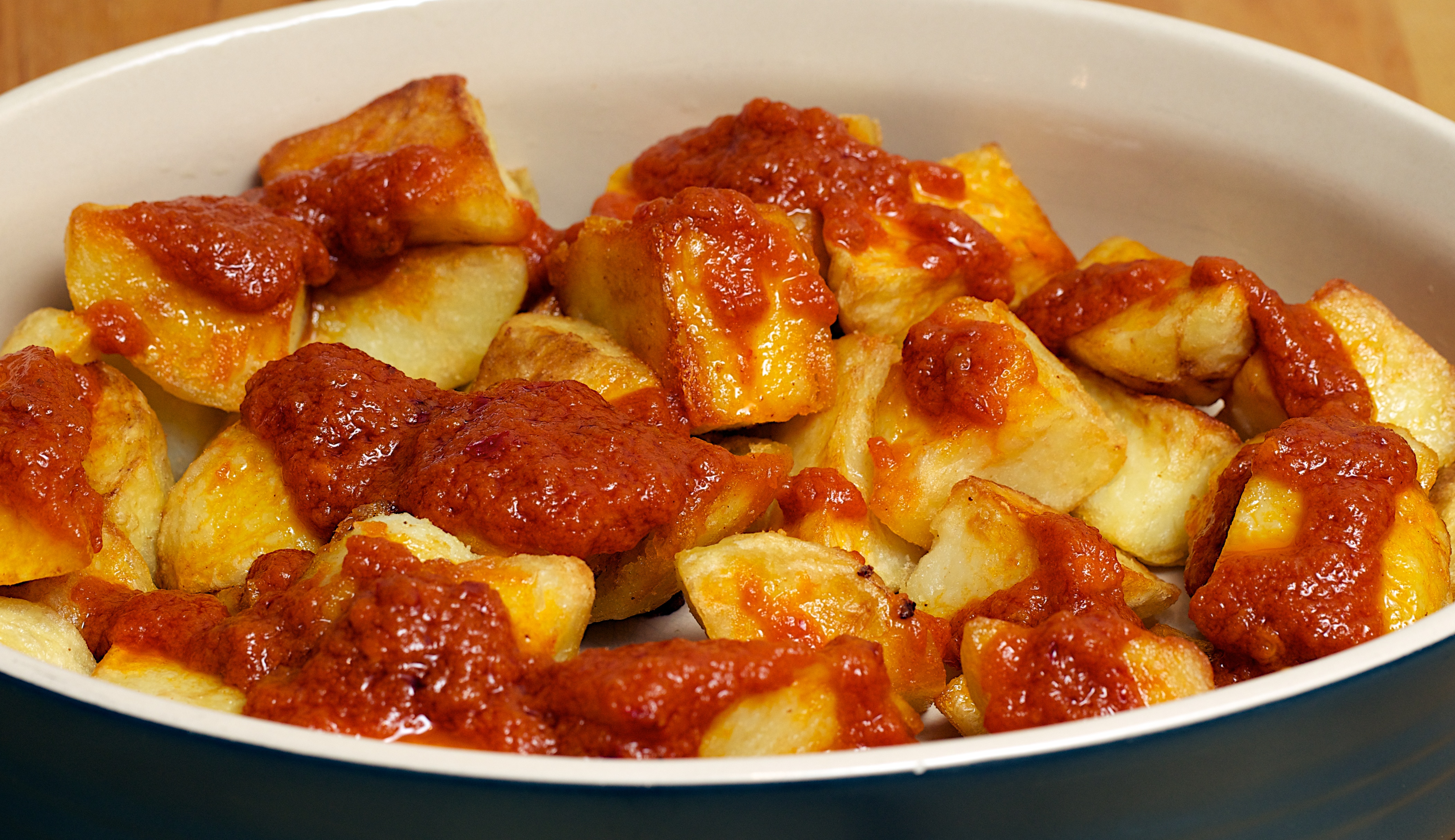
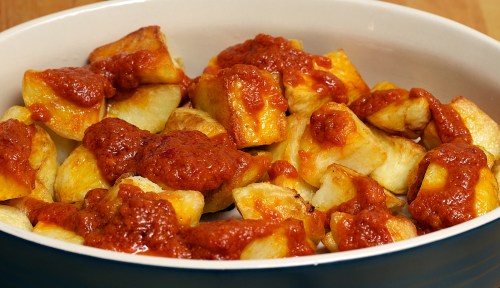
Patatas Bravas

Never have potatoes been so sublime; there was a fight for every single morsel. Part of the trick is to get the right potato and we used the classic Irish Rooster to great effect. You will have too much tomato sauce which you can put in the fridge or freezer to make patatas bravas again another night; we did just that and ate Patatas Bravas three times during the week!

Wine Suggestion: This dish is perfect for a nutty Amontillado sherry and make sure it is dry as the commercial “medium” sherries just won’t do! A classic Tapas & Sherry match which we wholeheartedly endorse. Yum!

Patatas Bravas – serves 8-10 as a tapas

  • 1.5kg peeled floury potatoes
  • 180ml olive oil, for shallow frying
  • salt

FOR THE SALSA BRAVA: 

  • 3 tbsp olive oil
  • 1 tsp smoked hot Spanish paprika (pimentón picante), plus a bit extra
  • ½ tsp crushed dried chilli flakes
  • ½ tsp Tabasco sauce
  • 1 tbsp red wine vinegar
  • 125ml tomato sauce (see below)

TOMATO SAUCE: 

  • 125ml olive oil
  • 225g onions, finely chopped
  • 2 garlic cloves, crushed
  • 400g can of chopped tomatoes
  • 150ml water
  • 3 fresh bay leaves
  • ¾ tsp salt
  • ¾ tsp sugar

First make the tomato sauce:

Heat the olive oil in a wide shallow pan over a medium heat. Add the onions and garlic and sauté for 15 minutes until soft and very lightly coloured.

Add the tomatoes, water and bay leaves, salt and sugar, then bring to the boil, lower the heat and simmer very gently, uncovered, for 45 minutes to 1 hour. Stir occasionally – you are aiming for almost a purée consistency.

Leave to cool a bit then remove the bay leaves and blend in a food processor until smooth.

Next make the salsa brava:

Heat the olive oil over a low heat, then add the pimentón, chilli flakes, Tabasco and vinegar and mix together well. Stir in the tomato sauce and adjust the seasoning to taste. Thin with up to 3 tbsp of water if the salsa is too thick.

Now fry the potatoes:

Cut the potatoes into small even-sized chunks and cook in a large pan of well-salted water for 6-7 minutes or until just tender, then drain well.

Heat the olive oil in two large non-stick frying pans, divide the potatoes between them and shallow-fry in a single layer for 10-12 minutes, turning regularly, until crisp and golden.

Spoon the potatoes onto warmed plates, drizzle over the sauce, sprinkle with the pimentón and serve with cocktail sticks and napkins.

(Original recipe from Rick Stein’s Spain, BBC Books, 2011.)

Read Full Post »

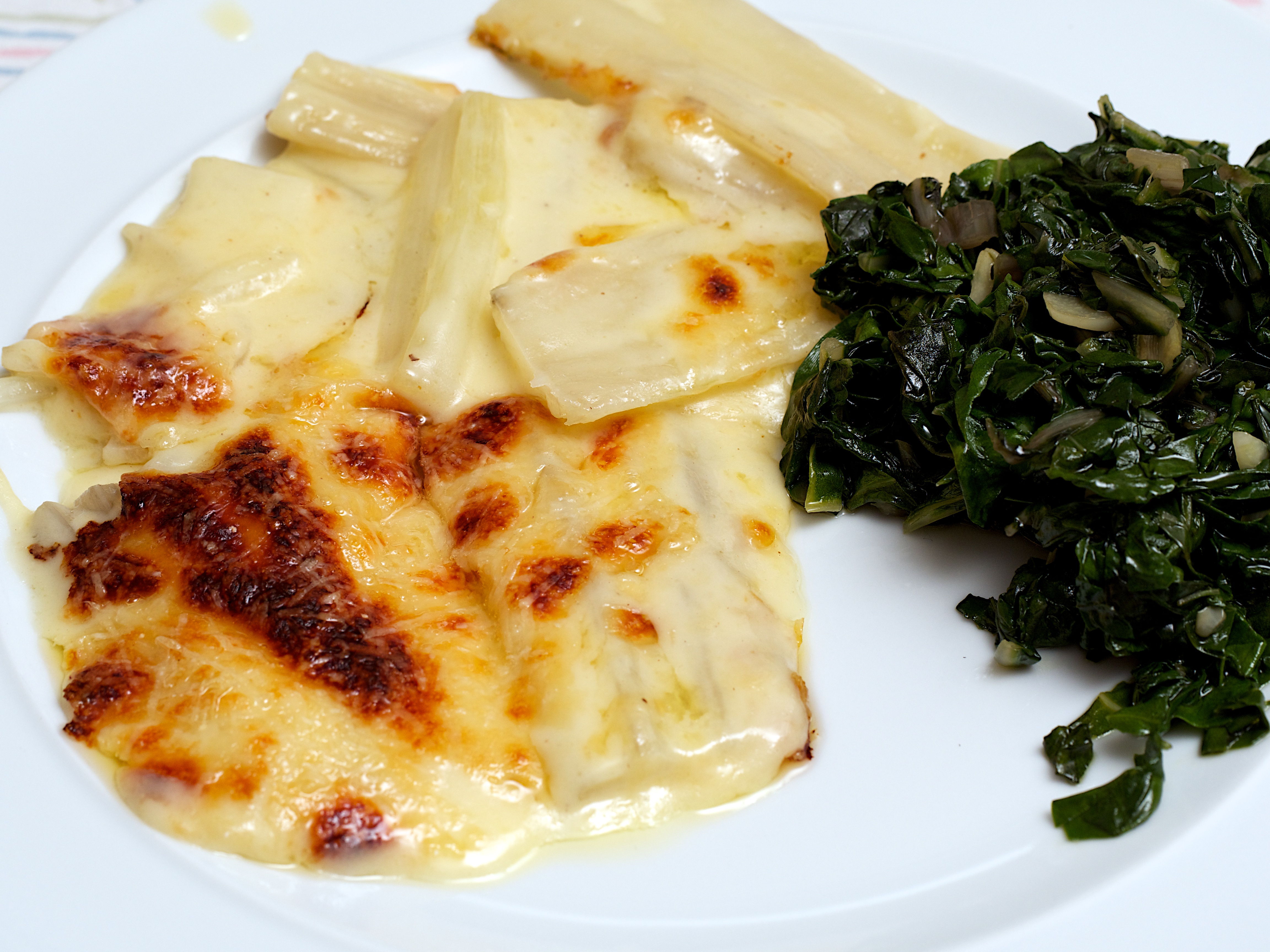
Who would have thought that something so delicious could be made from chard? The stalky bits, that you might have been tempted to throw away, are the stars of the show!

Chard leaves with wild garlic & olive oil – to serve 2

  • leaves cut from a 500g bunch of chard (save the stalks for the recipe below)
  • 150g wild garlic, remove any thick stalks (if it’s not wild garlic time you can substitute a clove of garlic instead)
  • 2 tbsp olive oil
  • salt and pepper

Slice the chard and wild garlic into wide ribbons. Heat the olive oil in a large frying pan and add the leaves and seasoning. Gently fry until beginning to wilt and then stew for 15-20 minutes or until tender. Serve hot.

Chard gratin – to serve 2 

  • 30g butter
  • 20g plain flour
  • 225ml milk
  • 30g Gruyère cheese, grated
  • 40g Parmesan, grated
  • salt, freshly ground white pepper and nutmeg
  • chard stalks from a 500g bunch

Preheat the oven to 200ºC/Gas 6.

Make a mornay sauce by melting the butter in a saucepan and stirring in the flour. Cook gently for a few minutes, then pour in the milk and whisk. Put the pan over a low heat and stir continuously until the sauce starts to thicken (don’t worry if goes lumpy just keep stirring and the lumps will eventually dissolve).

Add the Gruyère, 25g of the Parmesan and the seasonings. Simmer very gently, stirring now and then, for about 15-20 minutes.

Meanwhile, peel the chard stalks with a veg peeler and cut into 8-10cm lengths. Steam or boil for about 20 minutes, or until tender, then remove and lay on a clean tea towel to dry.

Lightly butter a gratin dish and lay the chard stalks in it. Pour over the sauce and sprinkle with the rest of the Parmesan. Bake for about 20 minutes , or until golden and bubbling.

Serve with the chard leaves.

(Original recipe from Simon Hopkinson’s The Vegetarian Option, Quadrille, 2009.)

Read Full Post »

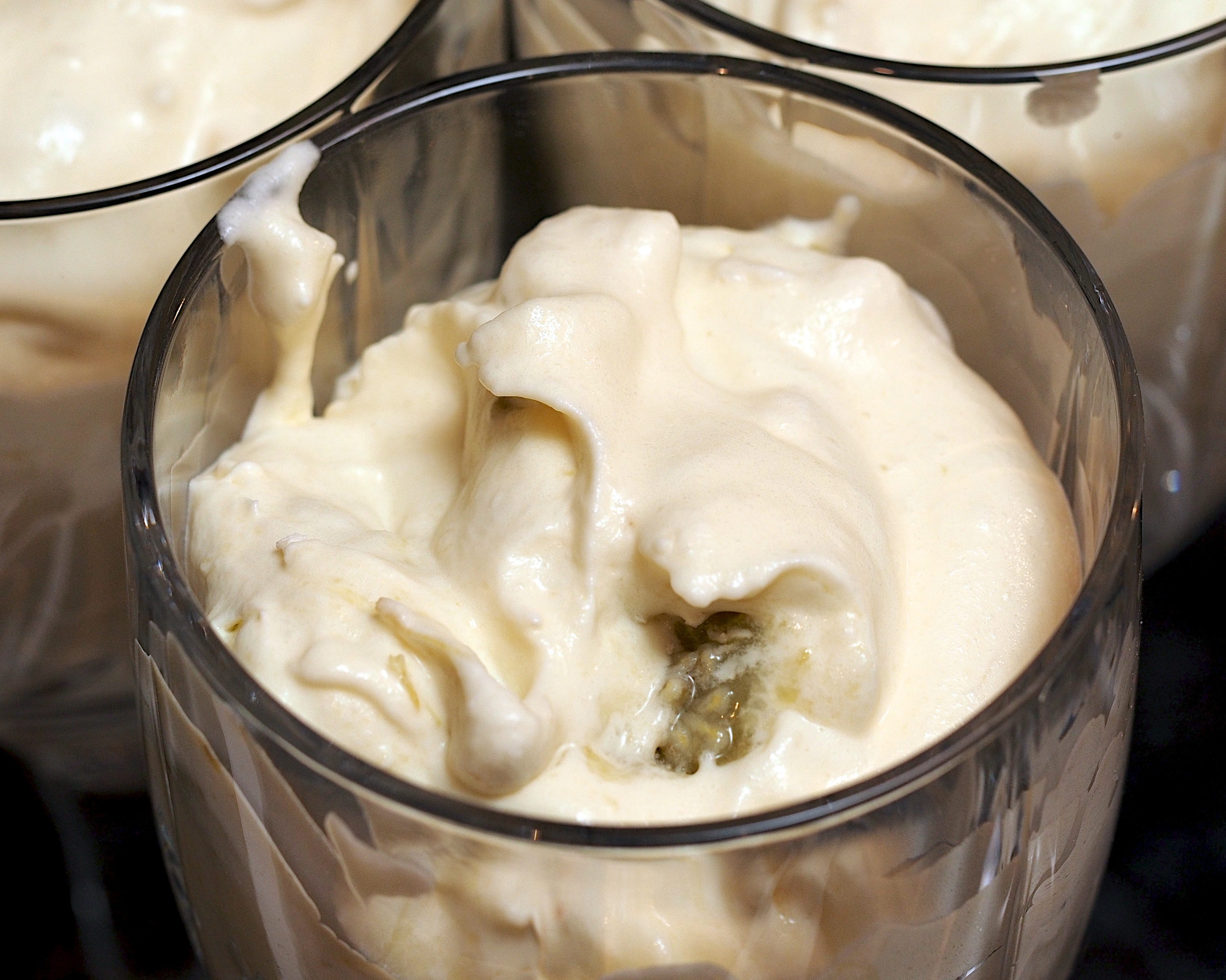
For the past few weeks we have been walking past a basket of perfect looking gooseberries at our grocer and saying we need to make something with these. A version of the classic Eton Mess the tart gooseberries balance the sweetness to make this light and sunny, just like the weather.

Gooseberry & Elderflower Mess – serves 6

  • 300g gooseberries, tops pinched off
  • 50g golden caster sugar, plus 2 tbsp
  • 2 tbsp elderflower cordial
  • 600ml whipping cream
  • about 100g of meringue nests, roughly crumbled

Put the gooseberries, 2 tbsp water, and 25g of sugar in a small saucepan. Cook gently until the gooseberries start to soften and break down. Taste and add as much of the remaining 25g as you need, then cool.

Put the 2tbsp sugar, the cordial and the cream into a large bowl and whisk until soft peaks form, then cover and chill.

Just before serving, roughly mix the gooseberry mixture, the cream and the meringues together and spoon into serving glasses or bowls.

(Original recipe from BBC Good Food)

Read Full Post »

This salad is a twist on the classic  tomatoes with basil. The creamy dressing works surprisingly well and gives the salad a cool and luxurious feel.

Tomato Salad with a Basil Cream Dressing – serves 2

  • 1½ tbsp white wine vinegar
  • 2 tbsp warm water
  • 75ml whipping cream
  • 50ml extra virgin olive oil, plus some extra
  • pinch of sugar
  • 7-8 basil leaves, torn or chopped
  • 4 ripe, medium tomatoes, cored and sliced

In a mixing bowl, whisk the wine vinegar, water and some salt and pepper.

Whisk in the cream, olive oil and sugar ,then stir in the basil.

Arrange the tomatoes on a large plate, very lightly season and spoon over the dressing. Serve with an extra drizzle of olive oil.

(Original recipe from Simon Hopkinson’s The Vegetarian Option, Quadrille 2009.)

Read Full Post »