Feeds:
Posts
Comments

Archive for the ‘Pork’ Category

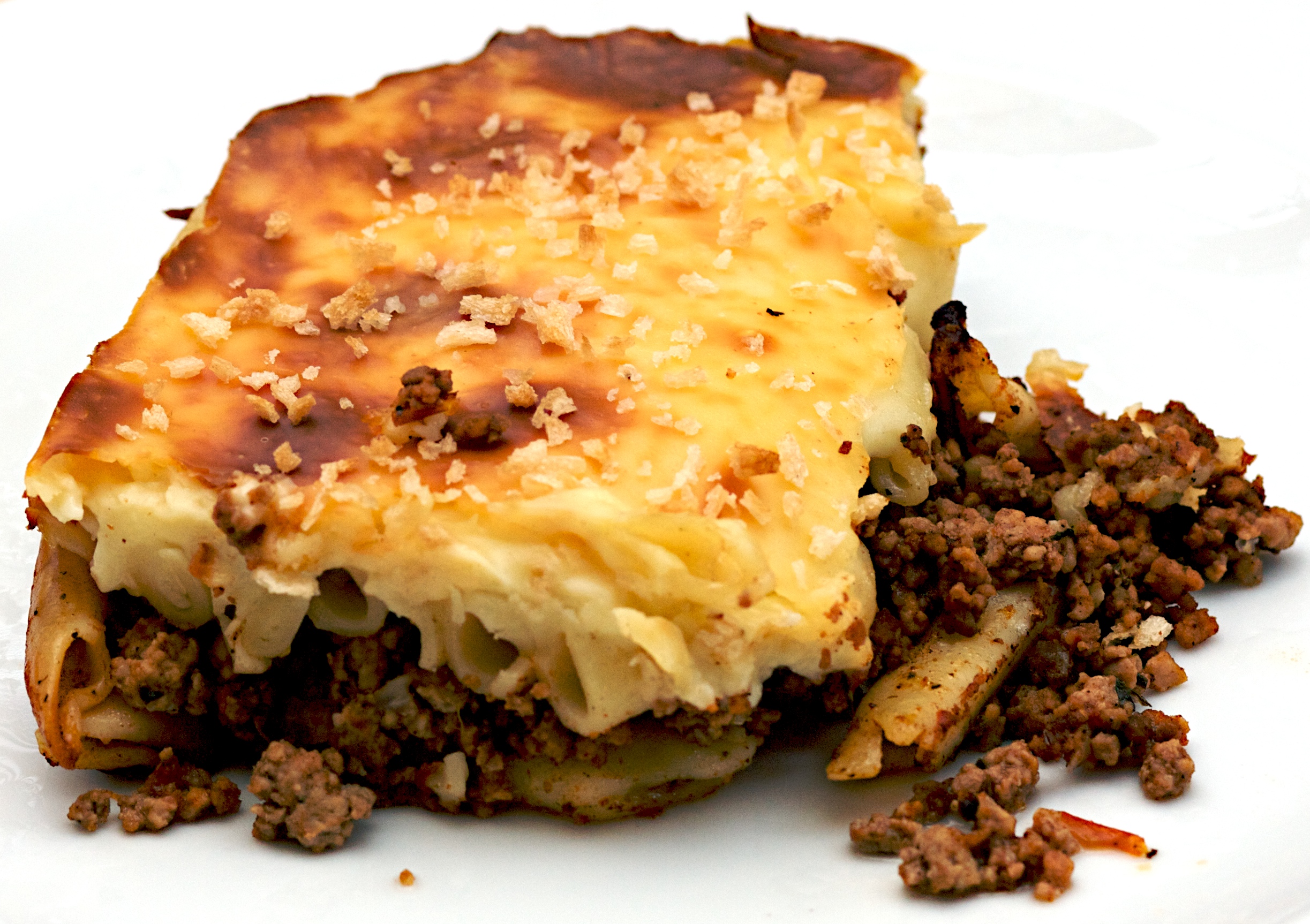
Cypriot PastitsioThe warmth of the cinnamon and the dried mint turns this pasta bake into something distinctively Cypriot rather than Italian. Serve it with a big Greek salad on the side for a stress-free dinner party. The Pastitsio takes a while to make but you can have all assembled in advance, ready to stick in the oven when your guests arrive. It is also best served warm, or even at room temperature, so you don’t need to worry if you get behind making your salad!

Tessa recommends a dish of dimensions very similar (and no bigger) than this: 35cm long, 24cm wide and 6cm deep. We used a big roasting tin.

Pastitsio – to serve 10

  • 4 tbsp olive oil
  • 1 large onion, chopped
  • 2 tbsp chopped parsley
  • 2 garlic cloves, chopped
  • 850g minced pork and beef
  • 1 bay leaf
  • 1 tsp ground cinnamon
  • 125 ml white wine
  • 400g tinned tomatoes, chopped
  • 450g short pasta (we used penne)
  • about 30g butter
  • 1/2 tsp dried mint
  • 1 tbsp breadcrumbs
Bechamel sauce
  • 120g butter
  • 125g plain flour
  • 1 litre warm milk
  • a little freshly grated nutmeg
Heat the oil in a large non-stick saucepan and fry the onion until soft and golden. Add the parsley and garlic and cook for a few second before adding the meat. Fry for a few minutes until all the moisture has gone and the mince is starting to brown. Season and add the bay leaf and cinnamon. When it starts to fry and brown, add the wine and cook until evaporated. Add the tomatoes and a cup of water and cook over a medium to low heat for 10-15 minutes. The meat shouldn’t be too dry. Take off the heat.

Preheat the oven to 180°C (350°F/Gas 4). Cook the pasta in boiling salted water for 2 minutes less than what it says on the packet. Drain and put in a bowl. Mix in the butter and crumble in the dried mint. Stir well and spoon half over the base of a large ovenproof dish. Pour the meat mixture over the top to evenly cover the pasta, then add the rest of the pasta over the top. Press down with a wooden spoon to make it quite compact. Set aside while you make the béchamel sauce.

Melt the butter in a saucepan. Stir in the flour and cook for a few minutes, stirring all the time, then start adding the warm milk. Work quickly, stirring while adding ladlefuls of milk as each one is absorbed. When the sauce is smooth and not too stiff, add salt, pepper and a grating of nutmeg. Keep cooking even after it comes to the boil, for about 5 minutes, stirring all the time. You should have a very thick and smooth sauce. Pour this over the pasta and meat in the dish. Sprinkle the breadcrumbs over the top and bake for 30-40 minutes until the top is golden. Let it cool for a bit before you serve or it will run everywhere.

(Original recipe from Falling Cloudberries by Tessa Kiros, published by Murdoch Books, 2004.)

Read Full Post »

We know we have done this before but this is a really simple mid-week version and not at all stressful to cook. If you’re not keen on butter beans you could use haricot or borlotti instead. We love butter beans!

Sausage tomato and butter bean bake – to serve 3-4

  • 6-8 large pork sausages, plain or flavoured
  • 1 large onion, finely chopped
  • 1 tbsp chopped fresh sage
  • 400g can chopped tomatoes
  • 2 x 400g cans butter beans, rinsed and drained
  • 4 tbsp extra-virgin olive oil
Heat the oven to 180C/160C fan/gas 4. Heat 1 tbsp of the oil in a large, heavy frying pan. Add the sausages and cook gently for a minute or two or until just sealed and lightly browned on both sides. Transfer to a plate.

Wipe out the frying pan and add the rest of the oil. Tip in the onion and sage and sauté very gently for around 10 minutes until the onion is very soft but not coloured. Add the tomatoes, bring to a simmer, then cook for about 5 minutes, stirring now and then, until the sauce has reduced a bit and thickened. Season to taste.

Put the tomato mixture into an ovenproof dish, stir in the beans, then arrange the sausages on top, burying them in the mixture. Roast for 15-20 minutes until the sauce bubbles and the sausages are cooked.

[Original recipe by Ainsley Harriott for BBC Good Food, August 2009]

Wine suggestion: Try a lighter red with a bit of acidity as the tomatoes will be acidic and it’s all about balance. Try something with Sangiovese or  a Cabernet Franc from the Loire.

Read Full Post »

We have a tonne of recipe books, some we use all the time and some we use very seldom. For this reason we try to go to the shelves and deliberately choose something we haven’t cooked from for ages, or indeed never. This is how we ended up cooking this gammon dish, as Nigella Express has been neglected since well before Jono and Jules even met. Since 2007 to be precise when Jules cooked some cocktail sausages in honey, soy sauce and sesame oil and wrote “28.10.2007 Too sweet!!” beside the recipe. The comment beside this recipe is, “5.8.11 Really good!! Serve with new spuds + peas w/ Parmesan + cream” – which is much more positive and so we thought we would share it.

Nigella’s Gammon Steaks with Parsley – Serves 2

  • 2 tsp oil (Nigella suggests garlic oil but we didn’t have any and it didn’t seem to matter much)
  • 2 gammon steaks, around 200g each
  • 2 tbsp white wine vinegar
  • 4 tbsp water
  • lots of freshly ground pepper
  • 2 tsp honey
  • 4 tbsp parsley, roughly chopped

Heat the oil in a large, heavy-based frying pan and cook the gammon steaks for about 3 minutes on each side. Remove and keep warm.

Take the pan off the heat. Whisk the vinegar with the water, pepper and honey and throw into the hot pan along with most of the parsley. Stir to mix and make sure you scrape all the sticky bits of the bottom of the pan, then pour over the gammon steaks.

Sprinkle over the remaining parsley and serve.

P.S. Nigella suggest serving this with some frozen peas blended with a little Parmesan, pepper and Mascarpone. We blended ours with some Parmesan, pepper and double cream as that’s what we had.

(Original recipe from Nigella Lawson’s Nigella Express, published by Chatto and Windus.)

Wine Suggestion: Pick a lightly oaked and well balanced Chardonnay – you should get a wine with freshness and minerality as well as lovely ripe fruits and a good structure to hold it all together. If the wine is well made it won’t be too forceful rather it will have a structure to support and compliment the food. We drank the William Cole Columbine Reserve Chardonnay from Chile which went down a treat; really great value at €13.50 in Mitchells.

Read Full Post »

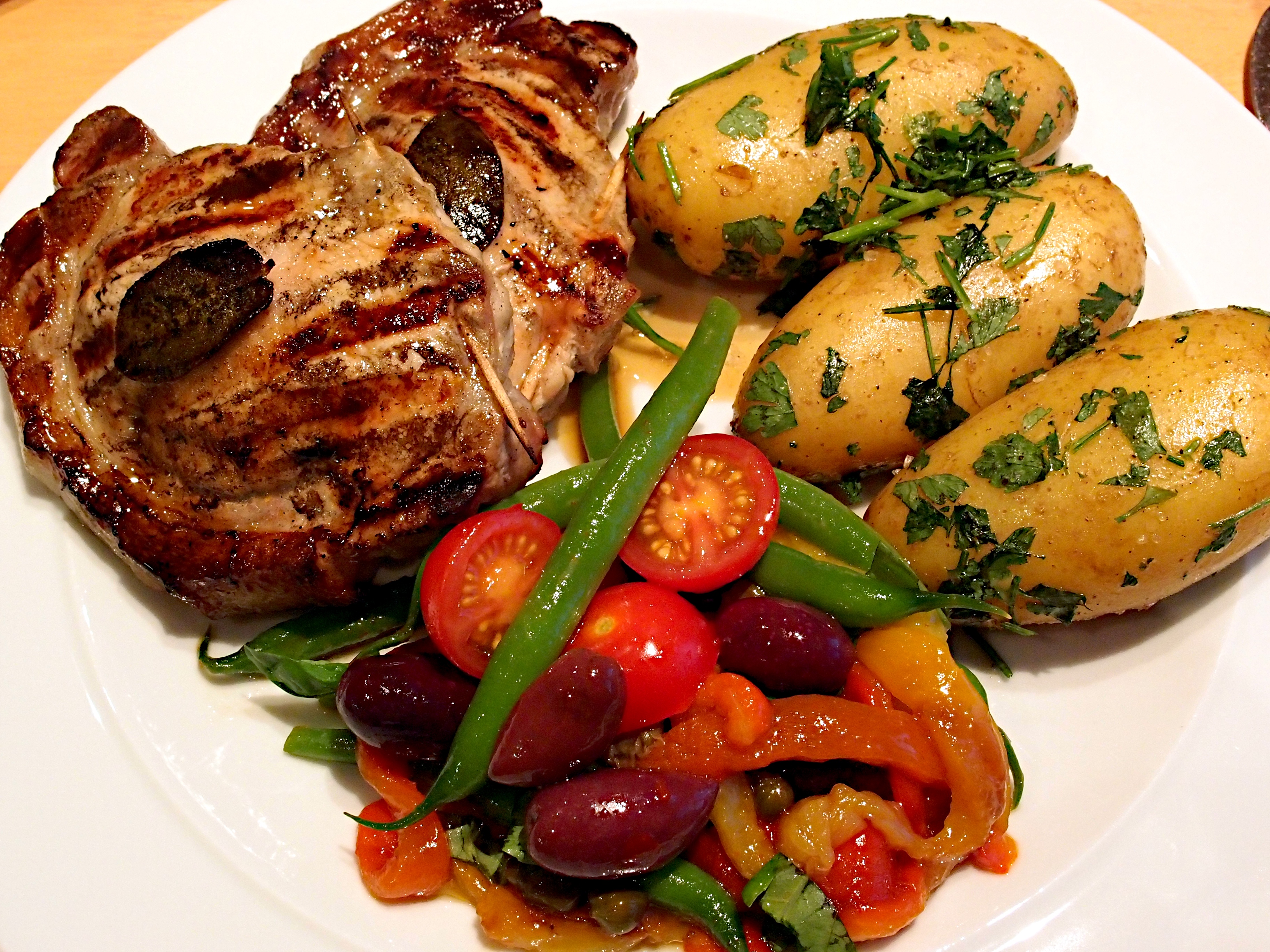
Something a little different for the barbecue (and if it rains it can be cooked in the oven). The bean and olive salad is also delicious. We like this because it can serve up to eight people  but can also be easily adapted for two (or as many as you like). You can also assemble the pork up to a day in advance and keep it in the fridge.  A few new spuds on the side are the perfect accompaniment.

Stuffed pork medallions – to serve 8 (we successfully quartered to serve 2)

  • 16 boneless pork loin steaks
  • large bunch sage, leaves picked (about 32 leaves)
  • 125g ball mozzarella, sliced into 16 pieces
  • 2 lemons, halved
  • cocktail sticks.
Put the pork on a board and make a deep pocket in the side using the tip of a knife, without cutting all the way through. Wiggle the knife around so the pocket is bigger than the opening. Stuff the pockets with a bit of cheese and a sage leaf. Close the opening by threading a cocktail stick through. Press another sage leaf on top of each medallion. Squeeze over juice from one of the lemon halves. You can make these up to a day ahead and keep them in the fridge.

Drizzle the medallions with a little bit of oil and barbecue for 4 minutes on each side (starting with the sage-leaf side down). While they are cooking, barbecue the lemon halves, cut side down, until charred, for squeezing over at the end. Season and serve.

If all else fails you can griddle the medallions in batches on a griddle pan, then transfer to a hot baking tray in the oven to finish cooking (160C/140C fan/gas 3).

(Original recipe from BBC Good Food)

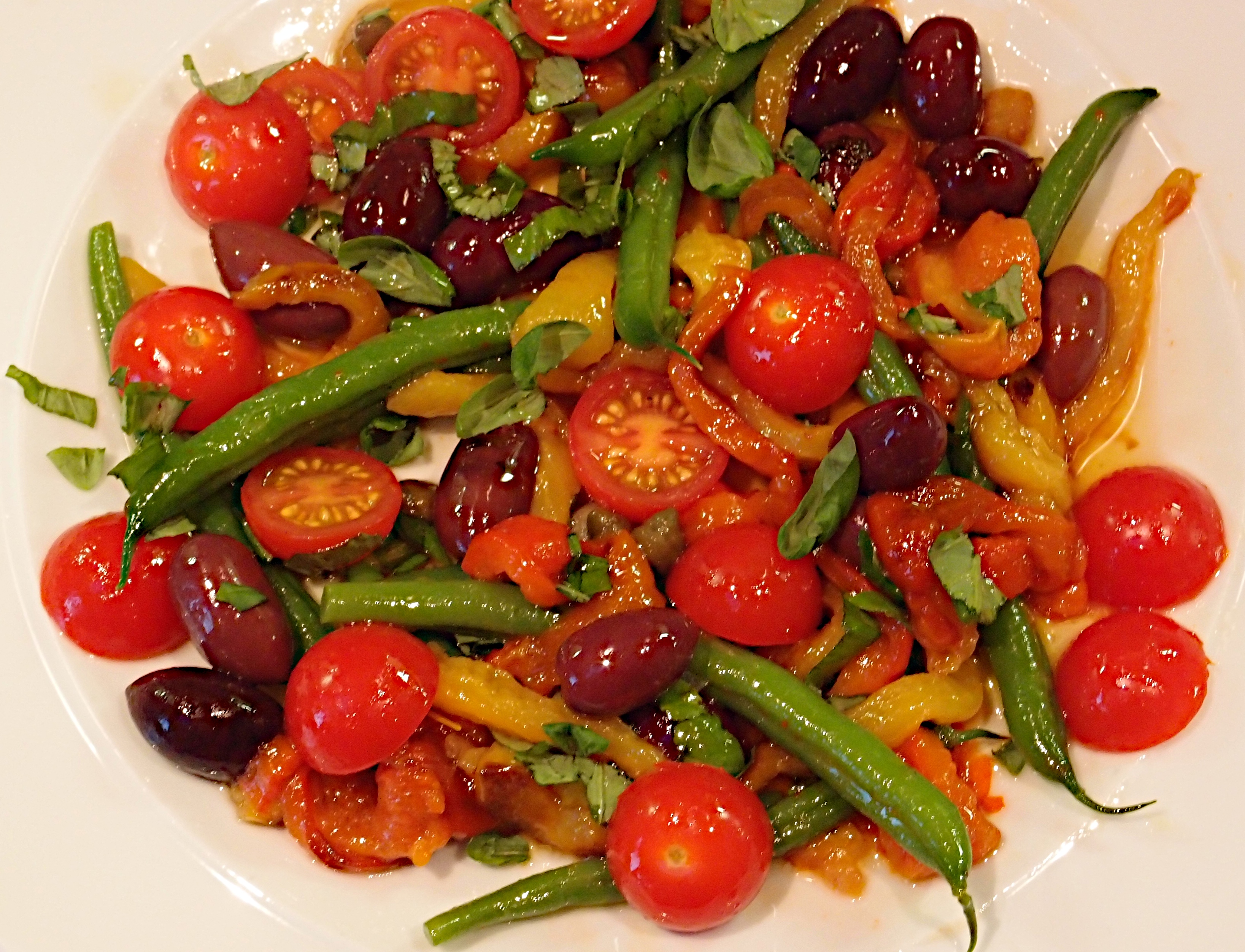
Bean & olive salad – also to serve 8 but make less if you’re not that many!

  • 2 yellow peppers
  • 2 red peppers
  • 300g green beans
  • 300g cherry tomatoes, halved
  • 1 tbsp small capers
  • 2 handfuls of black olives, stoned (or not if you can’t be bothered)
  • 4 tbsp olive oil
  • 1 tbsp red wine vinegar
  • large bunch basil, leaves picked, large ones shredded, small ones left whole
Blacken the peppers using a gas flame, barbecue or hot grill. Put them in a bowl and cover with cling film. When they are cool, peel, deseed and cut them into strips, keeping any juices.

Cook the beans in boiling salted water until crunch but not squeaky, then drain and put in ice water to stop them cooking further. Toss everything together, adding the shredded basil at the last minute and scatter over the small leaves to finish.

(Original recipe from BBC Good Food)

Read Full Post »

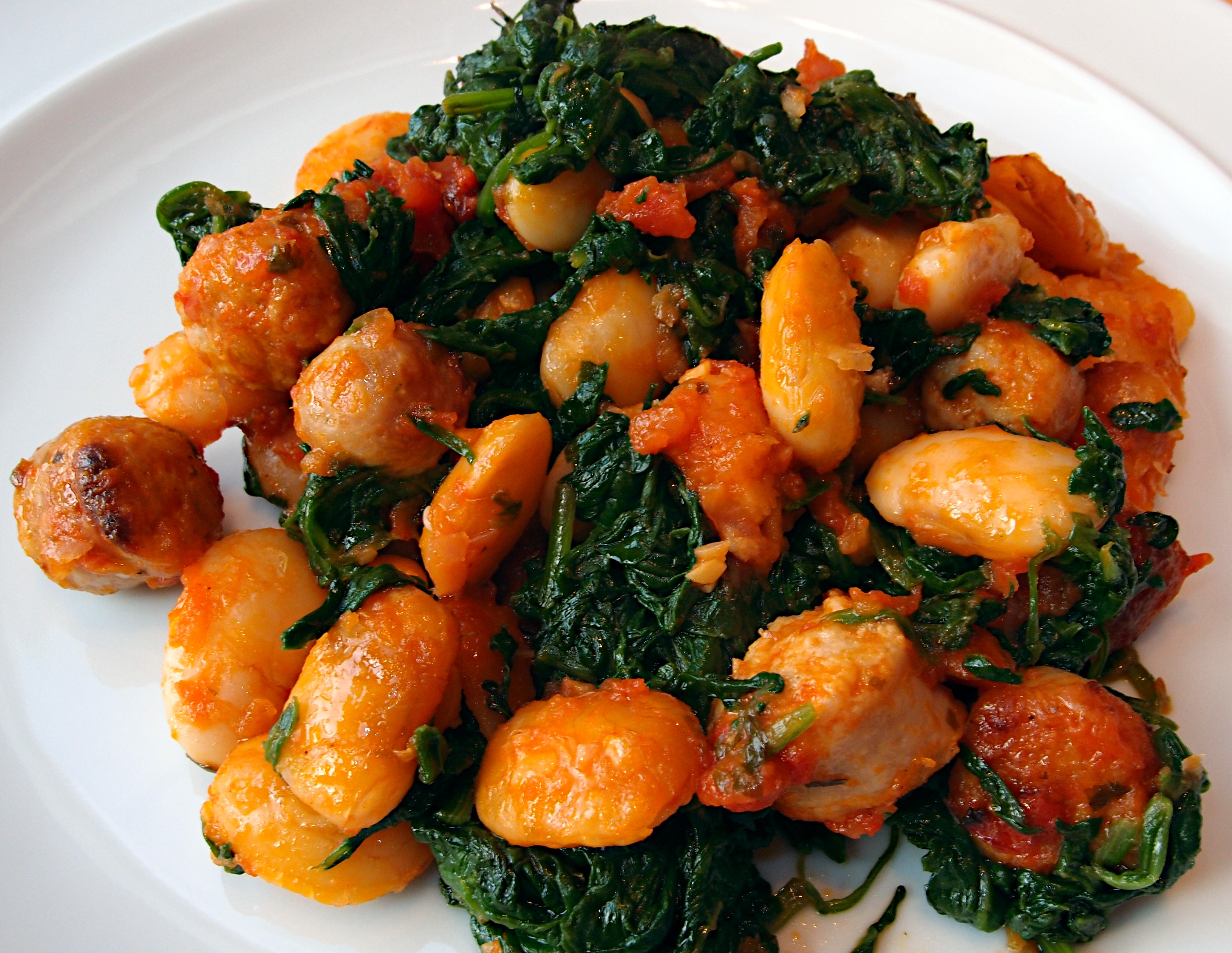
Gigantes me spanaki ke loukanika sto fourno (Bean, Spinach and Sausage Casserole)

Don’t be scared that this takes over 24 hours preparation – it’s all soaking time for the beans! It does take about an hour and a half to cook though so don’t get started too late. It is very easy despite the time it takes and is totally worth it.

Gigantes me spanaki ke loukanika sto fourno (Bean, Spinach and Sausage Casserole) – serves 4

  • 300g dried butter beans
  • 120ml olive oil
  • 250g pork sausages, cut into bite sized pieces
  • 1 onion, grated
  • 2 garlic cloves, finely chopped
  • 1 400g can chopped tomoatoes
Cover the Butter beans in plenty of cold water and soak for 24 hours.

Put the beans into a saucepan, cover them with cold water, and bring to the boil. Reduce the heat and simmer for about 30 minutes, then drain and tip into an ovenproof casserole dish.

Preheat the oven to 180°C/350°F/Gas Mark 4.

Meanwhile, heat half the oil in a frying pan. Add the sausage, onion, and garlic and cook over a low heat for 5 minutes, until the onion has softened. Stir in the tomatoes and parsley, season and simmer for 5 minutes. Pour the mixture over the beans, stir well and bake, adding a little hot water if necessary, for about 50 minutes or until the beans are soft – check every now and then that it isn’t drying out and give it a stir.

Meanwhile, roughly chop the spinach, and cook over a low heat for a few minutes, until wilted. Drain well. Heat the remaining oil in a frying pan, add the spinach and cook over a low heat for about 5 minutes.

Take the beans out of the oven and dot the top with spinach. Bake for 5 minutes more. Serve hot.

Kali orexi (bon appétit)!

(Original recipe from Vefa’s Kitchen published by Phaidon)

Read Full Post »

Here is the promised second recipe from Pork & Sons. We don’t usually do traditional Sunday lunch style food in the summer but this looked suitably summery so we have made an exception. A really impressive lunch for friends and looks great served on a great big plate. If you don’t have herbs growing in the garden we suggest you go raid someone else’s!

There are some dishes where you can’t stop eating, even if you are totally stuffed … and this is one of them!

Pork fillet with herbs & petits pois – to serve 6

  • 4 tbsp olive oil
  • pork loin, about 1.2kg
  • 200g smoked lardons (we bought a piece of smoked pancetta and chopped it up)
  • 3 shallots, halved & 6 baby onions (we used all shallots)
  • 4 garlic cloves, crushed
  • 175ml white wine
  • 8 sage leaves
  • 2 thyme sprigs
  • 1 rosemary sprig
  • 2 bay leaves
  • 1kg frozen petits pois
  • 25g unsalted butter
  • 3 fresh tarragon sprigs
  • 6 fresh basil leaves

Heat the oil in a flameproof casserole. Add the pork and cook over a medium-high heat, turning now and then for 8-10 minutes, until golden brown all over (make sure you get good colour at this stage as it won’t go any browner).

Lower the heat, add the lardons, shallots and garlic and cook, stirring often, for about 10 minutes, until the shallots are softened and lightly coloured. Pour in the white wine and add the sage leaves, thyme, rosemary, bay leaves and onions. Cover and simmer, basting often, for an hour and a half. If it seems to be drying out, add a little water.

Near the end of the cooking time, cook the peas in salted boiling water, then drain. Add the butter, tarragon and basil to the casserole and stir in the peas. Season and serve.

Wine suggestion: We had something a bit special with this – a Ch. Rayas white from 2001. For a similar effect go for a white Côtes du Rhône – if you’re lucky enough to be in possession of a Ch. Rayas then run with that!

Read Full Post »

We flicked through Stéphane Raynaud’s Pork & Sons book in a fabulous pub in England called The Nut Tree. We had the nicest lunch and Jono got so over-excited he proposed just after (though I think he might of had that bit planned before he wooed me with the nice lunch)[I had actually been planning it for about 4 months – Jono]. We had to buy the book after all that,  it’s been on our shelves for over a year now and we have only managed to cook one recipe (see Sunday Barbecue Kebabs). Believe me that is no reflection on the book which is outstanding – though you do have to like pig. So we’ve gone for two porky recipes this weekend and this is the first. Really easy for a Friday night when energy levels are generally low but you want something really tasty – it’s now on our list of things to cook for friends. We found the recipe timings were a bit out which may be down to our cooker so excuse the vague instructions – don’t let it put you off, we promise it works.

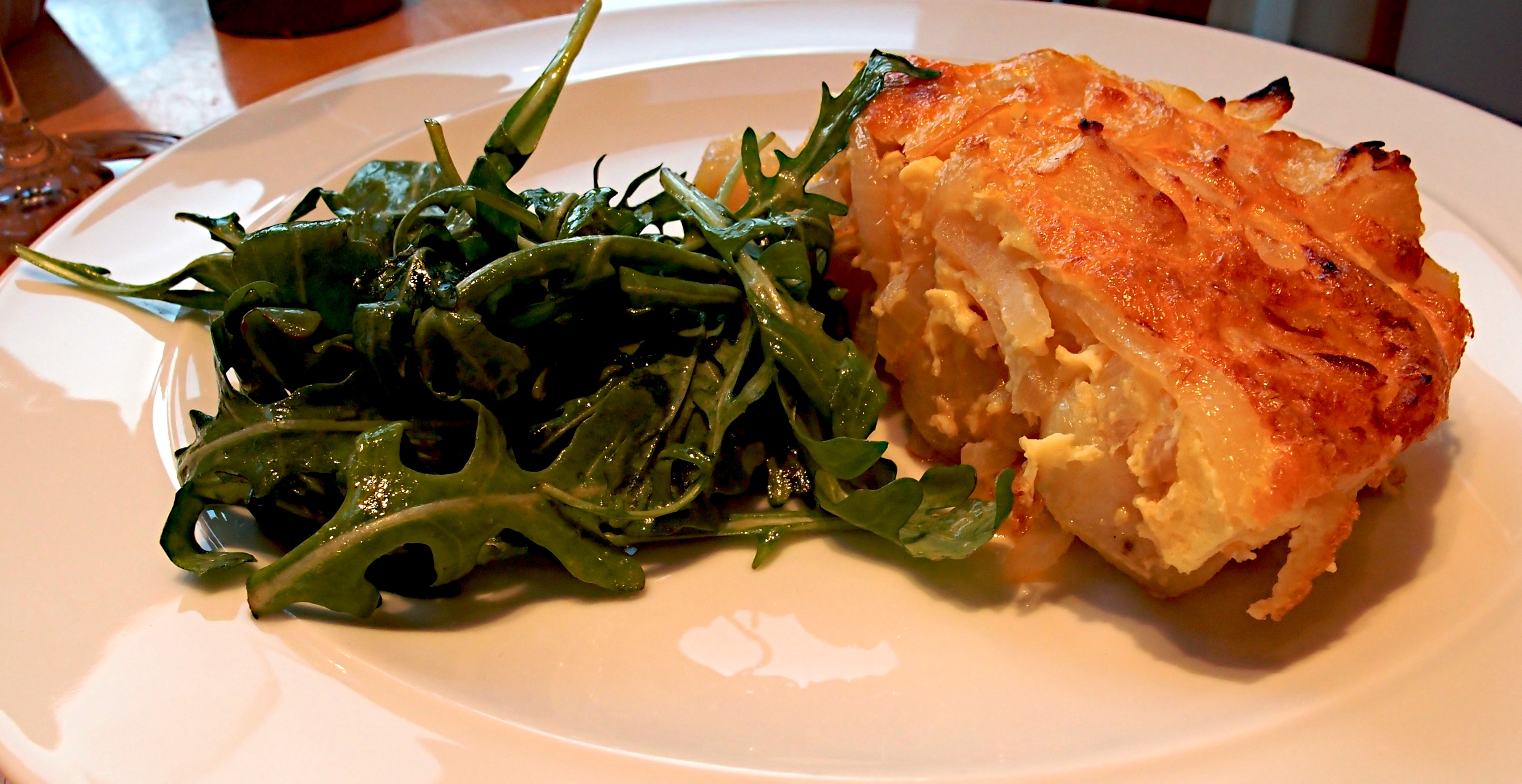
Chorizo tortilla – to serve 6

  • 120ml olive oil, plus a bit extra for brushing
  • 600g small potatoes, cut into large cubes
  • 200g chorizo sausage, sliced
  • 3 onions, sliced
  • 5 eggs
  • 100ml double cream
Preheat the oven to 120°C (250°F/Gas Mark 1/2). Brush an ovenproof dish with oil – we used a deep pie dish.

Heat 5 tbsps of the olive oil in a frying pan. Add the potatoes and cook over a medium heat until just beginning to colour – they also need to be fairly soft but not falling apart. Meanwhile, heat the rest of the oil in another pan. Add the chorizo and onions and cook over a low heat until the onions have softened. When both are nice and soft and smell delicious you can mix the onion, chorizo and potatoes together. Beat the eggs until foaming ,then add the cream.

Spoon the chorizo mix into your dish and pour over the beaten eggs to cover. Bake in the oven for 15-20 mins (or even longer if necessary – I think we left it for 25 to make sure the egg was set and then flashed it under the grill so it went brown on top). You can test it by inserting a knife – it should come out dry.

Serve with a rocket salad – we dressed ours with a mustardy vinaigrette which was good.

Wine suggestion: Our first thoughts were a Spanish red but in the end we went for a white with a bit of structure – think Chardonnay or another oaked white like Bordeaux.

Read Full Post »

When you live in Ireland you need to take advantage of every glimmer of sunshine. It’s always good to have a barbecue recipe up your sleeve so you don’t end up with burgers and sausages again (though we like them too).

Pork fillet and pepper kebabs – to serve 6

  • 1kg boneless pork loin
  • 1 red pepper
  • 1 yellow pepper
  • 1 green pepper
  • 2 onions, quartered
  • 1 tbsp sugar
  • 1 tbsp balsamic vinegar
  • 2 tbsp olive oil
  • 1 tbsp ras el hanout (a spice mix from North Africa. Available in the supermarket)
Cut the pork into 36 large cubes and cut each pepper into 12 squares. Cut the onions into 36 small wedges.
Put the sugar and vinegar in a small pan and cook over a low heat, stirring until the sugar has dissolved. Pour into a bowl and stir in the olive oil and ras el hanout. Add the pork cubes and give it a good mix.
Thread the pork and veg alternately onto 12 kebab skewers (if you’re using wooden ones you need to soak them for about half an hour first).
Cook on the barbecue, turning and brushing with the marinade for 12-15 minutes, until cooked through.
Serve with salad and some baked potatoes if you like.

Read Full Post »

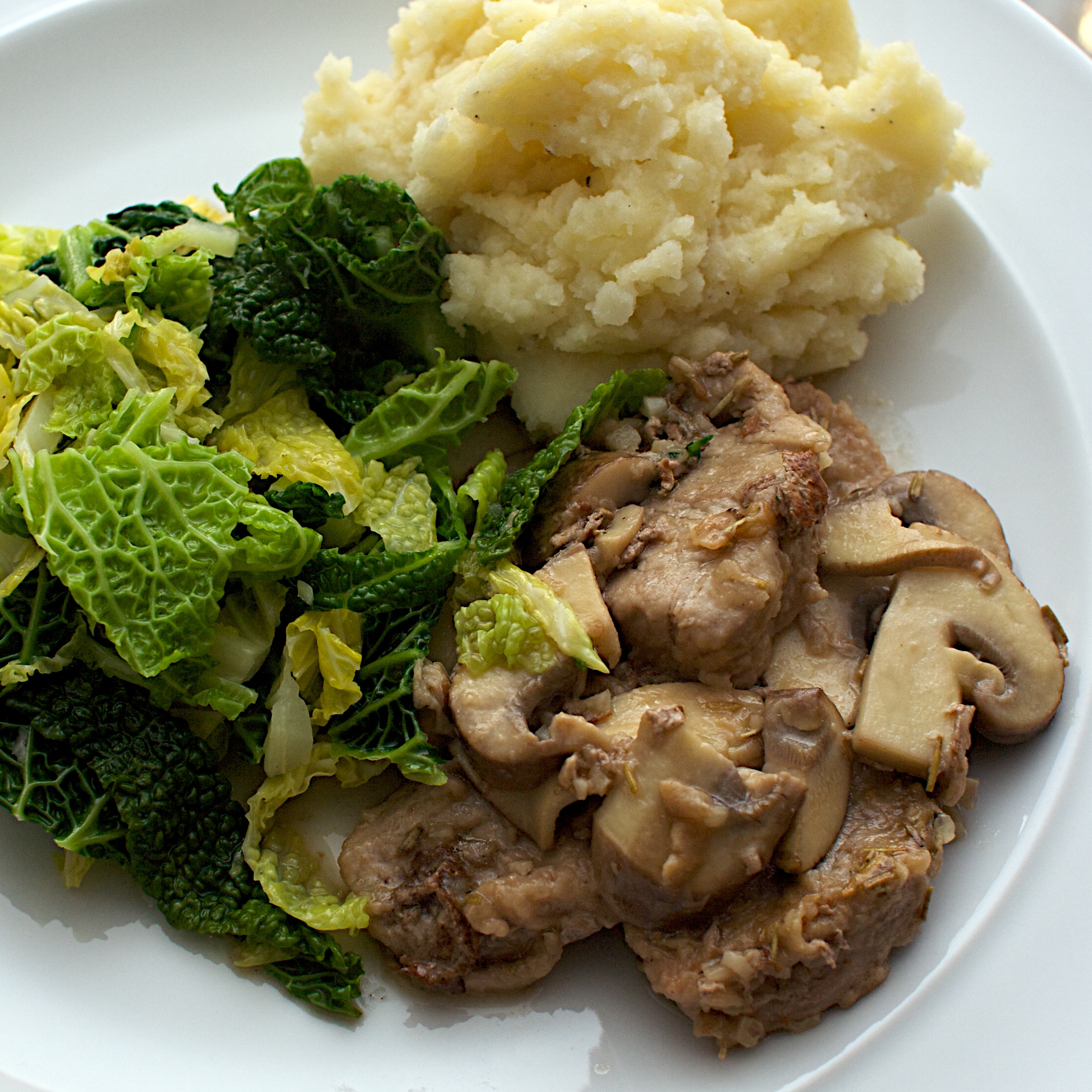
This literally takes 20 minutes and you will probably have everything you need except the pork fillet and mushrooms. Cheap, tasty, healthy, and perfect for a Wednesday. We had some potatoes and cabbage in the cupboard which complimented nicely.

20-minute pork pan-fry – to serve 4

  • 500g pork fillet, cut on the diagonal into finger-thick slices
  • 1 tbsp plain flour
  • 2 tsp dried rosemary
  • 3 tbsp olive oil
  • 250g chestnut mushrooms
  • a big clove of garlic, finely chopped
  • 300ml vegetable stock

Tip the flour and rosemary into a plastic food bag and add salt, pepper and the pork slices. Give it a good shake to coat the meat.

Heat 2 tbsp oil in a big frying pan, add the pork and fry for 3-4 minutes until nicely browned, turning once. Remove it from the pan.

Add the rest of the oil and fry the mushrooms for a couple of minutes until starting to soften. Add the garlic and pork to the pan along with any flour left in your plastic bag. Stir in the stock, bring to the boil and simmer for 5 minutes.

You could add a splash of wine if you like or just drink a glass with it.

Serve with some mash and cabbage or something else green.

Find the original recipe on BBC Good Food.

Read Full Post »

In case you hadn’t gathered by now the first Friday in every month is the Irish Food Bloggers Association’s cookalong.

We’ve participated in the last three and it’s great craic  – even more so ’cause we invite a few friends over to cookalong with us… or at least sit there and chitter to us while we cook.

Each month has a theme and this one was either leftovers or recessionary budget style cooking. So a budget dinner party it had to be.

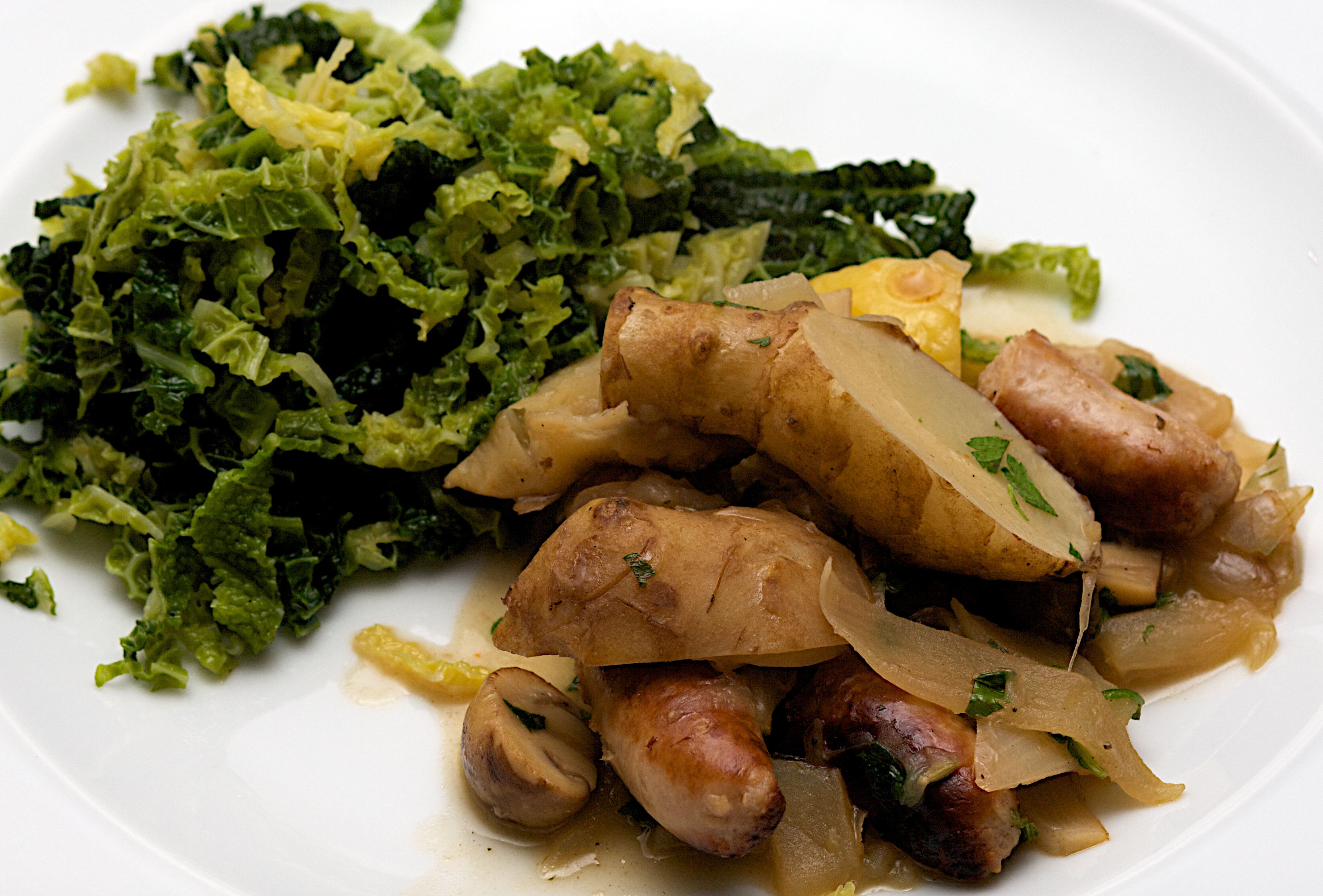
Our first thought was something like an Irish stew but we’ve done that many times and it’s always nice to try something new so we reckoned cheap cuts and seasonal veg was the way to go. After scouring our recipe books we came across this sausage and Jerusalem artichoke casserole (from Nigel Slater’s Tender Vol 1).

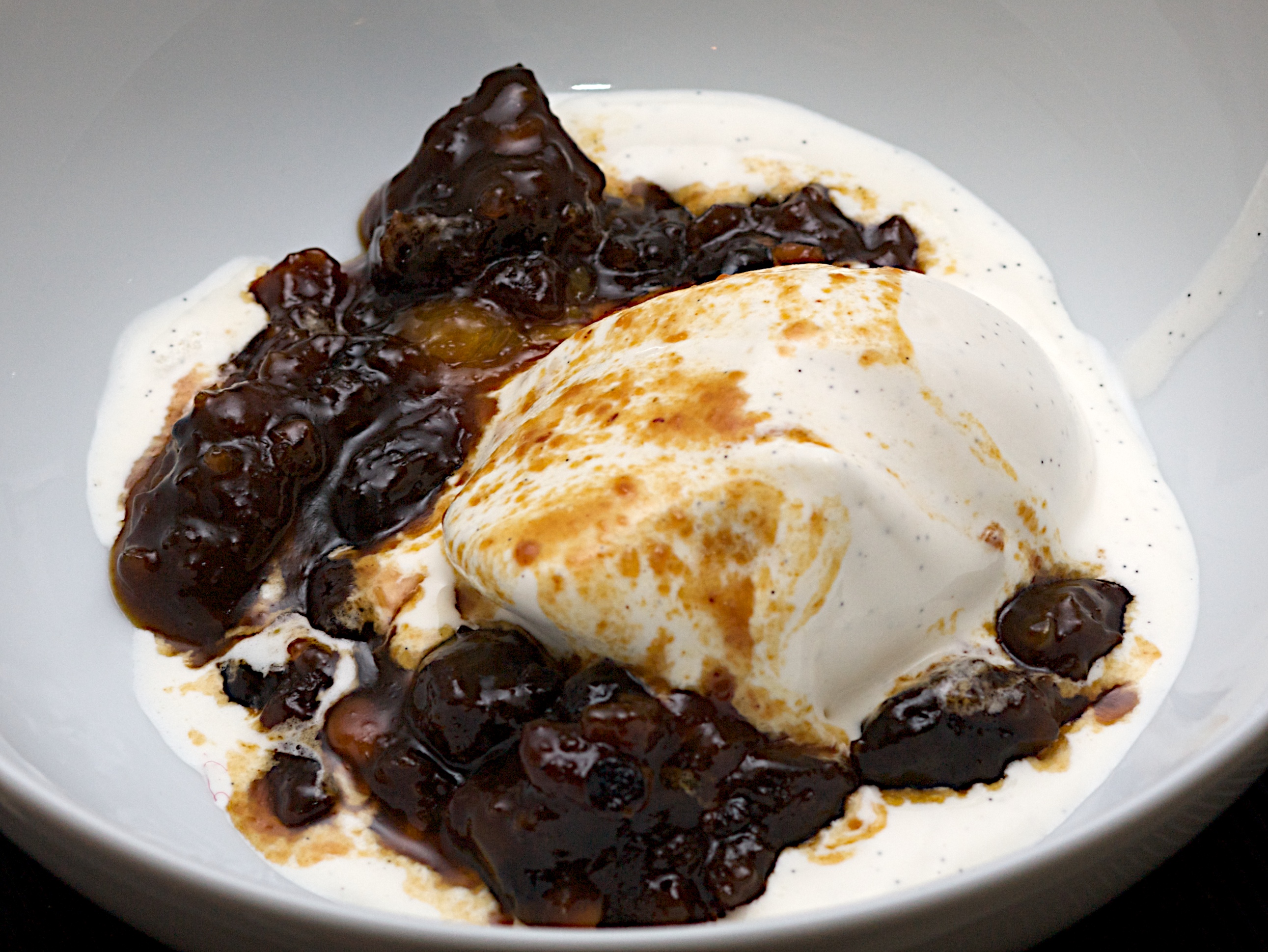
For the dessert: we both love Christmas pudding but every year we manage a tiny morsel on Christmas day and the rest lurks in the fridge making us feel guilty for not eating it. Or at least it did until we discovered this Christmas pudding sauce which we serve up at to everyone who visits after Christmas ’til the pudding is done. I think I actually prefer it to traditionally served Christmas pudding at this stage.

The recipes below will serve 4 people (generously) for a rather nice dinner party and will cost  €6.17 per head (provided you have some leftover Christmas pudding). The most expensive ingredient was the icecream, at €6.95 a tub, but we reckon that’s something not worth scrimping on. One of our guests also brought lots of fabulous cheese which he had leftover from the holidays. It would have been totally bargain bucket if we hadn’t drank an obscene amount of wine but howandever (it was a party… albeit a little one).

Sausage and Artichoke Casserole to feed 4

  • 8 fabulous pork sausages (budget or not you have to buy good ones)
  • olive oil
  • 4 onions
  • 2 clove garlic
  • 250g mushrooms
  • 500g Jerusalem artichokes
  • a lemon
  • a tsp of fennel seeds
  • 500ml light stock
  • a small bunch of chopped flat-leaf parsley
  • something tasty and green to serve – we had some buttered savoy cabbage

Brown the sausages really well in a little bit of olive oil in a big casserole. Set them aside.

Cut the onions into quarters, then add to empty sausage pan, add a bit more oil if you need it. Soften the onions over a medium heat until they are quite mushy – about 15-20 minutes.

Peel and finely slice the garlic and add it to the onions, cut the mushrooms in half and add them too.

Peel or just scrub (we just scrubbed) the artichokes, then cut them in half. Add them to the pan and let them colour a bit (push your onions over to the side). Now tip the sausage back in. Cut the lemon into big chunks and tuck it in along with the fennel seeds and plenty of salt and pepper.

Pour over enough stock to cover everything and bring to the boil. Simmer for 30 minutes or until the vegetables are nice and tender. If you have too much liquid turn up the heat and reduce it a bit. Stir in the parsley and check the seasoning.

Serve with your greens.

Christmas Pudding Sauce to serve 4 (with ice cream)

  • 175g Christmas pudding
  • 30g butter
  • 30g brown sugar
  • juice of 1/2 orange
  • 3 tbsp brandy
  • vanilla ice cream

Crumble the pudding into a shallow pan. Put it on a low heat and add the butter and sugar.

Mix in orange juice and brandy with a wooden spoon and bring slowly to the bubble.

Turn the heat down and simmer gently while you put the ice cream in 4 bowls. Spoon over the sauce and serve quickly before your ice cream melts.

Original recipe from Nigel Slater’s Real Fast Puddings.

I’m a bit embarrassed that our chums now know we only spent 6 quid each on them ….Hahaha!

Julie

Read Full Post »

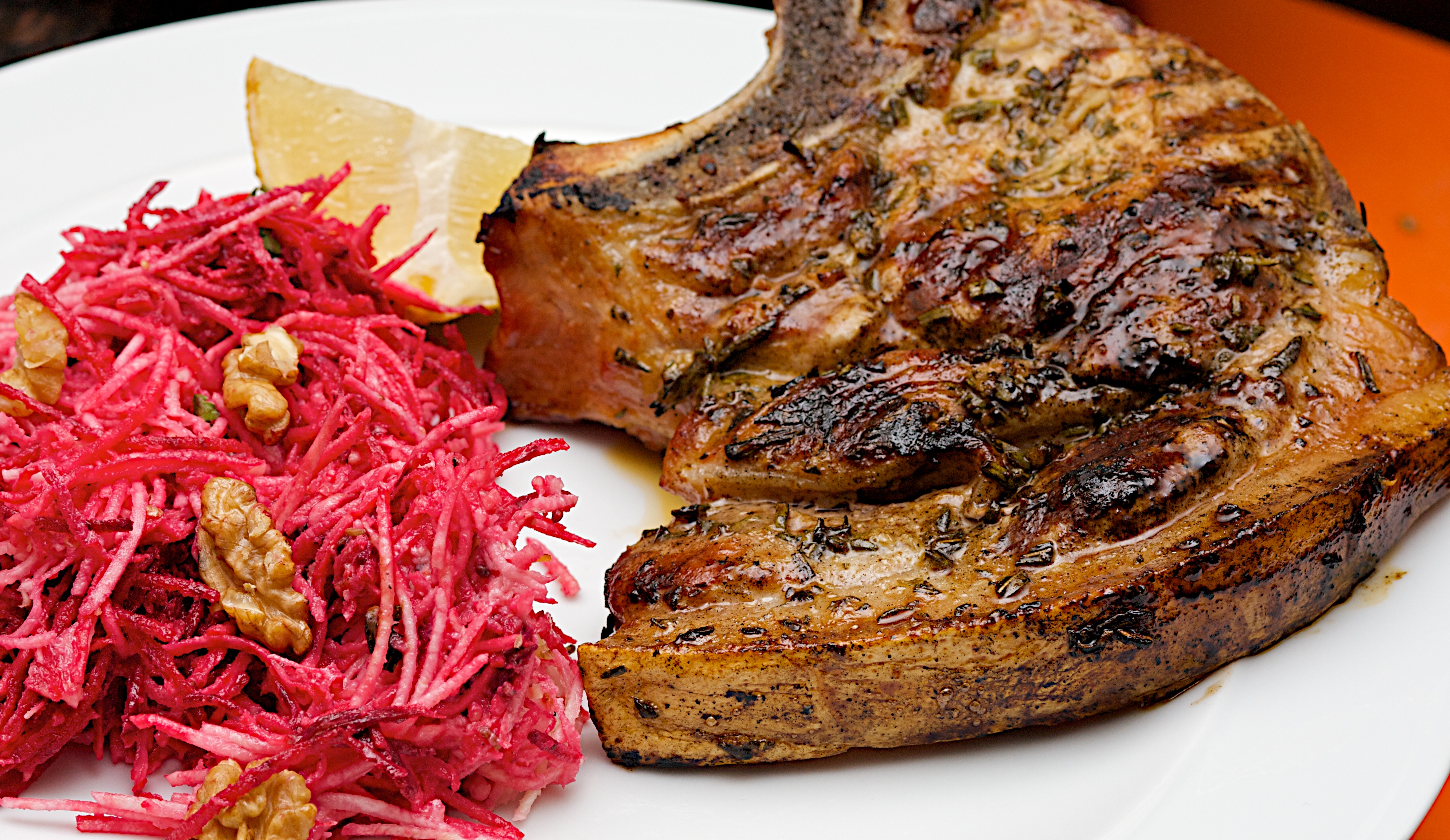
We barbecue all year round like eejits and when our butcher Tom (O’Toole’s in Glasthule) produced these fabulous pork chops we were powerless to resist – complete with crackling and everything!

Jono mixed together some coarse chopped rosemary from our balcony, a big fat garlic clove and plenty of salt and pepper. He pounded and ground this for a few minutes and then added enough olive oil to make a paste to smear on the chops – you want the mixture to stick on the chops so go easy on the oil.

While Jono barbecued the chops outside I made this tasty remoulade. Celeriac remoulade is in lots of my Mum’s old cookbooks from the seventies and it looks a bit like creamy coleslaw – this is Nigel Slater’s much lighter and fresher take on the whole thing (Tender Vol 1). Makes heaps for a side dish which means you can take some to work for lunch too.

Celeriac Remoulade

  • juice of half a lemon
  • about 500g of celeriac
  • a raw beetroot – medium size
  • 4 heaped tbsp creme fraiche
  • 2 tsp grainy mustard
  • olive or walnut oil
  • a small handful of parsley leaves
  • enough walnut halves to sprinkle over the top
  1. Put the lemon juice in a big mixing bowl.
  2. Peel the celeriac and grate it coarsely – we used the Magimix which grated it quite fine and it worked well.
  3. Toss the grated celeriac with the lemon juice in the bowl to stop it from turning brown.
  4. Grate the beetroot (also best done in the processor to avoid purple hands) and to the celeriac but don’t mix it in yet.
  5. Mix the creme fraiche, mustard and some seasoning in a bowl. Gently mix in enough oil to make a coating consistency (2-3 tbsps).
  6. Roughly chop the parsley and add to the sauce before folding it gently into the vegetables, don’t mix too hard or it will all turn very pink.
  7. Toast the walnuts lightly in a non-stick pan and scatter them over the salad.

Tip: Don’t make this on a first date as you’ll have mucky hands and faces by the time you’ve finished sucking the bones – delicious!

Julie

Read Full Post »

Ginger beer & tangerine glazed ham (to serve 8 – we served 6 and had load of leftovers).

If you can get a mild-cured gammon which requires no soaking all the better. If not you will have to start this even earlier as your ham will need to be soaked overnight – ask your butcher’s advice when you’re buying. We used a 3kg mild-cure gammon but if yours is a different size allow 30 mins per 500g, plus an extra 20 mins.

Our advice is to boil the ham the day before and then you only have to do the glaze and bake it before serving.

3kg mild-cure gammon

1 onion, halved

3 tangerines, zest removed (reserve the juice if you want to cook the lentils above!)

4 star anise

2 litres ginger beer

For the glaze: 4 tbsp honey, 2 tbsp wholegrain mustard & a small handful of cloves (we forgot about the cloves and it was delicious anyway).

  • Put the gammon, onion, tangerine zest and star anise in a big pot. Pour over the ginger beer but keep back 100ml (make sure the gammon is just covered – top up with some water if you have to). Bring to the boil, skim the fat off the surface, reduce to a simmer, cover and cook for 3-3 1/2 hours. Remove it from the pan (and keep the liquor if you are going to do the lentil recipe). If you do this in advance you need to cool it and then cover and chill – bring back to room temperature before continuing.
  • Heat the oven to 200C (gas 7). Cut the skin off the gammon but leave a layer of fat. Lightly score the fat into diamond shapes. Put in a roasting tin lined with foil. Warm the honey, mustard and 100ml ginger beer and boil until it thickens. Spoon this over the fat, then stud each diamond with a clove. Bake for 20-25 minutes (or 30 -35 mins if you prepared it ahead).
  • Slice and serve warm or cold and serve with the beetroot, lentil and cauliflower recipes below.

Click here for the original recipe from BBC Good Food.


Read Full Post »

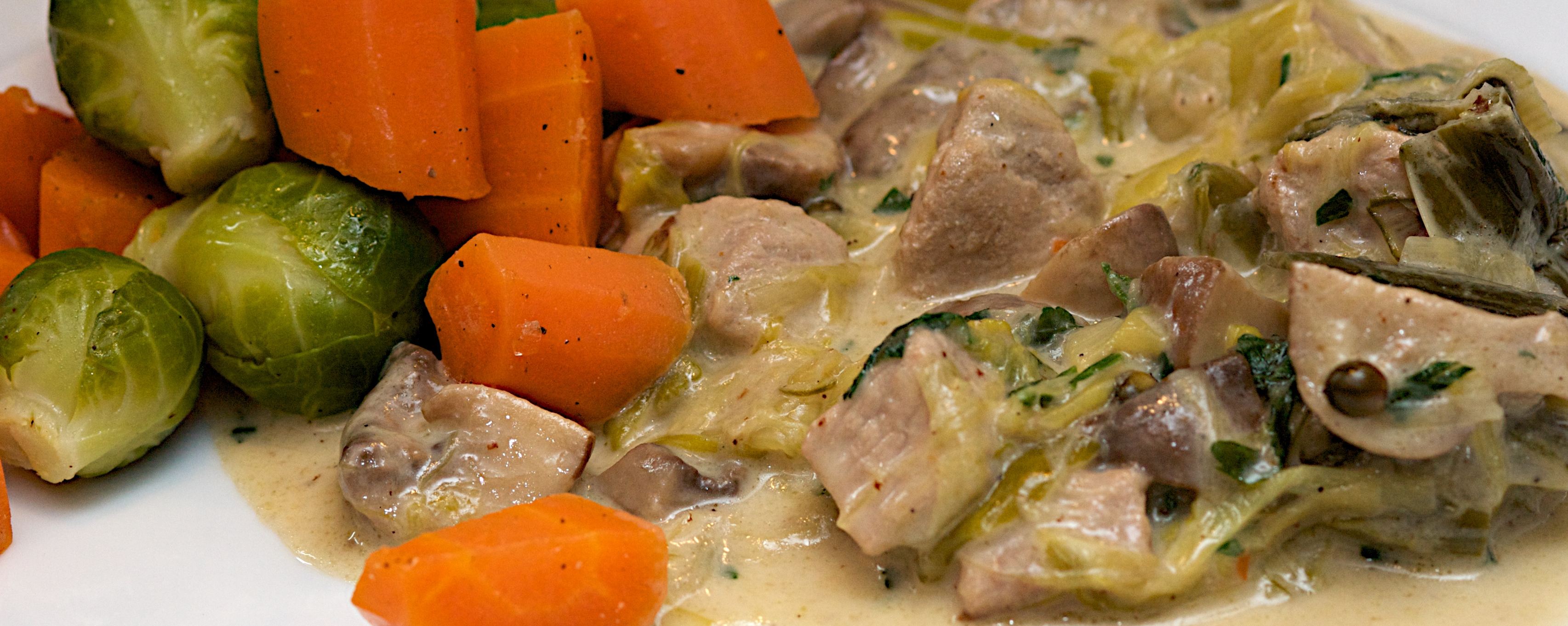
Inspired by Nigel Slater … and because leeks are in season and we love leeks!

We made this last night for Julie’s parents, and after a weekend up in Belfast; a success as it was creamy and flavoursome and had a great freshness from the peppercorns.

So if you’d like to try for yourself:

  • Turn on oven to 150°C
  • Trim 650g leeks, wash and slice into 2cm slices. Warm 40g butter in a large, heavy based casserole dish. Add leeks and cook, covered for 10 to 15 minutes until tender. Lift out leeks and set aside.
  • Heat up pan again until hot and then add 500g cubed pork. Colour lightly on all sides and then remove and add to leeks.
  • Halve or quarter 500g mushrooms and add to the same casserole dish and fry until golden – add a little extra butter if you need as we did.
  • Return leeks and pork to the casserole and scatter 1 tablespoon plain flour and cook for a minute or two.
  • Slowly add 500ml hot stock (we used chicken) and then stir in 2 bay leaves and season generously with salt & pepper.
  • Bring slowly to the boil, cover and transfer to oven. Cook until tender for about 60 minutes.
  • Chop a small bunch of parsley and stir into casserole with 4 teaspoons of green peppercorns in brine (rinsed) and 140ml double cream.
  • return to oven for a further 5 minutes.
  • Serve with unbuttered potatoes and a little veg and enjoy 🙂

Read Full Post »

« Newer Posts