Feeds:
Posts
Comments

Archive for the ‘Vegetarian’ Category

A tasty and filling summer soup. We couldn’t get Wensleydale so used Lavistown, a similarly crumbly Irish variety as recommended by Darius at the cheese counter.

Red pepper and Wensleydale soup – to serve 2

  • olive oil
  • 1 onion, roughly chopped
  • 1 clove garlic, crushed
  • 1 red pepper, roughly chopped
  • 1 400g tin chopped tomatoes
  • 1 tbsp tomato purée
  • 200ml vegetable stock
  • 100g Wensleydale (or other crumbly cheese), crumbled
  • a handful of basil, torn

Heat 1 tbsp oil in a non-stick pan. Cook the onion, garlic and pepper on a gentle heat until soft. Add the tomatoes, purée and stock then bring to a simmer.

Cook for 20 minutes then blend but leave a bit of texture. Reheat with a splash more stock or water if necessary to thin it a bit. Stir in most of the cheese and basil and serve with a bit more cheese and basil sprinkled over the top.

(Original recipe from BBC Good Food)

Read Full Post »

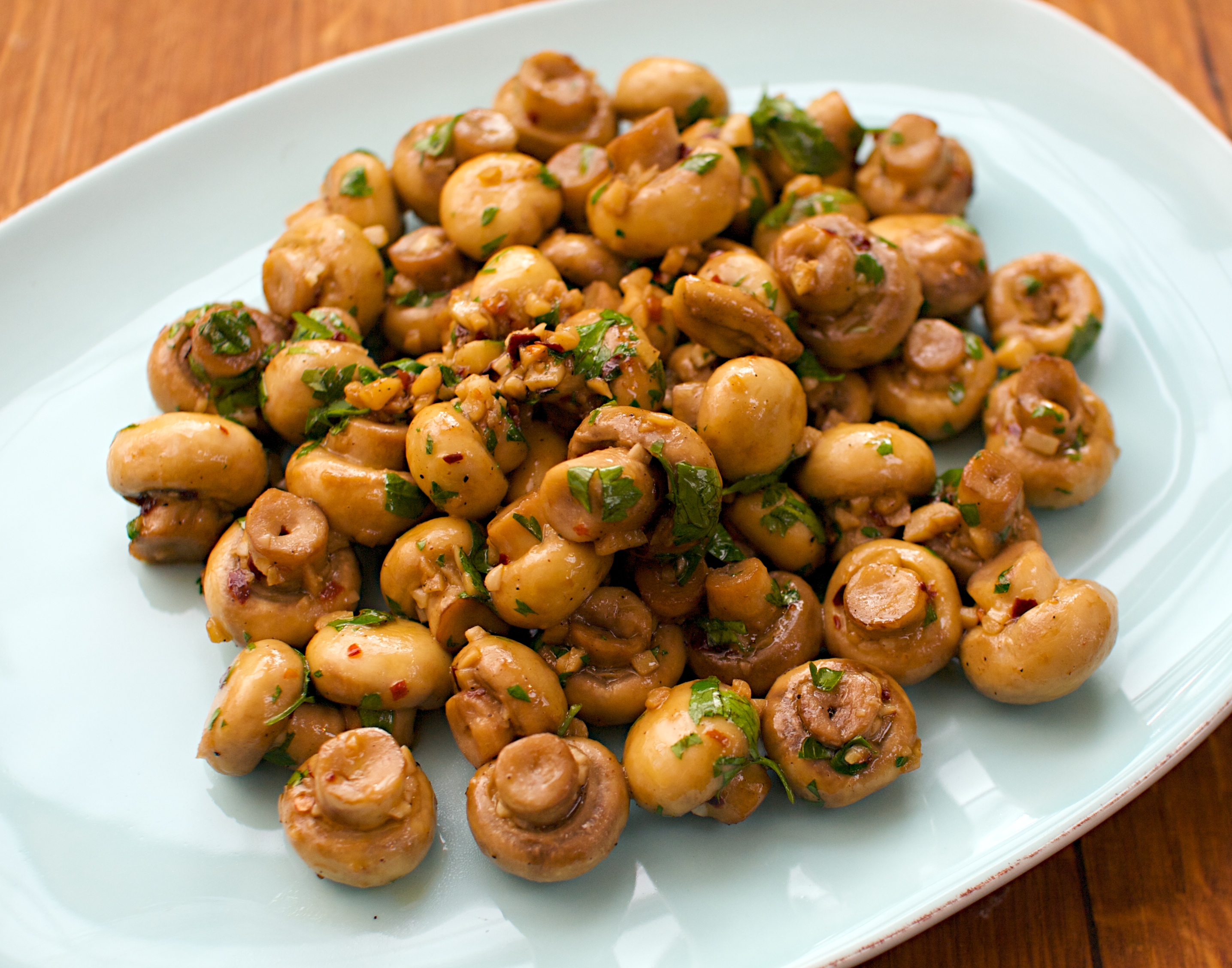
A classic Spanish tapa dish. Don’t fork out for fancy mushrooms as ordinary button ones work perfectly here, taking on the flavours of the garlic, oil and white wine.

Champiñones al ajillo – to serve 4 as a tapa 

  • 250g button mushrooms, halved or quartered depending on what size they are
  • 4 tbsp extra virgin olive oil
  • 4-5 garlic cloves, peeled and chopped
  • ½ tsp chilli flakes (optional)
  • 4 tbsp dry white wine or 1 tbsp lemon juice
  • 2 tbsp chopped flat-leaf parsley

Heat the olive oil in a large frying pan and sauté the mushrooms with the garlic and chilli over a medium-high heat. Add some salt and pepper as the mushrooms are cooking. The mushrooms will soak up all of the oil first and then release it again with their juices. Add the white wine or lemon juice, lower the heat and cook, uncovered, until the mushrooms are really soft, the juices have almost evaporated and the oil is sizzling through. This should take 15-20 minutes in total.

Stir in the parsley and serve with crusty bread to mop up the juices.

Drink with: a glass of rich and nutty Amontillado sherry.

Read Full Post »

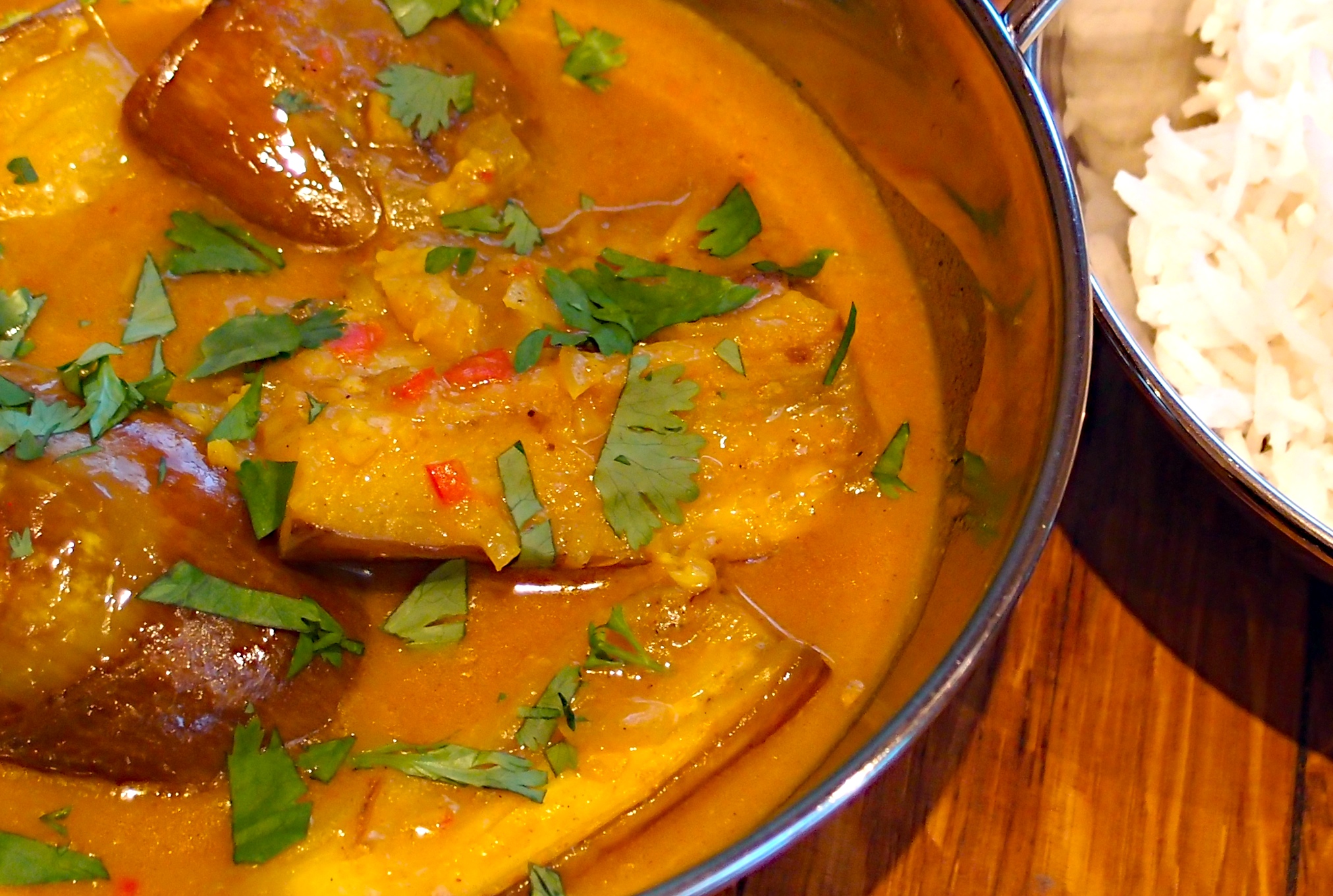
This is a really straightforward curry and we are glad to say it didn’t disappoint. The aubergine melts in the mouth and the spices are lovely and fresh as well as warming and comforting. Also takes no time at all to make.

Aubergine Curry with Lemongrass & Coconut Milk – serves 4

  • 3 large chillies, deseeded and chopped
  • 6 garlic cloves, roughly chopped
  • knob of fresh ginger, peeled and chopped
  • 2 lemongrass stalks, peeled and chopped
  • 2 tbsn ground turmeric
  • 1 tsp chilli powder
  • 2-3 aubergine (approx 600g) quartered lengthways then halved
  • 1 tbsp olive oil
  • 1 tbsp sugar
  • 6 shallots, finely chopped
  • 1 tbsp Fish Sauce (nam pla)
  • 400ml can coconut milk
  • 400ml vegetable stock
  • small bunch coriander, roughly chopped

Pulse  to a coarse paste chillies, garlic, ginger and lemongrass in a food processor. Set aside

Mix the turmeric and chilli powder together and rub it all over the aubergine wedges. Don’t worry if it look like a lot of spices – it works!

Heat olive oil in frying pan and brown aubergine in batches, setting the aubergine aside when done. Add the paste, sugar and shallots to pan and cook for a few minutes until the shallots and garlic soften.

Return aubergine to pan. Add fish sauce, coconut milk and stock, mix well and bring to the boil. Reduce heat and cook gently for about 15 minutes and until aubergine is tender but not mushy. Season and sprinkle coriander on top.

Serve hot with steamed rice.

Drink with: a aged Clare Valley riesling (at least 5 or six years old) or a fruity young Mosel Riesling.

Read Full Post »

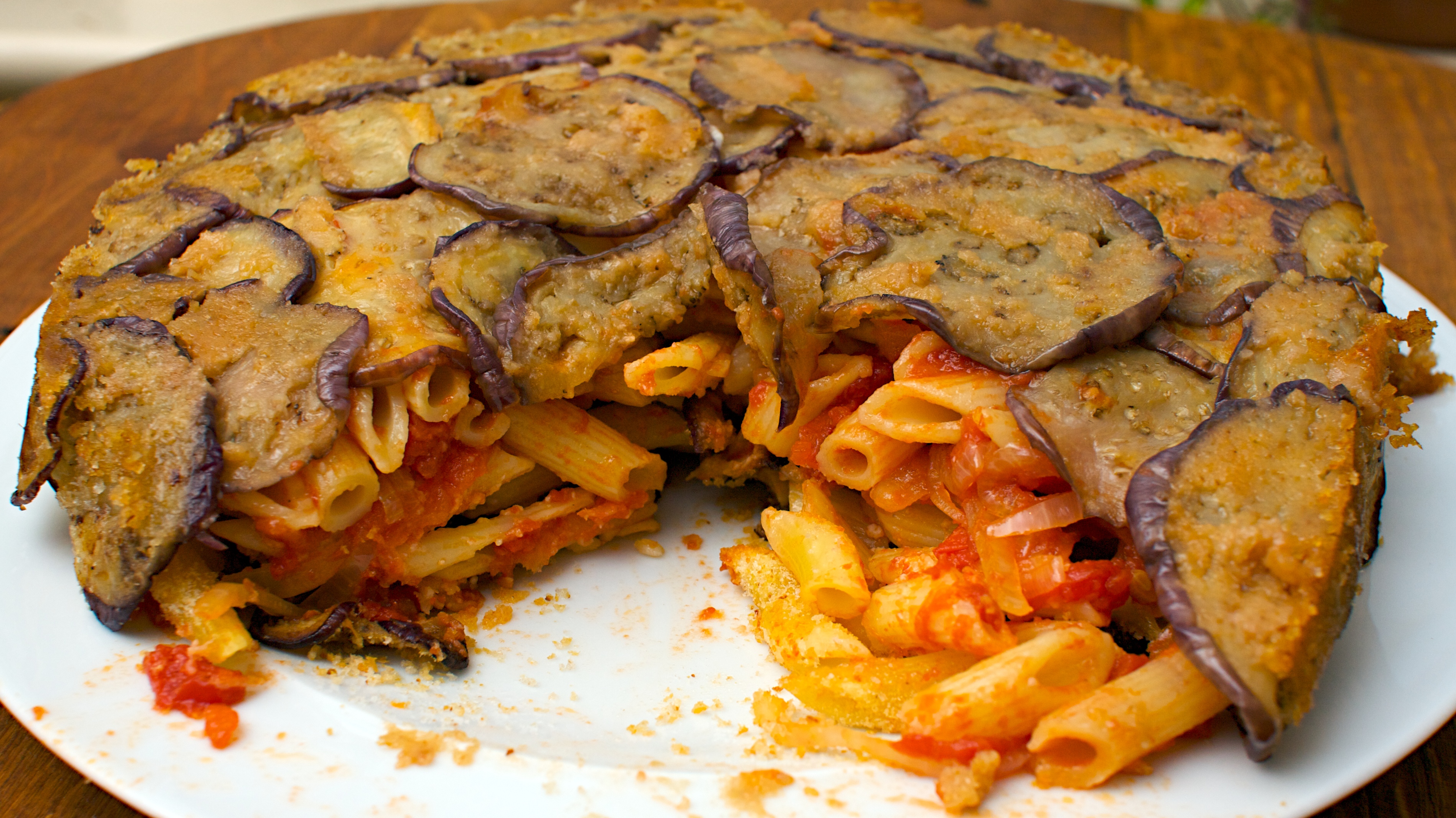
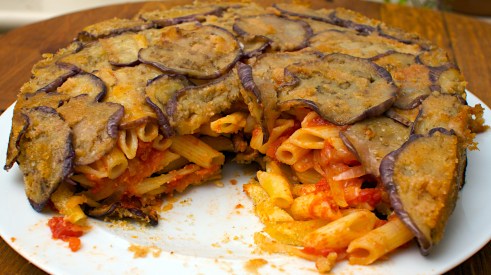
One of those memorable dishes that combines flavours and textures to capture the Sicilian sun and bring it to a grey and wet Dublin summer evening; magic.

Timballo di Maccheroni (Baked Pasta with Aubergine) – serves 6

  • 3 Aubergine, see if you can get the round, pale violet ones for authenticity
  • sea salt
  • 2 tablespoons unsalted butter
  • 5 tablespoons breadcrumbs
  • 1 medium onion, thinly sliced
  • 1 garlic clove, crushed
  • 1 x 400g tin of chopped tomatoes
  • 400g rigatoni, or penne rigate
  • 60g caciocavallo, or pecorino cheese, grated

Thinly slice the Aubergine, sprinkle with salt and leave to drain in a colander for at least 2 hours. Squeeze lightly to get rid of excess liquid.

Preheat oven to 180C / 350F / Gas 4.

Grease a round cake tin with the unsalted butter; we used one that was 23cm wide and 3.5cm deep. put in 2 tablespoons of breadcrumbs and shake and turn the dish so that that they stick to the butter and line the dish.

Heat about 6mm of olive oil in a deep frying pan and sauté the aubergine slices in batches until lightly coloured. Lift out and drain on kitchen paper. Using about three quarters of the aubergine cover the base and sides of the breadcrumbed tin. Make sure that you overlap the slices so that there are no gaps.

Heat a tablespoon of olive oil in a pan and cook the onion and garlic over a medium heat until soft, but not coloured. Add the tin of tomatoes and season with salt. Cover with a lid and simmer over a low heat for 10 minutes.

While this is cooking bring a pan of water to the boil, salt well and cook the pasta for 3 minutes less than the packet instructions, so that it is still al dente. Reserve some cooking water and then drain the pasta.

Spoon a layer of the pasta into the aubergine lined tin followed by tomato sauce, a layer of the aubergine and a layer of grated cheese. Repeat with the remaining pasta, tomato sauce, and a final layer of aubergine. Finish with the remaining breadcrumbs to form a coating on the top. Bake in the preheated oven for about 25 minutes and until golden.

Let stand for about 10 minutes. This will allow the dish to firm up.

Put a plate over the top of the tin and holding both the plate and dish firmly, turn both over together so that the Timballo turns out onto the plate. Serve in wedges.

Serve with: a southern Italian red like Nero d’Avola or Negroamaro, both of which have a satisfying earthiness but aren’t too heavy for the flavours in this dish.

NB. if you’d like to make your own breadcrumbs, which is both easy and satisfying, then remove the crusts from stale bread, slice and put it on a baking tray in an oven at 80C for an hour to dry out. Either grate and sieve the dried bread (which gives a more random and authentic look) or blitz in a blender.

(Original recipe from Georgio Locatelli: Made in Sicily, Fourth Estate, 2011.)

Read Full Post »

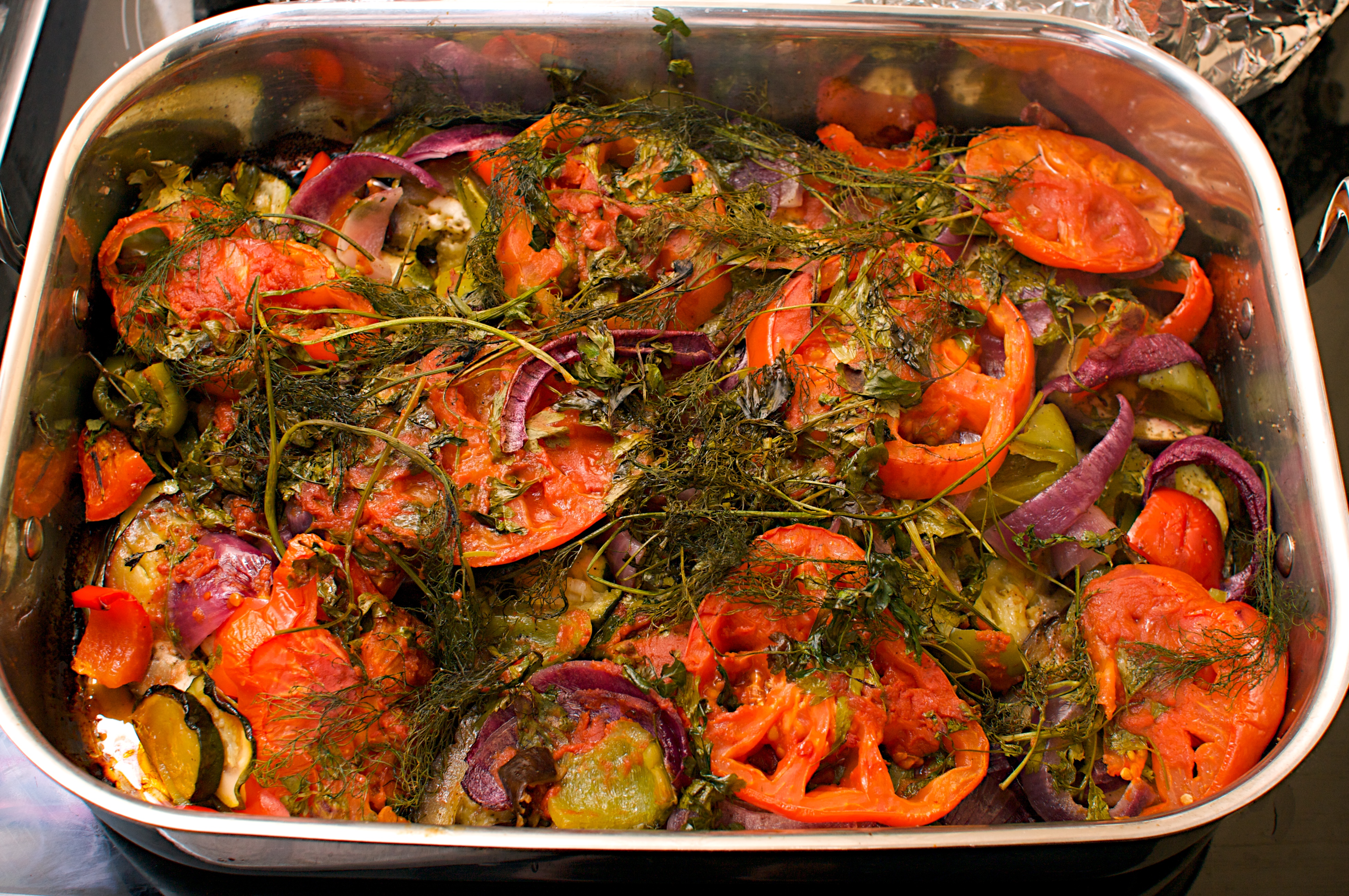
This has such great flavours that we made it two days in a row – it’s even great cold the next day so don’t be put off by the large quantities. Serve with barbecue lamb or just some feta cheese.

Briam – to serve 8 

  • 150ml extra virgin olive oil, plus a bit extra to grease the tin
  • 500g waxy potatoes, peeled and cut lengthways into ½ cm thick slices
  • 6 garlic cloves, sliced
  • 2 large courgettes, sliced
  • 1 large aubergine, cut into 1cm thick slices
  • 1 large green pepper, cut into chunks
  • 1 large red pepper, cut into chunks
  • 1 large red onion, thickly sliced
  • 15-20g dill sprigs
  • 15-20g flat-leaf parsley sprigs
  • 200ml passata

Preheat the oven to 190ºC.

Oil a large roasting tin (about 26 x 36 cm) well and spread the potatoes on the base in a single layer. Season with salt and pepper, then scatter over the garlic and courgettes. Season again, then add a layer each of the aubergine, peppers and onion, seasoning between each layer. Scatter over half the dill and parsley sprigs, cover with tomato slices and then add the rest of the herbs and season again. Pour the sieved tomatoes over the top, followed by the olive oil.

Cover the roasting tin tightly with foil and bake for about 1½ hours or until the vegetables are tender.

If you have a lot of juices in the tin, carefully pour them into a wide pan and boil until reduced and concentrated. Pour back over the vegetables and leave to cool a bit before serving.

(Original recipe from Rick Stein’s Mediterranean Escapes, BBC Books, 2007.)

Read Full Post »

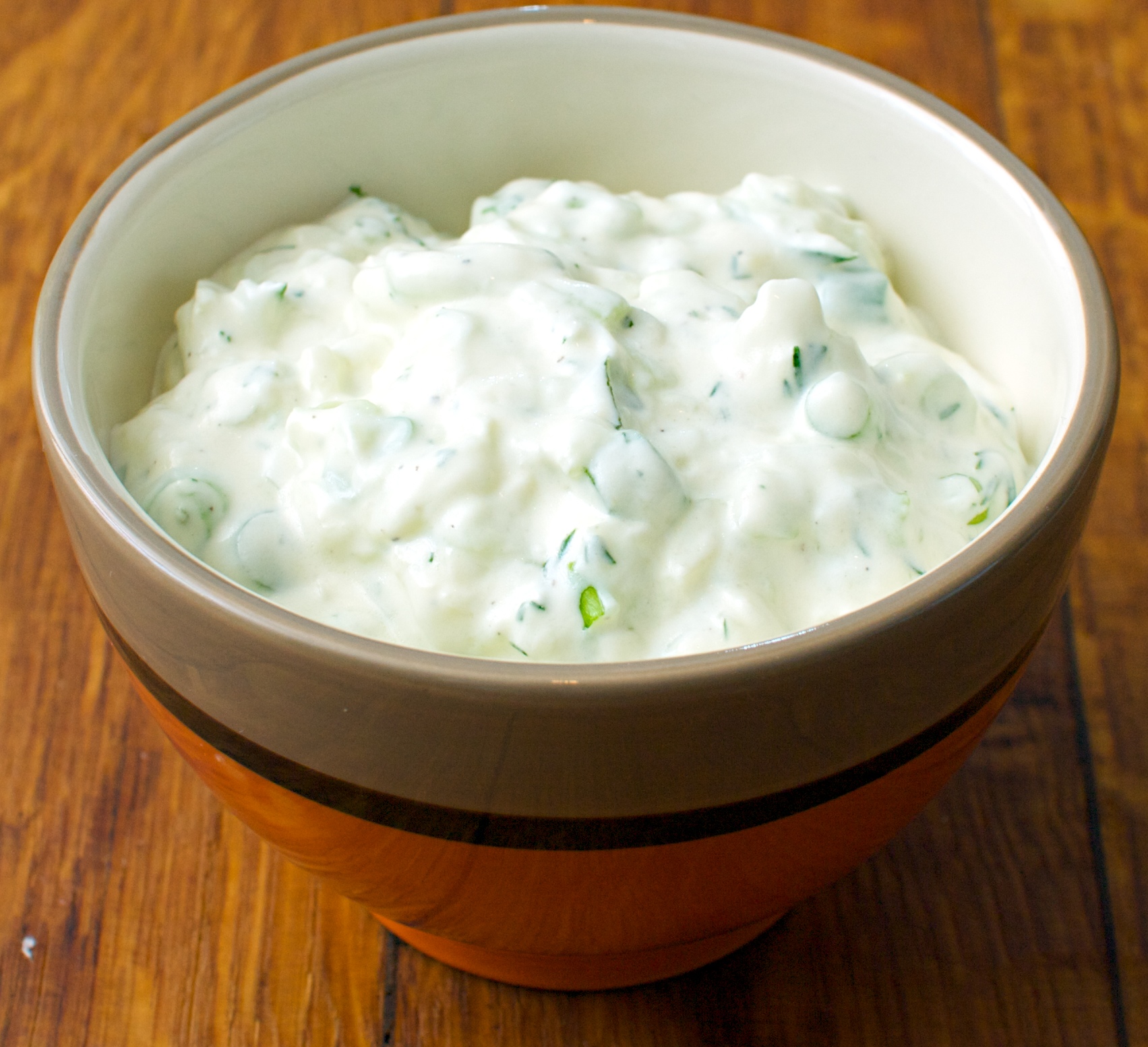
The best Tzatziki we’ve made with great flavour and a really thick creamy texture. Totally different to the watery shop-bought versions. Serve with lightly toasted pitta breads, for dipping, or Greek lamb kebabs.

Tzatziki – to serve 6 

  • 1 large cucumber
  • 2 garlic cloves
  • 500g natural Greek ewe’s milk yogurt (‘Total’ if you can find it – don’t buy a low-fat version for this)
  • 75g scallions, finely chopped
  • 2 tbsp chopped fresh dill or mint
  • 2 tbsp extra virgin olive oil
  • 1 tsp white wine vinegar

Peel most of the skin off the cucumber but not all of it. Coarsely grate the cucumber, put into a clean tea towel and squeeze out most of the excess liquid.

Crush the garlic into a smooth paste by adding a large pinch of salt and crushing on a board with the back of a large knife.

Put the yogurt into a bowl and stir in the cucumber, garlic, scallions, dill or mint, olive oil, vinegar and some seasoning.

(Original recipe from Rick Stein’s Mediterranean Escapes, BBC Books, 2007.)

Read Full Post »

This dish is easily doubled to make two pies, particularly if you are like us and had to defrost a whole packet of filo pastry.  The filo is very forgiving so don’t worry if you’re pastry sheets don’t look too neat and tidy. You could add some cooked chicken if you like things meaty.

Easy Veggie Filo Pie – to serve 4

  • 200g spinach leaves
  • 175g jar sundried tomatoes in oil
  • 100g feta, crumbled
  • 2 eggs
  • ½ 250g pack filo pastry

Put the spinach into a large pan. Add a 2 tbps water, then cook until just wilted. Drain in a sieve, then squeeze out with your hands once it’s cold enough to handle. Roughly chop and put into a bowl. Roughly chop the tomatoes (reserve the oil) and add to the spinach with the feta and eggs. Mix well.

Unroll the pastry and be careful not to tear the sheets too much. Cover with some damp kitchen roll to stop it drying out. Take a sheet of pastry and brush really well with some of the oil from the tomatoes. Drape the sheet, oil-side down, in a 22cm loose-bottomed cake tin, leaving some pastry hanging over the sides. Brush another sheet and place in the tin at a slightly different angle. Keep doing this until you have used about 3 of the pastry sheets. Pull the sides into the middle, making sure the filling is totally covered. Brush with a bit more oil on the top if necessary.

Heat oven to 180C/fan 160C/gas 4. Cook the pie for 30 minutes or until the pastry is crisp and browned. Slice into wedges and serve with a salad and some tzatziki.

Drink with: a glass of Chablis which should have a saline quality to compliment the salty feta.

(Original recipe from BBC Good Food)

Read Full Post »

Jono’s boss grows his own courgettes and they’re coming out his ears at the moment, so we are happily helping him eat them!

Courgette & Lemon Linguine – to serve 4

  • 300g linguine
  • 3 courgettes, grated
  • 1 tbsp olive oil
  • 1 garlic clove, crushed
  • 1 tsp chilli flakes
  • zest of 1 lemon
  • handful of basil leaves, torn

Bring a large pot of salted water to the boil and cook the linguine according to the pack instructions.

Meanwhile, heat the oil and fry the courgettes over a high heat for a few minutes. Add the garlic and chilli and cook for another minute or so.

Drain the pasta and tip into the courgettes, then add the lemon zest. Season, drizzle with some extra olive oil and scatter over the basil.

Drink with: a glass of Italian Pinot Grigio. Try and find one of the more aromatic versions from Friuli, the Alto Adige or a Riserva from the Veneto.

Read Full Post »

Some industrious fellow has imported real live Water Buffalos and is making proper Irish Buffalo mozzarella in Macroom. Well done him! This stuff is truly delicious and deserves to be the star of the show so we suggest serving it generously with some complementary bits (instead of putting it on a pizza!). Here’s what we tried first and we’ll defo be back for more. If you’re in Dublin you can pick some up in Fallon & Byrne on Exchequer Street or at any Real Olive Company stall at your local market.

Real Live Irish Buffalo Mozzarella Salad (with beetroot, capers & tomatoes) – to serve 4

  • 4 balls of fresh buffalo mozzarella (don’t substitute the cheaper cows milk stuff for this recipe)
  • 4 medium-sized beetroot
  • 4 ripe plum tomatoes
  • 2 tbsp salted capers, rinsed and drained
  • 1tbsp red wine vinegar
  • 2 tbsp top-quality extra virgin olive oil
  • handful of torn basil leaves
Cook the beetroot in boiling water for about an hour or until tender (the cooking time will vary slightly with different beetroot sizes so best to cook them earlier in the day and leave to cool). Peel and cut into chunky slices. Slice the tomatoes into chunky slices too.
Make a dressing with the vinegar and olive oil and pour into a bowl. Add the beetroot, tomatoes and capers, season well and toss gently.
Serve the salad with the mozzarella and scatter over the basil leaves.
Drink with: a northern Italian red. Try Dolcetto for freshness, Barbera for a bit of earthiness or Teroldego for freshness and gentle pepper spices.

Read Full Post »

There is huge quantity of cherry tomatoes in this but they break down into a great pasta sauce. You can serve this as a main course for 4 people or a starter for 6-8. It’s really quick and easy to throw together.

Roast tomato & basil orecchiette – to serve 4 (or 6-8 as a starter)

  • 1.3kg cherry tomatoes
  • 4 garlic cloves, sliced thinly
  • olive oil
  • 500g dried orecchiette
  • 30 large basil leaves
  • 4 tbsp double cream
  • grated Parmesan or pecorino
Pre-heat the grill.
Put the tomatoes in a single layer in a large roasting tray. Scatter the sliced garlic over the tomatoes and drizzle with olive oil. Put the tomatoes under the grill and leave until starting to burst and turning black in places. Meanwhile, cook the pasta according to the packet.
Crush the tomatoes with a fork, then stir in the basil leaves. Stir in the cream and a handful of grated Parmesan or pecorino. Season to taste and serve with more cheese for people to add themselves.
Drink with: a light Chianti Rufina.

(Original recipe from Nigel Slater: the kitchen diaries, Fourth Estate, 2005.)

Read Full Post »

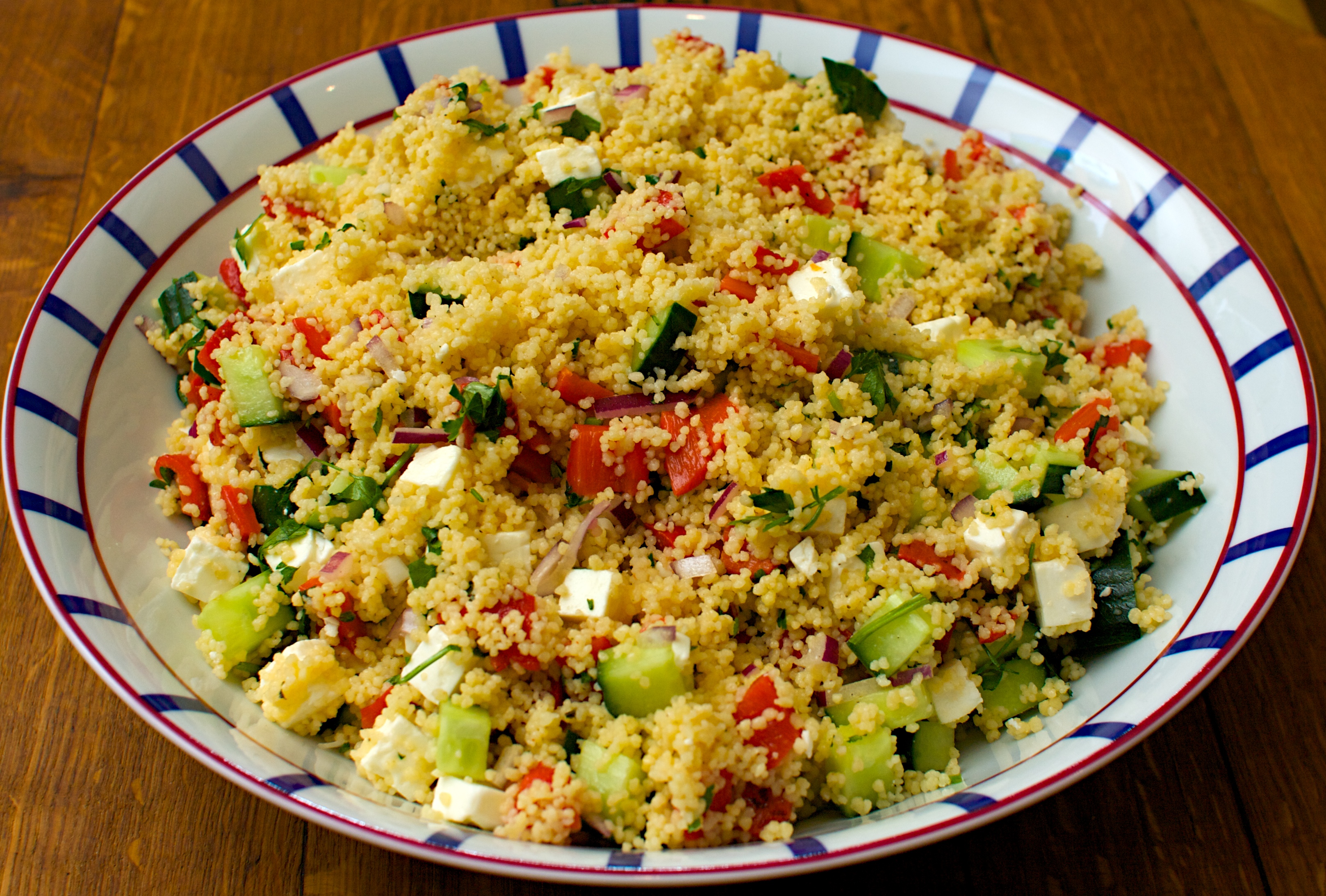
We’re always looking for easy things to take to work for lunch. This can be made with almost anything you have left in the fridge but we make it most often when we’ve only used half a pack of feta cheese for another recipe. The more herbs you add the better so its great for using up the ends of those little packs.

Quick couscous salad – makes 4 large portions 

  • 250g couscous
  • 400ml hot chicken or vegetable stock
  • olive oil
  • lemon juice
  • small jar of chargrilled red peppers in olive oil, drained and diced
  • ½ cucumber, chopped small
  • scallions, finely chopped
  • feta cheese, cut into cubes
  • lots of chopped herbs

Put the couscous in a large bowl and cover with the hot stock. Cover the bowl with cling film and leave for 10 minutes. Remove the cling film, drizzle with olive oil, lemon juice, and season.  Separate the grains with a fork and leave to cool a bit.

While the couscous is still warmish, add the rest of the ingredients and toss gently. Taste and adjust the seasoning and add more oil if it needs moisture. Eat at room temperature.

Read Full Post »

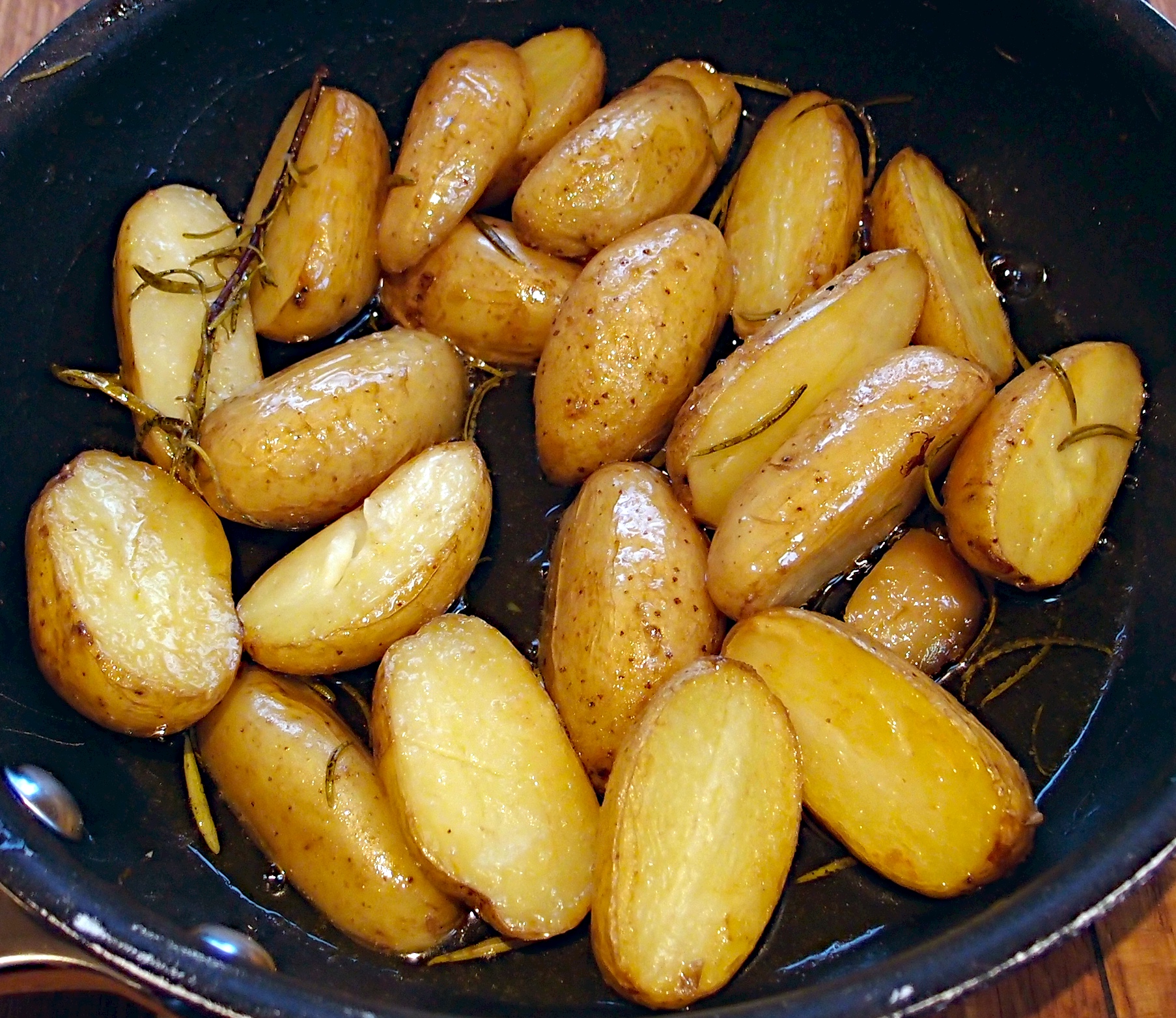
Rosemary flavoured potatoes are available everywhere in Tuscany and we love them!

Patatine Novelle al Rosmario – to serve 4

  • 25g butter
  • 100ml olive oil
  • 1 fresh rosemary sprig
  • 1 garlic clove
  • 750g new potatoes

Heat the butter and oil in a large pan, add the rosemary, garlic and new potatoes, then cover. Cook on a low heat until golden brown. Discard the garlic and rosemary and sprinkle with some sea salt to serve.

(Original recipe from The Silver Spoon, Phaidon Press Ltd. 2005)

Read Full Post »

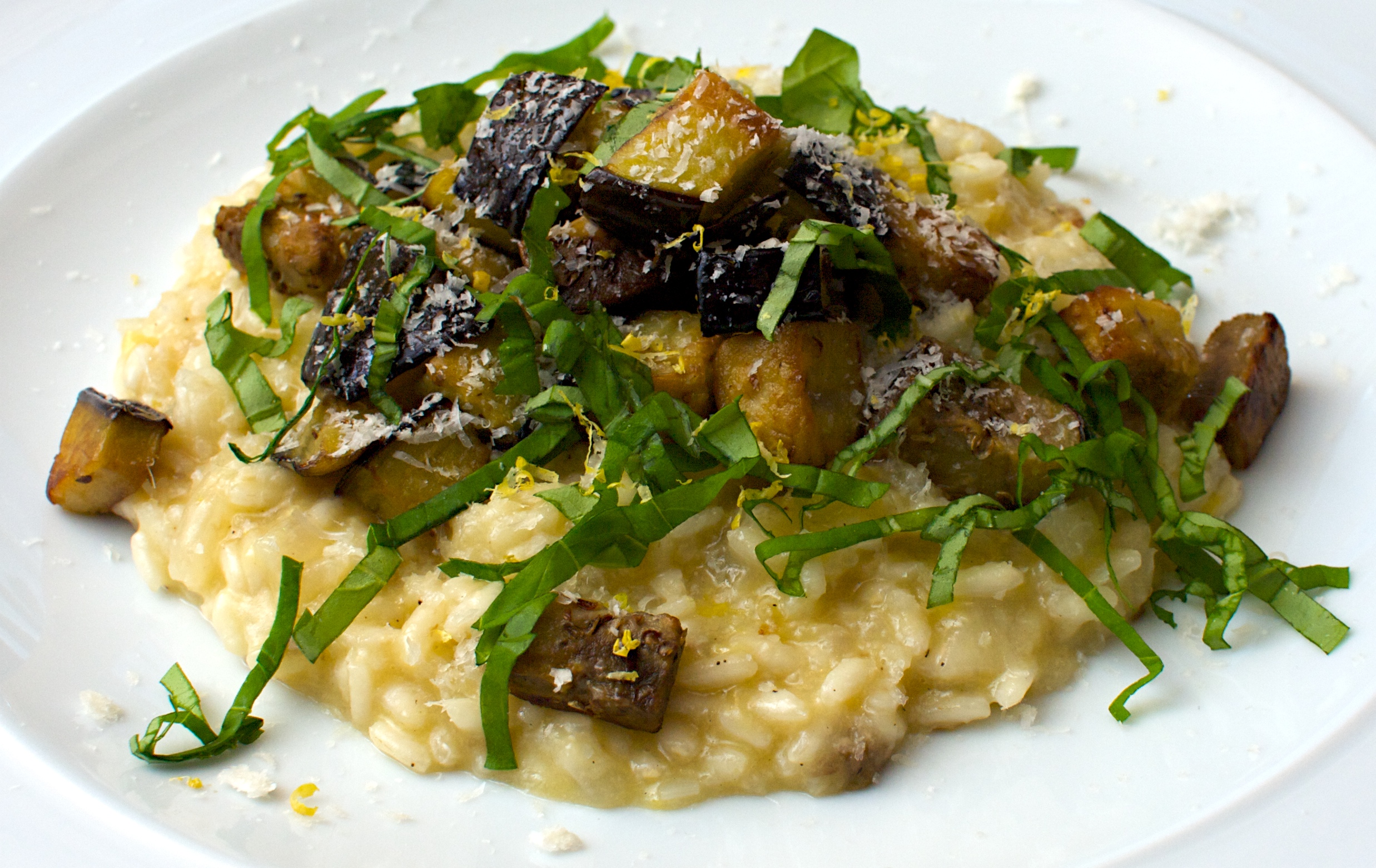
Another delicious dish by Yotam Ottolenghi who recommends making some home-made stock which we duly did. Throw some aromatic vegetables and herbs into a large pot (we used carrot, celery, onion, parsley, garlic, lemongrass and fennel), cover with water and simmer for 30 minutes. This dish does take some time to make but is completely worth the effort and time with levels of flavour and texture that really make this risotto special.

Lemon and aubergine risotto – to serve 4

  • 2 medium aubergines
  • 130ml olive oil
  • 1 medium onion, finely chopped
  • 2 garlic cloves, crushed
  • 200g good-quality risotto rice
  • 120ml white wine
  • 750ml hot vegetable stock
  • grated zest of 1 lemon
  • 2 tbsp lemon juice
  • 20g butter
  • 50g Parmesan, grated
  • 10g basil leaves, shredded

First you need to literally burn one of the aubergines. Pierce it with a sharp knife then put on a foil-lined tray and place under a hot grill for an hour, turning now and then. You need the aubergine to deflate and the skin to be burnt and breaking. Carefully spoon out the soft flesh without getting any of the burnt skin, then chop the flesh roughly and set aside.

Cut the other aubergine into 1.5 cm cubes. Heat 80ml of the olive oil in a frying pan and fry the aubergine in batches until golden and crisp. Transfer to a colander, sprinkle with salt and leave to cool.

Put the onion and the rest of the oil in a heavy-based pan and fry slowly until soft. Add the garlic and cook for 3 minutes. Turn up the heat and add the rice, stirring until it is well coated with oil. Fry for a few minutes, then add the wine and cook until nearly evaporated. Turn the heat down to medium.

Start adding the hot stock to the rice, a ladeful at at time, and wait until each addition is absorbed before adding the next and stirring all the time. When all the stock has been added take the pan off the heat. Add half the lemon zest, the lemon juice, grilled aubergine flesh, butter, most of the Parmesan and ¾ tsp salt. Stir well, then cover and leave to rest for 5 minutes. Taste and correct the seasoning with more salt and some black pepper.

Serve the risotto sprinkled with the diced aubergine, the rest of the Parmesan, the basil and the rest of the lemon zest.

Drink with: an Italian red to complement the earthy flavour of the charred aubergine and stand up to the acidity of the lemon. We drank a Chianti Rufina made by Selvapiana, where we visited in April, and it was superb.

(Original recipe from Plenty by Yotam Ottolenghi, Ebury Press, 2010.)

Read Full Post »

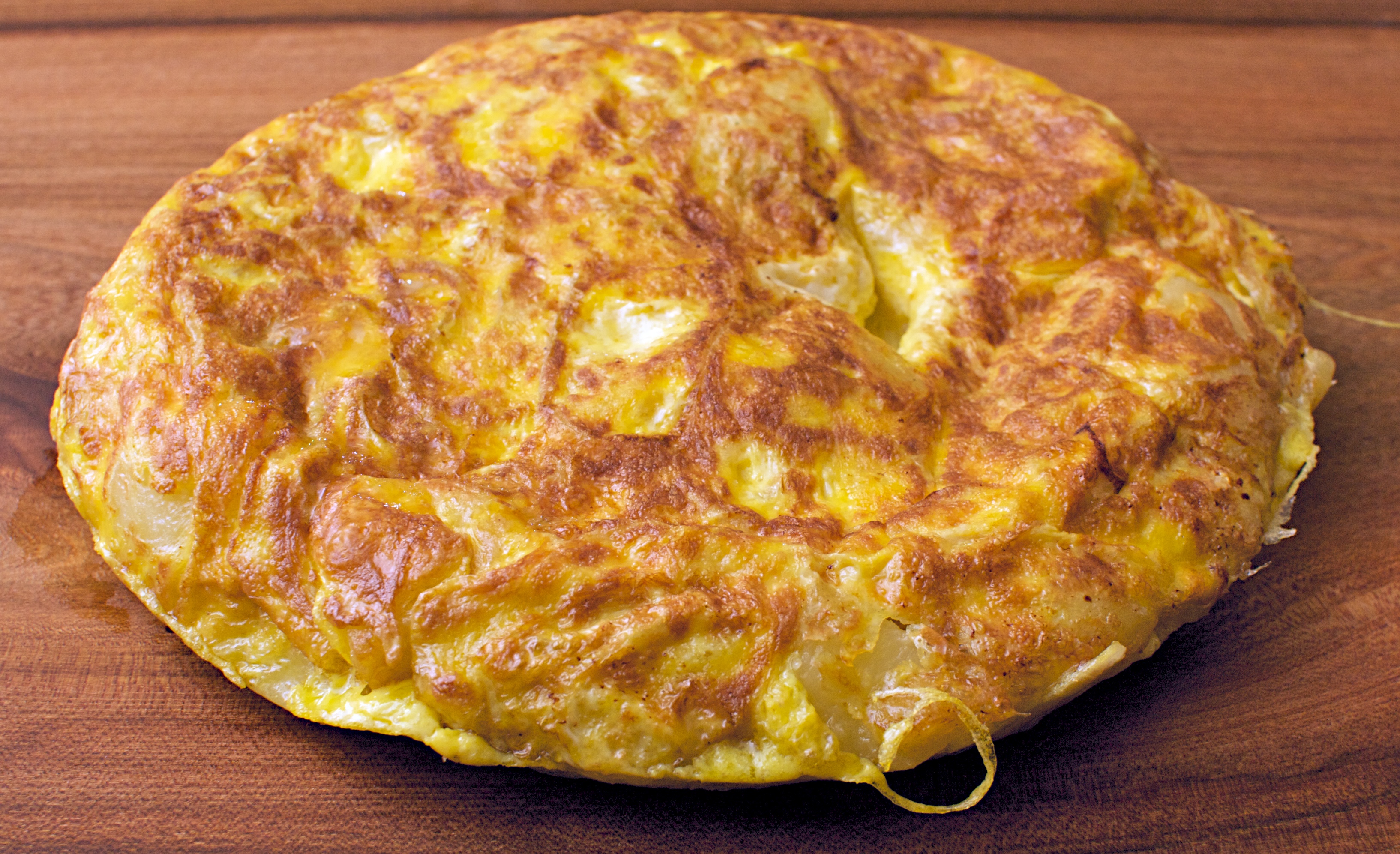
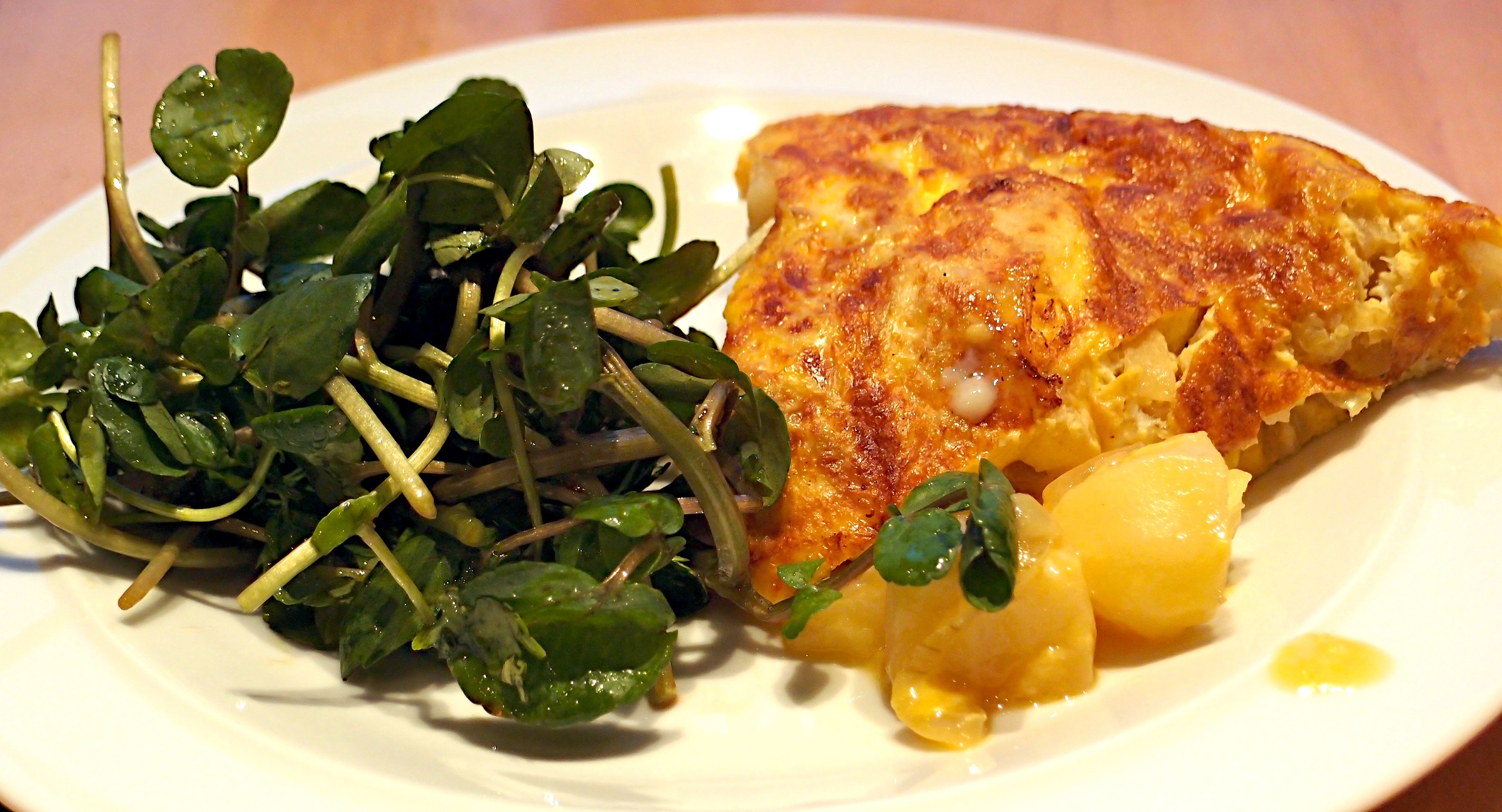
We’ve made plenty of variations on Spanish potato omelettes or tortilla but it’s hard to know when the centre is cooked. We’ve also found grilling the surface under the grill much less daunting than trying to flip a semi-liquid pan full of hot ingredients! So we were relieved to read that Claudia Roden has had similar issues and this time followed the advice she got from a Spanish friend and recounts in her fabulous book The Food of Spain. The trick is to use a smaller non-stick pan and a slightly concave saucepan lid, larger than the pan, to catch the liquid when you turn the omelette upside down. It worked for us!

Tortilla de patatas – to serve 4

  • 250g new or waxy potatoes, peeled and cut in 1.5cm cubes
  • 300ml olive oil
  • 1 medium onion, sliced thin
  • salt
  • 6 large eggs
Dry the potatoes with some kitchen roll as soon as you dice them.

Heat the oil in a smallish non-stick frying pan that will hold all the ingredients over a medium heat and add the potatoes and onions. Cook and cook over a low heat for 20-30 minutes or until the potatoes are tender. Give them a gentle shake now and again and don’t let them colour. Drain in a colander and keep the oil which you can use again. Spread the potatoes out on kitchen roll and sprinkle lightly with salt.

Beat the eggs lightly and add a little salt. Add the potatoes and onions and gently mix together.

Pour 1 tbsp of your reserved oil back into the frying pan and heat until almost smoking. Pour in the egg mixture and turn the heat to low. Cook for 3-4 minutes until the eggs set at the bottom, shaking now and then with a circular motion to stop it sticking. Put a slightly concave lid larger than the pan on top and flip the pan over quickly to leave the omelette on the lid of the pan. Pour another tbsp of the reserved oil into the pan and gently slide the omelette back in, uncooked side down, and lower the heat. Cook for 2 minutes more until just set. Run a wooden spoon round the edge of the omelette to make it neat before turning out.

Serve warm or at room temperature.

Read Full Post »

There’s hardly any couscous used here but it still manages to transform this into a really wholesome soup.

Spiced tomato and couscous soup – to serve 4

  • olive oil
  • 1 large onion, chopped
  • 2 diced carrots
  • 3 stalks celery, diced
  • 2-3 tbsp harissa paste (depending how spicy you like it)
  • 1 tsp ground cumin
  • 1 tin chopped tomatoes
  • 2 tbsp tomato purée
  • 500ml vegetable stock
  • 1 tin chickpeas
  • 2 tbsp couscous
  • handful of parsley, chopped

Heat 1 tbsp olive oil in a large pan and cook the onion, carrot and celery for a few minutes until starting to soften. Stir in the harissa and cumin. Add all the other ingredients except the couscous and stir, then cover and simmer for 30 minutes. Add the couscous and simmer for another 5 minutes, then stir in the parsley just before serving.

(Original recipe from BBC Good Food)


Read Full Post »

This is a classic Sicilian dish. Casarecce is the pasta shown in the picture but you can use penne if you can’t find it. You can roast the pistachio’s in advance but don’t chop them until you are ready to make the pesto as they will go rancid very quickly once their oils are released.

Casarecce con pesto di pistacchio – to serve 4

  • 70g shelled pistachios
  • 2 garlic cloves
  • 40g fresh basil
  • 200ml extra virgin olive oil
  • 30g pecorino cheese, grated, plus a bit extra to serve
  • 400g casarecce (or penne)

Heat the oven to 180C/350F/gas 4. Spread the pistachios out on a baking tray in a single layer and roast for about 8 minutes. Check them near the end to ensure they don’t burn.

Chop the pistachios. Take ¾ of the pistachios and the garlic and pound to a paste with a pestle and mortar. Pound the basil into the paste, then gradually add the olive oil.  Add the remaining pistachios and the pecorino and pound just briefly to make sure you keep some pieces of pistachio. Season.

Cook the pasta in lots of boiling salted water until al dente. Drain and put the pasta back in the pan, reserve a little of the cooking water. Toss the pasta with the pesto and add a bit of the cooking water to loosen if necessary. Grate over some more pecorino to serve.

Drink with: We tried a Vermentino from Colli di Luni DOC (Hills of the Moon) in the hills of Liguria in Italy which worked very well and is a classic partner for Pesto dishes. To be even more authentic to the dish we would suggest something Sicilian made from Grillo; you need minerality, nuttiness, fresh acidity and fruitiness wrapped in a medium bodied wine.

(Original recipe from Georgio Locatelli’s Made in Sicily, Fourth Estate, 2011.)

Read Full Post »
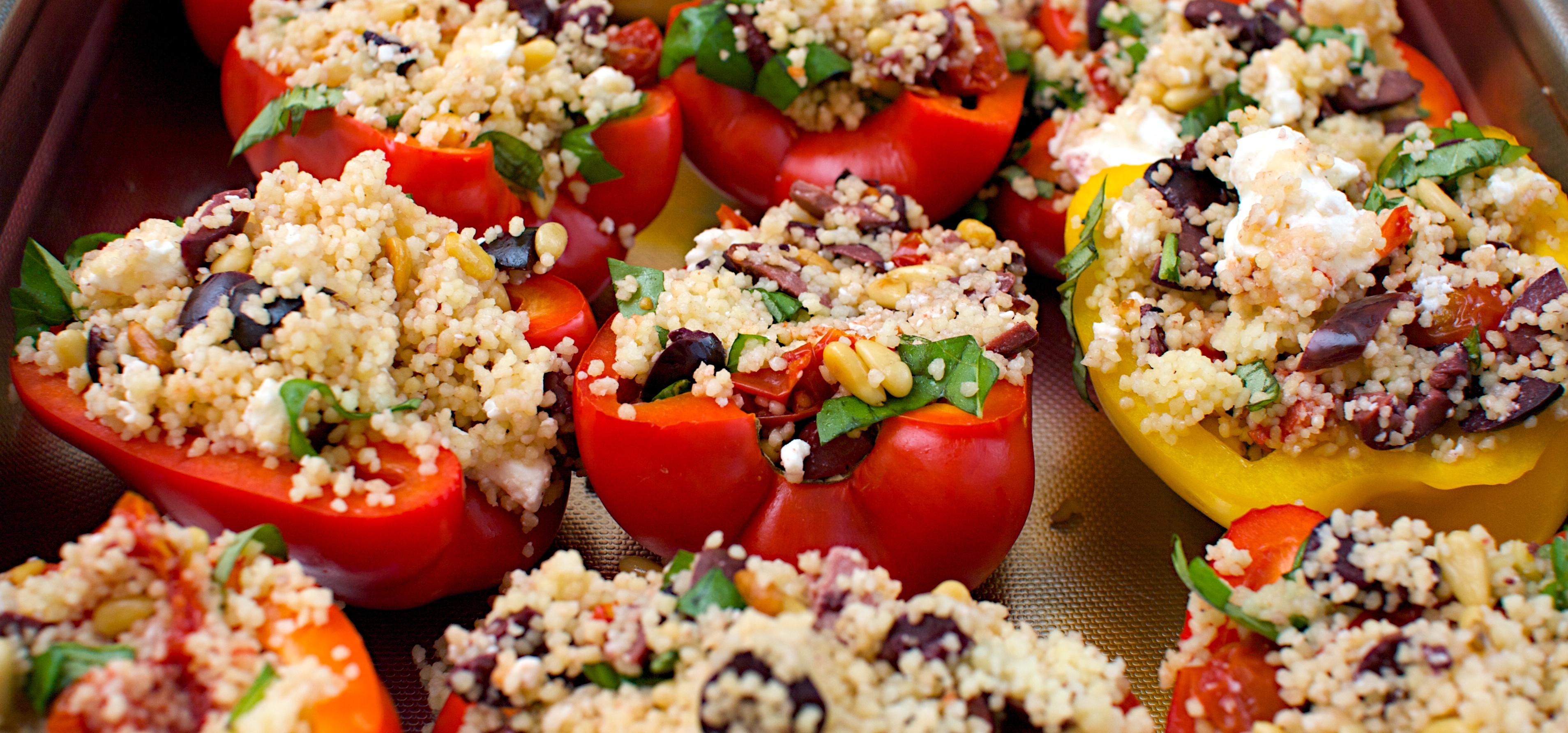
We like to take these to work in our lunchboxes but it would also make a nice veggie main with some salad. Very easy to double the recipe too.

Mediterranean Stuffed Peppers – to serve 2

  • 1 large red and 1 large yellow pepper, halved and deseeded
  • 85g couscous
  • 25g pine nuts, toasted
  • handful black olives, roughly chopped
  • 50g feta, crumbled
  • 50g semi-dried tomatoes, chopped
  • 2 tbsp shredded basil

Heat the oven to 200C/180C fan/gas 6. Microwave the peppers on a plate on Medium for about 5 minutes or until they are almost soft.

Put the couscous in a bowl and cover with 125ml boiling water. Stir, then cover the bowl with cling film and leave for 10 minutes. Break the couscous up with a fork, then add the pine nuts, olives, feta, tomatoes and basil. Pile the stuffing into the peppers, put on a baking tray and bake for 10 minutes.

(Original recipe from BBC Good Food)

Read Full Post »

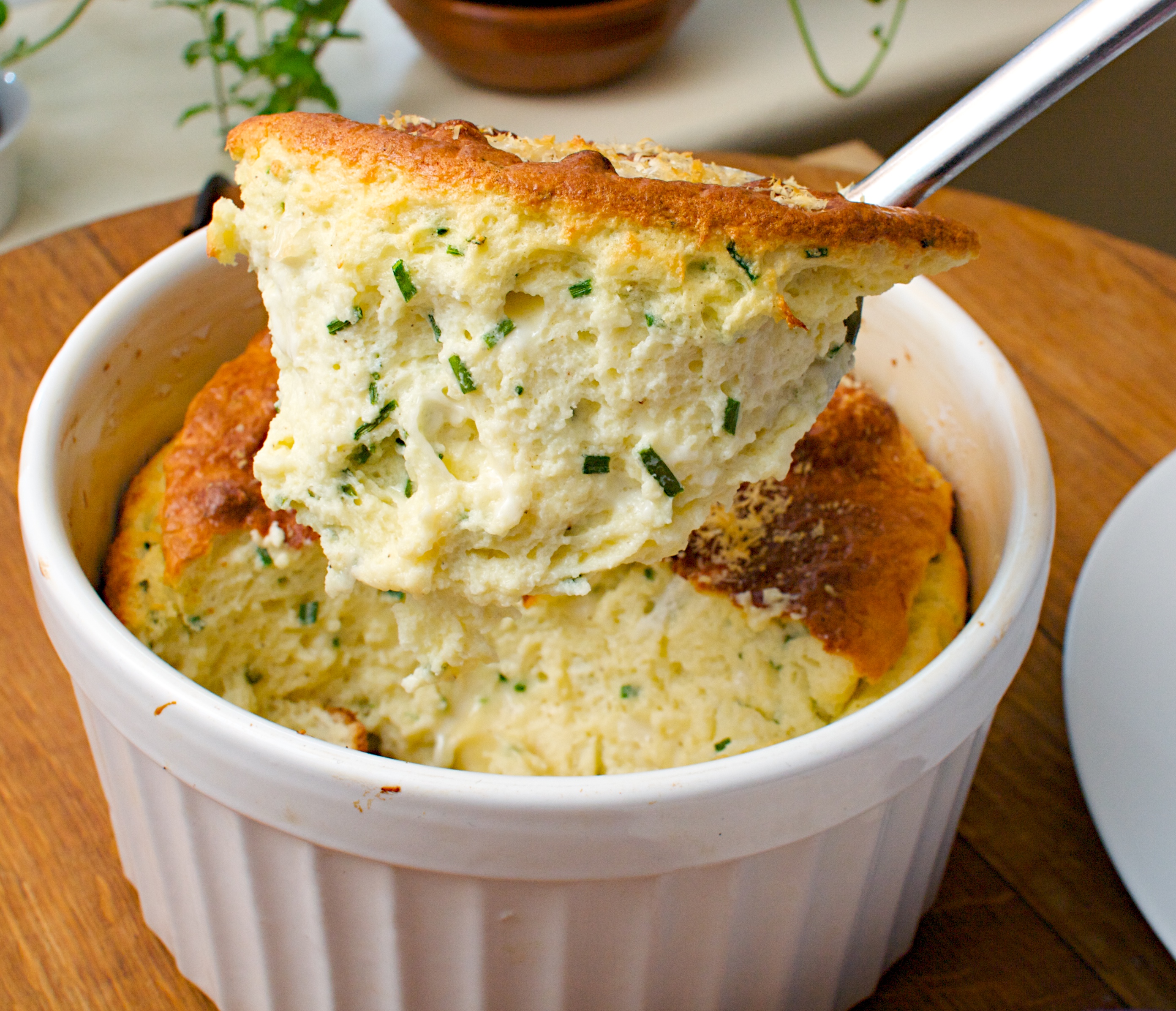
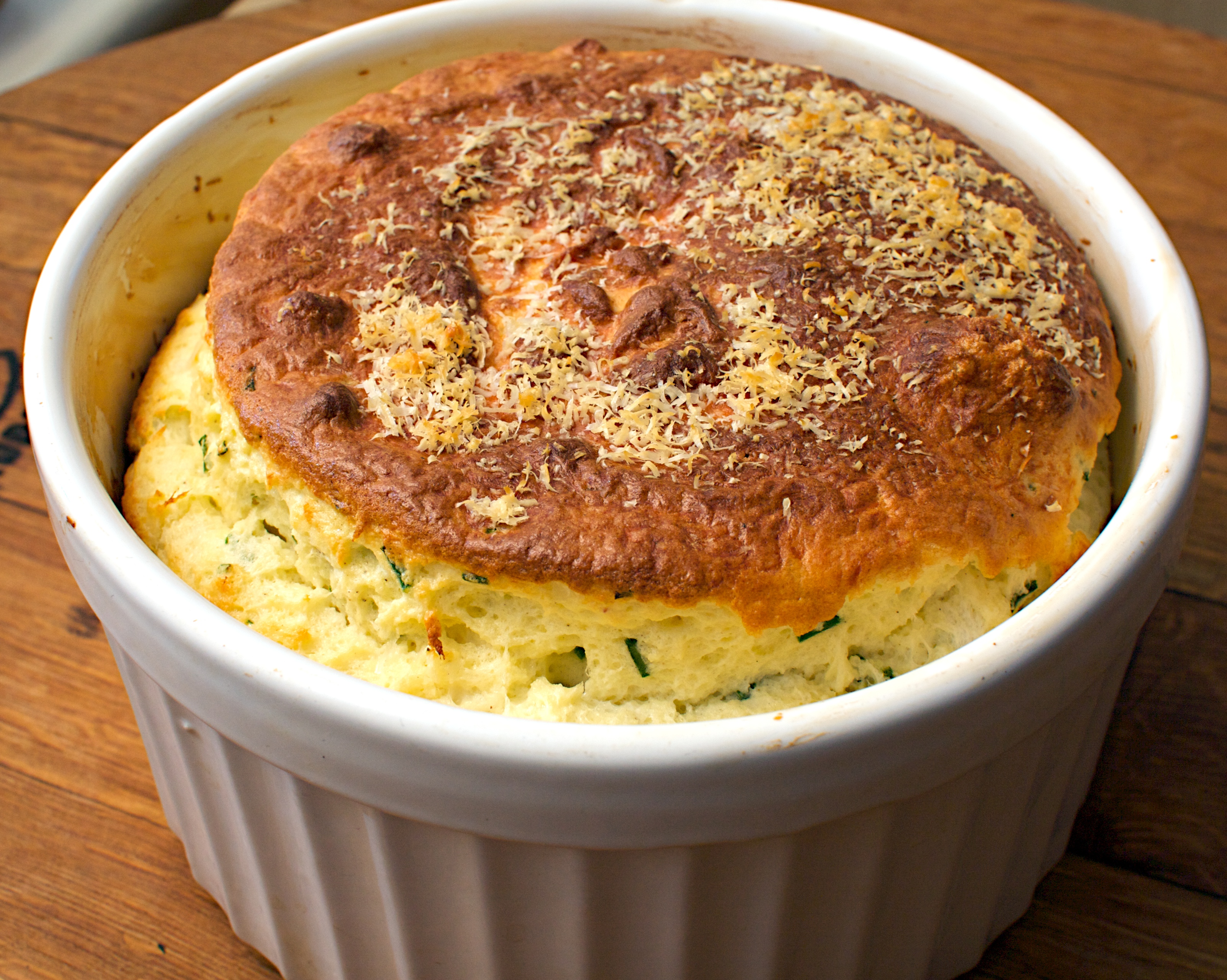
Soufflés are not that hard to make despite their intimidating reputation. Maybe try it yourself first before serving at a dinner party, just in case. Ideally you need a 2 pint soufflé dish (ours was a bit bigger and it still turned out great – it just won’t rise up above the rim of the dish as much). Tastes fab!

Easy cheesy soufflé – to serve 4

  • 50g butter, plus a bit for greasing
  • 4 eggs
  • 100g firm goat’s cheese, with rind
  • 300ml milk
  • 1 bay leaf
  • 50g plain flour
  • 50g grated Parmesan
  • 15g packet chives

Put a heavy baking tray on the shelf below the centre of the oven and preheat the oven to 190C/fan 180C/gas 5. Grease the inside of a soufflé dish with some soft butter. Put the egg whites in a large clean bowl, and the yolks in a small bowl. Finely chop the goat’s cheese.

Put the milk into a large saucepan, then add the bay leaf, butter and sprinkle in the flour. Put the pan over a medium heat and whisk vigorously continuously until the milk comes to the boil. Once the sauce bubbles and starts to thicken, continue to whisk for a further minute until it is very thick, then remove from the heat.

Throw away the bay leaf. Stir in the goat’s cheese and Parmesan, keeping 1 tbsp Parmesan. The mixture will look pretty lumpy but don’t worry about this. Stir in the egg yolks, one at at time. Snip in the chives using a pair of scissors, then season with salt and pepper. Stir well and set aside.

Whisk the bowl of egg whites with an electric mixer on high speed for 2-3 minutes until they stand in soft peaks. You should be able to hold the bowl upside down without the eggs sliding out. Careful not to whisk them past this point. Use a wooden spoon to stir two spoonfuls of the egg whites into the cheese sauce in the pan.

Use a spatula or large metal spoon to gently fold the remaining egg whites into the cheese sauce until they are evenly mixed in. Take your time and stop when a few streaks of egg white are still visible.

Pour the mixture into your soufflé dish and sprinkle with the remaining Parmesan. Run your thumb lightly around the inside edge of the dish to make a deep groove in the mixture. Gently place onto the hot baking sheet in the oven and cook for 35-40 minutes, until risen and golden. Shake the soufflé gently to check if it is cooked, if it wobbles a lot, bake for another 5 minutes. Serve straight away as it doesn’t keep!

Wine Suggestion: We suggest trying a rich, mouth-filling white from the northern Rhône. Try a Condrieu made from Viognier, or for something a little different we highly recommend Pierre Gaillard’s St Joseph Blanc made from 100% Roussanne.

(Original recipe by Jeni Wright, in BBC Good Food Magazine, June 2001.)

Read Full Post »

This is really fresh and tasty and a million miles better than the gloopy shop bought stuff. It’s also really handy to make if you have a food processor; use the slicing attachment for the cabbage and onion and the julienne attachment for the carrots and apples. Great side dish for a barbecue.

My Favourite Coleslaw – to serve 6

  • ½ a white cabbage, core removed and cut into quarters
  • 1 small red onion, peeled
  • 3 carrots, peeled
  • 2 red apples, washed and cored
  • a small bunch of flat-leaf parsley, leaves picked and roughly chopped
  • juice of 1-2 lemons
  • some mayonnaise
  • 1 heaped tsp English mustard

Slice the cabbage as finely as possible or slice using a food processor. Then slice the onion in the same way and mix with the cabbage in a large bowl.

Julienne the carrots and apples with a mandolin or food processor or cut into matchsticks. Add to the bowl along with the chopped parsley, a few dollops of mayonnaise and the mustard. You can adjust the quantities of lemon juice and mayonnaise to how you like it. We just added the juice from one lemon and a few good dollops of mayonnaise. Season to taste and toss together.

Et voila!

(Original recipe by Jamie Oliver in, Cook with Jamie, Penguin Books, 2006.)

Read Full Post »

Finally we have warm enough weather to stop thinking about soup so much. This is more of a warm weather soup. Nice and light with really fresh flavours. You can even eat it chilled if you like.

Pea and Mint Soup – to serve 4

  • 1 bunch scallions, roughly chopped
  • 1 clove garlic, crushed
  • 1 medium potato, peeled and diced
  • 850ml vegetable stock
  • 900g fresh peas in their pods – you should get around 250g peas (or use frozen)
  • 4 tbsp chopped fresh mint
  • large pinch caster sugar
  • 1 tbsp fresh lime or lemon juice
  • 150ml buttermilk or soured cream

Put the scallions, garlic, potato and stock in a large pot and bring to the boil, then turn down and simmer for about 15 minutes or until the potato is very soft.

Blanch 3 tbsp of the shelled peas in boiling water for 2-3 minutes, drain, put in a bowl of cold water and set aside to use as a garnish at the end.

Add the rest of the peas to the pot and simmer for 5 minutes. Stir in the mint, sugar and lemon/lime juice, then blend until smooth. Stir in the buttermilk or soured cream and season and reheat gently if necessary (don’t let it boil though or it might curdle). Garnish with the drained peas to serve.

(Original recipe from BBC Good Food)

Read Full Post »
« Newer Posts - Older Posts »