Feeds:
Posts
Comments

Archive for October, 2022

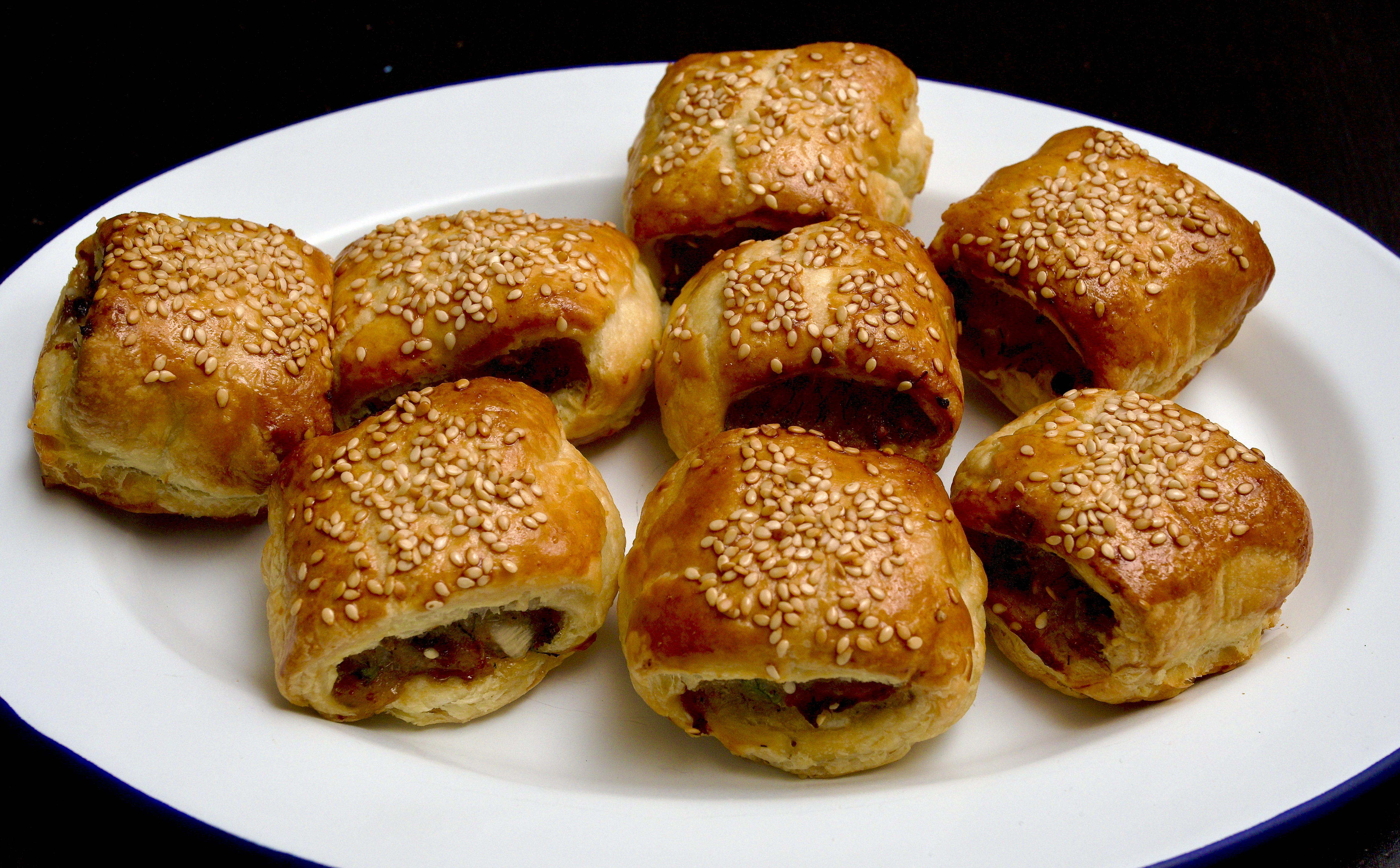
These are a nice spin on regular sausage roll. Great for a snack with some ketchup.

Sausage rolls with barberries & dill – makes 16

  • 370g ready-rolled puff pastry
  • 1 egg, beaten
  • 1 tbsp sesame seeds

FOR THE FILLING:

  • 350g sausagemeat
  • 3 scallions, finely sliced
  • 15g dill, finely chopped
  • 2 tbsp dried barberries
  • 1 tsp dried oregano
  • 1 tsp garlic granules
  • 1 tsp pul biber chilli flakes

Preheat the oven to 220C/200C fan/Gas 7.

Line a large baking tray with baking paper.

Put all of the filling ingredients into a large bowl. Season generously with maldon salt and black pepper, then mix with your hands for a couple of minutes until evenly combined.

Divide the puff pastry sheet in two, lengthways.

Divide the sausage mixture in two, then form two long sausages, almost the same length as the pastry strips. Place a sausage in the middle of each piece of pastry. Brush one edge of the pastry with egg, then fold the pastry edges over to enclose the sausage. The beaten egg will help to seal them.

Turn the rolls over so the seam is underneath, then cut each roll into 8 pieces.

Transfer to the baking tray and brush the tops with the beaten egg. Sprinkle with the sesame seeds, then bake in the hot oven for 22-25 minutes or until well browned. Leave to cool for a few minutes before serving with some ketchup if you like.

(Original recipe from Persiana Everyday by Sabrina Ghayour, Aster, 2022.)

Read Full Post »

A delicious steak recipe from Mezcla by Ixta Belfrage. Ixta fries the steak in a pan over a high heat, we used a barbecue – fabulous flavours either way. You will need to grind about 3 black limes to get enough for the marinade and the butter.

Wine Suggestion: Thanks to our friends Tim & Mick, who’ve been travelling recently, we had an excellent Öküzgözü from Turkey which was regal, refined, and a delightful surprise. We wish we could remember the name of the winery as we forgot to take a picture and the bottle recycling was done the next day before we remembered! Full of black cherry, raspberry, and dark mulberry flavours; this was complex and had layers of dark chocolate, licorice, leather, tobacco, cloves, and something slightly herbal and minty, but we couldn’t put our finger on what.

Bavette steak with black lime & maple butter – serves 4

  • 500g bavette steak, cut into 3 equal pieces
  • 300g ripe tomatoes
  • ½ red onion
  • 1 lemon, cut into wedges, to serve

FOR THE MARINADE:

  • 1 tsp fine salt
  • 3 tbsp olive oil
  • 1 tsp Urfa chili flakes (we used a mixture of smoked paprika and aleppo pepper)
  • 1½ tsp ground black lime
  • about 50 twists of black pepper

FOR THE SOY AND MAPLE BUTTER:

  • 40g ghee or unsalted butter
  • 1 tbsp soy sauce or tamari
  • 2½ tsp maple syrup
  • ½ a small clove of garlic, finely grated
  • ¾ tsp ground black lime
  • ¾ tsp Urfa chilli flakes (see above)

Pat the steak dry and put into a large bowl. Add all the marinade ingredients and rub into the steaks. Leave aside for 10 minutes or up to 1 hour (you can do this further ahead and leave in the fridge but make sure you bring them back to room temperature before cooking).

Get your barbecue very hot, then sear the steaks for 2 minutes on each side, you want them dark brown on the outside but rare in the middle. Transfer to a warm plate and rest for 8 minutes, turning over halfway.

While the steaks are resting, slice the tomatoes and onions and arrange on a platter. Sprinkle with ½ tsp flaked salt.

Melt the ghee in a small saucepan over a medium heat. When it is melted and hot, remove from the heat and stir in the soy sauce, maple syrup, garlic, black lime and chilli flakes.

Slice the bavette against the grain and arrange over the onions and tomatoes. Sprinkle with some sea salt, then spoon over the soy and maple butter and serve with the lemon wedges on the side.

(Original recipe from Mezcla by Ixta Belfrage, Ebury Press, 2022.)

Read Full Post »

This is fun to cook outside over fire but you can of course cook it on the hob too if you’re feeling less adventurous. Weather dependent though … we had a gap in the rain in Ireland and seized the day.

Wine Suggestion: Inspired by Jono’s trip to visit producers in California we opened a Cline Vineyards Pinot Noir from the Petaluma gap in Sonoma. Inexpensive for a Pinot, and yet so well balanced from the cooling fogs pouring in from the pacific, this is food friendly, open and joyful. At no point does this feel too heavy for the food and has the right amount of juicy fruit to complement the barbecue-smokey flavours.

FOR THE SPICE MIX:

  • 1 tsp coriander seeds
  • ½ tsp black peppercorns
  • 1 tbsp cumin seeds
  • ½ tsp ground turmeric
  • ½ cinnamon stick, broken up
  • 2 cloves
  • 3 black cardamom pods, crushed
  • 2 bay leaves

FOR THE KEEMA:

  • 3 tbsp veg oil or ghee
  • 500g venison mince
  • 1 onion, diced
  • 4 cloves of garlic, finely chopped
  • 2 cm piece of ginger, finely chopped
  • 200ml water
  • 2 tomatoes, roughly chopped
  • 3 long green chillies, finely sliced
  • 100g peas
  • 2 tbsp roughly chopped mint
  • 2 tbsp roughly chopped coriander

FOR THE CORIANDER AND GARLIC YOGHURT

  • 150m natural yoghurt
  • 2 small cloves of garlic, finely grated
  • 1 tsp finely chopped coriander stalks

TO SERVE:

  • nann breads
  • mango chutney or lime pickle (optional)

Put all of the spice mix ingredients into a dry frying pan with the bay leaves and toast over a medium heat for a few minutes until fragrant. Remove from the heat and leave to cool, then crush to a fine powder.

Put a large fire-proof pan over the hot embers of your fire and add the oil or ghee. If you’re cooking inside use a large deep frying pan or shallow casserole. When hot, add the venison mince and cook for 10-15 minutes, stirring, until well browned and almost crispy.

Add the onion and cook for another few minutes until softened, then stir in the garlic and ginger and cook until fragrant. Stir in 3 tbsp of the spice mix and continue cooking for another minute.

Pour in the water and bring to a simmer. Simmer until the liquid is reduced by half.

Meanwhile, mix the ingredients for the yoghurt together in a small bowl and season with salt and pepper.

Add the chopped tomatoes chillies and peas and warm through. Season with salt and pepper and stir through the herbs.

Serve with warm naan breads and Indian chutneys or pickles.

(Original recipe from Outdoor Cooking by Tom Kerridge, Bloomsbury Absolute, 2021.)

Read Full Post »

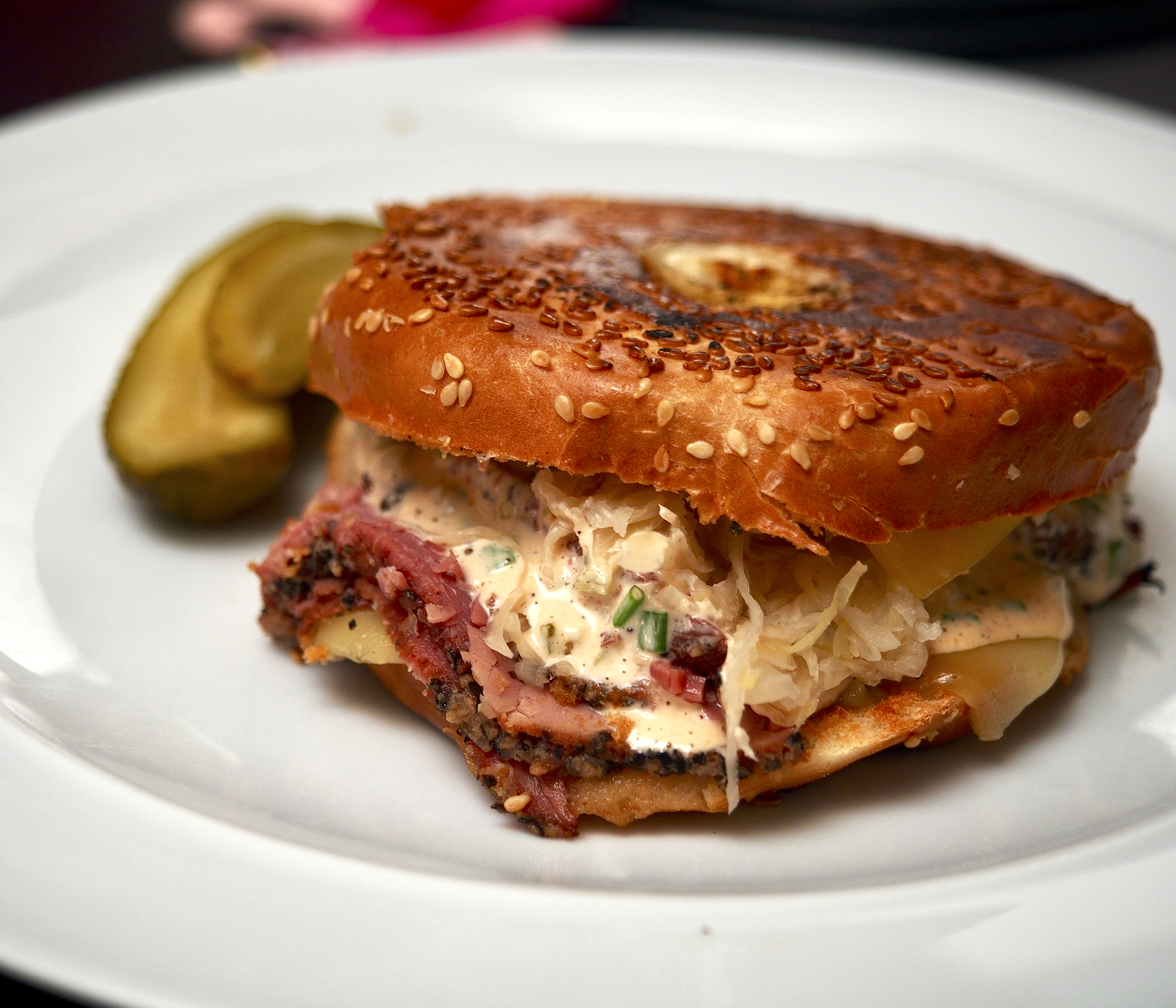
Pastrami bagel of dreams. We used some rose veal pastrami from Broughgammon Farm in Ballycastle but any pastrami will do.

Pastrami & cheese bagels – serves 4

  • 4 bagels
  • 8 slices of gruyère
  • 600g pastrami, finely sliced
  • 175g sauerkraut
  • dill pickles, to serve

FOR THE DRESSING:

  • 120g kewpie mayonnaise
  • 1 tsp capers, rinsed and dried
  • 6 cornichons, finely chopped
  • 1 tbsp finely chopped chives
  • a squirt of tomato ketchup
  • a squirt of sriracha sauce
  • a squeeze of lemon juice
  • a dash of fish sauce

Make the dressing first by whisking all the ingredients together. Taste and season as needed.

If you have a sandwich press, heat it up. We don’t and so cooked these in a heavy frying pan with another heavy frying pan on top to act like a press.

Cut the bagels in half, then put a slice of cheese on the bottom half of each. Top with loosely folded pastrami, sauerkraut and another slice of cheese. Cover with the bagel tops. Cook in the press or in a frying pan for about 4 minutes or until the cheese has melted, then open the bagels and spoon over the dressing.

Serve with the dill pickles on the side.

(Original recipe from Everything I Love to Cook by Neil Perry, Murdoch Books, 2021.)

Read Full Post »

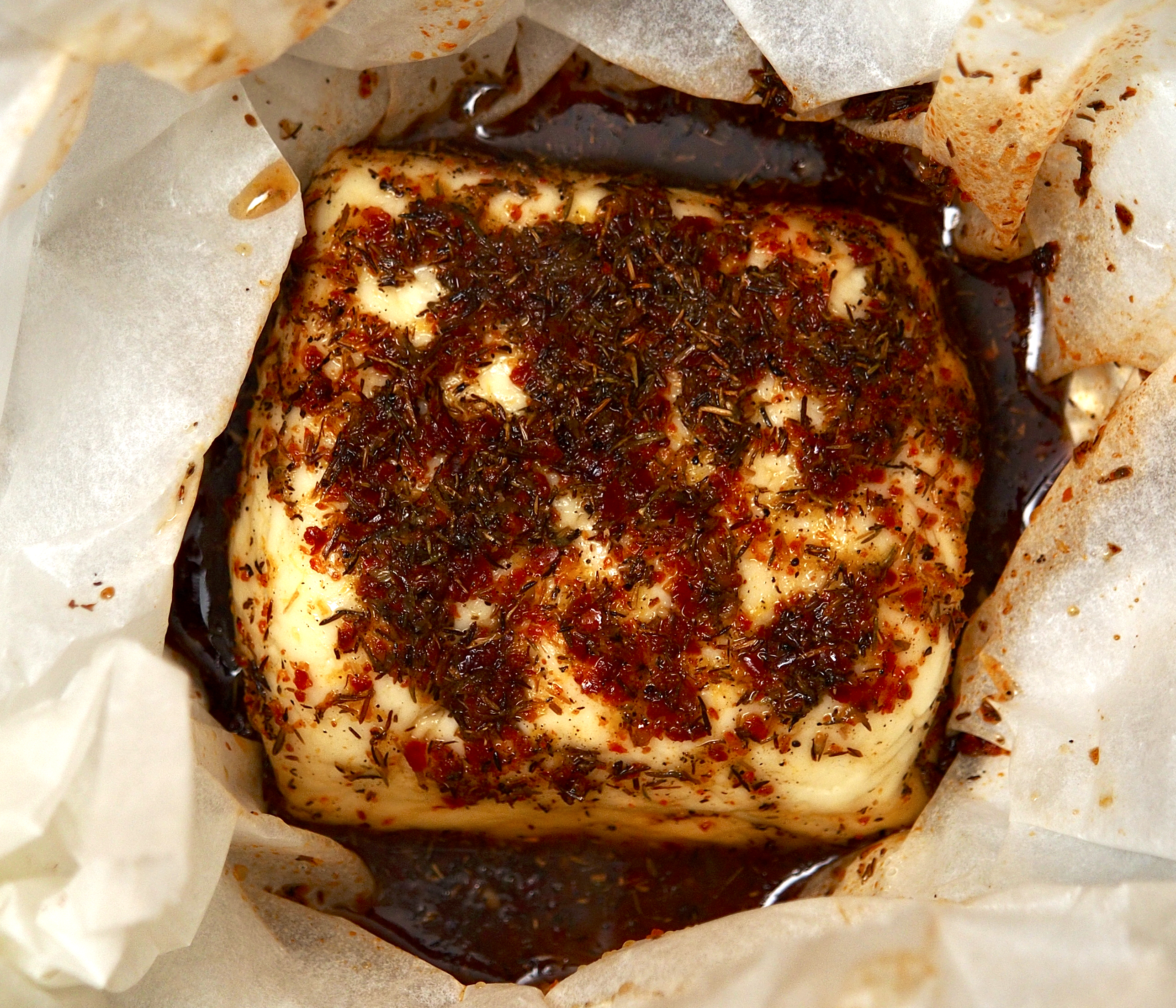
Who doesn’t love squeaky cheese? This baked halloumi is good as a side dish with some roasted chicken thighs, or you could serve as a starter with some flatbreads.

Baked halloumi with lemon, thyme & honey – serves 2-4

  • 250g block halloumi cheese
  • 2 tbsp garlic oil
  • 1 heaped tbsp clear honey
  • finely grated zest of 1 large lemon and juice of half
  • 1 tsp dried thyme
  • ½ tsp coarsely ground black pepper
  • 1 tsp pul biber chilli flakes
  • flatbread, to serve

Heat your oven to 220C (200C fan), Gas 7.

Prepare a piece of tinfoil, large enough to completely encase the halloumi. Line the tinfoil with a square of baking paper and put the halloumi in the middle. Scrunch the paper tighly around the block, leaving only the top exposed.

Mix all of the other ingredients together in a small bowl, then pour over the halloumi.

Scrunch the foil around the halloumi to make a sealed parcel. Put the parcel into a small ovenproof dish and bake for 30 minutes.

Remove form the oven and serve with warm flatbread.

(Original recipe from Persiana Everyday by Sabrina Ghayour, Aster, 2022.)

Read Full Post »

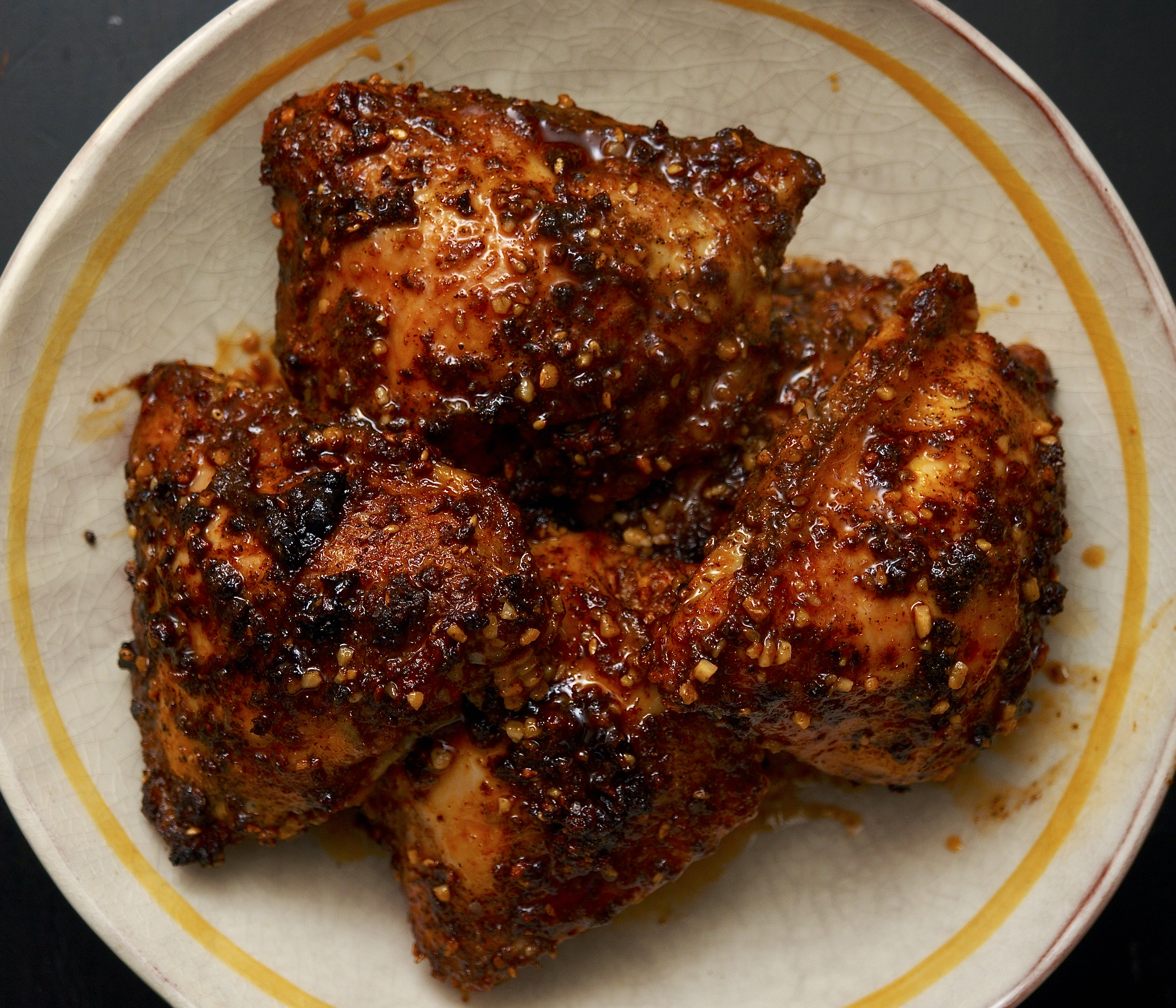
So tasty and an absolute doddle to prepare. We served with some crusty bread and baked halloumi. Delicious!

Za’atar, paprika & garlic chicken – serves 3

  • 6 large chicken thighs
  • 2 tbsp olive oil
  • 1 heaped tbsp za’atar
  • 1 tbsp paprika
  • 1 tbsp garlic granules
  • finely grated zest of 1 lemon and juice of ½

Heat your oven to 180C/160C fan/Gas 4.

Line a baking tray with paper.

Put the chicken thighs into a large bowl. Drizzle with olive oil, and add the spices, lemon zest and juice and lots of salt and pepper. Mix with your hands to coat the chicken in the mixture.

Put the chicken onto the lined tray and roast for 1 hour or until well browned and cooked through (you can check at 45 minute if your thighs are small).

(Original recipe from Persian Everyday by Sabrina Ghayour, Aster, 2022.)
Read Full Post »

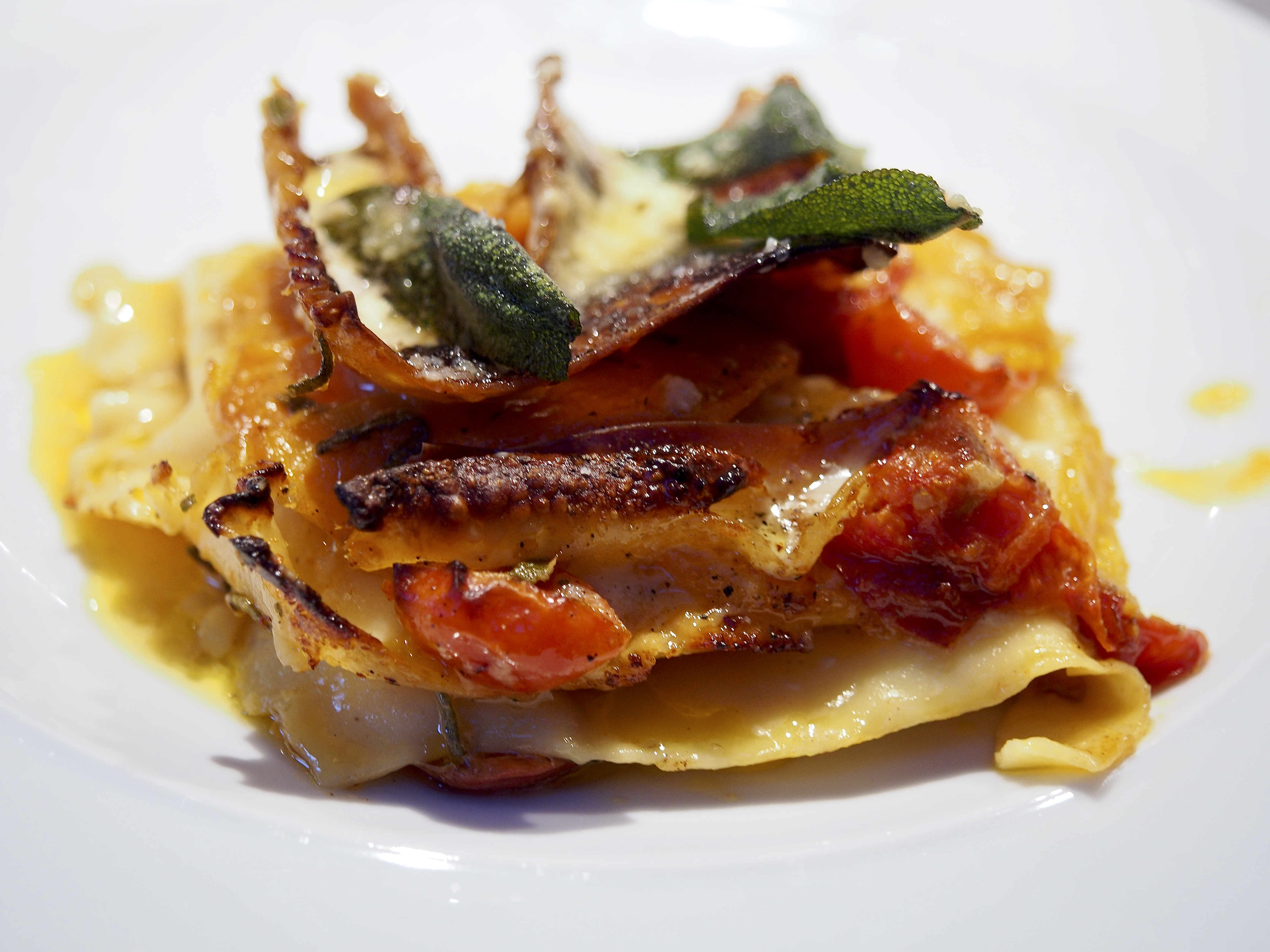
A bit like a classic lasagne but there’s no béchamel and definitely less fuss altogether. It tastes absolutely amazing too. The recipe is from Mezcla by Ixta Belfrage; a book full of delicious things.

Wine Suggestion: we grabbed the first thing in the fridge which was the Zuani Bianco Riserva, an oaked Collio from North Eastern Italy which is a blend of Friulano, Chardonnay, Sauvignon Blanc and Pinot Grigio. Stunning, with so much complexity and layered fruits, savouriness and creamy textures. An under-rated part of the world. If you can’t find something like this, look for a lightly oaked white with a fresh acidity and a nutty finish.

Squash and sage lasagne gratin – serves 4 (generously)

  • half a large butternut squash, peeled and seeds discarded (about 500g)
  • 400g ripe cherry tomatoes, halved
  • 4 cloves of garlic, finely grated
  • 1 tbsp tomato purée
  • 2¾ tsp fine salt
  • 5g fresh sage leaves, roughly chopped, plus 10 extra leaves to serve
  • 6 tbsp olive oil, plus extra to finish
  • 220g double cream, plus extra 2 tbsp to serve
  • 80g Parmesan, finely grated, plus extra to serve
  • ¾ tsp freshly grated nutmeg
  • 250g-300g dried lasagne sheets
  • 400g chicken stock (you can use veg stock if you prefer)

Heat the oven to 220C fan/240C.

Finely slice the butternut squash into very thin half moons – a mandoline is best for this or you could use the slicing attachment on a food processor.

Mix the squash slices, tomatoes, garlic, tomato purée, fine salt, chopped sage, 4 tbsp olive oil and lots of black pepper, together in a large bowl. Your hands are best to toss it all together.

Mix the cream, Parmesan and nutmeg together in another bowl. Set 80g of this mixture aside for later.

Cover the bottom of a baking dish (approx. 28cm x 23cm) with a layer of lasagne sheets, then a layer of the squash mixture. Spoon over some of the cream mixture, then continue the layering until you have used everything. Pour the stock evenly over everything in th edish, then cover tightly with foil and bake for 50 minutes.

Remove from the oven and remove the foil. Spoon over the reserved 80g of cream mixture and return to the oven, uncovered, for 10 minutes.

Mix 2 tbsp of the oil with the 10 sage leaves in a small bowl. Spoon this over the lasagne and return to the oven for a final 5-6 minutes, or until the sage leaves look crisp and the lasagne golden-brown.

Rest for 10 minutes, then finish with the 2 tbsp of cream, a good drizzle of olive oil and plenty of extra grated Parmesan, sea salt and black pepper.

(Original recipe from Mezcla by Ixta Belfrage, Ebury Press, 2022.)

Read Full Post »

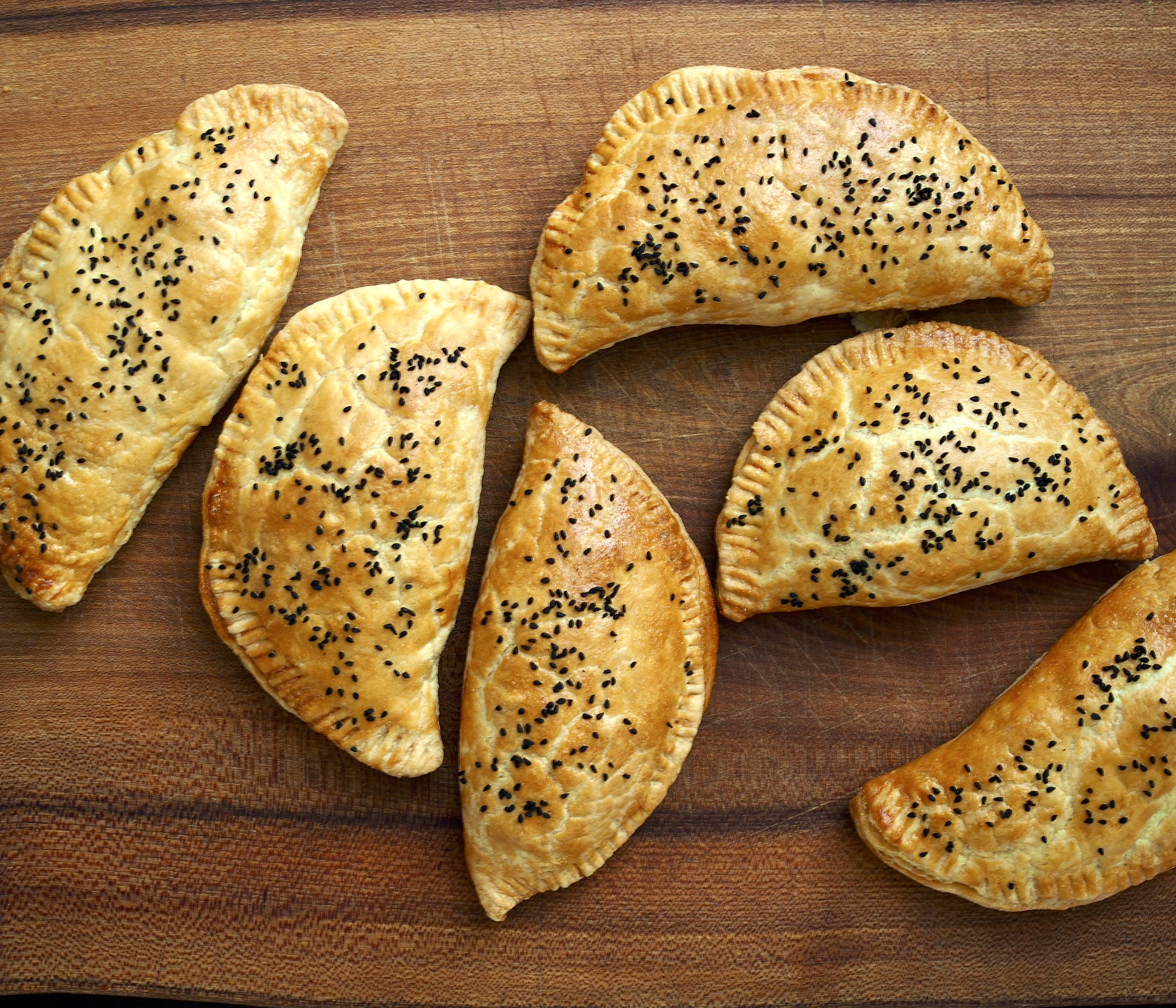
This was our first ever attempt at rough puff pastry. It’s actually pretty simple but you do need to start in the morning if you want to eat these for lunch. We had too much filling and we made some extras with shop-bought puff pastry – these were good too! It’s a good idea to make the filling first as it needs to cool completely before stuffing the pasties.

Courgette, chard & feta pasties – serves 4

FOR THE FILLING:

  • a bunch of chard
  • 4 tbsp extra virgin olive oil
  • 2 onions, thinly sliced
  • 2 cloves of garlic, thinly sliced
  • 6-8 small courgettes, sliced into 1cm rounds
  • finely grated zest of 1 lemon
  • a large handful of basil leaves, chopped
  • a handful of flat-leaf parsley leaves, chopped
  • 150-200g feta cheese (or soft goat’s cheese)

FOR THE ROUGH PUFF PASTRY:

  • 250g unsalted butter, cubed and chilled
  • 500g plain flour, plus extra for dusting
  • a good pinch of salt
  • 200ml iced water

TO FINISH:

  • 1 beaten egg
  • 1 tsp black onion seeds

Wash the chard, then remove the stalks from the leaves. Roughly chop the leaves and cut the stalks into 1cm pieces. Bring a pan of salty water to the boil and add the stalk pieces. Cook for a minute or two, then add the leaves and cook for another couple of minutes. Drain and allow to cool, then squeeze out any excess liquid from the leaves with your hands. Set aside.

Heat half the olive oil in a large frying pan over a medium heat. Add the onions, garlic and some seasoning. Cook for 5-6 minutes, watching that they don’t catch. Add the courgettes and cook for another 15-20 minutes. You want the courgettes to be nice and soft but not disintegrated. Take the pan off the heat and stir in the chard, lemon zest, basil, parsley and more seasoning. Allow to cool completely, then crumble in the feta and gently mix together. Keep the filling cool while you make the pastry.

TO MAKE ROUGH PUFF PASTRY:

Combine the butter cubes, flour and salt in a large bowl. Add just enough cold water to bring everything together into a dough. It will have big pieces of butter in it and that’s ok.

Flour your surface well, then roll the dough in one direction, away from you, to a 1cm thick rectangle. Fold the two short ends into the middle so they overlap. Give the pastry a quarter turn, repeat the rolling, folding and turning process another three times (four in total). Wrap the pastry in baking paper and put into the fridge for 30 minutes. Remove the pastry and repeat the rolling, folding and turning process another 4 times. Return to the fridge again for another 30 minutes.

Heat the oven to 200C/180C fan/400F/Gas 6.

Remove the chilled pastry from the fridge and roll out to 4-5mm thick. Use a 18-20cm plate or cutter to cut out 4 rounds. Put a quarter of the filling (or whatever fits) in the lower half of each round, leaving a 2cm border around the edge. Brush the border below the filling with beaten egg and fold the pastry over to encase the filling. Crimp the edges with a fork to seal, then brush with the egg and sprinkle over the onion seeds and a little bit of flaky sea salt.

Put the pasties on to a baking sheet lined with baking paper and bake for 45-50 minutes or until golden. Eat just warm or at room temperature.

(Original recipe from Outside by Gill Meller, Hardie Grant: Quadrille, 2022.)

Read Full Post »