Feeds:
Posts
Comments

Archive for December, 2024

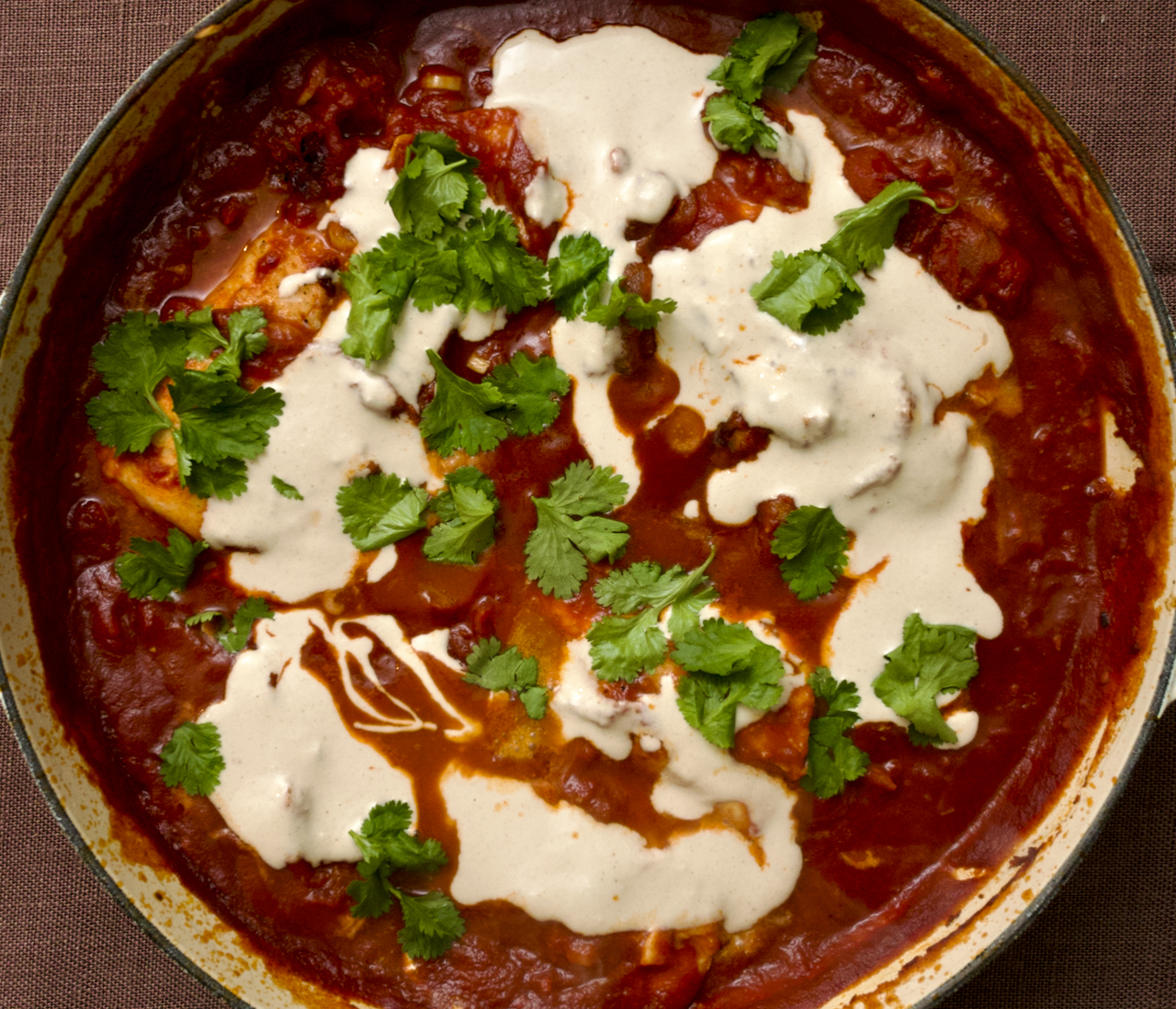
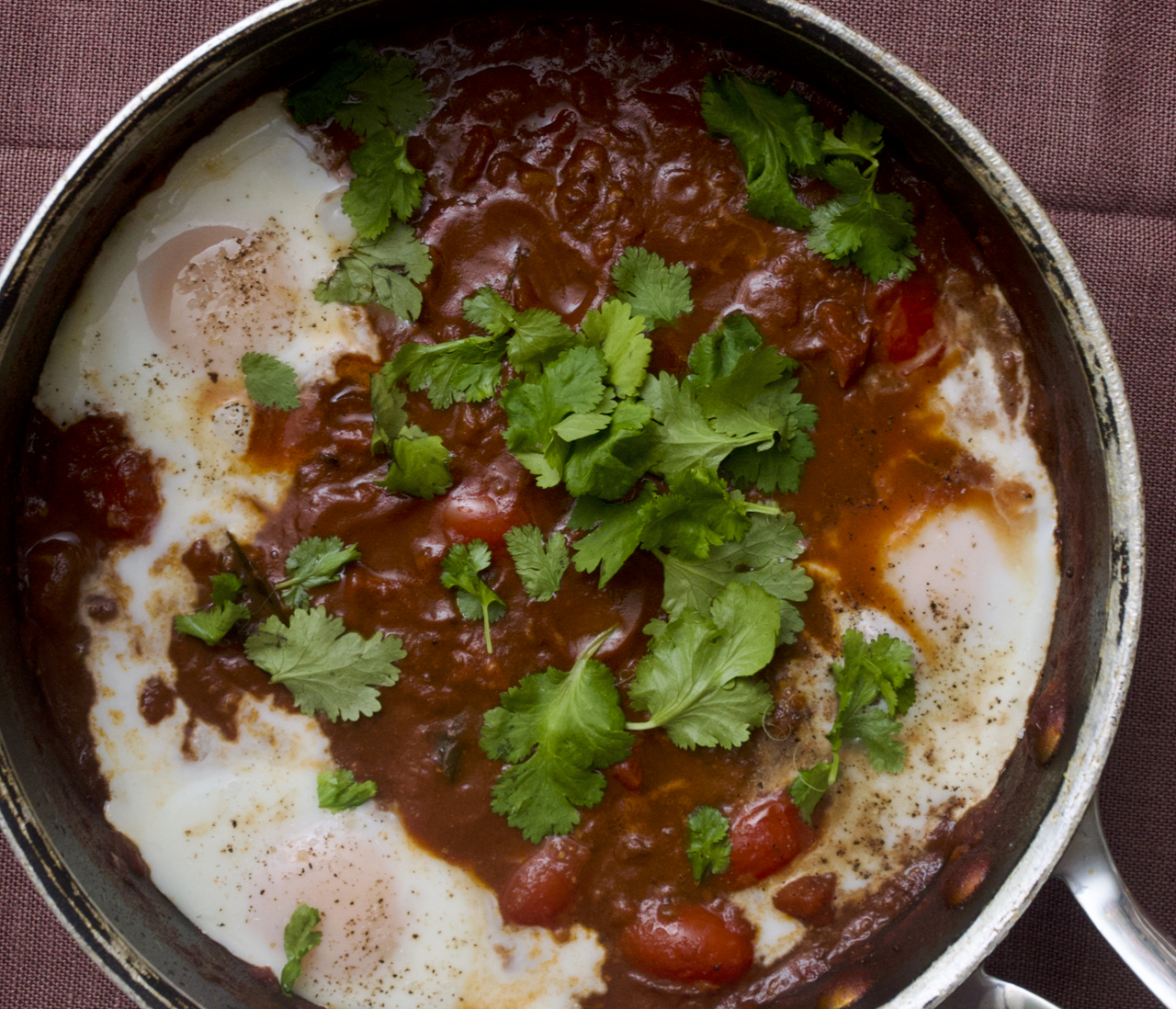
We usually have shakshuka at breakfast time but this shakshuka-style dish works well for dinner with some steamed basmati. We did crack an extra egg into the leftover sauce the following morning though.

Egg Sambal Shakshuka – serves 4

  • 1½ tsp fennel seeds
  • 2 cloves
  • seeds from 2 cardamom pods
  • ½  tsp ground cinnamon
  • 1½  tbsp medium curry powder
  • 60ml olive oil
  • ½ tsp black mustard seeds
  • 20 curry leaves
  • 1 red onion, halved and thinly sliced
  • 10g ginger, peeled and finely grated
  • 5 cloves of garlic, crushed
  • 10g coriander, stalks finely chopped and leave to serve
  • 150g datterini or cherry tomatoes
  • 2 tsp sambal oelek
  • 1 x 400g tin crushed tomatoes
  • 100ml tamarind concentrate
  • 300ml water
  • 15g palm sugar or light brown soft sugar
  • 5 eggs

Put the fennel seeds, cloves and cardamom into a small dry frying pan and toast lightly for a couple of minutes or until fragrant, then grind to a powder in a pestle and mortar. Add the cinnamon and curry powder and set aside.

Put 3 tbsp of the oil into a large sauté pan and place on a medium heat. Add the mustard seeds and 10 curry leaves and cook for 1 minute, until the seeds start to pop. Add the onion and cook for about 7 minutes, until starting to colour. Add the ginger, garlic, coriander stalks and fresh tomatoes, cook for another 5 minutes, then add the fennel spice mix. Cook for 2 minutes, then add the sambal oelek, tinned tomatoes, tamarind, water, sugar and 1½  tsp of salt. Stir and bring to a simmer. Reduce the heat to meidum-low and cook for 20-25 mintues, until thickened.

Crack the eggs into the sambal and sprinkle them with salt and pepper. Cover the pan and cook for 7-8 minutes, until the egg whites are cooked and the yolks just soft.

Meanwhile, put 3 tbsp of the oil into a small pan over a medium heat. Add the rest of the curry leaves, cook for about a minute or until very fragrant. Remove from the heat and drizzle the oil and curry leaves over the eggs and scatter over the coriander, leaves. Serve.

(Original recipe from Ottolenghi Comfort by Yotam Ottolenghi, Helen Goh, Verena Lochmuller and Tara Wigley, Ebury Press, 2024.)
Read Full Post »

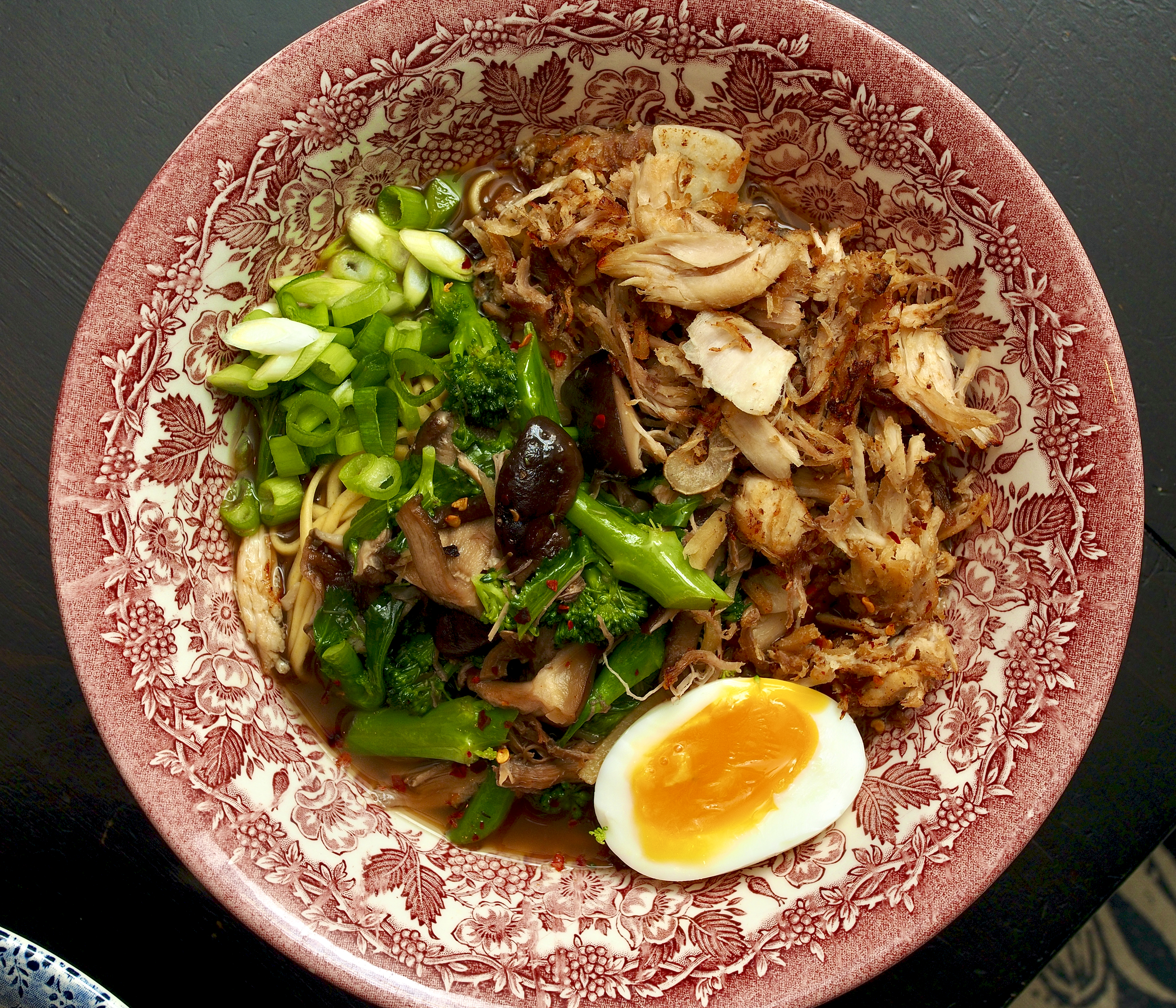
So, here’s what you have to do. Speak to whoever is cooking the Christmas turkey and tell them to save you the carcass. Break it into pieces, stuff it into a bag and put it in the fridge,  you can deal with it later. You will also need some turkey meat, about 400g, but any scraps will do, so you don’t have to take the prime cuts. Some day later in January you will be very pleased with yourself when you make this delicious ramen.

You can make the stock and freeze ahead, which is what we do. We also freeze the right quantity of meat in a freezer bag.

Wine Suggestion: This is lovely with a juicy, youthful Grenache, but avoid the big alcohol ones; look for warm spices but not a hot palate. There are some gems coming out of the Languedoc at the moment and Domaine Gayda’s Grenache had a real purity and lovely depth; the gentle tannins complimenting the turkey well.

Turkey ramen – serves 4

  • a thumb-sized piece of ginger, shredded
  • 3 tbsp soy sauce
  • 150g shiitake mushrooms, halved and quartered
  • 250g long-stemmed broccoli, cut into bite-sized pieces
  • 2 x 275g packs ready-cooked egg noodles (or cook your own and run under cold water to stop the cooking process)
  • 1½ tbsp toasted sesame oil
  • 400g cooked turkey meat, shredded
  • 2 cloves of garlic, thinly sliced
  • 2 tbsp white miso
  • 2 scallions, thinly sliced
  • a good pinch of dried chilli flakes
  • 2 soft-boiled eggs, halved (to soft boil, add the eggs to boiling water, then boil for 6½ minutes and peel under a cold running tap)
  • sriracha sauce, to serve (optional)

FOR THE TURKEY STOCK:

  • 1 turkey carcass, broken into pieces
  • 1 onion, quartered
  • 1 carrot, roughly chopped
  • 1 celery stick, roughly chopped
  • woody herbs e.g. bay leaf, thyme or rosemary

To make the stock, put the carcass into a large pan with the onion, carrot, celery and herbs. Add 2 litres of cold water and gently bring to the boil. Skim any fat or scum from the surface, then simmer for 1 hour.

Strain the stock through a fine sieve. When cooled, remove as much meat as possible from the carcass and discard the bones and vegetables. You can do this and freeze the stock and reserved meat for later.

When ready to make the ramen, bring the stock to the boil and add the ginger, soy sauce and mushrooms, and simmer for 20 minutes. Add the broccoli and cook for 2-3 minutes or until just tender.

Meanwhile, put the egg noodles into a colander and pour over a kettle of just-boiled water. Divide the noodles between 4 bowls. Ladle over the broccoli, mushrooms and stock.

Heat a non-stick frying pan over a high heat and add the sesame oil. Cook the turkey for 4-5 minutes or until starting to crisp, then add the garlic and cook for a minute. Add the miso and cook for a minute more. Divide the turkey between the 4 bowls, then finish with the scallions, chilli flakes and half a boiled egg. Drizzle over some sriracha sauce if you like.

(Original recipe by Adam Bush in Olive Magazine, Christmas, 2019)

Read Full Post »

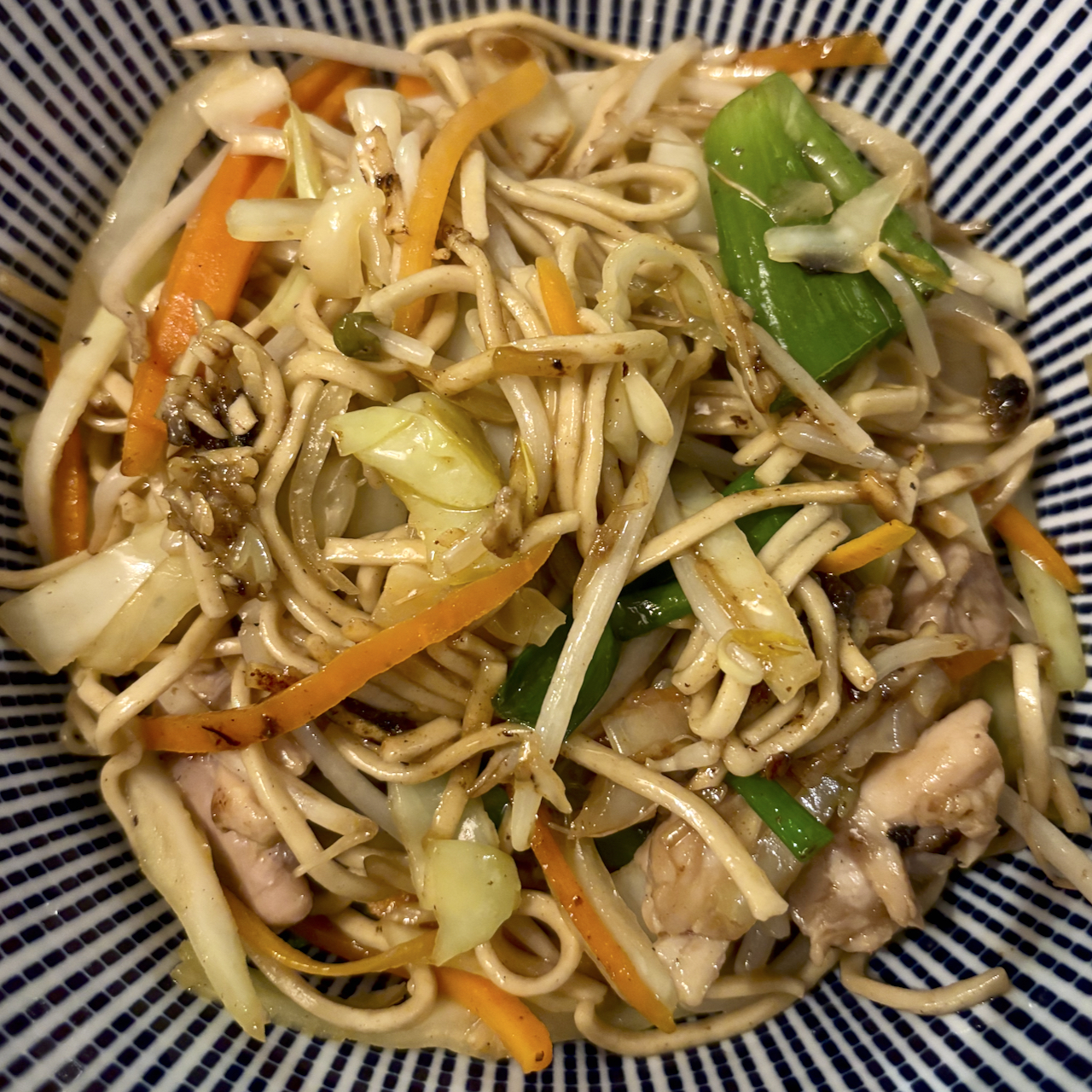
Delicious noodles and made in minutes!

Chicken Chow Mein – serves 2

  • 200g chicken thigh fillets, finely sliced
  • ½ tsp bicarbonate of soda
  • 200g cooked noodles
  • 1½ tbsp rapeseed oil
  • 2 cloves of garlic, finely minced
  • 200g finely shredded green cabbage
  • 1 carrot, julienned
  • 3 scallions, cut into 5cm lengths, white and green parts separated
  • 60ml water
  • 120g bean sprouts

FOR THE SAUCE:

  • 2 tsp cornflour
  • 1½ tbsp light soy sauce
  • 1½ tbsp oyster sauce
  • 1½ tbsp Chinese cooking wine
  • 2 tsp white sugar
  • ½ tsp sesame oil
  • freshly ground white pepper

Put the chicken in a bowl and sprinkle over the bicarbonate of soda. Toss to coat, then set aside for 20 minutes. Rinse in a colandar under tap water for 5 seconds, then shake off the excess water and pat dry with kitchen paper.

To make the sauce, mix the cornflour and soy sauce in a small bowl, then mix in the rest of the ingredients. Pour 1 tbsp of the sauce over the chicken, mix to coat, then set aside to marinate for 10 minutes.

Heat the oil in a wok. Add the garlic and stir-fry for 10 seconds, then add the chicken and stir-fry until tinged brown but not cooked through – about 1 minute.

Add the cabbage, carrot and the white part of the scallions and stir-fry for 1½ minutes or until the cabbage is wilted.

Add the noodles, sauce and water and stir-fry for 1 minute, tossing the whole time, until the sauce thickens and coats the noodles.

Add the bean sprouts and the green parts of the scallions, toss for 30 seconds or until the beansprouts start to wilt. Remove from the heat and serve.

(Original recipe from Recipetin Eats Dinner by Nagi Maehashi, Pan Macmillan, 2000.)

Read Full Post »

Two delicious sauces combine to really highlight the fish in this North African inspired dish. We used hake but you can of course use other white fish fillets. Serve with couscous and pitta breads.

Wine Suggestion: it is quite a complex challenge to balance the spices, tomatoes and creamy tahini, but we think this works great with Mediterranean inspired blends that include a bit of Tempranillo like Parker Estate Favourite Son Shiraz-Tempranillo. Despite this being a bigger red and this being a fish dish there’s a certain freshness from Coonawarra that comes through and very complimentary spices that make this work.

Fish cooked in tomato sauce with tahini – serves 4

  • 4 tbsp olive oil
  • 1 onion, finely sliced
  • 5 cloves of garlic, finely sliced
  • 2 tbsp smoked paprika
  • 1 tsp ground cumin
  • a pinch of chilli flakes
  • 2 tbsp tomato purée
  • 2 x 400g tins plum tomatoes
  • 1 preserved lemon
  • 4 fillets of hake (or other white fish)
  • fresh coriander, to serve

FOR THE TAHINI SAUCE:

  • 1 clove of garlic
  • half a lemon
  • 80g tahini
  • 5-6 tbsp ice-cold water
  • a pinch of ground cumin

Warm the olive oil in a large sauté pan, then cook the onion with a pinch of salt until soft. Add the garlic and spices and continue frying for another minute or two, then add the tomato purée and cook for another couple of minutes.

Add the tinned tomatoes, then rinse the tins with a little water and add that too. Break the tomatoes up with a wooden spoon and simmer for 10-15 minutes to thicken the sauce. Quarter and deseed the preserved lemon, then chop into small pieces and add to the sauce.

Meanwhile, make the tahini sauce. Grate the garlic into a bowl, then squeeze over the juice of the half lemon, mix together and set aside for 5 minutes. Add the tahini to the garlic and lemon and whisk together, then add 1 tbsp of the cold water at a time, whisking until you have a smooth, runny sauce. Season with a pinch of salt and a pinch of cumin.

Season the fish, then nestle it into the tomato sauce. Cook for 5-10 minutes, or until just cooked (a thermometer will help if you have one). Serve with the tahini sauce and coriander over the top and with some couscous and pitta breads.

(Original recipe from The Farm Table by Julius Roberts, Ebury Press, 2023.)

Read Full Post »

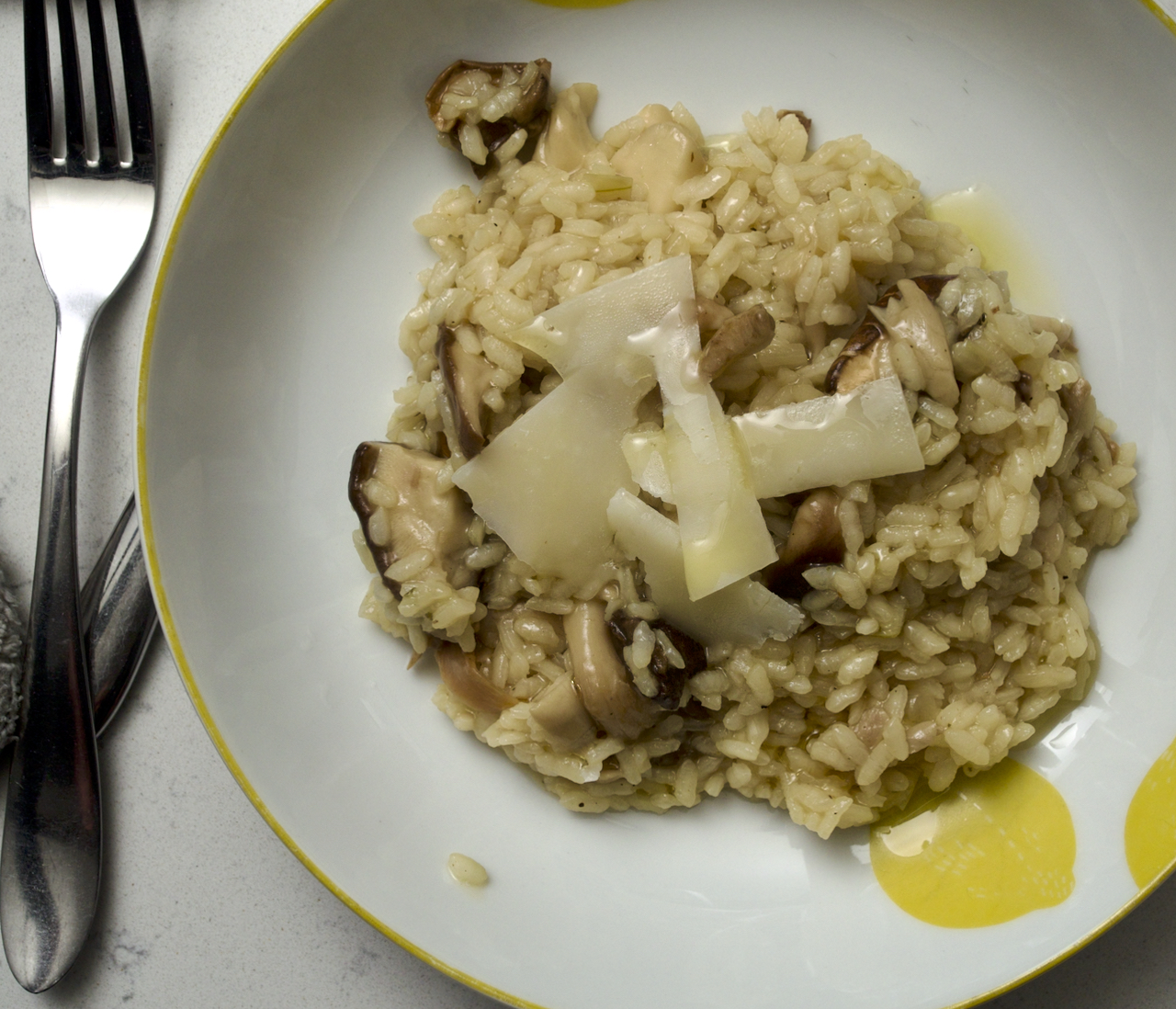
Lovely autumn flavours in this simple wild rice recipe by José Pizarro.

Wine Suggestion: this works well with elegant, light to medium bodied reds with an earthy twist. Pinot Noir and Nebbiolo are classic choices, however we went with Frasca la Guaragna’s Barbera d’Asti with it’s lower tannins but fresh acidity, brambly flavours and earthy spices brought out the mushroom flavours delightfully.

Wild Mushroom Rice – serves 4 to 6

  • 10g dried porcini
  • 50ml olive oil
  • 2 banana shallots, peeled and finely chopped
  • 250g mixed wild mushrooms, roughly rip any large ones
  • 300g bomba rice
  • 100ml dry white wine
  • 800ml good chicken stock
  • a squeeze of lemon juice, to serve
  • 30g manchego cheese, shaved, to serve
  • best extra virgin olive oil, to serve

Put the dried porcini into a small bowl and cover with 100ml of just-boiled water. Set aside for at least 10 minutes.

Put the olive oil into a sauté pan and gently fry the shallots for about 5 minutes, or until soft. Increase the heat a bit, then add the fresh mushrooms and fry for 4-5 minutes or until nicely browned.

Add the rice and stir until it glistens with the oil, then add the wine and let it bubble for a minute. Add the stock, season generously, then simmer and cook for 15-20 minutes, stirring now and then, until the rice is tender but still soupy.

Drain the soaking porcini and reserve the liquid. Add the porcini and 50ml of the soaking liquid to the rice, then cook for 1 more minute before removing from the heat.

Stir in a squeeze of lemon juice, then divide between warm bowls and top with the manchego shavings and a good glug of your best olive oil.

(Original recipe by José Pizarro in the Guardian, 1 Oct 2024.)

Read Full Post »

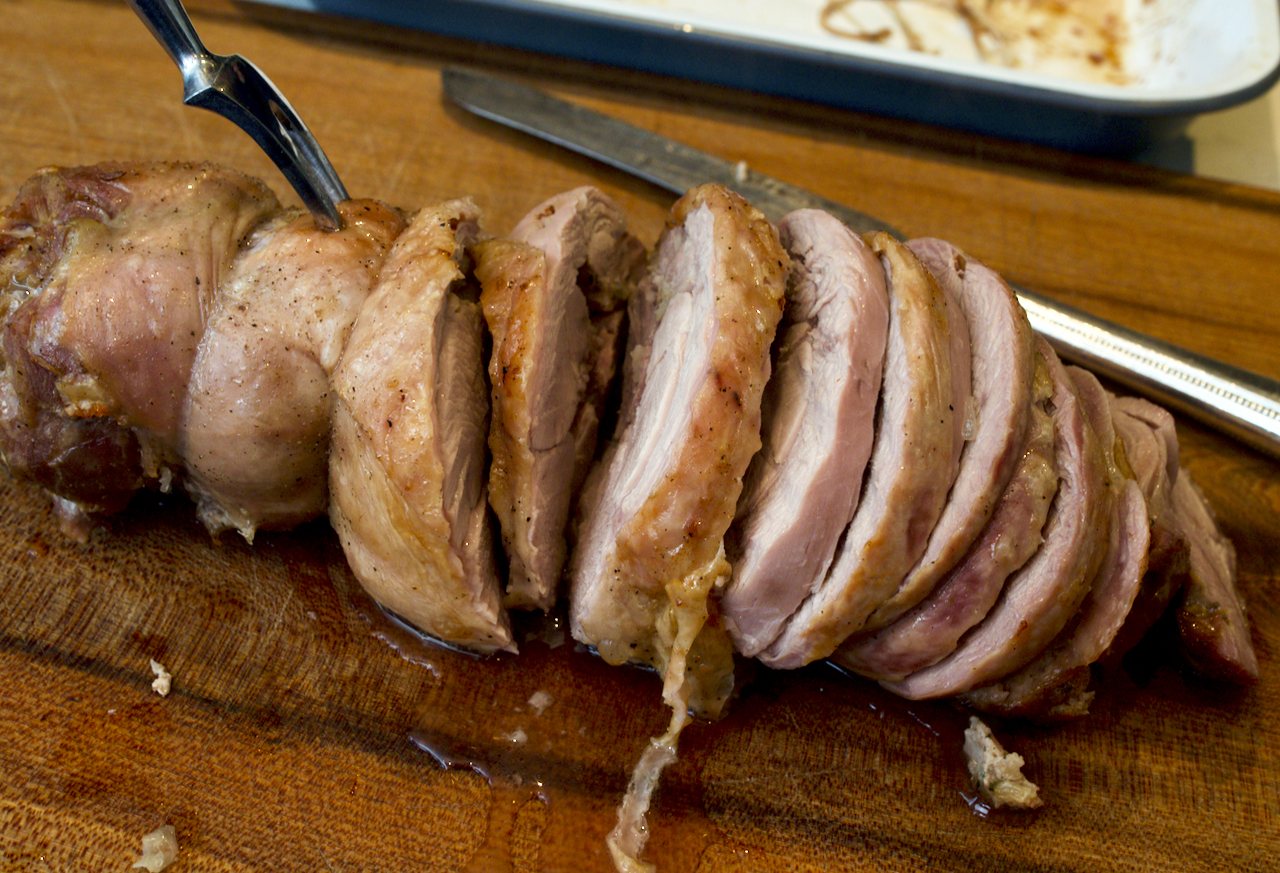
Not sure why we didn’t think of this before. A boned, brined, stuffed, and rolled, turkey leg with delicious gravy that can be completely prepped in advance. Juicy, tasty and easy, even if it does take a bit of time in the prep. It’s a no-brainer!

Ask your butcher to bone the turkey legs for you and keep the bones to make the gravy.

Wine Suggestion: Classic Christmas dinner fare, an oaked white like Rustenberg’s Five Soldiers Chardonnay and a Rhône red like Les Pallières Racines Gigondas made by the Bruniers of Vieux Télégraphe Chateuneud-du-Papes. Pushing the boat out a bit with standard bearers but we thought it was worth it.

Stuffed turkey leg – serves 4 to 6 (generously and easily halved)

  • 2 boned turkey legs

FOR THE BRINE:

  • 140g table salt
  • ½ tsp white peppercorns
  • ½ tsp coriander seeds
  • ½ tsp fennel seeds
  • 6 sprigs of thyme
  • 2 bay leaves

FOR THE STUFFING:

  • 50g butter
  • 1 onion, finely diced
  • 1 clove of garlic, finely grated
  • 200g sausage meat
  • a bunch of sage, half the leaves finely chopped (keep the rest for the gravy)
  • ½ tsp dried oregano

FOR THE GRAVY:

  • turkey bones (or chicken bones)
  • 2 tbsp vegetable oil
  • 2 onions, peeled and cut into chunks
  • 2 cloves of garlic, peeled
  • 2 carrots, cut into chunks
  • ½ bunch of thyme
  • 2 bay leaves
  • 150ml white wine
  • 100ml dry sherry
  • 1 litre good quality chicken stock
  • 1 tsp Marmite
  • 1 tbsp cornflour

To make the brine, put all of the ingredients into a medium-large saucepan, with 500ml water. Place over a hight heat and bring to the boil to dissolve the salt, then remove from the heat and add 1.5 litres of cold water. Leave to cool.

Put the cooked brine into a large bowl and add the turkey legs. Leave to brine for two hours but no more.

Meanwhile, make the gravy. Heat the oven to 220C/200C fan/gas 7.

Put the bones into a large rosting tray and place in the oven. Turn the oven down immediately to 200C/180C/gas 6 and roast for 20-25 minutes until golden.

While the bones are roasting, heat a large saucepan over a high heat. Add the vegetable oil, when it almost smokes, add the onions, garlic, carrots, thyme and bay leaves and brown well for 15 minutes, stirring often. Add the white wine and sherry and reduce to a syrup, then add the stock, roasted bones, and the unchopped sage. Add the Marmite and plenty of black pepper and simmer gently for 1 hour. Pass through a fine sieve into a clean saucepan and simmer gently for 20 minutes. Mix the cornflour with 2 tbsp of cold water and whisk it into the gravy. Simmer for another 10 minutes. Taste and adjust the seasoning if you need. It should be super tasty.

Meanwhile, make the stuffing. Melt the butter in a medium frying pan, add the onion, garlic and a generous pinch of salt and cook for 10-15 minutes or until soft. Transfer to a large bowl and mix in the sausage meat, finely chopped sage, oregano and some black pepper.

Put a large piece of foil on top of the the work surface and lay one of the boned legs on top, skin-side up. Rub the the skin with salt and pepper. Turn it over and place half the stuffing on the flesh side. Smooth it out with a spoon but leave a good 3cm gap at the end you are going to roll towards. Roll the leg tightly and secure it with kitchen string – don’t worry too much about what it looks like at this stage (ours had a hole and the stuffing was bursting out the side – no matter!). Repeat with the second leg. Put the leg into a roasting tray and roast in the hot oven for 25 minutes. Remove the foil and roast for another 30-35 minutes, until the skin is golden and the juices run clear (a meat thermometer is very useful here). Remove from the oven and leave to rest, covered loosely with foil, for 10-15 minutes. Add the roasting juice to the gravy and then carve and serve.

(Original recipe from Marcus Everyday by Marcus Everyday, HarperCollinsPublishers, 2019.)

Read Full Post »

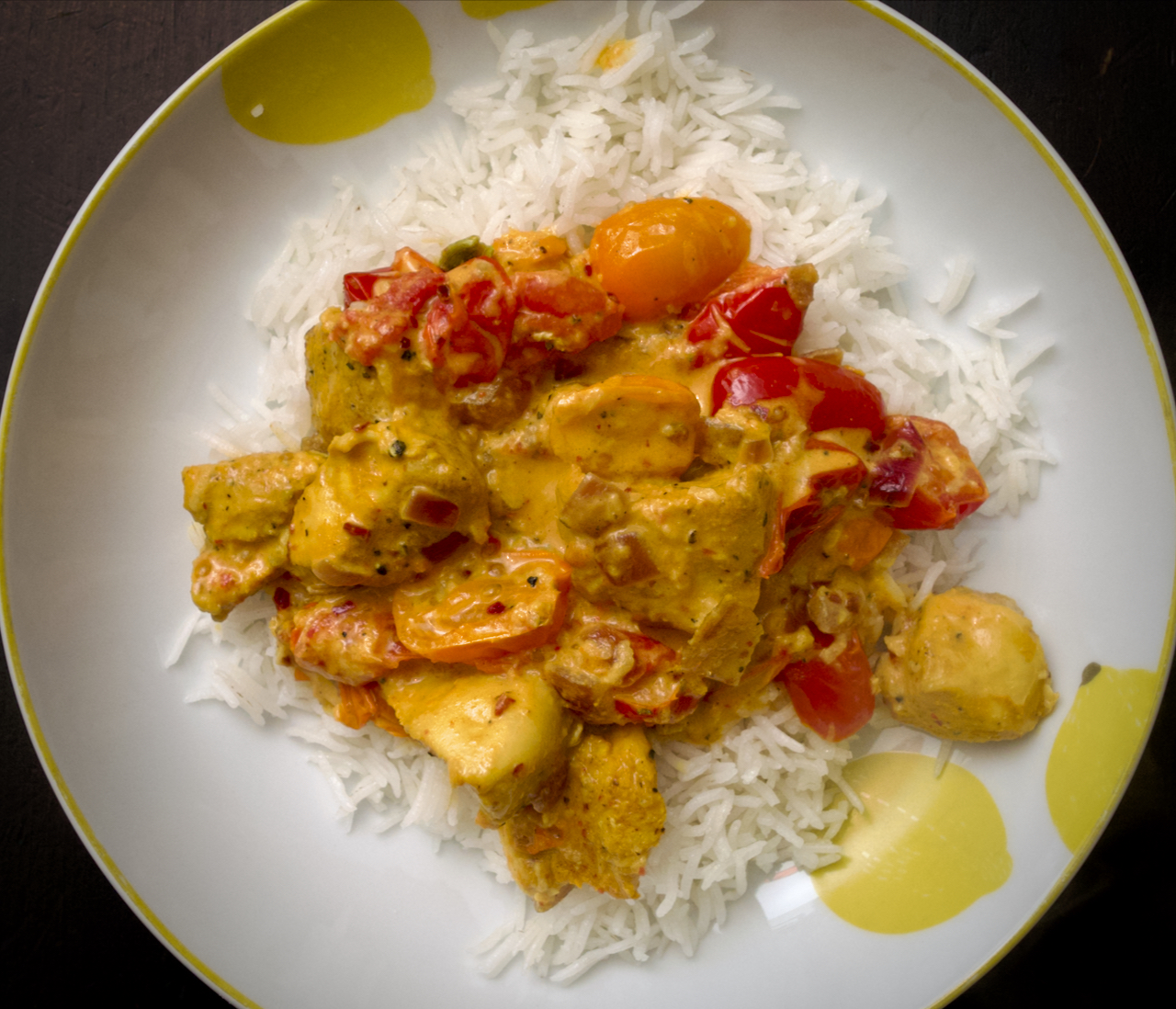
An easy but very tasty curry for two.

Wine Suggestion: we would keep this very easy and open an Asahi, a dry and savoury lager that quenches the thirst and makes a refreshing match for the curry.

Black pepper & bay leaf curry – serves 2

  • 3 cloves of garlic, 2 peeled and grated
  • 2 tbsp neutral oil
  • 1 cinnamon stick
  • 4 cloves
  • 4 green cardamom pods
  • 2 bay leaves
  • 1 large red onion, peeled and finely diced
  • 1 tsp ground turmeric
  • 1 tsp ground cumin
  • 1 tsp chilli flakes
  • 1 tsp black peppercorns, finely ground
  • 300g chicken breast, cut into 4cm pieces
  • 5cm piece of ginger, peeled and grated
  • 250g vine cherry tomatoes, halved
  • 100ml single cream
  • juice of ½ lemon

Put the oil in a large frying pan over a medium heat, then add the cinnamon stick, cloves, cardamom and bay and stir for 30 seconds. Add the onion and cook for 7 minutes or until golden brown.

Meanwhile mix the turmeric, cumin, chilli, ground peppercorns and a tsp of salt in a large bowl. Add the chicken and toss to coat.

Add the grated garlic and ginger to the pan, and stir-fry for 30 seconds. Add the spiced chicken, fry for 2 minutes on each side, then add the tomatoes and cook for 5-6 minutes or until they’ve broken down. Add the cream, simmer for a couple of minutes, then check the chicken is cooked through.

Remove from the heat, squeeze in the lemon juice, taste for salt and serve with rice.

(Original recipe by Rukmini Iyer in The Guardian)

Read Full Post »

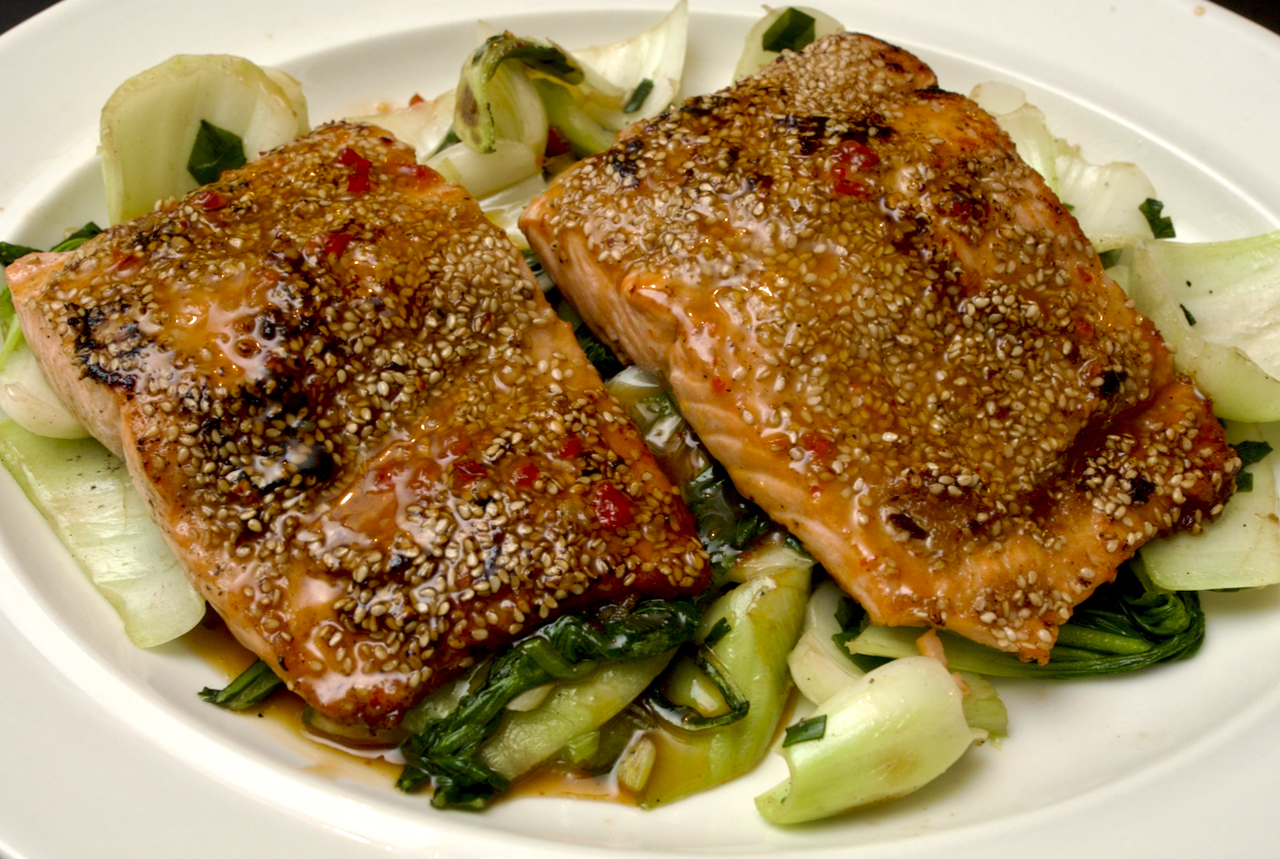
Everyone loves trout in our house and especially with miso – a master combination.

Wine Suggestion: You need a white with a touch of acidity and umami-savouriness here to both balance and compliment the flavours. Something like the Höpler Grüner Veltliner from Burgenland in Austria would work a treat.

Sesame miso trout – serves 4

  • 4 fresh trout fillets, skin on
  • 4 tsp white miso paste
  • 3 tbsp toasted sesame seeds
  • 2 tbsp olive oil, plus a bit extra for the veg
  • a knob of butter
  • 4 pak choi, sliced into big pieces
  • 6 scallions, finely sliced

FOR THE GLAZE:

  • 4 tbsp sweet chilli sauce
  • 1 tsp white miso paste
  • 2 tsp sesame oil

Heat the oven to 200C/180C Fan/Gas 6.

Line a baking sheet with non-stick paper.

Whisk the ingredients for the glaze together in a bowl alongwith 6 tbsp of water, then set aside.

Season the fish fillets and spread the miso paste on the flesh side. Sprinkle the sesame seeds on top and press down so they stick to the paste.

Heat the oil in a frying pan over a medium heat. Add the fish fillets, sesame seed side down, and fry for 2-3 minutes, or until golden brown. Carefully turn them over and fry for another 2 minutes on the skin side. Add the knob of butter and when it foams, use a small spoon to baste the trout with it.

Transfer the fish to the lined baking sheet, skin-side down, and cook in the oven for 7-8 minutes or until just cooked through.

Meanwhile, wipe the frying pan clean, add a little oil and put over a high heat. Add the pak choi, scallions and seasoning and stir until just wilted.

Spoon the veg onto a serving dish and put the fish on top. Add the glaze ingredients to the pan and gently warm until just bubbling, spoon over the trout and serve.

(Original recipe from Mary’s Foolproof Dinners, BBC Books, 2024.)

Read Full Post »

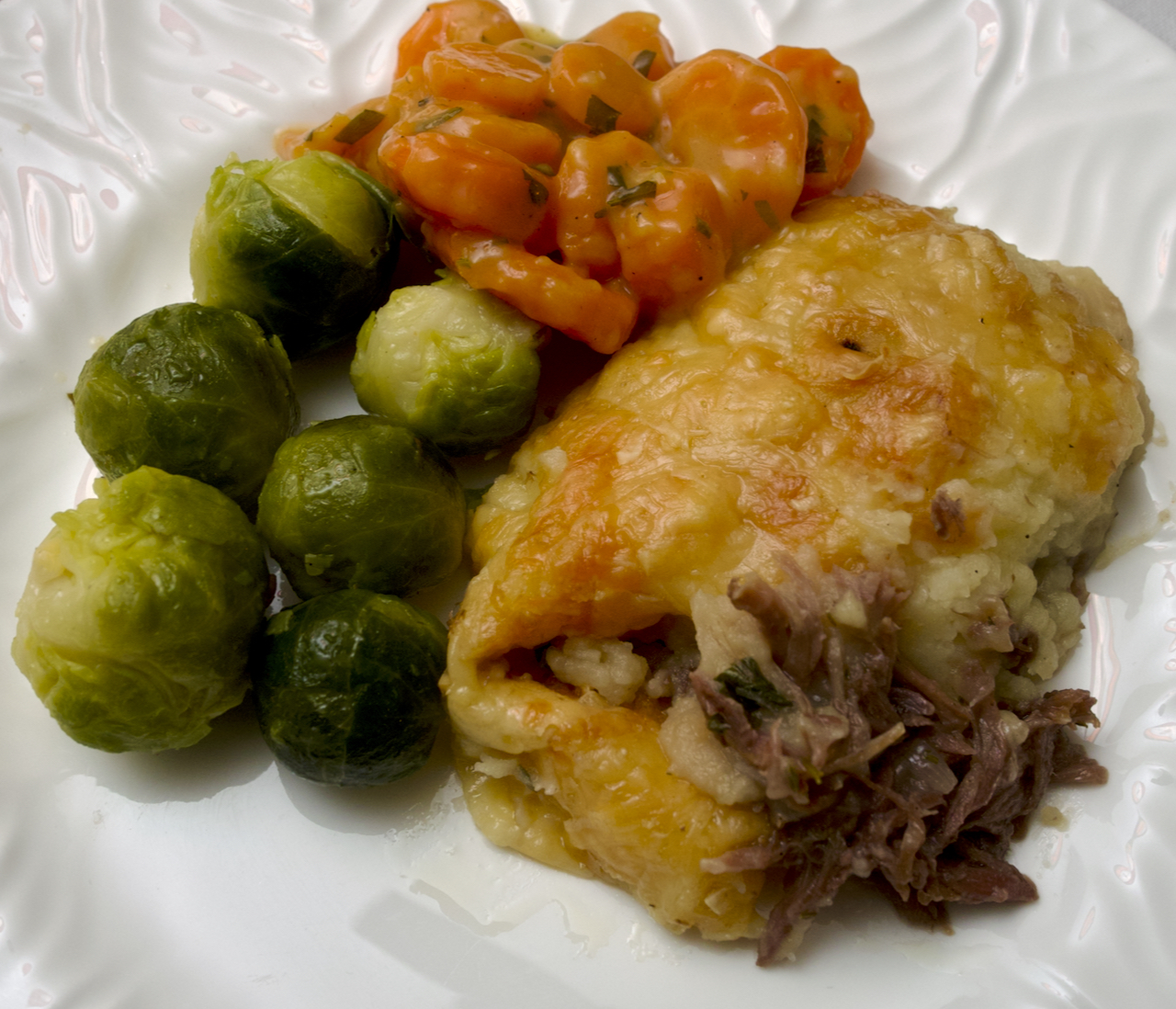
You can buy duck confit in tins locally but they tend to be much cheaper in France so if you’re lucky enough to go there (or know someone else who is going), stock up! You will have the prep done for many delicious dishes, like this one.

Wine Suggestion: A classic French dish needs a classic French wine. We suspect red Burgundy would be great, however we didn’t have any to hand so instead opened a bottle of Chateau Lascaux Pic St Loup “les Nobles Pierres”. A classic Syrah-Grenache blend but from prime vineyards in the Languedoc where Duck dishes reign supreme. Juicy, brambly and layered with velvety and characterful tannins.

Parmentier de Confit de Canard – serves 4 to 6

  • 4 Confit duck legs (1 large tin – it says on the tin how many legs are inside)
  • 4 shallots, chopped
  • a few fresh thyme sprigs, leaves stripped
  • 175ml red wine
  • 200ml chicken stock
  • a handful of flatleaf parsley
  • 800g potatoes, cut into 5cm chunks
  • 100-125ml warm milk
  • 150g-200g Comté cheese, grated

Warm the confit duck legs over a gentle heat to release the fat, then pour the fat into clean jam jars for future roast potatoes. You will need to keep 2 tbsp aside for this dish.

Remove the skin from the duck legs and discard. Remove the meat from the bones and shred it with two forks, discarding any bones and gristle.

Heat 2 tbsp of the duck fat in a pan, add the shallots, thyme and plenty of black pepper. Allow the shallots to brown gently, then add the wine and stock, then bring to the boil. Cook for a few minutes, then add the duck meat and chopped parsley. Stir and set aside.

Heat the oven to 210C/Fan 190C.

Boil the potatoes in salty water until tender. Drain them well, then add the warm milk and mash until smooth. Season with salt and a big pinch of black pepper.

Grease a 18 x 28cm baking dish with a little duck fat, then pile in the meat and cover with the mashed potato. Sprinkle the grated cheese on top and bake for about 25 minutes or until browned and bubbling.

Serve with carrots and greens.

(Original recipe from Rick Stein’s Secret France, BBC Books, 2019.)

Read Full Post »

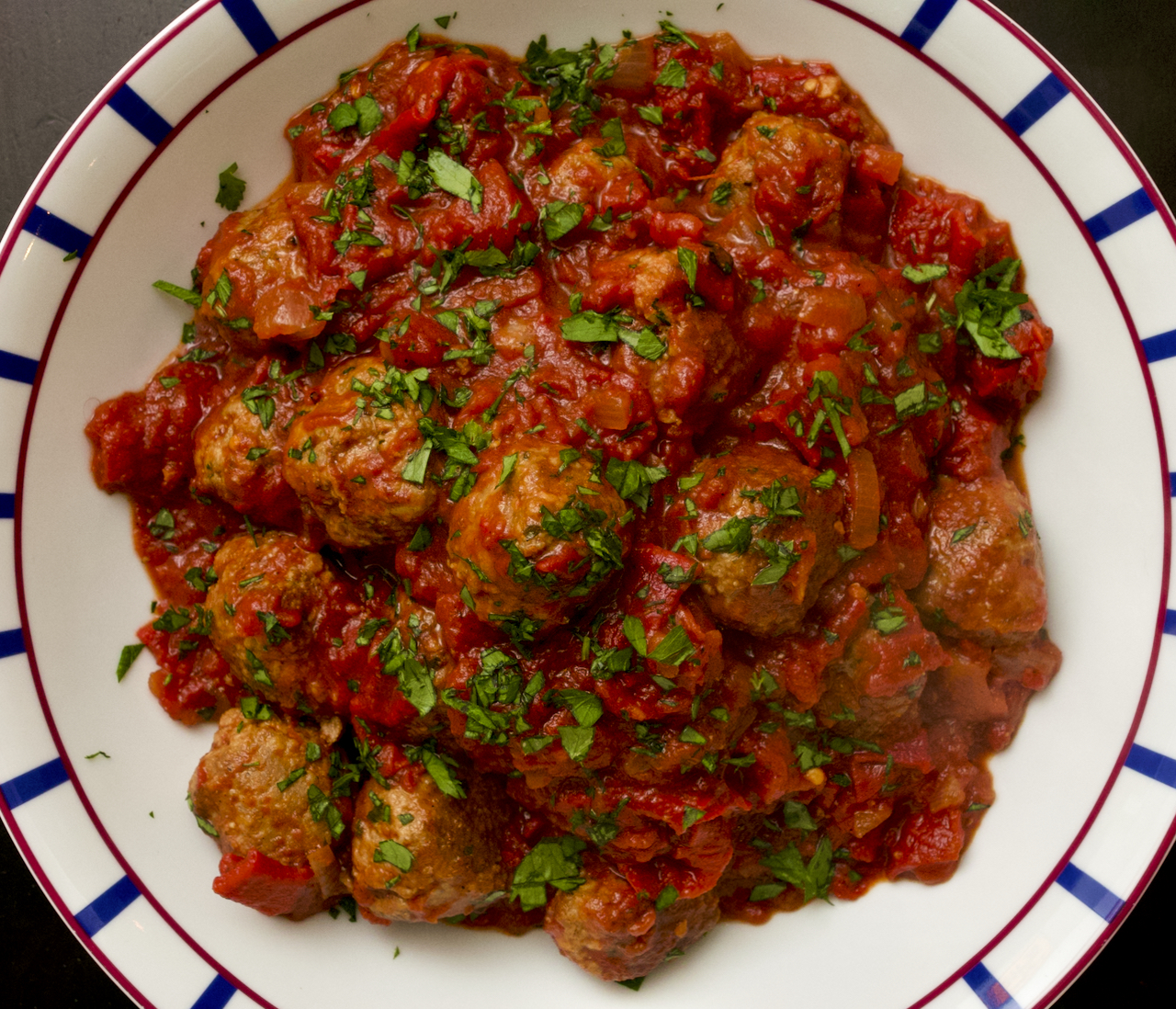
Delicious lamb meatballs with oloroso sherry and piquillo peppers – you need to buy the expensive ones by El Navarrico. Comforting, quick and easy to make. Serve as a sharing dish with crusty bread.

Wine Suggestion: Kimera“, which we picked up in Pamplona earlier this year is a gem made by Luis Moya Tortosa. Old vine Garnatxa which has both depth, refinement and an effortless weight. We once thought Grenache tended to be heavy and alcoholic, but have been proved so wrong as we’ve explored more of this grape the past few years.

Lamb albondigas – serves 4

  • 500g lamb mince
  • 30g fresh white breadcrumbs
  • 2 cloves of garlic, peeled and crushed
  • 1 tsp sweet smoked pimentón de la vera
  • 3 tbsp finely chopped flat-leaf parsley
  • 1 tbsp finely chopped fresh oregano
  • finely grated zest of 1 lemon
  • 1 egg,
  • 1 tbsp olive oil
  • 1 onion, peeled and finely chopped
  • 150ml oloroso sherry
  • 2 x 400g tins chopped tomatoes
  • 2 tsp sherry vinegar
  • 1 x 240g jar piquillo peppers, drained and sliced
  • crusty bread, to serve

Put the lamb mince, breadcrumbs, garlic, pimentón, a third of the parsley, the oregano, lemon zest and egg in a large bowl. Season well, mix with your hands to combine, then shape into 20 small meatballs.

Put the oil into a large frying pan over a medium-high heat, then fry the meatballs, turning often, for about 5 mintues or until browned all over. Transfer to a plate with a slotted spoon.

Add the onion to the pan and cook for 10 minutes, until softened, then add the sherry and bubble until reduced by half. Add the tomatoes, season generously and leave to bubble for 10 minutes. Stir in the vinegar, then return the meatballs to the pan along with the peppers and leave to cook for 15 minutes, stirring occasionally, until the sauce has thickened.

Scatter over the rest of the chopped parsley and serve with the crusty bread.

(Original recipe by José Pizzaro in The Guardian).

Read Full Post »

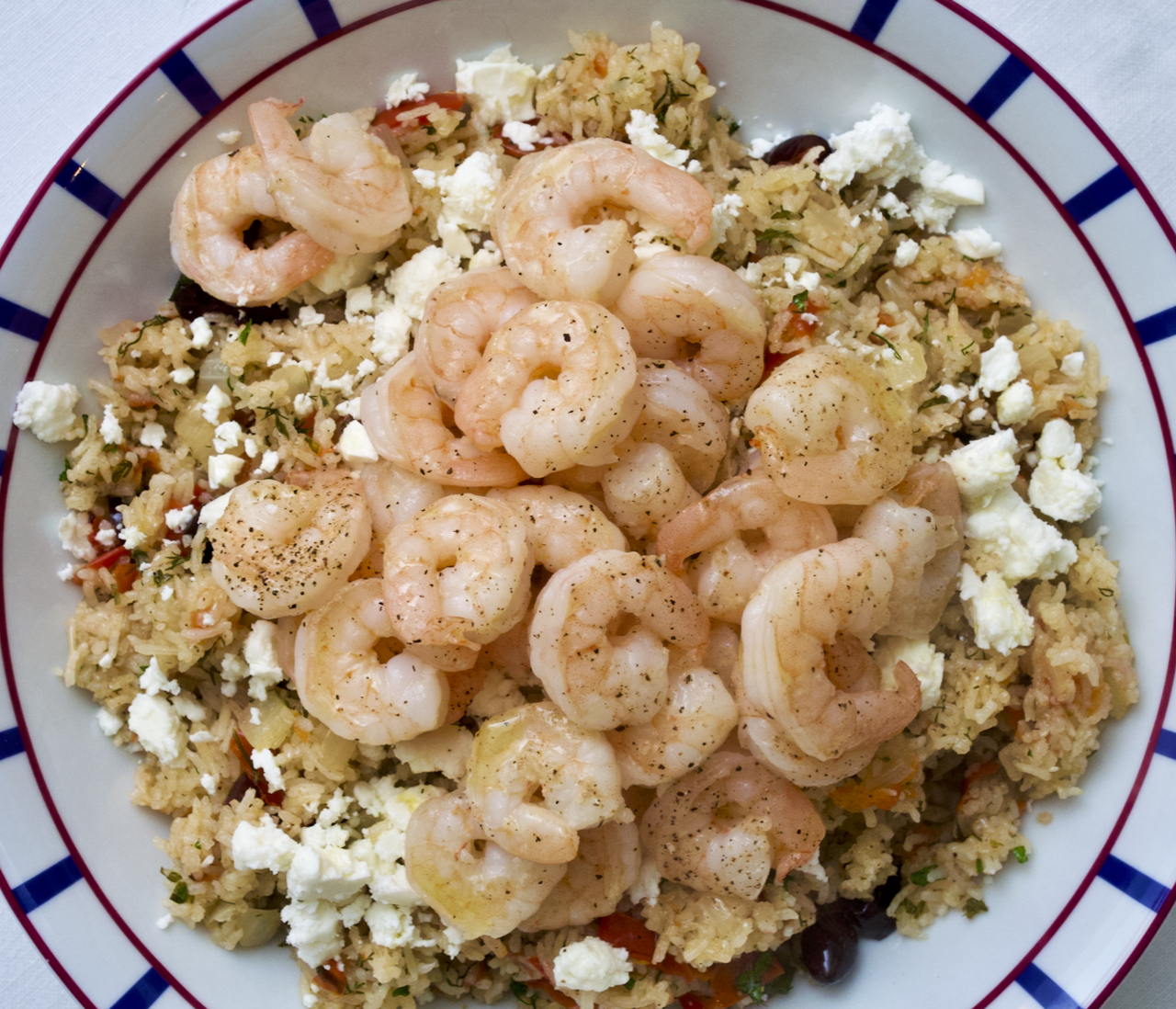
Prawns actually pair very well with feta, which is always a bit suprising to us. It’s nice to have a lighter dish amongst all the winter soups and stews.

Wine Suggestion: we think this suits a white grown somehwere around the Mediterranean, like tonight’s choice of the Hatzidakis Santorini Cuvée 15, a wonderfully fresh and complex Assyrtiko with honeysuckle and herbs on the nose followed by a textured, almost salty palate.

Prawn & feta pilaf – serves 4

  • 225g basmati rice
  • 15g unsalted butter
  • 2 tbsp olive oil, plus a bit extra to
  • 1 onion, finely chopped
  • 1 clove of garlic, crushed
  • 275g tomatoes, deseeded and roughly chopped
  • a big bunch of dill, chopped
  • a big bunch of flat leaf parsley, leaves chopped
  • a handful of mint leaves, chopped
  • 400ml fish stock or light chicken stock
  • 350g raw prawns, shelled and deveined
  • juice of ½ lemon, plus lemon wedges to serve
  • 55g black kalamata olives, pitted and roughly chopped
  • 75g feta cheese, crumbled

Rince the rice in a sieve under cold running water until the water runs clear. Leave to soak for an hour if you have the time, then rinse again.

Heat the butter and 2 tbsp of olive oil in a saucepan and cook the onion until it starts to soften. Add the garlic and tomatoes and continue to cook, stirring now and then, until the onion is cooked and the tomatoes have softened. Stir in the rice and half the herbs, season well, then pour in the stock and bring to the boil. Boil hard until the rice starts to look pitted, with little holes in the service and it seems like the liquid has disapeared.

Wrap a clean tea towel around the lid of the pan and cover the pan. Reduce the heat to low and leave to cook for 20 minutes.

When the rice is almost ready, dry the prawns on kitchen paper and quickly sauté in a little olive oil over a high heat. Squeeze over the lemon juice and season with black pepper and salt.

When the rice is cooked, fork through the olives, remaining herbs and lemon juice with a good glug of your best extra virgin olive oil. Transfer to a serving platter, then scatter over the feta and mound the prawns on top. Drizzle again with olive oil and serve with lemon wedges.

(Original recipe from Crazy Water, Pickled Lemons by Diana Henry, Aster*, 2024.)

Read Full Post »