Feeds:
Posts
Comments

Archive for March, 2026

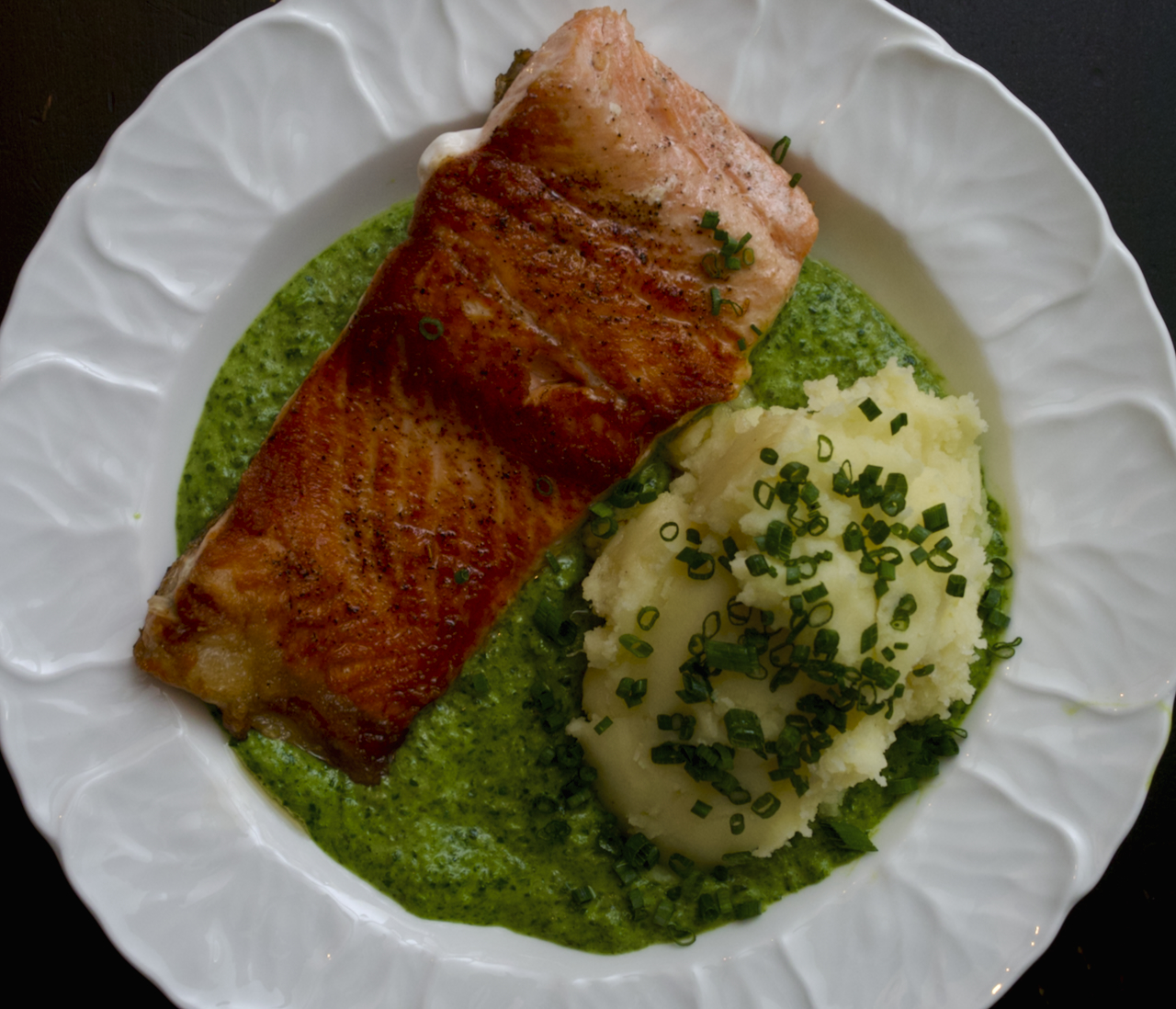
This comforting plate pairs buttery mash with with crisp-skinned Irish trout fillets. Plus there’s a spinach and watercress sauce to bring the dish to life.

Wine Suggestion: Pick a white wine with a fine fresh structure, clean fruit and a savoury back note to match the iron rich spinach. While we thought initially of opening a Grüner veltliner, we were tempted (again) by a Loire wine. This time Chateau du Hureau’s Argile from Saumur; all chalky, minerally from the limestone tuffeau soils, confrontingly dry and yet full of juicy, appley fruit.

Pan-fried trout with mash & spinach sauce – serves 4

  • 4 fillets of trout
  • 20g finely chopped fresh chives

FOR THE SPINACH SAUCE:

  • 30g unsalted butter
  • olive oil
  • 1 large brown onion, finely sliced
  • 3 cloves of garlic, finely sliced
  • 220-250g spinach
  • 150ml double cream
  • 80g watercress
  • 1 unwaxed lemon

FOR THE MASH:

  • 5 large baking potatoes, peeled and cut into even chunks
  • 75g salted butter
  • whole milk (optional), we’re not mad on milk in our mash but occasionally add a splash of cream if we have it
  • 1-2 tsp Dijon mustard

Make the spinach sauce first. Put the butter in a heavy-based pan with a splash of olive oil over a medium heat. When the butter is foaming, add the onion, garlic and a good pinch of salt. Fry for 10-15 minutes, until soft but not browned.

Add the spinach and cook briefly just until wilted.

Pour everything into a blender along with the cream and whizz until very smooth. Start adding the watercress in batches, whizzing after each addition, until you have achieved a peppery punch (you may not need all of it). Put it into the fridge and leave to cool (you will add some lemon juice to brighten it up before serving).

Cover the potatoes in cold water, add some salt and bring to the boil. Cook until tender, then drain and leave to steam dry. Mash until smooth.

If you are using milk, warm it in a pan with the butter, then add to the pan gradually until you have the consistency you like. Finish with the mustard and season with white pepper.

Pat the fish dry with kitchen paper. Season and rub the skin with a little oil.

Put a large frying pan over a medium-high heat. Place the fish skin side down, pressing each to the pan. Fry until the skin is crispy, then gently turn over and briefly fry on the other side until just cooked through (use your thermometer if you have one).

Meanwhile, warm the spinach sauce in a small pan and make sure the mash is piping hot.

Add a squeeze of lemon to the spinach sauce, just before serving.

Pour the sauce into warm bowls, top with the mash and then the fish and sprinkle with the chives.

(Original recipe from The Farm Table by Julius Roberts, Ebury Press, 2023.)
Read Full Post »

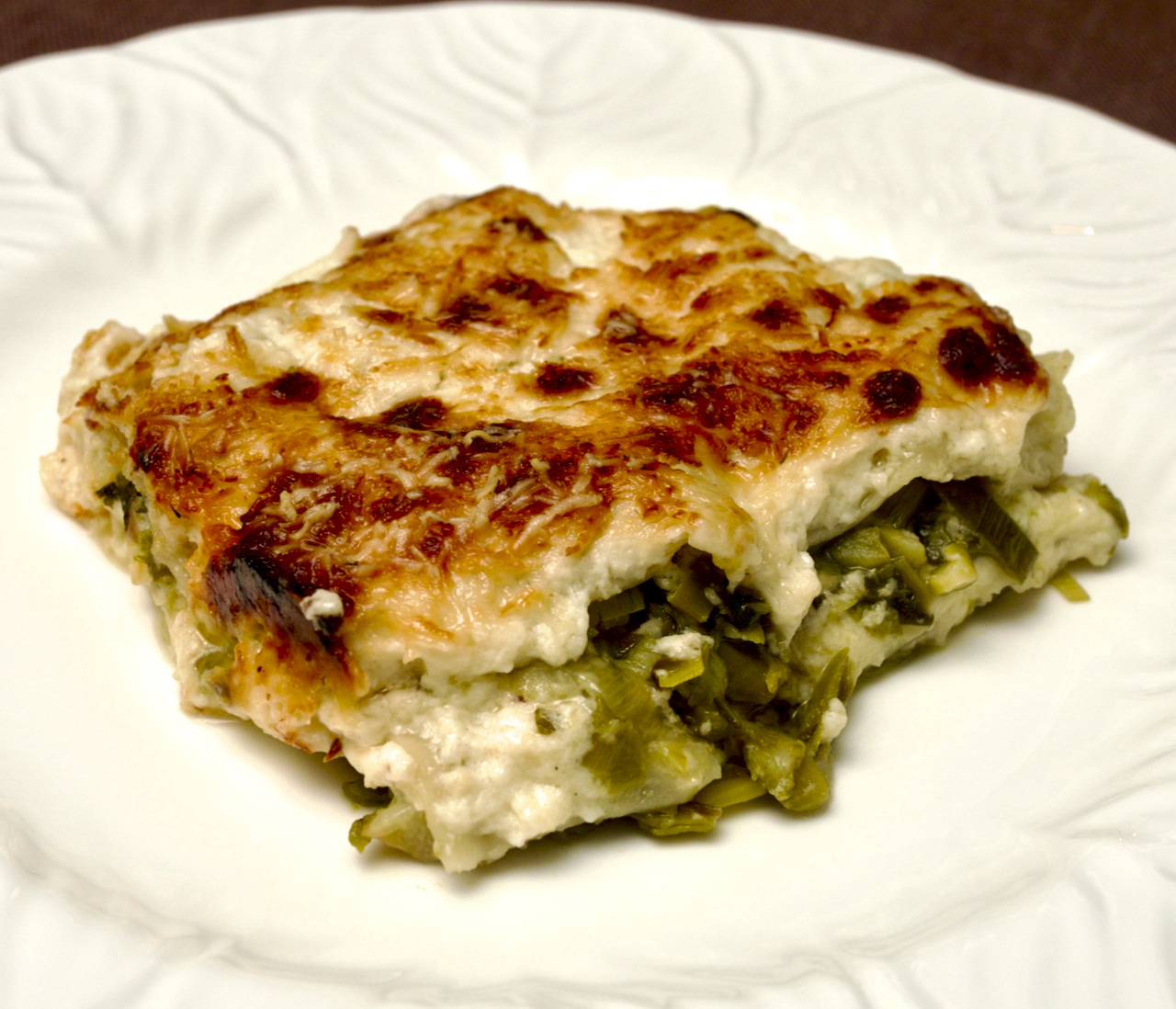
Just in time for our annual asparagus gorging season last year, this vibrant asparagus lasagne by Meera Sodha, published in The Guardian, landed right on cue. It’s a spring celebration in lasagne form and now you’re ready for when it lands this year!

Wine Suggestion: To create a balance between the contrasting green, earthy flavours of aspargus and the salty, sharp cheese you need a wine with a higher aciduty and minerally texture. We were inspired by the Pecorino cheese and looked to Italy and the Marche and opened Sartarelli’s old-vine Verdicchio “Tralivio” which was just what we were looking for, and the back notes of green almonds added a layer of flavour that surprised and delighted us.

Asparagus Lasagne – serves 6

  • 80g unsalted butter
  • 40g plain flour
  • 1 litre full-fat milk
  • 160g pecorino, finely grated
  • 2 big pinches of coarsely ground black pepper
  • about 900g asparagus, snap off the woody ends
  • 5 cloves of garlic, peeled and very finely sliced
  • 350g leeks, finely sliced, then rinsed and drained
  • finely grated zest of 1 lemon
  • 25g fresh mint, leaves picked and chopped
  • 500g pack dried lasagne sheets (you won’t need the whole pack)

Make the bechamel first by melting 40g of the butter in a saucepan over a medium heat, then add the flour and stir constantly for a minute or two. Gradually whisk in the milk, stirring continuously, until the sauce thickens to a double cream consistency, add half the grated pecorino, the black pepper and a half tsp of salt. Mix well and remove from the heat.

Roughly pulse the asparagus in a food processor until the it is in rough ½ cm pieces. Melt the rest of the butter in a large frying pan or saute pan over a medium heat. Addd the garlic and cook, stirring for a couple of minutes. Stir in the leeks and cook for 4 minutes or until wilted then add the chopped asparagus and stir-fry for 5-6 minutes or until softened but still retaining a bite. Stir in the lemon zest, mint and three-quarters tsp salt.

Heat the oven to 200C/180C fan/Gas 6.

Spread half the asparagus mix in the base of a 20cm x 30cm baking dish. Layer lasagne sheets over to cover, then ladle in half the bechamel and spread it out evenly. Repeat the layers again, finishing with the final layer of bechamel. Sprinkle over the rest of the pecorino cheese. Bake for 30 minutes or until golden and bubbling, then remove from the oven and leave to rest for 15 mintues before serving.

(Origina recipe by Meera Sodha in The Guardian)

Read Full Post »

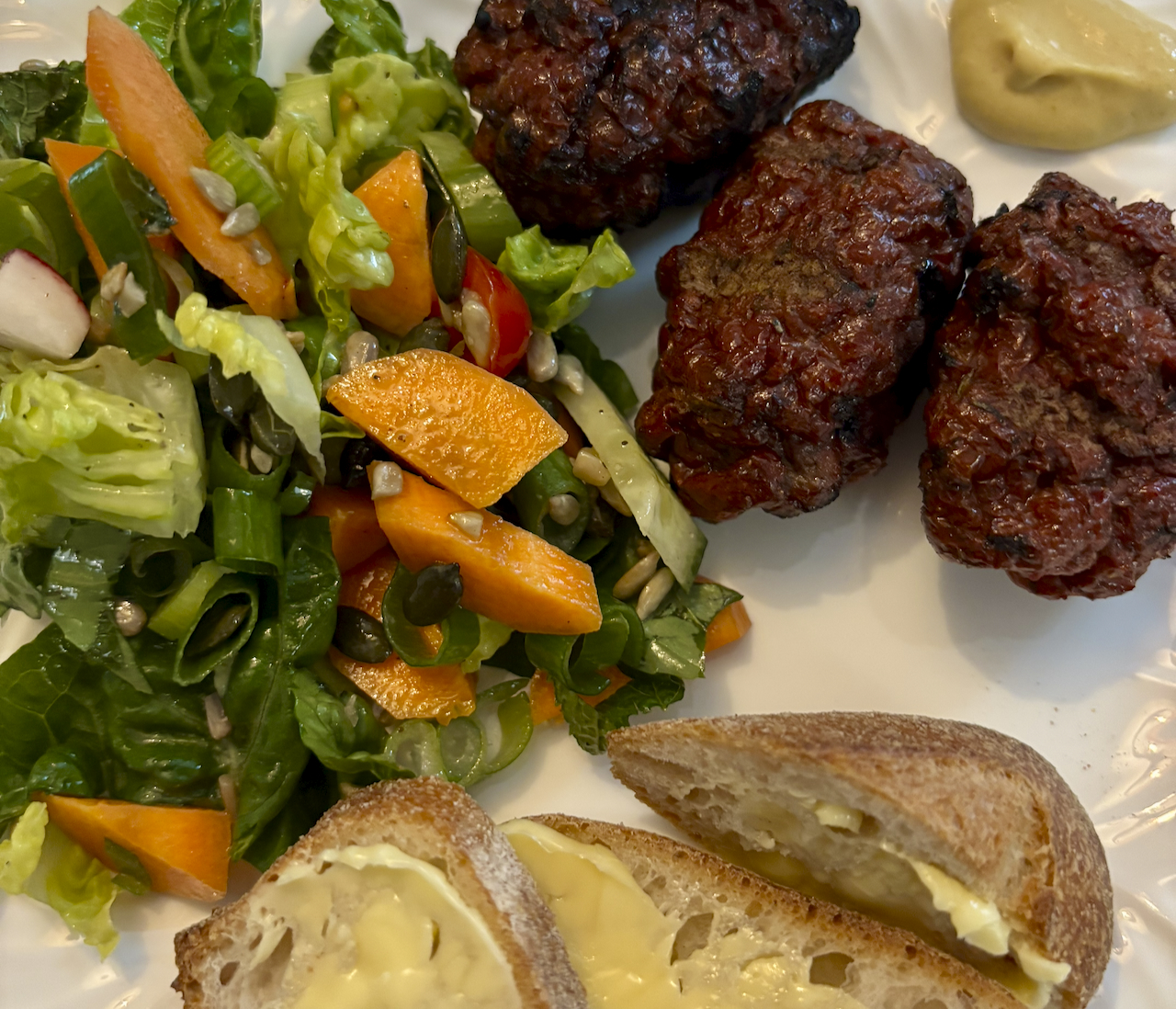
These tasty little Romanian sausages make a perfect barbecued snack or starter. Serve with a dollop of mustard and some crusty bread.

Wine Suggeston: a youthful, medium weight red like a Syrah. For us tonight an uncomplicated, but pleasurable Crozes Hermitage from Ferraton.

Mici – makes 18

  • 400g pork mince
  • 400g beef mince
  • 3 cloves of garlic, finely grated
  • 1 tbsp thyme leaves, chopped
  • 1 tsp bicarbonate of soda
  • 2 tsp paprika
  • ½ tsp ground allspice
  • 2 tsp sea salt
  • 1 tsp freshly ground black pepper
  • 100ml beef stock
  • mustard, to serve
  • crusty bread, to serve

Put all of the micci ingredients into a food processor and pulse until well combined. Transfer to a bowl, then cover and leave in the fridge for at least a couple of hours.

Remove the meat mixture from the fridge and divide into 50g portions. Form into balls, then roll into short sausage shapes. Put the sausages into the fridge for an hour to firm.

Get your barbeuce nice and hot, then cook the mici for about 4 minutes on each side, turning regularly. It’s a good idea to have a bit of indirect heat so you can move any cooked micci to the side.

Serve with mustard and crusty bread.

(Original recipe from Tom Kerridge The BBQ Book, Bloomsbury: Absolute, 2025.)

Read Full Post »

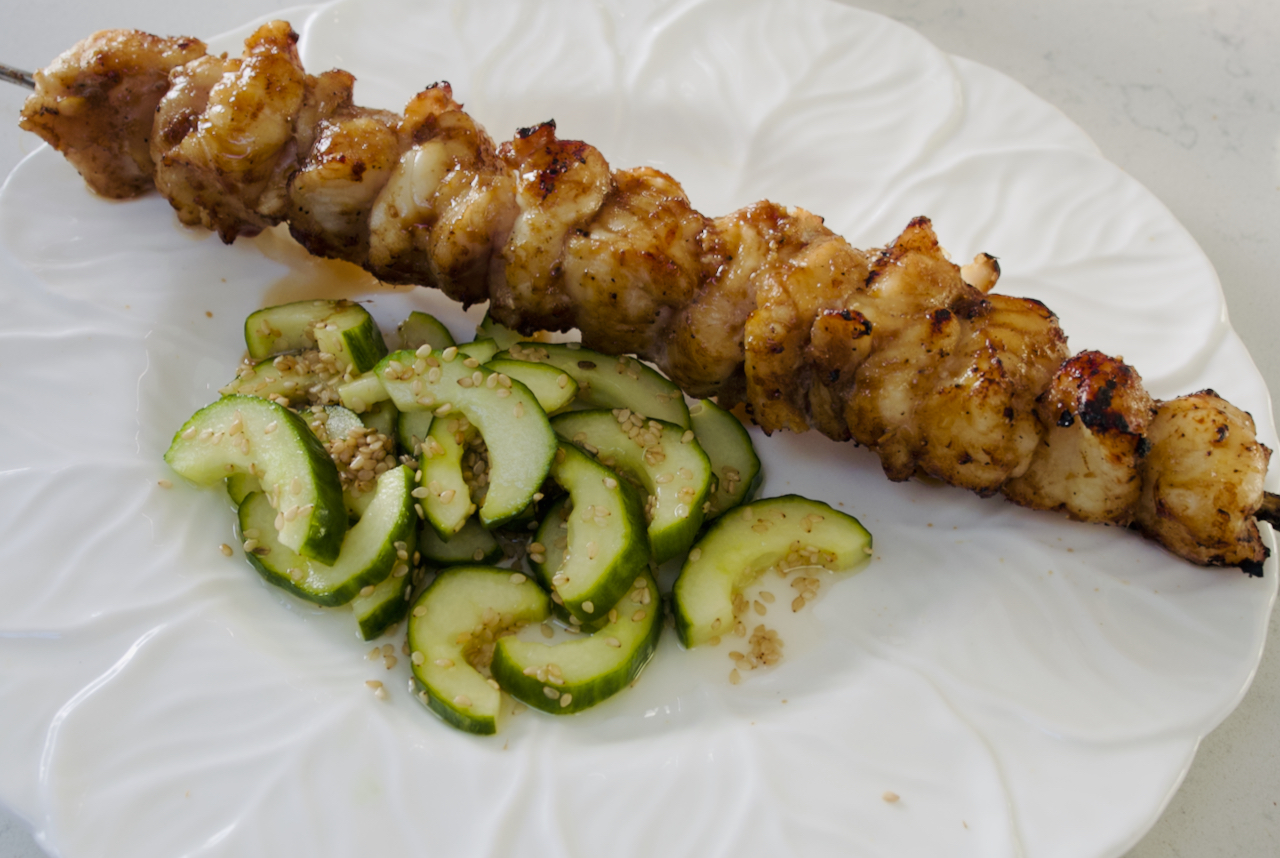
Teriyaki monkfish with pickled cucumbers – serves 4

It’s March which means spring time in Ireland and just about enough daylight to get back to the barbecue. We’ kicked off the season with this delicious monkfish and planning many more!

Wine suggestion: serve with a fresh, dry and uncomplicated rosé like the Chateau la Negly l’Ecume from the Languedoc.A charmer with hints of strawberry and a vinous, dry finish. Makes us dream of sunshine whenever we sip this.

  • 600g monfish fillet, cut into bite-size pieces

FOR THE PICKLED CUCUMBER:

  • 1 cucumber
  • 3 tbsp rice wine vinegar
  • 2 tsp caster sugar
  • 2 tsp flaked sea salt
  • 2 tbsp sesame seeds, toasted

FOR THE MARINADE:

  • 100ml sake
  • 100ml mirin
  • 100ml soy sauce
  • 25g ginger, finely grated
  • 2 cloves of garlic, crushed

Make the pickle first. Slice the cucumber in half lengthways and scoop out the seeds with a teaspoon. Finely slice into half-moons and tip into a bowl. Stir in the vinegar, sugar, salt and sesame seeds. Stir together and set aside.

To make the marinade, pour the sake, mirin and soy into a small pan over a low heat. Add the ginger, garlic and lots of black pepper. Stir for about 5 minutes or until slightly reduced. Divide between two bowls, one to baste the monkfish and the other to serve as a dipping sauce. Set both aside to cool.

Get your barbecue ready for direct grilling.

Thread the monkfish onto metal skewers. Grill the kebabs for a couple of minutes on each side, basting as you go with the marinade.

Serve hot with the dipping sauce, pickled cucumber and some rice if you like.

(Orginal recipe from Scorched by Genevieve Taylor, Quadrilla, 2024.)

Read Full Post »

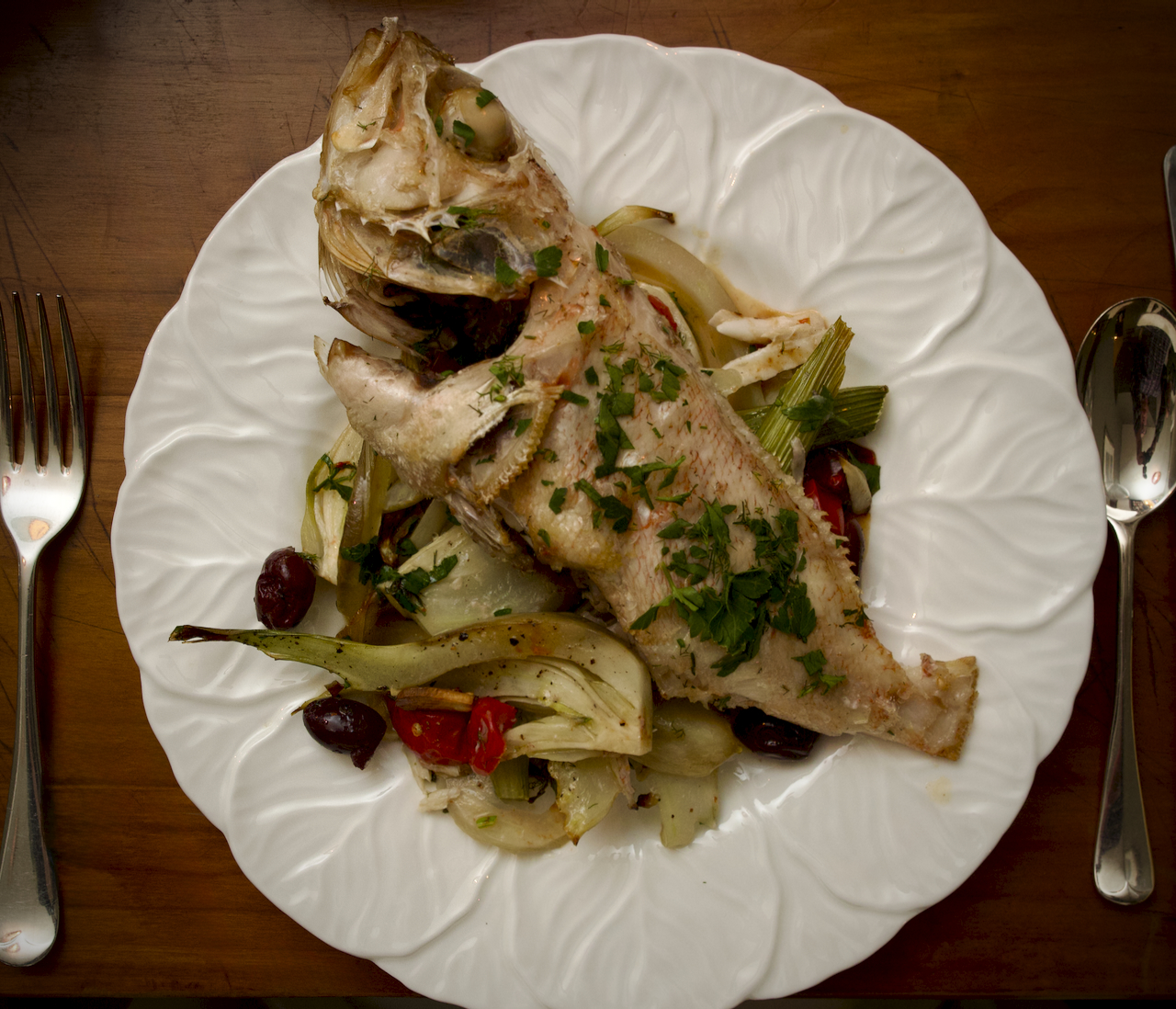
We got two red fish in our monthly fish box which were described as red mullet, but they didn’t look like the other red mullet we’ve eaten … so we’ll just call them “Red Fish”. Whatever they were, they are tasty and this dish showed them off perfectly and will work with whatever type of red fish you happen to have.

Wine Suggestion: the combination of the herbal fennel and the meaty, white fish demand a white with both a bit of body and a nutty, minerality. As it was a bank holiday we opened Patrick Javillier’s Bourgogne Côte d’Or Cuvée Oligocène, a judiciously oaked Chardonnay from soils very similar to Puligny Montrachet … without the pricetag.

Baked Red Fish with Fennel, Tomatoes & Olives – serves 2

  • 2 whole red fish, scaled and gutted
  • extra virgin olive oil
  • 1 bulb of fennel, sliced
  • cherry tomatoes, halved
  • 2 cloves of garlic, sliced
  • a handful of pitted black olives
  • lemon, for squeezing over
  • parsley, roughly chopped

Heat the oven to 200C.

Put the cherry tomatoes, fennel, olives and garlic into a large roasting tray. Drizzle generously with olive oil and season with salt and pepper.

Roast for 10 minutes, then place the fish on top, drizzle with more olive oil and roast for another 12 to 15 minutes or until the fish is cooked through.

Sprinkle with parsley and some lemon juice.

Read Full Post »

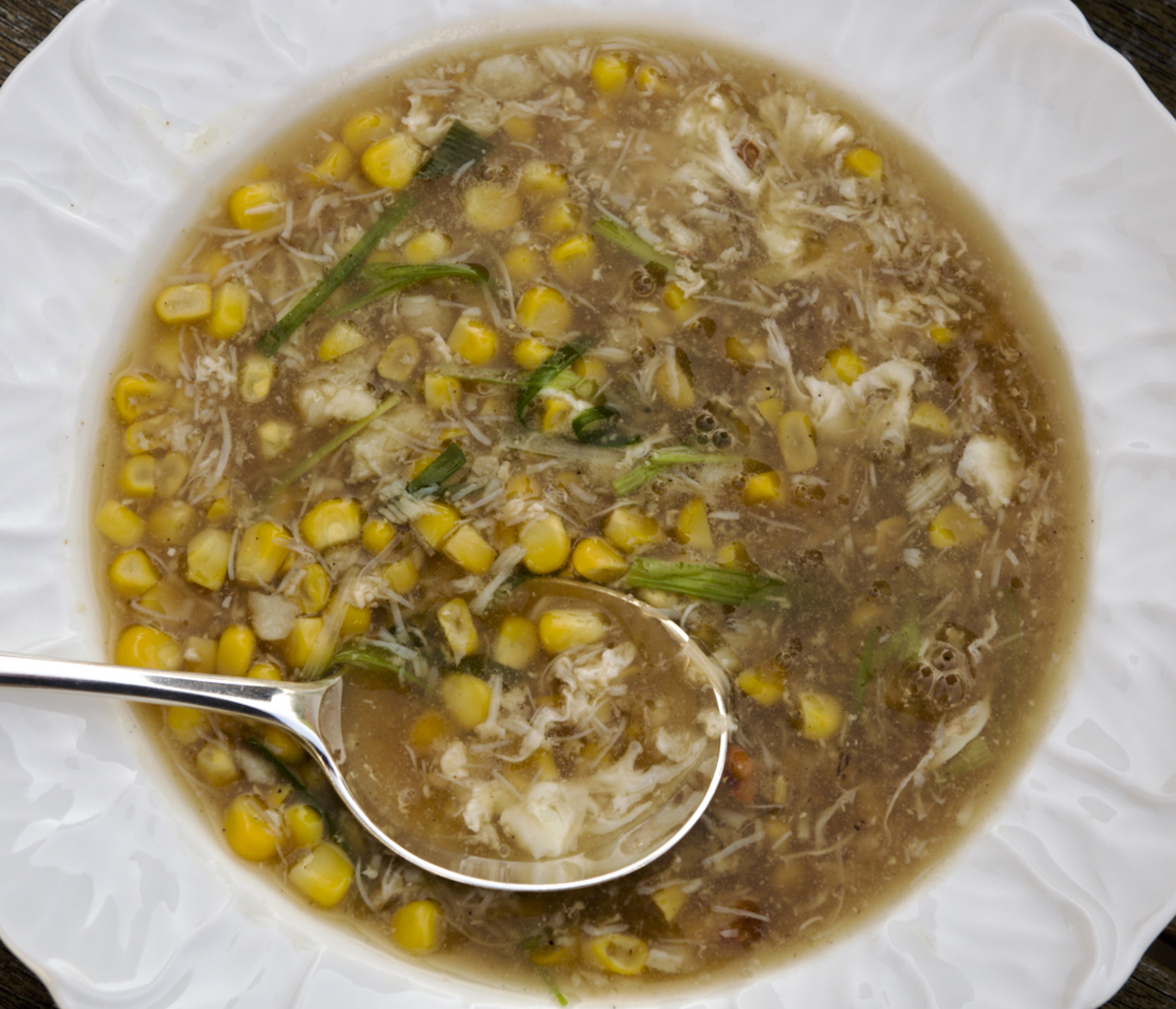
We have been using Lambay Island Crab at every opportunity and who doesn’t love a crab & sweetcorn soup. Perfect for a starter or light lunch.

Wine Suggestion: This is rich and deeply flavoured so we chose an oaked Chardonnay from Burgundy, Javillier’s Cuvée des Forgets. A Burgogne Cote d’Or blanc made from clay soils in vineyards next to Meursault and has the same kind of richness and flinty minerality of it’s big neighbour. Super expressive and wonderfully balanced it was a real treat, just like the soup.

Crab & Sweetcorn Soup – serves 4

FOR THE STOCK:

  • 1.2 litres good chicken stock
  • 6 thin slices of root ginger
  • 3 bunches of scallions, roughly chopped
  • ½ tsp whole white peppercorns

FOR THE SOUP:

  • 2 fresh sweetcorn cobs (or 250g frozen sweetcorn)
  • 225g fresh white crab meat
  • 5 tsp cornflour
  • 1 tsp very finely chopped root ginger
  • 2 scallions, cut into 2½ cm pieces and shredded lengthways
  • 1 tbsp light soy sauce
  • 1 tbsp Chinese rice wine or dry sherry
  • 1 egg white, lightly beaten

Put the chicken stock in a pan with the ginger, scallions and peppercorns. Bring to the boil and cook for 20 minutes, then strain.

Meanwhile, remove the corn kernels from the cobs with a sharp knife (if using fresh corn). Add the sweetcorn to the stock and simmer for 5 minutes.

Mix the cornflour to a smooth paste with a little cold water, stir into the soup and simmer for 2 minutes. Str in the crab meat, ginger, scallions, soy sauce and rice wine or sherry, then season with salt and pepper. Simmer for 1 minute.

Give the soup a good stir, then remove the spoon and slowly trickle in the beaten egg white so it form long, thin strands in the soup. Simmer for 30 seconds and serve immediately.

(Original recipe from Rick Stein’s Food Stories, BBC Books, 2024.)

Read Full Post »