Feeds:
Posts
Comments

Archive for the ‘Indian’ Category

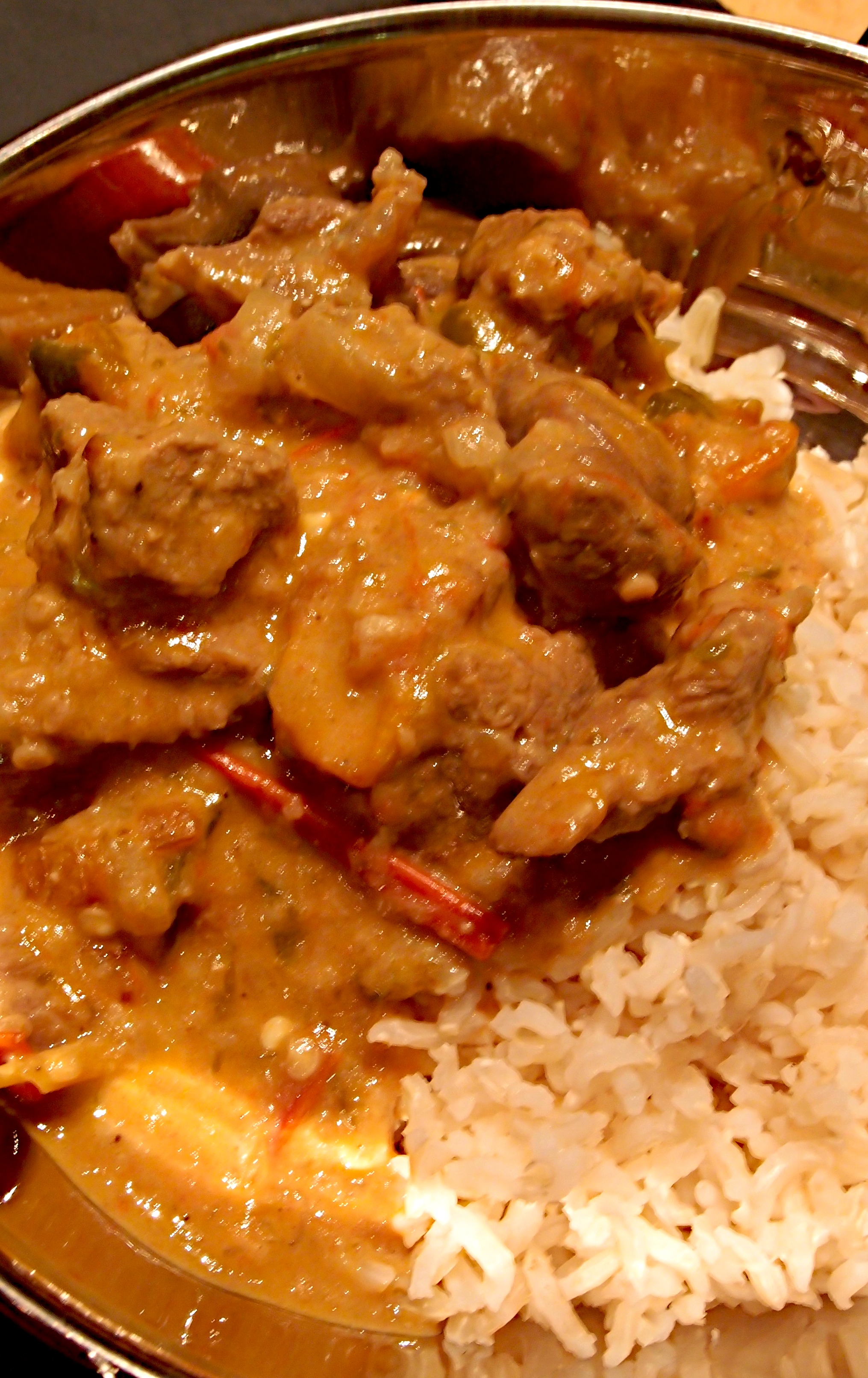
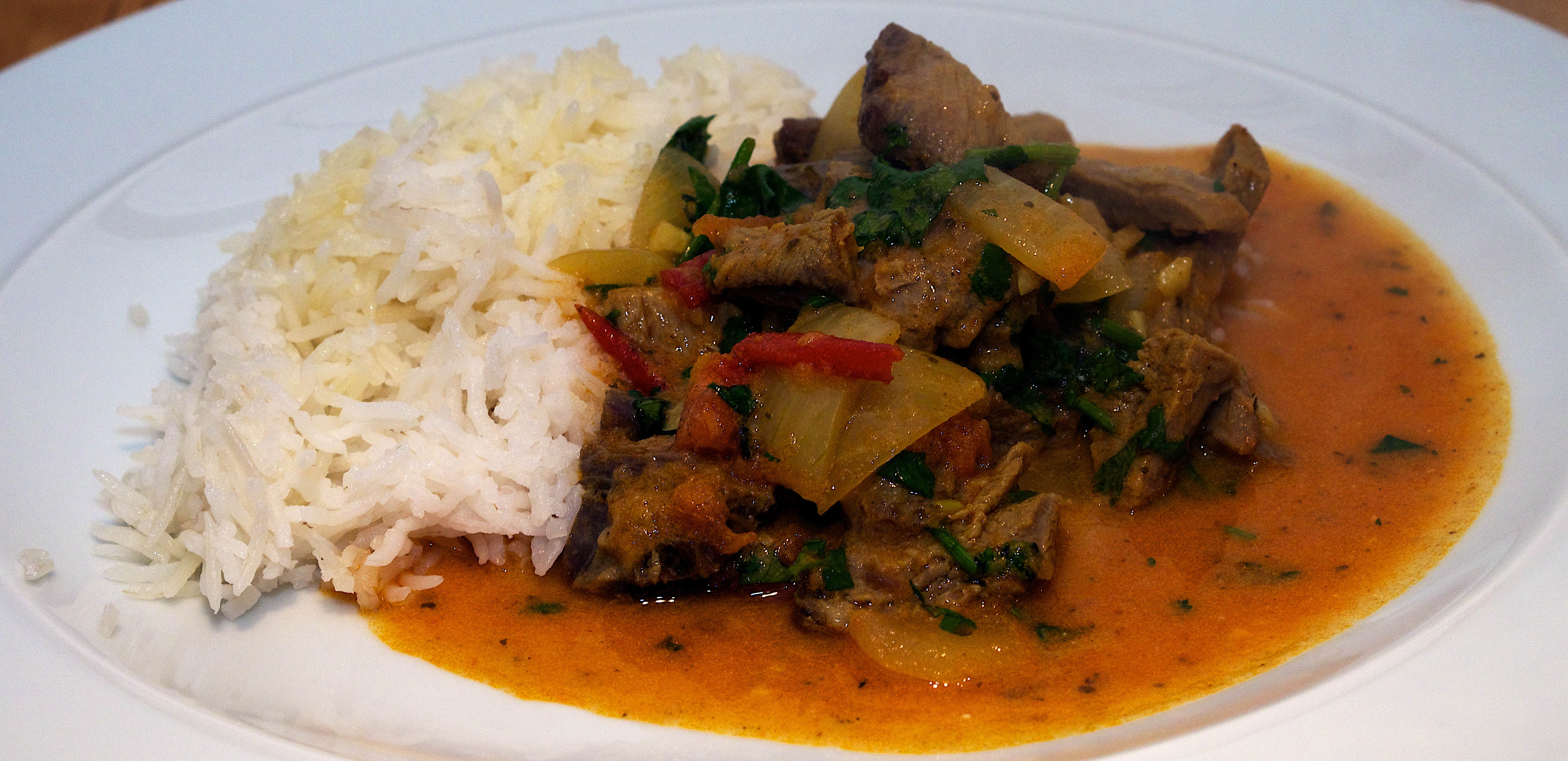
We’re not massive fans of leftovers because we always want to cook something different the next night. Leftover roast meat is the exception though as you can usually transform it into something completely different. This originated as a roast shoulder of lamb with rosemary and tasted every bit as good in this curry.

Leftover lamb curry – to serve 4

  • 1 tbsp vegetable oil
  • 1 onion, chopped
  • 2 cloves of garlic, finely chopped
  • small knob of ginger, grated
  • 2 tbsp curry paste (we like Patak’s)
  • 500g leftover lamb, trimmed of any fat and cut into chunks
  • 300ml vegetable stock
  • 2 ripe tomatoes, chopped
  • 1 cinnamon stick
  • 3 tbsp natural yogurt
  • 25g coriander, chopped

Heat the oil in a medium saucepan and cook the onion until softened. Stir in the garlic and ginger and cook for 30 seconds before adding the curry paste; stir again for another 30 seconds or so.

Add the lamb, stock, tomatoes, cinnamon and a good pinch of salt. Bring to a simmer and cook for 10 minutes.

Take the curry off the heat and add the yogurt and coriander.

Serve with steamed basmati rice.

Wine Suggestion: We prefer to drink beer with curry. Try Tom Crean’s Lager from Dingle in County Kerry if you get the opportunity. A great drop from an Irish micro-brewery and well worth seeking out.
Read Full Post »

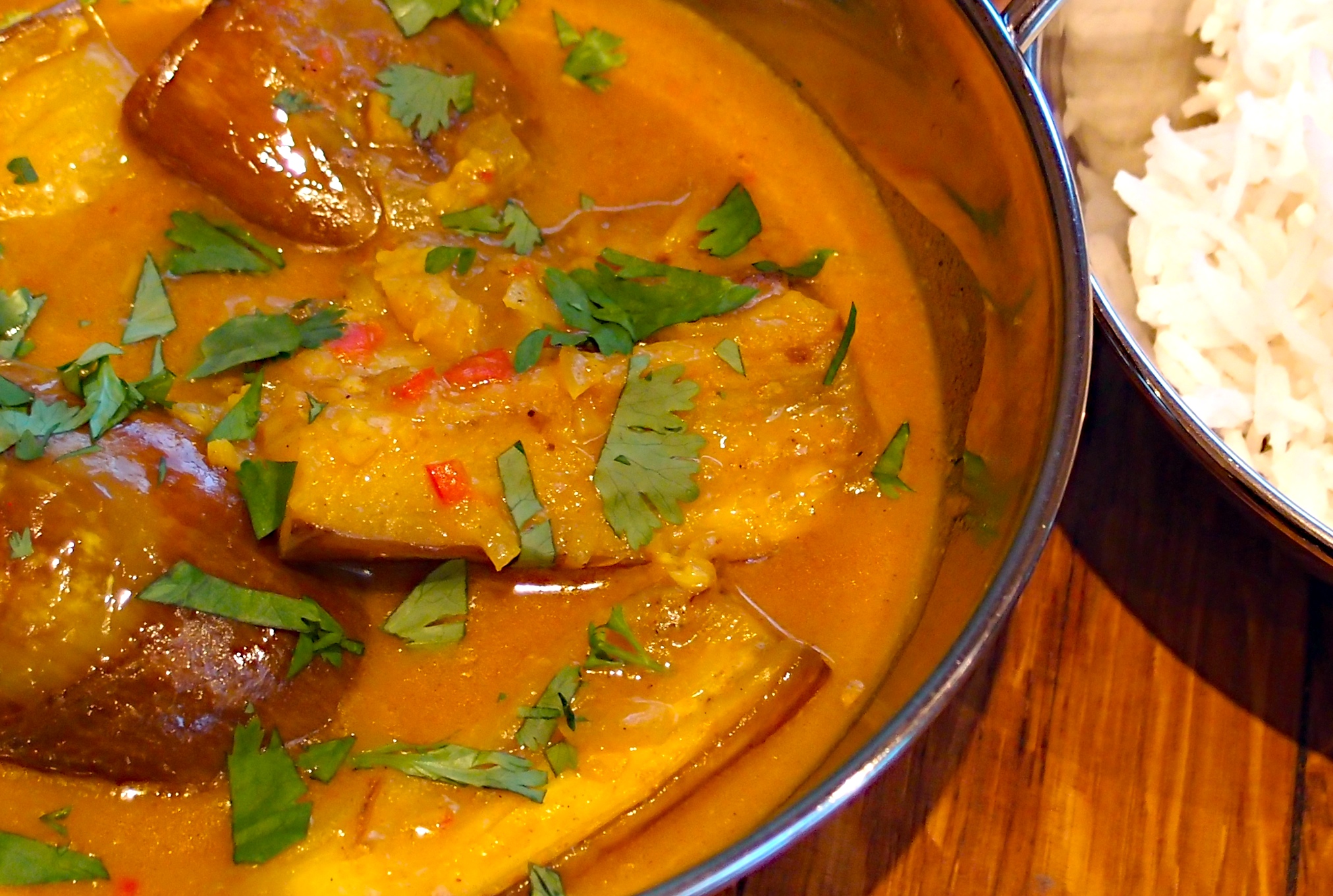
This is a really straightforward curry and we are glad to say it didn’t disappoint. The aubergine melts in the mouth and the spices are lovely and fresh as well as warming and comforting. Also takes no time at all to make.

Aubergine Curry with Lemongrass & Coconut Milk – serves 4

  • 3 large chillies, deseeded and chopped
  • 6 garlic cloves, roughly chopped
  • knob of fresh ginger, peeled and chopped
  • 2 lemongrass stalks, peeled and chopped
  • 2 tbsn ground turmeric
  • 1 tsp chilli powder
  • 2-3 aubergine (approx 600g) quartered lengthways then halved
  • 1 tbsp olive oil
  • 1 tbsp sugar
  • 6 shallots, finely chopped
  • 1 tbsp Fish Sauce (nam pla)
  • 400ml can coconut milk
  • 400ml vegetable stock
  • small bunch coriander, roughly chopped

Pulse  to a coarse paste chillies, garlic, ginger and lemongrass in a food processor. Set aside

Mix the turmeric and chilli powder together and rub it all over the aubergine wedges. Don’t worry if it look like a lot of spices – it works!

Heat olive oil in frying pan and brown aubergine in batches, setting the aubergine aside when done. Add the paste, sugar and shallots to pan and cook for a few minutes until the shallots and garlic soften.

Return aubergine to pan. Add fish sauce, coconut milk and stock, mix well and bring to the boil. Reduce heat and cook gently for about 15 minutes and until aubergine is tender but not mushy. Season and sprinkle coriander on top.

Serve hot with steamed rice.

Drink with: a aged Clare Valley riesling (at least 5 or six years old) or a fruity young Mosel Riesling.

Read Full Post »

If you have access to an Asia market or Indian grocer then they will sell poppadoms (they look like packets of very fine wafers) that are much superior to the already puffed ones you get in ordinary supermarkets. You can fry them in oil or just cook them in a microwave for 60 seconds.

Cucumber & Mint Raita – to serve 4

This is really light and refreshing and would also work well with a barbecue or on baked potatoes. Measure the mint so it doesn’t overpower the dish.

  • 200g cucumber
  • 400g thick plain yogurt
  • 8g mint leaves, shredded
  • 3/4 tsp roasted cumin powder (You can make this by roasting cumin seeds in a small dry pan for about 40 seconds, stirring constantly, until they darken, then grind to a fine powder)

Grate the cucumber on coarse side of a grater. Squeeze out the excess water and put it in a large bowl.

Add the rest of the ingredients and season to taste with salt and black pepper. Stir well and serve cold.

(Original recipe from Anjum Anand’s I ♥ Curry, Quadrille, 2010.)

Bengali-style Tomato Chutney – makes about 350ml

This is great with poppadoms or served alongside a curry. It keeps for several months in the fridge and would also be nice with burgers, chicken, lamb or even in your sandwiches!

  • 2tbsp oil
  • 1/2 tsp whole cumin seeds
  • 1/2 tsp whole brown or yellow mustard seeds
  • 1/4 tsp whole fennel seeds
  • 475ml tomato passata
  • 1 1/2 tsp peeled and very finely grated ginger
  • 175ml cider vinegar
  • 200g caster sugar
  • 3/4 tsp red pepper flakes
  • 1 1/4 tsp salt
  • 2 tbsp sultanas

Pour the oil into a heavy-based, medium stainless-steel pan and put over a medium-high heat. When hot add the cumin and mustard seeds. As soon as they start to pop add the fennel seeds. A few seconds later, put in the tomato passata, ginger, vinegar, sugar, pepper flakes and salt. Stir and bring to a simmer, then lower the heat and simmer, uncovered, for about 50 minutes, stir now and again. Add the sultanas and cook for another 10 minute by which time it should be thick and look glazed.

Spoon into a steralised jar, leave to cool, screw on the lid and keep in the fridge.

(Original recipe from Madhur Jaffrey’s Curry Easy, Ebury Press, 2010.)

Read Full Post »

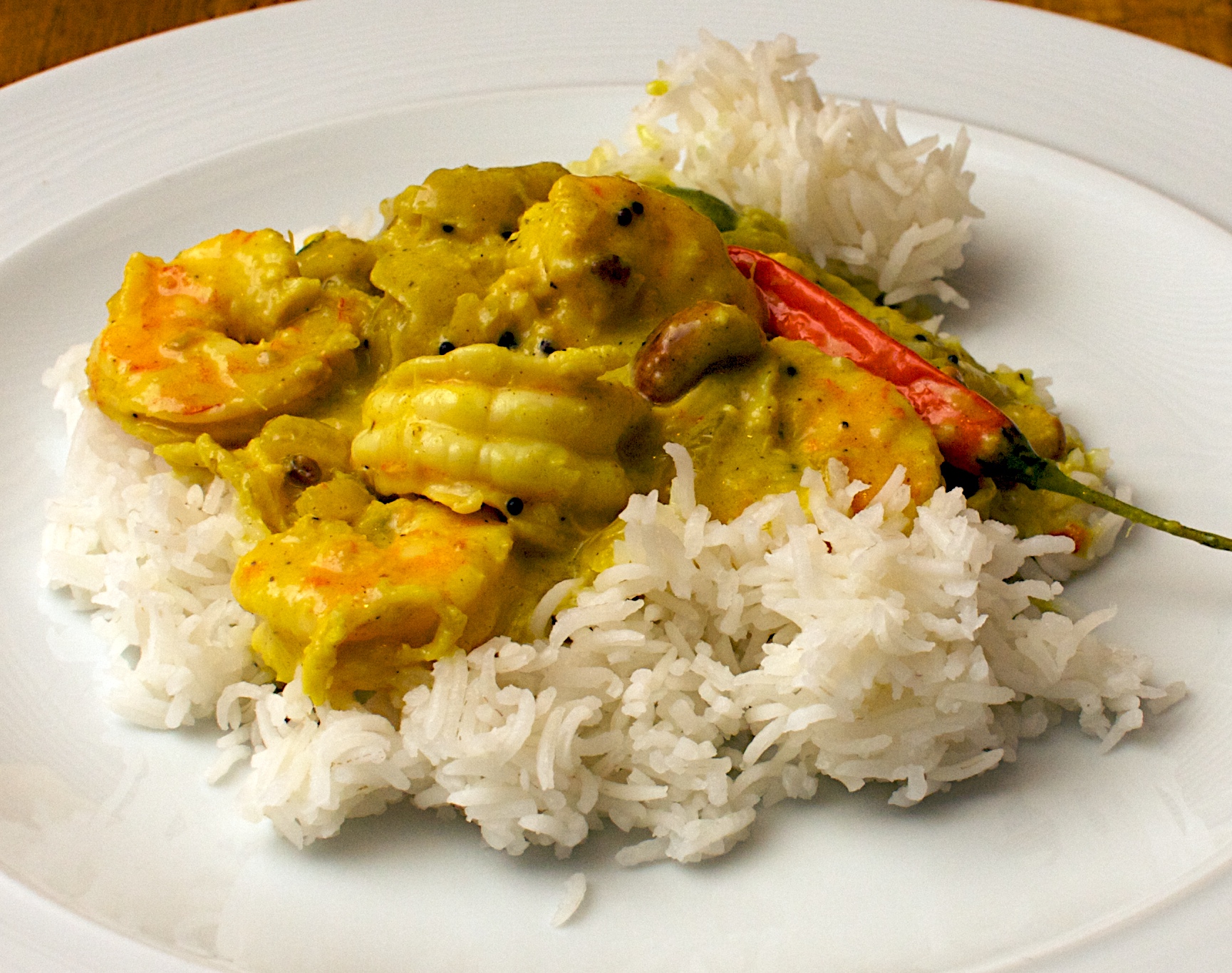
A really nice, mild prawn curry (if you don’t chew the chillies) and one we’ll do again as it was so tasty. Serve with some plain basmati rice.

Prawn and Cashew Nut Curry – to serve 4

  • 30g peeled fresh root ginger, roughly chopped
  • 6 fat garlic cloves, halved
  • 5 tbsp vegetable oil
  • 60g raw cashew nuts
  • scant 1/2 tsp fenugreek seeds
  • scant 1 tsp mustard seeds
  • 1 onion, sliced
  • 1 rounded tbsp ground coriander
  • 3/4 tsp turmeric
  • generous 3/4-1 tsp ground black pepper
  • 1 tsp ground cumin
  • 4-6 red or green chillies, or to taste, leave them whole or slit them for more heat
  • 400ml creamy coconut milk
  • 2 tbsp white wine vinegar
  • 350g large raw prawns shelled, deveined and rinsed

Blend the ginger and garlic to a fine paste, adding a bit of water to help (we used a stick blender). Heat 1 tsp of the oil in a non-stick saucepan; add the nuts and stir-fry until golden. Remove with a slotted spoon, toss in little salt and set aside.

Add the remaining oil to the pan and when hot add the fenugreek and mustard seeds. Let them pop for a minute and add the onion when they start to calm down, cook gently until soft. Add the ginger and garlic paste and cook until any excess moisture is gone, then reduce the heat to low and stir for a couple of minutes until the garlic smells cooked.

Add the spices and chillies, some salt and a splash of water. When the water has dried up add 250ml of the thinner part of the coconut milk (skim off the creamier stuff at the top of the can and keep for later), 100ml water and the vinegar.

Bring to a boil and simmer for 10 minutes. Taste and adjust seasoning – if the garlic still tastes raw then leave for another 5 minutes before checking again.

Add the prawns and cook until opaque; about 3 minutes should do it. Stir in the remaining, thicker coconut milk and the nuts.

Wine Suggestion: Indian food is notoriously difficult to pair wine with, a Pinot Blanc or Pinot Gris should give nice pure fruit with not too high acidity and it should match the aromatic flavours in the curry – maybe avoid the whole chillies!

(Original recipe from Anjum Anand’s I ♥ Curry, Quadrille, 2010.)

Read Full Post »

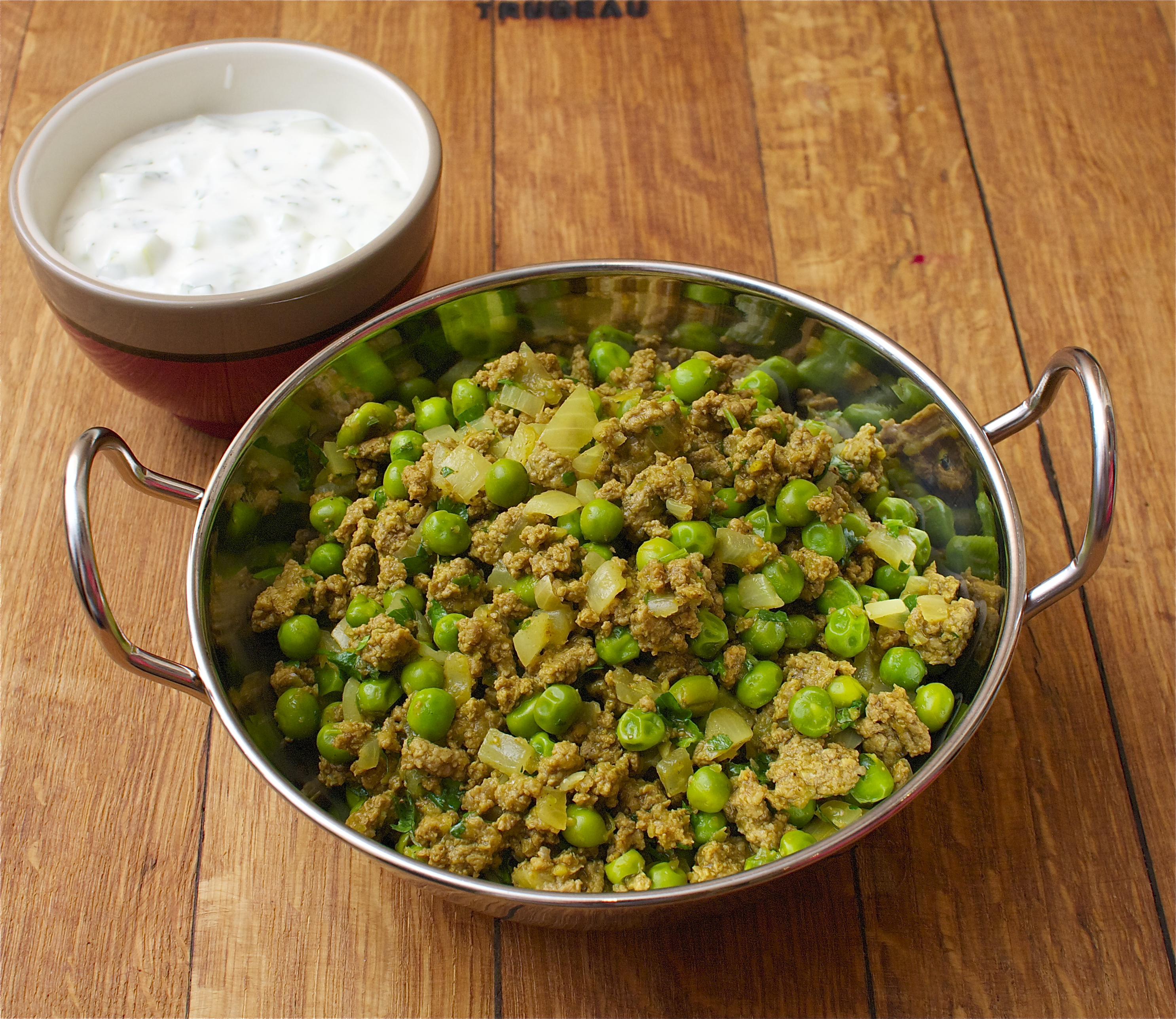
This was surprisingly delicious and flavoursome; the curry paste really adds a good depth yet it is still light and wholesome. A Keema curry is one that uses mince which we’ve not really done. After this recipe we’ll certainly try a few others.

Keema curry & raita – to serve 4

  • 1 onion, chopped
  • 400g beef mince
  • 340g frozen peas
  • handful fresh coriander, chopped
FOR THE PASTE
  • 1 green chilli, chopped
  • 2 garlic cloves, chopped
  • thumb-sized piece ginger, chopped
  • 1/2 tsp each turmeric and ground coriander
  • 1 tbsp curry powder
FOR THE RAITA
  • 200g fat-free natural yogurt
  • 100g cucumber, peeled, deseeded and diced
  • handful fresh mint, chopped
Whizz the paste ingredients together in a blender or food processsor – you might need a splash of water.

Cook the onion in a splash of water for about 5 minutes until softened. Stir in the mince and cook for another 5 minutes to brown. Add the paste, cook for a minute, then pour in 100ml water. Bring to the boil and simmer for 5 minutes.

Meanwhile, mix the raita ingredients together and season. When the mince is cooked, season and stir through the coriander. Serve with the raita and some brown rice.

Wine suggestion: You don’t want something with too much acidity here but it still needs a bit of easy fruit. Try a Pinot Blanc from Alsace.

(Original recipe from BBC Good Food)

Read Full Post »

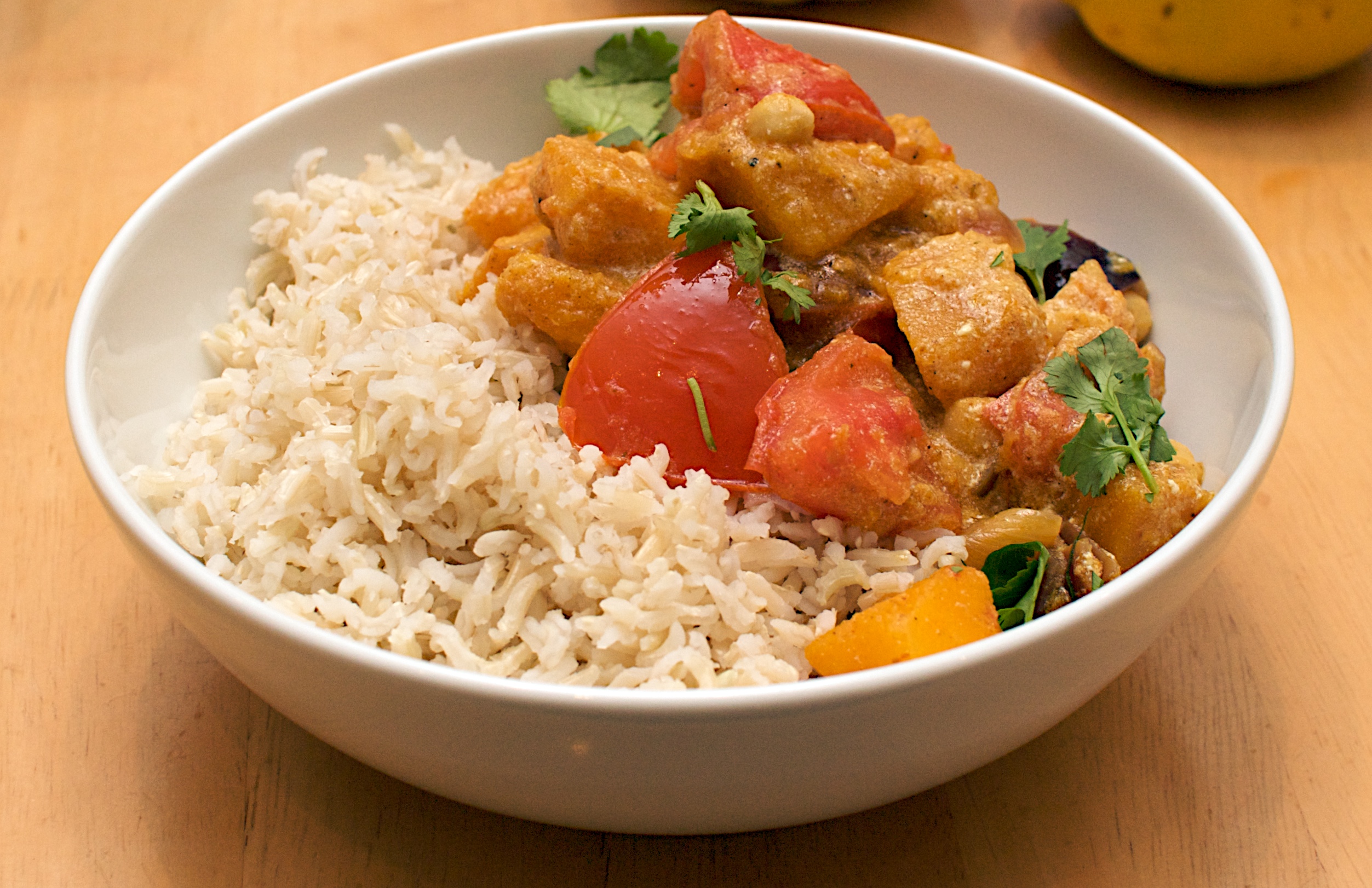
This is a handy mid-week curry with nothing like the calorie and fat content of an Indian take-away!

Indian butternut squash curry – to serve 4

  • 200g brown basmati rice
  • 1 tbsp olive oil
  • 1 butternut squash, diced
  • 1 red onion, diced
  • 2 tbsp curry paste (we used Patak’s Madras paste but you can go for a milder paste if you prefer)
  • 300ml vegetable stock
  • 4 large tomatoes, roughly chopped
  • 400g can chickpeas, rinsed and drained
  • 3 tbsp fat-free Greek yogurt
  • small handful coriander, chopped

Cook the rice in boiling salted water according to the instructions on the pack. Meanwhile, heat the oil in a large frying pan and cook the squash for a few minutes until lightly browned. Add the onion and the curry paste and fry for another 3 or 4 minutes.

Pour over the stock, then cover and simmer for 15-20 minutes, or until the squash is tender. Add the tomatoes and chickpeas, then gently cook for a few minutes, until the tomatoes slightly soften.

Take off the heat and stir through the yogurt and coriander. Serve with the rice.

(Original recipe from BBC Good Food)

Read Full Post »

So fresh and vibrant in flavour, much better than the raita you can buy in the supermarket and takes only a few minutes to make. We recommend you serve this with a curry (we cooked this one), a dahl, some rice and naan breads. An Indian feast!

Tomato, onion and cucumber raita – to serve 4

  • 1 small vine tomato, chopped into 1cm dice
  • 90g cucumber, peeled and chopped into 1cm dice
  • half a small red onion, finely chopped
  • large handful of chopped fresh coriander
  • 3/4 tsp roasted cumin powder (see below)
  • 1/3 tsp chilli powder
  • 400g plain yogurt, whisked until smooth
  • salt
To make the roasted cumin powder roast cumin seeds in a small dry pan, stirring constantly, until they have darkened quite a bit. Be careful as they can go from brown to black very quickly! Grind to a fine powder.

Stir all the ingredients together and season to taste.

(Original recipe from I ♥ Curry by Anjum Anand, Quadrille, 2010)

Read Full Post »

We ♥ Curry

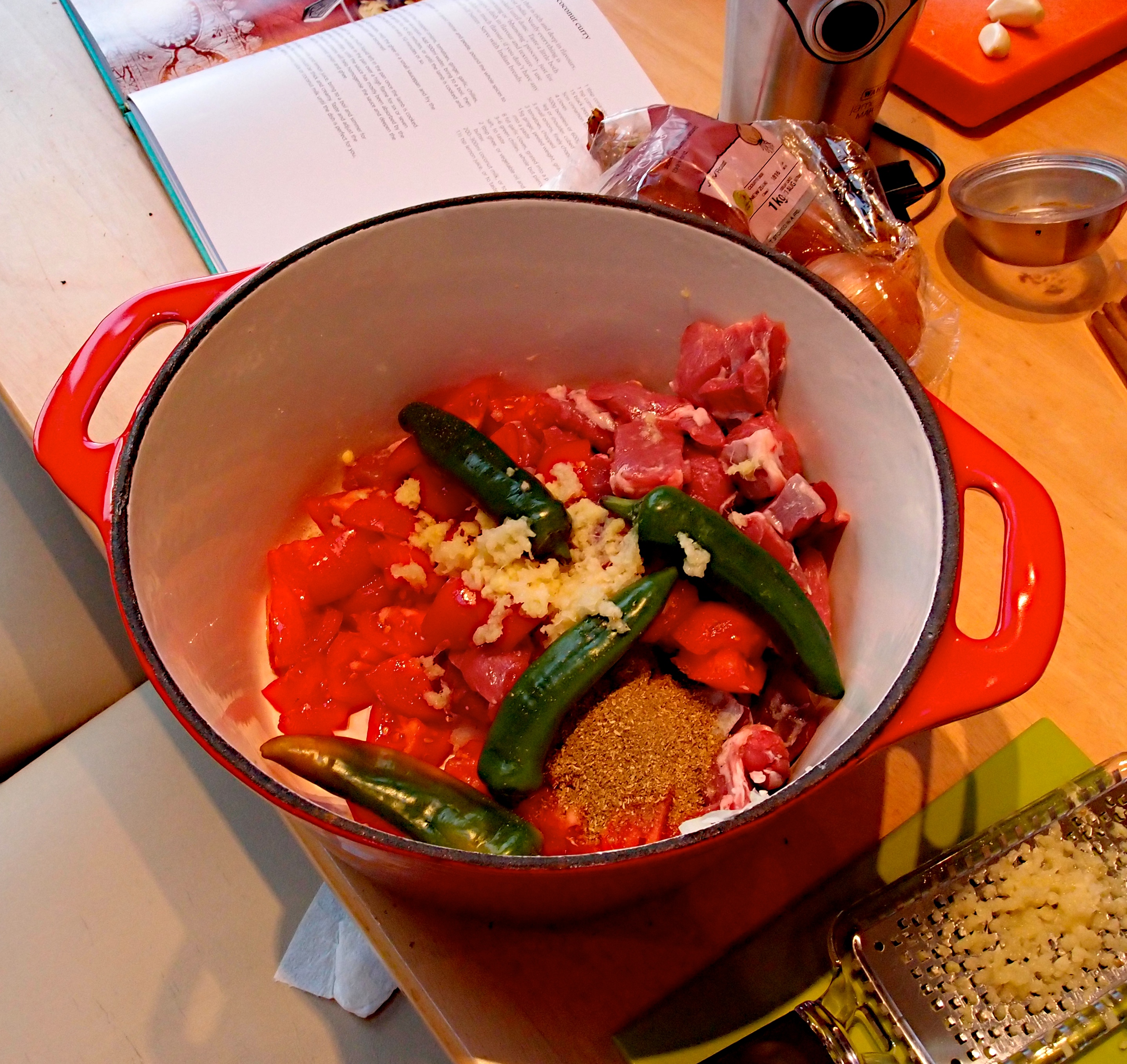
The best curry we’ve ever made by a mile! This was fabulous – so much lighter than takeaway and the lamb just melted. Our whole chillies kind of disintegrated into the sauce so prepare yourself for a good chilli kick. You can grind the whole spices in a mortar and pestle but we’ve invested in a little electric spice grinder which turns them into fine powder almost instantly. A microplane is the way forward for grating ginger and garlic. Two of our more successful kitchen gadgets!

Spicy lamb, tomato and coconut curry – to serve 4

  • 1tbsp coriander seeds
  • 1 tsp cumin seeds
  • 15 black peppercorns
  • 5cm cinnamon stick
  • 4 cloves
  • 500g boneless lamb shoulder, cubed
  • 3 small onions, finely chopped
  • 3 tomatoes, chopped
  • 15g ginger, peeled weight, grated to a paste
  • 8 fat garlic cloves, grated to a paste
  • 3-6 green chillies, whole but pierced
  • salt
  • 2 tbsp ghee, or you can use half butter and half vegetable oil
  • 200-300ml coconut milk, or to taste
  • 1 1/2 tsp lemon juice, or to taste
Use your spice grinder or mortar and pestle to pound the spices to a fine powder.

Put the lamb, 2 of the chopped onions, tomatoes, ginger, garlic, chillies, spices and salt in a large saucepan. Add 500ml water, bring to a boil, then cover and cook gently for 45-60 minutes, or until the lamb is cooked and soft. Give it a stir every 10 minutes or so.

After about 45 minutes, melt the ghee in a small saucepan and fry the remaining onion until well browned.

Once the lamb is cooked you need to cook off all the excess moisture over a high heat, stirring often, until almost all the sauce has been absorbed by the lamb. This is called bhunoing and helps deepen the flavours (try it before and after to see the difference it makes). Add the browned onion and ghee.

Pour in the coconut milk and lemon juice, bring to a boil and simmer for 5 minutes; the sauce should be thick and creamy. Taste and adjust the seasoning, and add lemon or coconut milk until it tastes amazing.

We served this with brown basmati rice.

(Original recipe from Anjum Anand’s I ♥ Curry, published by Quadrille)

Read Full Post »

Our cooking’s been very healthy this week but tasty too so don’t despair. It’s nice to find an Indian dish which isn’t full of calories and doesn’t take forever to make. This is very nice but do add a bit of salt at the end to bring the flavours out and balance the spice. We wished we’d had some naan breads or chapatis so you might want to get some of them too.

Serves 2

  • 1 small onion, finely chopped
  • oil
  • 1 tsp turmeric
  • 2 cloves of garlic, crushed
  • 2 cm piece of ginger, grated
  • dried red chilli crumbled or some chilli flakes
  • 400g tin chopped tomatoes
  • 200g raw peeled prawns
  • some low fat natural yogurt

Get your rice on first as this is quick.

Cook the onion gently in a little oil in a frying pan for about 5 minutes or until starting to soften.

Add turmeric, garlic, ginger and chilli and cook for another few minutes or until it smells good.

Add the tomatoes and simmer for 10 minutes – add a splash of water if you need it.

Stir in the prawns and cook until they turn opaque.

Add a bit of salt to season and serve with rice, bread and some yogurt on the top.

(Original recipe from BBC Good Food)

Read Full Post »

This is the first recipe we’ve tried from Madhur Jaffrey’s Curry Easy.

Be warned… it’s little bit unusual. In our picture it looks kind of like an Irish stew weirdly paired with rice. In fact it is very like an Irish stew except it has Indian spices and coconut milk in it (so not actually very Irish at all).

Still if you’re prepared to try something a bit different, this is actually really nice with a sauce which is not overtly spicy . More mild and warming and perfect comfort food for a cold night. I suspect this is much more authentic than the rich sauces we have come to associate with Indian food.

Kerala Lamb Stew – serves 4

  • 4 tbsp olive or rapeseed oil
  • 2 cinnamon sticks
  • 0.5 tsp whole black peppercorns
  • 10 cloves
  • 10 cardamom pods
  • 1 large red onion, finely chopped
  • about 20 curry leaves, torn (you can buy these in asian shops and this recipe suggests 10 fresh basil leaves as a substitute if you can’t get them. Don’t be fooled by the dry ones you can buy in supermarkets though as they are not a good substitute.)
  • 2 tsps very finely grated ginger
  • 900g stewing lamb
  • 450g potatoes, pelled and diced into 2.5cm cubes
  • 4 medium carrots, cut into 4cm chunks
  • 1.75 tsps salt
  • 0.25 to 1.5 tsps cayenne pepper
  • 300ml coconut milk (shake the tin well before opening)

Heat the oil in a large, heavy pan over a medium-high heat.

Add the cinnamon sticks, peppercorns, cloves and cardamom and sizzle for a few seconds.

Add the onion and stir until it turns light brown.

Add the curry leaves and ginger and stir for a minute.

Add the lamb and stir it around for a few minutes.

Add 1 litre of water and bring to the boil. Cover and simmer for 30 minutes.

Add the potatoes, carrots, salt and cayenne pepper and bring to the boil.

Cover and cook gently for 40 minutes, or until the meat is tender.

Add the coconut milk and crush a few of the potato pieces against the side of the pan to thicken the sauce.

Bring to a simmer and serve.


Read Full Post »

« Newer Posts