Feeds:
Posts
Comments

Archive for the ‘Vegetarian’ Category

This dish is supercharged when it comes to flavour! We pretty much used every pot, bowl and spoon in the house when making it. The good news is that it is easy to do plenty of prep in advance, which will make it easier when entertaining.

Jules was a bit anti-tofu before ordering a tofu dish number of years ago in Dennis Cotter’s famous vegetarian restaurant in Cork, Café Paradiso. She figured if he couldn’t make it nice it wasn’t worth having; and was duly converted. If you’re a tofu novice then we recommend you try this dish by Yotam Ottolenghi & Ixta Belfrage, it’s certainly not dull.

Wine Suggestion: When matching such a full-flavoured, aromatic and savoury dish you need a corresponding characterful wine. Chateau du Hureau’s Argile Saumur Blanc proved itself up to the task. A strident, dry Chenin Blanc the citrussy, crisp apple flavours provided a wonderful counterpoint and the savoury, mineral texture danced along with the food.

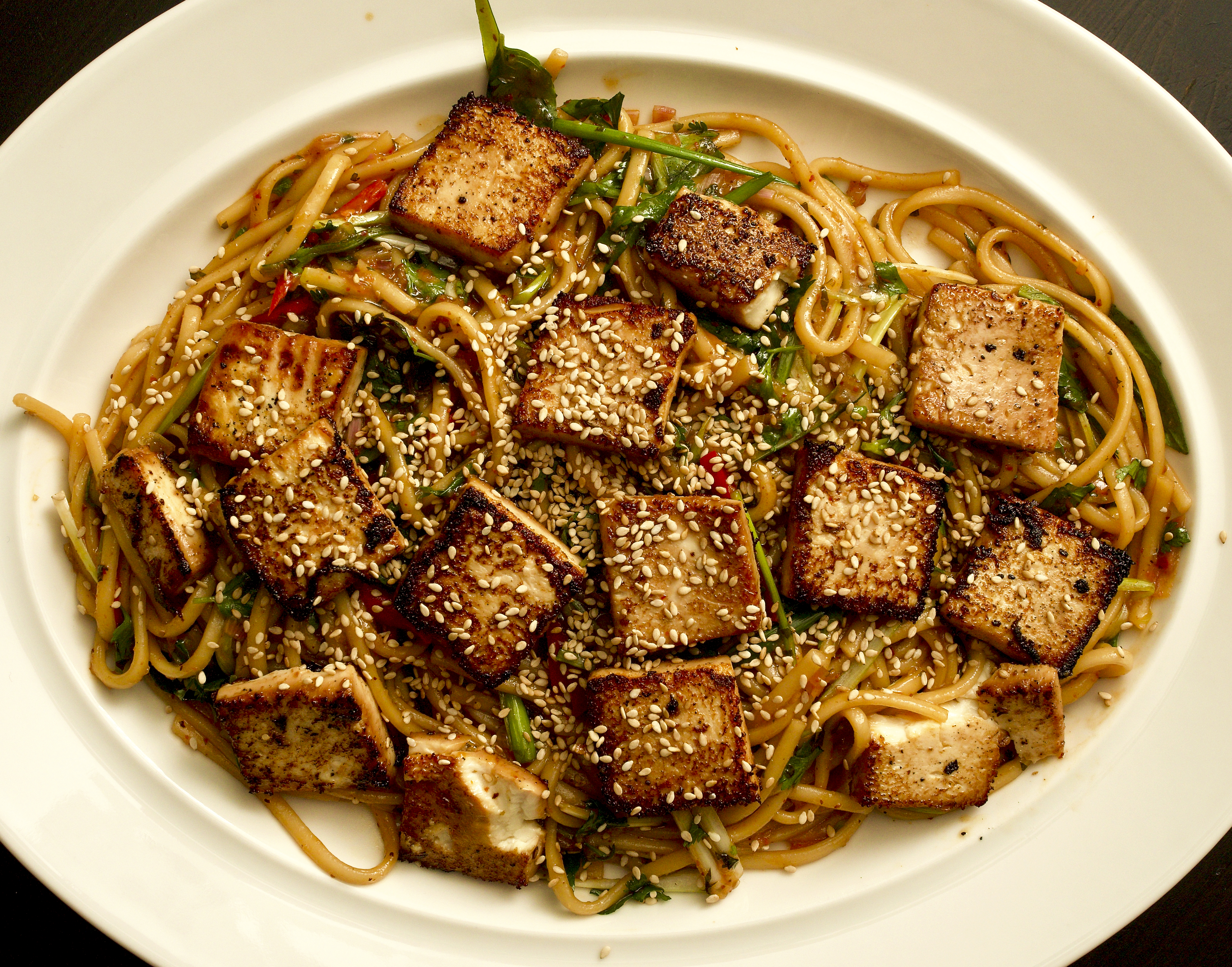
Udon Noodles with Fried Tofu and Orange Nam Jim – serves 4

  • 600g pre-cooked udon noodles
  • 10g Thai basil leaves
  • 3 scallions, finely sliced into long strips
  • 10g coriander leaves, finely sliced
  • 2 red chillies, finely sliced into long strips
  • 1 tbsp sesame seeds, toasted

FOR THE FRIED TOFU:

  • 1 small clove of garlic, crushed
  • 2 tbsp soy sauce
  • 1 tbsp maple syrup
  • 2 ½ tbsp sunflower oil
  • 350g firm tofu, press to remove any water, pat dry, then cut into bite-sized pieces

FOR THE ORANGE NIM JAM:

  • ½ tbsp basmati rice
  • ¾ tbsp Aleppo chilli flakes (or 1/3 tsp ordinary chilli flakes)
  • 4-5 blood oranges or regular oranges – juice them to get 160ml of orange juice, then serve the dish with some orange wedges if you like
  • 20g tamarind paste (if you make this from the block of tamarind you will need about 40g see method in note below)
  • 2 ½ tbsp fish sauce
  • 2 tbsp maple syrup
  • 2 tbsp soy sauce
  • 40g banana shallot, finely diced
  • 5g coriander, finely chopped

Start by marinating the tofu. Mix the garlic, soy sauce, maple syrup, 1 tbsp of sunflower oil and ¼ tsp of salt in a dish that can hold the tofu pieces in a single layer. Add the tofu and toss gently to coat in the marinade. Leave for 30 minutes to 1 hour, turning halfway through.

Next, make the nam jim. Put the rice into a small saucepan over a medium-high heat and toast for 2 ½ minutes. Add the aleppo chilli and toast for another 30 seconds, until fragrant. Transfer to a pestle and mortar and grind to a coarse powder. Put the ground rice mixture into a medium bowl, then add the orange juice, tamarind, fish sauce, maple syrup, soy sauce, shallot and coriander. Mix together, then pour into a large sauté pan over a medium-high heat and cook gently for a couple of minutes, until warm. Add the noodles and cook for 3 minutes, stirring. Remove the noodles and sauce from the pan and set aside while you fry the tofu, you want it at room temperature to serve.

Heat 1 ½ tbsp of the oil in a large, non-stick pan over a medium-high heat until very hot, then add half the tofu, making sure it’s spaced apart. Fry for 1 ½ to 2 minutes on each side or until crispy and golden brown. Set aside while you fry the rest. Stir any remaining tofu marinade into the noodles.

Toss the basil, scallions, coriander leaves and chillies with the noodles, then transfer to a serving platter with a lip. Serve with the tofu and sesame seeds on top. Serve with some orange wedges if you like.

NOTE: to make tamarind paste from a block mix a small piece, about 120g, with half this quantity, 60ml, of lukewarm water. After a few minutes mix together again, adding a touch more water if you need so the pulp falls away from the seed. Pass through a fine sieve. Can be stored in the fridge for up to a month.

(Original recipe from Ottolenghi Flavour by Yotam Ottolenghi & Ixta Belfrage, Ebury Press, 2020.)
Read Full Post »

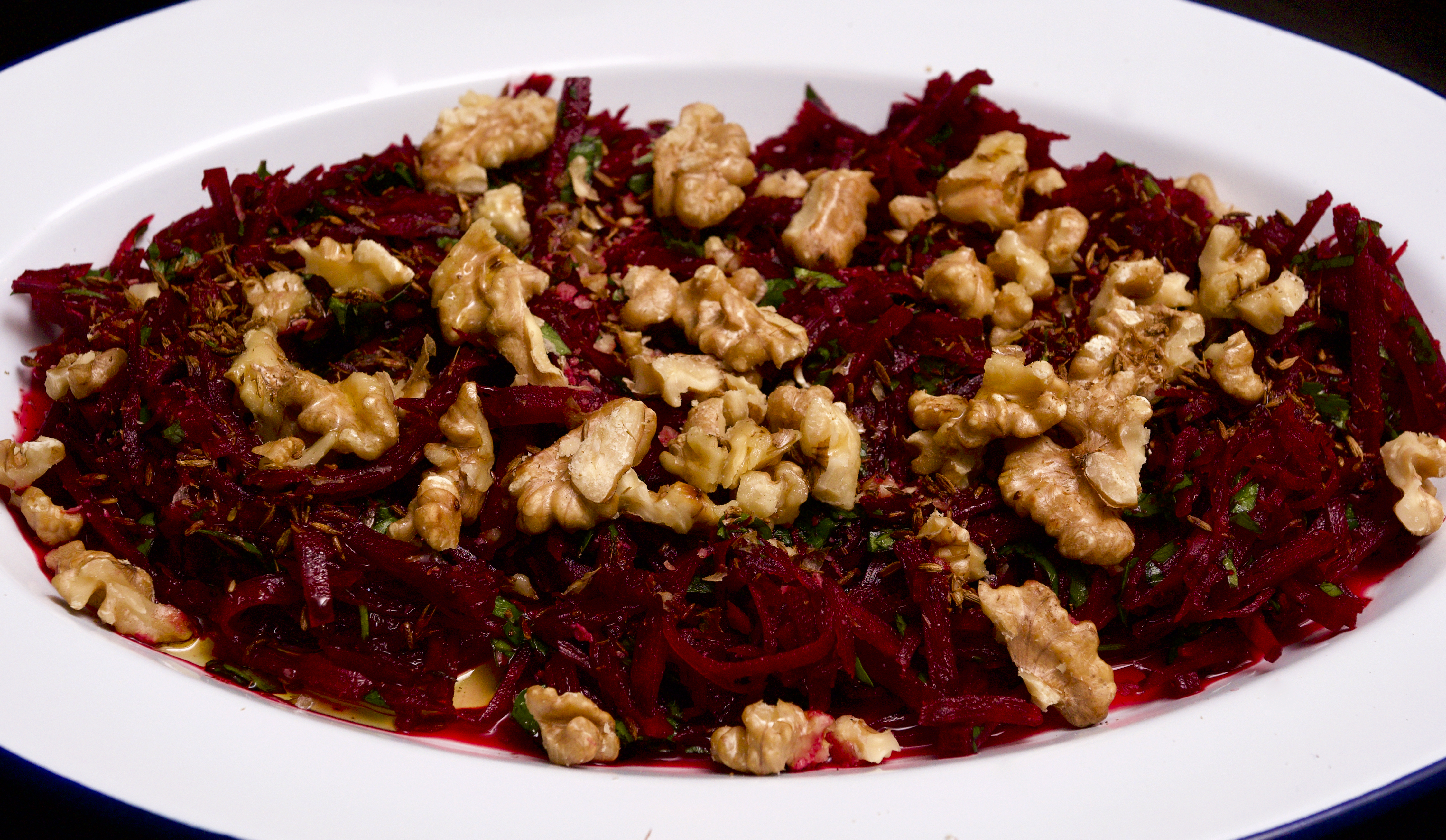
A nice salad using raw beetroot. It tastes really fresh and good for you. 

Beetroot with walnuts and cumin – serves 4

  • 75g walnuts
  • 1 tsp cumin seeds
  • about 400g beetroot
  • a handful of parsley, chopped
  • juice of 1 small orange
  • a squeeze of lemon juice
  • 2 tbsp rapeseed oil

Heat a dry frying pan over a medium heat and gently toast the walnuts for a few minutes, until toasted and starting to colour. Remove from the pan and add the cumin seeds. Toast these for 1-2 minutes, until fragrant, then tip onto a plate. 

Peel the beetroot and grate it coarsely into a bowl. Add the parsley, orange juice and a squeeze of lemon juice, 1 tbsp rapeseed oil and salt and pepper. Mix and season again to taste. Leave for 20 minutes or so to marinate and soften. 

Spread the beetroot over a serving dish. Bash the toasted walnuts roughly and scatter over the beetroot. Bash the toasted cumin seeds too, then scatter over the salad. 

Finish with another drizzle of oil. 

(Original recipe from River Cottage Veg Everyday! by Hugh Fearnley-Whittingstall, Bloomsbury, 2011.)

Read Full Post »

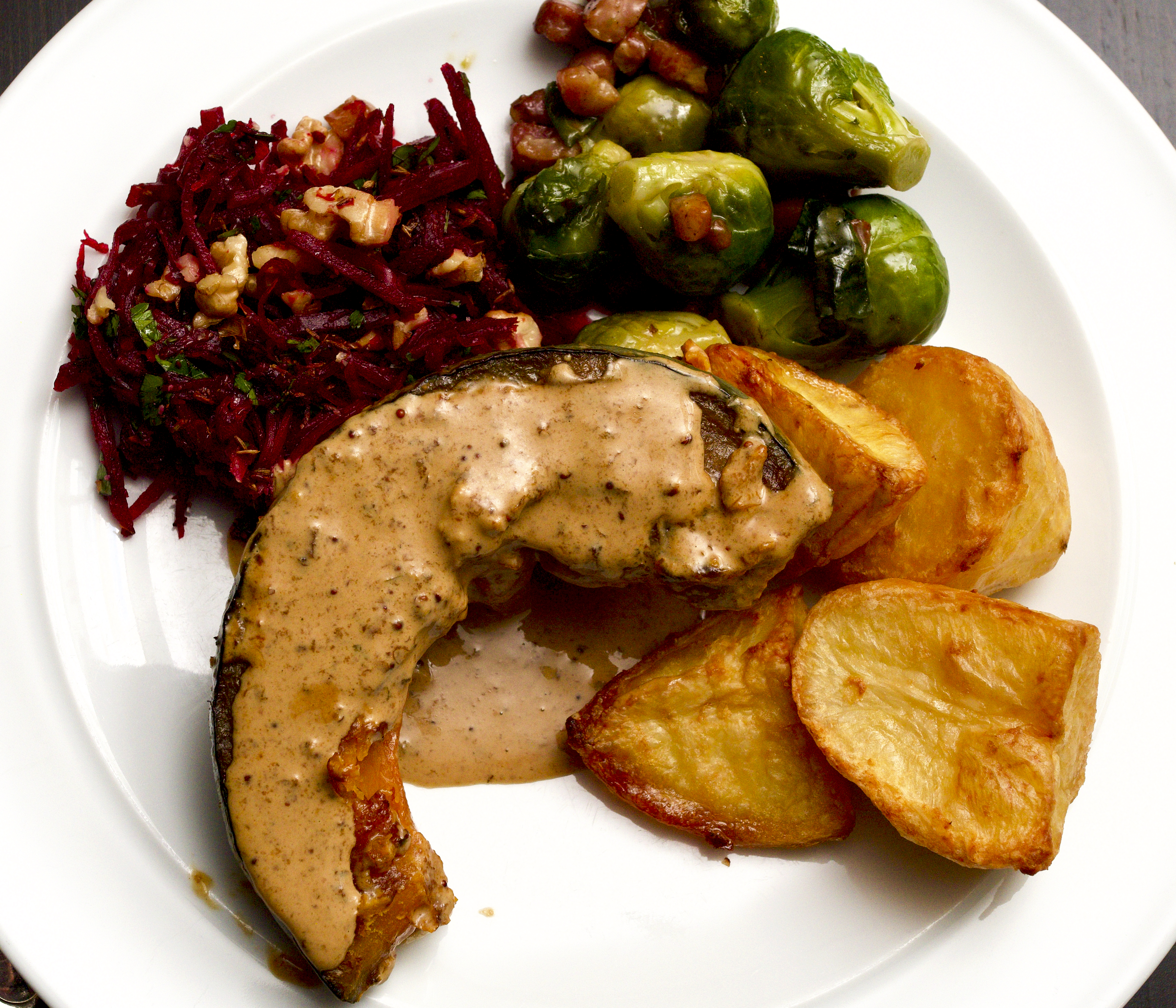
Sometimes on Sundays we do a sort of a roast dinner but without the roast. It usually consists of a few different vegetable dishes, something green and something creamy, and roast potatoes are essential. We really loved this recipe by Nigel Slater as it gives the pumpkin a super soft, almost fudgy texture, and the creamy sauce is delicious.

Wine Suggestion: This meal goes great with richer reds or whites. Jerome Coursodon’s Etincelle Blanc, a blend of Roussanne and Viognier from the St Joseph vineyards in the Northern Rhone, was super expressive and had a wonderful balance of being rich and powerful while at the same time being crisp and taught.

Pumpkin with mustard & cream – serves 4

  • 2kg of pumpkin, leave the skin on – our favourite variety is Crown Prince
  • 4 tbsp olive oil
  • 1 litre of hot chicken or vegetable stock
  • 200ml double cream
  • 1 tbsp grainy mustard
  • 1 tbsp Dijon mustard

Heat the oven to 200C/180 fan/Gas 6.

Cut the pumpkin in half and cut the halves into large wedges. Scoop out the seeds.

Heat the olive oil in a large, deep, roasting tin over a medium heat. Lightly brown the pumpkin on the cut sides.

Pour the hot stock over the over the pumpkin, then cover with tin foil and seal tightly. Bake for 45 minutes, then remove the foil, turn the pumpkin wedges and baste well with the stock. Return to the oven and cook for another 45 minutes.

Lift the pumpkin from the stock and keep warm. Put the tin with the stock over a high heat and let it reduce to about 200ml. Pour in the cream, stir in the mustards and season. Spoon the sauce over the pumpkin wedges to serve.

(Original recipe from Greenfeast by Nigel Slater, 4th Estate, 2019.)

Read Full Post »

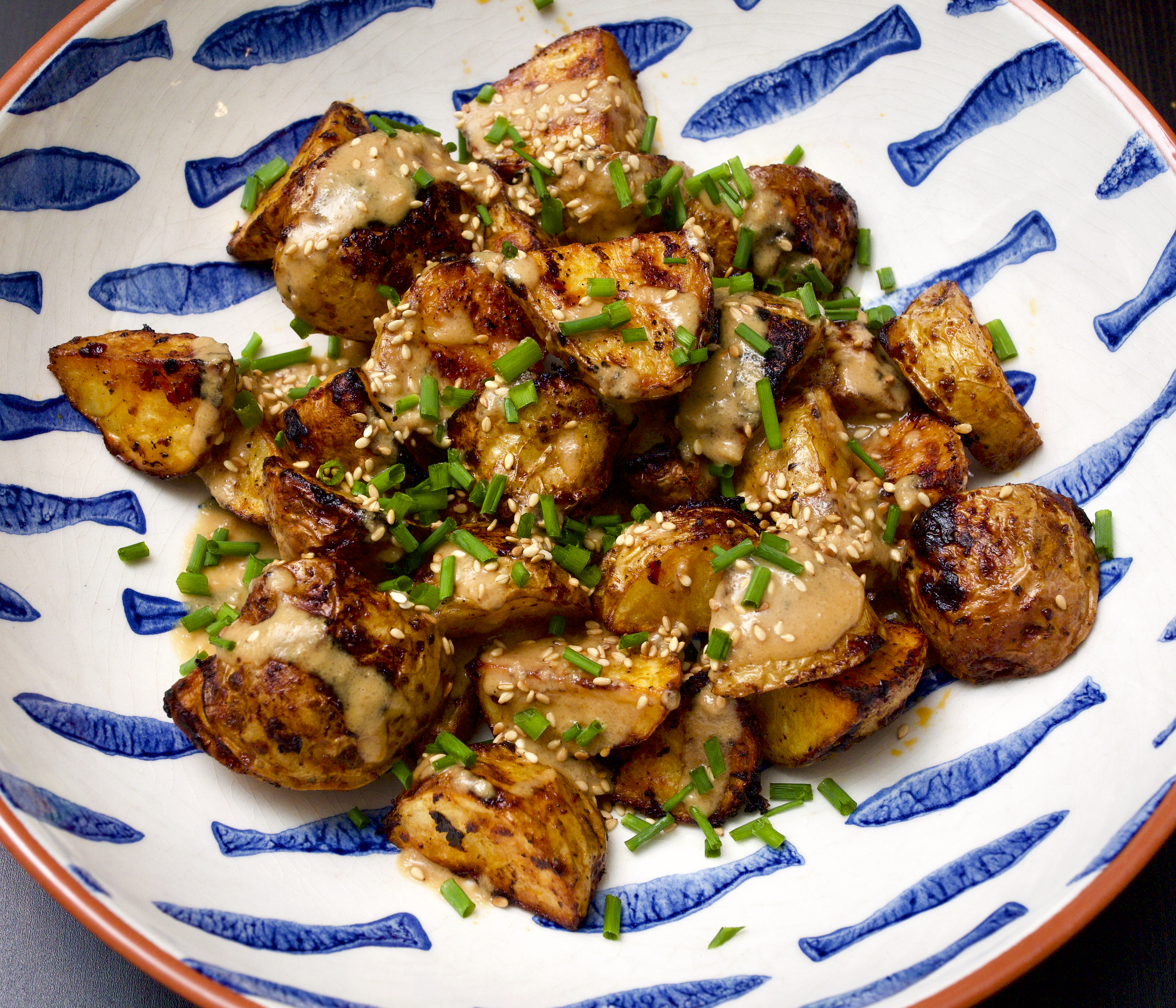
We made this the day that Ottolenghi Flavour arrived in the post as we had all the ingredients and were feeling enthusiastic! We haven’t tried too many dishes since then but we will. Just when we think we’ve tasted pretty much every flavour combination Yotam and his pals remind us that we haven’t, not by a long way!

We can’t remember now what we served this with but think it’s safe to say you could eat a bowlful on their own!

Spicy roast potatoes with tahini and soy – serves 4 as a side

  • 900g roasting potatoes, leave the skin on and cut into 3cm cubes
  • 50g rose harissa 
  • 1 garlic clove, crushed 
  • 3 tbsp olive oil
  • 1½ tbsp chives, finely chopped
  • 1½ tbsp black and/or white sesame seed, toasted

FOR THE DRESSING: 

  • 60g tahini (stir well before using)
  • 2 tbsp soy sauce
  • 1½ tbsp mirin (or maple syrup)
  • 1½ tbsp rice vinegar

Preheat the oven to 240°C fan. 

In a large bowl, mix the potatoes, rose harissa, garlic and olive oil together with ¾ tsp of salt and plenty of black pepper. Transfer the mixture to a parchment-lined baking tray and spread out, then cover tightly with foil and roast for 15 minutes. 

Remove the foil, reduce the heat to 200°C and roast for another 25 minutes, uncovered, stirring halfway, until the potatoes are cooked and browned. 

Meanwhile, whisk all of the ingredients for the dressing together with 1 tbsp of water until smooth. 

Transfer the potatoes to a shallow serving bowl and drizzle over the dressing. Garnish with the chives and sesame seeds. 

(Original recipe from Ottolenghi Flavour by Yotam Ottolenghi and Ixta Belfrage, Ebury Press, 2020)

Read Full Post »

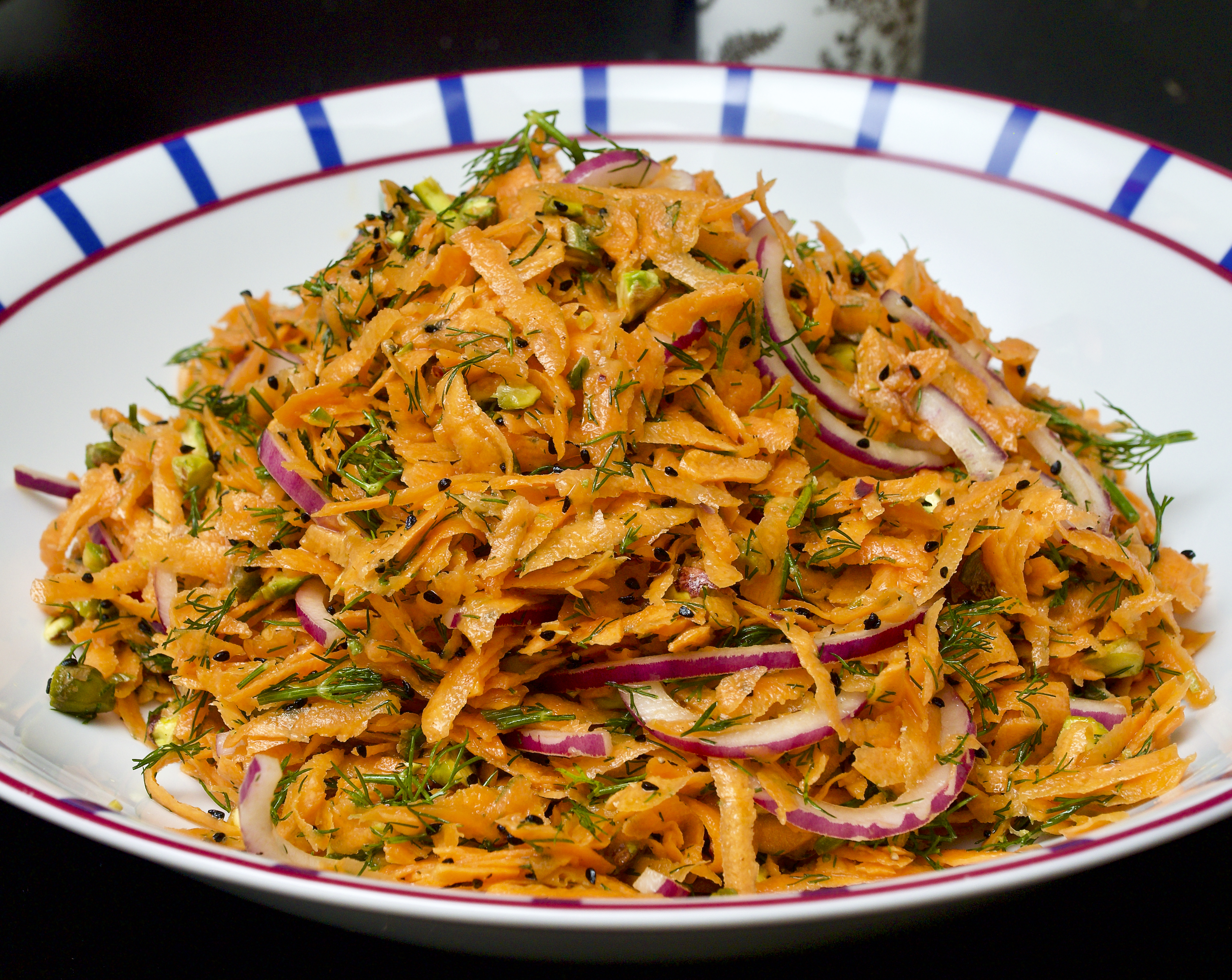
This is a good side dish to serve with richer dishes. It’s light and zingy which is just what’s needed sometimes. Another great combination of flavours suggested by Sabrina Ghayour. 

Carrot, pistachio & dill salad with lime & honey dressing – serves 4 to 6

  • 500g carrots, coarsely grated
  • ½ a small red onion, thinly sliced
  • 75g pistachio nuts, roughly chopped
  • about 30g of dill, finely chopped
  • 2 tsp nigella seeds

FOR THE DRESSING: 

  • 2 tbsp olive oil
  • finely grated zest and juice of 1 lime
  • 1 generous tbsp of runny honey

Mix all the dressing ingredients together and season well with sea salt and black pepper.

Put the other ingredients into a large bowl. Add the dressing when you’re ready to serve and toss gently to coat. Check the seasoning and serve. 

(Original recipe from Simply by Sabrina Ghayour, Mitchell Beazley, 2020.)

Read Full Post »

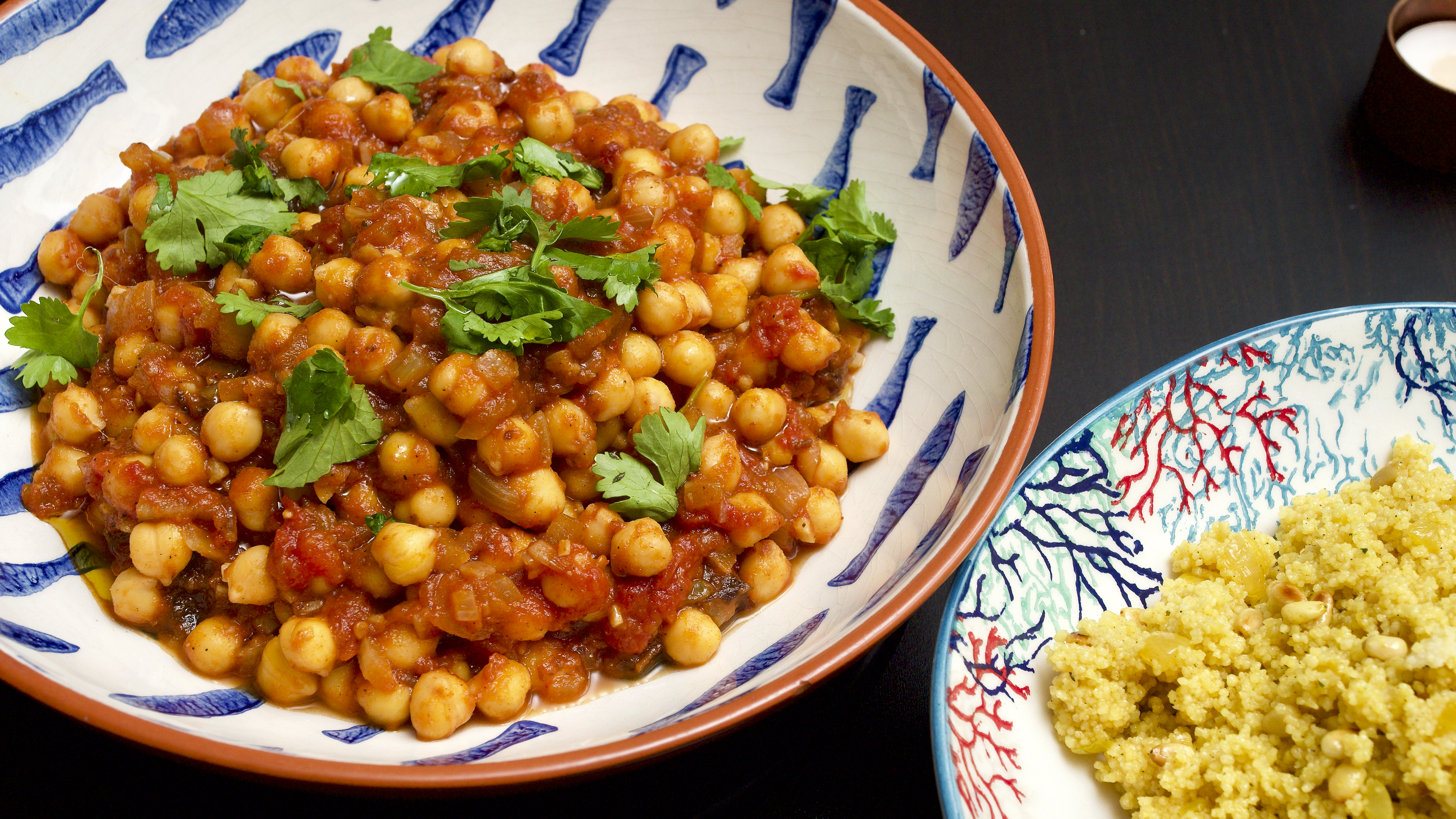
We made this by accident having planned to do a different tagine from a magazine, only to realised that it required a slow-cooker, so this was a last-minute substitute. It is really and truly delicious, so you must try making this dish at some stage. You can serve with plain couscous but it’s particularly good with this. If chickpeas don’t float your boat as a main course for Sunday lunch both dishes would be excellent with some roast lamb. 

Wine Suggestion: this is great with a juicy, brambly Grenache, or a blend with this in it. We had the joyful Les Dissidents “le Paria” made by Domaine Ventenac from 100% Grenache and made without sulphur; fresh, juicy and minerally.

Tomato, date & chickpea tagine – serves 4

  • 2 tbsp olive olive oil or unsalted butter
  • 1 large onion, finely chopped
  • 1 x 400g tin plum tomatoes
  • 120g pitted dates, halved
  • 4 cloves of garlic, finely chopped
  • a small bunch of coriander, leaves roughly chopped and stalks reserved
  • 1 tsp ground cumin
  • 1 tsp ground coriander
  • 1 tsp ground ginger
  • ½ tsp ground cinnamon or 1 cinnamon stick
  • 2 strips of lemon zest and the juice of ½ a lemon
  • 2 x 400g tins of chickpeas, drained and rinsed

FOR THE SEASONED YOGHURT

  • 200g natural yoghurt
  • juice of ½ a lemon

Heat the oil or butter in a frying pan over a medium heat, then add the onion and fry for 8-10 minutes, until soft. 

Whizz half the tomatoes with half of the dates, then add the rest of the tomatoes to the mixture and set aside. 

Add the garlic, coriander stalks and all of the spices to the cooked onions, stir and cook for 1 minute. Add the tomato mixture, the lemon zest and 100ml of water, season well with salt and pepper, then cook for 10 minutes or until rich and thickened. 

Meanwhile, make the seasoned yoghurt. Mix the yoghurt with the lemon juice and a good pinch of salt in a bowl, then set aside. 

Stir the chickpeas and the rest of the dates into the tomato mixture and cook for 5 minutes to heat through. Add the lemon juice and check the seasoning. Discard the pieces of lemon zest, then remove the dish from the heat. 

Stir in the coriander leaves and serve with some seasoned yoghurt and golden couscous

(Original recipe from New Kitchen Basics by Claire Thompson, Quadrille, 2019.)

Read Full Post »

Working from home definitely improves the lunch offerings. These quesadillas will fill you up and they’re super tasty too. Make up the filling in advance and it won’t take long to put them together on your lunch break. 

Quesadillas, with beans, chipotle, cheese & coriander – serves 4

  • 2 x 400g tins mixed beans
  • 3 tbsp chipotle sauce
  • a small pack of coriander, chopped
  • 140g cheddar cheese
  • 4 large tortillas

Drain the beans but reserve 2 tbsp of the liquid from the tins. 

Put the beans into a bowl with the reserved liquid, the chipotle sauce, coriander and half the cheese. Mash well with a fork or potato masher. 

Lay out the tortillas and cover half with the bean mixture. Top with the remaining cheese, then fold the tortilla over to make a semicircle. 

Heat a griddle pan or heavy frying pan, then cook the tortillas for a couple of minutes on each side, or until golden and starting to char. Cut into wedges to serve. 

(Original recipe by Sarah Buenfeld in BBC Good Food Magazine, October 2013.)

Read Full Post »

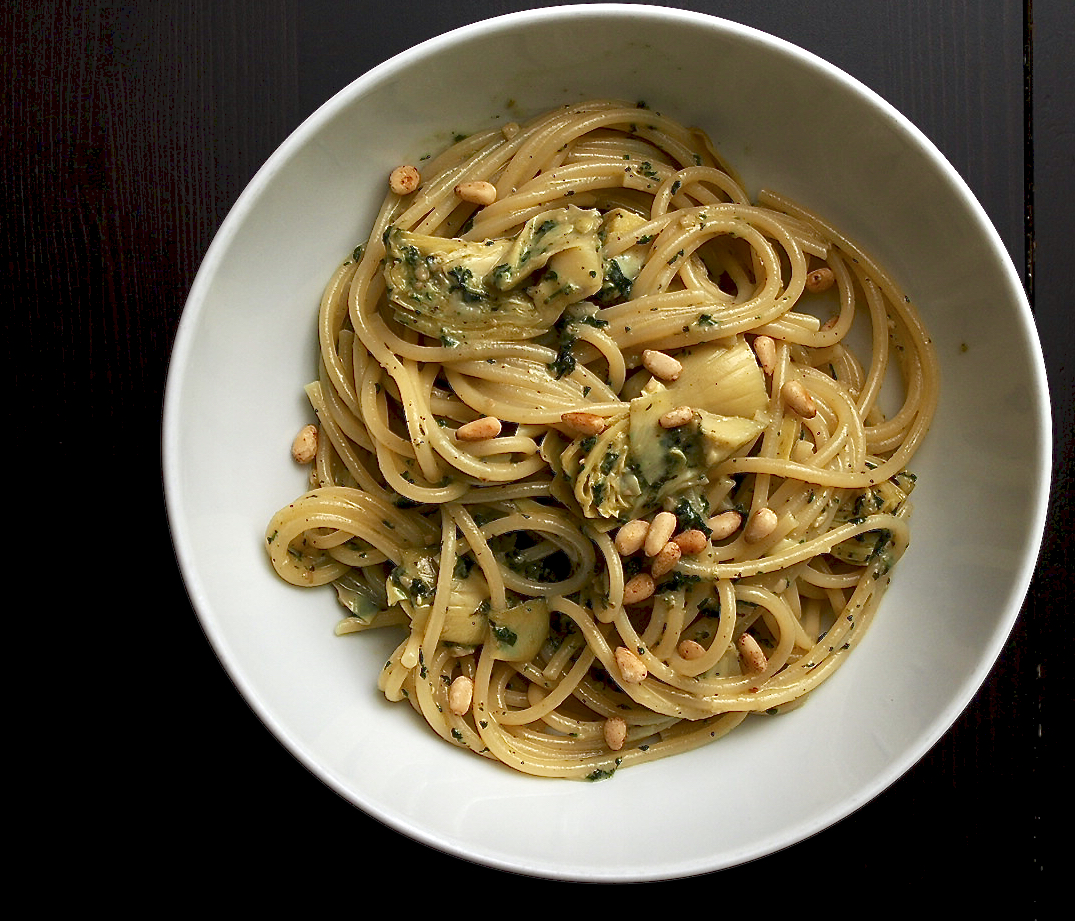
We occasionally go to Lidl, when they have those country promotions on, for the white anchovies in the fridge section. Last time it was a Spanish promotion and we also grabbed a tin of artichokes which we used tonight for a mid-week pasta dish with spaghetti and pesto.

The pesto we used was an oregano version that we made in the summer and stashed in the freezer. Very happy diners!

Wine Suggestion: Artichokes are hard to match as they make most grape varieties taste metallic. However, Grüner Veltliner with its higher umami savouriness, really works. We opened a bottle of Höpler’s GV grown in Burgenland which is better known for it’s reds and sweet wines and goes to show how a great site always wins. Their GV vineyard reliably produces delightful wines and the current vintage is a gem; vibrant and fresh with hints of white pepper, pears and lemony citrus zest.

Spaghetti with artichokes & pesto – serves 4

  • 350g spaghetti
  • 2 eggs
  • 2 tbsp milk
  • 4 tbsp green pesto
  • 50g Parmesan, grated, plus extra to serve
  • 390g tin artichokes, drained, quartered and dried
  • 50g pine nuts

Toast the pine nuts in a dry frying pan until golden brown, then set aside.

Cook the spaghetti in lots of boiling salty water according to the time given on the pack.

Meanwhile, gently mix the eggs, milk, pesto, Parmesan, and artichokes, together in a bowl, then season.

Drain the cooked spaghetti in a colander and return to the hot saucepan. Immediately add the egg and pesto mixture and stir gently until it forms a silky sauce.

Stir in the toasted pine nuts and serve in warm bowls with some extra Parmesan and a drizzle of your best olive oil if you like.

(Original recipe from BBC Good Food)

Read Full Post »

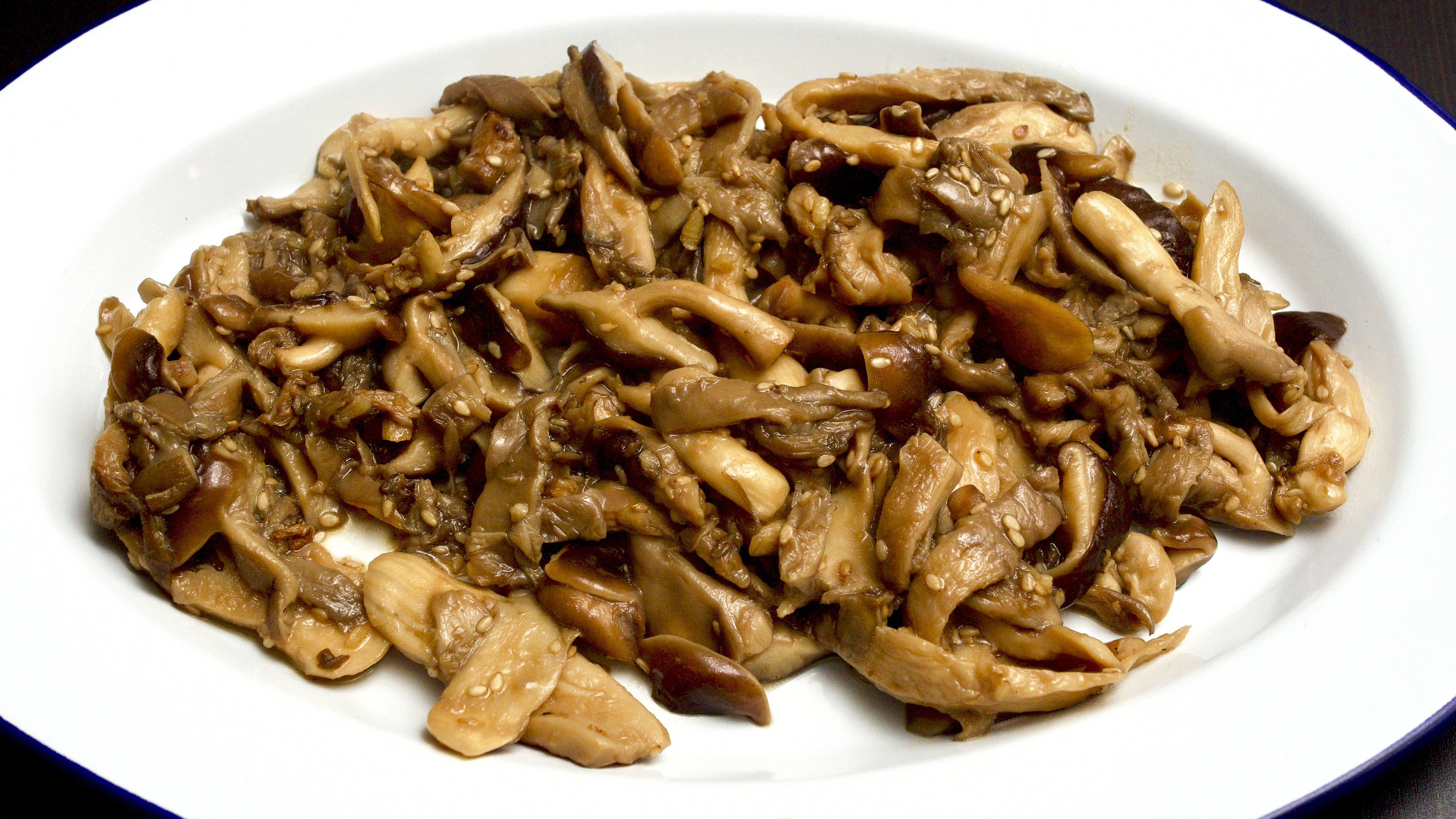
We’re having a little Korean-inspired moment in the kitchen. So many of the dishes are super simple and really tasty. We had these soy-seasoned mushrooms with a glass of sherry for a starter but they’re a side dish really. A few ingredients that were made for each other and brought together quickly and easily!

Wine Suggestion: An umami-rich dish like this thrives with sherry and the La Gitana Manzanilla with it’s seaside freshness and bone-dry texture did not disappoint. Easy to see this dish in a tapas bar in Cadiz, despite the Korean origins.

Soy-seasoned mushrooms – bo-seot namool – serves 4 as a side dish or nibble with drinks

  • 1½ tbsp vegetable oil
  • 250g wild mushrooms (we used a mixture of baby shitake and oyster mushrooms), sliced into ½ cm strips
  • 2 tsp soy sauce
  • 2 garlic cloves, crushed
  • 2 tsp roasted sesame seed oil
  • 1 tsp toasted sesame seeds

Heat the oil in a wide pan over a high heat.

Add the mushrooms to the hot pan and stir-fry for 30 seconds, then add the soy sauce and garlic. Stir-fry for another minute.

Add the sesame oil and keep going for another minute, keep it moving so the garlic doesn’t burn.

Transfer to a bowl and mix in the toasted sesame seeds, then leave to cool a bit so the flavours come together. You can serve warm or cold.

(Original recipe from My Korean Kitchen by Jordan Bourke & Rejina Pyo, Weidenfeld & Nicolson, 2015.)

Read Full Post »

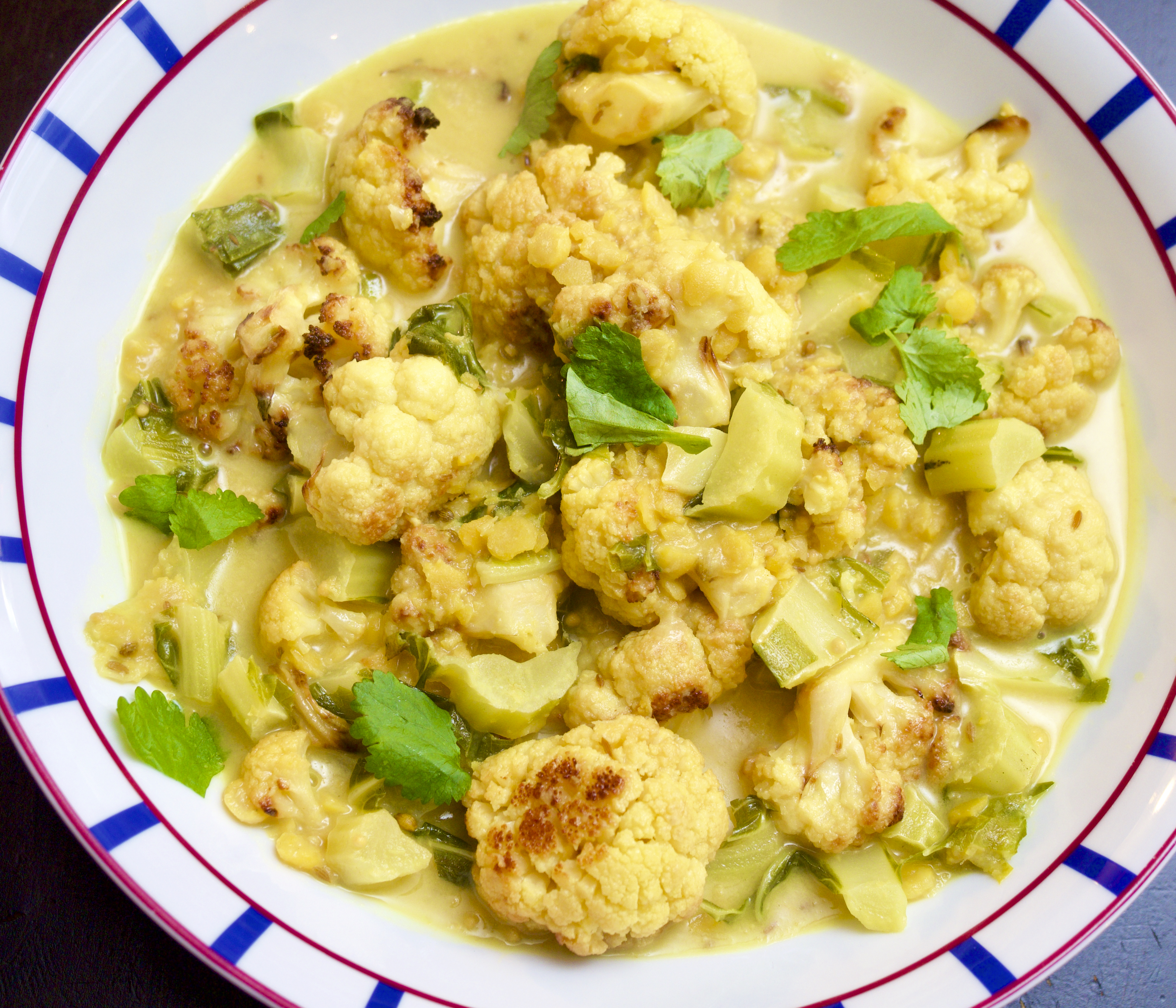
We’ve been looking for recipes that use fresh turmeric but you can also use ground turmeric for this dish. This cauliflower curry is really nice and also uses the cauliflower leaves, genius! Serve with rice. 

Wine Suggestion: This dish cries out for a white from warmer or sunnier climates where there are hints of tropical fruits in the flavours. Tonight’s choice was the superlative Kilikanoon Pierce Road Semillon; an oak aged semillon from the Clare Valley. Rich and layered with buttery, toasty hints of the barrel fermentation carried through with a wonderful, lemony, citrus backbone of acidity. Youthful but poised and balanced.

Cauliflower and yellow split pea curry – serves 4

  • 1 large cauliflower, with leaves, cut the cauliflower into bite-sized pieces and the cut the leaves across the spine into 1cm-thick strips
  • 2 tbsp vegetable oil
  • 180g yellow split peas, rinsed
  • 1 x 400ml tin coconut milk

FOR THE CURRY BASE:

  • 6 cardamom pods, crushed
  • 2 cinnamon sticks
  • 1 tsp cumin seeds
  • 1 tsp coriander seeds
  • 1 tsp mustard seeds
  • 2 tbsp vegetable oil
  • 1 onion, finely diced
  • 3 cloves of garlic, finely grated
  • 4cm piece of ginger, peeled and finely grated
  • 4cm piece of fresh turmeric, peeled and finely grated (or you can use 1 tbsp ground turmeric)
  • 1 green chilli, finely diced
  • 2 bay leaves
  • a bunch of coriander, chop the stalks finely and the leaves roughly

Preheat the oven to 220C/200C/gas 7.

Toss the cauliflower pieces in the vegetable oil and season generously with salt. Place in a roasting tray and roast for 30-35 minutes or until deep golden. Toss them halfway through. 

Meanwhile, put the crushed cardamom pods, cinnamon sticks, cumin, coriander and mustard seeds in a medium saucepan. Put over a medium heat and toast until fragrant. Add the vegetable oil, then the rest of curry base ingredients, including the coriander stalks but not the leaves. Season well with salt and cook for 5 minutes.

Add the split peas and 700ml warm water. Stir, then cover and simmer over a low heat for 40 minutes, stirring often and adding a little more water if needed. Add the coconut milk and cook for another 5 minutes. 

Add the cauliflower and the cauliflower leaves, then cover and cook for a few minutes until the leaves have wilted. Remove from the heat and garnish with the chopped coriander. 

Serve with rice and anything else you like with you curry. 

(Original recipe from Marcus Everyday by Marcus Wareing, HarperCollinsPublishers, 2019.)

Read Full Post »

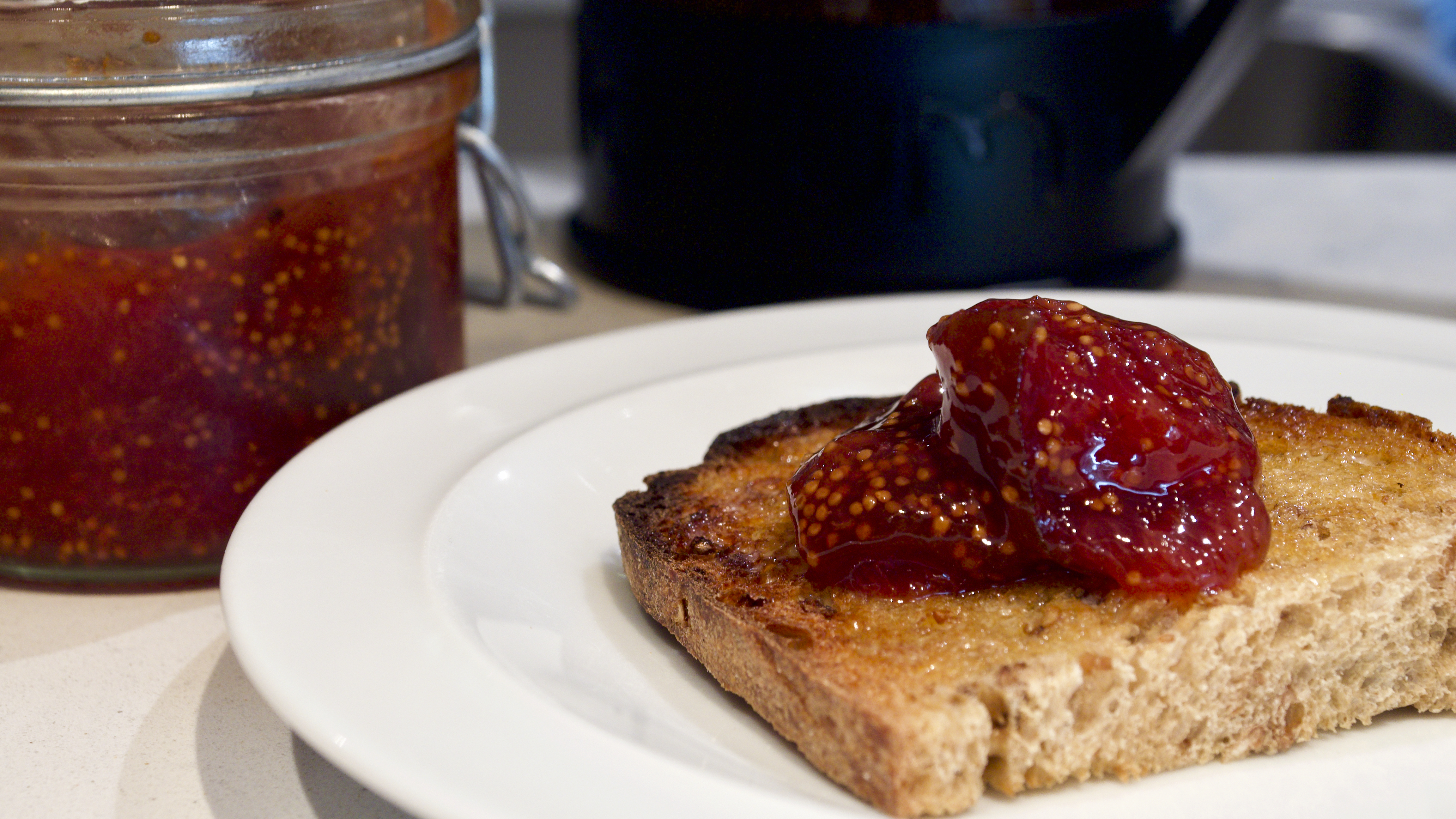
Jono acquired five trays of figs from one of his customers, much to the approbation of Jules who said he had to find something to do with them! This fig jam used most of them and there was a smaller batch of rather good chutney. A good call too, as we’ve had repeat requests for jam from friends who’ve been given a jar. It is easily scalable, so while the recipe is for 1kg of figs, we used 4kg to make just over 5kg of jam.

Jono now believes he is allowed to get loads of figs when there is a glut again next year.

Fig Jam – makes roughly 1.3kg of jam

  • 1kg figs, remove the stalks at the top and roughly chop
  • 2 fig leaves, cleaned (we took two from a neighbour’s garden – with permission)
  • 500g jam sugar (with pectin)

Put the ingredients into a large saucepan and stir well to combine. Put the pan over a low heat and let the sugar dissolve, then increase the heat slightly and bring to a gentle simmer. 

When the liquid starts to be released from the figs, turn the heat up a little again and stir often to stop the jam sticking to the bottom of the pan. Simmer rapidly until the jam reaches 105°C (You will need a jam thermometer to check this. If you don’t have one the other option is to put a few saucers in the freezer. To check if the jam is ready, put a tiny spoonful onto the cold plate and see if it runs. If it doesn’t, it’s ready. If it does try again using another cold plate in a few minutes). 

Remove the fig leaves and pour the jam into sterilised jars. Cover immediately with the lids. The jam will now keep for up to a year, but it’s highly unlikely to last that long!

(Original recipe from Marcus Everyday by Marcus Wareing, HarperCollins Publishing, 2019.)


Read Full Post »

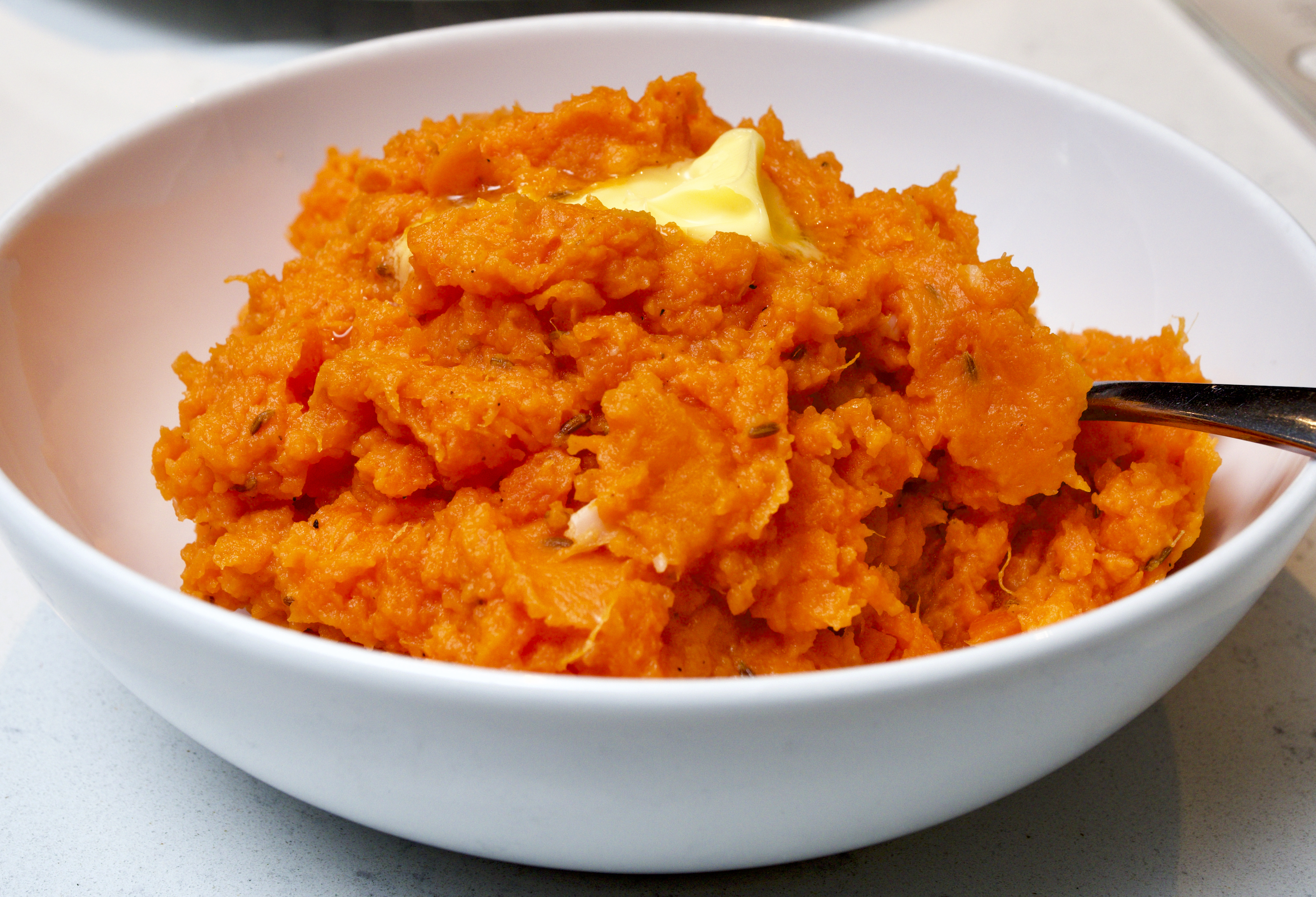
Yes it really is this vibrant in colour. This dish marries a sweetness from the two vegetables with a contrasting and complimentary earthiness from the cumin and pungent garlic to form a harmonious whole; neither sweet, nor overtly earthy. We like it a lot.

Sweet Potato & Carrot Mash – serves 4

  • 500g sweet potatoes, chopped
  • 500g carrots, chopped
  • 3 cloves of garlic, bashed
  • 1 tsp cumin seeds, toasted
  • 25g butter

Put the sweet potatoes, carrots and garlic into a large pan of salty water, bring to the boil and cook for 12 minutes or until tender. Drain.

Add the toasted cumin seeds, butter and seasoning and roughly mash. 

(Original recipe from BBC Good Food)

Read Full Post »

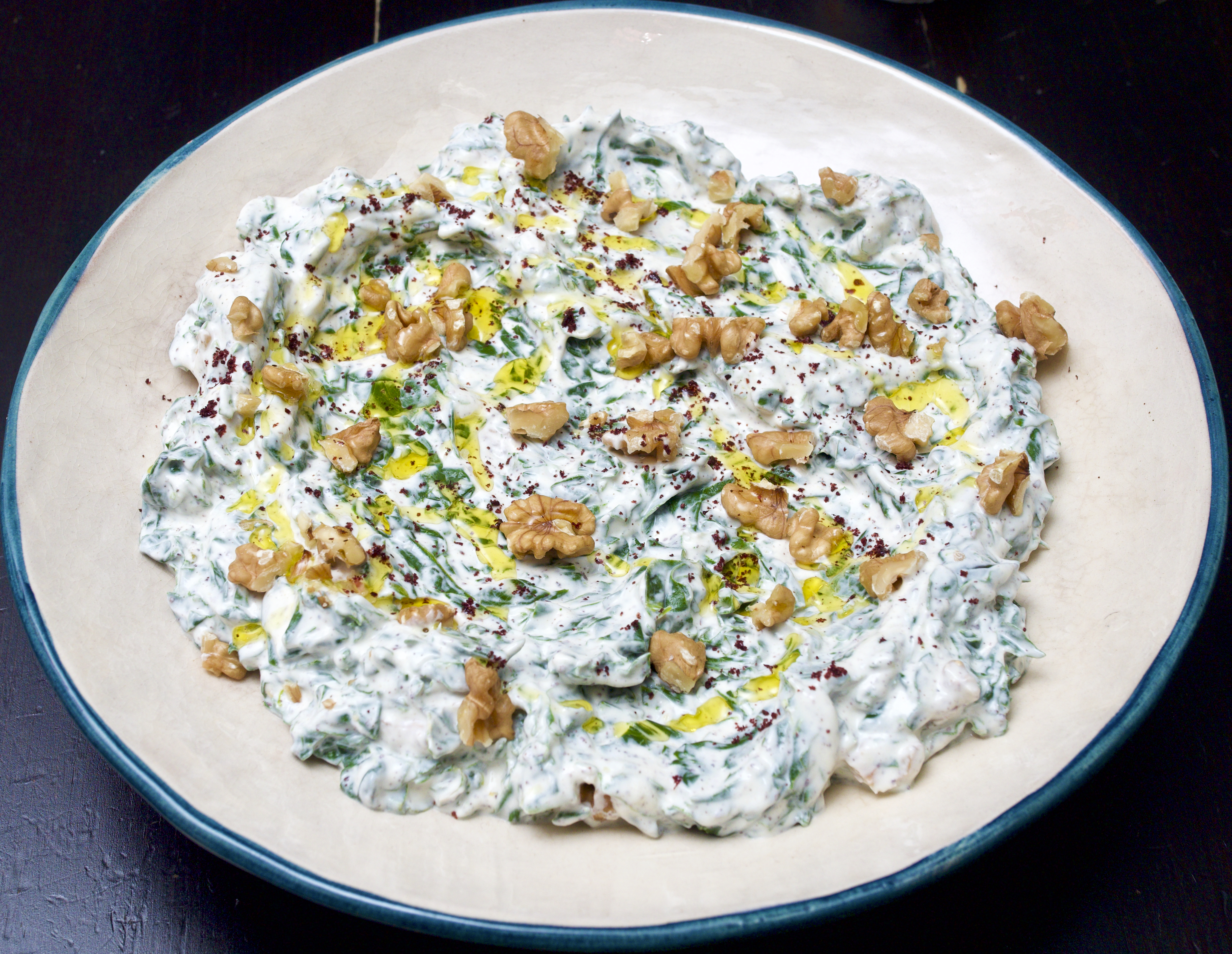
This is a delicious Persian accompaniment that goes with almost anything. We know that as we initially served it as a starter with pitta breads, then proceeded to have it on the side with the main course, and for lunch the following day with something else. It’s hard to describe how good it is. 

Spinach & yoghurt with walnuts – Maast-o-esfenaj – serves 6 to 8

  • 250g spinach leaves (cut off any chunky stalks)
  • 500g thick Greek yoghurt
  • 1 large clove of garlic, crushed
  • 2 big handfuls of walnuts, roughly chopped
  • 2 tsp sumac, plus a bit extra to garnish
  • best olive oil, for drizzling
  • flatbread, to serve

Simmer the spinach in a saucepan of boiling water for 2-3 minutes until wilted. Drain and immediately transfer to a bowl of iced water to stop the cooking. When cooled, drain well and chop finely. 

Put the spinach into a large bowl with the yoghurt, garlic and walnuts (keep a few for decorating), sumac, a small drizzle of olive oil and plenty of sea salt and black pepper. Mix well. 

Serve the mixture on a flat plate, drizzle with more olive oil and sprinkle over some extra sumac and the reserved walnuts. 

(Original recipe from Simply by Sabrina Ghayour, Mitchell Beazley, 2020)

Read Full Post »

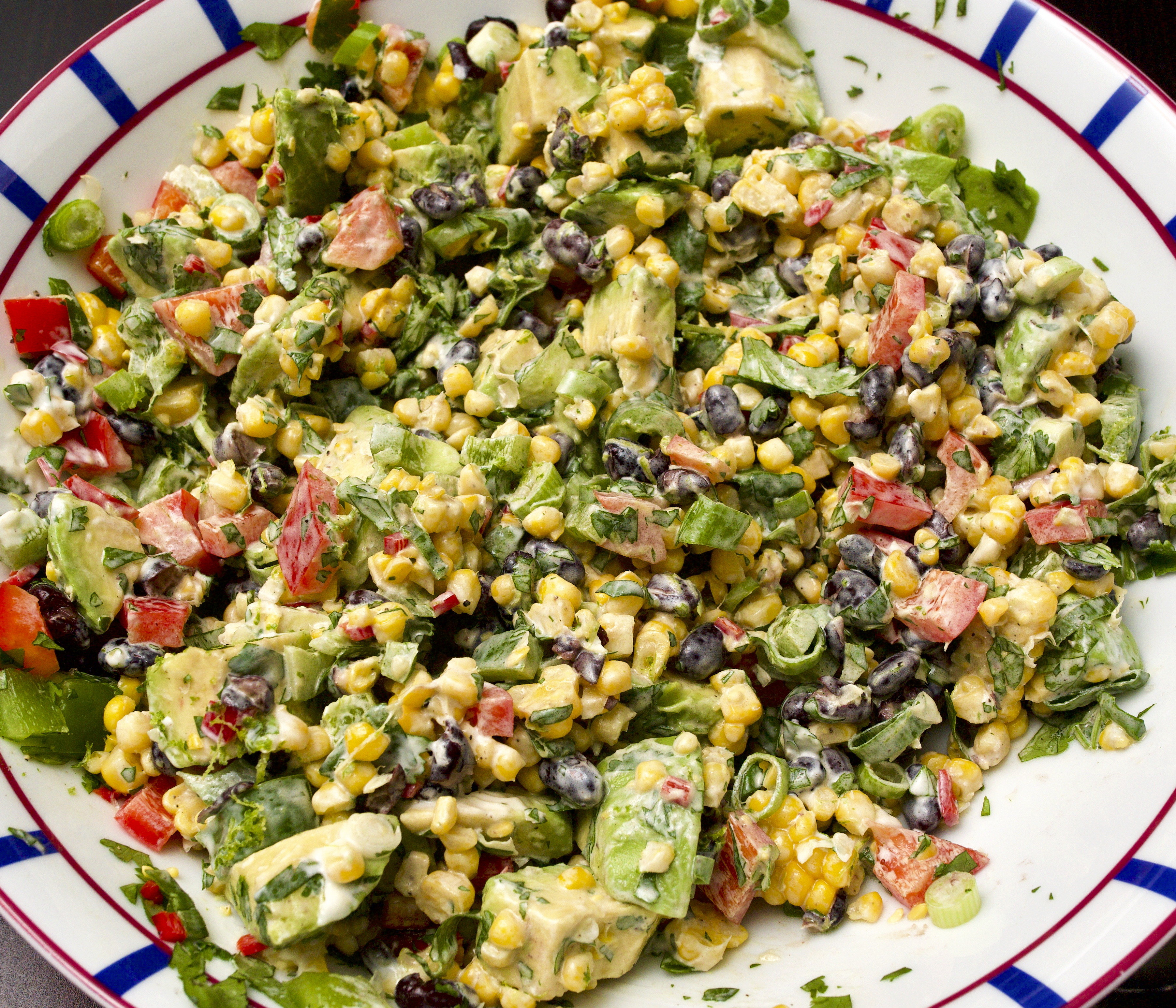
Sweetcorn, Black Bean & Avocado Salad

A lovely salad which is perfect for using the fresh corn cobs that are in the shops around now. We served with barbecued chicken but it would be great with loads of things. Another great idea by Sabrina Ghayour.

Sweetcorn, black bean & avocado salad – serves 5 to 6

  • 3 fresh corn cobs
  • 1 avocado, diced
  • ½ a 400g tin black beans, drained and rinsed
  • 2 kaffir lime leaves, very finely chopped (we didn’t have these but we added some lime zest instead)
  • 2 scallions, thinly sliced
  • ½ a small red pepper, finely diced
  • ½ a small green pepper, finely diced
  • 1 long red chilli, deseeded and finely chopped
  • about 30g of fresh coriander, finely chopped
  • 1 heaped tbsp of mayonnaise
  • a drizzle of olive oil

Cook the corn cobs in lots of boiling salty water for about 10 minutes or until tender. Drain and rinse under cold water to cool, then drain again.

Use a sharp knife to cut the kernels off the cobs in strips.

Put the corn in a large bowl with all of the other ingredients and season well with Maldon sea salt and black pepper.

(Original recipe from Simply by Sabrina Ghayour, Mitchell Beazley, 2020)

Read Full Post »

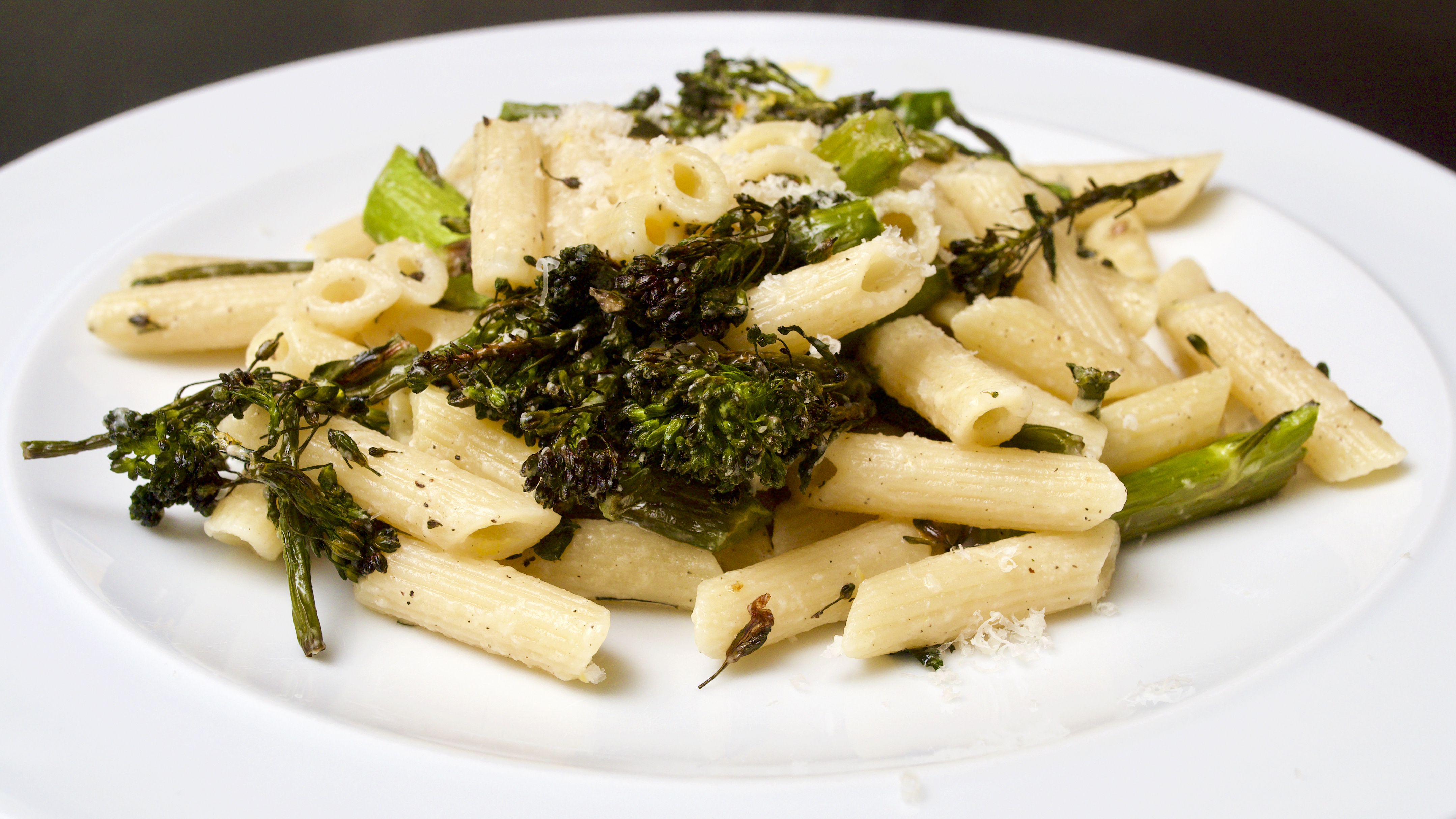
Roast long-stemmed Broccoli & Lemon Pasta

This is simplicity itself and the roasted lemon, garlic and broccoli really pack it full of flavour. Perfect for a weeknight.

Wine Suggestion: perfect with an unsung Italian white from the Abruzzo region: Pecorino.

Roast long-stemmed broccoli & lemon pasta – serves 2

  • 300g long-stemmed broccoli, cut into bite-size pieces
  • 1 garlic clove, skin on
  • ½ a lemon, zested
  • 200g short pasta, we used penne
  • 25g Parmesan, finely grated, plus a bit extra to serve

Preheat the oven to 200C/180C fan/gas 6.

Put the broccoli into a bowl with the 2 tbsp of olive oil and season with Maldon sea salt and black pepper. Toss with your hands to coat then spread over an oven tray.

Wrap the garlic clove in tinfoil and add to the tray along with the zested lemon half. Roast for 15-20 minutes or until tender and starting to char.

Meanwhile, cook the pasta according to the timings on the pack, then drain but keep a cup of the pasta cooking water.

Squeeze the roasted lemon into the empty pasta pan, then add the zest and squeeze the garlic from it’s skin into the pan. Mash together, then tip the pasta back in with the Parmesan and a good splash of the cooking water. Stir over the heat for a minute, then add the roasted broccoli and toss. Serve with more Parmesan and a drizzle of olive oil if you like.

(Original recipe by Janine Ratcliffe in Olive Magazine, September 2016.)

Read Full Post »

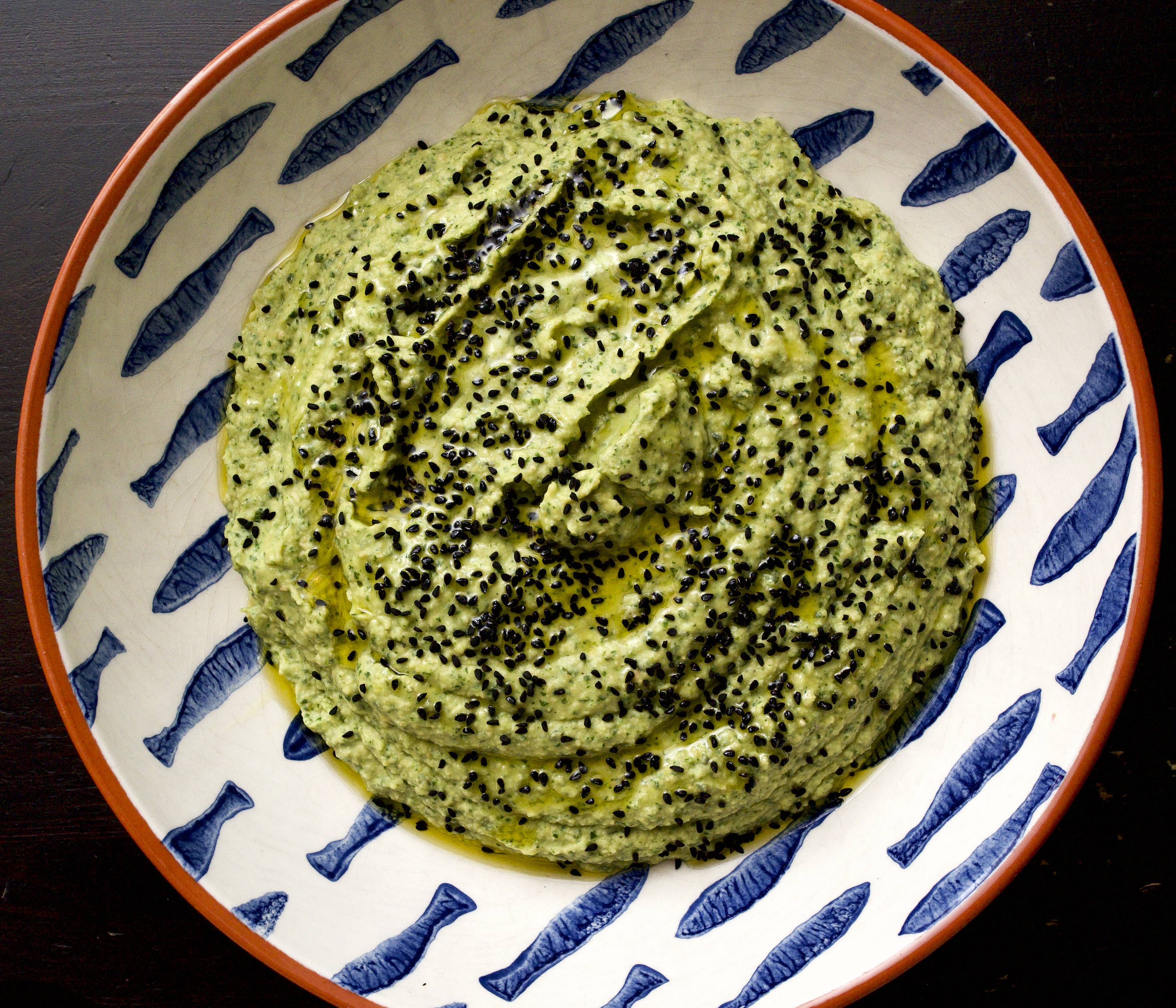
Green Hummus

Really fresh and tasty. A lovely recipe from Simply by Sabrina Ghayour (our new favourite thing!). We served with toasted pittas. Leftovers great for lunch the next day.

Green hummus – serves 6 to 8

  • 2 x 400g tins chickpeas, drained and reserve ¾ of the brine from 1 of the tins
  • juice of ½ a lemon, you might need a bit more
  • 2 garlic cloves, peeled and crushed
  • 30g of flat leaf parsley, roughly chopped
  • 30g of fresh coriander, roughly chopped
  • 15g of tarragon, leaves picked, roughly chopped
  • 2 tbsp tahini
  • 1 tsp nigella seeds
  • warm pitta bread, to serve

Put the chickpeas, reserved brine, lemon juice, garlic, parsley, coriander, tarragon, tahini, some sea salt and black pepper, in a food processor and whizz until smooth.

Taste and adjust the seasoning, you might like to add more lemon juice. Serve in a bowl garnished with the nigella seeds and with some of your best olive oil drizzled over.

(Original recipe from Simply by Sabrina Ghayour, Mitchell Beazley, 2020.)

Read Full Post »

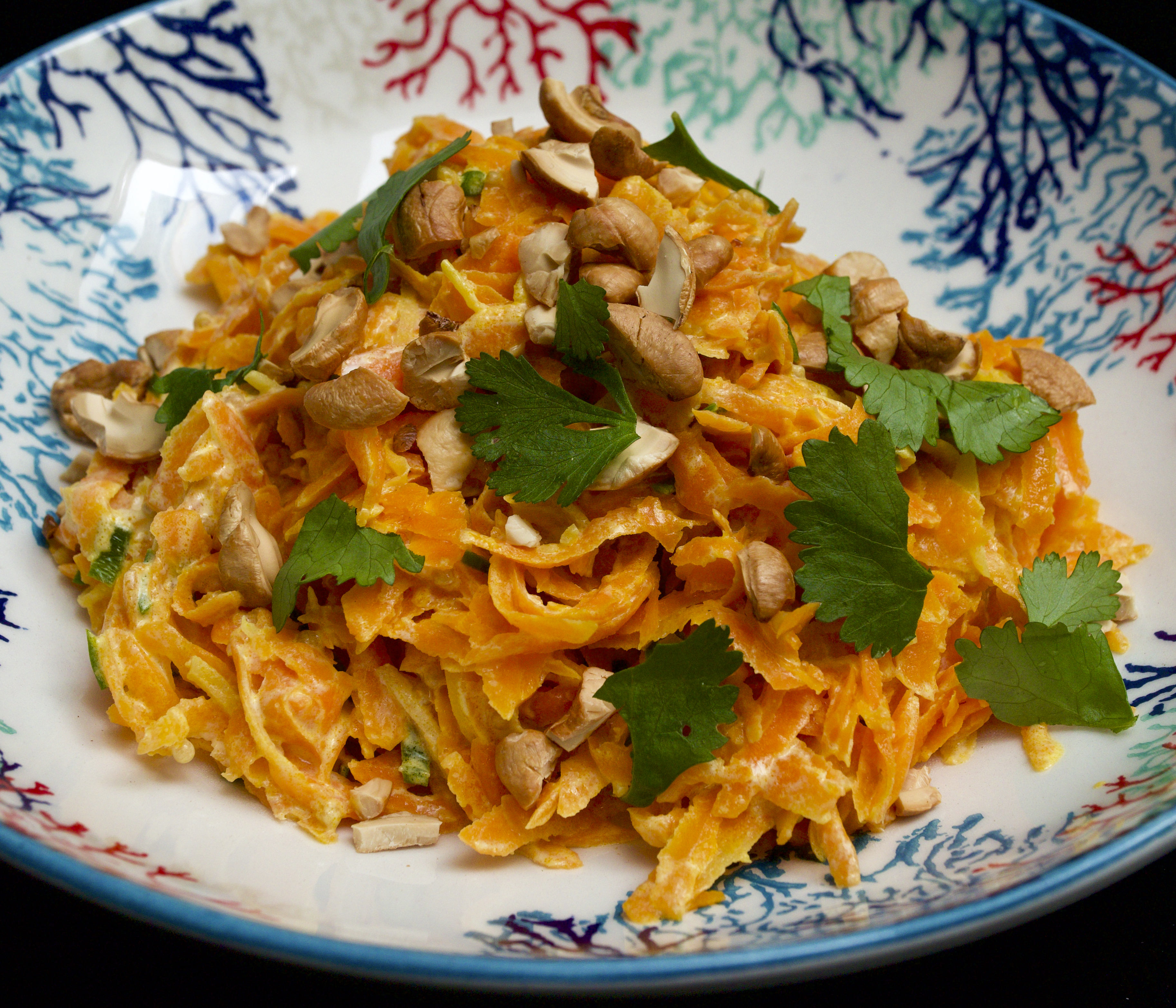
Creamed Carrots

This is a lovely side dish to serve alongside lamb koftas or something similar. We had it for dinner with just some brown rice and that was surprisingly good too.

Creamed Carrots – serves 4

  • 400g carrots, coarsely grated
  • 2 garlic cloves, crushed
  • a thumb-sized piece of ginger, finely shredded
  • 3-4 small, hot green chillies, finely chopped
  • a thick slice of butter
  • 1 tsp yellow mustard seeds
  • 2 tbsp cashew nuts, toasted in a dry pan or in the oven, roughly chopped
  • 4 tbsp double cream
  • 4 heaped tbsp natural yoghurt
  • a good handful of coriander leaves
  • a squeeze of lime

Melt the butter in a frying pan, then add the garlic, ginger and mustard seeds and cook for a minute before adding the chopped chillies. Stir together for a minute then add the carrots and cook for 3-4 minutes.

Stir the cream and yoghurt together and fold into the hot carrots with some seasoning. Immediately tip into a serving dish and top with the cashew nuts, coriander leaves and lime.

(Original recipe from Tender Volume I  by Nigel Slater, Fourth Estate, 2009)

Read Full Post »

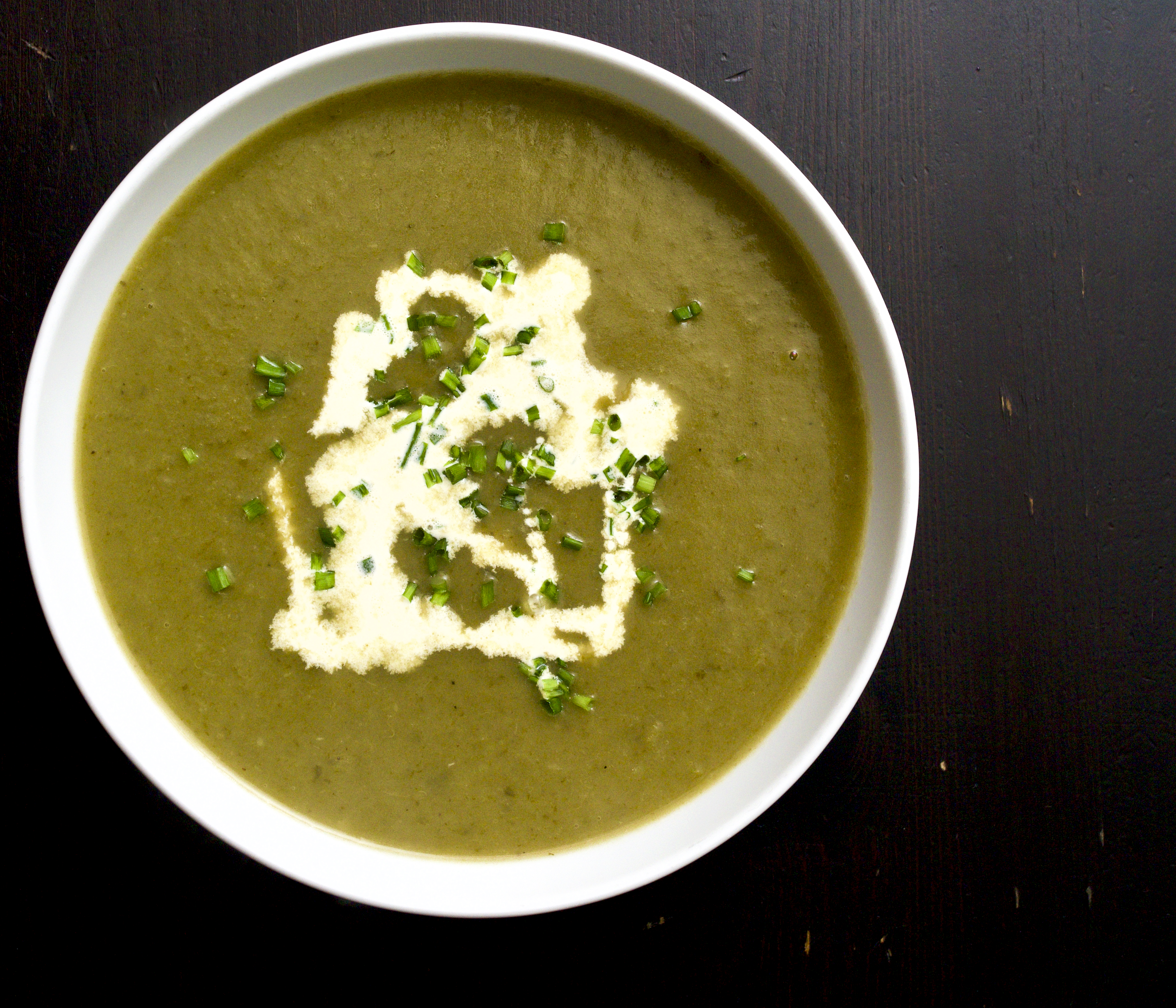
Sorrel Soup

This is the sorrel soup from Rick Stein’s book, Secret France. It’s delicious and tastes just like soups we’ve had in France on our holidays, and are never quite sure what’s in them. We got bags of fabulously fresh sorrel from McNally Family Farm.

Sorrel soup – serves 4 to 6

  • 50g butter
  • 1 large onion, chopped
  • 2 cloves of garlic, roughly chopped
  • 1 leek, sliced
  • 450g potatoes, cut into 2cm cubes
  • 1 litre chicken or veg stock
  • 250g sorrel
  • 1 tbsp honey
  • 4 tbsp single cream
  • 1 tbsp chopped chives

Melt the butter in a large saucepan, then add the onion, garlic, leek and potatoes. Cook over a medium heat for about 15 minutes or until softened.

Add the stock and the sorrel and cook for another 15-20 minutes or until the potatoes are tender. Blend until smooth.

Season with salt and lots of black pepper, then stir in the honey. Serve in warm bowls with a drizzle of cream and the chives over the top.

(Original recipe from Secret France by Rick Stein, BBC Books, 2019.)

Read Full Post »

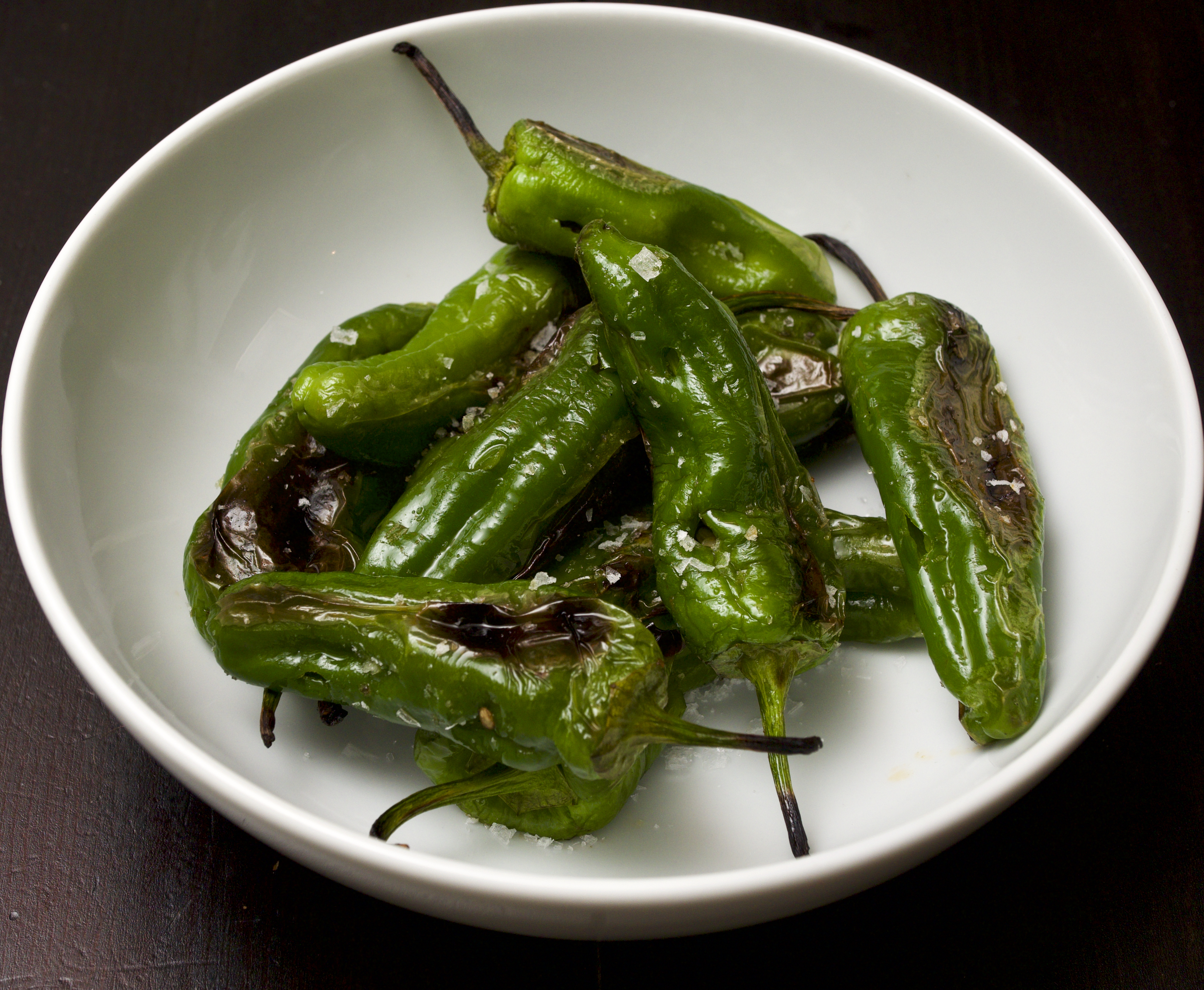
BBQ Padron's

We’ve been picking up bags of padrón peppers at our local farm shop. We’ve usually cook these in a frying pan, or wok,  on the stove but have been throwing them onto the barbecue instead.

Thread the peppers onto two metal skewers, one at each end of the pepper, making sure there is a tiny gap between each to form sort of a raft. Drizzle with a touch of olive oil then put over hot coals until done or wrinkled and starting to blister. The raft helps turn them over.

Push them off the skewers into a bowl, toss with little Maldon Salt and serve with a glass of Txakoli or something similar.

Read Full Post »

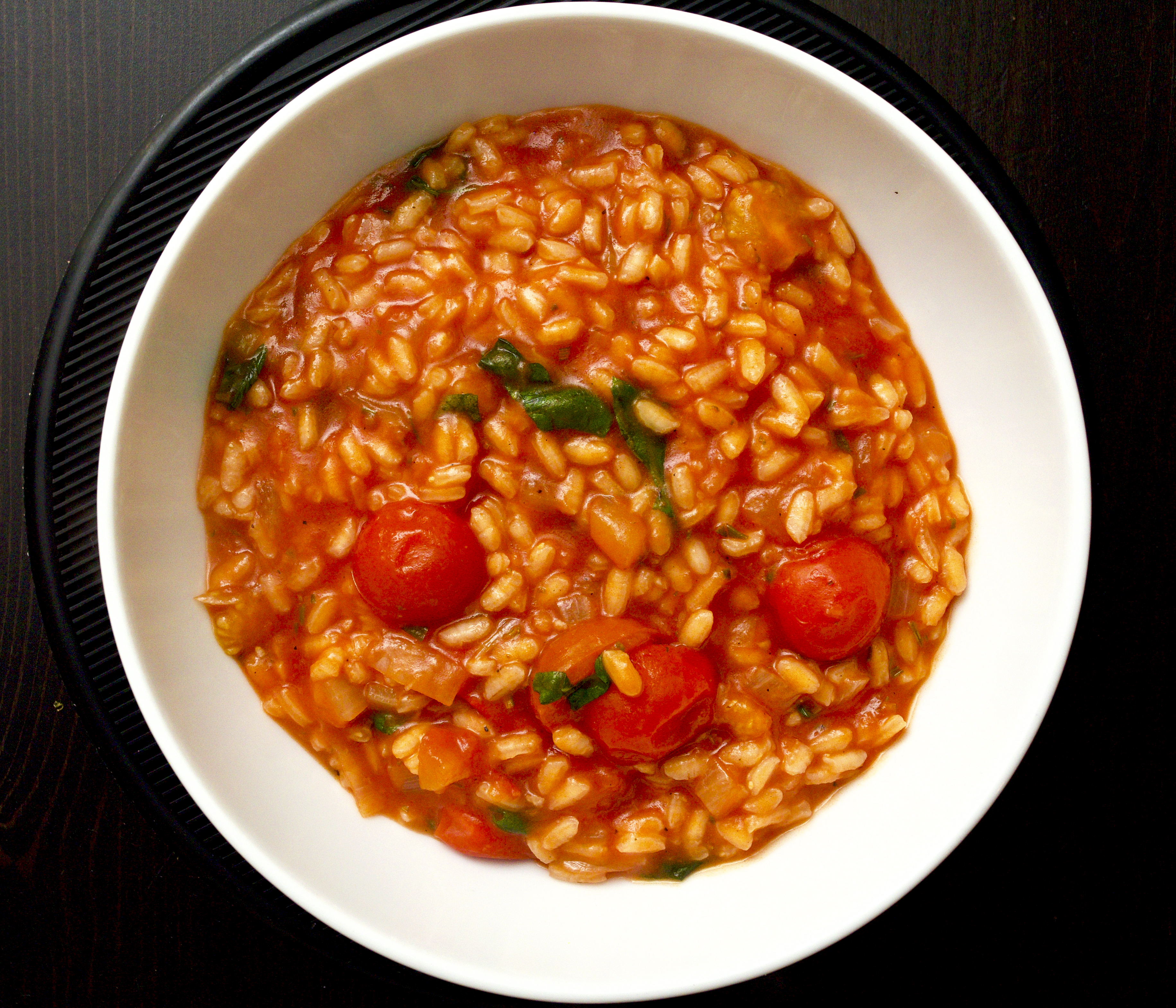
Cherry Tomato Risotto

We planted tomato plants in the garden during lockdown, and now we have cherry tomatoes coming out of our ears. Last week we made roasted cherry tomato soup and this week it’s tomato risotto. It’s a good complaint!

Wine Suggestion: A risotto … made with tomatoes … it had to be Sangiovese. We chose a bright, fresh fruited Chianti made by Trudie Styler and Sting. The Tenuta il Palaggio, When We Can Dance Chianti just revels in pure, good quality fruit; joyful and unsullied by oak.

Cherry tomato risotto – serves 4

  • 1 x 400g tin chopped tomatoes
  • 1 litre of vegetable stock (we use Swiss Marigold Bouillon Powder)
  • a knob of butter
  • 1 tbsp of olive oil
  • 1 onion, finely chopped
  • 2 cloves of garlic, finely chopped
  • 1 rosemary sprig, finely chopped
  • 250g risotto rice
  • 300g cherry tomatoes, halved
  • a handful of basil leaves
  • grated Parmesan to serve

Put the tin of tomatoes in a food processor with 500ml of the veg stock and whizz until smooth. Transfer to a saucepan and add the rest of stock, then bring to a gentle simmer.

Heat the butter and oil in a large saucepan over a gentle heat, then add the chopped onion and cook gently until softened, about 6 minutes. Stir in the garlic & rosemary, then cook for another minute. Add the rice and stir for a minute until the grains are glistening.

Start adding generous ladlefuls of the tomato and stock mixture and stir gently until absorbed before adding more. When you have added about half the stock, add the cherry tomatoes to the pan and season with salt and lots of black pepper. Continue adding the stock until it is used up and the rice is al dente, it should take 20-25 minutes.

Cover the pot and leave for 1 minutes, then tear and stir in the basil leaves. Serve in warmed bowls with Parmesan grated over the top.

(Original recipe from BBC Good Food)

Read Full Post »

« Newer Posts - Older Posts »