Feeds:
Posts
Comments

Archive for the ‘Vegetarian’ Category

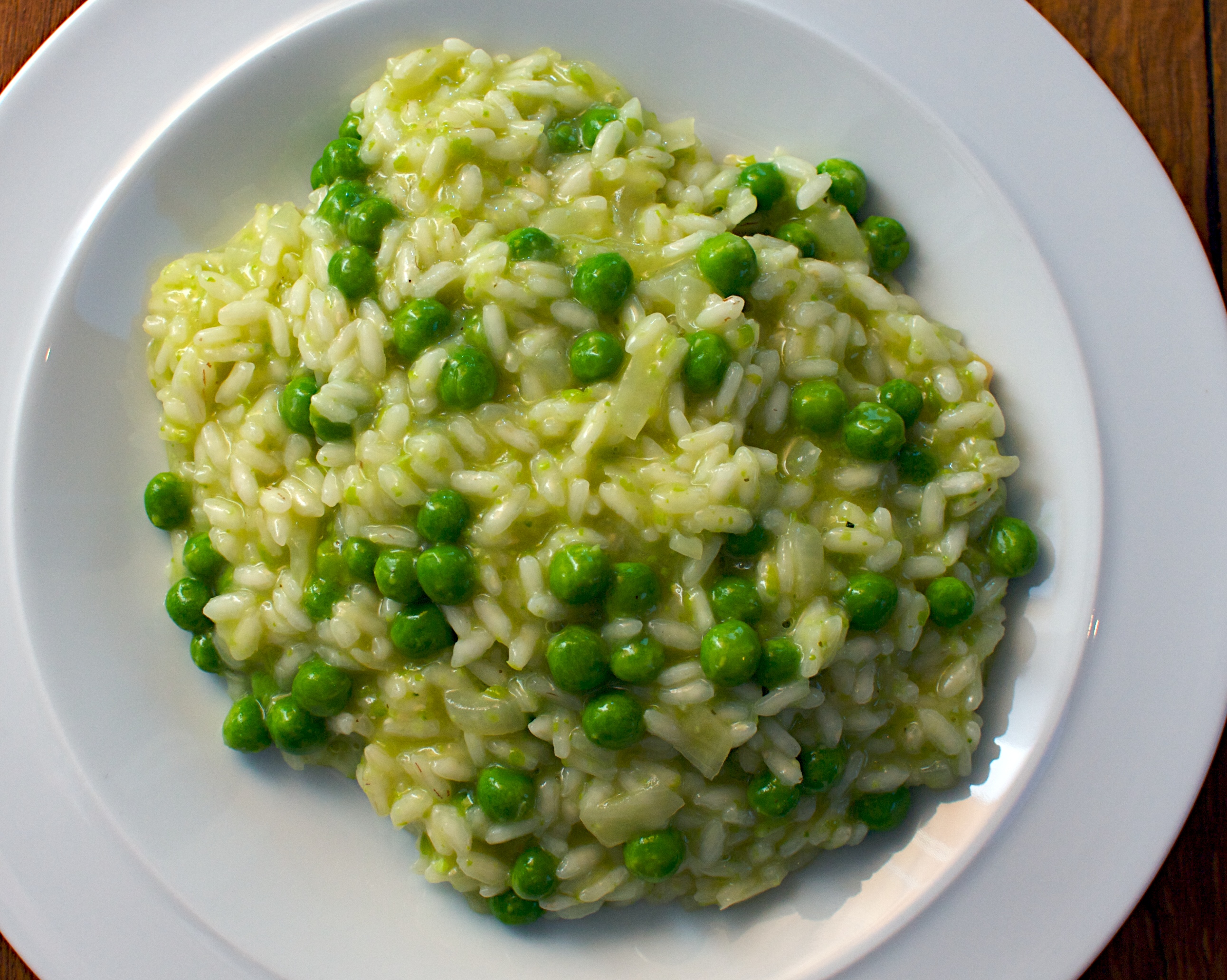
A bit of a celebration of peas. The original recipe also suggested topping it off with pea shoots at the end but unfortunately we couldn’t find any today. Not as tasty as some of our richer risottos (with much more butter and cheese) but very nice all the same.

Pea risotto – to serve 4

  • 50g butter
  • 1 onion, finely chopped
  • 300g cooked fresh peas
  • 1.7 litres hot vegetable stock (you might not need it all)
  • 350g risotto rice
  • 200ml white wine
  • 25g Parmesan, grated

Melt the butter in a large saucepan, add the onion and cook gently for about 10 minutes until very soft but not coloured.

Whizz about a third of the peas in food processor with a ladle of stock to make a purée.

Stir the rice into the onion, turn up the heat, then sizzle and stir for about a minute. Add the wine and bubble until it has all be absorbed, stirring the whole time. Continue cooking this way, adding a ladle of stock at a time and stirring continuously until the rice is tender and creamy. It should take between 20 and 30 minutes.

Stir in the pea purée, the remaining peas, Parmesan and seasoning, then turn off the heat and leave to stand for a few minutes. Drizzle with a splash of good olive oil before serving if you like.

Wine Suggestion: A Sauvignon Blanc should complement the fresh green pea flavour you can often find similar characteristics in the wine. We prefer the more subtle versions from the Loire Valley but there are some excellent examples from Marlborough in New Zealand that don’t go too over the top, like Morton Estate.

(Original recipe from BBC Good Food)

Read Full Post »

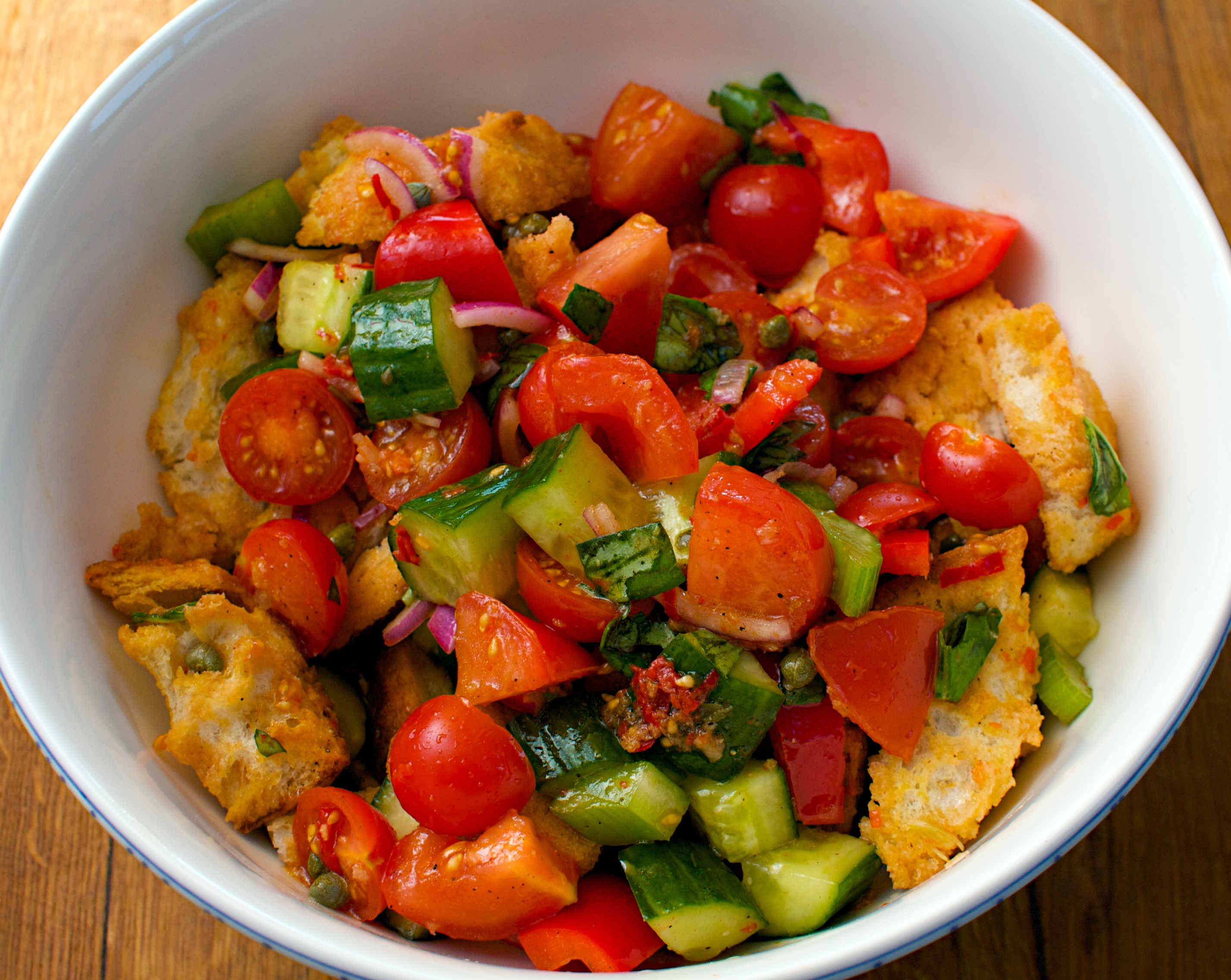
A delicious Tuscan salad which is usually made with stale bread – we think the bread in Tuscany may contain less preservative as our bread rarely gets a chance to go stale. This version uses baked croutons for a similar effect. Make sure you leave the salad for about 30 minutes before serving to allow the flavours to mingle.

Panzanella – to serve 6

  • 2 cloves garlic
  • 1 large mild red chilli
  • 3 tbsp red wine vinegar
  • pinch of sugar
  • 100ml extra virgin olive oil
  • 600g ripe tomatoes
  • 1 red pepper
  • ½ large cucumber
  • 2 sticks celery
  • 1 tbsp capers
  • ½ red onion
  • 4 thick slices from a country-style loaf
  • a small bunch of basil

Crush the garlic with a little bit of salt in a mortar, then deseed and chop up the chilli and crush with the salt and garlic until you have a coarse paste.

Add the vinegar and sugar and mix then tip into a large salad bowl. Add the olive oil and beat together.

Chop the rest of the salad ingredients into bite-size chunks or slices.

Tear the bread into small chunks and bake in a moderate oven until golden and crispy, then add the salad bowl.

Tear over the basil and add to the bowl with a bit of salt and pepper, then toss lightly and leave to stand for about 30 minutes. Toss again before serving.

Wine Suggestion: Wines from a region tend to complement the foods from that region (kind of like a chicken and egg thing). A glass of straightforward Chianti will have the right sort of acidity and rusticity to complement this perfectly.

(Original recipe by Alastair Hendry in Olive, June 2010.)

Read Full Post »

My Dad keeps talking about these potatoes that I made before which he says I squashed a bit and then put them in the oven to crisp up. I had no recollection of these squashed, crispy potatoes until I came across these. Is this them Dad? If so I’ll make them for you next time I see you.

Crispy New Potatoes – to serve 4

  • 16 smallish new potatoes, leave the skins on
  • 2 tbsp olive oil
  • paprika

Heat oven to 200C/fan 180C/gas 6. Boil the potatoes for 10 minutes, drain and then put back on the warm ring to dry off. Spread the potatoes out on a baking tray and squash them a bit using a potato masher. Be careful here as you only want them a bit squashed and not completely smashed (though I smashed one or two and it just made them even more crispy so don’t worry too much).

Drizzle with the olive oil and sprinkle over a little paprika, salt and pepper. Now roast in the oven for about 20 minutes or until nice and crispy.

Read Full Post »

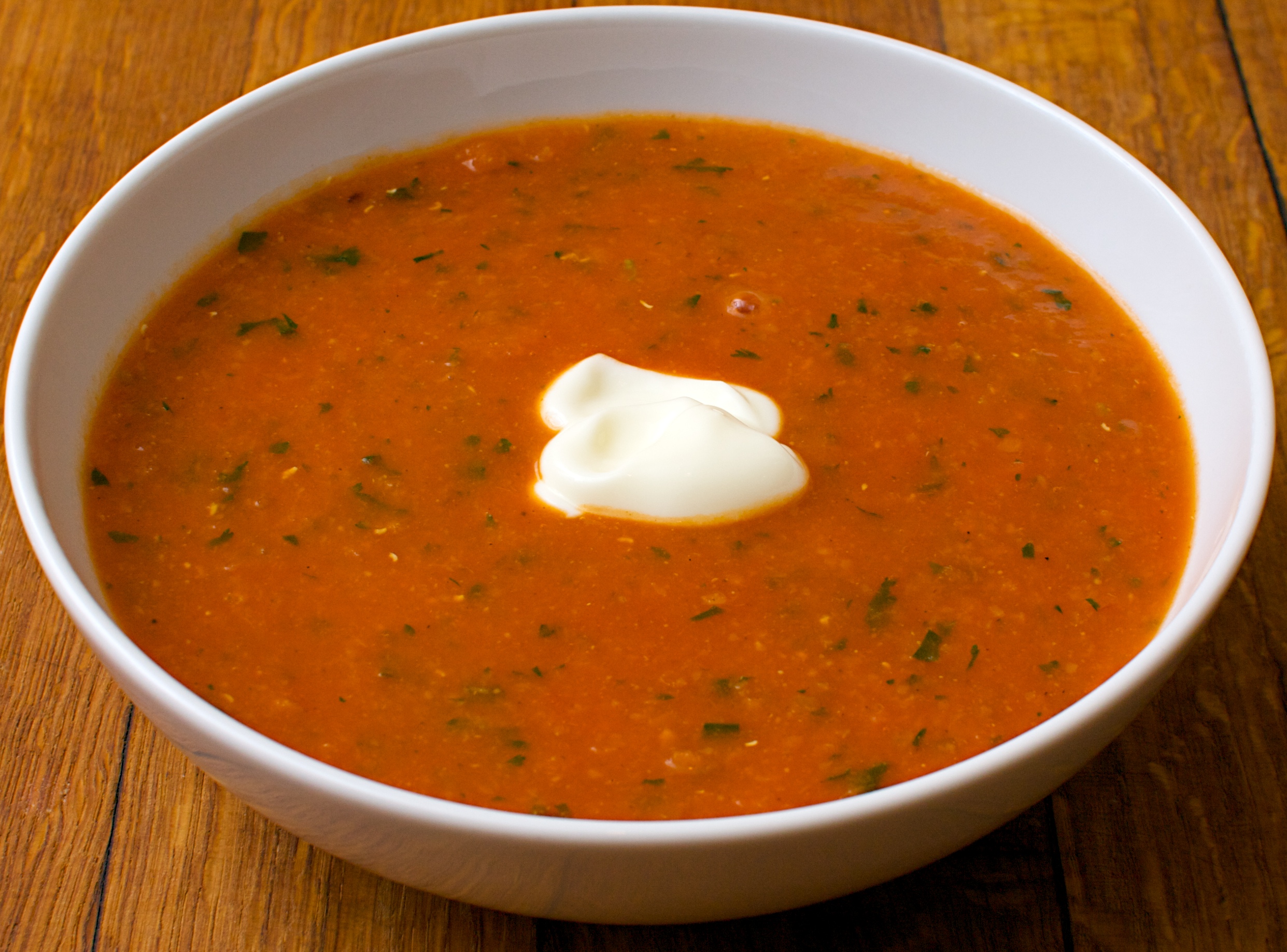
We’ve made a few quick tomato soups recently so we should maybe describe this as a slow one. This takes about 40 minutes but is worth it and gives a much more home-made flavour, super-healthy too.

Cream of tomato soup – to serve 4

  • 2 tbsp light olive oil
  • 1 onion, chopped
  • 1 garlic clove, crushed
  • 1 large carrot, chopped
  • 500g plum tomatoes
  • 200ml passata
  • 400ml vegetable or chicken stock
  • 1 bay leaf
  • 1 large sprig of thyme
  • a small handful of basil leaves (if you have them)
  • 100ml single cream

Heat the oil in a large saucepan and cook the onion, garlic and carrot over a low heat fro 6-7 minutes.

Stir in the tomatoes, passata, stock, bay leaf and thyme, then bring to a simmer. Cover and cook for 30 minutes.

Remove the bay leaf and thyme stalk. Season and add the basil. Whizz until smooth with a hand blender, stir in the cream and serve.

(Original recipe by Annabel Karmel in BBC Good Food Magazine, May 2004.)

Read Full Post »

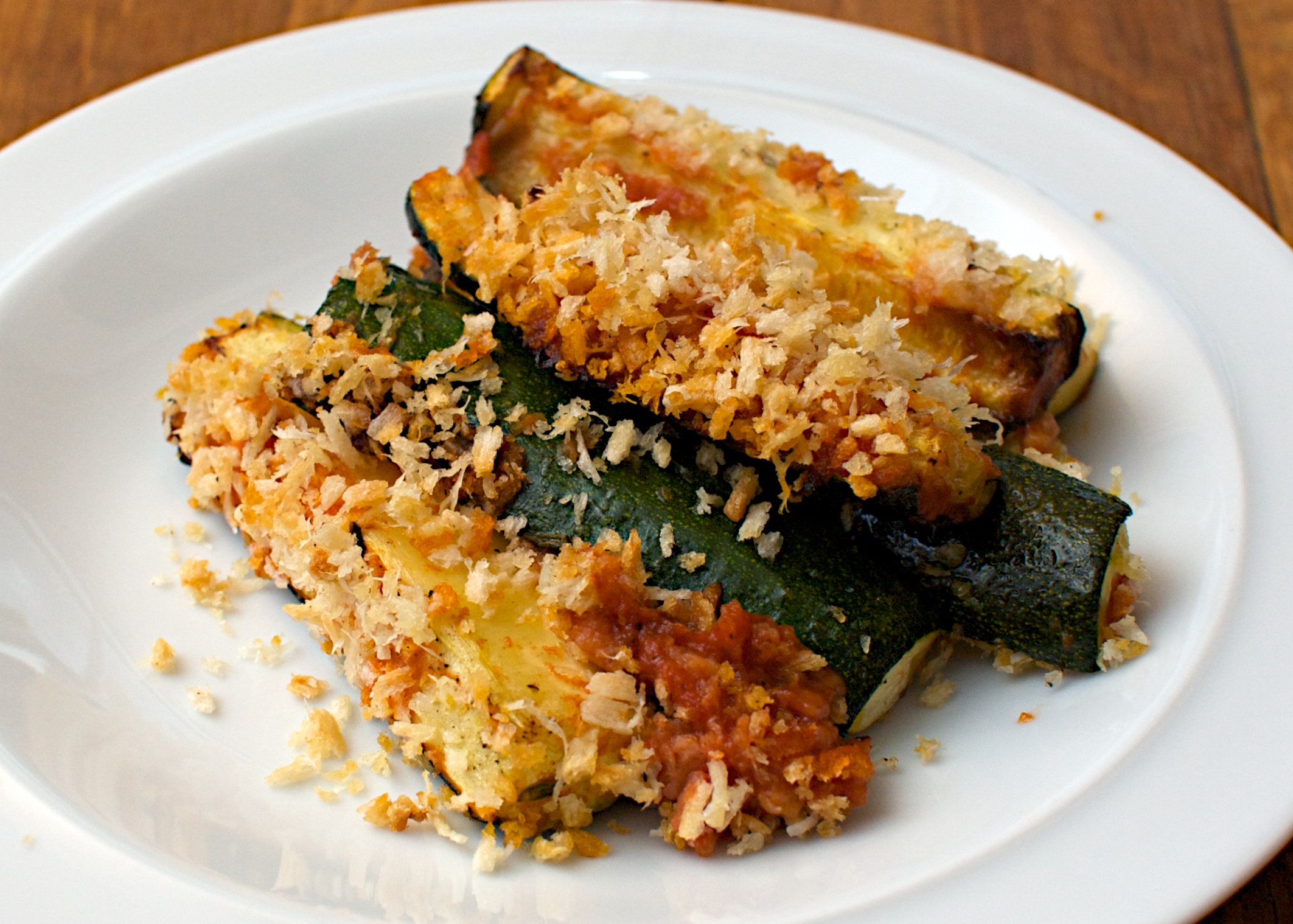
We eat tonnes of courgettes over the summer months so it’s good to try some new ways to cook them. This makes a great side dish for a barbecue.

Courgettes with crispy cheese crumbs – to serve 4

  • 6 courgettes, cut into chunky batons
  • pinch dried chilli flakes
  • 1 tbsp fresh thyme leaves
  • 2 tbsp olive oil
  • 2 garlic cloves, crushed
  • 85g dried or stale breadcrumbs
  • 3 tbsp grated Parmesan
  • 4 tbsp passata

Heat the oven to 200C/180C fan/gas 6. Put the courgettes in a baking dish or roasting tin and toss with the chilli, thyme and 1 tbsp oil and seasoning.  Bake for 20 minutes.

Mix the rest of the oil with the garlic, breadcrumbs, Parmesan and some seasoning.

Stir the passata into the courgettes, sprinkle with the cheesey crumbs and bake for another 10-15 minutes until crispy.

(Original recipe from BBC Good Food)

Read Full Post »

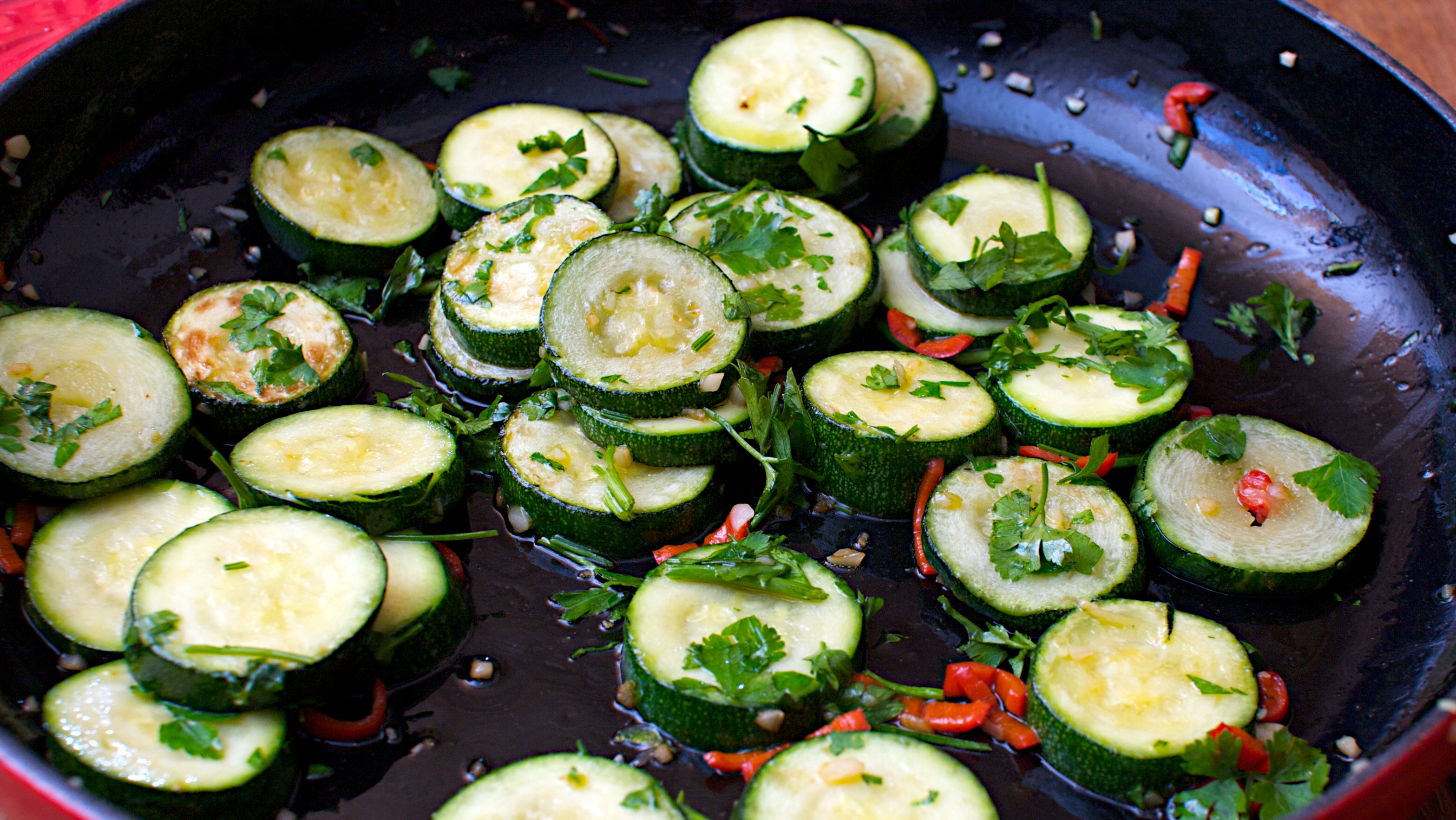
This is a really simple courgette side dish. Don’t worry about cooking the courgettes at the last minute as they taste just as good at room temperature, so cook them a little in advance.

Fried courgettes – to serve 6

  • 2 tbsp olive oil
  • 3 courgettes, sliced
  • ½ red chilli, sliced into rings
  • 2 garlic cloves, chopped
  • handful parsley, chopped

Heat the oil in a large frying pan, then fry the courgettes for about 5 minutes or until starting to brown.

Add the chilli and garlic and fry for a further minute. Season with salt, then toss with the parsley and serve.

Read Full Post »

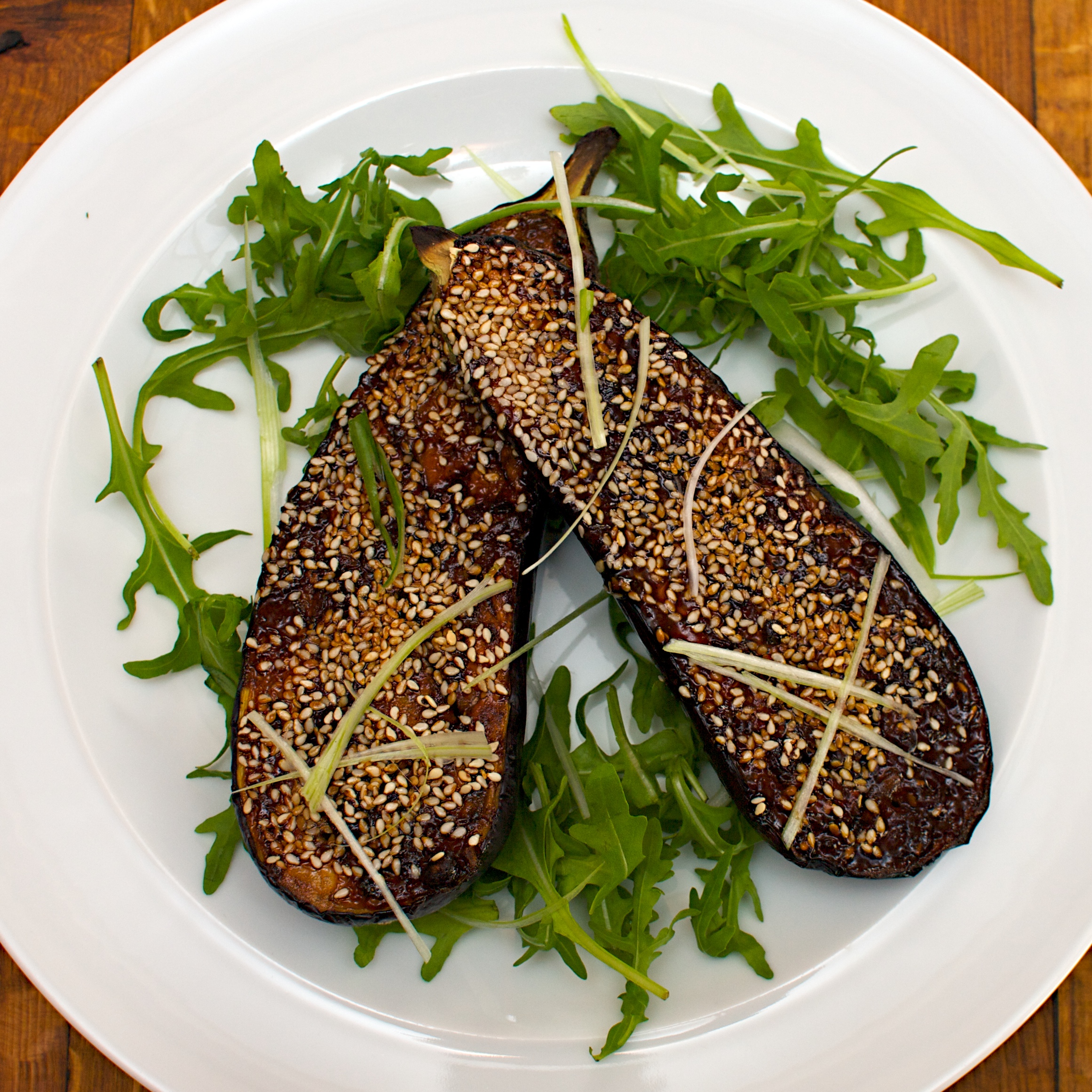
Healthy Japanese-style aubergines – this is really easy and has loads of flavour! Great when you feel like a veggie night.

Miso aubergines – to serve 2

  • 2 small aubergines, halved lengthways
  • olive oil
  • 2 tbsp miso paste
  • 2 tbsp mirin
  • a large pinch of caster sugar
  • 1 tbsp lemon juice
  • 1 tbsp sesame seeds
  • 4 scallions, shredded to serve
  • rocket to serve

Heat the oven to 200C/fan 180c/gas 6. Score a criss-cross pattern into each aubergine half. Brush with 1tsp oil and season. Put on a non-stick tray and bake for 20 minutes (or a bit longer if they are not completely soft).

Mix the miso, mirin, sugar and lemon juice together to make a paste. Spread over the aubergine halves and sprinkle with the sesame seeds. Put under a hot grill for a few minutes until golden. Serve with the scallions and rocket.

Beer Suggestion: Miso is a strong flavour so you need something robust and yeasty. Try a richer style beer, such as Bombardier, or Kirin for a cleaner, lager style.

(Original recipe from BBC Good Food)

Read Full Post »

Healthy side-dish with delicious flavour. We had these with a barbecue and they tasted great. Serve with some sour cream and chives if you have it – or mayo!

Harissa sweet potato wedges – to serve 4

  • 1kg sweet potatoes, scrubbed and cut into wedgees
  • 1 tbsp harissa paste

Heat the oven to 200C/180C fan/gas 6. Toss the wedges with the harissa in a bowl and then transfer to a baking tray and cook for 40-45 minutes.

(Original recipe from BBC Good Food)

Read Full Post »

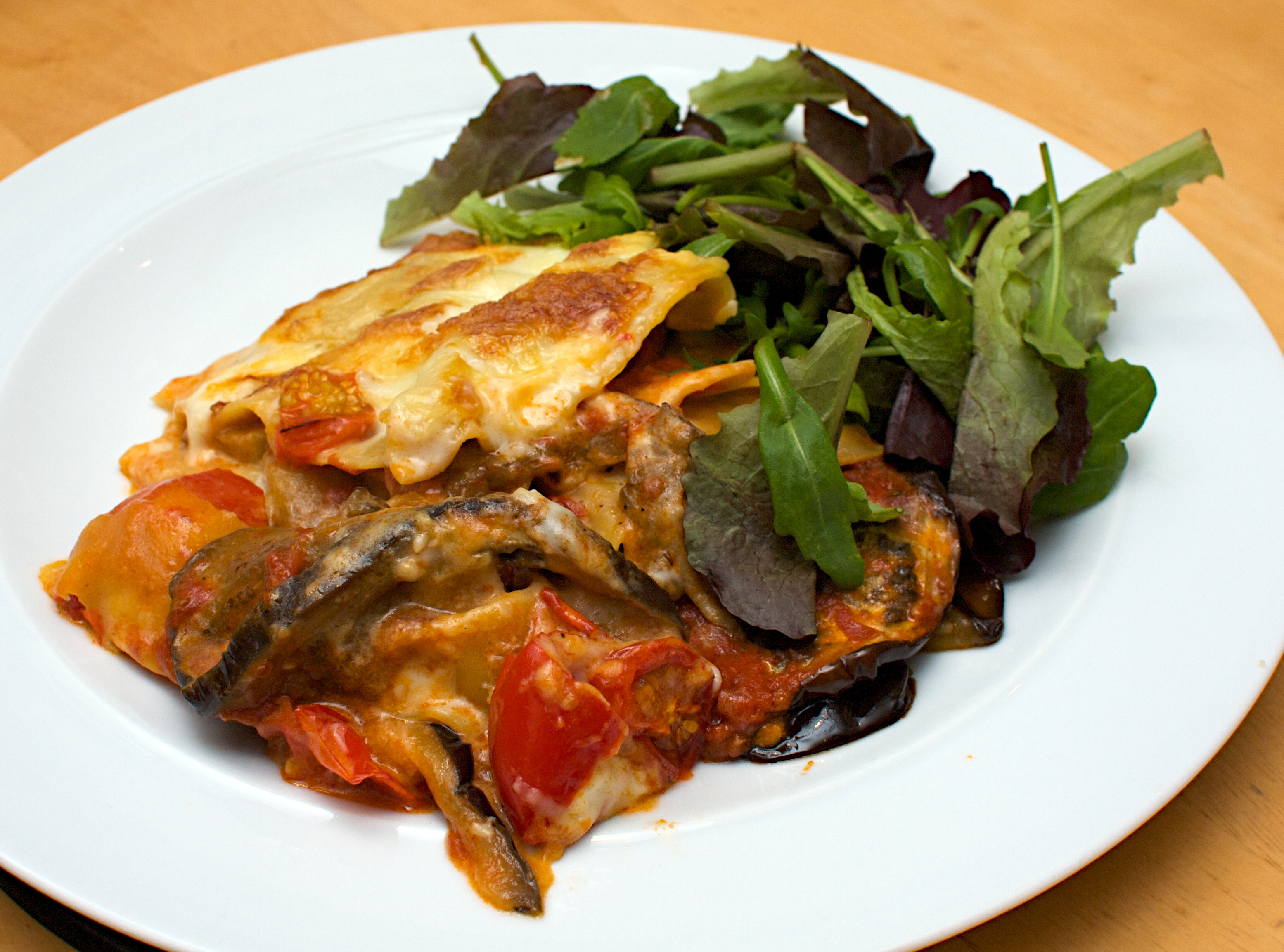
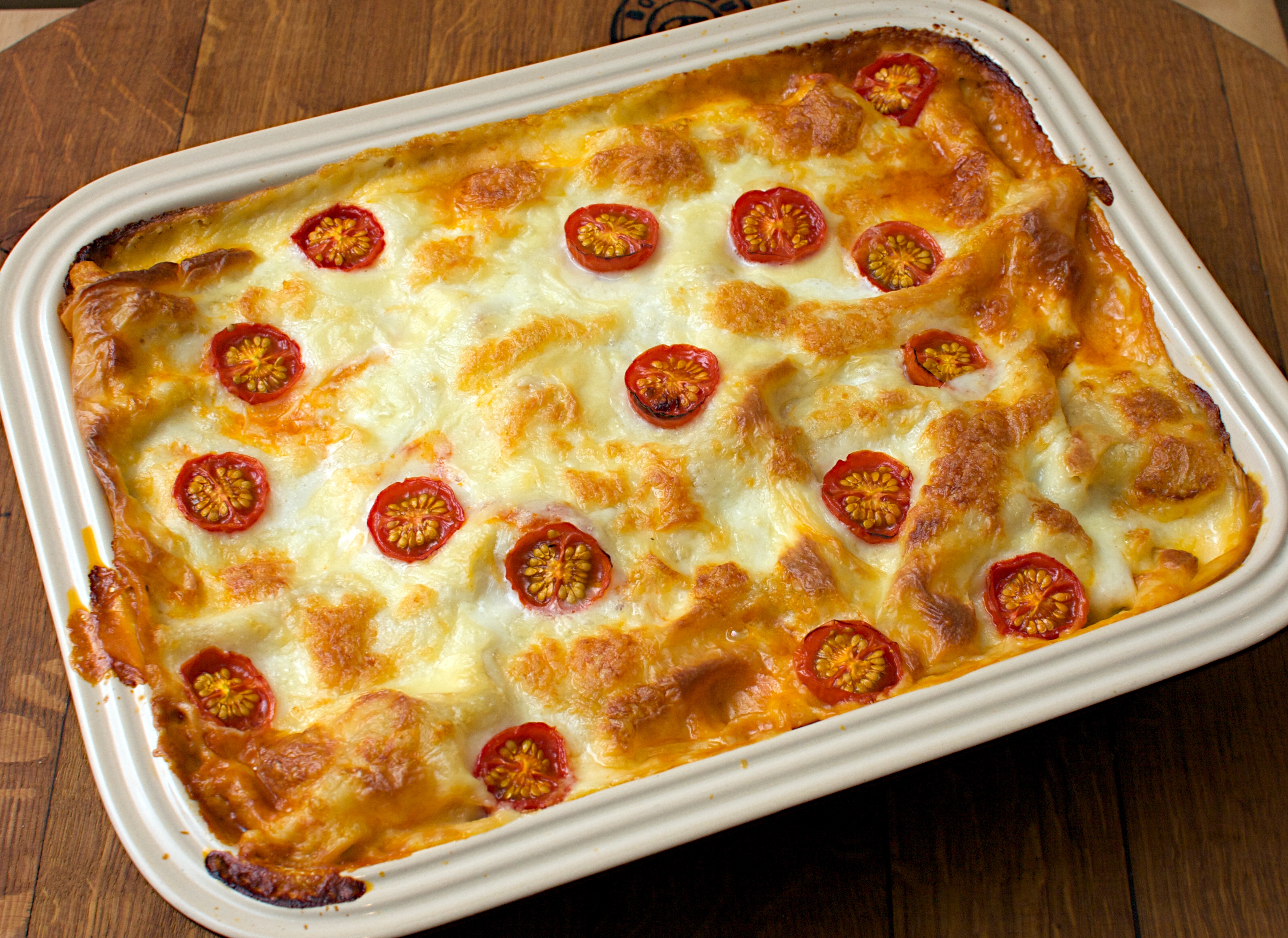
We’ve made many veggie lasagnes but this is definitely our favourite; really tasty, moist and not too rich or heavy. We had to stop ourselves eating the 6 portions all at once despite only the two of us for dinner. We managed to resist, but only just! Serve with a green salad.

(Apologies for the imperial measurements – Julie doesn’t know the metric recipe for béchamel.)

Roasted Veggie Lasagne – to serve 6

  • 1 pint / 600ml homemade tomato sauce – make your own or use our favourite
  • 3 red peppers
  • 2 aubergines
  • 8 tbsp olive oil
  • dried lasagne sheets
  • handful cherry tomatoes, halved
  • 125g ball mozzarella, torn

FOR THE BÉCHAMEL

  • 2 oz butter
  • 2 oz flour
  • 1 pint milk

Heat the oven to 200ºC/fan 180ºC. Cut the peppers into large chunks and thinly slice the aubergines. Lightly grease two large baking trays with olive oil. Put the peppers and aubergines on the greased trays and toss with the olive oil and plenty of seasoning. Roast for about 25 minutes or until lightly browned.

Meanwhile make your béchamel sauce. Melt the butter in a saucepan, stir in the flour, then cook for a couple of minutes. Gradually add the milk, stirring continuously stirring. When all the milk is added, keep stirring until the sauce comes to the boil. Turn the heat down and cook until the sauce has started to thicken.

Reduce the oven to 180ºC/fan 160ºC and lightly oil a large ovenproof dish (ours is 20 x 27cm and it fits perfect). Layer a third of the roasted veg on the bottom of the dish. Cover with a third of the tomato sauce. Top with a layer of lasagne sheets (break them to fit – don’t overlap them), then drizzle just less than third of the bechamel sauce over. Repeat until you have used 3 layers of lasagne.

Spoon the remaining sauce over the top, making sure that the surface is totally covered. Scatter the cherry tomatoes and mozzarella over the top. Bake for about 45 minutes or until bubbling and golden brown.

Wine Suggestion: The tomato sauce is acidic so you need to balance this with the wine. Perhaps a light and fruity white with good acidity – we had an off-dry Riesling from Western Australia already open and it worked surprisingly well.

Read Full Post »

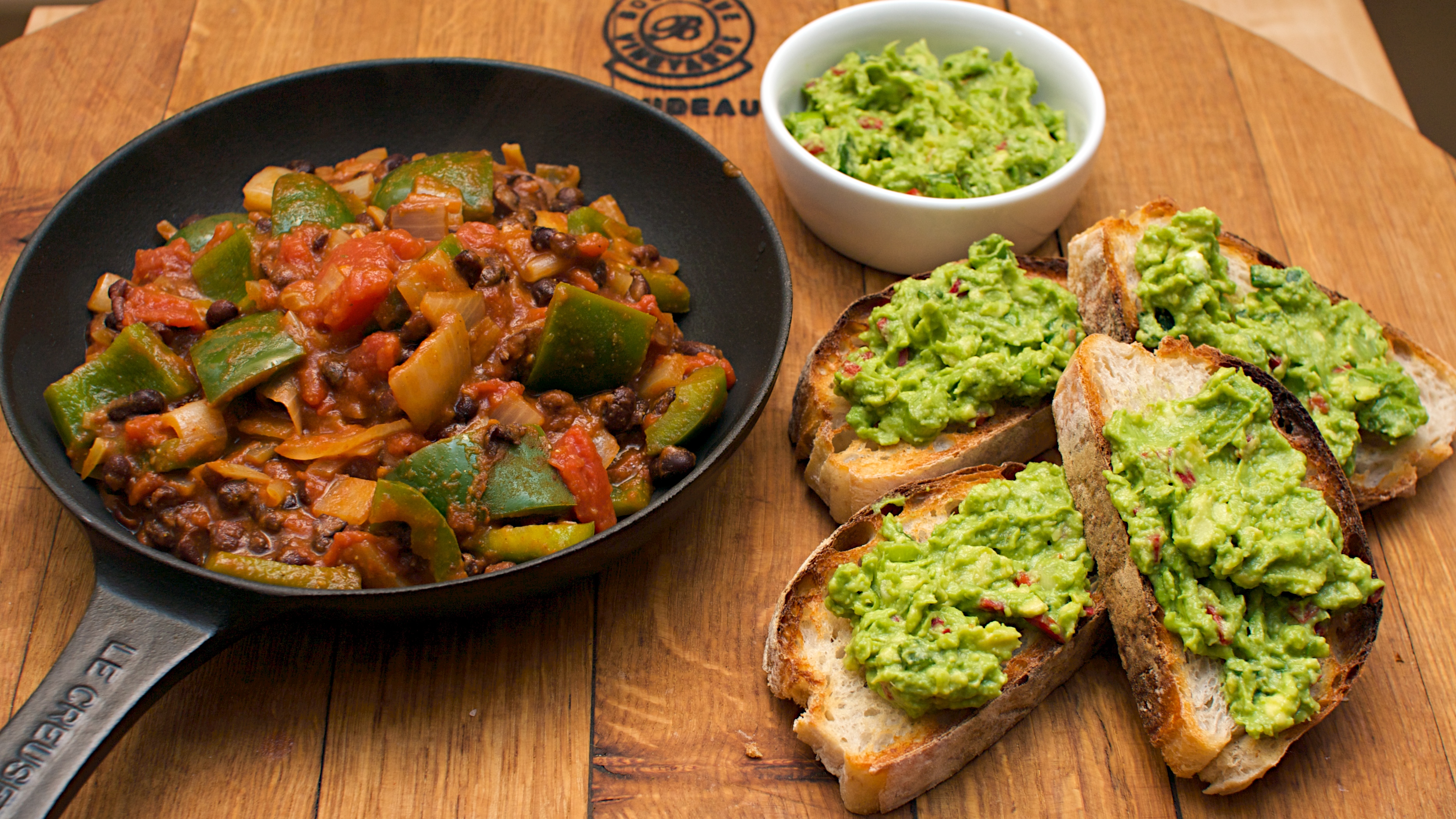
We love finding new variations of Chilli and this one has made our list of repeatable recipes. This is really filling and at less than 500 calories per portion also suitable for us dieters. We promise we’ll go back to normal in a few weeks time!

Black bean chilli with guacamole and garlic ciabatta – to serve 4

  • olive oil
  • 2 onions, chopped
  • 3 cloves garlic, 2 crushed and 1 left whole
  • 2 green peppers, chopped
  • 2 tbsp ground cumin
  • 2 tsp chilli powder
  • 2 x 400g tins black beans, drained
  • 2 x 400g tins chopped tomatoes
  • 200ml vegetable stock
  • 2 large avocados
  • 2 limes, zested and juiced
  • 4 scallions, chopped
  • 1 red chilli, finely chopped
  • 8 slices ciabatta, toasted

Heat a tbsp of oil in a wide pan. Add the onions, crushed garlic and peppers, and cook for 10 minutes or until softened. Add the spices and some salt and cook for another minute. Tip in the beans, tomatoes and stock. Simmer for 15 minutes.

Remove the flesh form the avocados with a spoon into a bowl. Add the lime zest and juice, scallions, chilli and seasoning, and mix with a fork to lightly mash the avocado.

Cut the whole garlic clove in half and use it to rub all over the ciabatta toasts. Drizzle with olive oil and pile the guacamole onto the toasts.

Serve the guacamole and garlic ciabatta with the chilli.

Wine Suggestion: We really like beer with chilli. If your not a fan of beer a light, fruity Grenache would work.

(Original recipe from BBC Good Food)

Read Full Post »

We’re officially on a diet 😦 but we’re trying to turn it into an opportunity and cook lots of tasty, healthy stuff. We can’t back out either as we’re in a little competition with some of our friends… a bit like weight watchers, just as humiliating but not as expensive! So for the next 6 weeks you can expect lots of low-calorie recipes. If you’re also struggling to fit into your summer clothes you might like to join us.

Spicy tomato soup – to serve 2

  • 1 onion, roughly chopped
  • 2 tsp garam masala
  • a pinch of chilli flakes
  • 2 tbsp red lentils
  • 400g tin chopped tomatoes
  • 500ml chicken stock
  • large handful of coriander, chopped
  • natural yoghurt, to serve (only if you have some)

Put all the ingredients (except the coriander and yoghurt) in a pot, bring to a simmer and cook for 20 minutes until the lentils are soft. Add the coriander and cook for a minute. Use a stick blender to roughly whizz together. Stir in a little natural yoghurt to serve if you like that sort of thing.

(Original recipe from BBC Good Food)

Read Full Post »

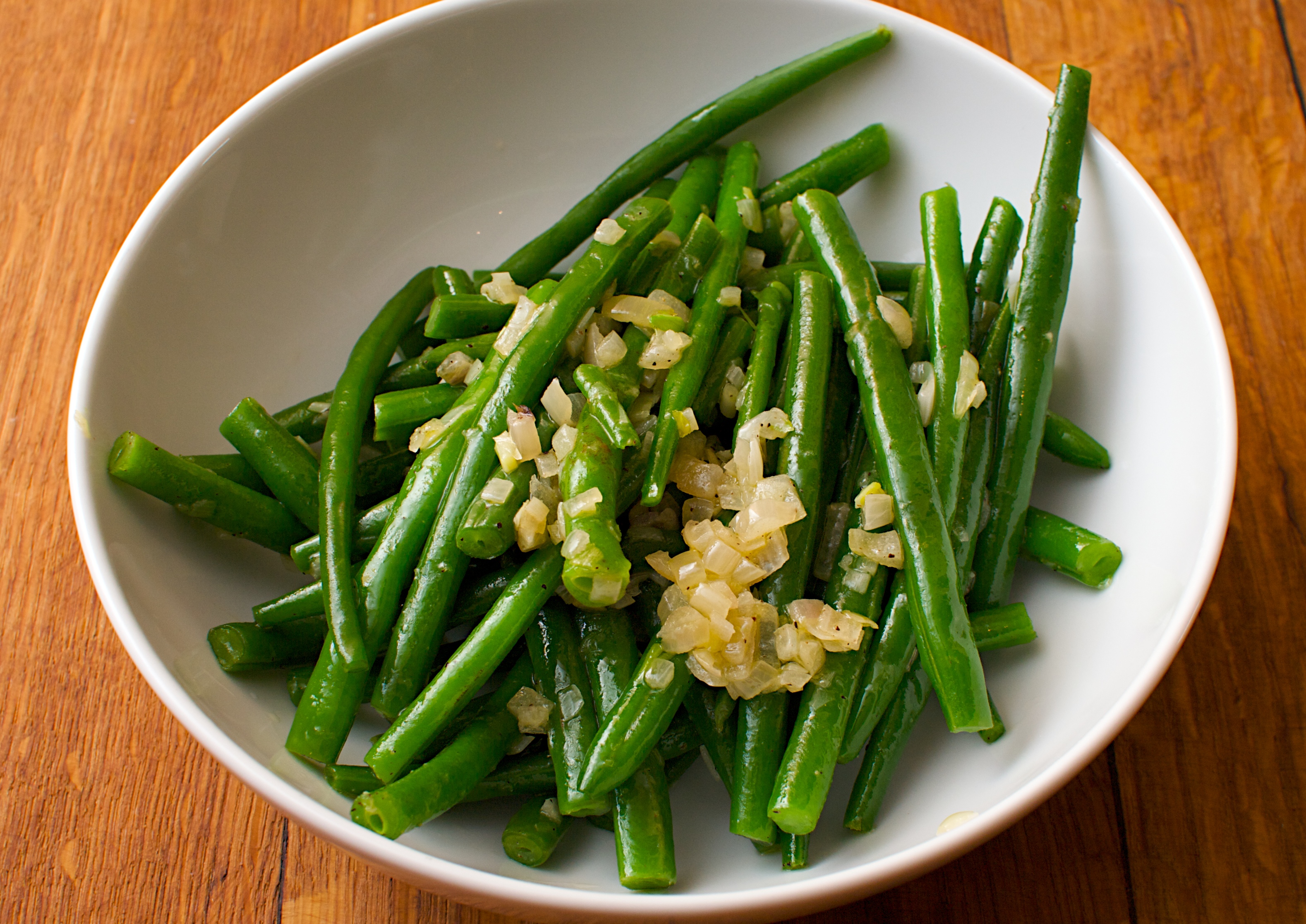
This is an easy and absolutely delicious way to serve green beans. It even perked up ones that had flown from very far away as our local shop hasn’t got the new season ones yet…any day now we hope!

Green beans with shallots – to serve 6 as a side dish

  • 400g green beans
  • 25g butter
  • 3 shallots, finely chopped

Cook the green beans in boiling, salted water for a few minutes, until just tender. Drain and cool under cold running water. (You can do this up to a day before and keep them in a plastic bag in the fridge).

Heat the butter in a large frying pan until foaming, add the shallots and cook for 4-5 minutes, until soft but not coloured. Throw in the beans and toss to coat, then cook for a final couple of minutes until heated through, then season.

(Original recipe from BBC Good Food)

Read Full Post »

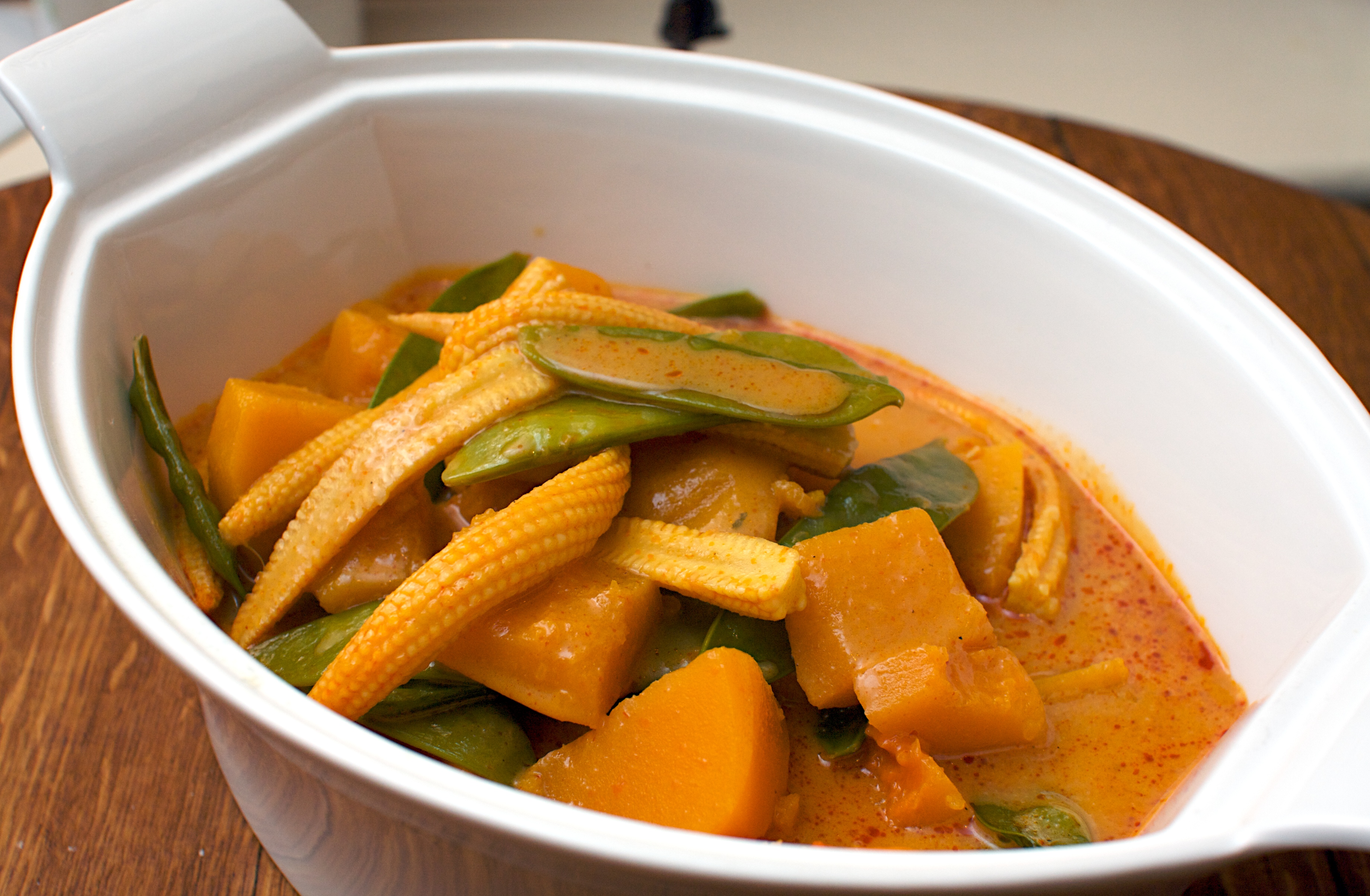
This is not a sophisticated Thai curry but is absolutely perfect for a quick mid-week meal. We loved it! We’ve been avoiding butternut squash this year it seems, which is no reflection on how yum it is. Serve with basmati or jasmine rice.

Thai red squash curry – to serve 4

  • 1 small butternut squash, about 700g
  • 200g pack mixed mangetout and baby corn
  • 2 tbsp sunflower oil
  • 1-2 tbsp Thai red curry paste
  • 400ml can coconut milk
  • 150ml vegetable stock
  • 2 tbsp soy sauce
  • 1 tbsp light muscovado sugar
  • juice of ½ lime

Cut the end off the squash and quarter lengthways, scoop out the seeds, peel, then cut into smallish chunks. Halve the baby corn lengthways.

Heat the oil in a saucepan. Fry the paste gently for 1-2 minutes. Add the coconut milk, stock, soy sauce and sugar. Bring to the boil.

Add the squash and baby corn. Simmer, covered, for about 10-12 minutes. Add the lime juice and mangetout and simmer for one more minute.

Wine Suggestion: We didn’t have anything to drink with this (except water) but if we did it would probably have been a beer!

(Original recipe from BBC Good Food Magazine, April 2001.)

Read Full Post »

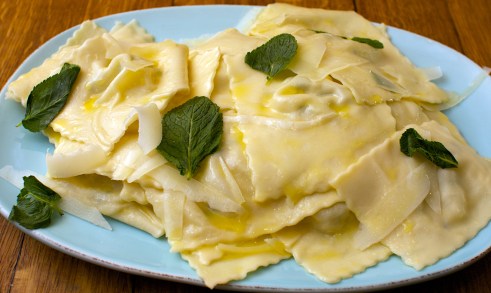
Jono hasn’t made fresh pasta since he broke his hand and we’ve missed the lightness and texture it has. Now he’s better we had to make this minty Spring Ravioli. Needless to say we made masses, but despite the quantity they just slipped down so easily and disappeared in a flash. Fresh pasta is a bit of a labour of love but if you give yourself plenty of time it’s not that difficult and you feel very smug and clever afterwards.

Ravioli of pecorino, potato and mint – serves 6

  • pasta dough (see below)
  • 500g floury potatoes
  • 100g butter, plus a bit more
  • 1-2 handfuls of grated pecorino, plus a bit extra
  • nutmeg for grating
  • zest of 1 lemon
  • a bunch of fresh mint

For the pasta dough

  • 600g tipo 00 flour
  • 6 large eggs

First make the pasta:

Throw the flour and eggs into a food processor and whiz until it looks like breadcrumbs, then tip out and bring together with your hands.

Knead the pasta dough until it feels smooth and silky (your hands should be aching!). Wrap it in clingfilm and rest in the fridge for at least half an hour.

For the filling:

Preheat the oven to 200C/400F/gas 6. Prick the potatoes with a fork, then roll them in some sea salt and bake for about an hour. Cool, cut them in half, and scoop the potato into a bowl, discarding the skins.

Pick your mint leaves and finely chop half. Add the butter, pecorino, nutmeg, lemon zest and the chopped mint and mash well with the potato. Taste and add more  seasoning if it doesn’t taste absolutely delicious.

For the ravioli:

Dust the work surface with flour. Take a quarter of the pasta dough (keep the rest wrapped well in the fridge) and press out flat with your fingers. Set your pasta machine to the widest setting – and roll the pasta dough through. Lightly dust with flour if it sticks.  Click the machine down a setting and roll through again. Fold the pasta in half, click the machine back to the widest setting and roll through again. Repeat this process 5 or 6 times. The pasta will eventually become smooth and silky.

Now roll the dough through all the settings on the machine, from the widest to the narrowest. Keep lightly dusting both sides with flour as you go. When you’ve got down to the narrowest setting, fold the pasta in half lengthways and then in half again, then in half once more until you have a kind of square. Turn it 90 degrees and feed through the machine again at the widest setting. Roll the pasta through each setting for the last time. For ravioli you need to keep going until you can clearly see your hand through the pasta.

Now you need to work quickly to make your ravioli before your pasta dries out. You can cover with a damp tea towel to protect it if necessary.

Cut the pasta into a 5 x 15 cm strips.

Place 4 tsp of filling along the strip and lightly brush the pasta with water.

Put another strip over and mould carefully around the filling on the bottom sheet, pushing out any air bubbles.

Cut into squares with a crinkle cutter or into circles with a pastry cutter.

To cook the ravioli: 

Bring a pot of salted water to the boil and cook the ravioli for about 3½ minutes.

While it is cooking, put a couple of knobs of butter in a frying pan and heat gently. Drain the ravioli with a slotted spoon, reserving a little bit of pasta water. Add the ravioli to the melted butter with a little of the cooking water and lightly simmer until you have a sauce that coats the pasta lightly. Serve on a platter and sprinkle with mint, some pepper and shavings of pecorino.

Aren’t you clever!

Wine Suggestion: We went with the suggestion in the recipe book which was the Italian white, Arneis. Ours was by a producer called Ascheri from Alba and was very nice indeed.

(Original recipe from Jamie Oliver’s Cook with Jamie, Penguin Books, 2006.)

Read Full Post »
We’re always on the lookout for a vegetarian lasagne and this one worked well and tasted great. It’s rich so a salad on the side is all that’s needed. Make on the weekend when you’re in no hurry.

Mushroom lasagne – to serve 8

MUSHROOMS:

  • 35g dried porcini mushrooms
  • 400ml lukewarm water
  • 60g unsalted butter
  • 1 tbsp thyme leaves
  • 800g mixed fresh mushrooms, sliced if large
  • 2 tbsp chopped tarragon
  • 4 tbsp chopped parsley

LASAGNE

  • 60g unsalted butter
  • 1 small shallot, chopped
  • 60g plain flour
  • 550ml milk
  • 375g ricotta
  • 1 large free-range egg
  • 150g feta, crumbled
  • 170g Gruyère, grated
  • 400g lasagne verde
  • 150g fontina cheese (or mozzarella), granted
  • 50g Parmesan, grated
  • salt and white pepper

Preheat the oven to 180ºC/Gas Mark 4. Cover the porcini with the lukewarm water and leave to soak for 5 minutes. Drain and reserve the liquid.

Melt the butter in a large heavy-based saucepan. When foaming add the thyme, porcini and fresh mushrooms. Cook for 4 minutes, or until softened and have released their juice, stirring now and then. Take off the heat and stir in the tarragon, parsley and some salt and pepper. Tip into a bowl and set aside.

Use the same pan to make a béchamel. Put the butter and shallot in the pan and cook over a medium heat for about a minute. Add the flour and cook, stirring constantly, for about 2 minutes; the mix will turn into a paste but shouldn’t take on much colour. Gradually whisk in the milk and porcini soaking liquid, leaving any grit behind. Add ½ tsp salt and keep whisking until boiling. Simmer on a low heat, don’t stop stirring, for about 10 minutes, or until thickish. Take off the heat.

In a small bowl mix the ricotta with the egg, then fold in 3 tbsp of the béchamel and the feta. Add the Gruyère to the remaining béchamel in the pan and stir well to get your main sauce.

Pour boiling water over the lasagne leaves (a few at a time so they don’t stick together) and soak for 2 minutes; remove and dry on a tea towel.

To build the lasagne, pour one-fifth of the sauce over the bottom of an ovenproof dish (about 25 x 35 cm). Cover with lasagne leaves. Spread ¼ of the ricotta mix on top, scatter over ¼ of the mushrooms and sprinkle with ¼ of the fontina. Make three more layers like this, then finish with a layer of pasta covered with sauce.

Sprinkle the Parmesan on top and cover loosely with foil (so it’s not touching the sauce). Bake for 40 minutes, or until the sauce is bubbling up around the sides. Lift off the foil and bake for another 10 minutes, or until golden. Leave to rest for 10 minutes before serving.

Wine Suggestion: You’ve plenty of choices here. You could go for a Chardonnay to complement the rich mushroom sauce or if you prefer red go for something earthy like a Barbera.

(Original recipe from Yotam Ottolenghi’s Plenty, Ebury Press, 2010.)

Read Full Post »

Healthy burgers – so easy to make! Next time we’re going to try them in flatbreads with houmous and hot chilli sauce!

Falafel burgers – to feed 4

  • 400g can chickpeas, rinsed and drained
  • garlic clove, chopped
  • handful of flat-leaf parsley
  • 1 tsp ground cumin
  • 1 tsp ground coriander
  • ½ tsp harissa paste or chilli powder
  • 2 tbsp plain flour
  • 2 tbsp sunflower oil
  • toasted pitta bread
  • tomato salsa, to serve
  • green salad, to serve

Pat the chickpeas dry with some kitchen paper. Tip into a food processor with the onion, garlic, parsley, spices, flour and some salt. Blend until fairly smooth and shape into burgers with your hands.

Heat the oil in a non-stick frying pan, then fry the burgers for 3 minutes on each side or until golden. Serve with toasted pittas, salsa and salad.

Wine Suggestion: A simple juicy, fruity red is all that’s required here like a Grenache or Tempranillo.

(Original recipe from BBC Good Food.)

Read Full Post »

We’ve made many a dauphinoise but we particularly like this one as the potatoes are cooked in the milk and cream before they go in the oven. This not only ensures that the potatoes are cooked through but also gives it a nice thick sauce as the starch from the potatoes is released into the liquid. You can make this up to the point of baking the day before, cool, cover and keep in the fridge then reheat covered with foil for 15 minutes at 170ºC, fan 150ºC, gas 3. Increase the oven to 190ºC, fan 170ºC, gas 5, remove the foil and bake for another 20-25 minutes.

Gratin Dauphinois – serves 6 as a side dish

  • 340ml whole milk
  • 3 cloves garlic, peeled and chopped
  • 284ml double cream
  • whole nutmeg, for grating (optional)
  • 1.25kg potatoes, peeled, washed and well-drained
  • 175g Gruyère, grated
You also need a 28 x 20 cm ovenproof dish, 6 cm deep.
Preheat the oven to 190ºC, fan 170ºC, gas 5. In a large shallow saucepan bring the milk to the boil with the garlic, add the double cream, stir well and season with salt, pepper and a little freshly grated nutmeg (if you like).

Cut the potatoes into 5mm thick slices, season and add to the liquid. Simmer gently, uncovered, for about 25 minutes or until the potatoes are just cooked. Turn (rather than stir) the potatoes every 5 minutes or so to ensure they don’t catch on the bottom. Gently fold in half the cheese. Pour the mixture into your gratin dish and sprinkle the rest of the cheese over the top. Bake on the middle oven shelf for about 20-25 minutes or until brown and bubbly.

Great match for roast lamb or beef.

Wine Suggestion: If like us you’re serving this with something meaty, you could go for a Pinot Noir which should have enough acidity to balance the richness or a good Syrah from the northern Rhône.

(Original recipe by Alex Mackay for Sainsbury’s Magazine, March 2006.)

Read Full Post »

This takes time to make but with little effort and is well worth it. It supposedly keeps well too but ours didn’t last long enough to test this theory. If you’re not keen on fennel seeds you can leave them out or else substitute sesame or poppy seeds.

Pagnotta con finocchietto  – makes 1 oval loaf

  • 450g strong white flour
  • 1 tsp salt plus a bit extra for the top
  • 1 tbsp caster sugar
  • 10g fast-action dried yeast
  • 1 tbsp fennel seeds, crushed
  • 280ml water, warm
  • 30g salted butter, melted
  • 1 egg white
  • olive oil for brushing

Brush a baking tray and the inside of a large bowl with oil.

Sift the flour into another bowl with the salt, sugar and yeast and make a well in the centre. Sprinkle over ½ tsp of the fennel seeds and pour in the water and butter. Mix with the tips of your fingers until you have a soft dough.

Transfer the dough to a lightly floured surface and knead for 10 minutes or until smooth and elastic. Shape it into a ball and put it in the oiled bowl. Cover with clingfilm and leave to rise in a warm place without draughts for an hour (the hot press is good).

Turn out the dough onto a lightly floured surface and punch dozen. Shape into an oval and place on the oiled baking tray. Brush the top with a little oil and cover with clingfilm. Leave to rise in a the same warm and draught-free place for another 40 minutes.

Preheat the oven to 220ºC/gas mark 7.

In a small bowl, mix the egg white with a pinch of salt.

Brush the top of the loaf with the egg white and sprinkle over the remaining fennel seeds. Use a sharp knife to make a cut right down the length of the dough.

Bake in the middle of the oven for 20 minutes, then reduce the temperature to 180ºC/gas mark 4 and continue to bake for another 10 minutes.

Transfer to a wire rack to cool slightly before serving warm with some cured ham or salami.

Wine Suggestion: A light fruity red will be perfect here – try a Chianti perhaps from the Rufina district.

(Original recipe from Gino d’Acampo’s, Italian Home Baking, Kyle Books, 2011.)

Read Full Post »

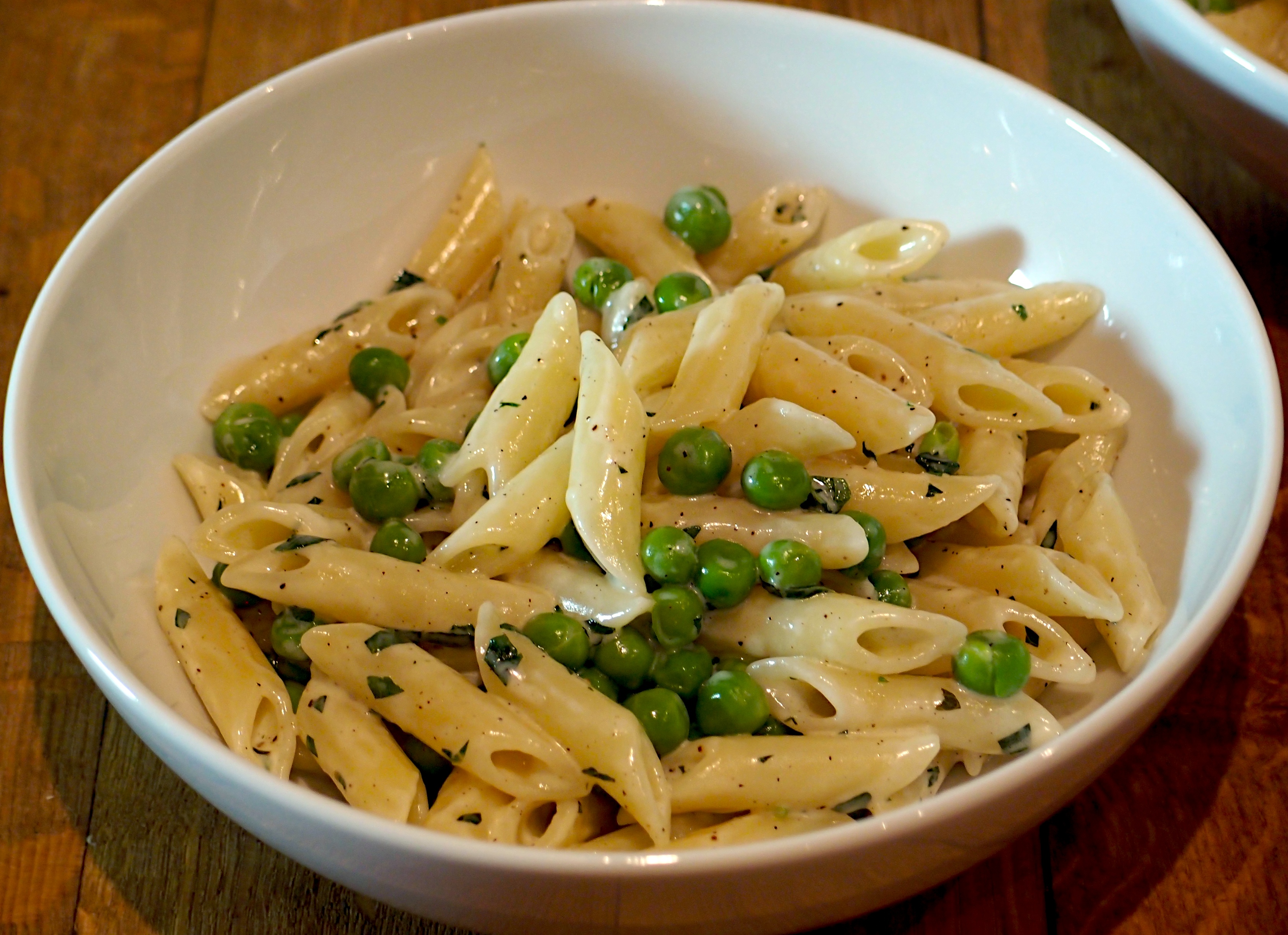
Mascarpone is a great ingredient but its one we use rarely as most recipes only require a few spoons and we inevitably end up throwing the rest out. Well not any more! This is not really a recipe but more of an idea which you can adapt depending on what else you have lying around to complement your mascarpone.

Pea, mint & mascarpone pasta – to serve 2

  • 200g pasta
  • 140g frozen peas
  • 100g mascarpone
  • handful of chopped mint

Cook the pasta according to the pack and add the peas for the last 3 minutes of cooking time. Scoop out and reserve a bit of the cooking water before you drain the pasta and peas. Return to the pan and add the mascarpone, mint, plenty of seasoning and a couple of spoons of the cooking liquid to make a nice saucy consistency.

Wine Suggestion: Something simple and food friendly is all that’s needed here. An easy Pinot Grigio (not a variety that we often recommend) went really well.

Read Full Post »

This is something we’ve bought loads, either in a deli or in a restaurant. Easy, tasty and fresh; don’t know why it has taken so long for us to make our own! Provided you keep it in the fridge with a thin film of olive oil covering the top it will last for ages. A really nice topping for bruschetta or slices of crusty bread.

Green olive paste  – makes enough to fill a jam jar

  • 40 stoned green olives
  • 1 tsp capers
  • 1 tbsp ground almonds
  • 1 garlic clove
  • 4 tbsp olive oil
  • ¼ tsp ground cumin
  • ¼ tsp ground paprika

Put all the ingredients in a food processor and blend to make a purée.

Wine Suggestion: The influence here is clearly Spanish and as you’re likely to serve this before a meal we suggest the ultimate Spanish aperitif – a glass of Sherry. We would choose either a Fino or Manzanilla where the salty-savoury freshness would really compliment the tangy olive flavours and add a texture that really works. It is super important that you pick a recently bottled version (ask your wine merchant to explain the lot numbers! … or me if you are in Mitchell’s) as these sherries really lose freshness and vitality if it has been bottled too long.

(Original recipe from Real Fast Vegetarian Food by Ursula Ferrigno, Metro Publishing Ltd., 2002.)

Read Full Post »

« Newer Posts - Older Posts »