Feeds:
Posts
Comments

Posts Tagged ‘Italian’

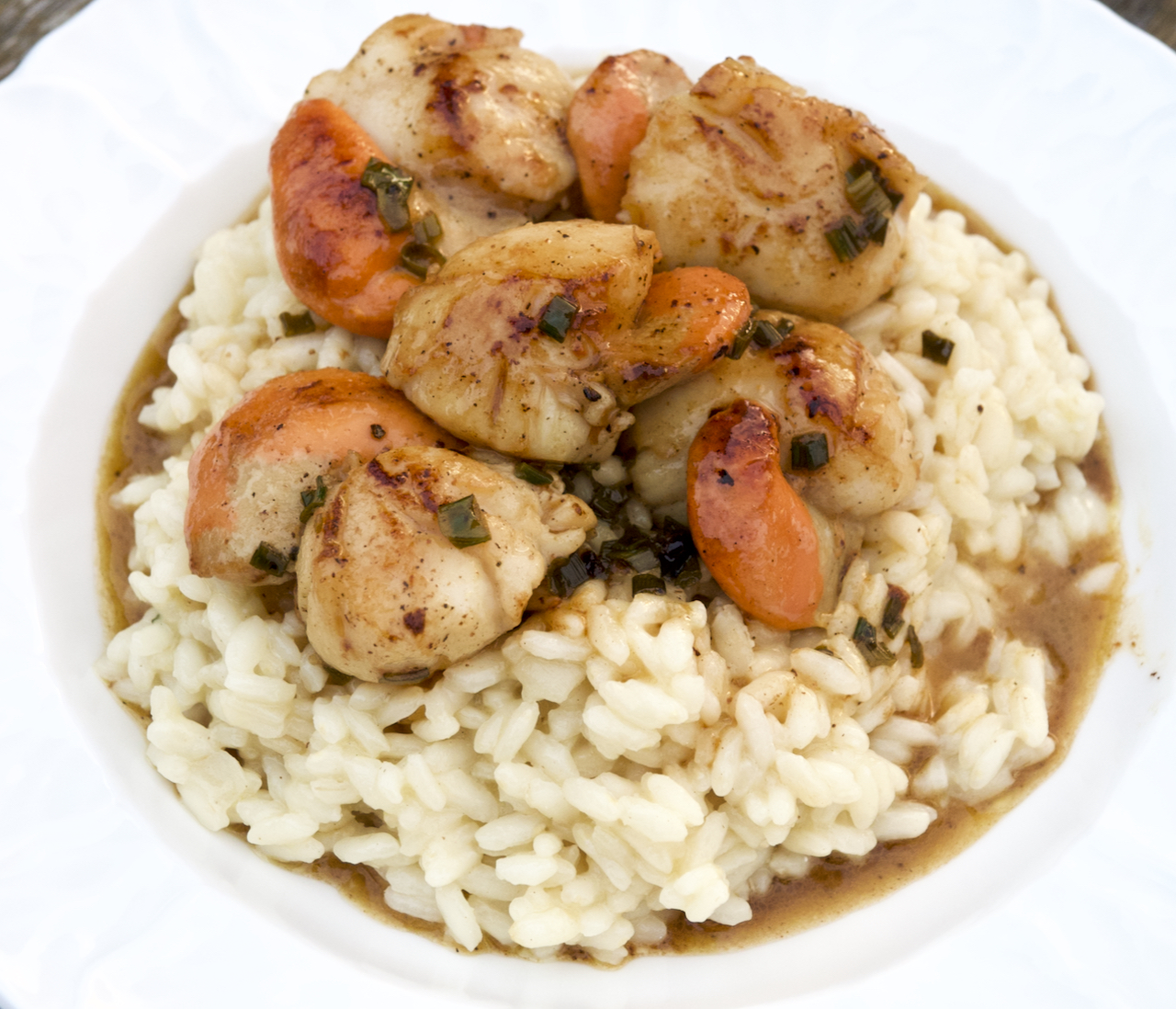
You get a much more generous helping of scallops when you cook them for yourself at home and they make a super fancy risotto.

Wine Suggestion: Keeping it Italian we went for the Murgo Etna Bianco, a blend of Carricante and Catarrato which had body, loads of salty, minerality and bags of freshness.

Scallop risotto with brown butter – serves 2

  • 2 tbsp olive oil
  • 1 shallot, finely chopped
  • 2 cloves of garlic, crushed
  • 200g risotto rice
  • 175ml white wine
  • 500ml hot fish stock
  • 30g Parmesan, finely grated
  • 75g butter
  • 6 large or 12 small scallops (we had a few more than this)
  • a handful of chives, chopped
  • juice of half a lemon
  • a grating of nutmeg

Heat the oil in a deep frying pan and fry the shallot for 6 to 8 minutes or until softened. Add the garlic and fry for another minute, then stir in the rice. Toast for a few minutes and stir to coat the rice in the oil. Add the wine and let it bubble until almost all absorbed.

Add a ladle of the hot fish stock to the rice and stir until it has been absorbed. Keep going like this, adding a ladleful at a time until all the stock is used and the rice is creamy and tender. Season, then stir in the Parmesan and 25g of the butter. Remove from the heat and cover with a lid. It will rest while you cook the scallops.

Heat a frying pan over a high heat. Pat the scallops dry with kitchen pepper, then season and brush lightly with oil. Add the scallops to the hot frying pan and sear for 1 to 2 minutes on each side, depending on the size of your scallops. Remove the scallops to a plate and take the pan off the heat. Add the rest of the butter and stir until it is foaming and browned – it should smell nutty. Season with black pepper, the chives, lemon juice and nutmeg. Return the scallops to the pan and spoon the butter over them.

Give the rice a stir and divide between warm bowls. Place the scallops on top and pour over the brown butter.

(Original recipe by Anna Glover in Olive Magazine, July 2024.)
Read Full Post »

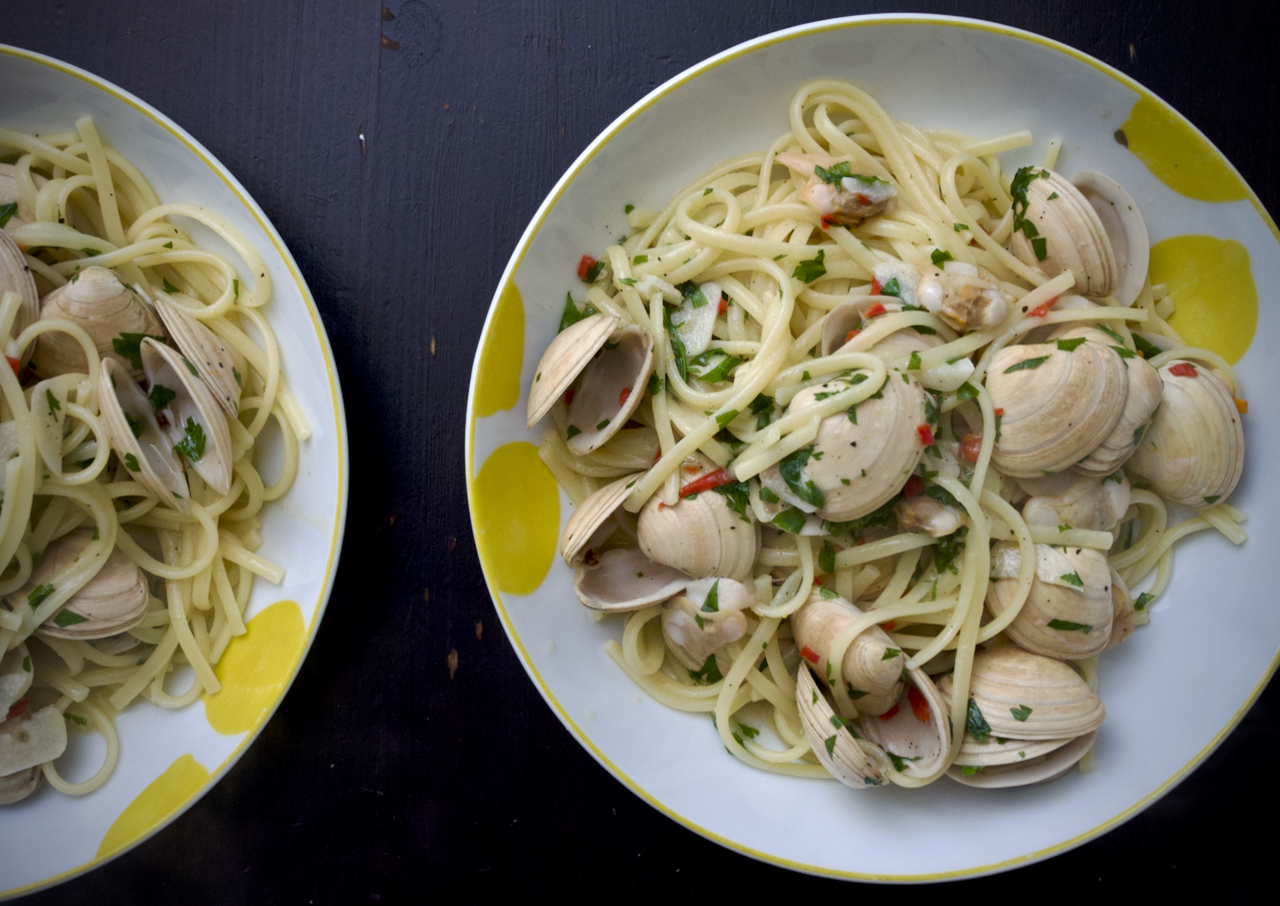
Linguine vongole – possibly the most perfect pasta dish. Lots of garlic and fresh salty clams – delicious!

Wine suggestion: working well with this dish is the under-rated grape from the south of Italy: Fiano. We’d highly recommend seeking it out as it has the beguiling fresh, almost crisp stonefruit character and some sort of citrus twist depending on where it comes from. While most is grown in Campagnia and the south of Italy it’s now being found successfully in Argentina and Australia, like Pikes “Luccio” from the Clare Valley … where the citrus twist is lime and delicious at that.

Linguine Vongole – serves 4

  • 1kg fresh clams
  • 400g linguine
  • 4 tbsp olive oil
  • 6 cloves of garlic, sliced very thinly
  • 1 large red chilli, finely chopped
  • 100ml white wine
  • 30g unsalted butter
  • 20g flatleaf parsley, finely chopped
  • 1 large lemon

Put the clams in a sinkful of water with a decent handful of salt, then discard any that don’t close.

Bring a large pan of salty water to the boil and cook the pasta according to the timings on the pack.

Meanwhile, put the olive oil, garlic and chilli into another large pan, then turn on the heat and allow them to cook gently for a few minutes but without taking on any colour. When it smells really good, add the wine and cover the pan. Turn the heat up high and when the wine is steaming, add the clams. Clamp the lid back on and give the pan a shake, then leave for a few minutes.

Reserve a large mug of the pasta water, then drain the pasta and add it to the pot of cooked clams. Add a good splash of pasta water, the butter and parsley. Mix and toss well to make a sauce that coats the pasta. Squeeze in the juice from half the lemon and grate in some lemon zest. Mix again, then season if needed. Serve with a drizzle of your best olive oil.

(Original recipe from The Farm Table by Julius Roberts, Ebury Press, 2023.)

Read Full Post »

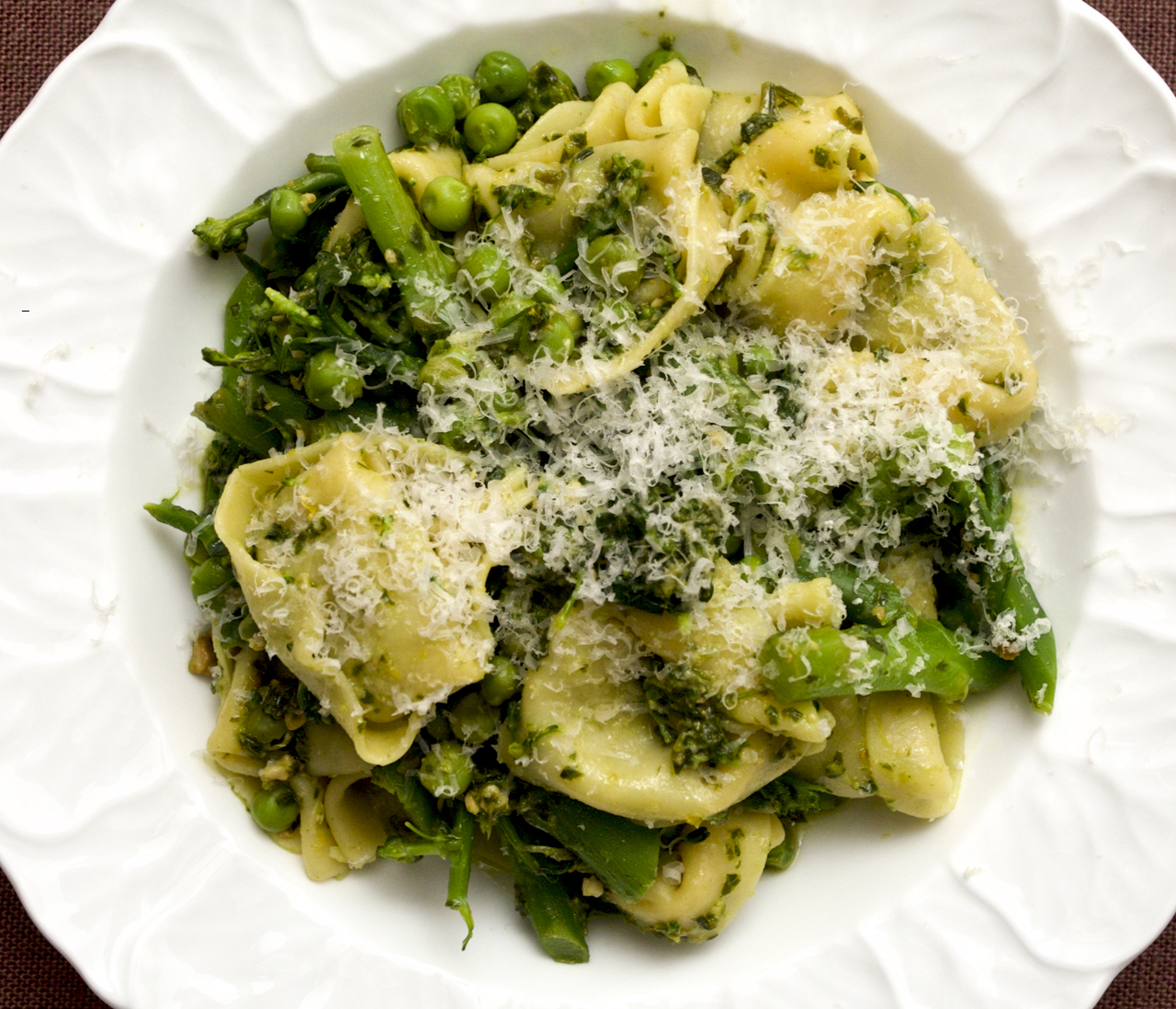
This isn’t really a recipe but it might just save your dinner some evening.

Wine Suggestion: This really works with a zippy, fresh white like the Höpler Gruner Veltliner. Elegant and minerally with a real purity of pear and lemon flavours overlaid with a light white pepperiness and savoury umami finish

Pea, broccoli & pesto tortellini – serves 2

  • 200g tenderstem broccoli, cut into short pieces
  • 100g frozen peas
  • 250g pack spinach & ricotta tortellini
  • 1 lemon, zested and juiced
  • 4 tbsp fresh pesto
  • Parmesan, to serve
  • best extra virgin olive oil, to serve

Bring a large pot of salty water to the boil, then add the broccoli and cook for 1 minutes. Add the frozen peas and cook for 2 more minutes, then scoop all the veg out with a slotted spoon and set aside.

Bring the water back to the boil and cook the pasta according to the pack instructions.

Drain the pasta well and return it to the pan. Add the lemon, cooked veg and pesto and gently toss to combine. Serve in warm bowls with Parmesan and a glug of olive oil if you like.

Read Full Post »

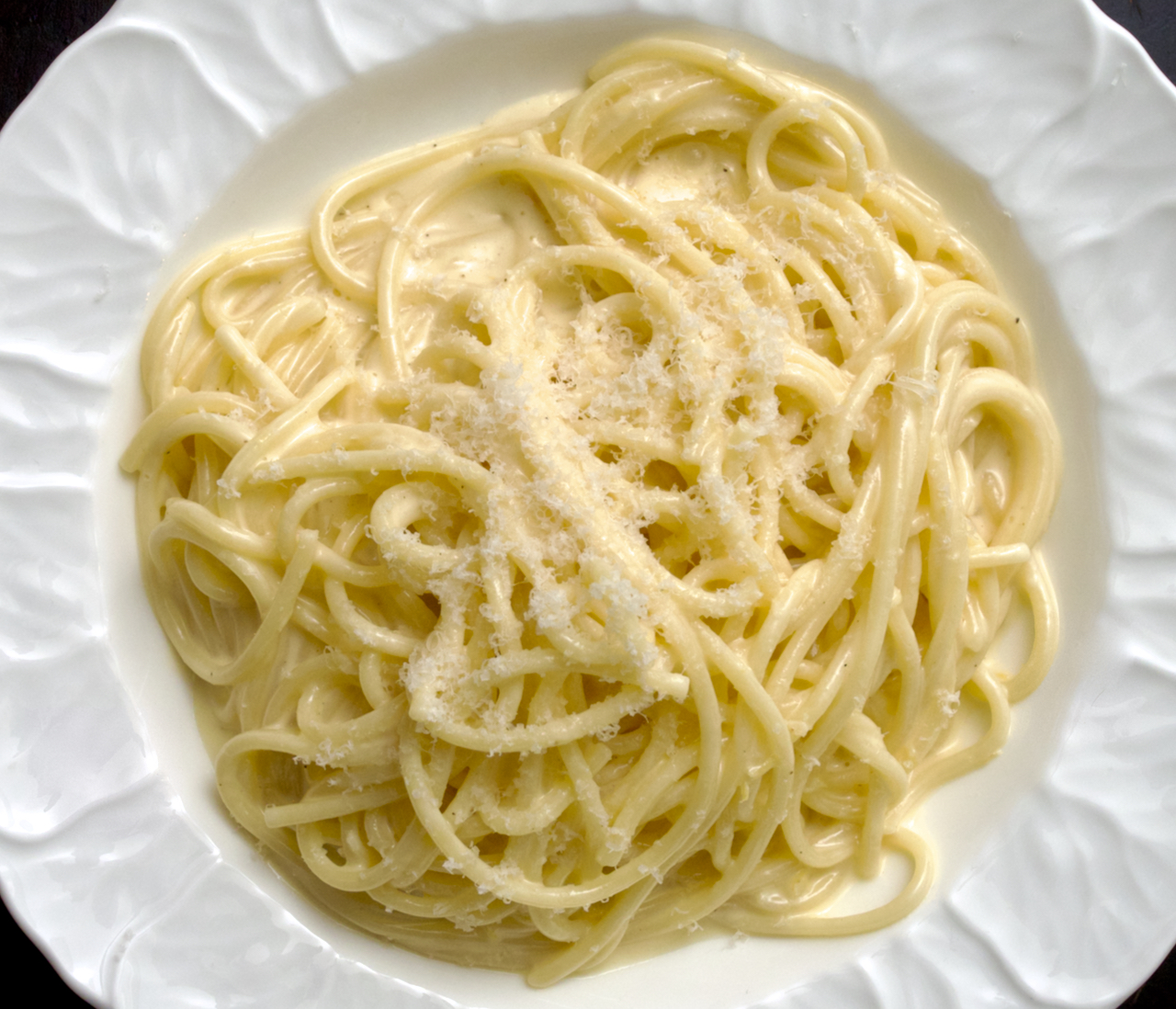
This is very rich and delicious so you can serve it in slightly smaller portions. The cooking time is a bit longer than our usual lemon spaghetti but it’s worth it for the flavour and silky texture. Perfect for an indulgent lunch at the weekend.

Wine Suggestion: An oaky white like the Dominio de Tares Old Vine Godello which is fermented with wild yeasts and aged in oak barrels. This makes it more complex, savoury and gtreat with rich, velvety foods like this.

Spaghetti al Limone – serves 6

  • 225ml cream
  • 2 unwaxed lemons (zest of 2 and juice of 1)
  • 100g butter
  • 500g spaghetti
  • 150g grated Parmesan cheese, plus extra to serve

Put the cream and the lemon zest into a large heavy-based saucepan and bring to the boil. Lower the heat and simmer for 2 minutes.

Now start adding the butter, about 1 tbsp at a time while stirring continuously. Wait for 30-45 seconds before adding the next tbsp of butter – it should be completely melted before you add any more. Keep going until you have used all the butter and you have a rich sauce. Set aside.

Cook the spaghetti in lots of salty water until al dente. Scoop out a mugful of the pasta water before draining.

Add half the pasta water to the cream sauce and bring to a simmer. Season generously with salt and pepper.

Turn the heat back down to low, then add the cooked spaghetti and toss to coat. Add the Parmesan, 1 tbsp at a time, as you did with the butter and waiting 30-45 seconds between each addition. Stir continuously and add another splash of pasta water if it starts to get stiff. Keep going until all the Parmesan has been added, then pour in the lemon juice and toss once more.

Serve in warm pasta bowls and top with a little extra Parmesan.

(Original recipe from Avoca at Home, Penguin Random House, 2022.)

Read Full Post »

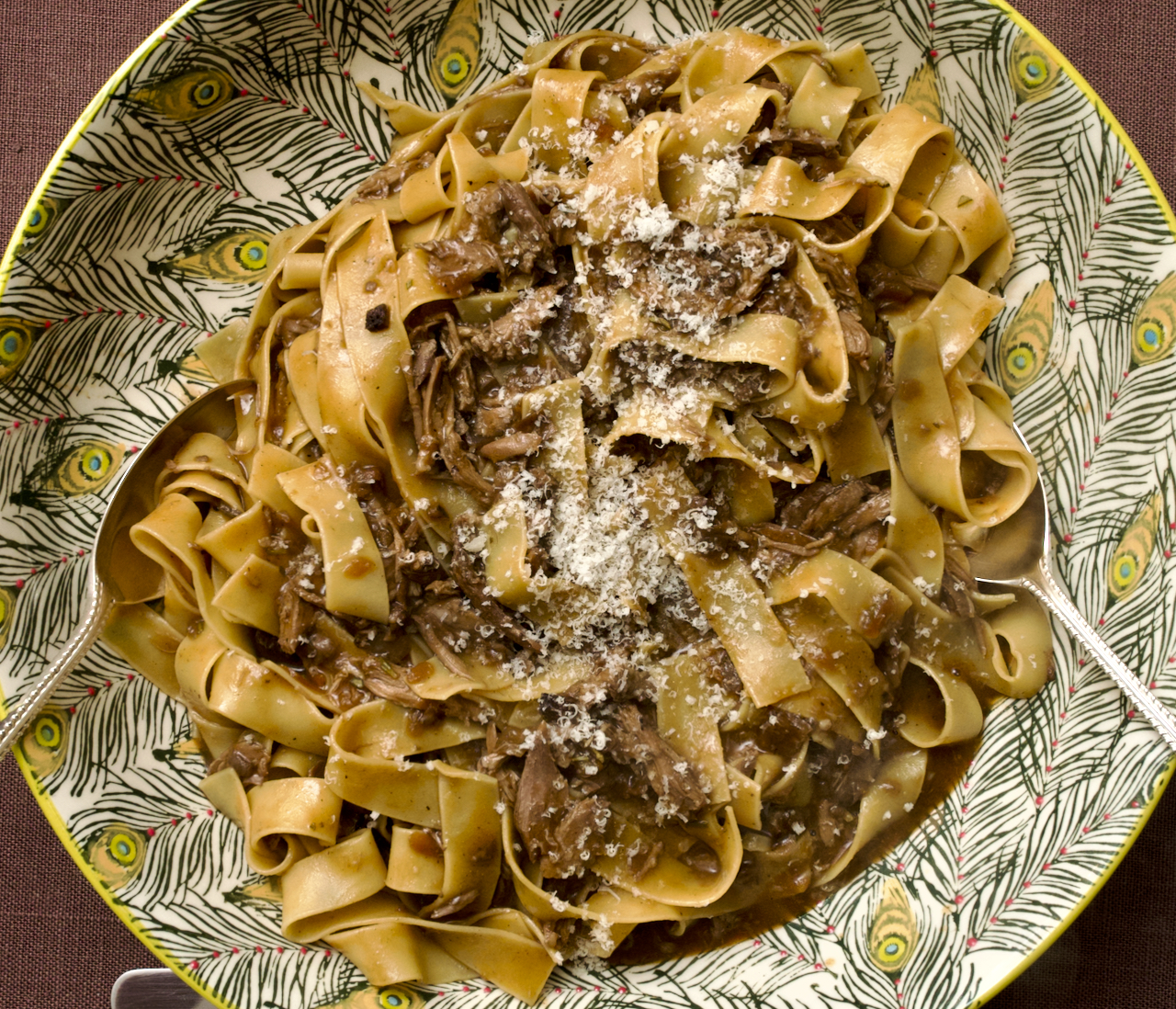
This is a delicious and rich sauce but it requires duck marylands (the thigh and the leg together) which are not easy to find here. We asked our butcher to portion up some whole ducks for us. Duck breasts are not suitable so do try and get the marylands for this.

Wine Suggestion: A good Tuscan red is a good match to cut through the richness and proteins in this dish. A good dollop for acidity and freshness helps lighten plus tannins to balance. For us tonight a new find, Ridolfi Rosso di Montalcino. Elegant and vibrant with loads of energy, layered subtle fruit and energetic structure. Pure joy.

Duck ragu pappardelle – serves 4

  • 20g dried porcini mushrooms
  • 1.5 litres low-salt chicken stock (it needs to be low-salt as you will reduce it – we made a light stock with two regular chicken stockpots mixed with 1.5 litres of water and that worked fine).
  • 1 tbsp olive oil
  • 4 duck marylands (the thigh and leg together)
  • 1 onion, roughly chopped
  • 1 celery stalk, coarsely grated
  • 1 small carrot, coarsely grated
  • 6 cloves of garlic, crushed
  • 375ml red wine
  • 195g tomato passata
  • ½ cinnamon stick
  • 2 star anise
  • 2 bay leaves
  • ½ tsp black pepper
  • 1½ tbsp roughly chopped fresh rosemary
  • 1 tbsp plain flour
  • 15g unsalted butter, softened
  • 400g pappardelle pasta
  • freshly grated Parmesan, to serve

Put the porcini mushrooms into a small bowl. Pour the stock into a large frying pan and place over a high heat. Bring to the boil, then scoop out 125ml and pour it over the porcini. Leave the porcini to soak for 30 minutes. Lower the heat under the stock to medium-high and reduce to 750ml – this should take about 8 minutes but wise to check now again how much you have with a measuring jug.

Squeeze the excess liquid out of the porcini with your hands and reserve all the liquid. Chop the porcini into tiny pieces, then set aside. Add the soaking liquid to the reduced chicken stock.

Heat the oil in a large casserole over a high heat. Place the duck, skin-side down and cook until golden brown. Turn and brown the flesh side and the sides as well, then transfer to a bowl and set aside.

Pour away all but 3 tbsp of the duck fat, then add the onion, celery, carrot and garlic and cook for 8 minutes until soft but not browned. Add the wine and simmer for 5 minutes to reduce by half. Add the passata, cinnamon, star anise, bay leaves, pepper and stock. Stir everything together.

Submerge the duck in the liquid and bring to a simmer, then reduce the heat to low. Simmer very gently for 1½, uncovered, checking regularly to ensure the duck stays submerged or at least that the meaty part is in the liquid. After the first hour, add the rosemary and chopped porcini.

Transfer the cooked duck to a bowl and cover loosely with foil. When cool enough to handle, remove the skin and shred the duck flesh with your hands. Discard the skin and bones.

Mix the flour and butter together in a small bowl to make a smooth paste. Stir the mixture into the pot, then simmer for 3 minutes to thicken slightly. Add the duck, then taste and season only if needed. Remove the bay leaf, cinnamon stick and star anise. Keep the ragu warm while you cook the pasta.

Cook the pasta in lots of salty boiling water according to the timings on the pack. Just before draining, scoop out a large mug of the pasta water. Drain the pasta and add to the warm ragu with a splash of the pasta cooking water. Over a medium heat, toss the pasta with two spatulas unil the sauce thickens and coats the pasta. You can add a bit more water if it’s too thick.

Serve in warm bowls with lots of grated Parmesan.

(Original recipe from Recipetin Eats Tonight by Nagi Maehashi, Pan Macmillan, 2024.)

Read Full Post »

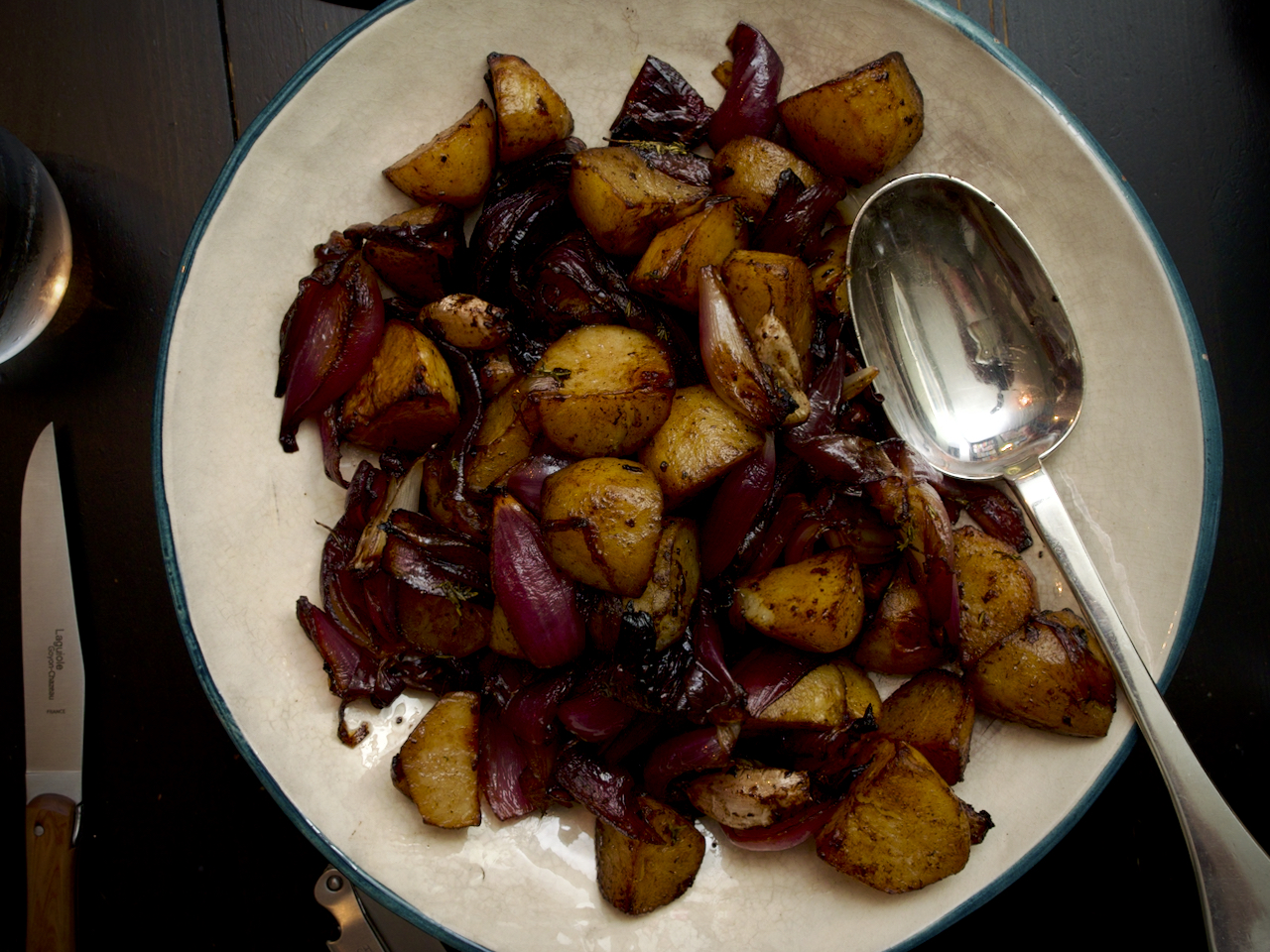
We’ve been trying to change up our potatoes and especially liked these balsamic and red onion roasties by Theo Randall.

Balsamic-roasted potatoes with red onion – serves as a side

  • 800g potatoes, peeled and cut into 3cm pieces
  • 6 cloves of garlic, unpeeled
  • 75g unsalted butter
  • 100ml balsamic vinegar
  • 1 tbsp thyme leaves
  • 1 tbsp olive oil

Heat the oven to 200C.

Put the potatoes into a large pan, cover with water, and add 1 tsp of salt. Place over a high heat and bring to the boil, then add the garlic cloves and boil for 2 minutes. Drain the potatoes and garlic and leave to cool to room temperature.

Heat a large non-stick frying pan on a medium heat. Reduce the heat to low and add the butter and onions. Cook for 10 minutes on a low heat or until the onions have softened. Add the balsamic vinegar and thyme, then increase the heat and cook for 2-3 minutes, or until syrupy. Transfer this mixture to a large bowl, add the potatoes and garlic and season with salt and pepper. Mix well.

Coat the base of large roasting tin with oil and tip the potatoe mixture in. Bake for about 30 minutes, giving the tin a shake halfway through, until nicely caramelized.

Toss the potatoes in the tin before transfering to a serving dish.

(Original recipe from The Italian Deli Cookbook by Theo Randall, Quadrille, 2021.)

Read Full Post »

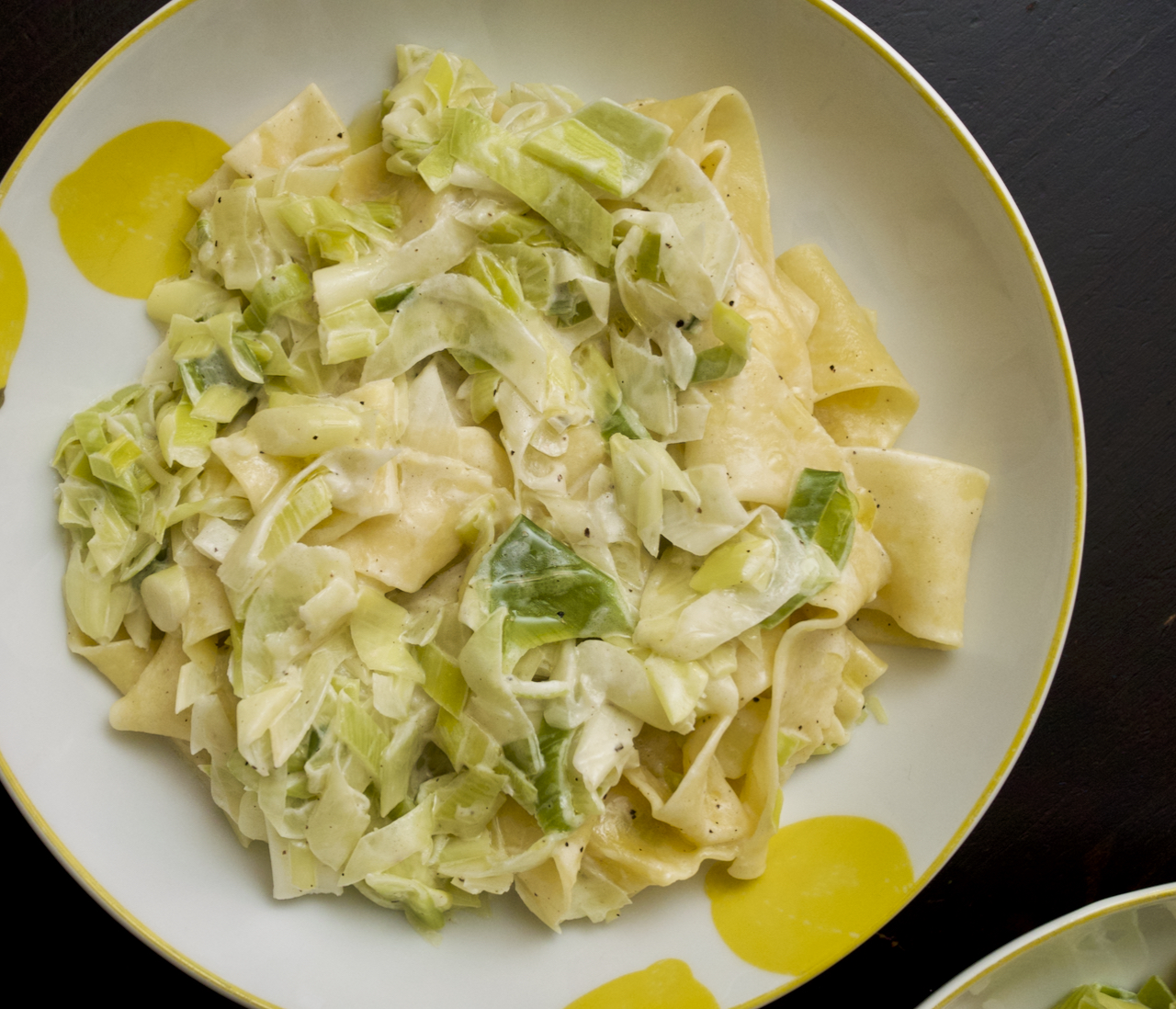
You really don’t need a recipe for this but a bit of inspiration for something stress-free can sometimes be helpful.

Wine Suggestion: a classic, oaked Chardonnay, like Chateau de Beauregard’s Pouilly Fuissé. Both mineral and fresh, and with a roundness and textured from the light oak use and time on lees. A great wine to accompany food, but never over-power it.

Pappardelle with sweet leeks and mascarpone – serves 4

  • 1 small knob of butter
  • 1 tbsp olive oil
  • 4 medium-sized leeks, trimmed, washed and sliced at an angle
  • 1 clove of garlic, finely chopped
  • 200g mascarpone
  • 400g fresh pappardelle
  • a handful of grated Parmesan

Warm the butter and olive oil in a large heavy-based pan, add the leeks and garlic, then cover and leave to sweat over a gentle heat. It’s difficult to give timings as it really depends on the leeks but keep cooking until they are meltingly soft but not at all coloured. Add the mascarpone and allow it to melt to make a thick sauce, then season with salt and black pepper.

Meanwhile, cook the pasta in lots of salty boiling water until al dente. Scoop the pasta straight from the pot into the leeks and stir to coat the pasta, you will probably need a few splashes of cooking water to loosen the sauce and make it cling to the pasta.

Serve in warm bowls with plenty of grated Parmesan.

(Original recipe from The Naked Chef by Jamie Oliver, Michael Joseph, 1999.)

Read Full Post »

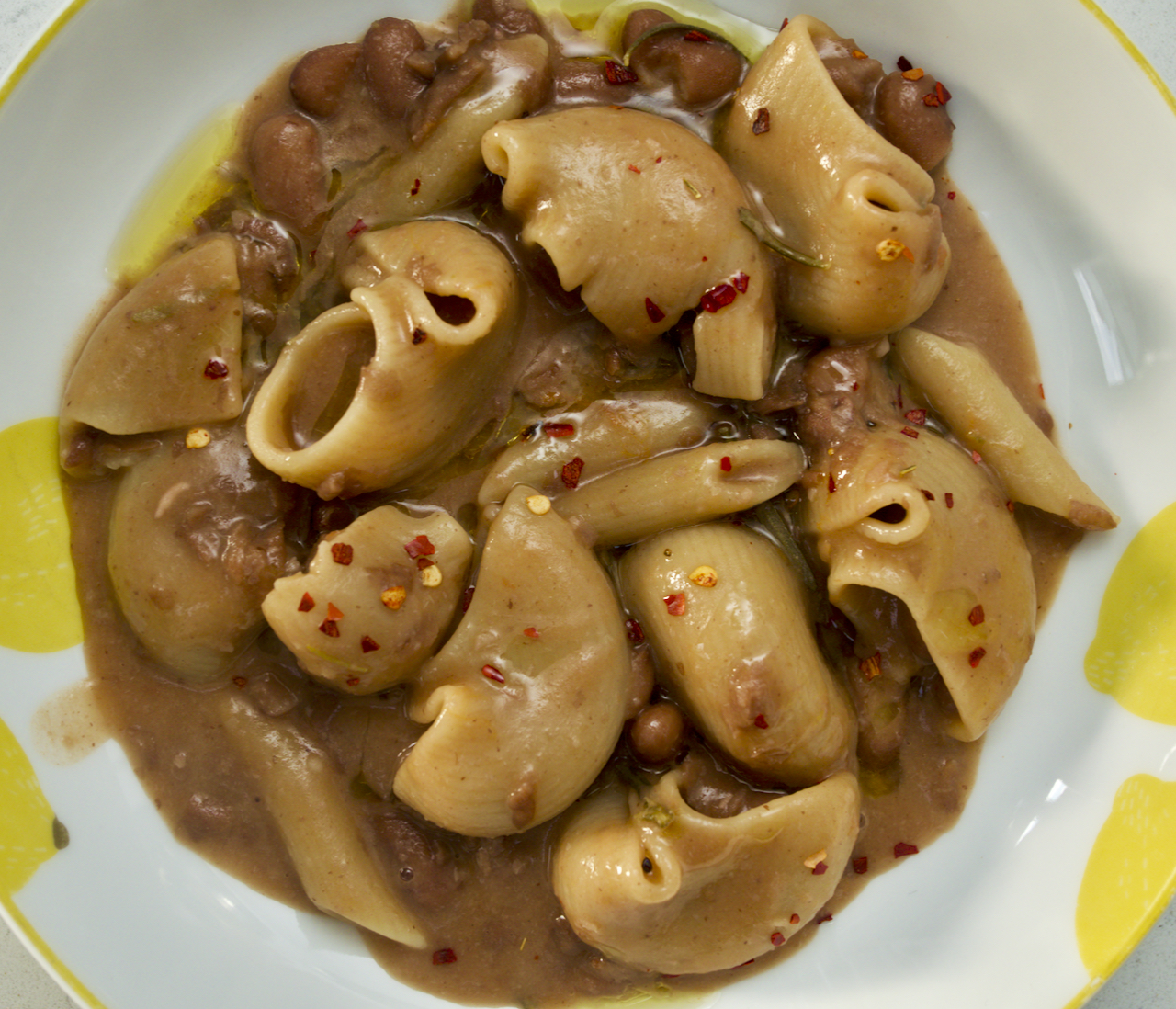
We picked up some pretty dried borlotti beans when travelling earlier this year and this rustic pasta dish was the perfect dish for them.

Wine Suggestion: There’s an honesty and an earthiness to this dish that we can’t ignore, and just love. To be sympathetic we chose La Pruina’s Salice Salentino, a blend of Negroamaro and Malvasia Negra from Puglia. Gentle layers of spice, equally soft and intense, surrounding a mid-weight core of earthy plums and wild red fruits.

Pasta e fagioli – serves 4

  • 250g dried borlotti beans
  • 5 tbsp extra virgin olive oil
  • 2 cloves of garlic, peeled and lightly crushed
  • a big sprig of fresh rosemary
  • 200g fresh tomatoes, peeld and crushed
  • 220g conchiglie, or other tubular pasta (we used a mix of packet ends)
  • olive oil, red chilli flakes and grated pecorino cheese, to serve

Soak the beans overnight, then drain and cover with enough cold water to cover them by at least 10cm. Bring to the boil, then turn down to a simmer and cook until tender, usually about an hour and a half. Leave to cool in the cooking liquid.

Meanwhile, gently warm the olive oil in a large deep sauté pan, then add the garlic and rosemary and gently fry until they smell good. Discard the garlic and add the tomatoes to the pan. Turn the heat up a little and cook for about 10 minutes or until looking saucey. Add the cooked beans and a couple of ladlefuls of their cooking liquid, then leave to bubble for 10 to 15 minutes. Season with salt.

Add another couple of ladlefuls of liquid and then add the pasta and continue cooking, stirring regularly, until the pasta is tender. You might need a bit more liquid. Serve in warm bowls with some olive oil, chilli flakes and grated pecorino cheese.

(Original recipe from An A-Z of Pasta by Rachel Roddy, Penguin:Fig Tree, 2021.)

Read Full Post »

We make a lot of spring risottos and we think this one might be the best. We miss Russell Norman.

Wine Suggestion: Verdicchio all the way with this, and from a winery obsessed with this grape: Sartarelli. Their Miletta is a little bit special coming from a select vineyard and treated with extra care. It’s almost a contradiction in taste by being both full bodied, round and textured as well as elegant, flinty and ethereal. Hawthorn and almond flavours with apricots and a creamy nuttiness, plus a salty freshness tying it all together.

Asparagus & saffron risotto – serves 4

  • 1 litre vegetable stock (we used Marigold Swiss Bouillon)
  • 3 tbsp extra virgin olive oil
  • 1 large white onion, very finely diced
  • 320g Carnaroli rice
  • 200ml dry vermouth
  • 12 spears of asparagus, woody stems snapped off, sliced lengthways, then cut into 2 cm pieces
  • 1 scant tsp saffron
  • 80g unsalted butter
  • 80g grated Parmesan, plus some extra for the table if you like

Heat the vegetable stock in a large pan on the back of the hob and keep hot.

Pour the extra virgin olive oil into a large, heavy-based saucepan and put over a low-medium heat. Add the onion and cook slowly for 10 minutes, making sure it doesn’t brown.

Add the rice and stir to make sure every grain is coated, then add a large pinch of flaky sea salt. When the mixture looks dry, add the vermouth. Keep stirring until the vermouth has been absorbed, then add a ladle of hot stock and stir again.

Over the next 20 minutes continue to add a little more stock every time the risotto has absorbed the previous ladleful. After 10 minutes, stir in the asparagus and saffron, then continue gradually adding the stock.

Test the rice after 20 minutes, it should not be too firm. When it’s done, turn up the heat, add the butter and stir until it has melted. Take the pan off the heat and allow to rest for a minute, then gently stir in the Parmesan. Serve on warm plates with extra Parmesan and black pepper.

(Origianl recipe from Brutto by Russell Norman, Ebury Press, 2023.)

Read Full Post »

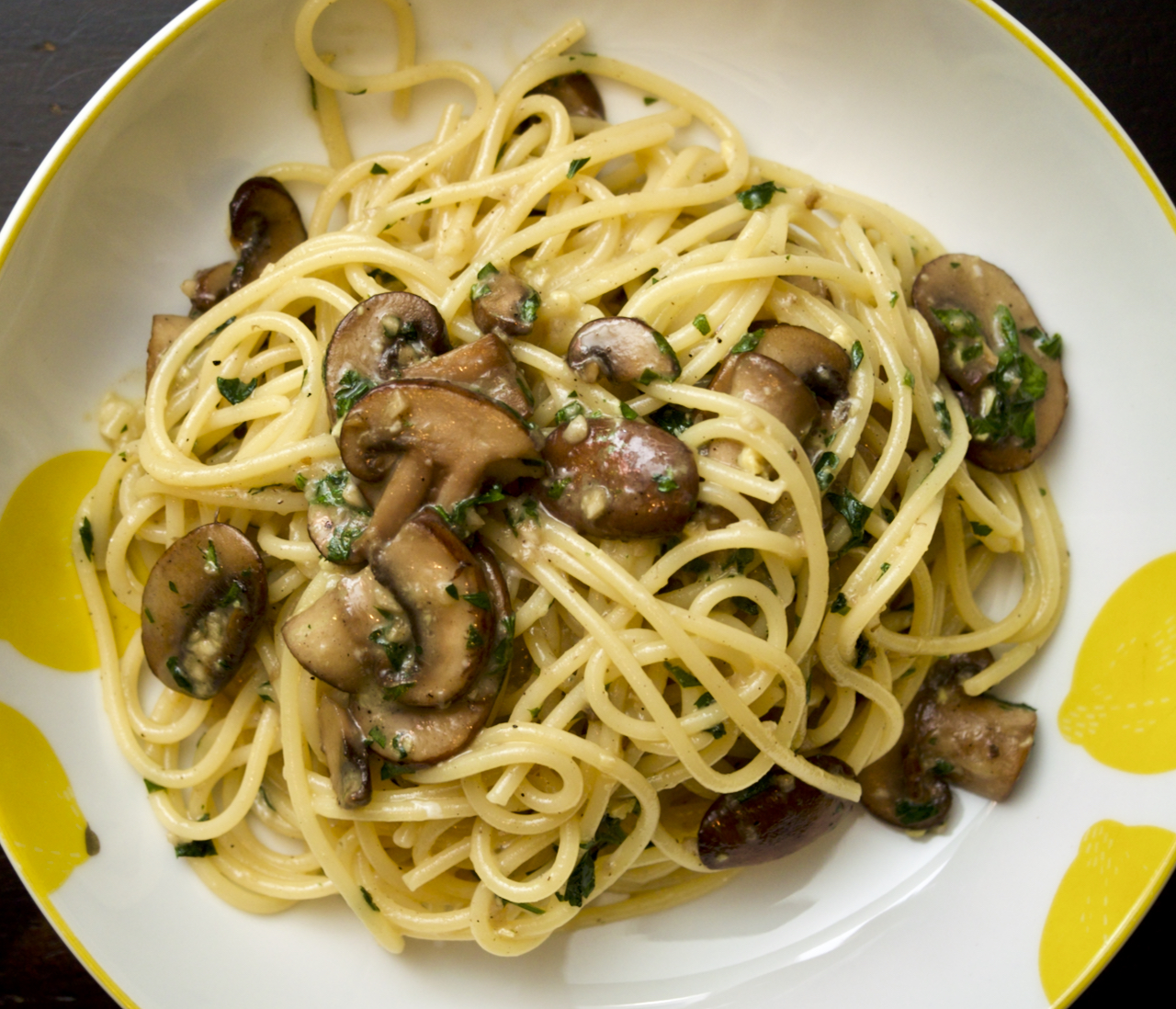
A great weeknight pasta dish with mushrooms instead of the traditional pancetta.

Wine Suggestion: this works really well with fuller-bodied dry whites, like a good Chardonnay. Tonight the Domaine de la Rochette Mont Sard Mâcon-Bussières was full of joyful apple and citrus fruits with layers of gentle smoky and creamy oak.

Mushroom Carbonara – serves 2

  • 200g spaghetti
  • 2 tbsp extra virgin olive oil
  • 150g chestnut mushrooms, sliced
  • 2 cloves of garlic, finely chopped
  • a handful of flatleaf parsley, chopped
  • 2 eggs, beaten
  • 40g Pecorino cheese, finely grated

Bring a large pan of water to the boil, add plenty of salt and cook the spaghetti according to the timings on the pack.

Heat a large, deep frying pan over a medium-high heat, add the oil and mushrooms and fry until lightly golden. Add the garlic and parsley and cook for a few seconds, then remove the pan from the heat.

Drain the spaghetti, then tip into the frying pan with the mushrooms. Add the beaten eggs and two-thirds of the cheese and toss well.

Season to taste with salt and plenty of black pepper and serve in warm bowls with the extra cheese.

(Original recipe from Rick Stein’s Simple Suppers, Penguin: Random House, 2023.)

Read Full Post »

We initially made this on the first day of Spring, just as the wild garlic arrived and we had a big dump of snow … Irish weather! The wild garlic has lasted quite a while this year which has meant this has been easily reprised, and enjoyed.

Wine Suggestion: we think that wines that work well with asparagus also do great with wild garlic, so opted for Höpler’s Grüner Veltliner from Burgenland, Austria. With a fresh, zippiness and citrus twist it was charming and helped us to imagine sunny weather just around the corner.

Wild garlic, broad bean & leek risotto – serves 4

  • 300g frozen broad beans, defrosted
  • 60g buter
  • 1 leek, halved lengthways and finely sliced
  • 300g Arborio rice
  • 100ml white wine
  • 1-1.2 litres hot vegetable stock
  • a handful of wild garlic, chopped
  • 60g Parmesan, grated

Blanch the beans in boiling water for a minute, then drain and pop them out of their skins.

Melt half the butter in a large pan and sweat the leek for 3-4 minutes or until soft, then stir in the rice. When the rice is glistening, add the white wine and allow to boil and bubble up.

Gradually add the hot stock, a ladleful at a time, stirring until absorbed before adding the next. Continue until you have only a few ladlefuls left, then stir in the broad beans and the rest of the stock.

Remove the pan from the heat and stir in the wild garlic, three-quarters of the Parmesan and the rest of the butter. Season with salt and pepper and serve with the rest of the Parmesan.

(Original recipe from Rick Stein’s Simple Suppers, BBC Books, 2023.)

Read Full Post »

We often buy little jars of peas when we’re on holidays in France. This recipe requires peas from a jar which have a distinct and lovely flavour that compliments the other ingredients. Delicious!

Wine Suggestion: Umani Ronchi’s Pecorino Vellodoro is a taste of spring from the Abruzzo region of Italy; floral & fruity with a lovely dry, refreshing minerality.

Tagliatelle with peas & prosciutto – serves 2

  • 3 sliced of prosciutto, torn into small pieces
  • 75g butter
  • 1 shallot, finely diced
  • 1 x 400g tin or jar of petits pois
  • 250g fresh tagliatelle
  • 35g Parmesan, finely grated, plus extra to serve

Heat a non-stick frying over a medium heat, then add the prosciutto and cook until crispy. Remove the prosciutto from the pan and set aside.

Add 50g of the butter to the pan and allow to melt, then add the shallot and cook for 5 minutes or until soft. Add the peas, including their liquid, and cook for about 5 minutes or until reduced by half. Add the cooked prosciutto, then season, and remove from the heat and set aside.

Bring a large pan of salty water to the boil and cook the tagliatelle for 2-3 minutes. Put the frying pan back on the heat and transfer the taliatelle to the pan with tongs. Add an extra ladle of pasta cooking water and the rest of the butter. Add the Parmesan and toss everything together for a couple of minutes, until warmed through – you may need to add a little more of the pasta water.

Serve in warm bowls, sprinkled with more Parmesan and some black pepper.

(Original recipe from The Italian Deli Cookbook by Theo Randall, Quadrille, 2021.)

Read Full Post »

We love this easy pasta dish. If you haven’t cooked smoked salmon before you should.

Wine Suggestion: this is a deceptively rich dish and we think needs something like a fuller Pinot Gris, like Au Bon Climat’s blend with Pinot Blanc which is treated very much like a Burgundian Chardonnay and is both textured and vibrantly fresh with flavours of fresh pears, toasty creaminess and gentle spices.

Pasta with smoked salmon & mascarpone – serves 4

  • 400g farfalle
  • 200g smoked salmon
  • 125g mascarpone
  • 20g butter, at room temperature
  • zest of 1 unwaxed lemon
  • dill, snipped

Cook the pasta in lots of salty water until al dente.

Meanwhile, cut the salmon into short pieces with scissors and put them into a large warm serving bowl along with the mascarpone, butter and lemon zest. Ladle some pasta cooking water into the bowl to loosen to a cream, then taste and add salt if needed.

Drain the pasta, reserving some more pasta water, then tip on to the sauce and gently mix together, adding more cooking water if needed. Serve, sprinkled with dill.

(Original recipe from An A-Z of Pasta by Rachel Roddy, Penguin: Fig Tree, 2021.)

Read Full Post »

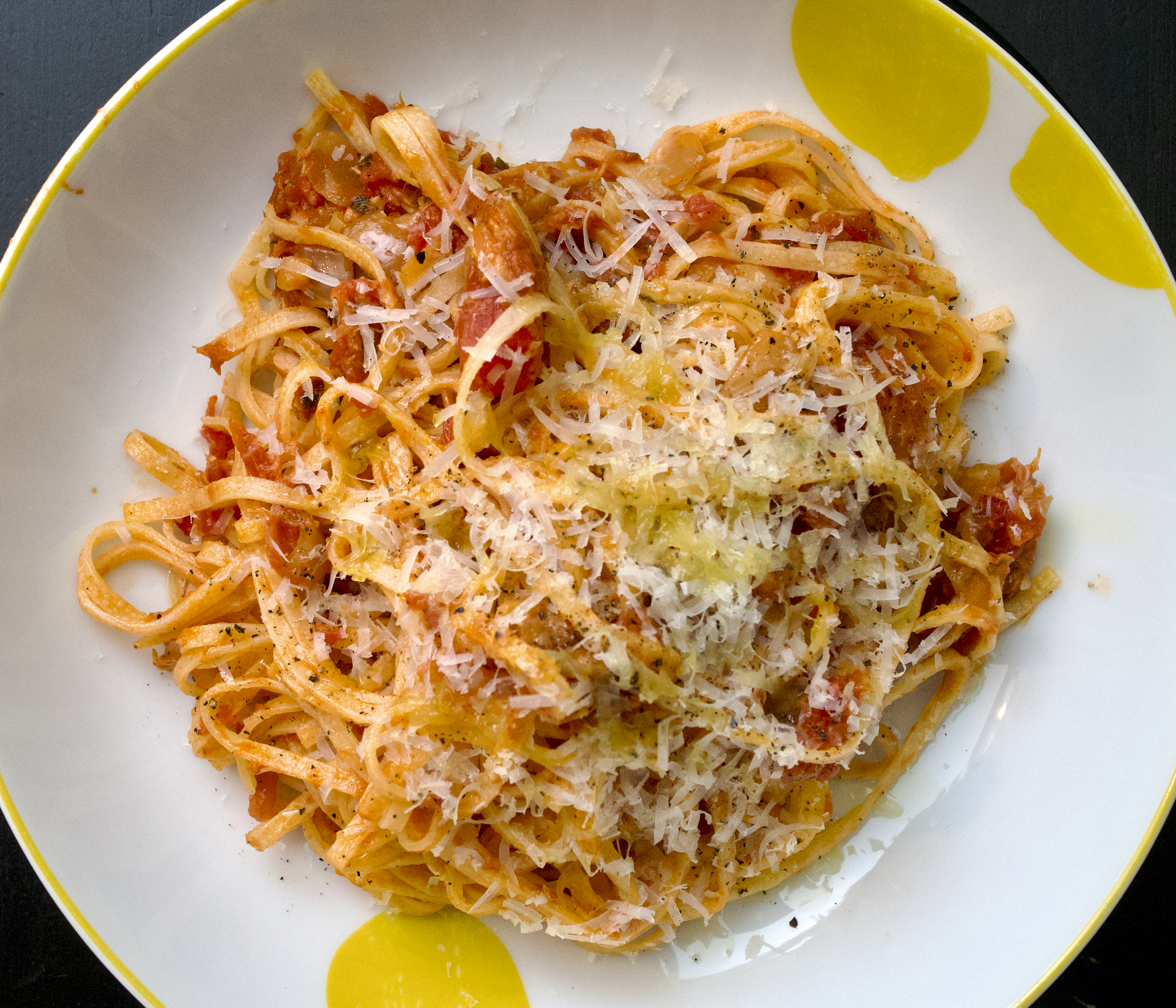
We are never without tins of tuna – Ortiz or Shines are great – and always in olive oil. This sauce takes a while but it’s easy and tastes delicious. The sauce is flavoured with a parmesan rind – you should always keep these as they freeze well and add great savoury flavours to dishes like this, a meaty ragú, or soups.

Wine Suggestion: A little left field and possibly only available when visiting the winery: Chateau du Hureau Blanc de Noirs 2022. A white made from 100% Cabernet Franc from Saumur because the usual vineyard of Chenin Blanc was hit by bad frosts, and the owner Philippe wanted some white to drink … plus he couldn’t resist having a play in the winery at the same time. Fresh but with a real texture with hints of phenolics. Hints of yellow plum, lightly floral, slightly nutty and touches of apple. It really came into it’s own with the food.

Linguine con tonno – serves 4 to 5

  • 60ml extra virgin olive oil, plus extra to serve
  • 1 onion, diced
  • 3 cloves of garlic, finely chopped
  • 1 Parmesan rind
  • 1 tsp dried oregano
  • 1 tbsp tomato purée
  • 2 x 400g tins chopped tomatoes
  • 300g tinned tuna, well drained
  • 500g dried linguine
  • freshly grated Parmesan, to serve

Put the olive oil in a large pan over a medium heat. Add the onion and some salt, then allow to soften for about 5 minutes without colouring. Add the garlic, Parmesan rind and oregano. Cook for another 2 to 3 minutes, then add the tomato purée and cook for another minute.

Add the tinned tomatoes, season with more salt and bring to the boil, turn the heat down as low as it will go and cook for a couple of hours, stirring every 20 minutes or so. If the sauce starts to stick add a splash of water.

Add the tuna to the tomato sauce, then cook the linguine in lots of salty boiling water. Drain the pasta and return it to the pan. Tip in the tuna sauce and mix through. Serve drizzled with your best olive oil and sprinked with grated Parmesan and black pepper.

(Original recipe from Rick Steain at Home, BBC Books, Penguin, 2021.)

Read Full Post »

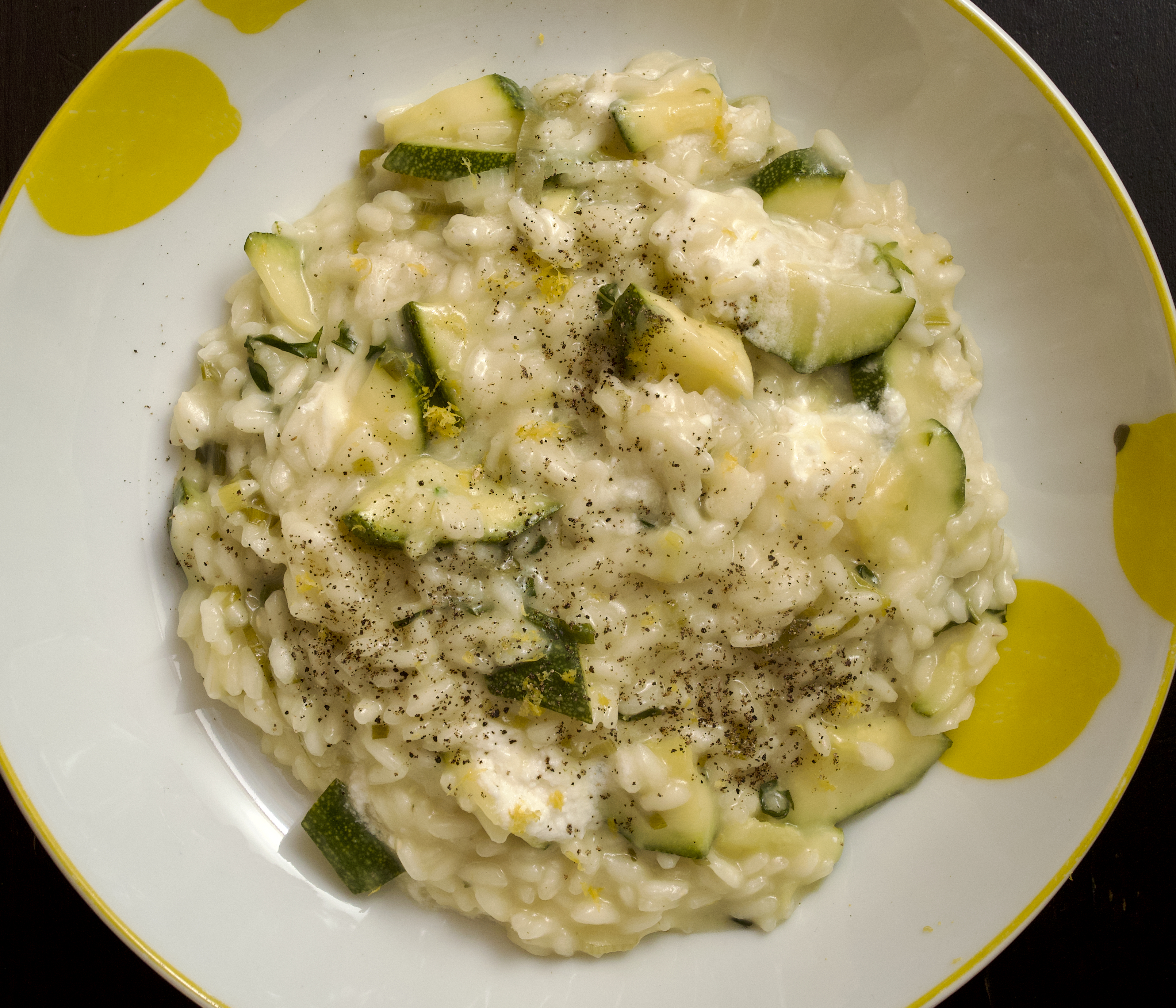
We can’t get enough of St Tola, a delicious goats’ cheese from County Clare. Here it is with some courgettes and mint in a summery risotto.

Wine Suggestion: Something suitably summery and white, like Domaine Ventenac’s “Marie”. Made from Vermentino and Colombard this tastes of lemons with a hint of grapefruit plus white flowers, touches of green apples and an under-current of salty texture. Zippy and round with a fun and easy finish.

Courgette Risotto with St Tola & Mint, serves 4

  • 1.5 litres vegetable stock
  • 2 tbsp extra virgin olive oil
  • a large bunch of scallions, very finely sliced
  • 350g Carnaroli rice
  • a glass of dry white wine, Russel Norman suggests Sauvignon Blanc but we used a Vermentino-Colombard blend
  • 2 medium courgettes, cut into quarters lengthways, then sliced into 3cm lengths
  • 150g St Tola goats’ cheese
  • a large handful of mint leaves, roughly chopped
  • a large knob of butter
  • the zest of ½ a lemon

Heat the stock and leave it simmering gently.

Heat the olive oil in a large, heavy saucepan over a gentle heat. Gently sauté the scallions with a good pinch of salt for about 10 minutes, until they are soft and shiny but not browned. Mix in the rice and make sure all the grains are coated in the oil. Turn the heat up a bit a pour in the wine.

Start adding a ladeful of stock at a time and gently stirring until absorbed before adding the next one. Keep going like this for 8 minutes.

Add the courgettes and stir to combine, then keep adding the stock for another 6 minutes. Crumble half the goat’s cheese and mix it in along with the mint. Stir well and cook for another 4 minutes or until the rice is al dente. Season to taste.

Remove the pan from the heat and add the butter and remaining crumbled goat’s cheese. Fold these gently into the risotto, then cover and rest for a minute. Serve in warm bowls with some black pepper and lemon zest.

(Original recipe from Venice by Russell Norman, Fig Tree, 2018.)

Read Full Post »

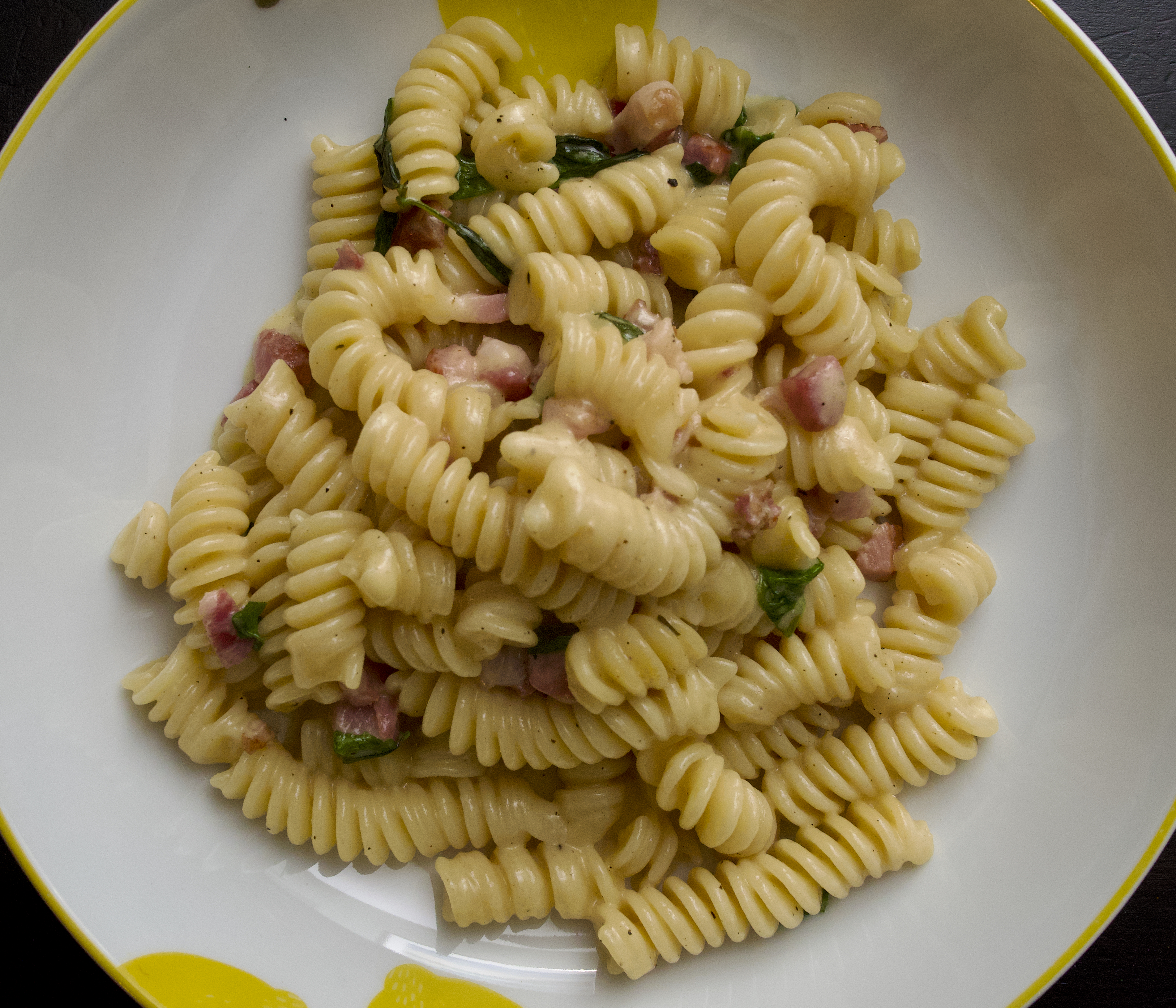
A dish for when you arrive home tired from work and realise you have almost nothing in the cupboard to eat … except pasta, a lurking packet of pancetta and a block of parmesan (a staple in our most fridges).

Wine Suggestion: A simple, dry Rosé caught our fancy, to reflect the long day and store-cupboard cooking. A reliable and refreshing wine-rack staple is the Domaine Gayda Flying Solo Rosé. Made from Grenache and Cinsault in the Languedoc by Tim Ford, an old friend, this is refreshing and has a classic textural character that allows it to be drunk with food like tonight, as well as sipped and enjoyed in the sunshine on its own.

Life-saving creamy pancetta and Parmesan pasta – serves 2

  • 77g pack of pancetta cubes (that is one half of the two pack they come in)
  • 2tbsp olive oil
  • 600ml chicken stock
  • 200g fusilli pasta
  • 75ml double cream
  • 30g Parmesan, finely grated
  • a handful of basil leaves, shredded

Heat the olive oil in a deep frying pan, then add the pancetta and cook until crisp.

Add the stock and pasta, bring to a simmer, then cook until tender (start testing a little before the suggested timings on the pasta pack).

Stir in the cream and Parmean and simmer for a couple of minutes, then season really well with plenty of black peper.

Stir in the basil and serve.

(Original recipe by Janinie Ratcliffe in Olive Magazine, June 2019.)

Read Full Post »

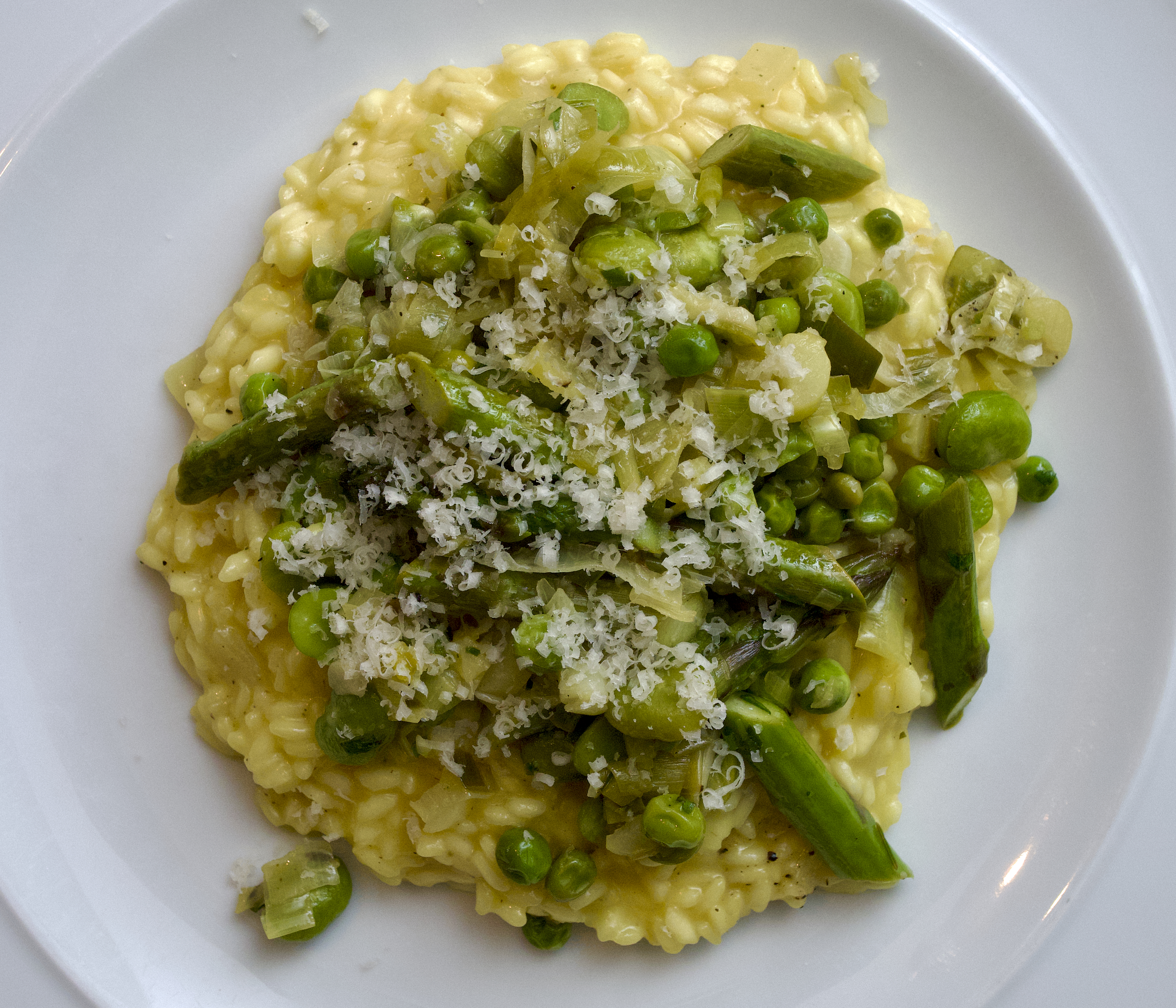
We were lucky to be gifted some top quality Persian saffron by our friend Miriam and therefore couldn’t go past this recipe, and with asparagus still available we couldn’t resist doing this despite it edging into summer.

Wine Suggestion: As this is quite rich, but also has the fresh vegetables, it lends itself to a deftly handled new world Chardonnay. Au Bon Climat is our go to choice and their Wild Boy is a perfect expression with a good blend of butter, ripe fruits and a flinty, salty core.

Saffron risotto with spring veg – serves 4

  • 1.2 litres vegetable stock (we use Marigold Swiss Bouillon)
  • ½ tsp saffron threads
  • 1 tbsp rapeseed oil
  • a knob of butter
  • 1 onion, finely chopped
  • 350g risotto rice
  • 150ml dry white wine
  • 50g freshly grated Parmesan, plus extra to serves

FOR THE VEGETABLES

  • 175g frozen broad beans, blanched and popped out of their skins
  • 1 tbsp rapeseed oil
  • a knob of butter
  • 2 small leeks, thinly sliced
  • 2 garlic cloves, thinly sliced
  • 4 tbsp dry white wine
  • 1 bunch of fine asparagus, trimmed and cut into 2.5cm pieces
  • 100g frozen peas
  • 1 tbsp chopped flat-leaf parsley
  • 1 tbsp chopped chives
  • juice of ½ lemon

Bring the stock to a gentle simmer in a saucepan.

Heat a sauté pan over a medium-high heat. Add the saffron and heat for a minute, shaking the pan, until the threads are dry and fragrant.

Add the oil and butter to the saffron, then tip in the onion and add plenty of seasoning. Sauté for 5 minutes, until softened but not coloured. Stir the rice into the onion and cook for 1 minute to coat the grains in the oil, then pour in the wine and bubble for a minute, stirring.

Add a ladle of stock to the rice pan and stir until completely absorbed. Keep adding a ladle of stock at a time, stirring until absorbed before adding another.

After 10 minutes, and at the same time, start cooking the veg. Heat a large non-stick frying pan over a medium heat. Add the oil and butter, then add the leeks and garlic. Season with salt and sauté for 4-5 minutes, until tender. Pour in the wine and allow to bubble down.

Add the asparagus and a splash of the stock from the risotto and simmer for a couple of minutes, until bright green and tender but still crisp. Add the broad beans and peas and cook for another 2 minutes. Remove from the heat and stir in the herbs and lemon juice; season to taste.

While this is happening, continue cooking the risotto, adding stock as necessary. After about 25 minutes the rice should be al dente. Remove from the heat, stir in the Parmesan and season to taste.

Divide the risotto between warm plates and spoon the veg into a well in the centre, then scatter over some more Parmesan and serve. We like a drizzle of best olive oil over the top too.

(Original recipe from More Midweek Meals by Neven Maguire, Gill Books, 2022).

Read Full Post »

You too can make a pasta cake like this on a Monday, trust us. Who knew it would be so easy to get cooked rigatoni to sit upright in a cake tin? The results are fun and although it will fall apart when you start serving, you can get your insta photo beforehand.

Wine Suggestion: Something fun, red and Italian like Umani Ronchi’s Rosso Conero Serrano. A blend of smooth Montepulciano and vibrant Sangiovese, this wine is fun and easy, but tied together with energy and vitality.

Torta di rigatoni – serves 4

  • butter, to grease the tin
  • 4 tbsp breadcrumbs
  • 325g rigatoni pasta
  • handful of basil leaves, finely chopped
  • 250g mozzarella, cubed (buy a block of mozzarella, not buffalo)
  • 50g grated Parmesan

FOR THE TOMATO SAUCE:

  • 2 tbsp extra virgin olive oil
  • 1 garlic clove, peeled and bashed
  • 2 x 400g tins chopped tomatoes
  • a handful of basil leaves

Heat the oven to 180C/160C fan/gas 4.

Line the base and sides of a loose-bottomed, 20cm round cake tin with baking parchment, then butter and coat in the breadcrumbs.

Get the sauce going first. Heat the olive oil in a medium saucepan over a medium heat, then add the garlic clove and cook for about a minute. Add the chopped tomatoes, most of the basil leaves and season well with salt. Cover and simmer for 25 minutes, stirring occasionally.

Meanwhile, cook the pasta in lots of boiling salty water until al dente. Drain well, then mix with the chopped basil, half the mozzarella, some black pepper, half the tomato sauce (throw away the garlic) and half of the Parmesan. Leave to cool until the pasta is cool enough to handle.

Place the rigatoni upright in the cake tin. Pour over the remaining tomato sauce, then scatter over the rest of the mozzarella and Parmesan. Bake for 25 minutes, until golden. Leave to rest for 5 minutes before attempting to release from the tin, then scatter over a few basil leaves to serve.

(Original recipe by Gennaro Contaldo IN BBC Good Food Magazine, April 2020.)

Read Full Post »

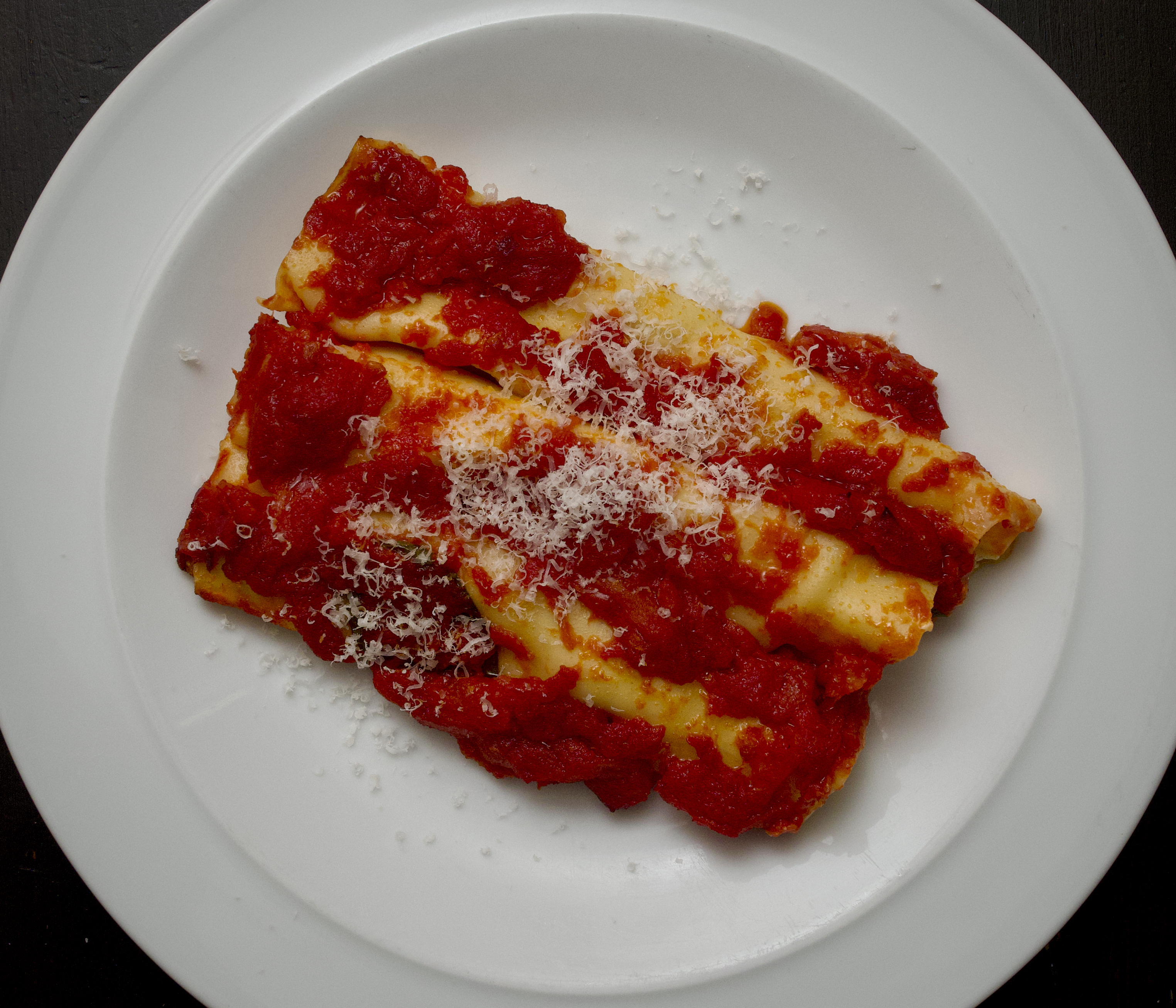
You need to take your time over this one but it’s an excellent thing to do on a rainy day.

Wine Suggestion: A bright, youthful, vibrant red Italian red came to mind immediately for this. We didn’t have anything to hand from the Sorrento/Naples area so crossed over to the Marches for Umani Ronchi’s Rosso Conero Serrano. A delightful blend of Montepulciano and Sangiovese it stepped in admirably with an elegant red-fruited core and fine tannins.

Cannelloni all sorrentina – serves 4

First you need to make a batch of fresh egg pasta. If you have never done this before a youtube video will be helpful.

  • 400g 00 flour
  • 4 eggs

Make a mountain of flour on a large wooden board. Make a crater in the centre and break in the eggs.

Use a fork to break the egg yolks and gently whisk before starting to incorporate the flour by knocking it into the eggs. When you have added enough flour that the eggs will no longer run away, you can start using your hands and continue to mix, bring the flour and eggs together into a soft scraggy ball.

Knead the pasta until the dough starts to soften and smooth out – at least 5 minutes. If after the first few minutes the ball is still dry and flaky, flick just a few drops of water onto the board and knead them into the dough. You may need to do this a couple times, but don’t add too much, keep it to a couple of drops each time.

Once the dough is smooth, firm but pliable, leave it to rest, covered with a cloth or cling film for a at least 30 minutes.

Clamp a pasta machine onto a suitable table and put to the widest setting. Divide the pasta dough into 4, take a quarter and put the other 3 back under the cloth. Flatten the dough into a patty and put it through the rollers. Fold the strip of dough like an envelope and pass it through again, evelope again and pass again. It will be the size of a small book.

Set the machine at two and pass the dough through, but don’t fold this time. Do the same with the third setting, and so on until you have rolled it through all the settings and have a long strip, you can cut this to make it more manageable. Dust with some flour if it feels sticky.

Repeat this method with the other lumps of pasta. Cut the pasta into 12 sheets, each 20 x 10cm.

FOR THE SAUCE:

  • 6 tbsp olive oil
  • 2 cloves of garlic
  • a pinch of chilli flakes
  • 2 x 400g tins plum tomatoes
  • a few fresh basil leaves

FOR THE FILLING:

  • 300g ricotta, drained
  • 2 eggs
  • 200g mozzarella, drained overnight and diced
  • 3 heaped tbsp chopped flat-leaf parsley
  • 60g Parmesan, grated, plus extra for the top
  • a few fresh basil leaves
  • grated nutmeg

First make the sauce. Warm the olive oil, garlic and chilli in a large, deep frying pan. When the garlic is fragrant, add the tomatoes, basil and a pinch of salt. Break the tomatoes up with a wooden spoon and allow to simmer for 15 minutes.

To make the filling, mash the ricotta in a large bowl, then beat in the eggs. Add the mozzarella, parsley and Parmesan and season with salt, pepper and nutmeg to taste.

Bring a large pan of salty water to the boil and prepare a large bowl of cold water. Drop a few pasta sheets into the boiling water, leave for 1 minutes, then lift out and into the cold water for 20 seconds, then lay on clean tea towels.

To roll the cannelloni, put 2 spoons of the filling at the top of the longer edge of each pasta sheet and roll closed.

Spread a little tomato sauce into the bottom of a large baking dish, arrange the cannelloni on top, then sprinkle with grated Parmesan and a few basil leaves, then pour over the rest of the sauce.

It helps to rest the dish now for at least 2 hours or even overnight.

Preheat the oven to 200C and bake for 30 minutes.

Leave the dish to rest for 30 minutes before serving with a green salad.

(Original recipe from An A-Z of Pasta by Rachel Roddy, Penguin:Fig Tree, 2021.)

Read Full Post »

Stuffed pasta shells with spinach, ricotta chilli and lemon. Tomato sauce underneath and lots of Parmesan on top.

Wine Suggestion: An old favourite from the Adriatic coast of Italy, Sartarelli’s Tralivio Verdicchio Superiore, which comes from their low-yielding, oldest vineyard. A bit of body and texture plus a twist of almonds and citrus; playing along very nicely with the lemon, ricotta and earthy spinach, and enough acidity to complement the tomato.

Stuffed pasta shells with chilli, spinch and lemon – serves 2

  • 175g giant pasta shells
  • 1 tbsp olive oil
  • 2 cloves of garlic, crushed
  • a pinch of dried chilli flakes
  • 200g spinach, chopped
  • 125g ricotta
  • ½ lemon, zested
  • 400g jar of tomato pasta sauce or you can use some home-made sauce if you have it
  • Parmesan

Heat the oven to190C/fan 170C/gas 5.

Cook the shells in lots of salty water until al dente, then drain.

Heat the oil in a pan and gently cook the garlic and chilli for 2-3 minutes. Stir in the spinach and cook until wilted, then stir in the ricotta and lemon zest. Season well.

Spoon the tomato sauce into the base of a large baking dish. Use a teaspoon to stuff the pasta shells with the spinach mixture, then place in the dish in a single layer. If you have any leftover mixutre you can spoon it over the top.

Sprinkle with the Parmesan and bake for 20-25 minutes or until bubbling and golden.

(Original recipe by Janine Ratcliffe in Olive Magazine, March 2019.)

Read Full Post »

Older Posts »