Feeds:
Posts
Comments

Posts Tagged ‘José Pizarro’

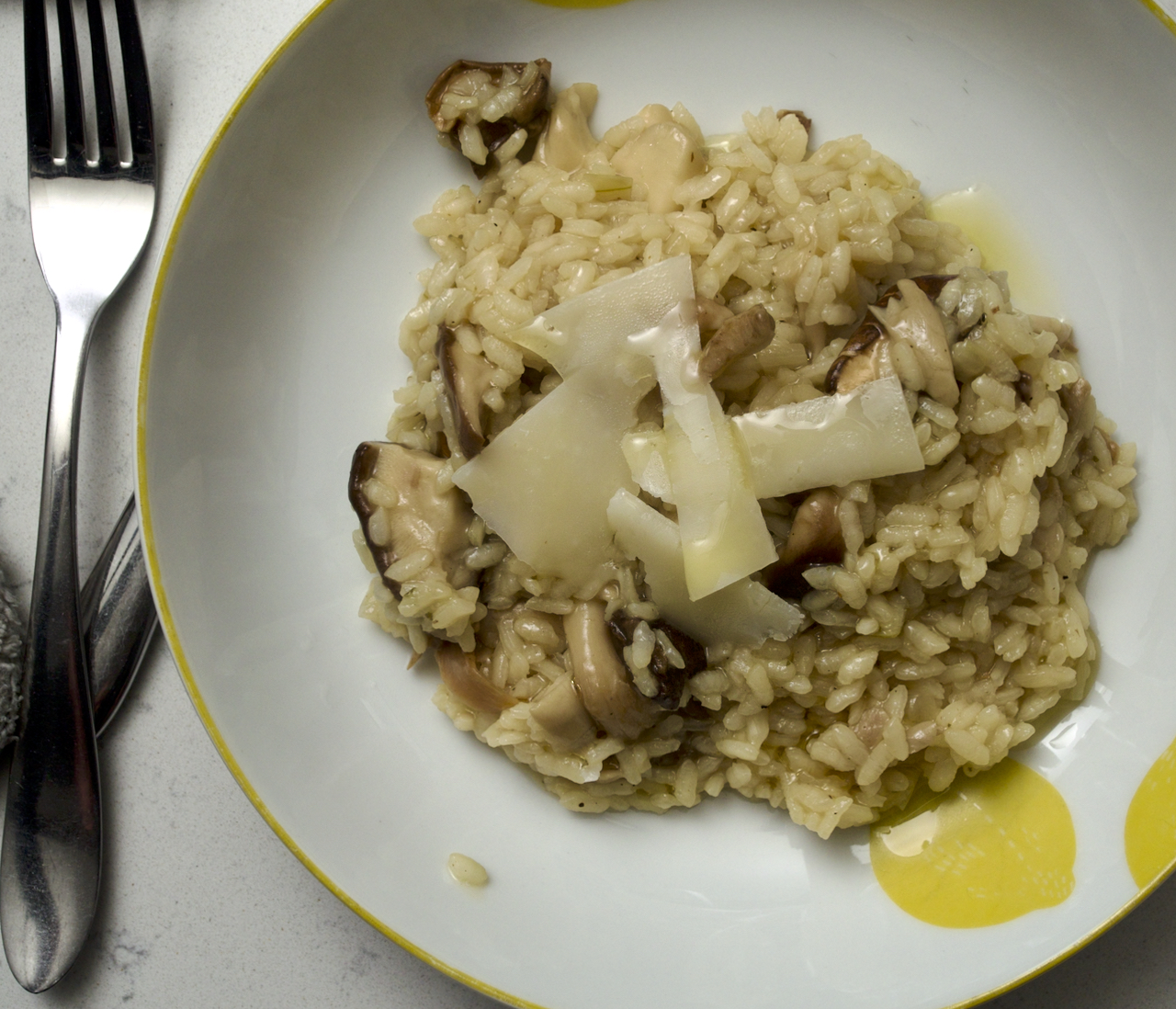
Lovely autumn flavours in this simple wild rice recipe by José Pizarro.

Wine Suggestion: this works well with elegant, light to medium bodied reds with an earthy twist. Pinot Noir and Nebbiolo are classic choices, however we went with Frasca la Guaragna’s Barbera d’Asti with it’s lower tannins but fresh acidity, brambly flavours and earthy spices brought out the mushroom flavours delightfully.

Wild Mushroom Rice – serves 4 to 6

  • 10g dried porcini
  • 50ml olive oil
  • 2 banana shallots, peeled and finely chopped
  • 250g mixed wild mushrooms, roughly rip any large ones
  • 300g bomba rice
  • 100ml dry white wine
  • 800ml good chicken stock
  • a squeeze of lemon juice, to serve
  • 30g manchego cheese, shaved, to serve
  • best extra virgin olive oil, to serve

Put the dried porcini into a small bowl and cover with 100ml of just-boiled water. Set aside for at least 10 minutes.

Put the olive oil into a sauté pan and gently fry the shallots for about 5 minutes, or until soft. Increase the heat a bit, then add the fresh mushrooms and fry for 4-5 minutes or until nicely browned.

Add the rice and stir until it glistens with the oil, then add the wine and let it bubble for a minute. Add the stock, season generously, then simmer and cook for 15-20 minutes, stirring now and then, until the rice is tender but still soupy.

Drain the soaking porcini and reserve the liquid. Add the porcini and 50ml of the soaking liquid to the rice, then cook for 1 more minute before removing from the heat.

Stir in a squeeze of lemon juice, then divide between warm bowls and top with the manchego shavings and a good glug of your best olive oil.

(Original recipe by José Pizarro in the Guardian, 1 Oct 2024.)

Read Full Post »

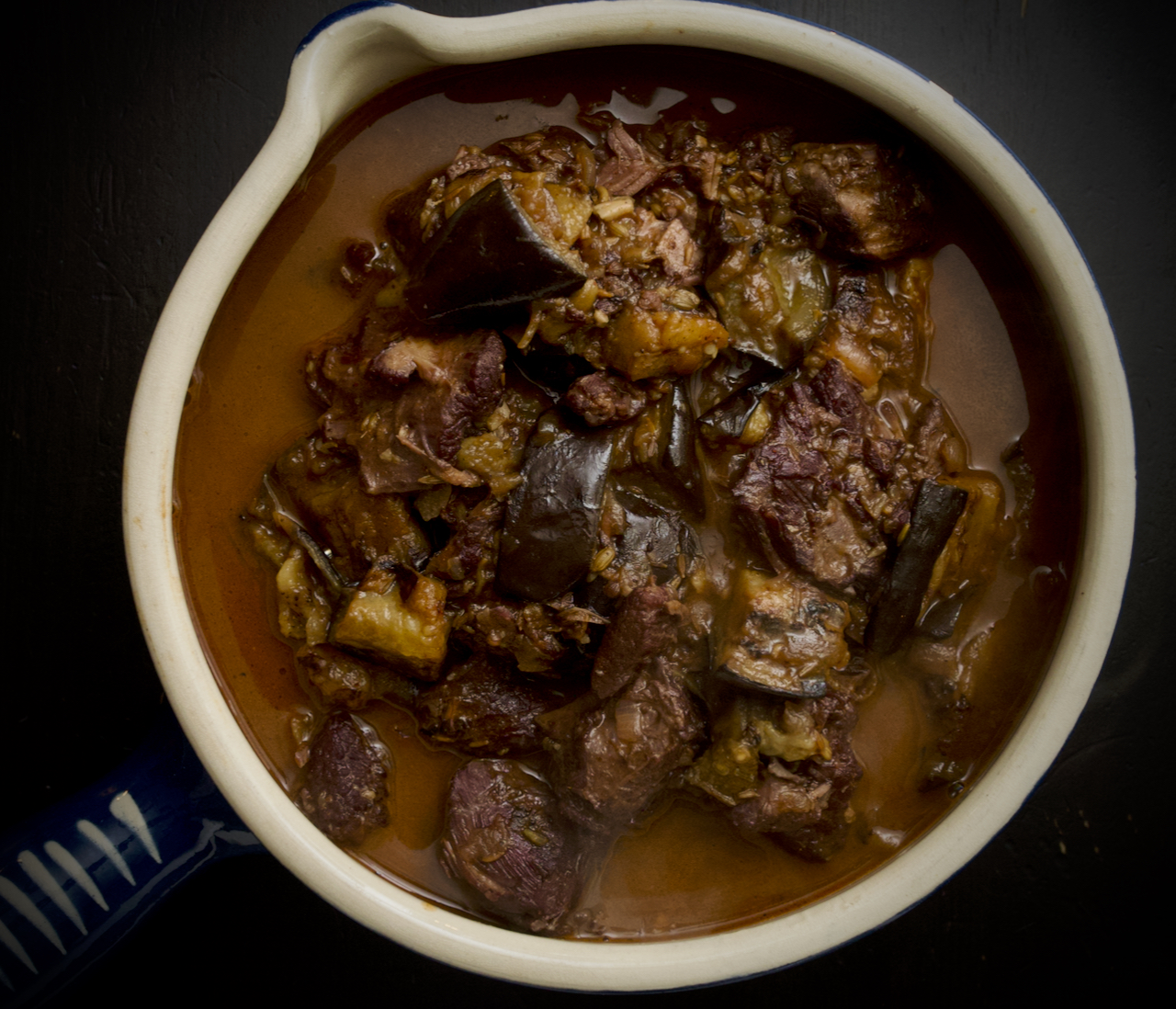
We buy the most amazing goat from a farm in Northern Ireland where they raise the kid goats not being used for milk. We think it’s such a delicious meat and so underused. After picking up a shoulder from the farm we just had to try this Spanish stew by José Pizarro and were rewarded amply.

Wine Suggestion: If you can find some, we’d suggest trying a Douro red with this dish. They’re full of flavour and usually not shy on tannins; this dish need both body and tannin to match. Pushing the boat out a bit, but as we had company and it was a weekend we opened something special, Wine & Soul’s Pintas Character red. Made from an old-vine field blend of 30 different indigenous grapes this has bags of personality, style, depth and character (excuse the pun!).

Braised goat with aubergines – serves 6

  • 5 tbsp olive oil
  • 1.5kg goat shoulder, diced into 5cm chunks
  • 1 large onion, finely sliced
  • 2 tsp cumin seeds
  • 1 tsp coriander seeds
  • 2 cloves
  • 1 heaped tsp fennel seeds
  • 2 tsp sweet smoked paprika
  • 1 garlic bulb, halved horizontally
  • 1 tbsp tomato purée
  • 450ml red wine
  • 500ml fresh chicken stock
  • 2 aubergines, cut into 3cm cubes
  • boiled potatoes or crusty bread to serve

Heat 2 tbsp of the oil in a deep casserole dish over a medium-high heat. Season the goat meat , then add to the hot pan in batches and sear until well-browned. Set aside.

Add another tbsp of oil to the pan and gently fry the onion for 10 minutes until very soft. Add the spices and garlic and cook for a couple of minutes.

Return the meat to the pan and add the tomato purée and red wine. Let it bubble up for a few minutes, then add the stock. Cover and bring to the boil, then turn the heat down low and cook gently for 2½ -3 hours.

Heat 2 tbsp of oil in a large frying pan and brown the aubergine all over. Season, then add to the goat and continue cooking for another 30 minutes. The meat should now be very tender and almost falling apart.

Serve with boiled potatoes or crusty bread.

(Original recipe from The Spanish Home Kitchen by José Pizarro, Hardie Grant Books, 2022.)

Read Full Post »

A main course salad with warm elements cooked over charcoal and a delicious dressing. Like everything it tastes best eaten outside.

Wine Suggestion: A current favourite is Bodega Jesus Romero’s Rubus, a Garnacha-Tempranillo blend from the mountain slopes in Aragon, Spain, that despite it’s depth of flavour has a real energy and vibrancy.

Steak, piquillo pepper and asparagus salad – serves 4

  • 2 ribeye steaks (about 500g in total)
  • 1 tbsp olive oil
  • 16 asparagus spears
  • 2 baby gem lettuces, leaves seperated
  • 100g roasted piquillo peppers, sliced – good quality Spanish brands like El Navarrico will make a difference here
  • 2 tbsp capers
  • 30g flaked almonds, toasted

FOR THE DRESSING:

  • 1 clove of garlic, grated
  • 2-3 sprigs of marjoram or oregano, leaves picked
  • 2 tbsp PX sherry vinegar
  • 3-4 tbsp extra virgin olive oil

Take the steaks out of the fridge about an hour before you want to cook them.

Get your barbecue hot and ready to cook on – if you don’t want to barbecue you can cook the asparagus and steak on a griddle pan.

Season the steaks and rub all over with oil.

Sear the steaks for a few minutes on each side on a hot barbecue, then set aside to rest.

Toss the asparagus spears in oil and cook on the barbecue until charred. Tip into a serving bowl.

Add the lettuce leaves, piquillo peppers and capers to the bowl with the asparagus.

Combine all of the dressing ingredients and season well.

Slice the steaks and arrange on top of the salad, then drizzle all over with the dressing and scatter over the toasted almonds.

(Original recipe from The Spanish Home Kitchen by José Pizarro, Hardie Grant Books, 2022.)

Read Full Post »

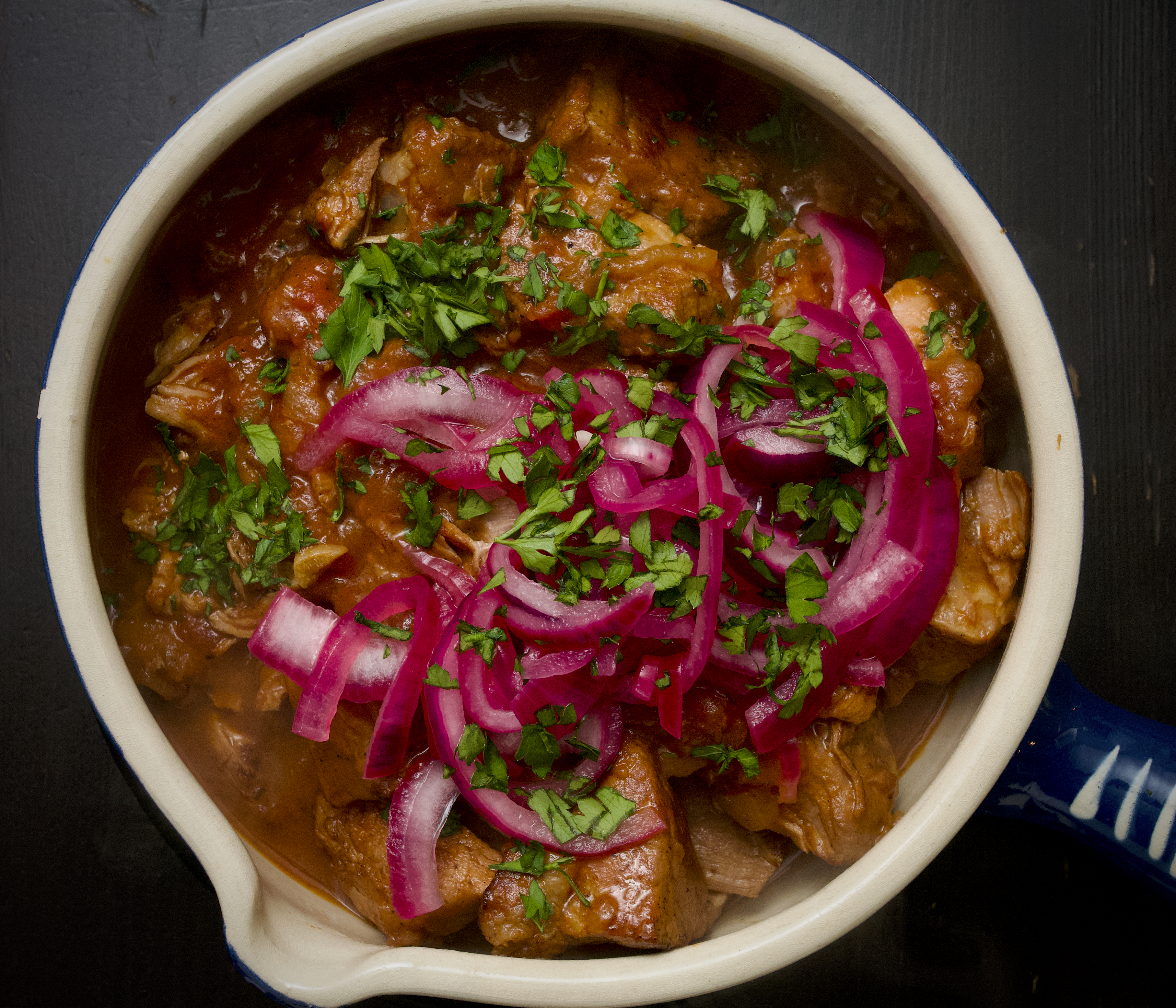
This is an Iberico pork dish inspired by José Pizarro. We did not have any Iberico and substituted Tamworth free-range pork from our butchers instead. This is not quite the same but the dish was still lovely, but of course use Iberico if you can find it.

Wine Suggestion: A dish that begs for a Spanish Garnacha.

Pork shoulder in tomato & sherry sauce with lemony couscous – serves 6

  • 2 tbsp olive oil
  • 1.5kg shoulder of pork (or Iberico pork), cut into 5cm chunks
  • 2 red onions, finely sliced
  • 3 cloves of garlic, finely sliced
  • 2 tsp coriander seeds, lightly crushed
  • 1 tbsp tomato purée
  • 150ml oloroso sherry
  • 1 x 400g tin chopped tomatoes
  • 400ml chicken stock

FOR THE COUSCOUS:

  • 1 red onion, finely sliced
  • juice of 1 lemon
  • 250g couscous
  • 3 tbsp extra virgin olive oil
  • 450ml chicken stock
  • a large handful of flat-leaf parsley, chopped, plus extra to serve
  • 2 preserved lemons, skin finely sliced and pulp discarded
  • ½ cucumber, peeled, deseeded and finely diced
  • 30g toasted flaked almonds

Heat the oven to 160C/140C fan/gas 3.

Season the pork with salt and pepper, then heat the olive oil in a large casserole and fry the pork in batches until well browned on all sides.

Reduce the heat to medium-low, then add the onions to the dish and fry gently for 10 minutes, then add the garlic and coriander seeds and fry for another 5 minutes.

Add the tomato purée and sherry and bubble for 1 minute, then return the pork to the pan and add the tomatoes and stock. Season and bring to a simmer, then cover and transfer to the oven. Cook for 2½-3 hours or until the meat is really tender.

Meanwhile, prepare the couscous. Put the onion into a heatproof bowl, then pour over boiling water from the kettle and leave to sit for 30 seconds. Drain and cool under running water. Tip the onion back into the bowl and squeeze over the lemon juice and season with salt. Set aside.

Put the couscous into a flat dish and stir in the olive oil and a good pinch of salt, then pour over the chicken stock. Stir and cover with clingfilm, then leave to steam for 10 minutes. Remove the cover and fluff the couscous up with a fork. Add the rest of the ingredients and stir to combine.

Serve the pork with the couscous, the pickled onion and its juices, and some extra parsley.

(Original recipe from The Spanish Home Kitchen by José Pizarro, Hardie Grant, 2022.)

Read Full Post »

This recipe is from The Spanish Home Kitchen by José Pizarro who cooks from the heart. It takes a little while to cook but is so simple and delicious. It would also be easy to cook when camping if that matters to you. As José says, this is the comfort dish that his mother would cook … need we say more.

Wine Suggestion: Spanish inspired, but off the beaten track is a Garnacha Blanco from Terra Alta (quite possibly one of the best places in the world for Garnacha of both colours alongside Chateauneuf du Pape … although quite different in style). If you can stretch to an old vine expression like this you’re in for a treat. For us tonight an easier, fresher style with Edetària’s “via Terra” which is charming with layers of fresh stone fruit, nuttiness and salinity. It tastes both of the earth, sunshine and fresh cooling breezes.

Hake with slow-cooked onions and tomato salsa – serves 4

  • 100ml olive oil
  • 3 large onions, finelly sliced
  • 1 bay leaf
  • 150ml white wine
  • 150ml vegetable stock
  • 4 hake fillets (200-250g each)
  • a handful of basil leaves

FOR THE TOMATO SALSA:

  • 500g ripe tomatoes, finely chopped
  • ½ small red onion, finely chopped
  • 2 tbsp capers, chopped
  • 3 tbsp extra virgin olive oil

Heat the oil in a deep sauté pan with a lid. Add the onions and season well with salt and black pepper, then cook over a medium heat for 10 minutes. Cover with the lid and cook for half an hour until really soft but not coloured.

Meanwhile, mix all of the salsa ingredients together in a bowl, then season well and set aside to mingle.

Add the wines to the onions and bubble for a minute before adding the stock. Simmer, uncovered for 10-12 minutes then seaon the hake fillets and nestle them into the onions. Reduce the heat to medium-low, cover with the lid and leave to cook for 10 minutes. Turn the heat off and rest for 2-3 minutes.

Spoon the salasa over the fish and onions, then scatter the basil over before serving.

(Original recipe from The Spanish Home Kitchen by José Pizarro, Hardie Grant Books, 2022.)

Read Full Post »