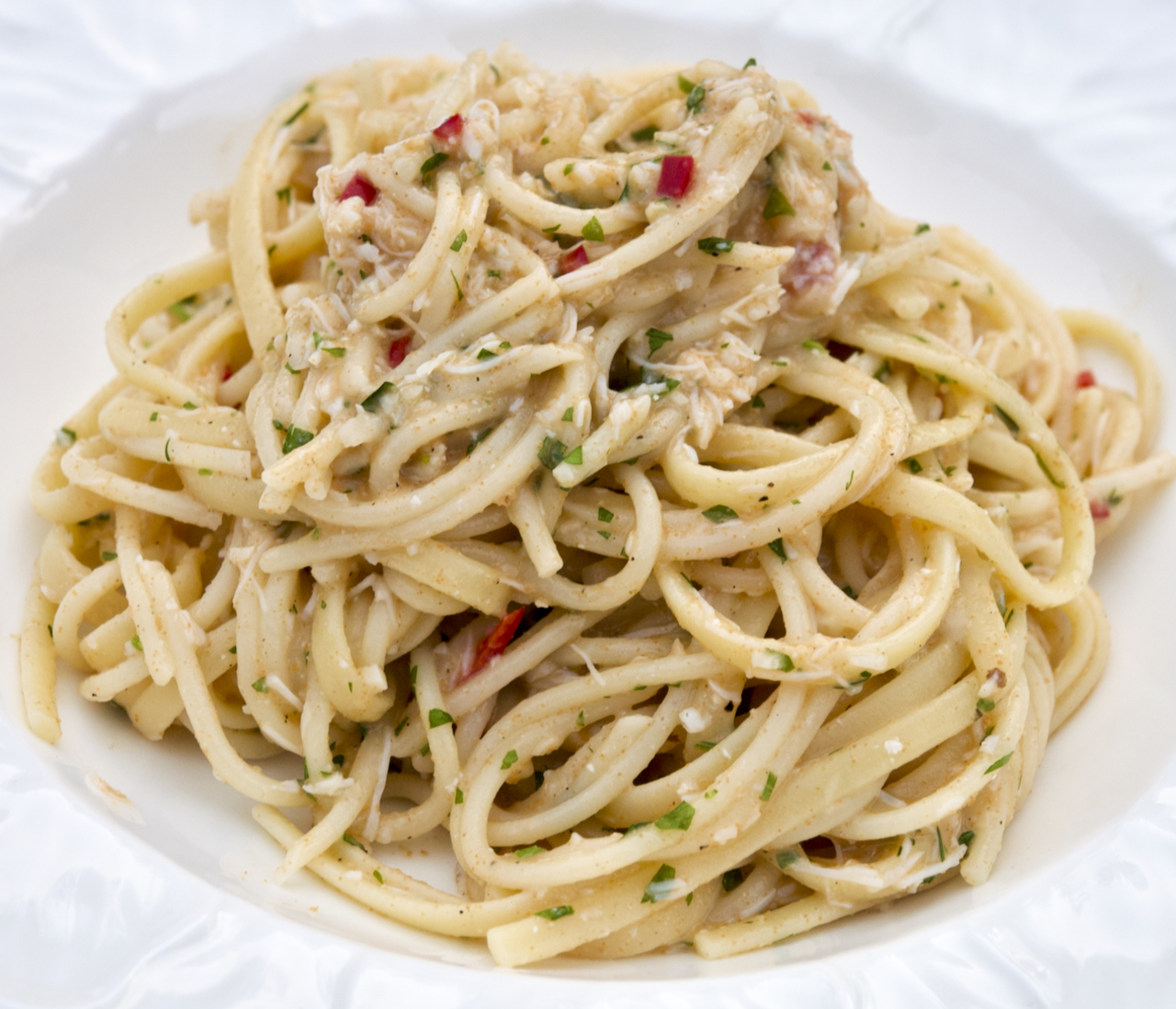
This is super simple which is just the treatment that you want to give delicious Lambay Island Crab.
Wine Suggestion: We’re planning a trip to Galicia so are getting in the mood and trying a few Albariños. Tonight somethin a little special, the Pazo Señorans Colección which is 5 years old and all the better for it. Bone dry, but with a depth of fruit and a saline minerality reflecting both sunshine and the Atlantic weather. A delightful match with crab.
Crab linguine – serves 4
400g linguine
4 tbsp extra virgin olive oil
1 red chilli, deseeded and chopped
2 cloves of garlic, finely chopped
100g brown crabmeat
200g white crabmeat
about 5 tbsp white wine
small squeeze of lemon
a large handful of flat-leaf parsley leaves, very finely chopped
Bring a large pan of salty water to the boil and cook the linguine for 1 minutes less than it says on the packet.
Meanwhile, gently heat 3 tbsp of the olive oil with the chilli and garlic in a large pan. Cook very gently until they start to sizzle, then turn up the heat and add the white wine. Simmer until the wine and olive oil come together, then remove from the heat and add the brown crabmeat. Use a wooden spoon to mash it into the olive oil to make a thick sauce.
When the pasta is cooked, turn off the heat. Place the sauce over a very low heat and use tongs to lift the pasta from the water into the crab sauce.
Remove the sauce from the heat and add the white crabmeat and parsley to the pasta with a little sea salt. Stir really well, adding a drop of pasta water if needed. Taste for seasoning and add a small squeeze of lemon. Serve immediately drizzle with some more olive oil.
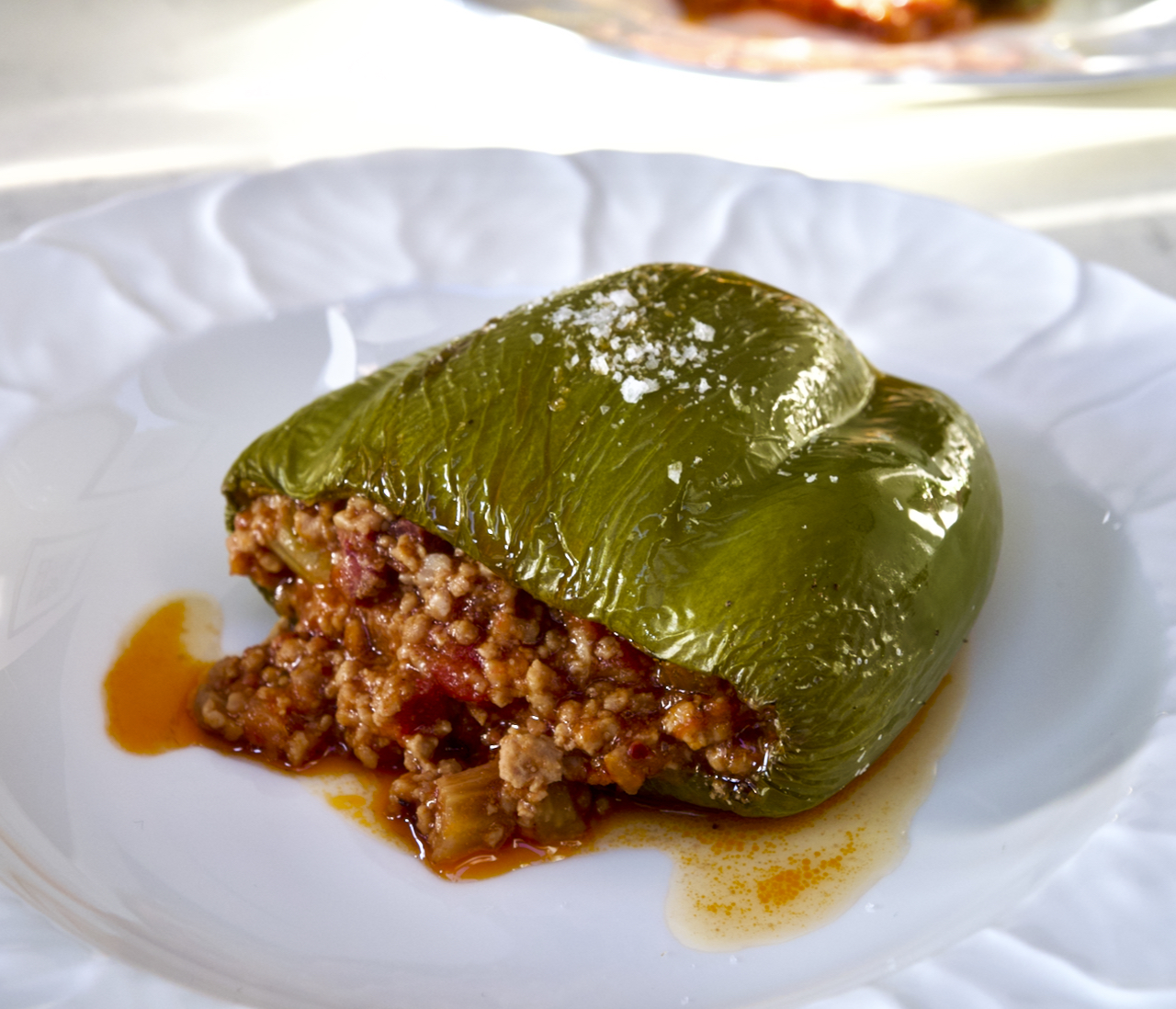
Roasted green peppers stuffed with a delicious slow-cooked ragu with pork and chorizo. If you cook the ragu in advance this is a quick and simple dinner and it tastes absolutely delicious. Something good to have in the freezer for a rainy day. Serve with a salad on the side.
Wine Suggestion: José Pizarro recommends serving with a rich Bobal from Vanencia or Utiel-Requena which sounds pretty good to us.
Spanish Stuffed Peppers – serves 8
3 tbsp olive oil
1 large onion, finely chopped
2 celery stalks, finely chopped
2 garlic cloves, crushed
200g cooking chorizo, skin removed and finely chopped
500g pork mince
1 star anise
finely grated zest of 1 lemon
200ml white wine
400g tin of chopped tomatoes
2 tbsp tomato purée
350ml chicken stock
8 large green peppers
Heat the oil in a large, deep frying pan and gently fry the onion and celery for 10 minutes or until very soft. Add the garlic and chorizo and cook for 5 minutes or until the chorizo has released its oil.
Turn up the heat and add the pork mince. Stir and break it up with a wooden spoon until browned all over.
Add the star anise, lemon zest, and white wine and allow to bubble for a few minutes.
Add the tomatoes, tomato purée and chicken stock. Season well with salt and pepper and bring to the boil, then reduce and simmer for 2-3 hours. Give it a stir now and then and add a little stock or water if it reduces too much.
At this point you can either proceed with the recipe or cool the ragu and store in the fridge or freezer for later.
Heat the oven to 180C fan.
Cut the tops off the peppers and deseed them. Put the peppers upright in a roasting tin so they fit snugly and won’t fall over. Drizzle with olive oil and season well with salt and pepper. Roast for 20 minutes or until softened but still holding their shape (we had large peppers so we cooked them for a bit longer than this).
Fill the peppers with the ragu and roast for another 15 minutes or until bubbling.
(Original recipe from The Spanish Pantry by José Pizarro, Quadrille, 2025.)
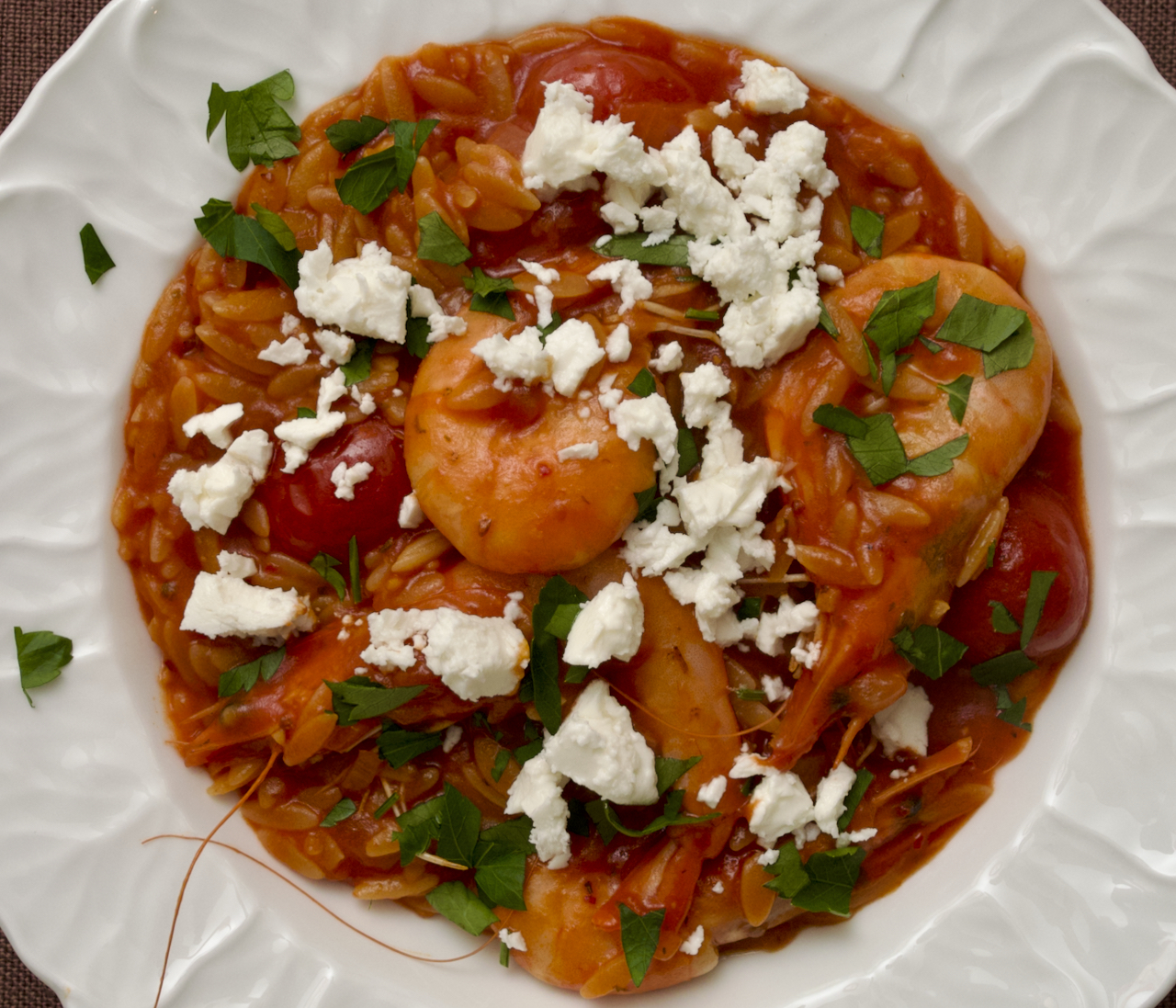
Inspired by the classic Greek saganaki this dish bring together juicy king prawns, bright cherry tomatoes, orzo simmered in wine and stock, a drizzle of lemon and a scatter of feta and parsley. Perfect when you want something that’s quick, feels indulgent, but still very satisfying.
Wine Suggestion: We followed the time-honoured rule of “what grows together, goes together” and opened a bottle of Tetramythos Roditis from the Peloponnese. This dry Greek white is crisp and appley, with a soft, rounded texture through the mid-palate and a clean, saline finish. It worked perfectly with the prawns and the tomato base, echoing the citrusy notes of the lemon while balancing the heat from the chilli. No, we weren’t eating this by the sea in Greece but it certainly felt like we could have been.
Saganaki-style orzo with prawns – serves 4
2 tbsp olive oil
1 large onion, finely chopped
5 cloves of garlic, finely chopped
1 tsp chilli flakes
2 tsp dried oregano
2 tbsp tomato purée
200ml white wine
2 x 400g tin cherry tomatoes
300g orzo
500ml hot chicken stock
350g raw king prawns
a small handful of parsley, finely chopped
50g feta, crumbled
half a lemon, cut into wedges
toasted ciabatta, to serve
Heat the oil in a wide frying pan over a medium heat, then fry the onion with a pinch of salt for a few minutes or until slightly softened.
Add the garlic, chilli, oregano and tomato purée and cook for another couple of minutes.
Turn the heat up high, then add the wine and leave until reduced by half, about 3-5 minutes.
Stir in the cherry tomatoes, orzo and stock, bring to a simmer and cook, stirring occasionally for 5-7 minutes or until the orzo is almost tender.
Stir in the prawns and cook for 2-3 minutes or until cooked through. Season and scatter over the parsley and feta. Serve with lemon wedges for squeezing over.
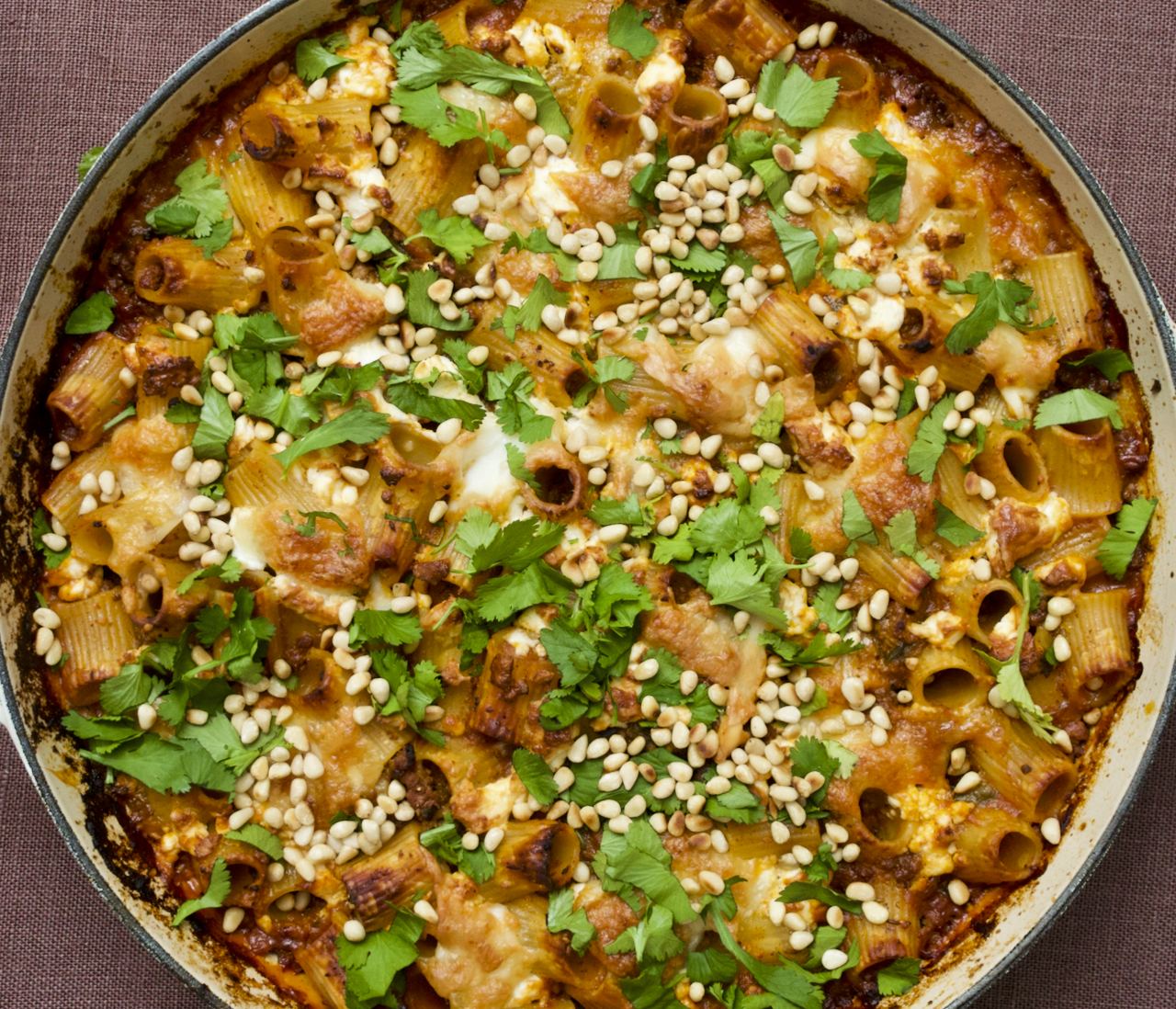
We’re loving Lugma by Noor Murad and this pasta bake is a definate crowd pleaser.
Wine Suggestion: It was a toss up between a rich white and a warm, ripe red like the Condado de Haza Crianza from Ribera de Duero which we ended up pairing with this dish. Rich and deep from the sunshine in Spain, but with an elegance and freshness plus warm spices that make this a great combo.
Middle Eastern Pasta Bake– serves 4 to 6
FOR THE RAGU:
2 tbsp olive oil
1 onion, finely chopped
1 carrot, peeled and finely chopped
1 green pepper, finely chopped
4 garlic cloves, finely chopped
300g beef mince
300g lamb mince
2 cinnamon sticks
3 fresh bay leaves
1 black dried lime, pierced a couple of times with a sharp knife
2 red chillies, pierced a couple of times with a sharp knife
seeds from 15 cardamom pods, finely crushed with a pestle and mortar
1 tbsp cumin seeds, finely crushed with a pestle and mortar
2 tsp coriander seeds, finely crushed with a pestle and mortar
1 tsp Aleppo chilli flakes
1½ tsp dried oregano
1½ tbsp tomato purée
1 chicken stock cube
400g tin plum tomatoes, puréed
150ml full-fat milk
20g coriander, roughly chopped
FOR THE PASTA BAKE:
300g rigatoni pasta
125g feta, rouglhy crumbled
125g buffalo mozzarella, roughly torn
25g pine nuts, well toasted
10g coriander, leaves and soft stems roughly chopped
Make the sauce first by heating the olive oil in a large, deep sauté pan over a medium-high heat. Add the onion, carrot and pepper and cook for about 5 minutes. Add the garlic and cook for 2 more minutes. Stir in the beef and lamb mince and cook for 10 minutes, breaking the mince up with a wooden spoon so it is finely crumbled. Allow the liquid to cook off and the mince will start to brown. Stir in the cinnamon sticks, bay leaves, dried lime, chillies, spices, oregano, tomato purée, stock cube, 1 tsp of salt and plenty of black pepper. Fry for a couple of minutes until fragrant, then pour in the puréed tomatoes and 300ml of water. Bring to a simmer then reduce the heat to the lowest setting and cover with a lid. Leave to cook for 2 hours, stirring every 25 minutes. You should end up with a thick and rich sauce.
Pour in the milk, cover and cook for another 25 minutes. Set aside to cool a bit, then pick out and discard the cinnamon sticks and bay leaves. Remove the dried lime, squeezing any juice into the sauce. Add the chopped coriander. You can now use the sauce or stick it in the fridge or freezer until ready to use.
Heat the oven to 200C fan.
Bring a large pan of water to the boil and add 2 tsp of salt. Cook the pasta in the water until al dente. Remove 130ml of the pasta water before draining in a colander.
You will need a baking dish about 23 x 33cm. Add the drained pasta, the ragu and the reserved pasta cooking water and mix to combine. Pick out the whole chillies and lay over the top, then sprinkle over the feta and mozzarella. Bake for 30 minutes or until browned and crispy.
Sprinkle over the pine nuts and fresh coriander, then serve.
(Original recipe from Lugma by Noor Murad, Quadrille, 2025.)
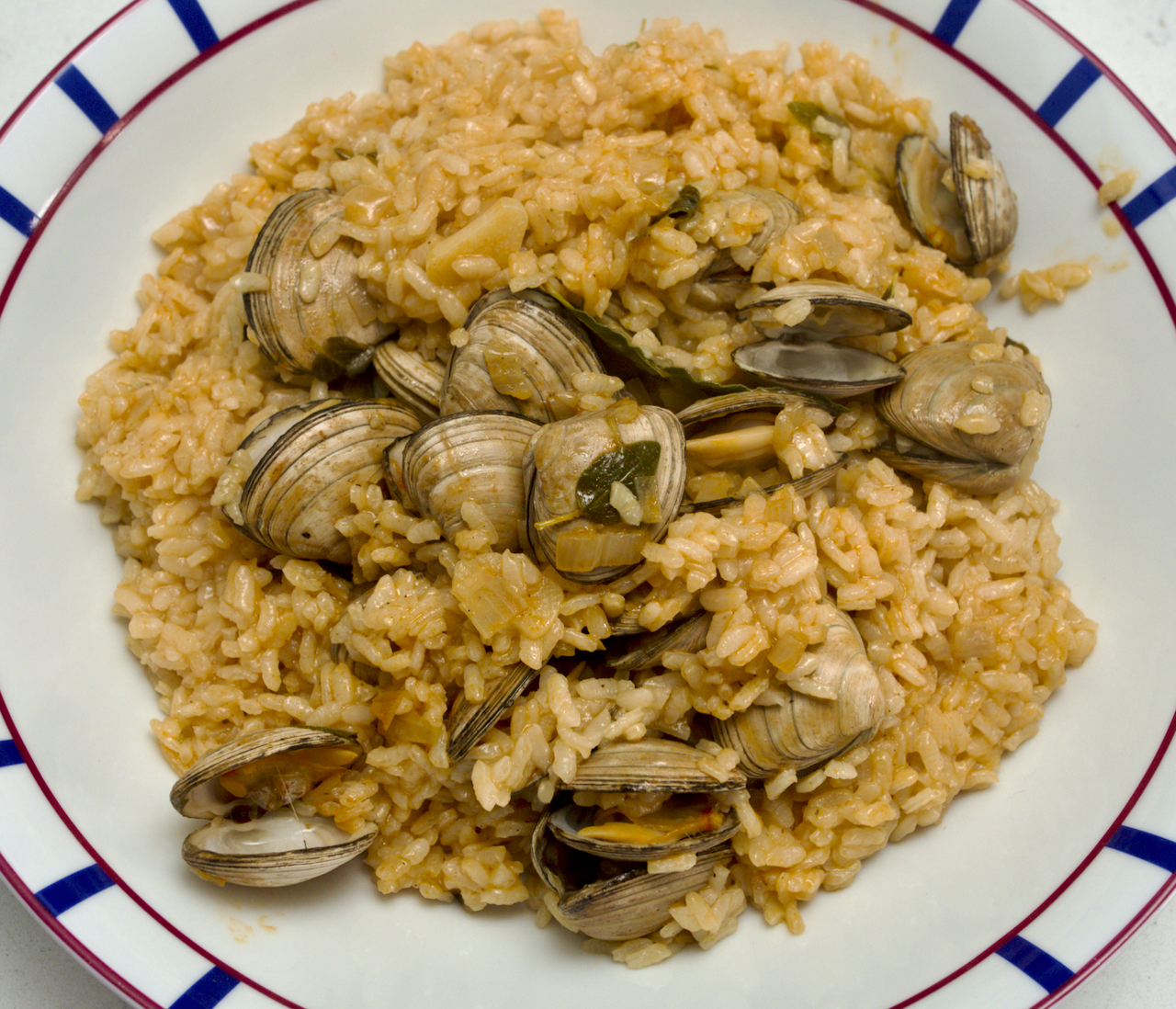
A summery seafood dish with deliciously sweet Irish clams.
Wine Suggestion: A Spanish dish with rice and clams … we just had to open an Albariño! Perrenially reliable, but especially good the last few years is Bodegas Castro Martin; vibrant, salty, and with a great balance of depth, weight and flavour.
Spanish rice and clams – serves 4
2 tbsp olive oil
1 banana shallot, finely chopped
2 garlic cloves, finely sliced
1 bay leaf
2 tsp tomato purée
300g Bomba rice or other short-grain rice
750ml fresh fish stock
a handful of marjoram leaves
500g clams, cleaned
Heat the oil in a shallow casserole or paella pan over a low heat. Add the shallot and cook for 5 minutes to soften. Add the garlic, bay and tomato purée and cook for a further minute.
Stir in the rice and increase the heat to medium-high. Toast the rice for a minute before adding the fish stock, marjoram and plenty of seasoning. Stir and cover, then reduce the heat to low and simmer for 12 minutes until the rice is almost cooked and still soupy.
Add the clams, cover and cook for another 4 minute until the clams have opened (chuck any that stay closed), then serve.
(Original recipe from The Spanish Home Kitchen by José Pizarro, Hardie Grant, 2022.)
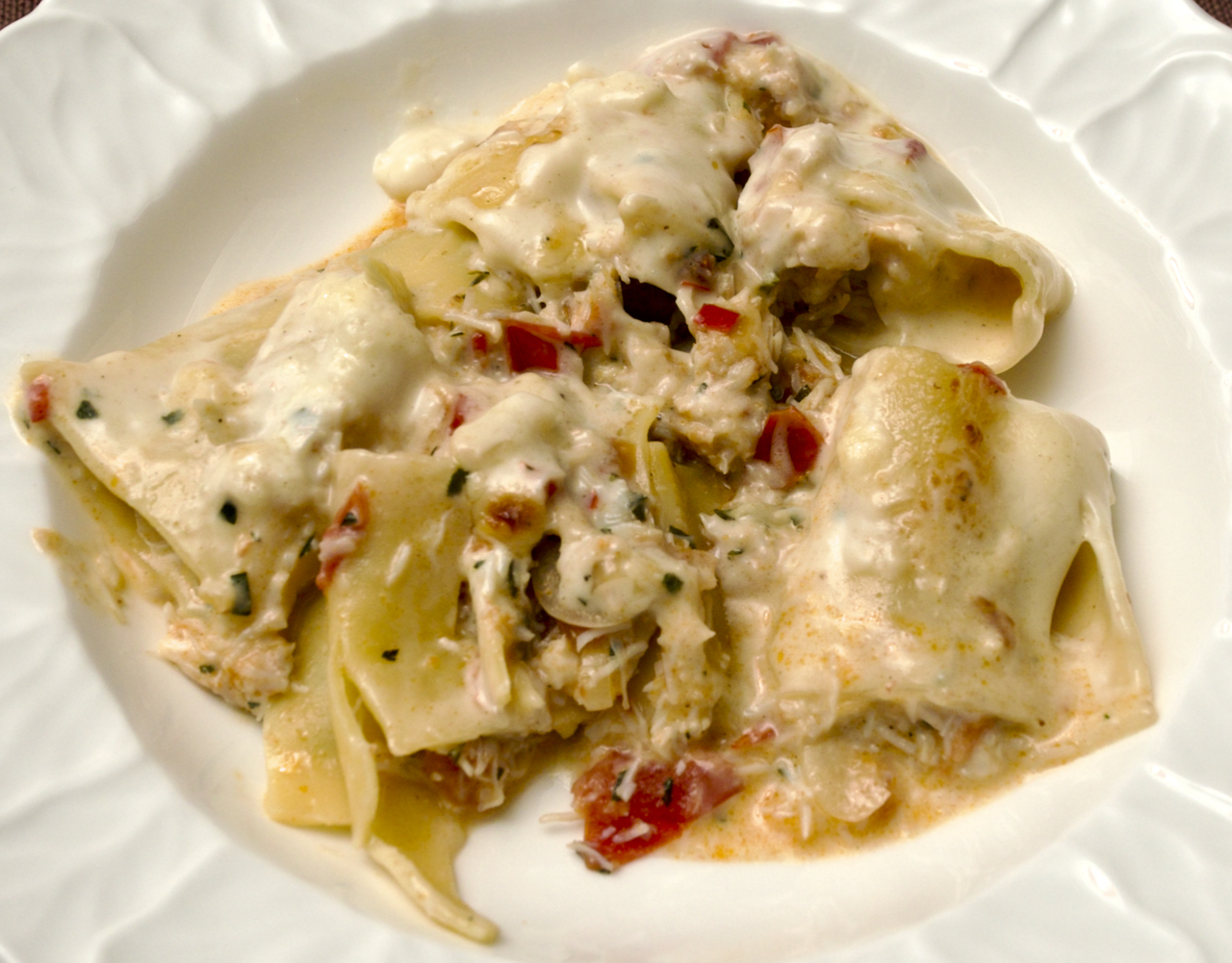
A beautiful Spanish pasta dish made with fantastic Lambay crab. The crab is a bit pricy but it’s worth it for this luxurious dish. Our fishmonger fortunately sells both prepared brown and white crab meat and also shellfish stock which makes this a tad easier.
Wine Suggestion: The richness of this dish demands a fuller-richer white and while this means that Chardonnay was our original thought, we wanted to keep it Spanish given the origin of the dish. Initially we thought a good white Rioja, like the Urbina Blanco Crianza (currently 2016 and 9 years old) which would have been excellent. Instead we stepped sideways and opened the Dominio de Tares Cepas Viejas Godello, an old-vine gem that is fermented in cask and aged on it’s lees to give richness and depth over a lemon, grapefruit and apple fruit flavours, a creamy texture and refined fresh structure.
Crab Canelones – serves 6
45ml olive oil
45g plain flour
500ml fresh shellfish stock (or you could use chicken stock)
300ml double cream
a good grating of nutmeg
80g finely grated Manchego, plus extra for the top
FOR THE FILLING:
60ml olive oil
1 small shallot, finely chopped
2 red chillies, finely chopped
3 garlic cloves, finely sliced
50g brown crab meat
500g ripe tomatoes, diced
150ml shellfish stock (or chicken stock)
500g white crab meat
15g tarragon, finely chopped
250g dried cannelloni tubes
Make the bechamel first. Heat the oil in a saucepan over a medium heat. Stir in the flour and cook for a minute, then gradually add the stock, stirring continuously, until you have a smooth, thick sauce. Add the cream, nutmeg and cheese and season, then set aside.
Heat the olive oil for the filling in a separate saucepan over a very low heat. Add the shallot, chillies and garlic and cook over a very low heat for 15 minutes.
Increase the heat to medium high and add the brown crab meat and fry for 1 minute, then add the tomatoes and the stock. Season and cook for 15 minutes, then take off the heat and stir in the white crab meat and chopped tarragon.
Blanch the pasta tubes in boiling water for 3 minutes, then gently drain and cool under cold running water.
Fill each pasta tube with the crab mixture and fit them snugly into an ovenproof dish, then pour over the bechamel. Scatter over a little more grated cheese, then bake for about 30 minutes or until golden and bubbling. Serve with a green salad.
(Original recipe from The Spanish Home Kitchen by José Pizarro, Hardie Grant, 2022.)
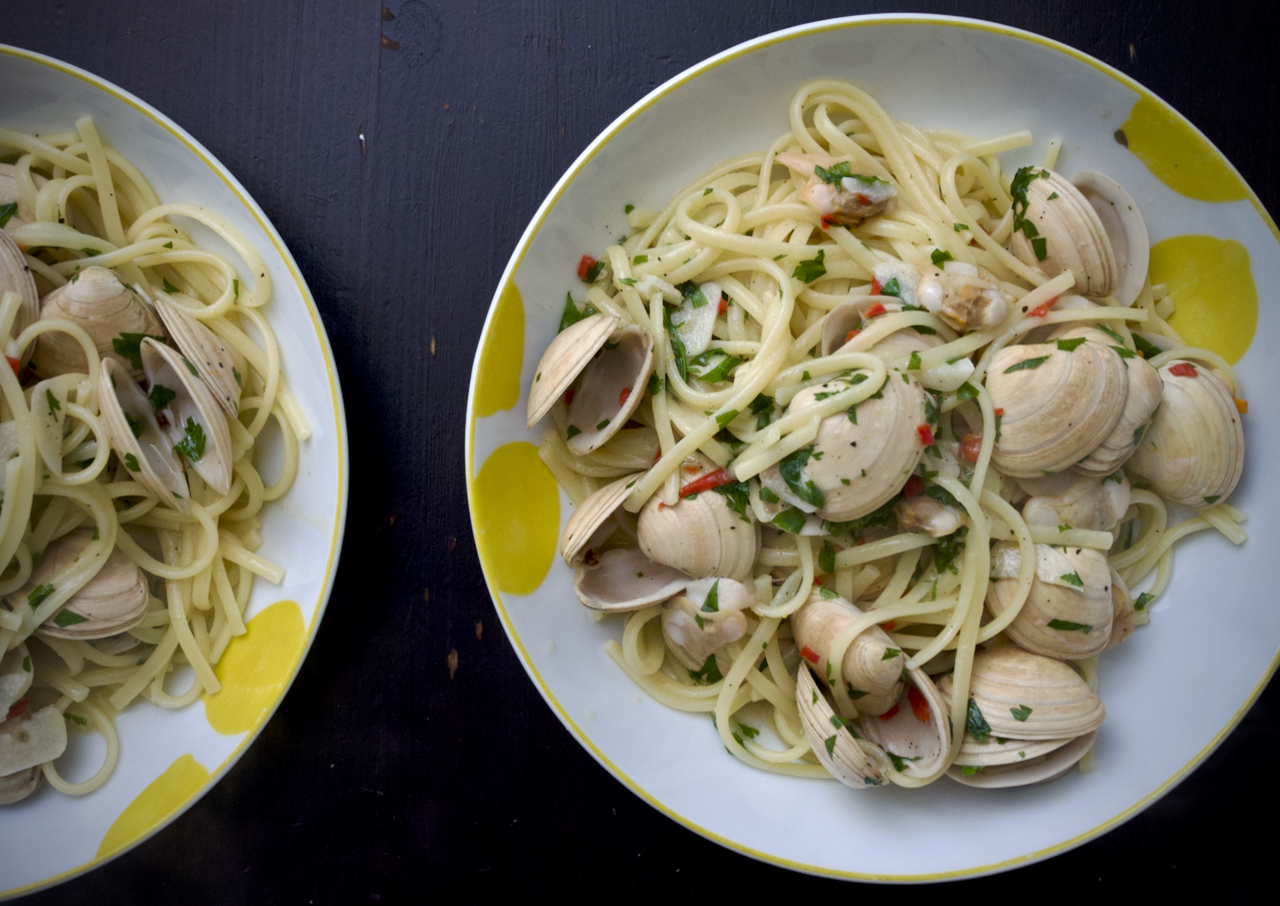
Linguine vongole – possibly the most perfect pasta dish. Lots of garlic and fresh salty clams – delicious!
Wine suggestion: working well with this dish is the under-rated grape from the south of Italy: Fiano. We’d highly recommend seeking it out as it has the beguiling fresh, almost crisp stonefruit character and some sort of citrus twist depending on where it comes from. While most is grown in Campagnia and the south of Italy it’s now being found successfully in Argentina and Australia, like Pikes “Luccio” from the Clare Valley … where the citrus twist is lime and delicious at that.
Linguine Vongole – serves 4
1kg fresh clams
400g linguine
4 tbsp olive oil
6 cloves of garlic, sliced very thinly
1 large red chilli, finely chopped
100ml white wine
30g unsalted butter
20g flatleaf parsley, finely chopped
1 large lemon
Put the clams in a sinkful of water with a decent handful of salt, then discard any that don’t close.
Bring a large pan of salty water to the boil and cook the pasta according to the timings on the pack.
Meanwhile, put the olive oil, garlic and chilli into another large pan, then turn on the heat and allow them to cook gently for a few minutes but without taking on any colour. When it smells really good, add the wine and cover the pan. Turn the heat up high and when the wine is steaming, add the clams. Clamp the lid back on and give the pan a shake, then leave for a few minutes.
Reserve a large mug of the pasta water, then drain the pasta and add it to the pot of cooked clams. Add a good splash of pasta water, the butter and parsley. Mix and toss well to make a sauce that coats the pasta. Squeeze in the juice from half the lemon and grate in some lemon zest. Mix again, then season if needed. Serve with a drizzle of your best olive oil.
(Original recipe from The Farm Table by Julius Roberts, Ebury Press, 2023.)
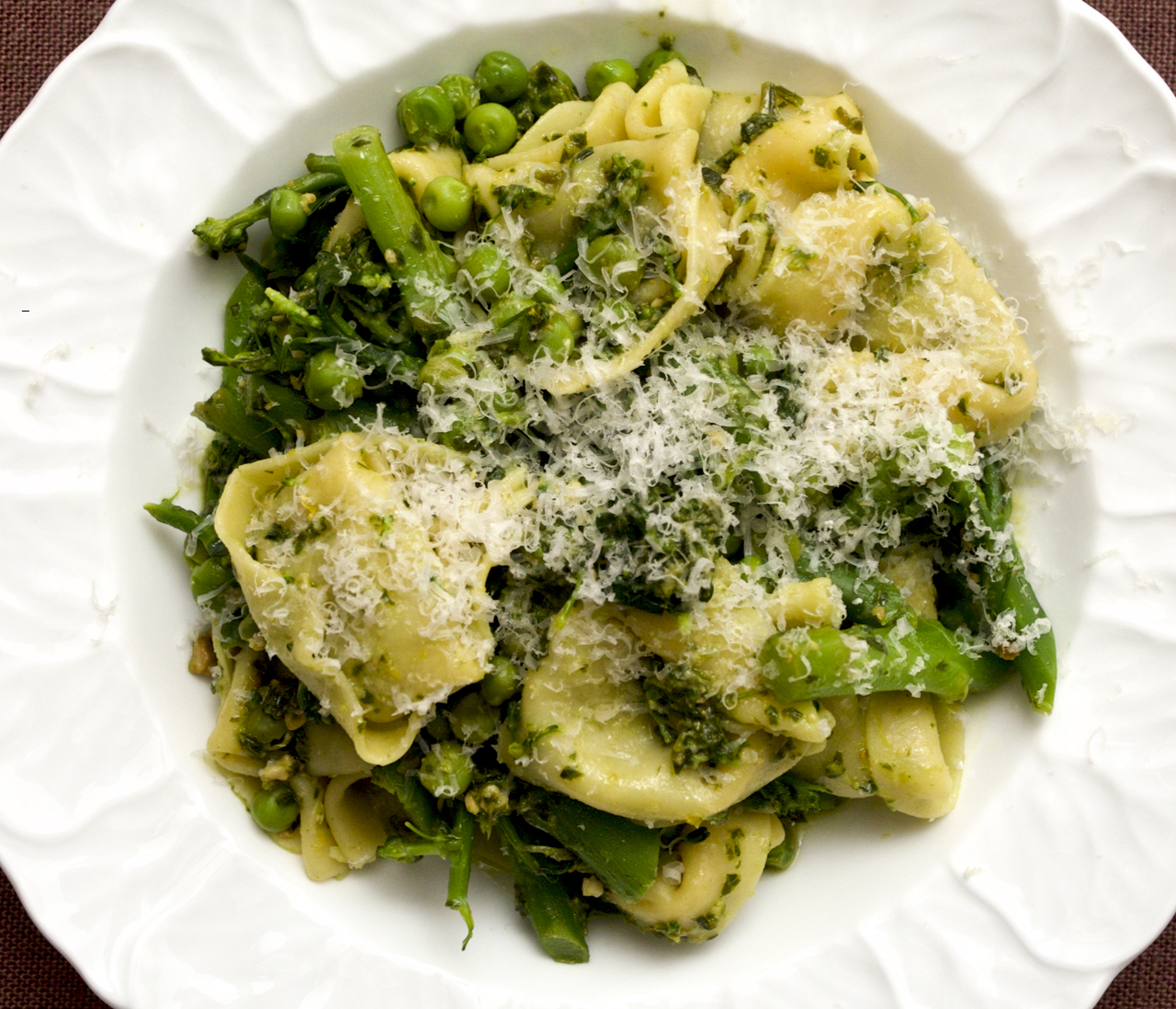
This isn’t really a recipe but it might just save your dinner some evening.
Wine Suggestion: This really works with a zippy, fresh white like the Höpler Gruner Veltliner. Elegant and minerally with a real purity of pear and lemon flavours overlaid with a light white pepperiness and savoury umami finish
Pea, broccoli & pesto tortellini – serves 2
200g tenderstem broccoli, cut into short pieces
100g frozen peas
250g pack spinach & ricotta tortellini
1 lemon, zested and juiced
4 tbsp fresh pesto
Parmesan, to serve
best extra virgin olive oil, to serve
Bring a large pot of salty water to the boil, then add the broccoli and cook for 1 minutes. Add the frozen peas and cook for 2 more minutes, then scoop all the veg out with a slotted spoon and set aside.
Bring the water back to the boil and cook the pasta according to the pack instructions.
Drain the pasta well and return it to the pan. Add the lemon, cooked veg and pesto and gently toss to combine. Serve in warm bowls with Parmesan and a glug of olive oil if you like.
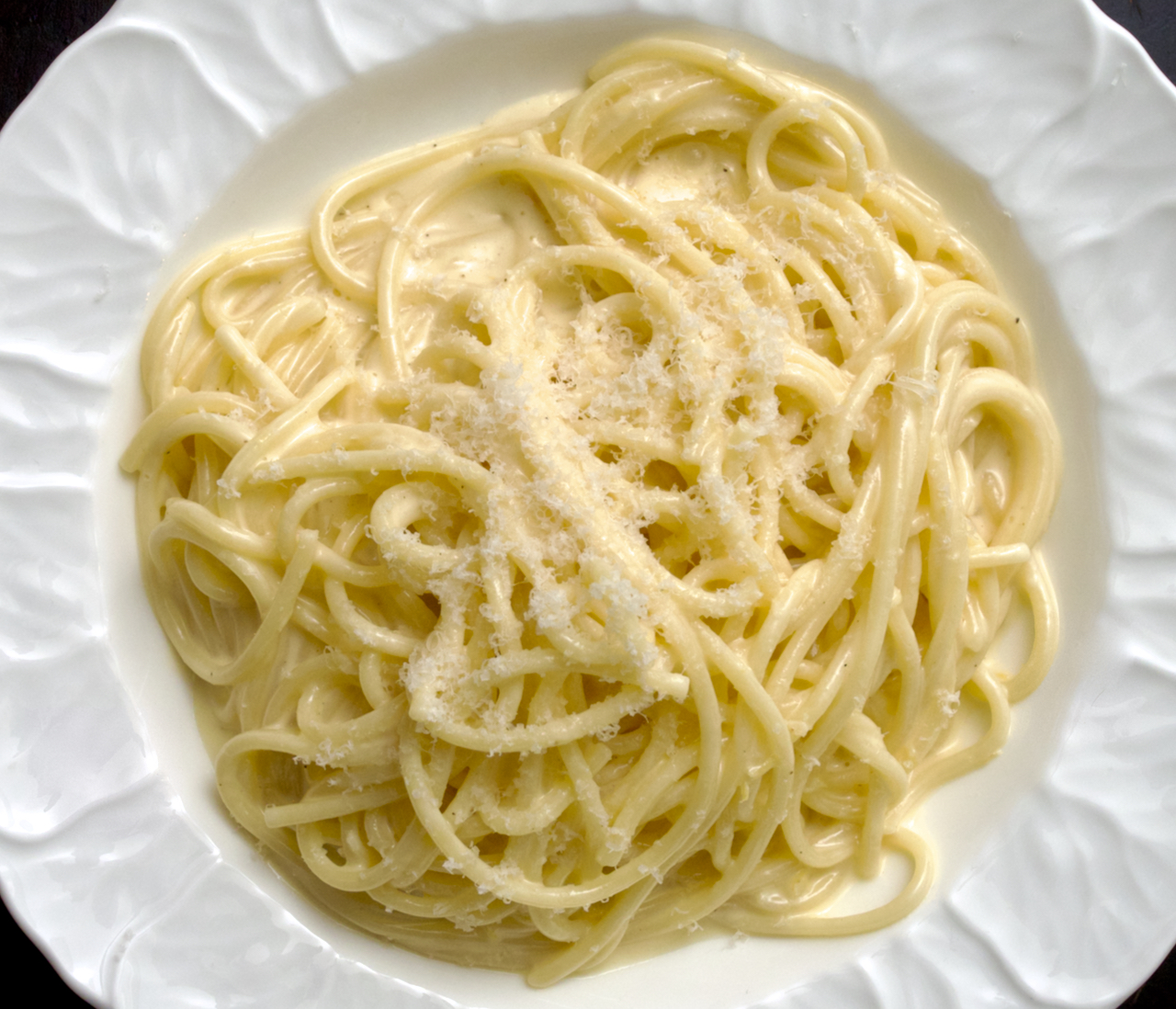
This is very rich and delicious so you can serve it in slightly smaller portions. The cooking time is a bit longer than our usual lemon spaghetti but it’s worth it for the flavour and silky texture. Perfect for an indulgent lunch at the weekend.
Wine Suggestion: An oaky white like the Dominio de Tares Old Vine Godello which is fermented with wild yeasts and aged in oak barrels. This makes it more complex, savoury and gtreat with rich, velvety foods like this.
Spaghetti al Limone – serves 6
225ml cream
2 unwaxed lemons (zest of 2 and juice of 1)
100g butter
500g spaghetti
150g grated Parmesan cheese, plus extra to serve
Put the cream and the lemon zest into a large heavy-based saucepan and bring to the boil. Lower the heat and simmer for 2 minutes.
Now start adding the butter, about 1 tbsp at a time while stirring continuously. Wait for 30-45 seconds before adding the next tbsp of butter – it should be completely melted before you add any more. Keep going until you have used all the butter and you have a rich sauce. Set aside.
Cook the spaghetti in lots of salty water until al dente. Scoop out a mugful of the pasta water before draining.
Add half the pasta water to the cream sauce and bring to a simmer. Season generously with salt and pepper.
Turn the heat back down to low, then add the cooked spaghetti and toss to coat. Add the Parmesan, 1 tbsp at a time, as you did with the butter and waiting 30-45 seconds between each addition. Stir continuously and add another splash of pasta water if it starts to get stiff. Keep going until all the Parmesan has been added, then pour in the lemon juice and toss once more.
Serve in warm pasta bowls and top with a little extra Parmesan.
(Original recipe from Avoca at Home, Penguin Random House, 2022.)
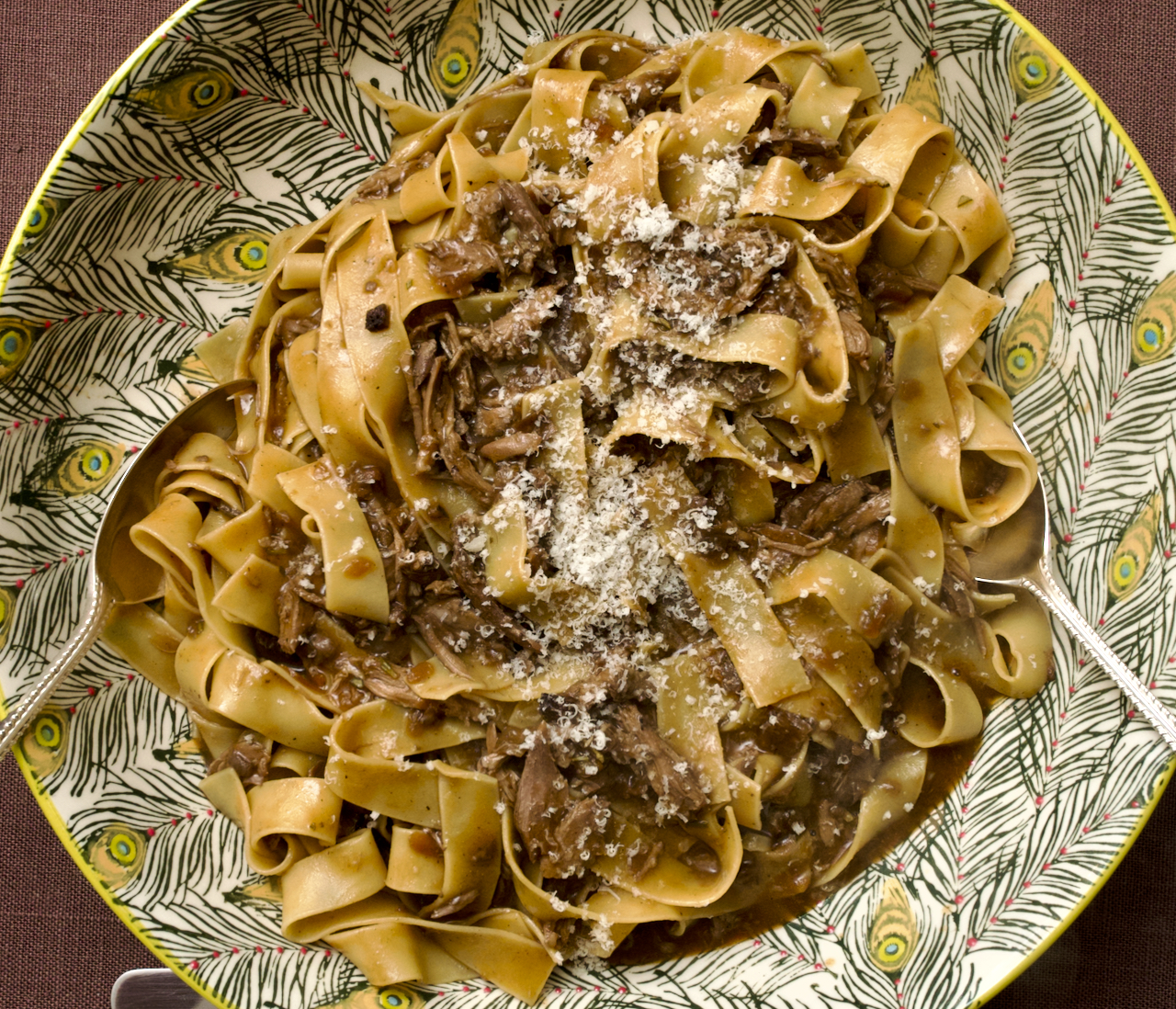
This is a delicious and rich sauce but it requires duck marylands (the thigh and the leg together) which are not easy to find here. We asked our butcher to portion up some whole ducks for us. Duck breasts are not suitable so do try and get the marylands for this.
Wine Suggestion: A good Tuscan red is a good match to cut through the richness and proteins in this dish. A good dollop for acidity and freshness helps lighten plus tannins to balance. For us tonight a new find, Ridolfi Rosso di Montalcino. Elegant and vibrant with loads of energy, layered subtle fruit and energetic structure. Pure joy.
Duck ragu pappardelle – serves 4
20g dried porcini mushrooms
1.5 litres low-salt chicken stock (it needs to be low-salt as you will reduce it – we made a light stock with two regular chicken stockpots mixed with 1.5 litres of water and that worked fine).
1 tbsp olive oil
4 duck marylands (the thigh and leg together)
1 onion, roughly chopped
1 celery stalk, coarsely grated
1 small carrot, coarsely grated
6 cloves of garlic, crushed
375ml red wine
195g tomato passata
½ cinnamon stick
2 star anise
2 bay leaves
½ tsp black pepper
1½ tbsp roughly chopped fresh rosemary
1 tbsp plain flour
15g unsalted butter, softened
400g pappardelle pasta
freshly grated Parmesan, to serve
Put the porcini mushrooms into a small bowl. Pour the stock into a large frying pan and place over a high heat. Bring to the boil, then scoop out 125ml and pour it over the porcini. Leave the porcini to soak for 30 minutes. Lower the heat under the stock to medium-high and reduce to 750ml – this should take about 8 minutes but wise to check now again how much you have with a measuring jug.
Squeeze the excess liquid out of the porcini with your hands and reserve all the liquid. Chop the porcini into tiny pieces, then set aside. Add the soaking liquid to the reduced chicken stock.
Heat the oil in a large casserole over a high heat. Place the duck, skin-side down and cook until golden brown. Turn and brown the flesh side and the sides as well, then transfer to a bowl and set aside.
Pour away all but 3 tbsp of the duck fat, then add the onion, celery, carrot and garlic and cook for 8 minutes until soft but not browned. Add the wine and simmer for 5 minutes to reduce by half. Add the passata, cinnamon, star anise, bay leaves, pepper and stock. Stir everything together.
Submerge the duck in the liquid and bring to a simmer, then reduce the heat to low. Simmer very gently for 1½, uncovered, checking regularly to ensure the duck stays submerged or at least that the meaty part is in the liquid. After the first hour, add the rosemary and chopped porcini.
Transfer the cooked duck to a bowl and cover loosely with foil. When cool enough to handle, remove the skin and shred the duck flesh with your hands. Discard the skin and bones.
Mix the flour and butter together in a small bowl to make a smooth paste. Stir the mixture into the pot, then simmer for 3 minutes to thicken slightly. Add the duck, then taste and season only if needed. Remove the bay leaf, cinnamon stick and star anise. Keep the ragu warm while you cook the pasta.
Cook the pasta in lots of salty boiling water according to the timings on the pack. Just before draining, scoop out a large mug of the pasta water. Drain the pasta and add to the warm ragu with a splash of the pasta cooking water. Over a medium heat, toss the pasta with two spatulas unil the sauce thickens and coats the pasta. You can add a bit more water if it’s too thick.
Serve in warm bowls with lots of grated Parmesan.
(Original recipe from Recipetin Eats Tonight by Nagi Maehashi, Pan Macmillan, 2024.)
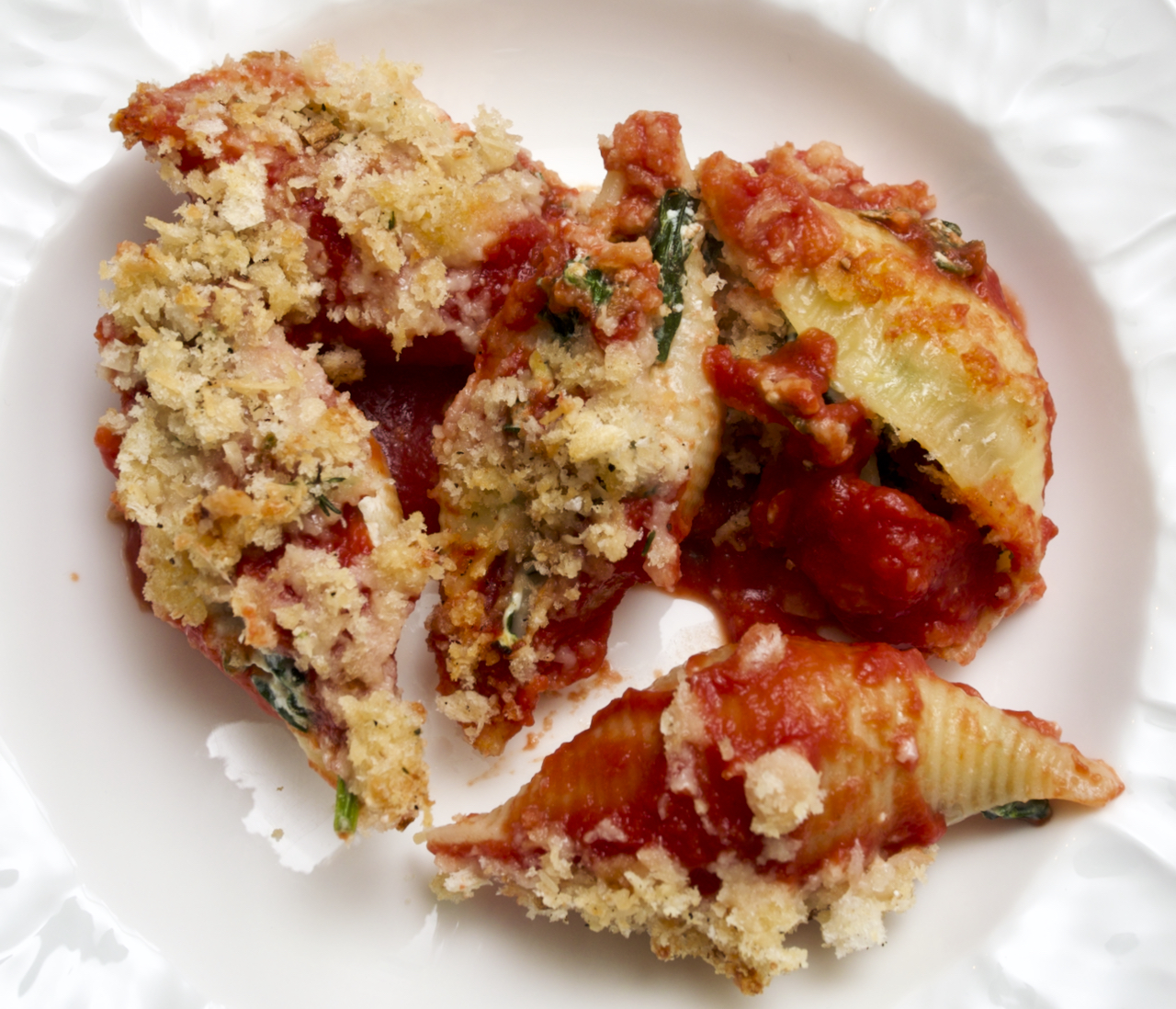
A vegetarian dish picked by Orlaith who wants to be a vegetarian for January – we’ll see how she goes! She wasn’t put off by this dish anyhow.
Wine Suggestion: A juicy, youthful Sangiovese or similar, like Umani Ronchi’s Serrano Rosso Conero which is a Montepulciano-Sangiovese blend. Bright, joyful red fruits with a smooth elegance and vivacity of youth.
Baked pasta shells – serves 4
250g conchiglioni (big pasta shells)
1 tbsp rapeseed oil, plus a bit extra
400g baby spinach
250g ricotta cheese
200g Greek yoghurt
30g grated Parmesan cheese,
2 garlic cloves, crushed
zest of 2 lemons
10 fresh basil leaves, shredded
¼ tsp ground nutmeg
1 x 700g jar of tomato passata
FOR THE TOPPING:
70g fresh breadcrumbs
70g grated Parmesan cheese
1 tsp chopped fresh thyme
1 tbsp butter, melted
Heat the oven to 170C.
Bring a large pan of very salty water to the boil. Add the pasta shells and cook for no more than 9 minutes – they need to be undercooked. Drain and cool under running cold water, then drain again and drizzle with a little oil to stop the shells sticking together, then set aside.
Heat the oil in a large frying pan over a medium heat. Add the spinach and cook for 1-2 minutes, until just wilted. Remove the pan from the heat and leave to cool, then squeeze out any moisture and roughly chop it.
Put the chopped spinach into a large bowl with the ricotta, yoghurt, Parmesan, garlic, lemon zest, basil and nutmeg and mix to combine. Season with salt and pepper.
Pour half the passata over the bottom of a large baking dish and season with salt and pepper. Stuff the shells with the ricotta and spinach mixture, then add the shells to the dish on top of the sauce, stuffed side up. Pour over the rest of the passata and season with a little more salt and pepper.
Mix the breadcrumbs, Parmesan and thyme in a small bowl, then pour over the melted butter and toss to combine. Sprinkle this over the top of the pasta, then bake in the preheated oven for 25 to 30 minutes, until the breadcrumbs are golden and the pasta is bubbling.
(Original recipe from Avoca at Home, Penguin Random House, 2022.)
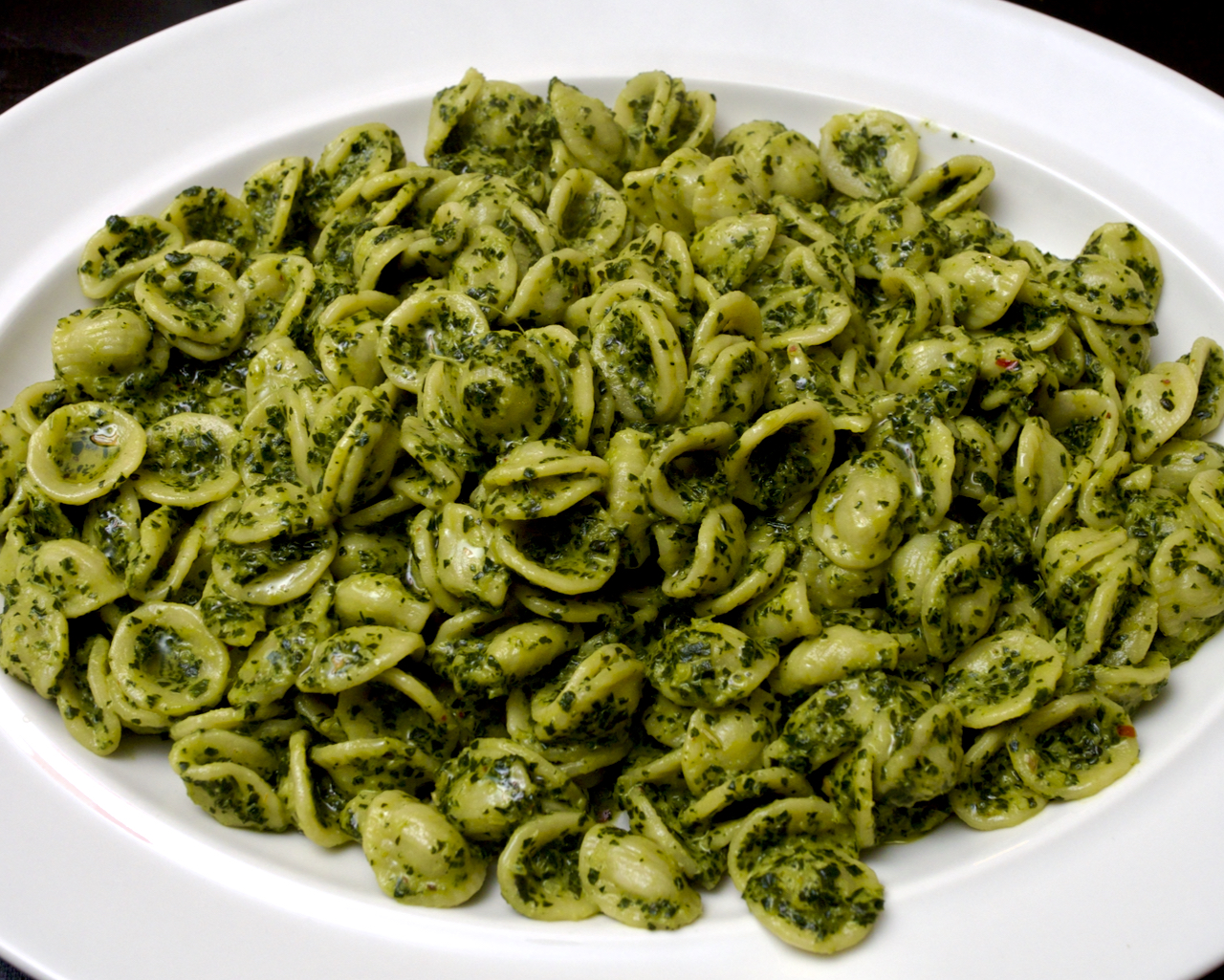
Lovely flavours and smells in this. We don’t have a blender but a food processor did an ok job – a blender will give a smoother sauce.
Wine Suggestion: We think this dish suits a white with a complex mix of fruit, herbal and mineral flavours and some of the best with this combination come from Sicily. Tonight the Casematte Grillo Pharis which is grown facing the straights of Messina and made in a combination of large oak barrels and concrete. Smooth and deep with a lovely Sicilian citrus twiest at the end.
Miso butter greens pasta – serves 4
60g unsalted butter
5 cloves of garlic, chopped
½ tsp fennel seeds
½ tsp chilli flakes
100g broccoli, chopped
400g cavolo nero, discard the stalks and slice the leaves
¾ tsp salt
2½ tbsp white miso paste
3 tbsp extra virgin olive oil
500g orecchiette
extra virgin olive oil, to serve
Melt the butter in a large pot on a medium-high heat. Wait until it bubbles, then add the garlic, fennel seeds and chilli flakes. Cook, stirring, for 2-3 minutes until the garlic smells cooked.
Add the broccoli, cavolo nero, salt and 250ml of water. Stir, then cover and turn the heat to medium-low and cook, stirring every few minutes, for 8-10 minutes or until the greens have wilted and become tender.
Scrape the contents of the pan into a blender or food processor and add the miso and olive oil. Blend until smooth, you can add a little water if you need.
Rince out the greens pan, fill with water and bring to the boil (don’t add salt as the miso is salty). Cook the pasta according to the packet instructions and reserve a mug of the pasta cooking water before draining.
Drain the pasta, then return to the pot and add the sauce. Add enought of the cooking water to get the sauce to a nice consistency. Taste and season with salt if needed.
Spoon onto a serving platter and drizzle with olive oil.
(Original recipe from Dinner by Meera Sodha, Penguin: Fig Tree, 2024.)
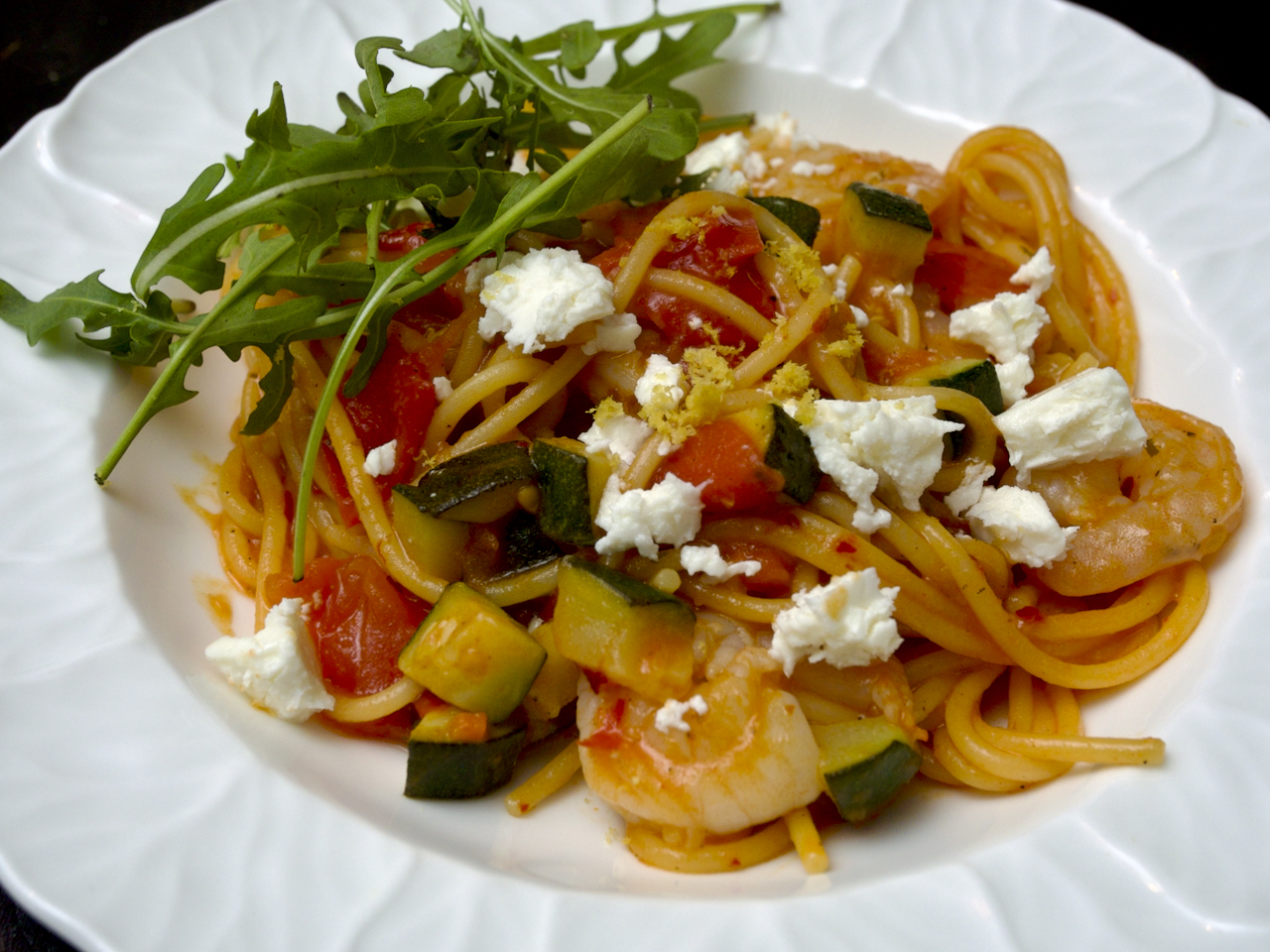
We’ve had mixed success with these all-in one pot pasta dishes with some working really well and others not quite! We were pleased with this one which worked out really well. Delicious sauce and lovely fresh flavours.
Spicy prawn spaghetti – serves 2
2 tbsp olive oil
1 courgette, diced quice small, about 1cm pieces
165g pack raw peeled prawns
zest and juice of ½ lemon, plus wedges to serve
2 cloves of garlic, sliced
1 tbsp harissa paste
½ tbsp tomato purée
2 tbsp vodka
2 biggish tomatoes, roughly chopped
600ml hot veg stock
150g spaghetti
½ tsp fine sea salt
75g feta, crumbled
a handful of rocket, to serve
Heat 1 tbsp of oil in a large sauté pan, then add the courgette and cook for a few minutes, until just starting to colour. Add the prawns and season lightly with salt and black pepper. Stir for a couple of minutes until the prawns are pink and just cooked. Squeeze in some lemon juice, then tip into a bowl and set aside.
Add another tbsp of oil to the pan and cook the garlic until it sizzles. Add the tomato purée and harissa and cook for 30 seconds, before adding the vodka, followed by the tomatoes. Pour in the stock and add the spaghetti, the salt and some black pepper. Bring the boil, mixing well. Cook at a brisk bubble, without a lid, for 15 minutes or until the pasta is al dente and is coated in the sauce. You can add extra water at any point if needed.
Tip the courgettes and prawns into the pan and toss until piping hot. Taste and add more lemon juice if you like. Serve in pasta bowls with the feta and lemon zest scattered over and a pile of rocket on top.
(Original recipe by Tasmin Burnett-Hall in Sainsburys Magazine, September 2024.)
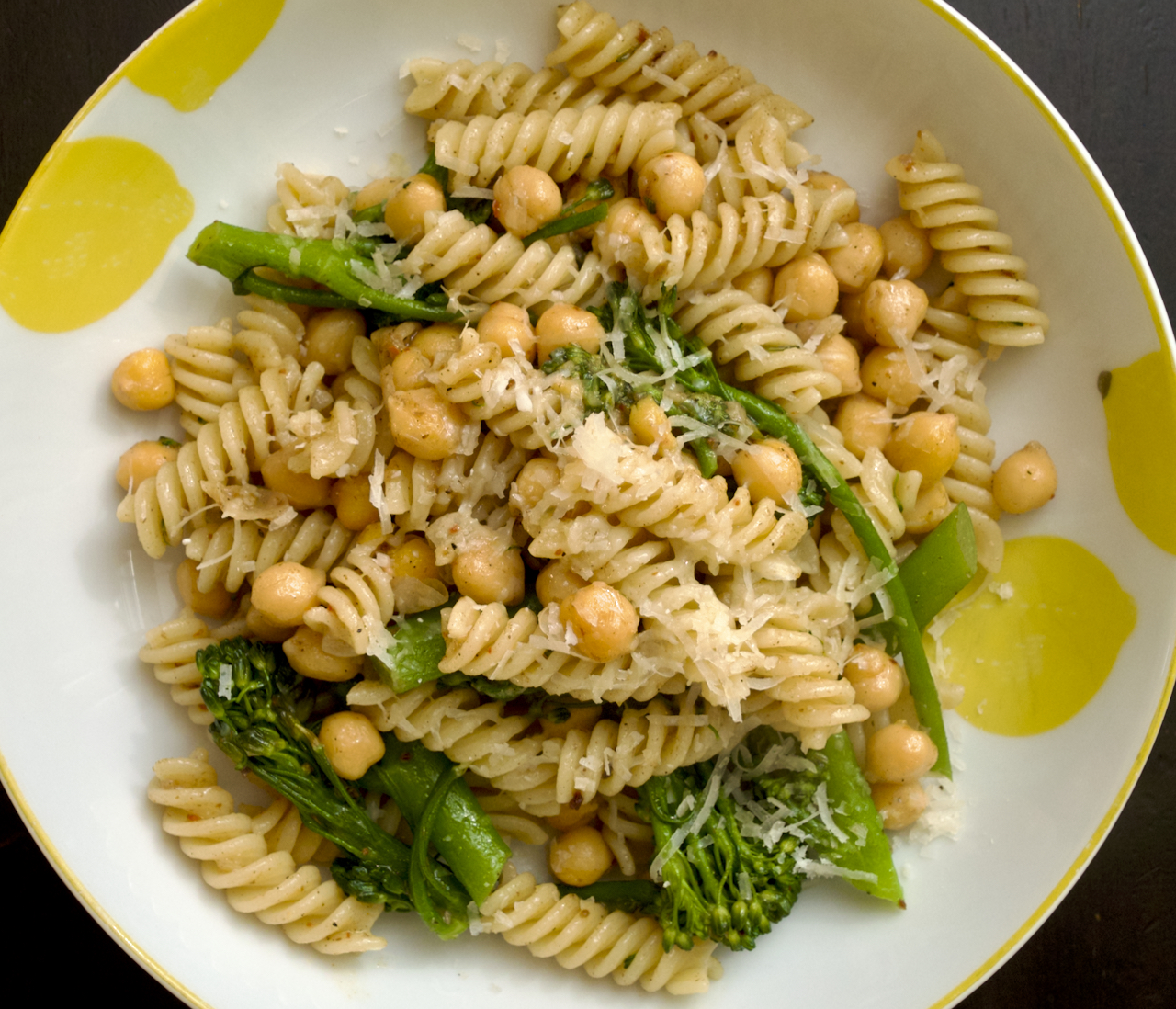
Back to school routine and quick fixes are required. This one is nice!
Wine Suggestion: An uncomplicated, but tasty dish requires similar from a wine. Tonight’s choice was Graziano Pra’s “Otto” Soave Classico with classic green apple and almond flavours. Fresh and lighlty floral with a gentle texture that helps it pair with food.
Pasta with broccoli, anchovy and cumin – serves 4
300g dried fusilli or other short pasta
90ml olive oil
3 cloves of garlic, peeled and crushed
6 anchovy fillets, drained and finely chopped
zest and juice of ½ lemon
1 tsp ground cumin
370g jarred chickpeas, drained (but don’t rinse)
1 tsp aleppo chilli powder
200g tenderstem broccoli, cut into 2½ cm lengths
30g Parmesan, finely grated
Bring a large pan of water to the boil and add plenty of salt. Add the pasta and cook for 3 minutes less than the time indicated on the pack.
Meanwhile, pour the oil into a large sauté pan and put over a medium heat. Add the garlic and fry for a minute, then stir in the anchovies, lemon zest and cumin, and cook for another couple of minutes. Add the chickpeas, chilli and a good grind of black pepper, mix well and turn off the heat.
When the timer goes for the pasta, add the broccoli to the pasta pot and cook for the remaining 3 minutes. Reserve about 100ml of the pasta cooking water, then drain and add the pasta and broccoli to the chickpea pan. Scatter over two-thirds of the Parmesan, then return the pan to the heat and toss well for a minute, adding enough of the reserved pasta water to make a sauce that coats the pasta.
Spoon into warm bowls, add a squeeze of lemon juice, a pinch of aleppo chilli and the remaining Parmesan.
(Original recipe by Yotam Ottolenghi in The Guardian, 13 Apr 2024.)
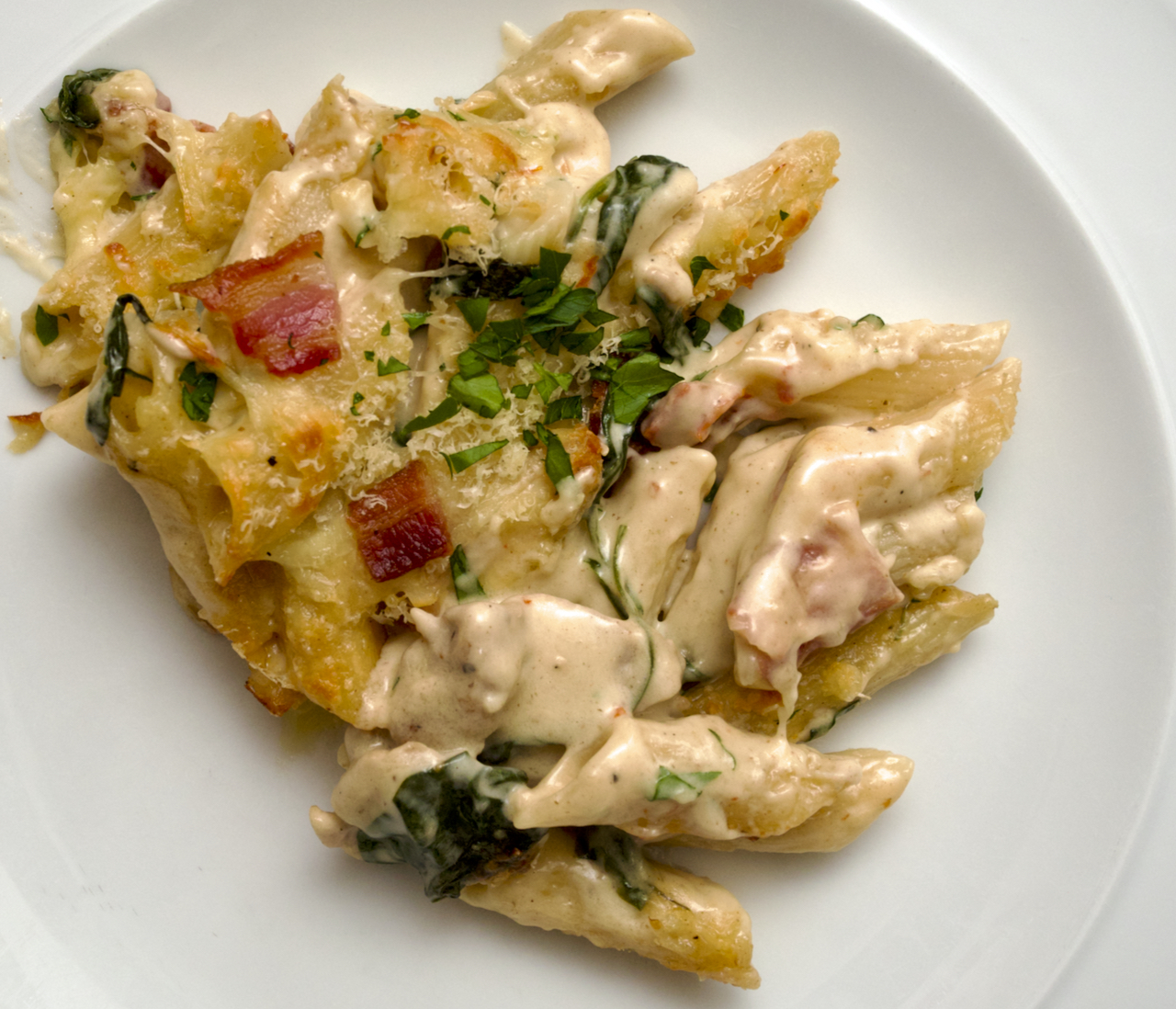
We’ve made this a few times for and it’s never failed to impress. Reliable comfort food with lots of tasty additions!
Wine suggestion: we opened a velvety Côtes du Rhône red by Domaine Roche. A charming and quite sophisticated Grenache, Syrah and Carignan that we’ve enjoyed before. If you’re looking for a step up from this, their Cairanne is a joy and really shows the class of this under-sung appellation near Chateauneuf du Pape.
Loaded Chicken Pasta Bake – serves 6
350g penne pasta
150g streaky bacon rashers
100g baby spinach
80g sundried tomato strips in oil, drained and roughly chopped
2 tsp chopped parsley, to serve
FOR THE CHICKEN:
500g skinless and boneless chicken thigh fillets
¾ tsp each cooking salt and black pepper
30g unsalted butter
FOR THE SAUCE:
30g unsalted buter
2 cloves of garlic, crushed
60ml dry white wine
50g plain flour
500ml full-fat milk, hot
250ml double cream
375ml chicken stock
½ tsp each onion powder and garlic powder
1 tsp cooking salt
100g finely grated Parmesan
250g grated mozzarella
Heat the oven to 180C/160C Fan.
Bring a large pan of water to the boil and add plenty of salt. Cook the pasta according to the timings on the pack, then drain and leave to cool.
Place the bacon rashers in a large pan over a medium-high heat and cook for a few minutes until golden, then turn them over and cook for another 2 minutes. Drain on some paper towels, then chop into 1cm pieces. Discard the bacon fat in the pot.
Season the chicken with the salt and pepper. Melt the butter in the same pan over a medium-high heat. Cook the chicken for 4 minutes on each side, then set aside to rest for 5 minutes before slicing into 1cm thick slices.
Melt the butter for the sauce in the same pan over a medium-high heat. Add the garlic and cook for 20 seconds before adding the wine. Simmer rapidly for a couple of minutes or until almost evaporated. Lower the heat to medium, add the flour and stir for 1 minute. Gradually add the milk and keep stirring until thickened, then add the cream and stock. Bring the sauce to a simmer and stir for about 5 minutes or until thick enought to coat the back of a wooden spoon.
Stir in the onion and garlic powder, salt, pepper and two-thirds of the Parmesan and mozzarella. Stir until the cheese has melted.
Stir in the spinach, chicken, sundried tomato, most of the bacon and all of the pasta. Pour into a 30 x 22cm baking dish, sprinkle with the remaining Parmesan, then the mozzarella and bacon. Bake for 25 minutes or until the cheese is melted and golden.
Leave to stand for 5 minutes before serving sprinkled with parsley.
(Original recipe from Recipetin Eats Dinner by Nagi Maehashi, Pan Macmillan, 2023.)
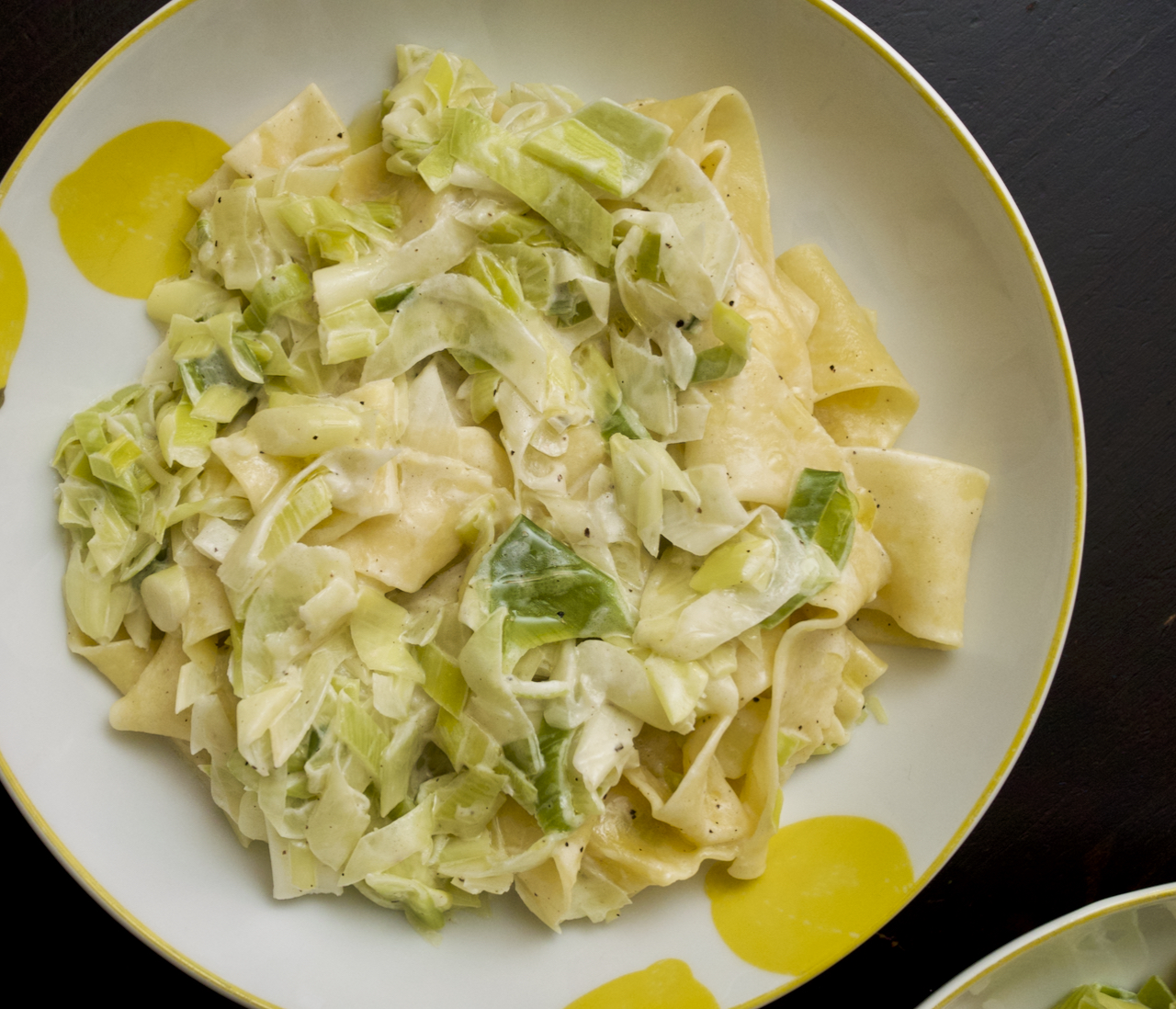
You really don’t need a recipe for this but a bit of inspiration for something stress-free can sometimes be helpful.
Wine Suggestion: a classic, oaked Chardonnay, like Chateau de Beauregard’s Pouilly Fuissé. Both mineral and fresh, and with a roundness and textured from the light oak use and time on lees. A great wine to accompany food, but never over-power it.
Pappardelle with sweet leeks and mascarpone – serves 4
1 small knob of butter
1 tbsp olive oil
4 medium-sized leeks, trimmed, washed and sliced at an angle
1 clove of garlic, finely chopped
200g mascarpone
400g fresh pappardelle
a handful of grated Parmesan
Warm the butter and olive oil in a large heavy-based pan, add the leeks and garlic, then cover and leave to sweat over a gentle heat. It’s difficult to give timings as it really depends on the leeks but keep cooking until they are meltingly soft but not at all coloured. Add the mascarpone and allow it to melt to make a thick sauce, then season with salt and black pepper.
Meanwhile, cook the pasta in lots of salty boiling water until al dente. Scoop the pasta straight from the pot into the leeks and stir to coat the pasta, you will probably need a few splashes of cooking water to loosen the sauce and make it cling to the pasta.
Serve in warm bowls with plenty of grated Parmesan.
(Original recipe from The Naked Chef by Jamie Oliver, Michael Joseph, 1999.)
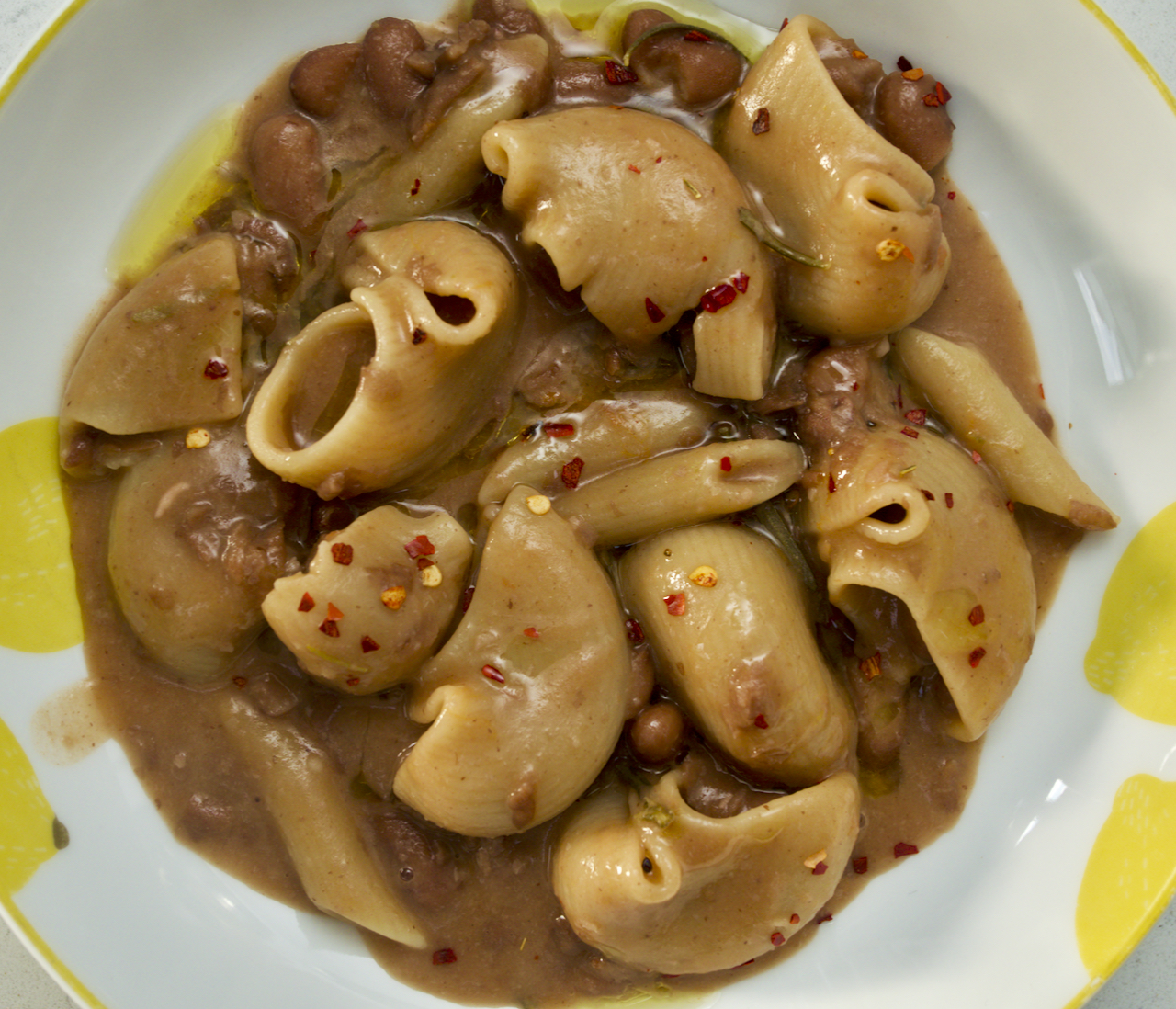
We picked up some pretty dried borlotti beans when travelling earlier this year and this rustic pasta dish was the perfect dish for them.
Wine Suggestion: There’s an honesty and an earthiness to this dish that we can’t ignore, and just love. To be sympathetic we chose La Pruina’s Salice Salentino, a blend of Negroamaro and Malvasia Negra from Puglia. Gentle layers of spice, equally soft and intense, surrounding a mid-weight core of earthy plums and wild red fruits.
Pasta e fagioli – serves 4
250g dried borlotti beans
5 tbsp extra virgin olive oil
2 cloves of garlic, peeled and lightly crushed
a big sprig of fresh rosemary
200g fresh tomatoes, peeld and crushed
220g conchiglie, or other tubular pasta (we used a mix of packet ends)
olive oil, red chilli flakes and grated pecorino cheese, to serve
Soak the beans overnight, then drain and cover with enough cold water to cover them by at least 10cm. Bring to the boil, then turn down to a simmer and cook until tender, usually about an hour and a half. Leave to cool in the cooking liquid.
Meanwhile, gently warm the olive oil in a large deep sauté pan, then add the garlic and rosemary and gently fry until they smell good. Discard the garlic and add the tomatoes to the pan. Turn the heat up a little and cook for about 10 minutes or until looking saucey. Add the cooked beans and a couple of ladlefuls of their cooking liquid, then leave to bubble for 10 to 15 minutes. Season with salt.
Add another couple of ladlefuls of liquid and then add the pasta and continue cooking, stirring regularly, until the pasta is tender. You might need a bit more liquid. Serve in warm bowls with some olive oil, chilli flakes and grated pecorino cheese.
(Original recipe from An A-Z of Pasta by Rachel Roddy, Penguin:Fig Tree, 2021.)
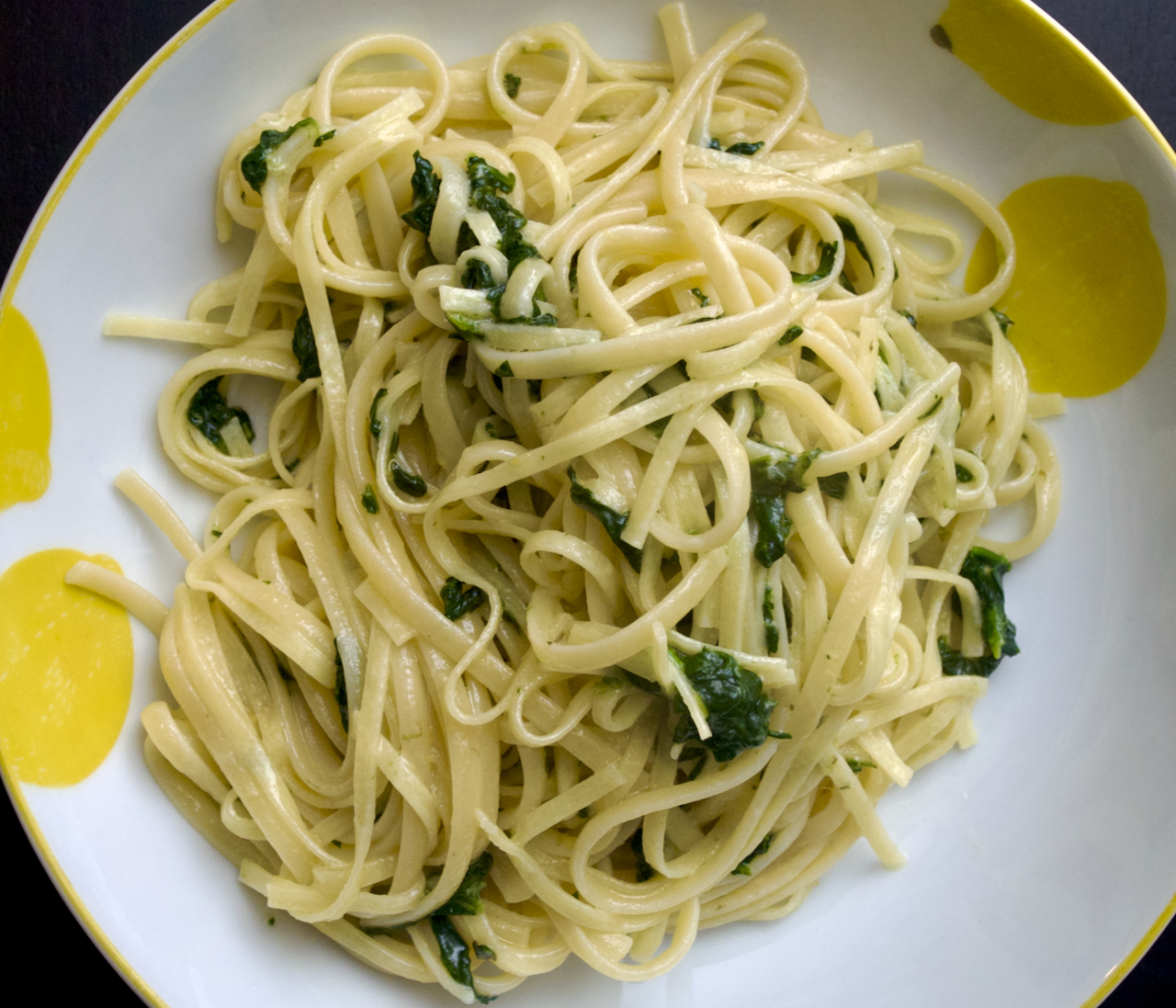
We make an easy pasta dish about once a week and it’s one of the best days of the week.
Wine Suggestion: we think this goes great with Ribolla Gialla, a grape native to the north-east of Italy and Slovenia that can be made in a few styles. We prefer the ones that feature joyful primary fruits with a hint of nutty minerality like the one made by Perusini in Friuli. Light bodied and fruity-floral we think the best are super attractive and we’re surprised we don’t see more around.
Lemon & Spinach Linguine – serves 2
100g spinach, remove any thick stalks but don’t be too fussy
1 large lemon, zested
250g linguine
1 large clove of garlic
50g butter
2 tbsp olive oil
40g Parmesan, grated
Get a bowl of iced water ready.
Wash the spinach, then put the wet leaves into a shallow pan over a medium-high heat, cover tightly and cook for 3-4 minutes. Remove the lid and turn the spinach over with a wooden spoon, then cover again and cook for 2 minutes.
Use tongs to lift the spinach and drop it into the iced water. As soon as it is cold, squeeze out as much water as possible, then roughly chop.
Cook the linguine in lots of very salty water for whatever time the packet says.
Lightly crush the garlic with the flat side of a knife, without peeling it.
Warm the butter, squashed garlic, and olive oil in a shallow pan over a medium heat for a few minutes, then remove and discard the garlic clove. Add the lemon zest and spinach to the pan.
Drain the pasta and toss in the warm butter. Squeeze some lemon juice over and sprinkle with Parmesan.
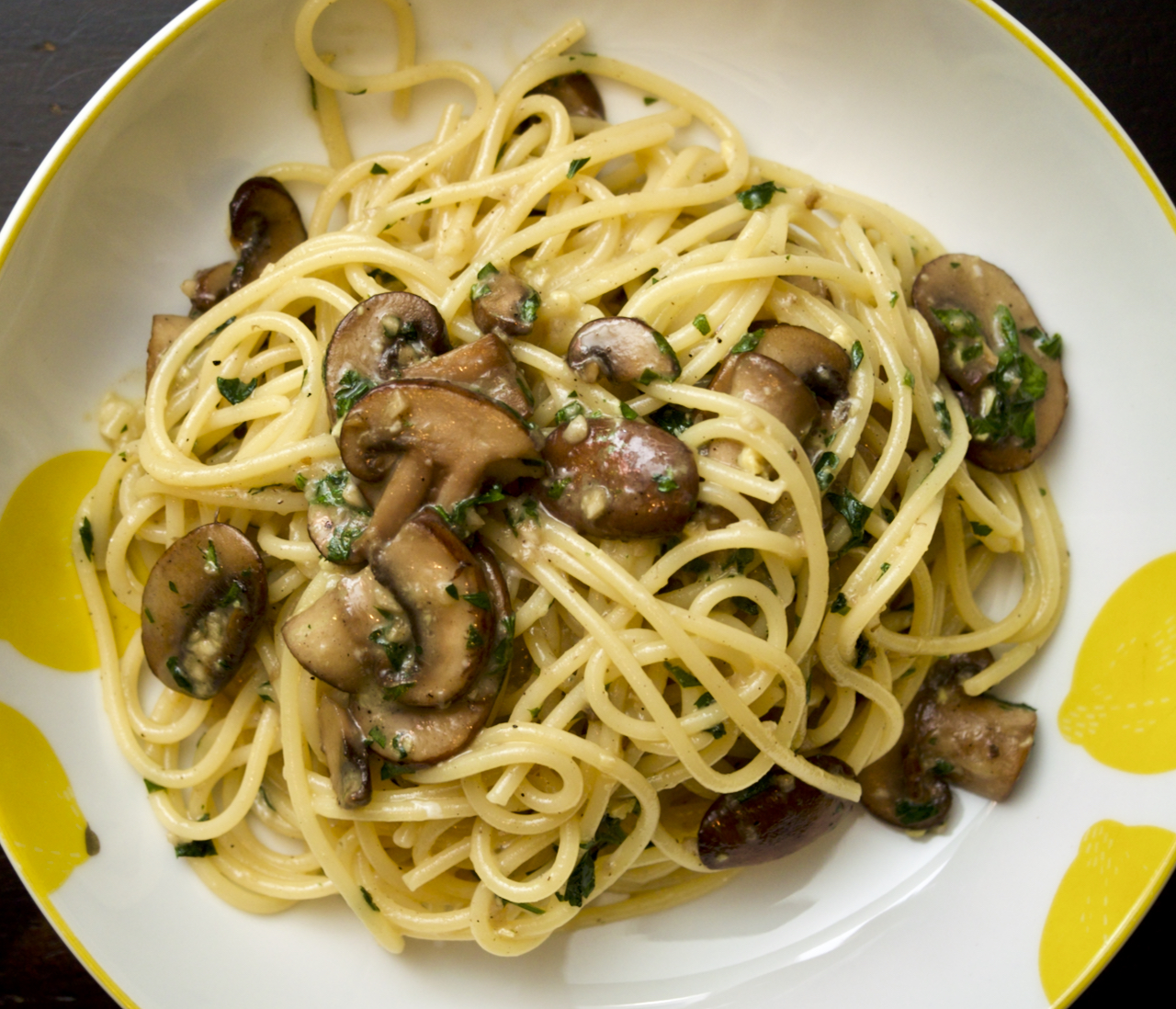
A great weeknight pasta dish with mushrooms instead of the traditional pancetta.
Wine Suggestion: this works really well with fuller-bodied dry whites, like a good Chardonnay. Tonight the Domaine de la Rochette Mont Sard Mâcon-Bussières was full of joyful apple and citrus fruits with layers of gentle smoky and creamy oak.
Mushroom Carbonara – serves 2
200g spaghetti
2 tbsp extra virgin olive oil
150g chestnut mushrooms, sliced
2 cloves of garlic, finely chopped
a handful of flatleaf parsley, chopped
2 eggs, beaten
40g Pecorino cheese, finely grated
Bring a large pan of water to the boil, add plenty of salt and cook the spaghetti according to the timings on the pack.
Heat a large, deep frying pan over a medium-high heat, add the oil and mushrooms and fry until lightly golden. Add the garlic and parsley and cook for a few seconds, then remove the pan from the heat.
Drain the spaghetti, then tip into the frying pan with the mushrooms. Add the beaten eggs and two-thirds of the cheese and toss well.
Season to taste with salt and plenty of black pepper and serve in warm bowls with the extra cheese.
(Original recipe from Rick Stein’s Simple Suppers, Penguin: Random House, 2023.)
We often buy little jars of peas when we’re on holidays in France. This recipe requires peas from a jar which have a distinct and lovely flavour that compliments the other ingredients. Delicious!
Wine Suggestion: Umani Ronchi’s Pecorino Vellodoro is a taste of spring from the Abruzzo region of Italy; floral & fruity with a lovely dry, refreshing minerality.
Tagliatelle with peas & prosciutto – serves 2
3 sliced of prosciutto, torn into small pieces
75g butter
1 shallot, finely diced
1 x 400g tin or jar of petits pois
250g fresh tagliatelle
35g Parmesan, finely grated, plus extra to serve
Heat a non-stick frying over a medium heat, then add the prosciutto and cook until crispy. Remove the prosciutto from the pan and set aside.
Add 50g of the butter to the pan and allow to melt, then add the shallot and cook for 5 minutes or until soft. Add the peas, including their liquid, and cook for about 5 minutes or until reduced by half. Add the cooked prosciutto, then season, and remove from the heat and set aside.
Bring a large pan of salty water to the boil and cook the tagliatelle for 2-3 minutes. Put the frying pan back on the heat and transfer the taliatelle to the pan with tongs. Add an extra ladle of pasta cooking water and the rest of the butter. Add the Parmesan and toss everything together for a couple of minutes, until warmed through – you may need to add a little more of the pasta water.
Serve in warm bowls, sprinkled with more Parmesan and some black pepper.
(Original recipe from The Italian Deli Cookbook by Theo Randall, Quadrille, 2021.)


 Jono & Jules do food & wine