Feeds:
Posts
Comments

Posts Tagged ‘Recipe’

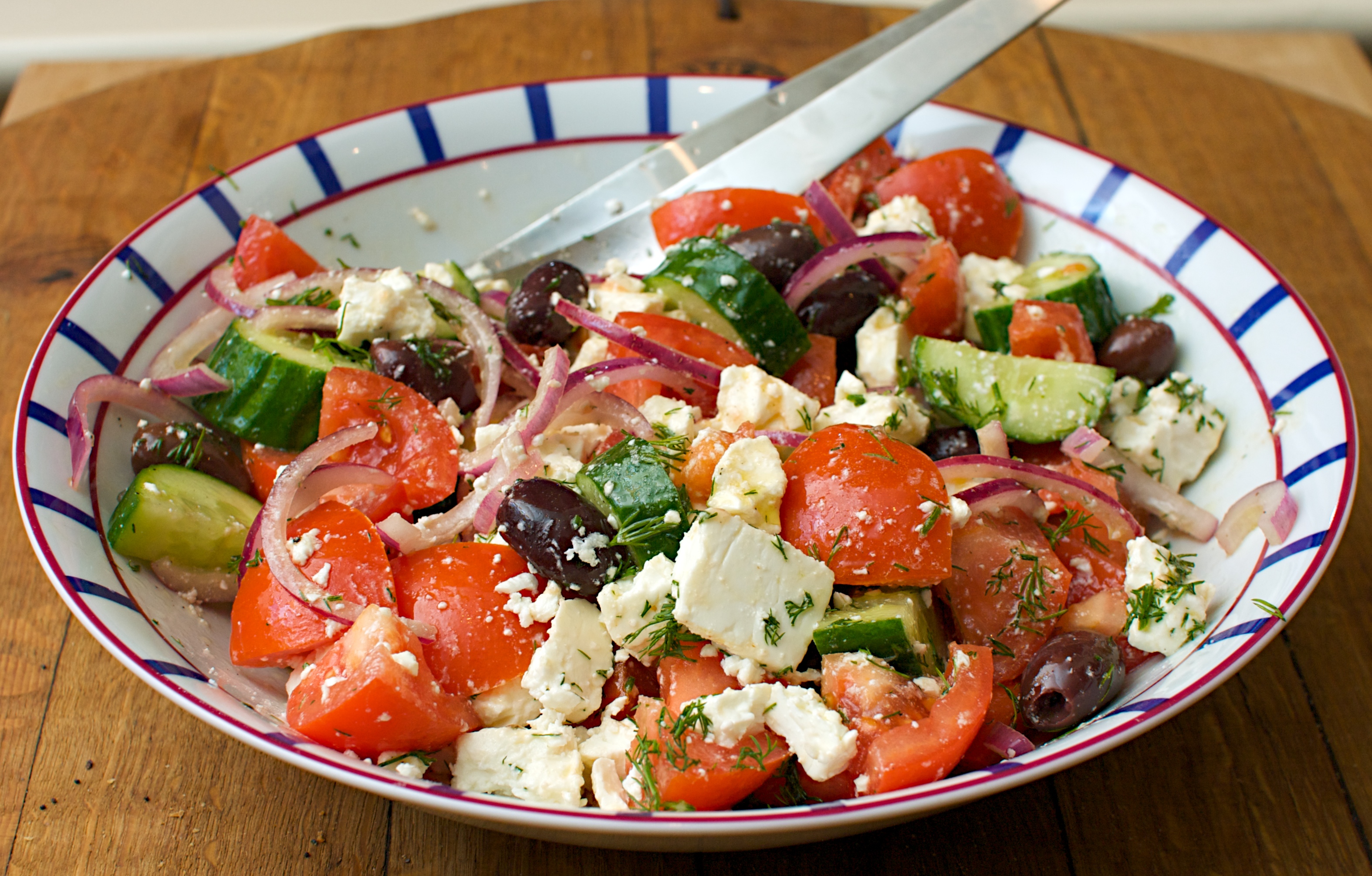
We hadn’t thought of using Pernod or ouzo in a salad until Rick Stein inspired us in his Mediterranean Escapes book. Good enough to make twice in two weeks.

Salata Horiatiki (Greek salad with tomato, cucumber, olives, dill and feta cheese) – to serve 4

  • 450g ripe, red, tasty tomatoes
  • ½ cucumber
  • 1 red onion
  • 200g Greek feta cheese
  • 4½ tbsp extra virgin olive oil, plus a bit extra to serve
  • 1 tbsp red wine vinegar
  • 1 tsp ouzo or Pernod
  • 2 tbsp chopped dill
  • 20 small black olives
  • Large pinch of dried oregano
  • Salt and freshly ground black pepper
  • Crusty fresh bread, to serve

Cut the tomatoes into chunks, and cut the cucumber in half lengthways and then across into thick slices. Very thinly slice the red onion. Crumble the feta cheese into small chunks.

Put the olive oil, ½ tsp salt, the red wine vinegar, ouzo and some black pepper into a large salad bowl and whisk. Add the tomatoes, cucumber and onions and toss gently. Add the feta, dill and olives and mix briefly, then divide onto plates.

Drizzle the salad with a bit more oil, sprinkle with the dried oregano and a little coarsely ground pepper, and serve with crusty bread.

Wine Suggestion: If you were on a Greek island you would be sipping ouzo or retsina… not sure that we’d recommend either. Maybe try a Vermentino, which is still from the Mediterranean (Sardinia or the Italian coast), a fresh white wine that has a bit of texture to it.

Read Full Post »

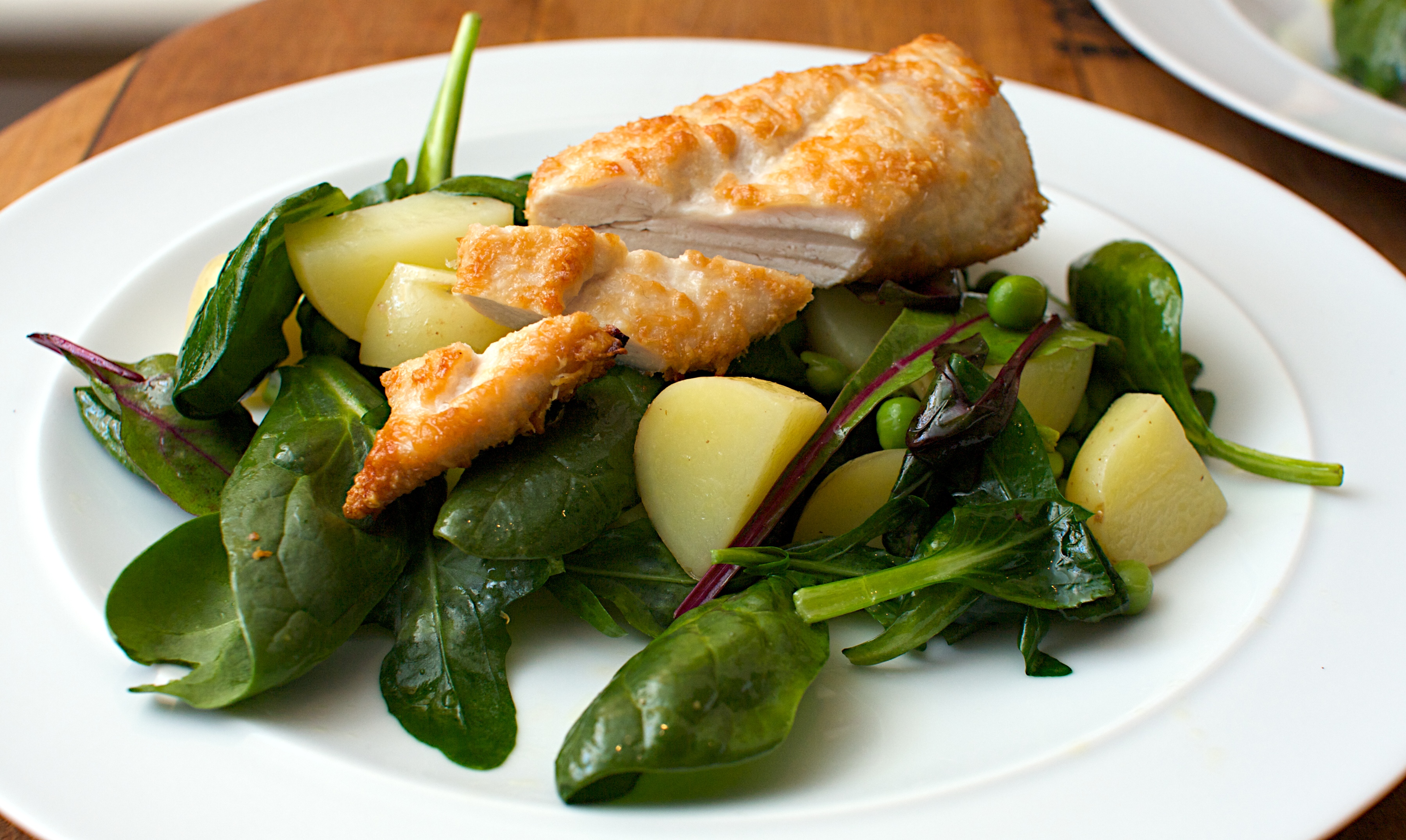
This is a quick and easy week night supper with great spring flavours and nice moist chicken. Perfect now we’re into the long nights, even if they’re somewhat frosty still.

Parmesan spring chicken – to serve 4

  • 1 egg white
  • 5 tbsp finely grated Parmesan
  • 4 boneless, skinless chicken breasts
  • 400g new potatoes, cut into small cubes
  • 140g frozen peas
  • good handful baby spinach leaves
  • 1 tbsp white wine vinegar
  • 2 tbsp olive oil

Heat the grill to medium and line the grill pan with foil. Beat the egg white on a plate with some seasoning. Tip the Parmesan onto another plate. Dunk the chicken in the egg white, then the cheese. Grill the chicken for 10-12 minutes, turning once until brown and crispy.

Meanwhile, boil the potatoes for 10 minutes, adding the peas for the final 3 minutes, then drain. Toss the vegetables with the spinach leaves, vinegar, oil and seasoning to taste. Divide between warm plates and serve with the chicken.

Wine Suggestion: Any light white you have in the fridge would go great here. If you’re going out to buy it try a Rhône varietal, like Roussane or Marsanne.

(Original recipe from BBC Good Food)

Read Full Post »

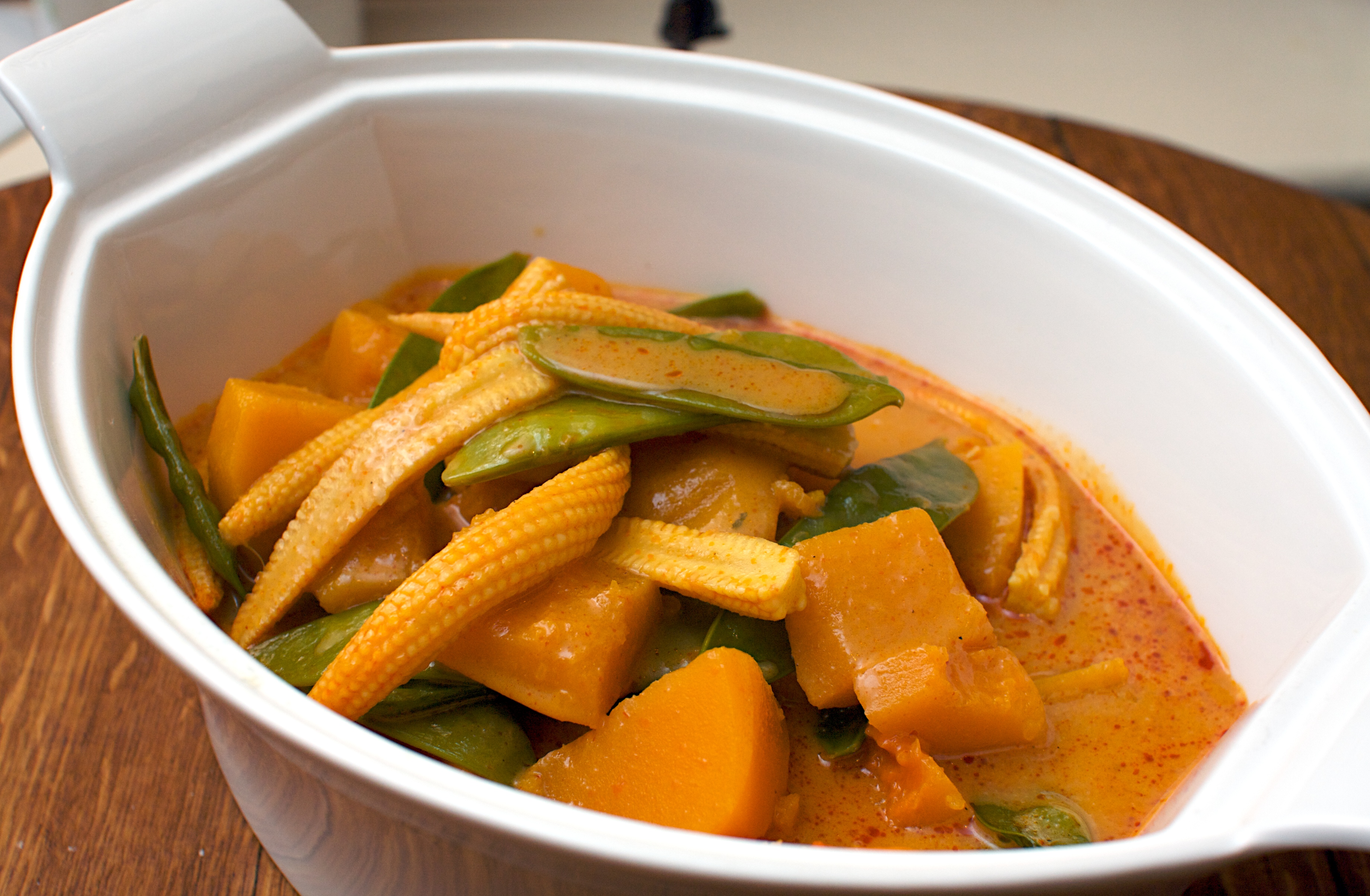
This is not a sophisticated Thai curry but is absolutely perfect for a quick mid-week meal. We loved it! We’ve been avoiding butternut squash this year it seems, which is no reflection on how yum it is. Serve with basmati or jasmine rice.

Thai red squash curry – to serve 4

  • 1 small butternut squash, about 700g
  • 200g pack mixed mangetout and baby corn
  • 2 tbsp sunflower oil
  • 1-2 tbsp Thai red curry paste
  • 400ml can coconut milk
  • 150ml vegetable stock
  • 2 tbsp soy sauce
  • 1 tbsp light muscovado sugar
  • juice of ½ lime

Cut the end off the squash and quarter lengthways, scoop out the seeds, peel, then cut into smallish chunks. Halve the baby corn lengthways.

Heat the oil in a saucepan. Fry the paste gently for 1-2 minutes. Add the coconut milk, stock, soy sauce and sugar. Bring to the boil.

Add the squash and baby corn. Simmer, covered, for about 10-12 minutes. Add the lime juice and mangetout and simmer for one more minute.

Wine Suggestion: We didn’t have anything to drink with this (except water) but if we did it would probably have been a beer!

(Original recipe from BBC Good Food Magazine, April 2001.)

Read Full Post »

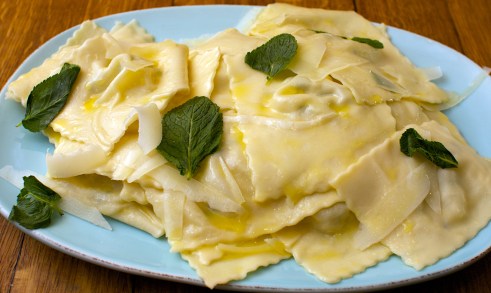
Jono hasn’t made fresh pasta since he broke his hand and we’ve missed the lightness and texture it has. Now he’s better we had to make this minty Spring Ravioli. Needless to say we made masses, but despite the quantity they just slipped down so easily and disappeared in a flash. Fresh pasta is a bit of a labour of love but if you give yourself plenty of time it’s not that difficult and you feel very smug and clever afterwards.

Ravioli of pecorino, potato and mint – serves 6

  • pasta dough (see below)
  • 500g floury potatoes
  • 100g butter, plus a bit more
  • 1-2 handfuls of grated pecorino, plus a bit extra
  • nutmeg for grating
  • zest of 1 lemon
  • a bunch of fresh mint

For the pasta dough

  • 600g tipo 00 flour
  • 6 large eggs

First make the pasta:

Throw the flour and eggs into a food processor and whiz until it looks like breadcrumbs, then tip out and bring together with your hands.

Knead the pasta dough until it feels smooth and silky (your hands should be aching!). Wrap it in clingfilm and rest in the fridge for at least half an hour.

For the filling:

Preheat the oven to 200C/400F/gas 6. Prick the potatoes with a fork, then roll them in some sea salt and bake for about an hour. Cool, cut them in half, and scoop the potato into a bowl, discarding the skins.

Pick your mint leaves and finely chop half. Add the butter, pecorino, nutmeg, lemon zest and the chopped mint and mash well with the potato. Taste and add more  seasoning if it doesn’t taste absolutely delicious.

For the ravioli:

Dust the work surface with flour. Take a quarter of the pasta dough (keep the rest wrapped well in the fridge) and press out flat with your fingers. Set your pasta machine to the widest setting – and roll the pasta dough through. Lightly dust with flour if it sticks.  Click the machine down a setting and roll through again. Fold the pasta in half, click the machine back to the widest setting and roll through again. Repeat this process 5 or 6 times. The pasta will eventually become smooth and silky.

Now roll the dough through all the settings on the machine, from the widest to the narrowest. Keep lightly dusting both sides with flour as you go. When you’ve got down to the narrowest setting, fold the pasta in half lengthways and then in half again, then in half once more until you have a kind of square. Turn it 90 degrees and feed through the machine again at the widest setting. Roll the pasta through each setting for the last time. For ravioli you need to keep going until you can clearly see your hand through the pasta.

Now you need to work quickly to make your ravioli before your pasta dries out. You can cover with a damp tea towel to protect it if necessary.

Cut the pasta into a 5 x 15 cm strips.

Place 4 tsp of filling along the strip and lightly brush the pasta with water.

Put another strip over and mould carefully around the filling on the bottom sheet, pushing out any air bubbles.

Cut into squares with a crinkle cutter or into circles with a pastry cutter.

To cook the ravioli: 

Bring a pot of salted water to the boil and cook the ravioli for about 3½ minutes.

While it is cooking, put a couple of knobs of butter in a frying pan and heat gently. Drain the ravioli with a slotted spoon, reserving a little bit of pasta water. Add the ravioli to the melted butter with a little of the cooking water and lightly simmer until you have a sauce that coats the pasta lightly. Serve on a platter and sprinkle with mint, some pepper and shavings of pecorino.

Aren’t you clever!

Wine Suggestion: We went with the suggestion in the recipe book which was the Italian white, Arneis. Ours was by a producer called Ascheri from Alba and was very nice indeed.

(Original recipe from Jamie Oliver’s Cook with Jamie, Penguin Books, 2006.)

Read Full Post »
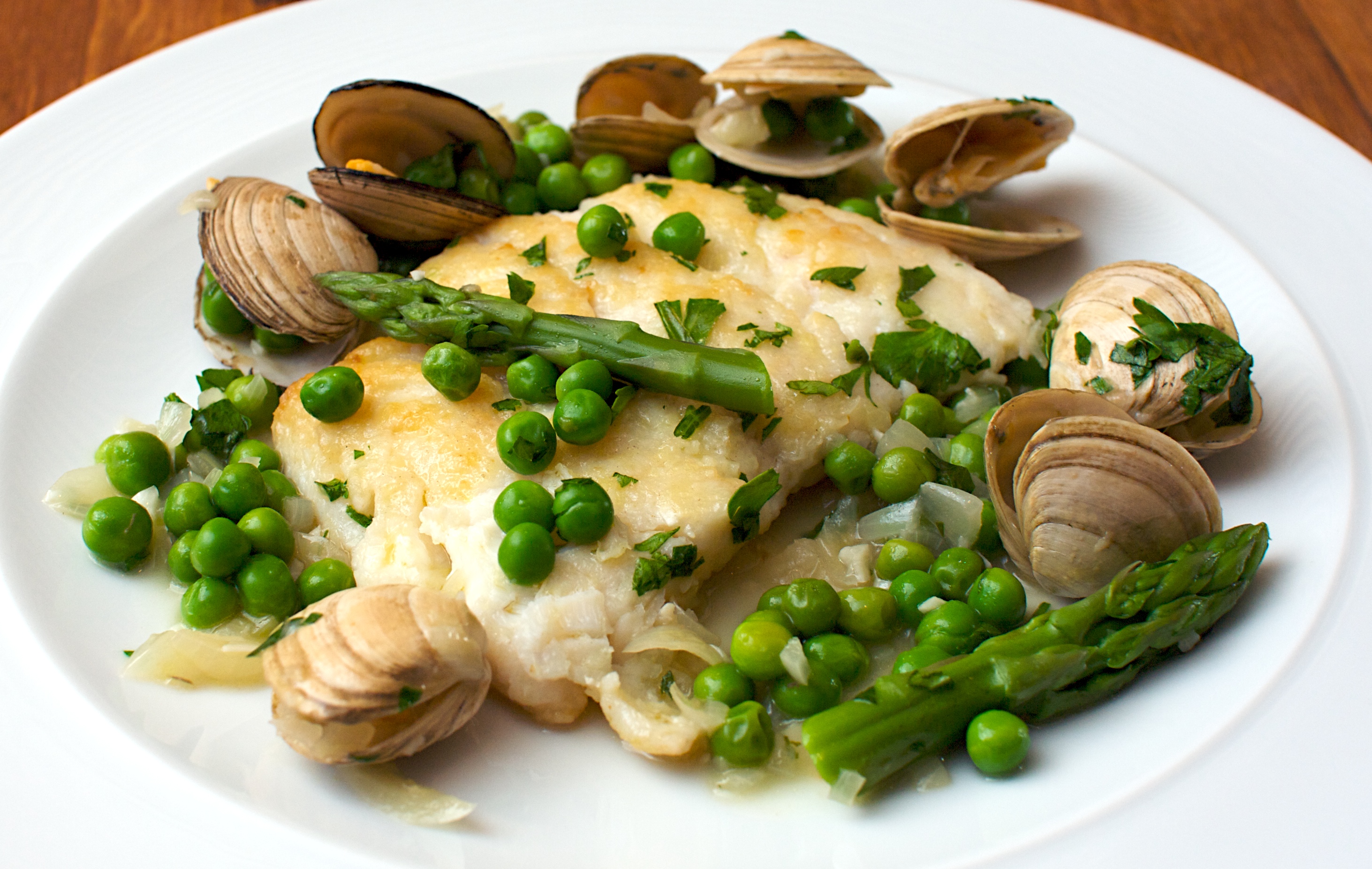
We have been waiting for asparagus season to start and this dish seemed an appropriate celebration. Basque inspiration but completely at home in Ireland with every ingredient in season and locally sourced which we are passionately in favour of.

This recipe uses the tips of asparagus but we suggest buying the whole thing and cutting the tips off at home (instead of the pre pack tips). The remaining asparagus stalks are great steamed or blanched the next day for breakfast with a nice boiled or poached egg 🙂

Merluza a la koxkera – serves 4

  • 4 x 175-200g pieces of skinned hake fillet, 2 – 2.5cm thick
  • 200g asparagus tips (8cm long)
  • 250g peas
  • plain flour for dusting + 1 tbsp for the sauce
  • 6 tbsp olive oil
  • 4 cloves garlic, finely chopped
  • 100g shallot, finely chopped
  • 175ml dry white wine
  • 100ml fish stock
  • 250g small clams (or a few extra of your pot will fit them)
  • 1 tbsp flat-leaf parsley, chopped

Season both sides of the hake pieces generously with salt and set aside for 10-15 minutes.

Meanwhile drop the asparagus tips into a pan of boiling, salted water and cook for 2 minutes. Add the peas and when it reaches the boil again drain and refresh under cold water. Leave to drain.

Pat hake pieces to remove excess moisture and then dust with flour and shake off any excess. Heat 4 tablespoons of olive oil over a medium-high heat in a large frying pan (big enough to fit your 4 hake pieces). Add hake and fry for 2-3 minutes on each side until golden brown on outside, but not quite cooked through. Lift out onto a plate and set aside.

Wipe frying pan clean and add 2 tablespoons of oil, the garlic and shallots. Fry over a medium heat for 3 minutes, or until soft and lightly golden. Stir in the 1 tablespoon of flour and then gradually stir in the wine and stock to make a smooth sauce.

Bring to a simmer and return the hake to the pan and cook for 1 minute. Add the clams, cover and cook for 2-3 minutes until all the clams are opened and the fish is cooked through. Uncover and scatter over the asparagus, peas and parsley. Simmer for a minute or two until the vegetables are warmed through. Taste for seasoning and serve.

Wine suggestion: As this is of Basque origin we could suggest a Txakoli, a Basque white wine. If this is difficult to find try a Semillon-Sauvignon Blanc blend, like from Bordeaux which has good freshness and crispness but also the body and structure to stand up to the flavours of the dish.

Inspiration from: Rick Stein’s Spain, BBC Books 2011

Read Full Post »

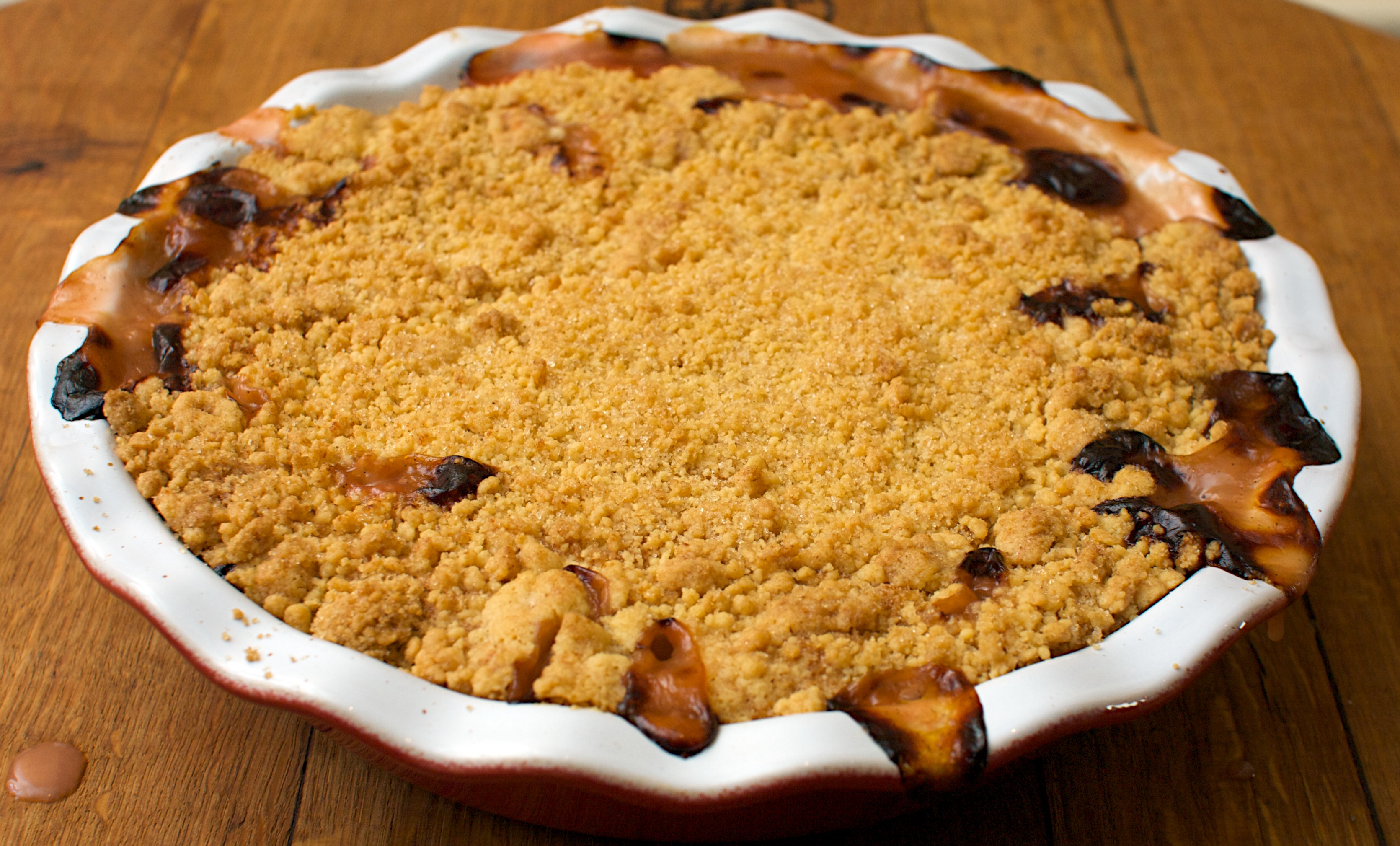
Perhaps we don’t need to tell you how to make crumble but as we always use a Nigella recipe, we thought we’d share it with you. It looks particularly good if you use the bright pink forced rhubarb, available early in the year. You can make this well in advance but don’t put the crumble on top of the rhubarb until you are ready to cook it.

Rhubarb Crumble

  • 1kg rhubarb, chopped into 1 cm pieces
  • 50g caster sugar
  • 1 tbsp butter
  • 1 tbsp vanilla extract
  • 1 tbsp cornflour
FOR THE CRUMBLE
  • 150g plain flour
  • 1 tsp baking powder
  • 110g unsalted butter, cold and diced
  • 3 tbsp sugar
  • 3 tbsp Demerara sugar

Preheat the oven to gas mark 5/190ºC, and put in a baking sheet .

Toss the rhubarb in a pan on the heat with the sugar, butter, vanilla and cornflour for about 5 minutes, or until the butter has melted and everything has come together. Tip into a pie dish (about 24cm wide and 4cm deep).

Put the flour and baking powder into a bowl and rub in the cold, diced butter. It should look like rough oatmeal.

Stir in the sugars with a fork and pour over the rhubarb, cover completely so it doesn’t all bubble up through the crumbs too much. Bake for 35-45 minutes on the baking sheet. Some juice will bubble up and the top should be nice and brown.

Serve with cream, ice-cream or custard.

Wine suggestion: This works well with a sweet white wine able to complement the vanilla flavours running through crumble. If you can plump for a good Sauternes, a Tokaji aszu or botritis Semillon that has been aged in oak and has a few years in bottle then we think you’ll find a match made in heaven.
(Original recipe from Nigella Lawson’s Feast, Random House, 2004.)

Read Full Post »

We’re always on the lookout for a vegetarian lasagne and this one worked well and tasted great. It’s rich so a salad on the side is all that’s needed. Make on the weekend when you’re in no hurry.

Mushroom lasagne – to serve 8

MUSHROOMS:

  • 35g dried porcini mushrooms
  • 400ml lukewarm water
  • 60g unsalted butter
  • 1 tbsp thyme leaves
  • 800g mixed fresh mushrooms, sliced if large
  • 2 tbsp chopped tarragon
  • 4 tbsp chopped parsley

LASAGNE

  • 60g unsalted butter
  • 1 small shallot, chopped
  • 60g plain flour
  • 550ml milk
  • 375g ricotta
  • 1 large free-range egg
  • 150g feta, crumbled
  • 170g Gruyère, grated
  • 400g lasagne verde
  • 150g fontina cheese (or mozzarella), granted
  • 50g Parmesan, grated
  • salt and white pepper

Preheat the oven to 180ºC/Gas Mark 4. Cover the porcini with the lukewarm water and leave to soak for 5 minutes. Drain and reserve the liquid.

Melt the butter in a large heavy-based saucepan. When foaming add the thyme, porcini and fresh mushrooms. Cook for 4 minutes, or until softened and have released their juice, stirring now and then. Take off the heat and stir in the tarragon, parsley and some salt and pepper. Tip into a bowl and set aside.

Use the same pan to make a béchamel. Put the butter and shallot in the pan and cook over a medium heat for about a minute. Add the flour and cook, stirring constantly, for about 2 minutes; the mix will turn into a paste but shouldn’t take on much colour. Gradually whisk in the milk and porcini soaking liquid, leaving any grit behind. Add ½ tsp salt and keep whisking until boiling. Simmer on a low heat, don’t stop stirring, for about 10 minutes, or until thickish. Take off the heat.

In a small bowl mix the ricotta with the egg, then fold in 3 tbsp of the béchamel and the feta. Add the Gruyère to the remaining béchamel in the pan and stir well to get your main sauce.

Pour boiling water over the lasagne leaves (a few at a time so they don’t stick together) and soak for 2 minutes; remove and dry on a tea towel.

To build the lasagne, pour one-fifth of the sauce over the bottom of an ovenproof dish (about 25 x 35 cm). Cover with lasagne leaves. Spread ¼ of the ricotta mix on top, scatter over ¼ of the mushrooms and sprinkle with ¼ of the fontina. Make three more layers like this, then finish with a layer of pasta covered with sauce.

Sprinkle the Parmesan on top and cover loosely with foil (so it’s not touching the sauce). Bake for 40 minutes, or until the sauce is bubbling up around the sides. Lift off the foil and bake for another 10 minutes, or until golden. Leave to rest for 10 minutes before serving.

Wine Suggestion: You’ve plenty of choices here. You could go for a Chardonnay to complement the rich mushroom sauce or if you prefer red go for something earthy like a Barbera.

(Original recipe from Yotam Ottolenghi’s Plenty, Ebury Press, 2010.)

Read Full Post »

A great balance between the meaty and oily Gurnard and the sweet onions, salty capers and vinegar. You want the onions to be al dente so don’t cook them too long.

Fried Gurnard with Sweet & Sour Red Onions – to serve 4

  • olive oil, for shallow frying
  • 8 x 75g fillets of gurnard
  • 50g plain flour
  • 1 tsp small capers, to garnish

For the sweet and sour onions

  • 50ml extra virgin olive oil
  • 2 medium red onions, halved and thinly sliced
  • 2 tbsp red wine vinegar
  • 2 tbsp clear honey

Cook the sweet and sour onions first. Heat the olive oil in a frying pan, then add the onions, honey, ½ tsp salt and some pepper and cook gently for 10 minutes, stirring occasionally, until they are soft but still have a bit of a bite, but don’t let them brown. Keep warm.

Pour the olive oil into a wide shallow pan to a depth of 1cm and heat to 180ºC (buy a cheap jam thermometer in a cook shop for this). Season the fish fillets on both sides, coat in the plain flour and knock off the excess. Lower the heat slightly and add the fish and cook for 1 minute on each side until lightly golden and cooked through. Lift onto kitchen paper and drain briefly.

Serve the fish on warm plates and spoon some of the sweet and sour onions over. Scatter with capers and serve.

Wine Suggestion: Acidity is important here we’d recommend a white Inzolia or Grillo from Sicily.

(Original recipe from Rick Stein’s Mediterranean Escapes, BBC Books, 2007.)

Read Full Post »

Good Friday night stuff this. We always have a stash of good quality sausages from Sienna in the freezer. This is a Jamie recipe called “Proper blokes’ sausage fusilli”. We assure you that proper ladies like it too!

Sausage Pasta – to serve 4

  • 2 heaped tsp fennel seeds
  • 2 dried red chillies, crumbled (or use chilli flakes)
  • olive oil
  • 600g good-quality coarse Italian sausages (or Cumberland)
  • 1 tbsp dried oregano
  • a wineglass of white wine
  • zest and juice of 1 lemon
  • 500g good-quality fusilli or penne
  • a couple of knobs of butter
  • a handful of freshly grated Parmesan, plus extra to serve
  • a small bunch of flat-leaf parsley, leaves picked and chopped

Crush the fennel seeds and chillies in a pestle and mortar until coarsely ground. Heat a splash of olive oil in a heavy frying pan. Skin the sausages and add the meat to the pan, breaking it up with a wooden spoon. Fry for a few minutes until it starts to colour and the fat has started to render, keep crushing it until it looks like coarse mince. Add the crushed fennel and chillies and cook on a medium heat for about 10 minutes until the meat looks crispy and golden brown.

Stir in the oregano, then pour in the wine and reduce it by half. Add the lemon zest and juice. Turn the heat to low while you cook your pasta according to the pack. Drain the pasta but reserve a little cooking water. Toss the pasta well with the sausagemeat, then add the butter, Parmesan, chopped parsley and a few spoons of the reserved water. You should have a loose, shiny sauce. Taste and adjust the seasoning, then serve with some extra Parmesan.

Wine Suggestion: The recipe book suggests a Valpolicella Classico which would be good but we reckon the bit of extra acidity from a Chianti would work better. Or if you like your wines fruitier and softer try something from the Tuscan coast, the Maremma.

(Original recipe from Cook with Jamie by Jamie Oliver, Penguin, 2006.)

Read Full Post »
Healthy burgers – so easy to make! Next time we’re going to try them in flatbreads with houmous and hot chilli sauce!

Falafel burgers – to feed 4

  • 400g can chickpeas, rinsed and drained
  • garlic clove, chopped
  • handful of flat-leaf parsley
  • 1 tsp ground cumin
  • 1 tsp ground coriander
  • ½ tsp harissa paste or chilli powder
  • 2 tbsp plain flour
  • 2 tbsp sunflower oil
  • toasted pitta bread
  • tomato salsa, to serve
  • green salad, to serve

Pat the chickpeas dry with some kitchen paper. Tip into a food processor with the onion, garlic, parsley, spices, flour and some salt. Blend until fairly smooth and shape into burgers with your hands.

Heat the oil in a non-stick frying pan, then fry the burgers for 3 minutes on each side or until golden. Serve with toasted pittas, salsa and salad.

Wine Suggestion: A simple juicy, fruity red is all that’s required here like a Grenache or Tempranillo.

(Original recipe from BBC Good Food.)

Read Full Post »

Chilli Cumin Lamb

A great introduction to an exciting chef, the winner of Australian Masterchef, Adam Liaw. He does some really exciting Asian food – well worth a trip to the Asia market! Lamb fried with cumin is a classic northern Chinese dish, Adam has given it a bit of twist and turned it into a warm salad with a peanut relish. You will need a thermometer for this, the sort that you use for jam, you can pick one up in a kitchen shop for under €10. We bought one to cook this dish and have already used it again for something else. If your peanuts have the skins on just blanch them for a minute in hot water and they will slip off easily.

Chilli cumin lamb with peanuts and herbs – to serve 2

  • vegetable oil, to deep-fry
  • 300g lamb topside, cut into 2cm cubes
  • 1 tbsp cornflour
  • 2 tbsp neutral-flavoured oil, like groundnut
  • 40g raw peanuts, peeled
  • ½ onion, finely diced
  • 2 garlic cloves, chopped
  • 1 tbsp dark soy sauce
  • ¼ tsp caster sugar, plus an extra pinch
  • 5 dried chillies, stalks and seeds removed
  • 1 tbsp cumin seeds
  • 1 tsp chilli powder
  • ¼ tsp sea salt flakes
  • 2 large handfuls mint leaves
  • 1 large handful coriander leaves
  • lemon wedges and cooked rice, to serve

Half-fill a wok with vegetable oil and heat to 180ºC. Toss the lamb in the cornflour and deep-fry for 3-5 minutes or until well browned. Lift out with a slotted spoon and drain on paper towel. Drain the vegetable oil from the wok.

Heat half the neutral oil in the wok and stir-fry the peanuts until golden brown. Remove with a slotted spoon, drain and roughly chop. Add the onion and garlic and stir-fry for 1-2 minutes or until softened and starting to colour. Add the soy sauce and sugar and stir-fry for 30 seconds. Return the peanuts to the wok with the chillies and toss for about 30 seconds. Remove the mixture from the wok and set aside.

Heat the rest of the oil in the wok and add the cumin and chilli powder. Stir-fry for 30 seconds (or until it starts to aggravate your nose). Add the lamb, the salt and a pinch of sugar. Toss for about 30 seconds and then add half the mint. Toss until the lamb is wilted, then remove the mixture from the wok.

Arrange a bed of coriander and mint leaves on a serving plate and top with the lamb mixture. Spoon the peanut and onion mixture on top of the lamb. Serve with wedges of lemon. Squeeze the lemon over just before eating and toss like a salad. Serve with rice.

Wine Suggestion: We have the old conundrum of chillies with wine – they don’t go. We’d probably go for a beer here (lager rather than ale)  but if you want wine, a Pinot Gris with a little sweetness and not too aromatic might be good.

(Original recipe from Adam Liaw’s Two Asian Kitchens, Ebury Press, 2011.)

Read Full Post »

This takes time to make but with little effort and is well worth it. It supposedly keeps well too but ours didn’t last long enough to test this theory. If you’re not keen on fennel seeds you can leave them out or else substitute sesame or poppy seeds.

Pagnotta con finocchietto  – makes 1 oval loaf

  • 450g strong white flour
  • 1 tsp salt plus a bit extra for the top
  • 1 tbsp caster sugar
  • 10g fast-action dried yeast
  • 1 tbsp fennel seeds, crushed
  • 280ml water, warm
  • 30g salted butter, melted
  • 1 egg white
  • olive oil for brushing

Brush a baking tray and the inside of a large bowl with oil.

Sift the flour into another bowl with the salt, sugar and yeast and make a well in the centre. Sprinkle over ½ tsp of the fennel seeds and pour in the water and butter. Mix with the tips of your fingers until you have a soft dough.

Transfer the dough to a lightly floured surface and knead for 10 minutes or until smooth and elastic. Shape it into a ball and put it in the oiled bowl. Cover with clingfilm and leave to rise in a warm place without draughts for an hour (the hot press is good).

Turn out the dough onto a lightly floured surface and punch dozen. Shape into an oval and place on the oiled baking tray. Brush the top with a little oil and cover with clingfilm. Leave to rise in a the same warm and draught-free place for another 40 minutes.

Preheat the oven to 220ºC/gas mark 7.

In a small bowl, mix the egg white with a pinch of salt.

Brush the top of the loaf with the egg white and sprinkle over the remaining fennel seeds. Use a sharp knife to make a cut right down the length of the dough.

Bake in the middle of the oven for 20 minutes, then reduce the temperature to 180ºC/gas mark 4 and continue to bake for another 10 minutes.

Transfer to a wire rack to cool slightly before serving warm with some cured ham or salami.

Wine Suggestion: A light fruity red will be perfect here – try a Chianti perhaps from the Rufina district.

(Original recipe from Gino d’Acampo’s, Italian Home Baking, Kyle Books, 2011.)

Read Full Post »

This soup is delicious and really filling with a mild smoky flavour from the fish. Serve with crusty bread.

Broccoli & smoked haddock soup – to serve 4

  • 450g broccoli
  • 50g unsalted butter
  • 1 onion, chopped
  • 2 garlic cloves
  • 1 sprig of thyme
  • 1 bay leaf
  • 250g smoked haddock fillet, skinned and diced
  • 850ml milk
  • lemon juice
  • cayenne pepper

Trim the broccoli, peel the fatter bits of the stem and then cut into bite-sized pieces. Melt the butter in a large pan. Add the broccoli, onion, whole garlic cloves, thyme and bay leaf. Stir to make sure everything is coated and then cover and sweat over a very low heat for 10 minute, stir now and then to make sure it doesn’t stick.

Add the haddock and milk, and season (though not too much salt as your fish might be quite salty). Bring to the boil and simmer covered, for 10-15 minutes or until the broccoli is really tender. Remover the bay leaf and thyme and liquidise.

Reheat when ready to serve, stir in a squeeze of two or lemon to give it a nice freshness.

Wine suggestion: Try a white wine from Gascogny. We enjoy drinking the Domaine de Pellehaut Harmonie de Gascogne white (from Mitchellandson.com)  which blends Ugni Blanc, Colombard, Sauvignon, Gro & Petit Manseng and Chardonnay into a delightful fresh and fruity wine. Enough freshness and interest, but with an easy drinking finish. Great as a house white!

Read Full Post »

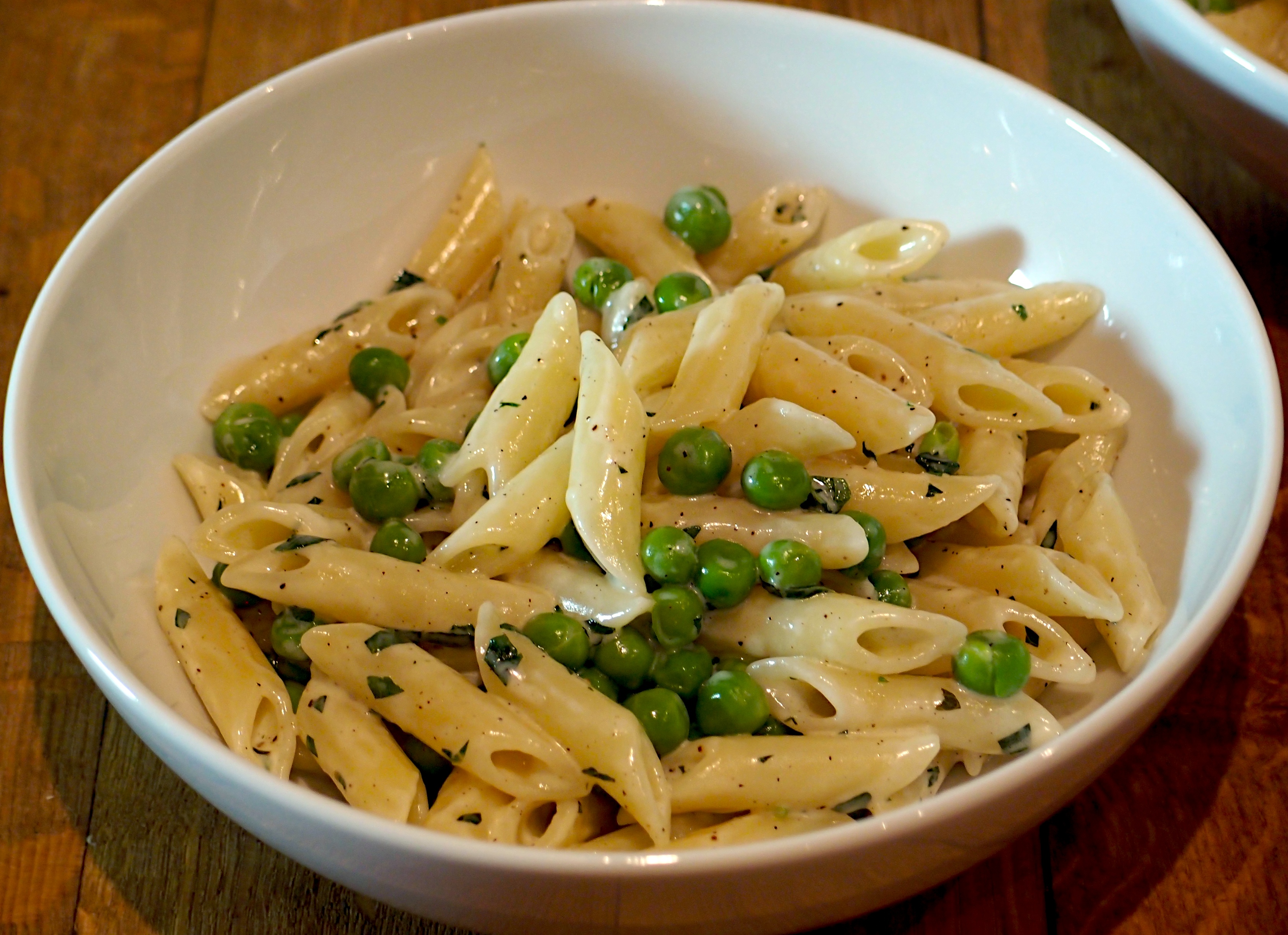
Mascarpone is a great ingredient but its one we use rarely as most recipes only require a few spoons and we inevitably end up throwing the rest out. Well not any more! This is not really a recipe but more of an idea which you can adapt depending on what else you have lying around to complement your mascarpone.

Pea, mint & mascarpone pasta – to serve 2

  • 200g pasta
  • 140g frozen peas
  • 100g mascarpone
  • handful of chopped mint

Cook the pasta according to the pack and add the peas for the last 3 minutes of cooking time. Scoop out and reserve a bit of the cooking water before you drain the pasta and peas. Return to the pan and add the mascarpone, mint, plenty of seasoning and a couple of spoons of the cooking liquid to make a nice saucy consistency.

Wine Suggestion: Something simple and food friendly is all that’s needed here. An easy Pinot Grigio (not a variety that we often recommend) went really well.

Read Full Post »

Healthy, super-speedy and tasty. Perfect weeknight dinner!

Sticky lemon & chilli chicken noodles – to serve 2

  • 100g thread egg noodles
  • 2 skinless chicken breasts, sliced into strips
  • 1 tsp cornflour
  • oil
  • 4 scallions, shredded
  • 50 mange tout, shredded
  • 1 red pepper, sliced
  • 2 tbsp soy sauce
  • 1 lemon, juiced
  • 1 tbsp honey
  • 2 tbsp chilli sauce

Cook the noodles according to the pack. Put the chicken slices into a plastic bag, add the cornflour and some seasoning and give it a good shake. Heat 1 tbsp oil in a wok and stir-fry the chicken until golden. Set the chicken aside and add the vegetables to the pan but hold back some of the scallions for a garnish. Toss for a couple of minutes .

Return the chicken to the pan and add the lemon, honey, soy sauce and chilli sauce, plus a splash of water and bubble for a few minutes to make a sauce. Toss with the noodles and garnish with the remaining scallions.

Wine Suggestion: Go for something fresh, fruity and aromatic, like a Sauvignon Blanc from Italy or Chile.

(Original recipe from BBC Good Food)

Read Full Post »

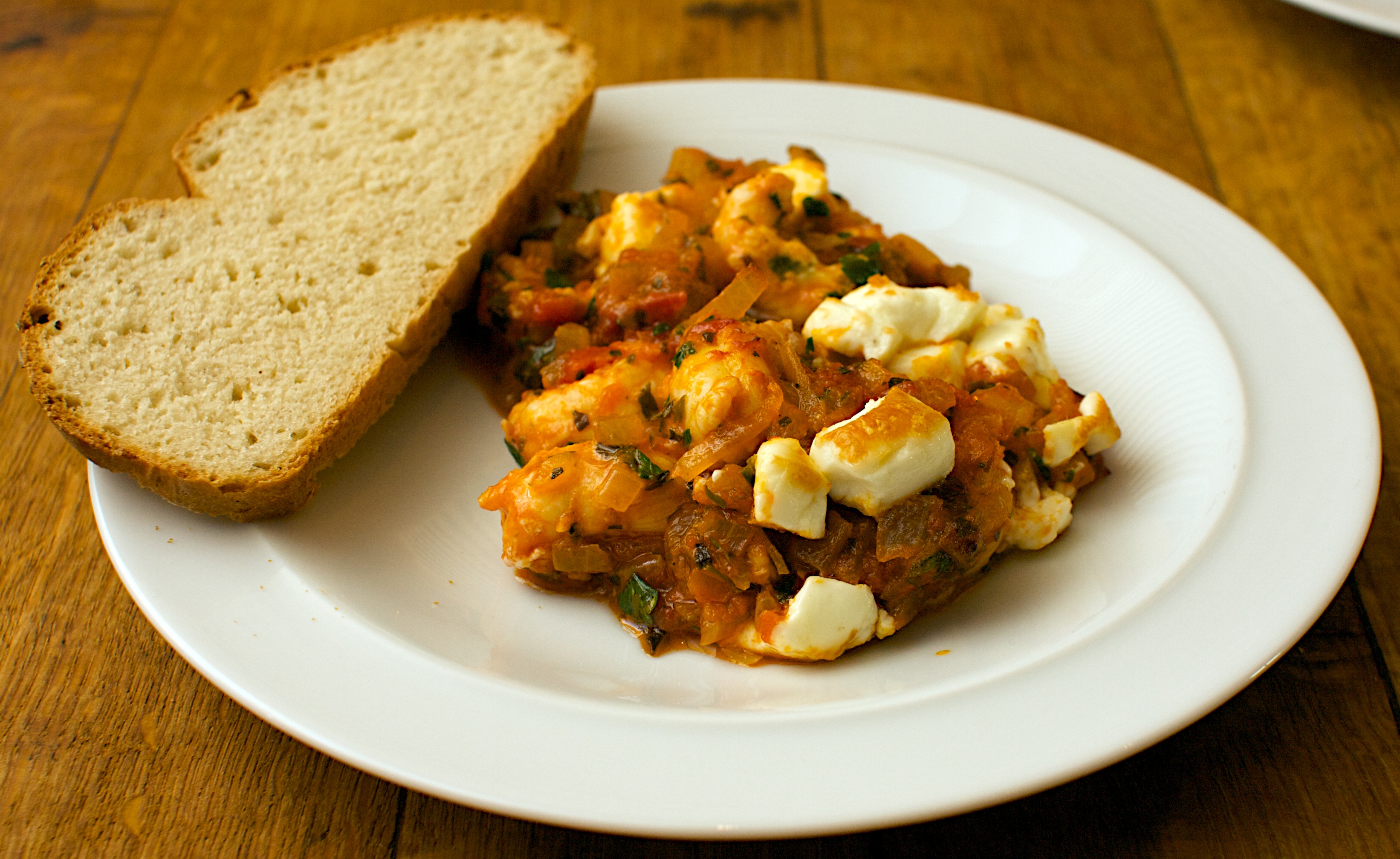
Prawn Saganaki

This is a Greek mezedes dish which works really well as a starter for 4 with some crusty bread. We divided this onto plates but its also nice (and more common in Greece) to plonk the dish on the table and let everyone serve themselves. Saganaki dishes take their name from a small shallow frying pan used to fry or braise small portions of food, like cheese or shellfish.

Garides saganaki (Prawn saganaki) – to serve 4

  • 4 tbsp olive oil
  • 1 onion, finely chopped
  • 200g tinned chopped or fresh tomatoes, peeled and diced
  • ½ tsp sugar
  • 5 tbsp dry white wine
  • 2 tsp dried oregano
  • 16 large prawns, peeled and deveined
  • 3 tbsp finely chopped parsley or mint
  • 100g feta cheese, diced

Heat the oil in a pan. Add the onion and cook over a medium heat for 4-5 minutes, or until soft and translucent. Add the tomatoes, sugar, wine, and oregano and season with salt and pepper. Turn up the heat and cook, uncovered, over a high heat for about 10 minutes, until thickened. Meanwhile, preheat the grill.

Add the prawns to the pan and cook for another few minutes. Stir in the parsley or mint and transfer the mixture to a small flameproof dish. Sprinkle over the cheese and grill for 5 minutes or until the cheese is melted and starting to brown.

Wine Suggestion: Serve with a glass of anise-scented ouzo if you’re feeling really authentic! Or try and search out some of the excellent, new-generation of Greek wines, like a white Assyrtiko.

Read Full Post »

This is something we’ve bought loads, either in a deli or in a restaurant. Easy, tasty and fresh; don’t know why it has taken so long for us to make our own! Provided you keep it in the fridge with a thin film of olive oil covering the top it will last for ages. A really nice topping for bruschetta or slices of crusty bread.

Green olive paste  – makes enough to fill a jam jar

  • 40 stoned green olives
  • 1 tsp capers
  • 1 tbsp ground almonds
  • 1 garlic clove
  • 4 tbsp olive oil
  • ¼ tsp ground cumin
  • ¼ tsp ground paprika

Put all the ingredients in a food processor and blend to make a purée.

Wine Suggestion: The influence here is clearly Spanish and as you’re likely to serve this before a meal we suggest the ultimate Spanish aperitif – a glass of Sherry. We would choose either a Fino or Manzanilla where the salty-savoury freshness would really compliment the tangy olive flavours and add a texture that really works. It is super important that you pick a recently bottled version (ask your wine merchant to explain the lot numbers! … or me if you are in Mitchell’s) as these sherries really lose freshness and vitality if it has been bottled too long.

(Original recipe from Real Fast Vegetarian Food by Ursula Ferrigno, Metro Publishing Ltd., 2002.)

Read Full Post »

Not quite instant but this definitely won’ t take up too much of you time. We’re going to start serving cheesy, garlic ciabatta with lots of things!

Quick tomato soup with cheesy garlic dippers – to serve 2

  • 400g tin cherry tomatoes
  • 1 tbsp caster sugar
  • 100ml vegetable stock
  • dash of Tabasco
  • dash of Worcestershire sauce
  • 2 tbsp mascarpone
  • basil leave to serve

FOR THE DIPPERS

  • 1 medium ciabatta roll, halved
  • 1 garlic clove, halved
  • 125g ball mozzarella, shredded

Put the tomatoes, sugar, stock and sauces into a medium pot and season. Bring to a simmer and cook for 5-10 minutes. Stir in the mascarpone and blend until smooth, then keep warm while you make your cheesy garlic bread.

Heat the grill to high and toast the ciabatta until golden. Rub with the garlic, season, then top with the cheese and grill until melted and starting to brown. Sprinkle some basil over the soup and serve with the cheesy bread.

Wine Suggestion: Simple and fruity is best, but you will need to keep a little acidity in the wine to match the tomatoes. We suggest you enjoy a simple Chianti / Sangiovese-based wine. Make sure it is isn’t too complex, extracted or oaked as these layers will be lost on the simplicity of this dish. The real joy is in the simplicity!

Read Full Post »

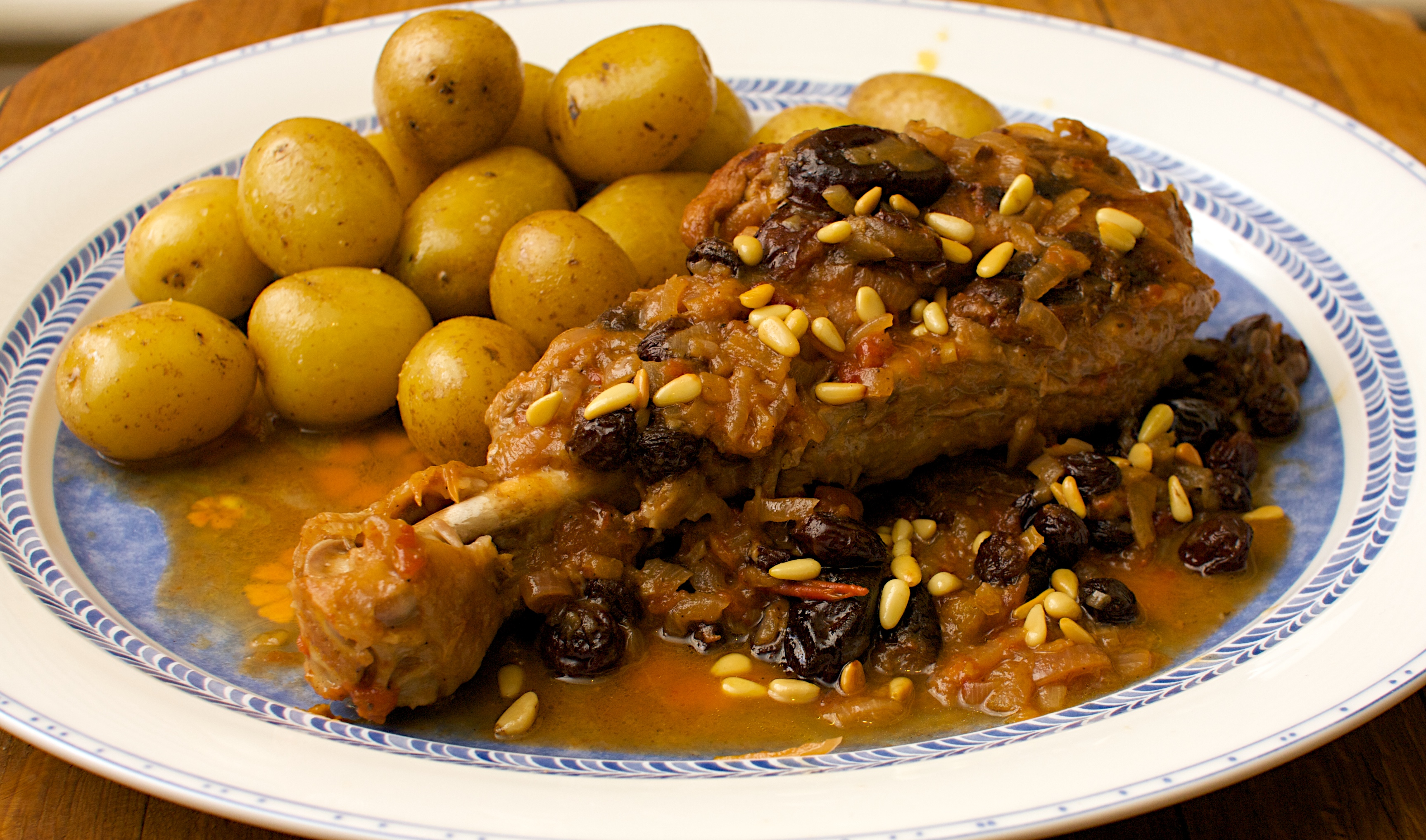
We, like most people, usually only eat turkey at Christmas. This is silly as it’s a really tasty meat (much superior to chicken in our opinion) and is also really cheap. We picked some turkey legs up in a supermarket for just a few euros. You need to soak the fruit for 12 hours before you cook the turkey.

Catalan-style turkey – to serve 2

  • 30g raisins
  • 40g pitted prunes
  • 6 tbsp vino rancio or dry sherry
  • 1 red onion, thinly sliced
  • 2 turkey drumsticks
  • 1½ tbsp olive oil
  • 100g chopped tomatoes (we used some from a tin)
  • 240ml water
  • 2 tsp pine nuts

Put the raisins and prunes in a bowl and pour over the vino rancio or sherry. Leave to soak for 12 hours.

Thinly slice the onion and season the turkey legs with salt and pepper.

Heat a wide pan over a medium heat and add most of the oil. Brown the turkey for about 10 minutes or until its golden all over, then add the onions. Fry the onions and turkey for another 10 minutes, stirring often, until the onions caramelise and turn dark golden brown.

Drain the vino rancio or sherry from the fruit and add to the pan. When most of it has evaporated, add the chopped tomato and cook until everything is well caramelised.

Pour in the water, turn down the heat and simmer for 30 minutes.

Add the raisins and prunes. Cover the pan and leave to cook for another hour, or until the turkey is really tender and the sauce is thick and delicious.

Meanwhile, heat the rest of the oil in a frying pan and cook the pine nuts over a low heat until golden.

Lift the turkey onto a serving dish, cover with the sauce and sprinkle with the pine nuts.

Wine Suggestion: Stick to the Spanish theme here we think. You could always have another glass of Sherry or try a Spanish red. We had a fantastic wine called Bráo made by a producer called Acustic from Montsant (which is beside the better known region of Priorat), just south of Barcelona. Pick one up in Bubble Brothers while they still have some left!!

Read Full Post »

This is really healthy and low-fat which is just what we like during the week. Serve with some steamed rice.

Steamed fish & pak choi parcels – to serve 4

  • 4 plaice, haddock or other white fish fillets
  • 2 pak choi, thickly sliced
  • 4 scallions, shredded
  • 1 red chilli, thinly sliced
  • 3cm ginger, cut into matchsticks
  • 2 tbsp reduced-salt soy sauce
  • juice 1 lime
  • 1 tsp sesame oil

Heat oven to 200C/180C fan/gas 6.

Put each fish fillet in the centre of a large piece of tinfoil. Top with the pak choi, scallions, chilli and ginger. Pull up the edges of the foil to make a dish to catch the sauce.

Mix the soy sauce, lime juice and 1 tbsp water and spoon over the fish. Carefully crimp the foil to enclose the fish making sure there are no gaps for the steam to escape.

Put the parcels on a baking tray and bake for 10-15 minutes or until the fish is cooked (depends how big your fillets are). Drizzle over a few drops of sesame oil before serving but go easy or you will overpower the delicate flavours.

Wine Suggestion: light and delicate with aromatic overtones and a little residual sugar instead of bone-dry is the key; try a New Zealand or just-off-dry German Riesling and you’ll have a delightful match.

(Original recipe from BBC Good Food)

Read Full Post »

« Newer Posts - Older Posts »