Feeds:
Posts
Comments

Posts Tagged ‘Rick Stein’

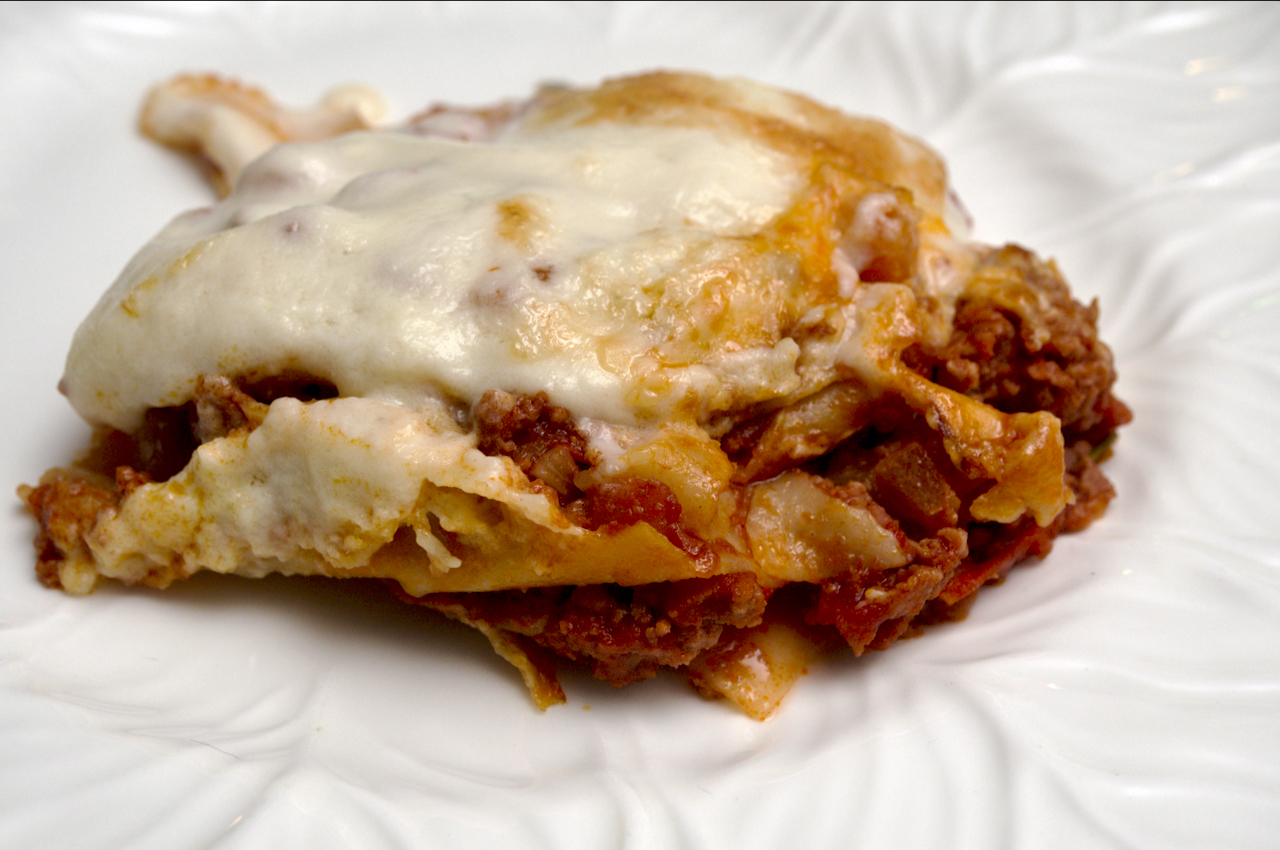
Just a reminder that a big lasagne is a very good thing to have. We sometimes divide it up into smaller dishes and freeze some to finish off cooking another day.

Wine Suggestion: Our personal prejudice here is for Sangiovese every time with Lasagne, though we know this is not the only grape that works. That said we couldn’t go past the Boscarelli “Prugnolo” Rosso di Montepulciano which comes from a lovely hilltop DO in Tuscany.

Lasagne – serves 8

  • 350-400g fresh lasagne sheets
  • nutmeg
  • 1 ball of mozzarella, torn

FOR THE RAGU:

  • 2-3 tbsp oil
  • 1 onion, finely chopped
  • 2 carrots, finely chopped
  • 2 celery stalks, finely chopped
  • 2 cloves of garlic, finely chopped
  • 4 rashers of smoked streaky bacon, finely chopped
  • 500g beef mince
  • 500g pork mince
  • 175ml red wine
  • 750ml beef stock/chicken stock
  • 2 tbsp tomato purée
  • 2 x 400g tins chopped tomatoes
  • 1 bay leaf
  • a sprig of rosemary

FOR THE BECHAMEL:

  • 70g butter
  • 70g plain flour
  • 1 litre whole milk
  • 1 bay leaf
  • 100g Parmesan, freshly grated

Start with the ragu. You need to heat the oil in a large wide pan, then add the onions, carrots, celery and garlic and fry gently until softend but not coloured.

Add the bacon, beef and pork and continue frying until the meat has changed colour.

Pour in the red wine and increase the heat so that it comes to the boil. Reduce the heat again and add the stock, tomato purée and tinned tomatoes. Season with salt and pepper and add the bay and rosemary. Leave to cook now over a medium-low heat for about 1½ hours or until you have a rich sauce.

Meanwhile, make the bechamel. Melt the butter in a large pan over a medium heat, add the flour and stir to make a paste. Cook for a minute, then take the pan off the heat and gradually whisk in the milk until you have a smooth sauce. Add the bay leaf, then return the pan to the heat and bring the boil, stirring constantly. Keep cooking until you have a smooth and thick sauce. Remove the bay leaf and stir in two-thirds of the grated Parmesan and season to taste.

Heat the oven to 180C/Fan 160C.

You will need a deep lasagne dish – about 20 x 30 cm.

Put a large spoonful of the ragu in the bottom of the lasagne dish and add a layer of lasagne sheets. Top with a layer of ragu and a drizzle of bechamel (not a full layer or you will run out), then another layer of lasagne sheets. Keep going like this until you have used up all the ingredients, finishing with a good layer of bechamel. Grate over a little nutmeg, then add the torn mozzarella and the rest of the Parmesan.

Bake for 45-50 minutes or until bubbling and golden brown. Allow to sit for 5-10 minutes when it comes out of the oven so it’s easier to cut. Serve with a green salad and garlic bread if you like.

(Original recipe from Rick Stein’s Food Stories, BBC Books, Penguin: Random House, 2024.)
Read Full Post »

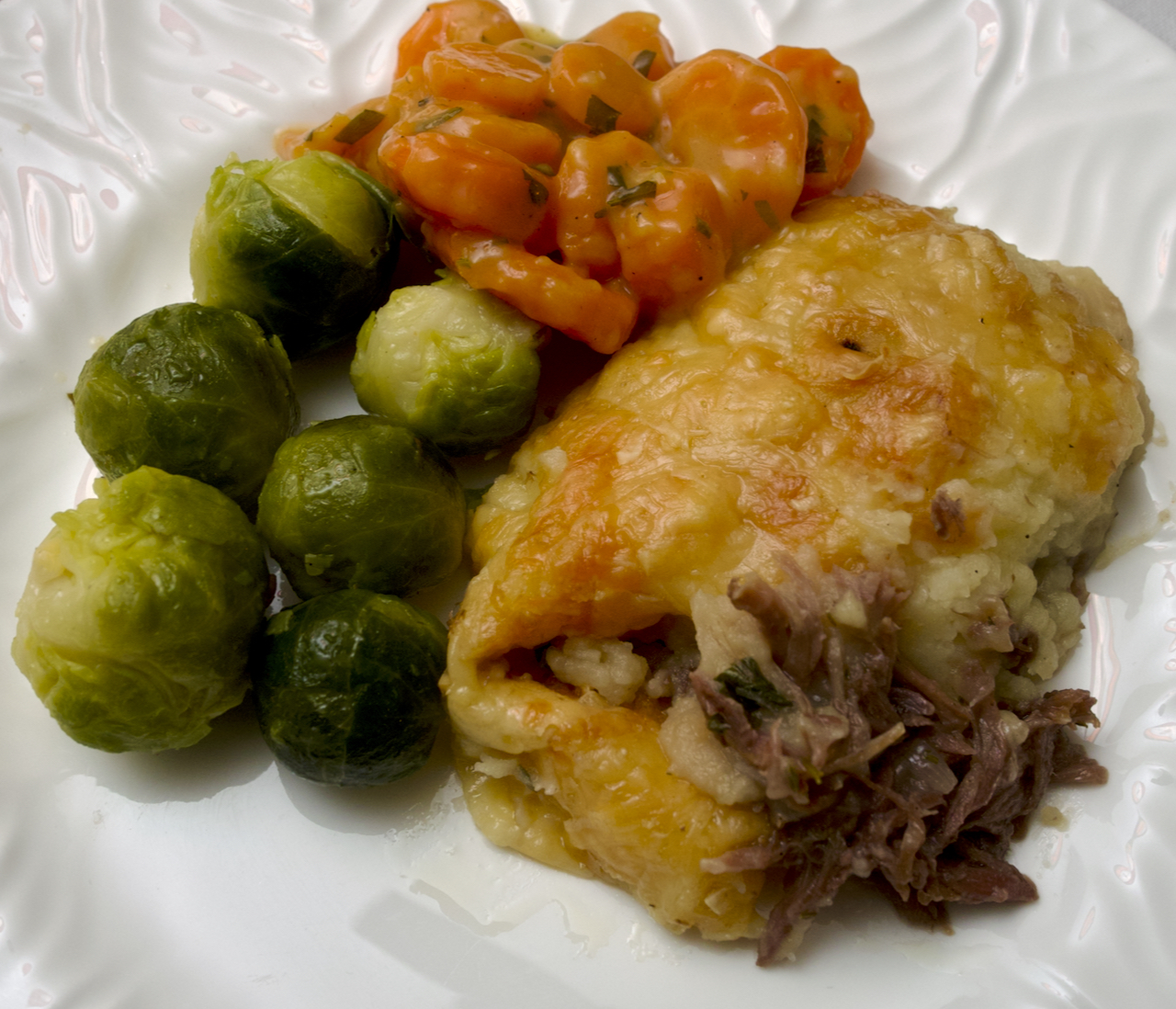
You can buy duck confit in tins locally but they tend to be much cheaper in France so if you’re lucky enough to go there (or know someone else who is going), stock up! You will have the prep done for many delicious dishes, like this one.

Wine Suggestion: A classic French dish needs a classic French wine. We suspect red Burgundy would be great, however we didn’t have any to hand so instead opened a bottle of Chateau Lascaux Pic St Loup “les Nobles Pierres”. A classic Syrah-Grenache blend but from prime vineyards in the Languedoc where Duck dishes reign supreme. Juicy, brambly and layered with velvety and characterful tannins.

Parmentier de Confit de Canard – serves 4 to 6

  • 4 Confit duck legs (1 large tin – it says on the tin how many legs are inside)
  • 4 shallots, chopped
  • a few fresh thyme sprigs, leaves stripped
  • 175ml red wine
  • 200ml chicken stock
  • a handful of flatleaf parsley
  • 800g potatoes, cut into 5cm chunks
  • 100-125ml warm milk
  • 150g-200g Comté cheese, grated

Warm the confit duck legs over a gentle heat to release the fat, then pour the fat into clean jam jars for future roast potatoes. You will need to keep 2 tbsp aside for this dish.

Remove the skin from the duck legs and discard. Remove the meat from the bones and shred it with two forks, discarding any bones and gristle.

Heat 2 tbsp of the duck fat in a pan, add the shallots, thyme and plenty of black pepper. Allow the shallots to brown gently, then add the wine and stock, then bring to the boil. Cook for a few minutes, then add the duck meat and chopped parsley. Stir and set aside.

Heat the oven to 210C/Fan 190C.

Boil the potatoes in salty water until tender. Drain them well, then add the warm milk and mash until smooth. Season with salt and a big pinch of black pepper.

Grease a 18 x 28cm baking dish with a little duck fat, then pile in the meat and cover with the mashed potato. Sprinkle the grated cheese on top and bake for about 25 minutes or until browned and bubbling.

Serve with carrots and greens.

(Original recipe from Rick Stein’s Secret France, BBC Books, 2019.)

Read Full Post »

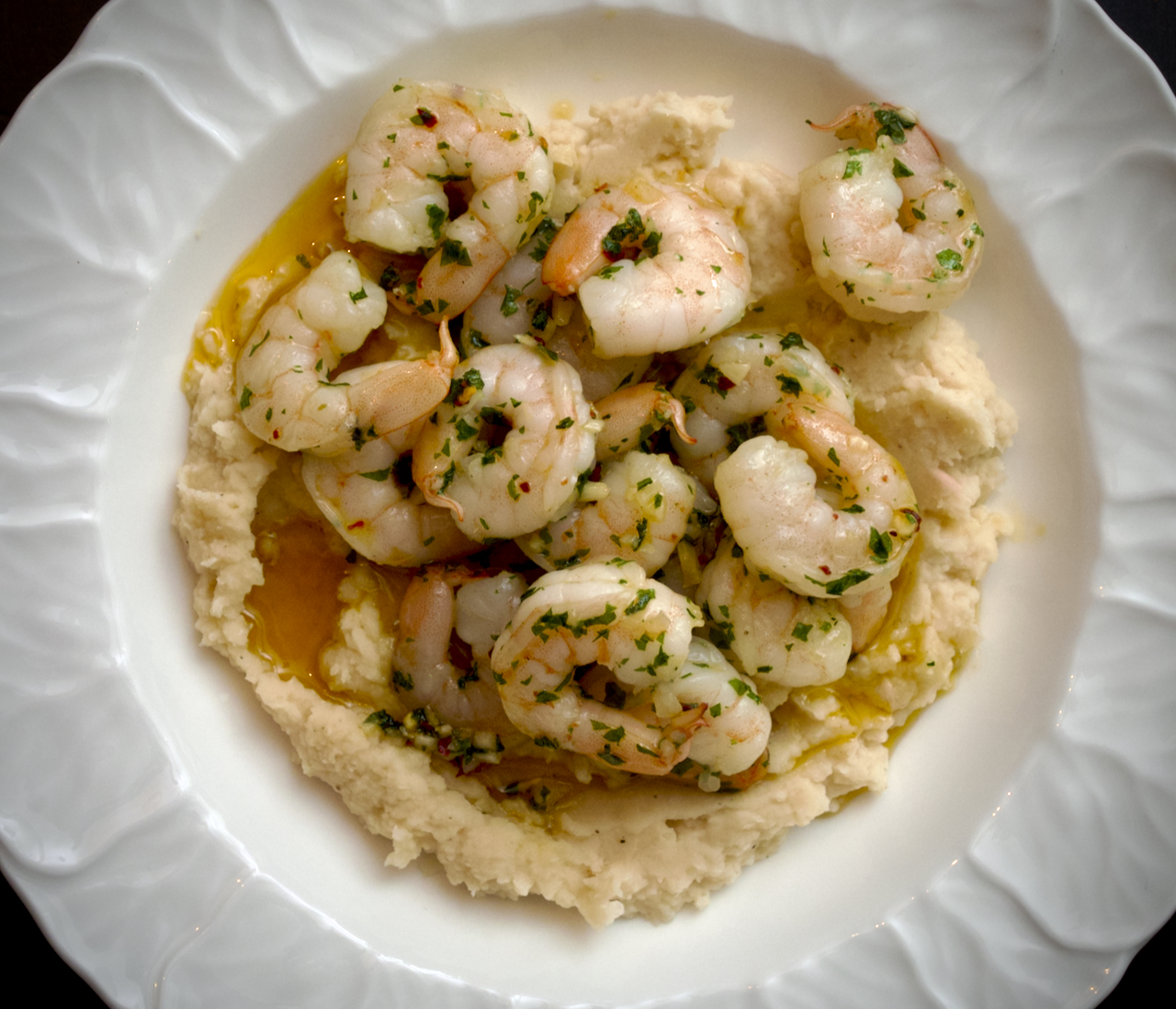
This recipe comes from Rick Stein’s Simple Suppers and it is indeed a simple and easy recipe. Ready in minutes and deeply satisfying!

Wine Suggestion: the creamy beans need a buttery Chardonnay, and likewise this works with the prawns too. Pick you own style, or whatever is at hand. For us we were lucky to have Au Bon Climat’s Santa Barbara County Chardonnay which is Californian sunshine in a glass tempered by the cooling breezes and fogs of this part of the world. Full and deep, but fleet of foot and minerally fresh.

Garlic & chilli prawns on puréed butter beans – serves 2

FOR THE BUTTER BEAN PURÉE:

  • 1 tbsp olive oil
  • 1 clove of garlic, chopped
  • 400g tin of butter beans, drained
  • juice of ½ lemon

FOR THE PRAWNS:

  • 2 cloves of garlic, peeled
  • a handful of flatleaf parsley
  • 50ml olive oil
  • ¼ tsp chilli flakes
  • 225g peeled raw prawns

Heat the oil for the butterbeans in a pan and add the garlic. Cook for a minute, then add the butter beans and cook for 3-4 minutes or until warmed through. Add the lemon juice and a couple of tablespoons of water, then whizz in a blender or food processor. Return to the pan and keep warm, you might need to add a little more water if it’s too thick.

Chop the garlic and parsley for the prawns together to get a coarse paste. Pour the oil into a frying pan and when hot, add the chilli flakes and garlic mixture. Cook over a gently heat for a minute until sizzling, then increase the heat a little, add the prawns and stir-fry for a few minutes or until pink and cooked through.

Divide the purée between two warm bowls and spoon the prawns and garlicky oil over the top.

(Original recipe from Rick Stein’s Simple Suppers, BBC Books, 2023.)

Read Full Post »

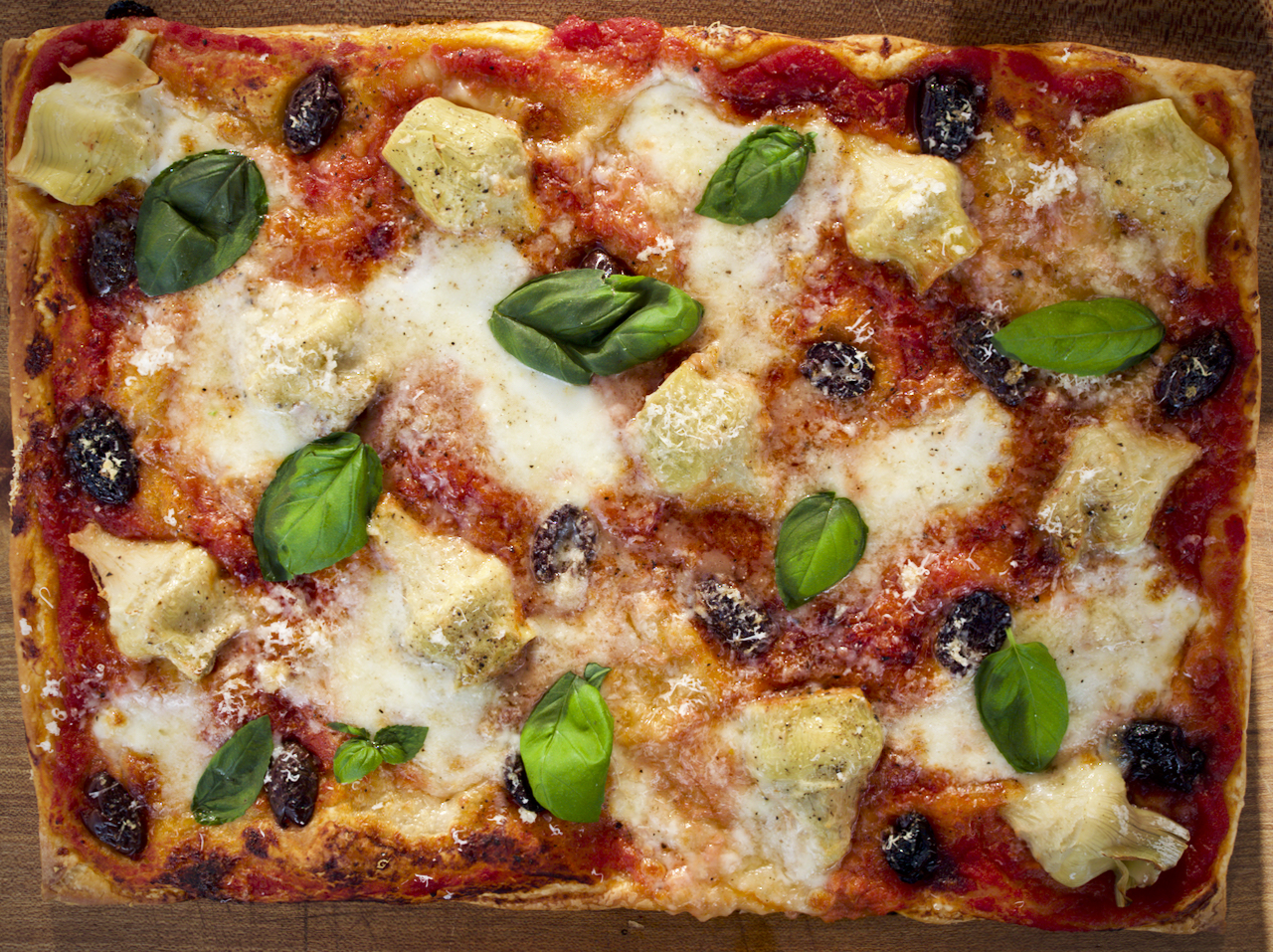
We love a good pizza … but there are times we just can’t be bothered lighting our little pizza oven and getting it up and running … or the weather defeats us! This is essentially pizza toppings on pastry and makes a great substitute. Plus we got to use the jar of artichokes we’d lugged from Spain last holiday.

Wine suggestion: a wine we’d also brought home from our holiday, Luis Moya Tortosa’s Kimera, an old-vine Grenache from Navarra. Minerally, vibrant and expressive.

Tomato, mozzarella, black olive & artichoke tart – serves 4

  • 2 x 320g ready-rolled puff pastry sheets
  • 300g tomato sauce (you can make your own or use a good brand)
  • 2 x 125-150g mozzarella balls, sliced
  • a handful of pitted black olives, halved
  • 8 to 10 artichoke hearts from a jar, halved
  • 60g Parmesan, finely grated
  • a handful of basil leaves

Heat the oven to 230C/Fan 210C.

Unroll the puff pastry sheeets onto a couple of baking trays and prick them all over with a fork.

Spread the tomato sauce over the pastry, then top with the mozzarella, olives and artichokes. Add half the grated Parmesan and season with salt and pepper.

Bake for 15-18 minutes, then sprinkle with the basil leaves and the rest of the Parmesan and serve immediately. It’s as easy as that!

(Original recipe from Rick Stein’s Simple Suppers, Ebury Publishing, 2023.)

Read Full Post »

This must be the easiest and cheapest of fish soups but that does not make it any less delicious! Particularly good after a walk out in the cold. And no it’s not made from “skinks” for all the Aussies out there who may be confused … it’s a classic Scottish soup made from smoked fish!

Wine Suggestion: We would highly recommend pairing this with a peaty whisky like Lagavulin. If this doesn’t rock your boat, or you don’t have a bottle to hand then a dry, aromatic and elegant white, like the Sybille Kuntz Riesling Kabinett makes the whole meal feel refined and very sophisticated too.

Cullen skink – serves 4

  • 50g buttter
  • 1 onion, finely chopped
  • 1.2 litres full fat milk
  • 750g floury potatoes
  • 450g smoked haddock fillet
  • 2 tbsp chopped parsley, plus extra to garnish

Melt the butter in a large saucepan, then add the onion and cook gently for 7-8 minutes.

Add the milk and bring to the boil, then add the potatoes and simmer for 20 minutes until very soft.

Add the smoked haddock and simmer for 3-4 minutes or until cooked and easy to flake. Gently remove the haddock with a slotted spoon onto a plate. Leave until cook enough to handle.

Meanwhile, use your wooden spoon to squash some of the potatoes against the side of the pan to thicken the soup slightly.

When the fish is cool enough to handle, break it into chunky flakes, discarding any skin and bones. Tip the fish into the soup, then add the parsley. Serve in warm soup bowls with a little more parsley.

(Original recipe from Rick Stein’s Simple Supper, BBC Books, 2023.)

Read Full Post »

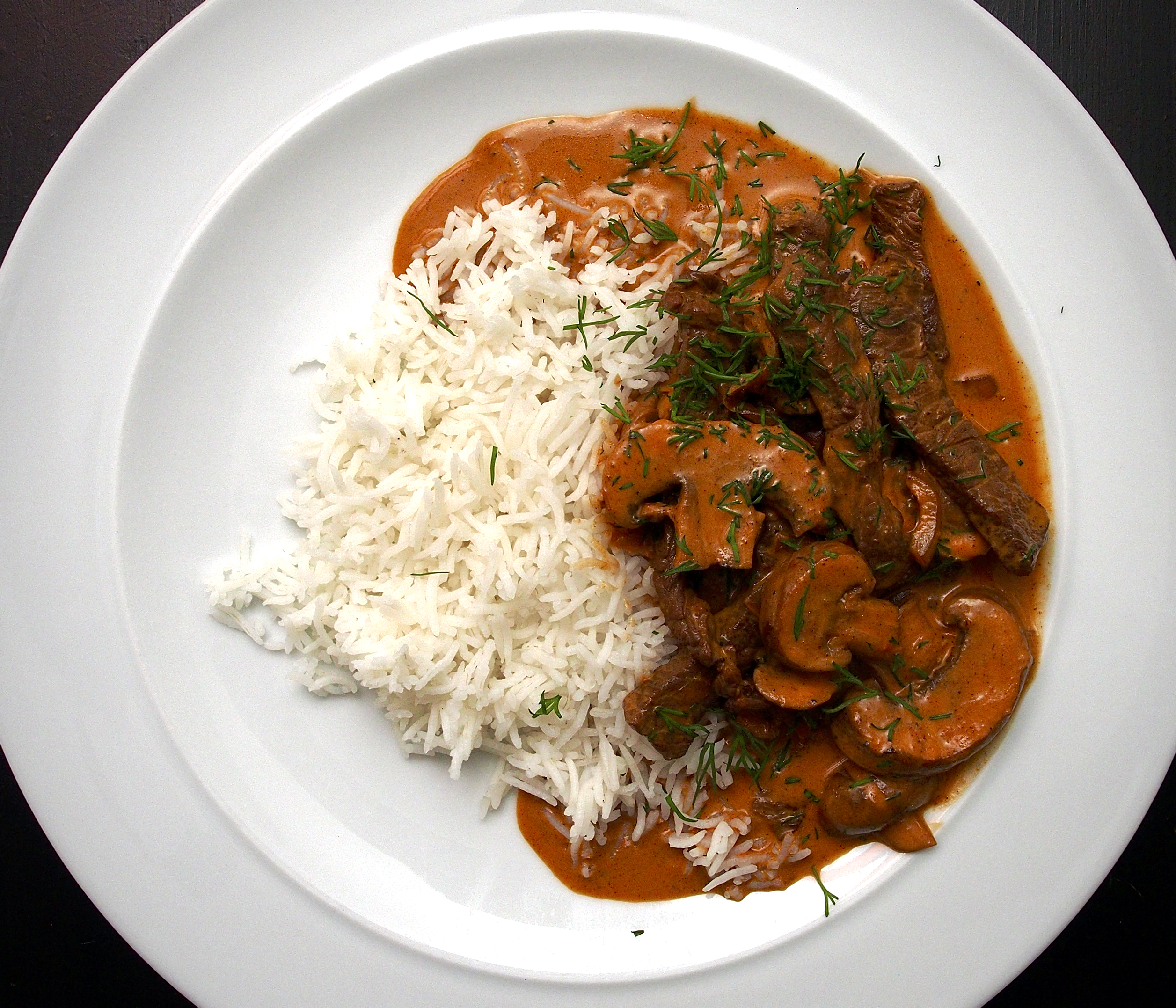
Jules’ Mum makes this all the time and serves it with home-made chips. We almost always cook it when we’re camping in France as it all cooks in the one pan and you can easily find all the ingredients. This one is different from our usual with the addition of paprika and dill, it’s very nice served with some plain white rice.

Wine Suggestion: We think this works best with a rich, full-bodied red. For us a treat from the ancient wine world, though a relatively young winery run by some young, passionate Syrians, the Bargylus, Grand Vin de Syrie 2014. Something to be celebrated due to the sheer class of this Syrah, Cabernet Sauvignon and Merlot blend, and mourned due to all the problems now in this part of the world. Superbly integrated tannins and layered fruit and spice; almost hedonistic in it’s velvetiness. You can taste some heat, but in a very good way with no evidence of alcohol. Mature but maintaining it’s freshness. We just wish this was more easily available for everyone to try.

Beef stroganoff – serves 4

  • 30g butter
  • 600g beef rump steak, thinly sliced
  • 1 medium onion, thinly sliced
  • 2 clove of garlic, crushed
  • 1 tsp sweet paprika
  • 400g chestnut mushrooms, thickly sliced
  • 2 tbsp tomato purée
  • 2 tbsp red wine
  • 1 tbsp lemon juice
  • 300g double cream
  • 1 tbsp coarsely chopped dill, plus a bit extra to garnish

Season the meat with salt and pepper.

Heat 15g of butter in a large frying pan over a high heat and lightly brown the meat. Do this in batches and don’t overcrowd the pan, remove each batch to a plate and set aside.

Heat another 15g of butter in the same pan and add the onion and garlic. Cook over a gentle heat for about 4 minutes, or until softened. Add the paprika, mushrooms and tomato purée and cook for another few minutes, stirring.

Return the meat to the pan with any juices from the plate. Add the wine and lemon juice and bring to a simmer. Cover with a lid and simmer gently for 5-7 minute or until the meat is tender. Add the cream and dill and cook, stirring constantly, until heated through. We turn the heat off the second the sauce begins to simmer, don’t take it any further in case the cream splits. Season to taste with salt and pepper and serve with steamed rice. Garnish with a little more chopped dill.

(Original recipe from Rick Stein at Home, BBC Books, 2021.)

Read Full Post »

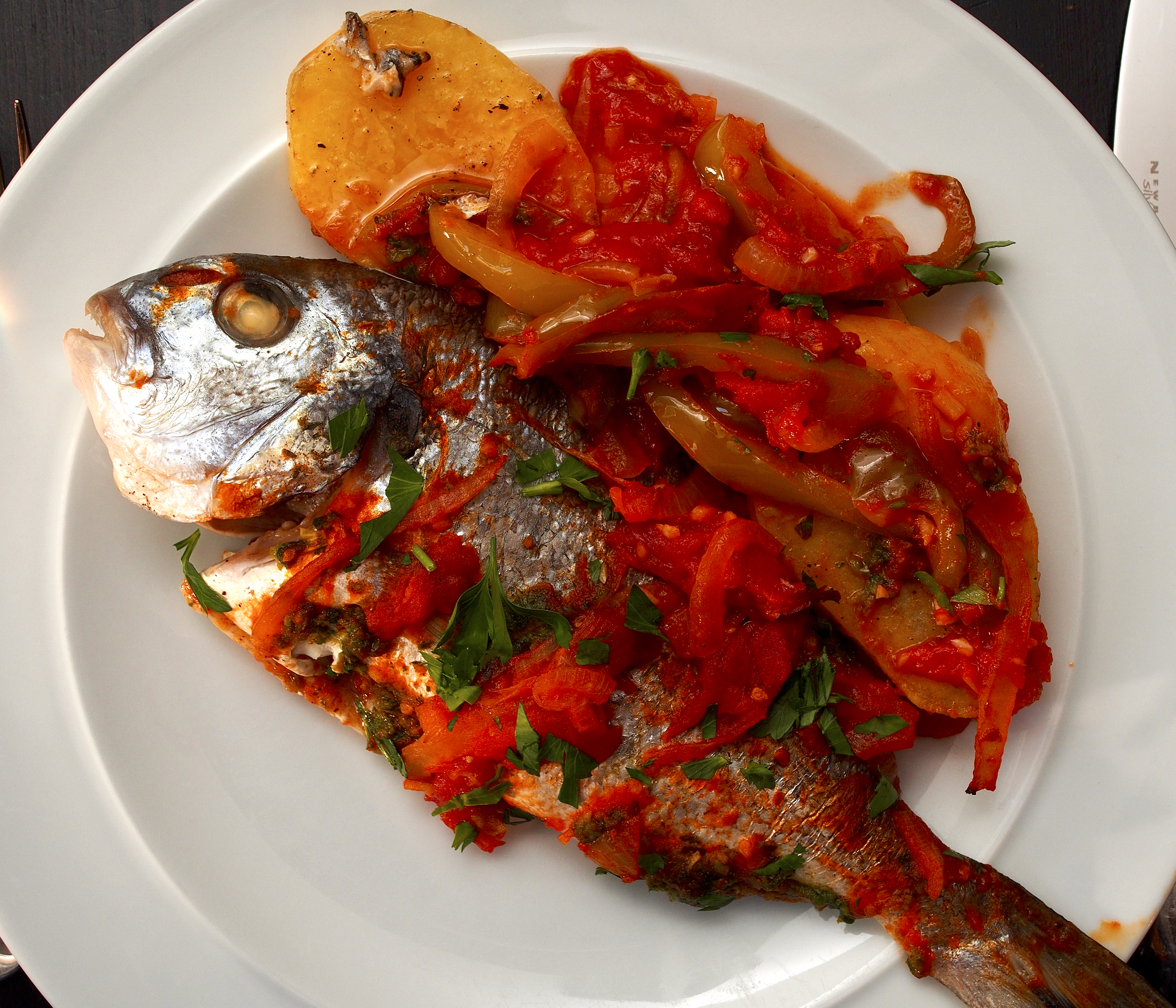
It’s the first night of our holidays and we felt like eating something to remind us of the beach!

Wine Suggestion: Dominio de Tares La Sonrisa Godello, or something similar with a chalky, Chablis-esk minerally finish; unoaked, vibrant and dry.

Baked sea bream – serves 2

  • 5 tbsp olive oil
  • 1 large onion, sliced
  • 1 garlic clove, chopped
  • 1 large green pepper, sliced
  • 400g tin tomatoes
  • 1 bay leaf
  • 3 large waxy potatoes, peeled
  • 2 x 400g whole sea bream, scaled and gutted
  • juice of ½ lemon
  • 6 black peppercorns
  • 60ml dry sherry
  • a small handful of flatleaf parsley leaves, chopped

FOR THE PICADA:

  • a small handful of flatleaf parsley leaves, chopped
  • 2 large garlic cloves, roughly chopped
  • ½ tsp sea salt

Warm 2 tbsp of olive oil in a large frying pan. Add the onions, garlic and pepper and cook for 10-15 minutes or until soft. Add the tomatoes, bay leaf and a splash of water, then cover and cook gently for 20 minutes.

Meanwhile, heat the oven to 180C/Fan 160C. Slice the potatoes, not too thin and not too thick so they hold together but cook through. Spread them over the base of a roasting dish that can easily accomodate the fish. Drizzle over 2 tbsp of olive oil and season with salt and pepper. Toss together then bake for 20 minutes.

To make the picada, put the parsley, garlic and salt into a pestle and mortar and grind to a paste, then set aside.

Season the fish with salt and pepper and put on top of the cooked potatoes. Spread the picada over the fish. Add the lemon juice and a couple of tbsp of water, then pour the tomato sauce over everything. Drizzle over the last tbsp of olive oil, add the peppercorns and sherry, then bake for 20-25 minutes. Scatter with the chopped parsley to serve.

(Original recipe from Rick Stein at Home, BBC Books, 2021.)

Read Full Post »

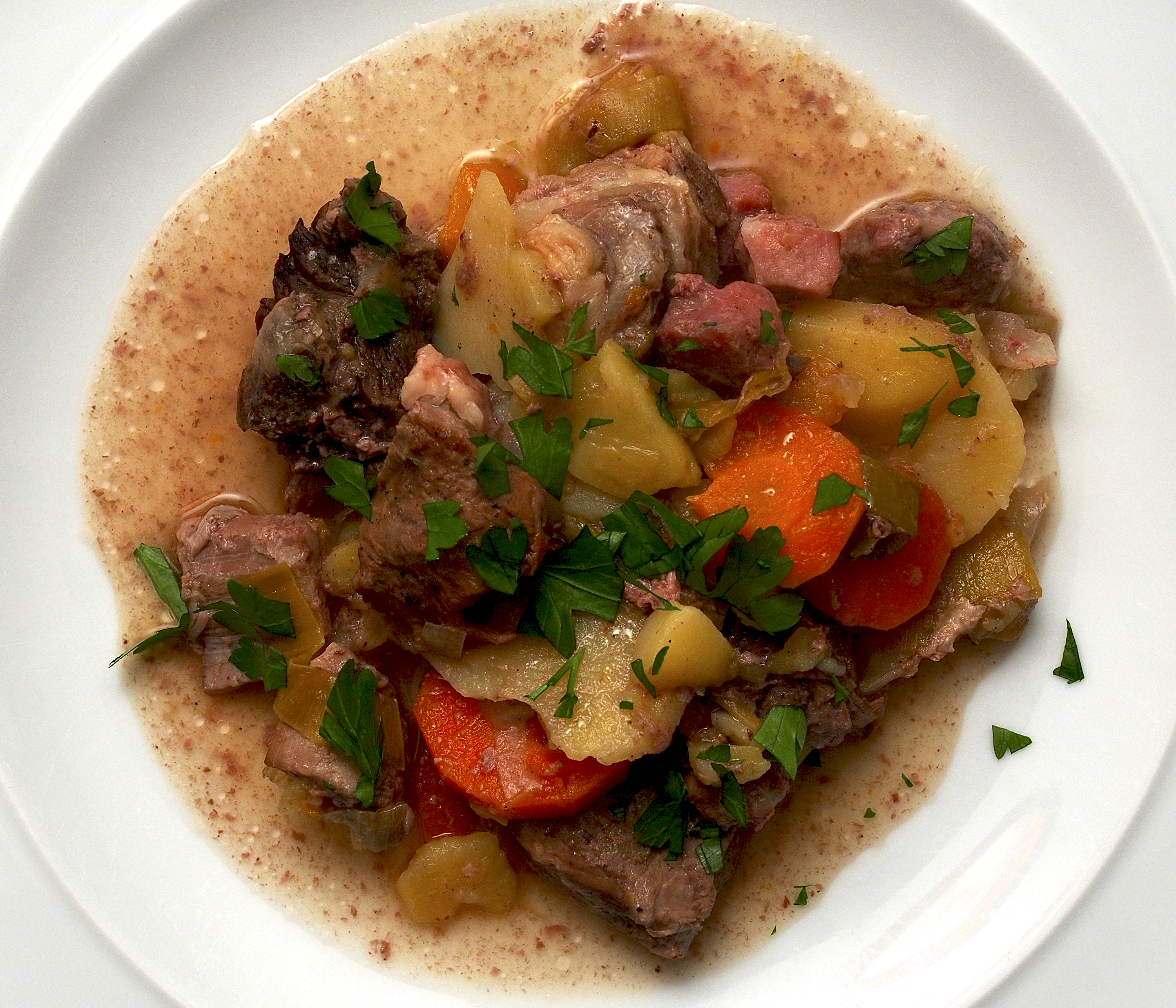
We were initially attracted to this as it is marinated in Riesling, a favoured grape in our house, plus the unusual combination of three meats plus bacon. Classically country French in style, this has no airs or graces in appearance, but is jam packed full of flavour and richness. It serves loads of people and we’d suggest having a side of greens. Also, like many other long cooked stews this tastes great the following day and freezes well.

Wine Suggestion: Courtesy of a very generous friend who came to dinner, we were treated to a delightful comparison of two old bottles of Rene Rostaing’s Côte Rôtie: the La Landonne and Côte Blonde. Both an excellent match to the dish and lovely wines. The Côte Blond was the favoured bottle, but both showed very well. We’d recommend searching for a good Syrah if something of this calibre doesn’t come to hand. Thanks David for these bottles!

Alsatian beef, lamb and pork stew – serves 8-10

  • 750g boneless pork belly, cut into 4cm cubes
  • 750g boneless lamb shoulder, cut into 4cm cubes
  • 750g chuck steak, cut into 4cm cubes
  • 2 onions, sliced
  • 250g carrots, sliced
  • 2 leeks, cut in half lengthways, washed and sliced
  • 500ml Sylvaner or Riesling white wine
  • 2 kg potatoes, sliced into 5mm thick rounds
  • 100g unsmoked bacon, cut into 1cm pieces
  • 250ml beef stock
  • a handful of flatleaf parsley, roughly chopped, to garnish

Place all of the meat (but not the bacon), onions, carrots and leeks in a large non-metallic bowl and pour over the wine. Cover and leave in the fridge overnight.

Heat the oven to 190C/Fan 170C.

Arrange a quarter of the sliced potatoes over the base of a very large casserole dish.

Drain the meat and veg in a colander over a bowl and reserve the liquid.

Scatter some veg over the potatoes, then add som bacon pieces and chunks of meat. Season with salt and black pepper, then add another layer of potato, more veg, bacon, meat and seasoning. Keep layering like this and finsih with a final layer of potatoes. Don’t be tempted to hold back on the salt as the dish needs liberal seasoning (about 2tsp in total).

Pour over the reserved marinade juices and beef stock, then cover the casserole with a tight lid and put in the oven.

Bake for about 3 hours or until the meat is tender. Garnish with chopped parsley and serve.

(Original recipe from Rick Stein’s Secret France, BBC Books, 2019.)

Read Full Post »

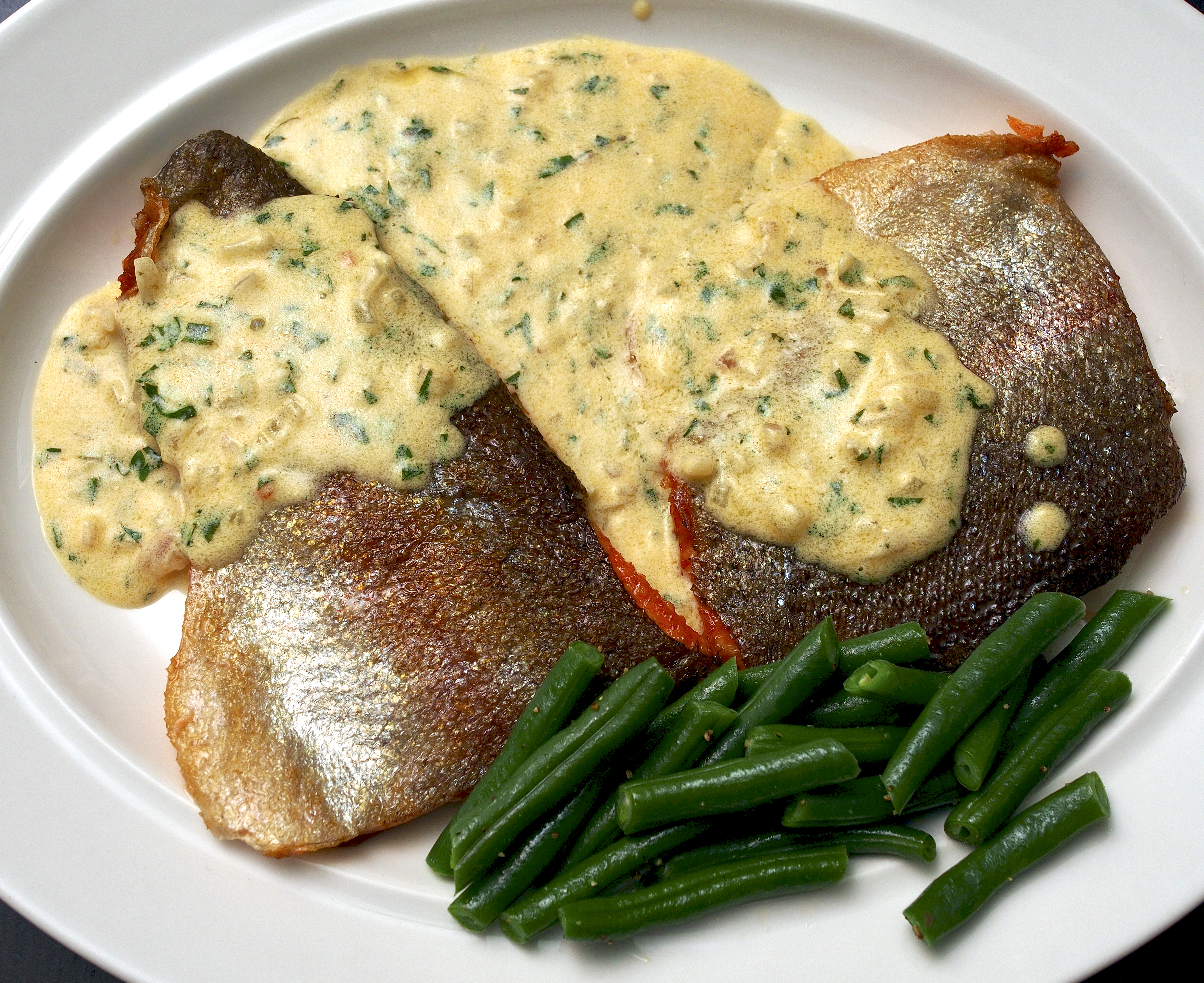
The rich sauce here is inspired by the sherry-like Savignin from the Jura. It’s a while since we’ve been there so we had to settle for dry sherry which still made a delicious sauce. Green beans and some new potatoes are perfect on the side.

Wine Suggestion: We think this works with a mountain wine of some sort, where you get the bracing freshness of altitude but can also get depth and body to stand up to the flavoursome sauce. In the absence of a Savignin in the fridge we turned to a Côtes du Jura Chardonnay by Chevasu-Fassenet. Rich, creamy, with hints of oak and a layer of oxidative flor mingled in with the fruit giving this a grip and extra zip.

Sautéed sea trout with sherry sauce – serves 2

  • 50g butter
  • 1 shallot, finely chopped
  • 60ml dry sherry
  • 300ml chicken stock
  • 100g full-fat crème fraîche
  • ½ tsp dry sherry
  • 1 tsp finely chopped parsley
  • a pinch of sugar
  • 2 tbsp olive oil
  • sea trout fillets, enough for 2

Heat 30g of the butter in a pan and gently cook the shallot until softened. Add the sherry and chicken stock, then reduced by three-quarters. Whisk in the crème fraîche and reduced for a couple of minutes, then whisk in the rest of the butter.

Reduce the sauce until it coats the back of a spoon, then take off the heat and add the extra ½ tsp of sherry and parsley. Season with a pinch of salt and sugar and keep warm.

Heat the oil in a large frying pan and cook the trout, skin-side down, for about 4 minutes. Turn when the skin is crispy and finish cooking briefly on the other side.

Serve with the sauce, some green beans and new potaotes.

(Original recipe from Rick Stein’s Secret France, BBC Books, 2019.)

Read Full Post »

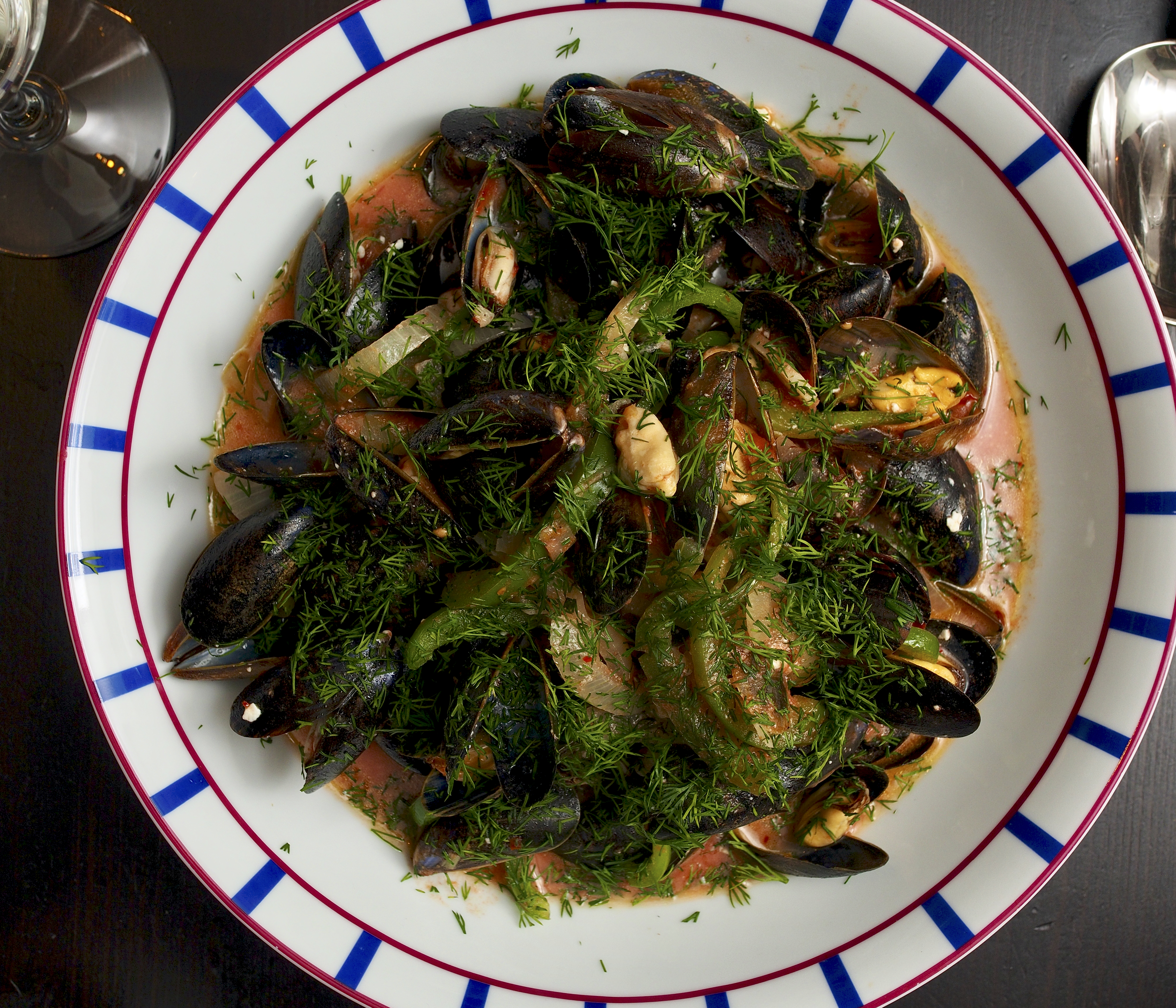
Mussels with green pepper, Pernod, tomatoes, feta and dill. This is an Albanian recipe that we found in Venice to Istanbul by Rick Stein. We don’t agree with the seafood and cheese rule anyway and this dish proves that it can work. Serve with crusty bread.

Wine Suggestion: Match with a white with a bit of body, but no oak. We chose an underrated Sylvaner by Sipp Mack in Alsace which was fresh with stone fruits and a racy minerality in the glass

Butrint Mussels – serves 2

  • 3 tbsp olive oil
  • 1 small onion, sliced
  • 1 clove of garlic, sliced
  • 1 small green pepper, sliced
  • 30ml of ouzo/Pastis (we used Pernod)
  • 600g mussels, scrubbed
  • 150ml passata
  • 75g feta cheese
  • ½ tsp chilli flakes
  • ½ tsp salt
  • a small handful of dill, chopped

Heat the oil in a large pan over a medium heat and sweat the onion, garlic and green pepper for 5 minutes.

Add the Pernod and the mussels, then cover with a lid and cook for about 5 minutes or until the mussels are starting to open.

Add the passata and feta and season with the chilli flakes, salt and some black pepper. Heat through for a minute or two, then serve scattered with the dill.

(Original recipe from Venice to Istanbul by Rick Stein, BBC Books, 2015.)

Read Full Post »

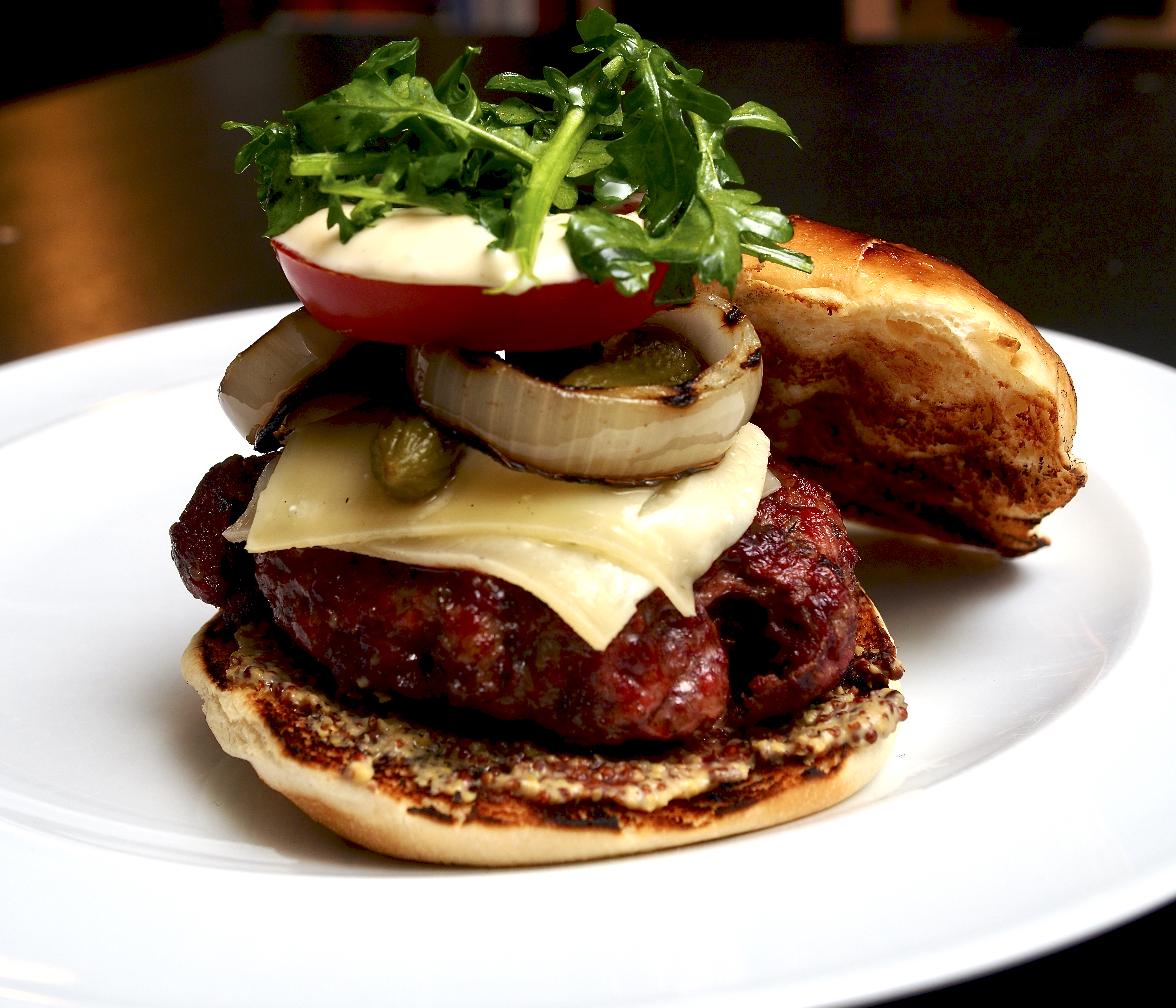
We were offered two dead wild ducks a few weeks ago, feathers and all. Our friend Niall kindly dealt with the feathers and delivered a bag of fresh duck breasts and legs to our door. Lucky us! We minced the duck meat with a bit of pork fat (you could use duck skin too if you have it) and made these burgers seasoned with Rick Stein’s pepper mix, which we’re looking forward to seasoning all sorts of things with. We bought the dried chillies in a Mexican food shop but you should be able to get them online too. Best served with fries.

Wine Suggestion: Choose a medium bodied red with refined tannins for this dish. Despite the Mexican chillies in the spice mix this is a very French inspired meal, one you might easily find on holiday there. So for this we chose our favourite, the Chateau du Hureau Saumur-Champigny “Tuffe”. Cabernet Franc from the Loire at it’s best and a good match.

Duck burgers – serves 4

  • 800 duck meat (breast, leg or both), plus about 100-150g fat and skin if you have it, or some pork fat
  • ½ tsp salt
  • 1 tsp Rick’s peppermix (see below)
  • 80g cheese e.g. Comté or Gruyère, cut into slices
  • 4 brioche burger buns
  • 2-3 tsp grainy mustard
  • a large handful of rocket
  • 1 tsp walnut oil (or just use good olive oil)
  • 1 small onion, finely sliced (we’re not so keen on raw onion in our burgers so we cut the onion into chunky slices, rub with some seasoning a little oil and barbecue on soft and charred)
  • 1 dill pickle, sliced (we used cornichons)
  • 1 large tomato, sliced
  • 2 tbsp mustard mayonnaise (mix a little Dijon mustard into good-quality mayonnaise)

FOR THE PEPPERMIX:

  • 1 chipotle chilli, seeds removed
  • 1 pasilla chilli, seeds removed
  • 2 tbsp black peppercorns
  • 2 tbsp white peppercorns
  • 2 tsp Szechuan peppercorns
  • 1 tbsp salt

Make the peppermix by blitzing all of the ingredients together in a spice grinder. Store in a jar and use to season other things, it’s great on a steak.

If there is fat on the duck, pull it off and mince the meat with about 100-150g of fat and the skin (we didn’t have fat and skin so we added a bit of pork fat instead). Season the mince with the salt and 1 tsp of the peppermix. Damp your hands a bit and make four burgers. Cover and leave them in the fridge for an hour or so to firm up.

You can cook the burgers on a hot barbecue or if you prefer to cook indoors a griddle pan or non-stick frying pan over a high heat. Cook the burgers for a few minutes on each side, then add a slice of cheese to each, turn of the heat and leave to sit for a minute to let the cheese melt.

Lightly toast the buns and spread the cut surfaces with grainy mustard. Dress the rocket with a little walnut oil or good olive oil.

Serve the burgers on a bun topped with onion, cornichon/dill pickle, tomato, mustard mayonnaise and rocket. Serve with fries.

(Original recipe from Rick Stein’s Secret France, BBC Books, 2019.)

Read Full Post »

This is restaurant-style risotto which is packed full of lobster flavour. The shells are used to flavour the stock and it’s finished with a delicious reduction, the kitchen smells amazing! We associate risottos with Italy but this is proper French food, full of butter and brandy. Recipe from Rick Stein’s Secret France.

Wine Suggestion: This is a rich dish that needs a wine that is fresh and flavoursome as opposed to something equally rich. Our go to wine would be an oaked Chardonnay in this case, but it doesn’t work as well as you’d think. A toasty Champagne or good bottle fermented sparkling with good age on lees is a fine choice though, and tonight we had treat of the Champagne Valentin Leflaive cuvée CA/15/40. A new project by Olivier Leflaive from Burgundy made with 100% Chardonnay from Cramant and Avize, 45 months on lees and only 4g dosage. An exciting debut and a good match to boot.

Poached Lobster Risotto – serves 2 as a main or 4 as a starter

  • 1 cooked lobster
  • 30ml olive oil
  • 1 shallot, finely chopped
  • 2 cloves of garlic, finely chopped
  • 200g risotto rice
  • 150ml dry white wine
  • 1 tbsp butter
  • fresh tarragon sprigs, to serve

FOR THE LOBSTER STOCK AND REDUCTION

  • lobster shell, chopped
  • 1 onion, chopped
  • 4 garlic cloves, roughly chopped (no need to peel)
  • 50g butter
  • 100ml dry white wine
  • 500g tomatoes, roughly chopped
  • a small handful of tarragon, roughtly chopped
  • 1.5 litres fish stock
  • 1 tsp salt
  • 1 tbsp Cognac
  • a squeeze of lemon juice

Remove the meat from the lobster and keep the shell for the stock. Slice the body into chunky slices and keep the meat from the claws as chunky as possible. 

For the stock, put the lobster shell in a large pot with the onion, garlic and 20g of the butter. Cook for about 5 minutes over a medium heat, then add the wine, tomatoes, tarragon and stock and bring to the boil. Add salt and simmer for 40 minutes. Pass the stock through a fine sieve over another pot and throw away the solid ingredients. Put 200ml of the stock aside for the reduction and keep the rest warm over a low heat. 

Heat the oil in a pan, add the shallot and garlic and cook until soft. Add the rice and stir until glistening with the shallots and oil, then add the wine and let it bubble until absorbed. Add the hot stock, a ladleful at a time, stirring until absorbed before adding another. Keep going like this until the rice is al dente, then season. 

Meanwhile, put the reserved 200ml of stock into a saucepan with the Cognac and bring to the boil. Cook until reduced by three-quarters, then whisk in the rest of the butter (30g) to make a sauce that coats the back of a spoon. Add a squeeze of lemon juice. 

Heat a tbsp of butter in a frying pan. When it’s foaming, add the lobster meat and warm it through. Serve the risotto topped with lobster and spoon the reduction around it. Finish with some tarragon sprigs. 

(Original recipe from Rick Stein’s Secret France, BBC Books, 2019.)

Read Full Post »

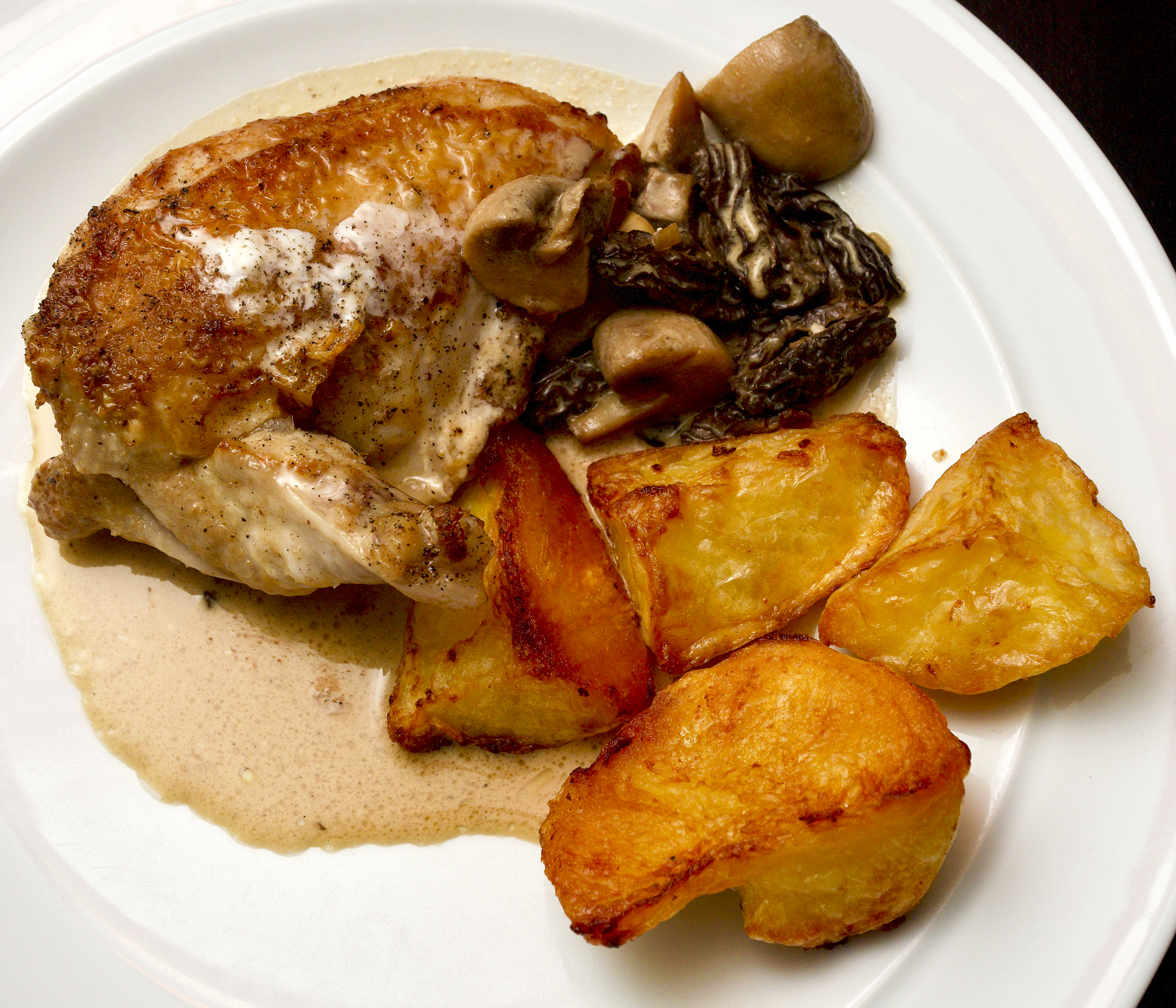
Chicken Fricassée with Morels

It’s bean a while since we’ve been in France, but when we were there we stocked up on dried morels (and ceps) at the Saint-Cyprien market, and bought as much wine as they would let us have at Domaine Labet in the Jura. Creamy mushroom sauce and chardonnay from the Jura is a magic combination! We served this with roast potatoes made with a variety called carolus from McNally Family Farm – they make amazing roasties!

Wine Suggestion: We were fortunate to find a couple of different vintages of Labet’s En Chalasse Chardonnay which comes from very old vineyard plots. Tonight we opened the 2015 which showed the effect of a warm vintage with a broad and lifted ripe apple character and hints of nuts and spices. More gentle acidity than usual but well in balance with hints of skin contact and phenolic textures on the palate.

Chicken fricassée with morels – serves 4

  • 20g dried morels
  • 40g unsalted butter
  • 4 boneless chicken breasts with the skin on
  • 1 banana shallot, finely chopped
  • 90g chestnut mushrooms, quartered
  • 100ml Noilly Prat or dry sherry
  • 130ml chicken stock
  • 300g full-fat crème fraîche

Soak the morels in 200ml of tepid water for about 15 minutes, then drain through a sieve over a bowl to catch the liquid.  Strain the liquid and keep 75ml for the sauce. Rinse the morels under cold water to remove any grit, then dry with kitchen paper and cut in half lengthways.

Melt half the butter in a large sauté pan and fry the chicken, skin-side down, for about 3 minutes or until nicely browned. Turn the chicken pieces over and continue to brown for a few minutes on the other side. Remove the chicken from the pan and set aside.

Add the rest of the butter to the pan, then fry the shallot until softened. Add the morels and chestnut mushrooms and fry for a few minutes. Add the Noilly Prat or sherry, the reserved soaking liquid and the stock, then bring to the boil. Turn the heat down and simmer for a few minutes.

Add the crème fraîche and stir until melted into the sauce, then put the chicken back in, along with any juices on the plate. Cover the pan with a lid and cook over a medium heat for about 8 minutes or until the chicken is cooked through. Season with salt and lots of black pepper.

(Original recipe from Secret France by Rick Stein, BBC Books, 2019)

Read Full Post »

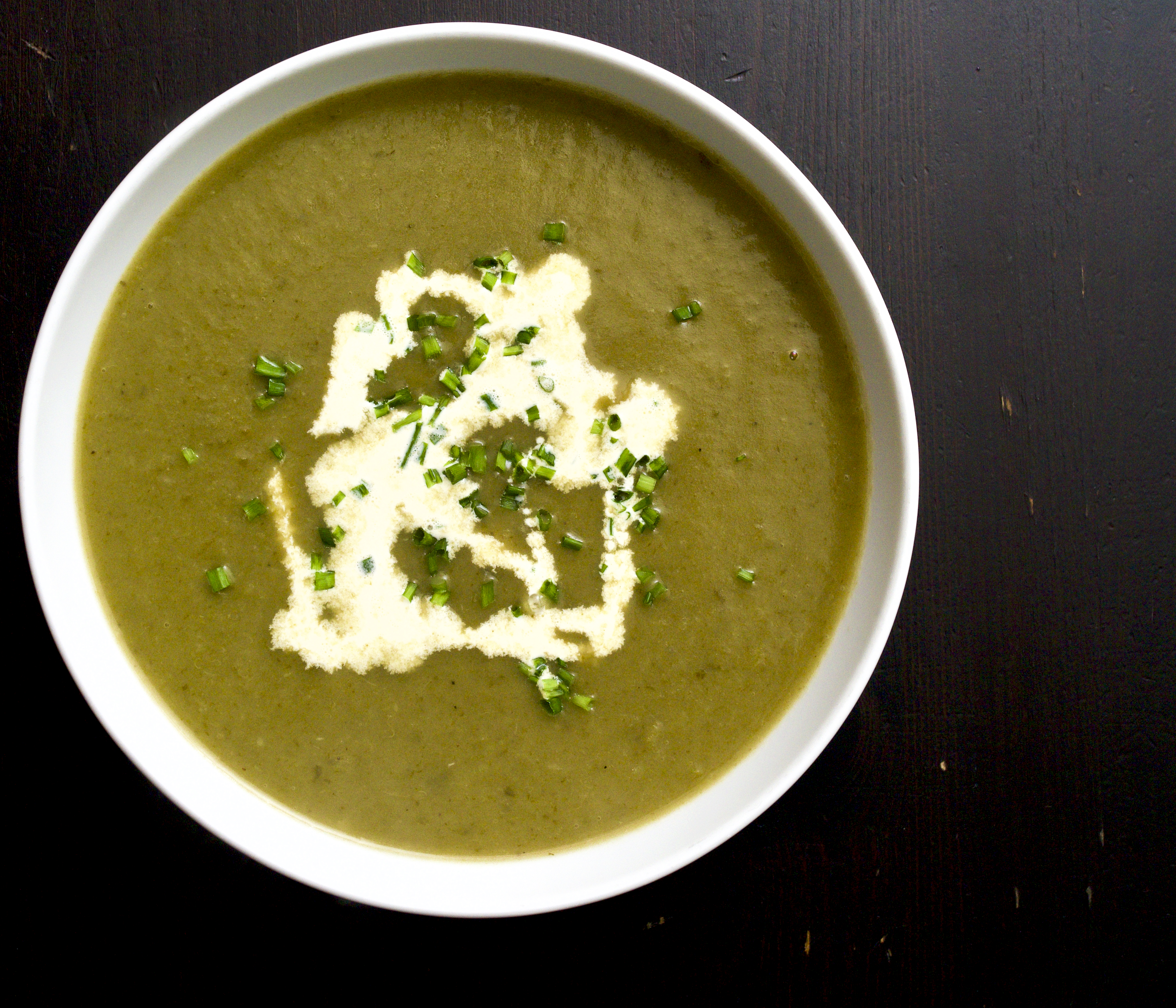
Sorrel Soup

This is the sorrel soup from Rick Stein’s book, Secret France. It’s delicious and tastes just like soups we’ve had in France on our holidays, and are never quite sure what’s in them. We got bags of fabulously fresh sorrel from McNally Family Farm.

Sorrel soup – serves 4 to 6

  • 50g butter
  • 1 large onion, chopped
  • 2 cloves of garlic, roughly chopped
  • 1 leek, sliced
  • 450g potatoes, cut into 2cm cubes
  • 1 litre chicken or veg stock
  • 250g sorrel
  • 1 tbsp honey
  • 4 tbsp single cream
  • 1 tbsp chopped chives

Melt the butter in a large saucepan, then add the onion, garlic, leek and potatoes. Cook over a medium heat for about 15 minutes or until softened.

Add the stock and the sorrel and cook for another 15-20 minutes or until the potatoes are tender. Blend until smooth.

Season with salt and lots of black pepper, then stir in the honey. Serve in warm bowls with a drizzle of cream and the chives over the top.

(Original recipe from Secret France by Rick Stein, BBC Books, 2019.)

Read Full Post »

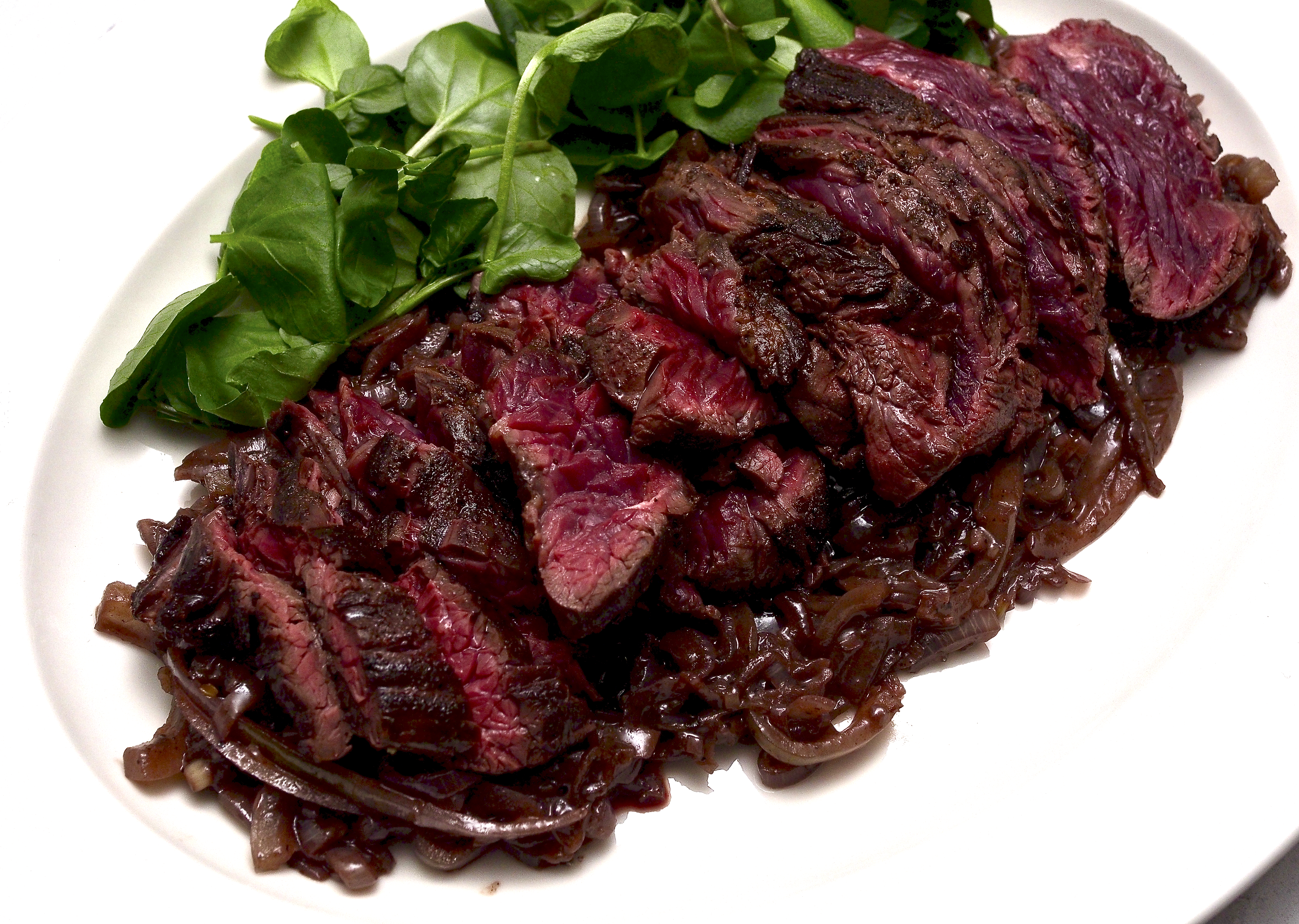
Hanger Steak with Shallots

We adore this cut of beef but it’s not always easy to get in Irish butchers. Talk to your butcher in advance and tell them you want a piece of onglet or hanger steak – they should be able to order it for you, and it’s much cheaper than some other cuts.

We cut this across the grain and it’s meltingly tender so you can be brave and serve “blue” like we did here, but it also works well at your choice of doneness if you prefer.

Wine Suggestion: we think this combination of meltingly tender beef and the buttery shallots in red wine goes with Rhône reds – Syrah, Grenache, Mourvedre et al; either as a blend or Syrah alone. Tonight we had one of those insider wines, a Côtes du Rhône labelled under Jean-Paul Daumen’s name. He’s the owner-winemaker at Domaine de la Vieille Julienne, Châteauneuf-du-Pape, a superb domaine with an enviable reputation. The wines under his name are from a mix of vineyards from the estate and friends, all farmed organically and biodynamically by Jean-Paul and made with just as much care as his own domaine. The result … great value and a delicious pairing.

Hanger Steak with Shallots – L’onglet à l’échalote – serves 4

  • 60g unsalted butter
  • 800g onglet/hanger steak (you will probably get 2 long pieces)
  • 250g shallot, finely sliced
  • 1 thyme sprig
  • 1 bay leaf
  • 125ml red wine
  • 100ml beef stock
  • watercress, to garnish

As soon as you get home from the butchers put your steak into a dish and sprinkle generously with salt. Then put in the fridge until you need it but take it out of the fridge about an hour before you want to cook it.

Heat a large frying pan over a high heat. Add a knob of the butter and when it starts to melt add your steak. You might have to cook it in batches depending on the size of your pan. A rough guide is to cook for about 2 minutes on each side for very rare steak or longer if you prefer it more well done. This is dependent on the size of the steak, so you should do the finger test on the meat and go with gut feel. Put the steak onto a warm plate, cover with foil and keep warm while it rests.

Melt half of the remaining butter in the same frying pan and add the shallots, thyme and bay leaf. Cook over a low heat for about 10 minutes or until softened. Add the red wine and the stock, turn the heat up to high and cook until the liquid has reduced by half. Season with salt and lots of black pepper, throw away the herbs. Pour the meat juices from the resting plate into the sauce and whisk in the remaining butter to make a thick, glossy sauce.

Slice the steak across the grain into thick slices and serve on top of the shallots with some watercress on the side.

(Original recipe from Rick Stein’s Secret France, BBC Books, 2019.)

To do the finger test for steak you compare the resistance of the cooking meat to pressing the ball of your palm with a finger from the other hand

  • Blue: an open palm, relaxed
  • Rare: thumb and your first, index finger touching
  • Medium Rare: thumb and second finger
  • Medium: thumb and third, ring finger
  • Well Done: thumb and fourth, little finger

Read Full Post »

Lobster & Pasta

This is inspired by a Rick Stein recipe in his Mediterranean Escapes book called Lobster & Pasta Chez Jen Jen from Corsica. We cooked this on a weeknight and cheated a bit with the lobster by using frozen lobster tails. We thought you could use raw prawns to good effect too.

Wine Suggestion: We made this on a celebratory evening so pushed the boat out with the wine and had the best English Sparkling we’ve tasted to date: the Dermot Sugrue “The Trouble with Dreams” from Sussex. It had a driving purity and vibrancy that makes it feel alive. For years we often compared English sparkling to Champagne without recognising it to have a unique character and with this wine we fully realised this.

Lobster & Spaghetti – serves 2

  • 2 x frozen lobster tails
  • 200g spaghetti
  • 100ml extra virgin olive oil
  • a garlic clove, finely chopped
  • ¼ tsp curry powder
  • 20ml Cognac
  • 50ml dry white wine
  • 200ml passata
  • 1 tsp dried herbes de Provence
  • salt and cayenne pepper

Defrost the lobster tails by putting them into a deep bowl of cold water and leaving for 30 minutes. You’ll know they are defrosted when they feel a bit flexible.

Bring a large pan of water to the boil and gently lower in the lobster tails. Cook for 3½ minutes, then scoop out with a spoon. Leave to cool slightly, then slice into the soft side to check that the meat is white and therefore cooked through. If it looks grey you need to return to the water again until cooked.

Carefully cut down the soft side of the lobster tails and remove flesh from the shell in one piece, it should come away very easily.

Cook the spaghetti in a large pan of very salty water according to the timings on the pack.

Meanwhile, heat the olive oil in a large frying pan with the curry powder and garlic. When the garlic starts to sizzle, add the lobster, flesh-side down. Pour over the Cognac and flambé to burn off the alcohol. Add the white wine, passata, and herbes de Provence, then cover and simmer for 5 minutes or until the lobster is heated through.

Drain the spaghetti. Lift the lobster tails out of the pan and onto warm plates. Season the sauce to taste with salt and cayenne pepper, add the spaghetti and toss well with the sauce. Spoon alongside the lobster and serve.

(Original recipe from Rick Stein’s Mediterranean Escapes, BBC Books, 2007.)

Read Full Post »

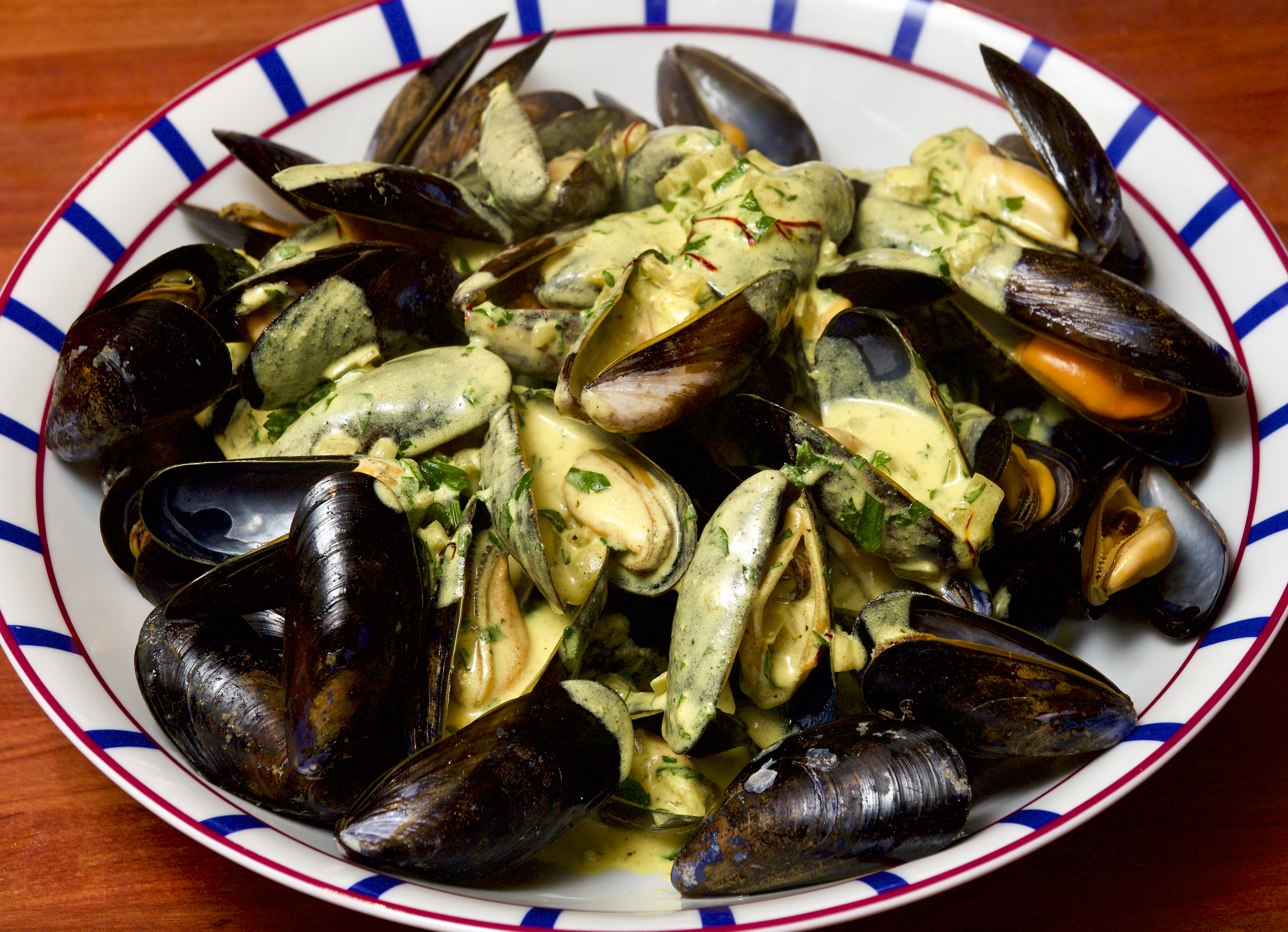
Mouclade

We mainly eat mussels in the colder months – something to do with months with an r in the them, but also they just seem like cold weather food to us. They’re so cheap and yet such a treat. This is typical Friday night food in our house, served with crusty bread or fries. La Mouclade is a French recipe from Rick Stein’s French Odyssey and includes a creamy curry sauce – delicious!

Wine Suggestion: As this dish comes from the Charentes region of France, we sipped some chilled Pineau des Charentes as an aperitif and then a glass of Bordeaux Blanc. While we would have loved to have found some Right Bank Bordeaux Ch Monbousquet or Valandraud Blanc we had some Chateau Bouscaut Blanc from the Graves instead. A Sauvignon Blanc, Semillon blend with some barrel aging after fermentation in stainless steel. Great with seafood and able to stand up to the curry and saffron.

La Mouclade – serves 4

  • a good pinch of saffron threads
  • 1.75 kg mussels, cleaned
  • 120ml dry white wine
  • 25g butter
  • 1 small onion, finely chopped
  • 2 garlic cloves, finely chopped
  • ½ tsp good-quality medium curry powder
  • 2 tbsp cognac
  • 2 tbsp plain flour
  • 200ml crème fraîche
  • 3 tbsp chopped parsley

Put the saffron into a small bowl with a tablespoon of warm water.

Put the mussels and wine into a large saucepan, cover and cook over a hight heat for 3-4 minutes, shaking occasionally, until the mussels have opened. Tip them into a colander over a bowl to catch the liquid. Transfer the mussels to a large serving bowl and keep warm.

Melt the butter in a frying pan, add the onion, garlic and curry powder and cook gently for a few minutes. Add the cognac and cook until almost evaporated, then stir in the flour and cook for a minute. Gradually stir in the saffron liquid and the mussel liquid (leave the very last gritty bit behind). Bring to a simmer and cook for a few minutes. Add the crème fraîche and simmer for another few minutes, until slightly reduced. Season to taste, stir in the parsley and pour the sauce over the mussels .

(Original recipe from Rick Stein’s French Odyssey, BBC Books, 2005.)

Read Full Post »

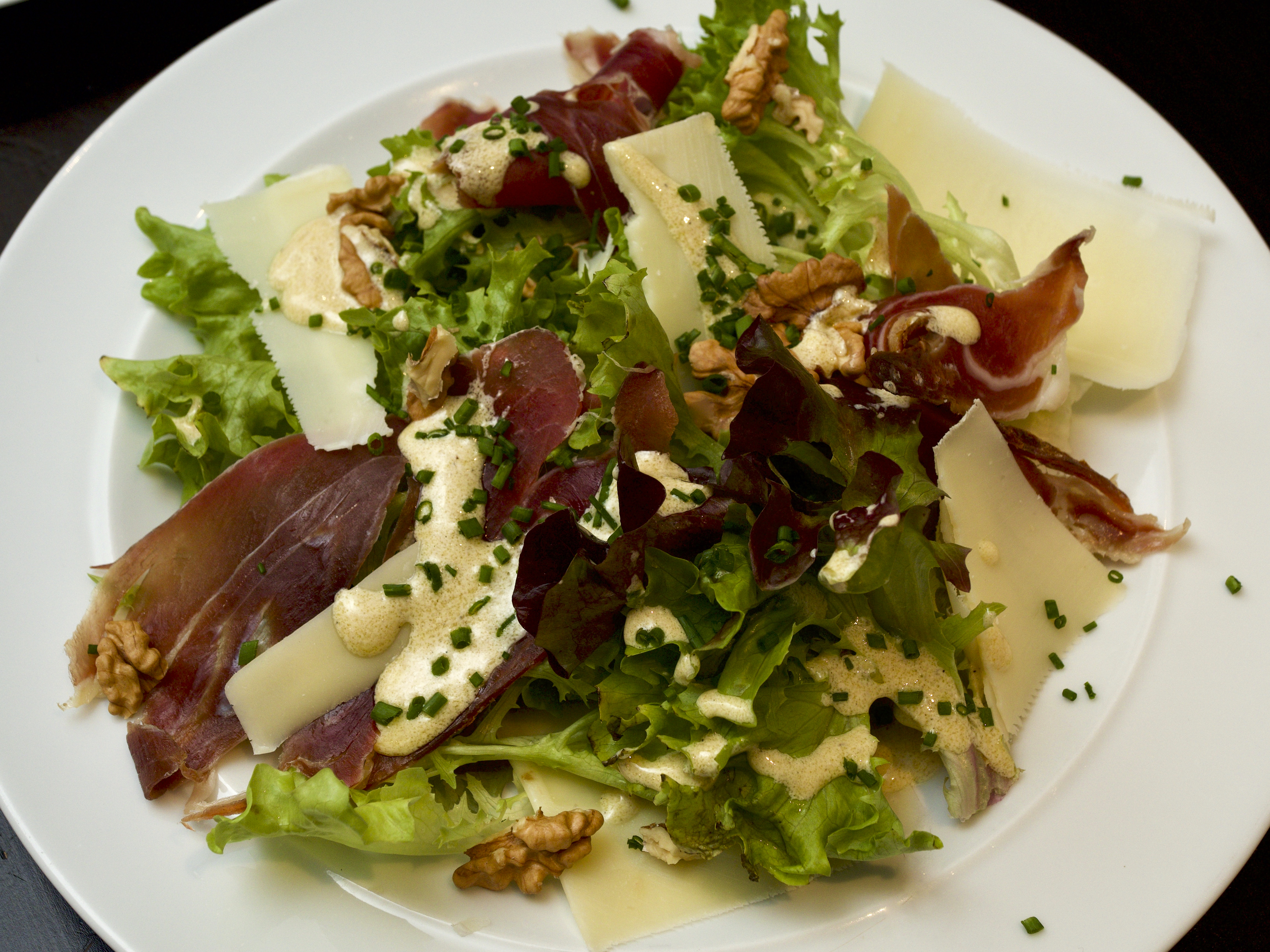
Smoked ham salad, with shaved Gruyere, Escarole & Walnuts

You know those fab salads that they serve in French bistros? Well this is one of those and it’s from Rick Stein’s French Odyssey – a book we never travel to France without.

Wine Suggestion: this wine reminded us of holidays in the Dordogne in France so we chose a white Bergerac from Chateau le Tap, a nearly even blend of Sauvignon Blanc and Semillon with a touch of Muscadelle thrown in.

Smoked ham salad with shaved Gruyère, escarole and walnuts – serves 4

  • 1 escarole lettuce or 2 English curly lettuces
  • 100g piece of Gruyère cheese
  • 400g of good quality smoked cooked ham – about 12 very thin slice
  • 10 walnuts in the shell
  • 1 small bunch of chives, chopped

FOR THE DRESSING:

  • 2 tsp Dijon mustard
  • 2 tsp lemon juice
  • 1 tbsp red wine vinegar
  • 2 tbsp crème fraîche or sour cream
  • 2 tbsp extra virgin olive oil
  • 1 tbsp walnut oil (or use more olive oil if you haven’t got this)

Remove the outer lettuce leaves and discard, then break the rest into leaves. Wash and dry well in a salad spinner.

Cut the cheese into very thin strips using a cheese slicer or mandolin.

For the dressing, whisk together the mustard, lemon juice and vinegar. Add the crème fraîche, whisk until emulsified then gradually whisk in the olive and walnut oils. Season to taste with salt and pepper.

Arrange the sliced ham, lettuce leaves and shaved cheese onto 4 plates and scatter over the shelled walnuts. Drizzle over the dressing and sprinkle with the chives.

(Original recipe from Rick Stein’s French Odyssey, BBC Books, 2005.)

Read Full Post »

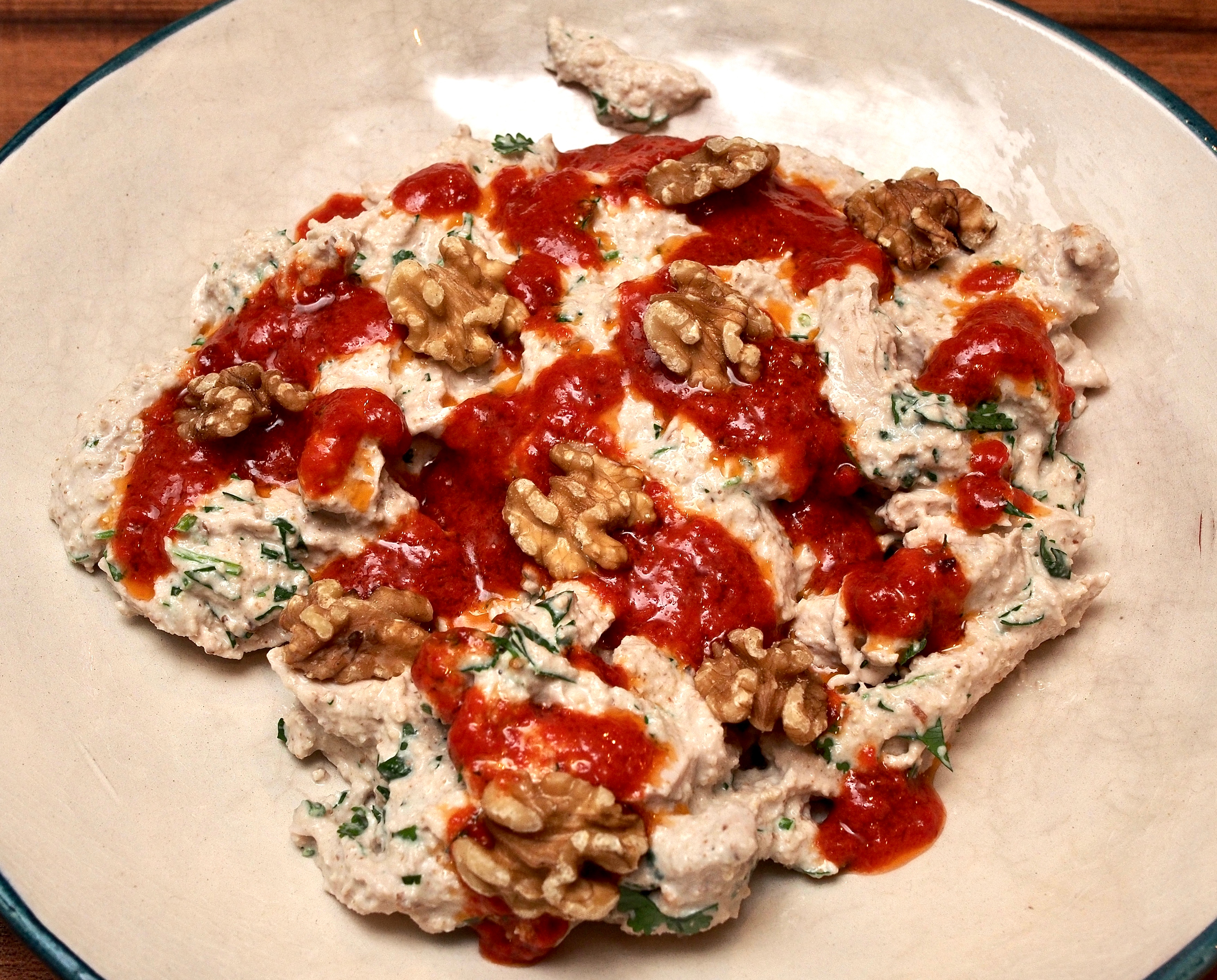
Circassian chicken

We’re not sure if we would would have ever made this except for having a load of walnuts and red peppers that needed used. Definitely one of the most interesting dishes we’ve cooked this year. We’ve had it warm and also cold; as a side dish and in a floury bap for lunch; a tasty starter and a midnight snack. Delicious every time.

Wine Suggestion: If you decide to eat this warm or cold you need the spice a red wine gives and a chill for freshness and vitality; 30 minutes in the fridge is sufficient, so chilled, not freezing! We’d recommend either a Spanish red, the Jesus Romero Rubus, a rarity from Teruel in Aragon or if you’d like to push the boat out Laurent Combier’s Cap Nord, one of the best Crozes-Hermitage we’ve tried in a long while. The link between these is Syrah, so if you find another one you like try chilling this and giving it a go with this dish.

Circassian Chicken – serves 3-4

  • 2 large skinless chicken breasts
  • 500ml chicken stock
  • 200g walnuts halves
  • 1 slice stale white bread, made into breadcrumbs
  • 2 cloves of garlic, crushed
  • small handful of coriander, chopped

FOR THE PEPPER DRESSING:

  • 1 tbsp red pepper paste/½ tsp sweet paprika & ½ tsp cayenne pepper
  • 2 tbsp olive oil
  • ¼ tsp salt

Put the chicken stock into a large pot with the chicken breasts. Bring to the boil, then simmer and poach for about 20 minutes or until cooked through.

Blitz 150g of the walnuts in a food processor to make a powder, then add the breadcrumbs and garlic with enough of the poaching stock to make a creamy sauce. Season with salt.

Whisk the dressing ingredients together in a bowl until combined.

Pull the cooked chicken into long pieces and combine with the walnut sauce and chopped coriander. Drizzle with the red pepper dressing and decorate with the reserved walnuts.

(Original recipe from Venice to Istanbul by Rick Stein, BBC Books, 2015.)

Read Full Post »

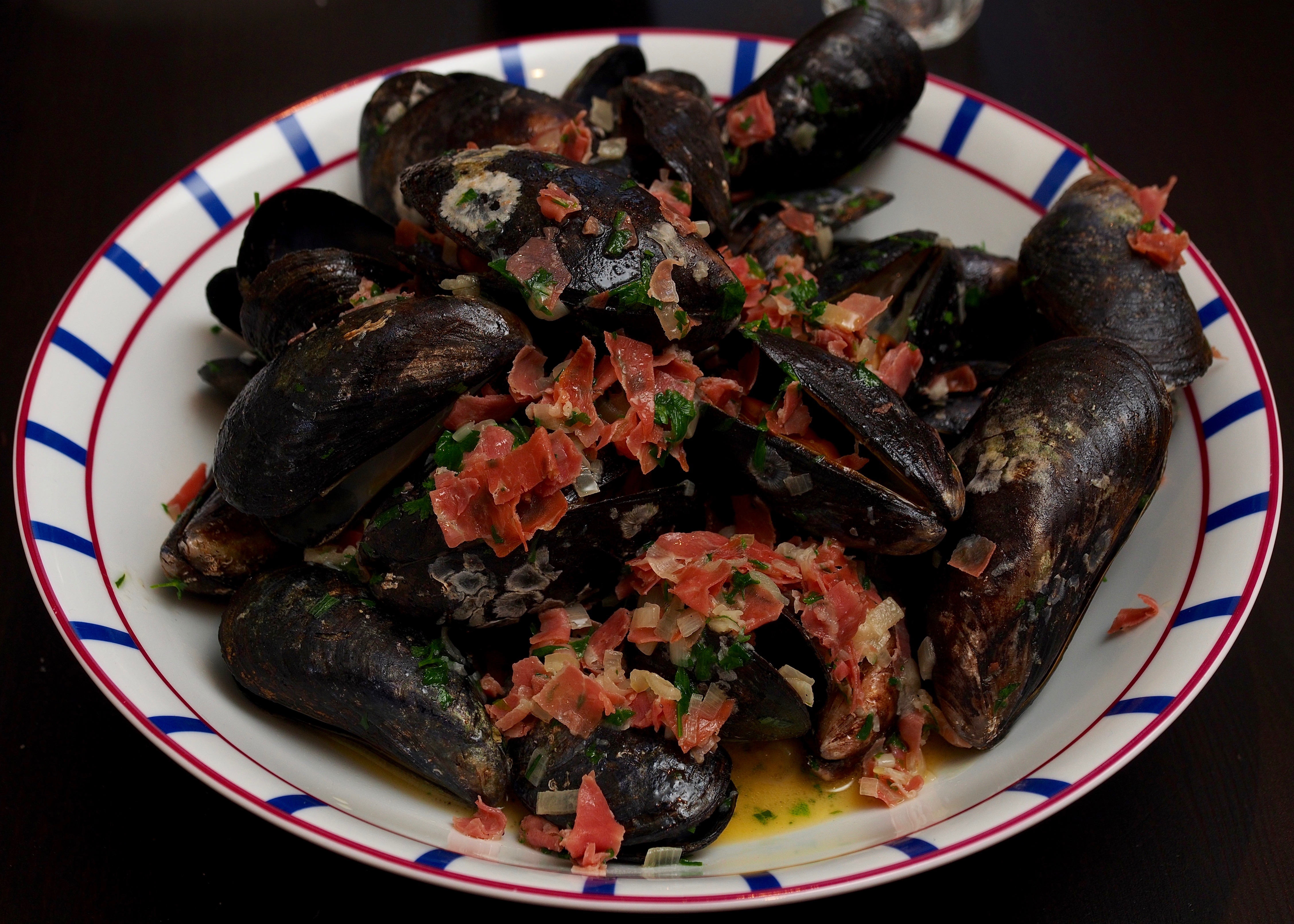
Mussels with Parma ham

Ham gives a nice salty twist to mussels so be careful when adding any additional seasoning. We have lots of herbs growing in the garden at this time of year and are always looking for excuses to use them.

Wine Suggestion: This was an harder match than expected given the combination of salty sea flavours and the richness of the ham. Given the layers of savoury flavours we complemented this with a dry Amontillado sherry, the Hidalgo “Napoleon” which has the Umami richness to match. It also has a great nuttiness that added something extra and also a very complementary hint of fresh sea air in it’s flavour.

Mussels with Bayonne ham – 3-4

  • 1.5kg mussels
  • 100ml dry white wine
  • 50g butter
  • 1 shallot
  • 75g Bayonne or prosciutto ham
  • 1 clove of garlic, grated
  • 1 handful of mixed herbs – we used parsley, tarragon & chives
  • crusty bread to serve

Scrub the mussels clean and discard any that don’t close when tapped on a hard surface.

Add 2 tbsp of the wine to a large saucepan and bring to the boil. Add the mussels, cover and cook over a high heat for 3-4 minutes or until opened. Give the pan a shake every now and then and discard any mussels that remain closed. Take off the heat and strain in a colander over a large bowl to catch the liquid. Reserve the liquid and keep the mussels warm.

In the same pan, melt the butter and cook the shallot, ham and garlic for 4-5 minutes, until softened but not browned. Add the mussel cooking liquid and the rest of the wine wine. Bring to a boil and cook until reduced by half. Add the mussels and herbs and mix well, then season with black pepper.

(Original recipe by Rick Stein)

Read Full Post »

Older Posts »