Feeds:
Posts
Comments

Posts Tagged ‘Vegetarian’

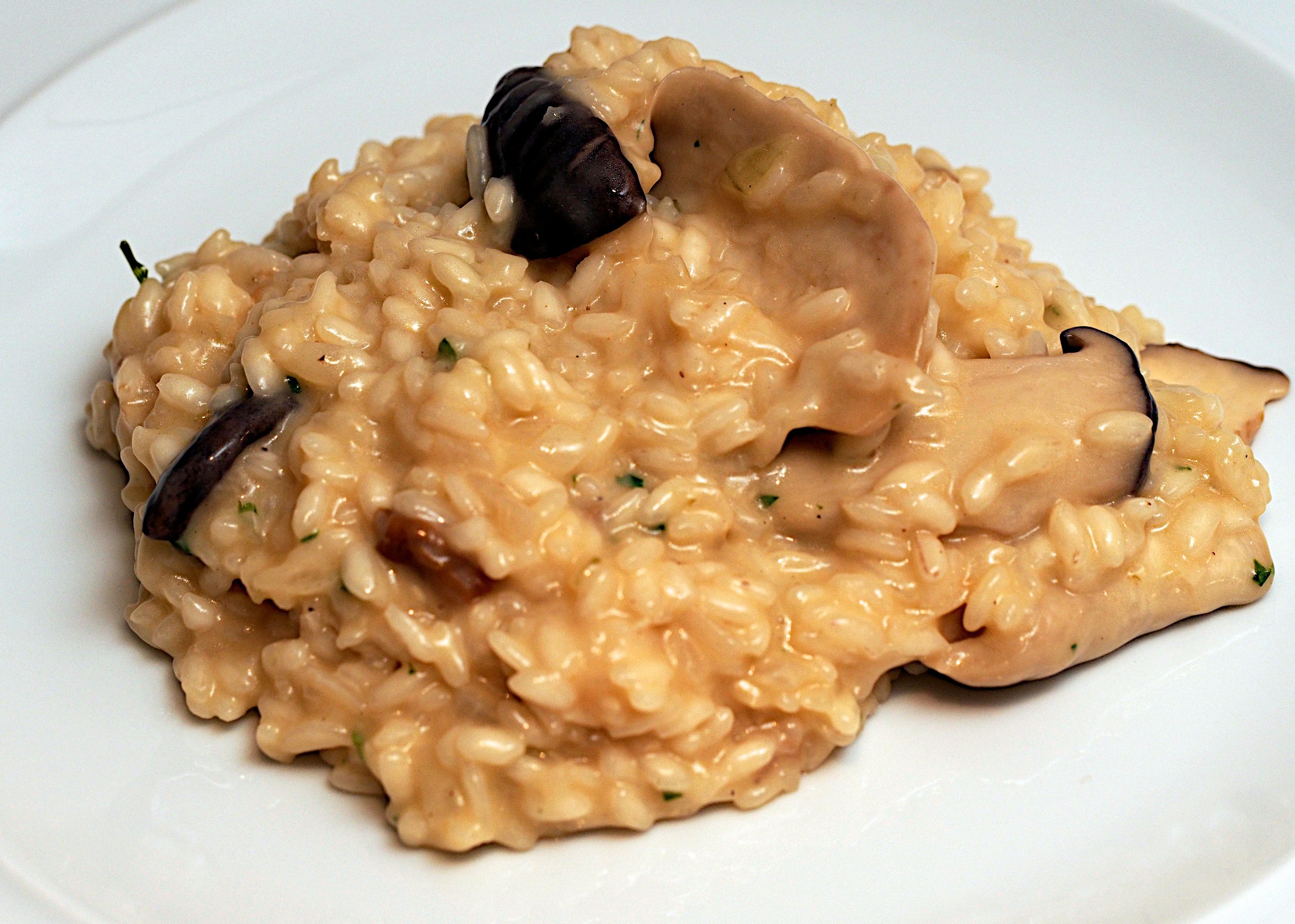
Ceps are not cheap but they are worth every penny in our opinion. If you can’t get ceps, or you are not feeling extravagant, you can use other fresh wild mushrooms. This is a very rich and luxurious dish.

Cep Risotto – to serve 4

  • about 8 pieces of dried porcini (ceps), roughly chopped
  • 250g fresh porcini, wiped clean (don’t wash them)
  • 75g butter
  • 2 garlic cloves, finely chopped
  • 150ml dry white wine
  • 2.5 litres good chicken or vegetable stock
  • 1 onion, chopped super fine
  • 400g vialone nano rice
  • 2 tbsp chopped parsley
  • 75g cold butter, cut into small dice
  • 100g finely grated Parmesan

Soak the dried porcini in a bowl of water for a couple of hours or until soft. Lift the porcini out of the water and squeeze to get rid of extra moisture.

Slice the fresh porcini lengthways.

Heat 20g of the butter in a sauté pan over a low heat, add the garlic and cook until soft but not coloured. Add the fresh porcini slices with 2 tbsp of the wine and toss around for a minute over a low heat, you want the mushrooms to stew rather than fry. Season, cover with a lid and set aside.

Bring the stock to the boil, then turn down to a simmer.

Melt the first 75g of  butter in a heavy-based pan and add the chopped onion. Cook gently until soft but not coloured (about 5 minutes).

Add the dried porcini, then the rice and stir to coat the grains in the butter. Make sure the grains are warm before adding the rest of the wine. Let the wine evaporate completely so the onion and rice are dry.

Start to gradually add the stock, a ladle at a time, stirring the rice all the time. Wait until each addition of stock has almost evaporated before adding any more. Keep cooking like this for about 15 minutes, adding the stock and stirring continually as above. Taste and keep cooking until the grains are soft, but still have a little bite.

Turn the heat down and add the fresh porcini and the parsley. Allow the risotto to rest for a minute, then vigorously beat in the 75g cold diced butter with a wooden spoon and then the Parmesan. Season to taste and serve.

Wine Suggestion: Something with a bit of what wine geeks call sous bois (forest floor) or in other words some earthy or mushroomy flavours. Pinot Noir is a classic match and an oaked Chardonnay similarly, but given the Italian inspiration this would also pair beautifully with an elegant and developed Barolo or an aged Brunello di Montalcino.

(Original recipe from Georgio Locatelli’s Made in Italy Food & Stories, Fourth Estate, 2006.)

Read Full Post »

A side dish from Lazio that celebrates the unique and delicious Romanesco Cauliflower. We never cease to be amazed at the shape of these and the flavour is delicious and enhanced by the simple additions.

Romanesco and Parmesan – to serve 4

  • large head of Romanesco broccoli
  • 6-8 tbsp extra virgin olive oil
  • 2 tbsp chopped flat-leaf parsley
  • a few shavings of Parmesan or Pecorino Romano

You should cook the Romanesco in really salty water which will season it as it cooks and preserve the delicate flavour.

Snap off any large or bruised leaves from the outside of the broccoli, but leave any small ones attached. Trim off the end of the stem, to where the leaves start. Cut a cross in the base of the stem.

Boil the whole broccoli head until completely tender, about 12 minutes. Lift it out of the water and let it steam dry for a few minutes, then put it in a large dish, break into florets, and douse with olive oil.

Season with pepper (you shouldn’t need salt if you’ve used enough salt in the cooking water), scatter with parsley and cheese, and serve.

(Original recipe from Jacob Kenedy’s Bocca Cookbook, Bloomsbury, 2011.)

Read Full Post »

Colcannon

A very Irish side dish but good enough to eat a big bowlful on its own. If you want to restrain yourselves a bit you could balance this with a nicely barbecued sausage. The diet starts after Christmas!

When seasoning make sure you use white pepper as it makes all the difference. The pink pepper mill in the photo is our “white pepper mill”.

Colcannon – to serve 6 as a side

  • 1kg potatoes, scrubbed (cut the bigger ones in half)
  • 100g butter
  • ½ a small Savoy cabbage, finely shredded
  • 150ml double cream

Put the potatoes into a large pan of water and bring to the boil. Simmer for 15-20 minutes or until a skewer goes through without resistance.

Heat about 25g of the butter in another saucepan and fry half the cabbage for about 5 minutes.

Drain the potatoes and peel while they are hot, then mash until smooth.

Heat the cream with the rest of the butter and, when almost boiling, beat into the potato. Add the cabbage to the potato, mix well and season (with salt and white pepper).

Heaven!

Read Full Post »

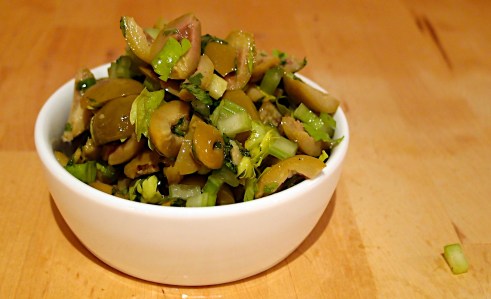
Green Olive Salad

We can’t encourage you enough to try this salad. The list of ingredients is not instantly inspiring but the result is fabulous!

You will have far too much dressing left over but it will keep in the fridge for up to 6 months and can be used on any salad (it will separate but just give it a good shake each time before serving).

Crushed olive salad – Insalata di olive verdi schiacciate – to serve 4-6

  • 450g good quality green olives in brine
  • 6 celery stalks, with leaves, all finely chopped
  • the leaves from 10-12 stalks of mint, finely chopped
  • 40ml dressing (see below)
  • sea salt and freshly ground black pepper

FOR THE DRESSING (makes approx. 375ml): 

  • ½ tsp sea salt
  • 3 tbsp red wine vinegar
  • 2 tbsp white wine vinegar
  • 300ml extra virgin olive oil

First make the dressing:

Put the salt into a bowl, then add the vinegars and leave aside for a minute or two to allow the salt to dissolve. Whisk in the olive oil and 2 tbsp of water until it emulsifies. Pour into a clean bottle and keep in the fridge (it should last for about 6 months); it will separate but just give the bottle a good shake before serving.

Drain the olives and pat dry with kitchen paper. Cut the flesh away from the stone (try slicing 3-4 times from end to end then carefully cutting away each segment). Put the olive pieces into a bowl and add the celery, celery leaves, and mint. Toss with 40ml of the dressing, season and serve.

(Original recipe from Georgio Locatelli’s Made In Sicily, Fourth Estate, 2011.)

Read Full Post »

Try and find a tasty pumpkin (i.e. not one of the huge varieties grown to make lanterns) or failing that a butternut squash will do. This makes an absolutely delicious starter or  lunch served with some crusty bread.

Roasted pumpkin and thyme soup – to serve 4

  • 1.5kg unpeeled pumpkin, or butternut squash
  • sunflower oil
  • 40g butter
  • 1 medium onion, chopped
  • leaves from 4 small sprigs of thyme, plus a few extra to garnish
  • 1.2 litres vegetable stock
  • 150ml single cream
  • 75g Gruyère cheese, coarsely grated

Preheat the oven to 200ºC/Gas Mark 6.

Cut the pumpkin into chunky wedges and scoop out the fibres and seeds. Rub with oil, season well with salt and pepper and put into a small roasting tin, skin-side down. Roast for 30 minutes or until tender.

When the pumpkin has cooled down a bit, slice away and discard the skin and cut the flesh into small chunks.

Melt the butter in a large saucepan, add the onion and half the thyme leaves and cook gently for about 10 minutes or until very soft but not browned. Add the roasted pumpkin, any pumpkin juice from the plate, the stock and ½tsp of salt. Cover and simmer gently for 20 minutes.

Leave the soup to cool slightly, then blend with the rest of the thyme leaves until smooth. Return to a clean pan and bring back to a gentle simmer. Stir in the cream and adjust the seasoning if necessary. Serve in warm bowls with a pile of grated cheese and a few thyme leaves in the centre.

(Original recipe from Rick Stein’s French Odyssey, BBC Books, 2005.)

Read Full Post »

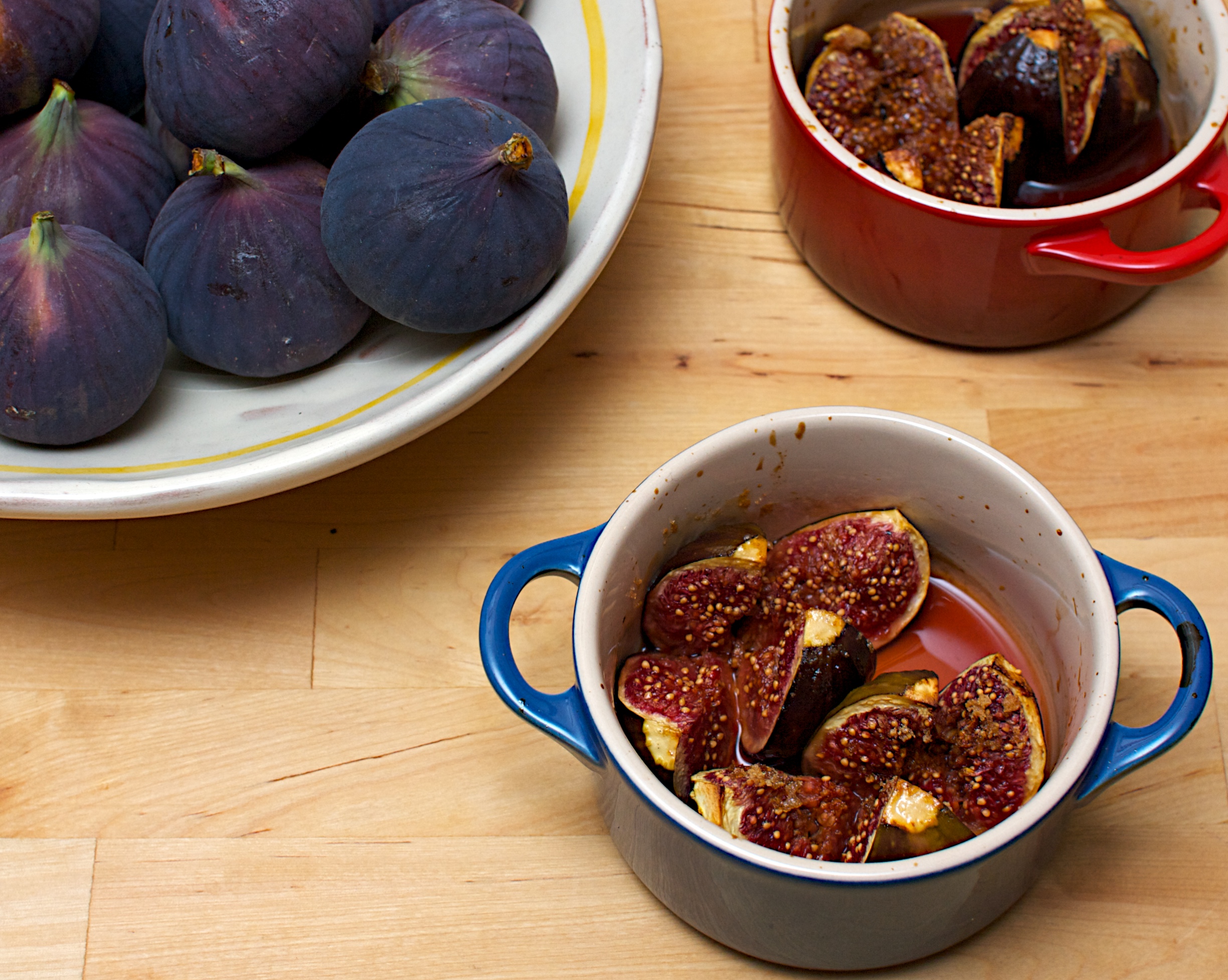
Delicious served with a drizzle of cold cream.

Roast figs with marsala and muscovado – to serve 4

  • 8 figs
  • sweet marsala (or you can use dry marsala but add an extra tbsp of sugar)
  • light muscovado sugar
  • cream, to serve

Preheat the oven to 200ºC/Gas 6.

Cut the stalks off the figs, then slice a deep cross into the top, going about half way down. Push the fruit around the middle so it opens up like a flower.

Place the figs in a baking dish (or individual pots) and sprinkle over the wine and a couple of tablespoons of sugar.

Bake for 20-25 minutes or until very tender and the edges have started to caramelise. You can finish browning them under the grill if necessary.

Serve with the sticky pan juices and a drizzle of cream.

(Original recipe from Nigel Slater’s Tender: Volume II, Fourth Estate, 2010.)

Read Full Post »

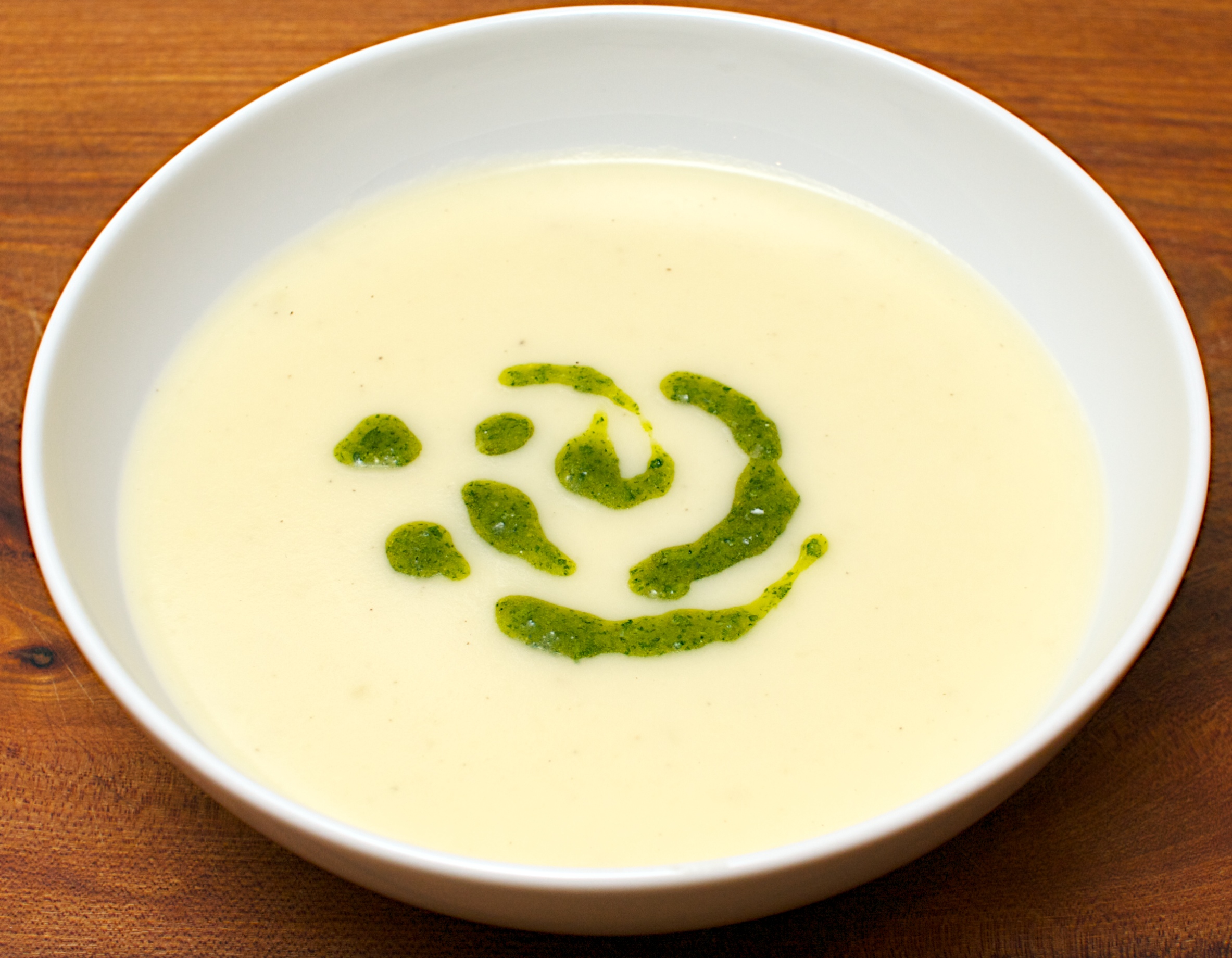
This is a good soup for the dark nights. The parsley pesto will keep in the fridge for up to a month (put in a sterilised jar and cover with some olive oil) and makes a great pasta sauce.

Potato Soup with Parsley Pesto – to serve 6

  • 50g butter
  • 900g potatoes, peeled and chopped
  • 1 large onion, diced
  • 850ml chicken or vegetable stock
  • 225ml milk (or half milk and half cream if you have it)

For the parsley pesto: 

  • small bunch of parsley, leaves chopped
  • 25g freshly grated Parmesan
  • 25g pine nuts
  • 2 garlic cloves, crushed
  • 100ml extra virgin olive oil

Melt the butter in a heavy saucepan. Add the potatoes and onion, toss until well coated and season. Cover and sweat on a gentle heat for 10 minutes. Pour in the stock and cook until the vegetables are soft, about 15-20 minutes.

Put all of the pesto ingredients in a food processor and whizz until evenly chopped and smooth. Add the oil and a pinch of salt.

Liquidise the soup until smooth, then add the milk. Adjust the seasoning and serve with some parsley pesto drizzled over the top.

(Original recipe by Rachel Allen in BBC Good Food Magazine, October, 2006.)

Read Full Post »

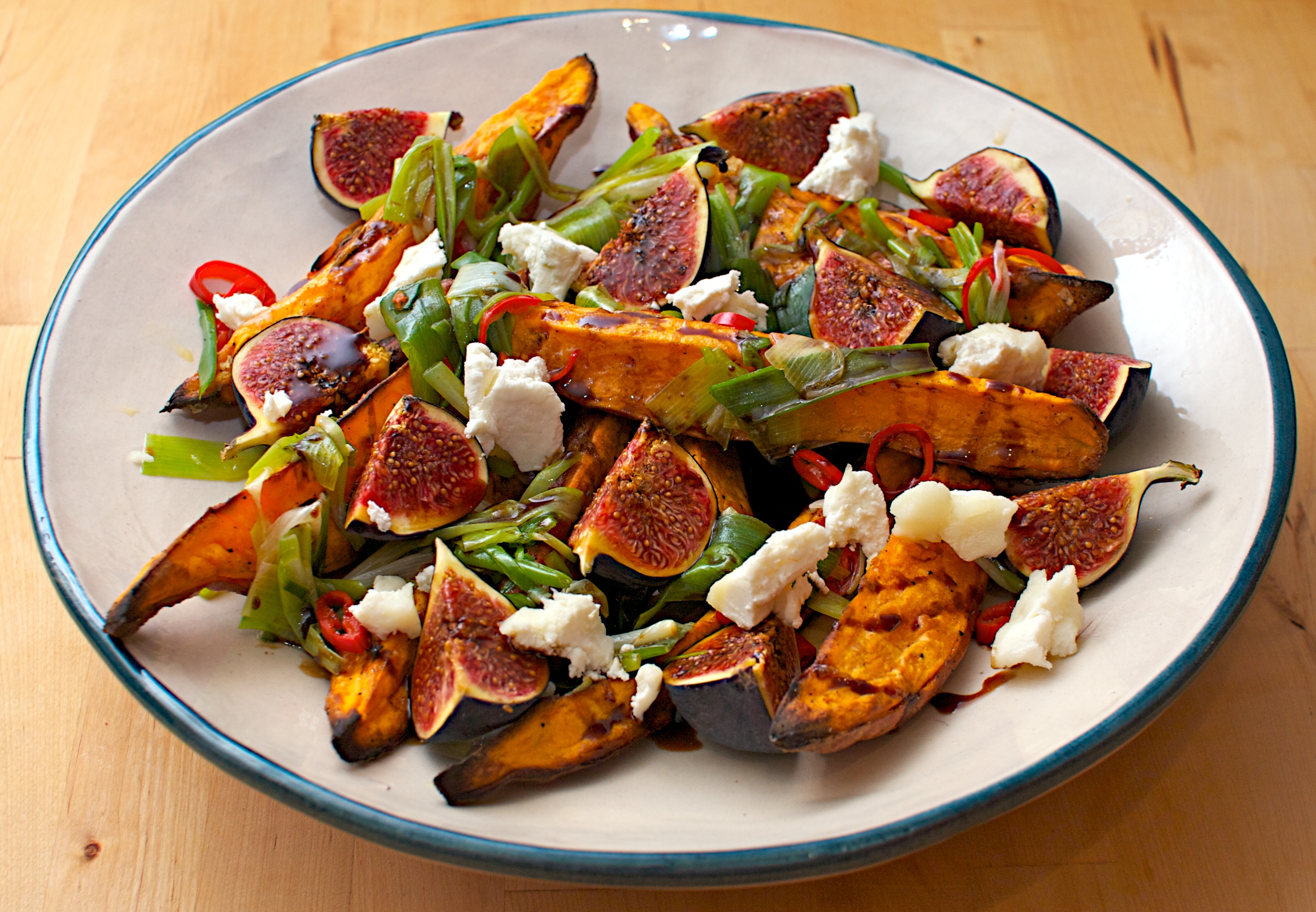
Our first recipe from Jerusalem by Yotam Ottolenghi and Sami Tamimi and also the very first recipe in this fabulous new book. We have a short window of opportunity at the moment when fresh figs are going cheap so we’re eating them with almost everything. This makes a great sharing plate.

Roasted sweet potatoes & fresh figs – to serve 4 

  • 4 small sweet potatoes
  • 5 tbsp olive oil
  • 40ml balsamic vinegar (it doesn’t have to be top quality)
  • 20g caster sugar
  • 12 scallions, halved lengthways and cut into 4cm lengths
  • 1 red chilli, thinly sliced
  • 6 ripe fresh figs, quartered
  • 150g soft goat’s cheese

Preheat the oven to 240ºC/220ºC Fan/Gas Mark 9.

Wash the sweet potatoes, halve them lengthways and cut each half into 3 long wedges. Mix with 3 tbsp of the olive oil, 2 tsp of sea salt and some black pepper. Place the wedges on a baking sheet, skin-side down, and bake for about 25 minutes, until soft but not mushy. Remove from the oven and leave to cool.

Make a balsamic reduction by putting the balsamic vinegar and sugar into a small saucepan, bring to the boil, then reduce the heat and simmer for 2-4 minutes or until it thickens. Take the pan off the heat when the vinegar is still “runnier than honey” as it will continue to thicken as it cools. Stir in a drop of water before serving if it becomes too thick to drizzle.

Arrange the sweet potatoes on a large plate. Heat the rest of the oil in a medium saucepan and add the scallions and chilli. Fry on a medium heat for 4-5 minutes, stirring, and then spoon the oil, onions and chilli over the sweet potatoes. Dot the figs among the wedges and then drizzle over the balsamic reduction. Serve at room temperature with the goat’s cheese crumbled over.

(Original recipe from Jerusalem by Yotam Ottolenghi & Sami Tamimi, Ebury Publishing, 2012.)

Read Full Post »

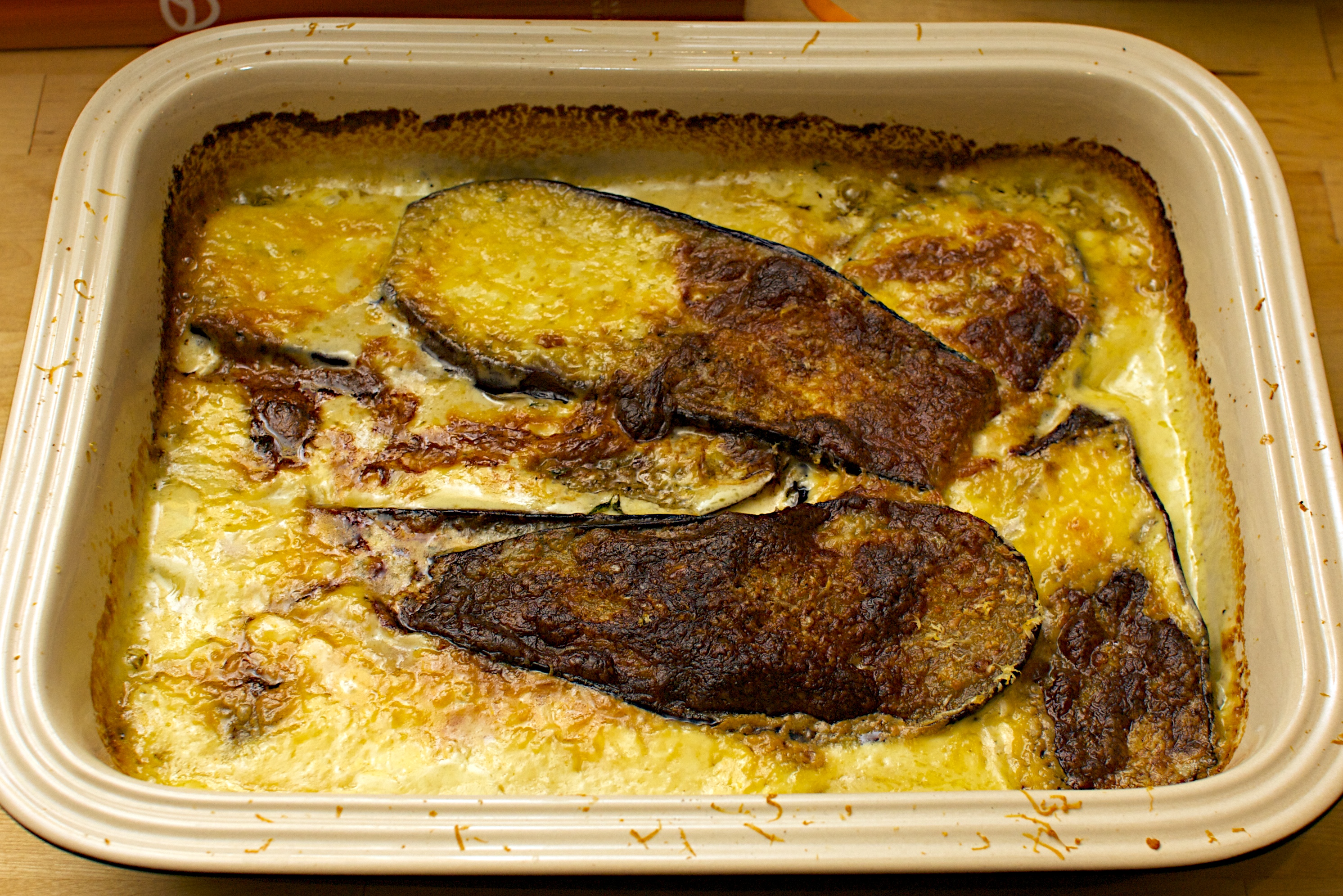
This is a really rich and delicious side dish though you could also serve it as a veggie main with some rice. We went for lamb steaks.

Creamy baked aubergines – to serve 2 as a main or 4 as a side

  • 1 very large or 2 small aubergines
  • 1 medium onion
  • olive oil
  • 2 cloves garlic
  • a few sprigs of thyme
  • 400ml whipping or double cream
  • Parmesan

Cut the aubergines into long thin slices. Put the slices in a colander and sprinkle with salt. Leave for half an hour or more, until they have gone a bit floppy, then rinse and dry.

Peel and thinly slice the onion, then cook is some olive oil until softened, but not coloured. Peel and slice the garlic and add to the onion as it cooks. Put the onions and garlic in a shallow baking dish. Add a bit more oil to the pan and add the aubergine. Cook until golden, but not brown, on both sides. Drain well on kitchen paper so the dish doesn’t end up too oily.

Lay the aubergine slices in the baking dish on top of the onion, seasoning with salt, pepper and thyme leaves as you go. Pour the cream over the top, scatter over a couple of spoonfuls of grated Parmesan and bake at 180C/Gas 4 for 35-45 minutes, until bubbling and turning brown.

(Original recipe from Nigel Slater’s Tender Volume 1, Fourth Estate 2009.)

Read Full Post »

This is a great antipasti plate to serve with some cured meats, crusty bread and good olive oil.

Roasted Peppers with Capers – to serve 4 as an antipasti plate

  • 2 red peppers
  • 2 yellow peppers
  • Extra virgin olive oil
  • 3 tbsp Marjoram leaves
  • 6 tbsp salted capers
  • 2 tbsp red wine vinegar

Preheat the oven to 200C.

Brush the peppers with olive oil and roast on a baking tray in the oven for about 30 minutes, turning once. Put the peppers in a bowl, cover with cling film and leave to cool. Peel and remove the seeds when the peppers are cool enough to handle.

Chop the marjoram. Rinse and chop the capers, and mix with the vinegar.

Lay the peppers on a serving dish and season. Sprinkle with the vinegar and capers, scatter over the marjoram, and drizzle with olive oil.

(Original recipe from Rose Gray and Ruth Rogers’ Italian Two Easy, Clarkson Potter, 2006.)

Read Full Post »

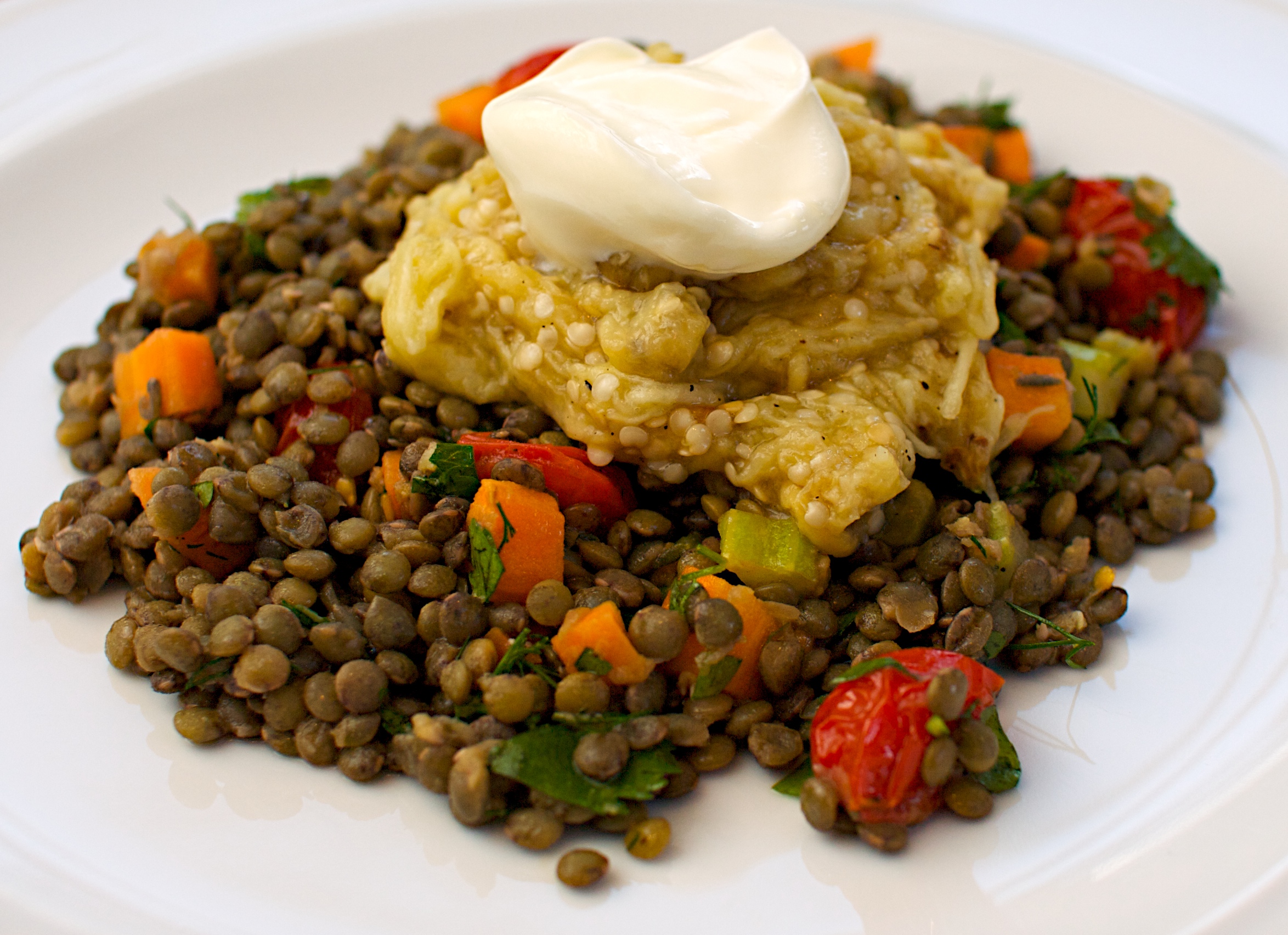
A delicious main course salad by Yotam Ottolenghi.

Lentils with Grilled Aubergine – to serve 4

  • 2 medium aubergines
  • 2 tbsp good-quality red wine vinegar
  • 200g Puy lentils, rinsed
  • 3 small carrots, peeled
  • 2 celery sticks
  • 1 bay leaf
  • 3 thyme sprigs
  • ½ white onion
  • 3 tbsp olive oil
  • 12 cherry tomatoes, halved
  • 1/3 tsp brown sugar
  • 1 tbsp  each roughly chopped parsley, coriander and dill
  • 2 tbsp crème fraîche (or natural yogurt)
  • sea salt and black pepper

If you have a gas hob, you can put the aubergines directly on two moderate flames and roast for 12-15 minutes, turning often, until the flesh is soft  and the skin is burnt all over. You should protect the area around the hob with foil beforehand. Alternatively you can put the aubergines on a foil-lined baking tray and put under a hot grill for 1 hour, turning a few times. The aubergines need to completely deflate and the skin should burn and break. Make sure you pierce the aubergines in a few places with a sharp knife to avoid explosions!

Heat the oven to 140ºC/Gas Mark 1. Cut the aubergines open and scoop the flesh out into a colander, avoiding the black skin. Leave to drain for at least 15 minutes and then season with plenty of salt and pepper and ½ tbsp of the vinegar.

While the aubergines are grilling, put the lentils in a medium saucepan. Cut one carrot and half a celery stick into large chunks and throw them in. Add the bay leaf, thyme and onion, cover with lots of water and bring to the boil. Simmer on a low heat for up to 25 minutes, or until the lentils are tender, skimming away the froth occasionally. Drain in a sieve. Remove and discard the carrot, celery, bay leaf, thyme and onion and transfer the lentils to a large bowl. Add the rest of the vinegar, 2 tbsp of the olive oil and lots of salt and pepper; stir and set aside somewhere warm.

Chop the remaining carrot and celery into 1cm dice and mix with the tomatoes, the remaining oil, the sugar and some salt. Spread in an ovenproof dish and cook in the oven for about 20 minutes, or until the carrot is tender but still firm.

Add the cooked vegetables to the warm lentils, followed by the chopped herbs and stir gently. Adjust the seasoning. Spoon the lentils onto plates. Pile some aubergine onto each portion and top with a dollop of crème fraÎche. Finish with a drizzle of olive oil.

Wine Suggestion: The lentils and aubergine have an earthy flavour which would be complemented by a juicy Grenache or Zinfandel based wine. Try and find one that’s not too heavy though as big flavours could overwhelm this dish.

(Original recipe from Yotam Ottolenghi’s Plenty, Ebury Press, 2010.)


Read Full Post »

A tasty and filling summer soup. We couldn’t get Wensleydale so used Lavistown, a similarly crumbly Irish variety as recommended by Darius at the cheese counter.

Red pepper and Wensleydale soup – to serve 2

  • olive oil
  • 1 onion, roughly chopped
  • 1 clove garlic, crushed
  • 1 red pepper, roughly chopped
  • 1 400g tin chopped tomatoes
  • 1 tbsp tomato purée
  • 200ml vegetable stock
  • 100g Wensleydale (or other crumbly cheese), crumbled
  • a handful of basil, torn

Heat 1 tbsp oil in a non-stick pan. Cook the onion, garlic and pepper on a gentle heat until soft. Add the tomatoes, purée and stock then bring to a simmer.

Cook for 20 minutes then blend but leave a bit of texture. Reheat with a splash more stock or water if necessary to thin it a bit. Stir in most of the cheese and basil and serve with a bit more cheese and basil sprinkled over the top.

(Original recipe from BBC Good Food)

Read Full Post »

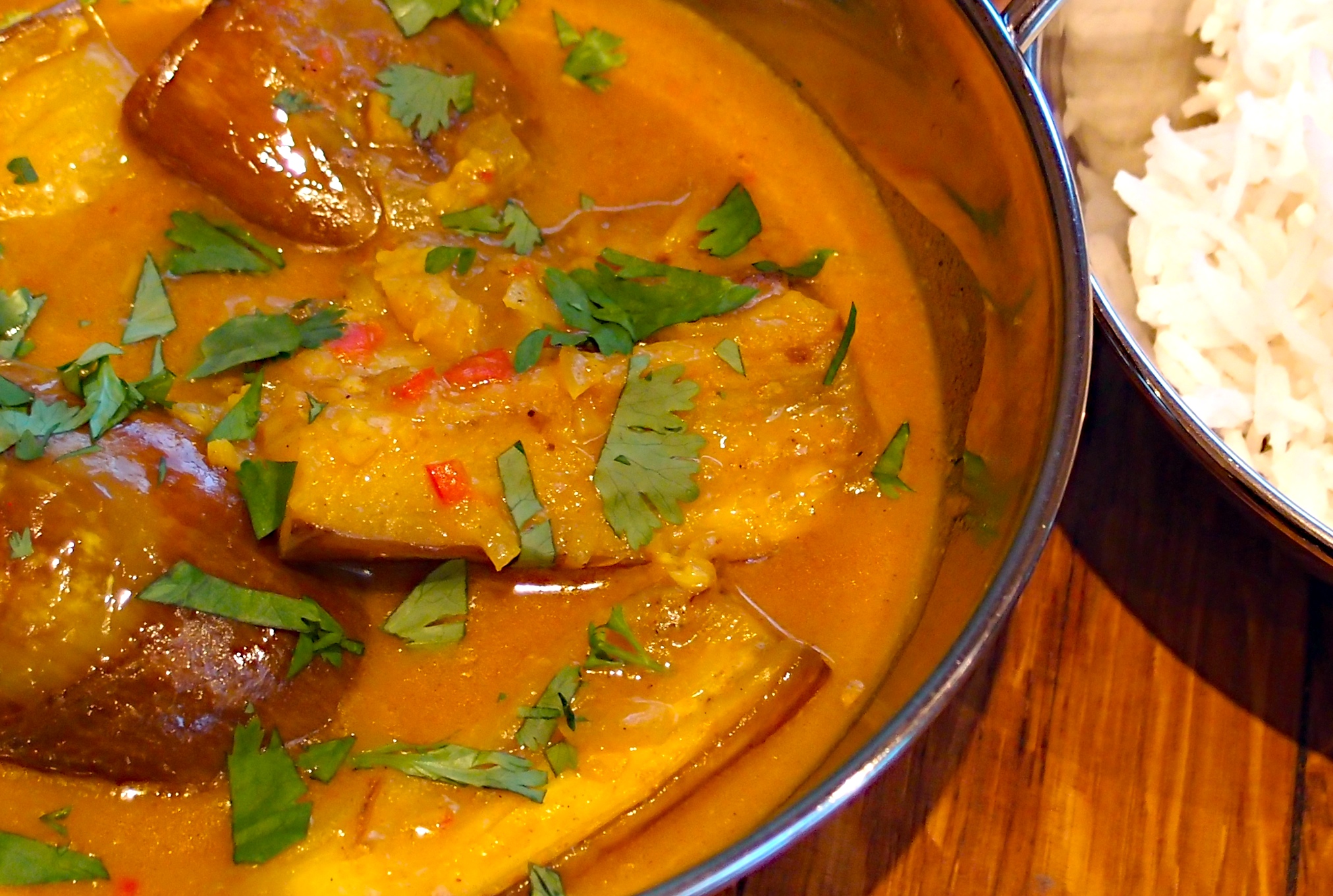
This is a really straightforward curry and we are glad to say it didn’t disappoint. The aubergine melts in the mouth and the spices are lovely and fresh as well as warming and comforting. Also takes no time at all to make.

Aubergine Curry with Lemongrass & Coconut Milk – serves 4

  • 3 large chillies, deseeded and chopped
  • 6 garlic cloves, roughly chopped
  • knob of fresh ginger, peeled and chopped
  • 2 lemongrass stalks, peeled and chopped
  • 2 tbsn ground turmeric
  • 1 tsp chilli powder
  • 2-3 aubergine (approx 600g) quartered lengthways then halved
  • 1 tbsp olive oil
  • 1 tbsp sugar
  • 6 shallots, finely chopped
  • 1 tbsp Fish Sauce (nam pla)
  • 400ml can coconut milk
  • 400ml vegetable stock
  • small bunch coriander, roughly chopped

Pulse  to a coarse paste chillies, garlic, ginger and lemongrass in a food processor. Set aside

Mix the turmeric and chilli powder together and rub it all over the aubergine wedges. Don’t worry if it look like a lot of spices – it works!

Heat olive oil in frying pan and brown aubergine in batches, setting the aubergine aside when done. Add the paste, sugar and shallots to pan and cook for a few minutes until the shallots and garlic soften.

Return aubergine to pan. Add fish sauce, coconut milk and stock, mix well and bring to the boil. Reduce heat and cook gently for about 15 minutes and until aubergine is tender but not mushy. Season and sprinkle coriander on top.

Serve hot with steamed rice.

Drink with: a aged Clare Valley riesling (at least 5 or six years old) or a fruity young Mosel Riesling.

Read Full Post »

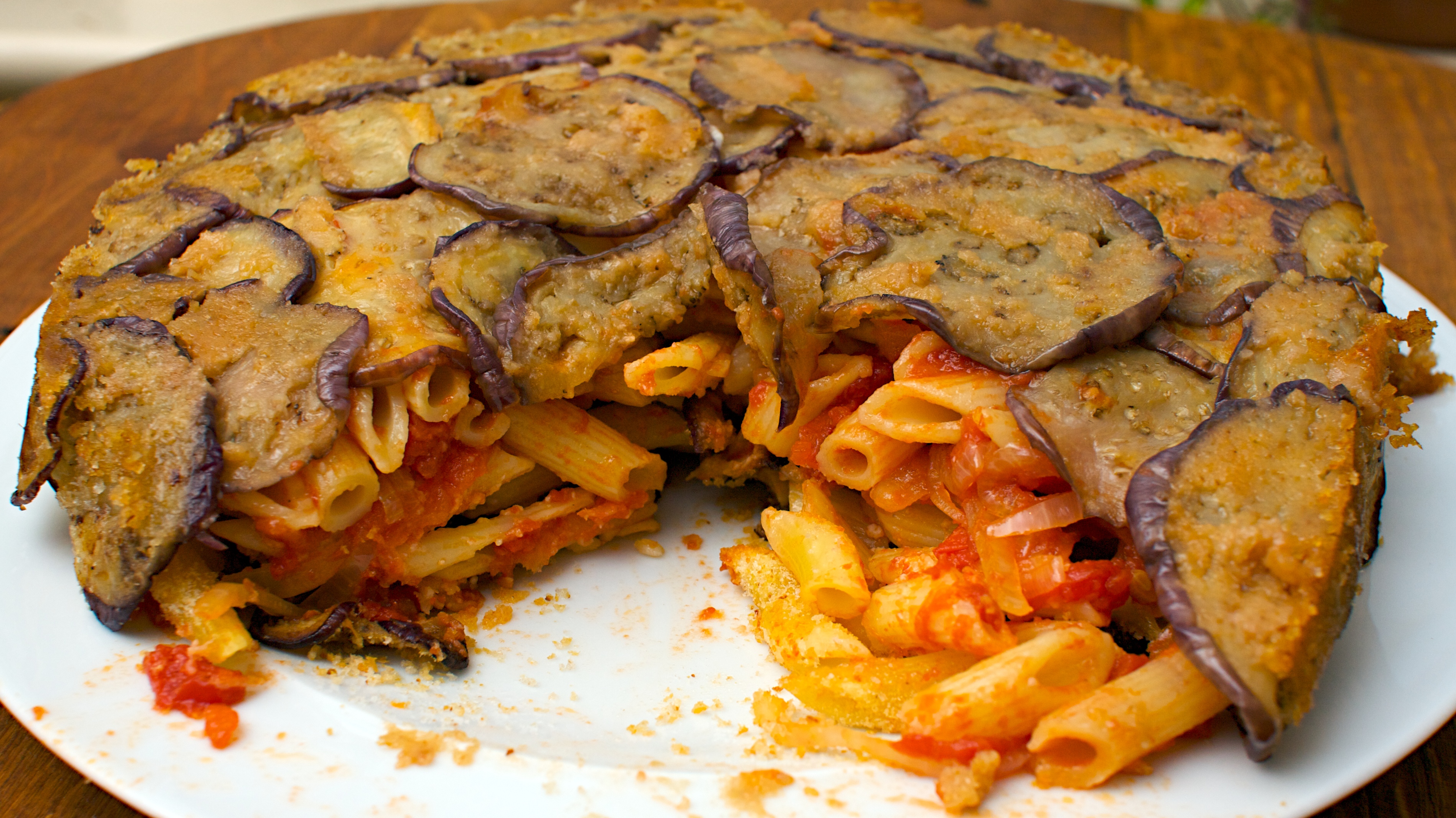
One of those memorable dishes that combines flavours and textures to capture the Sicilian sun and bring it to a grey and wet Dublin summer evening; magic.

Timballo di Maccheroni (Baked Pasta with Aubergine) – serves 6

  • 3 Aubergine, see if you can get the round, pale violet ones for authenticity
  • sea salt
  • 2 tablespoons unsalted butter
  • 5 tablespoons breadcrumbs
  • 1 medium onion, thinly sliced
  • 1 garlic clove, crushed
  • 1 x 400g tin of chopped tomatoes
  • 400g rigatoni, or penne rigate
  • 60g caciocavallo, or pecorino cheese, grated

Thinly slice the Aubergine, sprinkle with salt and leave to drain in a colander for at least 2 hours. Squeeze lightly to get rid of excess liquid.

Preheat oven to 180C / 350F / Gas 4.

Grease a round cake tin with the unsalted butter; we used one that was 23cm wide and 3.5cm deep. put in 2 tablespoons of breadcrumbs and shake and turn the dish so that that they stick to the butter and line the dish.

Heat about 6mm of olive oil in a deep frying pan and sauté the aubergine slices in batches until lightly coloured. Lift out and drain on kitchen paper. Using about three quarters of the aubergine cover the base and sides of the breadcrumbed tin. Make sure that you overlap the slices so that there are no gaps.

Heat a tablespoon of olive oil in a pan and cook the onion and garlic over a medium heat until soft, but not coloured. Add the tin of tomatoes and season with salt. Cover with a lid and simmer over a low heat for 10 minutes.

While this is cooking bring a pan of water to the boil, salt well and cook the pasta for 3 minutes less than the packet instructions, so that it is still al dente. Reserve some cooking water and then drain the pasta.

Spoon a layer of the pasta into the aubergine lined tin followed by tomato sauce, a layer of the aubergine and a layer of grated cheese. Repeat with the remaining pasta, tomato sauce, and a final layer of aubergine. Finish with the remaining breadcrumbs to form a coating on the top. Bake in the preheated oven for about 25 minutes and until golden.

Let stand for about 10 minutes. This will allow the dish to firm up.

Put a plate over the top of the tin and holding both the plate and dish firmly, turn both over together so that the Timballo turns out onto the plate. Serve in wedges.

Serve with: a southern Italian red like Nero d’Avola or Negroamaro, both of which have a satisfying earthiness but aren’t too heavy for the flavours in this dish.

NB. if you’d like to make your own breadcrumbs, which is both easy and satisfying, then remove the crusts from stale bread, slice and put it on a baking tray in an oven at 80C for an hour to dry out. Either grate and sieve the dried bread (which gives a more random and authentic look) or blitz in a blender.

(Original recipe from Georgio Locatelli: Made in Sicily, Fourth Estate, 2011.)

Read Full Post »

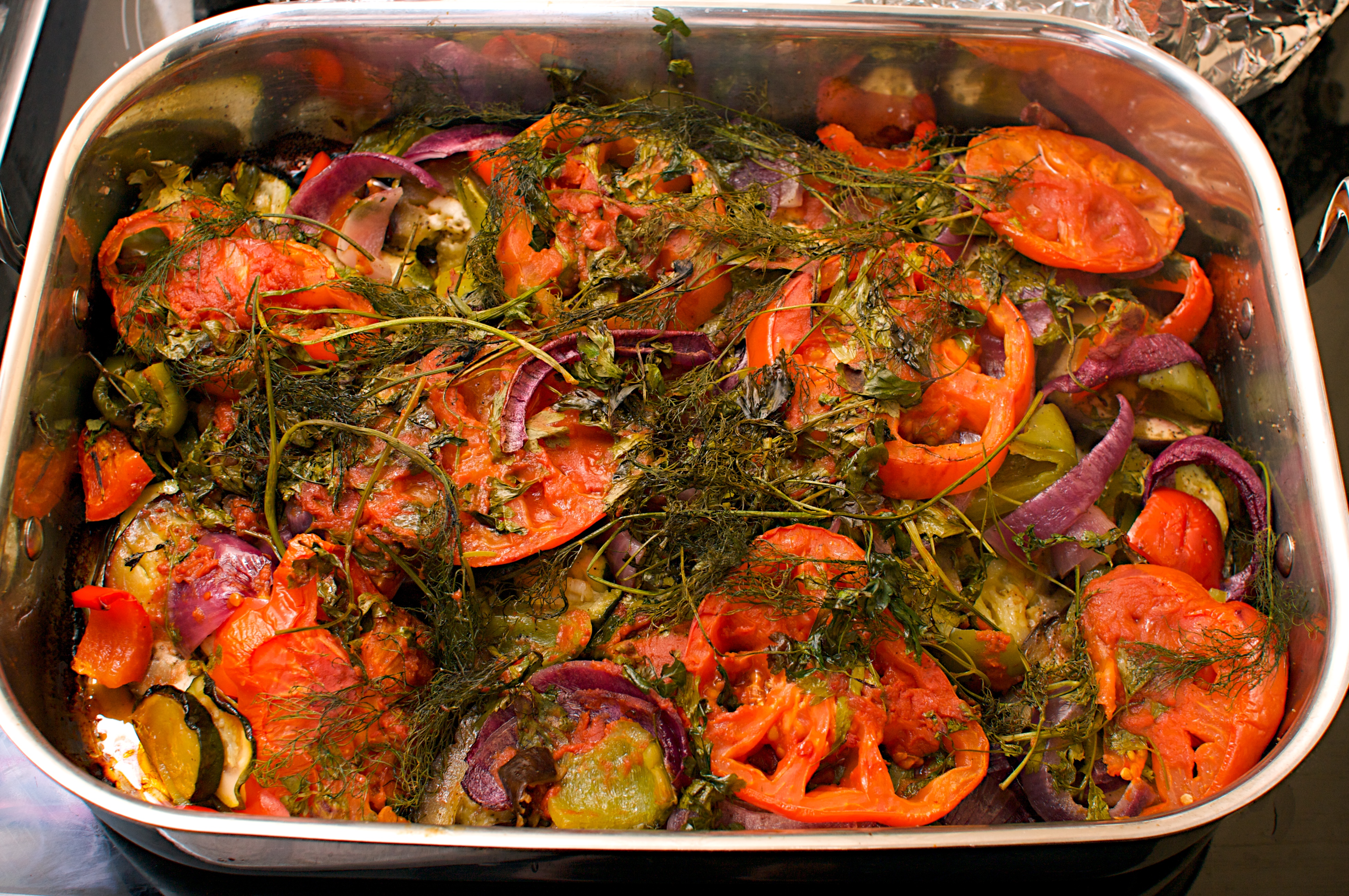
This has such great flavours that we made it two days in a row – it’s even great cold the next day so don’t be put off by the large quantities. Serve with barbecue lamb or just some feta cheese.

Briam – to serve 8 

  • 150ml extra virgin olive oil, plus a bit extra to grease the tin
  • 500g waxy potatoes, peeled and cut lengthways into ½ cm thick slices
  • 6 garlic cloves, sliced
  • 2 large courgettes, sliced
  • 1 large aubergine, cut into 1cm thick slices
  • 1 large green pepper, cut into chunks
  • 1 large red pepper, cut into chunks
  • 1 large red onion, thickly sliced
  • 15-20g dill sprigs
  • 15-20g flat-leaf parsley sprigs
  • 200ml passata

Preheat the oven to 190ºC.

Oil a large roasting tin (about 26 x 36 cm) well and spread the potatoes on the base in a single layer. Season with salt and pepper, then scatter over the garlic and courgettes. Season again, then add a layer each of the aubergine, peppers and onion, seasoning between each layer. Scatter over half the dill and parsley sprigs, cover with tomato slices and then add the rest of the herbs and season again. Pour the sieved tomatoes over the top, followed by the olive oil.

Cover the roasting tin tightly with foil and bake for about 1½ hours or until the vegetables are tender.

If you have a lot of juices in the tin, carefully pour them into a wide pan and boil until reduced and concentrated. Pour back over the vegetables and leave to cool a bit before serving.

(Original recipe from Rick Stein’s Mediterranean Escapes, BBC Books, 2007.)

Read Full Post »

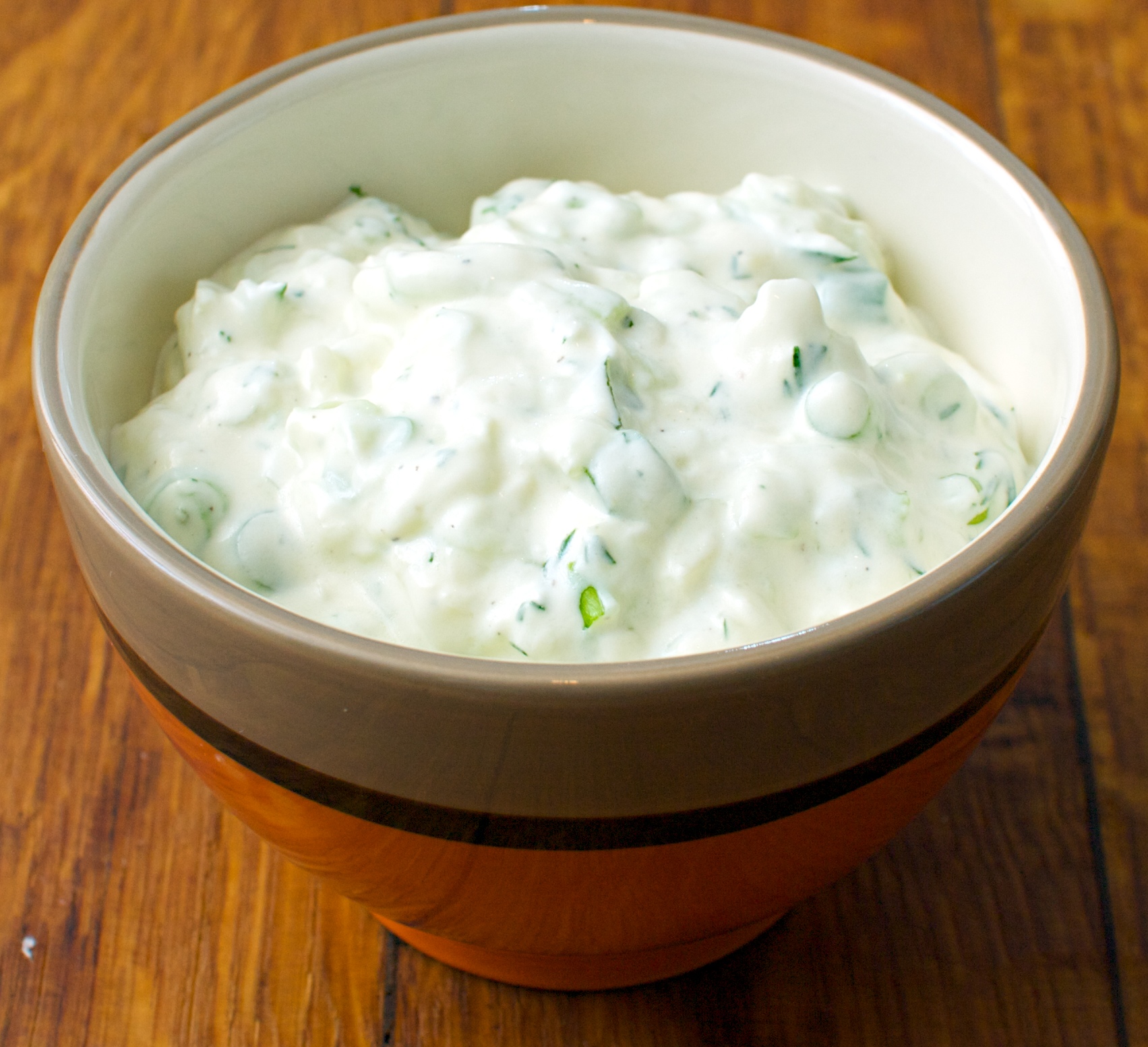
The best Tzatziki we’ve made with great flavour and a really thick creamy texture. Totally different to the watery shop-bought versions. Serve with lightly toasted pitta breads, for dipping, or Greek lamb kebabs.

Tzatziki – to serve 6 

  • 1 large cucumber
  • 2 garlic cloves
  • 500g natural Greek ewe’s milk yogurt (‘Total’ if you can find it – don’t buy a low-fat version for this)
  • 75g scallions, finely chopped
  • 2 tbsp chopped fresh dill or mint
  • 2 tbsp extra virgin olive oil
  • 1 tsp white wine vinegar

Peel most of the skin off the cucumber but not all of it. Coarsely grate the cucumber, put into a clean tea towel and squeeze out most of the excess liquid.

Crush the garlic into a smooth paste by adding a large pinch of salt and crushing on a board with the back of a large knife.

Put the yogurt into a bowl and stir in the cucumber, garlic, scallions, dill or mint, olive oil, vinegar and some seasoning.

(Original recipe from Rick Stein’s Mediterranean Escapes, BBC Books, 2007.)

Read Full Post »

This dish is easily doubled to make two pies, particularly if you are like us and had to defrost a whole packet of filo pastry.  The filo is very forgiving so don’t worry if you’re pastry sheets don’t look too neat and tidy. You could add some cooked chicken if you like things meaty.

Easy Veggie Filo Pie – to serve 4

  • 200g spinach leaves
  • 175g jar sundried tomatoes in oil
  • 100g feta, crumbled
  • 2 eggs
  • ½ 250g pack filo pastry

Put the spinach into a large pan. Add a 2 tbps water, then cook until just wilted. Drain in a sieve, then squeeze out with your hands once it’s cold enough to handle. Roughly chop and put into a bowl. Roughly chop the tomatoes (reserve the oil) and add to the spinach with the feta and eggs. Mix well.

Unroll the pastry and be careful not to tear the sheets too much. Cover with some damp kitchen roll to stop it drying out. Take a sheet of pastry and brush really well with some of the oil from the tomatoes. Drape the sheet, oil-side down, in a 22cm loose-bottomed cake tin, leaving some pastry hanging over the sides. Brush another sheet and place in the tin at a slightly different angle. Keep doing this until you have used about 3 of the pastry sheets. Pull the sides into the middle, making sure the filling is totally covered. Brush with a bit more oil on the top if necessary.

Heat oven to 180C/fan 160C/gas 4. Cook the pie for 30 minutes or until the pastry is crisp and browned. Slice into wedges and serve with a salad and some tzatziki.

Drink with: a glass of Chablis which should have a saline quality to compliment the salty feta.

(Original recipe from BBC Good Food)

Read Full Post »

Jono’s boss grows his own courgettes and they’re coming out his ears at the moment, so we are happily helping him eat them!

Courgette & Lemon Linguine – to serve 4

  • 300g linguine
  • 3 courgettes, grated
  • 1 tbsp olive oil
  • 1 garlic clove, crushed
  • 1 tsp chilli flakes
  • zest of 1 lemon
  • handful of basil leaves, torn

Bring a large pot of salted water to the boil and cook the linguine according to the pack instructions.

Meanwhile, heat the oil and fry the courgettes over a high heat for a few minutes. Add the garlic and chilli and cook for another minute or so.

Drain the pasta and tip into the courgettes, then add the lemon zest. Season, drizzle with some extra olive oil and scatter over the basil.

Drink with: a glass of Italian Pinot Grigio. Try and find one of the more aromatic versions from Friuli, the Alto Adige or a Riserva from the Veneto.

Read Full Post »

Some industrious fellow has imported real live Water Buffalos and is making proper Irish Buffalo mozzarella in Macroom. Well done him! This stuff is truly delicious and deserves to be the star of the show so we suggest serving it generously with some complementary bits (instead of putting it on a pizza!). Here’s what we tried first and we’ll defo be back for more. If you’re in Dublin you can pick some up in Fallon & Byrne on Exchequer Street or at any Real Olive Company stall at your local market.

Real Live Irish Buffalo Mozzarella Salad (with beetroot, capers & tomatoes) – to serve 4

  • 4 balls of fresh buffalo mozzarella (don’t substitute the cheaper cows milk stuff for this recipe)
  • 4 medium-sized beetroot
  • 4 ripe plum tomatoes
  • 2 tbsp salted capers, rinsed and drained
  • 1tbsp red wine vinegar
  • 2 tbsp top-quality extra virgin olive oil
  • handful of torn basil leaves
Cook the beetroot in boiling water for about an hour or until tender (the cooking time will vary slightly with different beetroot sizes so best to cook them earlier in the day and leave to cool). Peel and cut into chunky slices. Slice the tomatoes into chunky slices too.
Make a dressing with the vinegar and olive oil and pour into a bowl. Add the beetroot, tomatoes and capers, season well and toss gently.
Serve the salad with the mozzarella and scatter over the basil leaves.
Drink with: a northern Italian red. Try Dolcetto for freshness, Barbera for a bit of earthiness or Teroldego for freshness and gentle pepper spices.

Read Full Post »

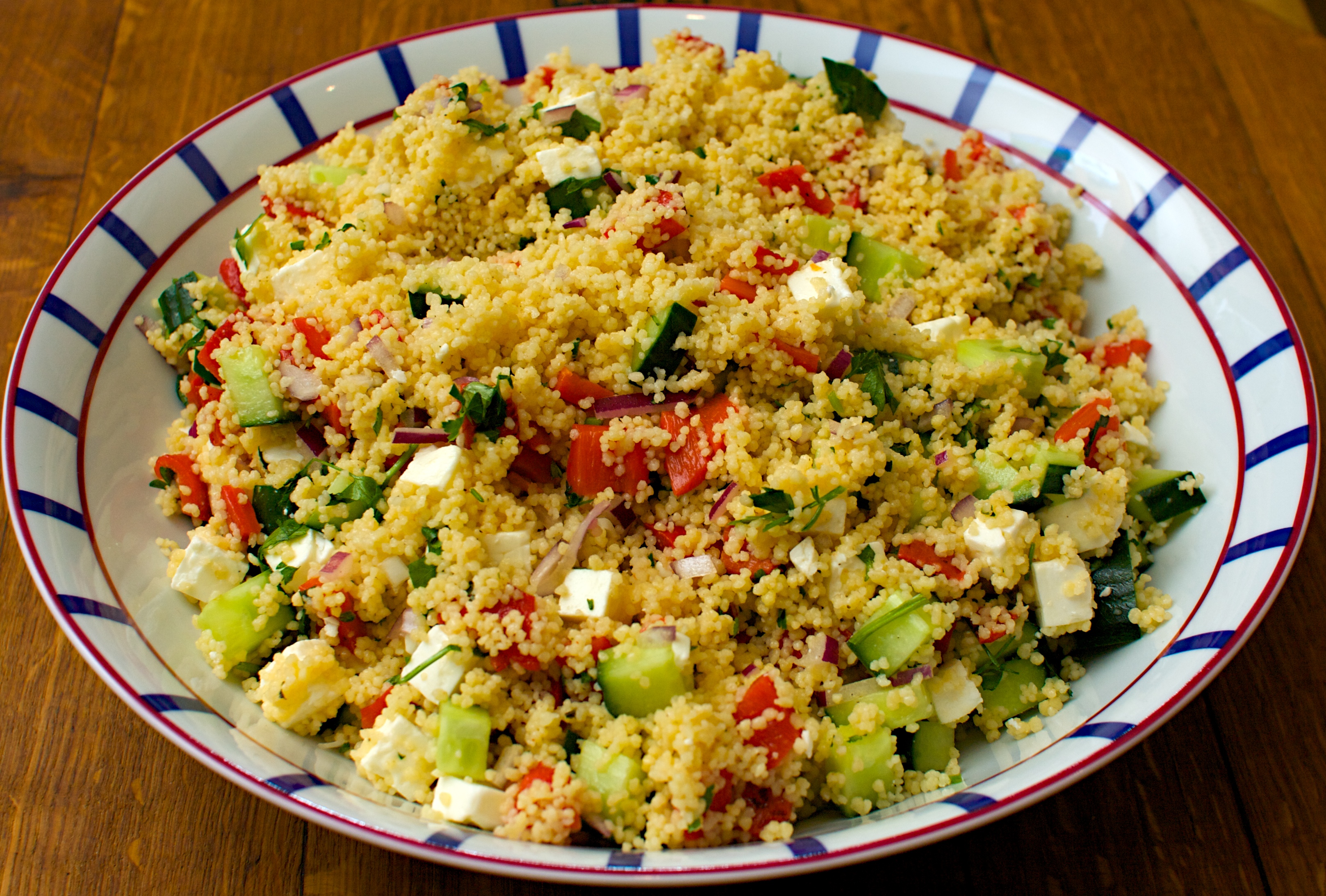
We’re always looking for easy things to take to work for lunch. This can be made with almost anything you have left in the fridge but we make it most often when we’ve only used half a pack of feta cheese for another recipe. The more herbs you add the better so its great for using up the ends of those little packs.

Quick couscous salad – makes 4 large portions 

  • 250g couscous
  • 400ml hot chicken or vegetable stock
  • olive oil
  • lemon juice
  • small jar of chargrilled red peppers in olive oil, drained and diced
  • ½ cucumber, chopped small
  • scallions, finely chopped
  • feta cheese, cut into cubes
  • lots of chopped herbs

Put the couscous in a large bowl and cover with the hot stock. Cover the bowl with cling film and leave for 10 minutes. Remove the cling film, drizzle with olive oil, lemon juice, and season.  Separate the grains with a fork and leave to cool a bit.

While the couscous is still warmish, add the rest of the ingredients and toss gently. Taste and adjust the seasoning and add more oil if it needs moisture. Eat at room temperature.

Read Full Post »

« Newer Posts - Older Posts »