Amazing flavours in this super quick and easy dish. We’re loving pretty much every recipe that Ixta Belfrage has a hand in.
Wine Suggestion: A really hard one to match we thought, but we pulled out Dr Loosen’s Graacher Dry Riesling … a wine he has “declassified” from Grosses Gewächse (Great Growth) as the vines are only 15-20 years old … not old enough for Ernie Loosen! A wine of both elegance and power, with a crispness that balances any oilyness of the mackeral, and joyful fruit to match chillies, limes, soy and star anise.
Mackerel udon – serves 2
1 medium cucumber, peeled, halved and seeds scooped out with a teaspoon
2 x 115g tins of mackerel in olive oil, drained and flaked into chunky pieces
2 scallions, thinly sliced
2 tsp black or white (or both) sesame seeds, toasted
FOR THE DRESSING:
5 tbsp mild olive oil or sunflower oil
40g ginger, peeled and julienned
2 large mild red chillies, finely sliced into rounds (discard the seeds)
2 whole star anise
1 cinnamon stick, bashed with the side of a knife
2 tbsp soy sauce
1½ tbsp maple syrup
¾ tsp toasted sesame oil
Cut the cucumber into half-centimetre diagonal slices. Put the cucumber in a bowl and mix with the flaked salt and lime juice. Set aside to pickle while you make the rest.
Put the udon noodles in a large bowl and, cover with boiling water, then drain well and set aside.
Put a heatproof sieve over a heatproof bowl and set aside.
Put the oil for the dressing into a medium saucepan over a medium heat and allow to get hot. Add the ginger, chillies, star anise and cinnamon and fry gently, stirring often, until the ginger is crisp and golden – about 5 minutes but watch carefully. Drain through the sieve and keep both the oil and the crispy aromatics.
Transfer 3 tbsp of the aromatic oil to a separate bowl along with the soy sauce, maple syrup and sesame oil.
Drain the cucumbers and toss with the warm noodles. Transfer them to a platter and top with the mackerel. Spoon over the dressing, followed by the crispy aromatics, scallions and sesame seeds. Serve with lime wedges on the side.
(Original recipe from Mezcla by Ixta Belfrage, Ebury Press, 2022.)
A great weeknight pasta dish with mushrooms instead of the traditional pancetta.
Wine Suggestion: this works really well with fuller-bodied dry whites, like a good Chardonnay. Tonight the Domaine de la Rochette Mont Sard Mâcon-Bussières was full of joyful apple and citrus fruits with layers of gentle smoky and creamy oak.
Mushroom Carbonara – serves 2
200g spaghetti
2 tbsp extra virgin olive oil
150g chestnut mushrooms, sliced
2 cloves of garlic, finely chopped
a handful of flatleaf parsley, chopped
2 eggs, beaten
40g Pecorino cheese, finely grated
Bring a large pan of water to the boil, add plenty of salt and cook the spaghetti according to the timings on the pack.
Heat a large, deep frying pan over a medium-high heat, add the oil and mushrooms and fry until lightly golden. Add the garlic and parsley and cook for a few seconds, then remove the pan from the heat.
Drain the spaghetti, then tip into the frying pan with the mushrooms. Add the beaten eggs and two-thirds of the cheese and toss well.
Season to taste with salt and plenty of black pepper and serve in warm bowls with the extra cheese.
(Original recipe from Rick Stein’s Simple Suppers, Penguin: Random House, 2023.)
This must be the easiest and cheapest of fish soups but that does not make it any less delicious! Particularly good after a walk out in the cold. And no it’s not made from “skinks” for all the Aussies out there who may be confused … it’s a classic Scottish soup made from smoked fish!
Wine Suggestion: We would highly recommend pairing this with a peaty whisky like Lagavulin. If this doesn’t rock your boat, or you don’t have a bottle to hand then a dry, aromatic and elegant white, like the Sybille Kuntz Riesling Kabinett makes the whole meal feel refined and very sophisticated too.
Cullen skink – serves 4
50g buttter
1 onion, finely chopped
1.2 litres full fat milk
750g floury potatoes
450g smoked haddock fillet
2 tbsp chopped parsley, plus extra to garnish
Melt the butter in a large saucepan, then add the onion and cook gently for 7-8 minutes.
Add the milk and bring to the boil, then add the potatoes and simmer for 20 minutes until very soft.
Add the smoked haddock and simmer for 3-4 minutes or until cooked and easy to flake. Gently remove the haddock with a slotted spoon onto a plate. Leave until cook enough to handle.
Meanwhile, use your wooden spoon to squash some of the potatoes against the side of the pan to thicken the soup slightly.
When the fish is cool enough to handle, break it into chunky flakes, discarding any skin and bones. Tip the fish into the soup, then add the parsley. Serve in warm soup bowls with a little more parsley.
(Original recipe from Rick Stein’s Simple Supper, BBC Books, 2023.)
Made to satisfy our daughter’s constant craving for noodles … and much bettter than the packets she tries to make us buy. We recommend you prep everything before you start cooking.
Wine Suggestion: we think dry Pinot Gris is great with loads Asian foods and this is no different. From Nelson in NZ, Neudorf’s Tiritiri Pinot Gris is a charmer. Great fruit and lovely texture with gentle spices mean this combination is a winner.
Singapore Noodles – serves 4
200g fine egg noodles or rice noodles
2 tbsp veg oil
1 onion, sliced into thin wedges
1 carrot, cut into fine matchsticks (use a mandonline if you have one)
1 red pepper, thinly sliced
2 cloves of garlic, finely chopped
10g fresh root ginger, finely chopped
200g pork fillet, finely sliced
225g tin bamboo shoots, drained
100g frozen peas, defrosted
1 tsp Chinese 5-spice powder
2 tsp mild curry powder
2 tbsl light soy sauce
1 tbsp rice wine
1 tbsp rice wine vinegar
140g cooked shelled prawns
To garnish:
1 tsp sesame oil
2 scallions, finely shredded
1 green or red chilli, finely sliced
chopped fresh coriander
soy sauce, to serve
Cover the noodles with freshly boiled water and leave to stand for a minute, then drain and set aside.
Heat the oil in a large work. Add the onion, carrot and red pepper and stir-fry over a high heat until they’re starting to brown. Add the garlic, ginger and pork and continue to stir-fry until the pork is coloured on all sides. Tip in the bamboo shoots, peas, spices, soy sauce, rice wine and rice wine vinegar, then add the noodles and stir to combine (chopsticks are good for separating the noodles). Leave to cook for a couple of minutes until hot, then stir in the prawns and allow to heat through. Serve with the sesame oil, scallions, chilli and coriander over the top. We like ours with extra soy sauce.
(Original recipe from The Hairy Bikers’ One Pot Wonders by Si King & Dave Myers, Seven Dials, 2019.)
Just like the real thing but without the béchamel sauce – surprisingly good!
Cheat’s croque monsieur – serves 2
4 tbsp crème fraîche
100g Gruyère, grated
a little freshly grated nutmeg
soft butter
4 slices of sourdough bread
2 tsp Dijon mustard
2 thick slices of ham
green salad, to serve
Heat the oven to 220C/Fan 200C.
Mix the crème fraîche with the grated cheese, then season with nutmeg, salt and pepper.
Butter the slices of bread on one side, then place on a baking tray, buttered-side up. Toast under a hot grill until golden.
Spread the untoasted side of two of the slices with mustard and top with the ham and half the cheese mixture. Put the other piece of toast on top, toasted side-up, and spread over the rest of the cheese mixture. Season with black pepper.
Put the tray into the oven and bake for 10-12 minutes or until golden and bubbling. Serve with a green salad.
(Original recipe from Rick Stein’s Simple Suppers, BBC Books, 2023.)
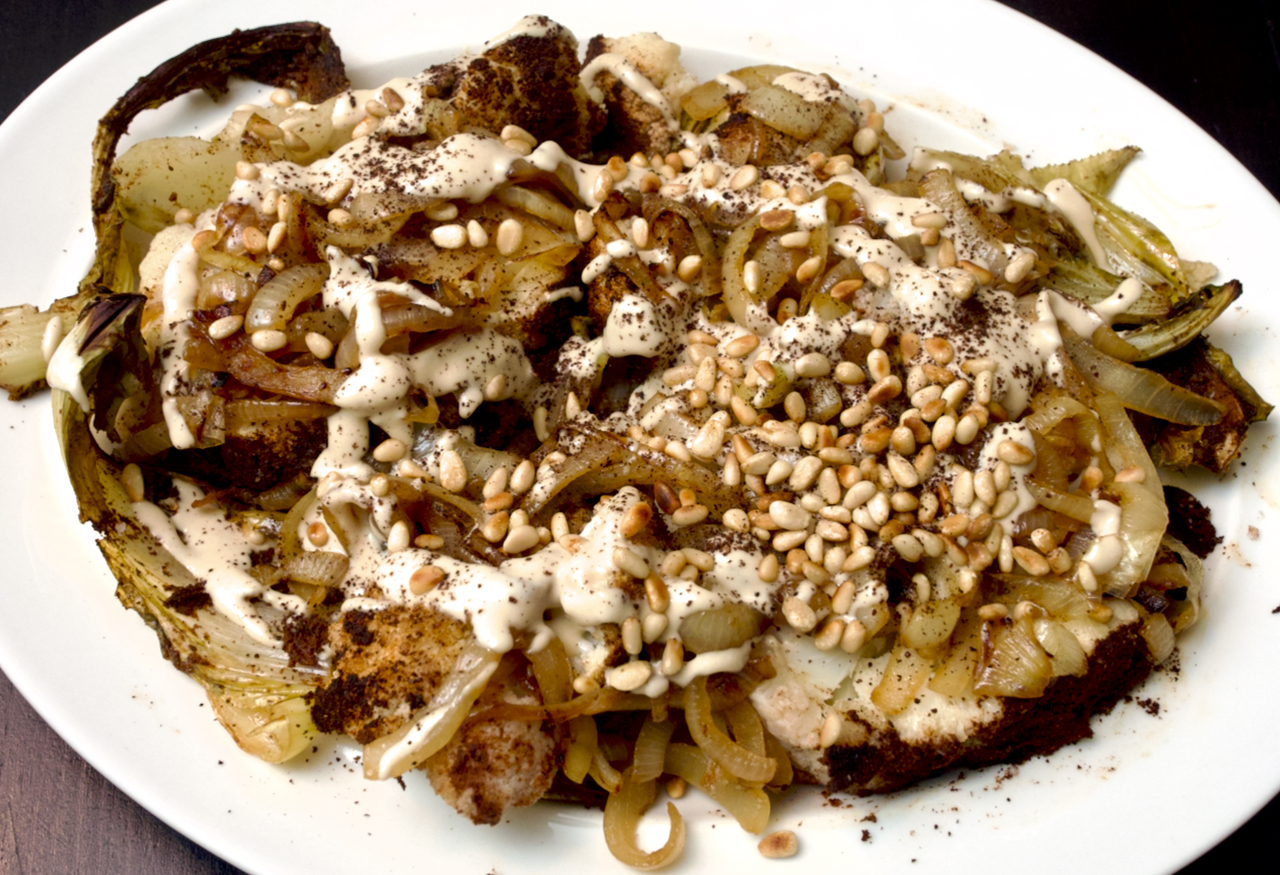
We can’t get enough of roasted cauliflower and it’s at it’s best in this recipe with caramelised onions and smothered in tahini dressing.
Wine Suggestion: We’re mad for Loire Cabernet Franc and found a new vigneron on our last trip to Saumur: Domaine Théo Blet. We picked up his Saumur Rouge “les Fabureaux” and were completely charmed. Plus it went delightfully with this dish, complementing the spices and earthy tahini.
Cauliflower ‘shawarma’ – serves 2 as a main or more as a side or starter
1 medium cauliflower, leaves attached
2 tbsp olive oil
3 tbsp baharat spice mix
1 tsp sea salt
FOR THE CARAMELISED ONIONS:
2 large onions, peeled and sliced
1 tbsp olive oil
½ tsp salt
1 tsp sugar
FOR THE TAHINI DRESSING:
1 lemon
125g tahini paste
a pinch of salt
100-130ml water
FOR THE GARNISH:
2 tbsp roasted pine nuts
1 tsp sumac
pittas or crispy pitta shards, to serve
Preheat the oven to 200C/180C Fan/Gas mark 6.
Put the whole cauliflower, including the leaves, into an ovenproof saucepan that it fits in snugly. Fill the pan with enough water to just cover the stem and leaves. Drizzle the oil all over the florets and sprinkle with the baharat spice mix and sea salt – it will seem like a lot but go with it. Put the pan into the oven and roast for 1-1½ hours. It is ready when you can easily insert a small knife right down the stem.
Meanwhile, put the onions in a frying pan with the oil and salt and fry over a low heat until soft and golden. Add the sugar and cook until the onions are caramelised and brown, then remove from the heat.
Mix the tahini paste in a small bowl with the juice of half the lemon and the salt. Add 100ml water and mix well. Keep stirring and gradually adding water until the paste has a loose creamy texture.
Lift the cooked cauliflower out of the water and cut into thick slices, including the stems and leaves. Divide between plates, then squeeze over the other half of the lemon and top with the caramelised onions and tahini paste. Garnish with pine nuts and sumac and serve with warm pittas or crispy flatbread.
(Original recipe from Honey & Co. Food from the Middle East by Sarit Packer & Itamar Srulovich, Saltyard Books, 2014.)
We initially made this on the first day of Spring, just as the wild garlic arrived and we had a big dump of snow … Irish weather! The wild garlic has lasted quite a while this year which has meant this has been easily reprised, and enjoyed.
Wine Suggestion: we think that wines that work well with asparagus also do great with wild garlic, so opted for Höpler’s Grüner Veltliner from Burgenland, Austria. With a fresh, zippiness and citrus twist it was charming and helped us to imagine sunny weather just around the corner.
Wild garlic, broad bean & leek risotto – serves 4
300g frozen broad beans, defrosted
60g buter
1 leek, halved lengthways and finely sliced
300g Arborio rice
100ml white wine
1-1.2 litres hot vegetable stock
a handful of wild garlic, chopped
60g Parmesan, grated
Blanch the beans in boiling water for a minute, then drain and pop them out of their skins.
Melt half the butter in a large pan and sweat the leek for 3-4 minutes or until soft, then stir in the rice. When the rice is glistening, add the white wine and allow to boil and bubble up.
Gradually add the hot stock, a ladleful at a time, stirring until absorbed before adding the next. Continue until you have only a few ladlefuls left, then stir in the broad beans and the rest of the stock.
Remove the pan from the heat and stir in the wild garlic, three-quarters of the Parmesan and the rest of the butter. Season with salt and pepper and serve with the rest of the Parmesan.
(Original recipe from Rick Stein’s Simple Suppers, BBC Books, 2023.)
This is not unlike our typical Irish mince and potatoes but it’s lightly spiced and has no carrots. Good with Indian chutney and pickles on the side.
Wine Suggestion: we thought this went delightfully with a find from a recent holiday in Spain, the Kimera Garnatxa from Navarra which was super balanced and minerally wrapped in gentle layers of warm spices.
Indian minced lamb with potatoes – serves4 to 6
3 tbsp olive oil or rapeseed oil
2 cinnamon sticks
1 onion, finely chopped
1 tsp finely grated ginger
3 cloves of garlic, finely chopped
900g lamb mince
3 tbsp natural yoghurt
3 tbsp tomato passata
1 tsp ground cumin
2 tsp ground coriander
¼ tsp cayenne pepper
¼ tsp ground turmeric
2 tsp salt
300g potatoes, peeled and cut into 2 cm cubes
Put the oil into a large frying pan and put over a medium-high heat. When hot, add the cinnamon sticks and let them sizzle for a few seconds.
Add the onion, stir and fry until it starts to brown at the edges, then add the ginger and garlic and stir for 1 minute.
Add the lamb, stirring and breaking it up with a wooden spoon. Keep going until the meat has no pink bits.
Add the yoghurt, tomato, passata, cumin, coriander, cayenne pepper and turmeric. Stir for 1 minute, then add the salt, potatoes and 475ml of water. Stir and bring to the boil, then cover and lower the heat. Cook gently for 30 minutes.
(Original recipe from Curry Easy by Madhur Jaffrey, Ebury Press, 2010.)
We were not disappointed with this on a Saturday night but it is so simple you could easily manage it on a weeknight. Serve with yoghurt, lime pickle and naan bread from the takeaway.
Wine Suggestion: Chenin Blanc for the depth of fruit and roundness on the palate, but a minerally backbone of acidity. It lifts this dish and adds and extra element. Tonight Domaine des Aubuisieres le Marigny; dry and expressive but with layers of yellow and red apples on top.
Paneer Jalfrezi – serves 3
200g block of paneer, cut into 2cm cubes
2 red peppers, cut into strips
1 red onion, peeled and cut into wedges
3 large tomatoes, chopped
2 tbsp pomegranate molasses
300g baby potatoes, halved or quartered
5cm piece of ginger
2 cloves of garlic, grated
½ tsp ground turmeric
¼ tsp cayenne
1 tsp ground cinnamon
1 tsp cumin seeds
2 tbsp olive oil
¾ tsp salt
a handful of coriander, roughly chopped, to serve
yoghurt, lime pickle and naan bread, to serve
Heat the oven to 200C.
Put all of the ingredients into a large roasting tin, then put some disposable gloves on and gently toss everything together.
Put the tin into the hot oven and bake for 30-40 minutes or until the potatoes are soft and the paneer is well browned.
Serve sprinkled with the coriander.
(Original reicpe from The Secret of Cooking by Bee Wilson, 4th Estate, 2023.)
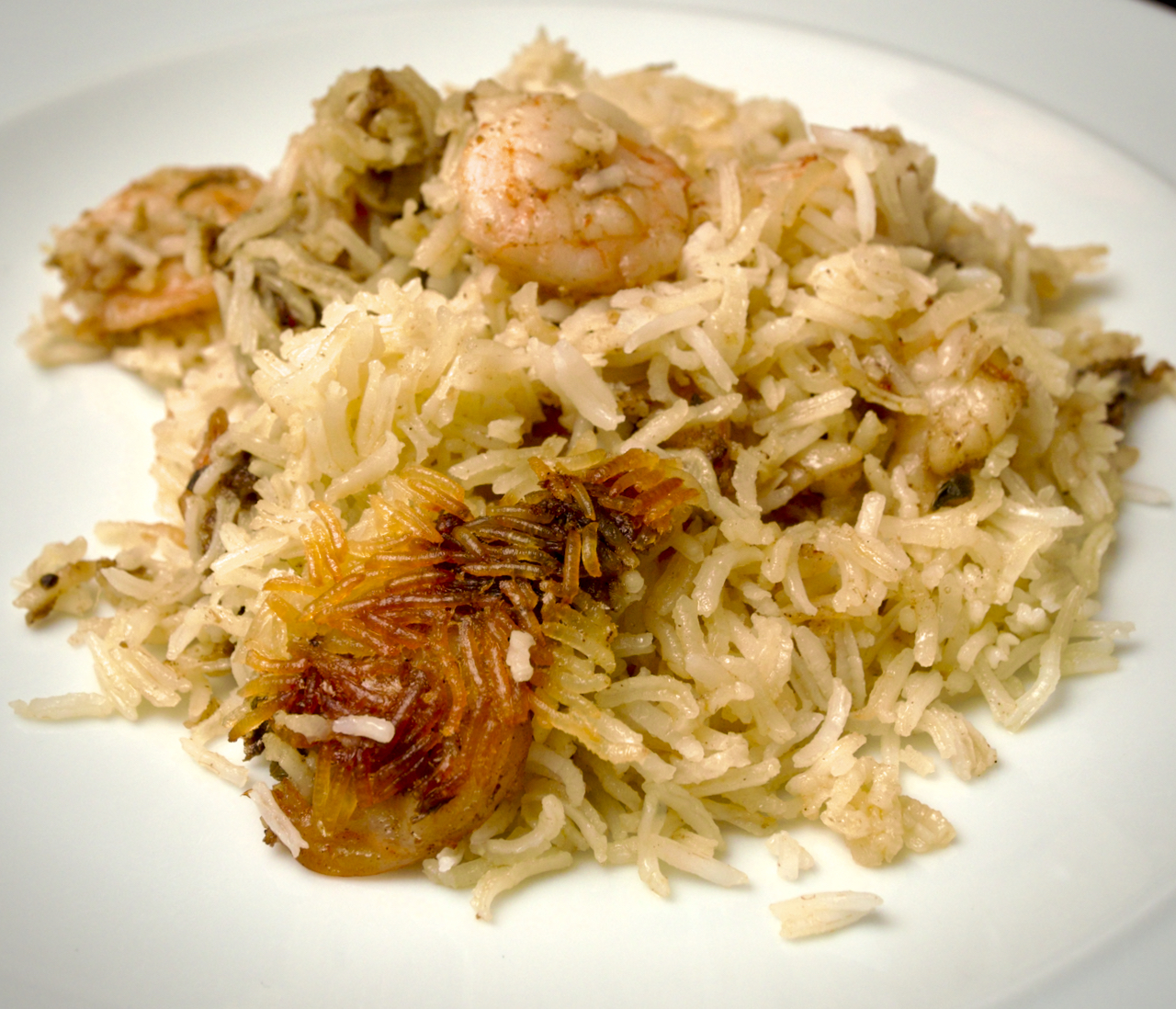
This is almost like a biryani but with gentle Iranian spices and it makes a great centre piece. You can serve with yoghurt if you like and we missed a side of greens or salad.
Wine Suggestion: This suits a rich and broad white like Domaine Manciat-Poncet’s Pouilly-Vinzelles. With a lovely mix of stonefruit flavours and grapefruit this has a zip as well as the breadth that compliments the prawns as opposed to fighting or overwhelming them.
Spicy prawn rice – serves 6
500g basmati rice
6 fat cloves of garlic
7cm piece of fresh ginger, peeled and finely grated
1 tsp ground ginger
2 tsp ground cumin
1 heaped tsp ground fenugreek leaves
½ tsp ground cinnamon
½ tsp dried chilli flakes
600g large peeled prawns
60g butter
Bring a large pot of water to the boil and add a big handful of crumbled sea salt. Boil the rice for 6-8 minutes or until the grains are bright white and slightly elongated. They should be just starting to soften.
Drain the rice and rinse under cold water for a couple of minutes, until cool.
Line the bottom of the rice pot with some nonstick baking paper and set aside.
Put a large frying pan over a medium heat. Drizzle in a generous amount of olive oil (or vegetable oil) and fry the garlic for 30 seconds, then add the grated ginger, ground ginger, cumin, fenugreek and chilli flakes, and stir. Add the prawns and cook for under a minute, or until just starting to turn pink, then remove the pan from the heat and season generously with salt and pepper.
Put the paper-lined pot back over the heat and pour in a generous drizzle of olive oil and the butter. Sprinkle in some sea salt, then scatter in enough rice to cover the base of the pan.
Layer the prawn mixture and rice into the pan, finishing with a thin layer of rice. Use the long handle of a wooden spoon to poke about 5 holes into the rice, right down to the base of the pan.
Wrap the lid of the pan in a tea towel, then cover the pan and cook over the lowest temperature for about 40 mintues.
Check the rice is cooked, then remove it from the pan. If you’re brave you can place a platter over the pan and flip the rice out onto it. Scrape out any crispy tahdig (the crispy rice on the base) from the bottom of the pan and serve on top of the rice.
(Original recipe from Persiana by Sabrina Ghayour, Mitchelle Beazley, 2014.)
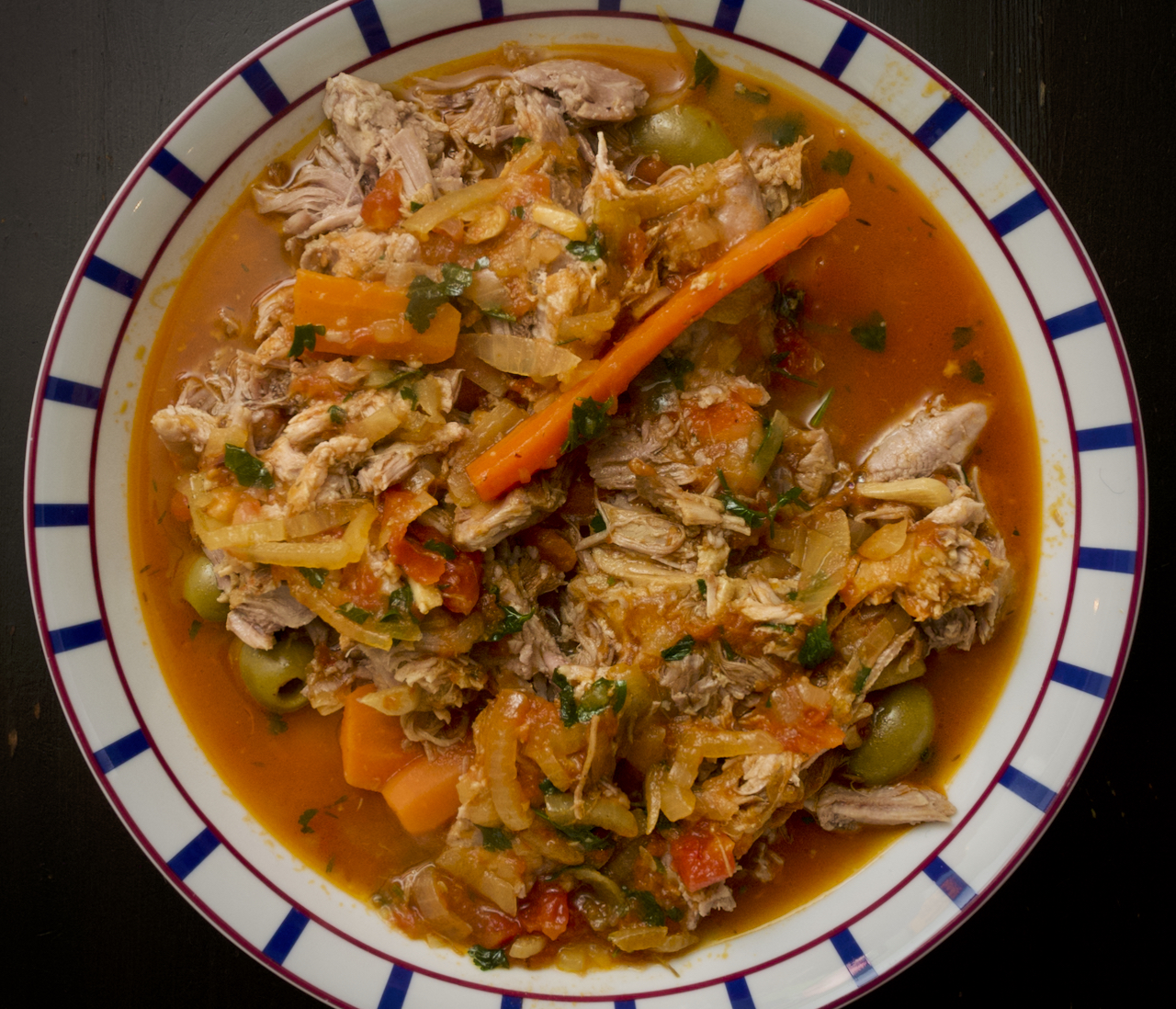
We don’t subscribe to much on Substack but we make an exception for Debora Robertson. Debora writes about life in France and recommends a dinner party dish with an easy starter (usually shop-bought) every week. We’re always happy to see her next post and we highly recommend her recipe for pork estouffade – a French pork cassrole with honey and carrots. Minimal effort and great to share. Serve with mashed potatoes and cabbage.
Wine Suggestion: From Marjorie Gallet’s superlative Roc des Anges is her “Llum“, an insightful and crystalline Grenache Gris & Macabeu blend that sings with ripe stonefruit flavours and a minerally, salty backbone. Just perfect with a little richness and aromatic flavours from this dish.
Pork estouffade – serves 6
1.6-1.8kg boned and rolled joint of pork, with some fat on and skin/rind removed
3 tbsp olive oil
2 onions, thinly sliced
3 bay leaves
2 sprigs of thyme
6 cloves of garlic, halved, remove any green bits and thinly sliced
1 x 400g tin chopped tomatoes
1 tbsp Dijon mustard
1 tbsp honey
1 tsp paprika
1 bottle white wine
a pinch of saffron strands, soaked in a splash of warm water
4 medium carrots, peeled and halved lengthways
80g pitted green olives
1 unwaxed orange – you will need to peel a strip of zest and then juice
about 10g of parsley leaves and fine stalks, roughly chopped
Pat the pork dry with kitchen paper and season all over with salt and pepper.
Warm the olive oil in a large heavy casserole ove a medium-high heat. Brown the pork all over – about 10 minutes, then remove to a plate and lower the heat.
Add the onions, bay leaves and thyme and sauté gently, stirring occasionally, until very soft and translucent but without browning, about 15 minutes.
Add the garlic to the pan and stir for a minute, then add the tomatoes, mustard, honey, and paprika and stir well. Pour in the wine, saffron and soaking water and simmer for 10 minutes.
Return the pork to the pan, along with any juices. Cover and simmer very gently for 2½ hours, turning the pork every 30 minutes. Add the carrot, olives, orange zest and juice. Taste and season if needed, then simmer very gently, uncovered, for another hour – check occasionally that the pork hasn’t stuck. The dish is ready when the pork is very tender and the sauce has thickened.
Remove from the heat and leave to cool for 10 minutes, then stir in the parsley. Remove the string form the pork and carve it into thick slices. Serve with some sauce, the carrots, mashed potatoes and cabbage.
(Original recipe from Lickedspoon with Debora Robertson, Substack, 6 Jan 2024)
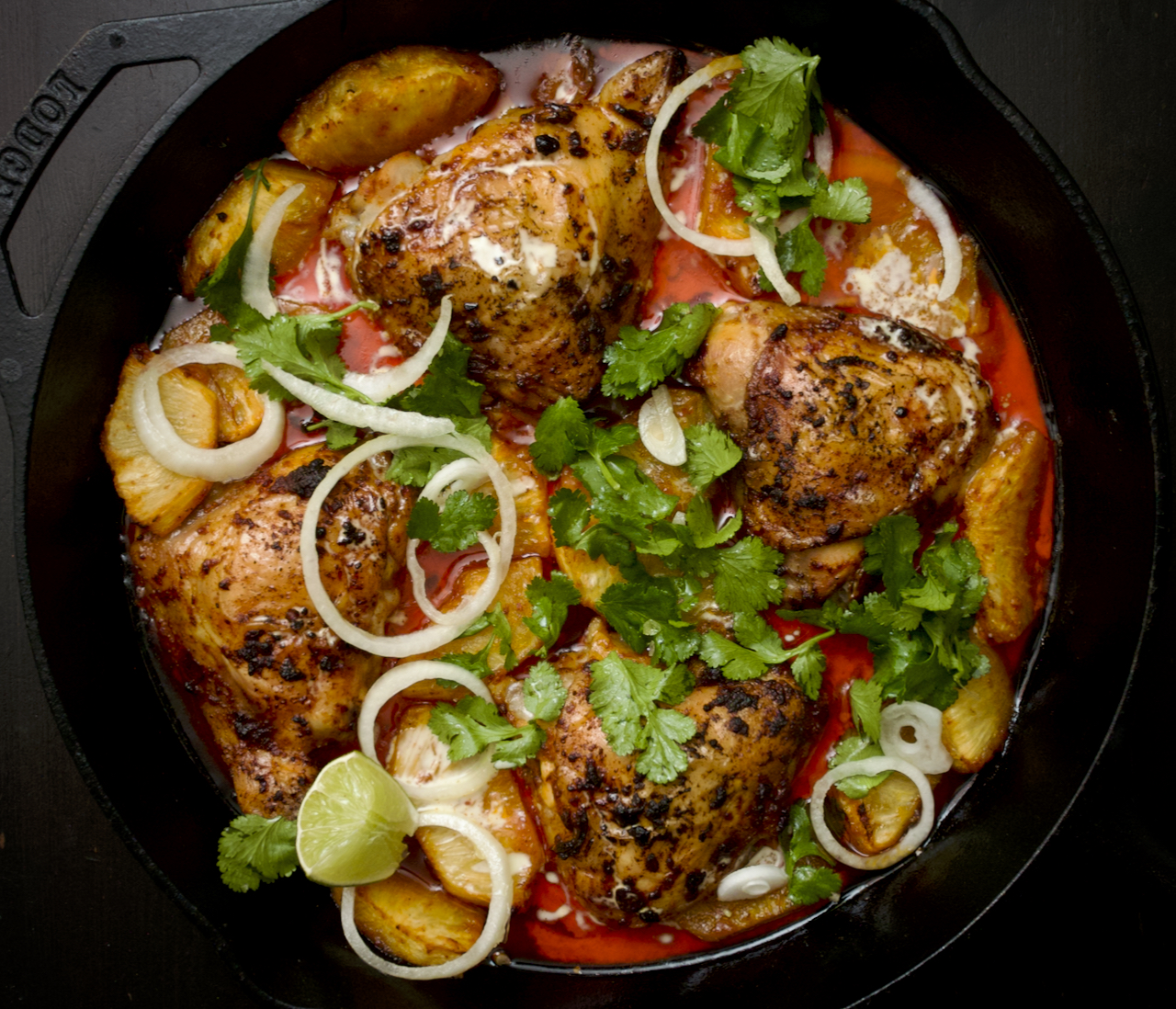
A recipe from Ixta Belfrage’s excellent book, Mezcla. Pinapple has developed a bad reputation in savoury dishes but we love it … including on pizzas sometimes. Serve some steamed white rice on the side.
Wine Suggestion: we’re having an Italian moment, so chose the La Pruina Salice Salentino to go with this dish. A blend of Negroamaro and Malvasia Negra it had a suprising elegance and didn’t overwhelm the flavours despite an obvious juiciness to the fruit. Balanced and surprisingly medium bodied; we’ll be revisitng this wine again.
Chicken with pineapple and ‘nduja – serves 4
4 chicken thighs, at room temperature
4 cloves of garlic, crushed
1 medium onion, halved and very thinly sliced, ideally with a mandoline if you have one
300g fresh pineapple, peeled, cut into rounds, then quartered and hard core removed
4 tangerines or 2 oranges, squeezed to give 100g of juice
100g chicken stock
2 tbsp double cream
5g coriander
1 lime, cut into wedges
FOR THE ‘NDUJA AND CHIPOTLE PASTE:
50g ‘nduja paste
2 tbsp olive oil
2 tsp tomato purée
½ tsp chipotle flakes
½ tsp paprika
¾ tsp fine salt
20 twists of black pepper
Heat the oven to 200C/180C fan.
Put the ingredients for the ‘nduja and chipotle paste into a large bowl and mix together. Add the chicken thighs, garlic, and about ¾ of the onion and mix together well. Tip everything into a large oven-proof cast-iron frying pan or a baking dish. Make sure the chicken is skin-side up on top of the onions and garlic.
Add the pineapple to the mixing bowl and toss in any leftover paste, then arrange around the chicken.
Pour the orange juice around the chicken but make sure you don’t pour it over the chicken skin, then bake for 20 minutes. Remove from the oven and pour in the chicken stock – again avoiding the chicken skin. Put back into the oven for another 20-25 minutes, or until the chicken is cooked through and the skin is browned and crispy.
Rest the dish for 5-10 minutes, then drizzle over the cream. Toss the coriander with the rest of the sliced onion and a little oil and salt, then sprinkle over the top. Serve with lime wedges.
(Original recipe from Mezlca by Ixta Belfrage, Ebury Press, 2022.)
Salmon is very popular in our house and we particulary like this recipe with a delicious barbery butter.
Wine Suggestion: we like dry Rosé with barberry dishes and chose the Quinta de la Rosa Rosé this time as it has great depth and poise alongside the refreshing red berried flavours.
Salmon with barberry butter – serves 4
olive oil
4 salmon fillets, skinned
FOR THE BARBERRY BUTTER:
75g softened butter
2 tbsp dried barberries, finely chopped
1 tsp pul biber
1 tsp garlic granules
1 tsp clear honey
Put the ingredients for the barberry butter into a bowl with plenty of salt and black pepper and mix well.
Heat a large frying pan over a medium-high heat and add a little olive oil. Season the salmon fillets on the skinned side, then put skinned-side down into the pan. Cook for a couple of minutes, then turn over and add the butter. When the butter has melted, start basting the salmon. You need to go quite quickly so the butter doesn’t burn. Keep basting for a couple of minutes or until the salmon is just cooked through.
Serve and spoon the butter over.
(Original recipe from Flavour by Sabrina Ghayour, Aster*, 2023.)
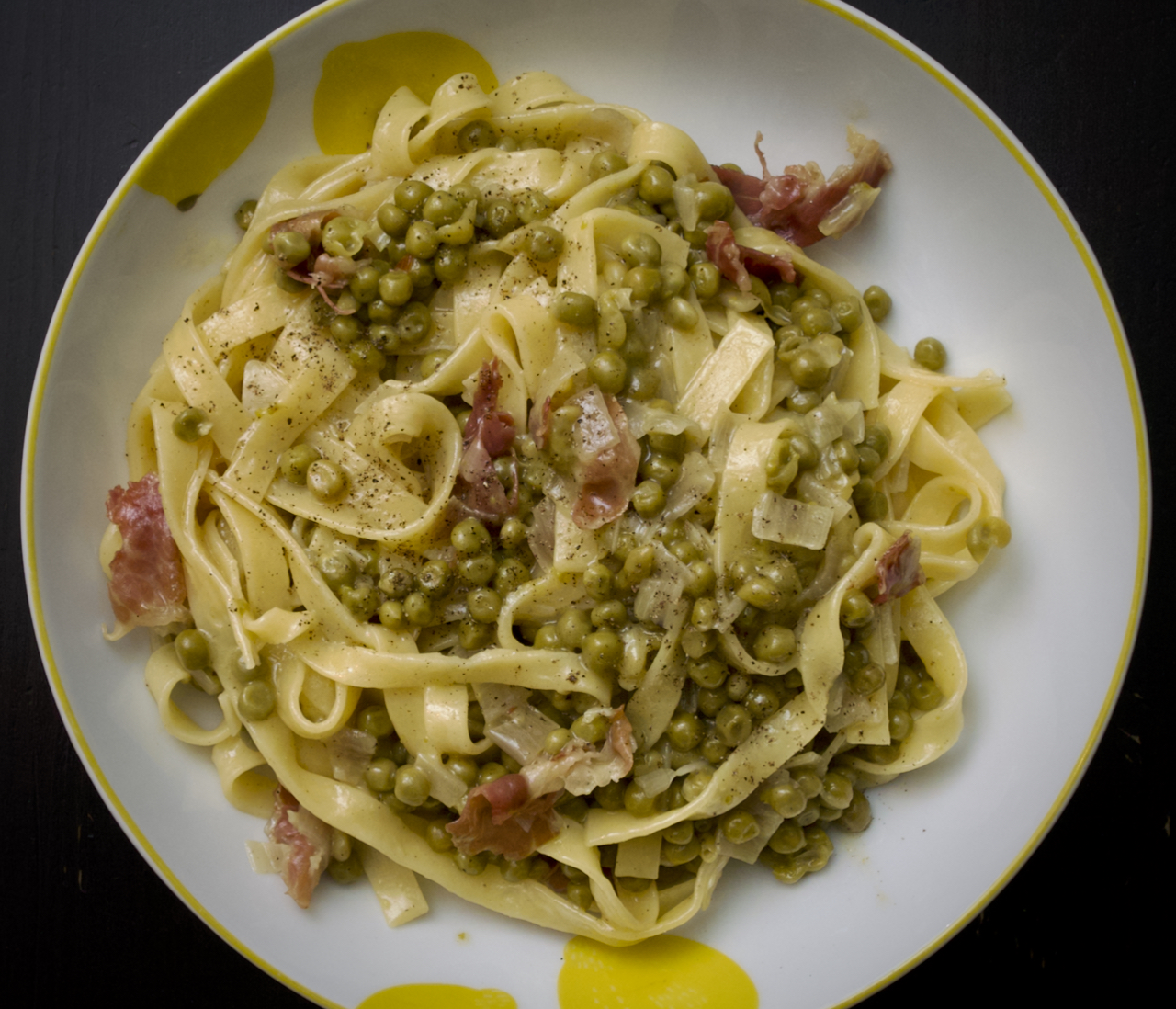
We often buy little jars of peas when we’re on holidays in France. This recipe requires peas from a jar which have a distinct and lovely flavour that compliments the other ingredients. Delicious!
Wine Suggestion: Umani Ronchi’s Pecorino Vellodoro is a taste of spring from the Abruzzo region of Italy; floral & fruity with a lovely dry, refreshing minerality.
Tagliatelle with peas & prosciutto – serves 2
3 sliced of prosciutto, torn into small pieces
75g butter
1 shallot, finely diced
1 x 400g tin or jar of petits pois
250g fresh tagliatelle
35g Parmesan, finely grated, plus extra to serve
Heat a non-stick frying over a medium heat, then add the prosciutto and cook until crispy. Remove the prosciutto from the pan and set aside.
Add 50g of the butter to the pan and allow to melt, then add the shallot and cook for 5 minutes or until soft. Add the peas, including their liquid, and cook for about 5 minutes or until reduced by half. Add the cooked prosciutto, then season, and remove from the heat and set aside.
Bring a large pan of salty water to the boil and cook the tagliatelle for 2-3 minutes. Put the frying pan back on the heat and transfer the taliatelle to the pan with tongs. Add an extra ladle of pasta cooking water and the rest of the butter. Add the Parmesan and toss everything together for a couple of minutes, until warmed through – you may need to add a little more of the pasta water.
Serve in warm bowls, sprinkled with more Parmesan and some black pepper.
(Original recipe from The Italian Deli Cookbook by Theo Randall, Quadrille, 2021.)
Big flavours in this pasta dish by Sabrina Ghayour – modelled on a samosa which is no bad thing.
Wine Suggestion: we are on a bit of a Grenache kick at the moment and really revelling on the subtleties and various expressions this grape can give … alongside it working with a variety of dishes, especially with warm spices at the core. Tonight we opened the Paradou Grenache from Chateau Pesquie, which comes from Provençal vineyards and is joyously youthful, fruit forward and balanced with a fresh acidity.
Samosa Pasta – serves 3 to 4
vegetable oil
1 large onion, finely chopped
250g beef mince
1 heaped tsp garlic granules
1 tsp cumin seeds
1 tsp ground cinnamon
1 tsp ground turmeric
1 tsp chilli flakes
3 tbsp tomato purée
200ml warm water
3 handfuls of frozen peas
250g farfalle pasta
15g coriander, leaves picked and roughly chopped
Warm some vegetable oil in a large frying pan, then fry the onions with a pinch of salt until soft and starting to colour. Add the beef mince and break it up with a wooden spoon, then add the garlic granules, all the spices, the tomato purée and plenty of black pepper. Stir-fry the mince for a few minutes, then pour in the warm water and stir-fry again until mostly evaporated. Stir in the peas, then turn off the heat.
Cook the pasta in lots of salty water. When it’s cooked scoop out the pasta with a slotted spoon and add to the beef mixture over a medium-high heat. You can add a little more pasta water if needed. Season to taste, then stir in the coriander and serve.
(Original recipe from Flavour by Sabrina Ghayour, Aster, 2023.)
We’ve cooked this easy Indian salmon a load of times now. The salmon is really soft and tender and the flavours are fab! Nice with potatoes and a green salad or with other Indian dishes.
Grilled masala salmon – serves 2
⅛ tsp salt
¼ tsp ground cumin
⅛ tsp ground coriander
⅛ tsp ground turmeric
¼ tsp ground cayenne pepper
340g skinned salmon fillet
2 tbsp Dijon mustard
1 tbsp olive or rapeseed oil
2 tsp lemon juice
2 tbsp finely chopped fresh coriander
Mix the salt, cumin, coriander, turmeric and cayenne pepper together, then rub all over the salmon fillet. Cover and leave in the fridge for 1-4 hours.
Heat the oven to 180C/Gas 4, and heat the grill to it’s highest setting.
Mix the mustard, oil and lemon juice together and add the chopped coriander. Rub this all over the fish and place under the grill until the top has slightly browned, about 4 minutes. Transfer the fish to the oven and bake for about 10 minute or until cooked through.
(Original recipe from Curry Easy by Madhur Jaffrey, Ebury Press, 2010.)
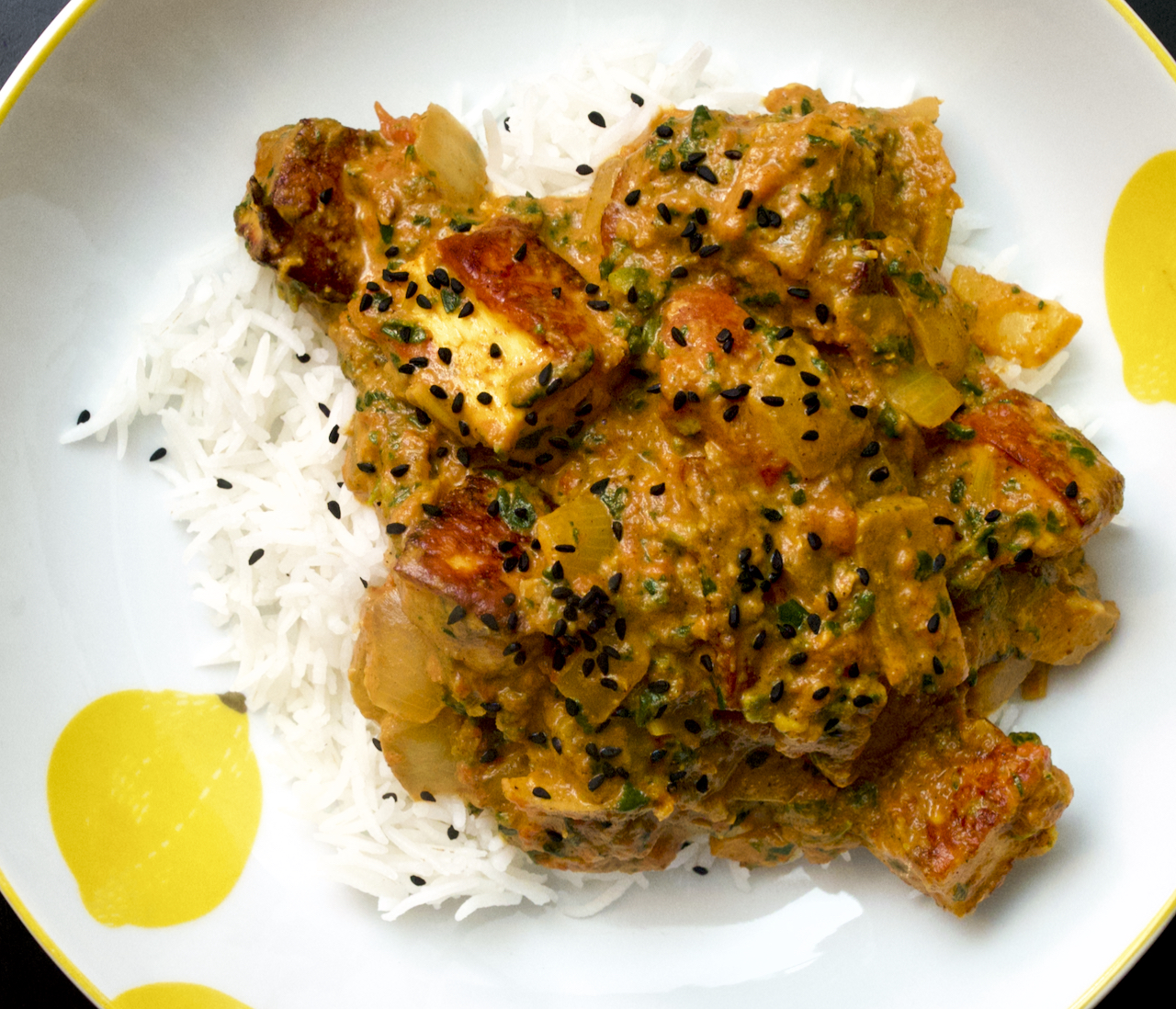
Paneer is the typical cheese for curry but halloumi works as well if this is what’s to hand. Plus this is the perfect weeknight dish as it’s so easy; we made it between two after-school activities! Serve with rice or naan bread.
Wine Suggestion: This dish works well with white wines with a degree of plushness; dry but not too crisp. Unusually, as we find most of them a little boring, we went with a Pinot Grigio. Perusini’s version though is from Collio and not the characterless Veneto versions found most commonly. Peach and tangerine flavours with a pleasant herbal spice and medium-full body, combined with good freshness and a minerally saline undercurrent.
Creamy halloumi curry – serves 2 to 3
225g halloumi, cut into bite-sized pieces
2 tbsp vegetable oil
1 large onion, chopped
2 cloves of garlic, crushed
a thumb-sized piece of ginger, grated
2 tsp ground cumin
2 tsp ground coriander
1 tsp turmeric
400g tin chopped tomatoes
100ml double cream
80g fresh or frozen spinach
2 tsp sugar
1 tbsp garam masala
1 tsp nigella seeds
Heat 1 tbsp of the oil in a large pan over a medium heat. Add the onion and cook for 5 to 10 minutes or until softened.
Add the garlic and ginger and cook for another 2 minutes, then stir in the cumin, coriander and turmeric and cook for a couple of minutes more. Stir in the tomatoes and simmer for 5-7 minutes or until thickened.
Reduce the heat and add the cream, then simmer gently for another 3 to 4 minutes.
Meanwhile, heat another tbsp of oil in a frying pan over a medium-high heat. Fry the halloumi for a few minutes or until browned on all sides.
Add the browned halloumi to the curry sauce along with the spinach, sugar and garam masala and stir to combine. Simmer gently for 5 minutes or until the spinach and wilted or defrosted. Add a splash of water or extra cream if the sauce seems a bit thick, then serve with the nigella seeds sprinkled over.
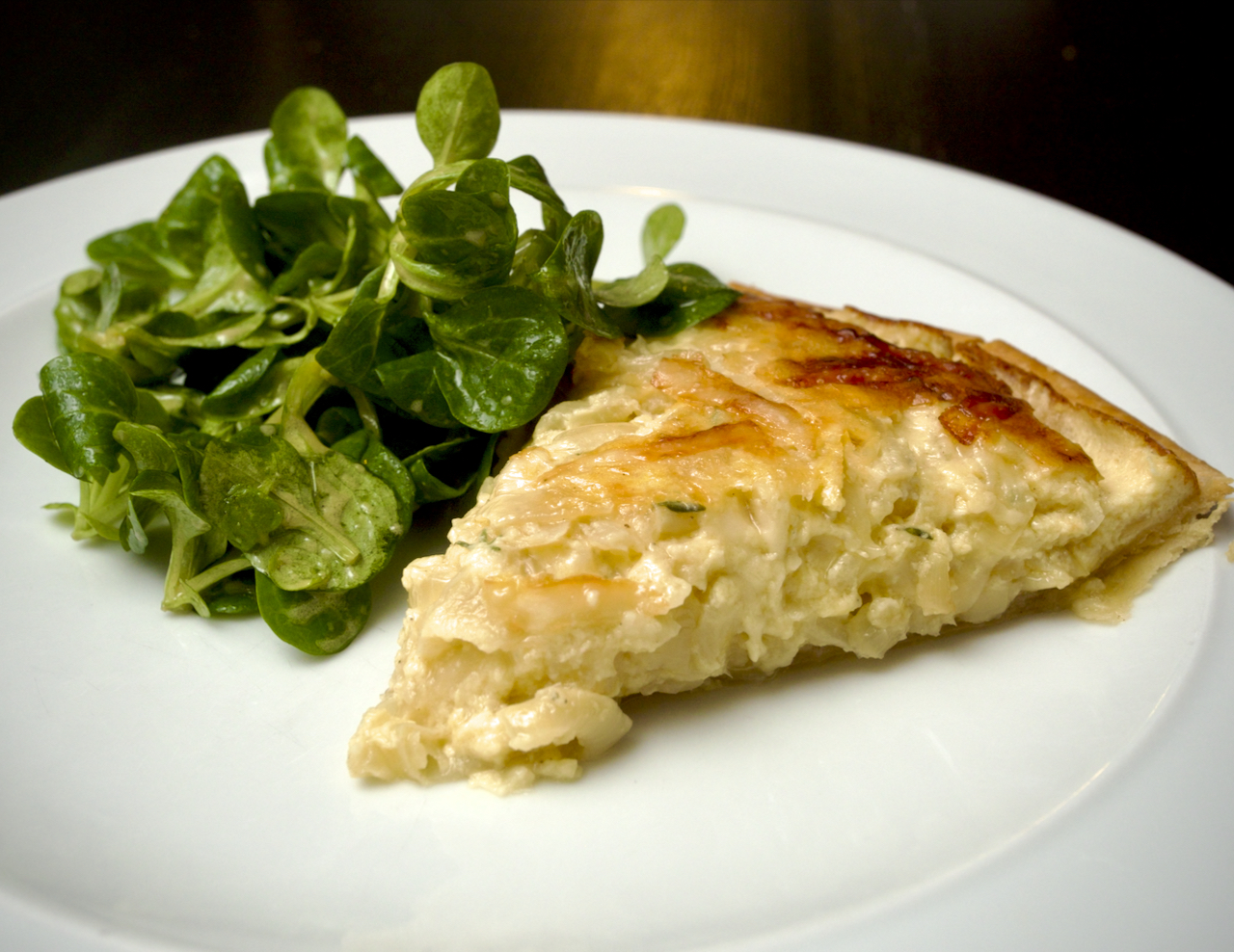
Our new year’s resolution is to make more tarts and conquer our pastry fear which is largely due to lack of practice. We’ve started with this tart filled with melting onions and cheese. Serve with a green salad.
Wine Suggestion: we paired this with a wine that opitimises a balance between freshness, richness, minerailty and fruit: Soalheiro’s Alvarinho. Fresh and elegant with tropical fruit flavours cut with a minerally saltiness balances the cheese. Plus the sweetness to the slowly cooked onions complements the richly layered fruits in the wine.
Cheese & Onion Tart – serves 6
a sheet of short-crust pastry (we were so enthusiastic that we made our own but really no need)
1 egg, beaten
FOR THE FILLING:
5 large brown onions
50g butter
a small glass of white wine
a few sprigs of thyme, leaves picked
120g cheese, the original recipe suggests Comté (we used a mix of Comté, Cheddar & Gruyère), coarsely grated
150ml full-cream milk
3 eggs
Thinly slice the onions and add to a pan with the butter, seasoning well with salt. Cover with a lid and cook slowly for 30 minutes, stirring regularly, until sweet and very tender. It’s find to let them caramelise a little but don’t let them burn. If there is a lot of liquid in the pan, remove the lid and allow this to bubble off. Add the wine, allow to cook off, then turn the heat off and allow to cool.
Lightly flour a cold surface and roll the pastry out to 3mm thick. Lift into a 25cm loose-bottom tart tin and use a little piece of dough to press the pastry into the tin and leave an overhang around the sides. Prick the base with a fork and chill in the freezer for 20 minutes.
Preheat the oven to 170C fan.
Line the pastry with baking parchment and fill with baking beans or rice. Put the tin onto a baking tray and bake for 15-20 minutes or until the pastry is firm. Remove the beans and paper, brush with egg and return to the oven for another 10 minutes, until golden. Trim off any excess pastry with a knife.
Put 100g of the cheese into a bowl with the milk, cream, eggs and thyme and mix together. Season well, then add the onions and mix again. Pour most of the mixture into the pastry case but dont fill all the way to the top. Make sure the onion is evenly spread, then place into the oven. Carefully pour in the remaining mixture, making sure it doesnt overflow. Sprinkle with the reserved cheese and bake for 30 minutes or until the top is caramelised and the middle has set. Leave to cool for 15 minutes before serving.
(Original recipe from The Farm Table by Julius Roberts, Ebury Press, 2023.)
We have fallen in love with this buttery cabbage dish which we served tonight alongside some salmon with barberries. This is seriously pimped up cabbage and would be delicious with anything! Both recipes are from Flavour by Sabrina Ghayour.
Wine suggestion: we thought the tamarind would be a hard match, so opened a wine we didn’t know, the Lyrarakis Liatiko from Crete, and were delighted when this obscure wine was a total gem. A light, juicy cherry flavoured wine with wild berry and gentle herbs and a cedary spice. We’ll be looking out for this again.
Cabbage with tamarind, maple & black pepper butter – serves 2 to 4
olive oil
1 large head of sweetheart cabbage, quartered
100ml cold water
50g butter
1 heaped tbsp tamarind paste
2 tbsp maple syrup
1 tsp coarse freshly ground black pepper
Put a large frying pan over a medium heat and add some olive oil. Arrange the cabbage wedges in the pan, sitting on one cut side and the stalk ends in the centre of the pan, and fry for 5 minutes. Pour in the cold water, then increase the heat and cover the pan with a lid. Cook for 6-7 minutes or until the water has evaporated.
Take the lid off the pan and turn the cabbage wedges onto the other side for 3-4 minutes, uncovered. Add the butter, then mix the tamarind, maple syrup and pepper together and add to the pan with a good seasoning of salt. Stir to melt the butter – making sure it doesn’t burn. Baste the cabbage with the butter, then turnover onto the other side and continue basting for a few more minutes. Serve with any butter left in the pan drizzled over.
(Original recipe from Flavour by Sabrina Ghayour, Aster*, 2023.)
Fish in a bap with caper mayonnaise because most things taste good in a bap.
Wine Suggestion: We went Portuguese and chose an Arinto-Verdelho blend from near Lisbon: the Mar de Lisboa white, made by Quinta de Chocapalha. Lemon flavours with hints of passionfruit felt the perfect addition to this dish and the minerally, zip added a freshness that really matched the caper mayonnaise.
Fish in a bap – serves 1(easily multiplied)
2 skinless fillets of dab or other flat fish – we used plaice
butter
1 tbsp sunflower or groundnut oil
2 tbsp plain flour
a fresh white bap
a squeeze of lemon & a dash of tabasco, to serve
For the caper mayonnaise:
2 tbsp good mayo
2 tsp capers, drained and finely chopped
1 tbsp chopped parsley
lemon juice
Make the mayonnaise first by combining the mayonnaise, capers, parsley and a squeeze of lemon juice (to taste). Set aside.
Heat the the oil and a knob of butter in a non-stick frying pan over a medium heat. Spread the flour out on a plate and season it well. Dust the fish fillets with the flour, shaking off any excess, then fry for 2 minutes on each side.
Slice the bap in half and butter it generously. Add a few lettuce leaves and put the cooked fish on top, seasoning with lemon juice and tabasco. Add a good blob of the caper mayonnaise, the close the bap and eat it.
(Original recipe from River Cottage Everyday by Hugh Fearnley-Whittingstall, Bloomsbury, 2009.)









 Jono & Jules do food & wine