Feeds:
Posts
Comments

Archive for January, 2025

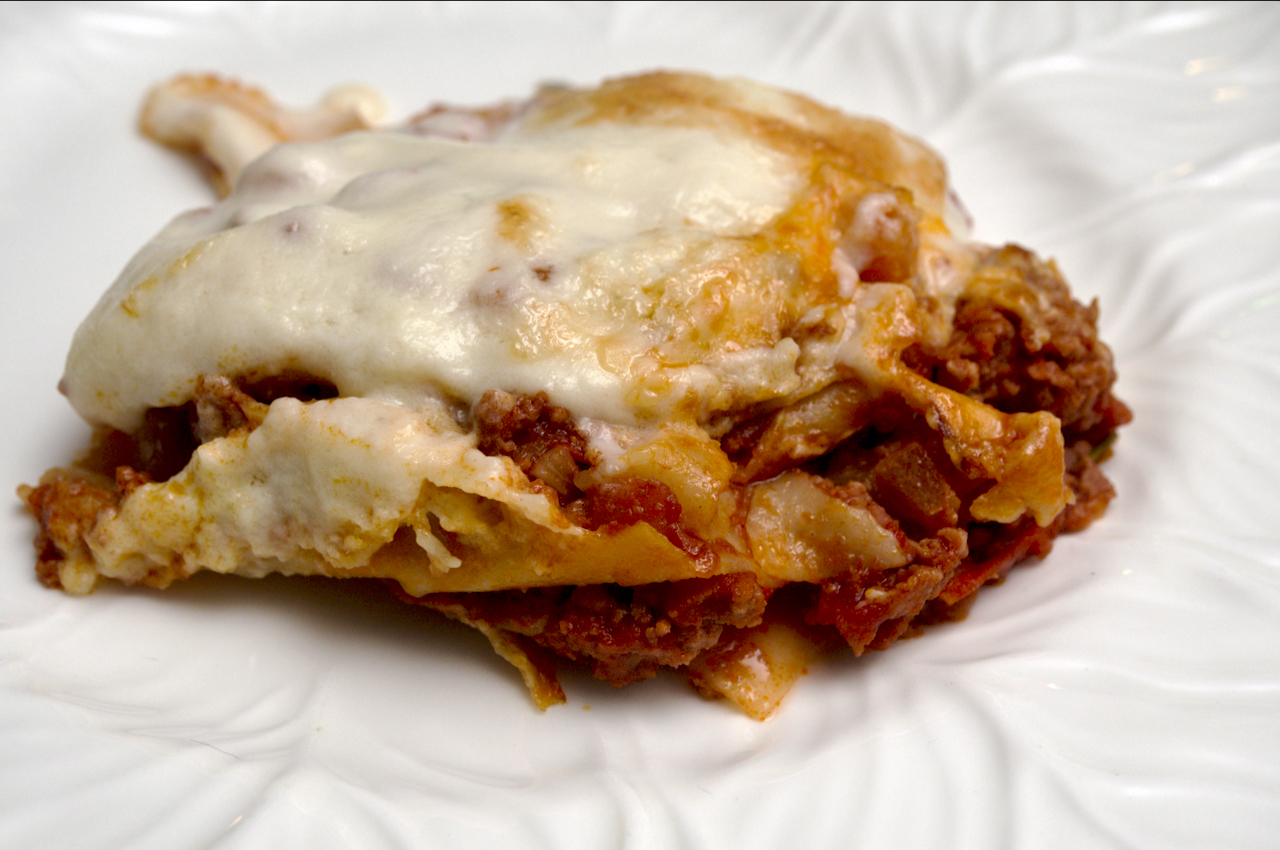
Just a reminder that a big lasagne is a very good thing to have. We sometimes divide it up into smaller dishes and freeze some to finish off cooking another day.

Wine Suggestion: Our personal prejudice here is for Sangiovese every time with Lasagne, though we know this is not the only grape that works. That said we couldn’t go past the Boscarelli “Prugnolo” Rosso di Montepulciano which comes from a lovely hilltop DO in Tuscany.

Lasagne – serves 8

  • 350-400g fresh lasagne sheets
  • nutmeg
  • 1 ball of mozzarella, torn

FOR THE RAGU:

  • 2-3 tbsp oil
  • 1 onion, finely chopped
  • 2 carrots, finely chopped
  • 2 celery stalks, finely chopped
  • 2 cloves of garlic, finely chopped
  • 4 rashers of smoked streaky bacon, finely chopped
  • 500g beef mince
  • 500g pork mince
  • 175ml red wine
  • 750ml beef stock/chicken stock
  • 2 tbsp tomato purée
  • 2 x 400g tins chopped tomatoes
  • 1 bay leaf
  • a sprig of rosemary

FOR THE BECHAMEL:

  • 70g butter
  • 70g plain flour
  • 1 litre whole milk
  • 1 bay leaf
  • 100g Parmesan, freshly grated

Start with the ragu. You need to heat the oil in a large wide pan, then add the onions, carrots, celery and garlic and fry gently until softend but not coloured.

Add the bacon, beef and pork and continue frying until the meat has changed colour.

Pour in the red wine and increase the heat so that it comes to the boil. Reduce the heat again and add the stock, tomato purée and tinned tomatoes. Season with salt and pepper and add the bay and rosemary. Leave to cook now over a medium-low heat for about 1½ hours or until you have a rich sauce.

Meanwhile, make the bechamel. Melt the butter in a large pan over a medium heat, add the flour and stir to make a paste. Cook for a minute, then take the pan off the heat and gradually whisk in the milk until you have a smooth sauce. Add the bay leaf, then return the pan to the heat and bring the boil, stirring constantly. Keep cooking until you have a smooth and thick sauce. Remove the bay leaf and stir in two-thirds of the grated Parmesan and season to taste.

Heat the oven to 180C/Fan 160C.

You will need a deep lasagne dish – about 20 x 30 cm.

Put a large spoonful of the ragu in the bottom of the lasagne dish and add a layer of lasagne sheets. Top with a layer of ragu and a drizzle of bechamel (not a full layer or you will run out), then another layer of lasagne sheets. Keep going like this until you have used up all the ingredients, finishing with a good layer of bechamel. Grate over a little nutmeg, then add the torn mozzarella and the rest of the Parmesan.

Bake for 45-50 minutes or until bubbling and golden brown. Allow to sit for 5-10 minutes when it comes out of the oven so it’s easier to cut. Serve with a green salad and garlic bread if you like.

(Original recipe from Rick Stein’s Food Stories, BBC Books, Penguin: Random House, 2024.)
Read Full Post »

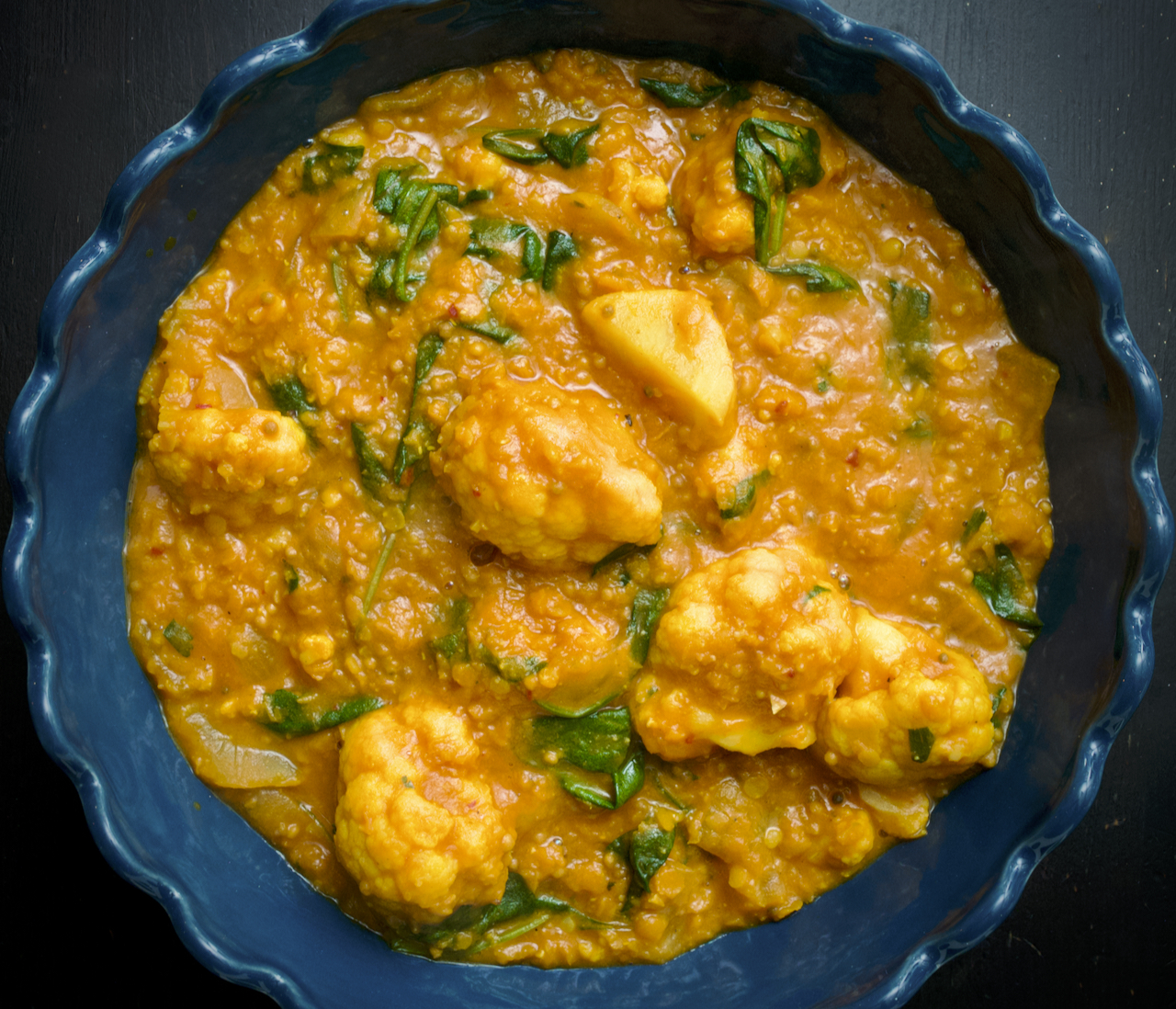
There is one person in our household of 3 who has decided to be a vegetarian for January. We’re not all joining in as there was far too much other stuff in the freezer but we’re trying to batch cook things like this to keep her going for the month and to avoid her living on koka noodles. This is a simple and lovely dahl. Serve with rice and naan or flatbreads. It is also suitable for those doing veganuary.

Wine Suggestion: We quite like an earthy dahl with a beer and chose a local brew, the Barrelhead Hopsburgh Helles, a creamy pale golden German style lager that’s lovely and smooth.

Cauliflower, lentil & coconut dahl – serves 4 to 6

  • 4 tbsp coconut oil
  • 2 tbsp mustard seeds
  • 1 large onion, diced
  • 4 cloves of garlic, finely chopped
  • 2 tsp ground coriander
  • 2 tsp ground turmeric
  • 1 tsp ground cumin
  • ½ to 1 tsp chilli flakes, to taste
  • 1 medium head of cauliflower, cut into bite-size pieces
  • 180g dried red lentils
  • 1 x 400ml tin coconut milk
  • 400ml tomato passata
  • 600ml water
  • 75g baby spinach
  • 2 tbsp chopped coriander
  • juice of 1 lemon

Melt the coconut oil in a large heavy-based saucepan over a medium heat. Add the mustard seeds and cook until they start to pop.

Add the onion with a large pinch of salt and cook for 10 minutes, until softened but not browned. Add the garlic and cook for a further minute, then add the ground coriander, turmeric, cumin and chilli flakes and cook for another minute.

Add the cauliflower, lentils, coconut milk, tomato passata and water. Stir well and bring to the boil, then reduce the heat and simmer for 20 to 25 minutes or until the lentils and cauliflower are cooked. Give it a stir occasionally to prevent it sticking.

Add the spinach, coriander and lemon juice and season well with salt and pepper.

Serve with rice and daal or flatbreads.

(Original recipe from Avoca at Home, Penguin Random House, 2022.)

Read Full Post »

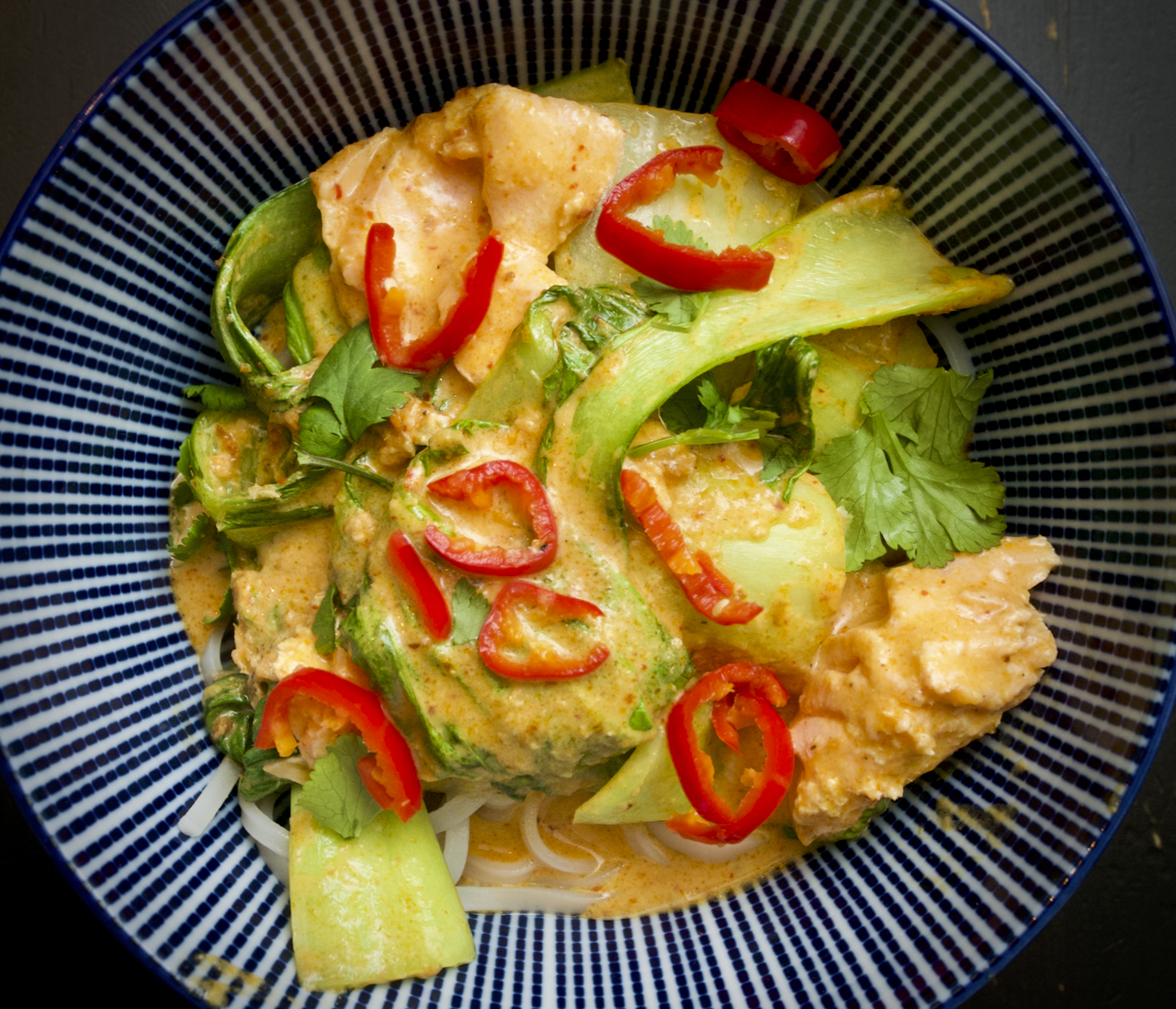
This is a quick curry but it still tastes delicious and simple enough to throw together after work.

Thai red salmon curry – serves 2

  • 100g dried rice noodles
  • 350g skinless salmon fillets, cut lengthways into 4 thin pieces
  • 1½ tbsp vegetable oil
  • 3 tbsp Thai red curry paste
  • 1½ tsp finely grated garlic
  • 1 tsp finely grated ginger
  • 125ml chicken stock
  • 400ml tin coconut milk
  • 2 tsp fish sauce
  • 1 tsp white sugar
  • 4 baby bok choy, leaves separated
  • 1-2 tbsp lime juice, plus wedges for serving
  • fresh coriander leaves, to serve
  • red bird’s eye chilli, finely sliced, to serve

Soak the noodles in boiling water according to the pack instructions, then drain and divide between two bowls.

Season the salmon, then heat the oil in a large non-stick frying pan over a high heat. Cook the salmon for a minute on each side, then transfer to a plate. It doesn’t need to be cooked through yet, just lightly golden on the surface.

Add the curry paste, garlic and ginger to the pan. Cook, stirring continuously, for a minute, then add the chicken stock and simmer rapidly for a minute, stirring to scrape any sticky bits from the bottom of the pan. Add the coconut milk, fish sauce and sugar, then simmer rapidly for 2 minutes.

Return the salmon to the pan and push the bok choy in around it. Simmer for 2 minutes, pushing the bok choy into the liquid as it wilts. Once the salmon flakes easily, remove the pan from the heat.

Pour the lime juice over the fish and serve over the noodles. Sprinkle with the coriander and fresh chilli before serving with extra lime wedges.

(Original recipe from Recipetin Eats Tonight by Nagi Maehashi, Pan Macmillan, 2024.)

Read Full Post »

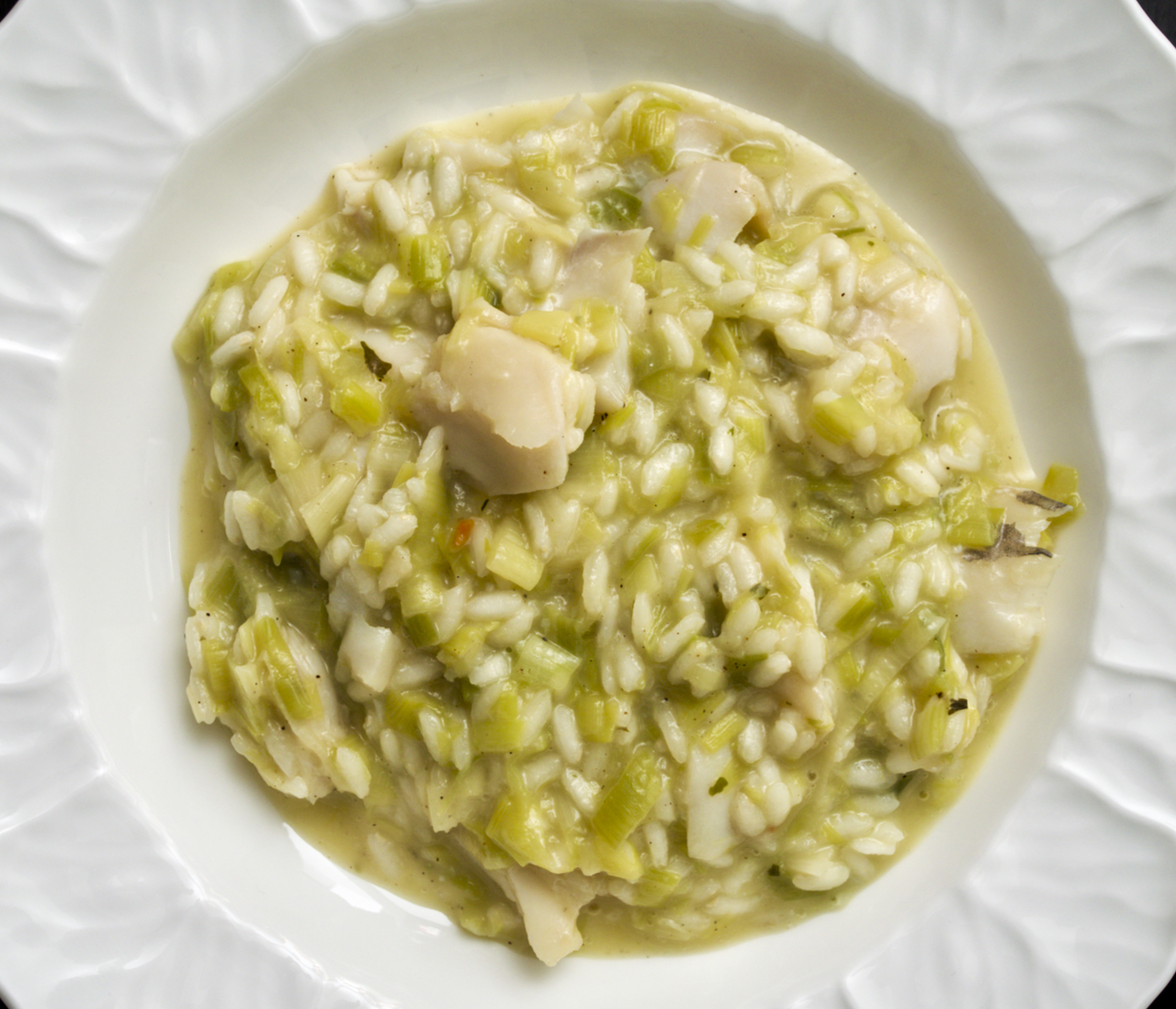
A delicious fish risotto which also includes Parmesan cheese. We’re firm disbelievers of the “no cheese with fish” rule!

Wine Suggestion: we gravitated to something Spanish for this dish, the Bodegas Castro Martin Albariño, which has the body and texture required to stand up to the richness and intense flavours the dish presents with the the umami pepperiness complimenting the salty/savoury smoked fish.

Smoked haddock & leek risotto – serves 4

  • 50g butter
  • 4 medium leeks, finely sliced
  • 1.25 litres light chicken stock
  • 450g smoked haddock
  • 300g risotto rice
  • 75g Parmesan cheese, finely grated

Melt the butter in a saucepan, add the leeks and and gently cook for 15 minutes.

Meanwhile, bring the stock to a gentle simmer in a separate pan.

Put the fish in another pan and enough of the hot stock to cover. Poach for 5 minutes, then remove the skin and discard. Leave the cooked fish in the stock off the heat.

Add the rice to the leeks and stir until coated in the butter. Start adding the stock, a ladle at a time, stirring constantly. Add another ladle when the previous one has been completely absorbed. Keep going for about 20 minutes, then start tasting the rice – you want it to be soft with just a slight bite in the middle. Use the stock in the fish for the last addition of liquid.

Gently break the fish into chunks and stir into the risotto at the last minute, along with 2 tbsp of the Parmesan.

Check the seasoning (you probably won’t need salt) and add plenty of freshly ground black pepper.

Serve immediately with the rest of the Parmesan for sprinkling over.

(Original recipe from Rosast Figs, Sugar Snow by Diana Henry, Aster*, 2023.)

Read Full Post »

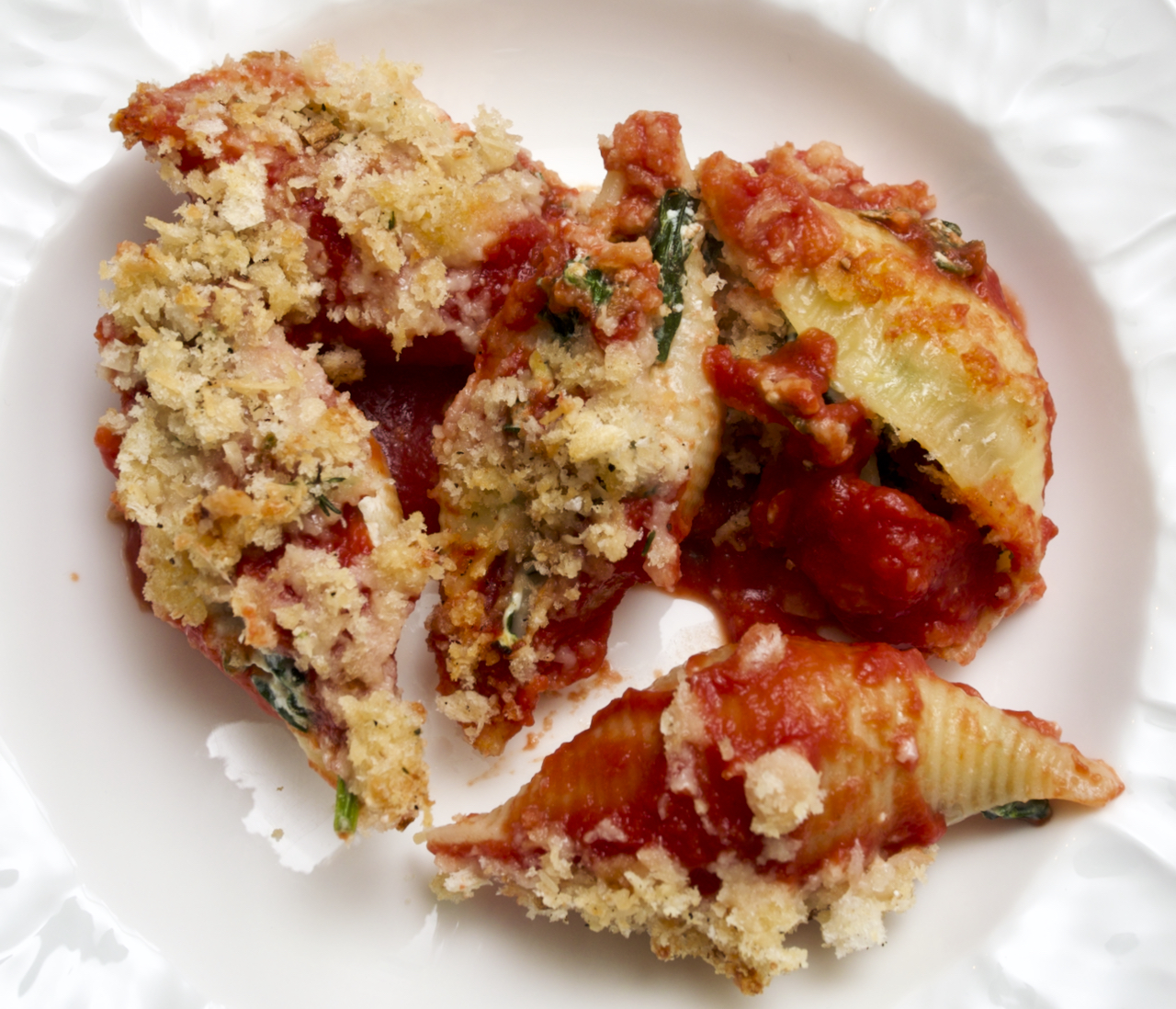
A vegetarian dish picked by Orlaith who wants to be a vegetarian for January – we’ll see how she goes! She wasn’t put off by this dish anyhow.

Wine Suggestion: A juicy, youthful Sangiovese or similar, like Umani Ronchi’s Serrano Rosso Conero which is a Montepulciano-Sangiovese blend. Bright, joyful red fruits with a smooth elegance and vivacity of youth.

Baked pasta shells – serves 4

  • 250g conchiglioni (big pasta shells)
  • 1 tbsp rapeseed oil, plus a bit extra
  • 400g baby spinach
  • 250g ricotta cheese
  • 200g Greek yoghurt
  • 30g grated Parmesan cheese,
  • 2 garlic cloves, crushed
  • zest of 2 lemons
  • 10 fresh basil leaves, shredded
  • ¼ tsp ground nutmeg
  • 1 x 700g jar of tomato passata

FOR THE TOPPING:

  • 70g fresh breadcrumbs
  • 70g grated Parmesan cheese
  • 1 tsp chopped fresh thyme
  • 1 tbsp butter, melted

Heat the oven to 170C.

Bring a large pan of very salty water to the boil. Add the pasta shells and cook for no more than 9 minutes – they need to be undercooked. Drain and cool under running cold water, then drain again and drizzle with a little oil to stop the shells sticking together, then set aside.

Heat the oil in a large frying pan over a medium heat. Add the spinach and cook for 1-2 minutes, until just wilted. Remove the pan from the heat and leave to cool, then squeeze out any moisture and roughly chop it.

Put the chopped spinach into a large bowl with the ricotta, yoghurt, Parmesan, garlic, lemon zest, basil and nutmeg and mix to combine. Season with salt and pepper.

Pour half the passata over the bottom of a large baking dish and season with salt and pepper. Stuff the shells with the ricotta and spinach mixture, then add the shells to the dish on top of the sauce, stuffed side up. Pour over the rest of the passata and season with a little more salt and pepper.

Mix the breadcrumbs, Parmesan and thyme in a small bowl, then pour over the melted butter and toss to combine. Sprinkle this over the top of the pasta, then bake in the preheated oven for 25 to 30 minutes, until the breadcrumbs are golden and the pasta is bubbling.

(Original recipe from Avoca at Home, Penguin Random House, 2022.)

Read Full Post »

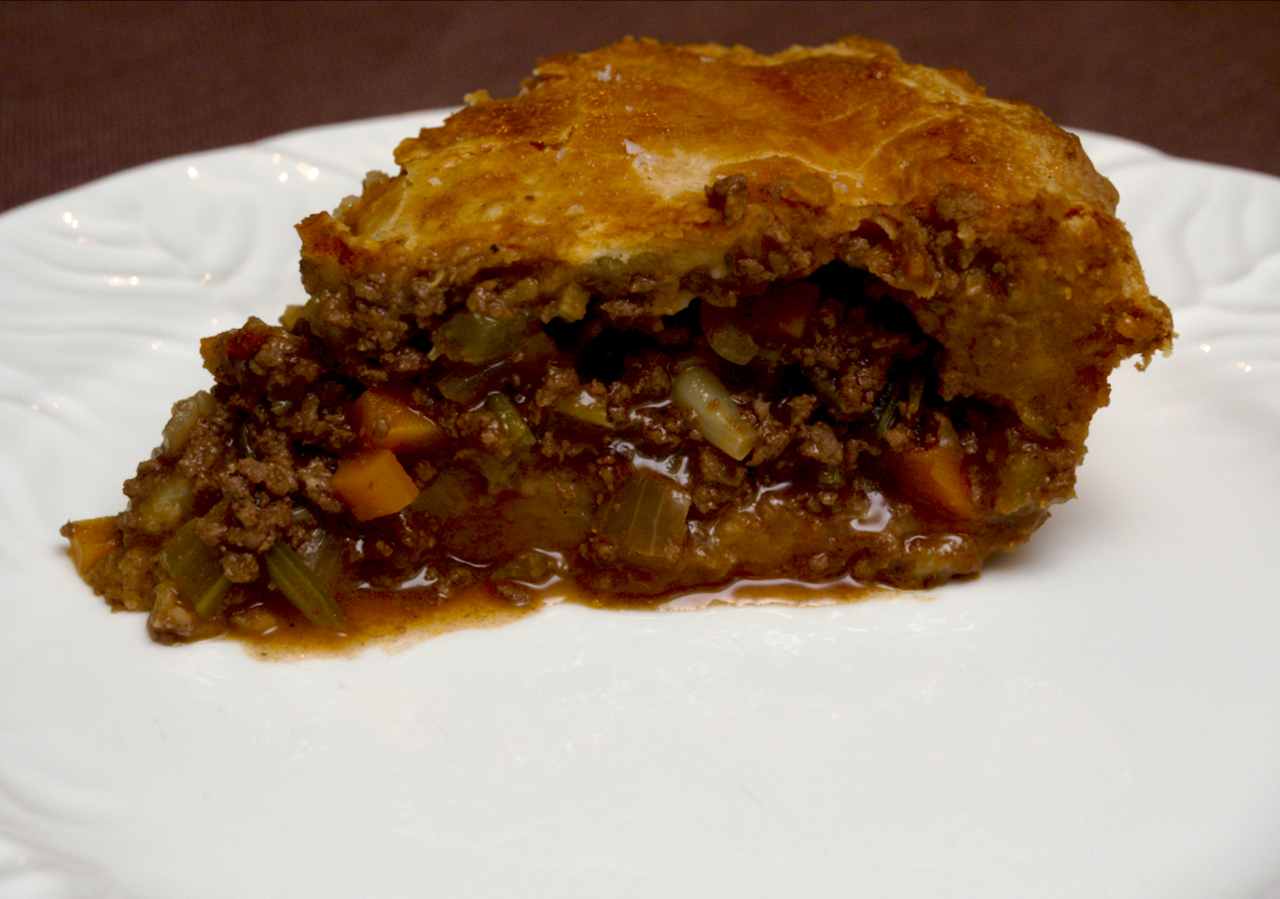
Mince Pie

We’re still mildly terrified of pastry after all these years. This pastry behaved reasonably well for something so short (ie light and crumbly) and it helps that it’s not rolled out too thin.

Wine Suggestion: A good Côtes du Rhône blend if your feeling like a French style, though tonight we had a notion for Italian and ended up with La Pruina Salice Salentino, which is a Negroamaro-Black Malvasia blend. What we like about these wines is their ability, despite being closer to the equator and generally warmer vineyards is to have a great balance of fruit, velvety tannins and freshness. Fuller bodied but in good hands like this, not heavy or clumsy. Dark brambly fruits and generous tannins make it a match.

Mince pie – serves 6 to 8

For the pastry:

  • 650g plain flour, plus extra to dust
  • 1 tsp sea salt
  • 125g lard, diced, plus extra to grease (this is surprisingly difficult to get in Ireland, we found some in a Polski shop)
  • 100ml iced cold water
  • 1 large egg, plus extra beaten egg to glaze

For the filling:

  • 2 tbsp olive oil
  • 30g lard, plus extra to grease the dish
  • 2 large onions, diced
  • 2 large carrots, diced
  • 3 celery stalks, diced
  • 3 garlic cloves, finely chopped
  • 800g beef mince
  • 3 tbsp tomato purée
  • 3 tbsp plain flour
  • 200ml red wine
  • a few sprigs of thyme and rosemary, tied together
  • 500ml beef stock
  • 2 tsp marmite
  • 2 tbsp worcestershire sauce

Start by making the pastry. Put the flour into a large bowl with the salt, lard and butter. Rub the the lard and butter into the flour using your fingertips, until it looks like breadcrumbs. Add the beaten egg and cold water and mix to combine and form a soft dough (add a little bit more water if you need to bring it together). Shape into a ball, then flatten to a large disc and wrap in cling film. Chill in the fridge for at least an hour.

Next make the filling. Heat half the olive oil and lard in a large casserole over a medium-high heat. When it starts to foam, add the onions and carrots and cook for about 5 minutes. Add the celery and garlic and cook for another 4 minutes or until the veg have softened. Scoop the vegetables out onto a plate and set aside.

Add the rest of the olive oil and lard to the same pan. When hot, add the mince and cook over a high heat until well browned, breaking it up with a wooden spoon. Stir in the tomato purée and cook for a couple of minutes, then add the flour, and cook, stirring, for another 2 minutes. Return the vegetables to the pan and mix everything together.

Pour the wine into the meat mixture, bring to a simmer and bubble until reduced by half. Add the thyme and rosemary, then pour in the stock and return to a simmer. Lower the heat and cook gently for 30 minutes, stirring now and then. Add the marmite and worcestershire sauce, stir well and season with salt and pepper. Remove from the heat and leave to cool.

Heat the oven to 200C/Fan 180C.

Grease the base of a 26cm round shallow sauté pan or casserole with a little lard.

Divide the chiled pastry into 2 pieces: one-third and two-thirds. Dust the work surface with flour and roll out the larger piece to a 32cm round. Lift into the greased pan and press into the corners of the pan, leaving any excess pastry hanging over the edge. Spoon the chilled filling into the case.

Now roll out the remaining pastry to a 28 cm circle. Brush the pastry case edges with beaten egg, then lift the circle of pastry over the filling and press the edges together to seal. Trim off any excess pastry at this point and crimp the edges.

Make a cross in the centre to allow the steam to escape. Brush the pie well with beaten egg and sprinkle with a little sea salt.

Bake in the oven for 45 mintues or until a deep golden brown and the filling is piping hot. Leave to stand for a few minutes before serving.

(Original recipe from Tom Kerridge Cooks Britain, Bloomsbury, 2024.)

Read Full Post »

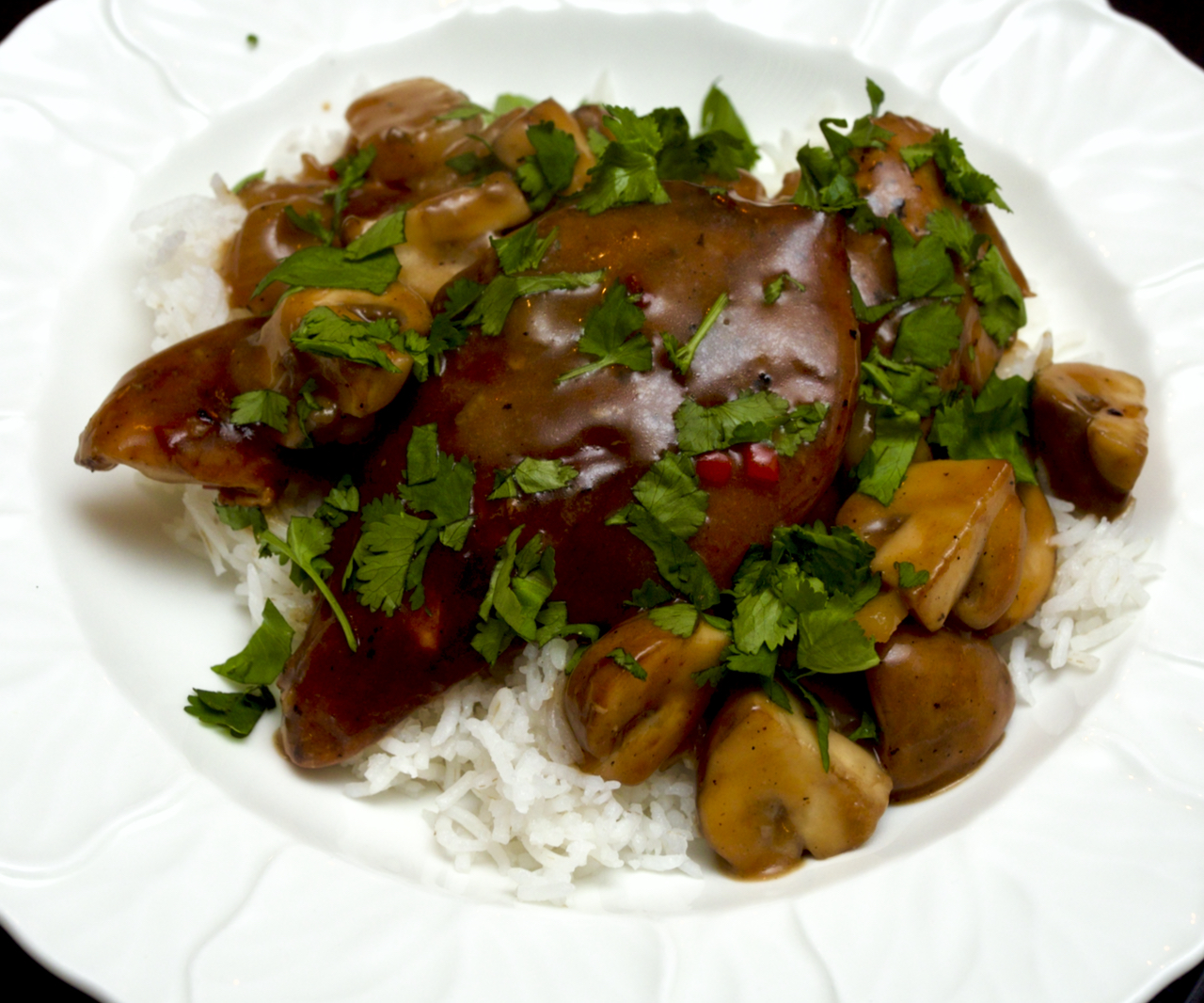
Just chicken fillets with a nice tasty sauce and water chestnuts, which we love!

Ginger and Chilli Chicken – serves 6

  • 6 small skinless chicken breasts
  • 2 tbsp sunflower oil
  • 2 level tbsp cornflour
  • 1 banana shallot, finely chopped
  • 250g chestnut mushrooms, halved or quartered
  • 300ml chicken stock
  • 4 tbsp full-fat crème fraîche
  • 1 x 275g tin water chestnuts, thinly sliced
  • 2 tbsp fresh coriander

FOR THE MARINADE:

  • 1 tbsp runny honey
  • 2 cloves of garlic, finely grated
  • 1 tsp finely grated root ginger
  • 1 red chilli, deseeded and finely chopped
  • 3 tbsp soy sauce
  • 3 tbsp hoisin sauce

Slice the chicken breasts in half horizontally, to make 12 thin fillets.

To make the marinade, measure the ingredients into a large bowl and mix together. Add the chicken breasts, toss to coat and marinate in the fridge for 1 hour.

Heat half the oil in a large frying pan over a high heat. Remove the chicken from the marinade (but don’t throw the marinade away) and place in a single layer in the pan (you will probably need to do this in batches). Brown for 3 minutes, turning halfway. Transfer to a plate and wipe the pan with damp kitchen paper to remove any marinade.

Mix the cornflour with 4 tbsp of water in a small bowl until smooth.

Heat the rest of the oil in the frying pan over a high heat. Add the shallot and mushrooms and fry for a few minutes. Add the reserved marinade, the stock and the crème fraîche and bring to the boil, stirring continuously. Add the cornflour mixture, season and bring to the boil to thicken.

Add the water chestnuts and return the chicken to the pan. Cover, reduce the heat and simmer gently for 5 minutes, until the chicken is cooked through and the sauce has a nice consistency.

Serve with rice and sprinkle with coriander to serve.

(Original recipe from Mary’s Foolproof Dinners, BBC Books, 2024.)

Read Full Post »

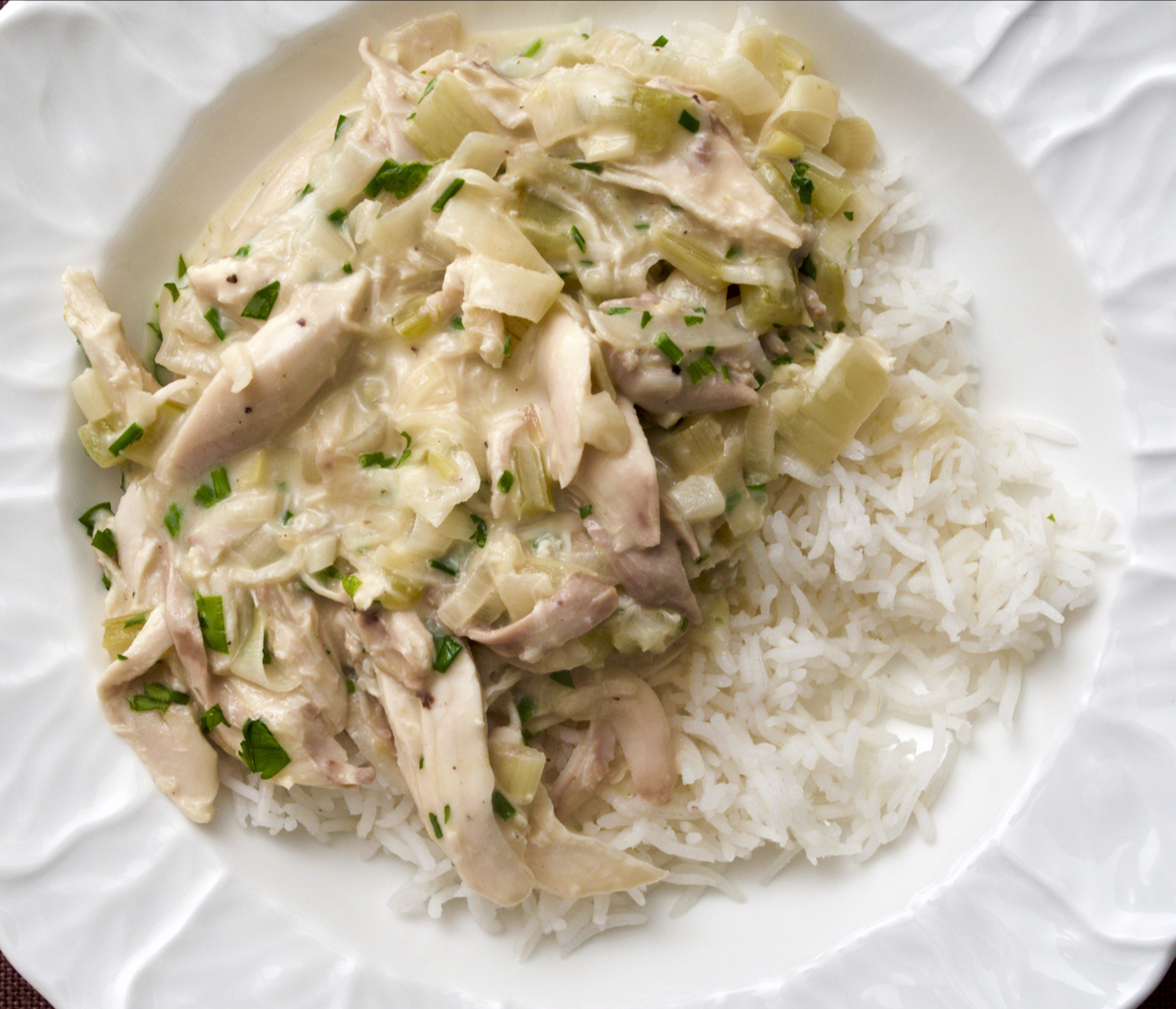
So simple and yet so lovely. The bit that takes time can be done earlier in the day and it’s fairly easy to finish off later. Serve with rice or whatever you fancy.

Wine Suggestion: We like how the stonefruit characters, mixed with slightly lower acidity from a southern Rhône white goes with the gentle and elegant nature of this dish. The Grapillon d’Or Vacqueyras white is a good example and it’s fleshy character and minerally/nutty textures are just perfect.

Chicken Fricassee – serves 6 to 8

  • 2kg whole chicken

FOR THE POACHING LIQUID:

  • 750ml chicken stock
  • 2 banana shallots, sliced
  • 2 celery sticks, sliced
  • 8 tsp black peppercorns
  • ½ lemon
  • a large bulb of garlic, cut in half horizontallly

FOR THE SAUCE:

  • a large knob of butter
  • 500g banana shallots, thinly sliced
  • 3 sticks celery, finely diced
  • 200ml double cream
  • 3 tbsp chopped chives
  • 3 tbsp chopped flatleaf parsley

Put the whole chicken into a large, deep saucepan. Add all of the poaching liquid ingredients and bring to the boil. Cover and simmer very gently for 1 hour, or until the chicken is cooked. Remove from the heat and allow to cool in the liquid.

When the chicken is cold, take the chicken out and remove the meat from the carcass – discard the bones and skin. Tear the meat into large pieces and set aside. Strain the poaching liquid through a sieve into a large jug. Squeeze the garlic from the skin into a small bowl and mash with a fork. Discard the poaching veg, lemon and peppercorns.

To make the sauce, melt the butter in a large frying pan over a medium heat. Add the shallots and celery and cook for about 10 minutes or until soft. Add the mashed garlic and fry for 10 seconds, then pour in the vermouth and boil to reduce by half. Add 600ml of the poaching liquid, bring to the boil and boil hard for 3 minutes.

Add 2 tbsp of the remaining poaching liquid to the cornflour and stir until smooth. Add this to the pan and cook until the sauce has thickened. Add the cream and cooked chicken and gently reheat until hot. Add the fresh herbs and season well with salt and black pepper.

(Original recipe from Mary’s Foolproof Dinners, BBC Books, 2024.)

Read Full Post »

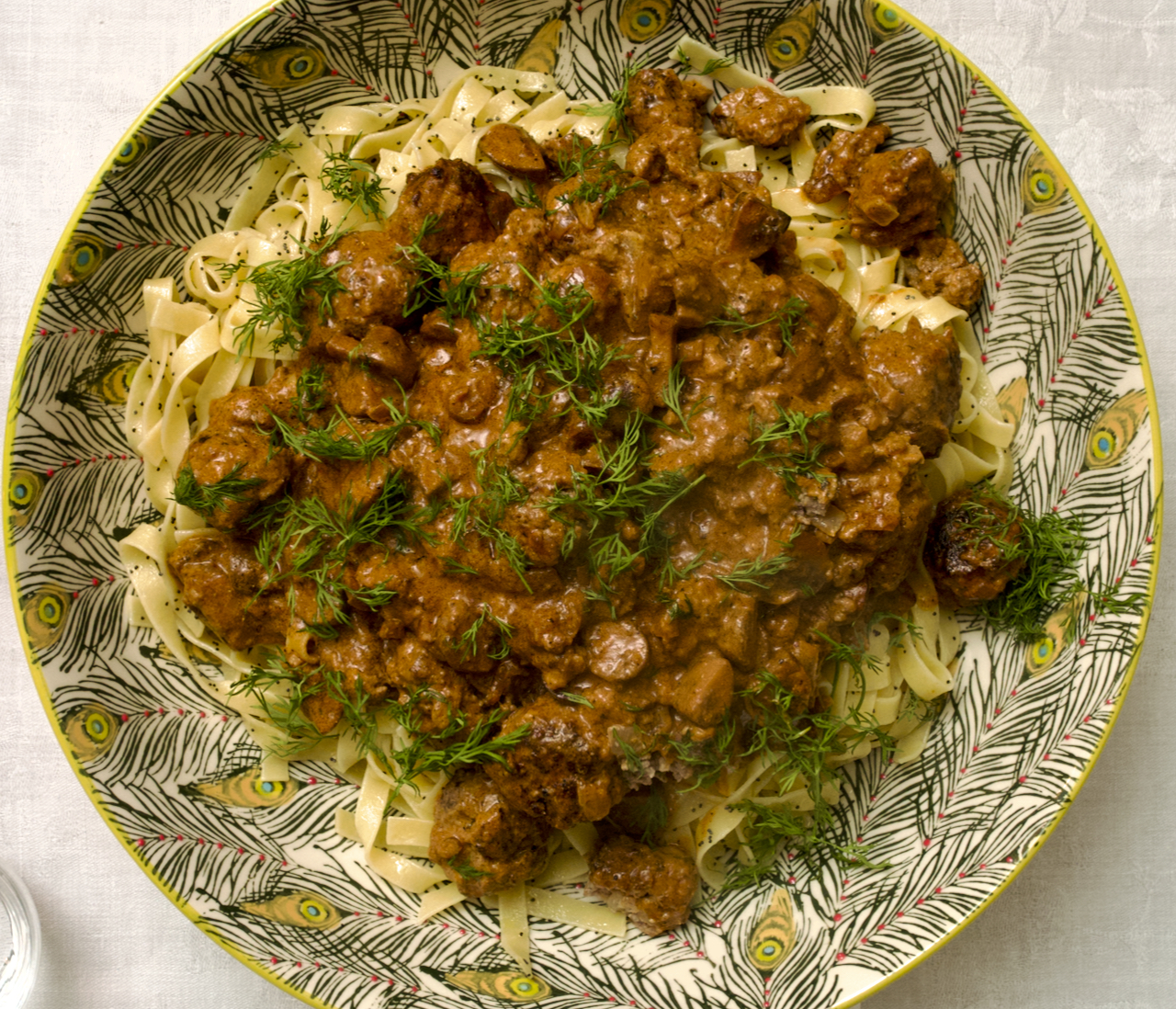
This is nice twist on a retro dish. Delicious!

Wine suggestion: this almost demands an oaked white and given the time of year we thought Patrick Javillier’s Bourgogne Cuvée des Forgets, from the vineyards near Meursault would match with equal amounts of richness, buttery toastiness and a fresh, minerally core. Sometimes nothing can beat a good, deftly handled, oaked Chardonnay.

Meatball Stroganoff – serves 6

  • 500g dried tagliatelle
  • 50g unsalted butter
  • 2 tsp poppy seeds

FOR THE MEATBALLS:

  • 70g slightly stale bread, crusts removed and roughly torn
  • 100ml milk
  • 1 tbsp olive oil
  • 1 onion, finely chopped
  • 2 cloves of garlic, crushed
  • 500g beef mince
  • 2 tsp Dijon mustard
  • 1 egg
  • 5g dill, chopped
  • 1 tsp finely grated lemon zest
  • 60ml olive oil, for frying the meatballs

FOR THE SAUCE:

  • 3 banana shallots, thinly sliced
  • 3 garlic cloves, crushed
  • 50g unsalted butter
  • 400g small chestnut mushrooms, quartered
  • 3 tbsp cognac
  • 1½ tsp hot smoked paprika
  • 1½ tbsp tomato purée
  • 1 tbsp Dijon mustard
  • 1 tbsp Worcestershire sauce
  • 650ml beef stock
  • 150g sour cream

TO SERVE:

  • dill pickles, roughly chopped
  • a handful of dill, roughly chopped

Put the bread in the milk in a large bowl and set aside to soak for about 5 minutes.

Put the oil in a frying pan and place over a medium heat. Add the onion and cook for 8-10 minutes, stirring occasionally, until soft. Add the garlic and cook for a minute, then scrape into a bowl. Allow the onions to cool a little, then add them to the bowl with the soaked bread, along with the remaining meatball ingredients, apart from the oil for frying the meatballs. Season with 1 tsp of salt and some black pepper. Mix together well with your hands, then make 26 meatballs (they should be about 30g each). Cover and keep the mixture in the fridge until ready to cook.

Put 2 tbsp of the oil into a large sauté pan and place over a medium-high heat. When the oil is hot, add half the meatballs and cook for 8 minutes, until nicely browned and just cooked, shake the pan gently to turn them. Transfer to a plate and cook the rest of the meatballs in another 2 tbsp of oil. Set aside.

In the same pan that you fried the meatballs, add the shallots and cook for 5-7 minutes, stirring occasionally, until starting to caramelise. Add the garlic, cook for a minute, then scrape into a bowl.

Add half the butter to the pan, then add half the mushrooms, ¼ tsp of salt and cook for 6 minutes, until well browned and there is no liquid. Tip into the bowl with the shallots and repeat with the remaining mushrooms and butter, adding another ¼ tsp of salt.

Tip the mushrooms and shallots back into the pan and bring to a simmer. Add the cognac and let it bubble for a few seconds, then add the paprika, tomato purée, mustard, Worcestershire sauce and beef stock. Bring to the boil, then simmer for 15 minutes or until reduced by a third. Add the sour cream, meatballs, ½ tsp of salt and some pepper and simmer for 5 minutes.

Meanwhile, cook the pasta in lots of salty water, then drain and return to the pot, then add the butter and poppy seeds. Toss gently to melt the butter, then divide between six bowl and spoon the meatballs sauce on top. Garnish with chopped pickles and dill.

(Original recipe from Ottolenghi Comfort by Yotam Ottolenghi, Helen Goh, Verena Lochmuller & Tara Wigley, Ebury Press, 2024. )

Read Full Post »

Winter Lamb

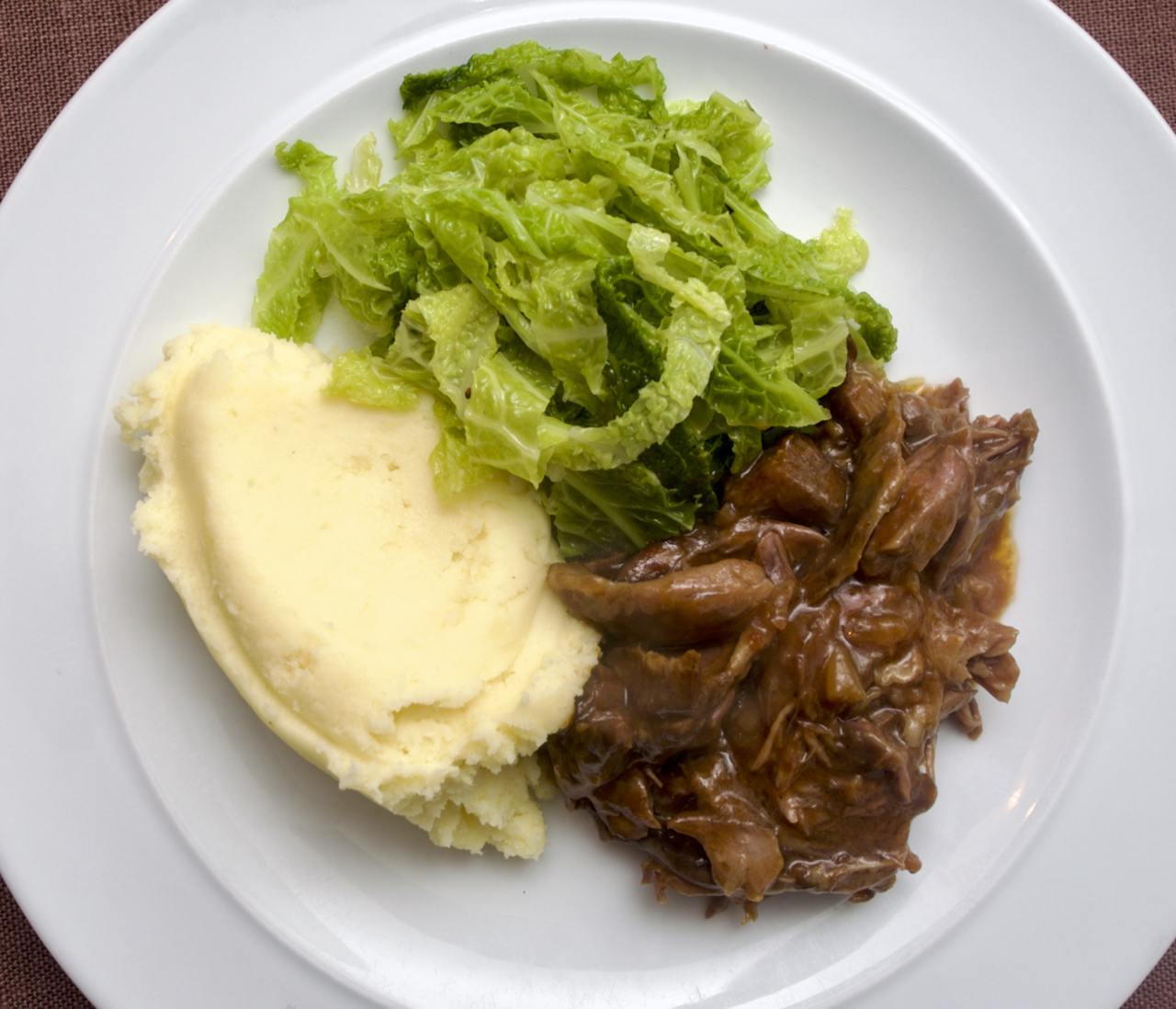
There truly is only one season for this dish. It takes forever, and is best made the day before, but the ultimate comfort food when it’s time to eat.

Wine Suggestion: A good southern Rhône blend will have the muscle and richness to match this without being to heavy or tannic. A firm favourite, though we’ve not opened one for a while (I blame an inquisitive palate) is Domaine du Grapillon d’Or’s Gigondas which is mostly Grenache with a touch of Syrah at it’s core. Brambly red fruits, with both a juiciness and powerful structure in abundance, while remaining elegant and poised.

Winter Lamb – serves 6

  • 2 tbsp olive oil
  • 6 lamb shanks, trimmed of excess fat
  • 2 medium onions, thinly sliced
  • 3 cloves of garlic, crushed
  • 50g plain flour
  • 600ml cold chicken stock
  • 3 tbsp sun-dried tomato paste
  • 150ml red wine or Port
  • 3 tbsp soy sauce
  • 1 tbsp chopped thyme leaves
  • 1½ tbsp balsamic vinegar

Ideally start the day before and heat the oven to 160C/140C fan.

Heat half the oil in a large, deep, ovenproof saucepan or casserole. Brown the shanks all over, you will probably need to do this in batches. Remove and set aside.

Add the rest of the oil to the pan, then add the onions and garlic, and cook over a high heat for about 5 minutes or until starting to soften. Put the flour into a jug and slowly whisk in the cold stock until smooth. Add to the onion pan with the tomato paste and red wine or Port and bring to the boil.

Return the lamb to the pan, add the soy sauce and thyme, and season with salt and pepper. Stir well, then cover with a lid, and transfer to the oven for 3-4 hours or until the meat is tender and starting to fall off the bone. Stir in the vinegar.

Remove the shanks from the sauce, wrap in foil, and set aside to cool. Pour the sauce into a shallow ovenproof dish, cool, and cover with foil. When the sauce and shanks are completely cool, transfer to the fridge and leave overnight if you can.

To serve, heat the oven to 180C/160C fan. Remove any fat from the surface of the sauce with a spoon and discard. Remove the meat from the bone and leave in chunky pieces. Add the meat to the sauce and cover with foil.

Reheat in the oven for 45-50 minutes or until piping hot.

(Original recipe from Mary Berry Cooks Up a Feast with Lucy Young, DK: Penguin Random House, 2019.)

Read Full Post »