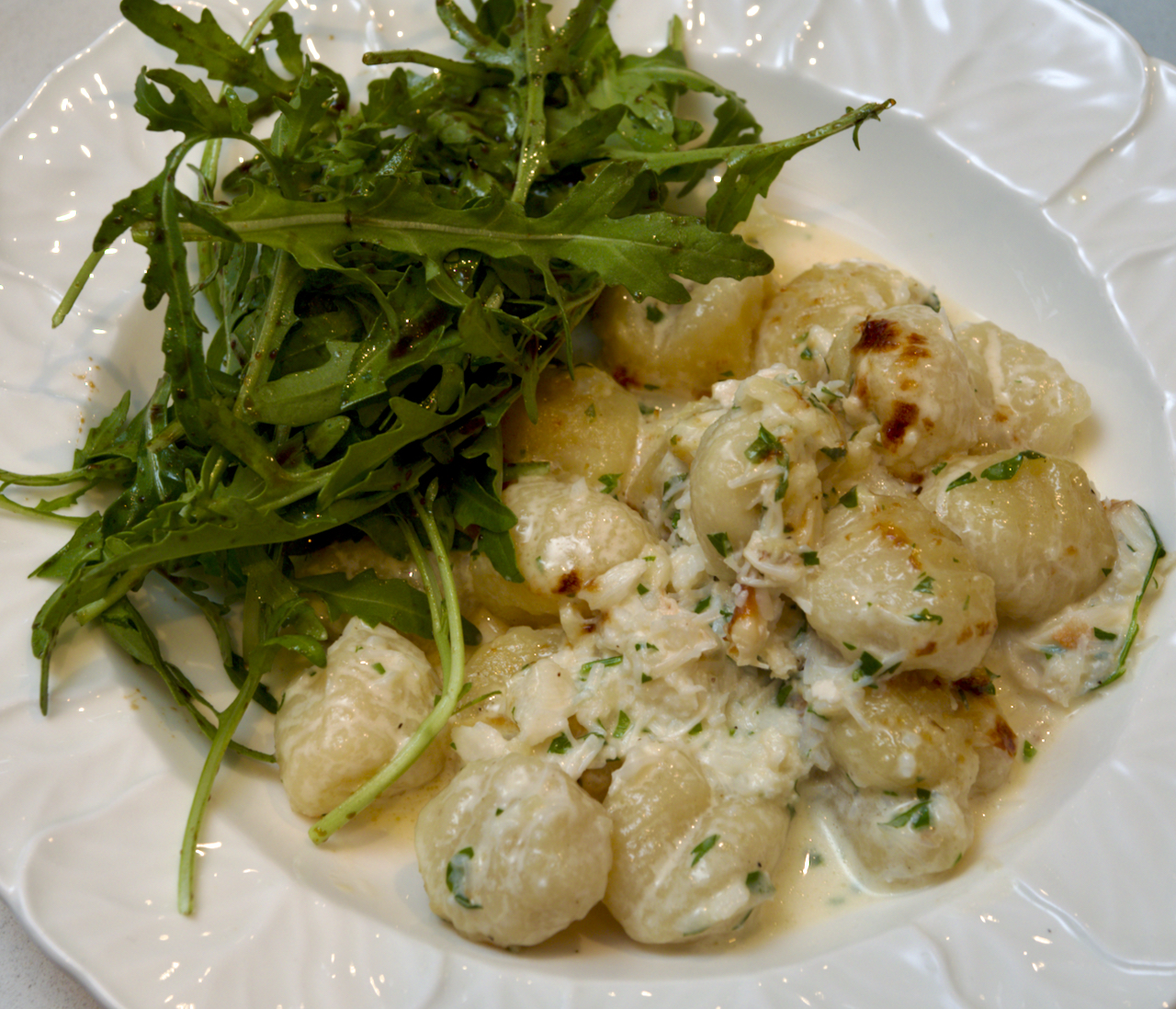
We buy big tubs of Lambay Island white crabmeat and freeze it in small portions so we can have weeknight dishes like this one. Really simple but tastes luxurious.
Wine Suggestion: This demands a richer white, but with a core of minerality, texture and acidity. Tonight we opened a La Clef du Recit Sancerre Le Chêne Fourchu … an uncommonly oaked Sauvignon Blanc which, when handled deftly like this, adds layers and structure. We love how this has hints of tropical fruits, lemon and mandarin.
Baked crab and lemon gnocchi – serves 2
1 pack of pre-made gnocchi – about 400g – go for a good quality one
150ml double cream
30g Parmesan, finely grated, plus a bit extra
juice of ½ lemon
100g white crabmeat
a handful of flatleaf parsley, chopped
dressed green salad, to serve
Cook the gnocchi in boiling salty water until if floats to the top, then scoop it out and set aside.
Heat the cream in a large pan, then add the Parmesan and lemon juice. Let it bubble up, then turn off the heat and add the crab, parsley and gnocchi. Sesson well with black pepper, then tip it all into a baking dish.
Sprinkle over some more Parmesan and place under a hot grill for a few minutes or until brown and bubbling.
(Original recipe by Janine Ratcliffe in Olive Magazine, August, 2016.)
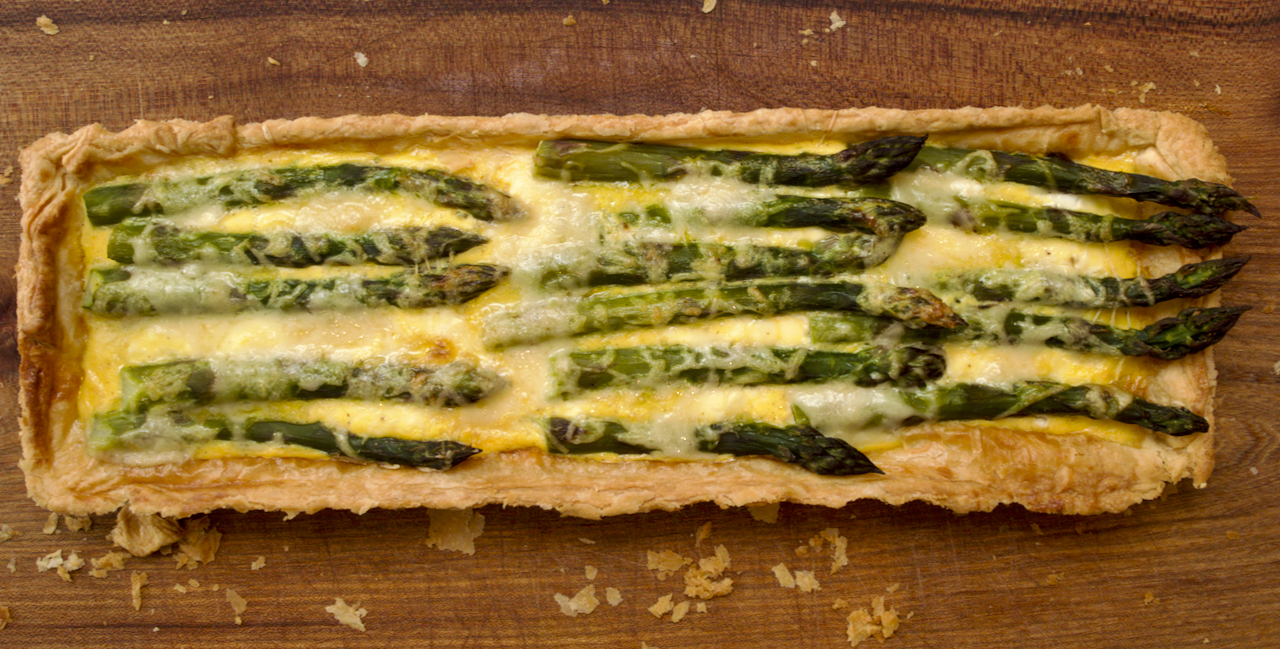
This is perfect for lunch with salad or for a spring starter. We are always nervous with even shop-bought pastry but this is not difficult!
Wine Suggestion: it feels a very French style of dish so we opened a favourite, the Chateau du Hureau Argile, a super dry and savoury Chenin Blanc from Saumur. Ours had a number of years in bottle so had extra roundness and depth but we enjoy this from the moment it released as well.
Asparagus Tart – serves 4 as a main or 6 as a starter
1 x 250g sheet of puff pastry
flour for dusting
1 egg
2 egg yolks
3 tbsp crème fraîche
roughtly 400g asparagus (preferable the fine stuff), snap off the woody ends
30g butter, plus a bit to grease the tin
3 small shallots, thinly sliced
120g chestnut mushrooms, sliced
120g soft, rindless goat’s cheese
25g Parmesan, finely grated
We used a loose bottom rectangular tin 36cm x 12cm.
Lightly grease the tin with butter.
Dust a clean surface with a little flour and roll out the pastry so that it fits in the tin. Chill for 20 minutes (or longer) in the fridge.
Heat the oven to 200C/180C fan/Gas 6.
Beat the egg and egg yolks together with the crème fraîche.
Line the tin with some crumpled baking parchment and fill with baking beans or rice, then bake for about 15 minutes. Carefully remove the paper and beans or rice, then prick the base all over with a fork and brush lightly with the egg mixture.
Put the tart back into the oven for another 10 minute or until the pastry is completely cooked and the base is dry. Press the pastry down with a fork if it has puffed up a bit.
Reduce the oven temperature to 180C/160C fan/Gas 4.
Steam the asparagus for about 5 minutes or until tender, then drain and run under cold water.
Melt the butter in a frying pan and cook the shallot with a good pinch of salt for a few minutes or until softened. Add the mushrooms and turn up the heat. Fry until they have lost their moisture and are starting to colour, then remove from the heat.
Tip the shallots and mushrooms into the cooked pastry case and spread them out evenly. Crumble over the goat’s cheese and arrange the asparagus over the top in a single layer.
Season the egg and crème fraîche mixture then pour evenly over the asparagus. Sprinkle over the grated Parmesan.
Bake the tart until the egg is just set – about 20-25 minutes. Cool slightly before removing from the tin. Serve warm or at room temperature.
(Original recipe from Lickedspoon with Debora Robertson on Substack, 15 APR 2025.)
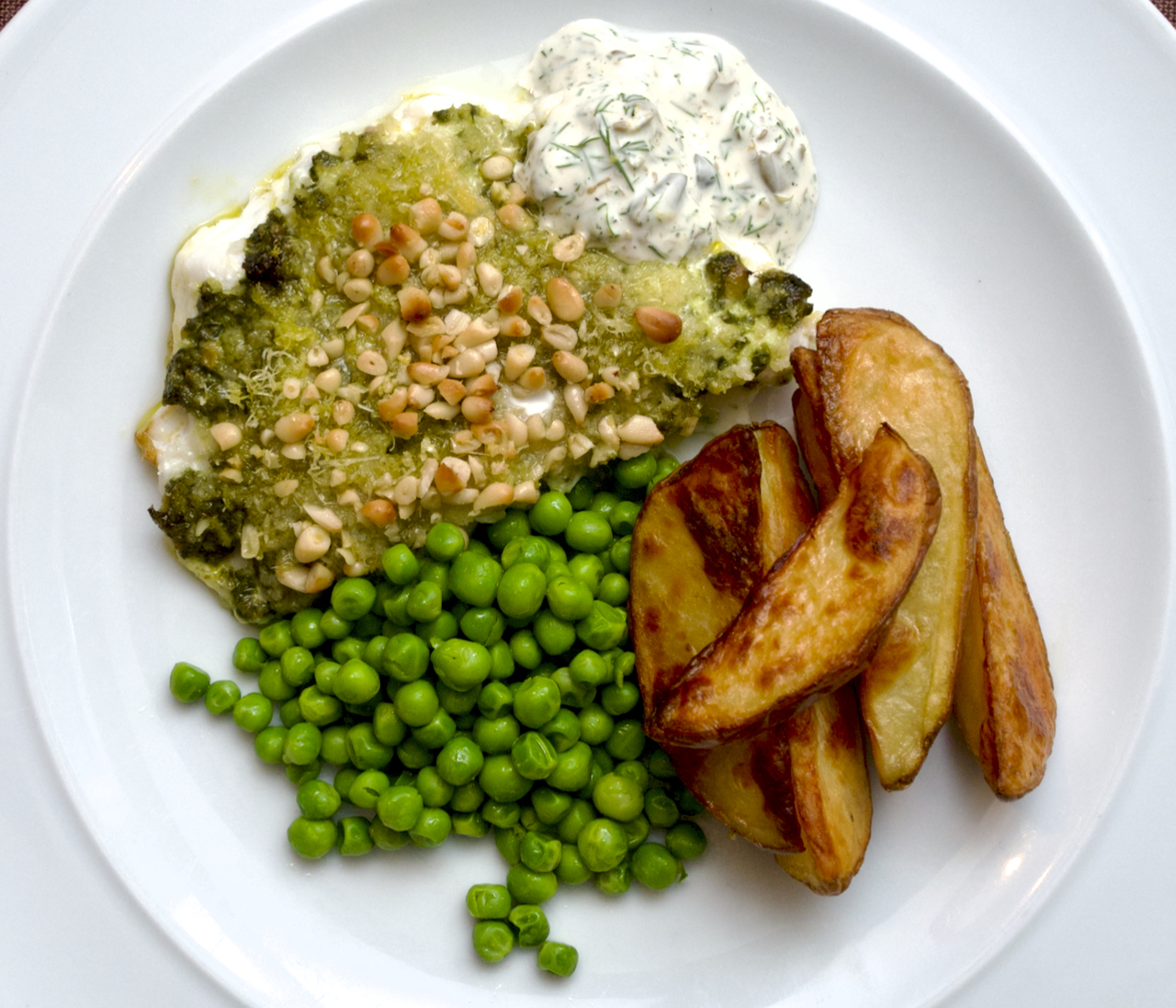
A week night fish dish that was a hit with everyone in our family, and that’s saying something. Peas are obligatory as the side.
Wine Suggestion: this works excellently with a zesty, citrus flavoured white like the Pico Maccario Gavi di Gavi from Piedmont in Italy.
Hake with Panko & Pesto – serves 4
1kg floury potatoes, cut into wedges
2 tbsp olive oil, plus a little extra
4 pieces of hake (or another firm white fish), skin and bones removed
2 tbsp pesto
2 tbsp panko breadcrumbs
2 tbsp finely grated Parmesan
1 tbsp chopped pine nuts
1 tbsp capers, finely chopped
1 tbsp dill, chopped
3 tbsp mayonnaise
¼ lemon, zested and juiced
Heat the oven to 220C/200C fan.
Put the wedges onto a baking tray and drizzle over 1 tbsp of olive oil. Season with salt and pepper, then toss to coat in the oil. Bake for 50-55 minutes, turning halfway, until crispy and golden.
Oil another baking sheet and add the fish pieces. Spread the pesto over the fish pieces and sprinkle over the panko breadcrumbs. Drizzle with a tbsp of olive oil, then sprinkle over the Parmesan and chopped pine nuts. Place in the oven for the final 10-12 minutes of cooking time. The top should be golden and the fish should flake easily.
Mix the capers, dill, mayonnaise, lemon zest and juice with some black pepper in a small bowl. Serve the fish with the wedges, peas and dip.
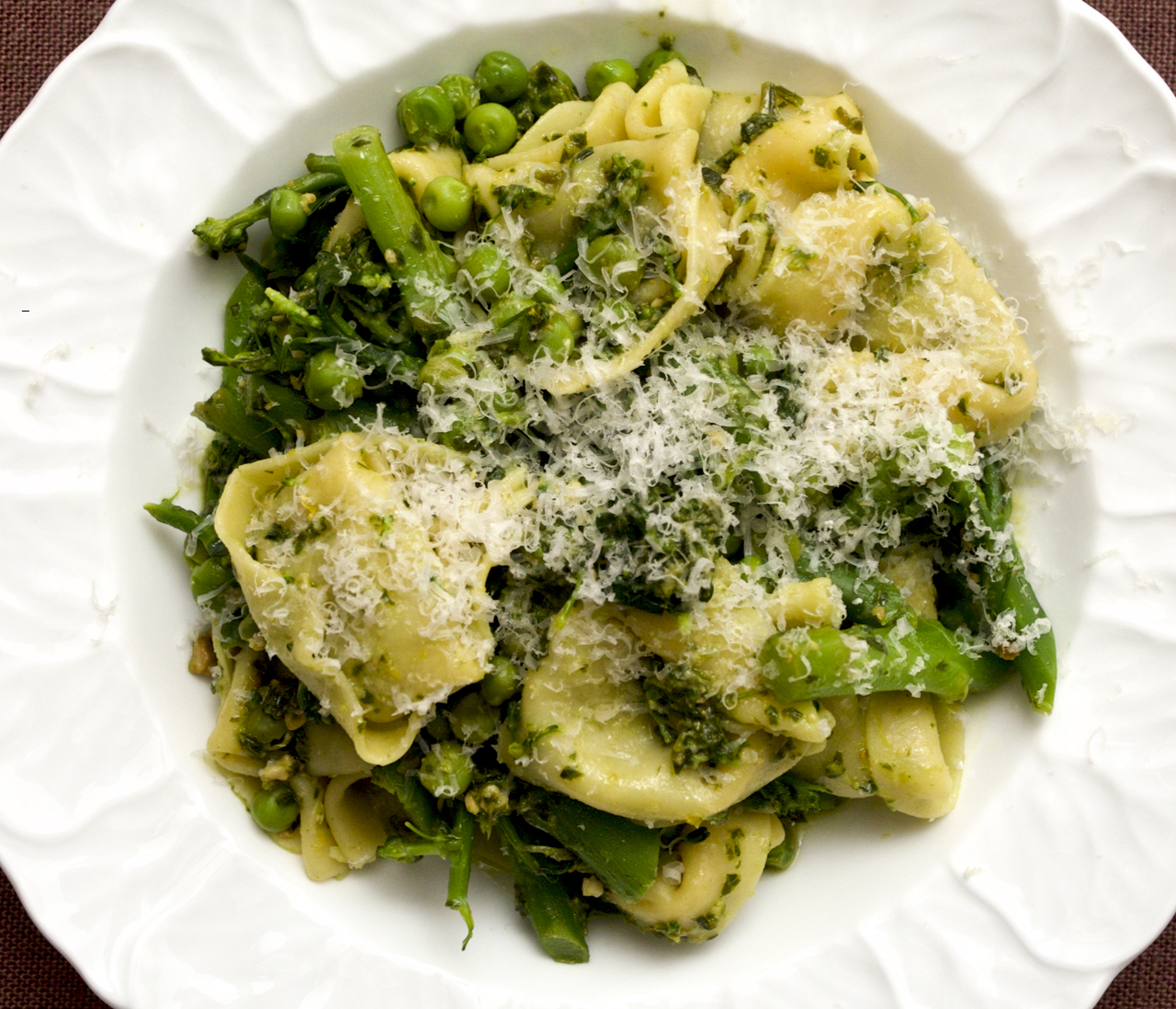
This isn’t really a recipe but it might just save your dinner some evening.
Wine Suggestion: This really works with a zippy, fresh white like the Höpler Gruner Veltliner. Elegant and minerally with a real purity of pear and lemon flavours overlaid with a light white pepperiness and savoury umami finish
Pea, broccoli & pesto tortellini – serves 2
200g tenderstem broccoli, cut into short pieces
100g frozen peas
250g pack spinach & ricotta tortellini
1 lemon, zested and juiced
4 tbsp fresh pesto
Parmesan, to serve
best extra virgin olive oil, to serve
Bring a large pot of salty water to the boil, then add the broccoli and cook for 1 minutes. Add the frozen peas and cook for 2 more minutes, then scoop all the veg out with a slotted spoon and set aside.
Bring the water back to the boil and cook the pasta according to the pack instructions.
Drain the pasta well and return it to the pan. Add the lemon, cooked veg and pesto and gently toss to combine. Serve in warm bowls with Parmesan and a glug of olive oil if you like.
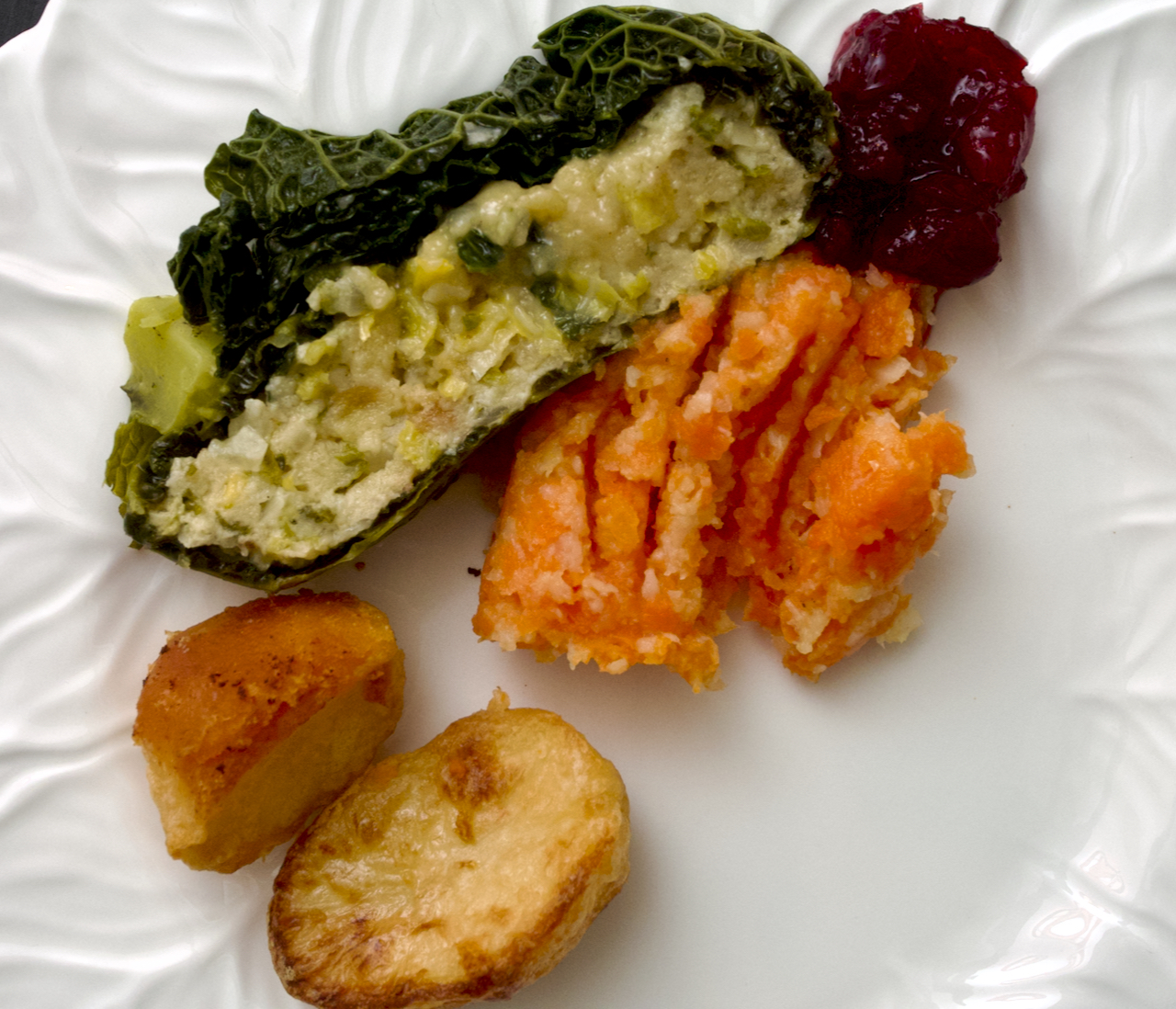
This is a handy veggie recipe to have up your sleeve. It works perfectly with all the sides you would typically serve with a roast dinner and it would also be nice as a side dish. Even better you can have it all prepped in advance and you can freeze it.
Wine Suggestion: Perfect with an oaked white like Oliver Leflaive’s Bourgogne Blanc Les Setilles, which has real class despite it’s lowly level within the Burgundy classification system.
Stuffed cabbage – makes 2 and each serves 4 to 6
1 Savoy cabbage
160g butter
50ml extra virgin olive oil
3 onions, finely chopped
4 cloves of garlic, crushed
200g Cheddar cheese, finely grated
200g Parmesan, finely grated
180g breadcrumbs
4 eggs, lightly beaten
nutmeg
vegetable stock
Remove 8 of the outer leaves from the cabbage and simmer for 5-10 minutes until softened, then drain and set aside.
Melt the butter and oil together in a large pan over a medium-low heat. Add the onions and garlic with 1tsp salt and cook for 20 minutes, stirring regularly, until softened.
Cut the cabbage into quarters and discard the tough core. Shred it very finely, then add to the pan and cook for another 10 minutes or so, until soft and wilted.
Turn the heat off, then mix both cheeses into the cabbage until melted. Add the breadcrumbs and eggs and stir well to combine. Season with salt and pepper and a little grated nutmeg.
Divide the filling in half. Take 4 of the cooked cabbage leaves and lie them down in a rough circle so they are slightly overlapping. Spoon half the filling on top in a rough rectangle shape, then wrap the leaves around to enclose. Tie it in multiple places along it’s length to hold it together, then tie it again along the length. Repeat with the rest of the cabbage leaves and stuffing. You can now store these in the fridge until your’re ready to cook them or freeze for another day.
To cook, bring a large pot of vegetable stock to the boil. Carefully lower one stuffed cabbage into the stock and simmer gently for 30-40 minutes. Carefully lift out of the pan and leave to rest for 10 minutes before carving into slices.
(Original recipe from Stagioni by Olivia Cavalli, Pavilion, 2022.)
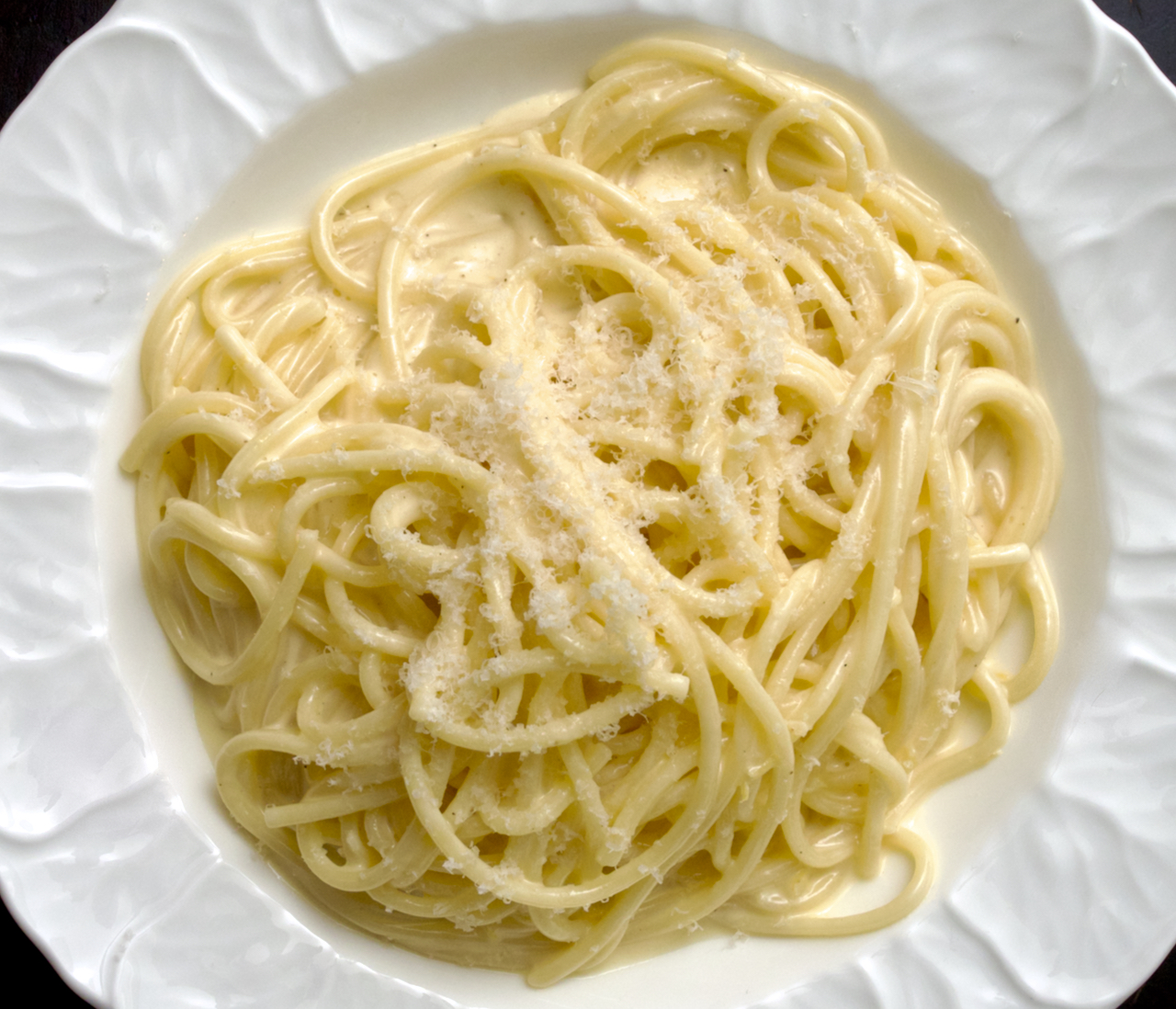
This is very rich and delicious so you can serve it in slightly smaller portions. The cooking time is a bit longer than our usual lemon spaghetti but it’s worth it for the flavour and silky texture. Perfect for an indulgent lunch at the weekend.
Wine Suggestion: An oaky white like the Dominio de Tares Old Vine Godello which is fermented with wild yeasts and aged in oak barrels. This makes it more complex, savoury and gtreat with rich, velvety foods like this.
Spaghetti al Limone – serves 6
225ml cream
2 unwaxed lemons (zest of 2 and juice of 1)
100g butter
500g spaghetti
150g grated Parmesan cheese, plus extra to serve
Put the cream and the lemon zest into a large heavy-based saucepan and bring to the boil. Lower the heat and simmer for 2 minutes.
Now start adding the butter, about 1 tbsp at a time while stirring continuously. Wait for 30-45 seconds before adding the next tbsp of butter – it should be completely melted before you add any more. Keep going until you have used all the butter and you have a rich sauce. Set aside.
Cook the spaghetti in lots of salty water until al dente. Scoop out a mugful of the pasta water before draining.
Add half the pasta water to the cream sauce and bring to a simmer. Season generously with salt and pepper.
Turn the heat back down to low, then add the cooked spaghetti and toss to coat. Add the Parmesan, 1 tbsp at a time, as you did with the butter and waiting 30-45 seconds between each addition. Stir continuously and add another splash of pasta water if it starts to get stiff. Keep going until all the Parmesan has been added, then pour in the lemon juice and toss once more.
Serve in warm pasta bowls and top with a little extra Parmesan.
(Original recipe from Avoca at Home, Penguin Random House, 2022.)
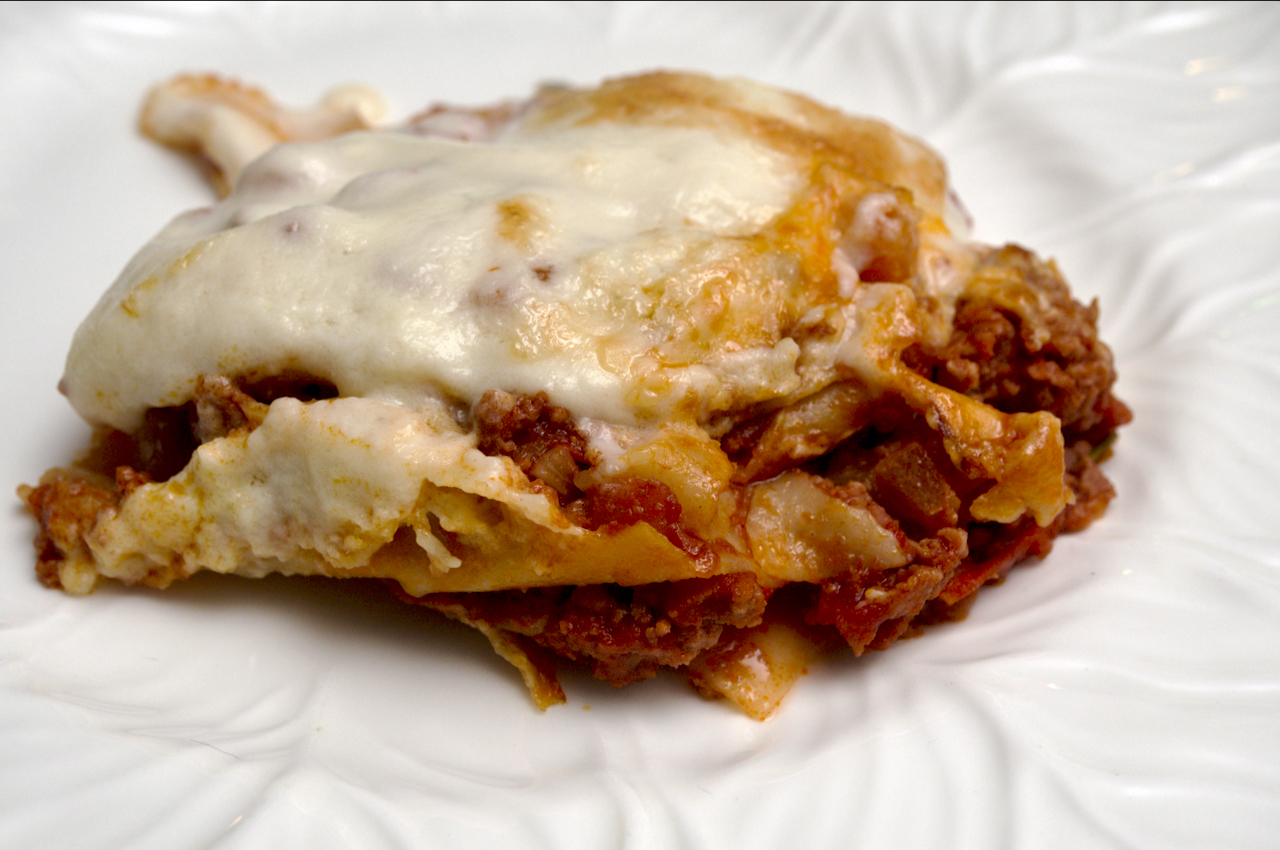
Just a reminder that a big lasagne is a very good thing to have. We sometimes divide it up into smaller dishes and freeze some to finish off cooking another day.
Wine Suggestion: Our personal prejudice here is for Sangiovese every time with Lasagne, though we know this is not the only grape that works. That said we couldn’t go past the Boscarelli “Prugnolo” Rosso di Montepulciano which comes from a lovely hilltop DO in Tuscany.
Lasagne – serves 8
350-400g fresh lasagne sheets
nutmeg
1 ball of mozzarella, torn
FOR THE RAGU:
2-3 tbsp oil
1 onion, finely chopped
2 carrots, finely chopped
2 celery stalks, finely chopped
2 cloves of garlic, finely chopped
4 rashers of smoked streaky bacon, finely chopped
500g beef mince
500g pork mince
175ml red wine
750ml beef stock/chicken stock
2 tbsp tomato purée
2 x 400g tins chopped tomatoes
1 bay leaf
a sprig of rosemary
FOR THE BECHAMEL:
70g butter
70g plain flour
1 litre whole milk
1 bay leaf
100g Parmesan, freshly grated
Start with the ragu. You need to heat the oil in a large wide pan, then add the onions, carrots, celery and garlic and fry gently until softend but not coloured.
Add the bacon, beef and pork and continue frying until the meat has changed colour.
Pour in the red wine and increase the heat so that it comes to the boil. Reduce the heat again and add the stock, tomato purée and tinned tomatoes. Season with salt and pepper and add the bay and rosemary. Leave to cook now over a medium-low heat for about 1½ hours or until you have a rich sauce.
Meanwhile, make the bechamel. Melt the butter in a large pan over a medium heat, add the flour and stir to make a paste. Cook for a minute, then take the pan off the heat and gradually whisk in the milk until you have a smooth sauce. Add the bay leaf, then return the pan to the heat and bring the boil, stirring constantly. Keep cooking until you have a smooth and thick sauce. Remove the bay leaf and stir in two-thirds of the grated Parmesan and season to taste.
Heat the oven to 180C/Fan 160C.
You will need a deep lasagne dish – about 20 x 30 cm.
Put a large spoonful of the ragu in the bottom of the lasagne dish and add a layer of lasagne sheets. Top with a layer of ragu and a drizzle of bechamel (not a full layer or you will run out), then another layer of lasagne sheets. Keep going like this until you have used up all the ingredients, finishing with a good layer of bechamel. Grate over a little nutmeg, then add the torn mozzarella and the rest of the Parmesan.
Bake for 45-50 minutes or until bubbling and golden brown. Allow to sit for 5-10 minutes when it comes out of the oven so it’s easier to cut. Serve with a green salad and garlic bread if you like.
(Original recipe from Rick Stein’s Food Stories, BBC Books, Penguin: Random House, 2024.)
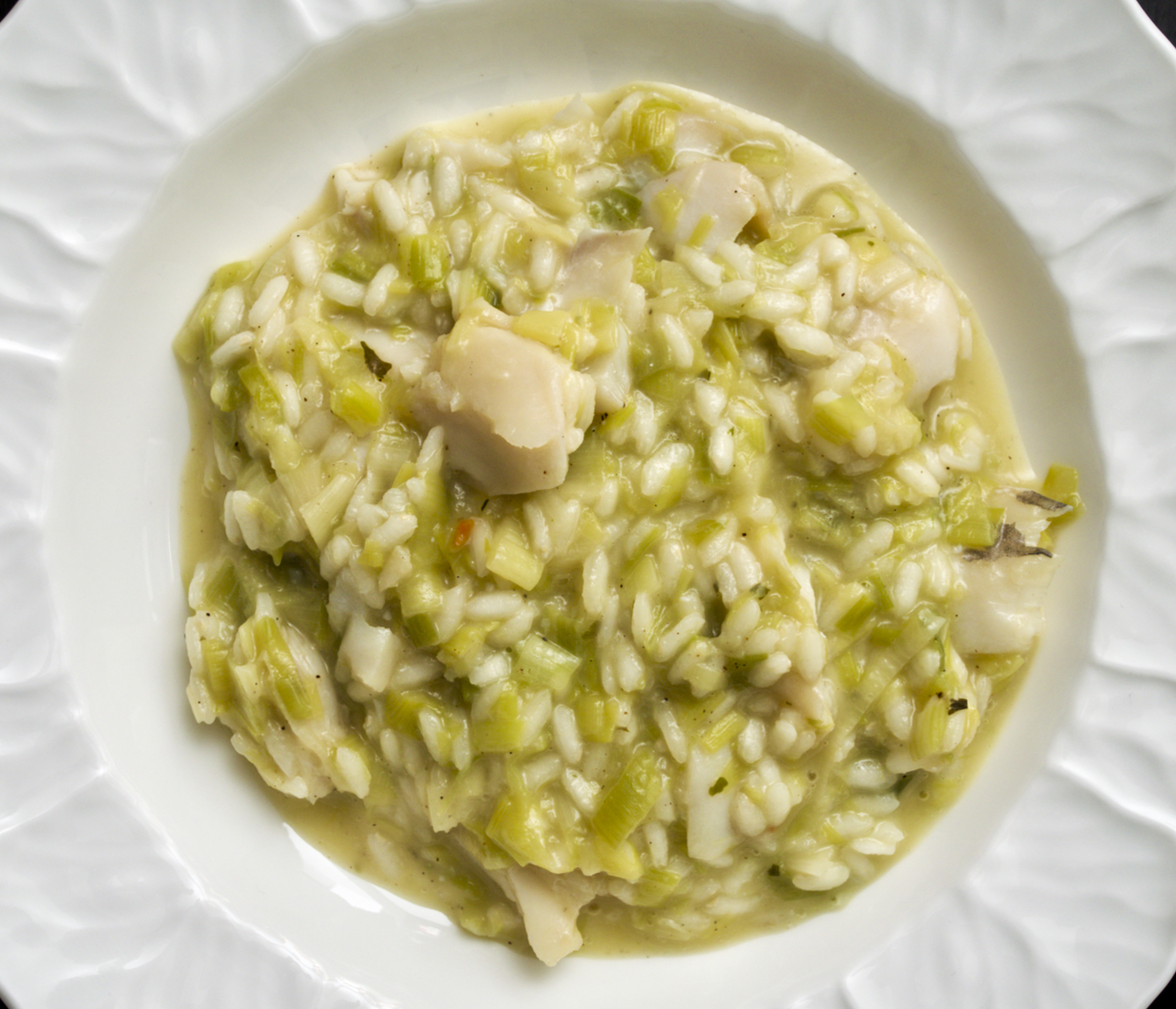
A delicious fish risotto which also includes Parmesan cheese. We’re firm disbelievers of the “no cheese with fish” rule!
Wine Suggestion: we gravitated to something Spanish for this dish, the Bodegas Castro Martin Albariño, which has the body and texture required to stand up to the richness and intense flavours the dish presents with the the umami pepperiness complimenting the salty/savoury smoked fish.
Smoked haddock & leek risotto – serves 4
50g butter
4 medium leeks, finely sliced
1.25 litres light chicken stock
450g smoked haddock
300g risotto rice
75g Parmesan cheese, finely grated
Melt the butter in a saucepan, add the leeks and and gently cook for 15 minutes.
Meanwhile, bring the stock to a gentle simmer in a separate pan.
Put the fish in another pan and enough of the hot stock to cover. Poach for 5 minutes, then remove the skin and discard. Leave the cooked fish in the stock off the heat.
Add the rice to the leeks and stir until coated in the butter. Start adding the stock, a ladle at a time, stirring constantly. Add another ladle when the previous one has been completely absorbed. Keep going for about 20 minutes, then start tasting the rice – you want it to be soft with just a slight bite in the middle. Use the stock in the fish for the last addition of liquid.
Gently break the fish into chunks and stir into the risotto at the last minute, along with 2 tbsp of the Parmesan.
Check the seasoning (you probably won’t need salt) and add plenty of freshly ground black pepper.
Serve immediately with the rest of the Parmesan for sprinkling over.
(Original recipe from Rosast Figs, Sugar Snow by Diana Henry, Aster*, 2023.)
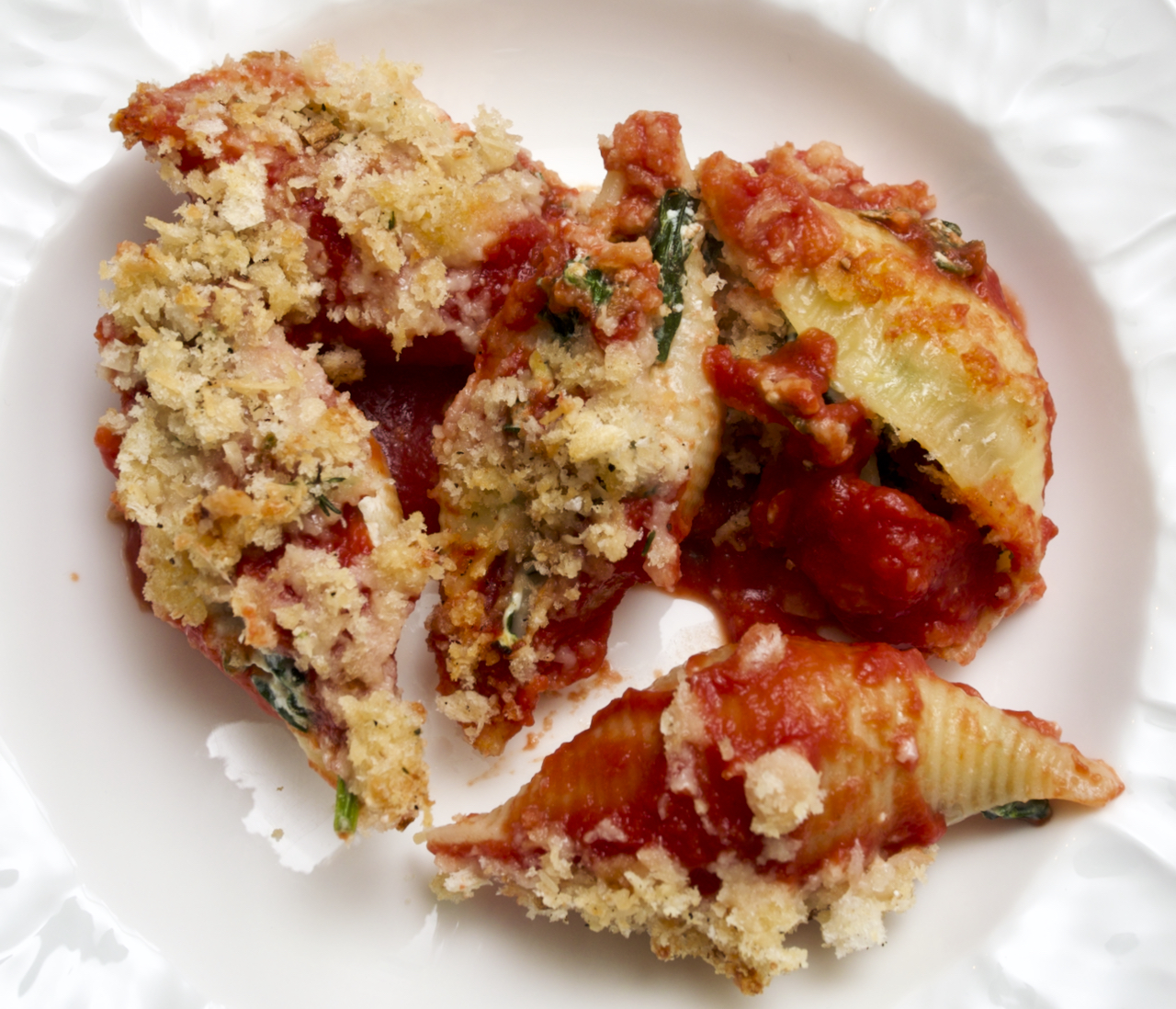
A vegetarian dish picked by Orlaith who wants to be a vegetarian for January – we’ll see how she goes! She wasn’t put off by this dish anyhow.
Wine Suggestion: A juicy, youthful Sangiovese or similar, like Umani Ronchi’s Serrano Rosso Conero which is a Montepulciano-Sangiovese blend. Bright, joyful red fruits with a smooth elegance and vivacity of youth.
Baked pasta shells – serves 4
250g conchiglioni (big pasta shells)
1 tbsp rapeseed oil, plus a bit extra
400g baby spinach
250g ricotta cheese
200g Greek yoghurt
30g grated Parmesan cheese,
2 garlic cloves, crushed
zest of 2 lemons
10 fresh basil leaves, shredded
¼ tsp ground nutmeg
1 x 700g jar of tomato passata
FOR THE TOPPING:
70g fresh breadcrumbs
70g grated Parmesan cheese
1 tsp chopped fresh thyme
1 tbsp butter, melted
Heat the oven to 170C.
Bring a large pan of very salty water to the boil. Add the pasta shells and cook for no more than 9 minutes – they need to be undercooked. Drain and cool under running cold water, then drain again and drizzle with a little oil to stop the shells sticking together, then set aside.
Heat the oil in a large frying pan over a medium heat. Add the spinach and cook for 1-2 minutes, until just wilted. Remove the pan from the heat and leave to cool, then squeeze out any moisture and roughly chop it.
Put the chopped spinach into a large bowl with the ricotta, yoghurt, Parmesan, garlic, lemon zest, basil and nutmeg and mix to combine. Season with salt and pepper.
Pour half the passata over the bottom of a large baking dish and season with salt and pepper. Stuff the shells with the ricotta and spinach mixture, then add the shells to the dish on top of the sauce, stuffed side up. Pour over the rest of the passata and season with a little more salt and pepper.
Mix the breadcrumbs, Parmesan and thyme in a small bowl, then pour over the melted butter and toss to combine. Sprinkle this over the top of the pasta, then bake in the preheated oven for 25 to 30 minutes, until the breadcrumbs are golden and the pasta is bubbling.
(Original recipe from Avoca at Home, Penguin Random House, 2022.)
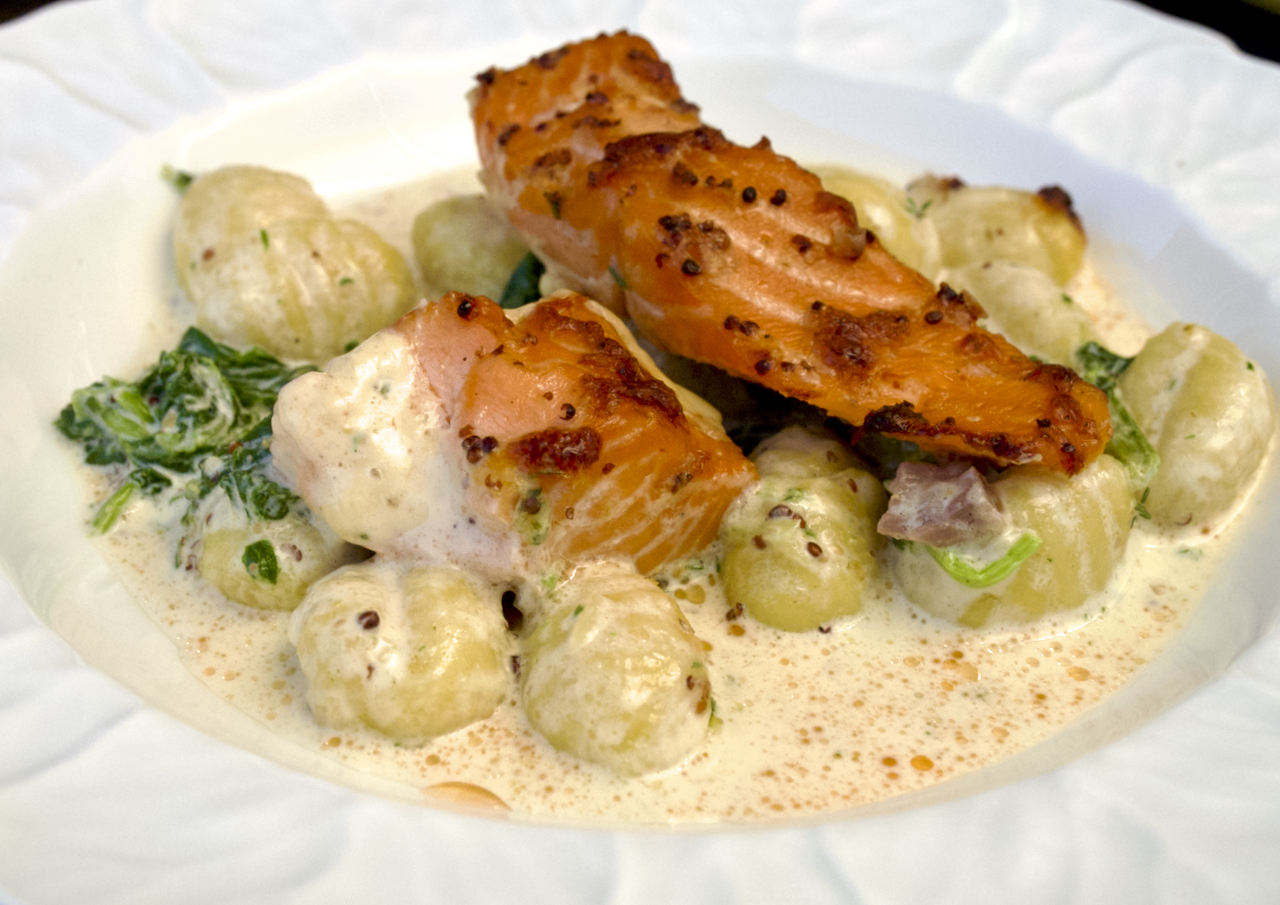
This is a dish we cook when we get home late and need something quick and tasty. You can easily pick up the ingredients in a supermarket on the way home.
Wine Suggestion: the more we taste them, the more we like how versatile Verdicchio is, even the entry level Villa Bianchi from Umani Ronchi in the Marche. There’s just the right level of texture and viscosity for the creamy richness, and zip, zing and minerality for the fish.
Hot-smoked salmon, gnocchi and spinach bake – serve 4
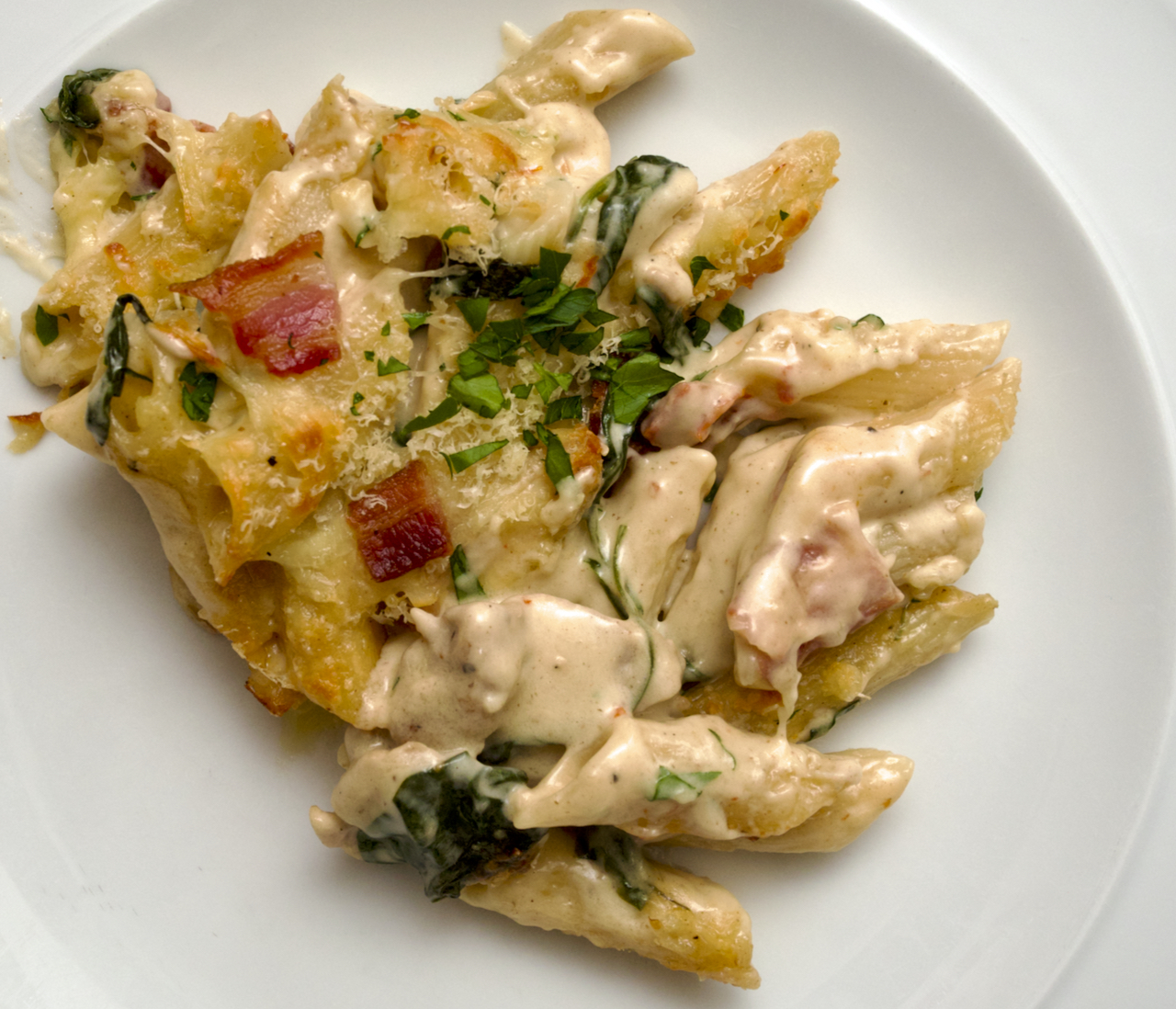
We’ve made this a few times for and it’s never failed to impress. Reliable comfort food with lots of tasty additions!
Wine suggestion: we opened a velvety Côtes du Rhône red by Domaine Roche. A charming and quite sophisticated Grenache, Syrah and Carignan that we’ve enjoyed before. If you’re looking for a step up from this, their Cairanne is a joy and really shows the class of this under-sung appellation near Chateauneuf du Pape.
Loaded Chicken Pasta Bake – serves 6
350g penne pasta
150g streaky bacon rashers
100g baby spinach
80g sundried tomato strips in oil, drained and roughly chopped
2 tsp chopped parsley, to serve
FOR THE CHICKEN:
500g skinless and boneless chicken thigh fillets
¾ tsp each cooking salt and black pepper
30g unsalted butter
FOR THE SAUCE:
30g unsalted buter
2 cloves of garlic, crushed
60ml dry white wine
50g plain flour
500ml full-fat milk, hot
250ml double cream
375ml chicken stock
½ tsp each onion powder and garlic powder
1 tsp cooking salt
100g finely grated Parmesan
250g grated mozzarella
Heat the oven to 180C/160C Fan.
Bring a large pan of water to the boil and add plenty of salt. Cook the pasta according to the timings on the pack, then drain and leave to cool.
Place the bacon rashers in a large pan over a medium-high heat and cook for a few minutes until golden, then turn them over and cook for another 2 minutes. Drain on some paper towels, then chop into 1cm pieces. Discard the bacon fat in the pot.
Season the chicken with the salt and pepper. Melt the butter in the same pan over a medium-high heat. Cook the chicken for 4 minutes on each side, then set aside to rest for 5 minutes before slicing into 1cm thick slices.
Melt the butter for the sauce in the same pan over a medium-high heat. Add the garlic and cook for 20 seconds before adding the wine. Simmer rapidly for a couple of minutes or until almost evaporated. Lower the heat to medium, add the flour and stir for 1 minute. Gradually add the milk and keep stirring until thickened, then add the cream and stock. Bring the sauce to a simmer and stir for about 5 minutes or until thick enought to coat the back of a wooden spoon.
Stir in the onion and garlic powder, salt, pepper and two-thirds of the Parmesan and mozzarella. Stir until the cheese has melted.
Stir in the spinach, chicken, sundried tomato, most of the bacon and all of the pasta. Pour into a 30 x 22cm baking dish, sprinkle with the remaining Parmesan, then the mozzarella and bacon. Bake for 25 minutes or until the cheese is melted and golden.
Leave to stand for 5 minutes before serving sprinkled with parsley.
(Original recipe from Recipetin Eats Dinner by Nagi Maehashi, Pan Macmillan, 2023.)
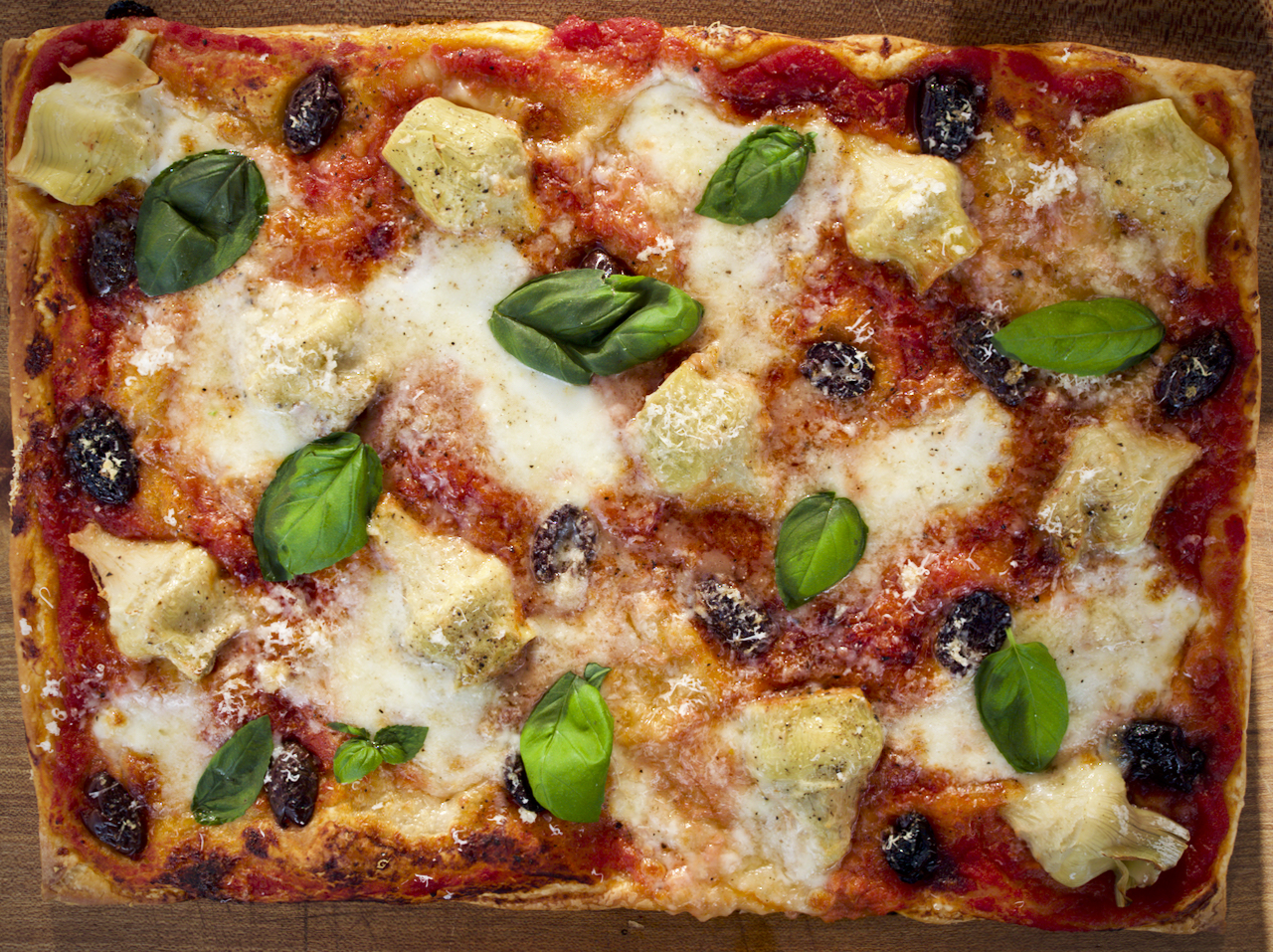
We love a good pizza … but there are times we just can’t be bothered lighting our little pizza oven and getting it up and running … or the weather defeats us! This is essentially pizza toppings on pastry and makes a great substitute. Plus we got to use the jar of artichokes we’d lugged from Spain last holiday.
Wine suggestion: a wine we’d also brought home from our holiday, Luis Moya Tortosa’s Kimera, an old-vine Grenache from Navarra. Minerally, vibrant and expressive.
Tomato, mozzarella, black olive & artichoke tart – serves 4
2 x 320g ready-rolled puff pastry sheets
300g tomato sauce (you can make your own or use a good brand)
2 x 125-150g mozzarella balls, sliced
a handful of pitted black olives, halved
8 to 10 artichoke hearts from a jar, halved
60g Parmesan, finely grated
a handful of basil leaves
Heat the oven to 230C/Fan 210C.
Unroll the puff pastry sheeets onto a couple of baking trays and prick them all over with a fork.
Spread the tomato sauce over the pastry, then top with the mozzarella, olives and artichokes. Add half the grated Parmesan and season with salt and pepper.
Bake for 15-18 minutes, then sprinkle with the basil leaves and the rest of the Parmesan and serve immediately. It’s as easy as that!
(Original recipe from Rick Stein’s Simple Suppers, Ebury Publishing, 2023.)
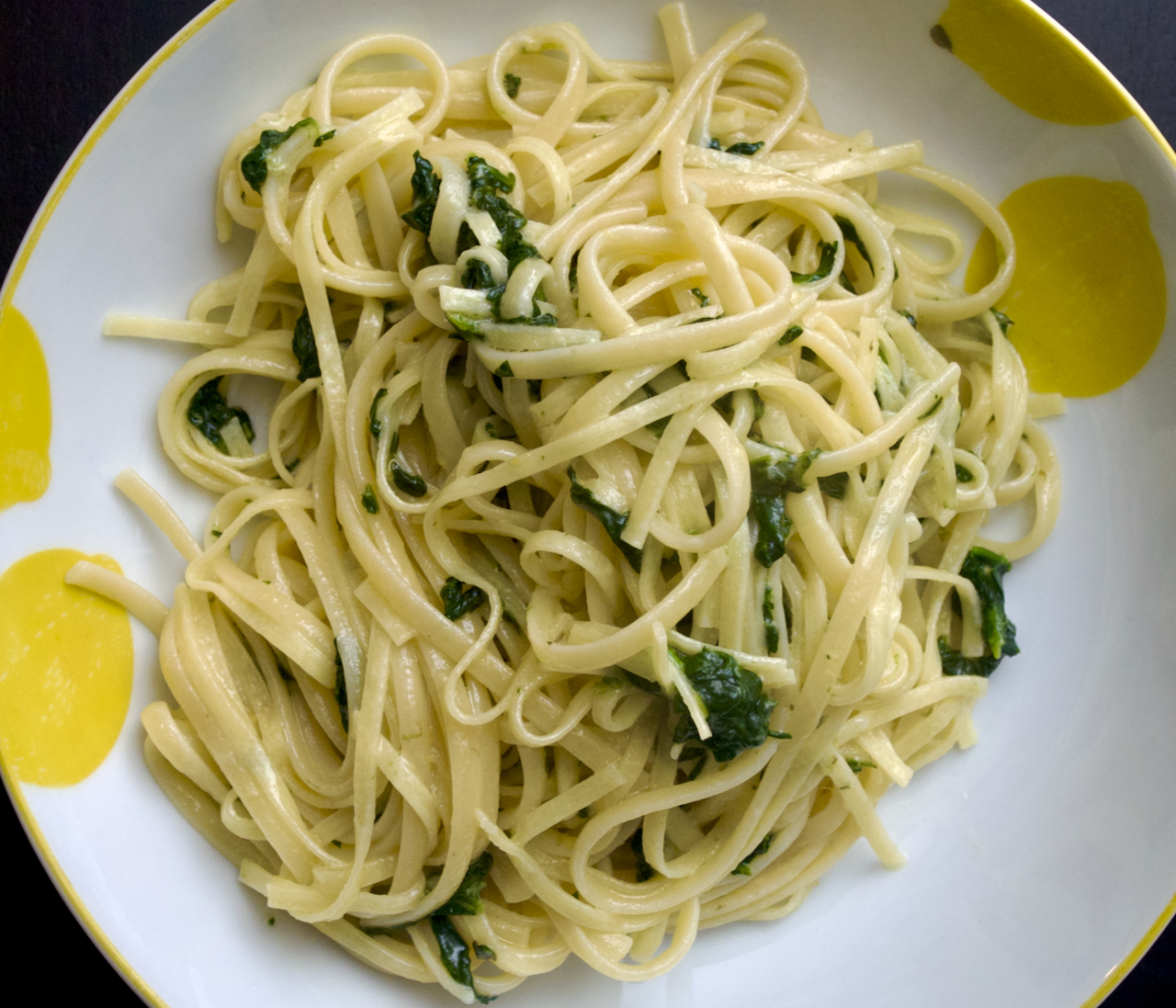
We make an easy pasta dish about once a week and it’s one of the best days of the week.
Wine Suggestion: we think this goes great with Ribolla Gialla, a grape native to the north-east of Italy and Slovenia that can be made in a few styles. We prefer the ones that feature joyful primary fruits with a hint of nutty minerality like the one made by Perusini in Friuli. Light bodied and fruity-floral we think the best are super attractive and we’re surprised we don’t see more around.
Lemon & Spinach Linguine – serves 2
100g spinach, remove any thick stalks but don’t be too fussy
1 large lemon, zested
250g linguine
1 large clove of garlic
50g butter
2 tbsp olive oil
40g Parmesan, grated
Get a bowl of iced water ready.
Wash the spinach, then put the wet leaves into a shallow pan over a medium-high heat, cover tightly and cook for 3-4 minutes. Remove the lid and turn the spinach over with a wooden spoon, then cover again and cook for 2 minutes.
Use tongs to lift the spinach and drop it into the iced water. As soon as it is cold, squeeze out as much water as possible, then roughly chop.
Cook the linguine in lots of very salty water for whatever time the packet says.
Lightly crush the garlic with the flat side of a knife, without peeling it.
Warm the butter, squashed garlic, and olive oil in a shallow pan over a medium heat for a few minutes, then remove and discard the garlic clove. Add the lemon zest and spinach to the pan.
Drain the pasta and toss in the warm butter. Squeeze some lemon juice over and sprinkle with Parmesan.
We initially made this on the first day of Spring, just as the wild garlic arrived and we had a big dump of snow … Irish weather! The wild garlic has lasted quite a while this year which has meant this has been easily reprised, and enjoyed.
Wine Suggestion: we think that wines that work well with asparagus also do great with wild garlic, so opted for Höpler’s Grüner Veltliner from Burgenland, Austria. With a fresh, zippiness and citrus twist it was charming and helped us to imagine sunny weather just around the corner.
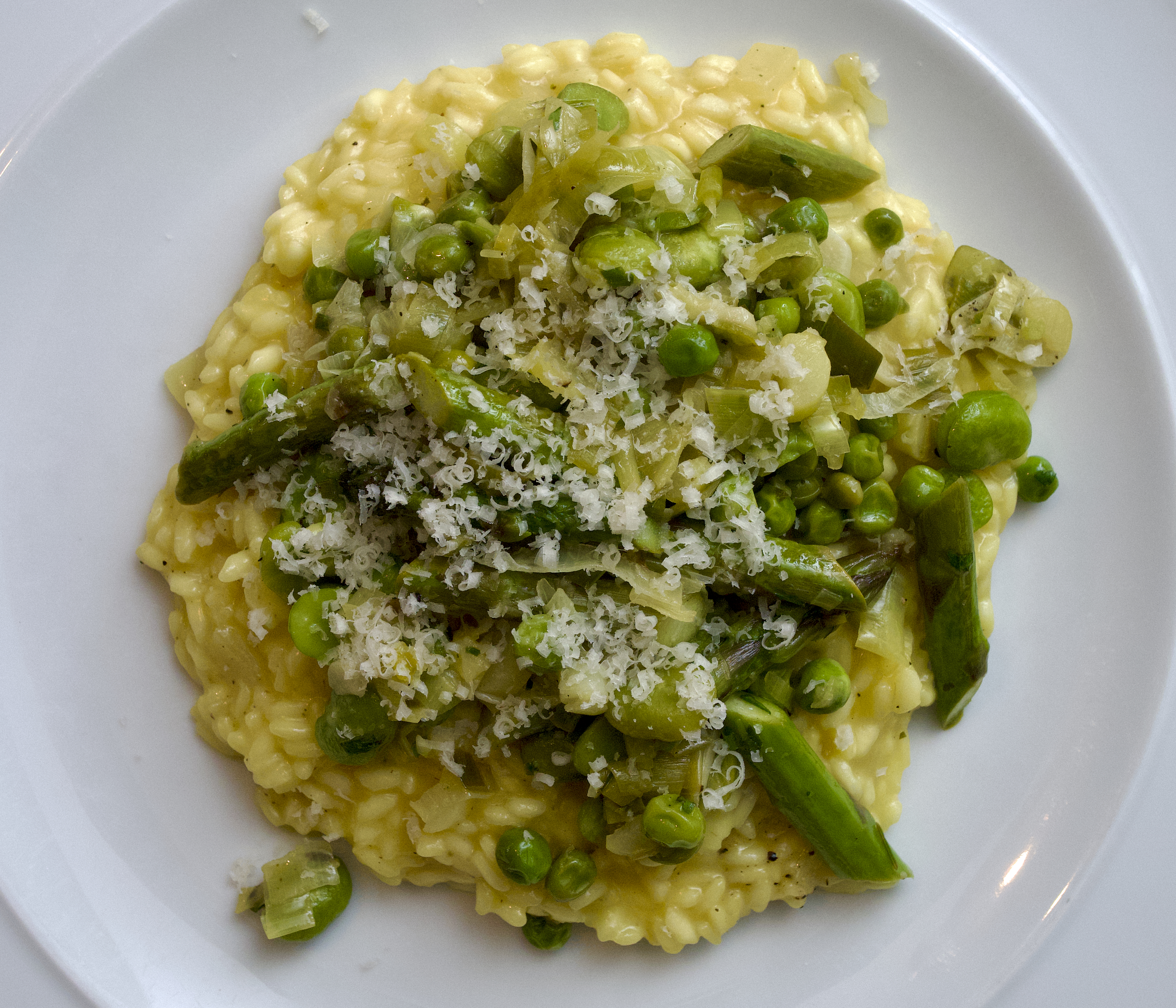
Wild garlic, broad bean & leek risotto – serves 4
300g frozen broad beans, defrosted
60g buter
1 leek, halved lengthways and finely sliced
300g Arborio rice
100ml white wine
1-1.2 litres hot vegetable stock
a handful of wild garlic, chopped
60g Parmesan, grated
Blanch the beans in boiling water for a minute, then drain and pop them out of their skins.
Melt half the butter in a large pan and sweat the leek for 3-4 minutes or until soft, then stir in the rice. When the rice is glistening, add the white wine and allow to boil and bubble up.
Gradually add the hot stock, a ladleful at a time, stirring until absorbed before adding the next. Continue until you have only a few ladlefuls left, then stir in the broad beans and the rest of the stock.
Remove the pan from the heat and stir in the wild garlic, three-quarters of the Parmesan and the rest of the butter. Season with salt and pepper and serve with the rest of the Parmesan.
(Original recipe from Rick Stein’s Simple Suppers, BBC Books, 2023.)
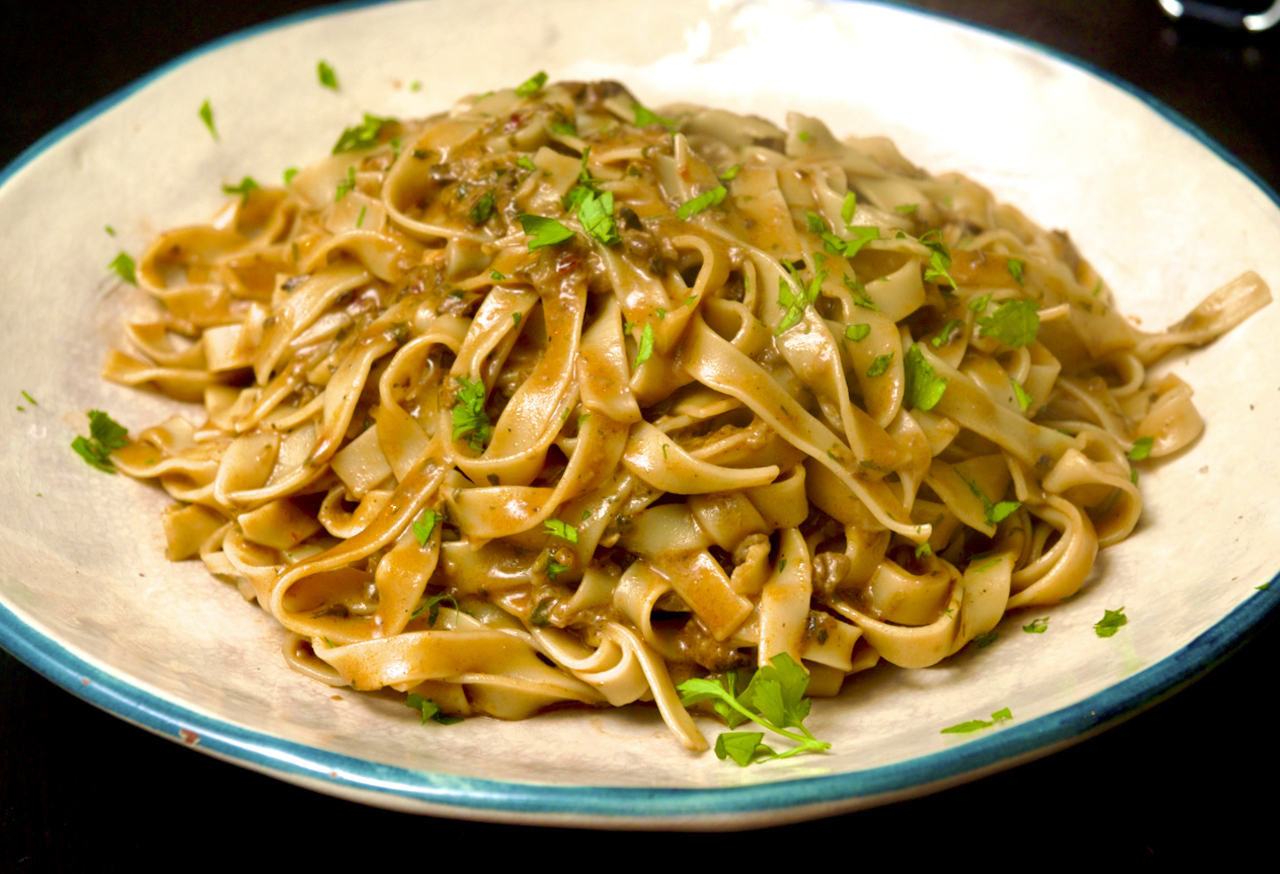
This has a surprising umaminess given the short cooking time. A dish for mushroom lovers.
Wine Suggestion: We enjoy pairing mushroom dishes with Nebbiolo and really enjoy stepping outside the box to find versions made outside it’s native Piedmont. Tonight a glass of Clendenen Family Vineyards (Au Bon Climat) “Pip” from the Santa Maria Valley in California, which despite it getting some of the famous sunshine, is also a very cool area with fog … just like Piedmont. We liked it a lot.
Porcini sauce for tagliatelle – serves 2
40g dried porcini
4 tbsp olive oil
3 cloves of garlic, very finely chopped
½ tsp chilli flakes
10g fresh parsley (stalks and leaves), finely chopped, plus extra to serve
a big pinch of fine sea salt
1½ tbsp tomato purée
about 50 twists of freshly ground black pepper
250g dried tagliatelle
40g Parmesan, very finely grated, plus extra to serve
3 tbsp double cream
Put the dried porcini into a bowl and cover with boiling water, then leave to soak for 10 minutes. Drain, reserving 75g of the soaking liquid. Very finely chop the porcini so it is like the consistency of mince, then set aside.
Put the oil, garlic, chilli flakes, parsley and fine salt into a large sauté pan, then place over a medium-low heat. Fry very gently for 5 minutes or until soft, taking care that the garlic doesn’t turn brown.
Increase the heat, then add the chopped porcini, tomato purée and the pepper. Stir-fry for a few minutes, then set the pan aside while you cook the tagliatelle.
Cook the pasta in boiling salty water until al dente, then drain and reserve 350g of the pasta water.
Return the sauté pan to a medium-high heat, then add the reserved porcini and pasta water. Bring to a simmer and leave to bubble for a few minutes. Add half the Parmesan, stir until melted before adding the rest. Lower the heat, then stir in the cream, followed by the cooked pasta. Toss over the heat for a minute or two until the sauce comes together.
Remove from the heat and serve with more Parmesan and olive oil.
(Original recipe from Mezcla by Ixta Belfrage, Ebury Press, 2022.)
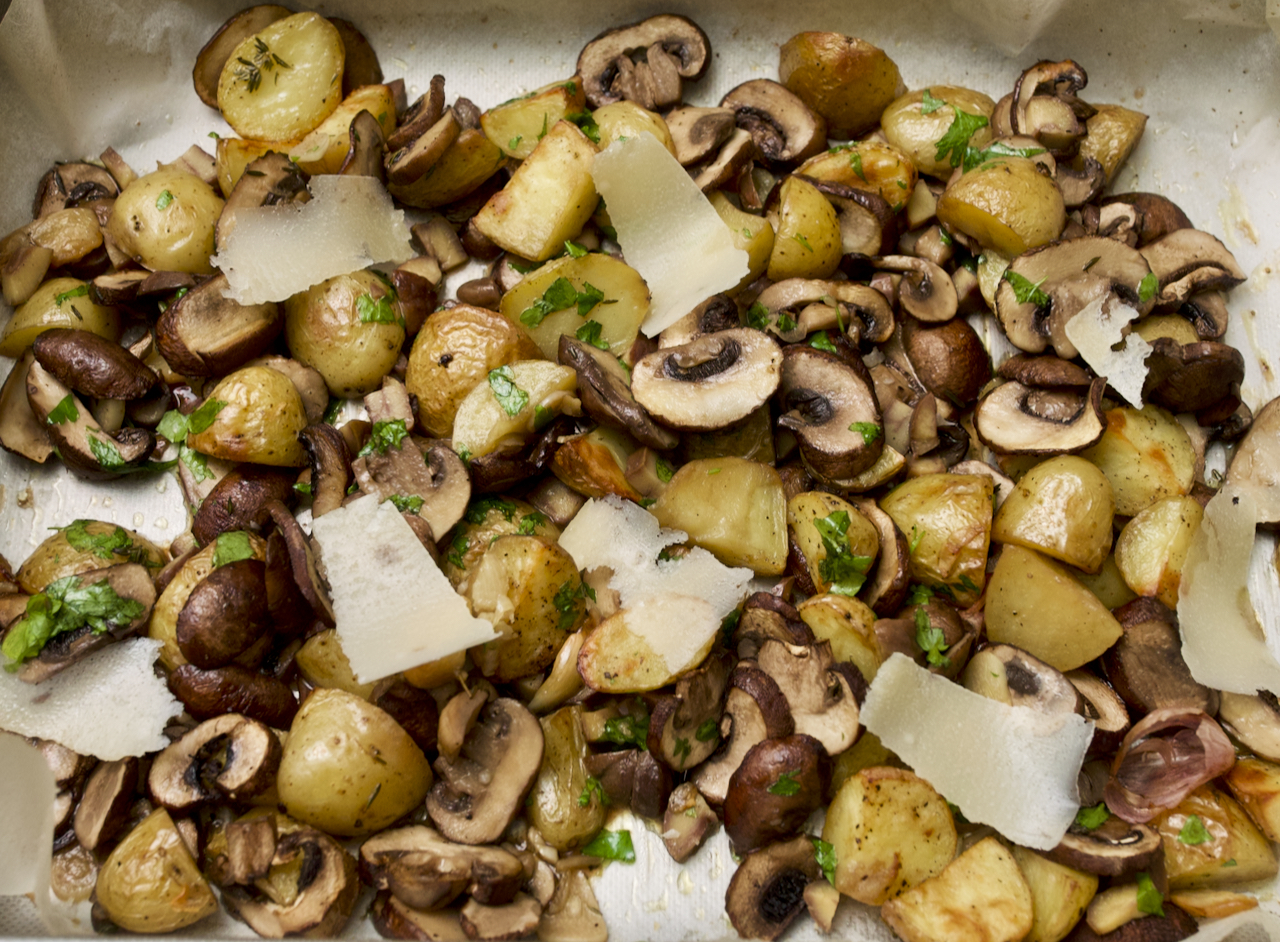
You can’t capture the autumn sliding into winter better than in this dish. It’s perfect for a weeknight main or a side dish at the weekend.
Wine Suggestion: We think Nebbiolo is such a natural pairing with mushrooms, but thought opening a Barolo or Barbaresco was a bit extravagant, so Luigi Pira’s Langhe Nebbiolo was chosen and the gentle leather, spice and tea leaf characters were a delight.
Roast potatoes with mushrooms, chestnuts & sherry – serves 4
1kg waxy potatoes
7 cloves of garlic, 4 unpeeled and smashed, 3 peeled and finely sliced
4 tbsp extra virgin olive oil
3 sprigs of thyme, leaves picked
500g chestnut mushrooms, sliced
3 tbsp dry or medium sherry
75g cooked chestnuts, roughly chopped
a small bunch of flatleaf parsley, finely chopped
100g manchego or Parmesan cheese
Heat the oven to 220C/fan 200C/gas 7.
Line a baking tray with baking paper.
Spread the potatoes over the lined tray alongwith the smashed garlic, olive oil and thyme. Season and toss, then roast for 15-20 minutes or until the potatoes are softened but not cooked through.
Add the mushrooms, sliced garlic and sherry to the potatoes and toss again. Cook for another 20-25 minutes or until the mushrooms and potatoes are cooked. Remove from the oven and add the chestnuts and parsley. Mix well and check the seasoning.
Shave the cheese over the top to serve.
(Original recipe by Claire Thompson in Olive Magazine, October 2020.)
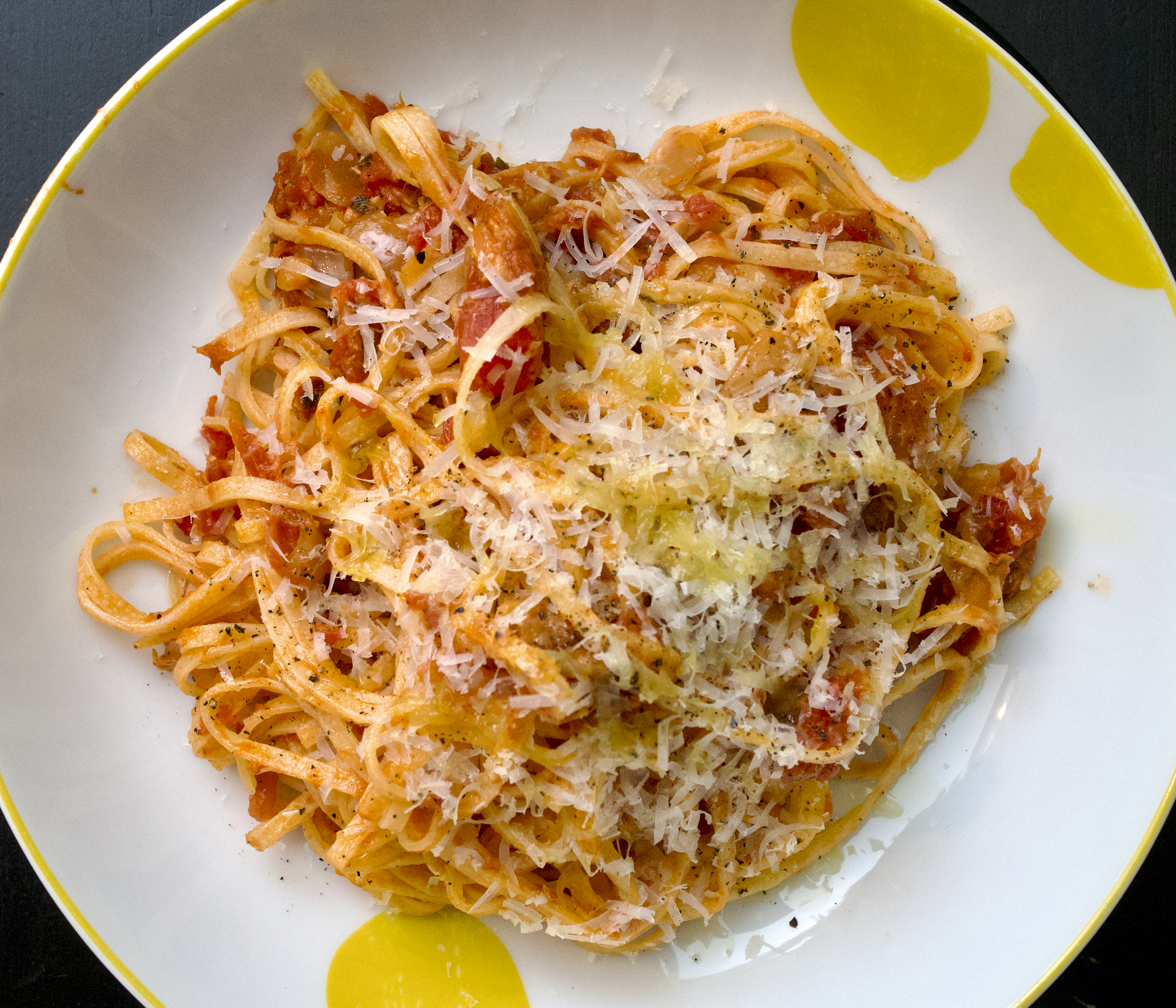
We are never without tins of tuna – Ortiz or Shines are great – and always in olive oil. This sauce takes a while but it’s easy and tastes delicious. The sauce is flavoured with a parmesan rind – you should always keep these as they freeze well and add great savoury flavours to dishes like this, a meaty ragú, or soups.
Wine Suggestion: A little left field and possibly only available when visiting the winery: Chateau du Hureau Blanc de Noirs 2022. A white made from 100% Cabernet Franc from Saumur because the usual vineyard of Chenin Blanc was hit by bad frosts, and the owner Philippe wanted some white to drink … plus he couldn’t resist having a play in the winery at the same time. Fresh but with a real texture with hints of phenolics. Hints of yellow plum, lightly floral, slightly nutty and touches of apple. It really came into it’s own with the food.
Linguine con tonno – serves 4 to 5
60ml extra virgin olive oil, plus extra to serve
1 onion, diced
3 cloves of garlic, finely chopped
1 Parmesan rind
1 tsp dried oregano
1 tbsp tomato purée
2 x 400g tins chopped tomatoes
300g tinned tuna, well drained
500g dried linguine
freshly grated Parmesan, to serve
Put the olive oil in a large pan over a medium heat. Add the onion and some salt, then allow to soften for about 5 minutes without colouring. Add the garlic, Parmesan rind and oregano. Cook for another 2 to 3 minutes, then add the tomato purée and cook for another minute.
Add the tinned tomatoes, season with more salt and bring to the boil, turn the heat down as low as it will go and cook for a couple of hours, stirring every 20 minutes or so. If the sauce starts to stick add a splash of water.
Add the tuna to the tomato sauce, then cook the linguine in lots of salty boiling water. Drain the pasta and return it to the pan. Tip in the tuna sauce and mix through. Serve drizzled with your best olive oil and sprinked with grated Parmesan and black pepper.
(Original recipe from Rick Steain at Home, BBC Books, Penguin, 2021.)
We were lucky to be gifted some top quality Persian saffron by our friend Miriam and therefore couldn’t go past this recipe, and with asparagus still available we couldn’t resist doing this despite it edging into summer.
Wine Suggestion: As this is quite rich, but also has the fresh vegetables, it lends itself to a deftly handled new world Chardonnay. Au Bon Climat is our go to choice and their Wild Boy is a perfect expression with a good blend of butter, ripe fruits and a flinty, salty core.
Saffron risotto with spring veg – serves 4
1.2 litres vegetable stock (we use Marigold Swiss Bouillon)
½ tsp saffron threads
1 tbsp rapeseed oil
a knob of butter
1 onion, finely chopped
350g risotto rice
150ml dry white wine
50g freshly grated Parmesan, plus extra to serves
FOR THE VEGETABLES
175g frozen broad beans, blanched and popped out of their skins
1 tbsp rapeseed oil
a knob of butter
2 small leeks, thinly sliced
2 garlic cloves, thinly sliced
4 tbsp dry white wine
1 bunch of fine asparagus, trimmed and cut into 2.5cm pieces
100g frozen peas
1 tbsp chopped flat-leaf parsley
1 tbsp chopped chives
juice of ½ lemon
Bring the stock to a gentle simmer in a saucepan.
Heat a sauté pan over a medium-high heat. Add the saffron and heat for a minute, shaking the pan, until the threads are dry and fragrant.
Add the oil and butter to the saffron, then tip in the onion and add plenty of seasoning. Sauté for 5 minutes, until softened but not coloured. Stir the rice into the onion and cook for 1 minute to coat the grains in the oil, then pour in the wine and bubble for a minute, stirring.
Add a ladle of stock to the rice pan and stir until completely absorbed. Keep adding a ladle of stock at a time, stirring until absorbed before adding another.
After 10 minutes, and at the same time, start cooking the veg. Heat a large non-stick frying pan over a medium heat. Add the oil and butter, then add the leeks and garlic. Season with salt and sauté for 4-5 minutes, until tender. Pour in the wine and allow to bubble down.
Add the asparagus and a splash of the stock from the risotto and simmer for a couple of minutes, until bright green and tender but still crisp. Add the broad beans and peas and cook for another 2 minutes. Remove from the heat and stir in the herbs and lemon juice; season to taste.
While this is happening, continue cooking the risotto, adding stock as necessary. After about 25 minutes the rice should be al dente. Remove from the heat, stir in the Parmesan and season to taste.
Divide the risotto between warm plates and spoon the veg into a well in the centre, then scatter over some more Parmesan and serve. We like a drizzle of best olive oil over the top too.
(Original recipe from More Midweek Meals by Neven Maguire, Gill Books, 2022).
You too can make a pasta cake like this on a Monday, trust us. Who knew it would be so easy to get cooked rigatoni to sit upright in a cake tin? The results are fun and although it will fall apart when you start serving, you can get your insta photo beforehand.
Wine Suggestion: Something fun, red and Italian like Umani Ronchi’s Rosso Conero Serrano. A blend of smooth Montepulciano and vibrant Sangiovese, this wine is fun and easy, but tied together with energy and vitality.
Torta di rigatoni – serves 4
butter, to grease the tin
4 tbsp breadcrumbs
325g rigatoni pasta
handful of basil leaves, finely chopped
250g mozzarella, cubed (buy a block of mozzarella, not buffalo)
50g grated Parmesan
FOR THE TOMATO SAUCE:
2 tbsp extra virgin olive oil
1 garlic clove, peeled and bashed
2 x 400g tins chopped tomatoes
a handful of basil leaves
Heat the oven to 180C/160C fan/gas 4.
Line the base and sides of a loose-bottomed, 20cm round cake tin with baking parchment, then butter and coat in the breadcrumbs.
Get the sauce going first. Heat the olive oil in a medium saucepan over a medium heat, then add the garlic clove and cook for about a minute. Add the chopped tomatoes, most of the basil leaves and season well with salt. Cover and simmer for 25 minutes, stirring occasionally.
Meanwhile, cook the pasta in lots of boiling salty water until al dente. Drain well, then mix with the chopped basil, half the mozzarella, some black pepper, half the tomato sauce (throw away the garlic) and half of the Parmesan. Leave to cool until the pasta is cool enough to handle.
Place the rigatoni upright in the cake tin. Pour over the remaining tomato sauce, then scatter over the rest of the mozzarella and Parmesan. Bake for 25 minutes, until golden. Leave to rest for 5 minutes before attempting to release from the tin, then scatter over a few basil leaves to serve.
(Original recipe by Gennaro Contaldo IN BBC Good Food Magazine, April 2020.)
Who can resist a stuffed pasta shell? In this one the joy is the balance between fresh ricotta, iron-rich kale, and a rich tomato sauce.
Wine Suggestion: We’d suggest the open, accessability of a youthful Barbaresco from Piedmont, as opposed the depth and moodiness of a Barolo. We have at hand Pico Maccario’s rendition that has a sense of fun which is sometimes lost by winemakers trying to make the next best thing … and we applaud them; wine is to be drunk and enjoyed too.
Conchiglioni stuffed with kale, spinach and ricotta – serves 4
Blanch the kale in lots of salty boiling water, then remove from the pan with a slotted spoon and straight into a bowl of iced water. Repeat with the spinach but cook for just 30 seconds.
Squeeze all the water out of the spinach and kale and put into a food processor. Add the chilli and parsley, then whizz for a few seconds. Scrape out into a bowl and add the ricotta, 30g of the Parmesan, the numeg, and lemon zest. Stir well to combine, then transfer to a piping bag.
Preheat the oven to 220C/200 Fan/Gas 7.
Bring a large pan of salty water to the boil and cook the pasta for 10 minutes – it should be a little more than al dente. Drain and leave until cool enough to handle.
Pour the tomato sauce into a medium-sized baking dish.
Pipe the kale mixture into the pasta shells and settle them snugly into the tomato sauce, pushing them down a little. Tear the mozzarella over the top and sprinkle with the rest of the Parmesan.
Bake in the hot oven for 20 minutes, then serve with a green salad.
(Original recipe from Slow by Gizzi Erskine, HQ, 2018.)



 Jono & Jules do food & wine

