Feeds:
Posts
Comments

Archive for the ‘Italian’ Category

Red Onion, Mushroom & Blue Cheese Pizza

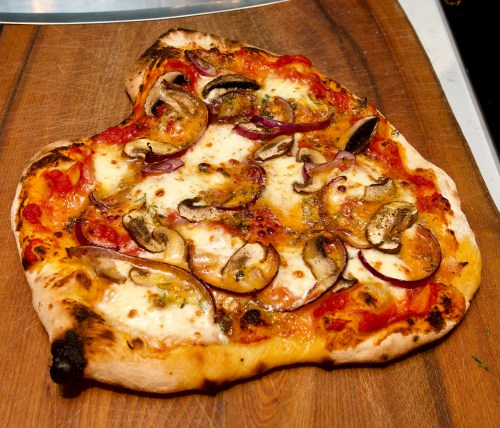
We’ve been experimenting with our new Ooni Pro pizza oven. This is the very first pizza we made and it turned out pretty good. The recipe is by Gill Meller (of River Cottage fame) and we’ve since seen that he’s working with Ooni – a match made in heaven!

Wine Suggestion:  a joyful red, preferably Italian to match the mood. Tonight the Rocca delle Macie Chianti Classico, but we’ve equally enjoyed wines from Abruzzo, Piedmont and Sicily to name a few with pizzas like these. Just make sure it isn’t too heavy or alcoholic though – light to medium bodied.

Gill’s Favourite Pizza – makes 3 large pizzas

FOR THE TOMATO SAUCE:

  • 1 tbsp extra-virgin olive oil
  • 2 cloves of garlic, peeled and sliced
  • 1 x 400g tin chopped tomatoes (good ones!)
  • 1 tsp sugar
  • 1 bay leaf

FOR THE BASE:

  • 500g strong bread flour, plus extra for dusting
  • 10g salt
  • 2 tbsp extra-virgin olive oil, plus extra for greasing
  • 1 tsp instant dried yeast
  • 320ml lukewarm water

FOR THE TOPPING (PER PIZZA):

  • 3-4 tbsp tomato sauce
  • 1 ball of mozzarella, torn
  • 100g chestnut mushrooms, thinly sliced
  • ½ small red onion, thinly sliced
  • 75g blue cheese, crumbled
  • 2 or 3 thyme springs, leaves picked

To make the sauce, heat a medium pan over a moderate heat. Heat the olive oil in the pot, then add the garlic. Sizzle for about 30 seconds, then add the tomatoes,  half a tin of water and the bay leaf. Cook for 30-40 minutes, stirring now and then. Season with salt and pepper and set aside.

To make the base, put the flour, salt and olive oil in the bowl of a food processor fitted with a dough hook. Combine the yeast and water in a jug and whisk to dissolve. Pour this over the flour and allow the machine to run for 4-5 minutes or until the dough is soft and smooth. You can also knead by hand but it will take a lot more effort and about 10 to 12 minutes.

Lightly grease a bowl with olive oil and place the dough inside. Cover with a damp tea towel and allow to prove for 3-4 hours at room temperature or overnight in the fridge.

Preheat the oven to 240C/475F/gas mark 9½ (or if you have a pizza oven you can get it going).

Heat a baking sheet or pizza stone inside the oven.

Turn the dough out onto a lightly floured surface, knock it back, then left it rest for a few minutes. Dust the dough with more flour, then roll each ball out thinly. Remove the hot baking sheet or pizza stone from the oven and lay on the pizza dough. Top the pizza as quickly as you can. Gill suggests tomato sauce followed by mozzarella, mushrooms, onion, blue cheese and thyme. Trickle some olive oil over the top and season well. Bake for 10-12 minutes or until crispy and golden. Serve straight away and repeat with the remaining dough.

(Original recipe from Time: A Year & a Day in the Kitchen by Gill Meller, Quadrille, 2018.)

Read Full Post »

Mussels & cockles with garlic breadcrumbs

This is a great starter from Polpo that tastes similar to stuffed mussels but is nowhere near as fiddly to prepare. We used cockles instead of clams as that is what we could get the day we cooked this.

Wine Suggestion: we’d suggest a white from central or sourther Italy for this dish. Tonight it was a Verdicchio from the Marches, the Tralivio by the Sartarelli family which combines citrus, apricots and wild herbs with texture, body and hints of a bitter almond on the finish. Very attractive, refreshing and a perfect food wine.

Mussels & Clams with Garlic Breadcrumbs – serves 4 – 6 as a starter

  • 100g old bread
  • extra virgin olive oil
  • a small handful of flat parsley leaves, chopped
  • a large pinch of dried chilli flakes
  • 1 garlic cloves, finely chopped
  • flaky sea salt and black pepper
  • 1 kg mussels
  • 1kg clams
  • 100ml white wine
  • bread, to serve

Preheat the oven to 180ºC/Gas 4.

Tear the old bread into pieces, then scatter over a baking tray and pour over plenty of olive oil over them. Put the tray into the oven for 5 minutes or until the bread is crisp and golden, then set aside.

When the bread has cooled blitz it in food processor with the chopped parsley, half the dried chilli, half the garlic and some seasoning. When the bread has turned to fine crumbs, taste some and adjust the seasoning and add some more oil if they are too dry.

Clean the mussels and clams in cold running water and discard any that are damaged or that stay open when tapped.

Heat a large pan and add some olive oil. Throw in the mussels and clams with the rest of the chilli and garlic and stir until the shells start to open. As they do, pour in the white wine and cover the pan with a lid. The shells should all have opened after a couple of minutes, throw away any that haven’t opened.

Add a handful of breadcrumbs to the pan to thicken the sauce. Spoon the mussels and clams into shallow bowls and sprinkle with the rest of the crumbs. Serve immediately with crusty bread if you like.

(Original recipe from Polpo by Russel Norman, Bloomsbury, 2012.)


Read Full Post »

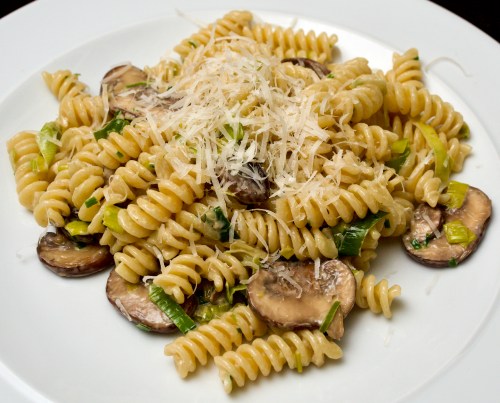
Fusilli with Chestnut Mushrooms, Leeks and Mascarpone Cheese

This pasta sauce can literally be made in the same time as it takes to boil the pasta. The recipe is easily halved for two and therefore good for using up mascarpone.

Wine Suggestion: A tasty supper like this pairs well with unoaked Chardonnay, particularly from slightly cooler areas like the Maçon in Burgundy. Tonight’s choice, the Domaine Manciat-Poncet Maçon-Charnay which has a fresh joy to it with red apples and citrus flavours.

Fusilli with chestnut mushrooms, leeks and mascarpone cheese – serves 4

  • 45g butter
  • 250g chestnut mushrooms, sliced
  • 2 leeks, washed and sliced
  • 2 garlic cloves, peeled and finely chopped
  • 250g mascarpone cheese
  • 3 tbsp finely chopped chives
  • 4 pinches of cayenne pepper
  • 400g fusilli pasta
  • plenty of freshly grated Parmesan to serve

Heat a large frying pan over a medium heat, then add the butter and allow to melt. When the butter is foaming add the mushrooms, leeks and garlic and fry for 5 minutes.

Add the mascarpone and cook for another minute or so, stirring continuously. Stir in the chives and cayenne pepper, then season carefully with salt and remove from the heat.

Meanwhile cook the pasta in lots of salty water according to the timings on the pack, then drain and return to the same pan.

Pour the mushroom sauce into the pasta pan and stir together for 30 seconds before dividing between warm bowls.

Sprinkle over the Parmesan and serve.

(Original recipe Gino’s Pasta by Gino D’Acampo, Kyle Books, 2010.)

Read Full Post »

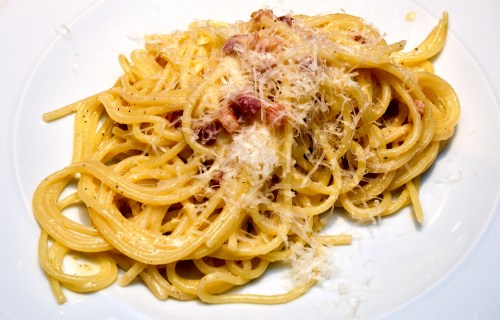
Spaghetti Carbonara

We’re not in the least offended by a splash of cream in a carbonara but this is the traditional version made with nothing but eggs, pecorino and pancetta. The quality really matters when you’re using just a few ingredients so definitely go for the best you can find or afford.

Wine Suggestion: An Italian white like a Pecorino from the Marches springs to mind, but some of the fuller textured wines from Lugana or Friuli from the North, or a Greco from the South make a good alternative; a layered texture and freshness is what your looking for to match this dish.

Spaghetti all carbonara – serves 4

  • 400g spaghetti
  • 100g pancetta lardons or guanciale
  • butter
  • 1 clove of garlic, halved
  • 4 eggs
  • 100g pecorino (or Parmesan), grated

Cook the pasta, according to the timings on the pack, in plenty of salty water.

Meanwhile, put the pancetta into a cold frying pan and bring slowly up to a high heat. When the pancetta has started to release its fat, add a knob of butter and the garlic, then turn down to medium. Fry until the pancetta is browned but not too crispy or it will harden. Discard the garlic and keep the pan warm.

Beat the eggs with most of the cheese. When the pasta is done, drain it, and keep a few tablespoons of cooking water. Tip the pasta back into the hot pasta pan, but off the heat. Add the egg mixture and pancetta and toss everything together quickly. Season with plenty of black pepper and add a bit of water to loosen the sauce if needed. Serve sprinkled with the remaining cheese.

(Original recipe by Lulu Grimes in Olive Magazine, October 2011.)

Read Full Post »

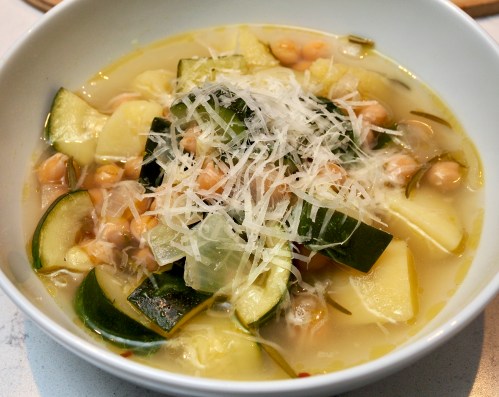
Potato, Courgette, Chickpea and Rosemary soup

This is such a simple soup but it just tastes full of goodness. We loved it and we are loving Rachel Roddy’s cookbook – Two Kitchens – which is full of simple ideas that work perfectly.

Potato, chickpea, courgette and rosemary soup – serves 4 – Zuppa di patate, ceci, zucchine e rosmarino

  • 1 large white onion, chopped
  • 6 tbsp extra-virgin olive oil
  • 1 large sprig of rosemary
  • 1 large potato, diced
  • 2 medium courgettes, diced
  • a pinch of red chilli flakes
  • 800g tinned chickpeas, drained
  • grated pecorino, we used lots but as you please

Warm the olive oil and onion in a heavy-based pan over a medium-low heat and cook until the onion is soft. Add the rosemary and cook for another minute or two.

Add the courgettes and potatoes to the pan with the chilli flakes and stir until everything is coated in the oil.

Add the chickpeas,  1 litre of water and some seasoning.

Bring the soup to a gentle boil, then reduce the heat to a simmer and cook for about 30 minutes, or until the potatoes are beginning to fall apart. Taste for seasoning and serve with the cheese.

(Original recipe from Two Kitchens – Family Recipes from Sicily and Rome by Rachel Roddy, HEADLINE HOME, 2017)

Read Full Post »

Fish in Spicy Tomato Sauce with Capers and Olives

It seems like so long since we’ve cooked fresh fish, but tonight was the night. We’ve had Rachel Roddy’s book (Two Kitchens: Family Recipes from Sicily and Rome) for ages now but this has been its first outing (for reasons that we won’t bore you with here). This dish was everything we hoped for – quick for a Friday night but absolutely packed with all the flavours that this family loves. We served with couscous but rice or bread are also suggested. Well done Rachel!

Wine Suggestion: we were seduced by the Sicilian white, the Gulfi Carjcanti, a blend of Carricante and the ancient Albanello. Lively and herbal alongside a salty sapiness in the flavour making this a great wine to pair with seafood, let alone the olives, capers and tomatoes in this dish.

Fish in spicy tomato sauce with capers and olives (Pesce all ghiotta) – serves 4

  • 1 onion, finely diced
  • 2 celery sticks, remove the strings and finely dice
  • 100ml extra-virgin olive oil
  • 500g fresh tomatoes, or tinned plum tomatoes drained of the juice
  • 1 tsp sugar (optional but sometimes good if using tinned tomatoes)
  • a pinch of red chilli flakes
  • 50g salted capers, rinsed
  • 60g olives – we used a mixture of green and black
  • 4 fish fillets (cod, bream or hake – we used hake), about 120g each
  • 1 heaped tbsp of chopped flat-leaf parsley

Take your fish out of the fridge and season it with a little salt.

Gently fry the onions in a deep frying pan, large enough to fit the hake fillets in a single layer later, until soft and translucent.

Add the celery and cook for a few minutes, then add the tomatoes and chilli and simmer gently for 10 minutes.

Add the capers and olives and simmer for another couple of minutes.

Take the pan off the heat, make a space in the sauce and arrange the fish fillets, skin-side down, in a single layer, then spoon over some of the sauce. Put the pan back over a low heat and simmer very gently, spooning more sauce over occasionally, until the fish is cooked through – watch carefully as it shouldn’t take too long. Sprinkle with the parsley and serve.

(Original recipe from ‘Two Kitchens – Family Recipes from Sicily and Rome’ by Rachel Roddy, HEADLINE HOME, 2017)


Read Full Post »

This veggie pasta dish uses shop-bought ravioli and the whole thing cooks in one pan in the oven. Couldn’t be simpler and really tasty on a night when time is short (which is every night for us at the minute).

Wine Suggestion: a lemony, fresh white like the Umani Ronchi Ca’Sal di Serra Verdicchio which is crisp and pure with lovely vibrant fruit. It tastes of summer which we’ve had a reprise of these last few days.

Creamy Lemon & Spinach Ravioli – serves 2

  • 250g pack spinach & ricotta ravioli (or another flavour if you prefer)
  • 100g frozen peas
  • 100g baby spinach, chopped
  • 200ml hot vegetable stock
  • 4 tbsp soft cheese, we used Philadelphia
  • 1 lemon, zested and juiced
  • 50g Parmesan, grated

Heat the oven to 200C/fan 180C/gas 6.

Spread the ravioli over a baking dish and scatter over the peas and spinach.

Whisk the hot stock, soft cheese, lemon zest and juice and half the Parmesan together in a jug. Season well, then pour over the ravioli. Cover the dish with foil and bake for 10 minutes.

Remove the foil, scatter over the rest of the cheese, then bake for another 5 minutes before serving.

(Original recipe by Janine Ratcliffe in Olive Magazine, September 2019)

Read Full Post »

Radiatori with Sausage & Saffron

We’re getting a new kitchen and currently trying to clear the cupboards of as many ingredients as possible to save us having to pack them away. I don’t know why we bought a bag of radiatori pasta, maybe we just liked the look of it, but a quick flick of the books turned up the perfect recipe. Do find Italian sausages if you can (we used luganega but you can often find good pork and fennel ones too) as they’re a lot denser than our traditional sausages. Gone are the days when we used to beg Italian restaurants to sell us some!

Wine suggestion: the saffron gives this dish a refinement and character a little different to some other Italian / pasta recipes and we think that the newly classic wines of the Tuscan coast, specifically Bolgheri and northern Maremma suit the dish really well. For sheer value we’d open a bottle Argentiera’s Poggio ai Ginepri which is Cabernet Sauvignon led. However, if you can stretch further then the Cabernet Franc led wines of Biserno, like their il Pino would make this dish feel like a proper event – as all Friday night dishes should be!

Radiatori with Sausage & Saffron – serves 4 to 6

  • 3 tbsp olive oil
  • a large onion, roughly chopped
  • 500g Italian sausages, remove the skins and break up the meat with your hands
  • ¼ tsp of saffron threads
  • 600ml passata
  • 500g radiatori pasta
  • basil & grated pecorino (to serve)

Warm the oil in a heavy casserole. Add the onion with a pinch of sea salt and cook over a medium-low heat for about 10 minutes or until softened.

Turn the heat up, then add the sausagemeat, keep breaking it up with your spoon if needed, and stir until it loses its raw appearance, then add the saffron and passata. Bring to a bubble and turn the heat down low and simmer gently for 40 minutes.

Place a lid on the casserole and turn off the heat, then cook the pasta in lots of boiling, salty water for the time on the packet. Reserve a few ladlefuls of pasta water before you drain it.

Tip the pasta into the sauce and toss together, adding a bit of pasta water to help it come together if needed. Serve sprinkled with basil and pecorino.

(Original  recipe from At My Table by Nigella Lawson, Chatto & Windus, 2017.)

Read Full Post »

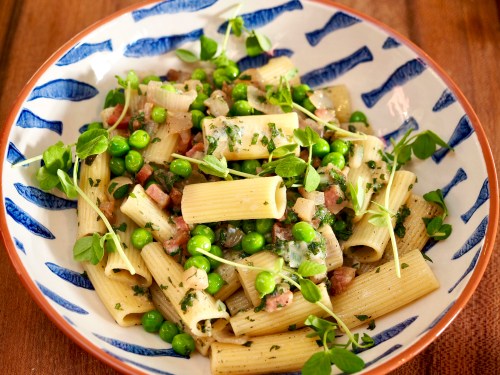
Pasta with Fresh Peas, Guanciale, Mint & Pecorino

We hardly ever buy fresh peas in the pods as they rarely taste as good as frozen peas (must be Birdseye!), frozen the minute they are picked and therefore guaranteed fresh. Of course if you can pick your own that’s a different matter. We took a chance on some peas in their pods in our local veg shop to make this, but if you’re fortunate to be growing them yourself you have no such worries. The pea shoots are a really nice addition if you can find them.

Wine Suggestion: Our choice tonight is a Gavi di Gavi made by Pico Maccario in the Piedmont and the lemony edge to the wine added a nice extra dimension.

Pasta with fresh peas, guanciale, mint & pecorino – serves 2

  • 350g fresh peas, in their pods
  • 80g piece of guanciale (cured pig’s cheek) or smoked pancetta, finely diced
  • 150g dried rigatoni or similar
  • 2 shallots, peeled and roughly chopped
  • ½ a lemon
  • 15g of fresh mint, leaves stripped and finely chopped
  • 30g pecorino cheese, finely grated,  plus extra to serve
  • peas shoots, to serve (optional)

Pod the peas and put the pods in a pot of boiling salted water for 5 minutes, then scoop the pods out and discard (don’t discard the water).

Meanwhile, tip the guanciale into a large cold non-stick frying pan and put over a medium heat to render the fat, tossing often.

Cook the pasta in the pea pod flavoured water according to the timings on the pack.

Add the shallots to the guanciale pan and cook for 5 minutes or until lightly golden. Add the peas and a good splash of water, then finely grate in the lemon zest. Cover and cook gently for 5 minutes, tossing occasionally.

Drain the pasta but reserve a mugful of the cooking water. Tip the pasta into the frying pan, then remove from the heat and toss well. Stir in the mint and pecorino, shaking the pan. Loosen with a little pasta water if needed, then season and serve with extra pecorino, a drizzle of good olive oil, a squeeze of lemon and a few pea shoots.

(Original recipe from Jamie Cooks Italy by Jamie Oliver, Michael Joseph, 2018.)


Read Full Post »

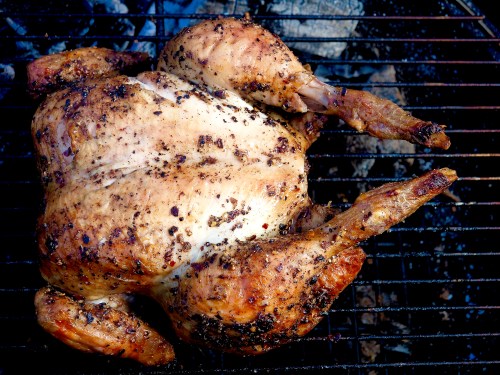
Devilled BBQ Chicken

Spatchcocking chicken is a great way to cook chicken on the barbecue. This works best over indirect heat – using a charcoal barbecue you need to push the hot coals to the sides rather than directly underneath the chicken. It’s all too easy to undercook chicken on a barbecue so we recommend using a meat thermometer if you have one – the chicken should get to at least 57-60C in the centre of the breasts.  Serve with salad and chips or jacket potatoes.

Wine Suggestion: We’d suggest a juicy, lighter bodied red for this dish and a youthful Beaujolais cru came to hand, the Rochette Morgon Cote du Py which had both depth and joyfully youthful freshness; a good balance to the peppery warmth and BBQ charring.

Devilled Grilled Chicken – serves 4

  • 1 x 1.5kg free-range chicken
  • 1 tbsp black peppercorns
  • 1 tsp crushed dried chillies
  • 175ml olive oil
  • juice of ½ a lemon
  • 2 garlic cloves, crushed
  • lemon wedges, to serve

Ask your butcher to spatchcock the chicken for you or alternatively put it onto a chopping board, bread-side down, and cut along either side of the backbone with kitchen scissors. Open the chicken, turn it over and press down hard on the breastbone so it lies flat.

Coarsely crush the peppercorns in a mortar and pestle. Add the chilli flakes and crush a little more.

For the marinade, mix the olive oil with the lemon juice, garlic and ½ tsp of salt. Put the chicken into a shallow dish or tray and pour over half the marinade. Turn the chicken over a couple of times to coat it and finish with the skin-side up. Sprinkle with three-quarters fo the pepper and chilli mixture, then cover with clingfilm and leave to marinate for at least 1 hour.

Light your barbecue about 40 minutes before you want to start cooking and rearrange the coals for indirect cooking (see introduction).

Mix the remaining pepper and chilli mixture into the reserved marinade and use this to baste the chicken as it cooks.

Remove the chicken from the marinade and season on both sides with sea salt. Discard the marinade left in the dish.

Put the chicken carcass-side down onto the barbecue and cook for 15-20 minutes, basting with a little of the leftover marinade occasionally. Turn the chicken over and cook for another 15-20 minutes and continue to baste. Keep working like this until the chicken is cooked through and the skin is crispy (ideally use a meat thermometer and test the breast until it reaches 57-60C). It will. probably take 15 minutes per 450g plus 20 minutes, but this is really dependant on the BBQ on the day

Heat through the remaining basting mixture and pour off the excess oil.

Carve the chicken into pieces and serve with the basting mixture and lemon wedges.

(Original recipe from Rick Stein’s Mediterranean Escapes, BBC Books, 2007.)


Read Full Post »

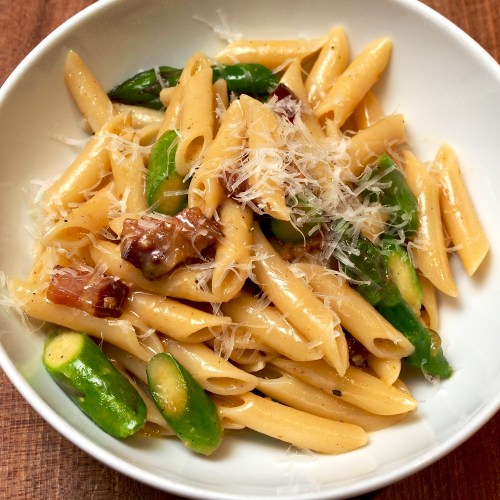
Asparagus Carbonara

Classic carbonara is in no way sullied by the addition of asparagus and in our house at the moment it’s asparagus with everything!!

Wine Suggestion: A difficult decision given the awkwardness of asparagus and wine, plus the creamy richness of the sauce. We settled on the delightful Chateau les Charmes Godard, a Sauvignon (Blanc & Gris) and Semillon blend from Bordeaux and were reminded why we love whites from this region, especially with food.

Asparagus Carbonara – serves 4

  • 200g pancetta or streaky bacon, cut into bite-sized pieces
  • 350g pasta
  • 2 bunches of thin asparagus, trimmed and cut into bite-size pieces
  • 2 cloves of garlic, finely chopped
  • 3 eggs
  • a large handful of grated Parmesan, plus extra to serve

Heat some olive oil in a frying pan over a moderate heat. Add the pancetta and fry for about 5 minutes, or until turning crispy.

Meanwhile, bring a large pan of salty water to the boil. Boil the pasta until al dente, then drain and reserve some of the pasta cooking water.

Add the asparagus and garlic to the pan with the bacon. Season with lots of black pepper and cook for 4-5 minutes or until the asparagus is cooked (it will take a bit longer if your asparagus is thick).

Break the eggs into a small bowl and whisk with the Parmesan and a splash of the cooking water.

Add the cooked pasta to the asparagus pan, then remove from the heat and stir in the egg mixture to combine. Add another splash of cooking water if needed to make a sauce.

Serve right away with extra Parmesan.

(Original recipe from New Kitchen Basics by Claire Thomson, Quadrille, 2019.)

Read Full Post »

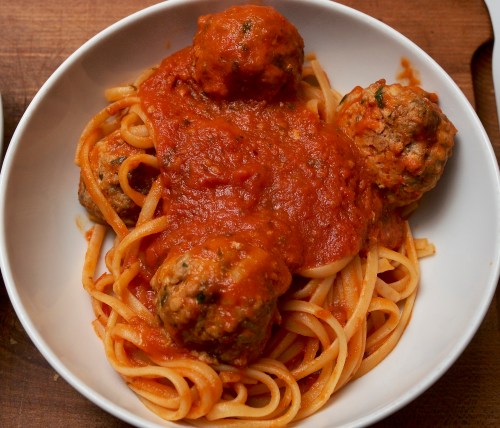
Pork & Beef Polpette with Tomato Sauce

This is a great tomato sauce and of course can be made without meatballs and used in all sorts of things. We like to make the entire recipe and freeze the leftover meatballs in the sauce for tasty meals for kids or when we don’t have time to cook. They’re good served with linguine –  toss the pasta with the meatballs and sauce before serving with some grated Parmesan.

Wine Suggestion: with the higher proportion of pork in the meatballs we think a medium bodied red works better than richer, fuller-bodied wines with this. We went with a Chateau Manoir du Gravoux from Castillon in Bordeaux. A Merlot, Cabernet Franc blend with a lovely freshness and pure, mineral character made a good match.

Pork & Beef Polpette with Tomato Sauce – makes about 40 meatballs and 1.5 litres of sauce

FOR THE TOMATO SAUCE:

  • 100ml extra virgin olive oil
  • 1 onion, finely sliced
  • 1 garlic clove, chopped
  • scant ½ tbsp fine salt
  • ¾ tsp black pepper
  • small pinch of chilli flakes
  • 750g fresh tomatoes, quartered
  • 3 x 400g tins of chopped tomatoes
  • 1 small handful of oregano, chopped
  • caster sugar, if needed

FOR THE POLPETTE:

  • 1kg minced pork
  • 500g minced beef
  • 3 medium eggs
  • scant ½ tbsp fine salt
  • 1 tsp black pepper
  • 150g breadcrumbs
  • small pinch of dried chilli flakes
  • 3 garlic cloves, finely chopped
  • ½ handful of flat-leaf parsley leaves, chopped
  • cooked linguine pasta and grated Parmesan cheese, to serve

Heat half the oil in a saucepan on a medium-low heat and sweat the onion, garlic, salt, pepper and chilli for 15 minutes. Add the fresh tomatoes and the rest of the oil and cook gently for another 15 minutes.

Add the tinned tomatoes and simmer on a very low heat for an hour.

Remove the pan from the heat and add the oregano. Season with a little sugar if needed, then whizz using a hand-blender or food processor for a few minutes.

Preheat the oven to 220°C/Gas 7.

Combine all of the meatball ingredients and mix together well with your hands, then roll into golf ball sized meatballs. They should weigh about 45g each. Place on a large greased baking tray and roast for 10 minutes, turning once, until starting to brown.

Add the meatballs to the hot sauce and poach for 10 minutes with the lid on.

Serve with linguine and grated Parmesan.

(Original recipe from Polpo by Russell Norman, Bloomsbury, 2012.)


Read Full Post »

Tagliolini au Gratin with Prawns & Treviso

This baked pasta dish from Jacob Kennedy’s fabulous Bocca cookbook is truly delicious. Quick to cook and an excellent treat for a Friday night when energy levels are low. We find radicchio di Treviso hard to resist with its pretty dark purple leaves. They’re in season and in shops now and we’ve had our eyes on this dish for a while, we weren’t disappointed.

Wine Suggestion: While not our first thought we had a bottle of the Altos de Torona Albariño from northern Spain in the fridge and it proved a delightful match.

Tagliolini au Gratin with Prawns and Treviso – serves 2 as a main, 4 to 6 as a starter

  • 120g dried tagliolini
  • 50g butter
  • ½ a small red onion or 1 shallot, thinly sliced across the grain
  • 1 medium head Radicchio di Treviso, shredded 3-5mm
  • 200g peeled raw prawns
  • 60ml white wine
  • 200ml double cream
  • 4 tbsp grated Parmesan

Melt the butter over a medium heat. Add the onion and a pinch of salt and fry for a few minutes, then add the radicchio and sauté gently for 4-5 minutes or until wilted. Add the prawns, then the wine and let it boil for a couple of minutes or until the liquid has almost evaporated. Add the cream and at the same time put the tagliolini into a pan of boiling, salted water. Boil both until the tagliolini is undercooked (about half the recommended time) and the sauce just runnier than cream.

Drain the pasta and add to the sauce. Toss over the heat for a minute to coat the pasta with the cream, then season with salt and pepper and transfer to a baking dish (or divide between a number of smaller dishes). Sprinkle with the Parmesan and brown the top under a hot grill. Serve immediately.

(Original recipe from Jacob Kennedy’s ‘Bocca Cookbook’, Bloomsbury, 2011.)

Read Full Post »

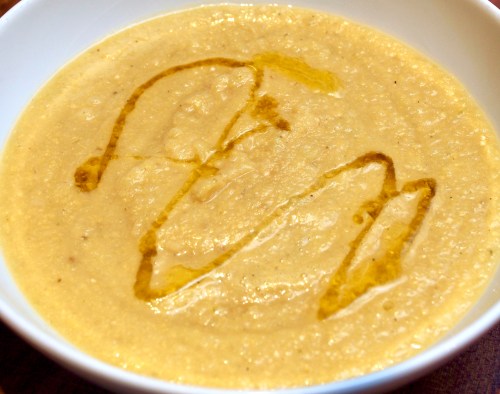
Chickpea fennel & leek soup

We recently bought a copy of the Venetian cookbook, Polpo, by Russell Norman – it’s about 7 years since it was published and we’ve been coveting it ever since. This soup doesn’t sound exciting but it’s absolutely delicious and will fill even the hungriest of bellies (perhaps with some bread).

Chickpea, leek  & fennel soup – serves 6 to 8

  • 500g dried chickpeas
  • 2 litres chicken stock
  • a pinch of dried chilli flakes
  • 2 shallots, finely diced
  • 2 leeks, cut into 1cm pieces
  • 2 small fennel bulbs, cut into 1cm pieces

Cover the chickpeas in water and soak overnight. Drain and put into a heavy-based pan with the chicken stock. The stock needs to cover the chickpeas by about 3 cm. Add the dried chilli and cook until tender (start checking after the first 30 minutes but they could take an hour).

Heat a little olive oil in another heavy pan and sweat the shallots, leeks and fennel until soft. Season with salt and pepper. Combine the chickpeas and stock with the sweated vegetables and simmer for 5 minutes.

Remove about a quarter of the veg and chickpeas and set aside (we forgot to do this!). Blend the remainder until smooth. Return the reserved veg and chickpeas to the pan and season to taste. Serve with a drizzle of good olive oil.

(Original recipe from Polpo: A Venetian Cookbook (of sorts) by Russell Norman, Bloomsbury, 2012.)


Read Full Post »

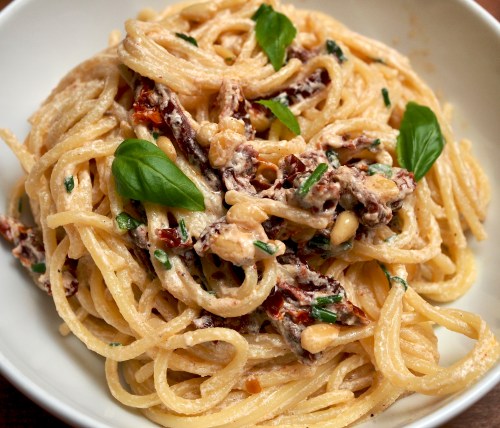
Spaghetti with Ricotta & Toasted Pine Nuts

Mondays are all about leftovers in our house and we’re determined to use all bits and pieces hanging around after the weekend. This pasta dish helped us out with the remains of a jar of sundried tomatoes and some ricotta cheese. Also great to use the chives that have recently sprouted up in the garden – a positive sign of things to come.

Wine Suggestion: Look for a good Verdicchio with a fuller body, but still fresh and balanced. Tonight an old favourite, the Sartarelli Tralivio.

Spaghetti with Ricotta Cheese & Toasted Pine Nuts – serves 4 (easily halved)

  • 6 tbsp pine nuts
  • 250g ricotta cheese
  • 100g sundried tomatoes in oil, drained and sliced into thin strips
  • ¼ tsp freshly grated nutmeg
  • 10 fresh basil leaves, chopped, plus extra to garnish
  • 4 tbsp extra virgin olive oil
  • 2 tbsp hot water
  • 500g spaghetti

Toast the pine nuts in a dry frying pan until golden brown, then set aside.

Put the ricotta cheese, sundried tomatoes, chives, nutmeg, pine nuts and basil into a large bowl. Pour over the oil and hot water, season with salt and pepper, and mix together. Leave to rest at room temperature while you cook the pasta.

Cook the spaghetti in a large saucepan of boiling salty water until al dente. Drain and tip into the bowl with the ricotta mixture (don’t be too particular when draining as a little water will help to loosen the sauce). Gently fold everything together for 30 seconds to combine. Serve with the extra basil.

(Original recipe from Gino’s Pasta by Gino D’Acampo, Kyle Books, 2010.)

Read Full Post »

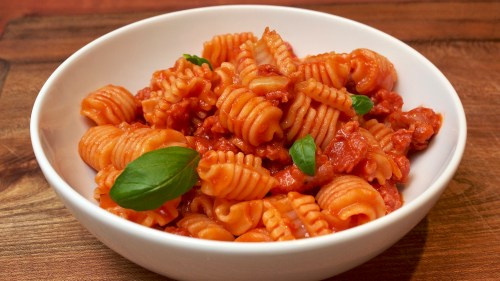
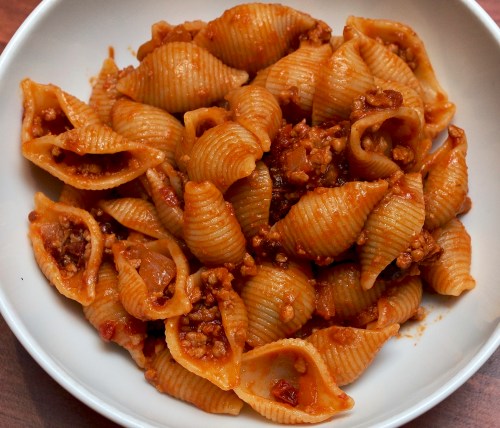
Conchiglie Rigate Piccanti

This pasta sauce is rich and full of flavour and works best without cheese, so don’t be tempted to add any. A new favourite for us and great for using up sun-dried tomatoes.

Wine Suggestion: Pico Maccario make some delicious Barbera and their entry “Lavignone” is a benchmark for the Asti region (Piedmont). Not only does it work with this dish, but we’d suggest versatile for many other dishes and occasions; a crowd pleaser and very food friendly.

Conchiglie Rigate Piccanti – serves 4

  • 5 tbsp olive oil
  • 1 onion, finely chopped
  • 80g pitted Kalamata olives, halved
  • 1 hot red chilli, deseeded and finely chopped
  • 80g sun-dried tomatoes in oil, drained and finely chopped
  • 300g pork mince
  • 300g passata
  • 400g conghiglie rigate (medium shell pasta)

Heat the oil in a medium saucepan over a medium heat and fry the onion and olives for a couple of minutes, stirring now and then.

Add the chilli, sun-dried tomatoes and the pork mince and continue frying for another 6 minutes.

Stir in the passata and gently simmer, uncovered, for 15 minutes. Keep stirring every couple of minutes. Season with salt and remove from the heat.

Meanwhile, cook the pasta in plenty of salty water according the timings on the pack. Drain and tip back into the saucepan.

Pour the sauce into the pasta pan and stir over a low heat for 30 seconds to combine.

(Original recipe from Gino’s Pasta by Gino D’Acampo, Kyle Books, 2010.)

Read Full Post »

Baby Octopus and Peas

At last we’ve got our hands on The Modern Italian Cook by Joe Trivelli and what a treat it is! Our local fish shop often has baby octopus on the counter but you can also buy it frozen. This was Jono’s pick for his birthday dinner and he wasn’t disappointed.

Wine Suggestion: as befits a birthday dinner, it was Champagne to match and tonight we drank the Billecart-Salmon Blanc de Blancs Grand Cru NV which plays a delightful balance of delicacy, elegance, depth and bags of character. Both the dish and Champagne a wonderful treat.

Baby Octopus & Peas (Polipetti e Piselli) – serves 4

  • 1 kg frozen baby octopuses, defrosted (or fresh if you can find them)
  • extra virgin olive oil
  • 1 red onion, finely diced
  • 2 cloves of garlic
  • 3 bay leaves
  • 2 dried chillies
  • 50g small black olives, pitted
  • 300g shelled peas (we used defrosted frozen peas)
  • 600g new potatoes, peeled and cut into 1cm dice
  • 175ml dry wine – red or white

Rinse the octopuses under the tap then transfer to a heavy-based casserole dish or pan. Coat with a few tablespoons of extra virgin olive oil. Add the onion, garlic, bay leaves and chillies, cover with some baking paper and place over a high heat with the lid on.

When everything is hot and cooking, turn the heat down and continue to cook the octopuses for 15 minutes. Remove the lid and add the olives, peas, potatoes and wine. Bring to a simmer and continue to cook until the peas and octopuses are soft, about 20 minutes more.

(Original recipe from The Modern Italian Cook by Joe Trivelli, Seven Dials, 2018.)

Read Full Post »

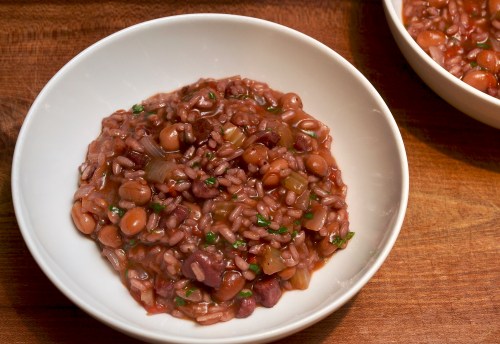
Panissa Rice

Panissa is a risotto with some extras added to make it more substantial. This one from Jamie Cooks Italy has red wine, tomatoes, salami and borlotti beans.

Wine Suggestion: The Barbera we used was a very good match, as was the Balto Mencia from Bierzo, Spain; both medium bodied and earthy in character. If neither of these are to hand look for something fresh and balanced … not too heavy or high in alcohol which would overwhelm the flavours.

Panissa Rice – serves 4

  • 50g piece of smoked pancetta, cut into 1cm chunks
  • 50g salami, cut into 1cm chunks
  • 2 onions, chopped into 1cm chunks
  • 2 celery sticks, chopped into 1cm chunks
  • 1 litre quality meat stock
  • 30g bunch of fresh rosemary
  • 300g Arborio risotto rice
  • 250ml Barbera d’Asti red wine
  • 400g tin of plum tomatoes
  • 400g tin of borlotti beans, drained and rinsed
  • 4 sprigs of flat-leaf parsley, finely chopped

Put the pancetta and salami into a cold casserole and place over a medium-high heat until the fat renders. Add the onions and celery and cook for 10 minutes, or until soft.

In a separate pan simmer the stock and rosemary.

Stir the rice into the veg and toast for 2 minutes, then pour in the wine and cook until it has evaporated. Add the tomatoes scrunching with your hands to break them up. Add the stock a ladleful at a time, letting each one disappear before adding more. Stir constantly and keep adding stock for 20 minutes or until the rice is cooked but still has a little bite. Stir the borlotti beans in with the last ladle of stock. The panissa is done when your spoon can stand up in the middle. Taste and season with salt and black pepper and stir in the parsley.

(Original recipe from Jamie Cooks Italy by Jamie Italy, Michael Joseph, 2018.)

Read Full Post »

Lamb Ragoût

Lamb ragoût with fresh pasta

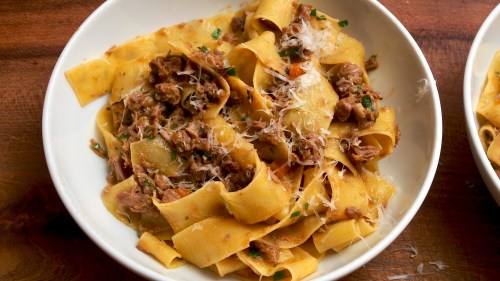
This lamb ragoût really reminds of holidays in Italy. Really simple but with a great concentrated flavour. No doubt it would be fab with some freshly made pappardelle, but dried was all we could muster on this occasion.

Wine Suggestion: While a red is often the first thought when matching a Ragoût, an oaked white would also work just as well with this dish. The Zuani Riserva from Collio in north eastern Italy would be a good choice. Delicately toasty with vanilla and touch of tropical fruit and some creamy, ripe stone-fruits. Broad and rich, creamy, thick fruit texture, peach and yellow plum with a long and gently spicy finish.

However if you feel like red, like Jules did tonight, then an elegant Sangiovese makes a good option and the Selvapiana Bucerchiale Chianti Rufina is a favourite of ours. Always superb.

Lamb Ragoût – serves 4 to 6

  • 3 tbsp olive oil
  • 2 onions, finely diced
  • 2 celery stalks, finely diced
  • 1 carrot, finely diced
  • 3 garlic cloves, chopped
  • 2 fresh or dried bay leaves
  • 1 thyme sprig
  • 1kg lamb shoulder, cut into small dice
  • 1 tbsp tomato purée
  • 125ml white wine
  • 500ml lamb stock
  • fresh or dried pappardelle pasta
  • chopped flat-leaf parsley, to serve
  • grated Parmesan, to serve

Heat the oil in a large casserole dish, add the onions, celery and carrot and sweat until translucent. Add the garlic, baby leaves and thyme. Add the lamb and season well with salt and pepper, sweat, then add the tomato purée.

Cook for a few minutes, then deglaze with the wine. Add the lamb stock and simmer for 3 hours, covered, until reduced – add more stock or water if it becomes too dry.

Cook the pasta until al dente. Drain and stir into the ragoût with the parsley and Parmesan.

(Original recipe from The Skills by Monica Galetti, Quadrille, 2016.)

Read Full Post »

Ultimate Bolognese

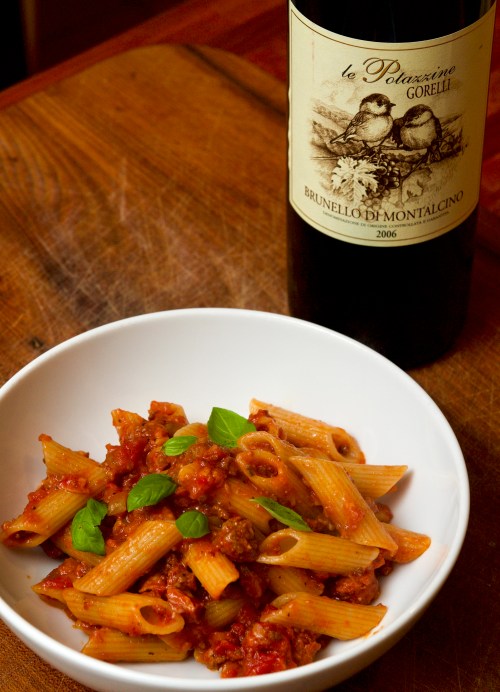
We don’t keep much food in the freezer – peas, broad beans and ice cubes mainly. But at this time of year we like to cook bigger quantities of bolognese, chilli & casseroles so there’s always something warming available for the end of the week, when ingredients are running low. This version by Barney Desmazery is not traditional but absolutely flavour-packed and we loved finishing the pasta in the sauce which really brings it all together.

Wine Suggestion: Bolognese and other tomato based ragú worked really well with Sangiovese. Whether you choose a favourite Brunello, like we did, a Chianti, or a non-Italian version the acidity and tannins help with the richness and flavours.

Pasta Bolognese – serves 8 

  • 400g beef mince
  • 400g Italian sausages, skinned and crumbled
  • 200g smoked pancetta
  • 1 onion, finely chopped
  • 1 carrot, finely chopped
  • 2 celery sticks, finely chopped
  • 4 cloves of garlic, chopped
  • 1 sprig of thyme
  • small bunch fresh basil, small leaves picked and reserved
  • 2 bay leaves
  • 2 tsp dried oregano
  • handful dried porcini mushrooms
  • 1 tsp golden caster sugar
  • 1 tbsp tomato purée
  • ½  tsp Thai fish sauce
  • 1 tbsp red wine vinegar
  • 100ml whole milk
  • 4 x 400g tins chopped tomatoes
  • 200ml white wine
  • 100g Parmesan, grated, rind removed and reserved
  • pasta, to serve

Heat a splash of olive oil in a large non-stick frying pan and crumble in the mince and sausage meat. Cook the mince for a good 30 minutes – it will release a lot of liquid which will evaporate and eventually it will fry in its own fat. If the pan looks a bit dry, drizzle in more olive oil. Towards the end, keep stirring the mince until it starts to crisp and brown.

Heat the oven to 140C/120C/Gas 2.

While the mince is browning, heat another splash of oil in a casserole dish and fry the pancetta for about 5 minutes or until it starts to brown and release its fat, then add the vegetables and herbs and finely crumble over the dried porcini. Cook gently for 5 minutes until soft and starting to brown. Sprinkle over the sugar, then stir in the tomato purée and splash in the fish sauce and vinegar. Simmer down until thickened, then stir through the meat and pour in the milk and tomatoes. Rinse out the tomato tins with the wine and stir into the pan. Season, then nestle in the Parmesan rind. Bring to a simmer, then cover and cook in the oven for 3 hours.

When cooked, tip as many portions of the Bolognese as you need into a sauté pan. Cook the pasta until very al dente, then add to the bolognese sauce with a bit of the water and finish cooking in the sauce for 2 minutes. Stir through the Parmesan and a drizzle more olive oil.

Serve the pasta bolognese in bowls with basil and Parmesan.

(Original recipe by Barney Desmazery in BBC Good Food Magazine, September 2017.)

Read Full Post »

« Newer Posts - Older Posts »