Feeds:
Posts
Comments

Archive for the ‘Side dish’ Category

Caesar Salad

We’re not sure when Ceasar salad fell off the radar but it was resurrected by us on a Saturday night and tasted as good as ever. Particularly with roast chicken and chips.

Caesar Salad – serves 4

FOR THE CROUTONS:

  • 2 large cloves of garlic
  • 3 tbsp extra virgin olive oil
  • half a baguette, cut into small cubes

FOR THE SALAD:

  • 1 large egg yolk
  • 3 tbsp lemon juice
  • 1 medium clove of garlic, crushed
  • 4 good quality anchovies mashed with a fork (we like the tins of anchovies in olive oil by Ortiz)
  • 1 tsp Dijon mustard
  • 4 tbsp olive oil
  • 2 medium heads of romaine lettuce
  • 2 tbsp grated Parmesan

Preheat the oven to 200C/Gas 6.

Bash the two garlic cloves and put into a bowl with the cubed bread and olive oil. Toss with your hands to coat with the oil, then scatter over a roasting tray and bake for about minutes or until golden.

Put the egg yolk into a bowl and whisk in the lemon juice, garlic, anchovies and mustard. Start adding the oil, drop by drop to begin with and then you can progress to a slow stream, whisking all the time until emulsified.

Toss the lettuce and Parmesan together in a large bowl. Add the dressing and toss to coat the leaves, then scatter over the croutons to serve.

(Original recipe form Avoca Salads by Hugo Arnold, Avoca Ltd, 2007)

Read Full Post »

Best-ever Oven Chips

We don’t really like to deep fry at home and so only really have chips in restaurants. But at last Barney Desmazery, from BBC GoodFood, has come up with a recipe for oven chips that actually works! We might have to cook steak now at the weekend to celebrate.

Best-ever Oven Chips – serves 4

  • 1kg large Maris Piper potatoes, peeled
  • 1 tbsp white or malt vinegar
  • 75ml vegetable oil
  • 2 tsp plain flour
  • 2 tsp cornflour or potato flour
  • ½ tsp baking powder
  • small pinch of cayenne pepper

Cut the potato into chip shapes (you can cut of the round ends and keep them all oblong and tidy but we didn’t bother).

Put the chips into a pan of cold water with the vinegar added and bring to the boil. Simmer for 6-8 minutes or until just cooked and tender, then drain very carefully so they don’t break up. Leave to cool completely (you can now put them in the fridge for a day or two until you need them).

Heat the oven to 220C/200C fan/gas 9.

Pour the oil into a heavy baking tray or shallow roasting tin and put into the oven to heat.

Mix the flours with the baking powder, cayenne and some salt in a shallow dish. Gently toss the chips in the mixture to coat. Remove the pan from the oven and lay the chips in a single layer. Gently turn the chips over to coat in the fat, then roast for 20 minutes. Turn the chips again, then roast for another 10 minutes. Turn once more and cook for a final 10 minutes or until crisp and a deep golden colour. Drain on kitchen paper and serve.

(Original recipe from BBC Good Food)

Read Full Post »

Pan-fried sprouts with soy & hazelnuts

Here’s something different to try if you’re running out of Brussels Sprout inspiration. We’re a bit over the bacon and chestnut embellishments – they all seem a bit too Christmassy now.

Pan-fried sprouts with bay, soy, hazelnuts and sherry vinegar – serves 4

  • 20g butter
  • 1 tbsp olive oil
  • 300g Brussels sprouts, remove the outer leaves and halve them
  • 3 bay leaves
  • 50g hazelnuts, chopped
  • 2 tbsp soy sauce
  • 3 tbsp sherry vinegar
  • 1 tbsp honey
  • parsley, to serve

Heat a large frying pan over a medium-high heat. Add the butter and oil when the frying pan is hot. When the butter sizzles, add the sprouts and bay leaves, and shake to coat in the fat. Turn the heat down a bit and fry for 4-5 minutes or until starting to colour.

Add the chopped hazelnuts and toast for 2-3 minutes or until everything has turned golden, add a splash of water if browning too quickly.

Add the soy sauce, sherry vinegar and honey. Continue to cook until the heated through and the sprouts are tender.

Scatter some parsley over to serve if you have it.

(Original recipe by Thomasina Miers in the Guardian, 10th December 2019.)

Read Full Post »

Goose fat roasties

A seasonally appropriate side dish. Our advice is to make more than you think you could ever need!

Perfect Roasties – serves 8

  • 2kg roasting potatoes e.g. Maris Pipers or Roosters
  • 3 tbsp plain flour
  • 5 tbsp goose fat
  • 5 tbsp vegetable oil

Cut the potatoes into evenly sized chunks – a big potato should be quartered.

Put the potatoes into a large pan of salted water and boil for 5 minutes, then drain really well.

Return the potatoes to the pan and scatter over the flour and a little salt. Cover with the lid and shake the pan a few times to coat the potatoes in the flour and rough up the edges.

Heat the oven to 190C/170C fan/gas 5.

Put the goose fat and oil in a large roasting tin and heat in the oven for 5 minutes. Tip in the potatoes and roll them around to coat them in the hot fat. Cook for half an hour, turning once, then turn the oven up to 220C/200C fan/gas 7. Cook for a further 20 minutes or until crispy. Season with some more salt before serving.

Read Full Post »

Brussel sprout & smoked cheese gratin

We need no encouragement to eat more Brussels sprouts, but we will certainly be making this dish again from Nigel Slater’s Greenfeast. It is super indulgent and would work well in small portions as a side dish – though we just had huge platefuls for dinner.

Wine Suggestion: A fresh and young Chardonnay with a hint of oak  would be our choice. Tonight the Domaine Ventenac, Les Dissidents Préjugés from Cabardès in the Languedoc, made in large oak barrels (20hl) and grown on clay; crisp with mineral textures and a round vibrant core. A wine to help break the prejudice some people have for this grape.

Brussels sprouts, smoked mozzarella and dill – serves 3 (or more as a side dish)

  • 300g Brussels sprouts, trimmed and shredded
  • 40g butter
  • 2 tbsp olive oil
  • 15g dill, chopped
  • 250g smoked mozzarella, cut into thick slices
  • 250ml double cream

FOR THE CRUMBS:

  • 40g butter
  • a handful of coarse breadcrumbs
  • 3 tbsp chopped dill

Heat the oven to 200ºC/Gas 6.

Warm the butter and olive oil in a shallow pan, then add the sprouts and cook for 2 minutes. They should turn bright green. Stir in the dill and season with black pepper.

Put half the sprouts in a baking dish and add most of the mozzarella. Put the rest of the Brussels sprouts and cheese over the top.

To make the crumbs: warm the butter in a shallow pan, add the crumbs and cook until golden, then stir in the dill. Pour the cream over the sprouts and cheese and top with a layer of breadcrumbs. Bake for 25 minutes or until browned and bubbling.

(Original recipe from Greenfeast: autumn, winter by Nigel Slater, 4th Estate, 2019.)


Read Full Post »

Tumbet

This Mallorcan vegetable dish is perfect for late summer when peppers, tomatoes, aubergines & courgettes are in abundance. It works really well alongside roast pork and other meat or fish but it has enough going on to work as a veggie main too. There are a few processes but ultimately this is an easy dish and you can prep it in advance and bake when you’re ready.

Wine Suggestion: given the Mediterranean origin, we’d suggest a wine match with Grenache / Garnacha, either on it’s own or with a typical southern French blend.

Tumbet – seres 4

  • 2 medium aubergines, cut into 1.5cm rounds
  • up to 200ml olive oil
  • 2 medium courgettes, cut into 2cm rounds
  • 500g large waxy potatoes e.g. Charlotte, thinly sliced (about 3mm) – use a mandolin if you have one
  • 2 roast red peppers, cut into strips (to roast yourself put the peppers on a baking tray and drizzle with a little olive oil, then roast for 30 minutes at 220C/Fan 200/Gas 7. Leave in a covered bowl to cool, then peel off the skins.)
  • small bunch of fresh oregano
  • small bunch of fresh basil

FOR THE TOMATO SAUCE

  • 2 tbsp olive oil
  • 4 garlic cloves, crushed
  • 400g ripe tomatoes, peeled and chopped (or you can use a tin)
  • 1 tsp dried thyme
  • pinch of sugar (optional)

Preheat the oven to 200C/Fan 180C/Gas 6.

Spread the aubergine slices over a large baking tray and brush with some of the olive oil. Season with salt and roast for 20-25 minutes or until softened and lightly browned. Leave to cool.

Pour ½ cm of oil into a large, heavy-based frying pan. Fry the courgettes over a medium heat for a couple of minutes on each side, then remove and drain on kitchen paper. Season lightly with salt.

Add the potato slices to the pan and fry on both sides for about 10 minutes or until softened the whole way through and a light golden colour. Drain on kitchen paper.

To make the sauce, put the olive oil in a sauce pan and cook the garlic over a low to medium heat for 3-4 minutes or until softened, then add the tomatoes and thyme. Season with salt and pepper. Bring the sauce to the boil, then reduce the heat and cook gently for about 25 minutes or until well reduced. Taste after 10 minutes and add a pinch of sugar if it seems acidic.

Spread a couple of tablespoons of tomato sauce in the base of a large baking dish. Sprinkle over some oregano and basil leaves, then top with the aubergine slices. Add more tomato sauce, sprinkle with more herbs, and add the courgettes. Repeat with more tomato sauce, herbs and the peppers, then finish with the last of the tomato sauce and herbs and top with the potatoes. Season with salt and pepper.

When ready to bake the dish, heat the oven to 180C/160C/Gas 4. Bake for 25-30 minutes or until the potatoes are crisp and browned and the vegetables underneath are tender.

(Original recipe from the Hairy Bikers’ Mediterranean Adventure by Si King & Dave Myers, Seven Dials, 2017.)


Read Full Post »

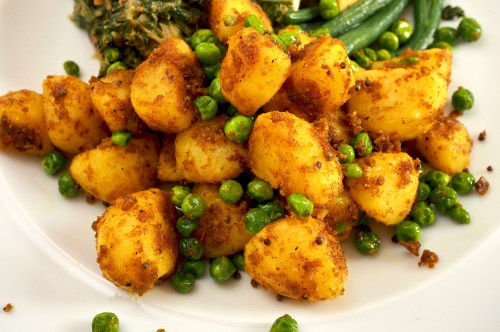
Spicy potatoes

We loved these Indian spiced potatoes and they were great for bulking out some leftover saag paneer that definitely would not have satisfied our hungry bellies.

Spicy Potatoes – serves 4

  • 800g potatoes, peeled and cut into small chunks
  • 2 tbsp olive oil
  • 1 tsp mustard seeds
  • 1 tsp turmeric
  • 2 tsp garam masala
  • 140g frozen peas

Cover the potatoes in cold salted water and bring to the boil. Simmer for 5 mins or until just tender, then drain and allow to steam dry for a few mins.

Heat the oil in a frying pan and fry the spices for a minute until fragrant. Throw in the potatoes and toss well so they are coated in the spices. Gently fry for 5-10 mins until golden, then add peas, mix well and cook for another 3-4 minutes. Season well before serving.

(Original recipe from BBC Good Food)

Read Full Post »

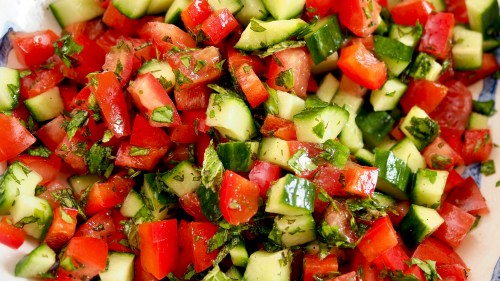
Everyday Palestinian Salad

We love a chopped salad and this one in particular is a handy one to have up your sleeve. We served with a Palestinian rice dish but it would be suitable for all sorts of eventualities.

Everyday Palestinian Salad – serves 4

  • 4 Persian cucumbers or 1 regular cucumber
  • 3 medium tomatoes
  • 1 red pepper
  • 10g parsley leaves, finely chopped
  • 10g mint leaves, finely chopped
  • 3 tbsp extra virgin olive oil
  • juice of a lemon

Slice the cucumbers in half and remove the seeds with a teaspoon. Finely chop into 1cm dice.

Scoop the seed out of the tomatoes and chop into similar sized pieces to the cucumber. Do the same with the red pepper and put all three into a large bowl.

Dress the salad with the herbs, olive oil, lemon juice, and plenty of salt and black pepper.

(Original recipe from Zaitoon by Yasmin Khan, Bloomsbury, 2018.)

Read Full Post »

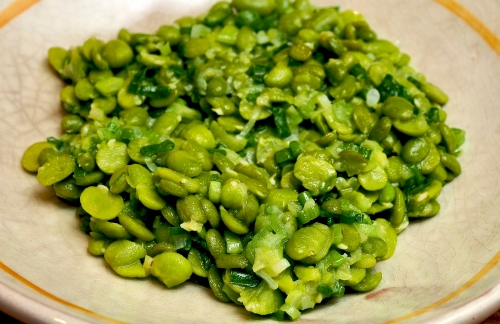
cong hua can dou

This is a Chinese method for cooking broad beans which is really straightforward and super tasty. If you want to double pod your beans, just blanch for a minute first and the skins will easily pop off. We served this alongside Dongpo pork but it would go equally well alongside a lot of meat dishes.

Stir-fried broad beans with spring onion – serves 3-4

  • 1kg young broad beans in pods or 350g shelled (we used frozen broad beans, defrosted or blanched to remove skins)
  • 1 tbsp cooking oil
  • 2 tbsp thinly sliced scallions, white part only
  • ¾ tsp caster sugar
  • 4 tbsp thinly sliced scallions, green parts only

Heat the oil in a wok over a high heat. Add the scallion whites and stir-fry briefly until fragrant. Add the beans and stir-fry briefly until fragrant. Add the beans and toss in the oil. Add 150ml of water, the sugar, season with salt and bring to the boil. Cover and simmer over a medium heat for a few minutes, until tender – careful they don’t boil dry.

Remove the lid and increase the heat a bit to reduce the liquid. When only a couple of tablespoons of liquid are left, add the scallion greens and stir until fragrant, then serve.

(Original recipe from Land of Fish & Rice by Fuchsia Dunlop, Bloomsbury, 2016.)

Read Full Post »

Wild Garlic Mash

Wild garlic has a short season in April and most years we make all kinds of things with it. This April we only managed some mashed potato – but very delicious mashed potato it was!

Wild Garlic Mash- serves 2 generously

  • 700g floury potatoes
  • 25-50g butter
  • 25g wild garlic, roughly chopped
  • 100ml double cream

Peel the potatoes and cut into same-sized chunks. Boil until completely tender.

Dry the potatoes off in the hot pan, then mash until smooth.

Meanwhile, melt a generous slab of butter in a small frying pan. Add the wild garlic and cook for a minute or two until softened. Pour the melted butter and wild garlic into the mashed potatoes.

Pour the cream into the same frying pan and bring to a bubble, then pour into the potatoes. Season well with salt and freshly ground white pepper, then beat the mash with a wooden spoon until smooth and fluffy.


Read Full Post »

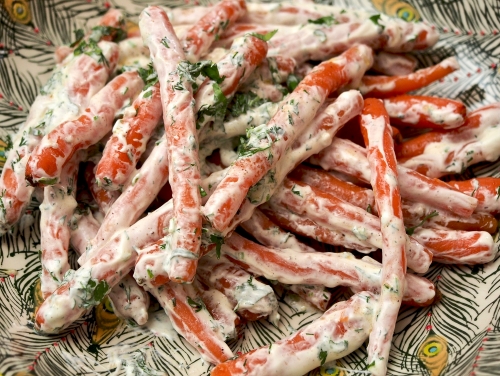
Carrot Salad with Yoghurt & Cinnamon

A salad of long, thin baby carrots with a herby yoghurt dressing. This is a great side dish for a barbecue and the portions are huge! It’s served at room temperature so the carrots can be cooked and dressed earlier in the day and mixed with the yoghurt before serving.

Carrot Salad with Yoghurt & Cinnamon – serves 4 – 8

  • 1 kg long, thin baby carrots, scrubbed and stalks trimmed
  • 3 tbsp olive oil
  • 1½ tbsp cider vinegar
  • 1 tsp honey
  • 1 garlic clove, crushed
  • ¼ tsp ground cinnamon
  • 120g Greek-style yoghurt
  • 60g crème fraîche
  • 5g dill, roughly chopped
  • 10g coriander, roughly chopped

Steam the carrots for 8-12 minutes or until cooked through but retaining a bite.

Meanwhile, whisk the olive oil, vinegar, honey, garlic, cinnamon, ½ tsp salt and plenty of black pepper together in a large bowl. Add the carrots to the dressing as soon as they are cooked, then mix well and set aside to cool.

Mix the yoghurt and crème fraîche in a medium bowl with a ¼ tsp of salt. Add this to the carrots, along with the fresh herbs. Stir gently to mix roughly together, then serve.

(Original recipe from Ottolenghi Simple by Yotam Ottolenghi with Tara Wigley and Esme Howarth, Ebury Press, 2018.)

Read Full Post »

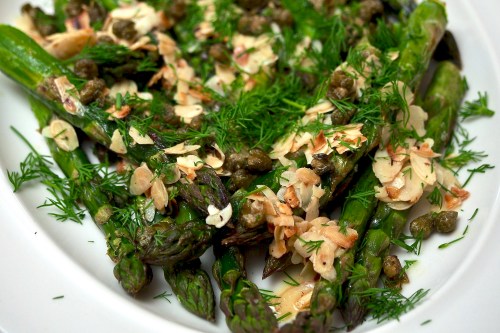
Roasted Asparagus with Almonds, Capers & Dill

We thought you couldn’t beat buttered asparagus until Yotam Ottolenghi suggested almonds, capers & dill, a fabulous combination!

Roasted asparagus with almonds, capers & dill – serves 4 as a side dish

  • 600g asparagus, snap off the woody ends
  • 3 tbsp olive oil
  • 30g unsalted butter
  • 20g flaked almonds
  • 30g baby capers, patted dry with kitchen towel
  • 10g dill, roughly chopped
  • salt and black pepper

Preheat the oven to 200°C fan.

Toss the asparagus with 1 tbsp of the oil and some salt and black pepper. Spread over a large parchment-lined baking tray and roast for 8 to 12 minutes depending on thickness, until soft and starting to brown in spots. Transfer to a large serving plate and set aside.

Melt the butter in a small saucepan over a medium-high heat. Add the almonds and fry for a minute or two, stirring, until golden-brown. Pour the almonds and butter over the asparagus.

Add the remaining 2 tbsp of oil to the saucepan and place over a high heat. Once hot, add the capers and fry for 1-2 minutes, stirring all the time, until they have opened up and turned crispy. Remove the capers with a slotted spoon and scatter over the asparagus along with the dill (discard the oil). Serve warm.

(Original recipe from Ottolenghi Simple by Yotam Ottolenghi with Tara Wigley and Esme Howarth, Ebury Press, 2018.)

Read Full Post »

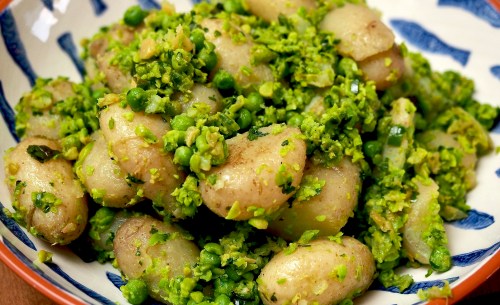
New potatoes with peas and corianderWe’ve just had a sunny Easter weekend, so we cooked lots of Spring side dishes from Ottolenghi Simple. These potatoes are lovely and fresh and tasted good with some barbecued lamb gigot chops. We’re binge eating Jersey Royals while we can get them.
New potatoes with peas & coriander – serves 4

  • 300g fresh or frozen peas
  • 2 green chillies, finely chopped
  • 1 small preserved lemon, pips discarded
  • 15g coriander, roughly chopped, plus an extra 5g leaves to garnish
  • 60ml olive oil
  • 1 small lemon, finely grate the zest, then juice to give 1 tsp
  • 750g new potatoes, halved if large

Blanch the peas in a saucepan of boiling water for 1 minute, then drain and set a third of them aside.

Put the remaining peas in a food processor with the chillies, preserved lemon, coriander, olive oil, lemon zest, ½ tsp of salt and plenty of pepper. Blitz to a rough paste and set aside.

Cook the potatoes in a large pan of boiling salty water for about 15 minutes or until soft. Drain and steam dry in the warm pot.

Roughly crush the potatoes, leaving about a third of them whole. Add the reserved peas, the pea mixture, the lemon juice and the coriander leaves. Gently stir and serve warm (though we found the leftovers were quite nice cold the following day).

(Original recipe from Ottolgenghi Simple by Yotam Ottolenghi with Tara Wigley & Esme Howarth, Ebury Press, 2018.)

Read Full Post »

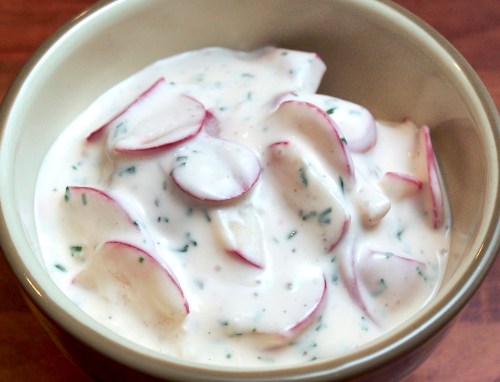
Radish Raita

This makes a nice change from the usual cucumber variety. Good with barbecued lamb or pork and dishes with Greek flavours. We liked it on the side of our giant beans and spinach rice.

Radish Tzatziki – serves 2

  • 100g Greek yoghurt
  • ½ tbsp chopped dill, plus extra to serve
  • 8 small radishes, roughly chopped or sliced
  • ½ clove of garlic, crushed
  • juice of ½ lemon

Mix all the ingredients together and season. Garnish with some extra dill.

(Original recipe from BBC Good Food)

Read Full Post »

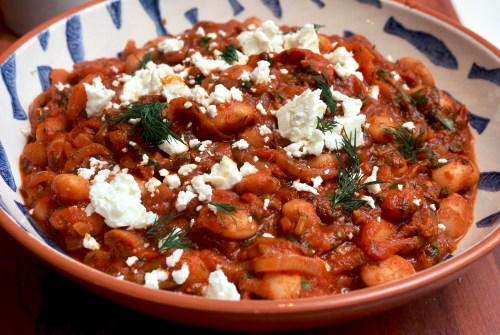
Giant Butter Bean Stew

This Greek butter bean stew can be served on it’s own either as a starter or as a veggie main. The kitchen smells fab as it cooks and you can have it ready in advance and just reheat to serve. We like it served on the side of some barbecued lamb, spinach rice and radish tzatziki.

Wine Suggestion: This dish shines with light and fresh red wines with little or no oak. Good on it’s own with the Rocca delle Macie Chianti Vernaiolo, an unoaked and youthful wine. However, the other night we served it with lamb, as part of a larger meal so chose the vibrant Gulfi Cerasuolo, a Nero d’Avola and Frappato blend from Sicily. Bright red fruits, an earthy depth and fresh finish complimented the lamb to the dill and feta. I think we’ll be drinking more of this wine in future.

Giant Butter Bean Stew – serves 6 as a side

  • 2 x 400g tins good quality butter beans
  • 50ml extra virgin olive oil
  • 1 large red onion, finely sliced
  • 1 large carrot, finely sliced
  • 1 celery stalk with leaves, finely chopped
  • 2 sundried tomatoes, sliced
  • 2 x 400g tins plum tomatoes
  • 2 garlic cloves, chopped
  • ½ tsp paprika
  • ½ tsp ground cinnamon
  • 1 tbsp tomato purée
  • ½ tsp sugar
  • small pack flat-leaf parsley, finely chopped
  • small pack dill, finely chopped
  • 100g feta, crumbled

Drain the butter beans and reserve 100ml of the liquid.

Heat the oil in a large flameproof casserole dish and cook the onions, carrots and celery until tender and the onions are soft and transparent, but not coloured. Stir in the rest of the ingredients, reserving half of the chopped herbs and feta, and season. Squeeze the tinned tomatoes with your hands as you add them to the dish to break them up.

Heat the oven to 180C/160C fan/gas 4.

Cook over a gentle heat for another 5 minutes, then add the reserved liquid. Cover the dish and bake in the oven for 40 minutes. Check occasionally and add more water if the dish looks dry.

Remove the lid and cook for another 10 minutes. Stir through the reserved herbs, season to taste, then crumble over the remaining feta.

(Original recipe from BBC Good Food)


Read Full Post »

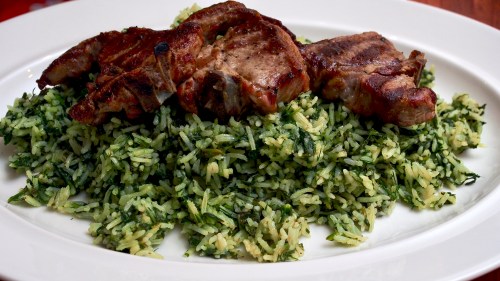
Spinach Rice

This rice is seriously delicious. The spinach is cooked with the rice from the start, rather than stirred through at the end, which makes it really flavoursome. We served with some barbecued lamb, Greek butter bean stew and radish tzatziki.

Spinach rice – serves 6

  • 100ml extra virgin olive oil
  • 1 onion, finely chopped
  • 500g baby spinach leaves, finely chopped
  • bunch of dill, finely chopped
  • 300g basmati rice
  • juice of a lemon

Heat the oil in a large pan, add the onion and cook the onion gently until softened but not coloured. Add the spinach and half the dill. Cook over a high heat until the spinach has wilted and any liquid has evaporated.

Stir in the rice and add 600ml of water, then bring to the boil. Turn the heat down to a very gentle simmer, cover the pan with a tight lid (or some tinfoil and a lid) and cook for 25-30 minutes or until the rice is cooked and the water absorbed. Check and stir after the first 15 minutes and add some more water if needed.

When the rice is cooked, stir in the remaining dill, season well and add the lemon juice to taste.

(Original recipe from BBC Good Food)

Read Full Post »

Spinach with Sumac

This simple Syrian side dish has fantastic flavour. We ate it with some spiced fish but it would complement many things. Also great on its own with some plain yoghurt and flatbreads.

Spinach with Sumac (Spanekh wa Sumac) – serves 4

  • 1 small red onion, finely diced
  • oil, for frying
  • 350g baby spinach
  • 1 tbsp sumac
  • a squeeze of lemon

Fry the onion over a very low heat for 20-30 minutes or until softened and almost caramelised. Add the spinach and cook until wilted. Remove from the heat, sprinkle with the sumac, lemon juice, salt and pepper.

(Original recipe from Syria: Recipes from Home by Itab Azzam & Dina Mousawi, Trapeze 2017.)

Read Full Post »

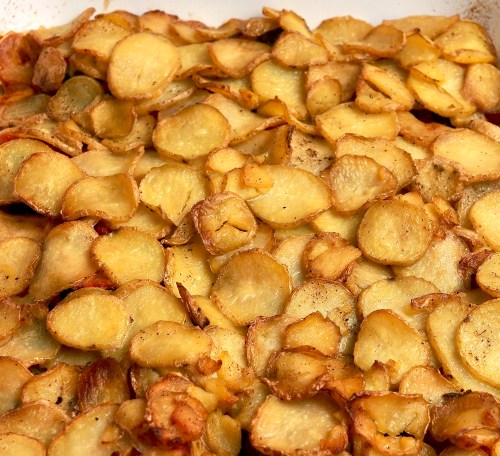
Dill potatoes

We’re always banging on about food waste but can honestly say that at least half the recipes we try, are chosen solely on the basis that they use an ingredient left over from another dish. This is precisely how we came to try this potato dish from Caroline Eden & Eleanor Ford’s beautiful book, Samarkand. Dill is one of the herbs we find most difficult to use up and it’s also one we haven’t had a lot of success growing ourselves. Never again will we shy away from recipes using fresh dill, instead we will look forward to melting potatoes with dill the following day.

Melting Potatoes with Dill – serves 4

  • 50g butter
  • 2 tbsp olive oil
  • 2 onions, sliced
  • 500g waxy potatoes, unpeeled and cut into 1cm slices
  • 3 garlic cloves, finely sliced
  • 1 tsp cracked black peppercorns
  • a small handful of dill fronds, chopped

Heat the butter and oil in a large frying pan and cook the onions very slowly until soft and golden. Add the potato slices and garlic and stir into the buttery onions. Season well with salt and cover with a lid.

Cook the potatoes over a very low heat, stirring occasionally, for about 45 minutes. Stir through the peppercorns and a handful of fresh dill before serving.

(Original recipe from Samarkand by Caroline Eden & Eleanor Ford, Kyle Books, 2016.)

Read Full Post »

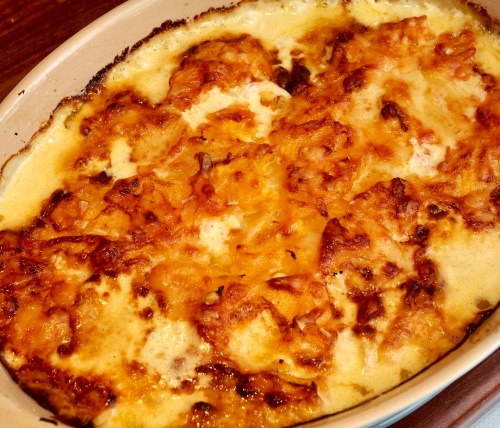
Turnip & Gruyere Gratin

Turnip (or swede as some of you call it) gets a lot of bad press but we absolutely love it and even more so when cooked with lots of cream and cheese. Jono has declared this his favourite turnip dish and has demanded we cook it again.

Gruyère and turnip gratin – serves 4

  • 700g turnip/swede (the large, orange-fleshed variety)
  • 300ml double cream
  • 1 tbsp dijon mustard
  • 1 clove of garlic, crushed
  • 100g gruyère, grated

Heat the oven to 180C/fan 160C/gas4.

Peel and thinly slice the turnip – a mandolin or food processor works really well for this.

Bring a pan of salted water to the boil then add the turnip and cook for 4 minutes. Drain really well.

Whisk the cream, mustard and garlic together and season. Layer the turnip and mustardy cream alternately and sprinkle in half the cheese. Sprinkle the rest of the cheese over the top.

Bake for 40-50 minutes, or until very tender, browned and bubbling.

(Original recipe by Janine Ratcliffe, Olive Magazine, January 2017)

Read Full Post »

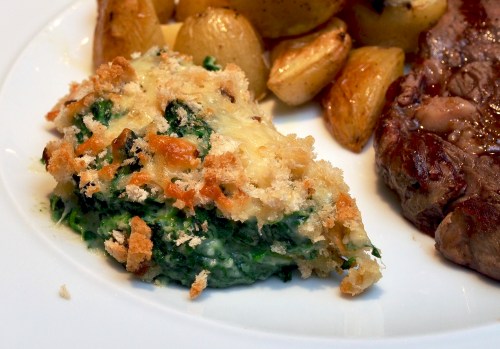
Creamed Spinach

This is creamed spinach, not that bizarre idea of serving spinach with runny cream, and it truly is the best accompaniment to a barbecued ribeye steak. Our dinner for two on New Year’s Eve.

Creamed spinach – serves 2

  • 300ml whole milk
  • ½ onion, thinly sliced
  • 1 clove of garlic, bashed
  • 2 bay leaves, torn
  • 500g main crop spinach
  • 50g butter, plus a bit extra
  • 40g plain flour
  • nutmeg, for grating
  • a large handful of coarse white breadcrumbs
  • a large handful of finely grated Cheddar cheese

Heat the oven to 180C/350F/Gas 6.

Pour the milk into a medium-sized saucepan and put over a medium-high heat. Add the onion, garlic and bay leaves and bring to a gentle simmer. Take the pan off the heat and leave to infuse for 15-20 minutes.

Meanwhile, drop the spinach into a large pan of boiling water and cook for 1-2 minutes, until wilted. Drain and cool until you can squeeze the excess liquid out with your hands. Roughly chop and set aside.

Heat a medium-sized saucepan over a medium heat and add the butter. When it starts to bubble, add the flour and cook and stir for 1 minute before pouring in the infused milk (strain it through a sieve first and discard the onion and herbs). Whisk for 1-2 minutes to make a thick white sauce. Season well with salt and pepper and a good grating of nutmeg, then remove from the heat and fold in the chopped spinach. Spoon the mixture into a small ovenproof dish.

Mix the breadcrumbs with the grated cheese and scatter over the dish. Dot with a little butter and bake for 8-10 minutes, or until crisp, golden and bubbling.

(Original recipe from Time by Gill Meller, Quadrille, 2018.)

Read Full Post »

« Newer Posts - Older Posts »