Feeds:
Posts
Comments

Archive for the ‘Spanish’ Category

This is a Basque inspired dish where fresh fish is cooked really simply over hot coals. Firm fish like Monkfish, or Grouper, will not fall apart as easily so make them perfect for barbecuing. Serve with a green salad and some bread.

Barbecue Monkfish Kebabs – to serve 4

  • 1 kg monkfish fillets, cut into large chunks
  • 12 tbsp olive oil
  • 3 large garlic cloves, thinly sliced
  • 1 tsp dried chilli flakes
  • 4 tbsp white wine vinegar
  • 1 tbsp finely chopped parsley
  • 3 tbsp lemon juice

Light the barbecue and wait until it is really hot before you start cooking.

Thread the monkfish onto 4 metal skewers. Make a marinade using 6 tbsp of the olive oil, the lemon juice, 3 tbsp of the white wine vinegar and 1 tsp salt. Brush this lightly over the kebabs and barbecue until the fish is browned and cooked through. Keep brushing with the marinade as the fish cooks.

Put 6 tbsp olive oil, the garlic and chilli flakes into a small pan and heat over a high heat until the garlic turns golden (but don’t let it go brown as it will turn bitter). Take off the heat and stir in the parsley, 1 tbsp white wine vinegar and ½ tsp salt. Drizzle over the fish and serve.

Drink with: a chilled glass of Txakoli if you can find it. This Basque speciality is hard to find outside Spain but an Albarino from Galicia makes a more than satisfactory substitute.

Read Full Post »

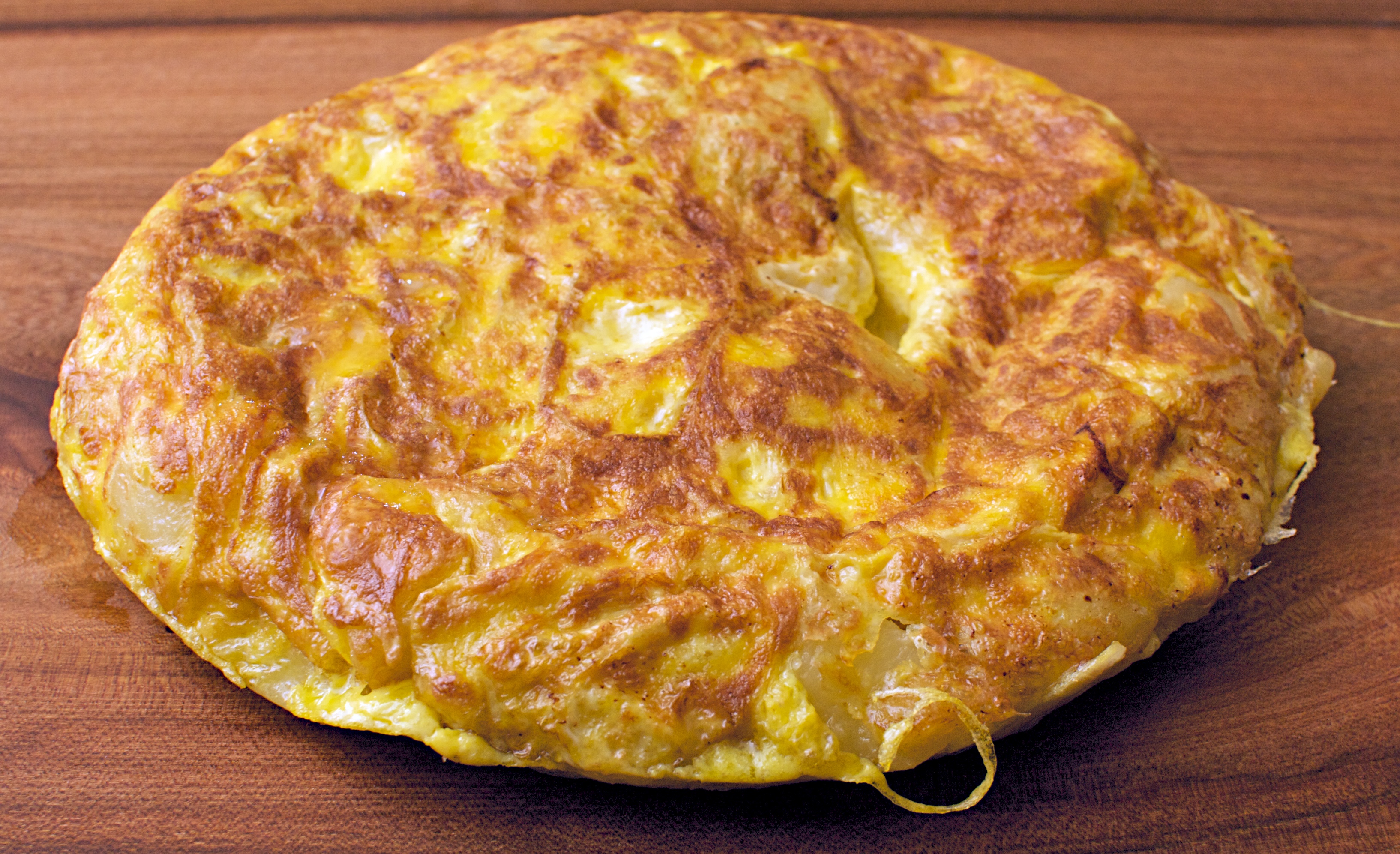
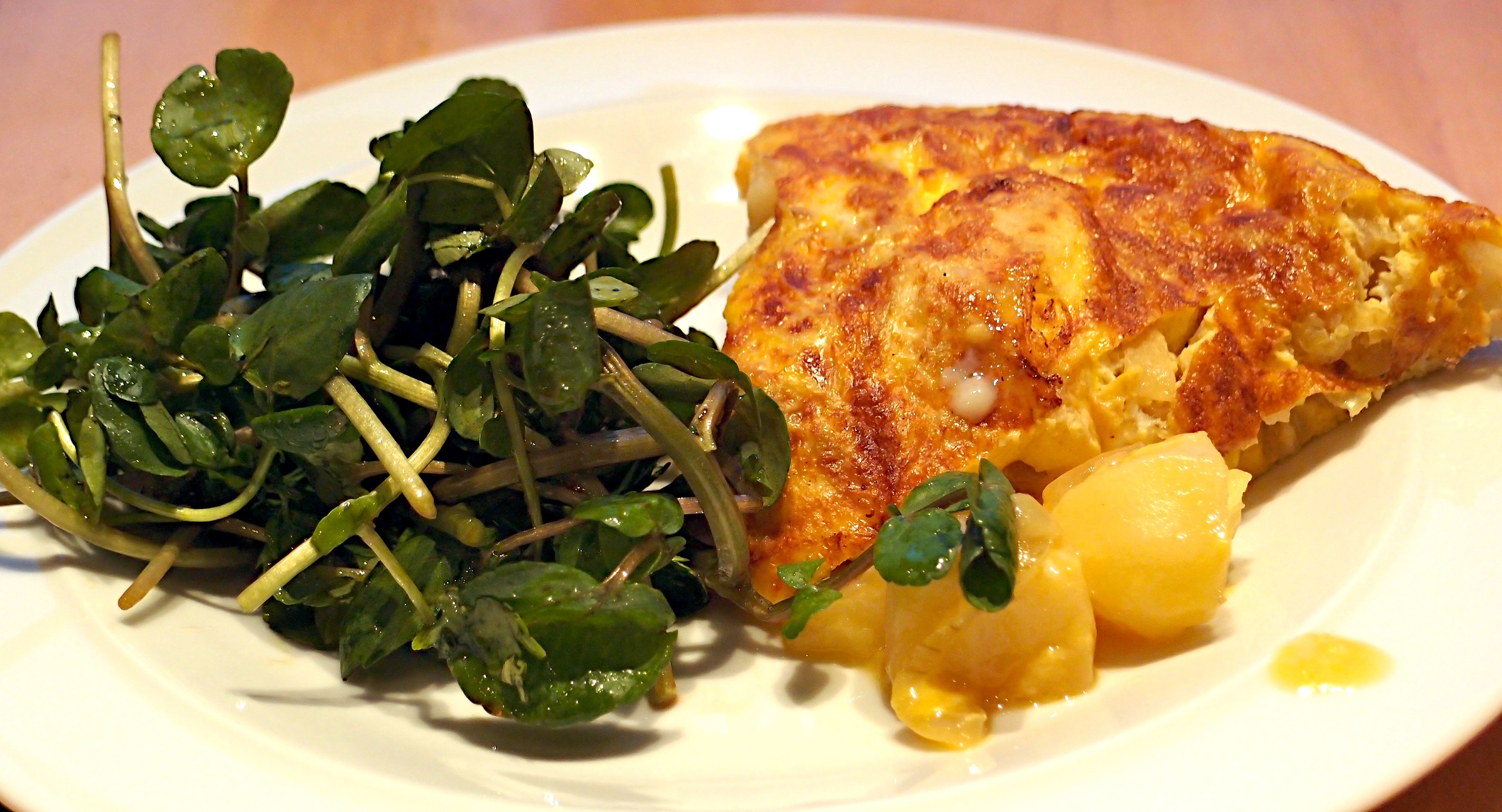
We’ve made plenty of variations on Spanish potato omelettes or tortilla but it’s hard to know when the centre is cooked. We’ve also found grilling the surface under the grill much less daunting than trying to flip a semi-liquid pan full of hot ingredients! So we were relieved to read that Claudia Roden has had similar issues and this time followed the advice she got from a Spanish friend and recounts in her fabulous book The Food of Spain. The trick is to use a smaller non-stick pan and a slightly concave saucepan lid, larger than the pan, to catch the liquid when you turn the omelette upside down. It worked for us!

Tortilla de patatas – to serve 4

  • 250g new or waxy potatoes, peeled and cut in 1.5cm cubes
  • 300ml olive oil
  • 1 medium onion, sliced thin
  • salt
  • 6 large eggs
Dry the potatoes with some kitchen roll as soon as you dice them.

Heat the oil in a smallish non-stick frying pan that will hold all the ingredients over a medium heat and add the potatoes and onions. Cook and cook over a low heat for 20-30 minutes or until the potatoes are tender. Give them a gentle shake now and again and don’t let them colour. Drain in a colander and keep the oil which you can use again. Spread the potatoes out on kitchen roll and sprinkle lightly with salt.

Beat the eggs lightly and add a little salt. Add the potatoes and onions and gently mix together.

Pour 1 tbsp of your reserved oil back into the frying pan and heat until almost smoking. Pour in the egg mixture and turn the heat to low. Cook for 3-4 minutes until the eggs set at the bottom, shaking now and then with a circular motion to stop it sticking. Put a slightly concave lid larger than the pan on top and flip the pan over quickly to leave the omelette on the lid of the pan. Pour another tbsp of the reserved oil into the pan and gently slide the omelette back in, uncooked side down, and lower the heat. Cook for 2 minutes more until just set. Run a wooden spoon round the edge of the omelette to make it neat before turning out.

Serve warm or at room temperature.

Read Full Post »

A really fabulous starter with some crusty bread; a classic Tapas or party starter.

Garlic prawns with parsley & lemon – to serve 6

  • 4 tbsp olive oil
  • 3 garlic cloves, finely chopped
  • pinch of red chilli flakes
  • 400g large, raw, peeled prawns
  • juice from half a lemon
  • small handful flat-leaf parsley, chopped
  • crusty bread to serve

Heat the olive oil in a large frying pan and gently fry the garlic with the chilli flakes.

Add the prawns and cook over a high heat for 2-3 minutes until pink.

Squeeze in the lemon juice, stir in the parsley and serve.

Wine Suggestion: This is a classic Spanish dish so we went for the classic Spanish white, Albariño, a great match for shellfish. It worked a treat.

Read Full Post »

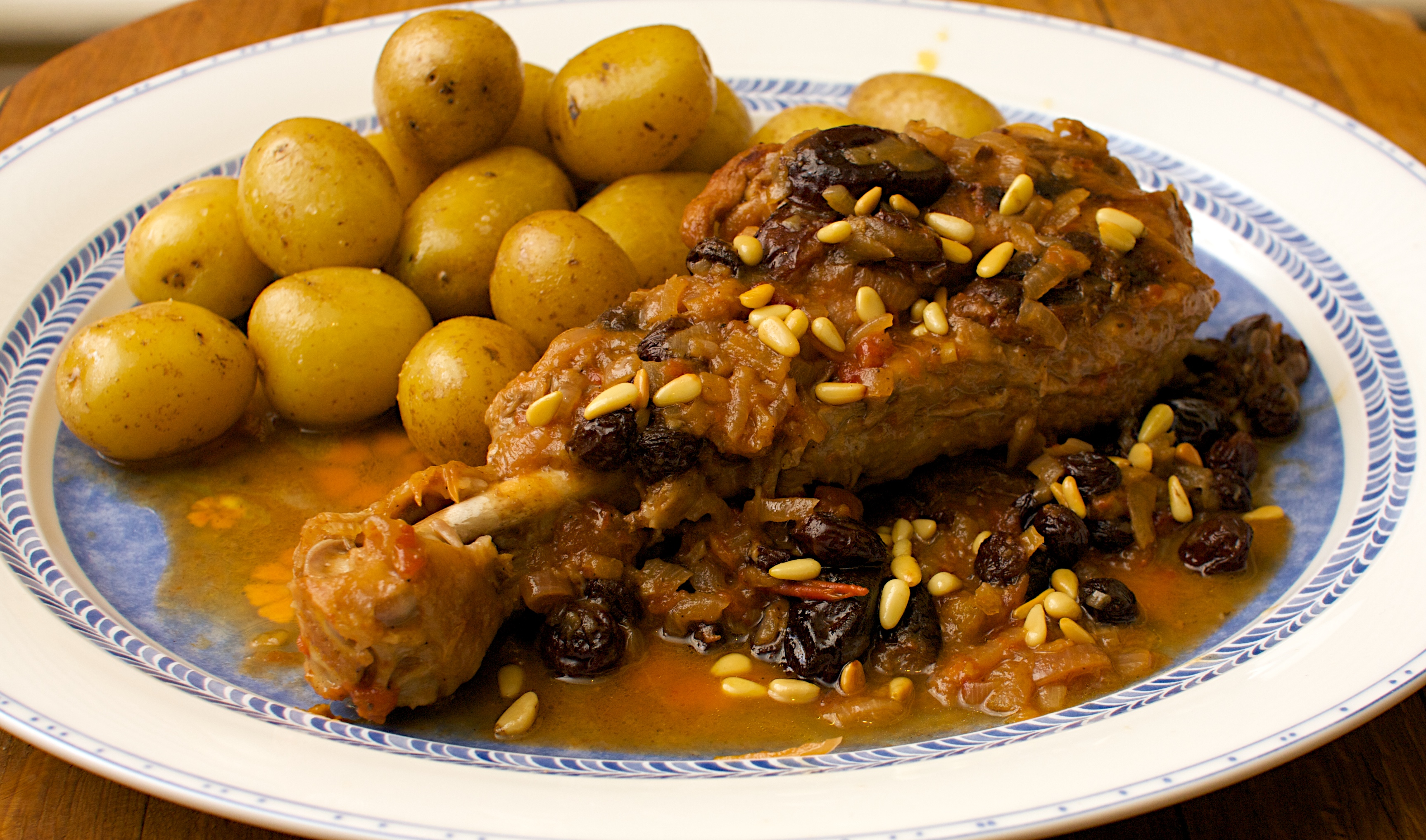
We, like most people, usually only eat turkey at Christmas. This is silly as it’s a really tasty meat (much superior to chicken in our opinion) and is also really cheap. We picked some turkey legs up in a supermarket for just a few euros. You need to soak the fruit for 12 hours before you cook the turkey.

Catalan-style turkey – to serve 2

  • 30g raisins
  • 40g pitted prunes
  • 6 tbsp vino rancio or dry sherry
  • 1 red onion, thinly sliced
  • 2 turkey drumsticks
  • 1½ tbsp olive oil
  • 100g chopped tomatoes (we used some from a tin)
  • 240ml water
  • 2 tsp pine nuts

Put the raisins and prunes in a bowl and pour over the vino rancio or sherry. Leave to soak for 12 hours.

Thinly slice the onion and season the turkey legs with salt and pepper.

Heat a wide pan over a medium heat and add most of the oil. Brown the turkey for about 10 minutes or until its golden all over, then add the onions. Fry the onions and turkey for another 10 minutes, stirring often, until the onions caramelise and turn dark golden brown.

Drain the vino rancio or sherry from the fruit and add to the pan. When most of it has evaporated, add the chopped tomato and cook until everything is well caramelised.

Pour in the water, turn down the heat and simmer for 30 minutes.

Add the raisins and prunes. Cover the pan and leave to cook for another hour, or until the turkey is really tender and the sauce is thick and delicious.

Meanwhile, heat the rest of the oil in a frying pan and cook the pine nuts over a low heat until golden.

Lift the turkey onto a serving dish, cover with the sauce and sprinkle with the pine nuts.

Wine Suggestion: Stick to the Spanish theme here we think. You could always have another glass of Sherry or try a Spanish red. We had a fantastic wine called Bráo made by a producer called Acustic from Montsant (which is beside the better known region of Priorat), just south of Barcelona. Pick one up in Bubble Brothers while they still have some left!!

Read Full Post »

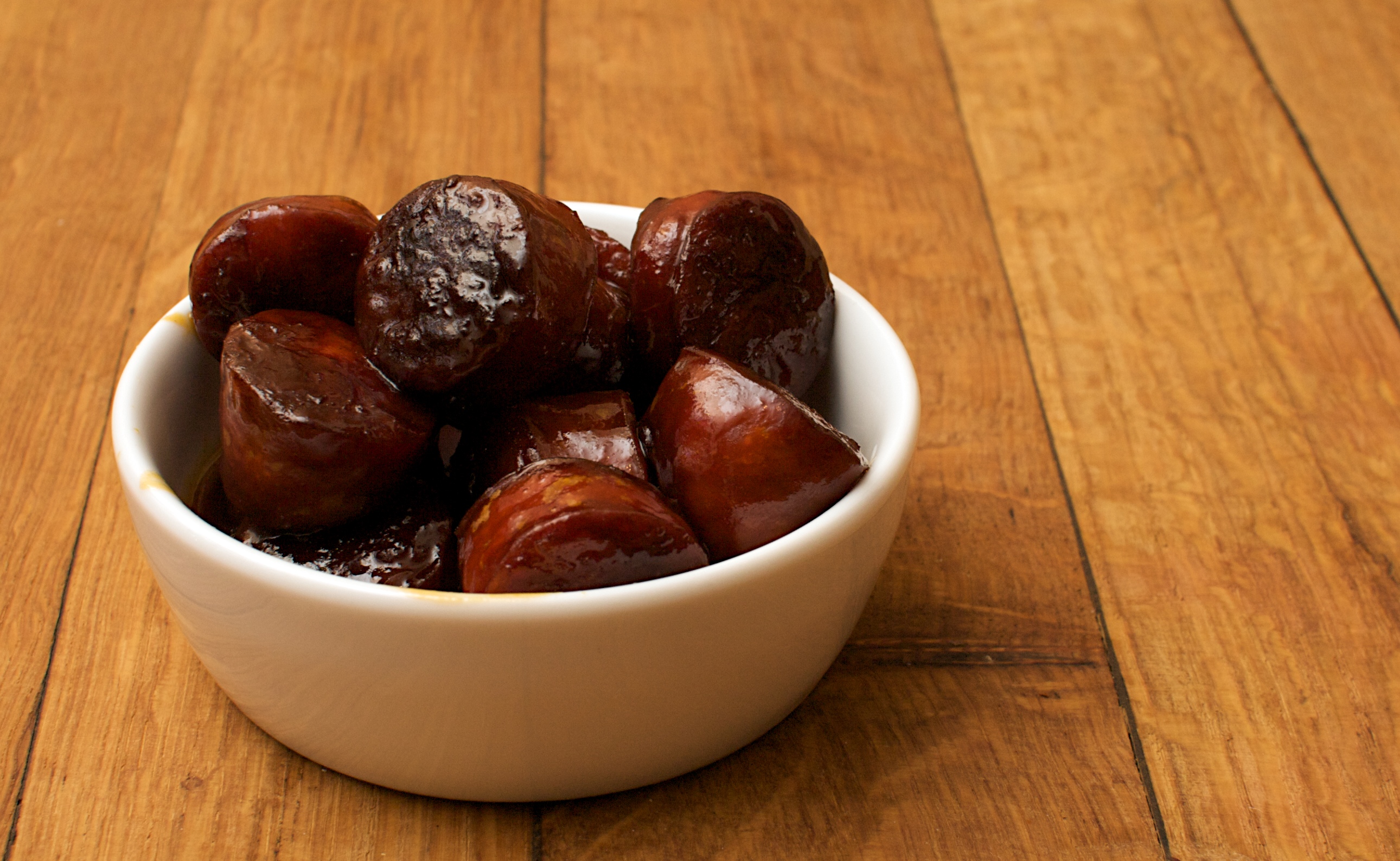
This dish delivers bags of flavour and yet is simple to make – great for a crowd, or on an evening when you are craving something tasty and yet quick and easy. This idea comes from the Tapas Feast in Jamie’s 30-minute meals.

Glazed Chorizo – to serve 6 as a tapas

  • 250g good-quality whole chorizo
  • 2 cloves of garlic
  • 4 tbsp red wine vinegar
  • 1 tbsp runny honey

Slice the chorizo into 2cm chunks. Fry in a small frying pan with a little olive oil and toss now and then until the chunks are crispy and golden. Lightly bash the 2 unpeeled garlic cloves and add to the pan. After a minute  drain away most of the fat so you are left with about 1 tbsp. Add the vinegar and honey and leave it to reduce to a sticky glaze. Keep shaking the pan to make sure the sauce doesn’t stick.

Serve with chunks of bread to mop up the sauce and a glass of Fino Sherry (we like Lustau).

(Original recipe from Jamie’s 30-Minute Meals by Jamie Oliver, Penguin, 2010.)

Read Full Post »

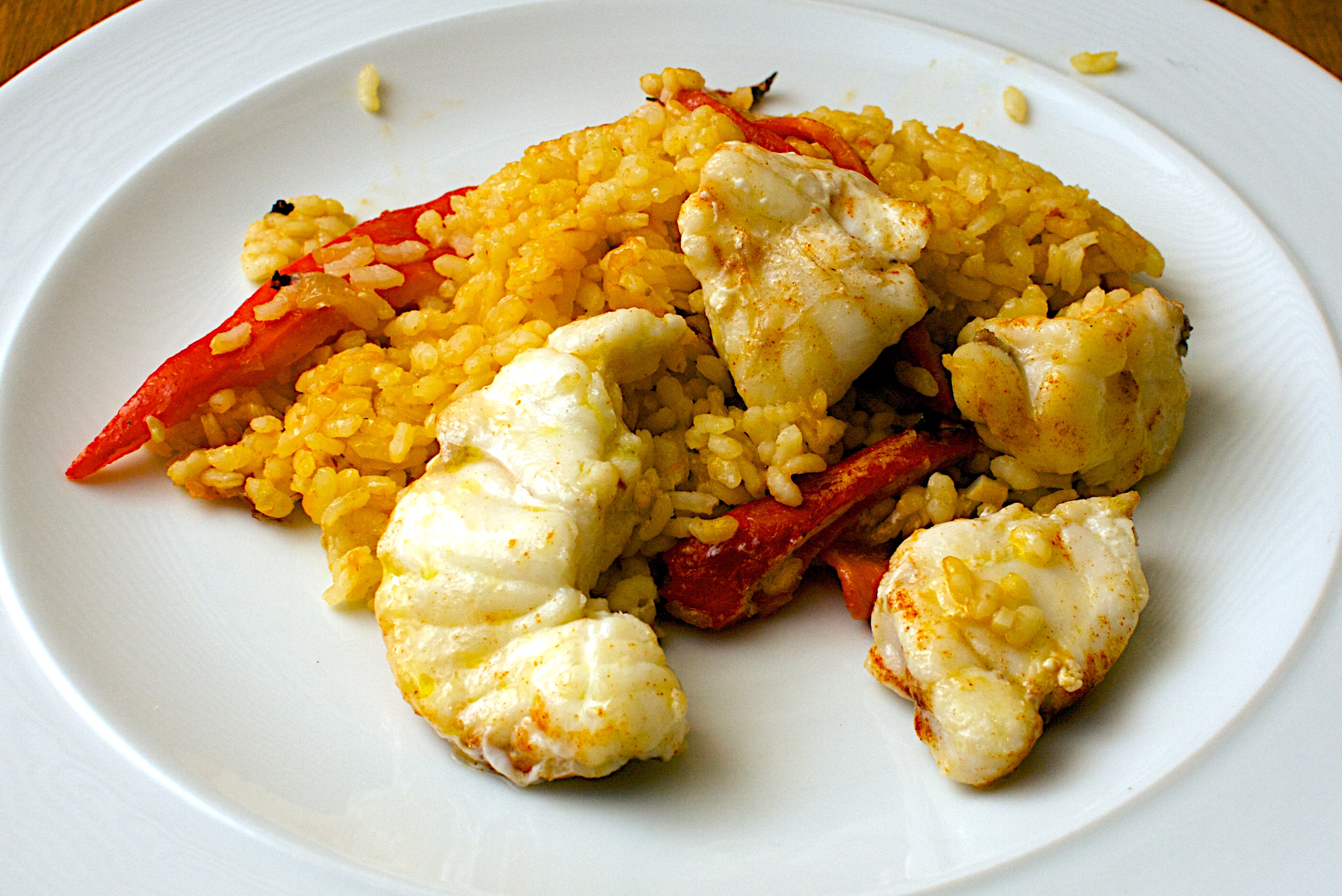
We have loved every recipe we have tried from Rick Stein’s Spain. This is a really nice rice dish from Valencia which we’ll definitely be doing again. It tastes similar to paella but requires fewer ingredients. Delicious and easy!

Arroz de rape, azafrán y pimientos – to serve 6

  • 4 tbsp olive oil
  • 75g finely chopped shallot
  • 1 small head of garlic, cloves separated, peeled and finely chopped
  • 1/2 tsp pimentón dulce (smoked sweet Spanish paprika), plus a bit extra for seasoning the fish
  • a pinch of crushed dried chillies
  • 200g vine ripened beef tomatoes, halved
  • 1 litre Fish stock
  • 1/2 tsp loosely packed saffron strands
  • 400g short-grained paella rice such as Calasperra
  • 1 large roasted red pepper or 3 jarred pimientos
  • 500g monkfish fillet, trimmed of membrane then cut across into 1 cm thick slices
  • Aioli to serve

Grate the tomatoes using a coarse grater. You will be left with the skin which you can discard. Heat 2 tbsp of the oil in a 28-30cm cazuela or shallow flameproof casserole, add the shallot and fry gently for 10 minutes or until soft but not browned. Add the garlic, pimentón and chillies and fry for another 2 minutes, then stir in the tomatoes and cook until they have broken down into a sauce.

Stir in the fish stock, saffron and 1 1/2 tsp of salt and bring to the boil, stirring. Sprinkle in the rice, stir once, then leave to simmer vigorously over a medium-high heat for 6 minutes.

Meanwhile, cut the roasted red pepper or jarred pimientos into 1cm-wide strips, removing any skin and seeds. Sprinkle over the top of the rice and shake briefly so they sink in a bit. Lower the heat and leave to simmer gently for another 12 minutes. At the end the liquid should all have absorbed and the rice should have small holes on the surface.

Before the rice is ready, pat the monkfish pieces dry and season well with salt and a little pimentón. Heat 2tbsp olil in a non-stick frying pan. Add the monkfish slices in batches and fry over a high heat for 1 minute on each side until very lightly coloured and almost cooked.

Lay the fish on top of the rice, turn off the heat and cover with a lid or clean cloth. Leave to rest for 5 minutes to allow the monkfish to finish cooking through.

Serve with alioli.

(Original recipe from Rick Stein’s Spain, BBC Books, 2011)

Wine Suggestion: The best match would be something with a the joy of youth and fruitiness like a joven (young) Tempranillo or a light Garnacha.

Read Full Post »

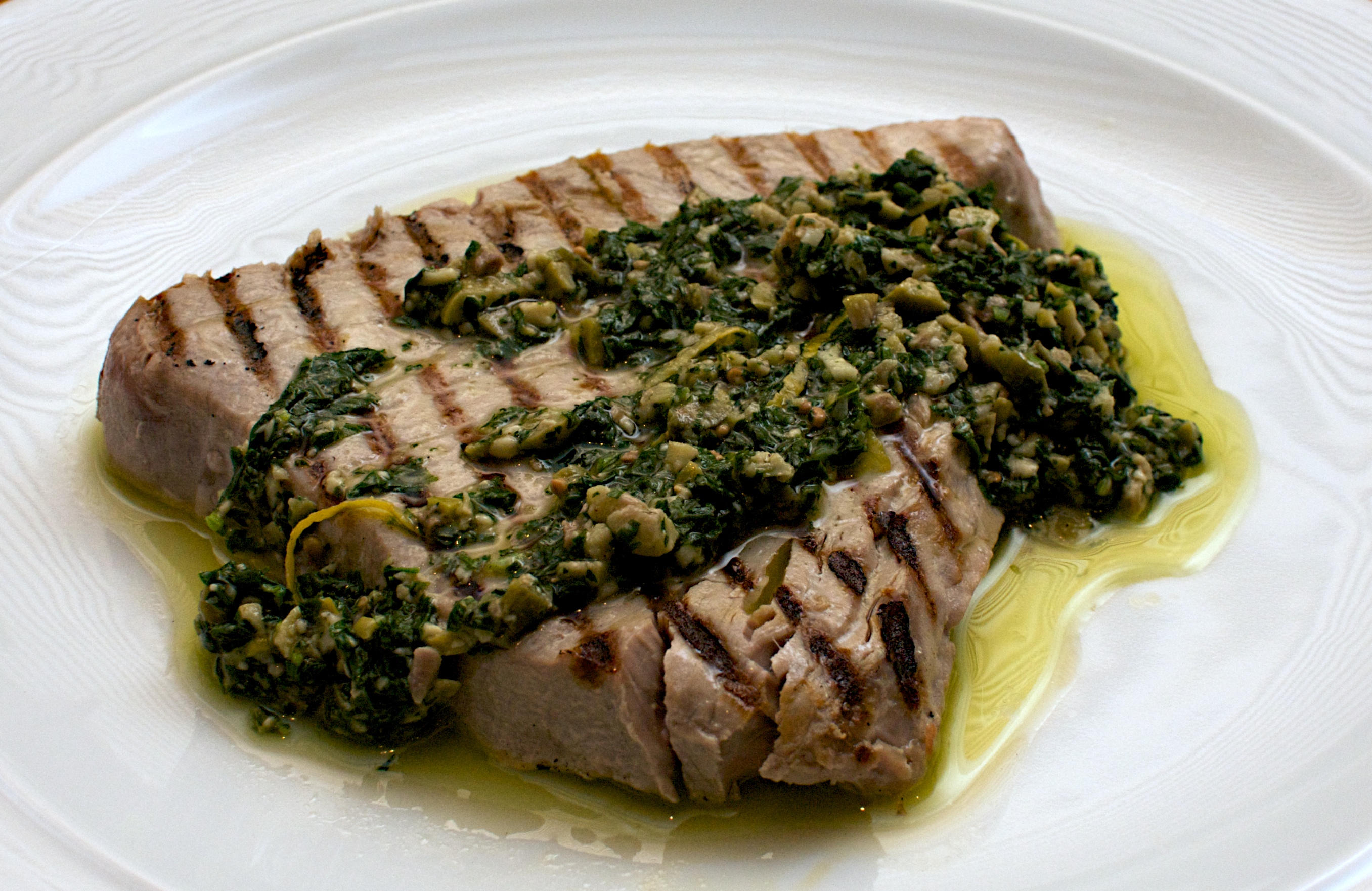
The leftover salsa verde will keep in the fridge and is lovely with meat, fish or bruschetta.

To serve 4:

  • 4 tuna steaks
  • olive oil
  • sea salt flakes
For the salsa verde
  • 10g each of flat-leaf parsley leaves, mint leaves and basil leaves
  • 1 clove garlic, thinly sliced
  • 2 tbsp capers, drained and dried
  • 50g good-quality pitted green olives
  • 4 anchovy fillets in oil
  • finely grated zest of 1/4 small lemon
  • 1 tsp Dijon mustard
  • 1 1/2 tbsp lemon juice
  • 8 tbsp extra virgin olive oil
To make the salsa verde, drop the herbs into boiling water for a few seconds, then drain and refresh under cold water. Squeeze out the water, then put on a chopping board with the garlic, capers, olives and anchovies and finely chop everything together. Scrape into a bowl and add the lemon zest, mustard, lemon juice, olive oil and some black pepper.

Heat a cast-iron griddle pan over a high heat. Brush the tuna with olive oil and season with sea salt. Put them on the griddle, turn the heat down to medium high and cook for 30 seconds to 1 minute on each side so you get nice char marks but the fish is rare on the inside.

Serve the tuna steaks with the salsa verde spooned over the top.

(Original recipe by José Pizarro for Sainsbury’s Magazine, October 2011).

Read Full Post »

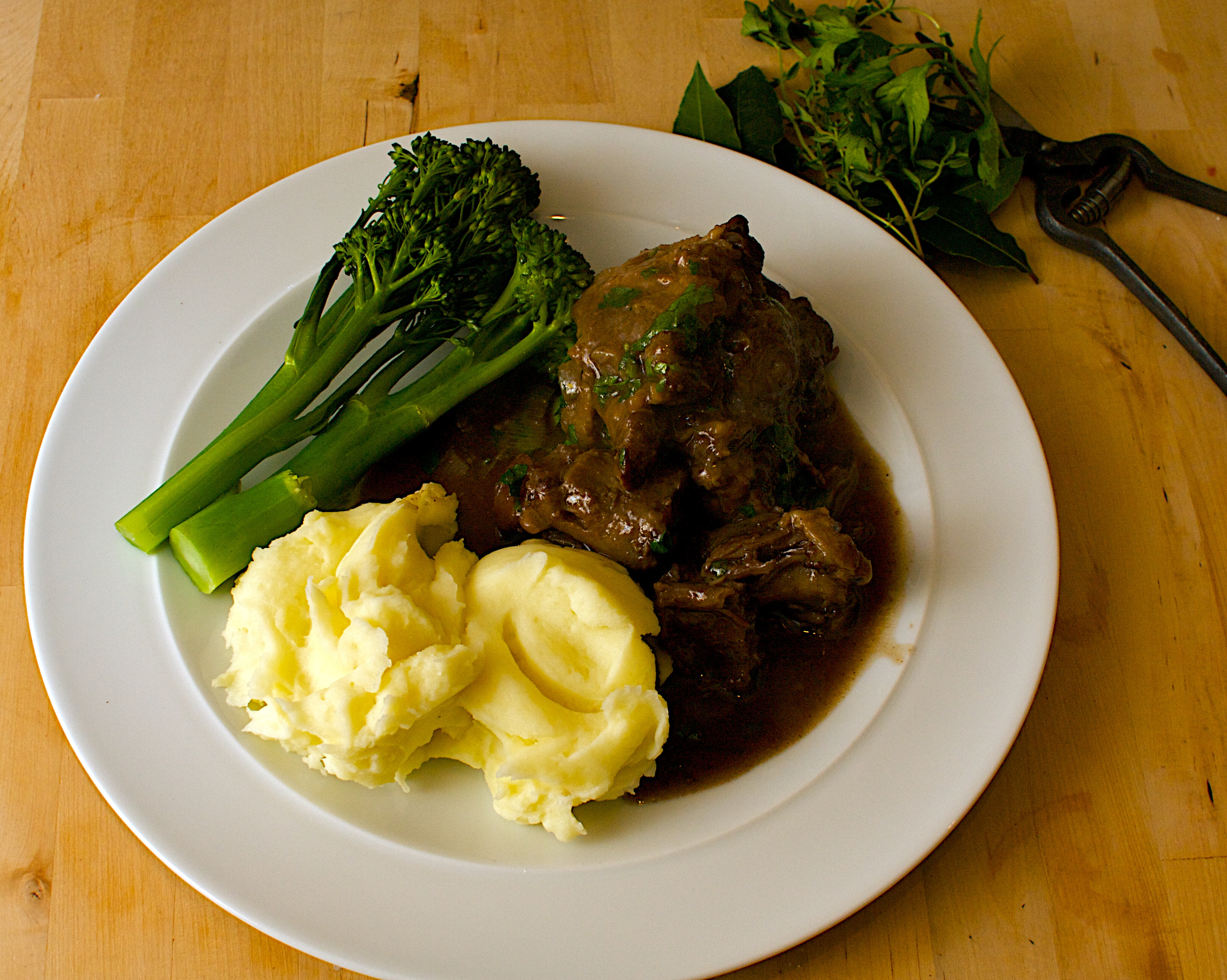
Perfect as the nights close in and the seasons change. This is our second recipe from Rick Stein’s Spain and another success. It takes two days to make but is so straightforward that it’s not a chore at all. As we had torrential rain in Dublin on Saturday and Sunday we could not have picked a better weekend to try it!

P.S. you have to like sucking on bones!

Oxtail and Red Wine Stew from Pamplona – Rabo de torro de Pamplona – to serve 6

  • 2kg oxtail, cut across into 5cm thick pieces
  • 50g plain flour, seasoned
  • 4 tbsp olive oil
  • 4 garlic cloves, sliced
  • 2 medium onions, chopped
  • 200g carrots, sliced
  • 175g leeks, thickly sliced
  • 4 tbsp brandy
  • 500ml red wine
  • 500ml dark beef stock
  • A bouquet garni of bay leaves, parsley stalks and thyme sprigs
  • 1 tbsp chopped flat-leaf parsley

Trim the excess fat off your oxtail pieces and season well with salt and pepper. Toss in the seasoned flour and knock off the excess, keep the remaining seasoned flour. Heat 2 tbsp of olive oil in a large flameproof casserole over a medium-high heat, add the oxtail pieces in batches and fry until well browned. Lift them onto a plate as they are done.

Add the rest of the oil to the pan with the garlic, onions, carrots and leeks and fry for about 10 minutes or until browned.

Pour the brandy over and set alight. Once the flames have died stir in the remaining seasoned flour, then gradually stir in the red wine and bring to the boil, stirring. Simmer for 3 minutes, then stir in the oxtail, the beef stock, bouquet garni, 1/2 tsp of salt and lots of black pepper. Cover and simmer gently for 2 1/2 – 3 hours, until the oxtail is tender but not falling apart yet. Remove from the heat, leave to cool, then cover and chilli overnight.

The next day, scrape the layer of fat off the top of the casserole. Gently reheat, then lift the oxtail into a bowl. Pass the sauce through a fine seive into a clean pan, pressing out as much sauce as you can with the back of a ladle. Discard what’s left in the sieve. Return to the heat and simmer vigorously for 5-10 minutes until the sauce is reduced and is well flavoured. Return the oxtail, season and simmer for 5 minutes to heat through. Serve sprinkled with chopped parsley.

Nice with steamed or mashed potatoes and broccoli.

Wine Suggestion: Pick a medium bodied red wine based on Tempranillo and maybe with a dollop of Garnacha to give it extra juiciness. We drank a Sierra Cantabria Cuvée which had some good age in the bottle and 18 months in oak which softens and rounds the tannins. Anything heavier or more tannic will feel a bit too much with this rich dish.

(Original recipe from Rick Stein’s Spain, BBC Books, 2011)

Read Full Post »
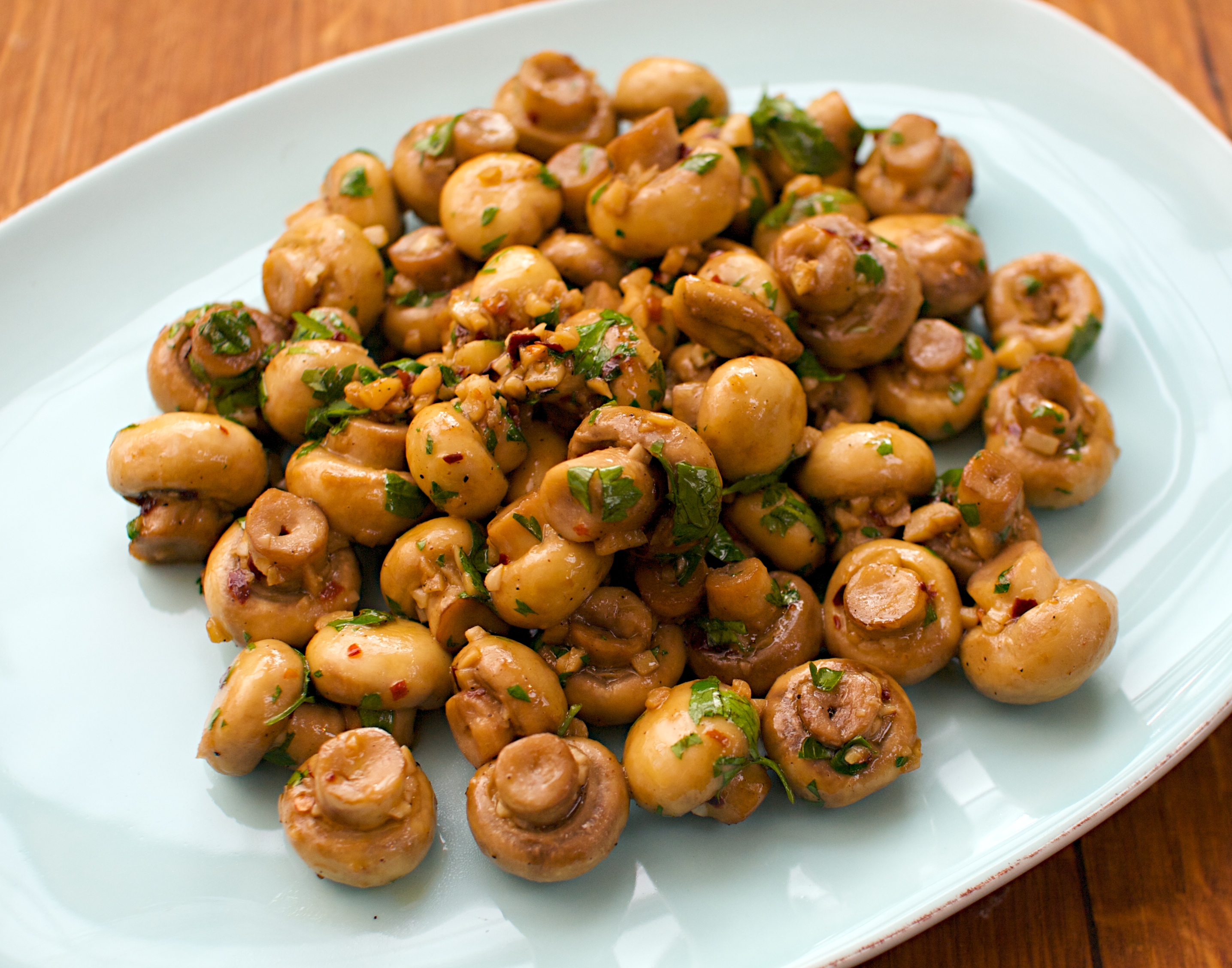
This is the  first recipe we’ve tried from Rick Stein’s Spain. Unusually made with white wine, this beef stew is a bit lighter but still rich and full-flavoured. Leftovers are particularly good the next day too. It takes a while to cook but is really easy and there are very few ingredients needed.

Rick says the Spanish serve this with patatas fritas but in an attempt to be not quite so unhealthy we did some roasted slices of potato instead.

Beef in White Wine, Oviedo-Style (Carne gobernada) – to serve 6

  • 1.5kg chuck or blade steak
  • 7 tbsp olive oil
  • 600g onions, chopped into 1cm pieces
  • 10 garlic cloves, crushed
  • 6 fresh bay leaves
  • 300ml dry white wine
  • 300g small carrots, cut into 5 cm lengths
  • salt and pepper
Trim the meat and cut it into bite-sized chunks. Season well with salt and pepper.

Heat 2 tbsp of the olive oil in a large flameproof casserole and fry the beef in batches until nicely browned. Set aside on a plate.

Add the rest of the olive oil and the onions, garlic, bay leaves and a half tsp of salt to the pan, then cook very gently for about 30 minutes or until the onions are soft and golden.

Add the beef back to the pan, add the wine, bring to the boil and season with another half tsp of salt and some pepper. Cover and leave to simmer gently for 2 hours, stir it now and again.

Add the carrots, cover again and cook for another 30 minutes or until the wine and meat juice have combined to make a rich sauce and meet is really tender. Adjust the seasoning and serve with some potatoes.

(Original recipe from Rick Stein’s Spain, published by

Wine Suggestion: Despite being a stew this dish is not heavy, so avoid big, full-fruited wines when trying to pick something to match this. We went around to O’Briens to find a medium bodied Spanish with not too much oak and really struggled as nothing really matched this brief. Our choice in the end was a Sierra Cantabria Crianza from Rioja which went well, but it would have been better with a Mencia from Bierzo or even a Doa from Portugal where the acidity is naturally a little higher and the use of oak normally much less dominant. You could also search for a joven or roble made from tempranillo and/or garnacha where the  wine is younger, fruitier and made for early drinking – just like the Spanish like it!

Read Full Post »

« Newer Posts