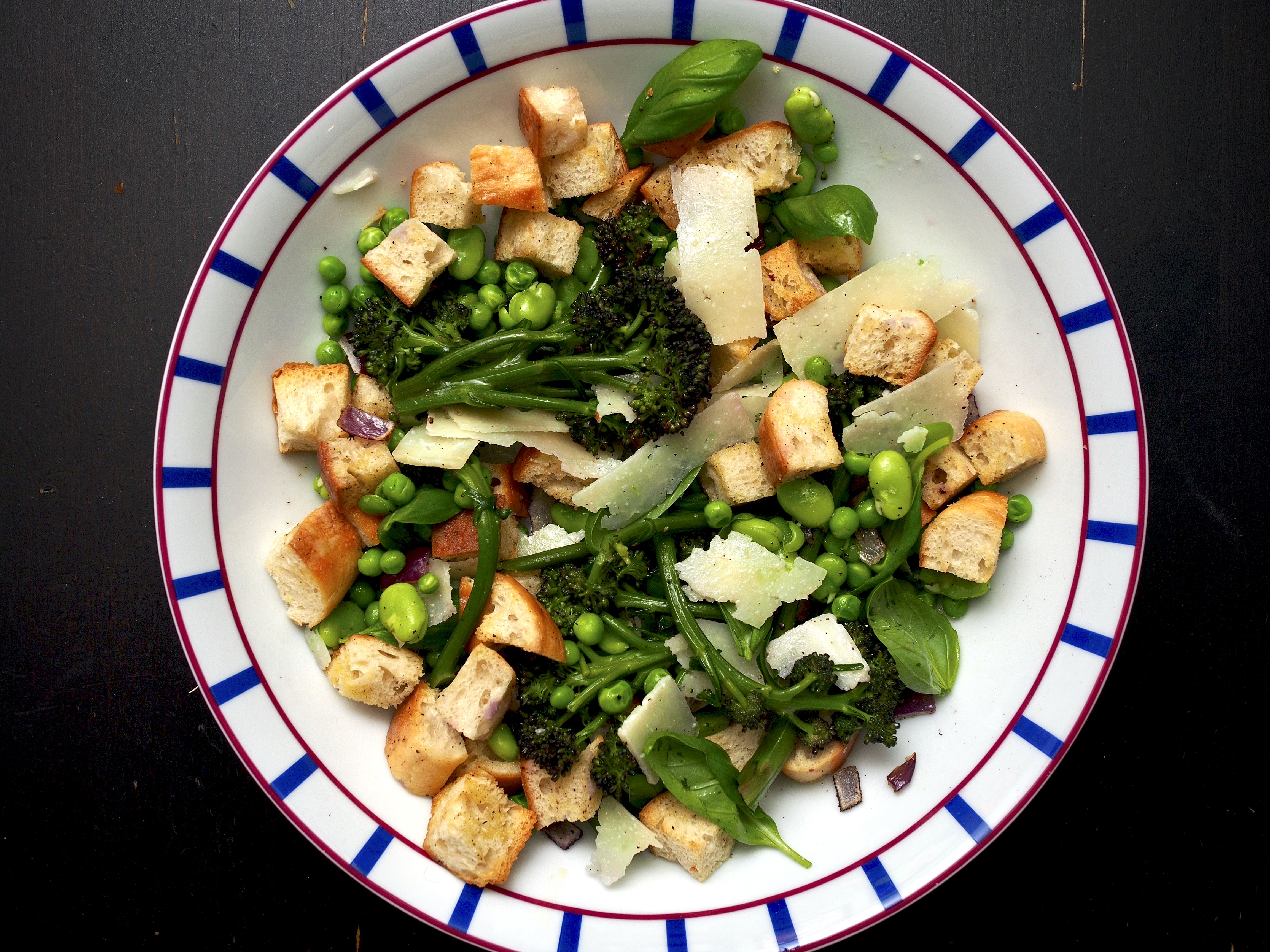
We’re getting very impatient for spring veg. Ideally this would be made with locally grown asparagus and freshly podded peas and broad beans. In reality we had to settle for purple sprouting broccoli and frozen peas and beans. Still a delicious spring dish. This makes enough to serve 6 for lunch or a generous side dish. Cook the veg at the last minute if you can as it nice served slightly warm.
Spring Panzanella – serves 6
350g ciabatta, torn into bite-size chunks
1 shallot, chopped
3 tbsp olive oil,
300g fresh pea or frozen peas
300g fresh broad beans (podded weight) or use frozen broad beans
400g asparagus, trimmed (we used purple sprouting broccoli)
leaves from a large bunch of basil
1 clove of garlic, crushed
35ml extra virgin olive oil
3 tbsp balsamic vinegar (ideally white balsamic)
75g Pecorino or Parmesan, shaved
Preheat the oven to 180C/350F/Gas 4.
Toss the bread in a roasting tin with the shallot, seasoning and oil. Bake for about 15 minutes, or until golden and crunchy.
Cook the peas and broad beans in salted boiling water in separate pans, then drain. Slip the skins from the broad beans.
Meanwhile, cook the asparagus in salted water for 3-4 minute or until tender. Drain in a sieve and refresh briefly under cold water, just long enough to stop cooking but not cool down completely.
Put the crunchy bread into a large, shallow bowl. Add the asparagus, peas, broad beans, basil & garlic. Season well. Pour on the extra virgin olive oil and balsamic vinegar and add the cheese. Toss gently and serve.
(Original recipe from Food from Plenty by Diana Henry, Mitchell Beazley, 2012.)
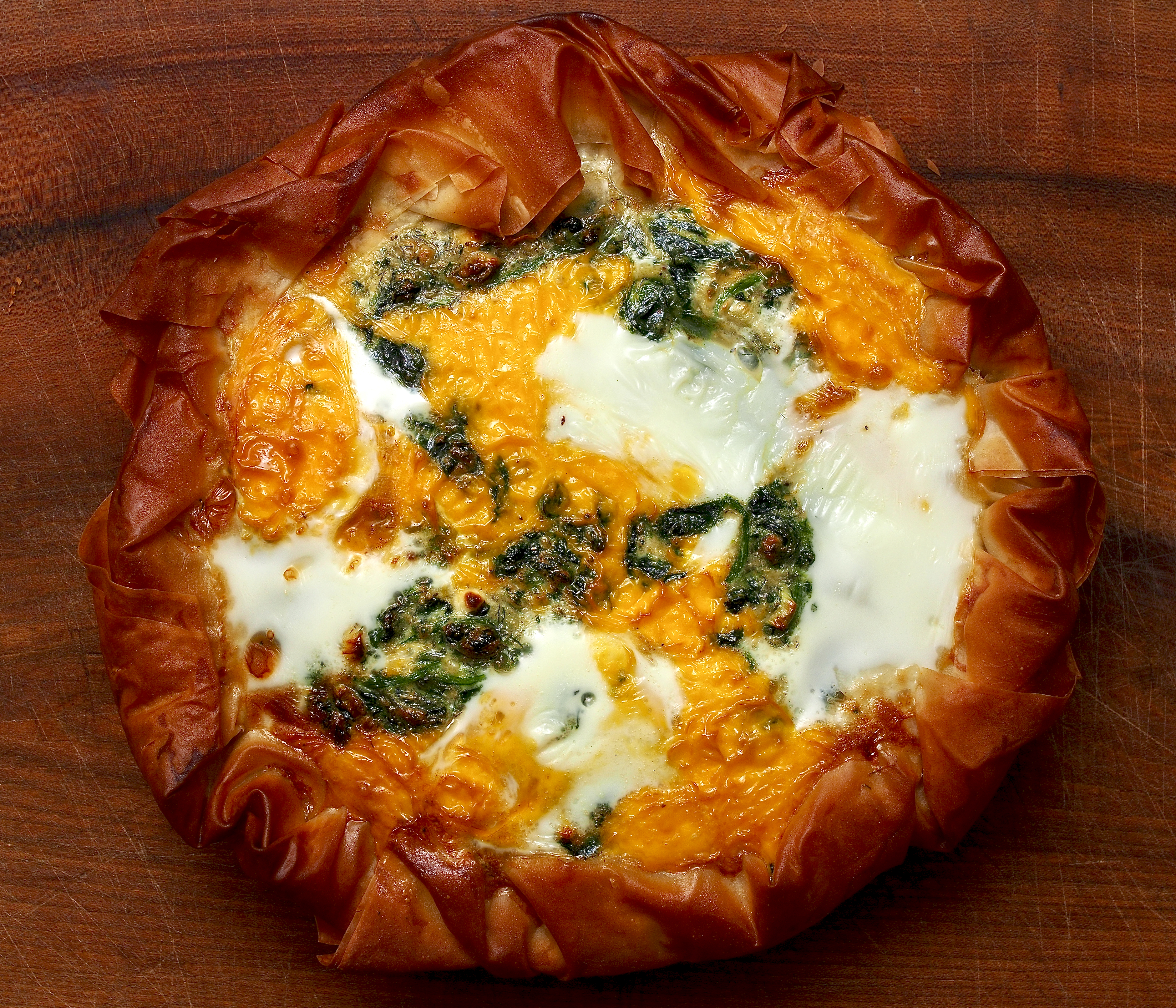
We loved this deep-filled veggie pie and it looks so bright with the broken eggs on the top. Excellent for lunch or dinner or to pack up for a picnic. Leftovers are good too. Use a 23cm round baking tin. Serve with a salad.
Wine Suggestion: Pick a white you’d be happy having on a picnic; something with a bit of body and dry, minerality. For us it was an old vine Bourgogne Aligote from Domaine Gueguen in Chablis. Full and round with apricot and apple flavours and a saline, chalky twist at the end. Tasting this we wonder why Aligote isn’t more popular as it is delicious.
Spinach, egg and filo pie – serves 8
70g butter
1 small packet of filo pastry
FOR THE FILLING:
50g butter
500g spinach
1 small bunch of dill, chopped
3-4 scallions, chopped
a few sprigs of thyme, leaves picked and chopped (about 2 tsp)
2 tsp dried mint
1 tsp salt
½ tsp freshly ground black pepper
½ tsp ground nutmeg
160g cup yoghurt
50g plain flour
8 eggs
50g finely grated pecorino
50g feta
Melt the 50g portion of butter for the filling in a large saucepan. Add the spinach and cover, then cook for a few minutes until wilted. Drain in a colander to drain off the excess liquid. Transfer to a large bowl and add the dill, scallions, thyme, dried mint, salt, pepper and nutmeg and mix well. Add the yoghurt, flour, 4 of the eggs, the pecorino and feta, and mix well to combine.
Heat the oven to 200C/180C fan/gas 6.
Melt the 70g portion of butter for the pastry and take the filo sheets out of the packet. Brush the first sheet with the melted butter and lay another sheet on top. Lift these 2 sheets into the round baking tin, allowing a little overhang. Repeat this process and put another layer in the tin, slightly overlapping the first. Continue this way until the tin is fully lined with pastry, with pastry over hanging on all sides. You will probably need about 4 double sheets.
Fill the pastry lined tin with the spinach mixture, then fold the filo overhang to cover the edges of the filling but don’t cover the whole surface. Scrunch the pastry to form a crunchy rim and brush with a little more butter. Place in the oven for 10 minutes.
Carefully remove the tin from the oven and crack the remaining 4 eggs over the surface. Aim to have an egg yolk in each quarter and for the egg white to be evenly distributed. Use the tip of a sharp knife to swirl the yolk into the filling but don’t push it in too much. Put the pie back in the oven and bake for another 20 minutes or until the spinach mixture and eggs are set and the pastry crispy.
(Original recipe from Honey & Co. At Home by Sarit Packer & Itamar Srulovich, Pavilion, 2018.)
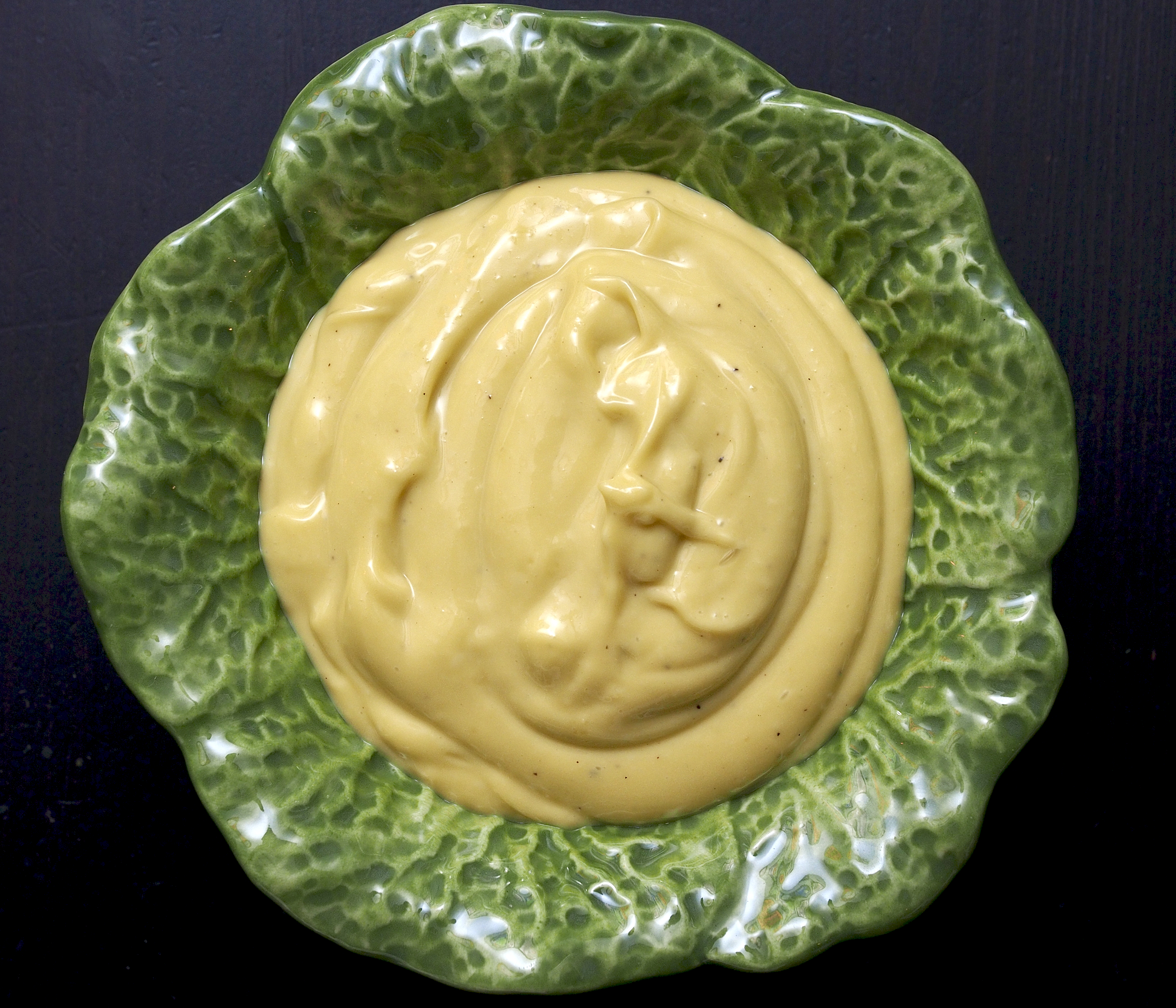
This is easier to make than you think, particularly if you have a food processor to hand, though a whisk and a bowl will also work. So much nicer freshly made than any bought version and good with fish dishes or a roast chicken.
If you go a fraction too fast pouring in the oil, it is easy for it to de-emulsify and go to liquid again as we did with this one. Do not dispair as it’s also easy to save – just pour the split mix into a jug and start again with 10ml water in the food processor, slowly adding the split mix and then the remaining oil. It all, miraculously comes back together again!
Aïoli – serves 4 to 6
2 egg yolks
1 clove of garlic, crushed
2 tsp Dijon mustard
1 tsp red wine vinegar
a big pinch of salt
200ml groundnut oil or sunflower oil
50ml good olive oil
Put the egg yolks, garlic, mustard, vinegar and salt in a food processor and blitz for 20 seconds. Keep the motor running while you add the groundnut oil/sunflower oil. You need to add slowly in a very thin drizzle, and then finish with the olive oil.
You should get a nice thick mayonnaise and if it all goes wrong, follow the instructions in the introduction. If it’s a bit too thick at any point, you can add a splash of cold water to thin it, then continue adding the oil. Season with salt and pepper to taste.
(Original recipe from Home Cookery Year by Claire Thompson, Quadrille, 2020.)
We served this as a side with a barbecue but it would also make a nice dinner for 2.
Couscous & chickpeas in ras el hanut spice – serves 4 as a side or 2 as a main
½ a small onion, finely chopped
3 cloves of garlic, finely sliced
1 tbsp olive oil
1 tsp salt
1 tbsp ras el hanut spice mix
100g cooked chickpeas (from a tin)
1 tomato, diced
60g couscous
180ml boiling water
15-20g coriander, chopped
Heat the oil in a pan, then fry the onion and garlic over a medium heat until softened and starting to colour. Add the salt and ras el hanut and mix for about 20 seconds. Add the chickpeas and diced tomato and cook for another minute. Stir in the couscous and boiling water, bring to the boil, then turn off the heat and cover.
Leave the couscous aside for 10 minutes to absorb the liquid, then remove the lid and use a fork to separate the grains and mix in the chopped coriander. Serve warm or at room temperature.
(Original recipe from Honey & Co. Food from the Middle East, Saltyard Books, 2014.)
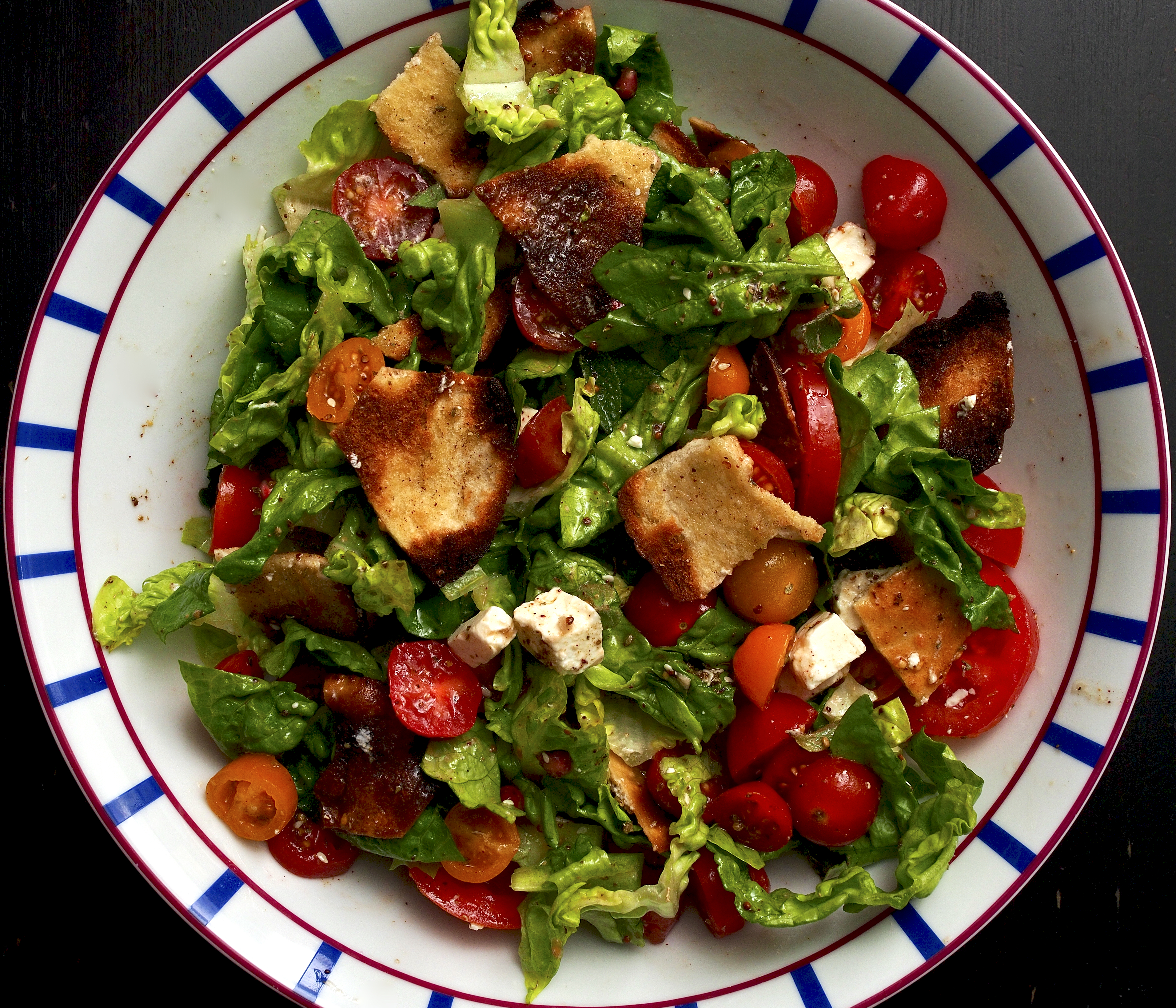
We know it’s a bit early for tomatoes, but this salad tastes good even with the blandest of specimens, so you’re good to go. A great side dish for a barbecue. You can get everything prepped up to an hour in advance but don’t toss it all together until ready to serve.
Tomato & za’atar fatoush – serves 4
1 pitta, cut in half to make two thin round pieces
olive oil
1 head of Little Gem lettuce
250g mixed tomatoes
150g feta
2 springs of fresh oregano, leaves picked
2 tsp za’atar
2 heaped tbsp fresh pomegranate seeds
FOR THE DRESSING:
1 clove of garlic
2 tbsp good olive oil
1 tbsp red wine vinegar
¼ tsp sea salt
a pinch of black pepper
Peel the garlic and bash with a knife to flatten. Mix it with the other dressing ingredients and allow to infuse for an hour at room temperature. Discard the garlic clove before mixing the dressing with the salad.
Brush the pitta bread with a little olive oil and toast until lightly golden and crispy. Break into bite-sized pieces.
Separate the lettuce leaves and cut into large strips.
Cut the tomatoes in different ways – slice some, chop into chunks and just half the little ones. You want them bite-sized rather than finely chopped.
Break the feta into chunks.
When ready to serve put the pitta pieces, lettuce, tomatoes, feta, oregano and za’atar into a large bowl. Pour over the dressing and gently mix everything together. Serve on a large platter with the pomegranate seeds sprinkled over.
(Original recipe from Honey & Co. Food from the Middle East by Sarit Packer & Itamar Srulovich.)
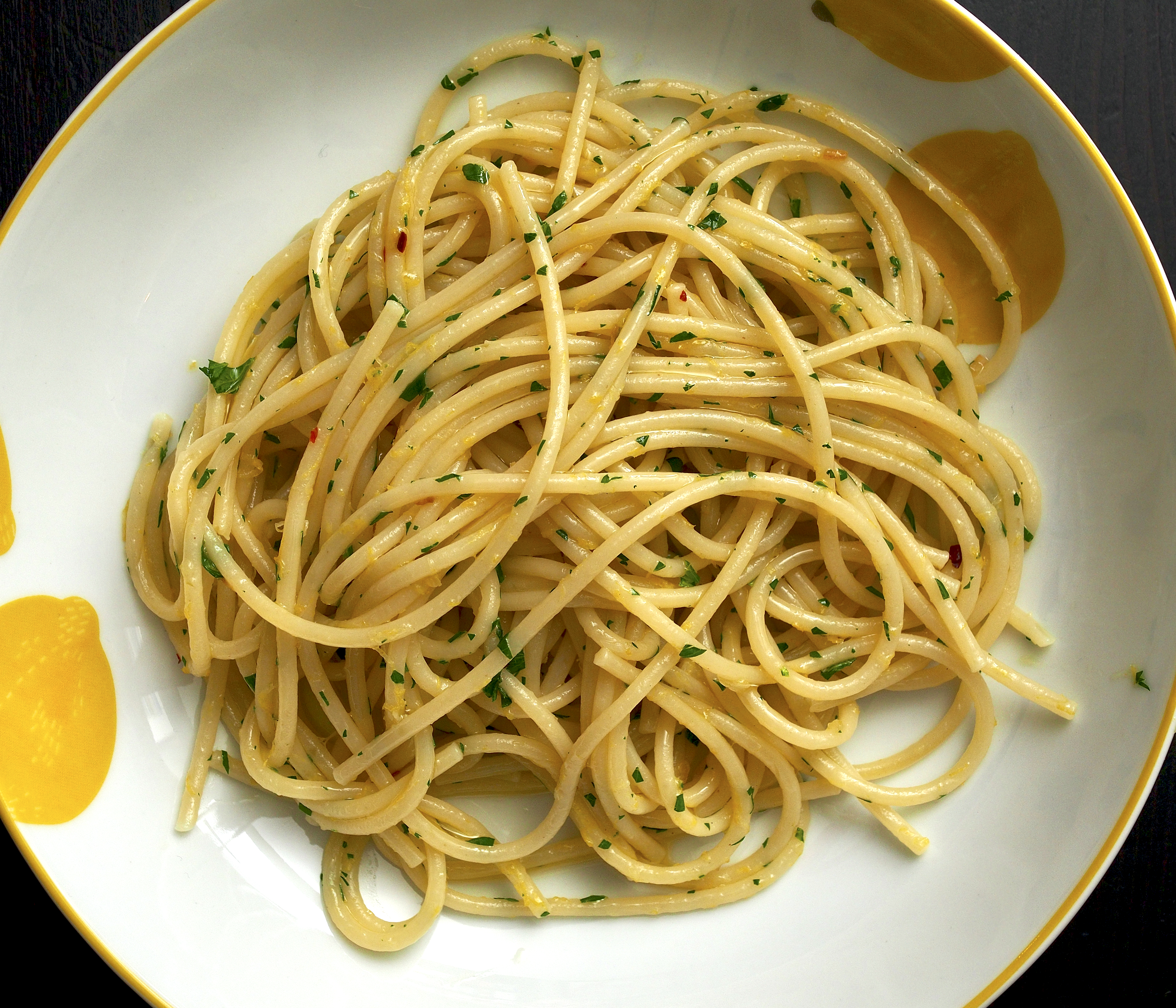
Rachel Roddy is a great inspiration for us in the kitchen. Her recipes are so simple but just right. This spaghetti dish has no pepper or cheese and doesn’t need them, it’s delicious as it is and a treat at any time of year.
Wine Suggestion: We were inspired by the bright Spring day and this dish to open the Spiaggia Marche Bianco. A youthful Verdicchio from the Sartarelli family who live and breathe Verdicchio. Joyful and charming; everything we were hoping for.
Spaghetti aglio, olio al limone – serves 4
2 large unwaxed lemons, zest grated
a large handful of flat-leaf parsley, very finely chopped
500g spaghetti
1-2 garlic cloves, very finely chopped
1 small dried chilli or a pinch of dried chilli flakes
6 tbsp of olive oil
Mix the lemon zest and chopped parsley together and set aside.
Bring a large pan of water to the boil, add lots of salt, then stir in the spaghetti and cook until al dente.
Meanwhile, very gently warm the olive oil in a large frying pan with the chopped garlic and chilli. You want it to be fragrant but be very careful not to burn it.
Use tongs to lift the spaghetti out of the water and into the frying pan, you want a little of the residual cooking water. Stir the spaghetti to coat in the oil, then add the lemon zest and parsley and a pinch of salt. You can also add a squeeze of lemon juice if you like, we usually don’t feel it needs it. Divide between warm pasta bowls.
(Original recipe from Two Kitchens: Family Recipes from Sicily and Rome by Rachel Roddy, Headline Home, 2017.)
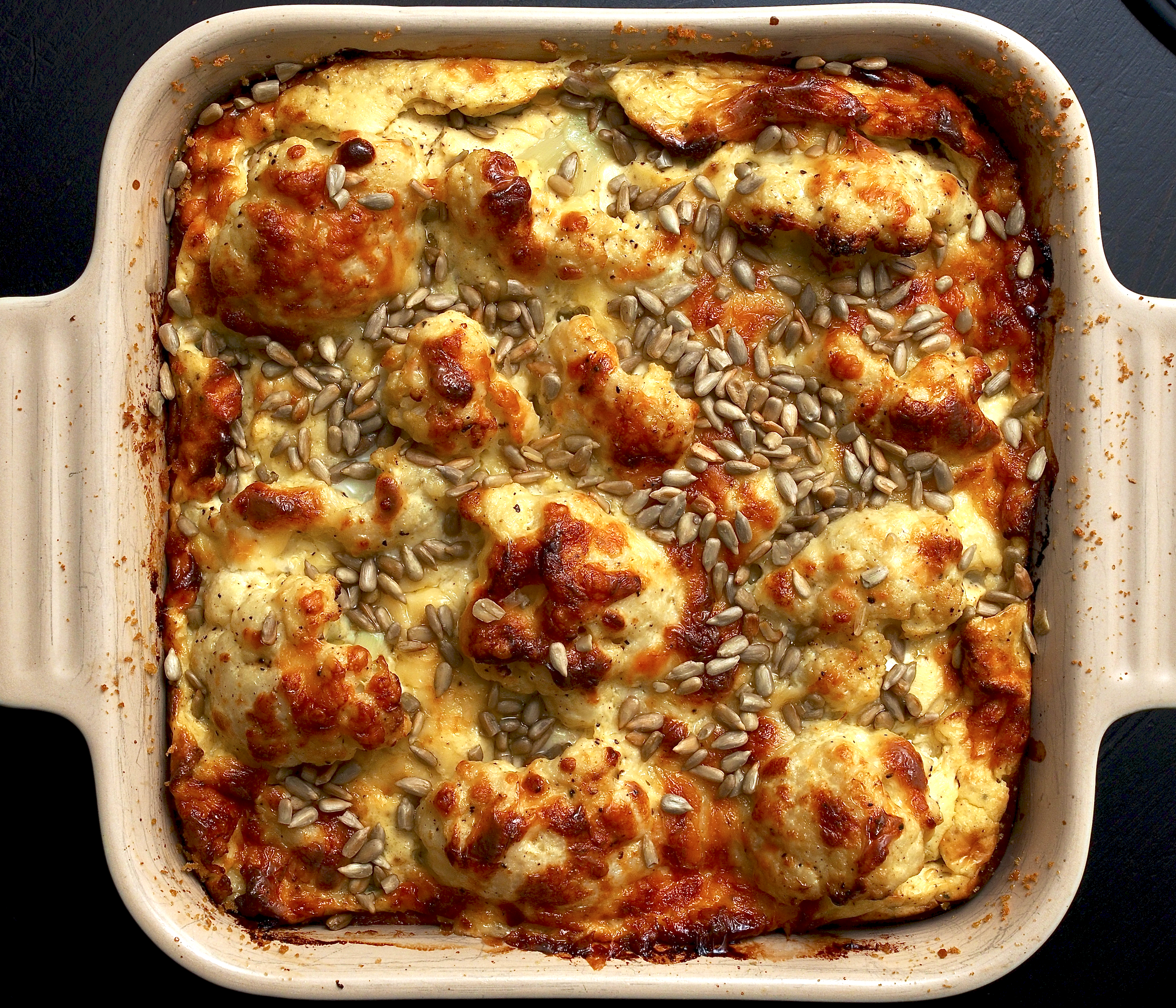
The first thing to mention, is that this is not like the cauliflower in cheese sauce that we all know and love, but no less because of that. This dish is more set, more ‘eggy’ and has a distinctive tang from the soured cream. It also reheats particularly well, regular cauliflower cheese tends to split. So the verdict is that you should definitely give this a go – we served as a side with a dish of minty peas and lettuce and some baked ham. It could definitely work as a main either with a green salad or green veg.
Cauliflower gratin with soured cream – serves 4
a knob of butter, for greasing the dish
50g breadcrumbs
1 large cauliflower, about 1kg when the leaves have been removed, cut into medium-sized florets
350ml soured cream
125g Cheddar cheese, grated
2 eggs, beaten
1 tsp ground nutmeg
3 tsp mustard
2 tsp salt
1½ tsp black pepper
50g sunflower seeds
Pre-heat the oven to 200C/400F/Gas 6.
Grease a ceramic baking dish with butter, then sprinkle with the breadcrumbs.
Bring a large pan of water to the boil and cook the florets for about 6 minutes, or until just tender. Drain, then steam dry in the warm pot for a few minutes and drain again on some kitchen paper to make sure no water remains.
Combine the soured cream, 100g of the cheese and eggs with the nutmeg, mustard and seasoning in a large bowl.
Put the drained cauliflower into the prepared dish, then pour over the soured cream mixture. Sprinkle with the rest of the cheese and bake in the oven for 25-30 minutes, covering with foil if it starts to brown too quickly.
Serve with the sunflower seeds scattered over the top.
(Original recipe from Carpathia: Food from the Heart of Romania by Irina Georgescu, Frances Lincoln Publishing, 2020.)
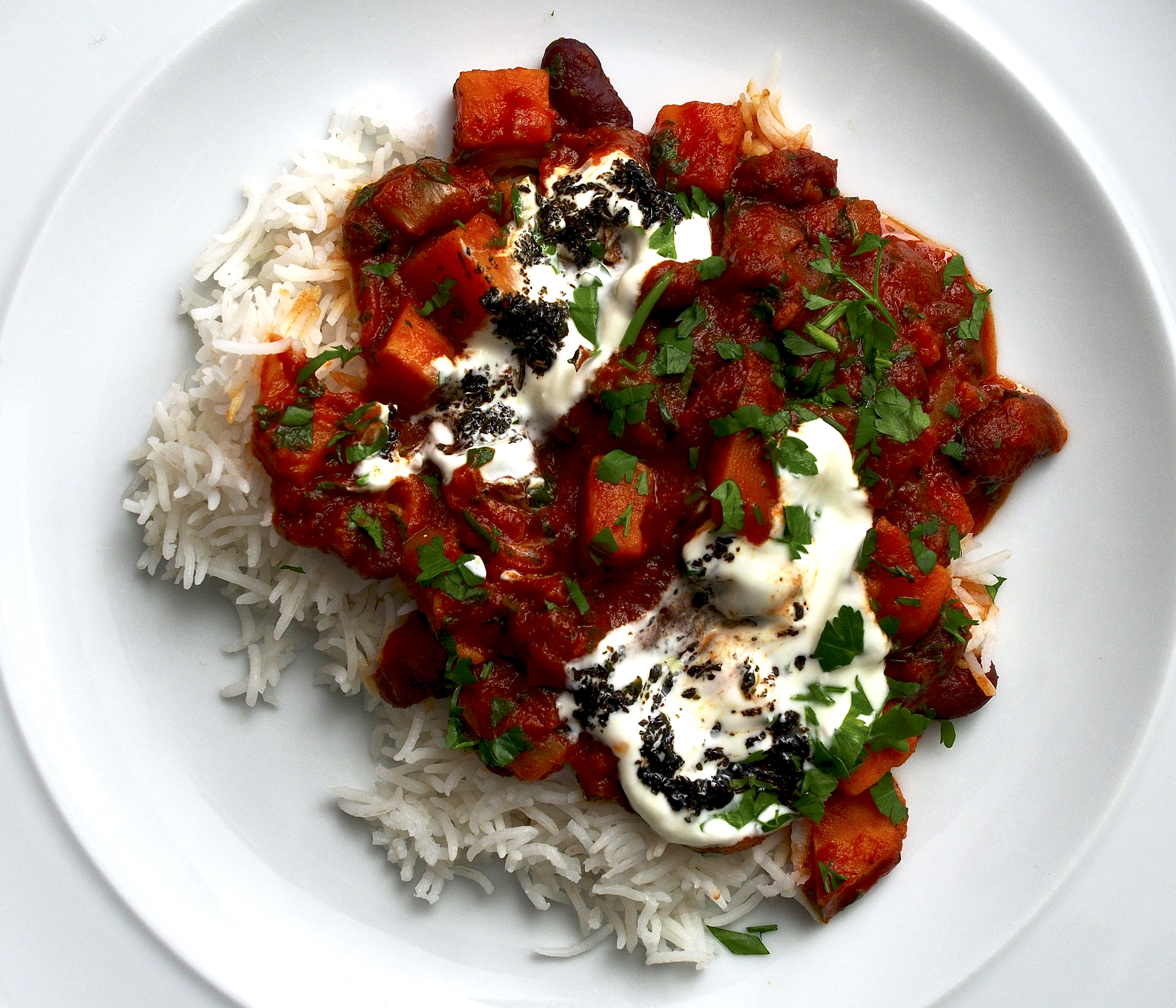
For no particular reason we tend to eat mostly meat and fish dominant dishes on the weekend, and mostly veg during the week. This has been unsettled recently as we have no one to share our dishes with, so there is inevitably lots of leftovers from the weekend, and fewer opportunities to cook vegetables. This weekend we made sure to include a veggie dish in the line up and we’re looking forward to the leftovers already. Lots of lovely warm spices in this one. Serve with steamed rice.
Wine Suggestion: a nice accomaniment to this was from a young turk in Chateauneuf du Pape, Jean-Paul Daumen’s Méditerannée. From Southern France this contains the usual Rhone varieties alongside Cab Sauv and Merlot for a very pleasurable taste of sunshine. A well thought out biodynamic and organic blend that demonstrates why we shouldn’t always insist on what was grown traditionally in the area; this expands the range of taste on offer in a good way.
Red kidney bean & sweet potato stew with yoghurt & hot mint oil – serves 4
vegetable oil
1 large onion, chopped
4 big garlic cloves, thinly sliced
2 tsp cumin seeds
1 tsp ground cinnamon
1 tsp ground turmeric
1 tsp chilli flakes
690g jar of passata
500g sweet potato, peeled and cut into 1cm chunks
400g tin red kidney beans, drained
30g flat leaf parsley, roughly chopped
1 tbsp dried mint
Greek yoghurt
Put a large saucepan over a medium heat and pour in enough vegetable oil to coat the bottom. Add the onion and cook for a few minutes, then add the garlic and stir until both have softened but not coloured.
Stir in the spices and cook for a minutes, then season generously with Maldon salt and black pepper, then stir in the passata. Reduce the heat to low and simmer uncovered for about 25 minutes. Add a splash of water now and then if needed to prevent it sticking.
Stir in the sweet potato and cook for a further 30-40 minutes, or until tender, then add the beans and most of the parsley and heat through.
Meanwhile, put a small pan over a medium heat. Add 1 tbsp of vegetable oil and heat before stirring in the dried mint. Stir for a minute or two then remove from the heat.
Serve the stew with some yoghurt, the extra parsley and a drizzle of the hot mint oil.
(Original recipe from Simply by Sabrina Ghayour, Mitchell Beazley, 2020.)
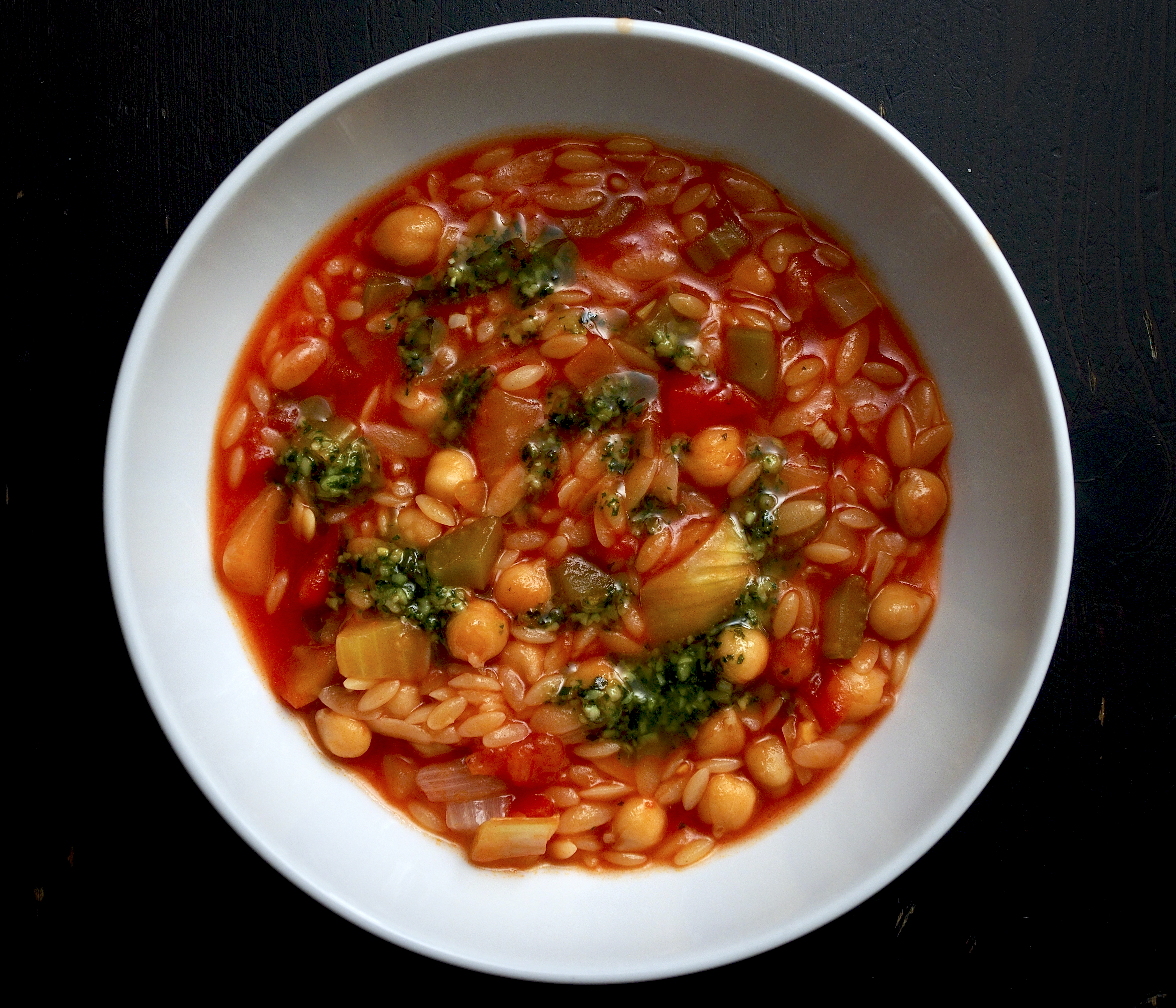
This soup really couldn’t be simpler and it’s nice and filling for lunchtime.
Tomato Soup with Chickpeas, Orzo & Pesto – serves 4
2 tbsp olive oil
1 onion, chopped
2 celery sticks, chopped
2 garlic cloves, crushed
1 tbsp tomato purée
400g tin chopped tomatoes
400g tin chickpeas
150g orzo pasta
700ml vegetable stock
2 tbsp basil pesto
Heat 1 tbsp olive oil in a large saucepan. Add the onion and celery and fry for 10-15 minutes, or until starting to soften, then add the garlic and cook for another minute. Add all of the other ingredients, except for the pesto and remaining oil, and bring to the boil.
Reduce the heat and leave to simmer for 6 to 8 minutes or until the orzo is tender. Season to taste and divide between warm bowls. Stir in the remaining olive oil with the pesto, then drizzle over the soup.
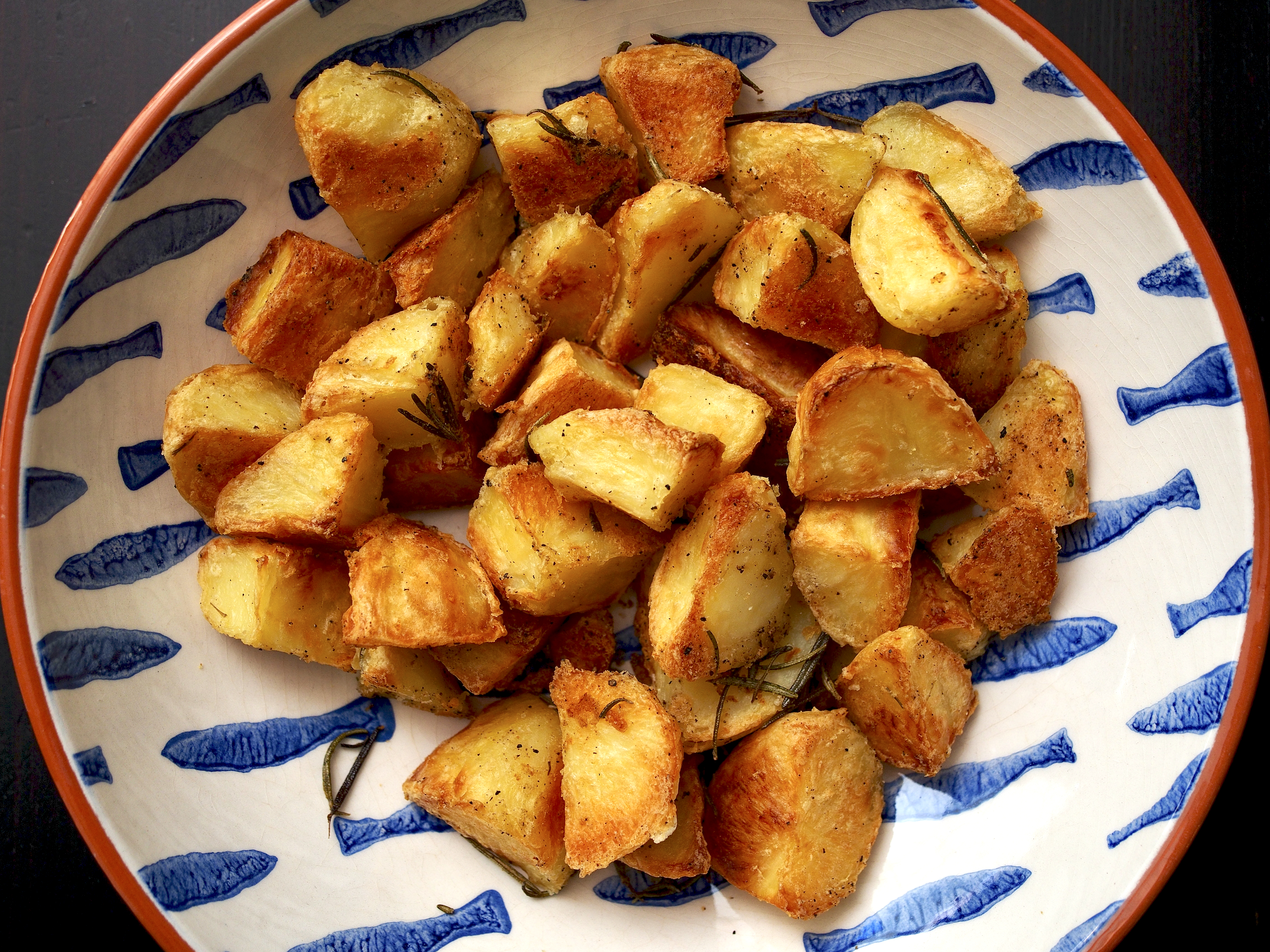
Do we need to provide another recipe for Italian roast potatoes with rosemary? Probably not, but this version uses regular potatoes, rather than the baby waxy variety. So perhaps it will come in handy, as it did for us.
Roast Potatoes with Rosemary – serves 4 to 6
2kg potatoes e.g. Maris Piper or Roosters
a large handful of rosemary sprigs, leaves picked
extra virgin olive oil
Maldon salt and black pepper
Peel and cut the potatoes into chunks, then boil in salted water until just cooked through. Drain in a colander and leave for 10 minutes to cool slightly and lose some mixture.
Preheat the oven to 220C/220C Fan/Gas 7.
Heat a roasting tray in the oven with most of the rosemary leaves and a good few glugs of olive oil, salt and pepper.
Remove the tray from the oven and add the potatoes, turning to coat well in the oil and rosemary .
Roast for about 45 minutes, turning every 15 minutes or so.
(Original recipe from Polpo by Russell Norman, Bloomsbury Publishing, 2012.)
Sometimes all you want is a plate of greens. Here they are with a Japanese-style sauce and some sticky rice and sesame seeds.
Wine Suggestion: We find this combination of flavours in the sauce work well with Riesling, especially if it’s the lighter styles with a touch of fruit. This could be a German Kabinett with lower alcohol, residual sugar and refreshing acidity, or one of the dry Clare Valley cuvées that leave a hint of sugar in making them very approachable in youth like Pike’s Hills & Valleys.
Greens with Sticky Sesame Rice – serves 2
1 tbsp caster sugar
140g sushi rice
1 tbsp sesame seeds, toasted
1 tsp sesame oil
1 tbsp sunflower oil
350g purple sprouting broccoli or other long-stemmed broccoli
6 scallions, halved lengthways
FOR THE SAUCE:
2 tbsp brown miso paste
1 tbsp mirin
1 tbsp rice wine vinegar
1 tbsp soft brown sugar
2 tsp finely grated ginger
1 red chilli, deseeded and diced
Stir the sauce ingredients together with 1 tbsp water, then set aside.
Bring a large pan of water to the boil with the caster sugar and ½ tsp salt. Add the rice and boil for about 15 minutes (or whatever time it suggests on the pack) until just cooked. Drain well, return to the pan and sprinkle over the toasted sesame seeds and sesame oil. Cover and keep warm.
Heat the sunflower oil in a wok until smoking hot. Add the broccoli and stir-fry for a few minutes until almost tender, add a splash of water now and then to create a bit of steam. Add the scallions and stir-fry for 30 seconds, then stir in the sauce and cook for another minute or two, stirring constantly.
Divide the rice between 2 plates and top with the stir-fry.
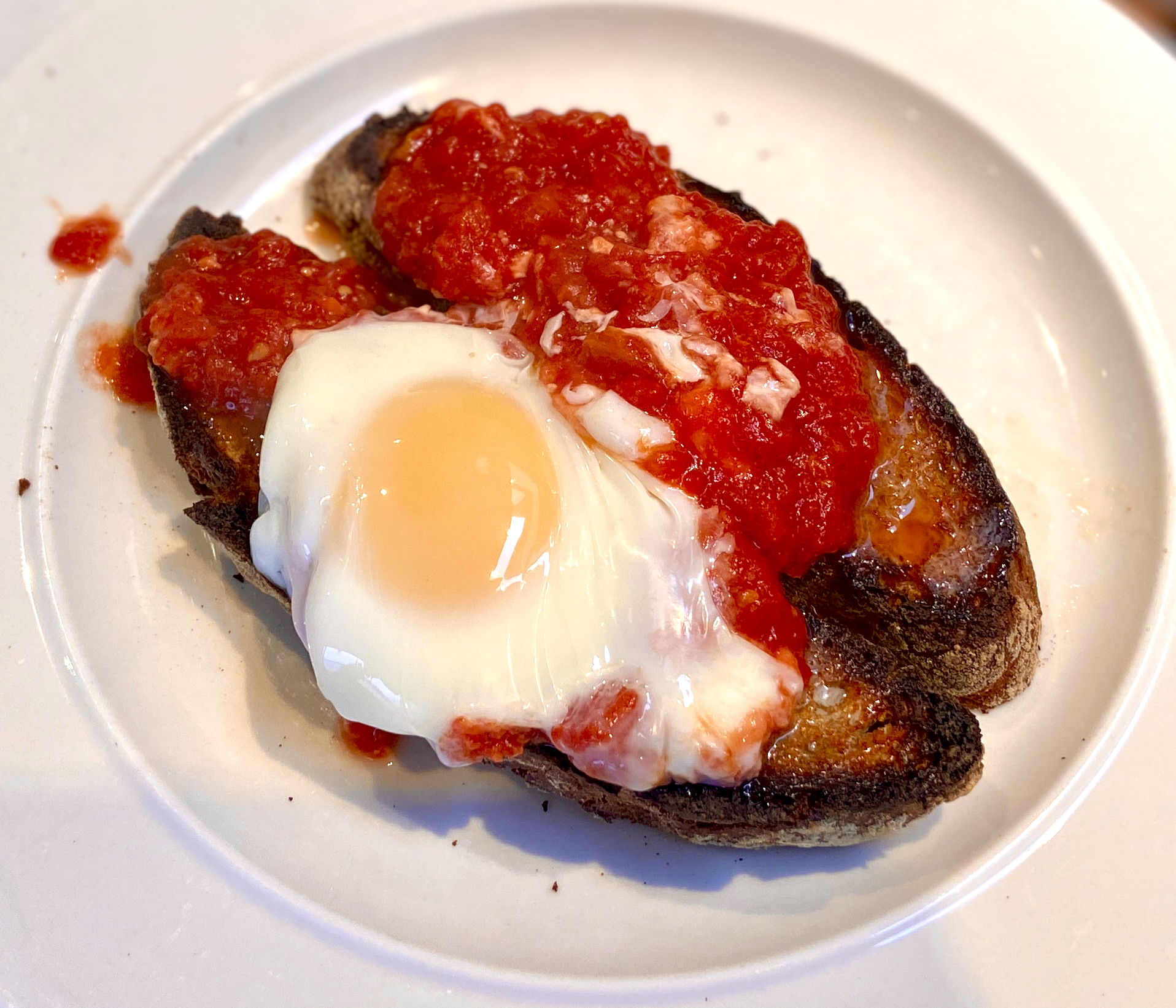
This makes a delicious veggie breakfast with toast or with bread and a salad for lunch. It is so simple but you need to use top quality tinned tomatoes as they are the star of the show.
Baked eggs with tomatoes – serves 4
500g tinned tomatoes, drained, seeded and chopped
3 tbsp olive oil
8 fresh eggs
Preheat the oven to 220C/425F/Gas 7.
Put the tomatoes into a saucepan with 2 tbsp of water and a couple of pinches of salt. Cover and simmer slowly for 30 minutes, give it a stir occasionally.
Pour the olive oil into an ovenproof dish, then pour the tomatoes on top.
Break the eggs into the dish on top of the sauce and season with black pepper. Bake for 5 minutes or until the whites are just set and the yolks still runny.
(Original recipe from Southern Italian Cooking by Valentina Harris, Pavilion Books Limited, 1993.)
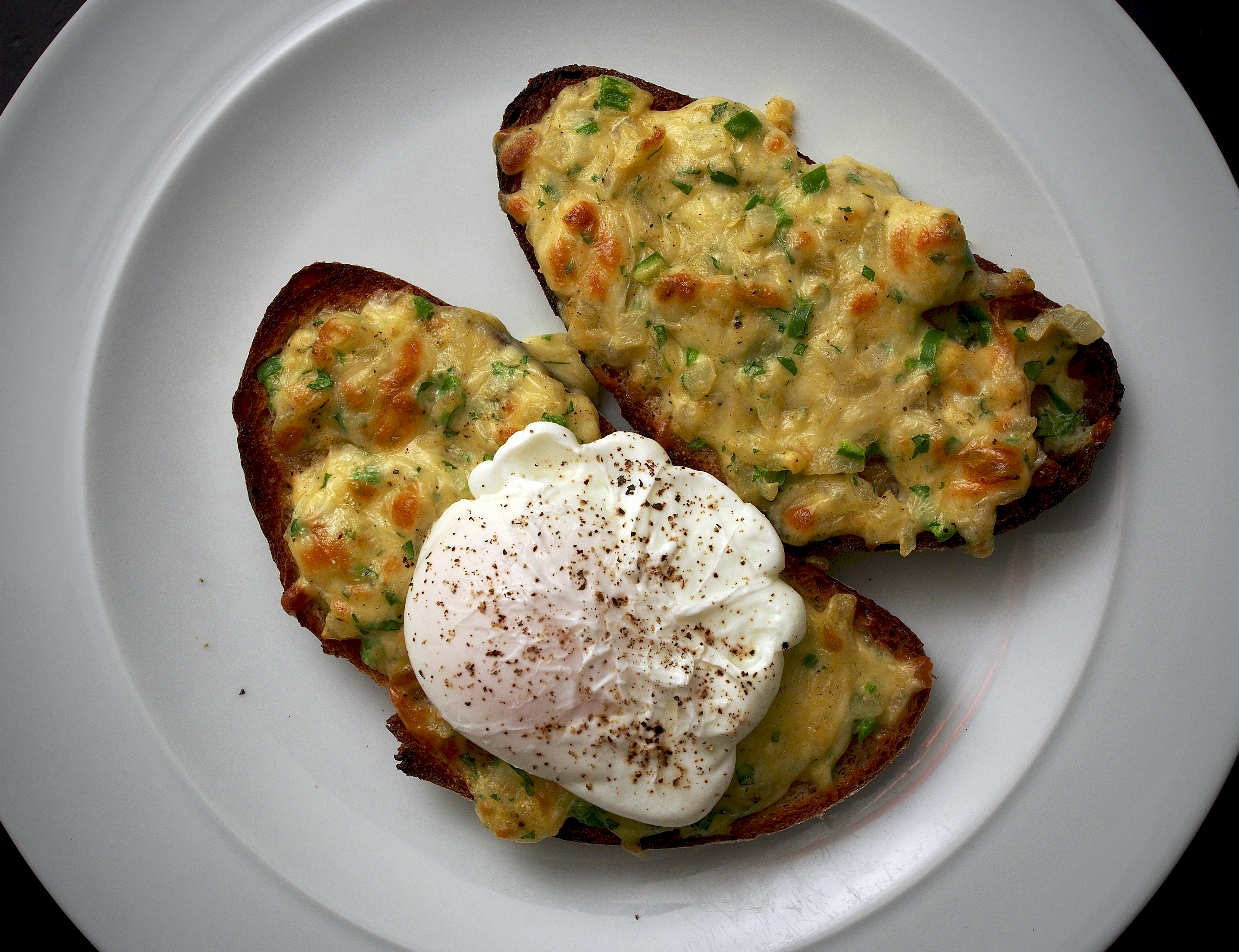
Try this delicious Indian brunch dish by Cyrus Todiwala – chilli cheese on toast with a fried egg on top and ketchup on the side. We poached our eggs this time.
Wine Suggestion: What do they serve in those brunch places? Bottomless prosecco – something like that.
Eggs kejriwal – serves 2
1 tsp butter, plus more for spreading on the toast
1 small onion, finely chopped
2-4 thick slices bread
100g mature cheddar, grated
2 tsp English mustard
a small handful of coriander leaves, finely chopped
1-2 green chillies, deseeded and finely chopped
3 large eggs
1 tbsp oil
tomato ketchup, to serve (optional)
Melt the tsp of butter in a small frying pan and fry the onion for about 5 minutes or until soft. Remove from the heat and leave to cool.
Lightly toast the bread, then spread with butter and put onto a baking tray.
Heat the grill to medium.
Mix the onion, cheese, mustard, coriander, chilli and 1 egg together in a bowl and season.
Spread the cheese mix over the toast and grill for about 5 minutes or until set and bubbling.
Meanwhile, fry or poach your eggs.
Serve the cheese on toast on warmed plates with an egg on top and ketchup on the side.
(Original recipe by Cyrus Todiwala in BBC Good Food magazine, March 2020.)
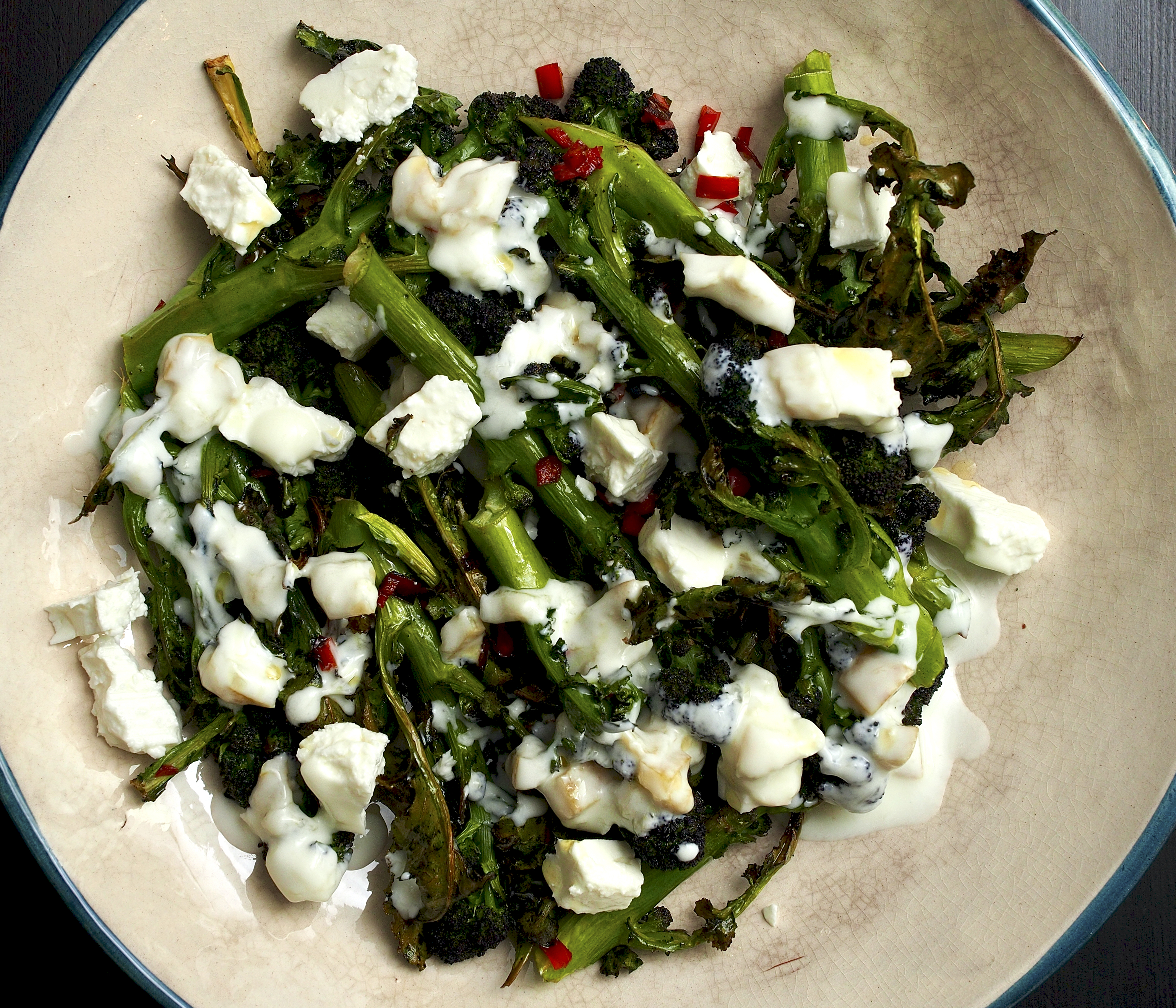
PSB is our veg saviour early in the year when winter is lingering and spring still seems too far away. We loved this roasted version with a tangy lemon dressing.
Roasted PSB with feta & preserved lemons – serves 4 to 6 as a side
500g purple sprouting broccoli
2 tbsp olive oil
1 red chilli, chopped
1 preserved lemon, flesh and rind chopped, plus 1 tbsp juice from the jar
80g yoghurt
1 garlic cloves, grated
30g feta
Heat the oven to 200C/180C fan/gas 6.
Put the PSB into large roasting tin, add the olive oil and red chilli, season with salt and pepper, then toss with your hands.
Roast for 15 minutes, turning halfway, until tender and starting to char.
Meanwhile stir the preserved lemon, juice and garlic into the yoghurt.
Crumble the feta over the roasted broccoli and drizzle with yoghurt dressing and your best olive oil.
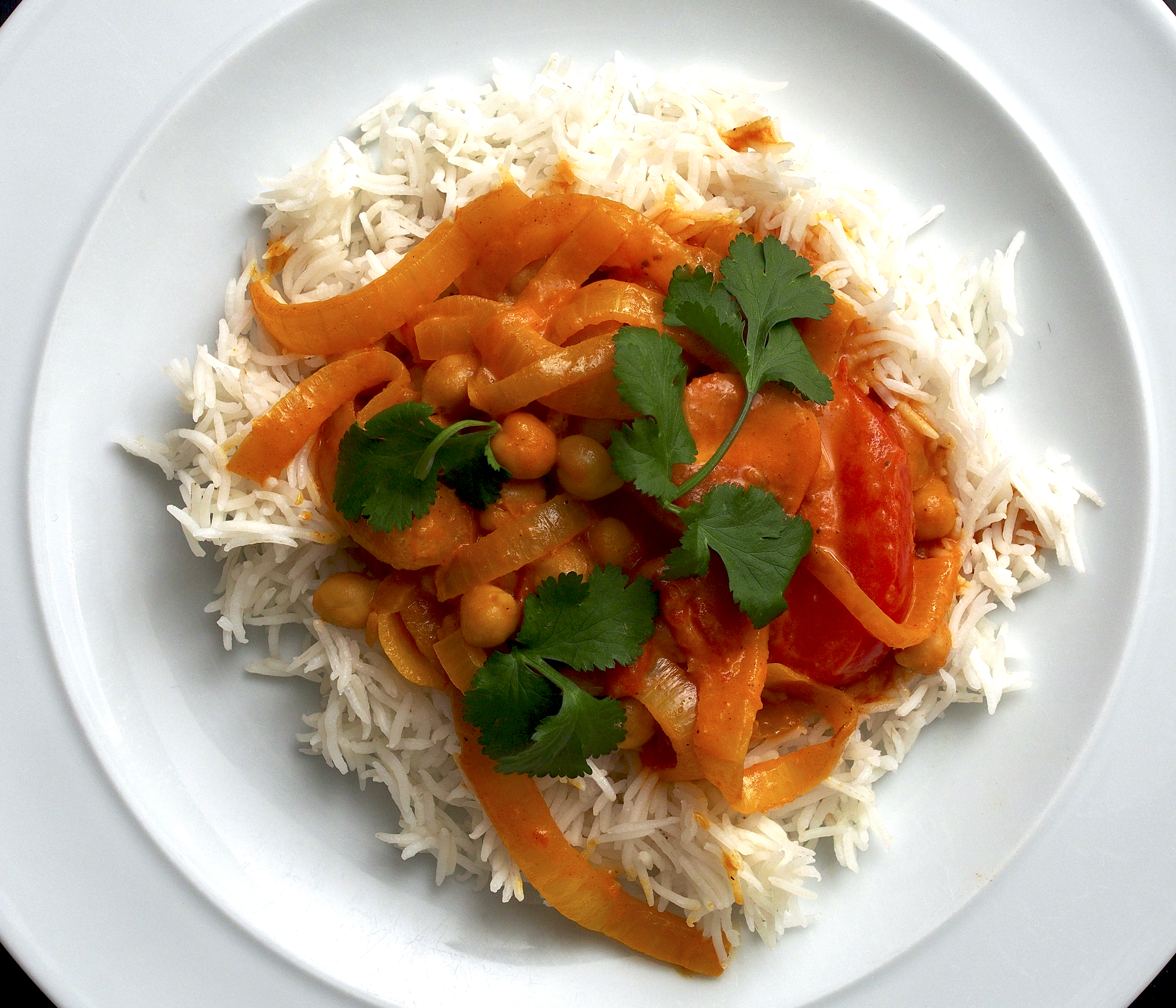
A few tins and some spices and you’re pretty much sorted for this tasty weeknight curry. We served this with rice the first night, and chips the second. We also know it’s not tomato season at present but the fresh tomatoes are really more for texture than flavour here.
Tomato & chickpea curry – serves 4
1 tbsp olive oil
2 onions, finely sliced
2 cloves of garlic, crushed
1 tsp garam masala
1 tsp turmeric
1 tsp ground coriander
1 x 400g tin plum tomatoes
1 x 400ml tin coconut milk
1 x 400g tin chickpeas, drained and rinsed
2 large tomatoes, quartered
a small bunch of coriander, roughly chopped
Heat the oil in a large pan and cook the onions for about 10 minutes or until softened.
Add the garlic and spices and keep cooking for another minute or two.
Add the tin of tomatoes, breaking them up with a spoon, then simmer for 10 minutes.
Add the coconut milk and season generously. Bring to the boil and simmer for a further 10-15 minutes or until thickened.
Add the chickpeas and fresh tomatoes and allow to warm through. Serve with some steamed rice and the coriander scattered over.
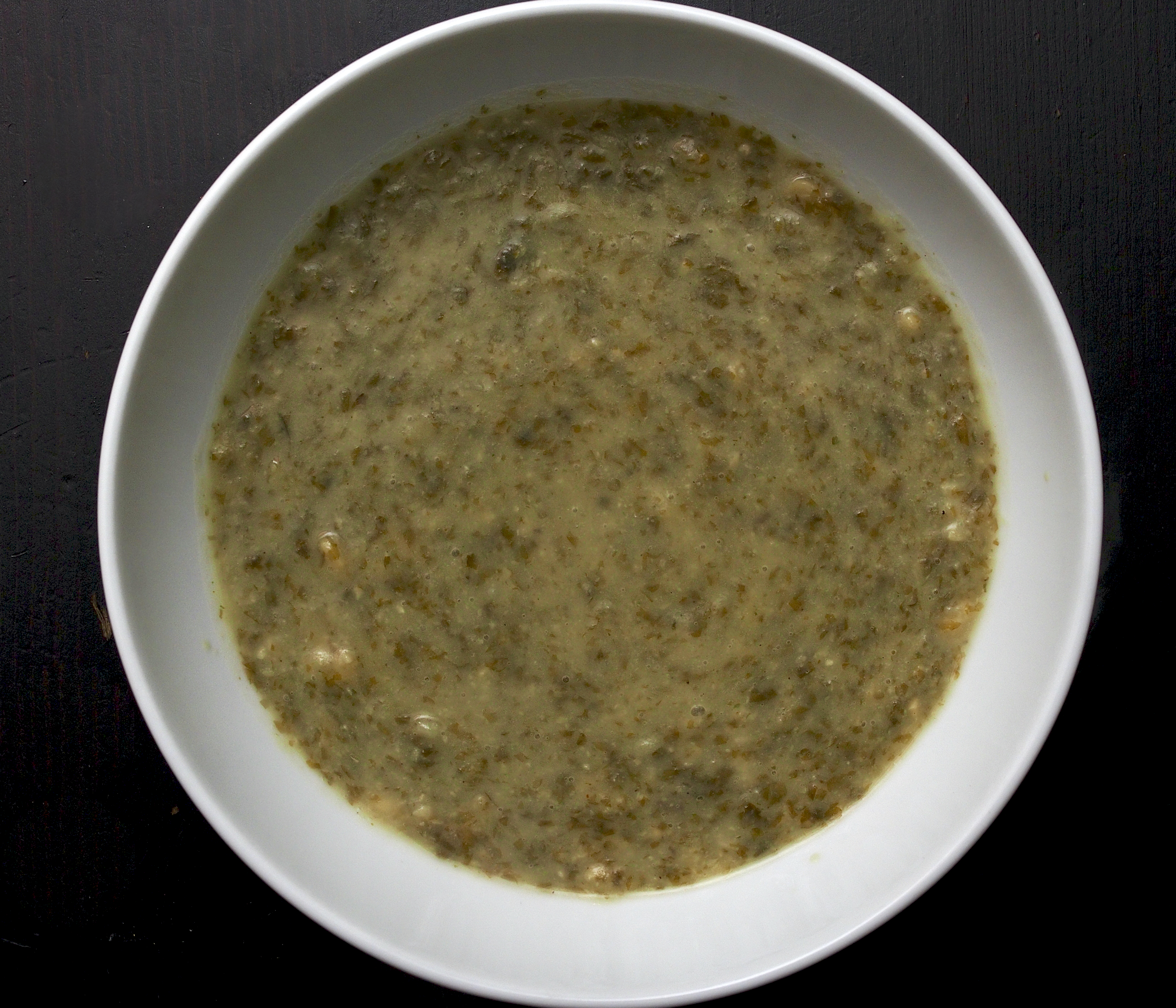
A genius combination by Gill Meller, unusual and totally delicious. Gill deep fries the artichoke skins and some extra nori sheets as a garnish, which looks fab but too much for us to manage on our lunch break.
Jerusalem artichoke, almond and seaweed soup – serves 4
500g Jerusalem artichokes, peeled and finely sliced
1 tbsp extra-virgin olive oil, plus extra to serve
1 onion, thinly sliced
1 leek, thinly sliced
2 cloves of garlic, sliced
100g whole almonds, soaked overnight in water
2 nori seaweed sheets
1.2 litres of vegetable stock
Put a large heavy-based pan over a medium heat, then heat the olive oil. Add the artichoke slices, the onion, leek, garlic and soaked nuts. Season generously, then cook, stirring often for 8-10 minutes.
Tear the nori sheets into the pan and add the stock. Bring to a simmer, then cook gently for 20-30 minutes or until the artichokes are soft.
Whizz the soup to a smooth purée, then season again. Leave to stand for a few minutes before serving in warm bowls with some of your best olive oil drizzled over.
(Original recipe from Root Stem Leaf Flower by Gill Meller, Hardie Grant, Quadrille, 2020.)
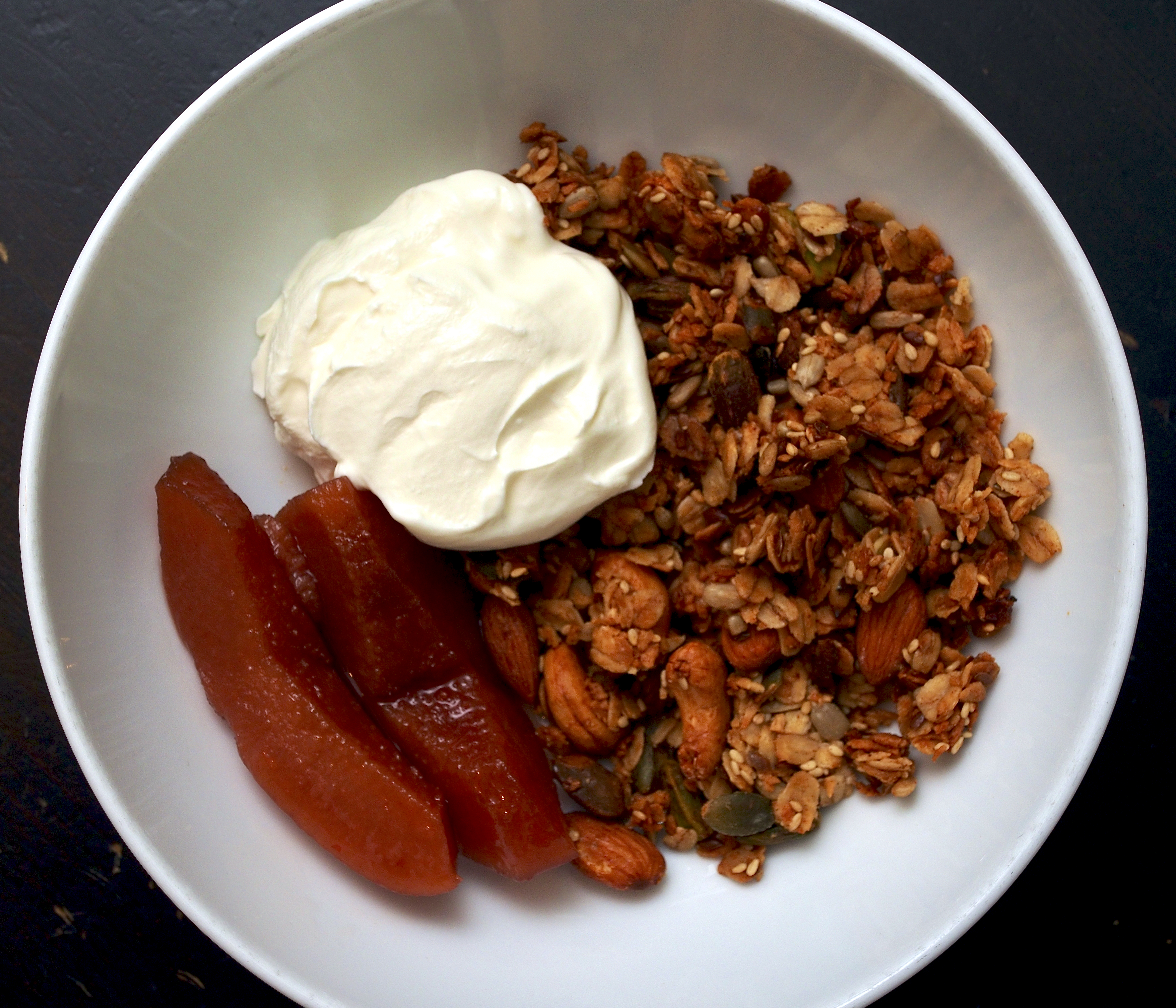
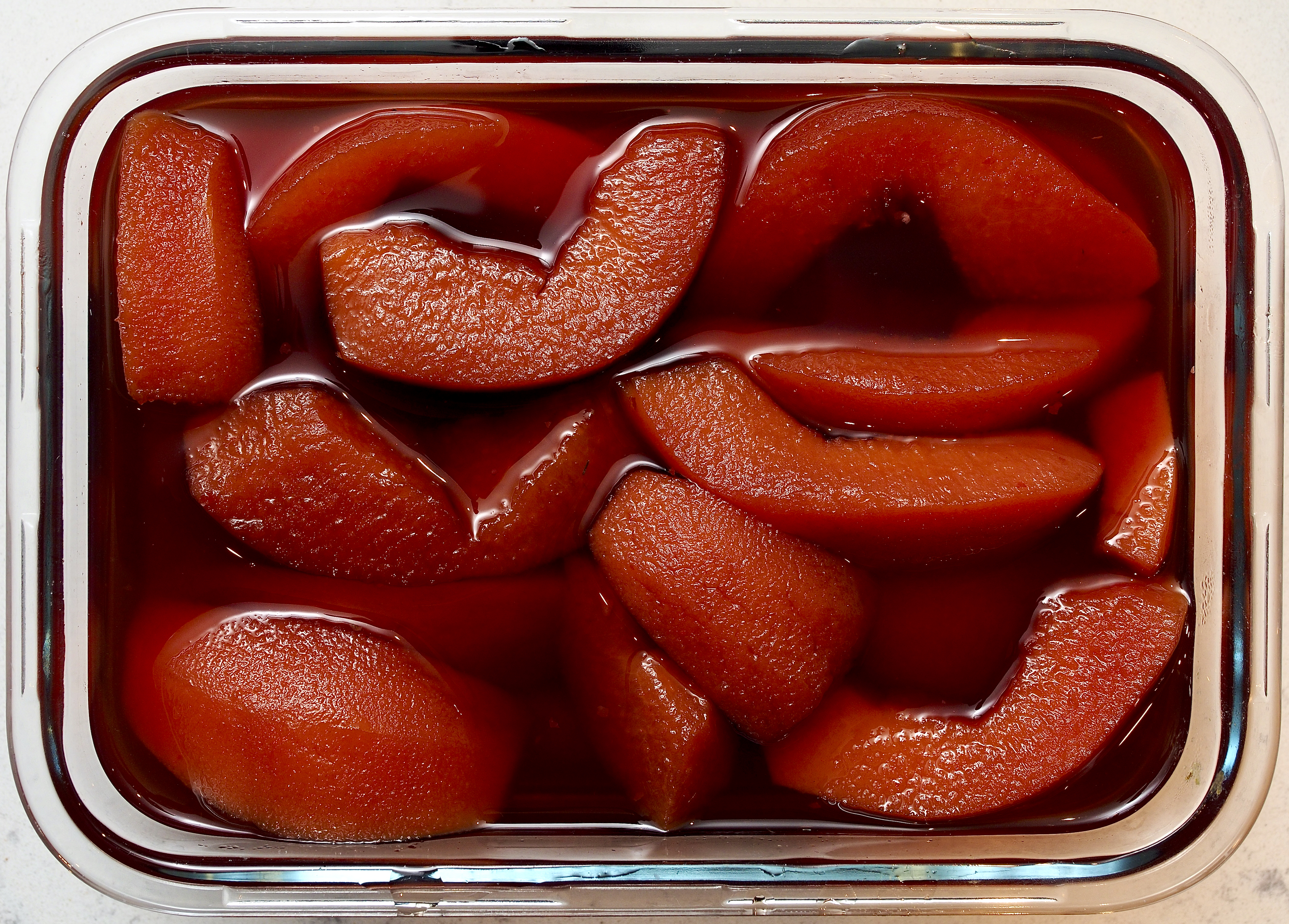
This granola from Dishoom has only a hint of sweetness and is much more nutty with hints of butter and spice so it makes a great foil to any fresh or poached fruit (here with Nigella’s pomegranate-poached quinces). It’s also great with just some creamy yoghurt, we loved it. The kitchen smells incredible as it toasts!
Dishoom Granola – makes 10-12 portions
200g rolled oats
100g almonds
80g cashew nuts
75g pistachio nuts
45g desiccated coconut
70g sunflower seeds
70g pumpkin seeds
20g sesame seeds
100g acacia honey
100g unsalted butter
1 tsp ground cinnamon
Heat the oven to 210C/190C fan/Gas 6-7.
Line two large baking trays with baking parchment.
Mix the oats, nuts, desiccated coconut and seeds together in a big bowl.
Put the honey, butter and ground cinnamon into a small saucepan and heat gently until the butter is just melted. Pour over the dry ingredients in the bowl and mix well.
Divide the mixture between the baking trays and spread evenly, just a wooden spoon to pat it down. Put one tray in the oven and bake for 10 minutes. Remove the tray from the oven and mix well, then press it down again. Bake for another 5 minutes, then remove from the oven and allow to cool completely before you stir or move it. Repeat with the other tray.
Store in an airtight container and use within a month.
(Original recipe from Dishoom by Shamil Thakrar, Kavi Thakrar & Naved Nasir, Bloomsbury Publishing, 2019.)
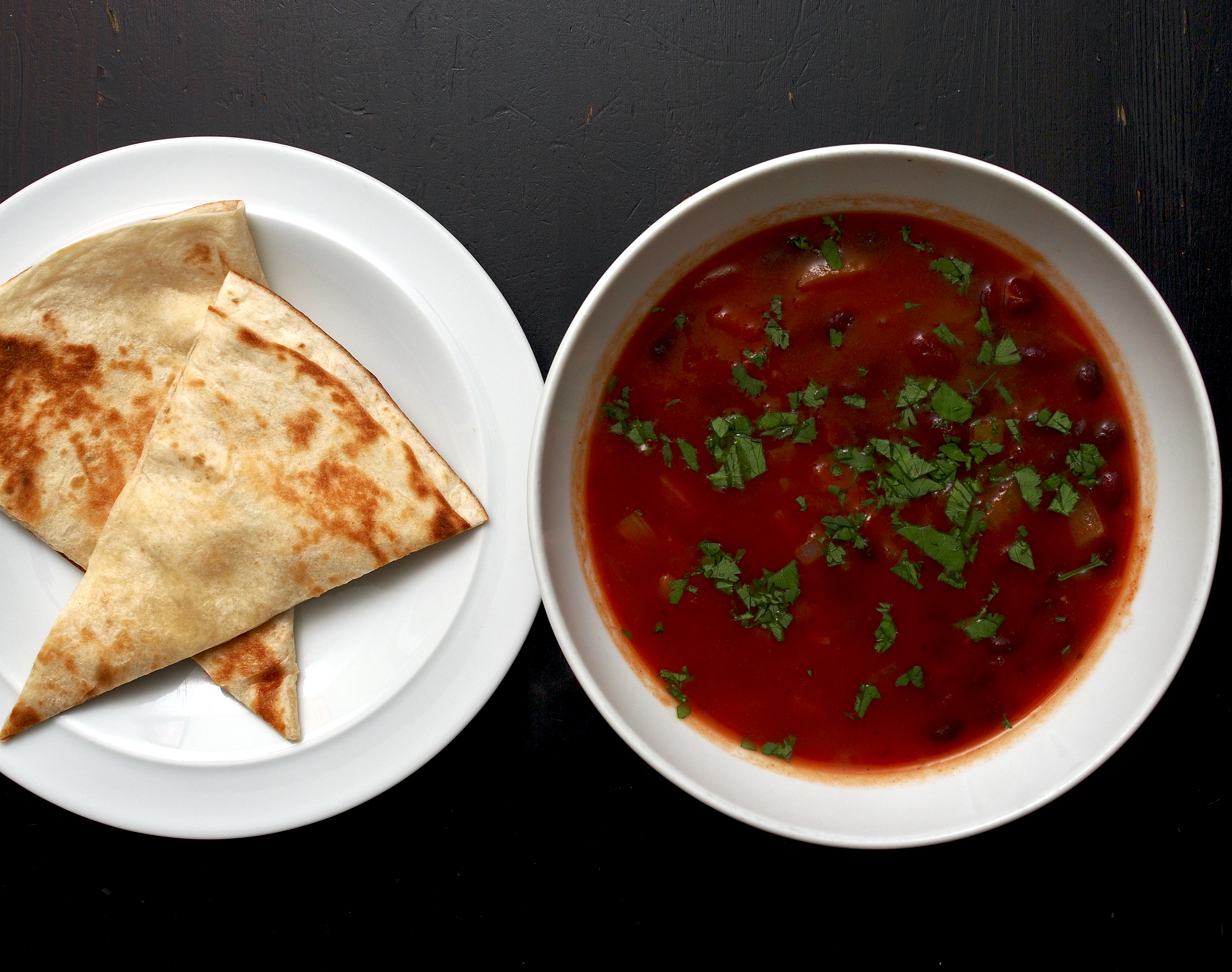
This soup is super simple but it’s really good with the toasted feta tortillas on the side for a weekday lunch.
Bean soup with feta tortillas – serves 4
1 tbsp vegetable oil
1 onion, chopped
1 heaped tbsp chipotle paste
500g carton passata
500ml vegetable stock
1 x 400g tin of red kidney beans, drained and rinsed
1 x 400g tin of black beans, drained and rinsed
200g feta
4 large soft flour tortillas
a handful of coriander, roughly chopped
sour cream or yoghurt to serve
Heat the oil in a large saucepan and cook the onion over a medium-low heat for about 10 minutes, or until soft.
Add the chipotle paste, passata, stock and beans. Season, bring to the boil, then reduce the heat and simmer for 5 minutes.
Meanwhile, crumble the feta over one half of each of the tortillas, then sprinkle with the chopped coriander and season with black pepper. Fold the uncovered side over and press together. Heat a dry frying pan and cook the tortillas for a minute on each side or until crispy and the cheese has melted.
Serve the soup in warm bowls with a dollop of sour cream or yoghurt if you have it and the feta tortillas on the side.
You could have these for dessert with some crème fraîche but we like them for breakfast with yoghurt and granola.
Pomegranate-poached quinces – serves 6
700ml pure pomegranate juice
300ml cold water
350g caster sugar
3 fresh bay leaves
1 tsp pink peppercorns
a few sprigs of thyme
pomegranate seeds, to serve (we skipped these)
Heat the oven to 160C/140C fan.
Put the pomegranate juice, water and sugar into a heavy casserole with a lid. Stir well, then add the bay leaves, peppercorns and thyme. Put the casserole over a low heat and leave to warm gently.
Peel, quarter and core the quinces and add to the pan with the pomegranate juice.
Bring to the boil, then scrunch up a piece of baking paper, slightly bigger than the pan, then unscrunch again and press down on top of the quinces, tucking it in and up the sides of the pan. Cover with the lid and place in the oven.
Cook for 1½-2 hours or until tender. Remove the lid and baking paper, then scoop out the quinces with a spoon. Strain the liquid, then return to the heat and bubble until reduced by half. Pour the liquid back over the quinces and leave to cool. Keep in the fridge until ready to eat, they keep well for a few days.
(Original recipe from Cook, Eat, Repeat by Nigella Lawson, Chatto & Windus, 2020)
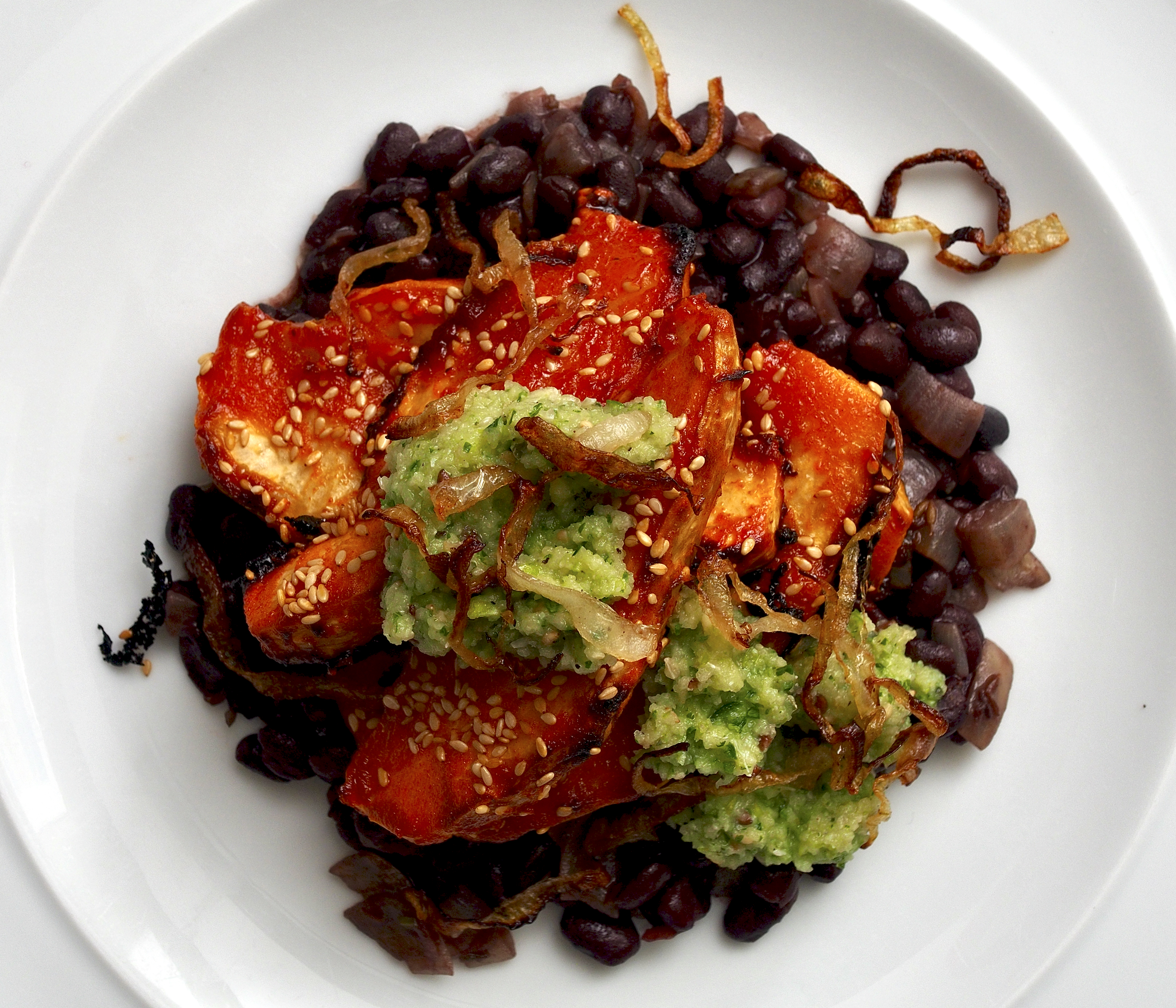
It’s difficult to know how to introduce this recipe by Rosie Birkett. It is far from shy in terms of flavour, bursting with it in fact, and we’d suggest you have to be a bit adventurous, as it has so many punchy layers. Great to see celeriac getting the attention it deserves.
The recipe is not difficult, but it does take a little effort to make all of the separate components.
Wine Suggestion: to match such a punchy, savoury dish you can go all out with a wine to match these levels of flavour, or go light to be complimentary. We went the latter route and opened an easy, dry Rosé. Tonight a bottle from a friend, the Domaine le Novi Côté Levant Rosé, which tasted of fresh red berries, hints of citrus and light tannins, finishing zesty and minerally.
Gochujang-glazed celeriac with black beans, green salsa & crispy shallots – serves 2
about 25g of sea salt flakes
1 medium celeriac, about 750g, peeled, halved and cut into 3cm thick wedges
sunflower oil, for frying
1-2 shallots, finely sliced
FOR THE GLAZE:
2 tbsp gochujang paste
50g salted butter
3 tsp honey
1 orange, juiced
2 tsp cornflour
1 tbsp sesame seeds
FOR THE BLACK BEANS:
2 tbsp olive oil
½ tsp cumin seeds
1 bay leaf
1 onion, chopped
a small bunch of coriander, stems finely chopped and leaves reserved
a pinch of ground coriander
400g tin of black beans, don’t drain them as you need the liquid
½ lime, juiced (you will need the other half for the salsa)
FOR THE GREEN SALSA:
1 green apple, roughly chopped
½ green chilli, deseeded
1 tbsp pumpkin seeds, toasted
½ lime, juiced
1 tbsp olive oil
Heat the oven to 200C/180C fan/gas 6.
Line a tray with baking paper and sprinkle the salt over the top. Put the celeriac slices on top of the salt, then roast for 15 minutes at the top of the oven.
Make the glaze while the celeriac is baking. Put the gochujang, butter, honey, a pinch of salt, 1 tbsp water, the orange juice and cornflour in a pan. Cook, stirring, for a few minutes or until smooth, then set aside.
Leave the celeriac to cool slightly, then remove any excess salt and toss each piece in the glaze. Discard the salt from the tray, return the wedges to it and roast for another 10 minutes. Glaze again and scatter over the sesame seeds, then roast for a final 10-20 minutes or until sticky and caramelised (turn the oven up a bit if you need).
Meanwhile, make the beans. Heat the oil in a heavy frying pan over a medium heat. Fry the cumin and bay leaf until sizzling, then add the onion, coriander stems, ground coriander and a good pinch of salt. Fry, stirring, for about 8 minutes or until golden and soft. Add the beans with their liquid and a pinch of salt, then bring to the boil. Simmer for 5-8 minutes, stirring, until the beans look creamy and the liquid and almost gone. Remove the bay leaf, stir in the lime juice, then set aside and keep warm.
To make the salsa, put the apple, chilli, pumpkin seeds, lime juice and reserved coriander leaves in a food processor and whizz until combined but chunky. Add the oil and whizz again, then season to taste.
To make the crispy shallots, heat the sunflower oil in a small frying pan and fry the shallots over a low-medium heat for 15 minutes or until golden and crispy. Drain on a plate lined with kitchen paper and season.
Serve the beans on warm plates, topped with the celeriac, salsa and crispy shallots.