Feeds:
Posts
Comments

Posts Tagged ‘Italian’

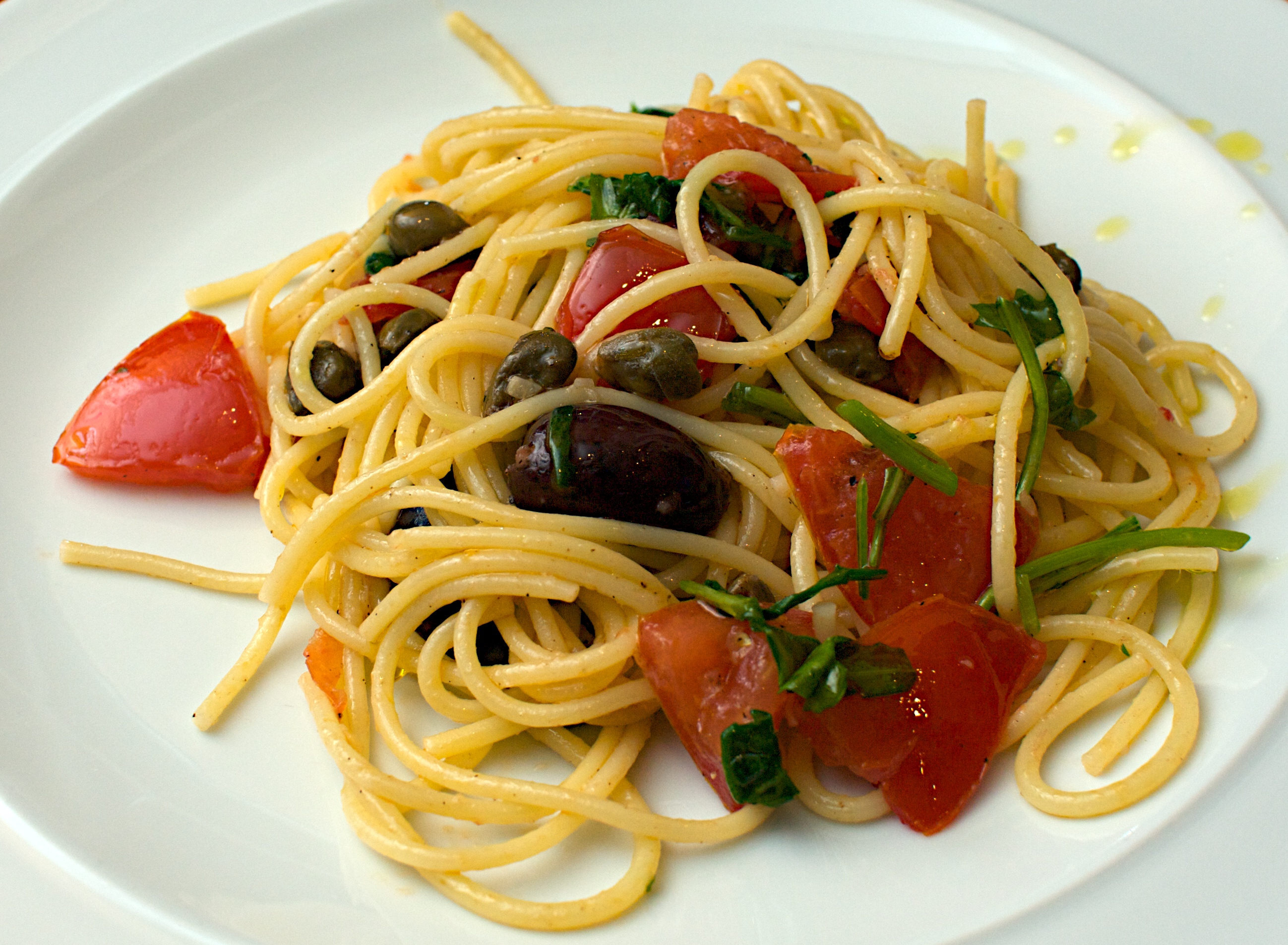
Sometimes the simple recipes are the best.

Spaghetti with raw tomato and rocket – to serve 4

  • 4 plum ripe plum tomatoes
  • 2 garlic cloves
  • 1 dried hot chile
  • 2 tbsp capers
  • 3 tbsp black olives
  • 3 tbsp rocket
  • extra virgin olive oil
  • 300g spaghetti

Cut the tomatoes in half and squeeze out the excess juice and seeds, and chop the flesh coarsely. Crush the garlic with a teaspoon of sea salt with the flat of a knife. Rinse the capers, and pit the olives. Roughly chop the rocket.

Combine the tomatoes with the garlic, the crumbled chile, capers and olives. Season really well, add the olive oil and leave aside for 30 minutes.

Cook the spaghetti in boiling salted water until al dente. Drain, and stir the pasta into the tomatoes. Add the rocket. Toss to coat and season with black pepper.

Serve with some more olive oil.

Wine Suggestion: You want to find a wine as fresh as the ingredients being used, so try a youthful Dolcetto from the Piedmont region in north-west Italy.

(Original recipe from Rose Gray and Ruth Rogers’ Italian Two Easy, Clarkson/Potter, 20o6.)

Read Full Post »

This is a great antipasti plate to serve with some cured meats, crusty bread and good olive oil.

Roasted Peppers with Capers – to serve 4 as an antipasti plate

  • 2 red peppers
  • 2 yellow peppers
  • Extra virgin olive oil
  • 3 tbsp Marjoram leaves
  • 6 tbsp salted capers
  • 2 tbsp red wine vinegar

Preheat the oven to 200C.

Brush the peppers with olive oil and roast on a baking tray in the oven for about 30 minutes, turning once. Put the peppers in a bowl, cover with cling film and leave to cool. Peel and remove the seeds when the peppers are cool enough to handle.

Chop the marjoram. Rinse and chop the capers, and mix with the vinegar.

Lay the peppers on a serving dish and season. Sprinkle with the vinegar and capers, scatter over the marjoram, and drizzle with olive oil.

(Original recipe from Rose Gray and Ruth Rogers’ Italian Two Easy, Clarkson Potter, 2006.)

Read Full Post »

A fresh weeknight meal that’s ready in 15 minutes.

Lemon, pecorino and pine nut tagliatelle – to serve 2

  • 150g tagliatelle
  • 1 lemon, juiced and zested
  • 2 tbsp pine nuts, toasted
  • 2tbsp finely grated pecorino or parmesan
  • olive oil
  • a small bunch of flat-leaf parsley, chopped

Cook the tagliatelle. Mix the lemon juice and zest, pine nuts, pecorino, 2 tbsp olive oil and parsley and season really well. Drain the tagliatelle, reserving two tablespoons of the pasta cooking water. Tip everything into a bowl (including the water) and toss.

Wine Suggestion: Go for a light Italian white such as a Friulano or Verdicchio.

Read Full Post »

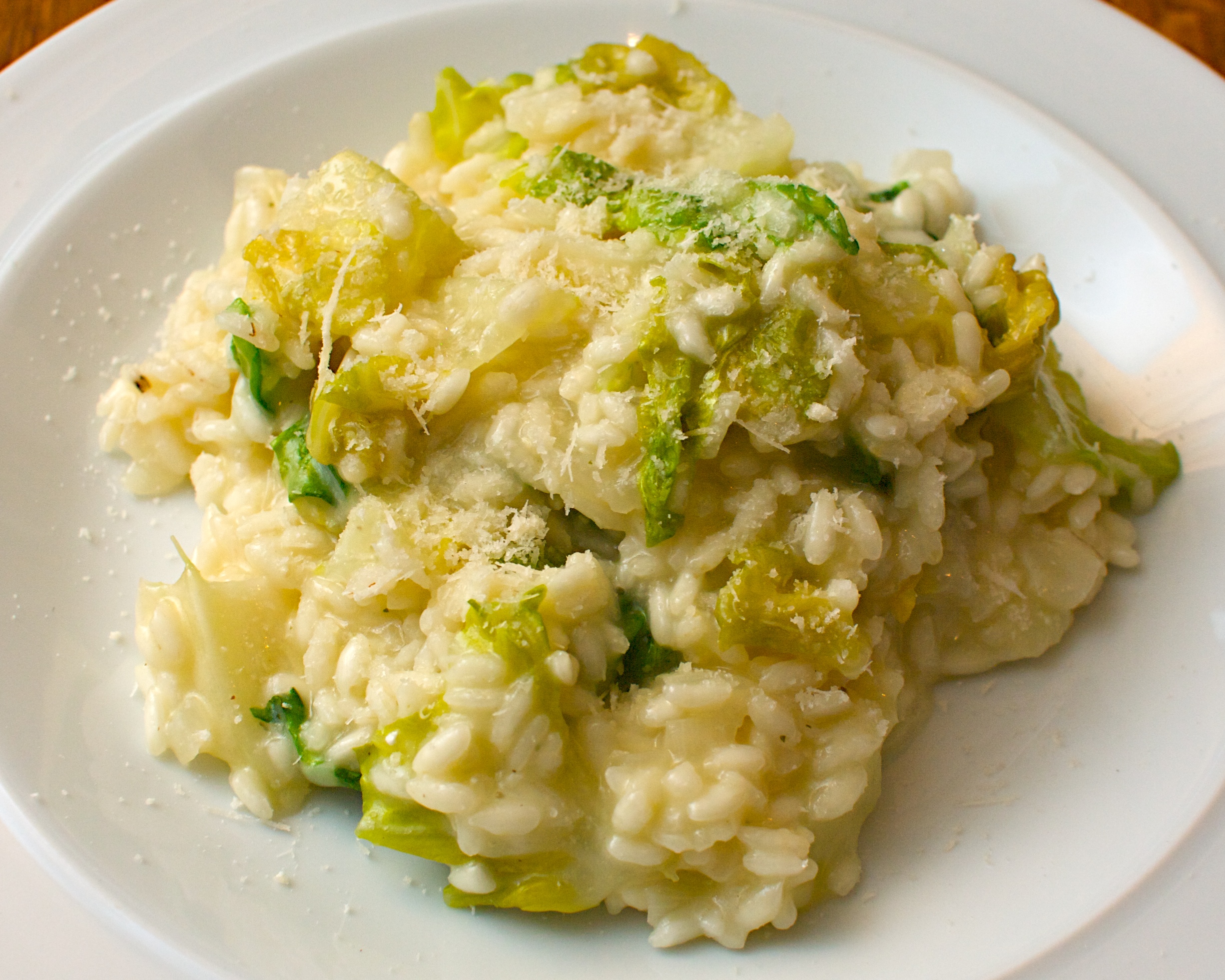
Who says lettuce is just for salad? An unusual contrast of flavours and textures which works exceptionally well.

Little Gem Lettuce Risotto – to serve 4

  • butter
  • 1 onion, finely chopped
  • 2 garlic cloves, finely chopped
  • 350g risotto rice (carnaroli or arborio)
  • 1 large glass of white wine
  • 1.5 litres vegetable stock, kept hot
  • 50g Parmesan, grated
  • 2 little gem lettuces, torn into small pieces

Melt a knob of butter in a large saucepan, add the onion and garlic and cook until soft and translucent.

Add the rice and stir to coat with the butter. Add the wine and stir until evaporated.

Add the stock gradually, a ladle at a time, until the rice is cooked but still has a bit of bite – you probably won’t need all of the stock.

Add the cheese and lettuce, stirring to gently wilt the lettuce leaves. Serve with some extra cheese.

Drink with: a glass of sparkling Spanish Cava. We had a bottle open and it was a great match!

(Original recipe from BBC Good Food)

Read Full Post »

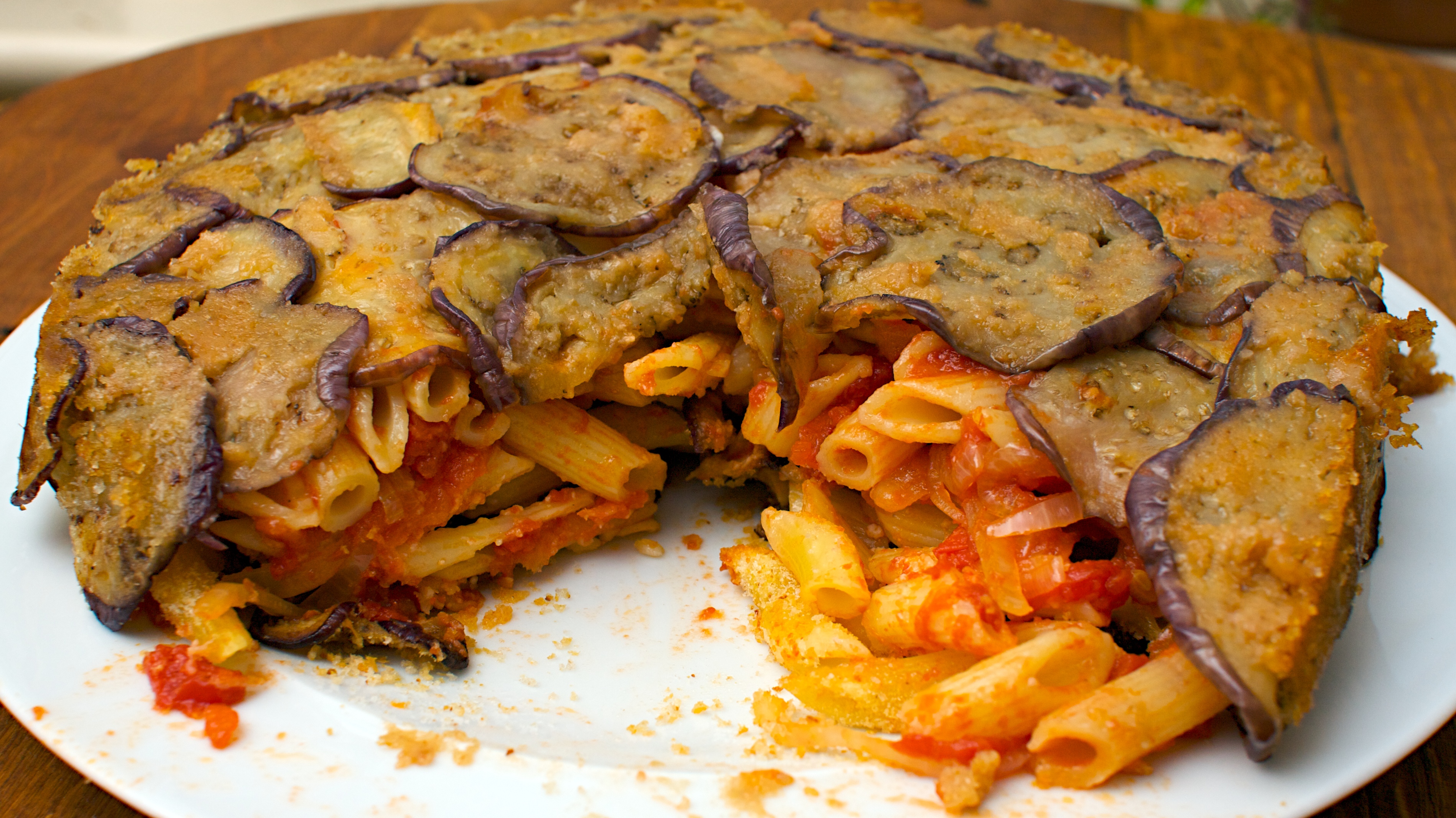
One of those memorable dishes that combines flavours and textures to capture the Sicilian sun and bring it to a grey and wet Dublin summer evening; magic.

Timballo di Maccheroni (Baked Pasta with Aubergine) – serves 6

  • 3 Aubergine, see if you can get the round, pale violet ones for authenticity
  • sea salt
  • 2 tablespoons unsalted butter
  • 5 tablespoons breadcrumbs
  • 1 medium onion, thinly sliced
  • 1 garlic clove, crushed
  • 1 x 400g tin of chopped tomatoes
  • 400g rigatoni, or penne rigate
  • 60g caciocavallo, or pecorino cheese, grated

Thinly slice the Aubergine, sprinkle with salt and leave to drain in a colander for at least 2 hours. Squeeze lightly to get rid of excess liquid.

Preheat oven to 180C / 350F / Gas 4.

Grease a round cake tin with the unsalted butter; we used one that was 23cm wide and 3.5cm deep. put in 2 tablespoons of breadcrumbs and shake and turn the dish so that that they stick to the butter and line the dish.

Heat about 6mm of olive oil in a deep frying pan and sauté the aubergine slices in batches until lightly coloured. Lift out and drain on kitchen paper. Using about three quarters of the aubergine cover the base and sides of the breadcrumbed tin. Make sure that you overlap the slices so that there are no gaps.

Heat a tablespoon of olive oil in a pan and cook the onion and garlic over a medium heat until soft, but not coloured. Add the tin of tomatoes and season with salt. Cover with a lid and simmer over a low heat for 10 minutes.

While this is cooking bring a pan of water to the boil, salt well and cook the pasta for 3 minutes less than the packet instructions, so that it is still al dente. Reserve some cooking water and then drain the pasta.

Spoon a layer of the pasta into the aubergine lined tin followed by tomato sauce, a layer of the aubergine and a layer of grated cheese. Repeat with the remaining pasta, tomato sauce, and a final layer of aubergine. Finish with the remaining breadcrumbs to form a coating on the top. Bake in the preheated oven for about 25 minutes and until golden.

Let stand for about 10 minutes. This will allow the dish to firm up.

Put a plate over the top of the tin and holding both the plate and dish firmly, turn both over together so that the Timballo turns out onto the plate. Serve in wedges.

Serve with: a southern Italian red like Nero d’Avola or Negroamaro, both of which have a satisfying earthiness but aren’t too heavy for the flavours in this dish.

NB. if you’d like to make your own breadcrumbs, which is both easy and satisfying, then remove the crusts from stale bread, slice and put it on a baking tray in an oven at 80C for an hour to dry out. Either grate and sieve the dried bread (which gives a more random and authentic look) or blitz in a blender.

(Original recipe from Georgio Locatelli: Made in Sicily, Fourth Estate, 2011.)

Read Full Post »

Jono’s boss grows his own courgettes and they’re coming out his ears at the moment, so we are happily helping him eat them!

Courgette & Lemon Linguine – to serve 4

  • 300g linguine
  • 3 courgettes, grated
  • 1 tbsp olive oil
  • 1 garlic clove, crushed
  • 1 tsp chilli flakes
  • zest of 1 lemon
  • handful of basil leaves, torn

Bring a large pot of salted water to the boil and cook the linguine according to the pack instructions.

Meanwhile, heat the oil and fry the courgettes over a high heat for a few minutes. Add the garlic and chilli and cook for another minute or so.

Drain the pasta and tip into the courgettes, then add the lemon zest. Season, drizzle with some extra olive oil and scatter over the basil.

Drink with: a glass of Italian Pinot Grigio. Try and find one of the more aromatic versions from Friuli, the Alto Adige or a Riserva from the Veneto.

Read Full Post »

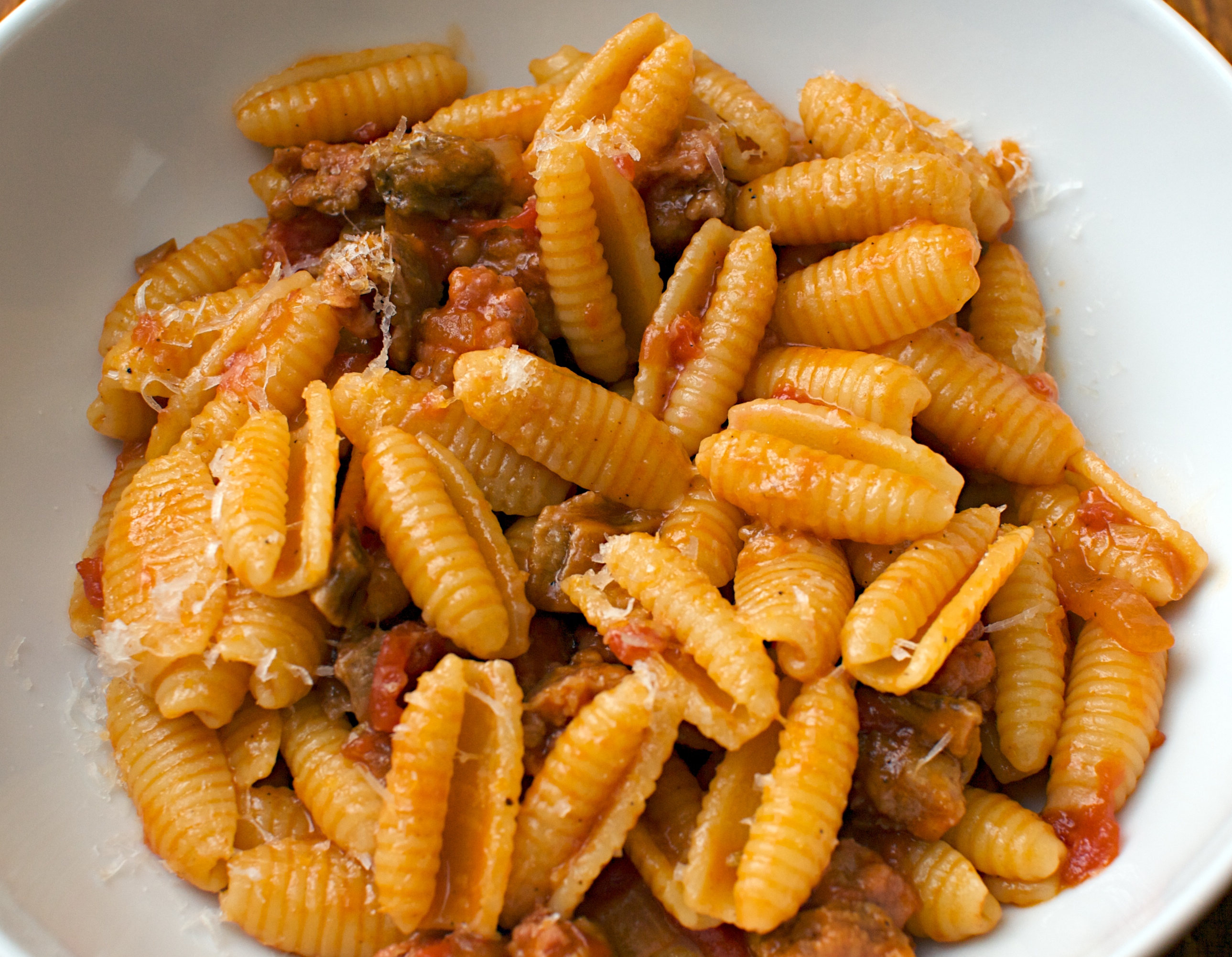
Gnochetti sardi is a Sardinian pasta shape which is shaped like gnocchi but made of durum wheat semolina and no eggs. It is a staple in Sardinia and usually prepared with a heavy tomato based  ragù or sauce made with beef, lamb or sausage. The ragù clings to the heavy ridged pasta shape.

If you can’t find gnochetti sardi then another short pasta shape, like penne, will do. This will serve 4 as a main course but stretches to many more as a first course which is how we like to serve it.

Sardinian Pasta with Sausage and Tomato Sauce – to serve 4

  • 500g bag of gnocchetti sardi pasta
  • 15g dried porcini
  • 3 tbsp extra virgin olive oil
  • 1 onion, finely chopped
  • ½ tsp crushed dried chillies
  • 1 tsp fennel seeds, lightly crushed
  • 350g Italian sausages or other meaty pork sausages
  • 120 ml dry white wine
  • 400g tin chopped tomatoes
  • Pecorino or Parmesan to serve

Soak the porcini mushrooms in 100ml of boiling water for about 30 minutes. Drain the mushrooms and chop but don’t throw away the soaking liquid as you’ll need it later.

Bring a really large pan of salted water to the boil. Meanwhile, skin the sausages and break the meat up into little pieces.

Heat the oil in a large frying pan, then add the onion, garlic, chilies and fennel seeds and fry gently until nicely coloured.

Add the sausagemeat and mushrooms and continue to fry for another 5 minutes. Add the wine and bubble for a couple of minutes to reduce, then add the tomatoes and mushroom soaking liquid. Season well with salt and pepper. Leave the sauce to simmer for about half an hour.

Cook the pasta according to the pack, then drain and add to the sauce. Pass around the cheese and let people help themselves.

Drink with: the Sardinian red wines would work a treat, especially the ones made from Cannonau or Carignano. These two grape varieties are better known as Grenache and Carignan, so if there are no Sardinian gems in the local, find something made from these grapes and you’ll have a match.

Read Full Post »

There is huge quantity of cherry tomatoes in this but they break down into a great pasta sauce. You can serve this as a main course for 4 people or a starter for 6-8. It’s really quick and easy to throw together.

Roast tomato & basil orecchiette – to serve 4 (or 6-8 as a starter)

  • 1.3kg cherry tomatoes
  • 4 garlic cloves, sliced thinly
  • olive oil
  • 500g dried orecchiette
  • 30 large basil leaves
  • 4 tbsp double cream
  • grated Parmesan or pecorino
Pre-heat the grill.
Put the tomatoes in a single layer in a large roasting tray. Scatter the sliced garlic over the tomatoes and drizzle with olive oil. Put the tomatoes under the grill and leave until starting to burst and turning black in places. Meanwhile, cook the pasta according to the packet.
Crush the tomatoes with a fork, then stir in the basil leaves. Stir in the cream and a handful of grated Parmesan or pecorino. Season to taste and serve with more cheese for people to add themselves.
Drink with: a light Chianti Rufina.

(Original recipe from Nigel Slater: the kitchen diaries, Fourth Estate, 2005.)

Read Full Post »

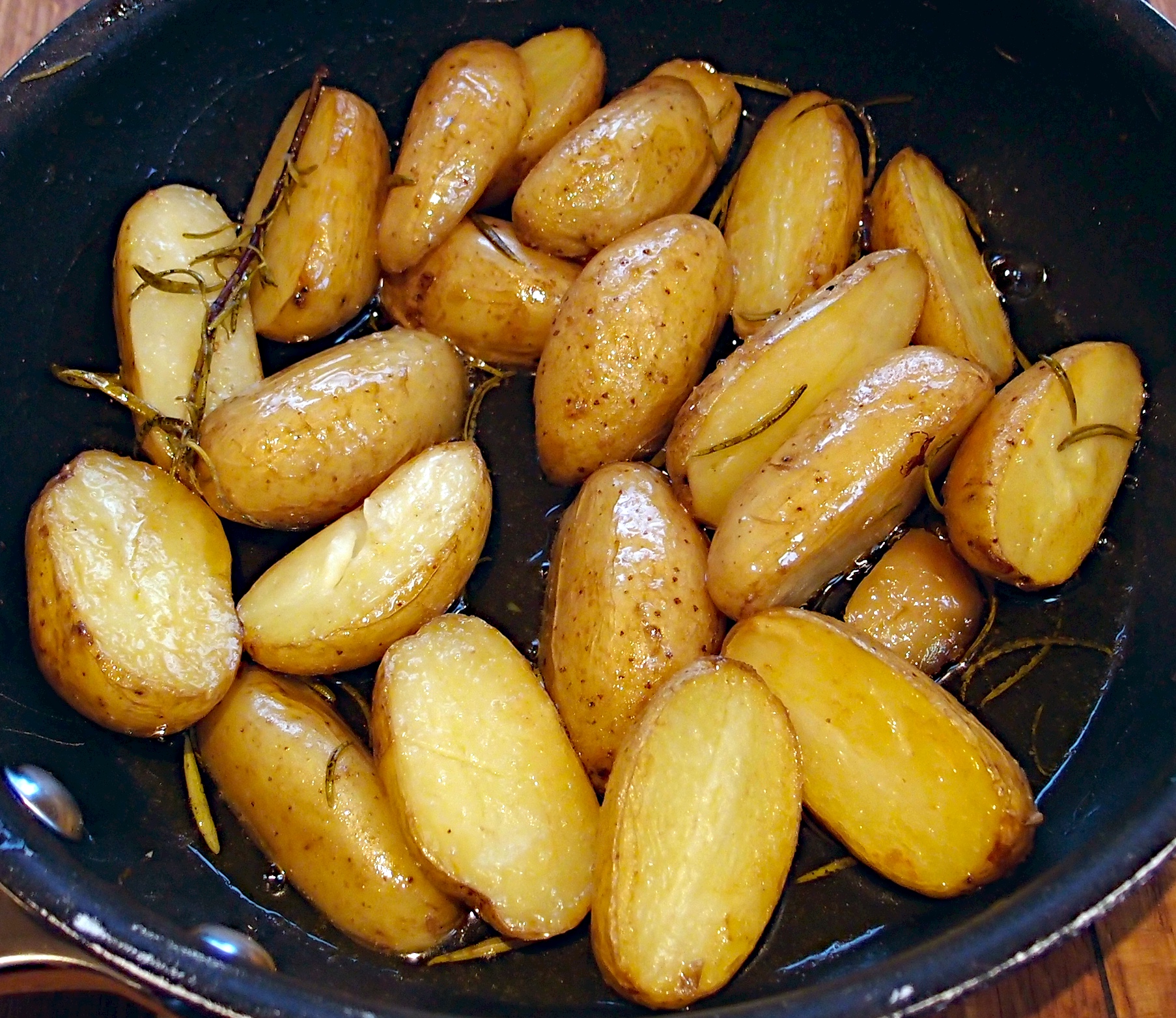
Rosemary flavoured potatoes are available everywhere in Tuscany and we love them!

Patatine Novelle al Rosmario – to serve 4

  • 25g butter
  • 100ml olive oil
  • 1 fresh rosemary sprig
  • 1 garlic clove
  • 750g new potatoes

Heat the butter and oil in a large pan, add the rosemary, garlic and new potatoes, then cover. Cook on a low heat until golden brown. Discard the garlic and rosemary and sprinkle with some sea salt to serve.

(Original recipe from The Silver Spoon, Phaidon Press Ltd. 2005)

Read Full Post »

This is a classic Sicilian dish. Casarecce is the pasta shown in the picture but you can use penne if you can’t find it. You can roast the pistachio’s in advance but don’t chop them until you are ready to make the pesto as they will go rancid very quickly once their oils are released.

Casarecce con pesto di pistacchio – to serve 4

  • 70g shelled pistachios
  • 2 garlic cloves
  • 40g fresh basil
  • 200ml extra virgin olive oil
  • 30g pecorino cheese, grated, plus a bit extra to serve
  • 400g casarecce (or penne)

Heat the oven to 180C/350F/gas 4. Spread the pistachios out on a baking tray in a single layer and roast for about 8 minutes. Check them near the end to ensure they don’t burn.

Chop the pistachios. Take ¾ of the pistachios and the garlic and pound to a paste with a pestle and mortar. Pound the basil into the paste, then gradually add the olive oil.  Add the remaining pistachios and the pecorino and pound just briefly to make sure you keep some pieces of pistachio. Season.

Cook the pasta in lots of boiling salted water until al dente. Drain and put the pasta back in the pan, reserve a little of the cooking water. Toss the pasta with the pesto and add a bit of the cooking water to loosen if necessary. Grate over some more pecorino to serve.

Drink with: We tried a Vermentino from Colli di Luni DOC (Hills of the Moon) in the hills of Liguria in Italy which worked very well and is a classic partner for Pesto dishes. To be even more authentic to the dish we would suggest something Sicilian made from Grillo; you need minerality, nuttiness, fresh acidity and fruitiness wrapped in a medium bodied wine.

(Original recipe from Georgio Locatelli’s Made in Sicily, Fourth Estate, 2011.)

Read Full Post »

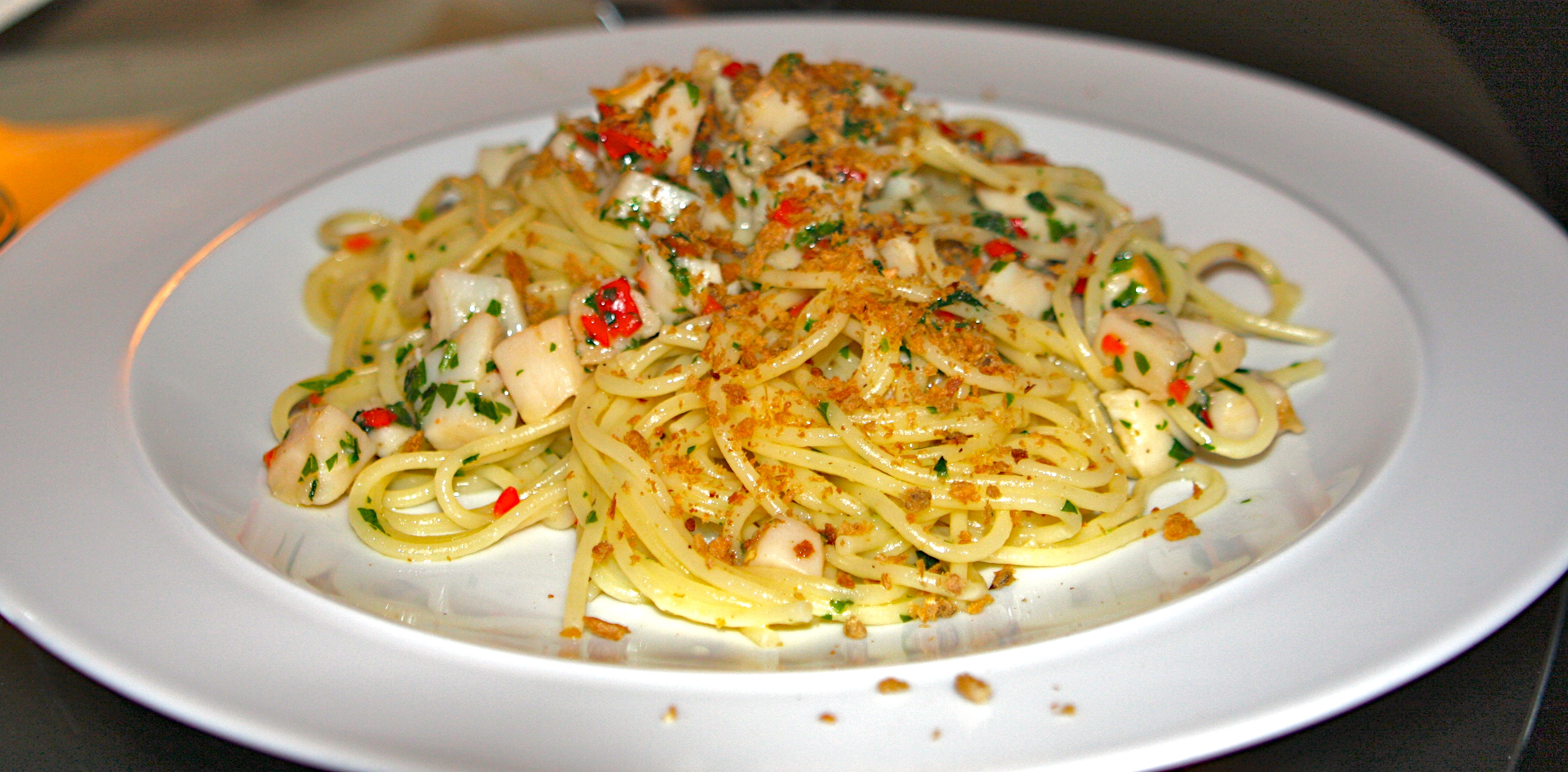
This is a delicious recipe from Marcella Hazan’s The Essentials of Classic Italian Cooking. Marcella recommends using canestrelli which are tiny little sweet scallops which are also know as Queen Scallops or Queenies. We didn’t have canestrelli to hand when we made this but achieved a similar effect by chopping up larger scallops so there are lots of little pieces through the dish. Serve the sauce with spaghettini if you can get it, but thicker spaghetti will work too.

Scallop Sauce with Olive Oil Garlic and Hot Pepper – to serve 6

  • 450g fresh queen or deep-sea scallops
  • 8 tbsp extra-virgin olive oil
  • 1 tbsp very finely chopped garlic
  • 2 tbsp chopped parsley
  • chopped hot red chilli pepper, to taste
  • salt
  • 450-675g pasta
  • 45g dry breadcrumbs, lightly toasted in the oven or a dry pan

Wash the scallops in cold water, pat dry with a tea towel and cut into little pieces about 9mm thick.

Put the olive oil and garlic in a saucepan, turn the heat to medium and cook until the garlic becomes pale gold, add the parsley and chilli. Stir and add the scallops and a couple of large pinches of salt. Turn the heat to high, and cook for about 90 seconds, stirring often, until the scallops become opaque and loose their shine. Careful not to overcook them or they will be tough. Taste and adjust the seasoning. If there is a lot of liquid in the pan, remove the scallops with a slotted spoon, and boil down the watery juices. Return the scallops to the pan, turn quickly, then take off the heat.

Toss well with the cooked spaghettini, add the breadcrumbs and toss again.

Drink with: An easy, simple and fruity Grüner Veltliner (GV) works well by not overwhelming this delicate sauce and the spicy white pepper spices in GV complement the spices and chilli in the dish. Don’t spoil the balance by getting a powerful and complex GV.

Read Full Post »

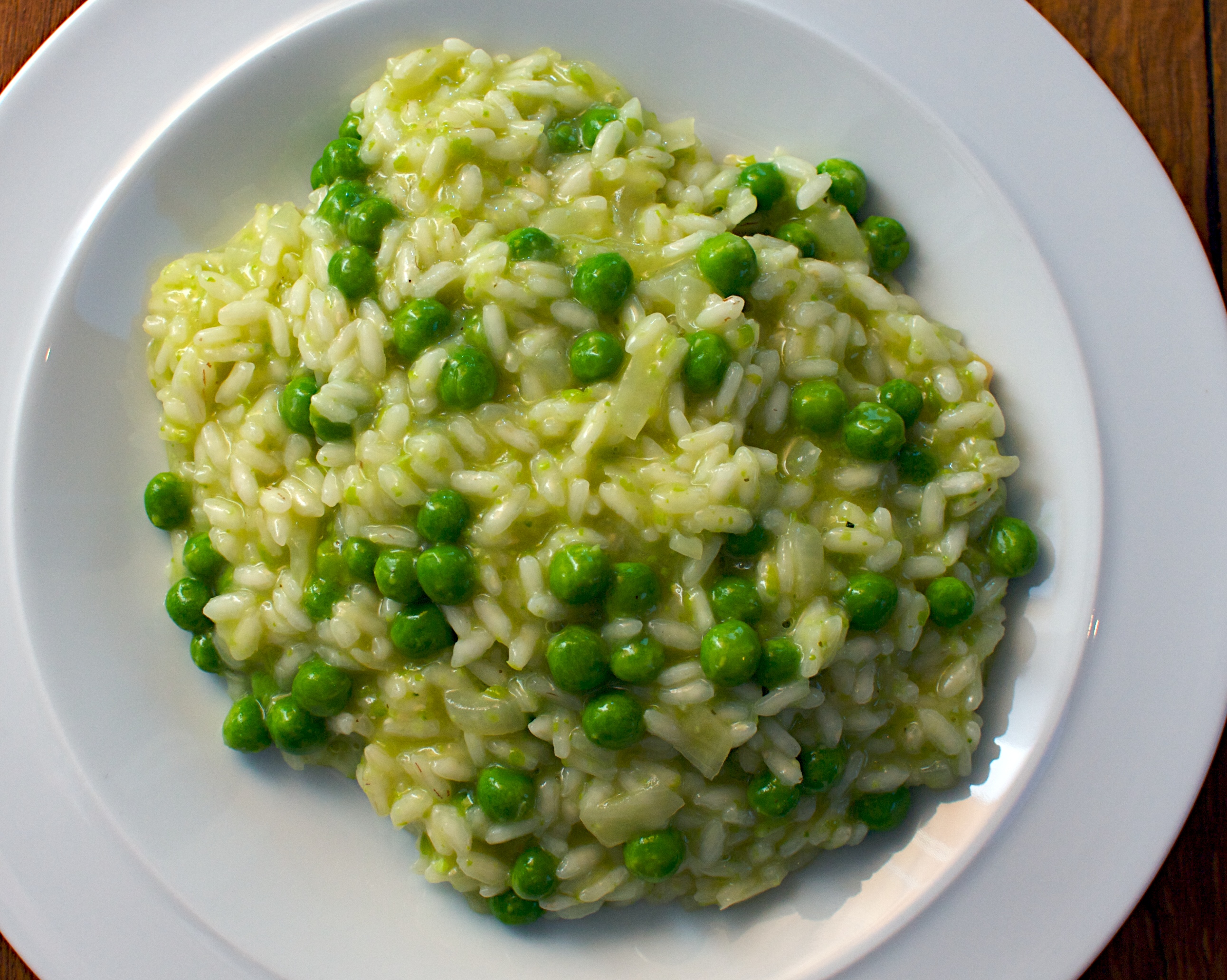
A bit of a celebration of peas. The original recipe also suggested topping it off with pea shoots at the end but unfortunately we couldn’t find any today. Not as tasty as some of our richer risottos (with much more butter and cheese) but very nice all the same.

Pea risotto – to serve 4

  • 50g butter
  • 1 onion, finely chopped
  • 300g cooked fresh peas
  • 1.7 litres hot vegetable stock (you might not need it all)
  • 350g risotto rice
  • 200ml white wine
  • 25g Parmesan, grated

Melt the butter in a large saucepan, add the onion and cook gently for about 10 minutes until very soft but not coloured.

Whizz about a third of the peas in food processor with a ladle of stock to make a purée.

Stir the rice into the onion, turn up the heat, then sizzle and stir for about a minute. Add the wine and bubble until it has all be absorbed, stirring the whole time. Continue cooking this way, adding a ladle of stock at a time and stirring continuously until the rice is tender and creamy. It should take between 20 and 30 minutes.

Stir in the pea purée, the remaining peas, Parmesan and seasoning, then turn off the heat and leave to stand for a few minutes. Drizzle with a splash of good olive oil before serving if you like.

Wine Suggestion: A Sauvignon Blanc should complement the fresh green pea flavour you can often find similar characteristics in the wine. We prefer the more subtle versions from the Loire Valley but there are some excellent examples from Marlborough in New Zealand that don’t go too over the top, like Morton Estate.

(Original recipe from BBC Good Food)

Read Full Post »

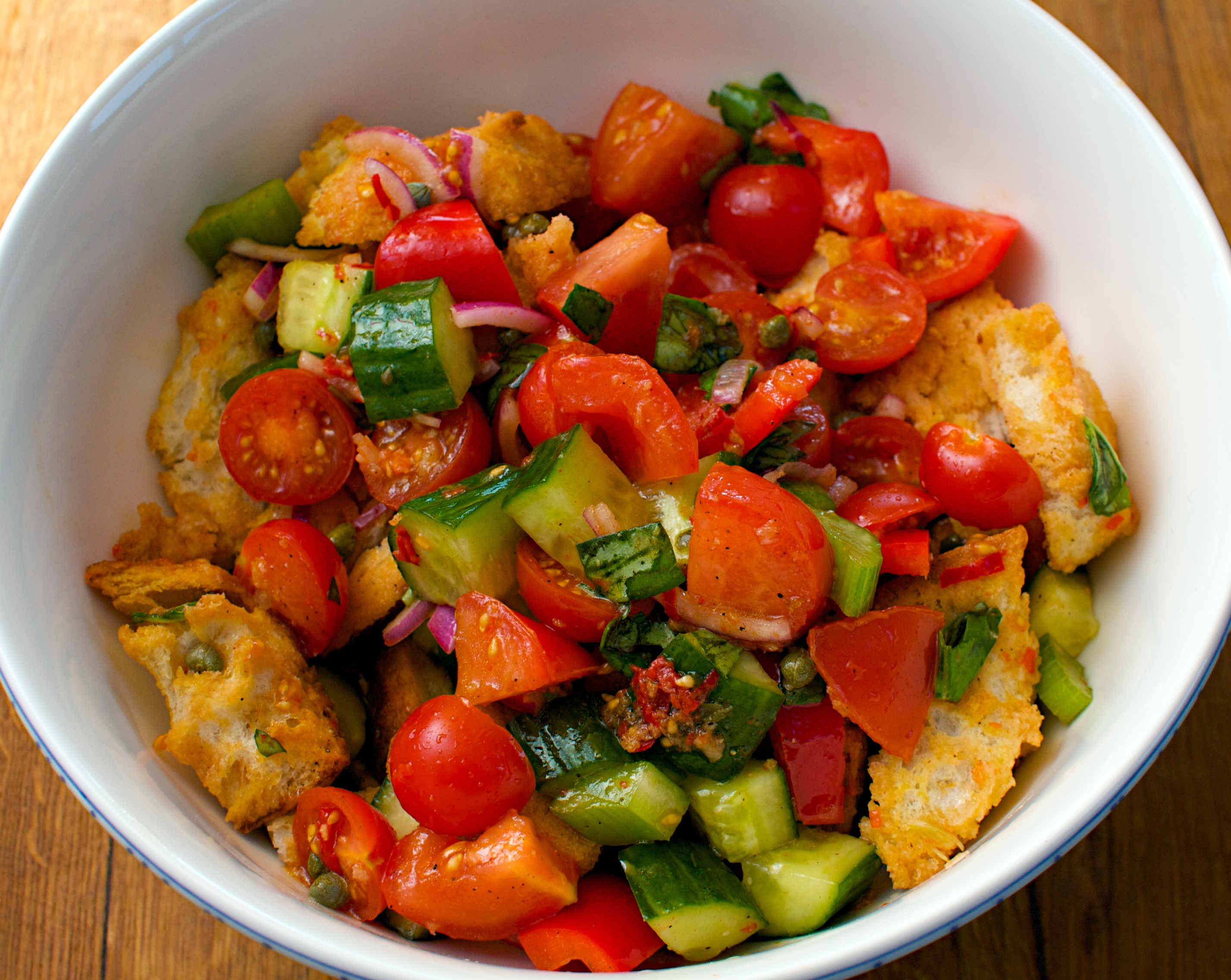
A delicious Tuscan salad which is usually made with stale bread – we think the bread in Tuscany may contain less preservative as our bread rarely gets a chance to go stale. This version uses baked croutons for a similar effect. Make sure you leave the salad for about 30 minutes before serving to allow the flavours to mingle.

Panzanella – to serve 6

  • 2 cloves garlic
  • 1 large mild red chilli
  • 3 tbsp red wine vinegar
  • pinch of sugar
  • 100ml extra virgin olive oil
  • 600g ripe tomatoes
  • 1 red pepper
  • ½ large cucumber
  • 2 sticks celery
  • 1 tbsp capers
  • ½ red onion
  • 4 thick slices from a country-style loaf
  • a small bunch of basil

Crush the garlic with a little bit of salt in a mortar, then deseed and chop up the chilli and crush with the salt and garlic until you have a coarse paste.

Add the vinegar and sugar and mix then tip into a large salad bowl. Add the olive oil and beat together.

Chop the rest of the salad ingredients into bite-size chunks or slices.

Tear the bread into small chunks and bake in a moderate oven until golden and crispy, then add the salad bowl.

Tear over the basil and add to the bowl with a bit of salt and pepper, then toss lightly and leave to stand for about 30 minutes. Toss again before serving.

Wine Suggestion: Wines from a region tend to complement the foods from that region (kind of like a chicken and egg thing). A glass of straightforward Chianti will have the right sort of acidity and rusticity to complement this perfectly.

(Original recipe by Alastair Hendry in Olive, June 2010.)

Read Full Post »

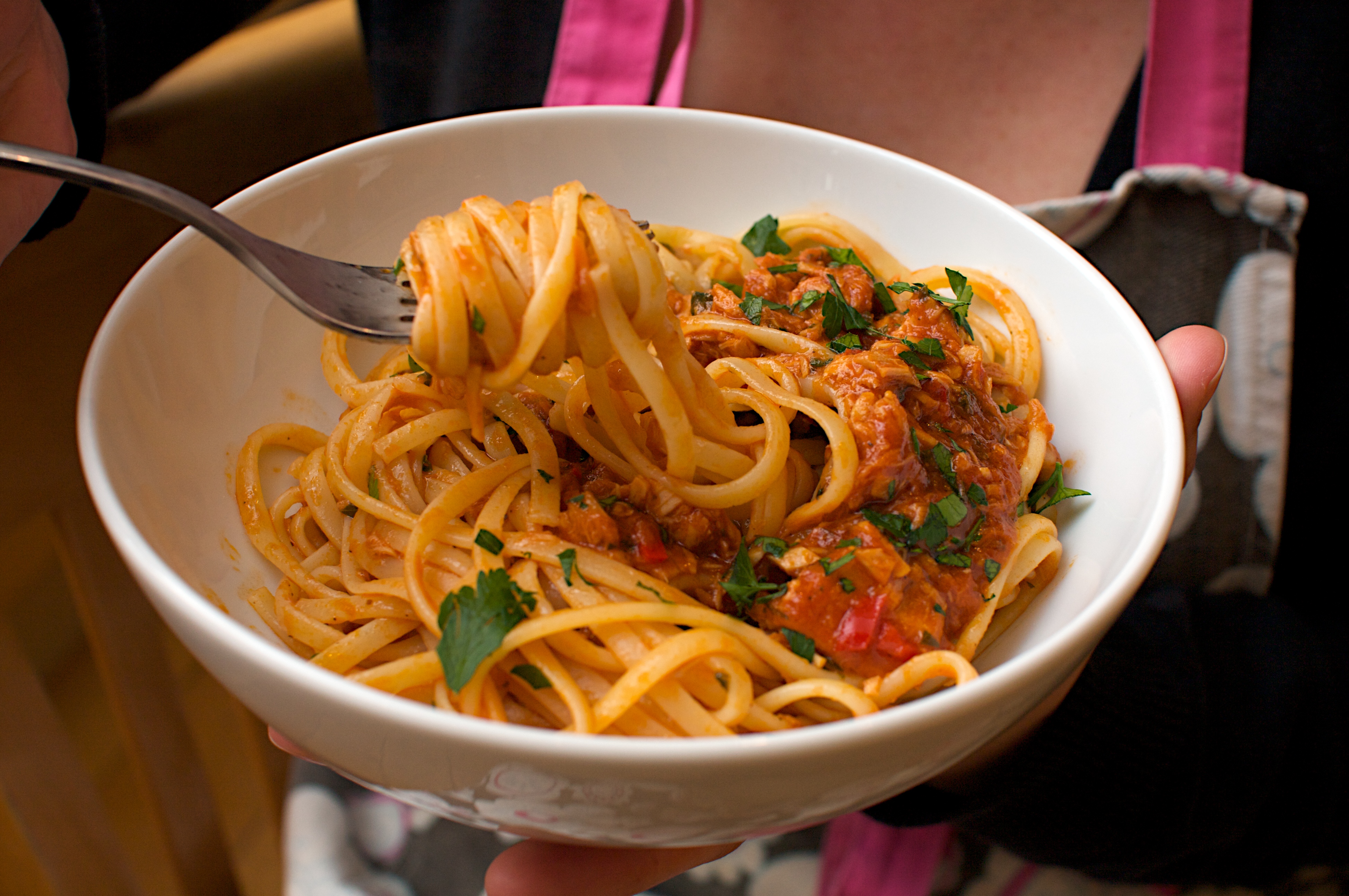
This is so delicious!!! Make sure you use top quality tuna in olive oil (we like Ortiz). It’s really healthy too. What more can we say?

Note to Cara – Jono reckons Cian will like this one 😉

Linguine with tuna sauce – to serve 4

  • 4 tbsp extra virgin olive oil
  • 3 tbsp fresh flat leaf parsley, chopped
  • 2 garlic cloves, finely chopped
  • 1 red chilli, deseeded and finely chopped
  • 1 cm fresh ginger, peeled and finely chopped
  • 450g creamed tomatoes (passata)
  • 2 x 200g cans tuna in olive oil, drained and flaked
  • 375g linguine

Heat the oil in a medium pan. Toss in 2 tbsp of the parsley, the garlic, chilli and ginger and fry for a few minutes until starting to soften. Add the tomatoes and cook for another few minutes. Fold in the tuna and season generously. Leave the sauce to simmer for 10 minutes.

Meanwhile, cook the pasta, then drain and return to the pan. Pour the tuna sauce into the pasta and toss well. Sprinkle over the rest of the parsley and serve.

Wine Suggestions: We think a light Italian red would be good here. Try a Langhe Nebbiolo or something from Basilicata if you fancy going south.

(Original recipe from BBC Good Food.)

Read Full Post »

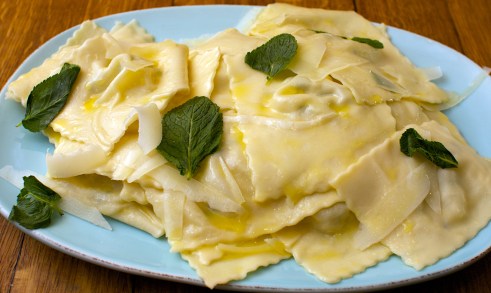
Jono hasn’t made fresh pasta since he broke his hand and we’ve missed the lightness and texture it has. Now he’s better we had to make this minty Spring Ravioli. Needless to say we made masses, but despite the quantity they just slipped down so easily and disappeared in a flash. Fresh pasta is a bit of a labour of love but if you give yourself plenty of time it’s not that difficult and you feel very smug and clever afterwards.

Ravioli of pecorino, potato and mint – serves 6

  • pasta dough (see below)
  • 500g floury potatoes
  • 100g butter, plus a bit more
  • 1-2 handfuls of grated pecorino, plus a bit extra
  • nutmeg for grating
  • zest of 1 lemon
  • a bunch of fresh mint

For the pasta dough

  • 600g tipo 00 flour
  • 6 large eggs

First make the pasta:

Throw the flour and eggs into a food processor and whiz until it looks like breadcrumbs, then tip out and bring together with your hands.

Knead the pasta dough until it feels smooth and silky (your hands should be aching!). Wrap it in clingfilm and rest in the fridge for at least half an hour.

For the filling:

Preheat the oven to 200C/400F/gas 6. Prick the potatoes with a fork, then roll them in some sea salt and bake for about an hour. Cool, cut them in half, and scoop the potato into a bowl, discarding the skins.

Pick your mint leaves and finely chop half. Add the butter, pecorino, nutmeg, lemon zest and the chopped mint and mash well with the potato. Taste and add more  seasoning if it doesn’t taste absolutely delicious.

For the ravioli:

Dust the work surface with flour. Take a quarter of the pasta dough (keep the rest wrapped well in the fridge) and press out flat with your fingers. Set your pasta machine to the widest setting – and roll the pasta dough through. Lightly dust with flour if it sticks.  Click the machine down a setting and roll through again. Fold the pasta in half, click the machine back to the widest setting and roll through again. Repeat this process 5 or 6 times. The pasta will eventually become smooth and silky.

Now roll the dough through all the settings on the machine, from the widest to the narrowest. Keep lightly dusting both sides with flour as you go. When you’ve got down to the narrowest setting, fold the pasta in half lengthways and then in half again, then in half once more until you have a kind of square. Turn it 90 degrees and feed through the machine again at the widest setting. Roll the pasta through each setting for the last time. For ravioli you need to keep going until you can clearly see your hand through the pasta.

Now you need to work quickly to make your ravioli before your pasta dries out. You can cover with a damp tea towel to protect it if necessary.

Cut the pasta into a 5 x 15 cm strips.

Place 4 tsp of filling along the strip and lightly brush the pasta with water.

Put another strip over and mould carefully around the filling on the bottom sheet, pushing out any air bubbles.

Cut into squares with a crinkle cutter or into circles with a pastry cutter.

To cook the ravioli: 

Bring a pot of salted water to the boil and cook the ravioli for about 3½ minutes.

While it is cooking, put a couple of knobs of butter in a frying pan and heat gently. Drain the ravioli with a slotted spoon, reserving a little bit of pasta water. Add the ravioli to the melted butter with a little of the cooking water and lightly simmer until you have a sauce that coats the pasta lightly. Serve on a platter and sprinkle with mint, some pepper and shavings of pecorino.

Aren’t you clever!

Wine Suggestion: We went with the suggestion in the recipe book which was the Italian white, Arneis. Ours was by a producer called Ascheri from Alba and was very nice indeed.

(Original recipe from Jamie Oliver’s Cook with Jamie, Penguin Books, 2006.)

Read Full Post »
Good Friday night stuff this. We always have a stash of good quality sausages from Sienna in the freezer. This is a Jamie recipe called “Proper blokes’ sausage fusilli”. We assure you that proper ladies like it too!

Sausage Pasta – to serve 4

  • 2 heaped tsp fennel seeds
  • 2 dried red chillies, crumbled (or use chilli flakes)
  • olive oil
  • 600g good-quality coarse Italian sausages (or Cumberland)
  • 1 tbsp dried oregano
  • a wineglass of white wine
  • zest and juice of 1 lemon
  • 500g good-quality fusilli or penne
  • a couple of knobs of butter
  • a handful of freshly grated Parmesan, plus extra to serve
  • a small bunch of flat-leaf parsley, leaves picked and chopped

Crush the fennel seeds and chillies in a pestle and mortar until coarsely ground. Heat a splash of olive oil in a heavy frying pan. Skin the sausages and add the meat to the pan, breaking it up with a wooden spoon. Fry for a few minutes until it starts to colour and the fat has started to render, keep crushing it until it looks like coarse mince. Add the crushed fennel and chillies and cook on a medium heat for about 10 minutes until the meat looks crispy and golden brown.

Stir in the oregano, then pour in the wine and reduce it by half. Add the lemon zest and juice. Turn the heat to low while you cook your pasta according to the pack. Drain the pasta but reserve a little cooking water. Toss the pasta well with the sausagemeat, then add the butter, Parmesan, chopped parsley and a few spoons of the reserved water. You should have a loose, shiny sauce. Taste and adjust the seasoning, then serve with some extra Parmesan.

Wine Suggestion: The recipe book suggests a Valpolicella Classico which would be good but we reckon the bit of extra acidity from a Chianti would work better. Or if you like your wines fruitier and softer try something from the Tuscan coast, the Maremma.

(Original recipe from Cook with Jamie by Jamie Oliver, Penguin, 2006.)

Read Full Post »
This takes time to make but with little effort and is well worth it. It supposedly keeps well too but ours didn’t last long enough to test this theory. If you’re not keen on fennel seeds you can leave them out or else substitute sesame or poppy seeds.

Pagnotta con finocchietto  – makes 1 oval loaf

  • 450g strong white flour
  • 1 tsp salt plus a bit extra for the top
  • 1 tbsp caster sugar
  • 10g fast-action dried yeast
  • 1 tbsp fennel seeds, crushed
  • 280ml water, warm
  • 30g salted butter, melted
  • 1 egg white
  • olive oil for brushing

Brush a baking tray and the inside of a large bowl with oil.

Sift the flour into another bowl with the salt, sugar and yeast and make a well in the centre. Sprinkle over ½ tsp of the fennel seeds and pour in the water and butter. Mix with the tips of your fingers until you have a soft dough.

Transfer the dough to a lightly floured surface and knead for 10 minutes or until smooth and elastic. Shape it into a ball and put it in the oiled bowl. Cover with clingfilm and leave to rise in a warm place without draughts for an hour (the hot press is good).

Turn out the dough onto a lightly floured surface and punch dozen. Shape into an oval and place on the oiled baking tray. Brush the top with a little oil and cover with clingfilm. Leave to rise in a the same warm and draught-free place for another 40 minutes.

Preheat the oven to 220ºC/gas mark 7.

In a small bowl, mix the egg white with a pinch of salt.

Brush the top of the loaf with the egg white and sprinkle over the remaining fennel seeds. Use a sharp knife to make a cut right down the length of the dough.

Bake in the middle of the oven for 20 minutes, then reduce the temperature to 180ºC/gas mark 4 and continue to bake for another 10 minutes.

Transfer to a wire rack to cool slightly before serving warm with some cured ham or salami.

Wine Suggestion: A light fruity red will be perfect here – try a Chianti perhaps from the Rufina district.

(Original recipe from Gino d’Acampo’s, Italian Home Baking, Kyle Books, 2011.)

Read Full Post »

We’ve made Jamie Oliver’s take on this classic but this version is much superior. Peposo is a Tuscan beef and peppercorn stew. We also cooked polenta to serve this time which is a superb accompaniment and takes about the same time to cook as the stew. Don’t be put off by the massive quantities of peppercorns, they soften and give a warming rather than fiery spice kick.

Peposo – to serve 4 

  • 80ml extra virgin olive oil
  • 1 kg braising beef, shin, flank or cheek, cut into 4 cm chunks
  • 1 medium onion, diced
  • 3 garlic cloves, chopped
  • 25g whole black peppercorns
  • 15g coarsely ground black pepper
  • 1 bay leaf
  • 250ml red wine
  • 1kg tinned tomatoes
Heat the oil in a heavy casserole. Season the beef well with salt, and brown well over a medium heat for about 15 minutes. Only turn it when the bits touching the pan have gone really brown.

Add the onion and garlic and garlic and cook for another 10 minutes or until they are well softened.

Add the whole and ground black pepper and the bay leaf and fry for another minute before adding the wine and tomatoes. Taste for seasoning and bring to a simmer, then reduce the heat to very low and cook, covered, for 1½ hours or until the meat is really tender – check again for salt when it’s ready.

Serve right away with the polenta below or with some bread and cannellini beans or roast potatoes.  Or you can refrigerate and reheat when you need it. Leftovers make a good sauce for pasta.

Wet Polenta with Parmesan – to serve 4

This takes ages to make so if you get it on just after your Peposo it should be ready at about the same time. This recipe uses coarse yellow polenta, don’t be tempted by the easy-cook stuff as it is not the same.

  • 1 litre water
  • 1 tsp fine sea salt
  • 200g coarse yellow polenta
  • 100g Parmesan, freshly grated
  • 50g butter

Bring the water to the boil with the salt. Add the polenta in a steady stream, stirring like mad with a wooden spoon or whisk to avoid lumps. Simmer for 90 minutes, stirring often with a wooden spoon, until thick and luscious. You should almost be able to stand the spoon in it, but add water if you actually can at any stage during the cooking. When you like the texture, stir in the cheese and butter.

Leftovers can be reheated by stirring over a low heat with a little water.

Wine Suggestion: Regional foods are generally complemented by the wines of the same region so go for a really good Chianti that will be able to stand up to this rich stew. We had a Felsina Chianti Classico which was delicious.

(Both recipes came from the Bocca Cookbook by Jacob Kenedy, Bloomsbury, 2011.)

Read Full Post »
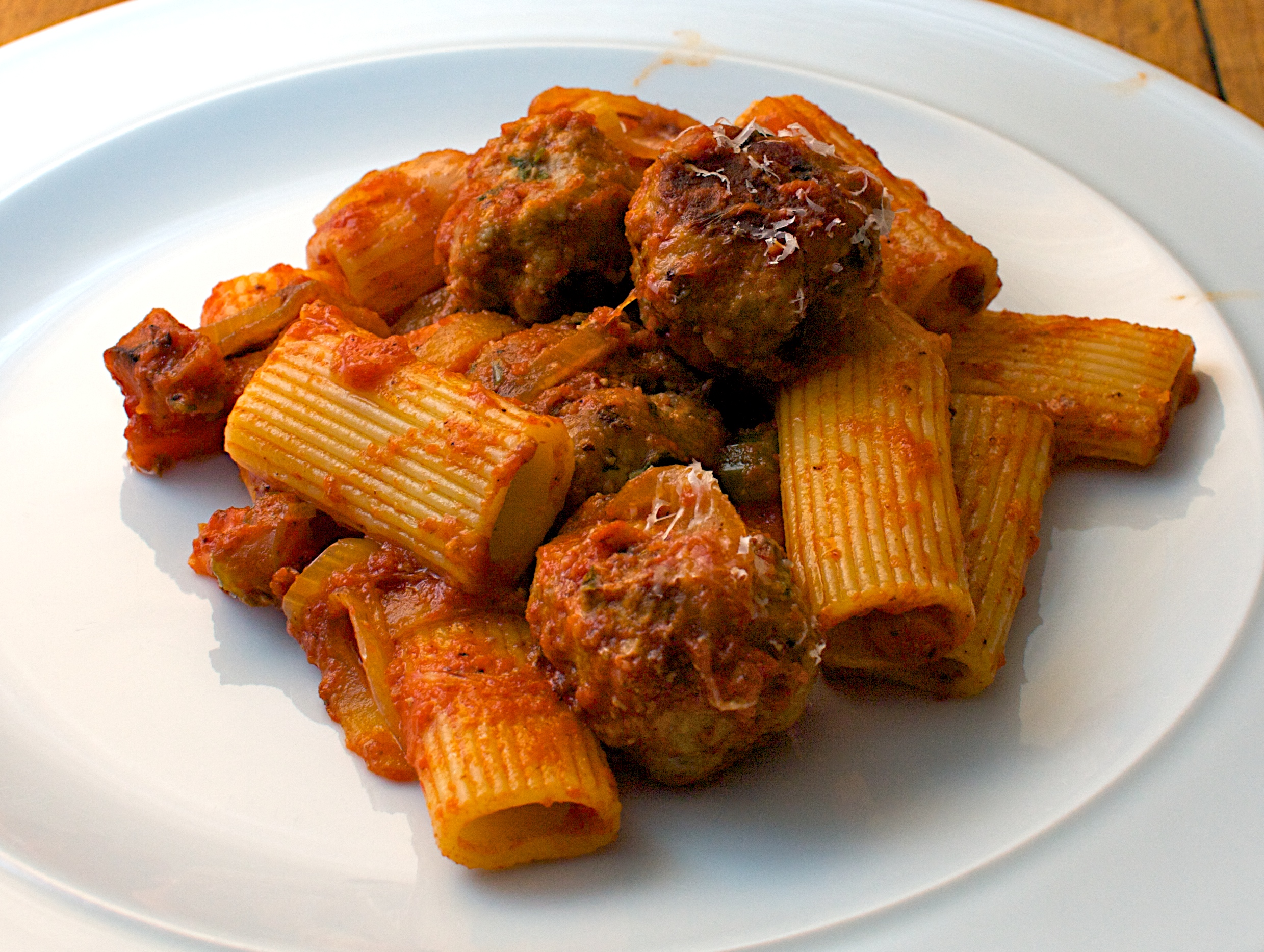
Rigatoni with Meatballs

A great weeknight supper that we cooked when Jules’ brother Peter came to stay during last week … only to discover that this is one of his reliable weeknight dinners too! Another Silver Spoon convert as we’d given him this book for Christmas.

Rigatoni con Polpettine – to serve 4

  • 300g minced meat (we used a mix of beef and pork)
  • 1 sprig flat-leaf parsley, chopped
  • ½ garlic clove, chopped
  • 1 egg, lightly beaten
  • plain flour, for dusting
  • 3 tbsp olive oil
  • 1 onion, thinly sliced
  • 1 celery stick, chopped
  • 1 carrot, chopped
  • 1 small sprig rosemary, chopped
  • 400ml passata
  • 350g rigatoni
  • 25g Parmesan

Mix the meat, parsley and garlic together in a bowl, then stir in the egg and season with salt and pepper. Shape the mixture into small meatballs, dust with flour and set aside.

Heat the oil in a pan, add the onion, celery, carrot and rosemary and cook over a low heat, stirring occasionally, for 5 minutes.

Add the meatballs and turn up the heat to medium. Cook until lightly browned all over, add the passata and season with salt. Lower the heat, cover and simmer, stirring now and then, for about 40 minutes.

Cook the rigatoni in a large pan of boiling salted water until al dente, then drain and tip into the meatballs. Mix well and heat through for a couple of minutes.

Sprinkle over some Parmesan to serve.

Wine Suggestion: Italian of course, but it doesn’t need to be anything fancy. We drank a delightful Chianti Rufina from Fattoria di Basciano which was perfect; full of lovely cherry fruit, fresh acidity to match the tomato and ripe, grippy tannins to work with the meatballs.

(Original recipe from Silver Spoon Pasta, Phaidon Press Ltd. 2009)

Read Full Post »
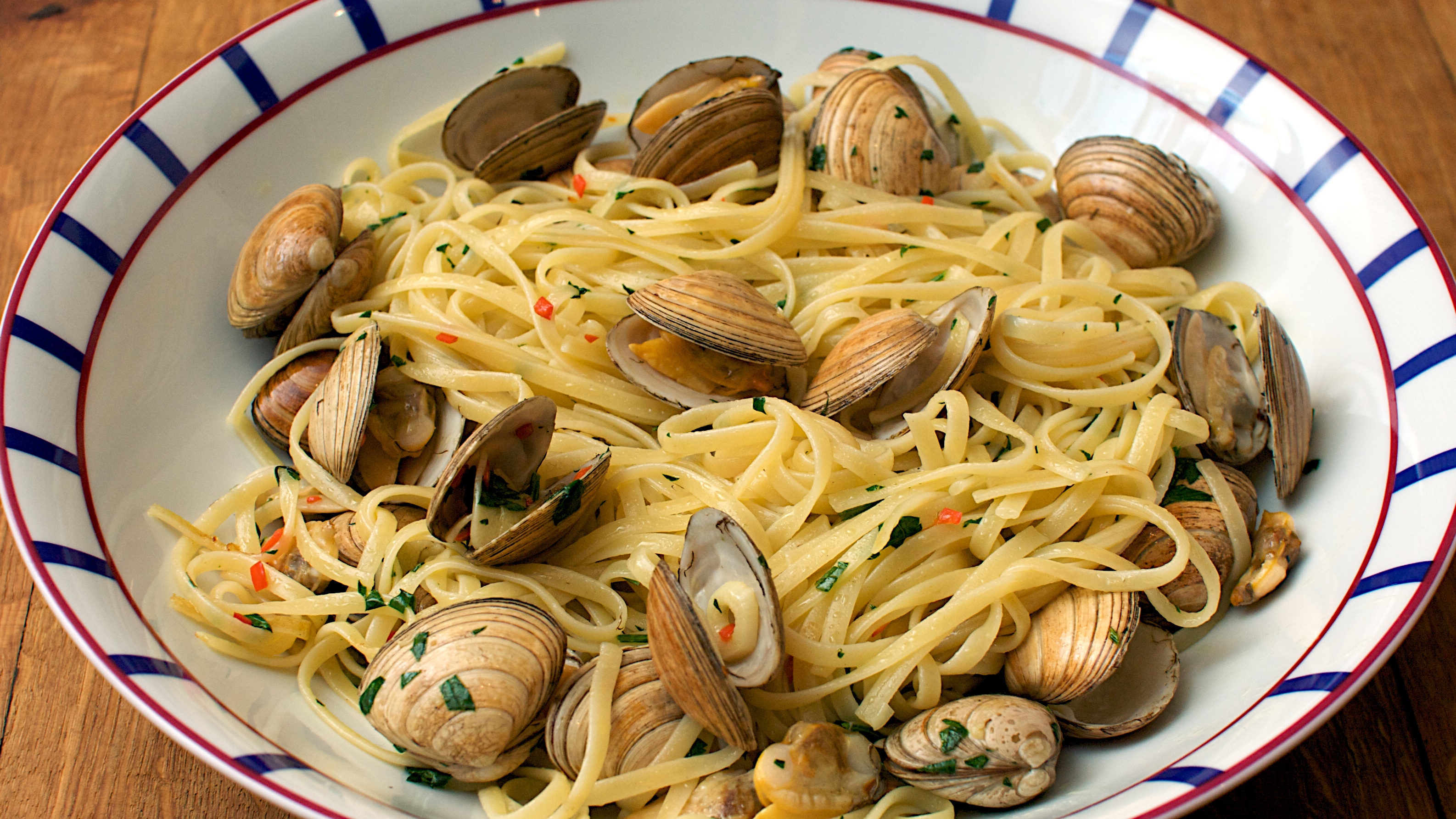
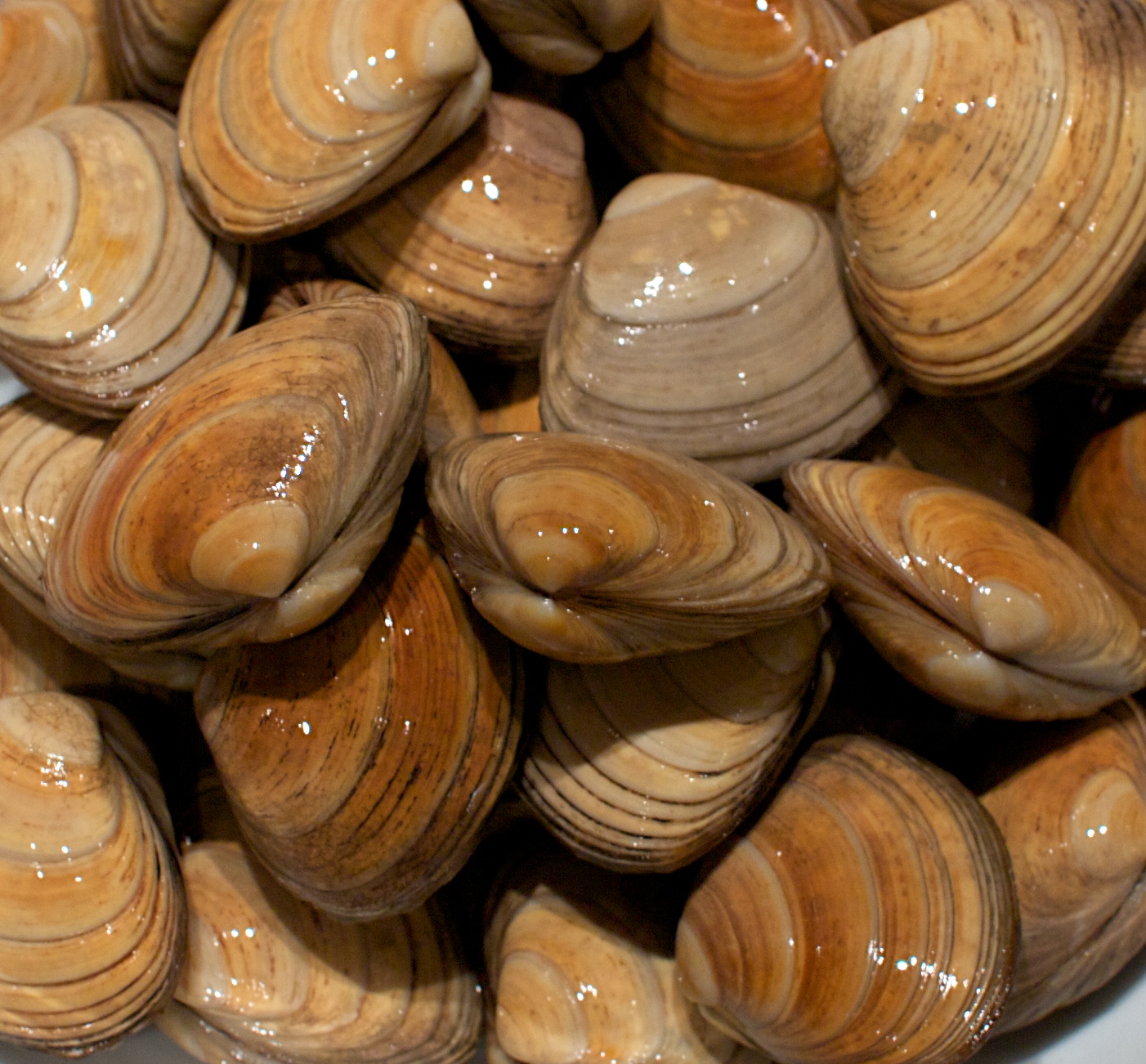
It’s shellfish season so grab some clams and make some vongole! Obey the chilli quantities – we didn’t and burnt the lips off ourselves!

Linguine alle vongole (clams with linguine, garlic, parsley and white wine) – to serve 4

  • 350g dried linguine
  • 50ml extra virgin olive oil
  • 4 garlic cloves, thinly sliced
  • 1/2 a medium-hot red Dutch chilli, seeded and finely chopped
  • 3 tbsp chopped flat-leaf parsley
  • 900g small clams, washed
  • 2 tbsp dry white wine

Cook the linguine in a large pan of well-salted boiling water for just 5 minutes.

Meanwhile, heat the olive oil, garlic and chilli in a small pan until the garlic starts to sizzle. Reduce the heat and cook gently for a couple of minutes to soften the garlic. Add the parsley and take off the heat.

Drain the pasta. Put the empty pan back onto a high heat and add the clams, the white wine and the par-cooked linguine. Cover and cook over a high heat, shaking occasionally, for about 3 minutes or until the clams have opened.

Take the lid off the pan and add the olive oil mixture. Simmer for another couple of minutes, if necessary, until the linguine is tender.

Wine Suggestion: Because it is Italian, we’ll stick to form and suggest either a herbally Inzolia from Sicily, or a more nutty Verdicchio. You need something light and fresh with a little minerality. Muscadet would also work a treat.

(Original recipe from Rick Stein’s Seafood, BBC Books, 2001.)

Read Full Post »
« Newer Posts - Older Posts »