Feeds:
Posts
Comments

Posts Tagged ‘Recipe’

Winter minestrone

We’re never in our own house for Christmas as we travel up north to be with family. That doesn’t stop us on insisting that the stock left in the pot in which the ham was cooked, goes into the freezer ready for us to take home and make minestrone with. The perfect foil for all the over-indulgence in the days preceding.

Winter Minestrone – serves 6

  • 500g cavolo nero, remove any thicker stalks and shred thickly
  • 1 large onion, diced
  • 3 ribs of celery, diced, with a few leaves
  • 6 tbsp olive oil
  • 400g pumpkin/squash flesh, peeled and cut into 1cm chunks
  • 1 potato
  • 400g cooked white beans – we used a tin of cannellini beans
  • 1.5 litres of ham stock, water or bean broth (if you’ve cooked dried beans)
  • A parmesan rind (always good to keep in the fridge to add extra depth of flavour to soups)
  • A small sprig of sage
  • Freshly grated Parmesan, to serve

Wash the cavolo nero, strip any particularly thick stems from the leaves and roughly chop. Roll up the leaves and shred thickly.

Heat the olive oil in a large heavy-based pan and slowly fry the onion and celery with a pinch of salt, until soft, about 8 minutes.

Add the pumpkin/squash to the pan along with the cavolo nero stems and a tiny pinch of salt, stirring until each chunk glistens with oil. Add half the cavolo nero leaves, half the beans, the water and the parmesan rind.

Turn up the heat so the soup is almost boiling, then reduce to a simmer for 30 minutes or until the vegetables are tender. Five minutes before the end of the cooking time, add the rest of the cavolo nero and beans. Taste and season, then add the chopped sage. Allow it to sit for 5 minutes, then serve with some freshly grated Parmesan.

(Original recipe by Rachel Roddy in The Guardian24th November 2017.)

Read Full Post »


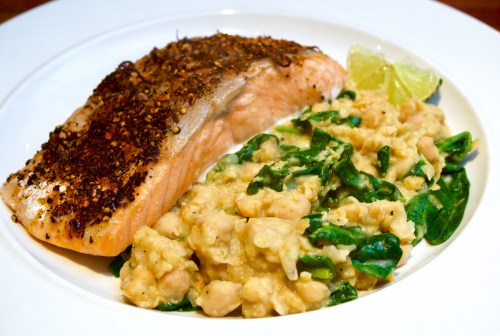
Pepper crusted Salmon with garlic chickpeasWe really liked this simple fish dish and the garlic chickpeas are delicious! Nice and easy for a Friday night.
Wine Suggestion: We opened a Muscadet, as it was in the fridge and they typically work with fish and seafood. That said we weren’t sure it would hold up to the stronger salmon, pepper and spices but were refreshingly surprised at how it more than held it’s own.

Pepper-crusted salmon with garlic & chickpeas – serves 4

  • 4 skinless salmon fillets, about 150g
  • 2 tsp black peppercorns
  • 1 tsp paprika
  • grated zest and juice of 2 limes
  • 1 tbsp olive oil

FOR THE CHICKPEAS:

  • 2 x 400g tins chickpeas
  • 3 tbsp olive oil
  • 2 garlic cloves, finely chopped
  • 150ml vegetable stock
  • 130g bag baby spinach

Heat oven to 190C/Fan 170C/Gas 5.

Put the salmon into a shallow ovenproof dish in a single layer. Roughly crush the peppercorns with a pestle and mortar, then mix with the paprika, lime zest and some sea salt.

Brush the salmon lightly with oil, then sprinkle over the pepper mix. Bake for 12-15 minutes or until the salmon is just cooked.

Meanwhile, drain the chickpeas and rinse well under cold water, then drain. Heat the oil in a pan, then add the garlic and cook gently for 5 minutes without browning. Add the chickpeas and stock and warm gently. Crush the chickpeas lightly with a potato masher, then add the spinach and stir well until the leaves are wilted. Add the lime juice and some salt and pepper, then heat through before serving with the salmon. Serve a lime wedge on the side if you like.

(Original recipe by Dhruv Baker in BBC Good Food Magazine, December 2008.)

Read Full Post »

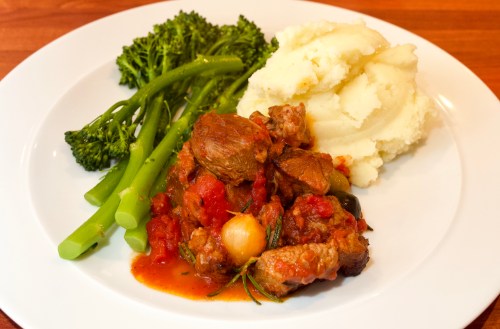
This is the ‘succulent lamb stew’ from Jamie Oliver’s latest book – ‘5 Ingredients’ . It takes a little while in the oven but requires virtually no prep and the results are super tasty. Who knew a jar of pickled onions could be such a revelation? We served with buttery mashed potatoes and steamed broccoli.

This is the third recipe we’ve tried from this book and have yet to be disappointed. Go Jamie!

Wine Suggestion: we found that a youthful wine from Jumilla, the Finca Bacara “3015” Monastrell was a great match. It was perfectly ripe but avoided the clumsy tannins of other Monastrell we’ve had in the past despite being young and only spending 2 months in oak to bring it together. Look for juicy fruit, freshness, and bold but supple and unobtrusive tannins in whatever you choose.

Easiest Ever Lamb Stew – serves 6

  • a few good sprigs of rosemary, about 15g, leaves stripped
  • 800g boneless lamb shoulder, cut into 3cm chunks
  • 150g mixed-colour olives
  • 1 x 280g jar of silverskin pickled onions
  • 2 x 400g tins of plum tomatoes

Preheat the oven to 170C/Gas 3.

Heat a 30cm shallow casserole pan over a high heat, add 1 tbsp of olive oil and toss the rosemary leaves around for about a minute to crisp up. Scoop out the rosemary and set aside, then brown the lamb for a couple of minutes in the same pan.

Drain the pickled onions and add to the pan with the olives (remove the stones if necessary first). Stir everything together before adding the tinned tomatoes, breaking them up with a spoon, plus 2 tinfuls of water. Cover and cook in the oven for 2 hours, or until the sauce has thickened and the lamb is meltingly tender. Jamie suggests stirring half-way through and adding a splash of water if needed. After an hour we had loads of liquid left in the dish so cooked for the remaining hour with the lid off. It probably depends on the heat in your oven so do as needed.

Taste the dish and season with salt and black pepper, then sprinkle over the crispy rosemary to serve.

(Original recipe from 5 Ingredients by Jamie Oliver, Penguin, 2017.)

Read Full Post »

Potato soup

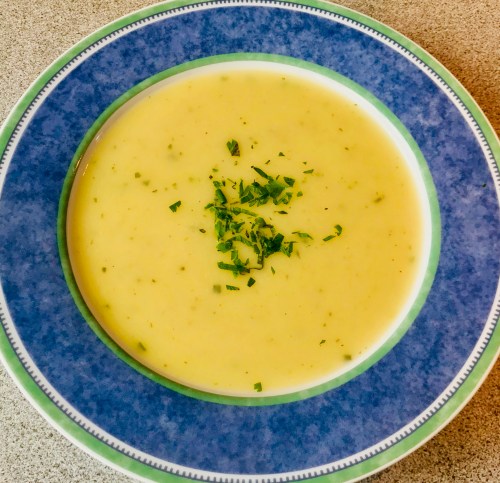
An invaluable recipe especially in Ireland as we always seem to have surplus potatoes lying around. This is what we cook when ‘there’s no food in the house’ and it’s pretty good.

Potato and fresh herb soup – serves 6

  • 50g butter
  • 425g potatoes, peeled and cut into 1cm cubes
  • 110g onions, cut into 1cm cubes
  • 1 tsp salt
  • 1 tbsp chopped herbs: parsley, thyme, chives
  • 850ml chicken or vegetable stock
  • 125ml creamy milk

Melt the butter in a heavy saucepan. Wait until it starts to foam, then add the potatoes and onions and stir to coat in the butter. Add the salt and some black pepper. Cover with a butter wrapper or some greaseproof paper and the saucepan lid. Sweat gently for about 10 minutes while you bring the stock to the boil in a separate pan.

When the vegetables are softened but not coloured, add the herbs and stock, then continue to cook until the vegetables are completely soft. Whizz the soup until smooth and season to taste. Thin with some creamy milk if necessary and garnish with some more herbs.

(Original recipe from Darina Allen’s Ballymaloe Cookery Course, Kyle Cathie Ltd., 2001.)

Read Full Post »

Mango chutney

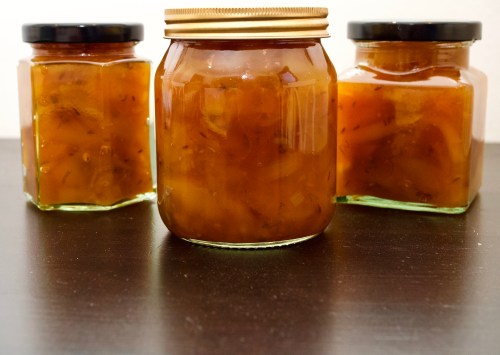
Mangoes are cheap at this time of year so if you see them on offer pick them up and make this delicious chutney. Very straightforward but you do need to start the night before.

Mango Chutney – makes 700ml

  • 1 tsp each of cumin, coriander and cardamom seeds
  • 4 firm mangoes, sliced
  • 350g golden caster sugar
  • ½ tsp each of cayenne pepper and turmeric
  • 1 green chilli, split lengthways
  • 3 garlic cloves, crushed
  • 1 onion, finely chopped
  • small knob of fresh ginger, grated
  • juice of 4 limes and zest of 2
  • 4 bay leaves
  • 300ml white wine vinegar

Toast the cumin, coriander and cardamom seeds in a dry frying pan, then tip into a bowl with all the other ingredients except the vinegar. Mix together, then cover and leave to macerate overnight (or for a minimum of 3 hours).

Tip the mix into a large pan and pour in the vinegar. Bring to the boil, then turn down the heat and simmer for 1½ hours or until sticky, stir regularly as it gets closer to the end of the cooking time to ensure it doesn’t catch on the bottom. Leave to cool, then tip into sterilised jars.

To sterilise jars: wash the jars in very hot water, drip-dry and put into the oven at 160C/Fan 140C/Gas 4 for 10 minutes.

Read Full Post »

Goan fish curry

This is a light curry but not without a good bit of chilli heat in the background. Serve with some steamed basmati. A perfect dinner for two – when’s Valentine’s day?

Wine Suggestion: Indian food is notoriously tricky to match with wine. We chose a Muscadet-Sevre et Maine (more because it was cold in the fridge than any particular inspiration) and it surprisingly held it’s own brilliantly with this dish. We often turn to Muscadet when serving light fish dishes or mussels and from now on we’ll be serving it with fish curries too.

Goan Fish Curry – serves 2

  • 2 tsp coriander seeds
  • ½ tsp cumin seeds
  • 1 dried red chilli or 1 tsp chilli flakes
  • 1 onion, halved and sliced
  • a small piece of ginger, finely grated
  • 2 clove of garlic, crushed
  • ½ tsp turmeric
  • 1 x 400ml tin of coconut milk
  • 1 tsp tamarind paste
  • 1 to 2 green chillies, finely sliced lengthways
  • 300g firm white fish fillets, we used cod, cut into chunks
  • steamed basmati – to serve

Toast the seeds and dried chilli in a dry frying pan, then grind in a pestle and mortar or spice grinder.

Heat a little bit of oil in a deep frying pan and cook the onion with a large pinch of salt until soft and golden. Add the ginger, garlic, turmeric and ground spices and fry for 1 minute. Add the coconut milk, the tamarind and the green chillies and simmer for 5 minutes.

Add the fish and cook for 3-4 minutes until just cooked. Serve with the rice.

(Original recipe from BBC Olive Magazine, January, 2010.)

Read Full Post »

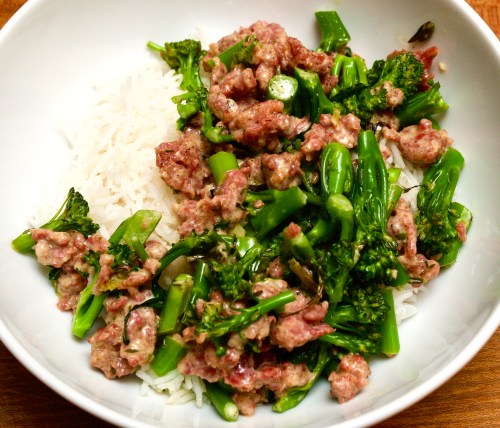
Ragu di salsicce e broccoletti

This simple dish satisfied the cravings we get at this time of year for lots of greens. We thought the suggestion of serving it with rice, rather than pasta, a bit unusual but it was perfect. Seek out top-quality Italian pork sausages if you can. We can buy them fairly easily now in Dublin but have been known in the past to beg the local Italian restaurant to sell us some – so  you could try that tactic if they’re not readily available where you are.

Wine Suggestion: This is a characterful dish so the wine you choose needs to have character and presence to match. We opened a MorisFarms Mandriolo, a fresh and vibrant blend of mostly Sangiovese with some Cabernet Sauvignon, Syrah and Petit Verdot from the Maremma in Tuscany. Being typically Italian the fresh acidity cut through the richness of this dish and proved a delightful match: we couldn’t determine if the hints of fennel came from the wine or the Italian sausages used … or maybe both.

Ragú di salsicce e broccoletti – Creamy sausage & broccoli ragú – serves 4

  • 200g long grain rice
  • 4 tbsp olive oil
  • 4 scallion, roughly chopped
  • a few sprigs of thyme
  • 6 good-quality Italian pork sausages, removed from their skins
  • 200g tenderstem broccoli, chopped into 1 cm pieces
  • 50ml white wine
  • 1 tbsp vegetable stock powder
  • 100ml crème fraîche
  • 30g Parmesan, grated (to serve)

Steam the rice in a rice cooker or according to the instructions on the pack.

Heat the olive oil in a large frying pan and fry the scallions and thyme leaves for a couple of minutes.

Break up the sausage meat with your fingers,  add to the frying pan and cook for another 5 minutes.

Add the broccoli pieces and continue to cook for 3 minutes.

Pour in the wine and cook for another couple of minutes, then stir in the stock powder and crème fraîche. Season with salt and freshly ground white pepper.

Serve the ragù over the rice and sprinkle with freshly grated Parmesan cheese.

(Original recipe from Pronto! by Gino D’Campo, Kyle Books, 2014.)

Read Full Post »

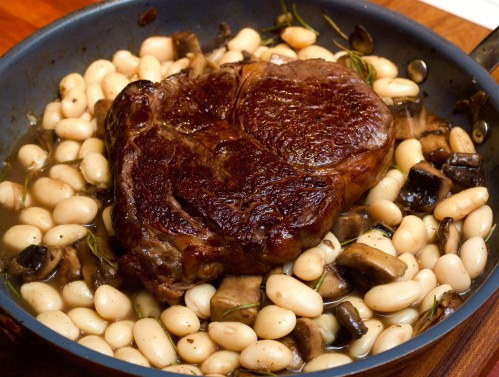
Epic rib-eye steak

New Year’s eve is a night we treasure to eat nice food and open a good bottle of wine; just the two of us (the third still flakes out around 7pm). This year we are glad that Jamie Oliver is back on song with his new book “5 Ingredients”. This was delicious, luxurious and yes –  very few ingredients.

Wine suggestion: from our cellar came a bottle of the Chateau Rayas “Pignan” 2005 which while 12 years old was beautifully youthful, smooth, complex and deep. A 100% grenache from a very particular vineyard this is a remarkable wine that we’re glad to have shared together to begin 2018.

Epic Rib-Eye Steak – serves 4

  • 600g piece of rib-eye steak (ideally about 5 cm thick), fat removed
  • 4 sprigs of fresh rosemary, leaves stripped
  • 4 cloves of garlic, peeled and finely sliced
  • 350g mixed mushrooms, tear up any larger ones into bite size chunks
  • 1 x 660g jar of white beans
  • 1 tbsp red wine vinegar

Place a large non-stick frying pan over a medium-high heat. Rub the steak all over with a little olive oil, a pinch of salt and some black pepper, then sear on all sides for 10 minutes in total. You’re looking for a nice dark brown on the outside and medium rare in the middle – of course keep cooking if you prefer it more cooked than this. When done, remove to a warm plate and cover with tin foil.

Turn the heat under the pan down to medium. Add the rosemary leaves and crisp up for 30 seconds, then add the garlic and mushrooms with a splash of oil if needed and cook for 8 minutes or until golden.

Pour in the beans and their juice, add the red wine vinegar and simmer for 5 minutes, then season to taste. Sit the steak on top and pour over any juices from the plate. Slice the steak at the table and serve with with a drizzle of your best olive oil.

(Original recipe from 5 Ingredients by Jamie Oliver, Michael Joseph, 2017.)

Read Full Post »

Swedish spinach and butterball soup

We loved this spinach soup with and without the melting butterballs, which are a nice addition but by no means essential. Green soup makes us feel good about ourselves (even if there is some cream and butter in it).

Swedish spinach soup with egg butterballs – serves 6

FOR THE BUTTERBALLS:

  • 115g butter
  • yolks of 3 hard-boiled eggs

FOR THE SOUP:

  • 25g butter
  • 1 onion, finely chopped
  • 40g long-grain white rice
  • 1 litre chicken stock
  • 500g spinach
  • 150ml double cream
  • juice of ½ lemon

To make the butterballs, mash the butter and egg yolks together and season with salt and black pepper. Roll into 2.5cm balls, then cover with clingfilm and put into your fridge.

To make the soup, melt the butter in a large saucepan and sweat the onion over a low heat with the lid on for about 10 minutes or until soft but not coloured. Add a splash of water if the pan looks dry. Add the rice and stock and bring to the boil, then simmer for 15 minutes. Add the spinach and push down into the pan with a wooden spoon as it wilts. Bring to the boil, season and cook for 6 minutes, stirring, then cool.

Whizz the soup until smooth, then add the cream. Return to a saucepan to heat and add a squeeze of lemon juice and adjust the seasoning if necessary. Serve hot with the melting butterballs on top.

(Original recipe from Food From Plenty by Diana Henry, Mitchell Beazley, 2011.)

Read Full Post »

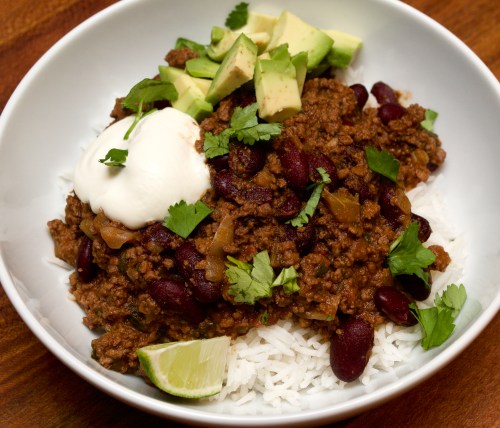
Chilli with Amazing Smoked Paprika Butter

The base recipe for this chilli is nothing unusual but it becomes much more special with the addition of a delicious smoked paprika butter stirred through at the end. It’s definitely our chilli of the moment! Serve with your choice of the usual chilli accompaniments – baked potatoes/rice, grated cheese, avocado, sour cream, tortilla chips….

Wine Suggestion: choice one – a nice, clean lager like Peroni or the Harviestoun Schiehallion, or choice two – a juicy red wine like the Cline Lodi Zinfandel with brambly fruit and soft, spicy tannins.

Chilli minced beef with smoked paprika butter – serves 6

  • 2 tbsp olive oil or garlic oil (if you have it)
  • 2 onions, thickly sliced
  • 2 celery sticks, chopped
  • 2 garlic cloves, chopped
  • 1kg beef mince
  • 200ml red wine
  • 2 x 400g tins of kidney beans
  • 1 x 400g tin of plum tomatoes
  • 1 red chilli, finely chopped (or substitute 2 tsp chilli powder)
  • 1 tsp crushed cumin seeds
  • 500ml strong beef stock
  • 2 bay leaves
  • 4 sprigs of thyme
  • 2 sprigs of rosemary
  • large handful of chopped coriander, plus extra to serve
  • lime wedges, to serve

FOR THE SMOKED PAPRIKA BUTTER

  • 75g soft butter
  • 1½ tsp smoked paprika
  • finely grated zest of 1 lime and juice of ½ lime
  • ½ tsp of sea salt

Heat a large saucepan over a medium heat. Add the oil and cook the onions, celery and garlic over a low heat for about 10 minutes or until softened. Turn up the heat, stir in the mince and fry until browned, breaking it up as you go with a wooden spoon.

Add the red wine and scrape any crusty bits from the bottom of the pan. Bring to the boil and allow the wine to reduce by half.

Stir in the beans, tomatoes, chilli, cumin, stock, bay leaves, thyme and rosemary. Season with a teaspoon of sea salt and some black pepper. Bring to a simmer, then cover with a lid and cook for at least an hour, stirring now and then. You can add a cup of water if it starts to become too thick. Likewise, if it’s not thick enough, you can simmer without the lid for the last 10 to 15 minutes.

Make the smoked paprika butter by beating the butter together with the smoked paprika, lime zest, lime juice and salt.

Remove the herb sprigs form the chilli then stir through the coriander and the flavoured butter, then allow to sit for 5 minutes. Taste for seasoning and serve with coriander and lime wedges over the top.

(Original recipe from Marcus at Home by Marcus Waring, HarperCollins, 2016.)

Read Full Post »

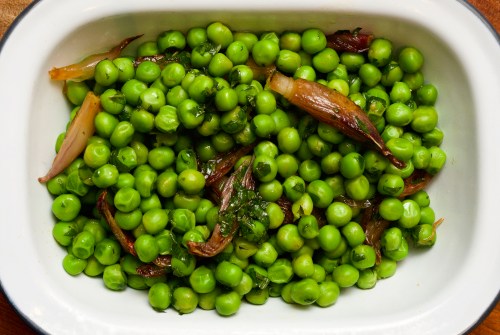
Peas with roasted shallots

This is a handy side dish for a roast dinner and adds a bit of interest to a bag of frozen peas, which our freezer is never without.

Peas with Roasted Shallots & Mint – serves 8

  • 550g shallots, peeled and halved
  • 85g golden caster sugar
  • 1 kg frozen peas
  • a bunch of fresh mint, chopped
  • 3 tbsp good quality olive oil
  • juice of ½ lemon

Heat your oven to 200C/180C fan/gas 6.

Toss the shallots in the sugar. Heat a large ovenproof frying pan until hot, then add the sugary shallots. Cook for a few minutes to caramelise the outside, then transfer to the oven for 5 mins to cook through.

Cook the peas in boiling salted water for 2 mins until tender, drain and mix with the shallots, mint, olive oil and lemon juice. Season and serve.

(Original recipe from BBC Good Food.)

Read Full Post »

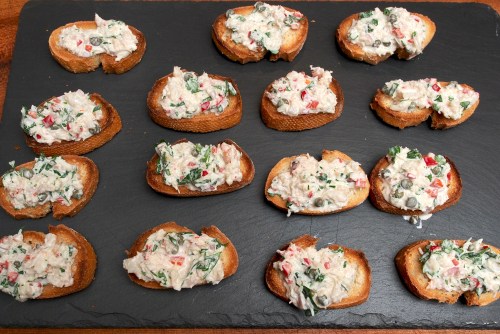
Crab crostini

Just when you think it’s all over and you’ve eaten enough to persuade you to try just about any diet… comes New Year. More food, more drinks, late night – resistance is futile. If you’re in charge of the first course for a New Year’s party then you can’t go wrong with these delicious crab crostini. You can toast the bread and make up the crab mixture early but don’t combine until you’re ready to serve.

Wine Suggestion: Everyone has their favourite sparkling wine which for NYE is a must; we like vibrant bubbles with a creamy mousse. For this we opened the Bouvet-Ladubay “Saphir” Sparkling Saumur which is brilliant value for money and properly sophisticated. We’ve also tried the Billecart-Salmon Blanc de Blancs Grand Cru Blanc which we agree with Jancis Robinson, “is really joyful, happy and upbeat, with real vivaciousness yet quite a bit of serious undertow too.”

Crab Crostini – makes 15

  • 100g white crabmeat
  • 2 tbsp lemon juice
  • 1 shallot, finely chopped
  • a handful of parsley, chopped
  • 1 red chilli, finely chopped
  • 1 tbsp small capers
  • 3 tbsp mayonnaise
  • 15 slices from a skinny baguette, toasted

Mix the crab with the lemon juice, shallot, parsley, chilli, capers & mayonnaise. Pile the crab mix onto the baguette slices and serve.

(Original recipe by Janine Ratcliffe for  BBC Olive Magazine, December 2011.)

Read Full Post »

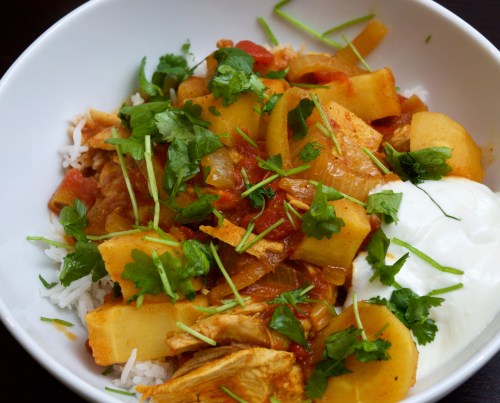
Turkey & parsnip curry

A regular post-Christmas dish in our house. It’s a bit Bridget Jones but really tasty and fairly light and healthy too. Just what you need if you’ve been on the mince pies 😉

Wine Suggestion: We love a nice Alsace Pinot Gris with this which is rich enough to stand up to the flavours and also contributes it’s own spices and freshness. We had an older Marcel Deiss Pinot Gris which was found in the cellar and it was deliciously complex, but an easier, younger wine would be good too.

Turkey & Parsnip Curry – serves 4

  • 2tbsp vegetable oil
  • 2 onions, thinly sliced
  • 500g parsnips, peeled and cut into chunks
  • 5 tbsp Madras curry paste (we like Patak’s)
  • 400g tin chopped tomatoes
  • 500g cooked turkey, torn into chunks
  • handful of chopped coriander, to serve
  • 150g natural yoghurt, to serve
  • cooked basmati rice, to serve

Heat the oil in a saucepan, then fry the onions gently for about 10 minutes or until softened and lightly coloured. Stir in the parsnips.

Stir in the curry paste, then add the tin of tomatoes with a little salt. Add 1½ tinfuls of water and bring to the boil, then reduce the heat, cover and simmer for 15 to 20 minutes or until the parsnips are just tender.

Stir in the turkey, then cover the pan and cook for another 5 minutes to heat through.

Serve over steamed basmati rice with some yoghurt on the side and coriander on the top.

(Original recipe from BBC Good Food Magazine, January 2003.)

Read Full Post »

Turkey stock

Not the most glamorous of photos, but stocks are an essential addition to our kitchen and there is lots to be made from the Christmas leftovers. Save the water used to cook the ham as it makes a really good base for minestrone.  Salvage all the precious turkey bones to make this delicious stock on Boxing Day. It will keep in the freezer and is great for soups and risottos.

Basic Turkey Stock

  • 2 large onions
  • 2 sticks celery
  • 2 carrots
  • turkey carcass, broken into pieces (add the wings if they haven’t been eaten – no chance in our house!)
  • 6 peppercorns
  • parsley stalks
  • bay leaf

Roughly chop the veg, leave the skins on, then chuck them into your biggest pot. Put the bones on top and add the herbs and peppercorns. Cover with cold water then bring to the boil, skimming off any scum that rises to the top. Once the stock is properly boiling you need to turn it down to a very gentle simmer and keep topping up with more water if any veg or bones get exposed. Skim every now and then. After about 2 hours you should have a clear and tasty stock. Pass through a fine sieve, then portion up and freeze until you need it.

(Original recipe from BBC Good Food Magazine, January, 2008.)


Read Full Post »

Moroccan fish tagine

Perhaps not so festive but we find everyone is relieved at this time of year when you serve them some fish. We often turn to fish pie but this tagine is really tasty too and a welcome rest from richer dishes.

Wine Suggestion: A good, youthful Muscadet was our choice; in this case one made by Pétard Bazile that we picked up last time we were in France. There is such quality coming from this region in the Loire and we think the vibrantly fresh Muscadet’s work so well with seafood and fish. This didn’t disappoint.

Chermoula Fish Tagine – serves 4 to 6

  • 1kg white fish fillets with skin removed, cut into bite-sized chunks
  • 3 tbsp olive oil
  • 1 red onion, finely chopped
  • 1 carrot, finely chopped
  • 2 celery sticks, finely chopped
  • ½ a preserved lemon, finely chopped
  • 1 x 400g tin chopped tomatoes
  • 600g potatoes, peeled and cut into 2cm pieces
  • 2 tbsp roughly chopped coriander

FOR THE CHERMOULA MARINADE:

  • 3 garlic cloves, peeled and chopped
  • 1 red chilli, deseeded and chopped
  • 1 tsp salt
  • small handful of coriander (include the stems)
  • pinch of saffron threads
  • 2 tsp cumin seeds, toasted and finely ground
  • 4 tbsp olive oil
  • juice of 1 lemon

Start with the marinade by pounding the garlic, chilli, salt, coriander, saffron & cumin seeds together with a pestle and mortar. Add the olive oil and lemon juice and mix to form a smooth paste (you could also use a mini blender if you’ve got one).

Reserve 2 tsp of the chermoula and put the rest into a large bowl or sealable plastic food bag. Add the fish and toss gently to coat, then leave to marinate for 2 hours (or 1 hour if time is short).

Put a large casserole dish or saucepan over a medium heat and add the 3 tbsp of olive oil. When the oil is hot, add the onion, carrot and celery. Cook for 8 to 10 minutes or until softened, then stir in the reserved chermoula and preserved lemon, tomatoes & potatoes. Pour in 300ml of water, season and bring to the boil. Reduce the heat, cover with a lid, and simmer for 10 to 15 minutes or until the potatoes are almost cooked.

Add the fish along with its marinade, and simmer very gently for another 4 to 5 minutes or until the fish is opaque. Divide between bowls and top with coriander.

Serve with couscous or crusty bread.

(Original recipe from Rachel’s Everyday Kitchen by Rachel Allen, Harper Collins, 2013).

Read Full Post »

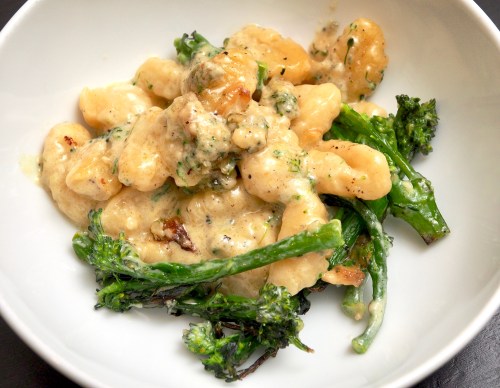
Baked gnocchi with broccoli, blue cheese and walnuts

We won’t apologise for yet another blue cheese-themed dish. We love cheese but are unlikely to have a cheese course during the week and therefore regularly end up making a meal out of it. Tis also the season for copious amounts of cheese, which is not only delicious but expensive – don’t waste it. If you’ve eaten all the blue cheese then brie or goats’ cheese should also work well.

Wine Suggestion: You need to balance the richness of the dish and the salty cheese so we chose the 2007 Ridge Santa Cruz Chardonnay which, despite it’s 10 years of age, was fresh and vibrant. The developing character of old Chardonnay really works well with blue cheese, especially when cooked in a dish. We also toyed with opening some white Rhône as this would work too.

Baked Gnocchi with Broccoli & Blue Cheese – serves 4

  • 500g fresh gnocchi
  • 200g tenderstem broccoli
  • 150g dolcelatte or other creamy blue cheese, crumbled
  • 150ml single cream

Heat the oven to 190C/fan 170C/gas 5.

Cook the gnocchi in a large pan of boiling water. It’s ready when it floats to the surface, scoop out with a draining spoon.

Cook the broccoli in the same water until just tender, then drain.

Mix the gnocchi, broccoli, cheese and cream together in a large bowl with plenty of seasoning. Tip into a buttered baking dish and bake for 15 to 20 minutes or until golden and bubbling.

Serve with salad if you like.

(Original recipe from BBC Olive Magazine, December, 2011.)

Read Full Post »

Salmon on lentils with herb relishEveryone loves salmon in our house and it helps with our oily fish intake, which makes us feel good about ourselves. The lentils in this dish make it good and hearty and the herb relish is fresh and delicious.

Wine Suggestion: despite it being traditional to drink rosé only during summer we like to have it all year round, and for oily “pink” fish like salmon a Provençal rosé, from Chateau Vignelaure makes a great match

Salmon on lentils with herb relish – serves 4

FOR THE LENTILS:

  • 2 tbsp olive oil
  • ½ a small onion, finely chopped
  • 1 celery stick, diced
  • 1 small carrot, diced
  • 150g Puy lentils
  • 2 sprigs of thyme
  • 275ml chicken stock or water
  • squeeze of lemon juice

FOR THE HERB RELISH:

  • 50g herb leaves (parsley, basil, mint & chives)
  • 1½ tbsp capers, rinsed
  • 2 garlic cloves, very finely chopped
  • juice of 1 lemon
  • 7½ tbsp extra virgin olive oil

FOR THE SALMON:

  • 30g unsalted butter
  • 1 tbsp groundnut oil
  • 4 x 175g salmon fillets

Start with the lentils by heating the oil in a saucepan and cooking the onion, celery and carrot until starting to soften. Stir in the lentils, thyme & stock and season with pepper. Bring to the boil, then simmer for 15 to 20 minutes but keep an eye on the lentils as they can turn mushy in minutes.

Meanwhile, chop the herbs very finely and mix with the other relish ingredients.

Heat the butter and oil for the salmon in a large frying pan. Season the fillets on both sides and cook over a high heat, skin side down, until the skin is crispy. Turn the fish over carefully and cook over a medium heat for another minute or two or until cooked through.

When the lentils are cooked, add the lemon juice and a good glug of olive oil and some seasoning. Put lentils on each plate and top with the salmon fillets and relish.

(Original recipe from Food from Plenty by Diana Henry, Mitchell Beazley, 2010.)

Read Full Post »

Sprout with roasted hazelnuts

Many sprout recipes claim to be able to convert sprout-haters. Not so, they are a lost cause and not worth wasting your Brussels on. The vinaigrette dressing on this unusual sprout dish makes this more like a warm salad and it would be particularly nice with some cold roast turkey.

Roast Brussels sprouts with hazelnuts – serves 6 as a side dish

  • 50g hazelnuts
  • 450g Brussels sprouts, halved lengthways
  • 60ml extra virgin olive oil
  • 1 tbsp lemon juice
  • 2 tsp Dijon mustard
  • ½ a red onion, very finely diced

Preheat the oven to 180ºC.

Spread the hazelnuts on a baking tray and roast for about 8 minutes. Tip into a clean tea towel and give them a good rub – the skins should come off easily. Roughly chop the hazelnuts and set aside.

Toss the sprouts with 1 tbsp of olive oil, some salt and black pepper. Tip onto a baking tray and roast for 20 to 30 minutes. or until tender and starting to turn crispy at the edges. Give them a shake half way through if you remember.

Whisk the remaining olive oil (45ml) with the lemon juice, mustard and onion and season to taste.

Toss the dressing with the roasted sprouts and hazelnuts and serve warm.

(Original recipe from Neil Perry’s Good Cooking, Murdoch Books, 2016.)

Read Full Post »

Preserved peppers with goats cheese & pine nuts

These are delicious and super easy to put together in advance. They will come to no harm in the fridge for a few hours but take them out about 30 minutes before you serve them so they’re not fridge cold. They look pretty piled into a bowl too.

Wine Suggestion: the hot peppers makes some wines, especially reds, taste a bit metallic. Sauvignon Blanc and Gruner Veltliner are the obvious match for the ingredients in this dish. However, as it’s Christmas and we’re in a celebratory mood we opened a Sparking Saumur and found that good bubbly makes a superb match too.

Preserved Peppers Stuffed with Goats’ Cheese & Pine Nuts – makes lots

  • 400g jar Peppadew peppers (or other preserved mini red peppers)
  • 300-400g soft goats’ cheese
  • finely grated zest of 2 unwaxed lemons
  • 1 heaped tsp of dried mint
  • 30g of mint, leaves finely chopped
  • 75g toasted pine nuts, roughly chopped

Drain the peppers and pat them dry with kitchen paper – be nice and gentle so they don’t tear.

Put the goats’ cheese, lemon zest, dried and fresh mint and chopped pine nuts into a bowl, season generously with black pepper and mix together with a fork.

Take a small plastic food bag and snip one of the bottom corners off with scissors. Spoon the cheese mixture into the bag (it’s easier if you do it a bit at a time) and use to pipe the mixture into the peppers.

Serve straight away or keep in the fridge until later.

(Original recipe from Feasts by Sabrina Ghayour, Mitchell Beazley, 2017.)

Read Full Post »

Chicken parmigiana

This is an absolute crowd pleaser and should please most children and other fussy eaters. It is easy but there are  a few steps so leave yourself plenty of time. We liked this way more than we expected to! Good with garlic bread and a big salad.

Wine Suggestion: you mustn’t overwhelm this dish with a heavy, powerful wine. It can have character though and the youthful Rocca delle Macie Chianti Vernaiolo was a good match. Unoaked and fruit driven this is a lighter red and all freshness and vitality. Other alternatives that work are light Pinot Noir, Gamay or Barbera.

Chicken Parmigiana – serves 4 (generously)

  • 1 onion, finely chopped
  • 3 garlic cloves, finely chop 2 and peel the other
  • 100ml red wine
  • 1 tsp dried oregano
  • 1 x 400g tin chopped tomatoes
  • 4 chicken breasts (ask your butcher to butterfly if possible)
  • 100g plain flour
  • 2 eggs beaten
  • 75g Parmesan, grated
  • 75g breadcrumbs
  • 1 tsp dried oregano
  • pinch sugar (optional)
  • 2 balls mozzarella, sliced
  • handful fresh basil leaves

Start by making the sauce. Heat a tablespoon of olive oil in a saucepan and fry the onion until soft and translucent, then add the chopped garlic. Cook for another couple of minutes, then add the red wine. Allow to bubble until the wine is reduced by about half, then add the oregano and tomatoes and season well with salt and black pepper. Bring to the boil, then cover with a lid and simmer gently for 10 minutes. Taste the sauce at this point and season with a pinch of sugar if necessary, then continue to simmer for a further 10 minutes, without the lid, until the sauce is well reduced – you want it to be fairly thick.

Preheat the oven to 200C Fan/180C/Gas 6.

Butterfly the chicken then put between two sheets of cling film and flatten slightly with a rolling pin. Season the chicken with salt and black pepper. Mix the Parmesan with the breadcrumbs, oregano and a few finely chopped basil leaves. Put half the flour onto a plate and season. Beat one of the eggs in a bowl and spread half the Parmesan mixture on another plate.

Dip each chicken breast in the flour and dust off any excess, then dip into the egg. Coat the eggy chicken in the breadcrumb & Parmesan mixture – pressing it firmly onto the chicken. Repeat this again with the next chicken breast. Now you may need to start the process again with the rest of the ingredients on fresh plates. Arrange the coated chicken on a baking tray and drizzle with a little olive oil, then bake for 12 to 15 minutes or until just cooked through. Remove from the oven but leave the oven on.

To finish the dish you will need a large shallow oven dish that can take all 4 chicken breasts in a single layer. Cut the remaining garlic clove in half and rub the dish all over with it. Spread the tomato sauce over the base of the dish, place the chicken on top and arrange the mozzarella over the chicken so it’s mostly covered. Bake in the oven for 15-20 minutes or until the mozzarella is melted and browned. Scatter some basil leaves over the top before serving.

(Original recipe from The Hairy Bikers Chicken & Egg by Si King & Dave Myers, Orion Publishing Co., 2017.)

Read Full Post »

« Newer Posts - Older Posts »