Feeds:
Posts
Comments

Posts Tagged ‘Vegetarian’

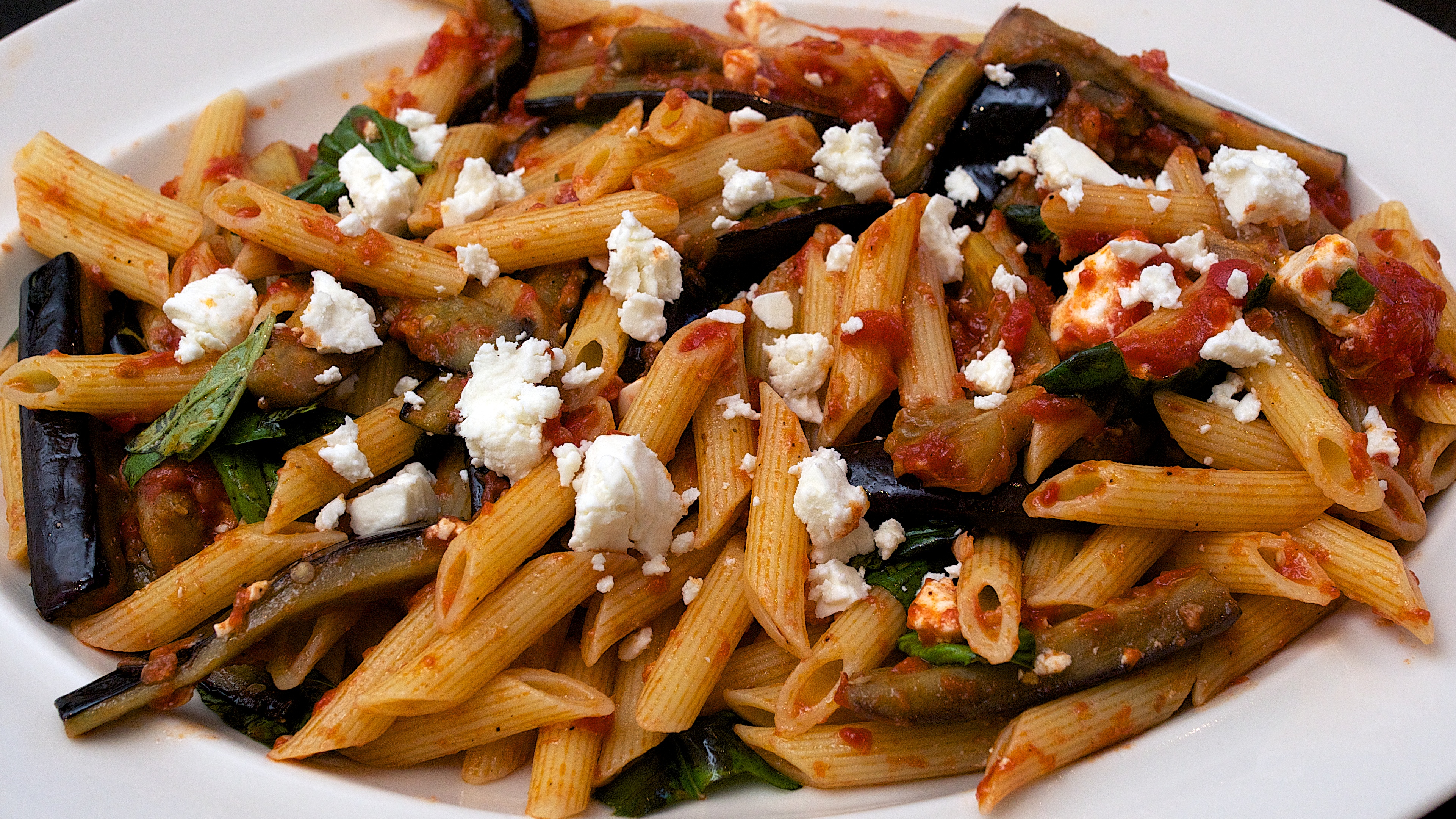
Penne alla norma

We love Rick Stein’s recipes as everything seems to come from true inspiration and has been tested in a real world kitchen so it all works. This recipe is no exception and delivers in flavour and balance perfectly.

Pasta alla Norma is traditionally made with spaghetti but worked just as well penne pasta as a substitute.

Wine Suggestions: Aubergine tends to work with Southern Italian reds really well, but we had an unexpected burst of sunshine so opened a Provençal rosé, Chateau Vignelaure La Source, which is an old favourite. It worked a treat and  will definitely try it again with other aubergine dishes.

Pasta alla Norma – Pasta with Aubergines, Tomatoes, Chilli & Cheese – serves 4

  • 500g aubergines (2 large ones)
  • 500g well-flavoured tomatoes or top quality tinned plum tomatoes, drained (Italian brands are best)
  • 6 tbsp extra virgin olive oil
  • 400g dried spaghetti
  • 4 garlic cloves, crushed
  • ¼ tsp crushed dried chillies
  • A large handful of fresh basil leaves, torn into small pieces
  • 100g finely grated ricotta salata or crumbled feta cheese

Trim the aubergines and cut into two across the middle, then cut each piece lengthways into chip-sized sticks. Toss with 1 tsp of salt and set in a colander over a bowl to drain for 30-40 minutes.

Meanwhile, if using fresh tomatoes, squeeze them over the sink to get rid of most of the juice and seeds. Roughly chop the tomatoes and set aside.

Bring a large pan of water to the boil (about 4.5 litres) and season generously with salt (about 8 teaspoons).

Pat the aubergines dry with kitchen paper to remove the salt and any liquid. Heat 4 tbsp of the frying pan, add half the aubergines and fry until lightly golden. Lift onto a plate lined with kitchen paper  and leave to drain while you fry the next batch. After removing the second batch of aubergine, leave the oil in the frying pan to cool.

Put the spaghetti into the boiling water and cook according to the packet or until al dente. 

Before the pasta is ready, add the remaining oil and the garlic to the cooled frying pan and return to the heat. When the garlic begins to sizzle gently, add the crushed chillies and the tomatoes and cook over a high heat for a few minutes or until they have broken down into a sauce. Season well and stir in the aubergines.

Drain the pasta and add to the sauce with the torn basil and half the cheese, then toss well. Divide between warm bowls and serve sprinkled with the remaining cheese.

(Original recipe from Rick Stein’s Mediterranean Escapes, BBC Books, 2007.)
Read Full Post »

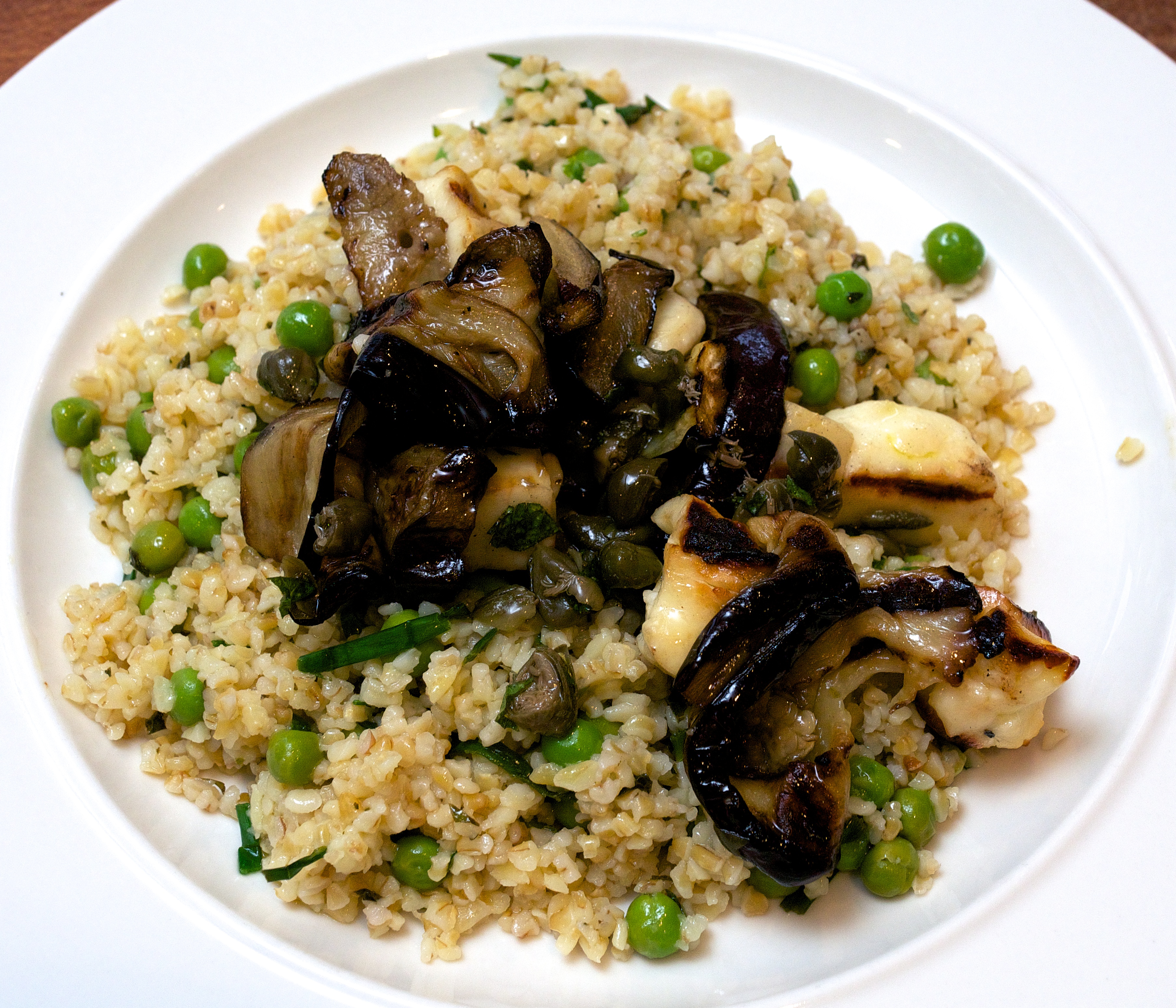
Haloumi & Aubergine Kebabs on a bulgur & pea salad

We’re much keener on nutty bulgur than quinoa that seems so popular at the moment. Bulgur makes for a much more interesting salad in our opinion and these aubergine and halloumi kebabs are a great veggie option for the barbecue. Leftovers taste nice for lunch the next day too.

Aubergine and Halloumi Kebabs with Garlic & Herb Bulgur Wheat 

  • 2 aubergines, sliced into strips
  • 200g pack of halloumi cheese, cut into cubes
  • 2 tbsp olive oil plus more for brushing
  • 1 tbsp capers, roughly chopped
  • 1 tsp chopped mint

FOR THE GARLIC & HERB BULGUR WHEAT

  • 200g bulgur wheat
  • 175g frozen peas
  • 6 tbsp garlic oil (to make garlic oil just gently simmer a couple of peeled and smashed garlic cloves in oil for about 10 minutes, then discard the garlic and let the oil cool before using)
  • juice of 1 lemon
  • handful of herbs (such as mint, parsley, chives or a mixture) roughly chopped

Brush the aubergine strips with olive oil and barbecue until softened. Thread onto skewers with the halloumi cubes.

Mix the remaining olive oil with the chopped capers and mint.

Barbecue the kebabs until the cheese is golden and drizzle over the dressing to serve.

Meanwhile, cook the bulgar wheat in boiling salted water for 15 minutes or until tender, adding the peas for the last few minutes.

Make the dressing with the oil, lemon juice and seasoning. Fold the herbs through the drained bulgur wheat and peas and gently stir in the dressing.

(Original recipe for kebabs from BBC Olive Magazine July 2014 and bulgur wheat from BBC Good Food.)

Read Full Post »

OLYMPUS DIGITAL CAMERA

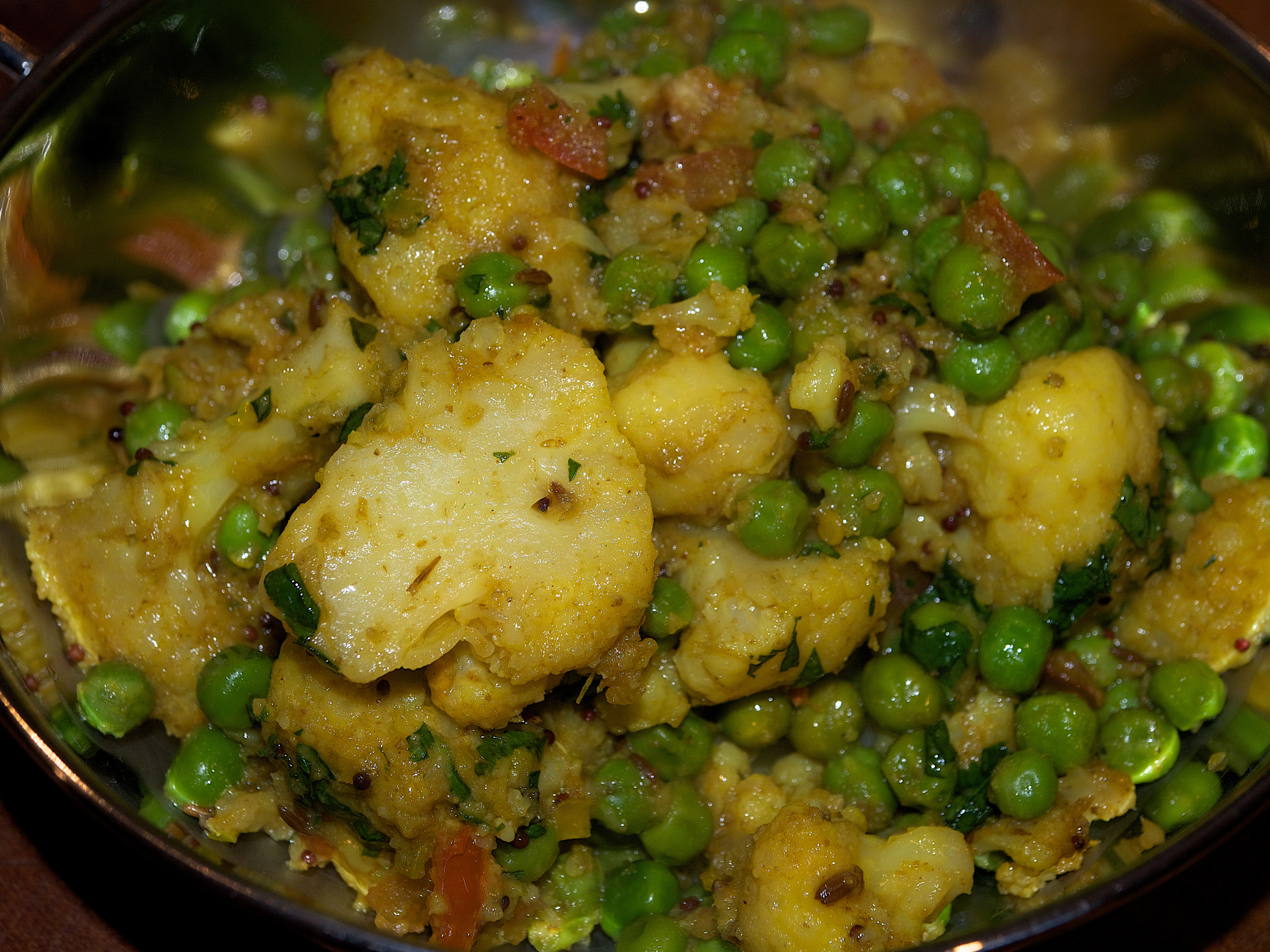
We got the Indian vegetarian cookbook, Prashad, some time ago but haven’t used it much, something that needs to be remedied as the recipes are delicious. The balance of spices has a real depth but be careful with the asafetida as it can easily overwhelm the dish. We served this with a home-made dhal and naan breads from the Indian takeaway.

Pea & Cauliflower Curry – serves 4

  • 100ml sunflower oil
  • 1 tsp cumin seeds
  • 1 tsp brown mustard seeds
  • ½ tsp asafetida
  • 1 medium cauliflower, cut into small pieces
  • 1 tsp turmeric
  • 1 tbsp ground coriander
  • 1½ tsp salt
  • 1 tsp sugar
  • 400g frozen petits pois
  • 1 medium tomato, finely chopped
  • 1 large handful of fresh coriander, roughly chopped
  • 3-6 fresh green chillies, seeds in
  • 5cm root ginger, peeled and roughly chopped

Crush the chillies and ginger together with a pinch of salt in a pestle and mortar (or a blender) to make a fine masala paste.

Heat the oil in a large heavy-based frying pan over a medium heat, then add the cumin and mustard seeds. When the seeds start to pop, turn the heat to low and stir in the asafetida.

Add the cauliflower, then turn the heat back to medium and stir in the masala paste, turmeric, ground coriander, salt and sugar. Cover and leave to cook for 8-10 minutes, stirring every few minutes. Stir in the peas and tomato, cover the pan again and cook for another 3-5 minutes. Remove from the heat and sprinkle with the chopped coriander, then leave to rest, covered, for 5 minutes before serving.

(Original recipe from Prashad: Indian Vegetarian Cooking by Kaushy Patel, Saltyard Books, 2012.)

Read Full Post »

Leek Gratin


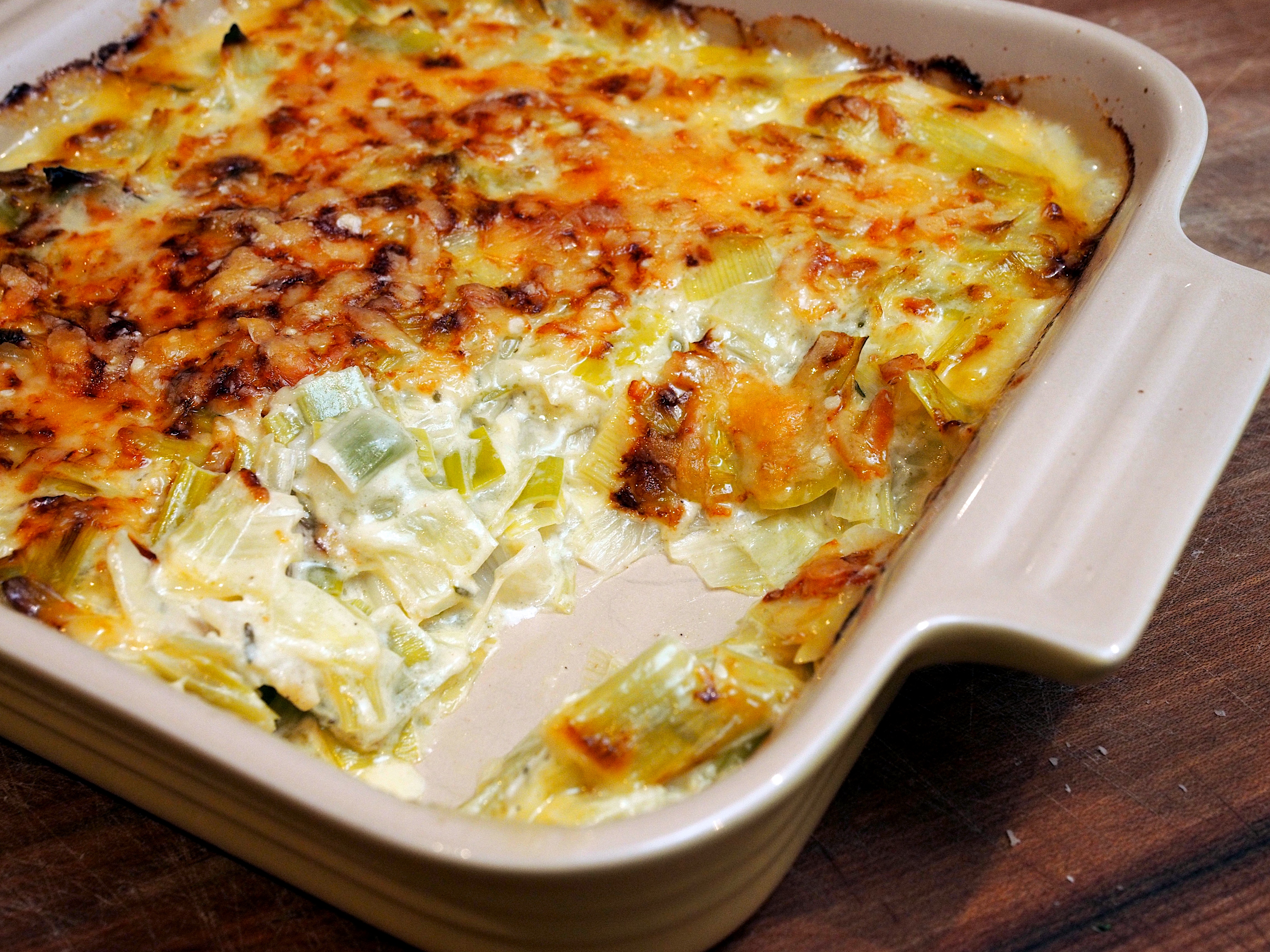
A true comfort food if there ever was one, and a versatile side for simply barbecued meats, roast chicken and a whole host of mains. It’s fairly rich so a little goes a long way.

Baked Creamy Leeks – serves 6 as a side dish

  • 800g leeks, roughly chopped and rinsed well in a sieve
  • 2 garlic cloves, finely sliced
  • 2 knobs of butter
  • olive oil
  • 6 sprigs of fresh thyme, leaves picked
  • 100g Cheddar cheese, grated
  • 200ml single cream

Preheat the oven to 200°C/400°C/gas 6.

Warm a large frying pan over a medium heat and add the butter with a splash of olive oil and the garlic.

As soon as the garlic starts to colour, add the leeks and thyme leaves and stir. Turn up the heat and continue to cook for about 10 minutes or until the leeks have softened.

Remove from the heat and season with salt and pepper. Add the cream and half the cheese. Mix well in a suitably sized baking dish (you want a layer about 2.5cm thick). Sprinkle over the remaining cheese and bake for about 20 minutes or until brown and bubbling.

(Original recipe from Jamie’s Ministry of Food, Penguin, 2008.)

Read Full Post »

Tomato party

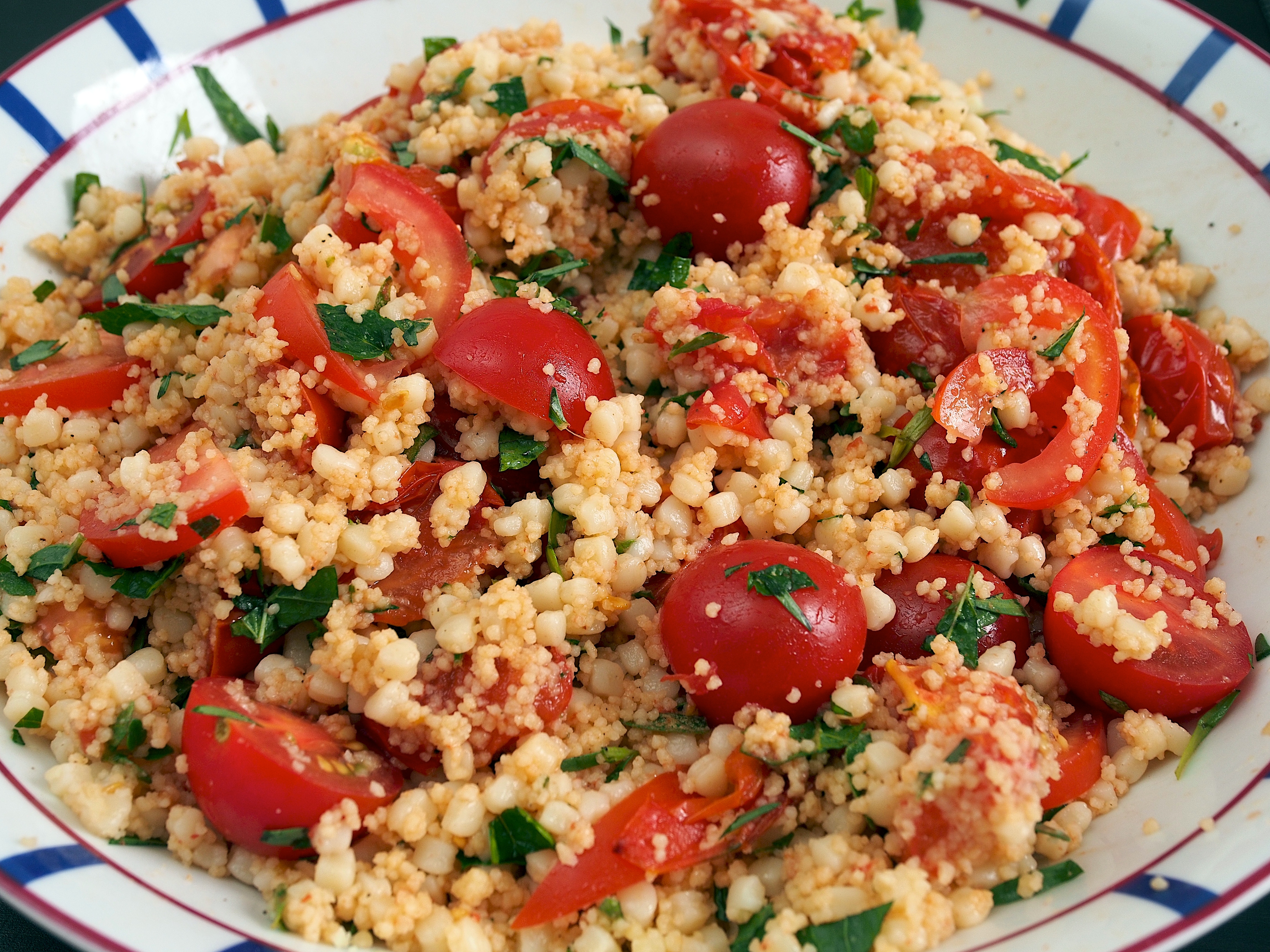
This dish celebrates all the juicy tomatoes we’re picking in our garden at the moment. We only had red ones when we made this but a week before we had a glut of yellow toms too. It doesn’t matter which you use, they’ll all taste great.

Wine suggestions: We have tried a couple of very successful wines with this dish, but the trick is to make sure the wine has a slightly higher acidity and good minerality; try smaller, quality winemakers and this will be a good guide. Successful wine matches have been Umani Ronchi’s Vellodoro Pecorino and Casal di Sera Verdicchio – both great matches, Joguet’s Chinon Cuvée Terroir (delicious Cabernet Franc), and the Gulfi Cerasuolo from Sicily.

Tomato Couscous – serves 4

  • 125g couscous
  • olive oil
  • 150ml boiling water
  • 150g fregola (giant couscous)
  • 300g medium vine-ripened tomatoes, quartered
  • ¾ tsp brown sugar
  • 1 tsp balsamic vinegar
  • 150g yellow cherry tomatoes, halved
  • 2 tbsp roughly chopped oregano
  • 2 tbsp roughly chopped mint
  • 1 garlic clove, crushed
  • 1 small green tomato, cut into thin wedges
  • 100g tomberries or halved cherry tomatoes
  • salt and black pepper

Preheat the oven to 170°C/Gas Mark 3.

Put the couscous in a bowl with a pinch of salt and drizzle of oil. Pour over the boiling water, stir and cover the bowl with cling film. Set aside for 12 minutes, then remove the cling film, separate with a fork and leave to cool.

Put the fregola in a pan of boiling salted water and simmer for 18 minutes, or until al dente. Drain in a colander and rinse under cold water. Leave to dry completely.

Meanwhile, spread the quartered vine tomatoes over half of a large baking tin and sprinkle with the sugar and some salt and pepper. Drizzle the balsamic vinegar and some oil over the top. Place in the oven. After about 20 minutes take the tomatoes out of the oven and increase the temperature to 200ºC/Gas Mark 6.

Spread the yellow tomatoes over the empty side of the baking tin. Season with salt and pepper and drizzle with oil. Return the tin to the oven and roast for 12 minutes, then remove and allow to cool.

Mix the couscous and fregola in a large bowl. Add the herbs, garlic, cooked tomatoes with all their juices, the green tomato and tomberries. Very gently mix everything with your hands. Taste for seasoning and add salt, pepper and olive oil as needed.

(Original recipe from Plenty by Yotam Ottolenghi, Ebury Press, 2010.)

Read Full Post »

Burnt Aubergine salad

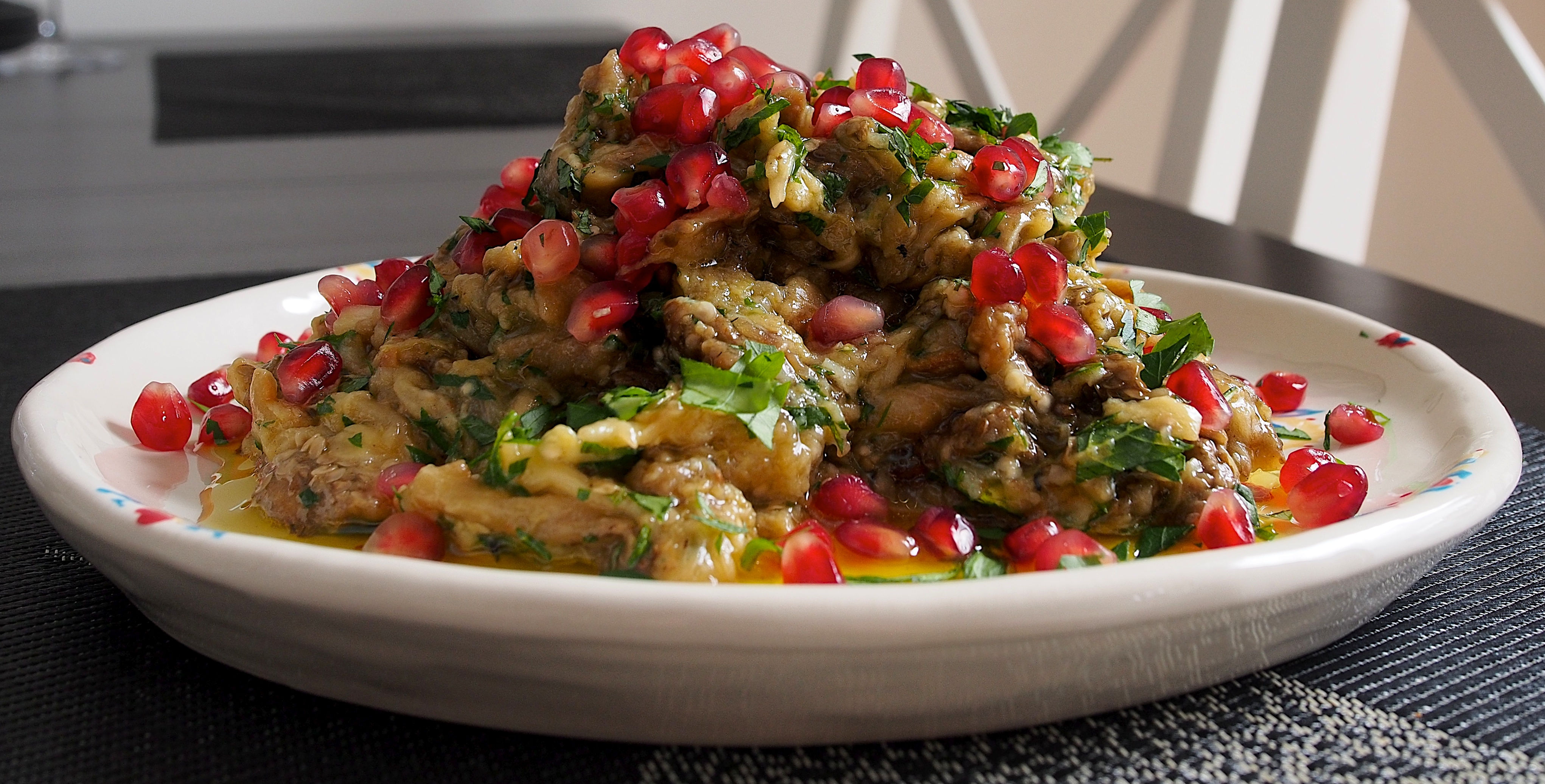
Not quite a Baba Ghanoush, but you can drizzle on some tahini paste to make it one. This was really delicious and we loved the freshness from the lemons and the burst of fruity pomegranate. You need to start this many hours in advance but the process is very straightforward and the result is worth it.

Burnt aubergine with garlic, lemon & pomegranate seeds – serves 4 as a meze plate

  • 4 large aubergines (about 1.5kg before cooking)
  • 2 garlic cloves, crushed
  • grated zest of 1 lemon and 2 tbsp lemon juice
  • 5 tbsp olive oil
  • 2 tbsp chopped flat-leaf parsley
  • 2 tbsp chopped mint
  • 80g of pomegranate seeds (about ½ a large pomegranate)

If using a gas hob, line the base with foil and keep only the burners exposed. Put the aubergines on 4 separate moderate flames and roast for about 15-18 minutes or until the skin is burnt and flaky and the flesh is soft. Use metal tongs to turn them now and then.

Alternatively, score the aubergines with a knife in a few places, a couple of centimetres deep, and place on a baking tray under a hot grill for about an hour (we do ours on a gas barbecue). Turn them every 20 minutes or so and continue to cook even if they burst.

Allow the aubergines to cool slightly, then cut along each one and scoop out the flesh and divide it into long strips with your hands. Throw away the skin. Drain the flesh in a colander for at least an hour or longer if possible to get rid of as much water as possible.

Put the aubergine in a medium bowl and add the garlic, lemon zest and juice, olive oil, ½ a teaspoon of salt and a good grind of black pepper. Stir and allow the aubergine to marinate at room temperature for at least an hour.

When ready to serve, mix in most of the herbs and adjust the seasoning. Pile onto a serving plate, scatter on the pomegranate seeds and garnish with the rest of the herbs.

We served ours with some barbecued flatbreads.

(Original recipe from Yotam Ottolenghi and Sami Tamimi’s Jerusalem, Ebury Press, 2012.)

Read Full Post »


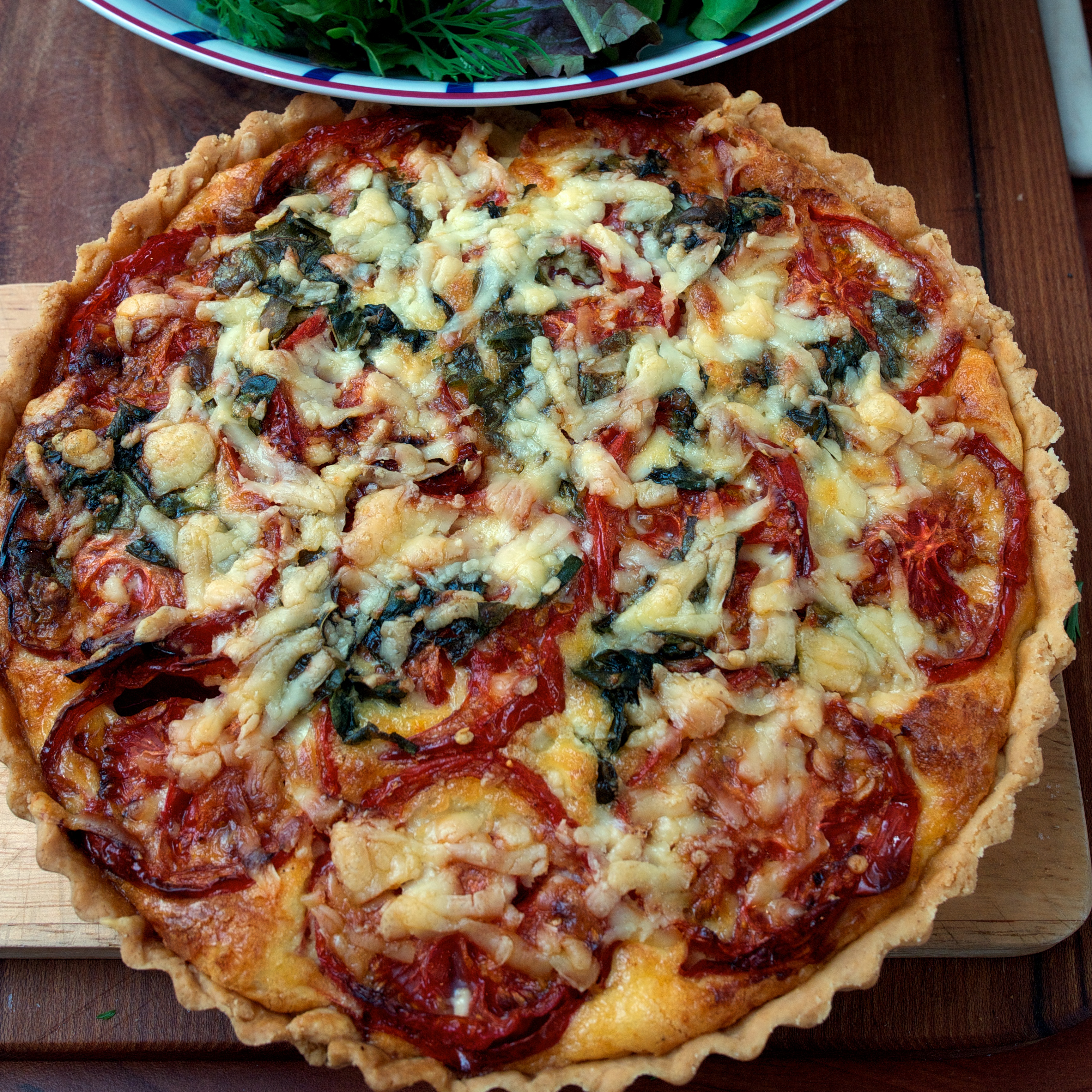
Tomato & cheese tart

One of those easy dishes that just bursts with fresh flavours and vitality. It really sings at the end of  summer with fully ripe and juicy tomatoes just picked and wonderful. Delicious served warm or at room temperature.

Wine Suggestion: We’d serve a classic chianti where the acidity of the Sangiovese grape works really well with the tomatoes but isn’t too heavy a red for the dish (don’t bother with the Riserva).

Cheese, Tomato & Basil Tart – serves 4-6

  • 1 shortcrust pastry case, cooked ‘blind’

FOR THE FILLING: 

  • 10 ripe tomatoes, halved widthways
  • 2 tbsp olive oil
  • ½ tsp sugar
  • 25g butter
  • 1 onion, peeled and finely chopped
  • 2 eggs
  • 200ml double or regular cream
  • 2 tbsp torn or sliced basil
  • 150g Cheddar cheese, grated

Preheat the oven to 180°C (350°F), Gas mark 4.

Put the tomatoes on a baking tray, drizzle with the olive oil and sprinkle with the sugar and ½ tsp salt. Bake for about 45 minutes or until completely soft and browning at the edges. Allow to cool.

Meanwhile, heat a frying pan over a medium heat and add the butter. When the butter is foaming, add the onion and cook for about 10 minutes or until golden. Take off the heat and set aside to cool.

Whisk the eggs and cream together in a bowl, stir in the basil, and season with salt and pepper.

Spread out the fried onion in a layer in the tart case. Top with two-thirds of the cheese, then arrange the cooked tomatoes on top. Pour in the egg mixture and top with the remaining cheese. Bake for 30-40 minutes or until golden brown on top and just set in the centre.

(Original recipe from Rachel’s Everyday Kitchen by Rachel Allen, Harper Collins, 2013.)

Read Full Post »

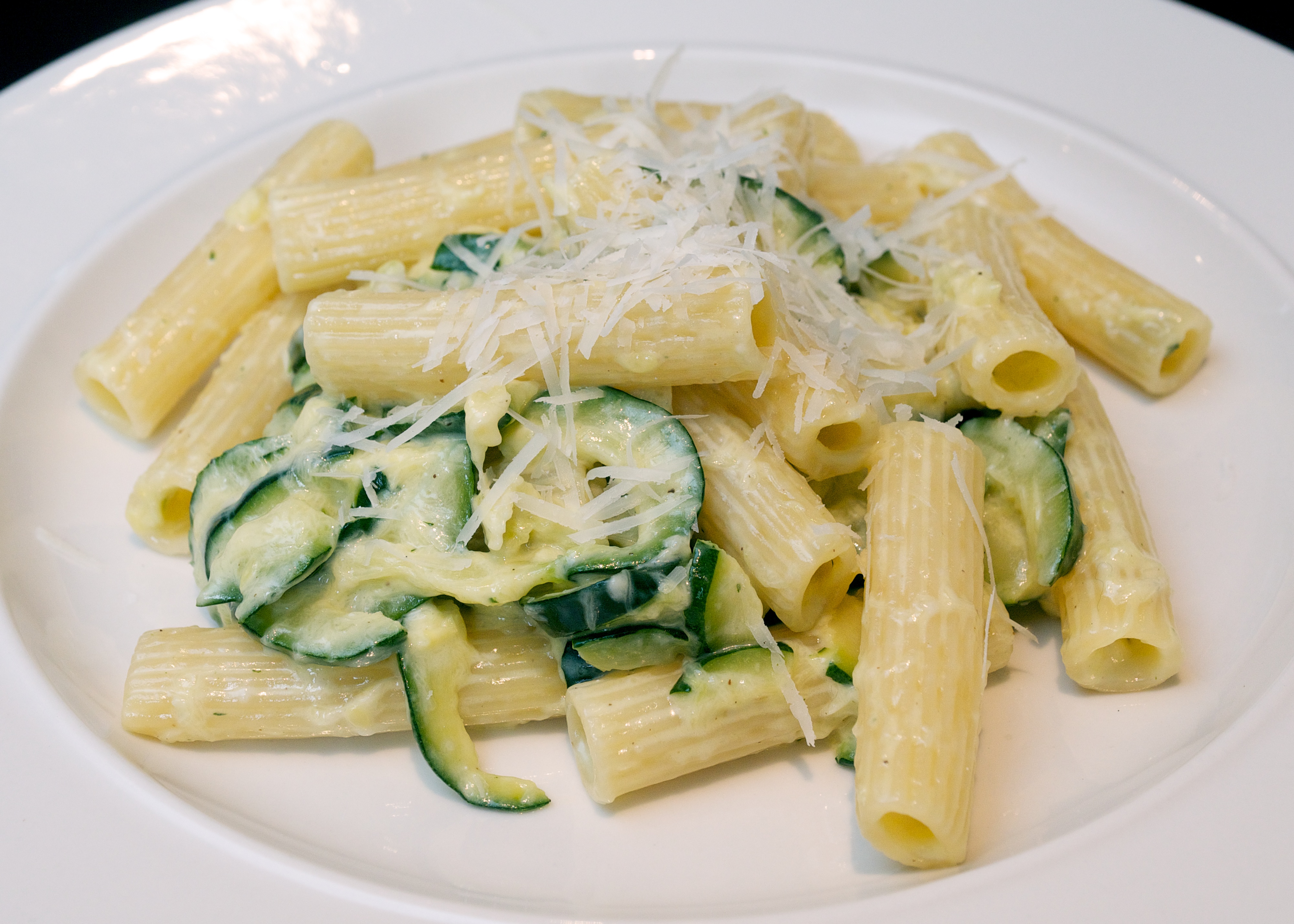
Courgette Pasta

This dish is so simple, and yet completely satisfying and delicious. It features regularly on our table during the summer months and has also become our daughter, Orlaith’s, favourite dish alongside Moussaka.

Wine Suggestion: A lovely and fresh wine but with depth and reasonable body works well with tis; something like a very good Verdicchio – try Sartarelli’s Talivio or Umani Ronchi’s Casal di Sera. If you feel like a red try a Cabernet Franc from the Loire, like the thoughtful and expressive Chinon’s by Charles Joguet.

Courgette Sauce for Pasta – serves 4

  • 1kg courgettes, thinly sliced
  • 3 tbsp olive oil
  • 3 garlic cloves, crushed
  • 2 tbsp of cream
  • 50g freshly grated Parmesan, plus extra to serve
  • pasta of your choice (long or short works), 75-100g per person

Heat the oil in a large saucepan, add the garlic and courgettes, and a pinch of salt.Cook gently to soften without browning. Continue to cook until the courgettes are completely soft and almost all of their water has evaporated (20-30 minutes). Then bash the courgette mixture to a rough purée with a wooden spoon or masher.

Stir in the cream and Parmesan and allow to bubble for a minute or so until the cream has reduced a bit.

Meanwhile, cook the pasta in salted water until al dente.

Serve with extra Parmesan.

(Original recipe from The River Cottage Cookbook by Hugh Fearnley-Whittingstall, Collins, 2001.)

Read Full Post »

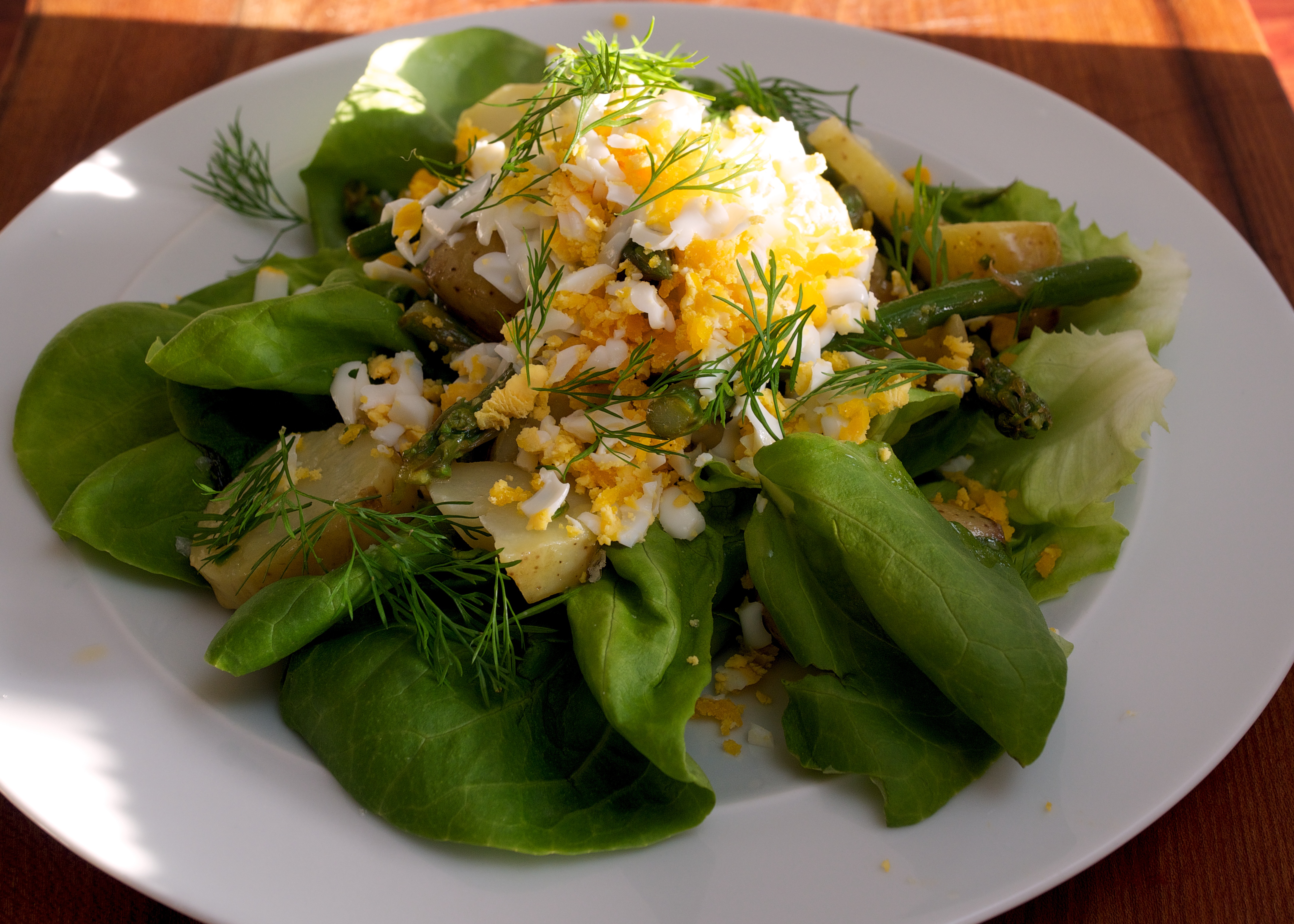
Warm asparagus & new potato salad

We made this back in June when local asparagus was available, but have been very lax getting posts up on the blog (must do better!). We really enjoyed the combination here and  the addition of our own, home-grown mint, dill and chives really made the dish sing.

Warm Asparagus & New Potato Salad – serves 4

  • 350g small Jersey potatoes, scrubbed or peeled if you prefer
  • salt
  • 2 large mint sprigs
  • 25g unsalted butter
  • 250g asparagus tips
  • hearts of 2 round lettuces, leaves separated, washed and dried
  • Maldon salt
  • 2 hard-boiled eggs, shelled
  • handful of chervil sprigs – we used dill

FOR THE BUTTER SAUCE: 

  • juice of 1 lemon
  • pinch of caster sugar
  • 75g cold unsalted butter, cut into small chunks
  • freshly ground white pepper
  • 1 tbsp snipped chives

Simmer the potatoes in lightly salted water, with the mint, until tender. Drain over a bowl and reserve the cooking water. Return the potatoes to the pan with the butter, stir together and keep warm.

For the sauce, use a large shallow stainless steel or enamel saucepan and squeeze in the lemon juice. Add 6 tbsp of the potato cooking water and the sugar, then simmer until reduced by half. Slowly incorporate the butter, a chunk at a time, whisking over a very low heat until homogenous (you’re aiming for a light butter sauce). Season with white pepper and keep warm.

Peel the asparagus tips from just below the bud and slice in half lengthways. Add to a pan of boiling well-salted water and boil for about 1-2 minutes – you want them just tender but not raw, then drain.

Slice the warm potatoes and add them, along with the asparagus, to the butter sauce. Turn gently with the chives, until everything is nicely coated.

Arrange the lettuce on 4 plates and divide the asparagus and potatoes between them. Sprinkle with Maldon salt and grate over the egg. Generously scatter with the chervil or dill.

(Original recipe from The Vegetarian Option by Simon Hopkinson, Quadrille, 2009.)

Read Full Post »

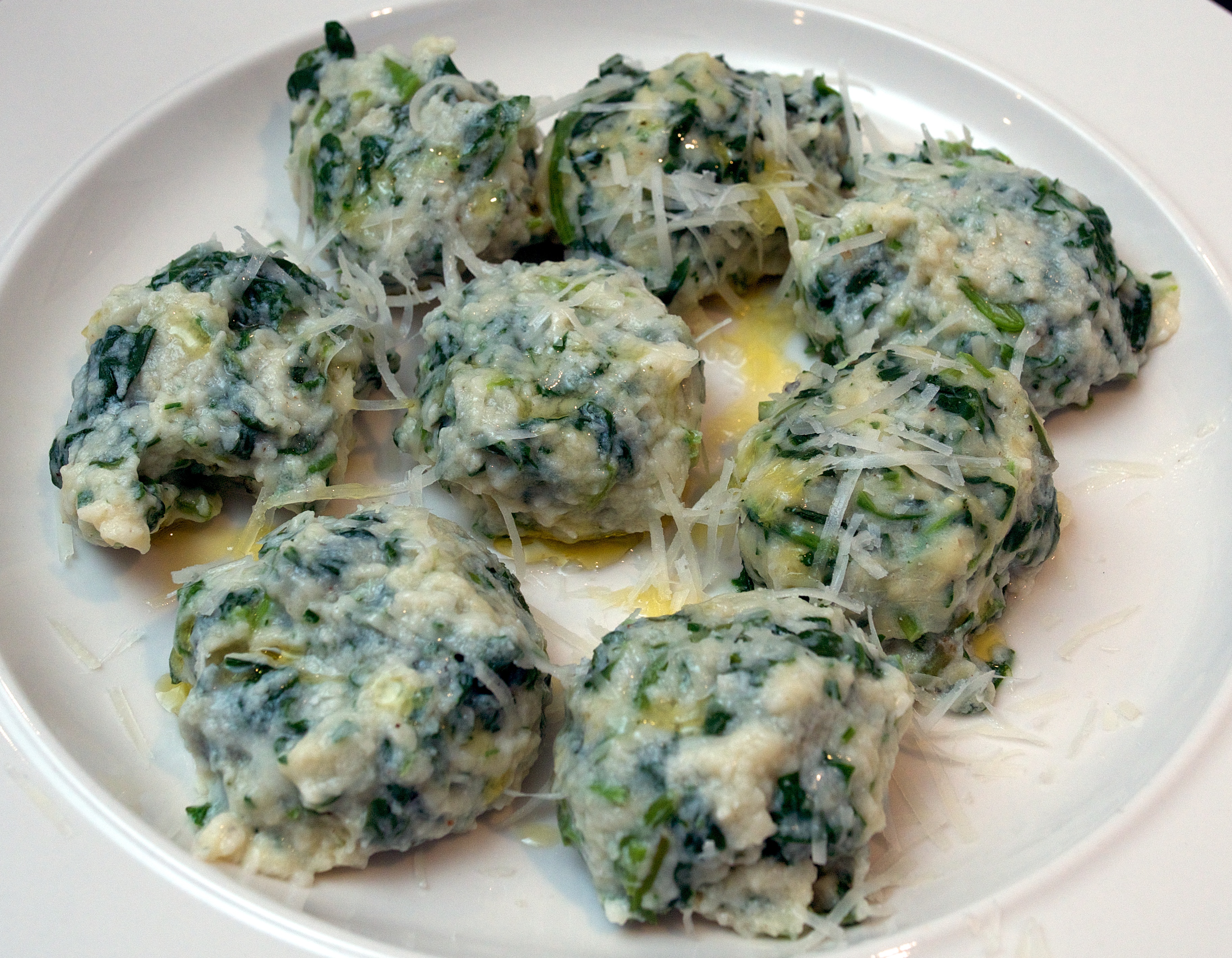
Spinach & ricotta gnocchi

We’re not even sure if these can officially be called gnocchi but they’re easy and very tasty. They look pretty awful before they’re cooked and we were a bit worried that they would disintegrate altogether when they hit the water. All was well.

Wine Suggestion: These were a superb match with the Sartarelli  “Tralivio” Verdicchio we had open which was great. Sartarelli specialise solely in Verdicchio and it shows with a wine of great depth, personality and balance. There is a nuttiness to the aroma and taste which works with the earthy spinach and the balance of fruit complements the ricotta.

Spinach & Ricotta Gnocchi – serves 4

  • 200g young spinach
  • small handful of parsley leaves, finely chopped
  • 1 garlic clove, crushed
  • 140g ricotta
  • 85g plain flour
  • 2 eggs
  • 100g freshly grated Parmesan, plus extra to serve
  • freshly grated nutmeg
  • olive oil and rocket to serve

Put the spinach into a large bowl and pour boiling water over it. Leave for a couple of minutes until wilted, then drain. Leave to cool, then wrap in a clean tea towel. Squeeze out as much water as possible, then finely chop.

Put the spinach, parsley, garlic, ricotta, flour, eggs, cheese and a generous grating of nutmeg into a large bowl and season. Stir with a fork until completely mixed. Use wet hands to make walnut-size balls. Put the gnocchi on a large plate and put in the fridge for at least 30 minutes.

When ready to cook, heat the oven to warm and bring a large pot of water to the boil. Reduce the heat to medium and drop in batches of gnocchi, about 8-10 at a time. They will sink to the bottom at first and when they rise to the top you should cook for another minute, then remove with a slotted spoon and keep warm while you cook the rest.

Serve with a drizzle of olive oil, a sprinkle of Parmesan and some rocket.

(Original recipe from BBC Good Food)

Read Full Post »

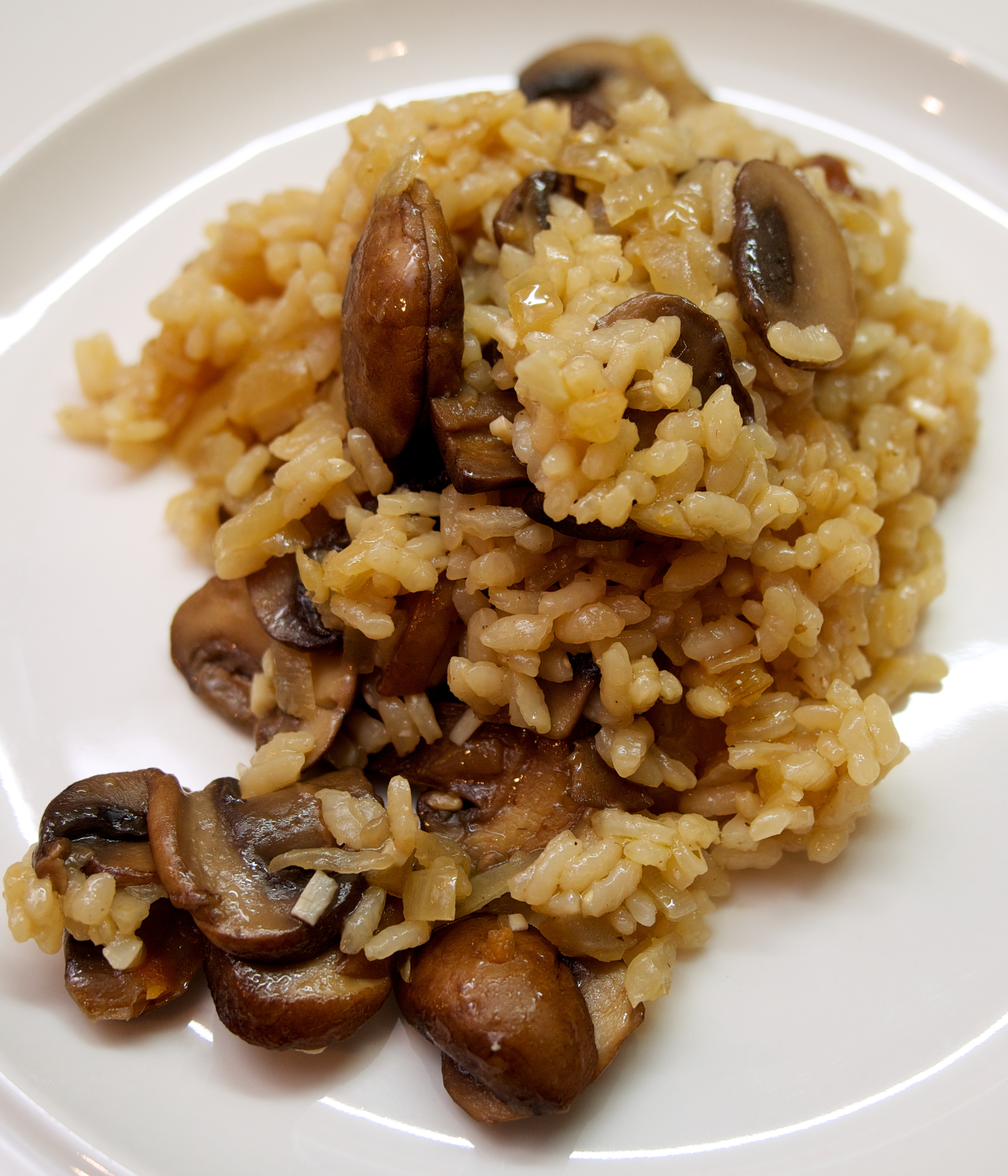
Mushroom risotto


A classic recipe from one of our reliable sources of inspiration; Leith’s.

Not terribly seasonal so you might like to keep this for the Autumn when the mushroom selection is better.

Mushroom Risotto – serves 4

  • 1 onion, finely diced
  • 150g unsalted butter
  • 100g Parmesan cheese, grated (plus more to serve)
  • 300g risotto rice (Arborio, Carnaroli or Vialone Nano)
  • 15-20g dried wild mushrooms
  • 400g mixed wild mushrooms
  • 150ml dry white wine
  • 1.5-2 litres chicken or vegetable stock

Add the dried wild mushrooms to the stock, bring to a simmer, then remove from the heat and leave to infuse for 10-15 minutes. Strain the stock and return to the pan. Bring  back to a gentle simmer, then reduce the heat to as low as possible.

Meanwhile, sauté the soaked mushrooms with the mixed wild mushrooms in 50g of the butter over a medium-high heat for 3-4 minutes or until browned and any excess water has gone. Set aside and keep warm.

Melt another 50g of the butter in a large, shallow saucepan, add the onion and sweat over a low heat until completely soft but not coloured (about 10 minutes).

Add the rice to the pan and fry gently, stirring until coated in the butter. Add the wine and bring to the boil, then reduce the heat and cook, stirring, until the wine has been absorbed.

Start adding the stock, a ladleful at a time, stirring all the time, and making sure each ladleful is absorbed before adding the next. Keep going until the rice is just cooked, about 25 minutes. If you run out of stock use a little boiling water. Make sure the risotto is quite fluid at this stage as it will thicken on standing and you are aiming for a loose, almost sloppy texture.

Take the pan off the heat and stir in the last 50g of butter, the grated Parmesan and the sautéed mushrooms. Season to taste and allow to stand, covered, for 5 minutes before serving with extra Parmesan.

(Original recipe from Leith’s How to Cook, Quadrille, 2013.)


Read Full Post »

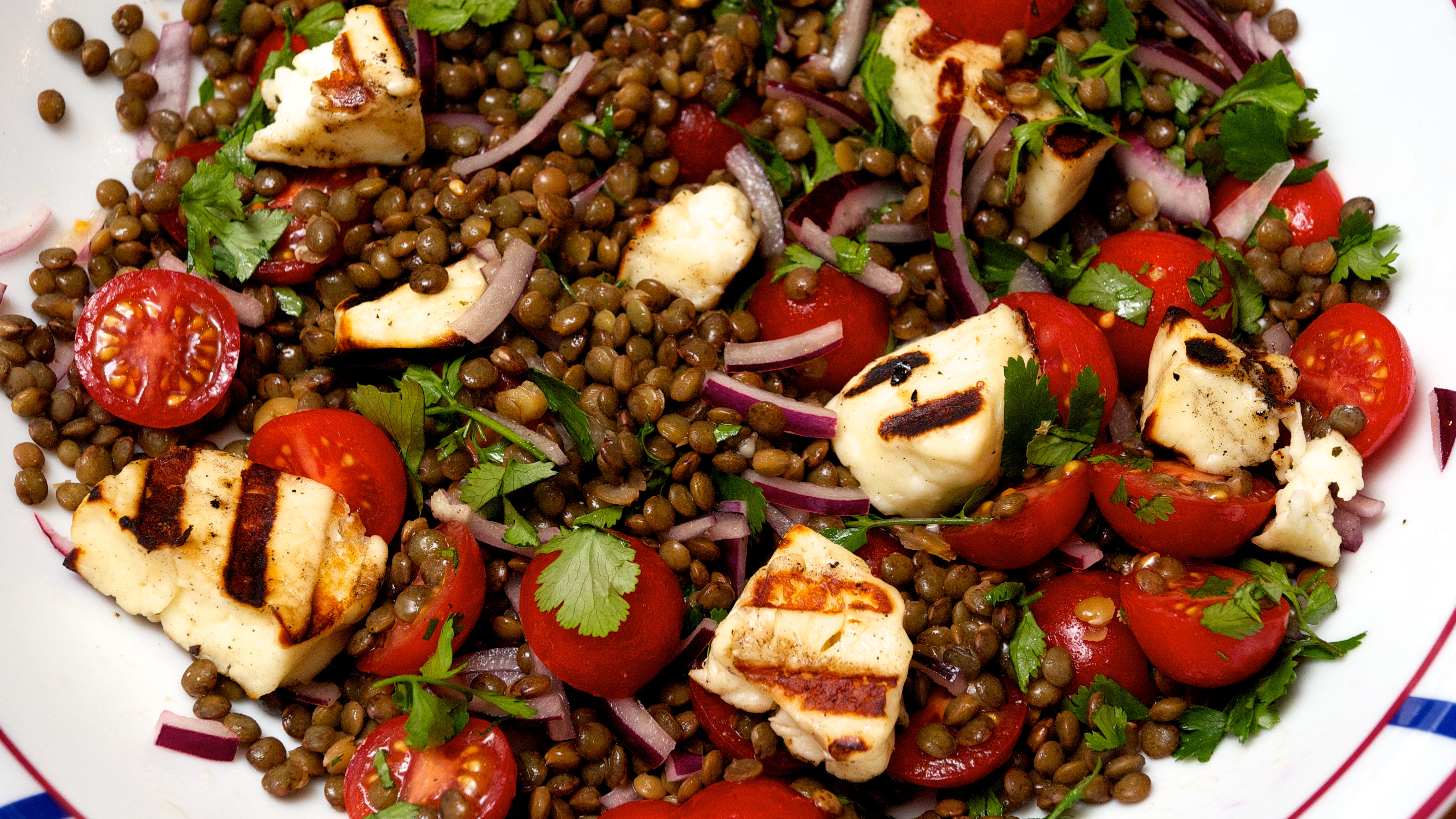
Haloumi & Lentil salad

This is a super simple dish that has a great balance and play between textures and flavours – salty halloumi, earthy lentils and sweet, juicy tomatoes.

Warm Puy lentil, cherry tomato and halloumi salad – serves 4

  • 250g cherry tomatoes, halved
  • ½ red onion, finely sliced
  • ½ garlic clove, crushed
  • ½ lemon, juiced
  • 1 tbsp olive oil
  • 150g Puy lentils
  • 250g halloumi, cut into big chunks
  • small bunch of coriander, roughly chopped

Toss the tomatoes, red onions, garlic, lemon juice and olive oil in a bowl.

Cook the Puy lentils until just tender, then drain and add to the bowl. Season well and toss.

Grill or barbecue the halloumi until golden.

Stir the coriander through the lentils and serve with the grilled halloumi.

(Original recipe from BBC Olive Magazine, May 2008.)


Read Full Post »

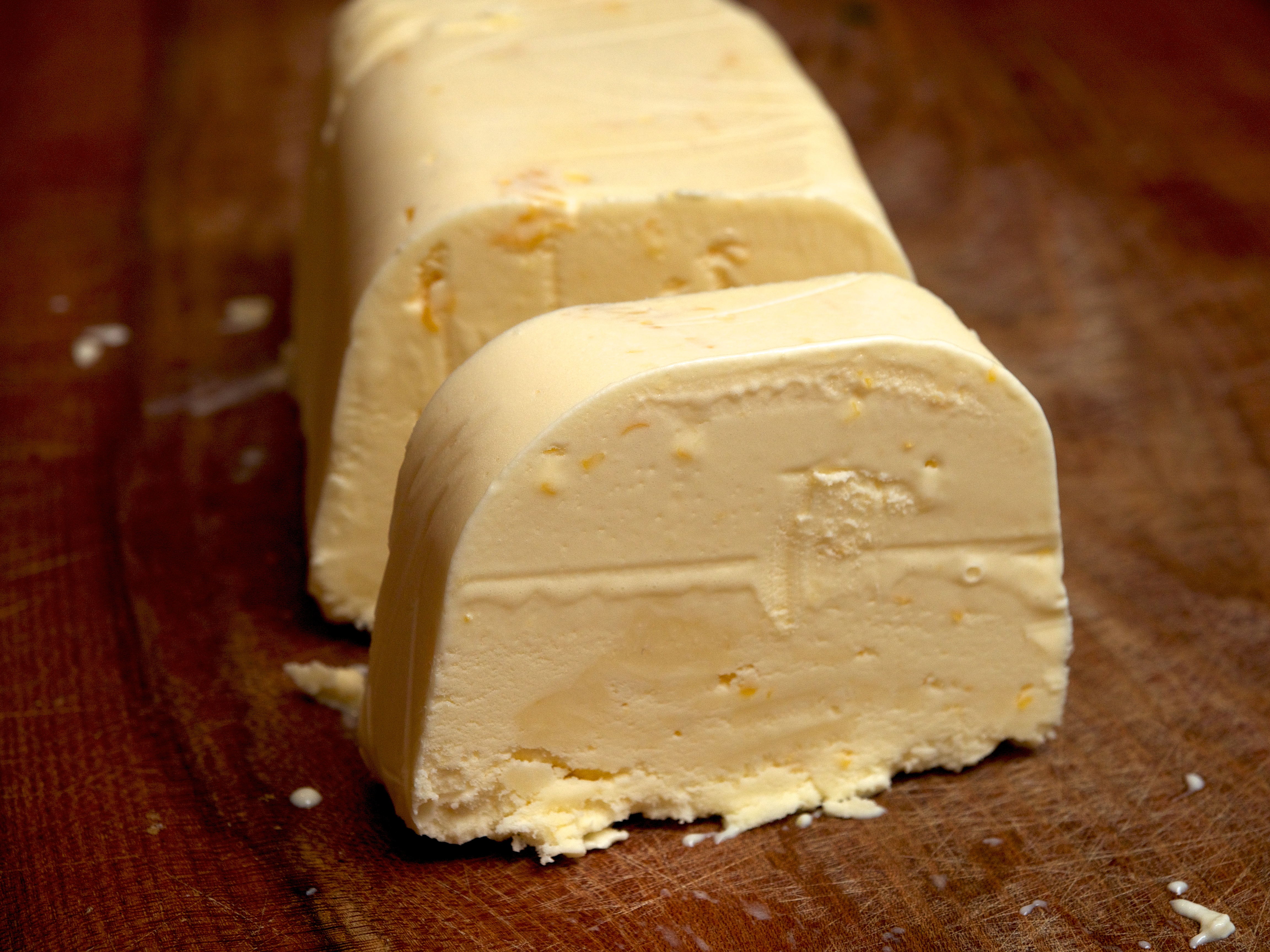
Lemon Curd Ice cream

Delicious, smooth and creamy ice cream.

Lemon curd yoghurt ice cream – to serve 4

For the lemon curd: 

  • 2 small lemons
  • 120g caster sugar
  • 50g unsalted butter
  • 2 eggs

For the ice cream

  • 400g Greek yoghurt

Finely grate the zest of the lemons and squeeze the juice. Put the juice in a saucepan with the sugar and butter. Beat the eggs to break them up and add them to the pan.

Stir the mixture over a low to medium heat until the sugar and butter have melted, then increase the heat. Bring just to the boil, stirring constantly, them take off the heat. Strain through a sieve into a bowl and stir in the lemon zest. Set aside to cool completely.

Once, cool, stir this lemon curd into the yoghurt and churn using an ice-cream machine. Transfer to a loaf tin lined with cling film, then cover and freeze. Slice with a hot knife as soon as you take it out of the freezer.

(Original recipe from Leiths How to Cook, Quadrille, 2013)

Read Full Post »


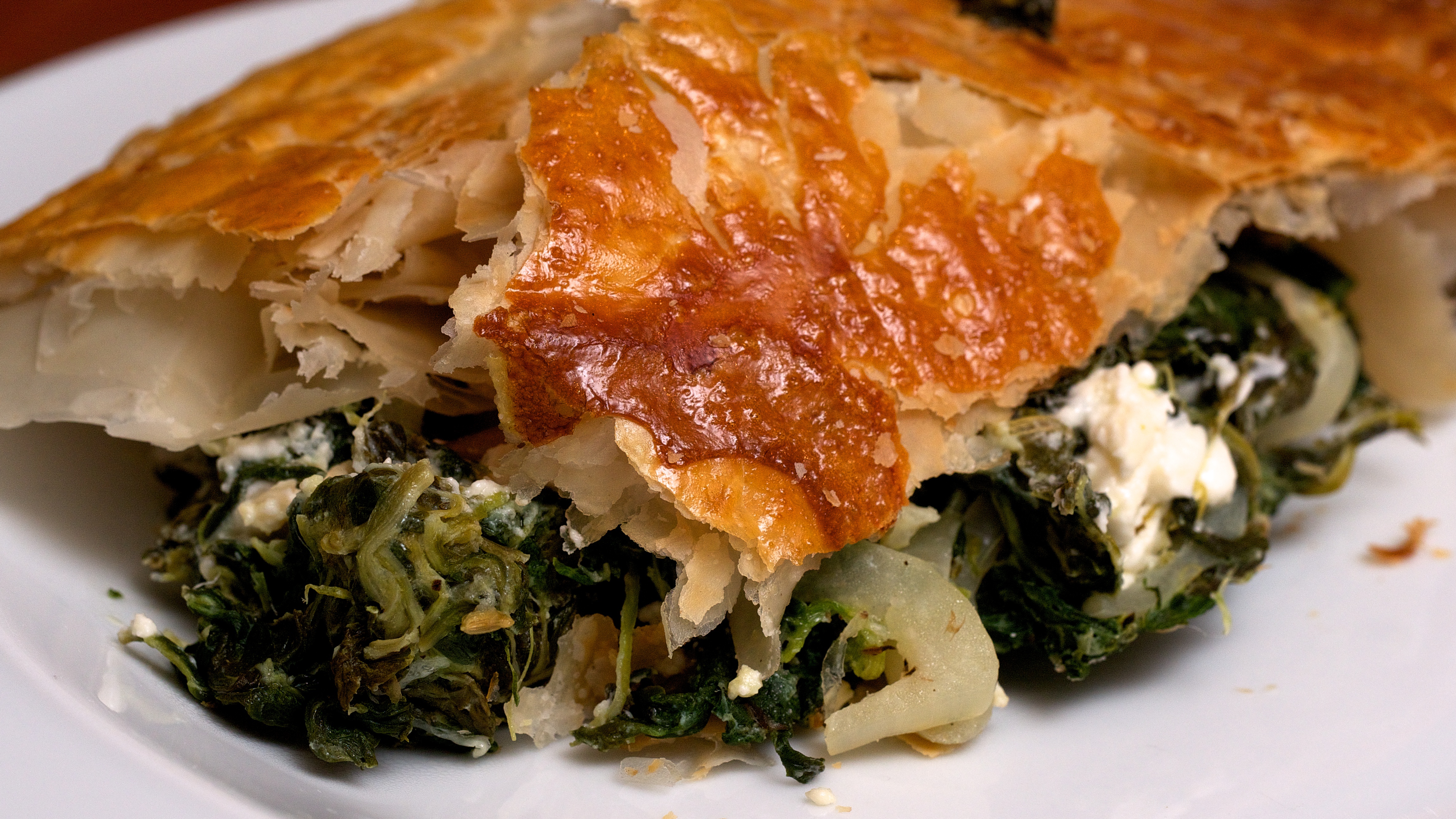
Easy Spanakopita

Inspired by Spanakopita, this is a simple recipe that’s easy to throw together when time is short and requires very little shopping.

Easy Spinach & Feta Pie (Cheat’s Spanakopita) – to serve 4

  • 1kg frozen whole-leaf spinach
  • 2 tbsp olive oil
  • 1 tsp cumin, fennel or caraway seeds (use what you have)
  • 1 large onion, finely sliced
  • ½ tsp dried thyme or a few sprigs of fresh thyme, leaves only, chopped
  • a squeeze of lemon juice
  • 2 large eggs, lightly beaten
  • 100g feta or soft goats cheese, broken into small chunks
  • 35g pine nuts, toasted or roughly chopped cashew nuts (we used a mix of both)
  • 375g all-butter, ready-rolled puff pastry

Heat the oven to 200°C /Gas Mark 6.

Put the frozen spinach into a saucepan with a splash of water. Cover and heat gently, stirring occasionally, until totally defrosted. Drain in a sieve, pressing with a wooden spoon.

Meanwhile, heat the olive oil in a frying pan over a medium heat. Add the spice seeds and cook for a couple of minutes, then add the onion and sauté until soft and golden. Add the thyme.

When the spinach has cooled a bit, squeeze as much liquid out of it as you can with your hands, then roughly chop. Mix with the onion, a squeeze of lemon juice and plenty of seasoning. Keep a few tablespoons of the egg for glazing and stir the rest into the spinach and onion mixture.

Spoon half the spinach mixture into an ovenproof dish (around 25 x 20 cm). Scatter over the cheese and pine nuts or cashews, and top with the remaining spinach. Brush a little beaten egg around the rim of the dish.

Lay the pastry over the dish and trim. Press the edge down on the rim of the dish so that it sticks. Brush with the rest of the beaten egg and bake for about 25 minutes or until the pastry is puffed up and golden brown.

(Original recipe from River Cottage Veg Everyday! by Hugh Fearnley-Whittingstall, Bloomsbury, 2011.)

Read Full Post »

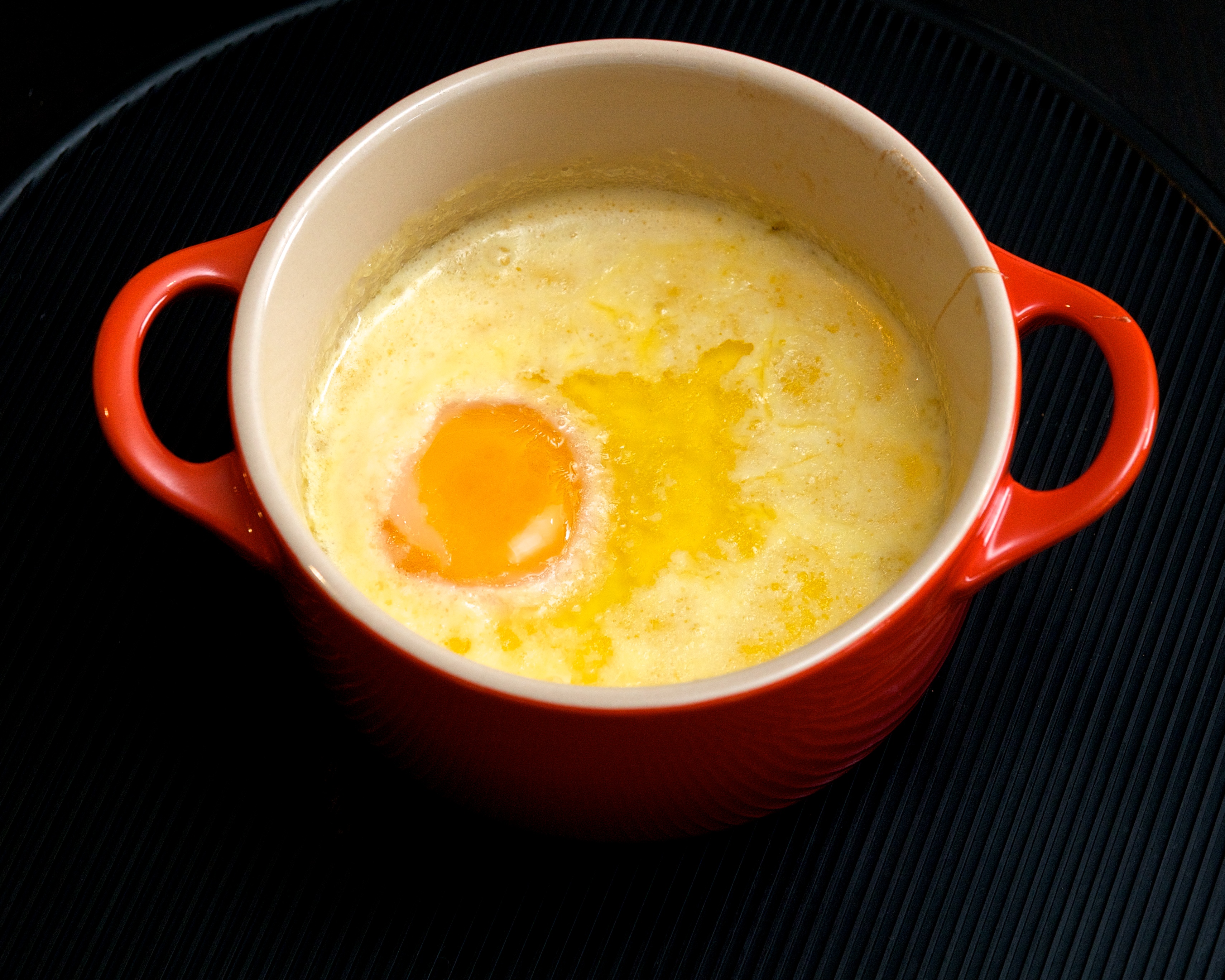
Ouefs en cocotte

A simple but indulgent weekend breakfast. Perfect for using up any leftover cream from the night before.

Ouefs en cocotte 

  • butter
  • one egg per person
  • one tbsp of cream per person

You need small oven-proof china dishes.

Pre-heat the oven to 190°C/Gas 5.

Get your eggs ready by breaking into separate mugs.

Put a lump of butter into each dish. Place in the oven and remove as soon as the butter has melted.

Slide an egg into each dish.

Pour a tablespoon of cream over each egg, avoiding the yolk, and return to the oven.

You need to watch these carefully but they are likely to take about 4-5 minutes. You want to remove them while you still have a runny yoke. If you practice these a few times you will get to know the perfect timings for your oven.

Serve with buttered toast soldiers.

(Original recipe from At Elizabeth David’s Table: Her very best everyday recipes, Penguin, 2010.)

Read Full Post »

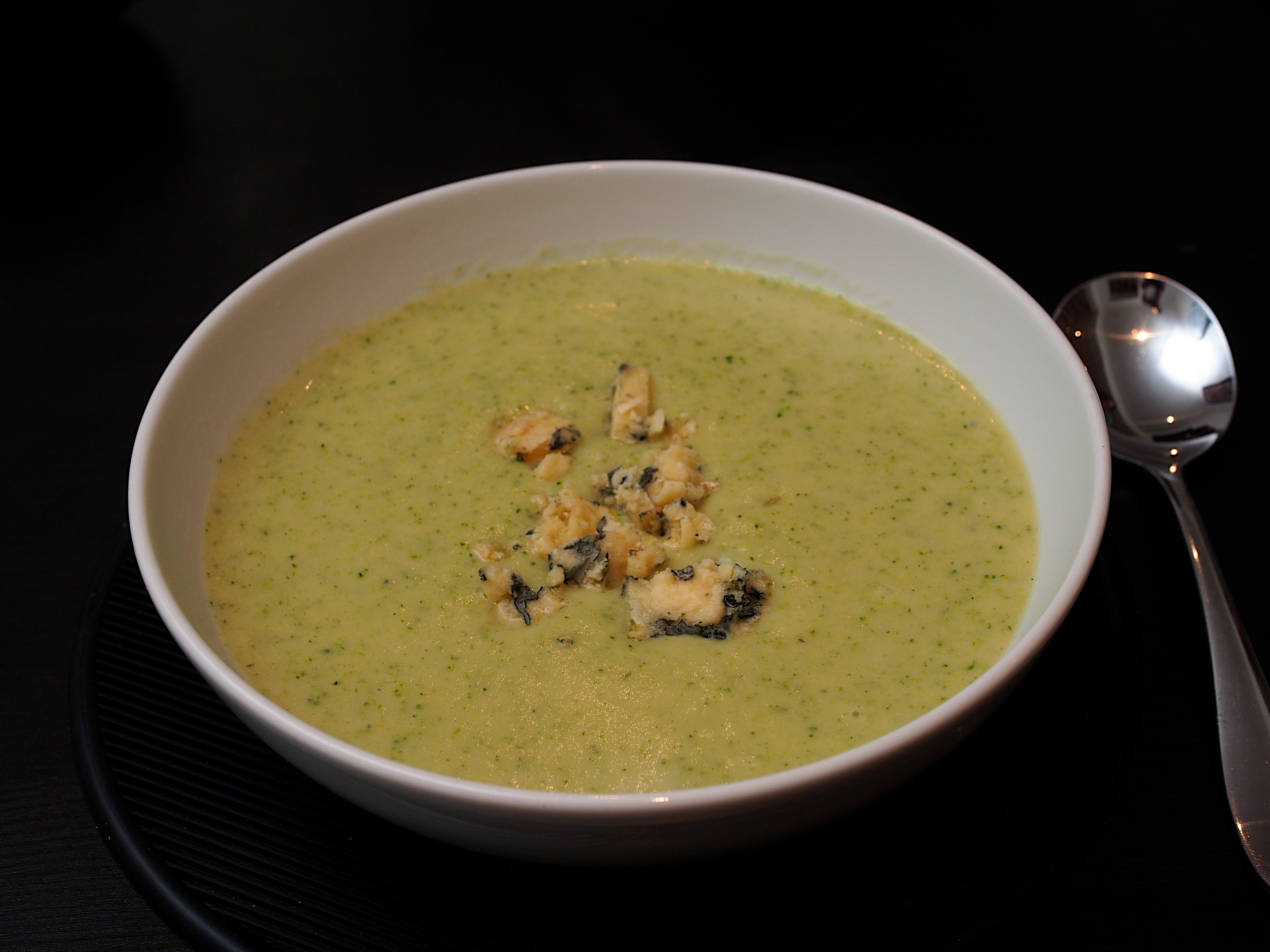
We love cheese after dinner but it seems a bit indulgent during the week and therefore we inevitably end up with chunks of cheese lurking in the back of the fridge. We try our best not to waste any food but something as expensive and delicious as cheese (particularly the cheese pantry stuff as opposed to the supermarket plastic-wrapped kind) is even more of a travesty to not use. That’s when recipes like this one are perfect for a mid-week treat without having to indulge in a two-course evening meal.

Broccoli & Stilton Soup – to serve 4

  • 2 tbsp flavourless oil
  • 1 onion, finely chopped
  • 1 stick of celery, sliced
  • 1 leek, sliced
  • 1 medium potato, diced
  • a knob of butter
  • 1 litre of good chicken or vegetable stock
  • 1 head of broccoli, roughly chopped (including stalks)
  • 140g Stilton (or other blue cheese), crumbled

Heat the oil in a large saucepan and cook the onions until soft but not coloured. Add a splash of water if they start to catch.

Add the celery, leek, potato and butter. Stir until the butter melts, then cover with a lid and sweat for 5 minutes.

Pour in stock and add any chunks of broccoli stalk. Cook for 10-15 minutes or until the vegetables are soft.

Add the remaining broccoli and cook for another 5 minutes. Whizz until smooth, then stir in the stilton. Season with black pepper (you are unlikely to need salt) and serve.

(Original recipe from BBC Good Food)

Read Full Post »

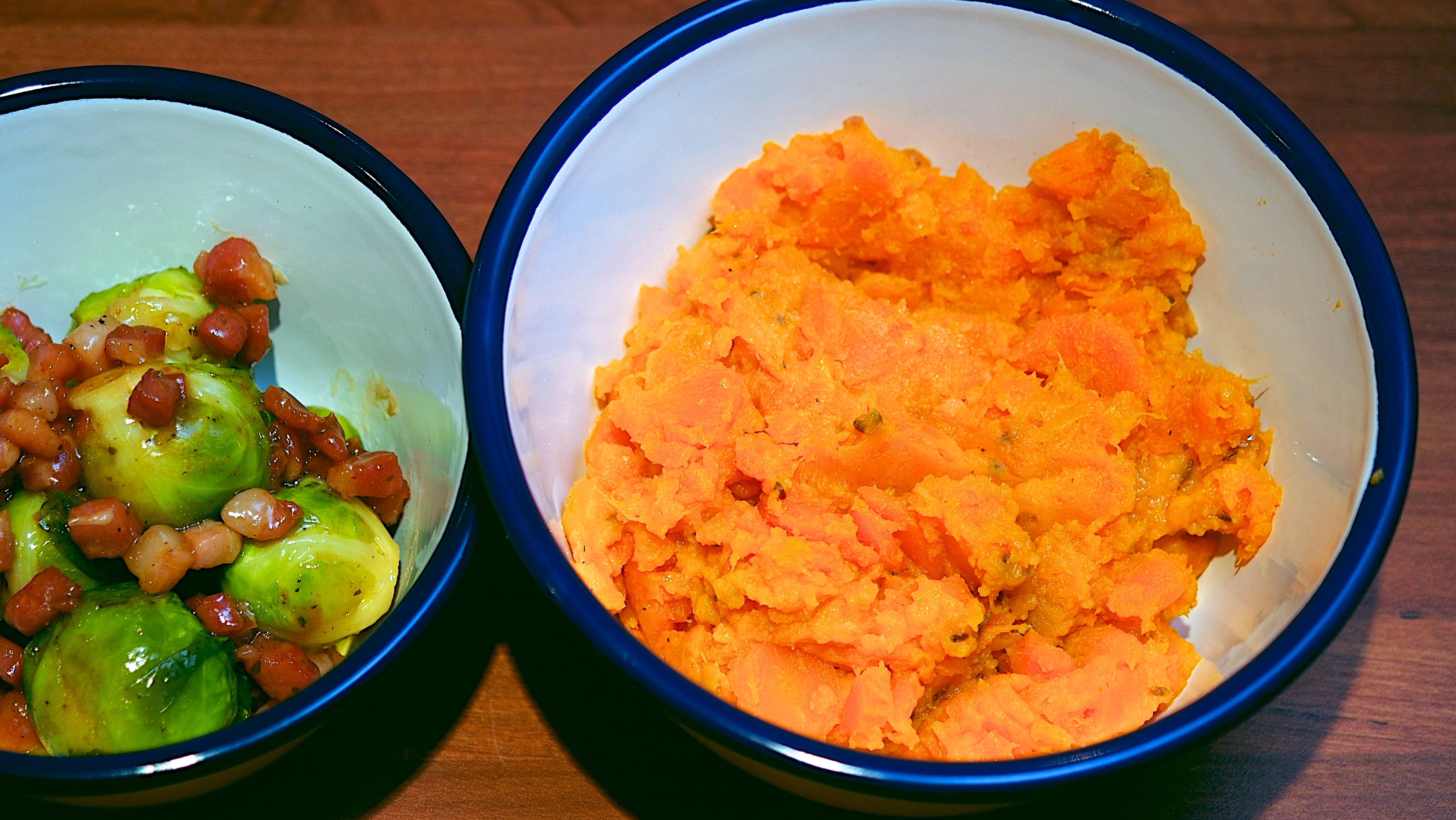
This was good served alongside a beef hotpot, but we daresay it’ll be nice against a few other dishes as well.

Carrot & Sweet Potato Mash – to serve 4

  • 500g carrots, chopped
  • 500g sweet potatoes, chopped
  • 3 garlic cloves, bashed
  • 1 tsp cumin seeds, toasted
  • 25g butter

Put the carrots, sweet potatoes and garlic in a large pan  salted water, bring to the boil and cook for about 12 minutes or until very tender, then drain. Add the cumin seeds, butter and seasoning and serve.

(Original recipe from BBC Good Food)

Read Full Post »

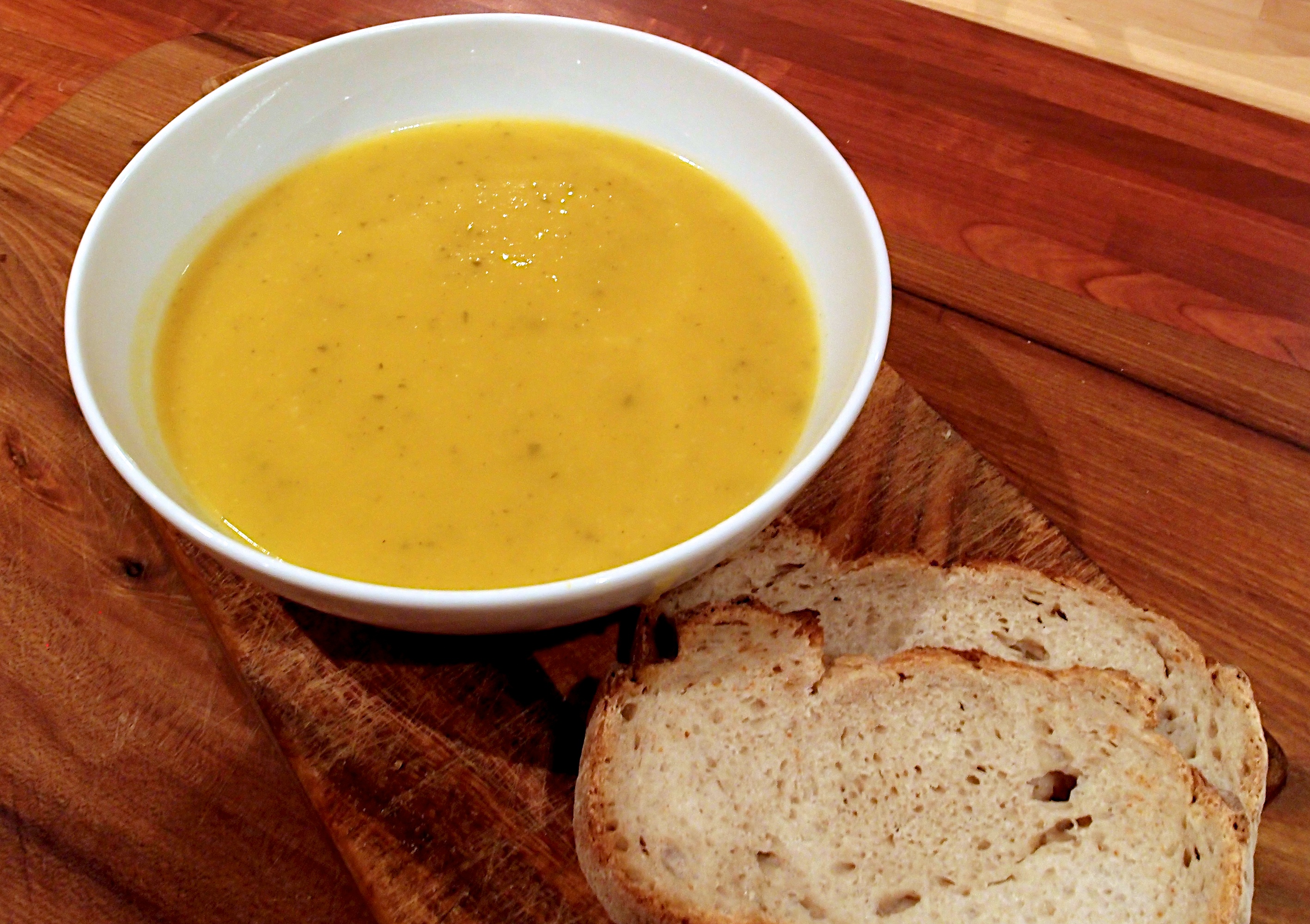
Sage brings an unexpected element to this soup that really works. Super warming and homely.

Pumpkin and sage soup – to serve 8

  • 1 tbsp olive oil
  • 1 tbsp butter
  • 3 onions, chopped
  • 2 tbsp chopped sage
  • 1.4kg of pumpkin or squash flesh
  • 1 tbsp clear honey
  • 1.5 litres vegetable stock

Melt the oil and butter in a large pot. Add the onions and sage and cook gently for about 15 minutes or until really soft. Add the squash and cook for another 5 minutes. Add the honey and stock. Bring to a simmer and cook until the squash is soft.

Cook before processing until smooth. Season and add a bit more stock if its too thick. Reheat to serve.

(Original recipe from BBC Good Food)

Read Full Post »

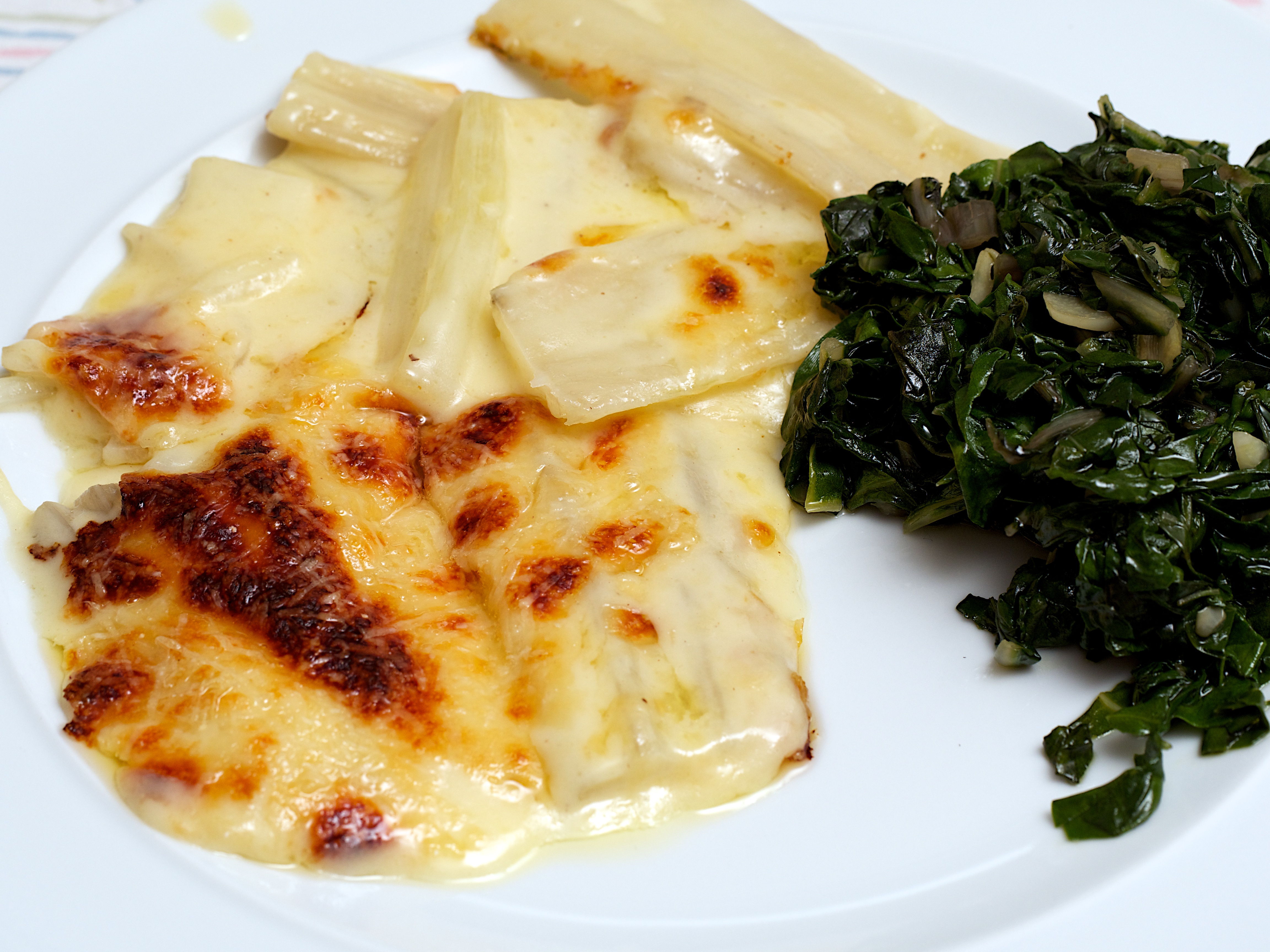
Who would have thought that something so delicious could be made from chard? The stalky bits, that you might have been tempted to throw away, are the stars of the show!

Chard leaves with wild garlic & olive oil – to serve 2

  • leaves cut from a 500g bunch of chard (save the stalks for the recipe below)
  • 150g wild garlic, remove any thick stalks (if it’s not wild garlic time you can substitute a clove of garlic instead)
  • 2 tbsp olive oil
  • salt and pepper

Slice the chard and wild garlic into wide ribbons. Heat the olive oil in a large frying pan and add the leaves and seasoning. Gently fry until beginning to wilt and then stew for 15-20 minutes or until tender. Serve hot.

Chard gratin – to serve 2 

  • 30g butter
  • 20g plain flour
  • 225ml milk
  • 30g Gruyère cheese, grated
  • 40g Parmesan, grated
  • salt, freshly ground white pepper and nutmeg
  • chard stalks from a 500g bunch

Preheat the oven to 200ºC/Gas 6.

Make a mornay sauce by melting the butter in a saucepan and stirring in the flour. Cook gently for a few minutes, then pour in the milk and whisk. Put the pan over a low heat and stir continuously until the sauce starts to thicken (don’t worry if goes lumpy just keep stirring and the lumps will eventually dissolve).

Add the Gruyère, 25g of the Parmesan and the seasonings. Simmer very gently, stirring now and then, for about 15-20 minutes.

Meanwhile, peel the chard stalks with a veg peeler and cut into 8-10cm lengths. Steam or boil for about 20 minutes, or until tender, then remove and lay on a clean tea towel to dry.

Lightly butter a gratin dish and lay the chard stalks in it. Pour over the sauce and sprinkle with the rest of the Parmesan. Bake for about 20 minutes , or until golden and bubbling.

Serve with the chard leaves.

(Original recipe from Simon Hopkinson’s The Vegetarian Option, Quadrille, 2009.)

Read Full Post »

This salad is a twist on the classic  tomatoes with basil. The creamy dressing works surprisingly well and gives the salad a cool and luxurious feel.

Tomato Salad with a Basil Cream Dressing – serves 2

  • 1½ tbsp white wine vinegar
  • 2 tbsp warm water
  • 75ml whipping cream
  • 50ml extra virgin olive oil, plus some extra
  • pinch of sugar
  • 7-8 basil leaves, torn or chopped
  • 4 ripe, medium tomatoes, cored and sliced

In a mixing bowl, whisk the wine vinegar, water and some salt and pepper.

Whisk in the cream, olive oil and sugar ,then stir in the basil.

Arrange the tomatoes on a large plate, very lightly season and spoon over the dressing. Serve with an extra drizzle of olive oil.

(Original recipe from Simon Hopkinson’s The Vegetarian Option, Quadrille 2009.)

Read Full Post »

« Newer Posts - Older Posts »