Feeds:
Posts
Comments

Archive for the ‘Fish’ Category

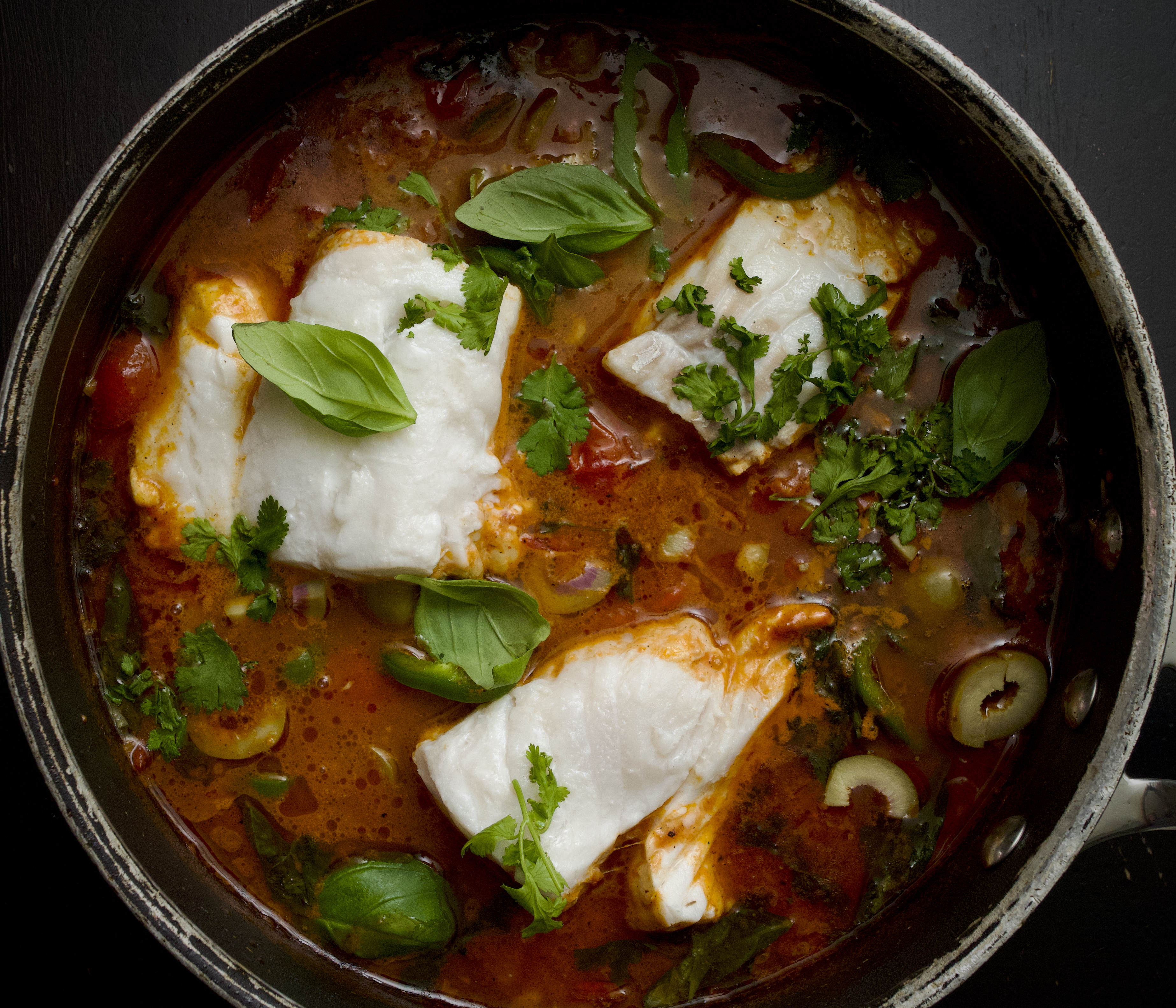
There is nothing difficult about this dish but despite the ease of cooking this tastes sophisticated and has bags of flavour. Inspiration from Mezcla by Ixta Belfrage, a book jam-packed with delicious things! Serve with some grilled sourdough.

Wine Suggestion: A good Sangiovese is our suggestion and we particularly enjoyed the Morisfarms Mandriolo from the Maremma on the Tuscan coast. With crushed raspberry flavours layered over a smooth dark berry core and aromas of violets this cut through any richness and gave it all a lift, adding an extra dimension to the meal. Just what we wanted with this complex and sophisticated meal.

Poached fish and charred tomatoes – serves 4

  • 4 x 100g white fish fillets e.g. cod or hake, skin and bones removed
  • 1 tbsp lime juice
  • 1 tsp fine salt

FOR THE AÏOLI:

  • 3 egg yolks
  • ¼ tsp fine salt
  • ½ a small clove of garlic, crushed
  • ¼ tsp sweet paprika
  • pinch of saffron
  • 50g light olive oil

FOR THE BROTH:

  • 250g cherry tomatoes
  • 1 Scotch bonnet chilli, whole
  • ½ tsp fine salt
  • 5 tbsp olive oil
  • 3 cloves of garlic, very finely chopped
  • ½ tsp paprika
  • 1 tbsp tomato purée
  • 5g fresh coriander
  • 5g fresh basil
  • 350g water
  • 15g unsalted butter
  • 1 jalapeño or green chilli, thinly sliced
  • 70g pitted green olives, roughly chopped
  • 1 lime, cut into wedges, to serve
  • grilled sourdough, to serve

Place the fish in a dish with the lime juice and fine salt. Mix to coat, then aside while you prep everything else.

Make the aïoli by putting the egg yolks, salt, garlic, paprika, some black pepper and saffron into a medium bowl and whisk until smooth. Add half the oil and whisk hard for 30 seconds or until the mixture starts to thicken. Add the rest of the oil and whisk hard again for about a minute, then stir in the vinegar. You should end up with loose mayonnasie consistency.

Heat a large sauté pan over a high heat until smoking hot. Add the tomatoes and Scotch bonnet and cook for about 6 minutes, give the pan a shake now and then to get a bit of char on the tomatoes.

Remove from the heat and add the salt, oil, garlic, paprika, tomato purée, half the coriander and half the basil. Mix well then return to the heat and stir-fry for a couple of minutes. Add the water and butter and bring to a simmer. Simmer gently for 5 minutes, squeezing most of the tomatoes into the broth.

Lay the fish fillets into the broth, then cover with a lid and cook for a few minutes, or until just cooked through. Remove from the heat and leave covered for 2 minutes.

Throw away the Scotch bonnet and top the dish with the green chilli, olives and remaining herbs. Serve with the aïoli spooned on top and with lime wedges and grilled bread on the side.

(Original recipe from Mezcla by Ixta Belfrage, Ebury Press, 2022.)

Read Full Post »

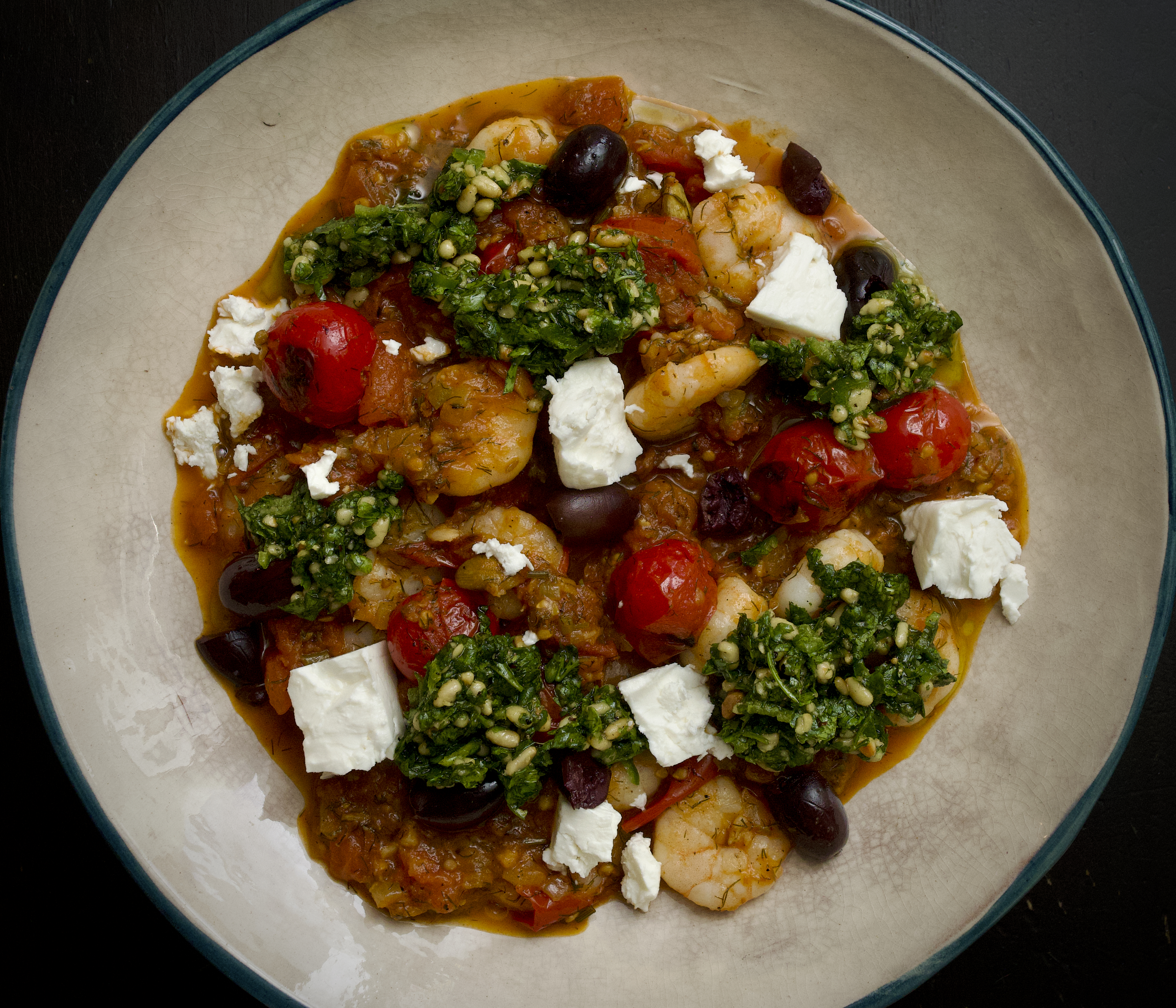
A dish from Falastin, it’s packed with flavour and we recommend adding the optional black olives and feta cheese. A green salad and some crusty bread is also a good choice. The tomato sauce and coriander sauce can both be made in advance, just char your cherry tomatoes and fry the prawns at the end.

Wine Suggestion: Despite this being a seafood dish we think a Southern French red is the way to go with this. Tonight something quite special: Roc des Anges Unic which is a super expressive Grenache with a thrilling tension and energy.

Prawn and tomato stew with coriander pesto – serves 4

  • 250g cherry tomatoes
  • 60ml olive oil
  • 1 large onion, finely chopped
  • 4 cloves of garlic, crushed
  • 2cm piece of ginger, peeled and finely grated
  • 1 green chilli, finely chopped
  • 2 tsp coriander seeds, lightly crushed in a pestle and mortar
  • 1½ cumin seeds, lightly crushed in a pestle and mortar
  • 8 cardamom pods, lightly bashed in a pestle and mortar
  • 20g dill, finely chopped
  • 2 tsp tomato purée
  • 6 plum tomatoes, roughly chopped
  • 600g peeled raw king prawns
  • a handful of black kalamata olives (optional)
  • 100g feta cheese, crumbled into chunky pieces (optional)

FOR THE CORIANDER PESTO:

  • 30g coriander, roughly chopped
  • 1 green chilli, finely chopped
  • 50g pine nuts, lightly toasted
  • 1 lemon, finely grate the zest to get 1½ tsp, then cut into wedges to serve
  • 80ml olive oil

Toss the cherry tomatoes with 1 tsp of oil. Heat a large sauté pan over a high heat, then add the cherry tomatoes and cook for about 5 minutes, shaking the pan occasionally, until charred and blistered. Remove from the pan and set aside.

Wipe the pan out, then add 2 tbsp of olive oil and place over a medium-high heat. Add the onion and cook for 8 minutes, stirring now and then, until softened and lightly browned. Add the garlic, ginger, chilli, spices, dill and tomato purée, then cook for another 2 minutes until fragrant. Add the plum tomatoes and 300ml of water, 1½ tsp salt and plenty of black pepper. Bring to a simmer, then lower the heat and simmer for 25 minutes or until thickened and the tomatoes have broken down.

Meanwhile, make the coriander pesto. Put the coriander, pine nuts and chilli into a food processor and pulse a few times, just until the pine nuts are roughly crumbled. Transfer to a bowl and stir in the olive oil, lemon zest, ¼ tsp of salt and some black pepper. Stir to combine and set aside.

Dry the prawns well then mix in bowl with ¼ tsp of salt, 1 tbsp of oil and plenty of black pepper.

Put 2 tsp of oil into a large frying pan and place on a high heat. When the pan is hot, add the prawns in batches and fry for a minute on each side, until cooked and browned.

Stir the cooked prawns and the charred tomatoes into the tomato sauce and cook over a medium heat for another 3 minutes, to heat through. Transfer the prawns and tomatoes to a serving dish, drizzle over some of the coriander pesto and sprinkle over the olives and crumbled feta.

(Original recipe from Falastin by Sami Tamimi and Tara Wrigley, Ebury Press, 2020.)

Read Full Post »

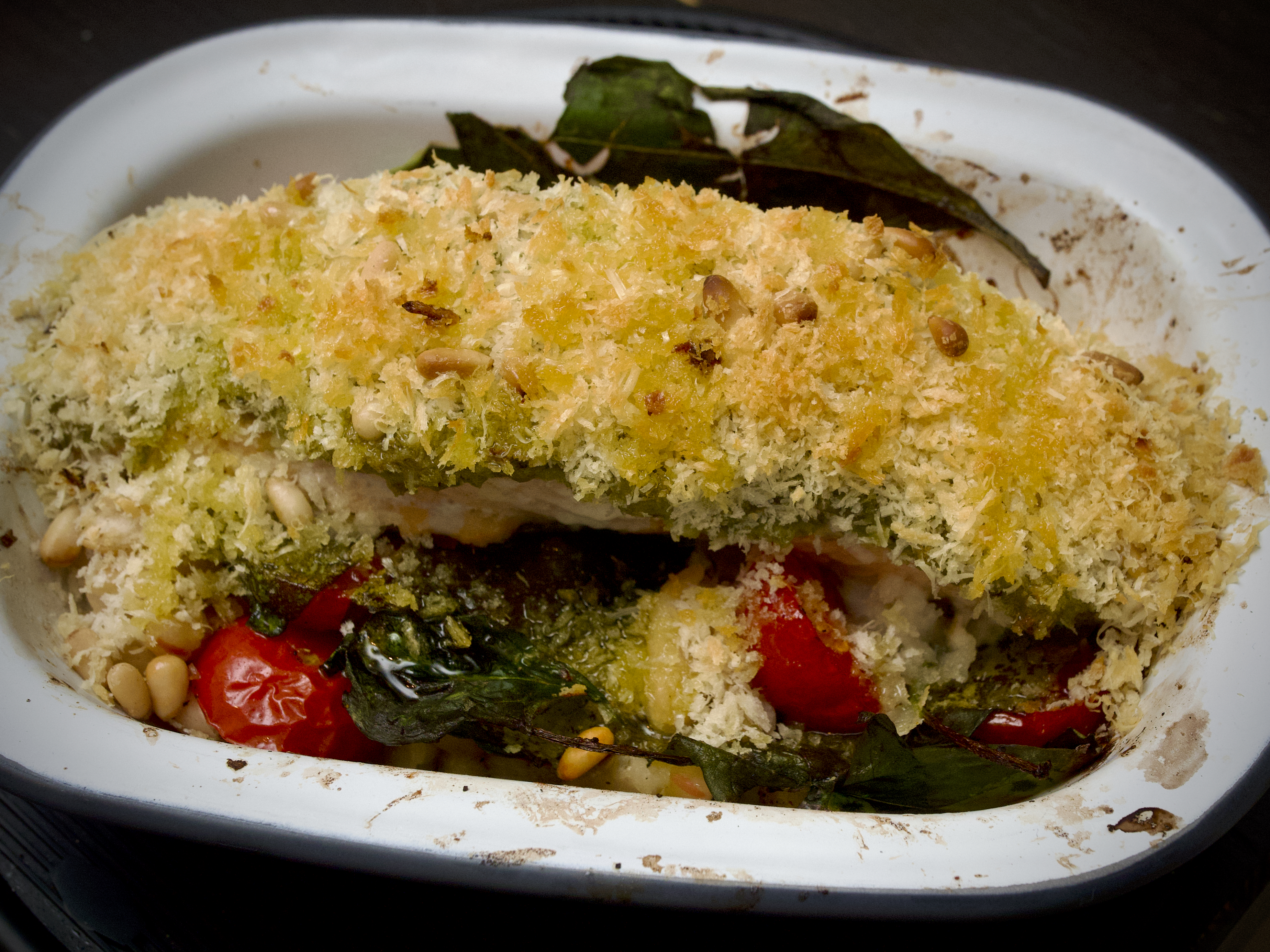
This is perfect for mid-week, super easy and very easy to assemble and bake in the oven. You can cover the dishes and freeze them if you like, then cook from frozen, uncovered for 30-35 minutes.

Wine Suggestion: With a floral, herbal and stonefruit character that’s backed up with a very textural green almond note Sartarelli’s Verdicchio Superiore Tralivio is just the business for this dish. Tomasso Sartarelli really has a feel for this cuvée and how to get the best from the old vines this is made from and it has such a natural balance it makes it so easy to drink when first released, like we’re doing tonight. However, with a bit of will power, it ages superbly too.

Pesto salmon with tomatoes, spinach & beans – serves 6

  • 100g baby spinach
  • 3 x 400g tins cannellini beans, drained and rinsed
  • 300g cherry tomatoes, halved
  • 2 tbsp olive oil
  • 1 lemon, zested and juiced
  • 6 tbsp Philadelphia cheese or other soft cheese
  • 4 tbsp fresh pesto
  • 150g breadcrumbs
  • 40g Parmesan, grated
  • 3 tbsp pine nuts
  • 6 salmon fillets

Heat the oven to 200C/180C fan/Gas 6.

Divide the baby spinach 6 individual baking dishes. Spoon over the beans and tomatoes and drizzle with the olive oil. Sprinkle over the lemon zest and squeeze over the juice, then season well. Toss with your hands to mix everything together.

Mix the soft cheese with the pesto in a bowl.

In another bowl mix the breadcrumbs with the Parmesan and pine nuts.

Place a salmon fillet into each dish and season well. Spoon over the pesto mixture, then the breadcrumb mixture, pressing it down. A bit will inevitably end up in the beans and that’s ok.

Bake for 20-25 minutes, or until the salmon is cooked (a probe should read 60C) and the crumbs a nice golden colour.

(Original recipe from BBC Good Food)

Read Full Post »

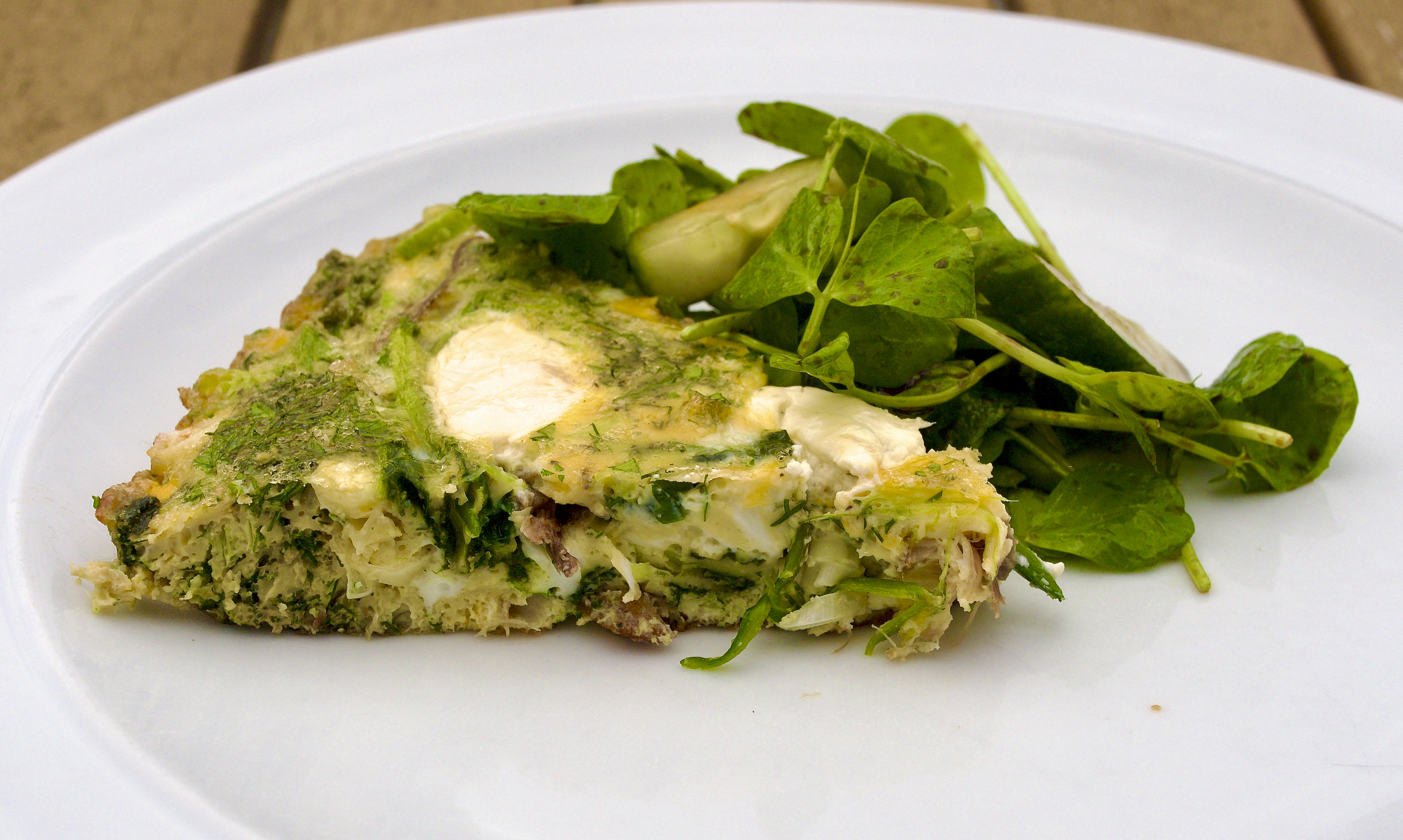
For no particular reason we’ve started cooking frittatas at last … why did no-one tell us how simple they are to make? We particularly enjoyed this one with mackerel and dotted with horseradish cream. Serve with a green salad.

Smoked mackerel and spinach frittata – serves 6

  • 60g butter
  • 50g baby spinach, washed and drained but still damp
  • 220g smoked mackerel
  • 3 scallions, trimmed and finely chopped
  • 4 tbsp chopped flat-leaf parsley
  • 3 tbsp chopped dill
  • 8 eggs, lightly beaten
  • 3 tbsp crème fraîche
  • 1 tsp horseradish sauce

Preheat the oven to 190C/170C/Gas 5.

Melt 20g of the butter in a heavy non-stick frying pan, about 25-30cm diameter, over a medium heat. Stir in the spinach, then cover with a lid and leave for a minute or two until wilted. Tip into a colander and leave to cool. Wipe the pan out with kitchen paper.

Put the cooled spinach into a bowl. Break the mackerel into pieces, discarding any skin and bones, and add to the bowl with the spinach. Add the scallions and herbs, then pour in the eggs and stir until will combined. Season with salt and pepper.

Melt the rest of the butter in the wiped-out pan and place back over a medium heat. Swirl the pan so the base is coated in butter, then tip in the frittata mixutre and smooth out. Let the eggs cook gently for about 5 minutes.

Meanwhile, whisk the crème fraîche and horseradish together, then dot over the top of the frittata. Put the pan in to the oven and cook for about 12 minutes or until set and golden on top.

Remove from the oven and allow to cool for 10 minutes before cutting. It will be delicious eaten warm or cold.

(Original recipe from Notes from a Small Kitchen Island by Debora Robertson, Michael Joseph, 2022.)

Read Full Post »

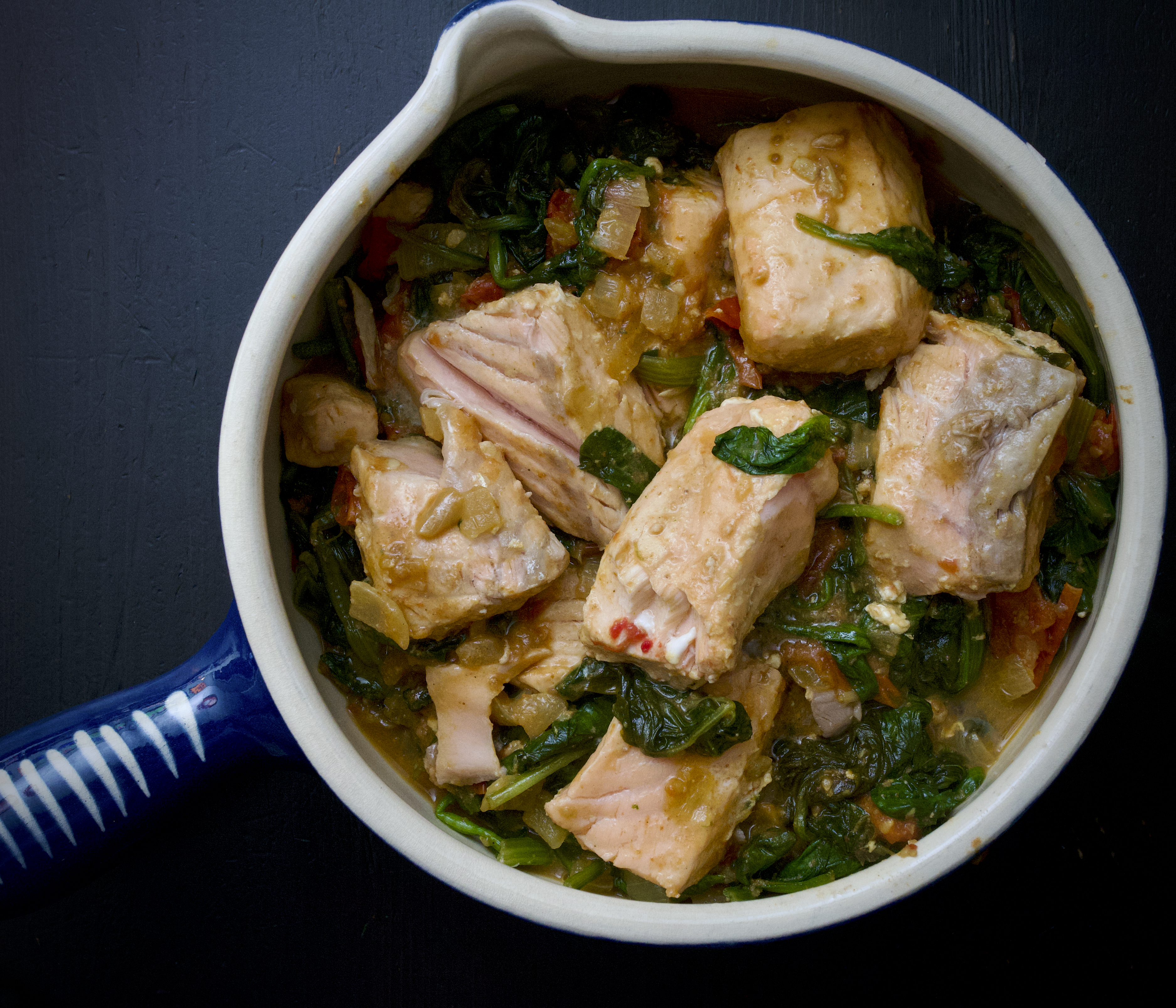
A lovely light curry from Made in India by Meera Sodha. It’s quick to make and perfect for a friday night. We served with rice.

Wine Suggestion: As this dish is quite light we think grenache based rosé is the way to go here with Chateau Pesquié Terrasses Rosé being our choice tonight. The delicate red fruits complementing the salmon really well and the open, softer nature of the grape taking on the spiciness and rounding it out.

Salmon and Spinach Curry – serves 4

  • 2 tbsp rapeseed oil
  • 1 cinnamon stick
  • 6 whole peppercorns
  • 2 cloves
  • 1 large onion, chopped
  • ½ tsp brown sugar
  • 250g ripe tomatoes, roughly chopped
  • 4cm piece of ginger, peelend and finely grated
  • 4 clove of garlic, crushed
  • 1 fresh green chilli, finely chopped
  • ¼ tsp garam masala
  • 1 tsp ground cumin
  • 1½ ground coriander
  • ¼ tsp ground turmeric
  • ½ tsp chilli powder
  • 1¼ tsp salt
  • 500g spinach leaves
  • 400g skinless salmon fillets

Heat the oil in a large deep pan with a lid. Add the cinnamon stick, peppercorns and cloves and fry for a minute or two until fragrant.

Stir in onion and brown sugar, then cook for 10-12 minutes until golden and caramelized. Stir in the tomatoes, then cover with a lid and leave to cook for about 5 minutes, or until the tomatoes start to soften.

Add the ginger, garlic, and green chilli, then stir in the garam masala, cumin, coriander, turmeric, chilli powder and salt. Cook the mixture, stirring so it doesn’t stick, for about 8 minutes. It will start to look like a paste. Add the spinach, turn the heat down and cover with the lid until wilted.

Cut the salmon into very big chunks (about 6cm x 6cm) and add them to the pan. Coat in the tomato and spinach sauce but be careful not to break them up. Cover with the lid for 5-7 minutes, or until the fish is cooked through.

Remove the cinnamon stick, check the seasoning and serve with rice.

(Original recipe from Made in India by Meera Sodha, Penguin:Fig Tree, 2014.)

Read Full Post »

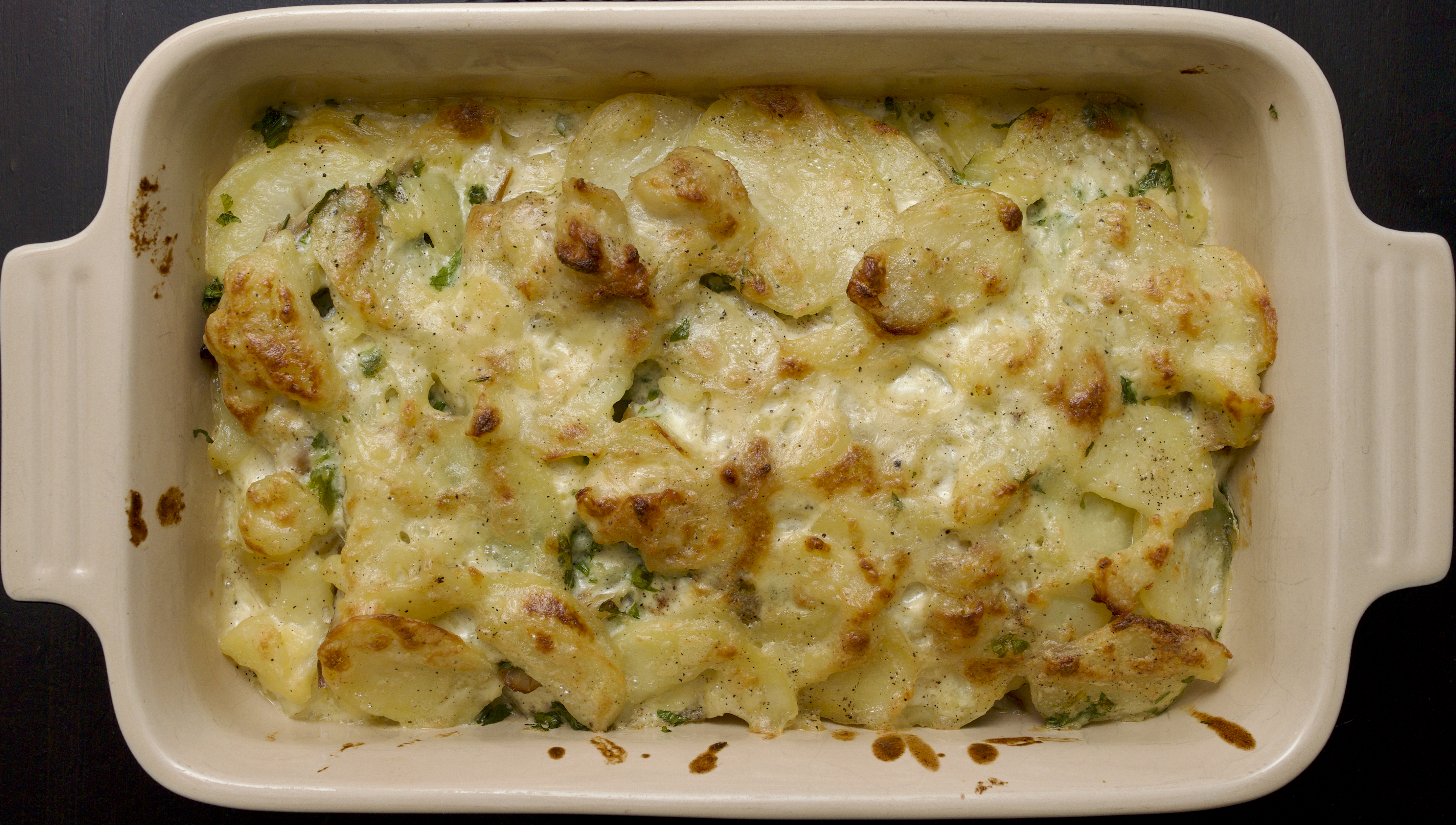
Who doesn’t love a dauphinoise? This one is extra special with some smoked mackerel and is a meal in itself with some green salad on the side.

Wine Suggestion: Chardonnay is not commonly found in the Loire, but there are gems to be found, especially around the appellation of Cheverny where it is brilliantly blended with Sauvignon Blanc. Tonight an outlier from Touraine, Domaine Bellevue’s IGP Chardonnay. Classic crisp red apple flavours with layers of tropical and citrus notes; good body but without any flabby weight. Perfect for fish and dairy combination

Smoked mackerel dauphinoise – serves 4

  • 900g potatoes
  • 250ml milk
  • 250ml double cream
  • a small clove of garlic, crushed
  • freshly grated nutmeg
  • 225g smoked mackerel, skin and bones removed and flaked into chunky pieces
  • a small handful of chopped flat-leaf parsley

Heat the oven to 200C/400F/Gas 6.

Peel the potatoes and slice very thinly, a mandoline is the best job for this but watch your fingers. Dry the potatoes slices with a clean cloth, then spread out and season with salt and black pepper, mixing with your hands.

Pour the milk into a saucepan, add the potatoes and bring to the boil. Cover, then reduce the heat and simmer gently for 10 minutes.

Add the cream, garlic and a generous grating of nutmeg and continue simmering for another 20 minutes. Stir occasionally to prevent the potatoes sticking to the pan. As soon as the potatoes are cooked, remove them with a slotted spoon and put a layer into a large ovenproof dish. Sprinkle over the mackerel and parsley, then cover with the rest of the potatoes. Pour the creamy liquid over the top. Put some water into the base of a large roasting tin and set the potato dish into the tin, the water should come about half-way up the sides. Bake the dish in the oven for 10 to 20 minutes or until the top is golden and bubbling.

(Original recipe from Darina Allen’s Ballymaloe Cookery Course, Kyle Cathie Limited, 2001.)

Read Full Post »

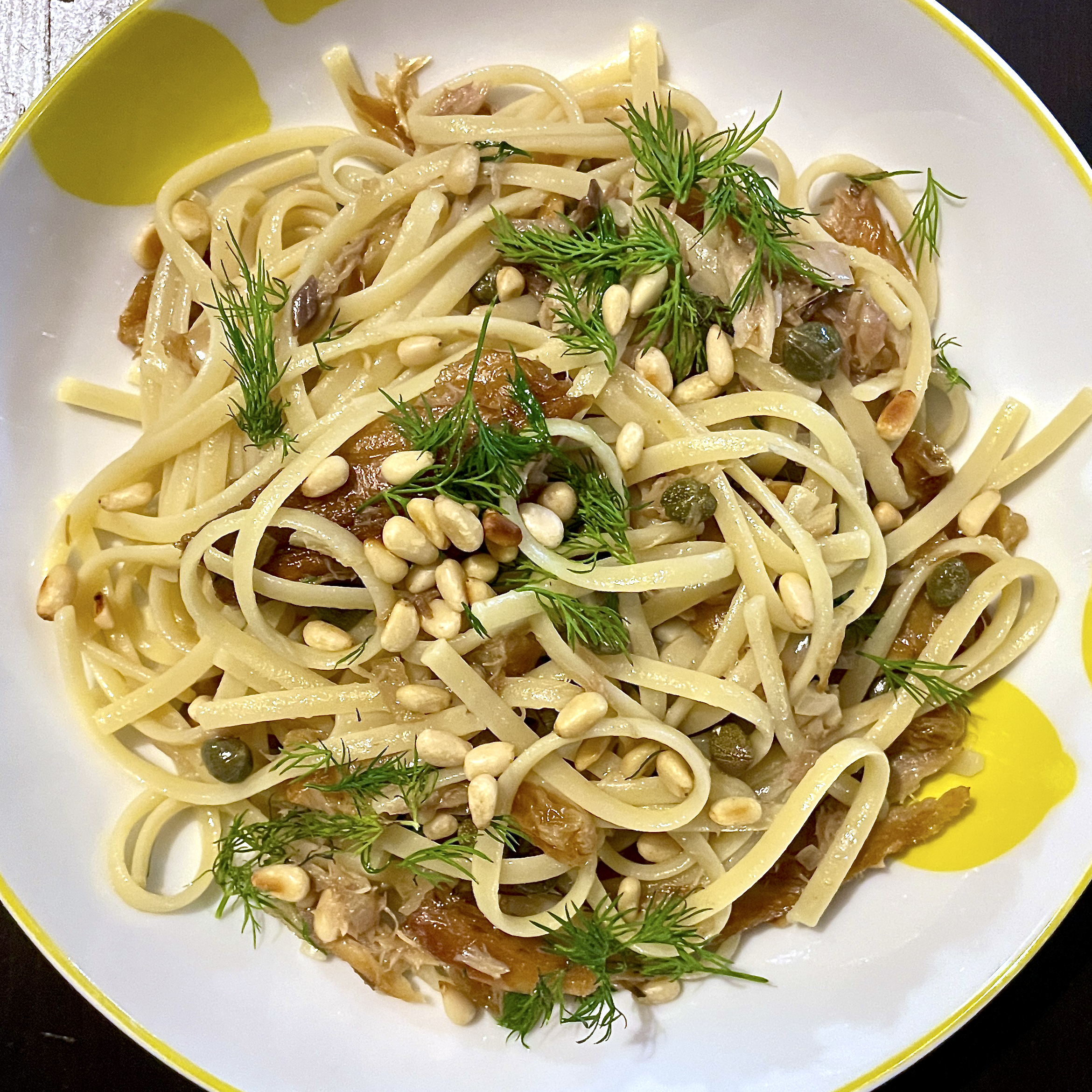
A Nigella creation that is in no way authentic and makes no apologies. Anything with mackerel goes in this house.

Wine Suggestion: Quite an exceptional wine was chosen to match with this: Sartarelli’s Balciana. From a low-yielding vineyard Verdicchio in the Marche, this is hand harvested picking only the grapes of utmost ripeness at the very end of the season. This means the picking team goes out many times picking individual grapes and bunches that meet the required levels of ripeness. It makes quite an extraordinary dry wine that has a richness of almost a sweet wine, alongside textured layers of savoury nuttiness and salty minerality. Named best white wine in Italy many times, and we understand why. We chose this as the combinations of sweet, savoury, fresh and sour flavours in the dish need a wine with substance and depth.

Pasta with mackerel, Marsala and pine nuts – serves 2

  • 50g golden sultanas
  • 200g linguine
  • 2 tbsp olive oil
  • 1 long shallot, finely chopped
  • 60ml Marsala
  • 2 smoked makerel fillets, skinned and flaked
  • 2 tbsp drained capers
  • a few drops of red wine vinegar
  • a handful of dill, torn into fronds
  • 25g toasted pine nuts

Bring a large pan of water to the boil for the pasta. Put the sultanas into a small bowl and cover with hot water from a boiled kettle.

Add lots of salt to the boiling water, then cook the linguine until al dente.

Warm the olive oil in a frying pan and cook the shallot for a couple of minutes until softened.

Add the Marsala and let it bubble, then add the mackerel, sultanas (squeeze the water out of them with your hands first), the capers and a few drops of vinegar. Remove from the heat once the mackerel is warm. There should be barely any liquid left.

Reserve a cupful of pasta cooking water before draining. Return the pasta to the pan, then tip in the mackerel, half the dill and half the pine nuts and a tbsp of pasta water. Toss gently to combine, then taste and add another few drops of vinegar if you like.

Divide between warm bowls and finish with the remaining dill and pine nuts.

(Original recipe from Nigellissima, Chatto & Windus, 2012.)

Read Full Post »

This is a long recipe but it’s not difficult and quite nice and methodical. You can make the fishcakes earlier in the day and cook when you’re ready if you like. You will get big fishcakes full of chunky pieces of fish. Serve with green salad.

Wine Suggestion: a top-notch Muscadet, like Jérémie Huchet’s, very special Clos des Montys. Finely toned and vibrant with citrus and grapefruit on the palate; both dry and salty, and creamy at the same time. It’s a little edgy, but we like that. Wines like this bring out the flavours of the sea and celebrate the three fish in this dish.

Fishcakes with parsley sauce – serves 6

  • 600g Maris Piper potatoes, cut into chunks
  • 250g thick unskinned cod fillet
  • 250g thick unkinned salmon fillet
  • 100g unskinned smoked haddock fillet
  • 500ml full-fat milk
  • 1 bay leaf
  • grated zest of ½ lemon
  • 6 scallions, finely sliced
  • 25g plain flour
  • 2 eggs
  • 100g fresh white breadcrumbs
  • 75ml vegetable oil
  • lemon wedges, to serve

FOR THE PARSLEY SAUCE:

  • 25g butter
  • 25g plain flour
  • reserved milk from cooking the fish
  • 25g curly parsley, finely chopped

Put the potatoes into cold salted water, bring to the boil, then simmer for 12 to 15 minutes or until tender, then drain and mash. Season with salt and white pepper, then spread the potatoes out over a plate to cool.

Put the fish pieces into a large saucepan with the milk and bay leaf. Season with a little salt and peppper. Cover with a lid and gently bring to a simmer, then remove from the heat and set aside for 10 minutes to finish cooking.

Remove the fish from the milk and set onto a plate. Pour the milk into a jug as you will need this for the parsley sauce later. Remove the skin from the fish and break it into chunky pieces, discarding any bones, then leave to cool completely.

When the potato has cooled, transfer it to a large bowl and stir in the lemon zest and scallions. Gently stir in the fish with a wooden spoon, trying not to break it up too much.

Divid the mixture into 6 balls. Flatten the balls into cakes, about 3cm thick, and place on a lined baking tray. Put the tray into the fridge for 45 minutes or into the freezer for 20 to firm up.

Sprinkle the flour over a plate. Beat the eggs together in a shallow bowl. Spread half the breadcrumbs over another plate. Now take each fishcake and coat in the flour, shaking off any excess, then into the egg, allowing excess to drip off and finally into the breadcrumnbs to coat. Place on a lined baking tray. When you have coated 3 fishcakes put the rest of the breadcrumbs onto the plate for the rest. The fishcakes will keep in the fridge for 24 hours at this stage.

Heat the oven to 200/C/180C fan.

Heat the oil in a large frying pan, then place 3 fishcakes into the pan and fry for about 3 minutes on each side. Put onto a baking tray while you fry the rest.

Put the fishcakes into the hot oven for 10 minutes to finish cooking. Test with a skewer to make sure they are hot right through to the middle.

To make the parsley sauce, melt the butter in a small pan, then stir in the flour. Cook for a minute, then gradually add the reserved milk, stirring continually until you have a smooth sauce. Allow to simmer, then cook gently for a few minutes until thickened, then season. Remove from the heat and stir in the chopped parsley.

Serve the fishcakes with the sauce and some lemon wedges. A green salad works well on the side.

(Original recipe from The Hairy Bikers’ British Classice by Si King and Dave Myers, Seven Dials, 2018.)

Read Full Post »

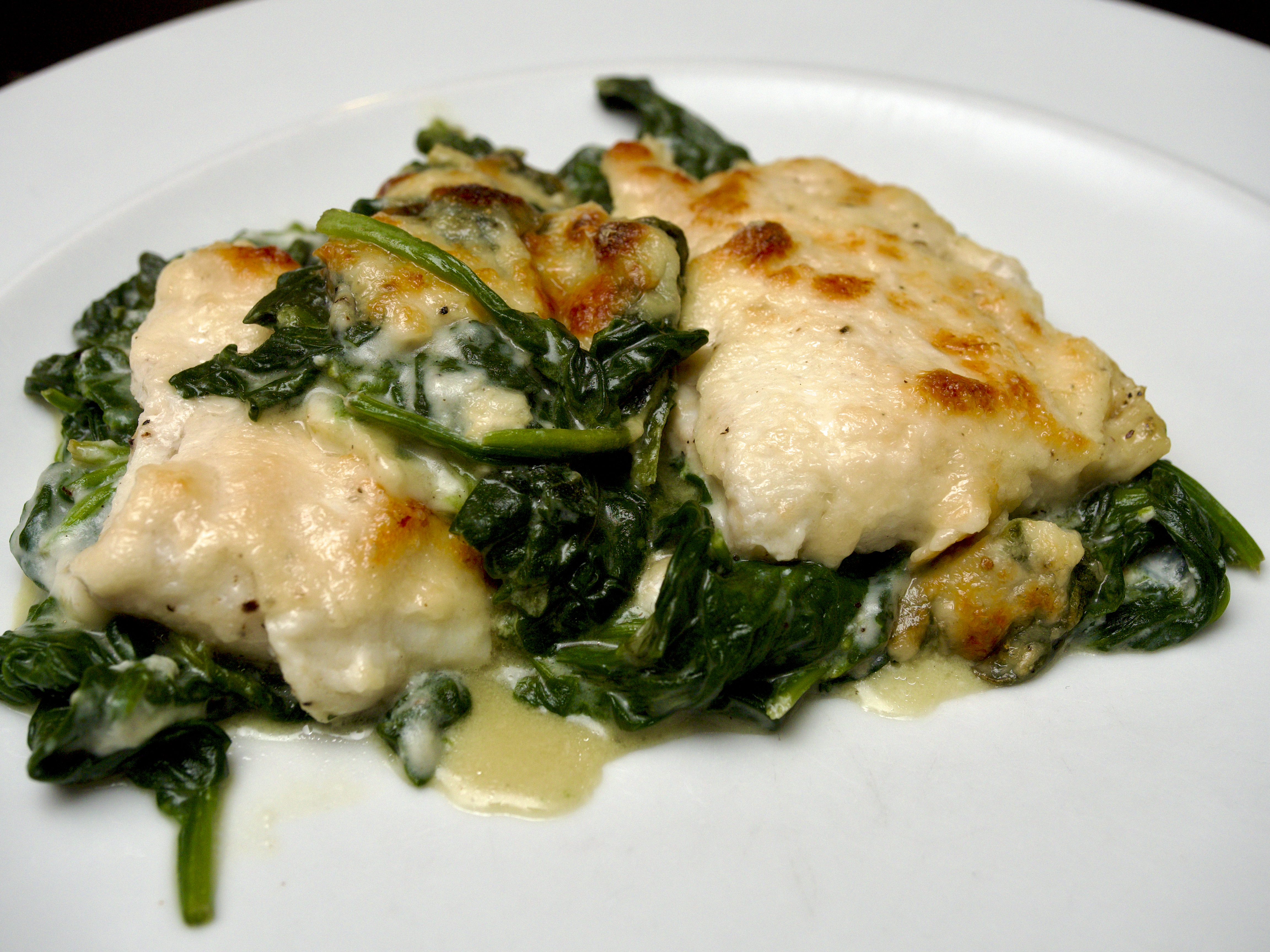
It’s a classic combination for good reason. Very easy to make and absolutely delicious.

Wine Suggestion: playing on the balance of rich parmesan and bechamel, earthy spinach and gentle sole we opened a bottle of Sartarelli’s Mellitta. A Castelli di Jesi Verdicchio Riserva this shows the depth only top quality old-vines can give with flinty almond and peach flavours overlaid with a creamy toastiness. Made gently and with thought this wine isn’t brash, but rather has great depth and subtle nuances. A new find and one we’ll revisit.

Lemon sole florentine – serves 4

  • 4 large lemon sole, each cut into 4 fillets and skinned (your fish shop will do this for you)
  • juice of ½ lemon
  • 45g butter
  • 45g plain flour
  • 450ml full-fat milk
  • 750g spinach leaves
  • 30g Parmesan cheese, grated

Heat the oven to 200C/180C fan/Gas 6.

Sprinkle the fish fillets with the lemon juice and season with salt and pepper. Fold them in half widthways, and set aside.

Melt the butter in a saucepan, add the flour and cook, stirring for a minute. Remove from the heat and gradually blend in the milk. Bring to the boil, stirring constantly until thickened. Simmer for 2-3 minutes, then season.

Wash the spinach and put into a pan with just the water left on the leaves. Cook for a couple of minutes until wilted, then drain well and squeeze out excess water.

Stir half the sauce into the cooked spinach and spoon into a shallow ovenproof dish. Arrange the sole on top, then pour over the rest of the sauce and sprinkle with cheese. Bake in the oven for 30 minutes, then serve.

(Original recipe from Mary Berry’s Complete Cookbook, DK, 1995. )

Read Full Post »

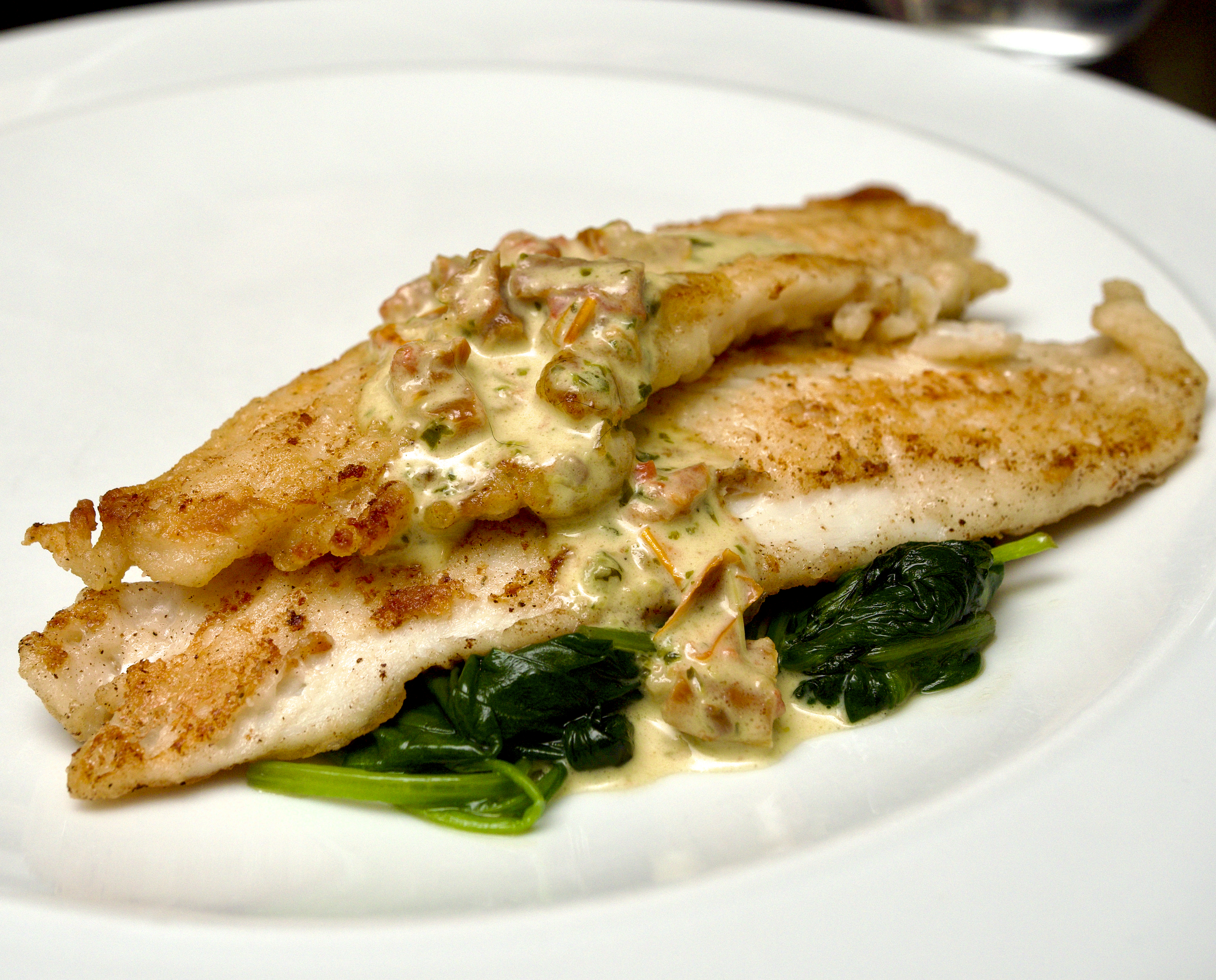
This fish dish feels a bit special but is very easy to make. Serve on buttered spinach and with steamed potatoes.

Wine Suggestion: from our recent trip to the Loire we opened the superlative Domaine de la Taille aux Loups Clos de la Bretonnière. Made by Jacky and J-P Blot from a monopole in Vouvray, it has to be “Vin de France” as their winery is not in the appellation. No matter, this is as fine as dry Vouvray gets. We really enjoyed the taut minerality that complimented the fish, and how it kept on giving more layers as it went along revealing hints of spring and summer fruits. Tension and poise, but with a real generosity too.

Lemon sole with basil & tomato sauce – serves 4

  • 60g plain flour
  • 2 small lemon sole, each cut into 4 fillets and skinned (your fish shop will do this for you)
  • 30g butter

FOR THE SAUCE:

  • 300ml double cream
  • juice of ½ lemon
  • 3 tbsp fresh pesto
  • 100g sun-blush tomatoes, finely chopped
  • 2 tsp chopped basil, to serve

Sprinkle the flour over a large plate and season well with salt and pepper.

Dip the fish fillets into the seasoned flour and shake off any excess.

Melt the butter in a large frying pan. Wait until the butter foams, then add the fillets and cook for 2 minute on each side, or until opaque and easy to flake. Transfer to a warm plate and keep warm while you make the sauce.

Heat the cream, lemon juice, and pesto in a pan over a medium heat until hot, then add the sun-blush tomatoes and season with salt and black pepper. Serve the fish fillets on a bed of buttered spinach, dress with the sauce and sprinkle over some basil leaves.

(Original recipe from Mary Berry’s Cookery Course, DK, 2013.)

Read Full Post »

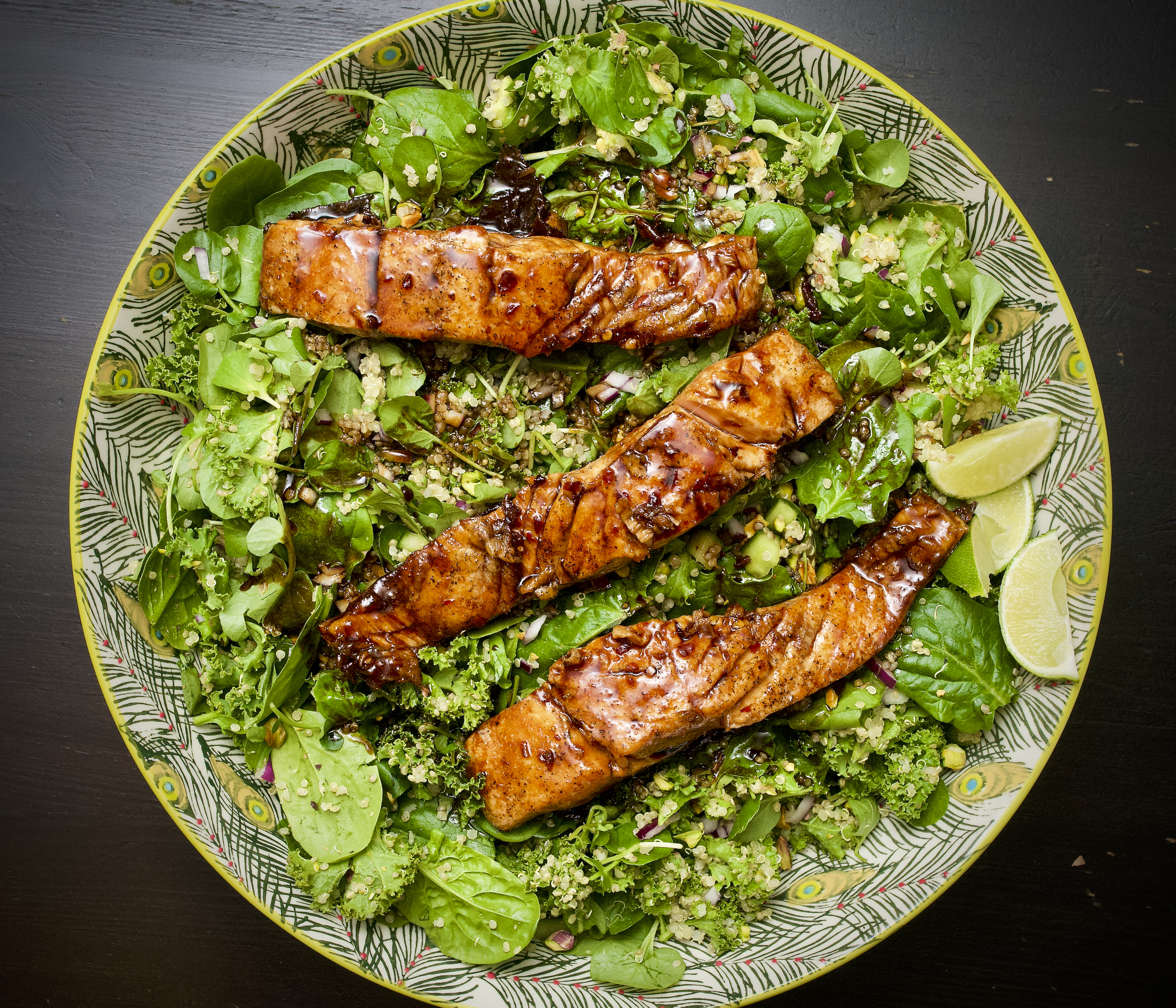
And so we’ve realised that we do like quinoa after all. This green salad is delicious and the quantity given below is half that suggested by Neven Maguire. Feel free to double if you think you can manage it.

Wine Suggestion: We think this suits a young, fruit forward Cabernet Franc like Olga Raffault Cuvée Domaine. Unoaked and joyful dark cherry fruits with a crispness and earthiness that really complements the kale, spinach and watercress.

Honey and Soy Glazed Salmon with Green Quinoa – serves 4

  • 100ml soy sauce
  • 3 tbsp honey
  • a good pinch of chilli flakes
  • 1 tbsp rapeseed oil
  • 1 tsp sesame oil
  • 4 salmon fillets, skin on

FOR THE QUINOA:

  • 75g quinoa
  • 150ml vegetable stock
  • 50g curly kale, remove the stalks
  • 50g baby spinach
  • 50g pistachios, toasted and chopped
  • 40g watercress
  • ½ an avocado, diced
  • ¼ cucumber, deseeded and finely diced
  • 1 tbsp chopped coriander
  • lime wedges, to garnish

Rince the quinoa then put into a small saucepan with the vegetable stock and bring to the boil. Cover with a lid and simmer gently for 10-12 minutes until tender and the stock has been absorbed. Tip into a large bowl and leave to cool.

Put the soy sauce, honey and chilli flakes into a small bowl and whisk to combine.

Prep the rest of the ingredients for the quinoa and fold them gently in to the cooled quinoa. Taste and season with salt and black pepper.

Season the salmon fillets, then heat a non-stick frying pan over a medium heat. Add the rapeseed and sesame oil, then fry the salmon fillets, skin side up, for 2-3 minutes, until lightly golden. Turn them over gently and cook for another 4 minutes. Turn the heat to hight and pour in the honey and soy mixture. Allow to simmer for a couple of minutes, spooning the sauce over the salmon, it should thicken to a syrupy sauce.

Put the quinoa onto a large serving platter and sit the salmon fillets on top. Drizzle over the syrupy sauce and garnish with the lime wedges.

(Original recipe from More Midweek Meals by Neven Maguire, Gill Books, 2022.)

Read Full Post »

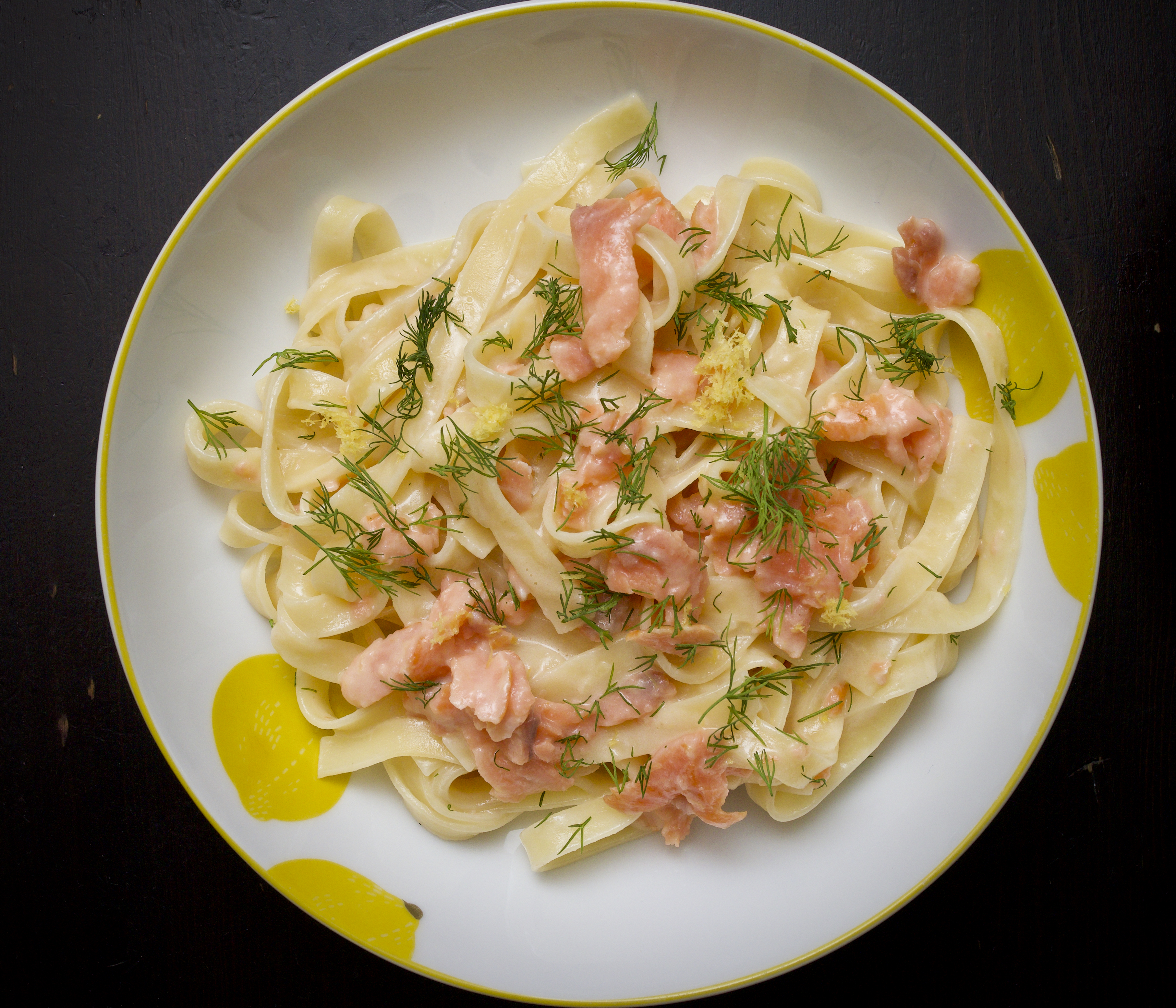
We’re clearing out in January, rather then dieting. This recipe used up the last of a side of smoked salmon and its simplicity is perfect.

Wine Suggestion: We think Verdicchio is under-rated as a grape and for food combinations like this where you have a creaminess, combined with some Omega fatty acids and citrus zest it is the business. Tonight our choice was Sartarelli’s Tralivio which balances fruit weight with an almost saline minerality.

Tagliatelle with Salmon and Mascarpone – serves 4

  • 400g tagliatelle
  • 200g smoked salmon, snipped with scissors into short strips
  • 125g mascarpone
  • 20g soft butter
  • zest of 1 lemon, plus more to garnish
  • a few sprigs of dill, snipped

Cook the tagliatelle in lots of very salty water until al dente.

Meanwhile, tip the salmon strips into a large warm serving bowl along with the mascarpone, butter and lemon zest. Add a ladleful of the pasta cooking water to loosen it all to a cream, then taste and add salt if needed.

Drain the pasta, reserving some water, then tip into the bowl with the sauce and toss gently, adding more cooking water if needed. Serve sprinkled with the dill and some more lemon zest.

(Original recipe from An A-Z of Pasta by Rachel Roddy, Penguin: Fig Tree, 2021.)

Read Full Post »

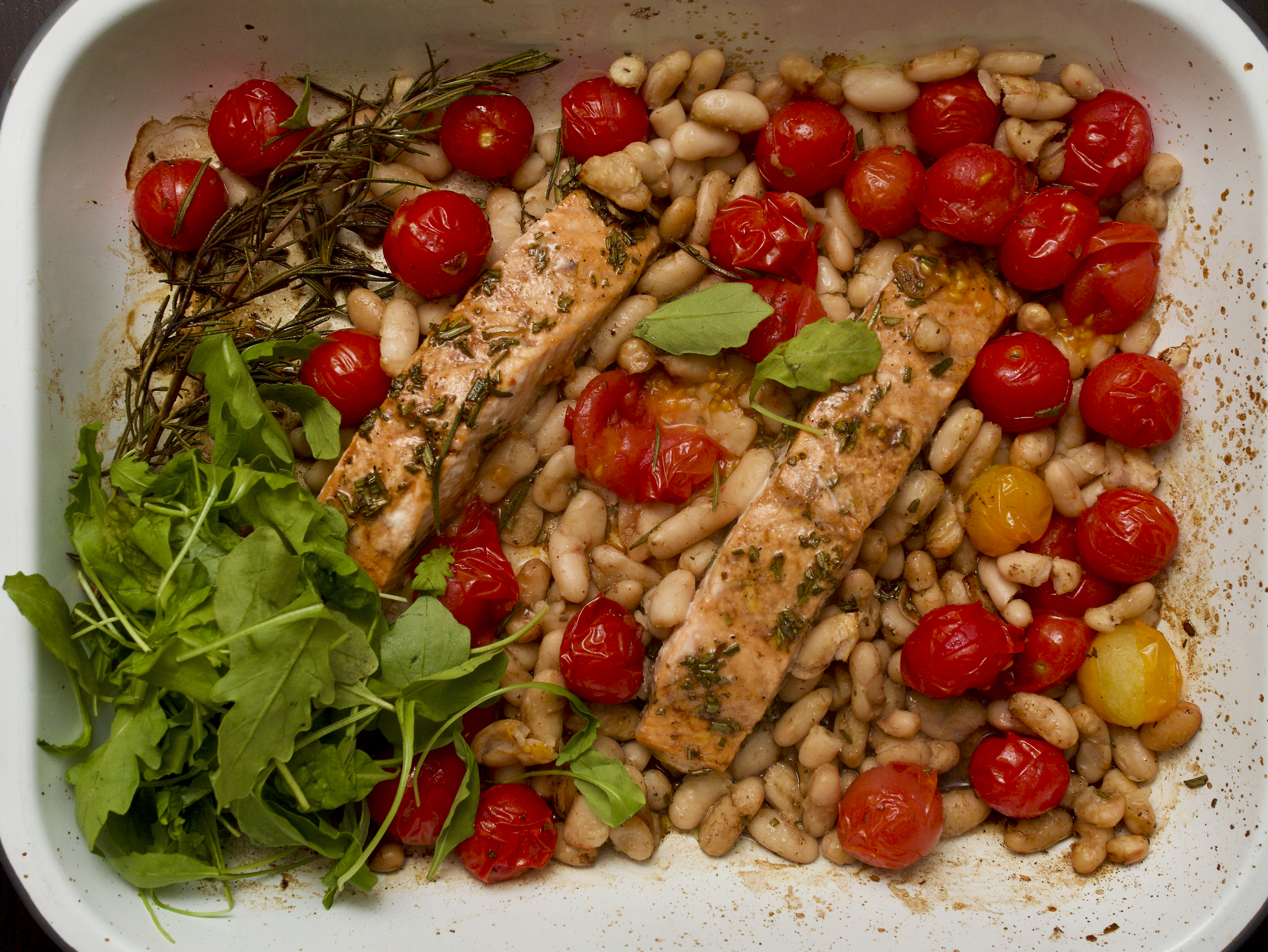
A roasting tin dinner for busy evenings and when a batch of “very” late season cherry tomatoes land in our lap.

Rosemary & balsmic salmon with tomatoes – serves 4 (easily halved)

  • 4 tbsp balsamic vinegar
  • 2 tbsp extra virgin olive oil
  • 4 sprigs rosemary, 2 left whole and needles picked and finely chopped from the rest
  • 1 clove of garlic, finely sliced
  • 600g cherry tomatoes
  • 2 x 400g tins cannellini beans, rinsed and drained
  • 4 small salmon fillets
  • 2 handfuls of rocket

Heat the oven to 220C/200 Fan/Gas 7.

Whisk the baslsamic, olive oil, chopped rosemary, garlic, and seasoning, together in a small bowl.

Tip the tomatoes and beans into a large roasting tray. Nestle in the salmon fillets, then pour over the dressing. Toss gently to make sure everything is coated in dressing.

Bake for 12-14 minutes or until the fish flakes easily. Give the beans and tomatoes another gentle toss and push down on a few tomatoes to burst them. Scatter over the rocket and serve.

(Original recipe by Anna Glover in Olive Magazine, October 2021.)

Read Full Post »

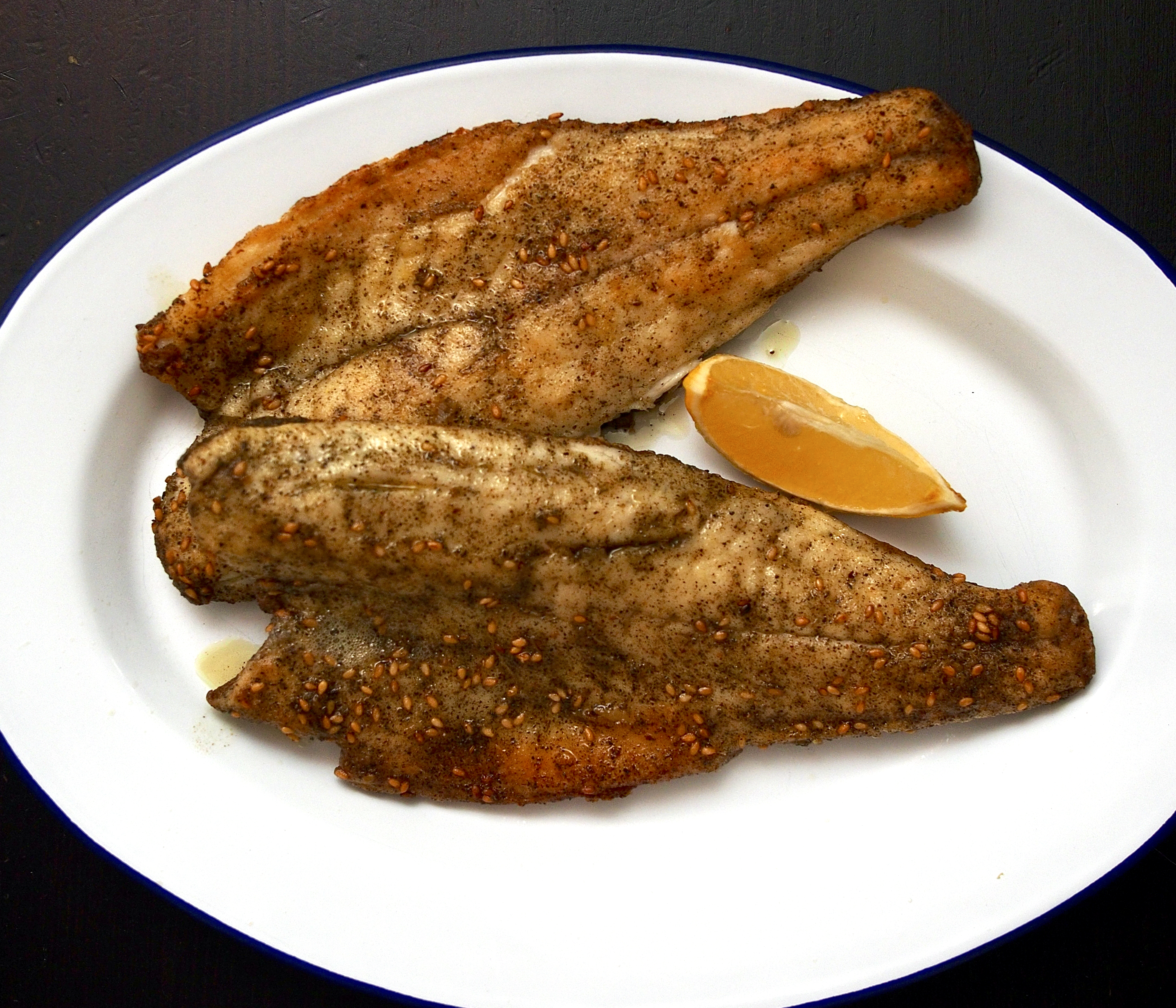
We’re loving all the simple and delicious recipes from Sabrina Ghayour’s new book, Persiana Everyday. This fish takes minutes to make and tastes amazing. We served with some sautéed potatoes and salad.

Wine Suggestion: A richer, rounder white like the Edetària “via Edetana” Blanc which combines old-vine Garnaxta Blanca with Viognier. Elegant and complex with honeysuckle, peach, tangerine and toasted nut aromas and flavours. The stonefruit flavours, in particular, seem to work with the earthy za’atar in a superb way.

Za’atar Sea Bass – serves 2

  • 1 heaped tbsp za’atar
  • 1 tbsp plain flour
  • veg oil, for frying
  • 2 skin-on sea bass fillets
  • lemon wedges, to serve

Mix the za’atar, flour and plenty of seasoning in a shallow dish.

Coat the fish fillets in the seasoned flour, turn them over a few times.

Put a frying pan over a medium-high heat and drizzle in enough oil to coat the base. When the oil is hot, put the sea bass fillets into the pan, skin-side down, and cook for 1-2 minutes until the skin is crispy. Turn the fish over and cook for another minute on the other side – they should be just cooked. Serve straight away with the lemon wedges to squeeze over.

(Original recipe from Persiana Everyday by Sabrina Ghayour, Aster, 2022.)

Read Full Post »

This recipe is from The Spanish Home Kitchen by José Pizarro who cooks from the heart. It takes a little while to cook but is so simple and delicious. It would also be easy to cook when camping if that matters to you. As José says, this is the comfort dish that his mother would cook … need we say more.

Wine Suggestion: Spanish inspired, but off the beaten track is a Garnacha Blanco from Terra Alta (quite possibly one of the best places in the world for Garnacha of both colours alongside Chateauneuf du Pape … although quite different in style). If you can stretch to an old vine expression like this you’re in for a treat. For us tonight an easier, fresher style with Edetària’s “via Terra” which is charming with layers of fresh stone fruit, nuttiness and salinity. It tastes both of the earth, sunshine and fresh cooling breezes.

Hake with slow-cooked onions and tomato salsa – serves 4

  • 100ml olive oil
  • 3 large onions, finelly sliced
  • 1 bay leaf
  • 150ml white wine
  • 150ml vegetable stock
  • 4 hake fillets (200-250g each)
  • a handful of basil leaves

FOR THE TOMATO SALSA:

  • 500g ripe tomatoes, finely chopped
  • ½ small red onion, finely chopped
  • 2 tbsp capers, chopped
  • 3 tbsp extra virgin olive oil

Heat the oil in a deep sauté pan with a lid. Add the onions and season well with salt and black pepper, then cook over a medium heat for 10 minutes. Cover with the lid and cook for half an hour until really soft but not coloured.

Meanwhile, mix all of the salsa ingredients together in a bowl, then season well and set aside to mingle.

Add the wines to the onions and bubble for a minute before adding the stock. Simmer, uncovered for 10-12 minutes then seaon the hake fillets and nestle them into the onions. Reduce the heat to medium-low, cover with the lid and leave to cook for 10 minutes. Turn the heat off and rest for 2-3 minutes.

Spoon the salasa over the fish and onions, then scatter the basil over before serving.

(Original recipe from The Spanish Home Kitchen by José Pizarro, Hardie Grant Books, 2022.)

Read Full Post »

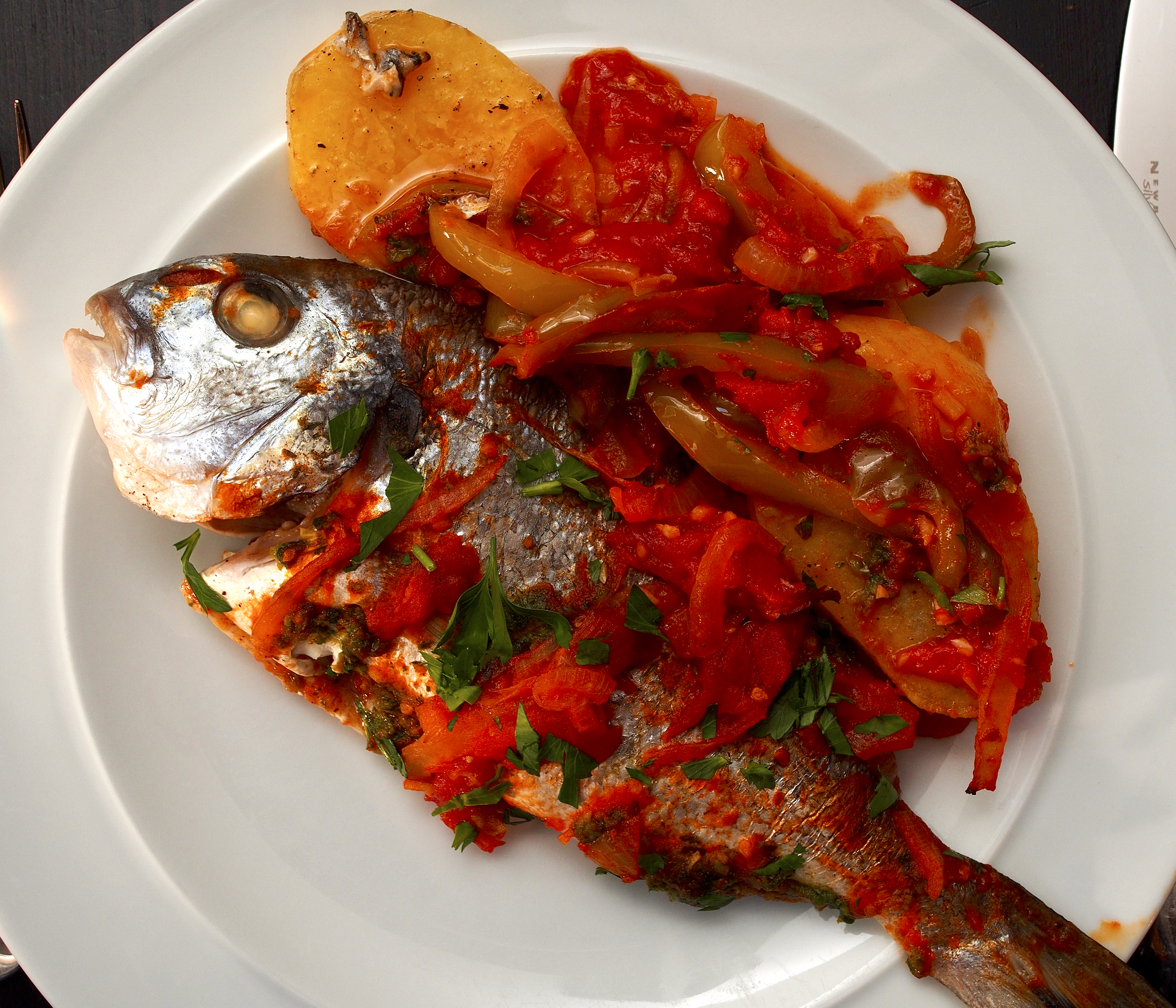
It’s the first night of our holidays and we felt like eating something to remind us of the beach!

Wine Suggestion: Dominio de Tares La Sonrisa Godello, or something similar with a chalky, Chablis-esk minerally finish; unoaked, vibrant and dry.

Baked sea bream – serves 2

  • 5 tbsp olive oil
  • 1 large onion, sliced
  • 1 garlic clove, chopped
  • 1 large green pepper, sliced
  • 400g tin tomatoes
  • 1 bay leaf
  • 3 large waxy potatoes, peeled
  • 2 x 400g whole sea bream, scaled and gutted
  • juice of ½ lemon
  • 6 black peppercorns
  • 60ml dry sherry
  • a small handful of flatleaf parsley leaves, chopped

FOR THE PICADA:

  • a small handful of flatleaf parsley leaves, chopped
  • 2 large garlic cloves, roughly chopped
  • ½ tsp sea salt

Warm 2 tbsp of olive oil in a large frying pan. Add the onions, garlic and pepper and cook for 10-15 minutes or until soft. Add the tomatoes, bay leaf and a splash of water, then cover and cook gently for 20 minutes.

Meanwhile, heat the oven to 180C/Fan 160C. Slice the potatoes, not too thin and not too thick so they hold together but cook through. Spread them over the base of a roasting dish that can easily accomodate the fish. Drizzle over 2 tbsp of olive oil and season with salt and pepper. Toss together then bake for 20 minutes.

To make the picada, put the parsley, garlic and salt into a pestle and mortar and grind to a paste, then set aside.

Season the fish with salt and pepper and put on top of the cooked potatoes. Spread the picada over the fish. Add the lemon juice and a couple of tbsp of water, then pour the tomato sauce over everything. Drizzle over the last tbsp of olive oil, add the peppercorns and sherry, then bake for 20-25 minutes. Scatter with the chopped parsley to serve.

(Original recipe from Rick Stein at Home, BBC Books, 2021.)

Read Full Post »

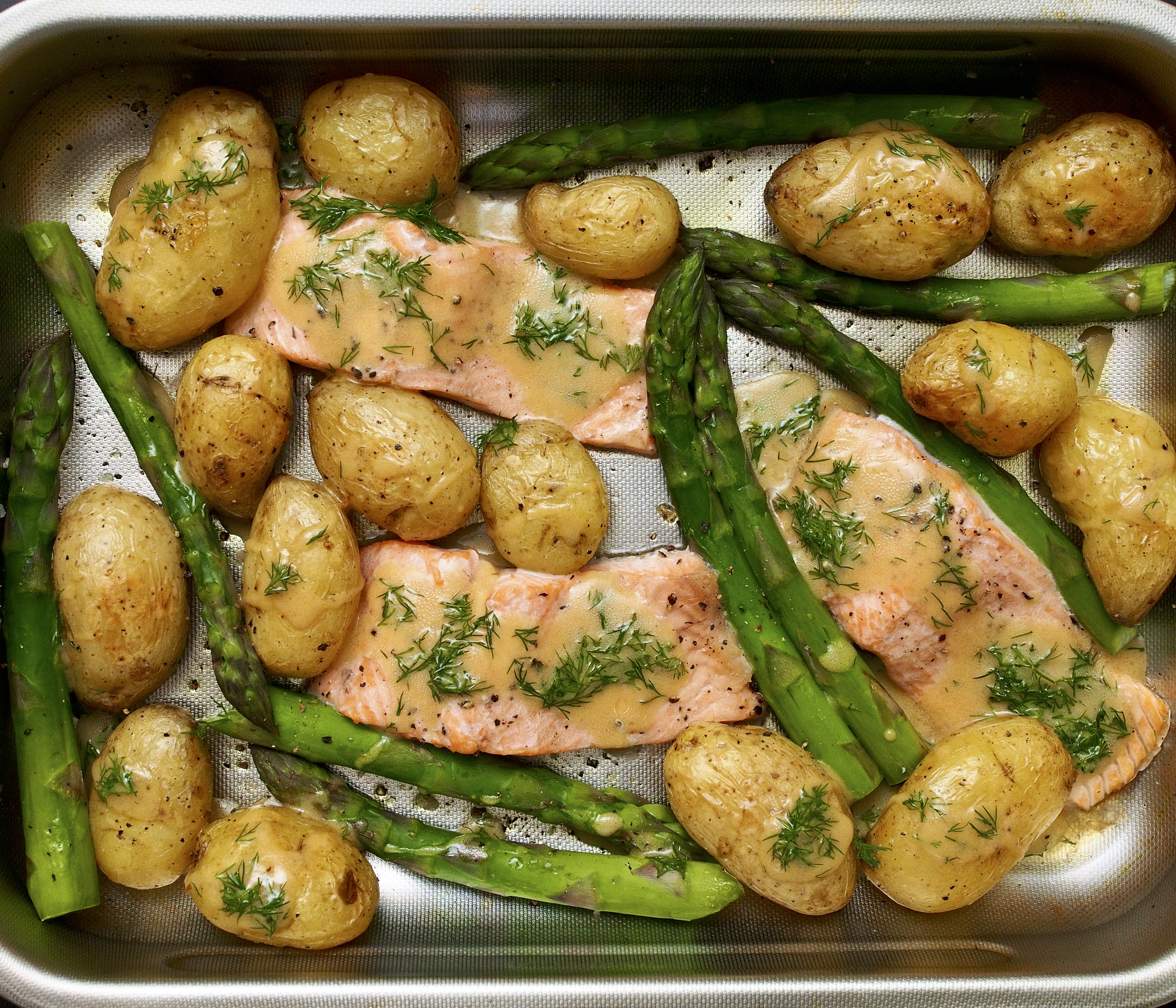
This dish couldn’t be easier and is all cooked in the one tray; a great spring celebration. It helped that we were able to source all of the ingredients locally, always makes us feel good about what we’re eating.

Wine Suggestion: Simple, but fresh and asparagus friendly Sauvignon Blanc from the Loire Valley, in this case blended with a touch of Chardonnay from the Cheverny appelation. Pascal Bellier produces a charmer.

Sea trout, new potatoes and asparagus with a dill & mustard sauce – serves 4

  • 1kg baby new potatoes, we used Jersey Royals
  • 400g asparagus
  • 2 tbsp olive oil
  • 4 fillets of sea trout (or you could use salmon)

FOR THE SAUCE:

  • 2 tbsp Dijon mustard
  • 1 tbsp soft light brown sugar
  • 2 tbsp white wine vinegar
  • 4 tbsp groundnut oil
  • 2 tbsp chopped dill, plus a bit extra to serve

Heat the oven to 200C/fan 180C/gas 6.

Cook the potatoes in salty water for about 3 minutes, then add the asparagus and cook for a further 2 minutes. Drain well and and run the asparagus under cold running water to stop it cooking any further.

Put the potatoes into a large non-stick baking tray, toss with the olive oil and season well with salt and pepper. Put into the oven for 15-20 minutes or until starting to brown.

Tuck the trout and asparagus in and around the potatoes and season these too. Roast again for 10-12 minutes or until the trout is just cooked.

Meanwhile, whisk the mustard, sugar, vinegar and oil together to make the dressing. Stir through the dill just before you’re ready to serve. Drizzle the sauce over the dish and scatter with some more dill if you like.

(Original recipe by Janine Ratcliffe and Adam Bush in Olive Magazine, May 2019.)

Read Full Post »

Try this simple lunch with some crusty bread.

Wine Suggestion: A good, salty Pazo de Señoráns Albariño which plays a delightful dance of balancing a lightness and elegance with surprising depth, concentration and complexity.

Hot-smoked salmon salad with chive buttermilk dressing – serves 2

  • 2 Little Gem lettuces, cut into chunky pieces
  • 50g sugar snap peas, halved
  • 1 small red onion, finely sliced
  • 2 tbsp capers
  • 150g hot-smoked salmon
  • crusty bread, to serve

FOR THE DRESSING

  • 100ml buttermilk
  • 1 tbsp white wine vinegar
  • a pinch of caster sugar
  • a bunch of chives, finely chopped

Put the buttermilk, white wine vinegar and caster sugar into a small jug, season with salt and pepper and whisk together. Add the chives.

Put the lettuce, sugar snap peas, red onion and capers into a large bowl and toss together gently. Add half the dressing and toss again. Flake over the hot-smoked salmon and gently toss again, then drizzle over the remaining dressing and serve.

(Original recipe in Olive Magazine, April 2020.)

Read Full Post »

This is so simple but looks impressive and is perfect for a Friday night when you want a weekend dish but don’t have lots of time. You will need some crusty bread to mop up the delicious juices. Serve with buttered orzo or new potatoes.

Wine Suggestion: From the Burrier family of the superb Château de Beauregard in Pouilly-Fuissé is Domaine de la Rochette Mâcon-Bussières an excellent example of what this southern Burgundian region can do so well. Lovely ripe stonefruit and apple flavours under-pinned with a savoury minerality and fresh, layered mouthfeel which allows the cod to shine, counter-balances the Parma’s meaty saltiness and sings along with the olives and tomatoes.

Cod with cherry tomatoes and green olives – serves 6

  • 1 red onion, cut into wedges
  • 750g cherry tomatoes
  • 4 tbsp olive oil
  • 6 even sized pieces of cod loin, about 125g each
  • 6 slices of Parma ham
  • 18 nocellara green olives
  • a small bunch of flat-leaf parsley, chopped (to serve)
  • crusty bread

Heat the oven to 220C/fan 200C/gas 7.

Put the onions and tomatoes into a shallow baking tray. Season with salt and pepper and add the olive oil, toss together and put into the oven for 15 minutes.

Season the cod then wrap each piece in a slice of Parma ham. Add the olives to the baking tray with the tomatoes, then gently set the cod pieces on top. Bake for another 15 minutes or until the fish is cooked and the ham is crispy. Scatter with the chopped parsley and serve.

(Original recipe by Janine Ratcliffe in Olive Magazine, April 2016.)

Read Full Post »

We recently discovered the ‘Theo’s’ brand of filo pastry in one of our local shops; definitely better than most others we’ve used. It’s usefully a touch larger per sheet, and very easy to work with. Combined with a light, crispy finish we’ll definitely be putting some in our freezer for whenever the mood strikes.

This is a rich and substantial dish, but you can divide it all between two pie dishes and freeze one for later if you like. Serve with a green salad with bacon bits and lemony dressing.

Wine Suggestion: This is worth splashing out on a good Chardonnay that has both body and a nutty, mineral freshness. An old favourite of ours would be something from the Jura, but given their scarcity opened an Olivier Leflaive Bourgogne Blanc “les Sétilles”, a cuvée from Puligny and Meursault vineyards that while inexpensive has some serious chops behind it. All citrussy, deep and bubbling with energy.

Smoked haddock, cheese & leek pie – serves 6 to 8

  • 600ml full fat milk
  • 3 bay leaves
  • 1 tbsp white peppercorns
  • 650g smoked haddock fillets
  • 1 tbsp olive oil
  • 75g butter, plus extra for frying
  • 1 onion, finely chopped
  • 2 cloves of garlic, grated
  • 2 large leeks, halved and finely sliced
  • 75g plain flour
  • 1 tbsp English mustard powder
  • juice of 1 lemon
  • 175g strong cheddar, diced

FOR THE FILO CRUST:

  • 140g butter
  • 6 cloves of garlic, grated
  • 400g filo pastry, preferably Theo’s brand
  • large bunch of chives, finely snipped

Bring the milk, bay and peppercorns to a simmer in a large shallow pan. Add the smoked haddock fillets, then remove from the heat and cover with a lid. Leave for 30 minutes. Remove the haddock from the liquid onto a plate, then strain the milk into a jug.

Remove any skin and bones from the haddock and break into bite-sized pieces. Set aside.

Heat the oil and a small knob of butter in a pan. Add the onion and garlic and cook for about 15 minutes, or until softened. Add the leeks and cook for 2 minutes, then set aside to cool (drain in a colander if there is liquid).

In the same pan, melt the 75g butter, then stir in the flour to make a paste. Cook for a few minutes, then slowly add the warm milk, stirring constantly, until you have a smooth sauce. Stir in the mustard powder, lemon juice and some seasoning, then pass through a fine sieve.

Heat the oven to 180C/160C fan/gas 4.

Put the leeks into the base of a 1.6 litre pie dish and top with a third of the sauce. Next add the smoked haddock and another third of the sauce. Finally, scatter over the cheese and top with the remaining sauce, making sure the filling is completely covered.

For the filo pastry, melt the butter in a small pan, then add the galric and heat gently for about 5 minutes. Lay a sheet of filo pastry on a wooden board and brush all over with the garlic butter, then sprinkle with chives and some black pepper. Put another sheet of pastry on top, at a slight angle and repeat. Continue until all of the pastry is used, you will end up with a sort of pastry circle. Lay this over the pie dish, trim the edges with scissors or a sharp knife, but still leave an overhang. Brush with a final layer of butter, sprinkle with flaky sea salt and bake for 40 minutes or until crisp.

(Original recipe by Tom Kerridge in BBC Good Food Magazine, March 2015.)

Read Full Post »

« Newer Posts - Older Posts »