Feeds:
Posts
Comments

Archive for the ‘Uncategorized’ Category

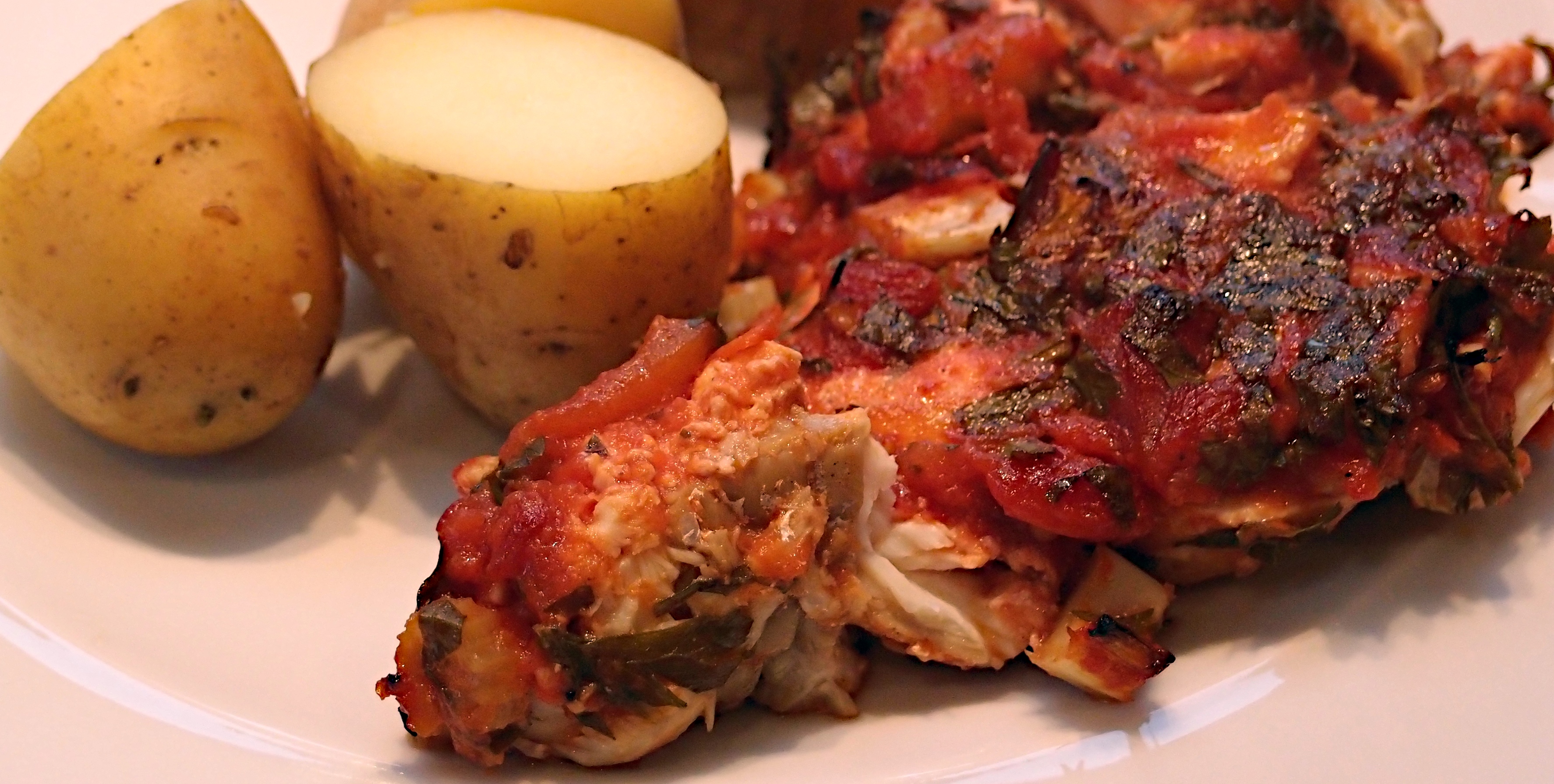
When we find recipes that do something a little differently and look like they work we have to give them a go. In this case Tessa Kiros suggested baking a firm white fish for one and a half hours which to our wisdom was too long to respect the fish flavours and texture but her enthusiasm and passion for the dish won out. The following recipe proved our preconceptions wrong and we had a delightful and flavoursome dish that proved a complete success. Definitely will be made again (and already has been :-))

Oven-baked fish with tomato & parsley (serves 4 )

  • 1 kg firm white fish fillets, skinned and cut into 6cm pieces
  • 400g tin tomatoes with juice
  • 15g (1/4 cup) chopped parsley
  • 4 large garlic cloves, finely chopped
  • 2 lemons, juiced
  • 2 celery stalks, very finely chopped with some leaves too if you like
  • 1 teaspoon sugar
  • 3 tablespoons olive oil

Preheat oven to 180C/160C fan/350F. Lay fish pieces in a single layer in a large flat oven dish. Mix together all the other ingredients and taste for seasoning. Pour over and cover fish pieces, shaking the dish to balance and equally distribute the juices. Cover with foil and bake for 30 minutes.

Remove foil and bake for another 40 to 50 minutes until the liquid has thickened and the top of the fish is golden. You will have to judge this according to your oven as you may have to raise the temperature or reduce the time if necessary. Try to let the dish remain somewhat juicy and not dry out but at the same time crisp the top a little.

Serve with boiled or steamed potatoes as we did to good effect, or a warm crusty bread would work well too.

Wine Suggestion: A slightly herbally and mineral white with a medium body and no overt oak. We drank a superb Friulano brought by our friend Enrico, Vignai da Duline Fiulano 2007,  which had a  great balance of medium weight but perfectly poised concentration and elegant complexity. A delight and superbly matched the food. We recommend you search out this gem (2100 bottles in 2007) as it truly represents the Friulano grape to it very best and has a taughtness and poise that lifts it above the crowd.
We had this dish as the main when we cooked the Saffron Penne –  a good pair.

Read Full Post »

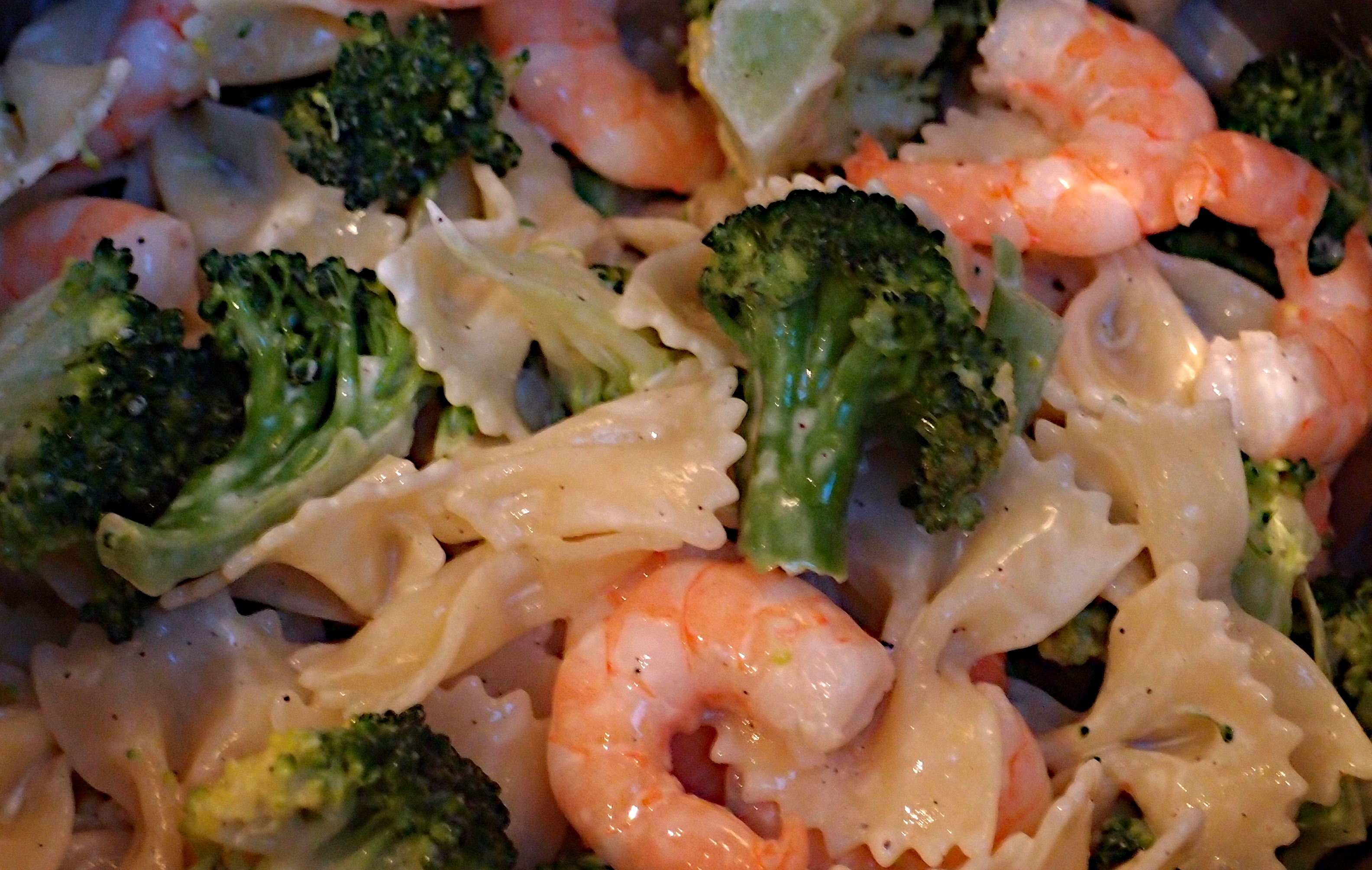
Easy-peasy and used up some prawns that had been in the freezer for nearly too long.

Lemony prawn pasta with broccoli – to serve 4

  • 300g farfalle pasta
  • 1 head of broccoli, cut into small florets
  • 200g large cooked prawns
  • 3 tbsp double cream
  • juice of 1/2 a lemon

Cook the pasta according to the instructions on the pack and scoop out and keep a bit of the cooking water near the end. Add the broccoli to the pasta pan 3 minutes before the end of the cooking time and cook for another 3 minutes. Drain and tip back into the pan.

Turn the heat down very low and add the prawns, cream, lemon juice and some seasoning. Add a bit of your pasta water if you need to thin the sauce a bit.

Healthy and low-fat dinner is served (the 3 tbsp of cream is divided between 4 people!!)

(Original recipe from BBC Good Food)

Read Full Post »

We have a tonne of recipe books, some we use all the time and some we use very seldom. For this reason we try to go to the shelves and deliberately choose something we haven’t cooked from for ages, or indeed never. This is how we ended up cooking this gammon dish, as Nigella Express has been neglected since well before Jono and Jules even met. Since 2007 to be precise when Jules cooked some cocktail sausages in honey, soy sauce and sesame oil and wrote “28.10.2007 Too sweet!!” beside the recipe. The comment beside this recipe is, “5.8.11 Really good!! Serve with new spuds + peas w/ Parmesan + cream” – which is much more positive and so we thought we would share it.

Nigella’s Gammon Steaks with Parsley – Serves 2

  • 2 tsp oil (Nigella suggests garlic oil but we didn’t have any and it didn’t seem to matter much)
  • 2 gammon steaks, around 200g each
  • 2 tbsp white wine vinegar
  • 4 tbsp water
  • lots of freshly ground pepper
  • 2 tsp honey
  • 4 tbsp parsley, roughly chopped

Heat the oil in a large, heavy-based frying pan and cook the gammon steaks for about 3 minutes on each side. Remove and keep warm.

Take the pan off the heat. Whisk the vinegar with the water, pepper and honey and throw into the hot pan along with most of the parsley. Stir to mix and make sure you scrape all the sticky bits of the bottom of the pan, then pour over the gammon steaks.

Sprinkle over the remaining parsley and serve.

P.S. Nigella suggest serving this with some frozen peas blended with a little Parmesan, pepper and Mascarpone. We blended ours with some Parmesan, pepper and double cream as that’s what we had.

(Original recipe from Nigella Lawson’s Nigella Express, published by Chatto and Windus.)

Wine Suggestion: Pick a lightly oaked and well balanced Chardonnay – you should get a wine with freshness and minerality as well as lovely ripe fruits and a good structure to hold it all together. If the wine is well made it won’t be too forceful rather it will have a structure to support and compliment the food. We drank the William Cole Columbine Reserve Chardonnay from Chile which went down a treat; really great value at €13.50 in Mitchells.

Read Full Post »

We ♥ Curry

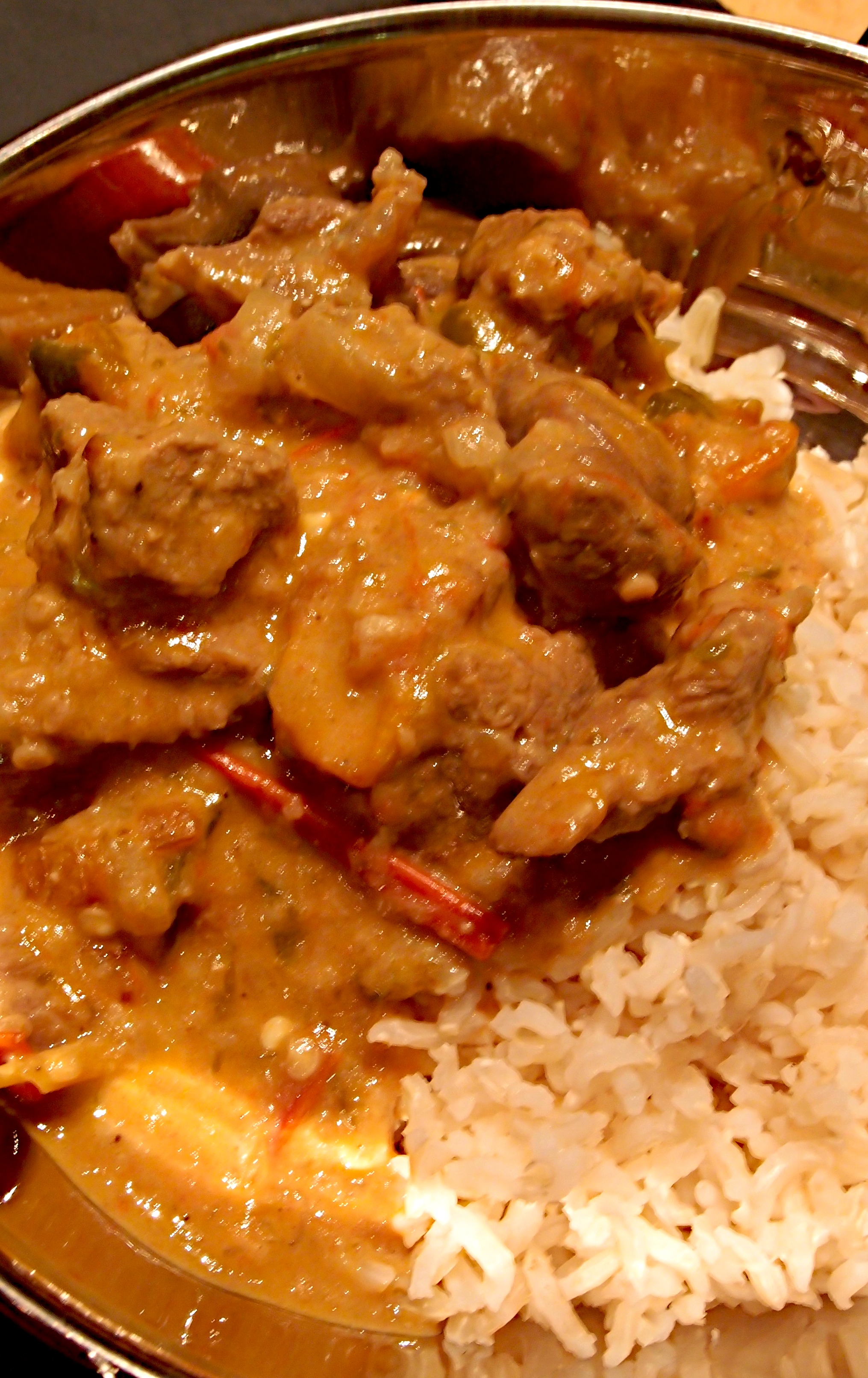
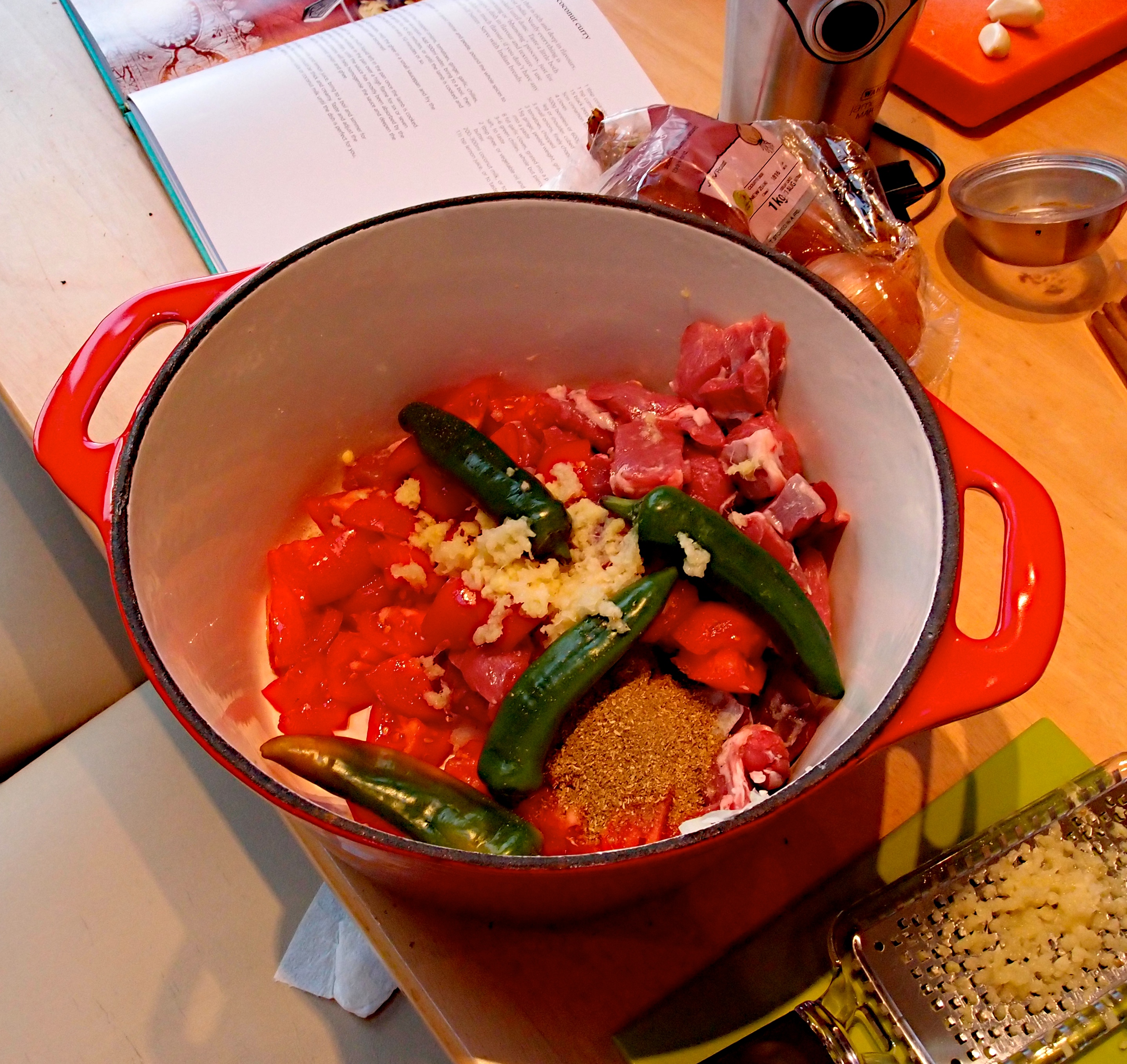
The best curry we’ve ever made by a mile! This was fabulous – so much lighter than takeaway and the lamb just melted. Our whole chillies kind of disintegrated into the sauce so prepare yourself for a good chilli kick. You can grind the whole spices in a mortar and pestle but we’ve invested in a little electric spice grinder which turns them into fine powder almost instantly. A microplane is the way forward for grating ginger and garlic. Two of our more successful kitchen gadgets!

Spicy lamb, tomato and coconut curry – to serve 4

  • 1tbsp coriander seeds
  • 1 tsp cumin seeds
  • 15 black peppercorns
  • 5cm cinnamon stick
  • 4 cloves
  • 500g boneless lamb shoulder, cubed
  • 3 small onions, finely chopped
  • 3 tomatoes, chopped
  • 15g ginger, peeled weight, grated to a paste
  • 8 fat garlic cloves, grated to a paste
  • 3-6 green chillies, whole but pierced
  • salt
  • 2 tbsp ghee, or you can use half butter and half vegetable oil
  • 200-300ml coconut milk, or to taste
  • 1 1/2 tsp lemon juice, or to taste
Use your spice grinder or mortar and pestle to pound the spices to a fine powder.

Put the lamb, 2 of the chopped onions, tomatoes, ginger, garlic, chillies, spices and salt in a large saucepan. Add 500ml water, bring to a boil, then cover and cook gently for 45-60 minutes, or until the lamb is cooked and soft. Give it a stir every 10 minutes or so.

After about 45 minutes, melt the ghee in a small saucepan and fry the remaining onion until well browned.

Once the lamb is cooked you need to cook off all the excess moisture over a high heat, stirring often, until almost all the sauce has been absorbed by the lamb. This is called bhunoing and helps deepen the flavours (try it before and after to see the difference it makes). Add the browned onion and ghee.

Pour in the coconut milk and lemon juice, bring to a boil and simmer for 5 minutes; the sauce should be thick and creamy. Taste and adjust the seasoning, and add lemon or coconut milk until it tastes amazing.

We served this with brown basmati rice.

(Original recipe from Anjum Anand’s I ♥ Curry, published by Quadrille)

Read Full Post »

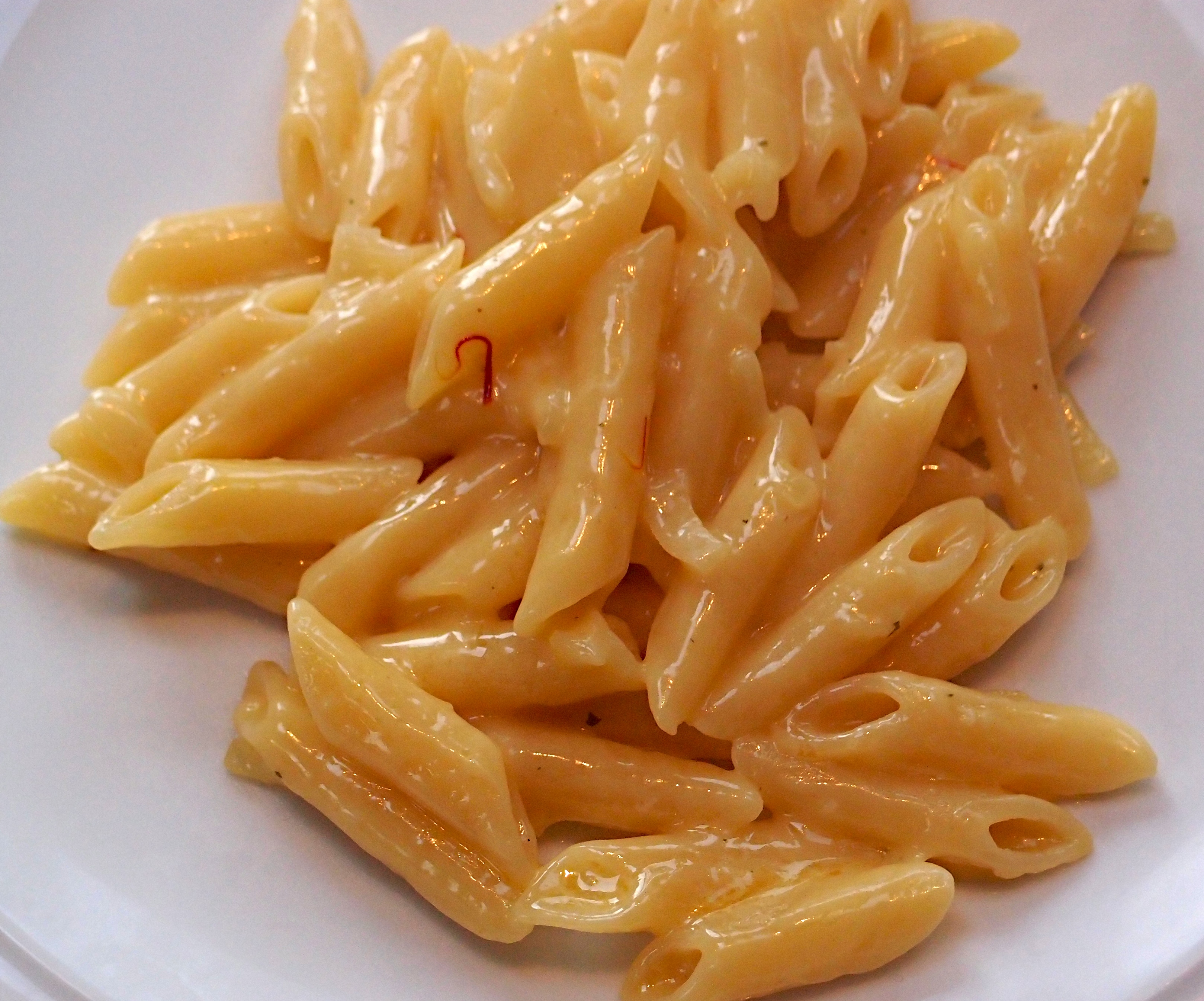
This is made just like a risotto, except you use penne pasta instead of rice. Sounds strange but apparently it’s quite common in the south of Italy, according to our Italian friend. The pasta ends up really soft instead of al dente like we’re all used to but it melts in the mouth and is not at all like over-cooked pasta. We served this as a dinner party starter and it was really simple to stir up while we all had an aperitif.

Penne Gialle (Penne with Saffron) – to serve 4 (or 6 as a starter)

  • about a litre of vegetable or meat stock
  • 40g butter
  • 1 tbsp olive oil
  • 1 onion, thinly sliced
  • 350g penne lisce (this is the smooth type but if you have ridged penne that will do)
  • pinch of saffron threads
  • 40g Parmesan cheese, grated
Bring the stock to the boil. Heat the butter and oil in a large saucepan, add the onion and cook over a low heat for about 5 minutes or until soft. Add the penne and stir until shiny and coated with fat. Add a ladleful of hot stock and stir until it has been absorbed. Continue adding stock, a ladle at a time, until the pasta  is completely cooked. Stir the saffron into the last ladleful of stock before adding it to the pan. Mix well until everything turns an even yellow colour. Remove from the heat and sprinkle with the Parmesan.
(Original recipe from The Silver Spoon Pasta published by Phaidon – we highly recommend it!)

Wine Suggestion: We had a Friulano from the north-east of Italy but any fresh Italian white with good roundness and medium body will do. Stay clear of Pinot Grigio as it doesn’t tend to taste of much.

Read Full Post »

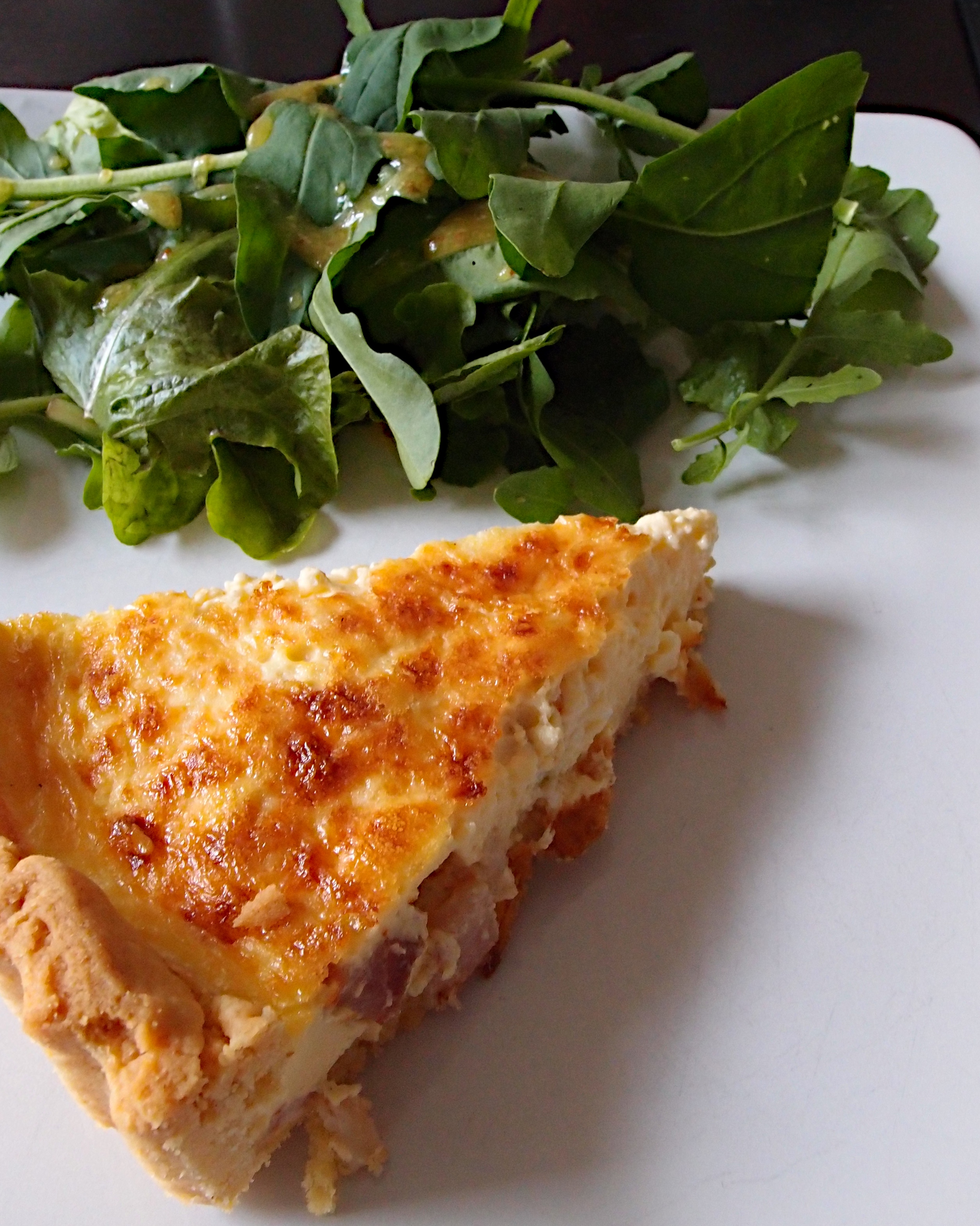
So good that our friend’s David & Nicola fed this to their two-year old son Theo and he had seconds! We had trouble with the pastry, but the humid day really didn’t help. If you’re having trouble put the pastry in the fridge after bringing it together in the food processor to keep it cold, it will really help.

We served this at a French-themed dinner party where everyone brought a course and a complimentary wine to go with it. There was Quiche Lorraine for starter, leg of lamb roasted with lots of garlic and served with dauphinoise potatoes, an apple tarte tatin and some French cheeses. We are now all on a diet!

Quiche Lorraine – cuts into 8 slices

For the pastry:

  • 175g plain flour
  • 100g cold butter, cut into pieces
  • 1 egg yolk
For the filling:
  • 200g pancetta, sliced into cubes
  • 50g Gruyère
  • 200ml carton crème fraîche
  • 200ml double cream
  • 3 eggs, well beaten
  • pinch ground nutmeg
  1. For the pastry, put the flour, butter, egg yolk and 4tsp cold water into a food processor. Use the pulse button to process until the mixture binds. Tip out onto a lightly floured surface, gather into a smooth ball, then roll out as thinly as you can. Line a 23 x 2.5cm loose-bottomed, fluted flan tin with the pastry. Trim the edges with scissors so it sits slightly above the tin – this way it will not shrink below the level of the tin (don’t throw the trimmings away yet). Press the pastry into the flutes, lightly prick the base with a fork, then chill for 10 minutes. Put a baking sheet in the oven and heat oven to 200C/fan 189C/gas 6.
  2. Line the pastry case with foil, shiny side down, fill with dry beans and bake on the hot baking sheet for 15 minutes. Remove the foil and beans and bake for another 4-5 minutes until the pastry is pale golden. If there are any small cracks or holes use your pastry trimmings to patch them. This part can be done the day before.
  3. Heat a small frying pan and fry the pancetta for a couple of minutes. Drain off any liquid, then continue cooking until they start to colour, but aren’t crisp. Remove and drain on paper towels. Cut three quarters of the cheese into small dice and finely grate the rest. Scatter the diced cheese and pancetta over the bottom of the pastry case.
  4. Using a spoon, beat the crème fraîche to slacken it then slowly beat in the double cream. Mix in the beaten eggs. Season, but go easy on the salt, and add nutmeg. Pour three-quarters of the filling into the pastry case.
  5. Half-pull the oven shelf out and put the tin on the baking sheet. Quickly pour the rest of the mixture into the case – so you get it right up to the top. Scatter the grated cheese over the top, then carefully push the shelf back in. Lower the oven to 190C/fan 170C/gas 5. Bake for about 25 minutes, or until golden and softly set (the centre doesn’t need to be too firm). Let it settle for 4-5 minutes before removing from the tin.
Wine Suggestion: it is quite hard to match egg dishes with wine, but the addition of the cream, crème fraîche and pancetta helps. You need to balance the saltiness from the pancetta and the creamy and rich filling; so a white from Alsace with a touch of sweetness balanced by fresh acidity is a good match. We had a Clos Saint Landelin Grand Cru Vendange Tardive Riesling from 2001 – this is a late harvest wine that in most years is very sweet, but in 2001 had great fruit but ended up being just off-dry. With a beautiful balance of acidity and a mellowness from 10 years of age this worked a real treat and had layers of flavours that complimented the quiche superbly.
(Original recipe from BBC Good Food)

Read Full Post »

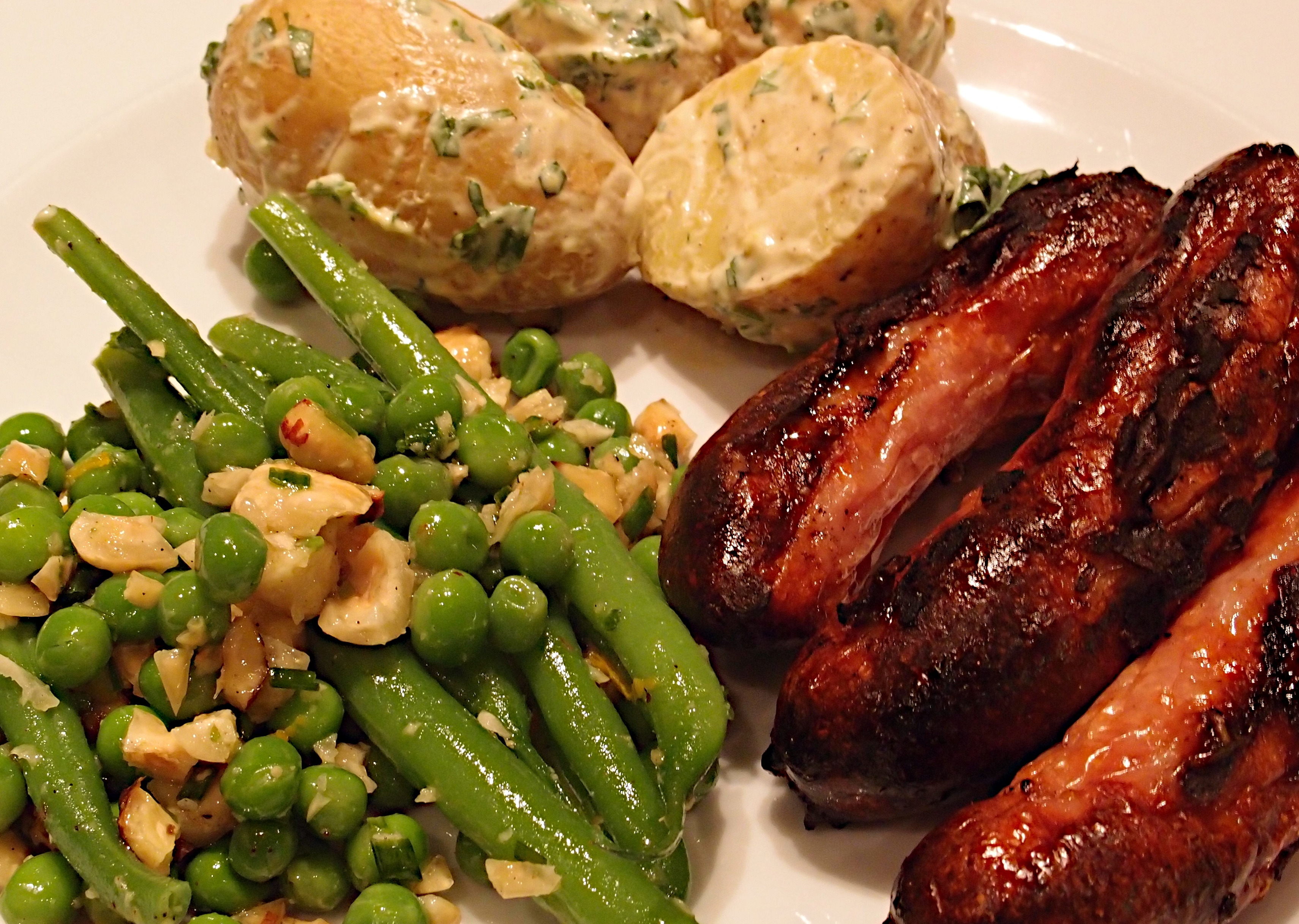
Potato salad is one of those recipes that needs a friend. We’ve paired this really well: some barbequed sausages and a bean salad with some hazelnuts – it worked superbly. This is a light version – not too heavy on the mayo.

Potato salad with yogurt dijon dressing  – serves 8

  • 1 kg small new potatoes
  • 2 tbsp natural yogurt
  • 1 tbsp mayo
  • 1 tbsp Dijon mustard
  • some finely chopped parsley

Cook the potatoes in boiling water until cooked but still firm and not falling apart – around 10 minutes. Drain and leave to cool.

Mix together the yogurt, mayo, mustard and parsley (reserving a little parsley to serve).

Toss the cooled potatoes with the yogurt mixture and some seasoning, sprinkle over the rest of the parsley.

(Original recipe from BBC Good Food)

Read Full Post »

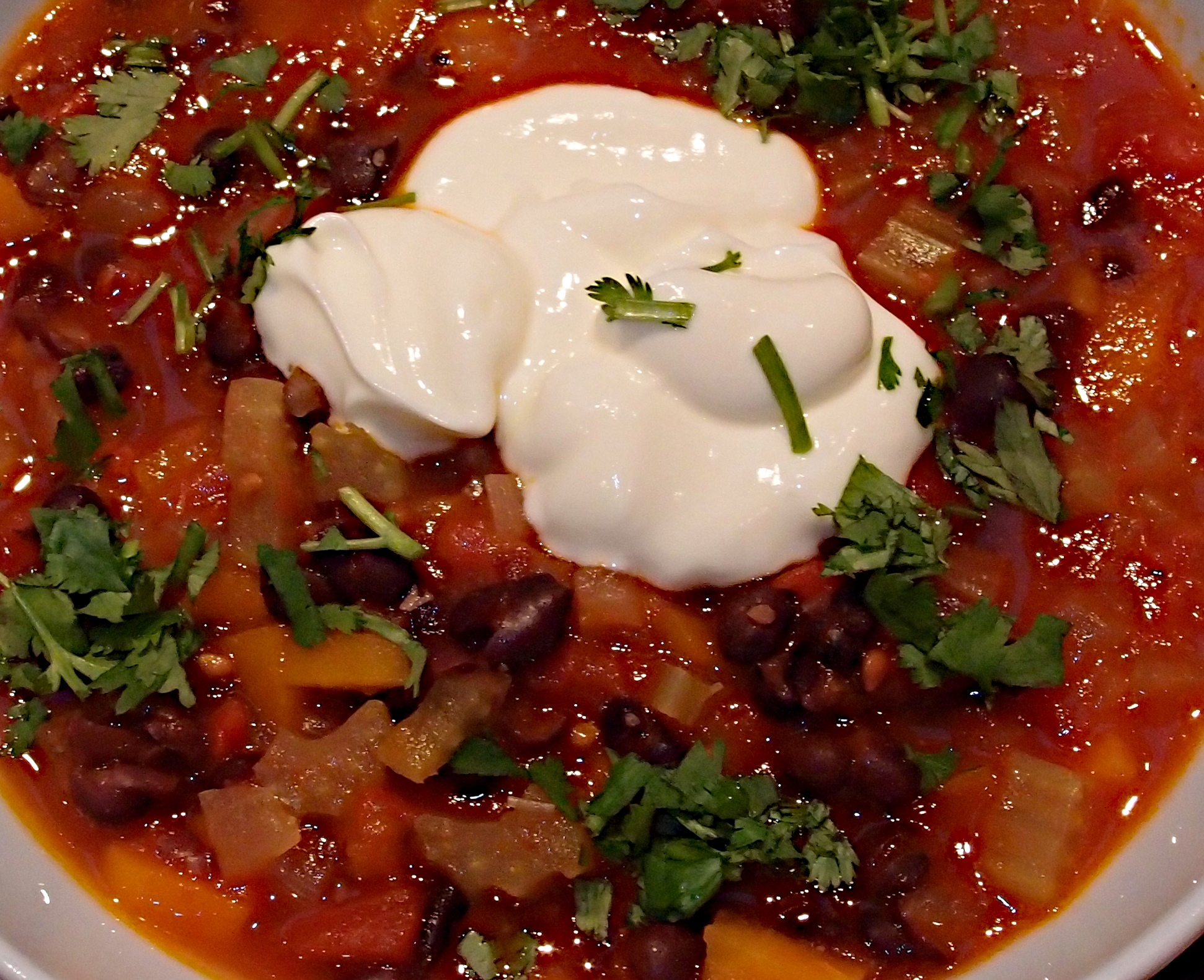
Easy, tasty, low-fat, cheap, hearty… need we say more? We had carrots and celery that needed used so we added more than the recipe suggests – it was a good idea!

Black bean and chilli soup – to serve 2 

  • 1 onion chopped
  • 2 sticks celery, sliced
  • 1 carrot, diced small
  • olive oil
  • a pinch of chilli flakes
  • 1/2 tsp ground cumin
  • 400g tin of chopped tomatoes
  • 400ml vegetable stock
  • 400g tin of black beans, rinsed and drained
  • 150ml natural yogurt
  • a small bunch of coriander, chopped
Cook onion, celery and carrot in 1 tbsp olive oil until softened. Add the chilli flakes and cumin and cook for another minute. Add the tomatoes, stock and beans and simmer for about half an hour, or until the veg is soft. Serve with a dollop of yogurt and some coriander on top.

(Original recipe from BBC Good Food)

Read Full Post »

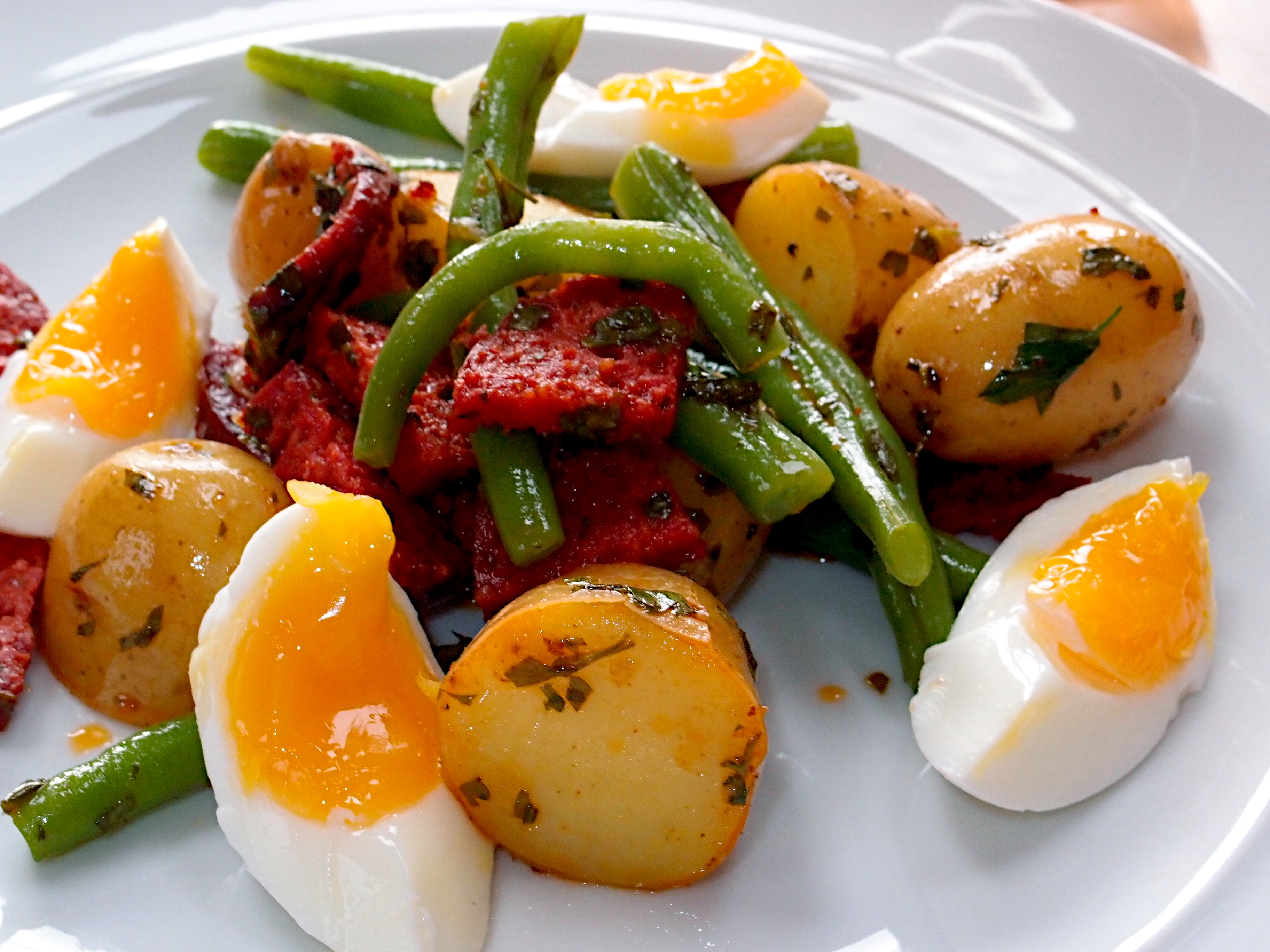
Oh so tasty and perfect for a weeknight or even weekend brunch/lunch. If you’ve been watching Rick Stein’s Spain on the tv you will have heard him rave about Sherry vinegar – really worth having in the cupboard as you can use if in lots of dishes.

Chorizo & soft egg salad – to serve 4 (or halve for 2)

  • 500g baby new potatoes, halved
  • 4 eggs
  • 225g green beans, trimmed
  • 225g chorizo, sliced
  • 1 garlic clove, sliced
  • 2 tbsp Sherry vinegar
  • 2 tbsp chopped parsley
  1. Cook the potatoes in boiling salted water for 12 minutes, adding the eggs after 6 minutes, and the beans for the final 2 minutes. Drain and cool the eggs under cold running water.
  2. Meanwhile fry chorizo for a minute or two, until starting to crisp. Remove with a slotted spoon and set aside, leaving the oil in the pan. Add the garlic to the chorizo oil and cook gently for 1 minute.
  3. Take the pan off the heat, stir in the vinegar and parsley, then toss with the potatoes, beans, chorizo and some seasoning. Shell the eggs, cut into quarters and add to the salad.
(Original recipe from BBC Good Food)

Read Full Post »

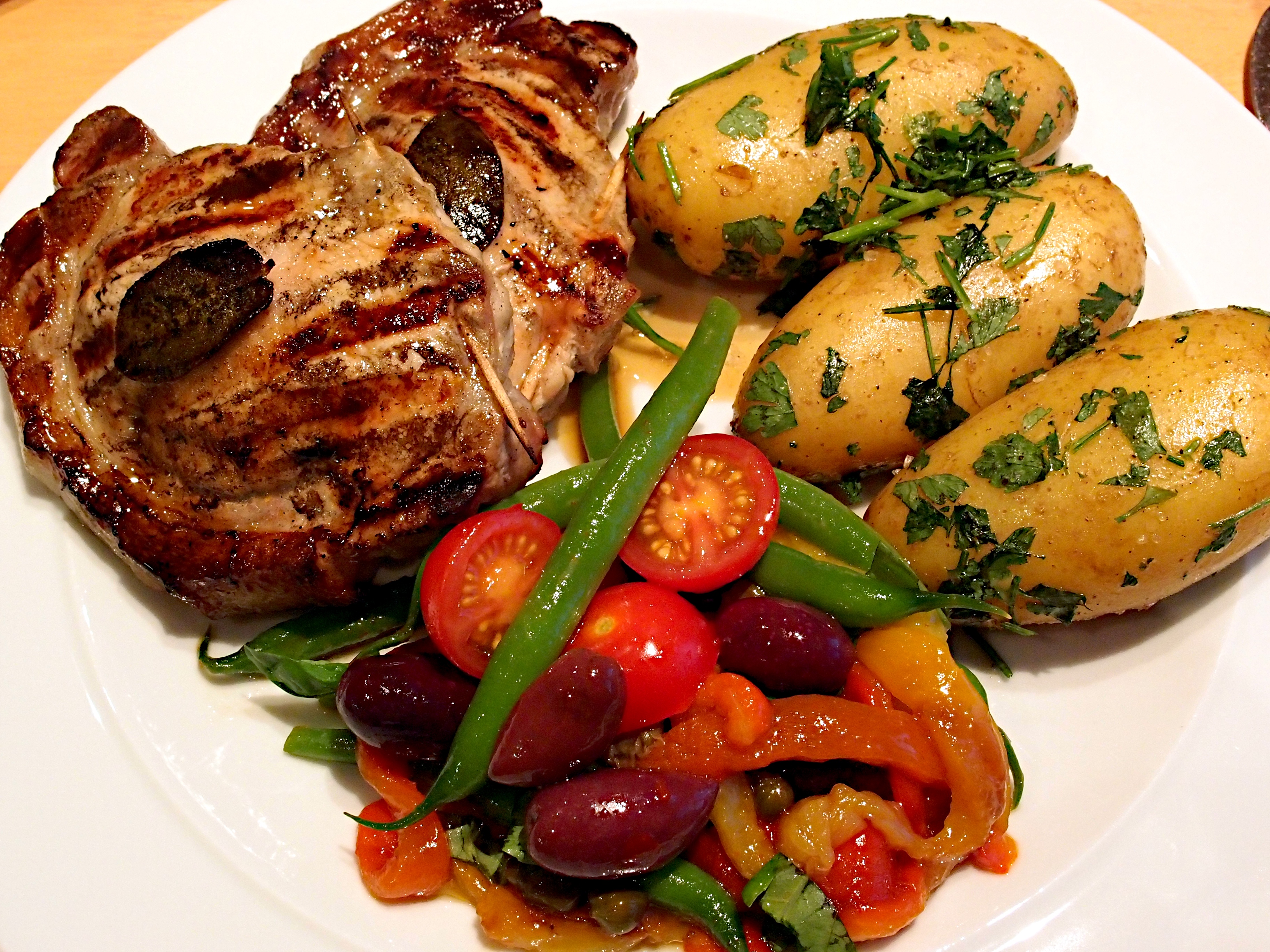
Something a little different for the barbecue (and if it rains it can be cooked in the oven). The bean and olive salad is also delicious. We like this because it can serve up to eight people  but can also be easily adapted for two (or as many as you like). You can also assemble the pork up to a day in advance and keep it in the fridge.  A few new spuds on the side are the perfect accompaniment.

Stuffed pork medallions – to serve 8 (we successfully quartered to serve 2)

  • 16 boneless pork loin steaks
  • large bunch sage, leaves picked (about 32 leaves)
  • 125g ball mozzarella, sliced into 16 pieces
  • 2 lemons, halved
  • cocktail sticks.
Put the pork on a board and make a deep pocket in the side using the tip of a knife, without cutting all the way through. Wiggle the knife around so the pocket is bigger than the opening. Stuff the pockets with a bit of cheese and a sage leaf. Close the opening by threading a cocktail stick through. Press another sage leaf on top of each medallion. Squeeze over juice from one of the lemon halves. You can make these up to a day ahead and keep them in the fridge.

Drizzle the medallions with a little bit of oil and barbecue for 4 minutes on each side (starting with the sage-leaf side down). While they are cooking, barbecue the lemon halves, cut side down, until charred, for squeezing over at the end. Season and serve.

If all else fails you can griddle the medallions in batches on a griddle pan, then transfer to a hot baking tray in the oven to finish cooking (160C/140C fan/gas 3).

(Original recipe from BBC Good Food)

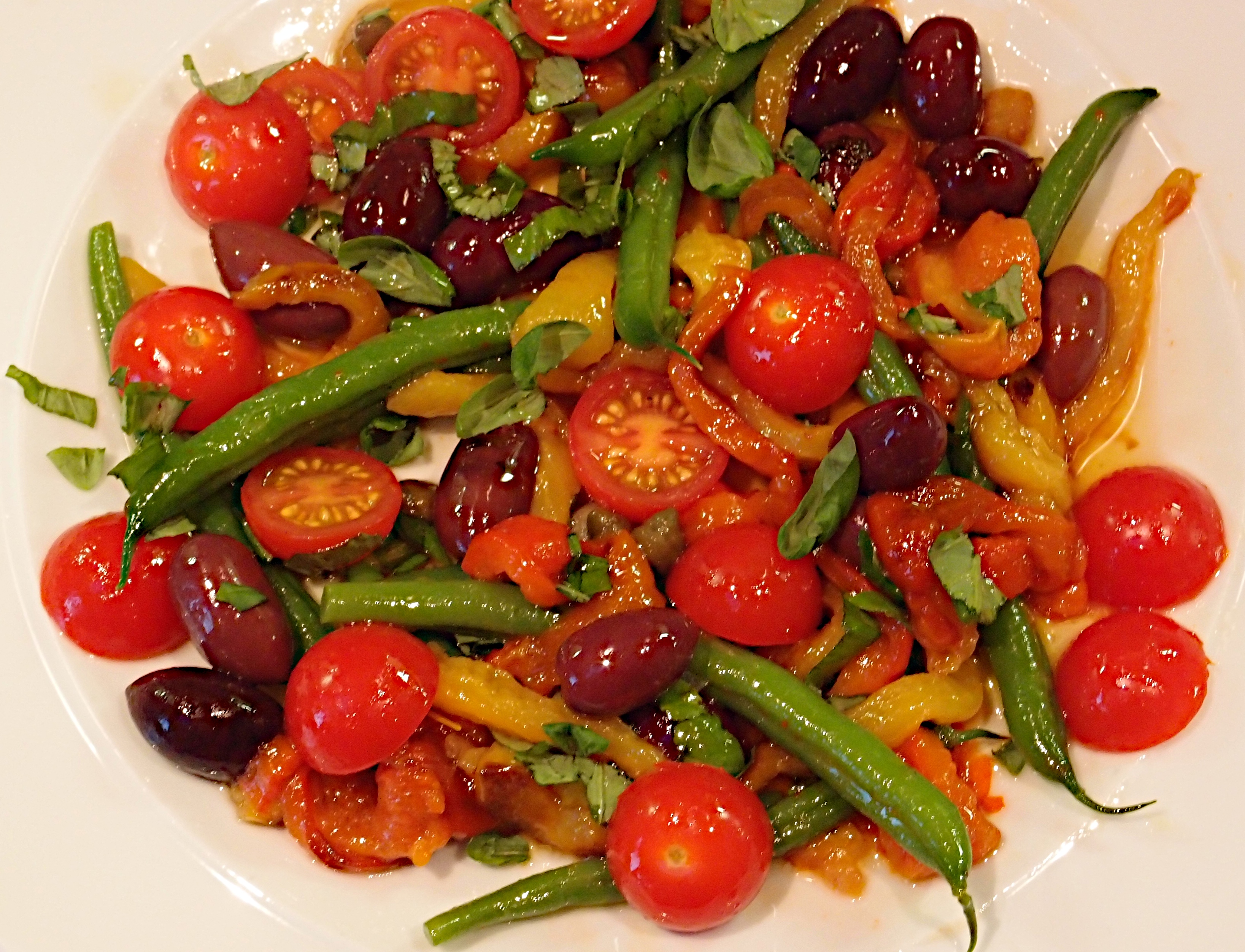
Bean & olive salad – also to serve 8 but make less if you’re not that many!

  • 2 yellow peppers
  • 2 red peppers
  • 300g green beans
  • 300g cherry tomatoes, halved
  • 1 tbsp small capers
  • 2 handfuls of black olives, stoned (or not if you can’t be bothered)
  • 4 tbsp olive oil
  • 1 tbsp red wine vinegar
  • large bunch basil, leaves picked, large ones shredded, small ones left whole
Blacken the peppers using a gas flame, barbecue or hot grill. Put them in a bowl and cover with cling film. When they are cool, peel, deseed and cut them into strips, keeping any juices.

Cook the beans in boiling salted water until crunch but not squeaky, then drain and put in ice water to stop them cooking further. Toss everything together, adding the shredded basil at the last minute and scatter over the small leaves to finish.

(Original recipe from BBC Good Food)

Read Full Post »

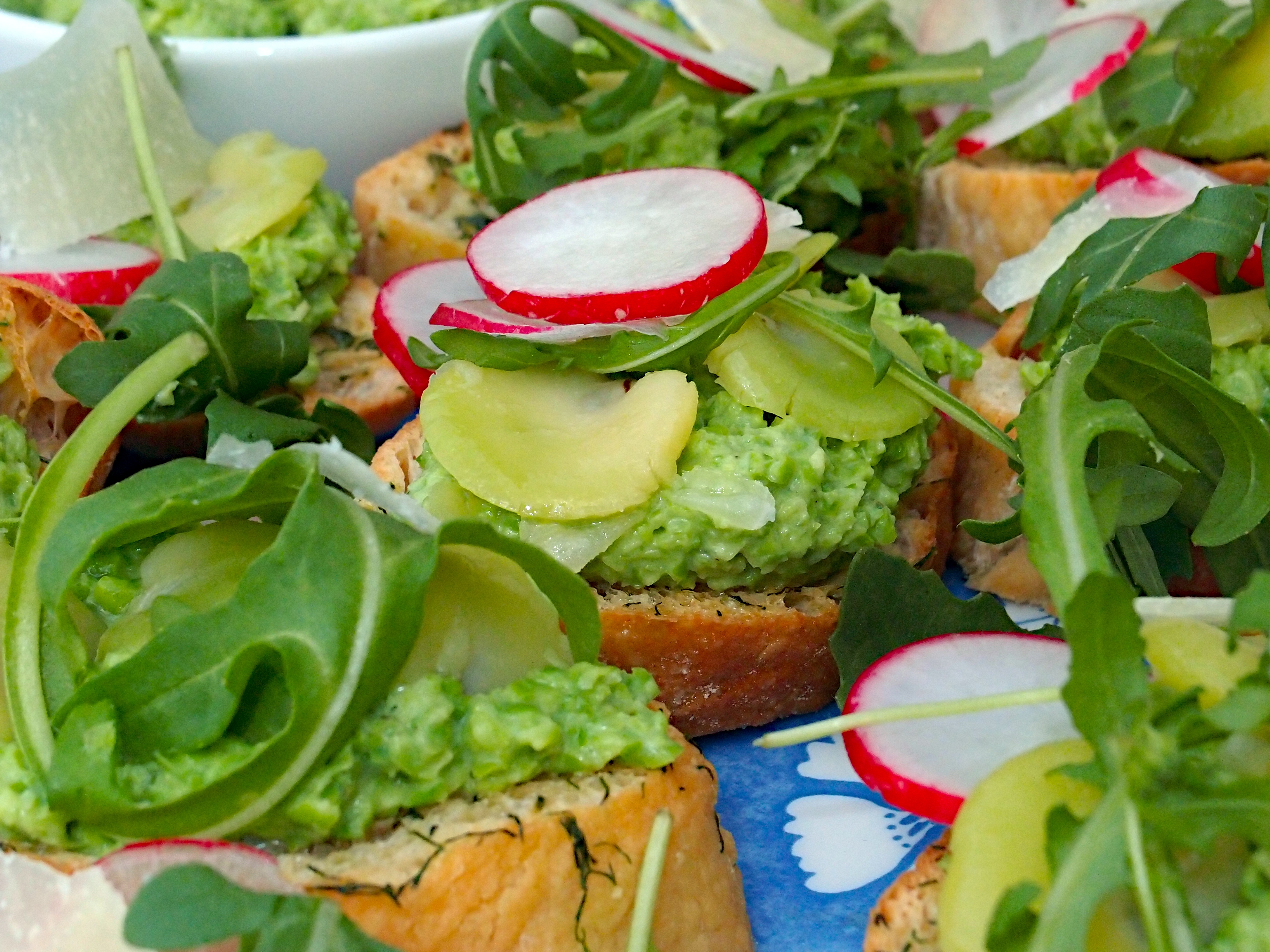
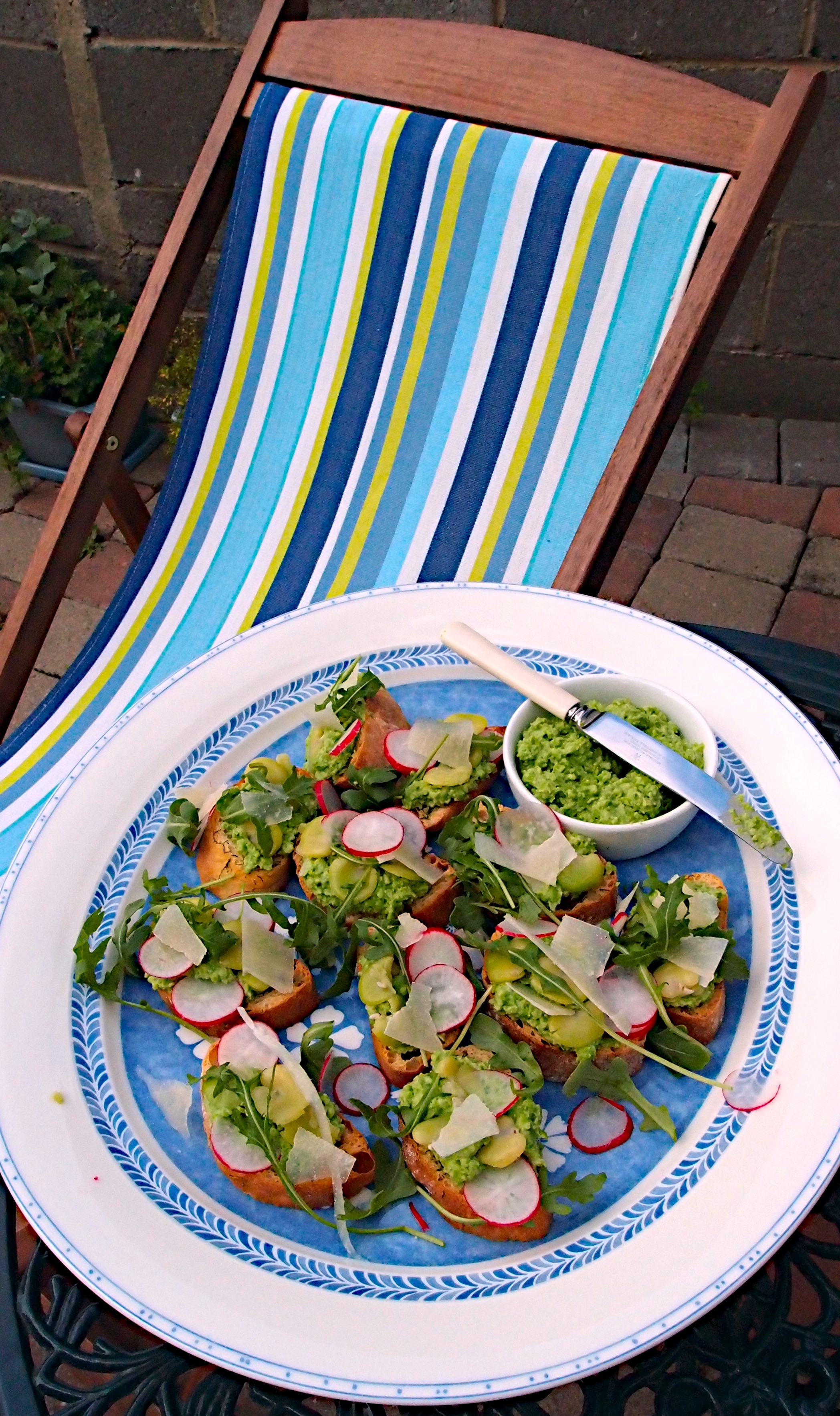
We will definitely do this recipe again; the flavours burst in your mouth and taste so summery. Our inspiration was our friend Carol who had some pea puree with radishes at a lovely Sunday lunch recently and Sheila from Gimmetherecipe posted a similar recipe and reminded us to try it. Such an easy summer starter.

Crostini with pea purée rocket & broad beans – to serve 6

  • 200g double-podded broad beans
  • 400g frozen peas
  • 85g butter
  • 100g natural yogurt
  • leaves from a small bunch of mint
  • 1 ciabatta, sliced
  • 1 small bunch dill, chopped
  • couple handfuls of rocket
  • 140g radishes, thinly sliced
  • 85g pecorino cheese
  • extra virgin olive oil, to drizzle
  1. Cook the broad beans for 4 minutes until just tender. Drain, , cool under cold running water, then drain and set aside. In the same pan, fry the peas in half the butter until just cooked. Allow to cool, the blitz in the food processor (or use a hand blender) with the yogurt, mint and seasoning.
  2. Heat the oven to 180C/160C fan/gas 4. Melt the rest of the butter in a small pan, stir in the dill, then brush over the ciabatta slices. Bake for 10-12 minutes until crisp and golden.
  3. Spread some pea purée onto each slice, top with rocket, broad beans and radishes. Shave some pecorino over the top. Drizzle with oil before serving.
(Original recipe from BBC Good Food)


Read Full Post »

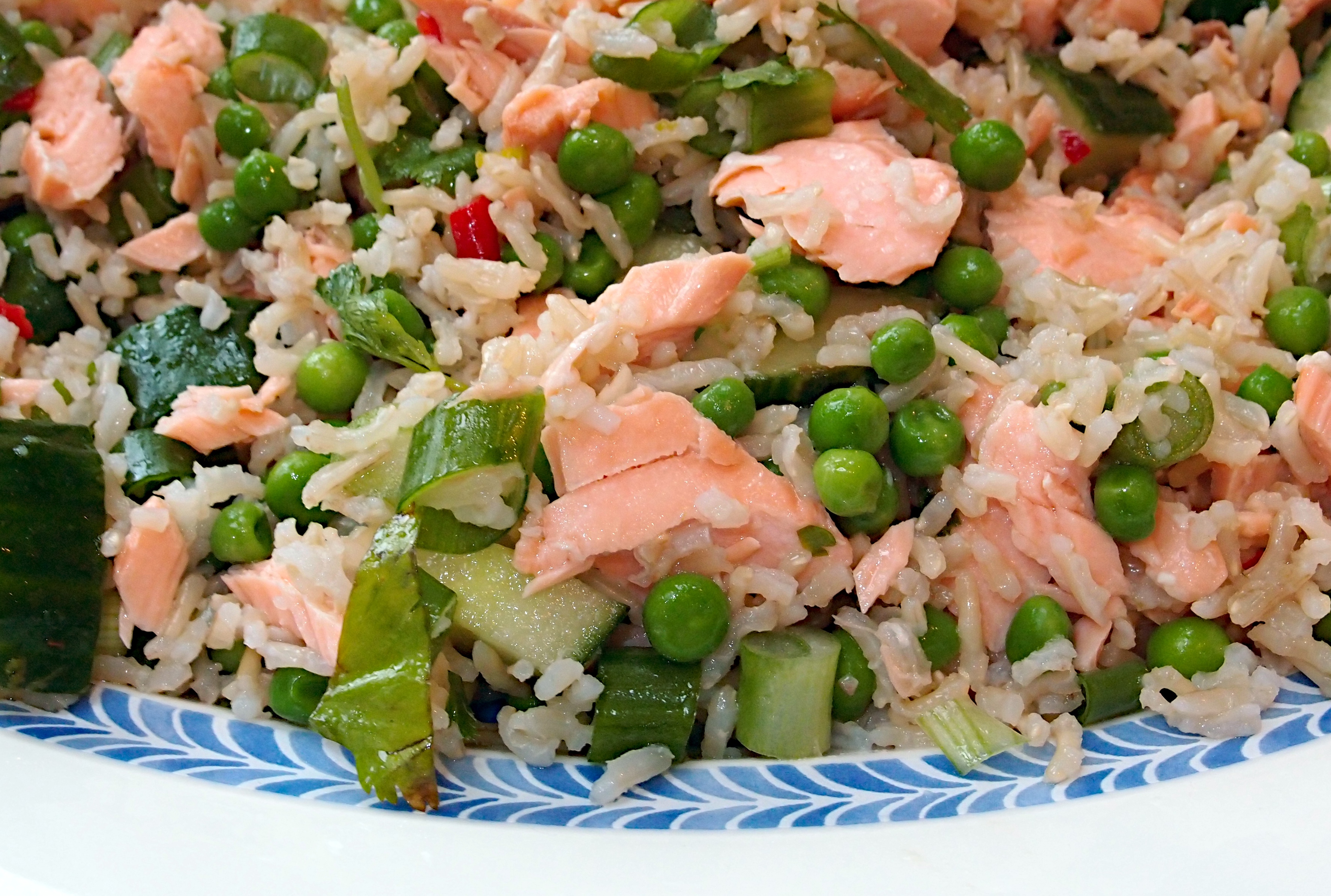
We made this salad because we were trying to use up some brown basmati we’ve had sitting around in the cupboard. The flavour and texture combination turned out even better than expected and it was just as delicious for dinner as well as the next day for lunch. Fresh and light and yet filling and very satisfying. Definitely will be done again.

We reckon this would be a fabulous as part of a buffet; easy to prepare in advance and bursting with colours and flavour.

Don’t be put off by microwaving the salmon – it really does work a treat!

Zingy salmon & brown rice salad (serves 4)

  • 200g brown basmati rice
  • 200g frozen soya beans, defrosted (we used peas because we couldn’t find he soya beans)
  • 2 salmon fillets, skin on
  • 1 cucumber , diced
  • small bunch spring onions , sliced
  • small bunch coriander , roughly chopped
  • zest and juice 1 lime
  • 1 red chilli , diced, deseeded if you like
  • 4 tsp light soy sauce
  1. Cook the rice following pack instructions and 3 mins before it’s done, add the soya beans. Drain and cool under cold running water.
  2. Meanwhile, put the salmon on a plate and microwave on high for 3 mins. Allow to cool slightly, remove the skin with a fork, then flake.
  3. Gently fold the cucumber, spring onions, coriander and salmon into the rice and beans. In a separate bowl, mix the lime zest and juice, chilli and soy, then pour over the rice before serving.
Original recipe BBC Good Food

Read Full Post »

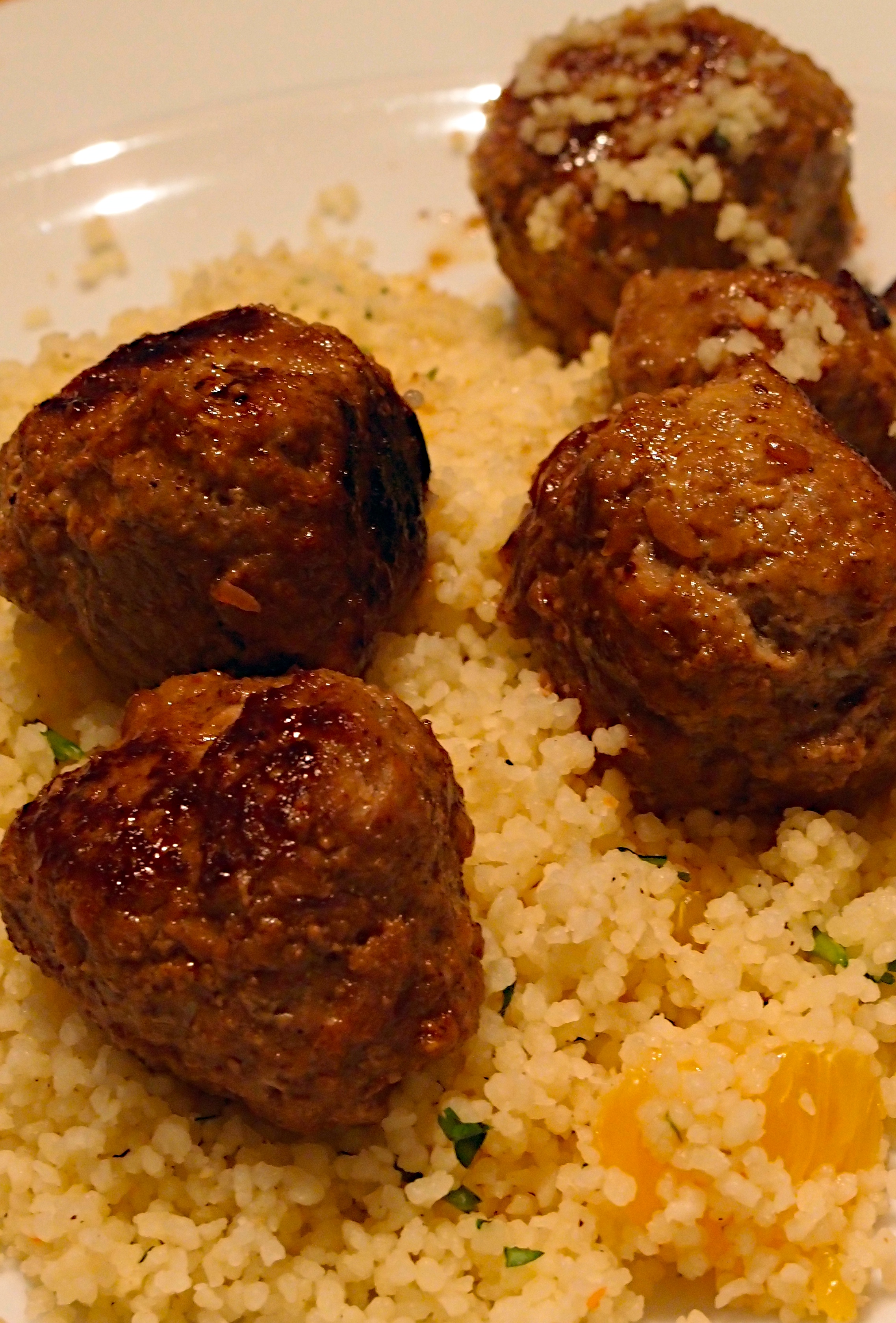
A dish that is super-healthy and easy to cook makes this a great weeknight dinner and lunch (if you make too much the night before). It’s a tiny bit dry on it’s own even with the juicy orange in the couscous so we recommend you serve some Tzatziki on the side – even though that’s Greek. The Moroccans will forgive us.
Serves 4

  • 500g turkey mince (they have it in Tesco)
  • 2 tsp each chilli powder, ground cumin and ground coriander
  • 1 tsp cinnamon
  • 1 onion, coarsely grated
  • zest 1 orange, then peeled and orange segments chopped
  • 250g coucous
  • 250ml hot chicken stock
  • 2 tsp olive oil
  • small bunch coriander, roughly chopped
  1. Mix the mince, spices, onion and orange zest together in a big bowl with your hands. Roll the mixture into about 20 walnut-sized meatballs.
  2. Put the couscous in a bowl, pour in the hot stock, cover with cling film and leave to stand for 10 minutes.
  3. Heat the olive oil in a frying pan. Add the meatballs and fry for about 12 minutes until nice and brown all over and cooked through.
  4. Fluff the couscous up with a fork, stir in the chopped orange, coriander and some seasoning. Serve with the meatballs and some tzatziki.

Read Full Post »

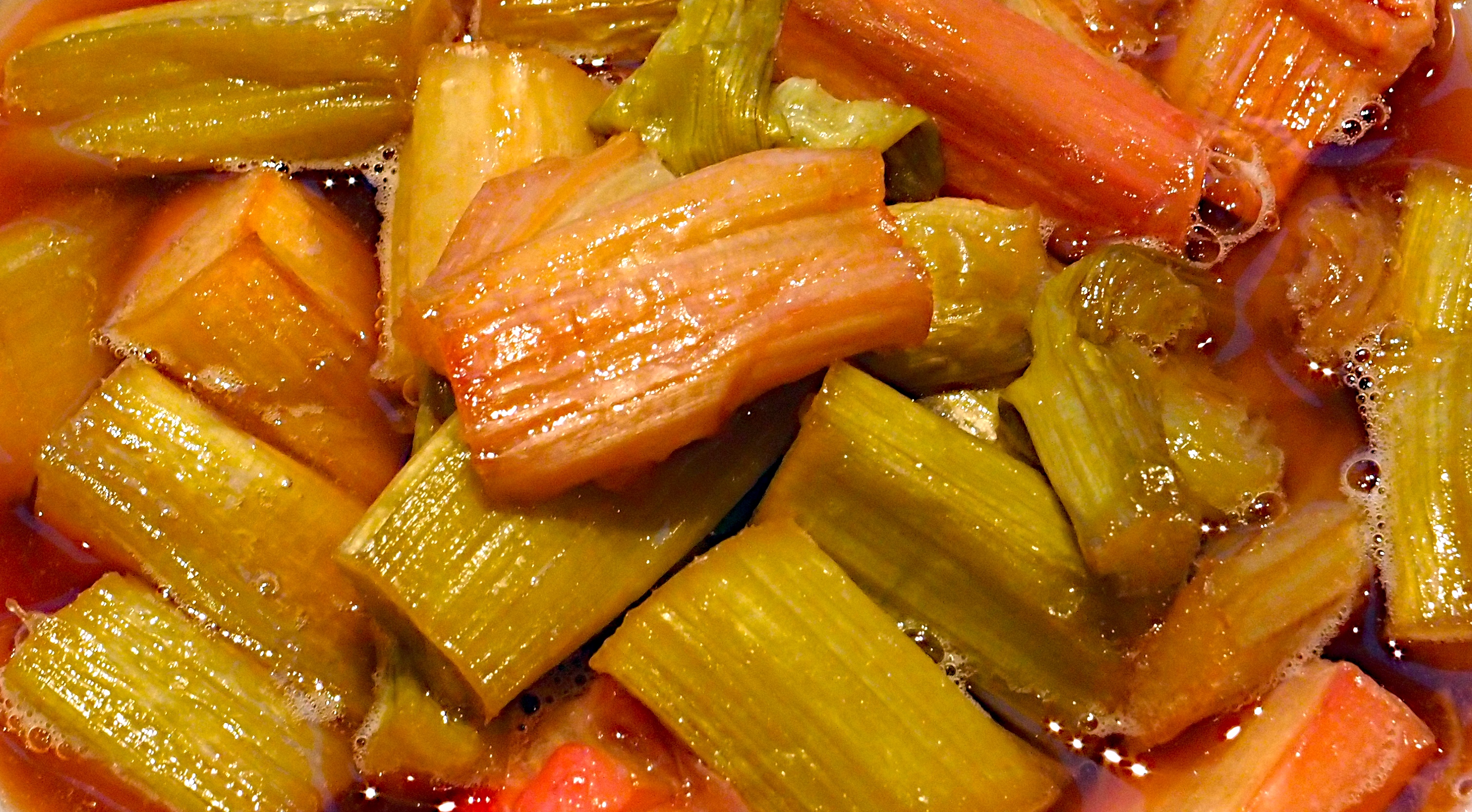
Really interesting flavours that celebrate each component: sloes, gin and rhubarb. Great served chilled with plain yogurt or muesli for your morning breakfast – the alcohol burns off in the oven. If you haven’t got any sloe gin we’re definitely not suggesting you go looking for some just for this recipe. On the other hand if  you happen to have some lying around, then it’s definitely worth trying.

Nigel Slater’s Sloe Rhubarb – to serve 4

  • 750g rhubarb
  • 100g sugar
  • 120ml sloe gin
  • 2 tbsp water
Heat the oven at 160°C/Gas 3. Cut the rhubarb into short sticks. Put it into a glass, stainless steal or china dish (not aluminium, as it will taint the rhubarb).

Stir the sugar, sloe gin and water together and pour over the rhubarb. Bake for 40 minutes to an hour – if the rhubarb is tough it will take the full hour to soften. Keep and eye on it and baste now and then.

When the rhubarb is tender, remove it from the oven and leave to cool. Can be served warm but we liked it chilled.

(Original recipe from Tender – Volume 2 by Nigel Slater)

Read Full Post »

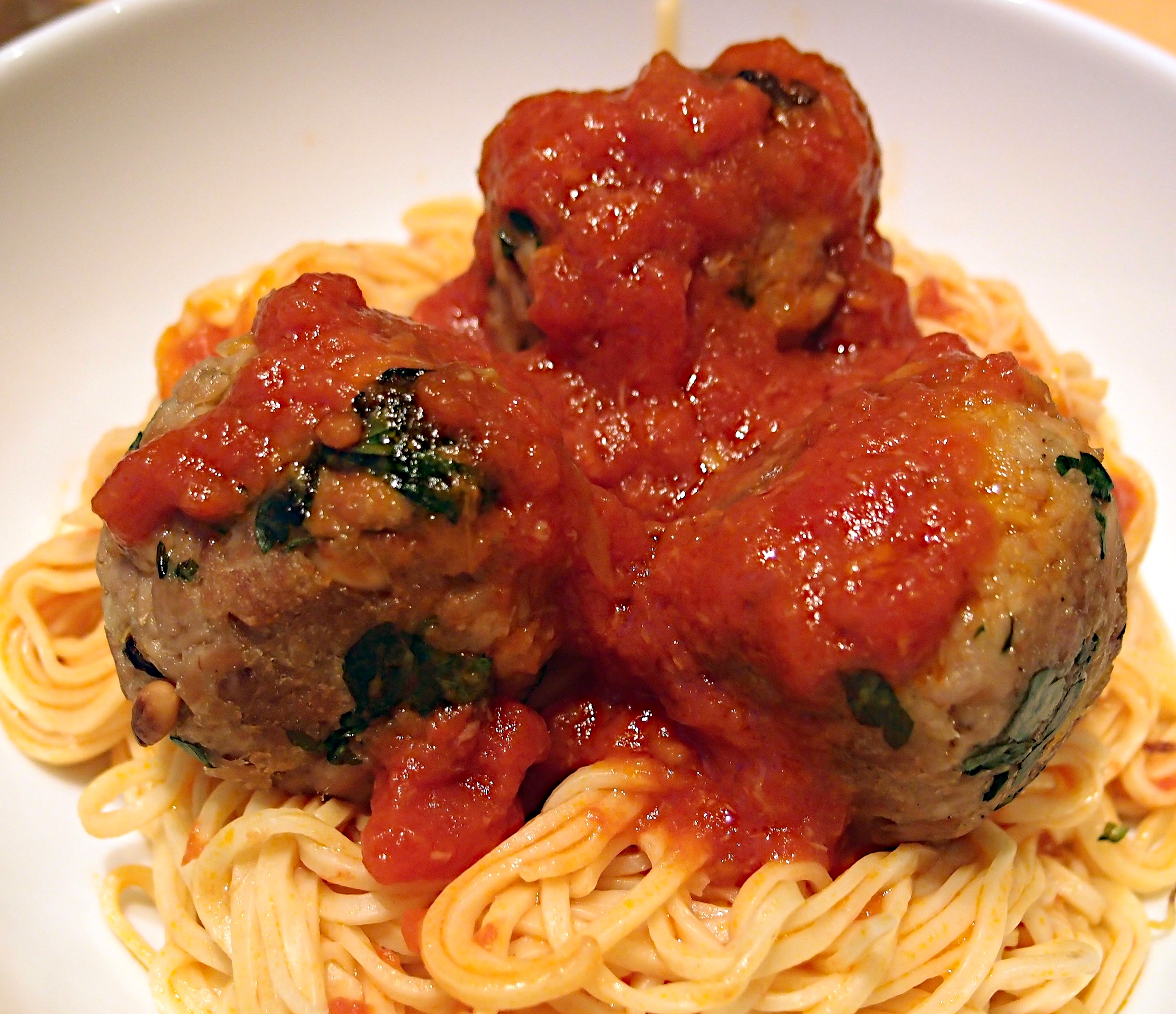
Well this was a pleasant surprise! We only made it cause it was super cheap and low fat but we will definitely be doing it again. This costs less than €2 a head and it is gorgeous! We don’t buy tomato pasta sauce because this one is so fabulous, super cheap, easy and freezes. We usually have some pasta dough in the freezer that needs used too so the picture has fresh tagliarini – so for us it cost the price of a tin of tuna.  Still  we don’t think you’ll be disappointed if you use shop bought sauce and dried spaghetti either.

Italian Tuna Balls – to serve 4  (easy to double or halve)

  • 2 x 160g cans tuna in oil, drained (reserve a bit of the oil)
  • small handful pine nuts
  • finely grated zest 1 lemon
  • small handful parsley, roughly chopped
  • 50g fresh breadcrumbs
  • 1 egg, beaten
  • 400g spaghetti
  • 500g jar tomato pasta sauce

Flake the tuna into a bowl, then add the pine nuts, lemon zest, parsley, breadcrumbs and egg. Season and mix with your hands until really well combined. Roll the mix into 12 walnut-size balls. Put a large saucepan of water on to boil, then cook the spaghetti according to the pack.

Heat a little of the tuna oil in a large non-stick frying pan, then fry the tuna balls for 5 minutes or until completely golden all over. Drain on kitchen paper. Heat the tomato sauce, then toss with the pasta and tuna balls.

(Original recipe from BBC Good Food)

Read Full Post »

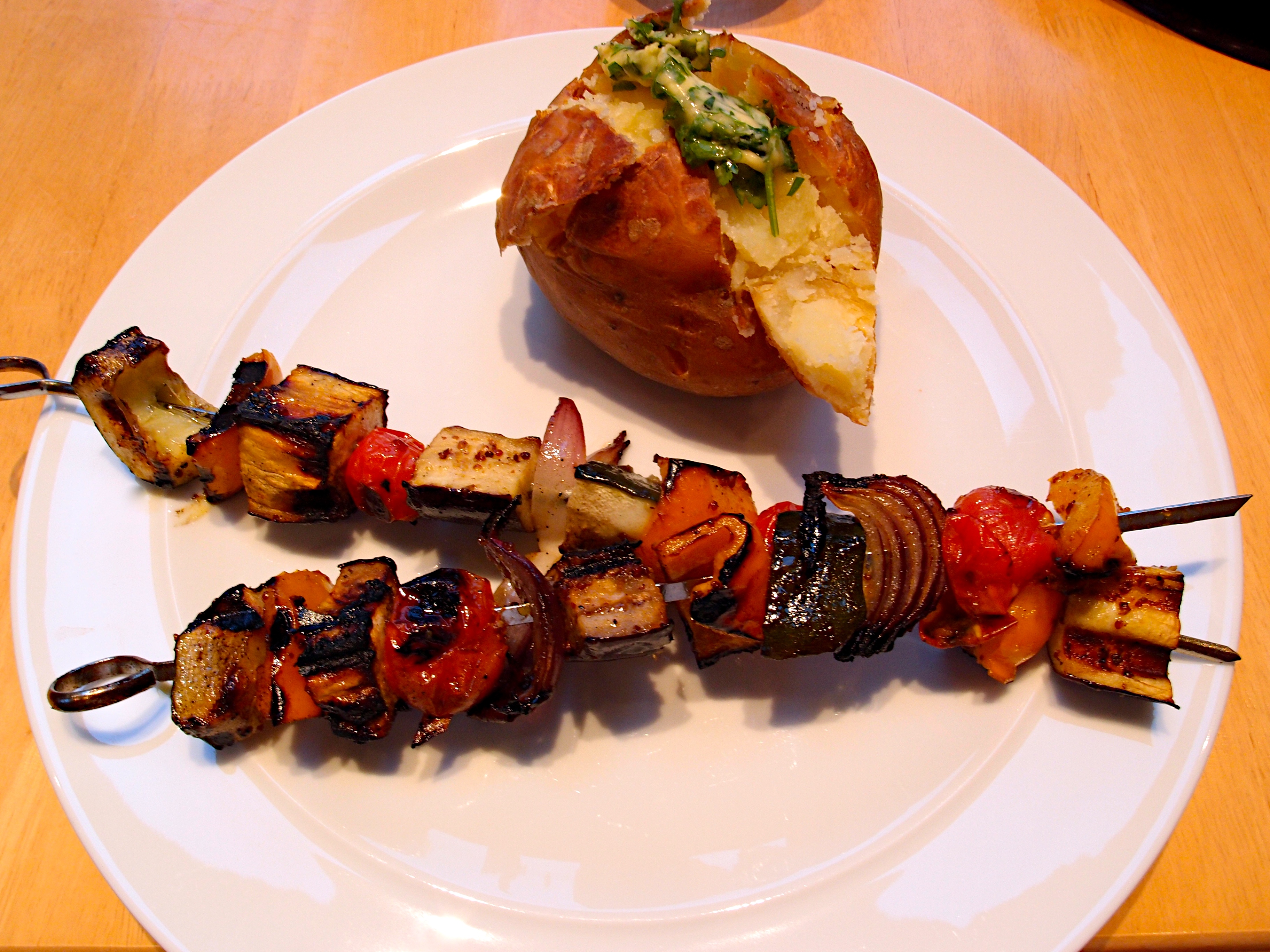
This is a veggie version of our Easy BBQ Kebabs and this time we made our own honey-mustard marinade. Another convenience item that we won’t be buying again as it’s just so simple to make (and we always have honey and mustard in the cupboard). These should keep your veggie friends happy or you can serve them as a side dish for the carnivores. We had them with baked potatoes and parsley butter as there was leftover parsley in the fridge. Very yummy indeed.

Veggie kebabs to serve 4

  • 2 tbsp clear honey
  • 2 tsp grainy mustard
  • 4 tbsp oil
  • 2 courgettes, thickly sliced
  • 1 aubergine, cut into chunks
  • 1 red onion, cut into thin wedges
  • 12 cherry tomatoes
  • 1 orange pepper, cut into chunks
If you only have wooden skewers you need to soak them for about 30 minutes or they will burn on the barbecue. We like metal ones.

Blend the honey, mustard and oil with seasoning.

Thread the vegetables onto the skewers and brush with the glaze.

Cook for 20-30 minutes on the barbecue.

(Original recipe from BBC Good Food)

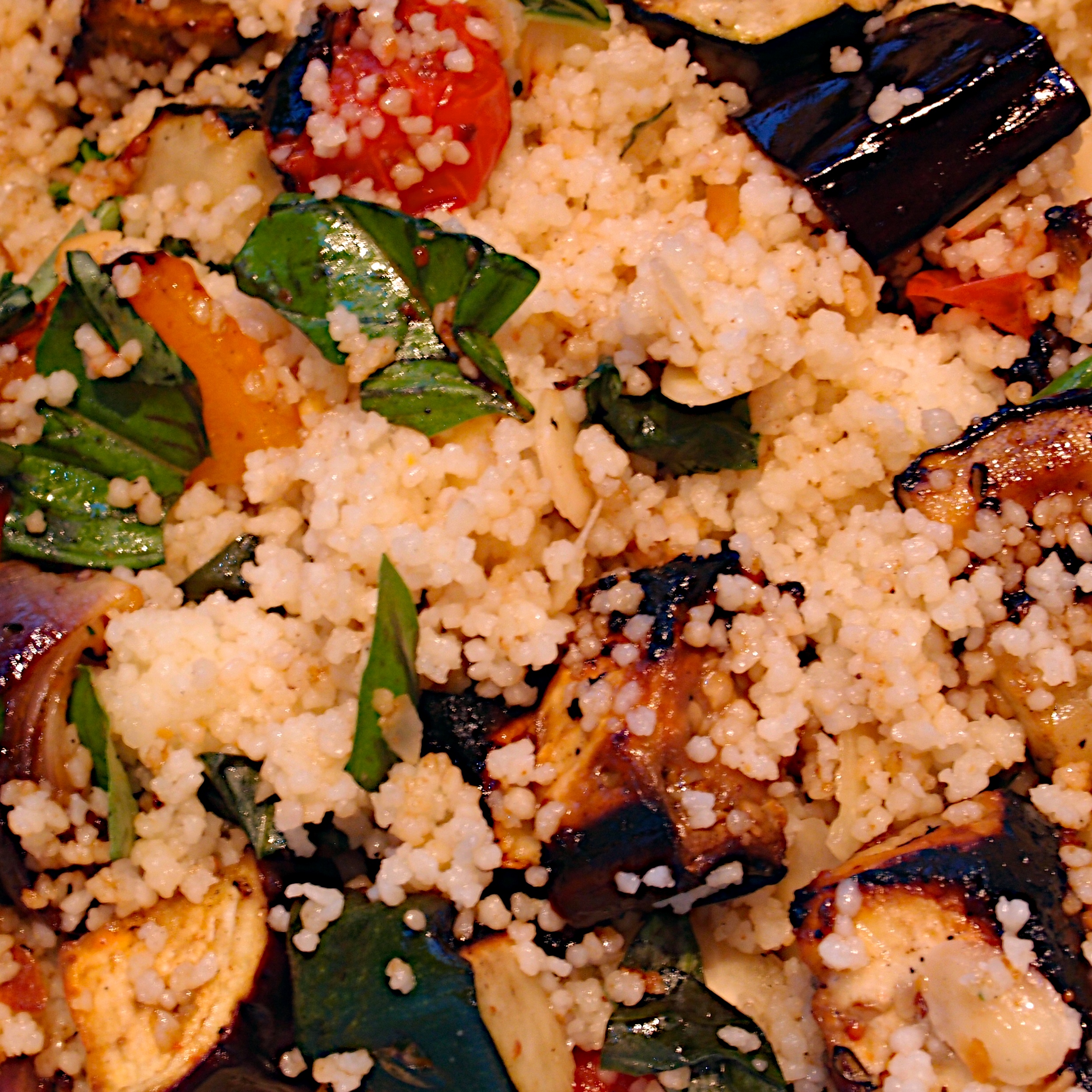
If you have leftovers stir them through some couscous with some toasted nuts and herbs for lunchboxes.

Read Full Post »

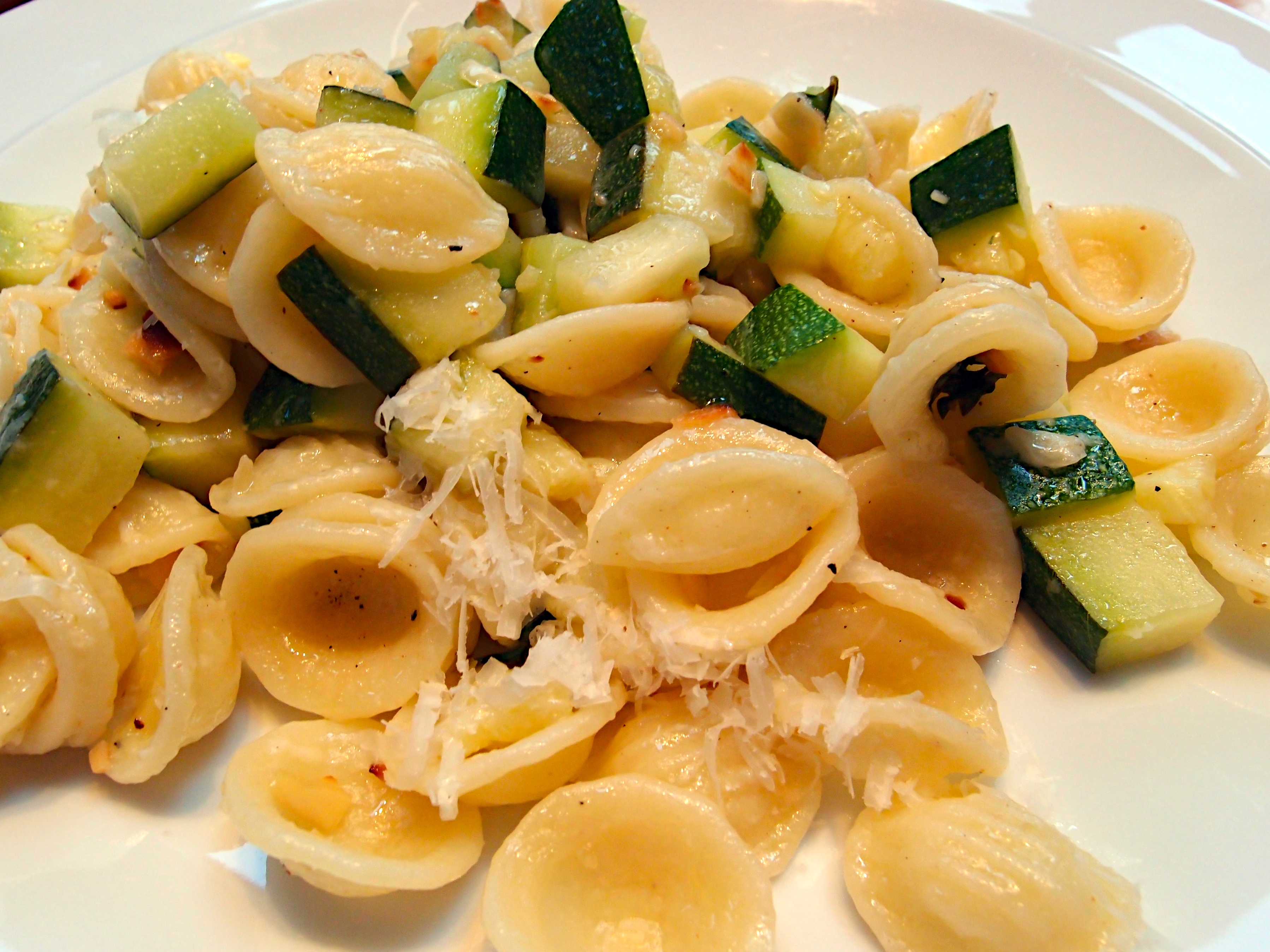
… they always need help eating them. According to Johnny and Vivienne Mitchell, this courgette season is so good in Dublin that they can’t keep up. We were the lucky recipients of this courgette and another one so far – yay!

Courgette, basil & almond pasta – to serve 2 

  • 175g/6oz orecchiette pasta
  • 2 tbsp toasted blanched almonds (we only had flaked almonds so we toasted these and they did the job)
  • 2 small or 1 medium courgette (or a chunk off a massive one)
  • 1 garlic clove
  • large bunch basil
  • 2 tbsp olive oil
  • 3 rounded tbsp grated parmesan
  • 1 tbsp lemon juice
Cook the pasta in salted water according to the instructions on the pack.

Meanwhile, finely chop the almonds, chop the courgette into small chunks, crush the garlic and pick the basil leaves from the stalks.

Heat the oil in a large frying pan and fry the courgette for a few minutes until it starts to soften, then add the garlic and half the basil and cook for another minute.

Drain the pasta and add it to to the courgettes, along with the almonds, the rest of the basil, the parmesan, salt, pepper and lemon juice. Toss everything together and serve with extra parmesan.

(Original recipe from BBC Good Food)


Read Full Post »

Tiromezes

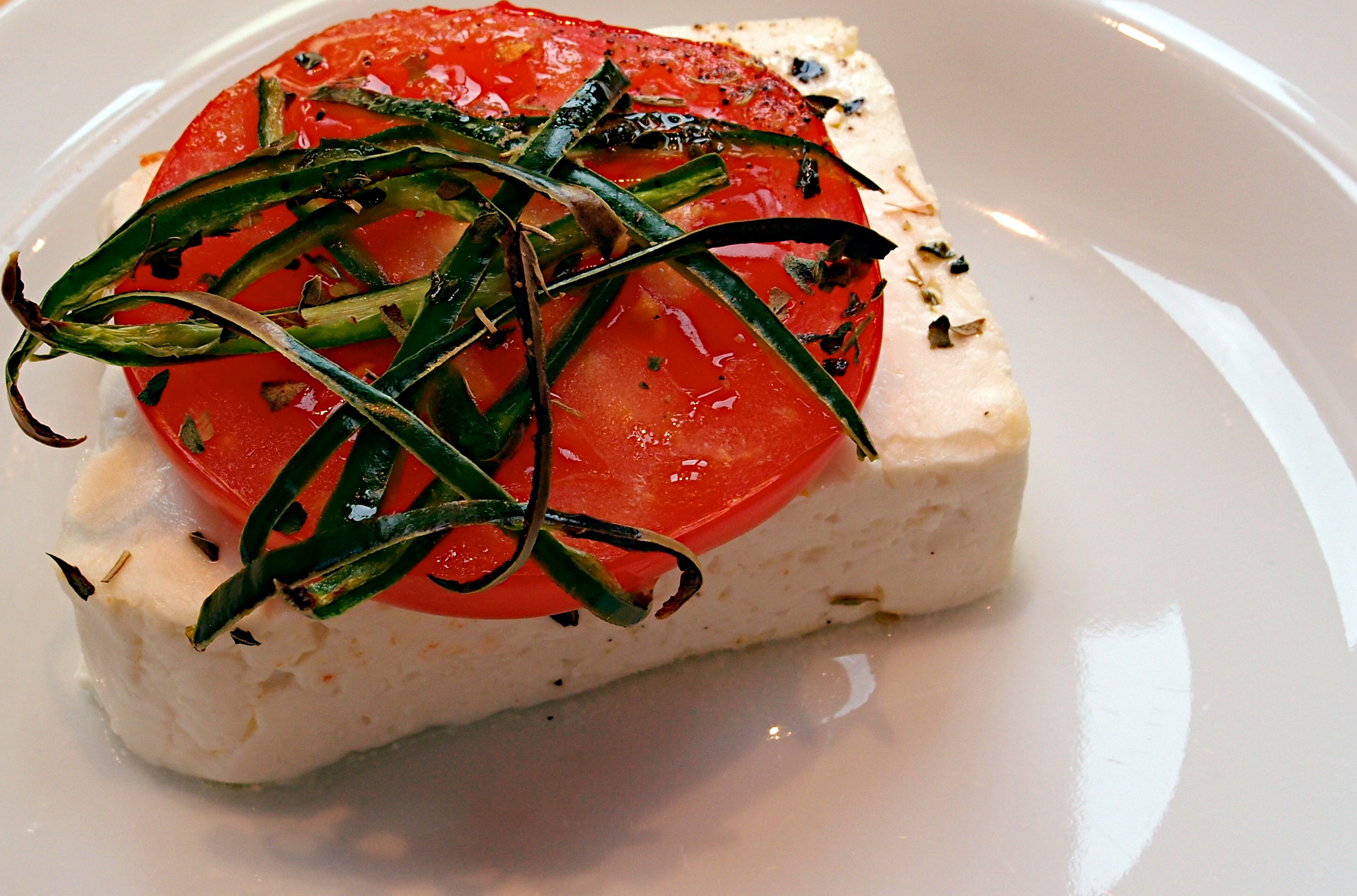
This is so simple to make and was an excellent way to start a Greek meal (see main course below). The saltiness of the feta becomes imperceptible with grilling, and it balances perfectly with the sweetness of the tomato and mild heat of the chilli. We’ll definitely do this again!

Tiromezes: easy cheese appetizer – serves 4

  • 4 square, thick slices feta cheese
  • 1 large tomato, cut into 4 rounds
  • 1 long green chilli, thinly sliced
  • pinch of dry oregano
  • pepper
  • olive oil for drizzling

Preheat the grill. Put the cheese slices side by side in a shallow flameproof dish. Put a tomato slice on top of each feta square and top with the slices of chilli. Sprinkle with oregano and pepper and drizzle with a little bit of oil. Grill for 6-8 minutes, until the tomato and chilli are lightly browned. Serve immediately with a glass of ouzo if you have some (we didn’t 😦 maybe next time).

(Original recipe from Vefa’s Kitchen)

Read Full Post »

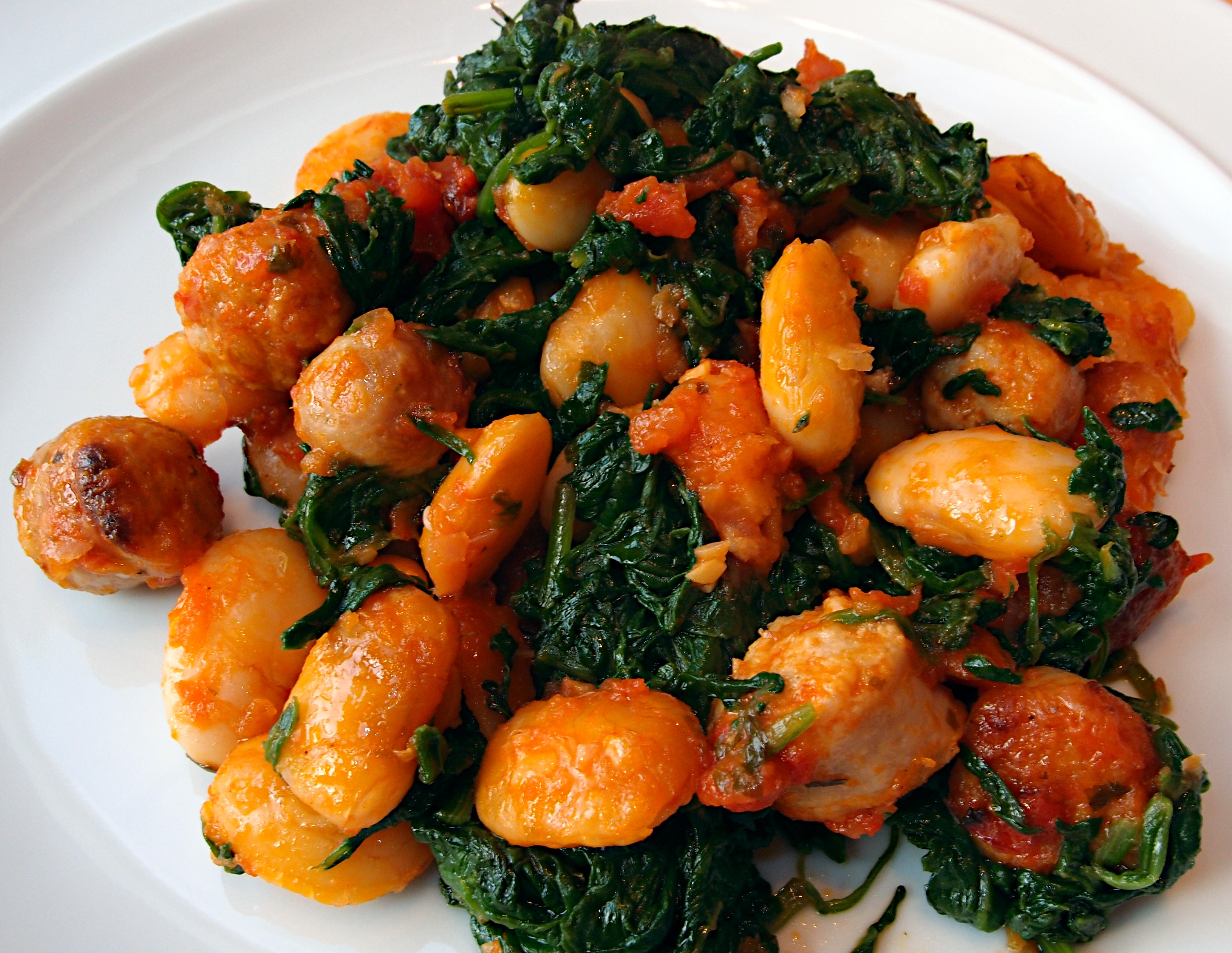
Gigantes me spanaki ke loukanika sto fourno (Bean, Spinach and Sausage Casserole)

Don’t be scared that this takes over 24 hours preparation – it’s all soaking time for the beans! It does take about an hour and a half to cook though so don’t get started too late. It is very easy despite the time it takes and is totally worth it.

Gigantes me spanaki ke loukanika sto fourno (Bean, Spinach and Sausage Casserole) – serves 4

  • 300g dried butter beans
  • 120ml olive oil
  • 250g pork sausages, cut into bite sized pieces
  • 1 onion, grated
  • 2 garlic cloves, finely chopped
  • 1 400g can chopped tomoatoes
Cover the Butter beans in plenty of cold water and soak for 24 hours.

Put the beans into a saucepan, cover them with cold water, and bring to the boil. Reduce the heat and simmer for about 30 minutes, then drain and tip into an ovenproof casserole dish.

Preheat the oven to 180°C/350°F/Gas Mark 4.

Meanwhile, heat half the oil in a frying pan. Add the sausage, onion, and garlic and cook over a low heat for 5 minutes, until the onion has softened. Stir in the tomatoes and parsley, season and simmer for 5 minutes. Pour the mixture over the beans, stir well and bake, adding a little hot water if necessary, for about 50 minutes or until the beans are soft – check every now and then that it isn’t drying out and give it a stir.

Meanwhile, roughly chop the spinach, and cook over a low heat for a few minutes, until wilted. Drain well. Heat the remaining oil in a frying pan, add the spinach and cook over a low heat for about 5 minutes.

Take the beans out of the oven and dot the top with spinach. Bake for 5 minutes more. Serve hot.

Kali orexi (bon appétit)!

(Original recipe from Vefa’s Kitchen published by Phaidon)

Read Full Post »

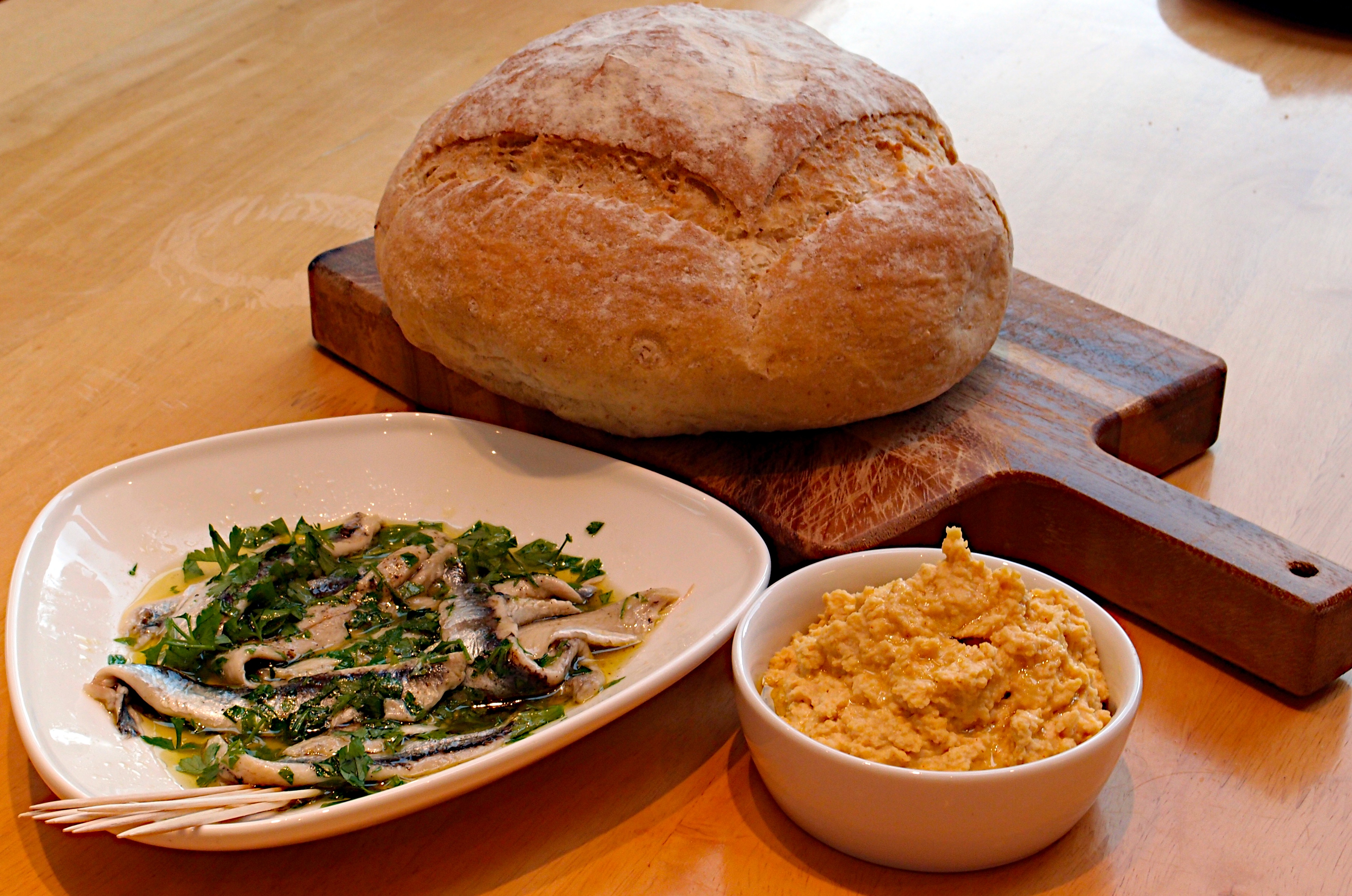
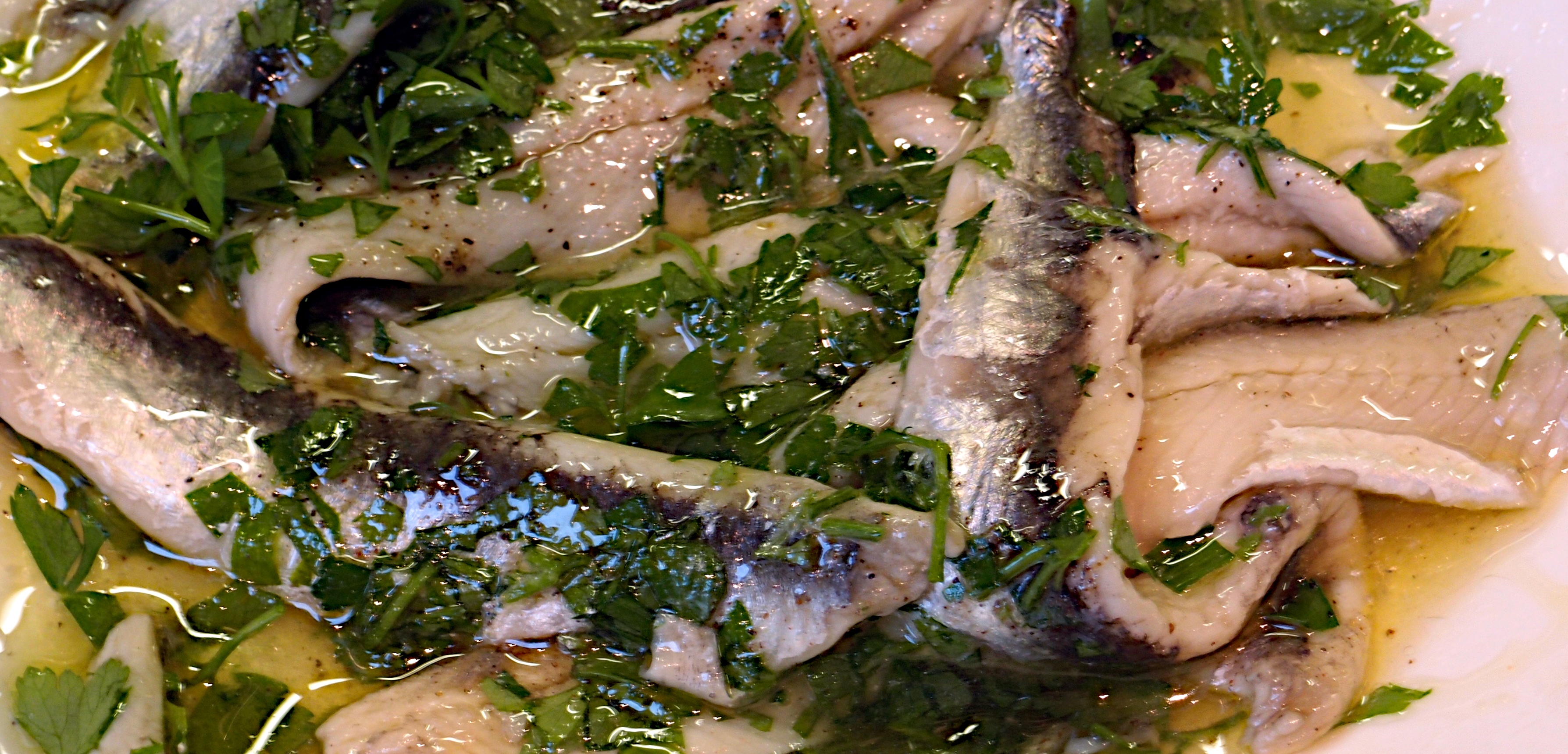
Anchovies are like Marmite – you love them or hate them. We love them and to really make them sing this is what to do.

To serve 4:

Arrange 8 large good-quality pickled anchovy fillets on a nice plate. Squeeze over the juice of half a lemon and drizzle some olive oil over them. Grind over a good twist of black pepper, scatter over a handful of chopped flat-leaf parsley leaves then toss and serve.

Your anchovy-loving friends will thank you.

(Idea from Anchovies in Jamie Does…)

Read Full Post »

« Newer Posts - Older Posts »