2 June 2014 by jonoandjules
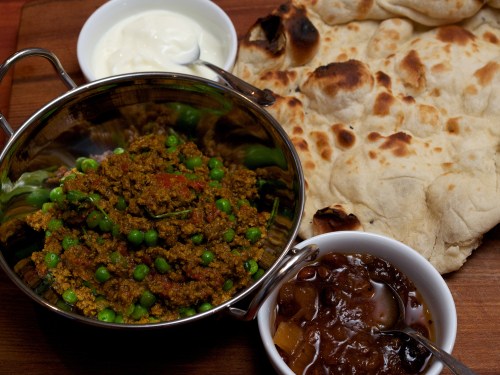
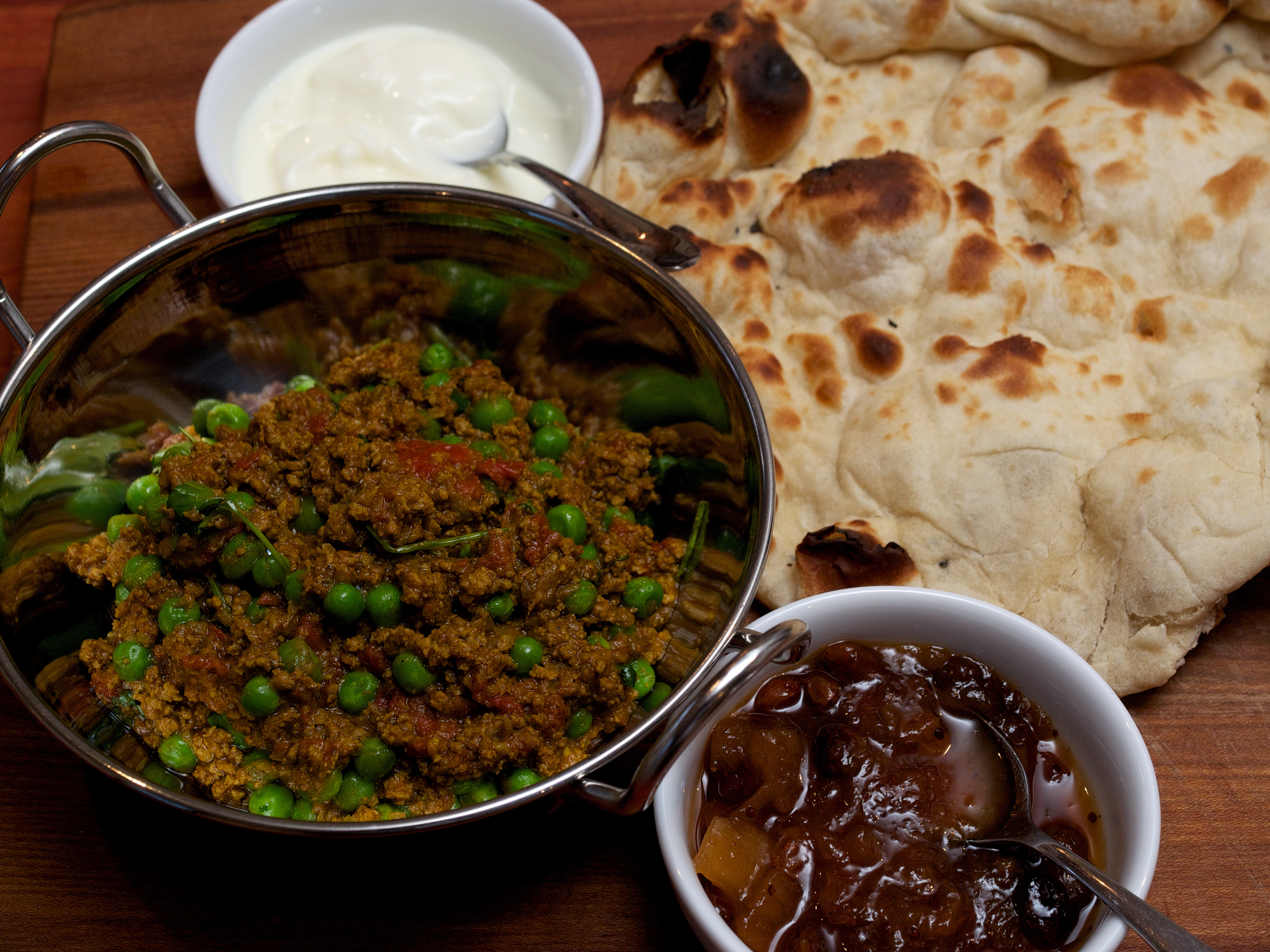
Keema with peas
This is a simple and cheap curry to whip up and it’s full of flavour. Grab some naan breads from your local takeaway and serve with some mango chutney and extra yogurt.
Keema with Peas – to serve 4
- 1 large onion, chopped
- 2 garlic cloves, chopped
- 4cm piece ginger, grated
- 2 green chillies
- 3 tbsp oil
- 500g lamb mince
- 2 tbsp garam masala
- 2 tsp turmeric
- 200g chopped tomatoes (from a can or use 2 medium fresh tomatoes)
- 2 tbsp natural yogurt
- 200g frozen peas
- 1 small bunch coriander, chopped
Chop the onion, garlic, ginger and chillies in a food processor.
Heat the oil in a large frying pan and fry the mixture until very fragrant. Add the mince and fry until starting to brown, stirring to break up the lumps.
Add the spices and fry for a minute before adding the tomatoes. Bring to a simmer, cook for a minute, then stir in the yogurt and some salt and pepper. Add a splash of water if the mixture looks dry, then cook for half an hour.
Add the frozen peas and cook for 5 minutes, then stir in the coriander.
(Original recipe from BBC Good Food)
Posted in Asian, Indian, Lamb | Tagged Cooking, Curry, Food, Indian, Keema, Lamb, peas, Recipe | 2 Comments »
29 May 2014 by jonoandjules

Easy lemon meringue pie
An easy version of this dish that uses digestive biscuits as a base, but doesn’t lose anything in the eating. The filling doesn’t have to be cooked either. We made this for our friend Dave on his birthday.
Lemon Meringue Pie
For the base:
- 175g digestive biscuits
- 75g butter
For the filling:
- 397g can full-fat condensed milk
- 3 large egg yolks
- finely grated rind and juice of 3 lemons
For the topping:
- 3 large egg whites
- 175g caster sugar
You need a 20cm deep fluted flan dish.
Pre-heat the oven to 190ºC/Fan 170ºC/Gas 5.
Put the biscuits into a plastic bag and crush with a rolling pin. Melt the butter in a pan, then take off the heat and stir in the crushed biscuits. Press into the flan dish and leave to set in the fridge. (You can do this bit a day or two in advance.)
Pour the condensed milk into a bowl, then beat in the egg yolks, lemon rind and lemon juice (don’t worry about the mixture thickening on standing and loosening again when you stir it). Pour the mixture into the biscuit-lined dish. (You can mix this filling, cover and keep in the fridge for up to 8 hours before baking).
Whisk the egg whites until stiff but not dry. Add the sugar, a teaspoon at a time, whisking well each time. Whisk until very stiff and all the sugar has been added.
Pile spoonfuls of the meringue over the filling, then spread to cover to the biscuit edge, lightly swirling as you go.
Bake for 15-20 minutes or until light brown. Leave to cool for about 30 minutes, then serve warm.
(Original recipe from Mary Berry’s Baking Bible, BBC Books, 2009.)
Posted in Dessert, Food | Tagged Cooking, Dessert, digestive biscuits, Food, lemon, Lemon Meringue Pie, Meringue, Pie, Pudding, Recipe | 8 Comments »
20 May 2014 by jonoandjules

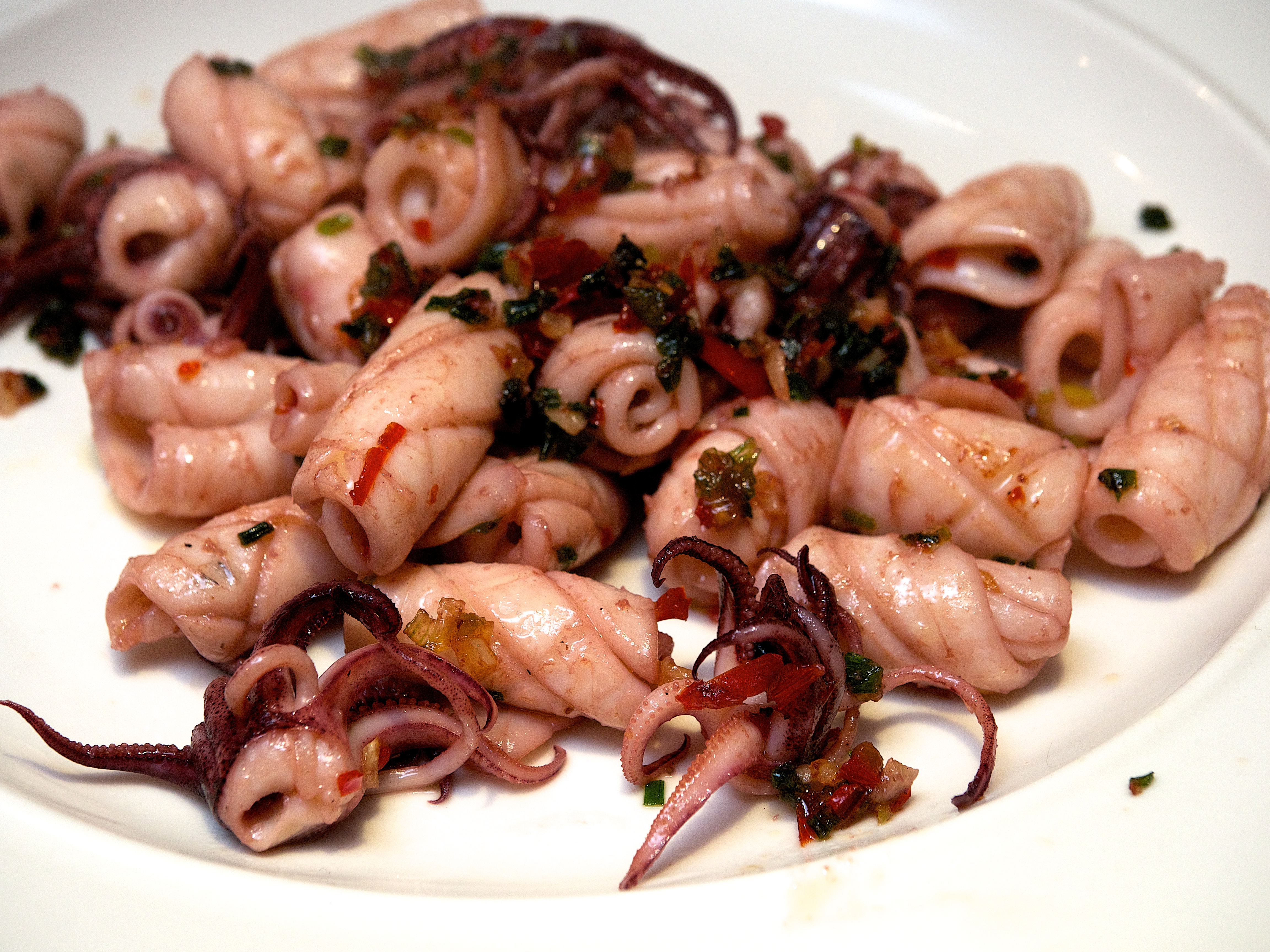
Chilli & Salt Squid
Inspired by Gok Wan, this works a treat. We always found that getting fresh squid was difficult until we found great frozen ones: flash frozen as soon as they’ve been caught. A spanish chef Jono knows swears by them and we do too! This is a healthier take on the deep-fried salt chilli squid you get in restaurants.
Wine Suggestion: A fresh, light to medium-bodied white with good fruit works a treat here, but just make sure it’s not bone dry as you need to balance the chilli. We’d suggest either a good Albariño / Alvarinho [we drank the Saolheiro Alvarinho from Portugal) which complements the saltiness or a dry German Riesling from a good producer like Leitz in the Rheingau or Dönnhoff in the Nahe which will carry a good level of fruit and taste dry. These really balance fruit with acidity for perception as opposed to an Australian Riesling which really is bone dry and will fight with the chilli.
Chilli & Salt Squid with Cucumber Salad – serves 2
- 2 medium squid (tubes and tentacles), cleaned – we used 500g baby squid
- 2 spring onions, finely chopped
- 2 tbsp groundnut oil
- ½ a red chilli, finely chopped
- 3 cloves of garlic, finely chopped
- salt and ground white pepper
For the cucumber salad:
- ½ a cucumber, deseeded and sliced into thin ribbons
- 4 tbsp rice vinegar
- a pinch of caster sugar
Put the cucumber into a serving dish. Pour over the vinegar and sugar and set aside.
Slice the squid tubes in half lengthways and lay out flat with the inside facing up. Score the tubes at an angle about 5mm apart but take care not to slice the whole way through. Turn the squid 45 degrees and score again at that angle. Once scored slice the squid into 2cm wide strips. Cut large tentacles in half and leave small ones whole.
Heat a wok over a medium to high heat and add the oil. Add the chilli, garlic and spring onions and fry for 4-5 minutes, or until starting to dry out – take care not to burn the garlic. Remove from the pan and drain on kitchen paper.
Put the wok back on the heat and, when hot, add a splash of oil. Wait for the oil to smoke, then add the squid and stir-fry for a minute, or until half cooked and starting to char at the edges. Put the garlic/chilli/spring onion mix back into the pan and stir through, tossing over the heat until cooked through. Taste and adjust the seasoning.
Serve with the cucumber.
(Original recipe from Gok Cooks Chinese by Gok Wan, Penguin Books, 2012.)
Posted in Asian, Food | Tagged Chinese, Cooking, Food, Gok Wan, Healthy, Recipe, Salt & Chilli, Squid | Leave a Comment »
18 May 2014 by jonoandjules
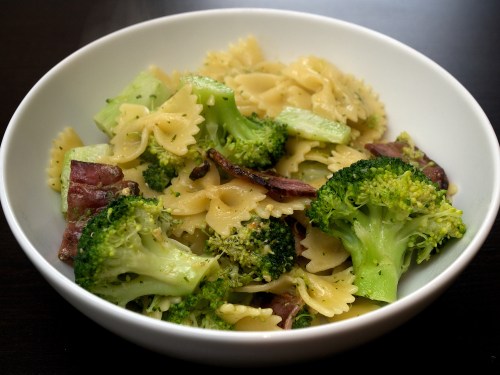
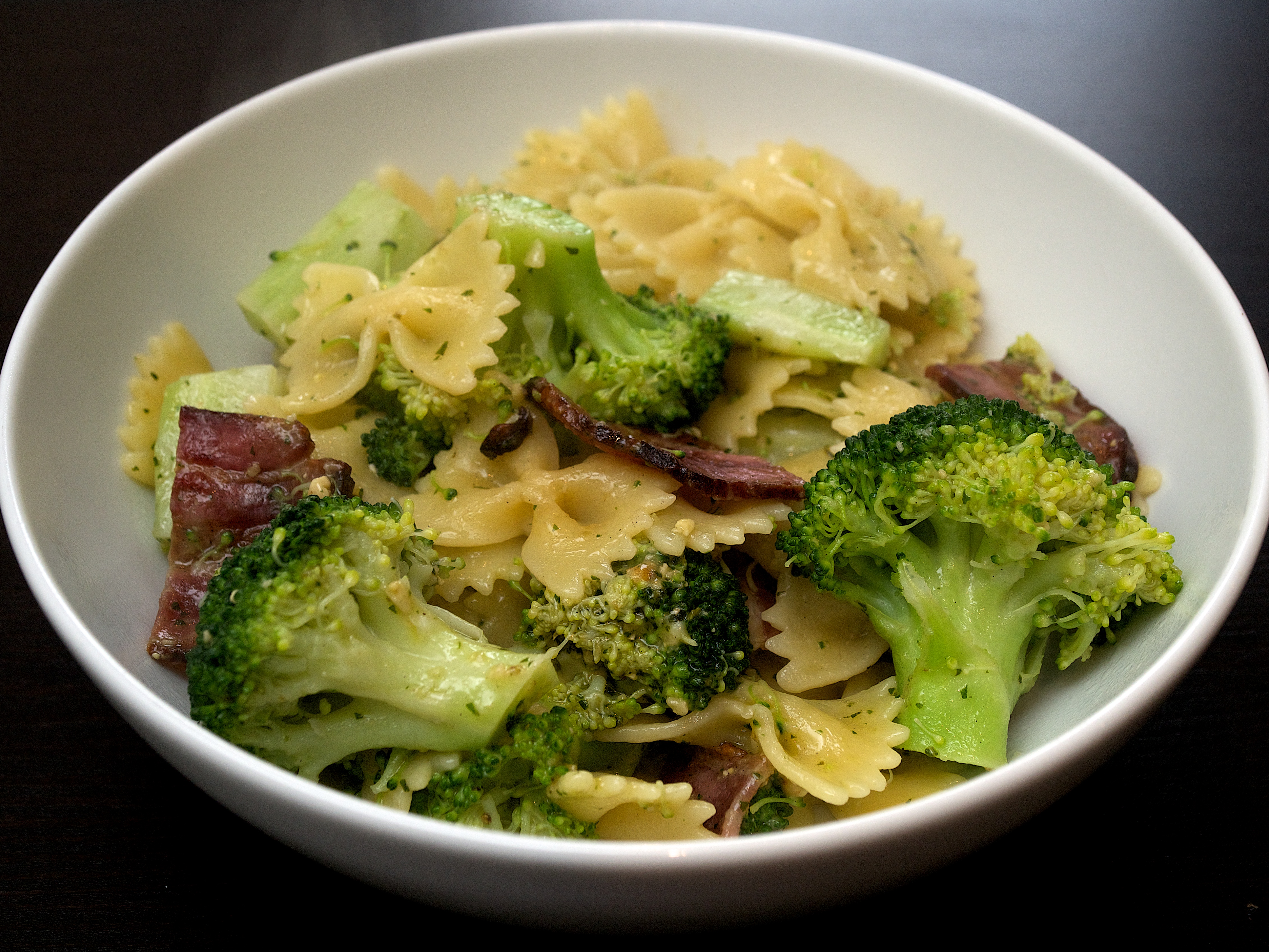
Bacon, Broccoli & Pesto Pasta
We like simple pasta dishes for when we’re feeling tired and uninspired. You can easily get the ingredients for this on your way home.
Wine Suggestion: A Chianti, as we felt like it and it worked really well with the combination of flavours.
Pasta with Bacon, Broccoli & Pesto – serves 4
- 300-400g short pasta shapes (depending on how hungry you are)
- 1 head of broccoli, cut into small florets
- 8 rashers of smoked bacon
- 5 tbsp pesto
- grated Parmesan, to serve
Cook the pasta according to the pack and add the broccoli about 3 minutes before the end of the cooking time.
When cooked, drain but keep a cup of the cooking water.
Grill the bacon until crisp (we use a gas barbecue for less mess), then cut into bite-size pieces.
Tip everything into the pasta pan, toss together and loosen with a little bit of pasta water if you like.
Sprinkle over the Parmesan to serve.
Posted in Food, Pasta | Tagged Bacon, Broccoli, Cooking, Easy, Farfalle, Food, Pasta, Pesto, Recipe | Leave a Comment »
15 May 2014 by jonoandjules

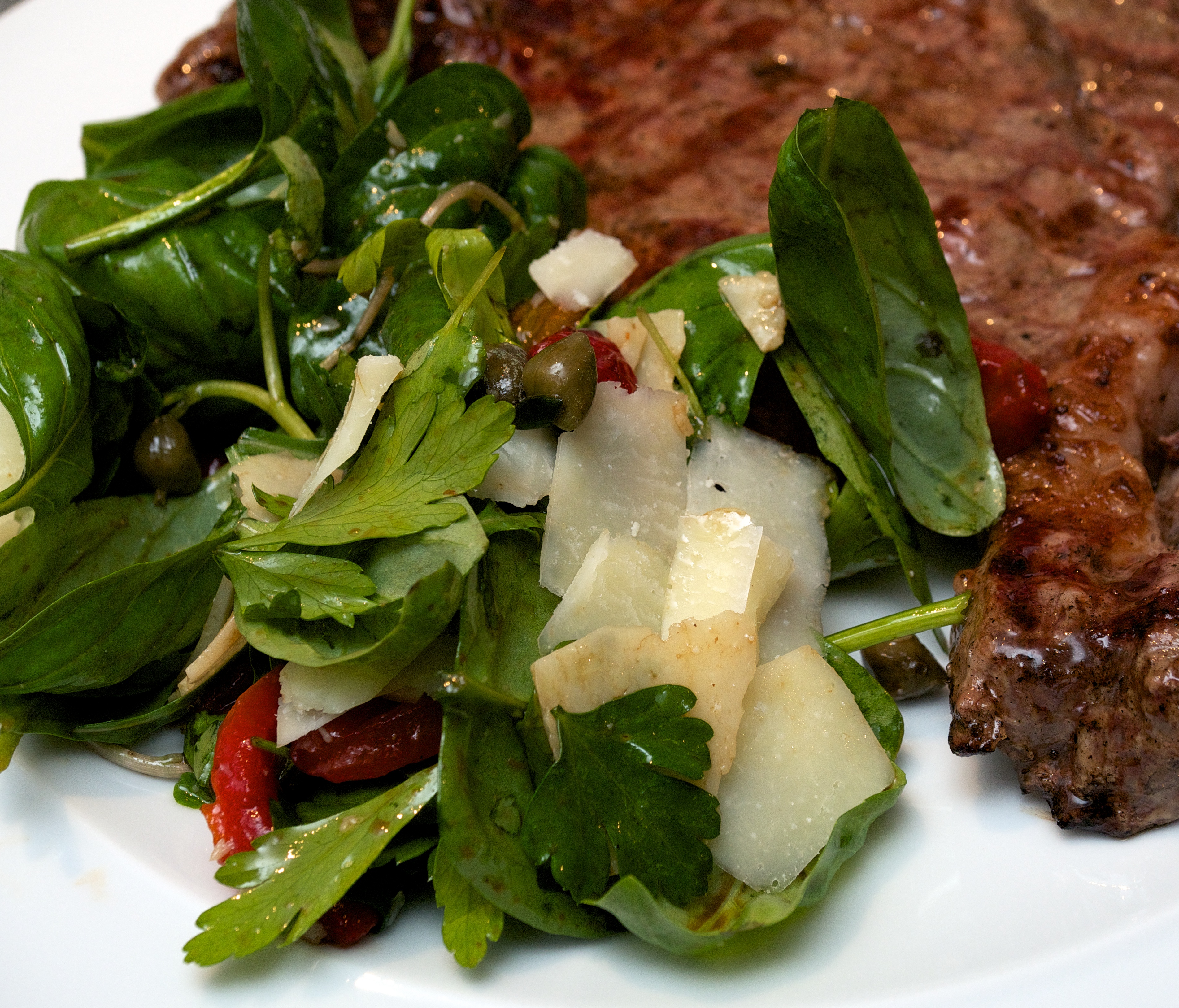
Marinated Pepper Salad with Pecorino & Capers
This salad is really versatile and can be served on it’s own as a starter, with a good variety of barbecued meats like the sirloin steak we had here or grilled mushrooms. It has a great balance of earthiness, sweetness and a salty freshness from the peppers and capers which match the pecorino cheese really well.
Marinated Pepper Salad with Pecorino – serves 2 as a starter or more as a side
- 1 red pepper, quartered
- 1 yellow pepper, quartered
- 4 tbsp olive oil
- 1 tbsp balsamic vinegar
- 1 tbsp water
- ½ tsp muscovado sugar
- 2 thyme sprigs
- 1 garlic clove, thinly sliced
- 10g flat-leaf parsley, leaves picked
- 15g basil leaves
- 30g watercress
- 50g mature pecorino shaved
- 1 tbsp capers, drained
Preheat the oven to 190ºC/Gas Mark 5.
Toss the peppers with 1 tbsp of the oil and a little salt. Scatter in a roasting tin and roast for 35 minutes, or until soft and starting to colour. Remove to a bowl and cover with cling film. Leave to cool, then peel and cut into thick strips.
Whisk together the marinade ingredients: 2 tbsp of the oil, the balsamic vinegar, water, sugar, thyme, garlic, and some salt and pepper. Pour this over the peppers and leave aside for at least an hour or overnight in the fridge.
When ready to serve, toss the herbs, watercress, drained peppers, pecorino and capers together. Add the last tbsp of olive oil and 1tbsp of the marinade. Season to taste.
(Original recipe from Plenty by Yotam Ottolenghi, Ebury Press, 2010.)
Posted in Food, Side dish, Vegetarian | Tagged Balsamic Vinegar, Cooking, Food, Pecorino, Pecorino & Capers, pecorino cheese, Pepper Salad, Peppers, Recipe, Salad, side dish | Leave a Comment »
14 May 2014 by jonoandjules

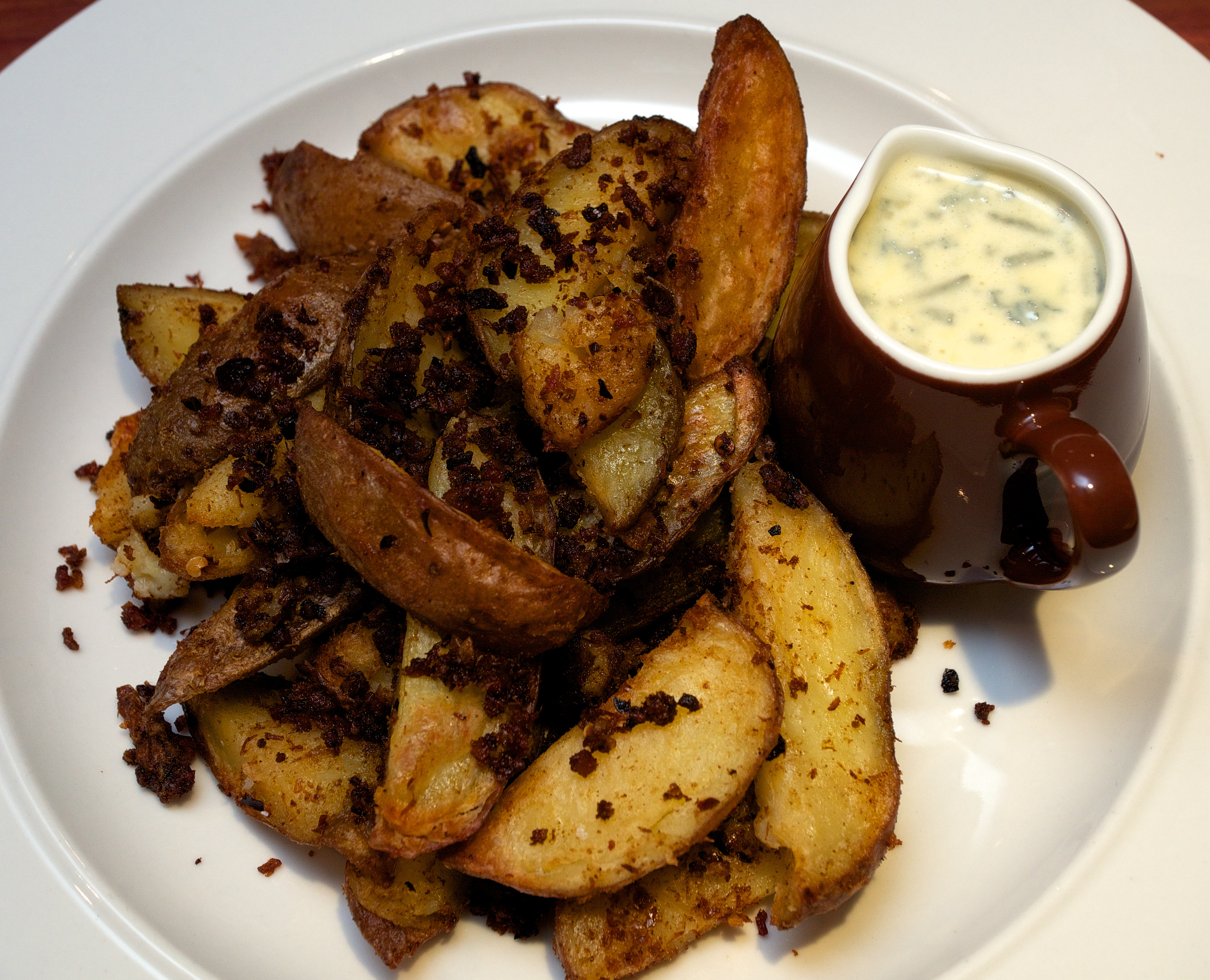
Wedges with bacon “soil” and gorgonzola
These are very delicious and perfect to share out of a big bowl in front of the TV on a Friday night – or at least that’s what we did. The bacony crumbs are a revelation! We expected the bacon to be problematic and to dry out in the oven but not in the slightest, the cooking just seems to intensify the flavours a bit and the “crumb” texture spreads through the dish perfectly.
Potato Wedges with Gorgonzola Sauce – serves 4
- 1 kg medium floury potatoes
- 8 smoked streaky bacon rashers
- 1 tbsp dried chilli flakes
- 4 tbsp groundnut oil
- 1 tbsp smoked paprika
- 250ml double cream
- 150g Gorgonzola cheese, crumbled
Preheat the oven to 200°C/Gas 6.
Scrub the potatoes and leave the skins on. Cut them in half lengthways, then into chunky wedges. Cook in boiling salted water for 15 minutes or until getting close to tender. Drain and tip into a roasting tin.
Fry the streaky bacon in a little oil until very crisp or barbecue them like we did. Put the cooked bacon into a food processor with the chilli flakes, groundnut oil and smoked paprika and whizz until it looks like very fine crumbs. Tip the crumbs over the wedges and toss gently to coat. Bake for about an hour or until crispy and sizzling.
Warm 250ml double cream in a small non-stick pan, add the Gorgonzola and stir gently until melted. Trickle the warm sauce over the wedges to serve or serve on the side as dip.
(Original recipe from Eat by Nigel Slater, Fourth Estate, 2013.)
Posted in Food | Tagged Bacon, Blue cheese, Cooking, Dip, Food, Gorgonzola, Potato wedges, Potatoes, Recipe | Leave a Comment »
10 May 2014 by jonoandjules
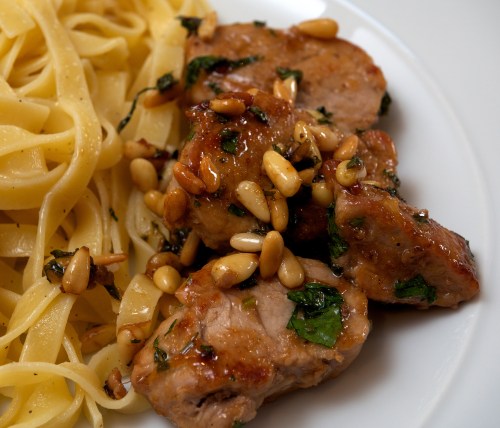
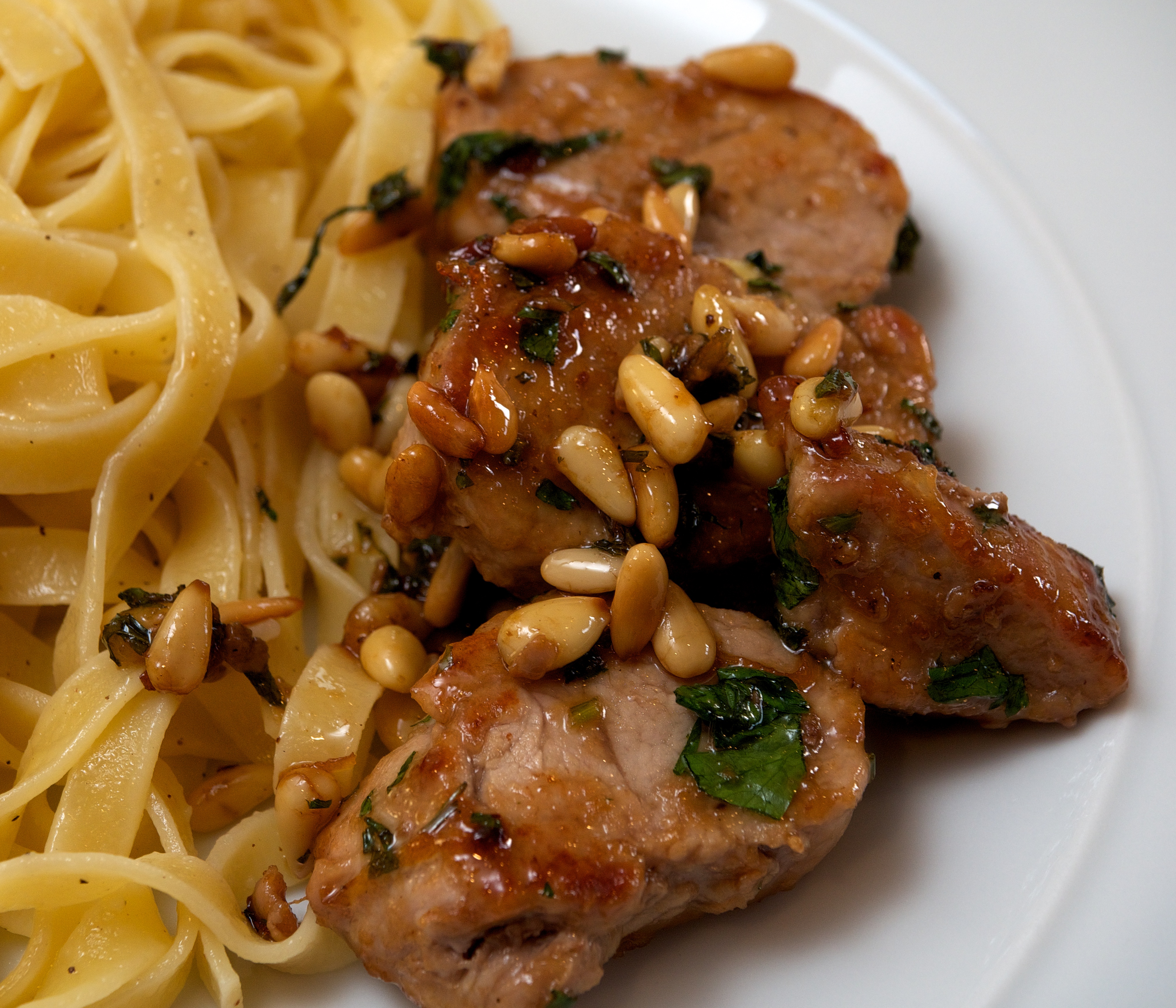
Pork with lemon and pinenuts
This was easy to whip up and a really tasty midweek meal.
Wine Suggestion: We’d suggest a crisp light white wine to go with this dish and thought the Dog Point Sauvignon Blanc from Marlborough, New Zealand worked exceptionally well. The Dog Point has a great depth of flavour while maintaining a real elegance and layers of fine minerality, unlike quite a few other wines from this region which we find unsubtle so we highly suggest seeking out a good example. Other wines that would work would be good Sancerre or Cheverny blanc from the Loire.
Pork with Pine Nuts, Parsley & Lemon – serves 4
- 500g pork fillet
- large handful of flat leaf parsley, coarsely chopped
- seasoned flour
- 25g pine nuts
- grated zest of ½ lemon and juice of a whole lemon
- 1 tbsp clear honey
Cut the pork into 2cm thick slices. Toss in seasoned flour to coat very lightly and shake of the excess.
Heat 1 tbsp of olive oil in a large frying pan and fry the pork in a single layer for a few minutes on each side or until browned. Remove from the pan and keep warm.
Add another tablespoon of oil to the pan and fry the pine nuts until lightly browned. Stir in the lemon zest, juice and honey. Bubble and stir briefly to make a sauce.
Return the pork to the pan and add the parsley. Continue to cook for another few minutes to heat through.
Serve with buttered papperdelle or tagliatelle.
(Original recipe by Mary Cadogan in BBC Good Food Magazine, April 2001.)
Posted in Food, Pork | Tagged Cooking, Dog Point Sauvignon Blanc, Easy, Food, lemon, lemon zest, Parsley, Pine nuts, Pork, Pork fillet, Recipe | 2 Comments »
7 May 2014 by jonoandjules
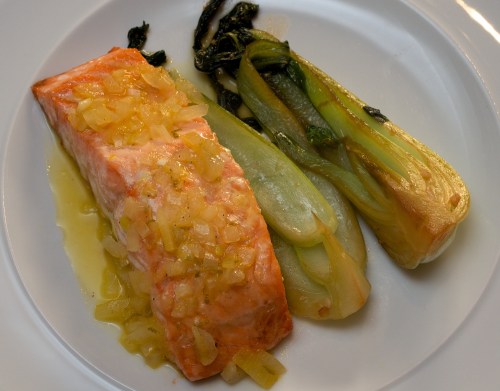
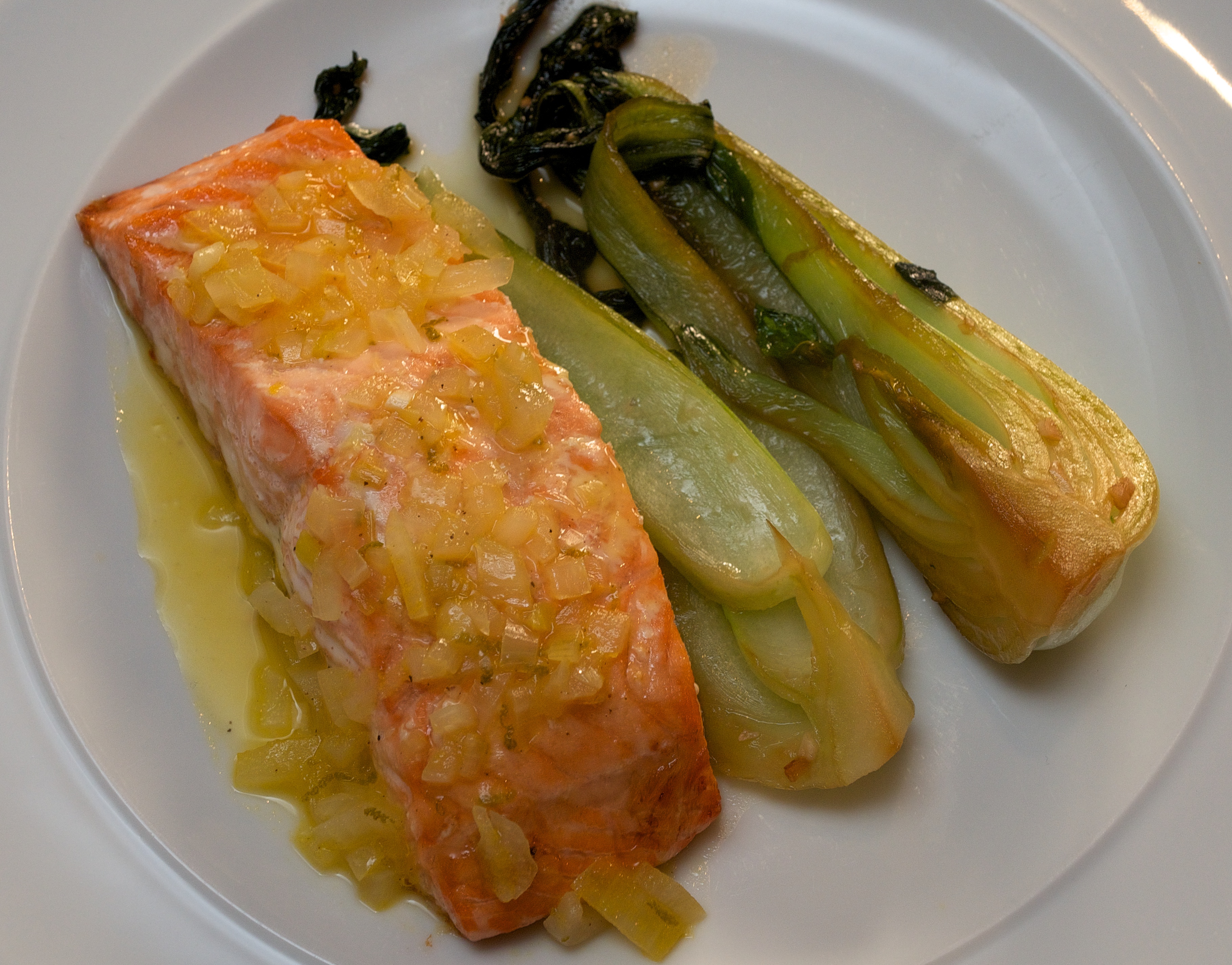
Salmon with Pak choi
Light yet tasty and full of flavour. Makes you feel healthy eating it.
Wine Suggestion: Some lighter styles of white wine can be overpowered by salmon. We went for an Italian grape variety called Pecorino which has a bit more body and a nice lemony flavour to complement the sauce.
Citrusy Salmon with Garlic Pak Choi – serves 4
- olive oil
- 1 onion, finely chopped
- 4 garlic cloves, finely chopped
- juice of 3 oranges
- juice of 1 lime, and 2 tsp grated zest
- 4 salmon fillets
- 500g pak choi, stems quartered
- 4 tsp soy sauce
- 2 tsp honey
Heat oven to 200C/180C fan/gas 6.
Line a baking tray with kitchen foil.
Heat a little olive oil in a small pan, add the onion and one of the garlic cloves, and cook for about 5 minutes or until soft.
Add the orange and lime juice and the lime zest, then simmer gently until reduced by half. Season.
Meanwhile, put the salmon fillets on the baking tray and bake for 15-20 minutes or until just cooked trough.
Heat a splash of olive oil in another pan, add the pak choi and stir-fry for a couple of minutes. Add the remaining garlic, the soy sauce and honey, and keep cooking for another couple of minutes.
Serve the salmon with the pak choi and the sauce drizzled over.
(Original recipe from BBC Good Food Magazine, April 2014.)
Posted in Fish, Food, Healthy | Tagged Citrus, Cooking, Easy, Fish, Food, Healthy, Pak choi, Recipe, Salmon | 1 Comment »
4 May 2014 by jonoandjules
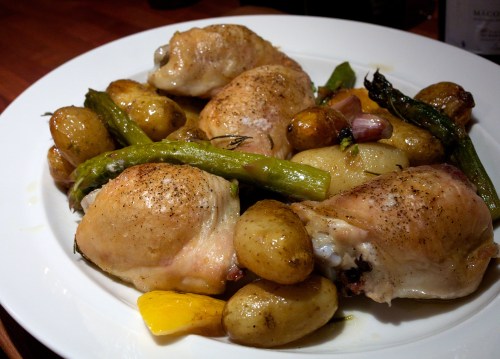
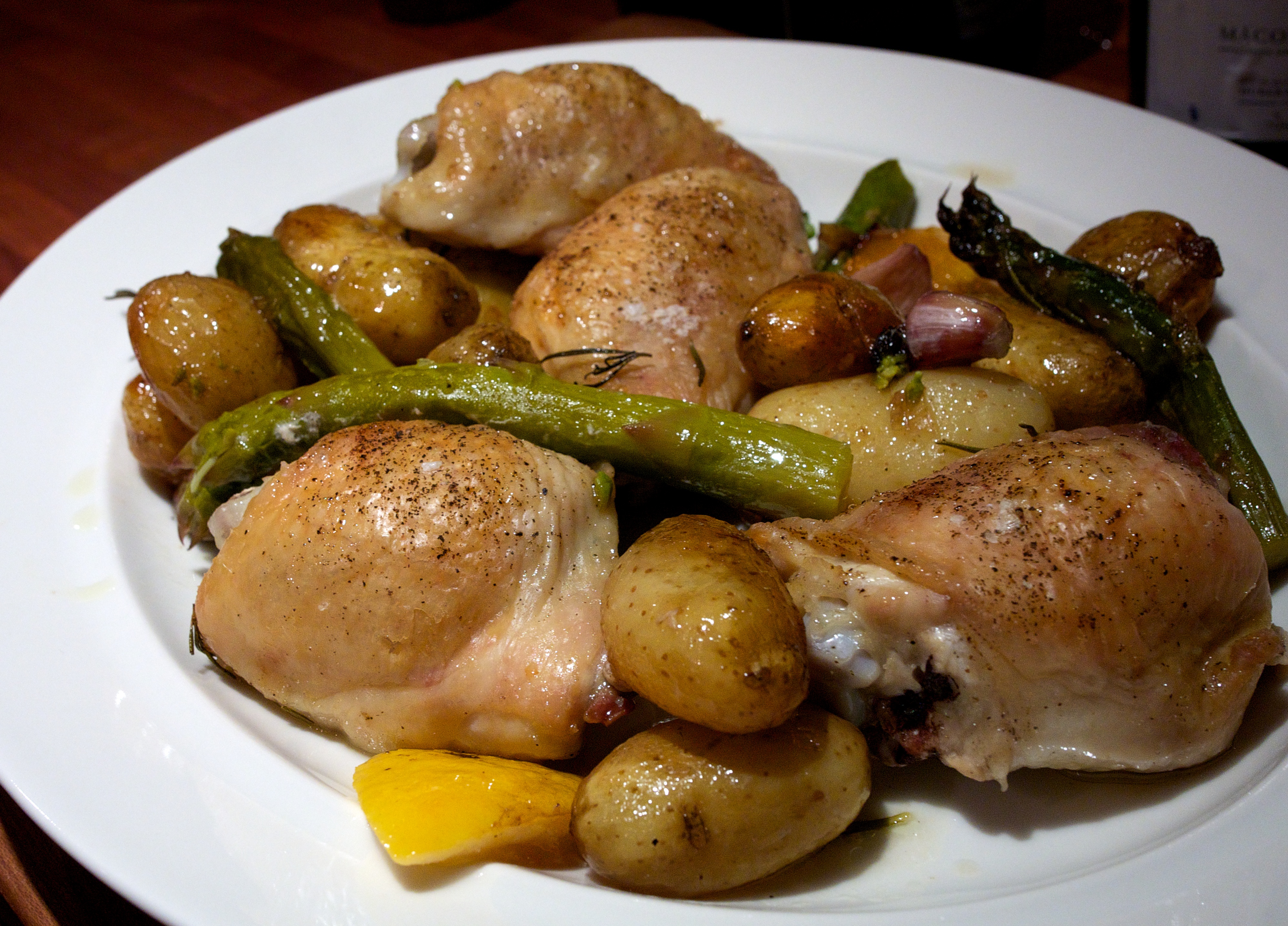
Rosemary roast chicken thighs, asparagus & new potatoes
A weeknight treat to celebrate the new season’s bounty.
Wine Suggestion: We had a glass of the Domaine St Denis Macon-Lugny, a superb chardonnay from the Mâconnais in Burgundy and from the only grower-winemaker in this village (the rest goes to the co-op). Excellent flavours and a nutty depth marry well with the fresh, new season flavours and roasted chicken; a good choice.
Rosemary Roast Chicken Thighs with Asparagus & New Potatoes – serves 4
- 750g small new potatoes, halved
- 2 large bunches of asparagus, discard the woody ends
- 1 whole bulb of garlic, cloves separated
- 1 tbsp olive oil
- 1 lemon, halved
- small handful of rosemary sprigs
- 8 chicken thighs
Heat the oven to 200C/180C fan/gas 6.
Put the potatoes, asparagus, garlic cloves and olive oil into a large roasting tray and season well. Squeeze over the juice from the lemon halves, then cut into chunks and add to the tray. Toss together well, cover with foil and roast for about 15 minutes.
Remove the foil and stir through the rosemary.
Season the chicken thighs and arrange in the dish in a single layer.
Now roast for 30-50 minutes or until the potatoes are tender and the chicken is crisp and cooked through (this will depend on the size of your potatoes and chicken thighs).
(Original recipe from BBC Good Food)
Posted in Food | Tagged Asparagus, Chicken Thighs, Cooking, Food, Garlic, lemon, New potatoes, Spring | 1 Comment »
2 May 2014 by jonoandjules
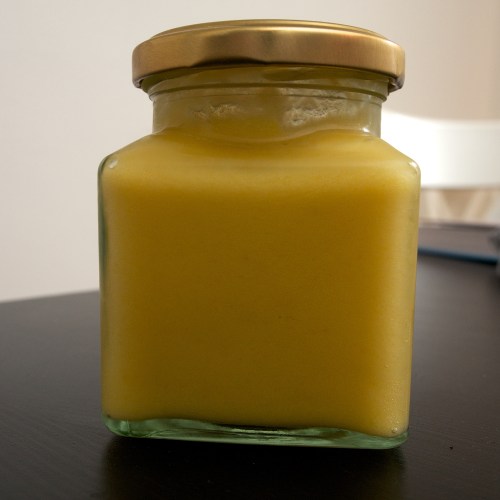
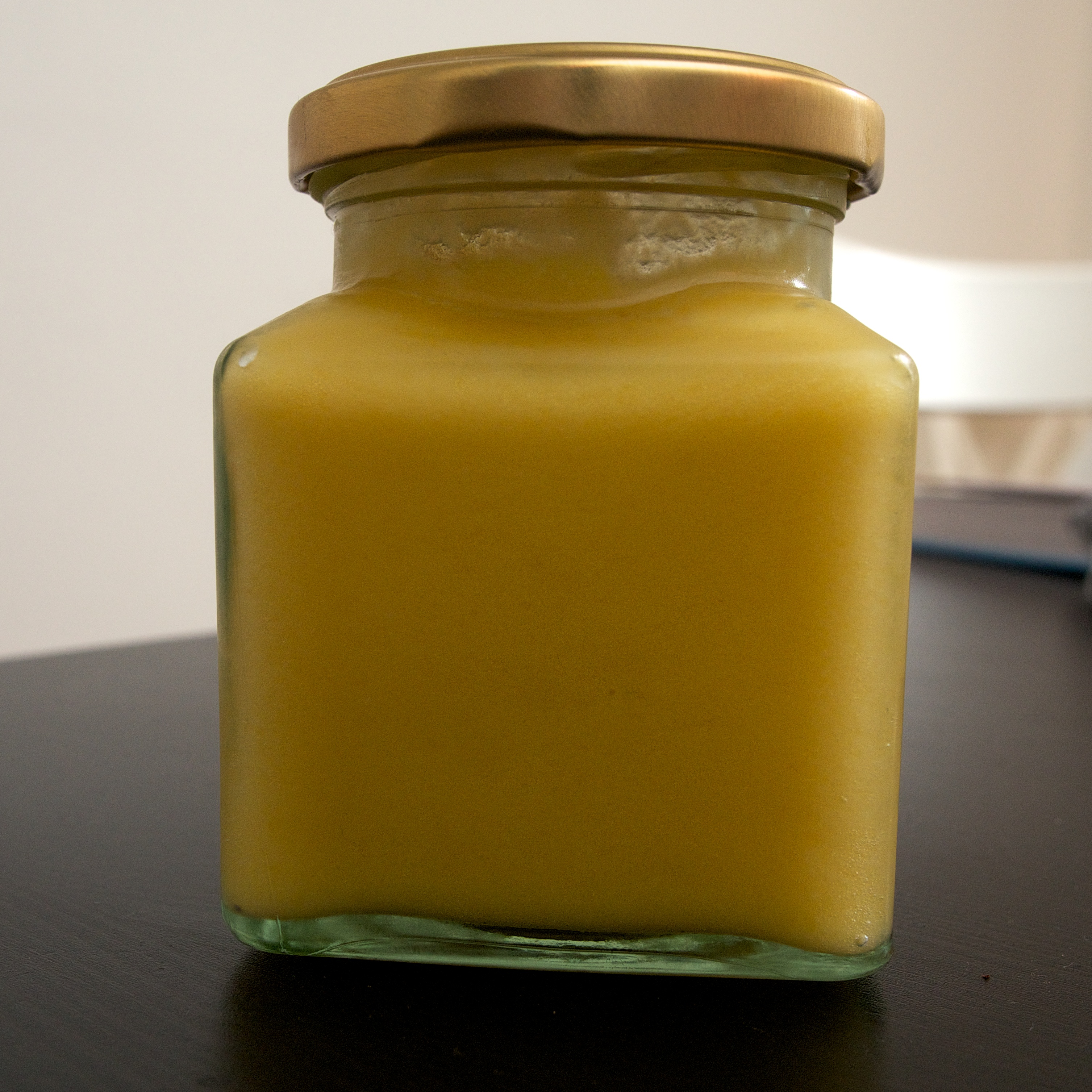
When we make pavlova we are stuck with 4 egg yolks and always wonder what to do with them. There are a few recipes that we have at our fingertips, but this lemon curd is one of the best and easiest ways of using the yolks. It makes a nice sized jar and from experience, never lasts very long once made. Spread it on toast and scones or to sandwich together a sponge cake.
Lemon Curd
- 4 egg yolks
- 167ml caster sugar (or 2/3 of an Australian cup measure)
- 60g unsalted butter
- 2 tsp grated lemon zest
- 100ml lemon juice
Whisk the egg yolks and sugar until well combined but not too frothy.
Tip into a heavy-based and non-reactive saucepan, then add the butter, zest and juice.
Bring to simmering point over a medium-heat, stirring constantly (about 5 minutes).
As soon as you see bubbles, remove from the heat, still stirring.
Allow to cool. Transfer to sterilised jars and seal.
(Original recipe from The Cook’s Companion by Stephanie Alexander, Lantern, 2004.)
Posted in Food | Tagged Cooking, Curd, Egg yolks, Food, Lemon curd, Lemons, Recipe | 2 Comments »
28 April 2014 by jonoandjules
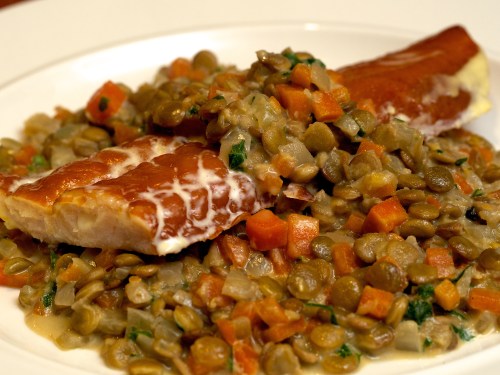
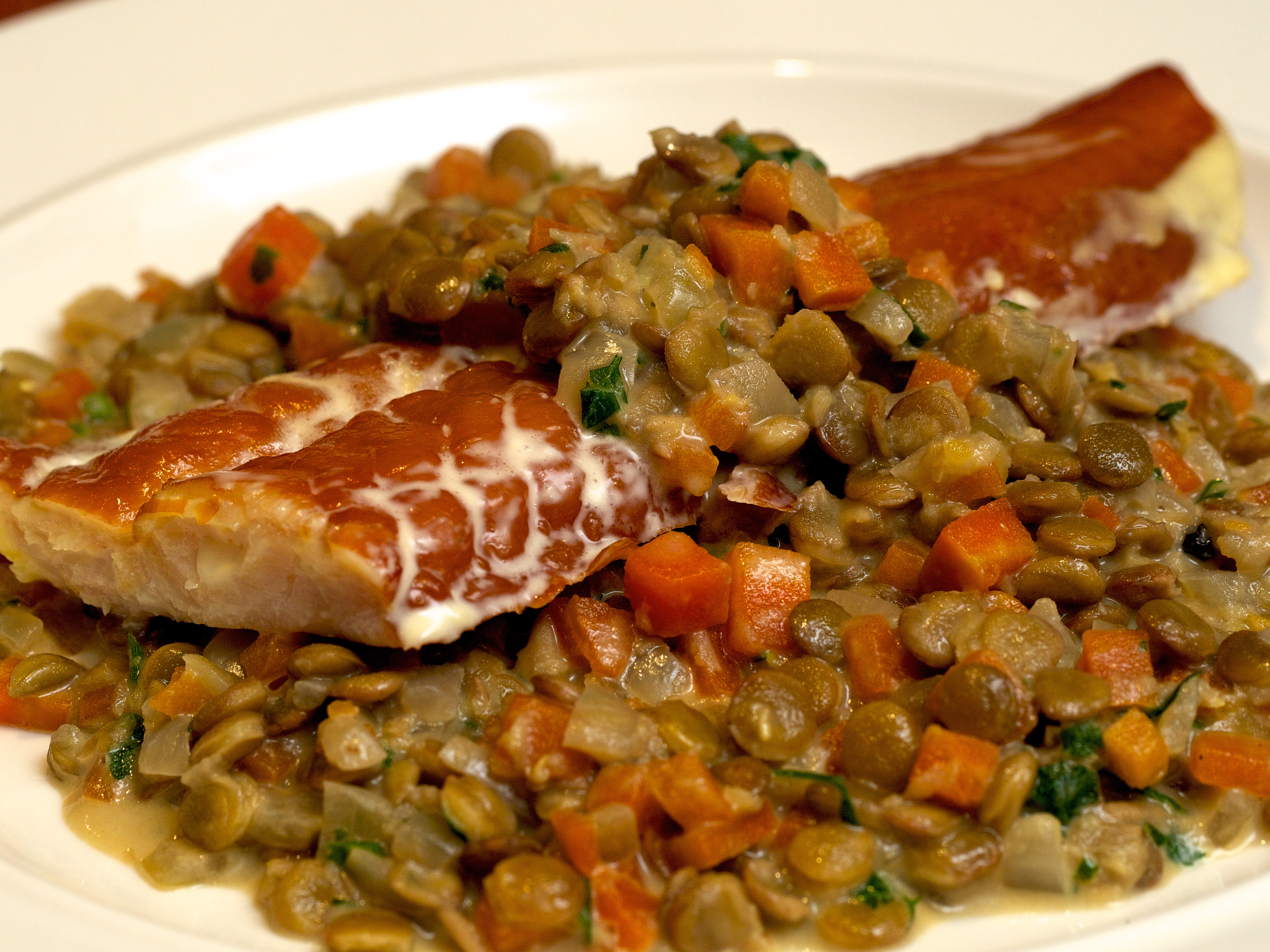
Smoked Haddock witha creamy green lentil stew
The pictures just don’t do justice with how delicious this dish tasted; highly recommended!
Wine Suggestion: Try complementing the smoky fish with an oaked white such as a New World Chardonnay.
Smoked haddock with lentils – serves 2
- 250ml double cream
- 350g piece of smoked haddock, skin removed
- 6 black peppercorns
- 3 bay leaves
- 2 medium carrots, finely diced
- 1 onion, finely diced
- a thick slice of butter
- 150g green lentils
- 400ml vegetable stock
- a large handful of chopped parsley
Put the cream in a shallow pan. Add the haddock, peppercorns and bay leaves. Bring to the boil, then turn off and cover with a lid.
Melt the butter in a saucepan over a moderate heat. Cook the carrot and onion in the butter for about 5 minutes, then add the lentils and vegetable stock. Bring to the boil, then turn the heat down and simmer for about 20 minutes or until the lentils are almost soft, then stir in the cream from the fish. Continue cooking until the liquid has reduced to just cover the lentils.
Add the parsley and season. Divide the lentils between two dishes and serve the haddock on top.
(Original recipe from Nigel Slater’s Eat: The little book of fast food, Fourth Estate, 2013.)
Posted in Fish, Food, Uncategorized | Tagged Green Lentils, Lentils, Nigel Slater, Smoked Haddock | 1 Comment »
26 April 2014 by jonoandjules
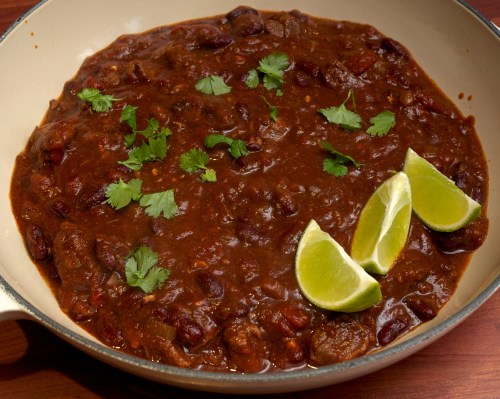
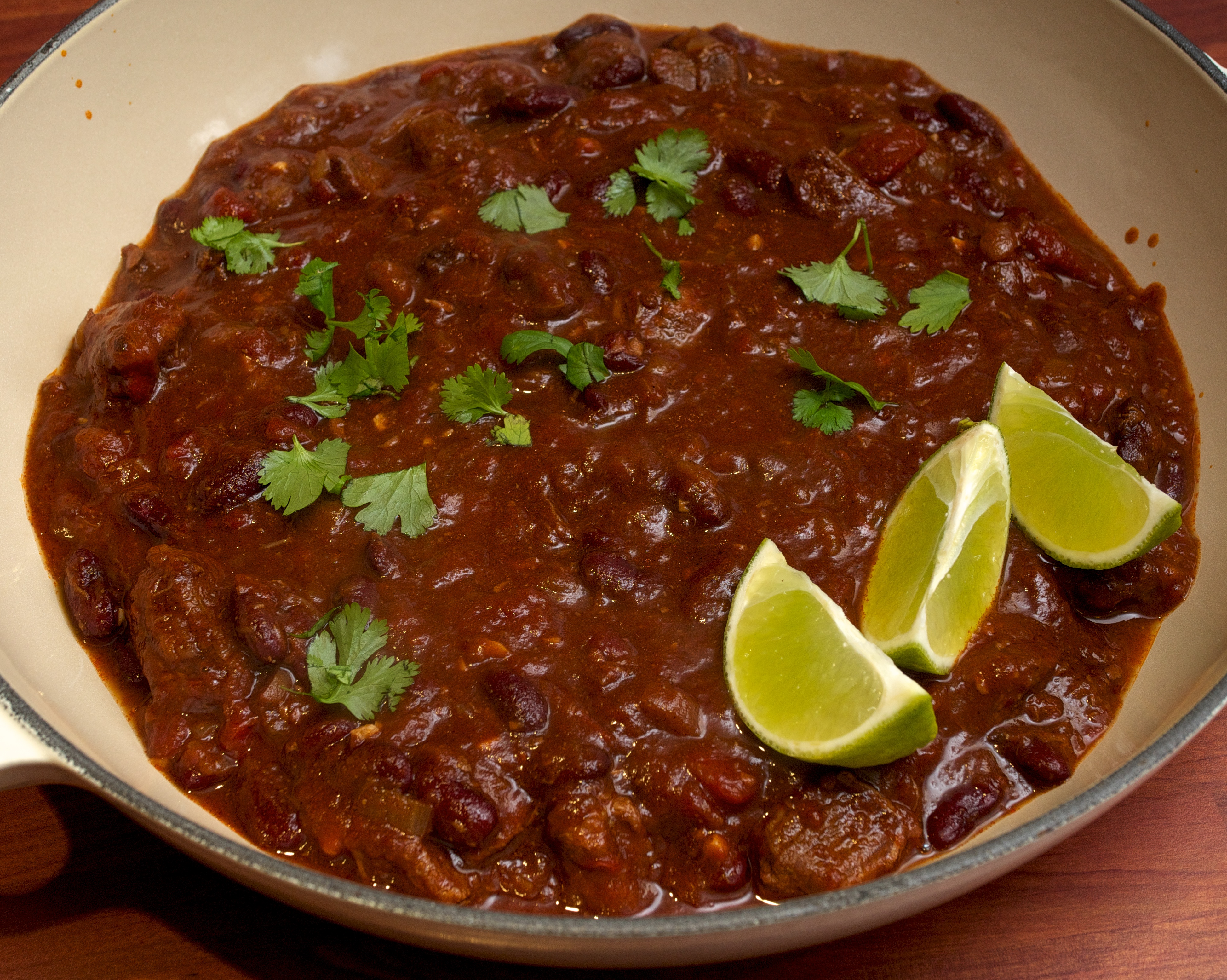
Easy Chunky Chilli
This recipe uses a couple of cheat ingredients (kidney beans in chilli sauce and chipotle paste) with great results – very little effort but tonnes of flavour!
Wine Suggestion: We’d go for something juicy, fruity and red. Perhaps a Spanish Garnacha or a lighter Zinfandel where the tannins aren’t too high and dry and won’t conflict with the heat in the chilli.
Easy Chunky Chilli – to serve 4
- olive oil
- 400g diced stewing beef
- 1 onion, finely chopped
- 2 garlic cloves, finely chopped
- 1½ tsp ground cumin
- 1-2 tbsp chipotle paste (depending on how spicy you like it)
- 400g can kidney beans in chilli sauce
- 400g can chopped tomatoes
- 1 lime, zested and cut into wedges
- handful of coriander leaves
- rice, to serve
Heat a couple of tablespoons of oil in a large pan and cook the beef pieces until browned all over. Remove with a slotted spoon and set aside.
Add the onion to the pan and cook until softened. Add the garlic, cumin and chipotle paste and cook for one minute.
Sieve the kidney beans but reserve the sauce. Add this sauce, along with the tomatoes and a can full of water, to the pan. Stir well and return the meat to the pan. Bring to a simmer, then cook covered for about 2 hours or until the beef is tender (you can also bake in the oven for 3 hours at 160C/140C fan/gas 3).
Add the kidney beans and lime zest, season and warm through. Serve with the coriander leaves, lime wedges and rice.
(Original recipe from BBC Good Food)
Posted in Beef, Food | Tagged Beef, Chilli, Chilli con carne, Chipotle paste, Cooking, Easy, Food, Recipe | 3 Comments »
22 April 2014 by jonoandjules
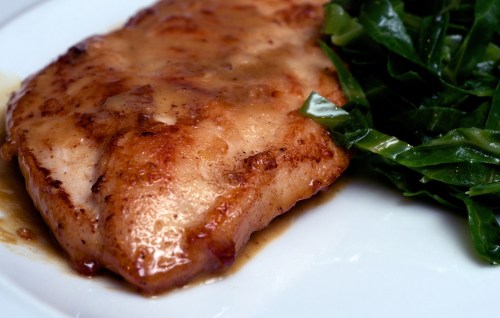
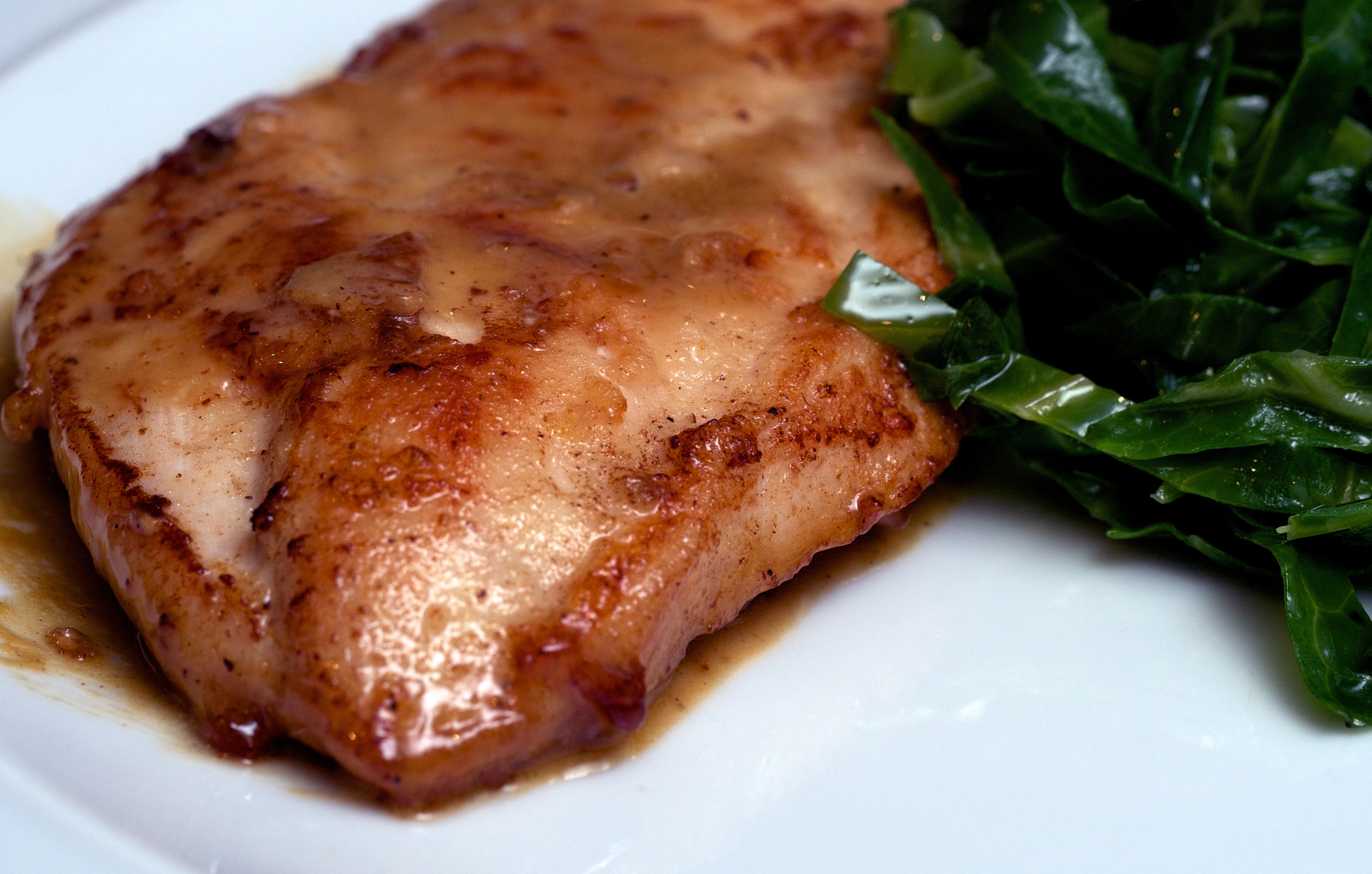
Creamy Madeira Chicken
The inspiration for this dish comes from Nigel Slater who has written a book full of ideas with very few ingredients and lots of flavour.
Wine suggestion: Madeira is a fortified Portuguese which tends to have good levels of acidity and is noted for lasting forever, even when open. This is a wine which is also nice to drink and would pair well with this dish, otherwise we would try a southern white Burgundy for a round, richer touch, or a very good New World Chardonnay where the ripeness and balance is is in great harmony.
Creamy Madeira Chicken – to serve 2
- 2 chicken breasts
- a little seasoned flour
- a thick slice of butter
- a glass of Madeira
- 4 tbsp double cream
Place the chicken breasts between two sheets of cling film and bash with a rolling pin, or similar weapon, to flatten.
Dust the chicken with the seasoned flour.
Melt the butter in a shallow pan, add the chicken and cook briefly on both sides until golden. Remove the chicken from the pan and set aside.
Add the Madeira to the pan and let it bubble while you scrape any chicken residue from the bottom of the pan. When the liquid has reduced by half, stir in the double cream, then season and simmer briefly.
(Original recipe from Eat: the little book of fast food by Nigel Slater, Fourth Estate, 2013.)
Posted in Chicken, Food | Tagged Chicken, Cooking, Cream, Easy, Eat, Food, Madeira, Nigel Slater, Recipe | 5 Comments »
18 April 2014 by jonoandjules

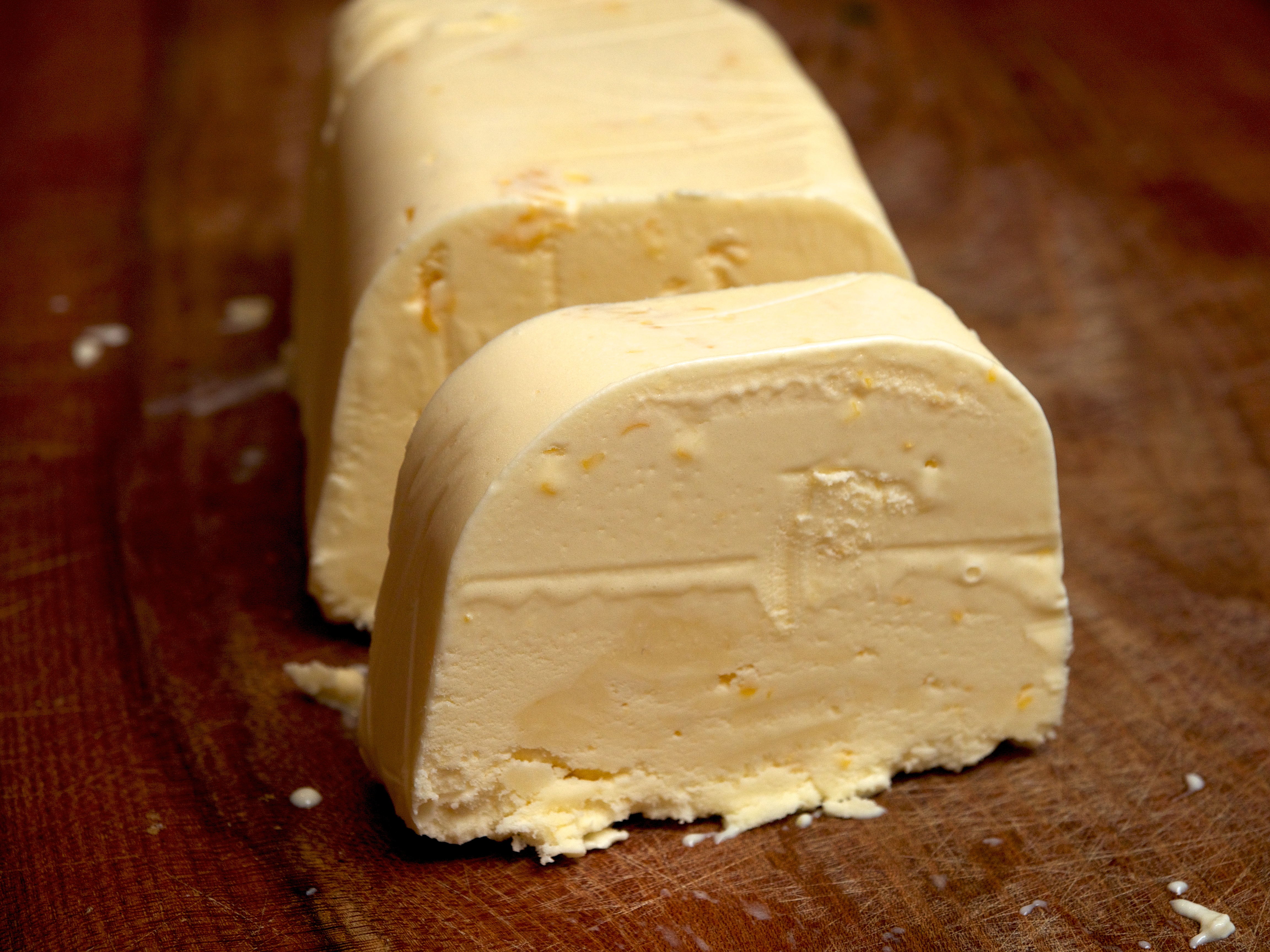
Lemon Curd Ice cream
Delicious, smooth and creamy ice cream.
Lemon curd yoghurt ice cream – to serve 4
For the lemon curd:
- 2 small lemons
- 120g caster sugar
- 50g unsalted butter
- 2 eggs
For the ice cream
Finely grate the zest of the lemons and squeeze the juice. Put the juice in a saucepan with the sugar and butter. Beat the eggs to break them up and add them to the pan.
Stir the mixture over a low to medium heat until the sugar and butter have melted, then increase the heat. Bring just to the boil, stirring constantly, them take off the heat. Strain through a sieve into a bowl and stir in the lemon zest. Set aside to cool completely.
Once, cool, stir this lemon curd into the yoghurt and churn using an ice-cream machine. Transfer to a loaf tin lined with cling film, then cover and freeze. Slice with a hot knife as soon as you take it out of the freezer.
(Original recipe from Leiths How to Cook, Quadrille, 2013)
Posted in Dessert, Food, Vegetarian | Tagged Cooking, Dessert, Food, Ice cream, Lemon curd, Recipe, Vegetarian | 3 Comments »
16 April 2014 by jonoandjules

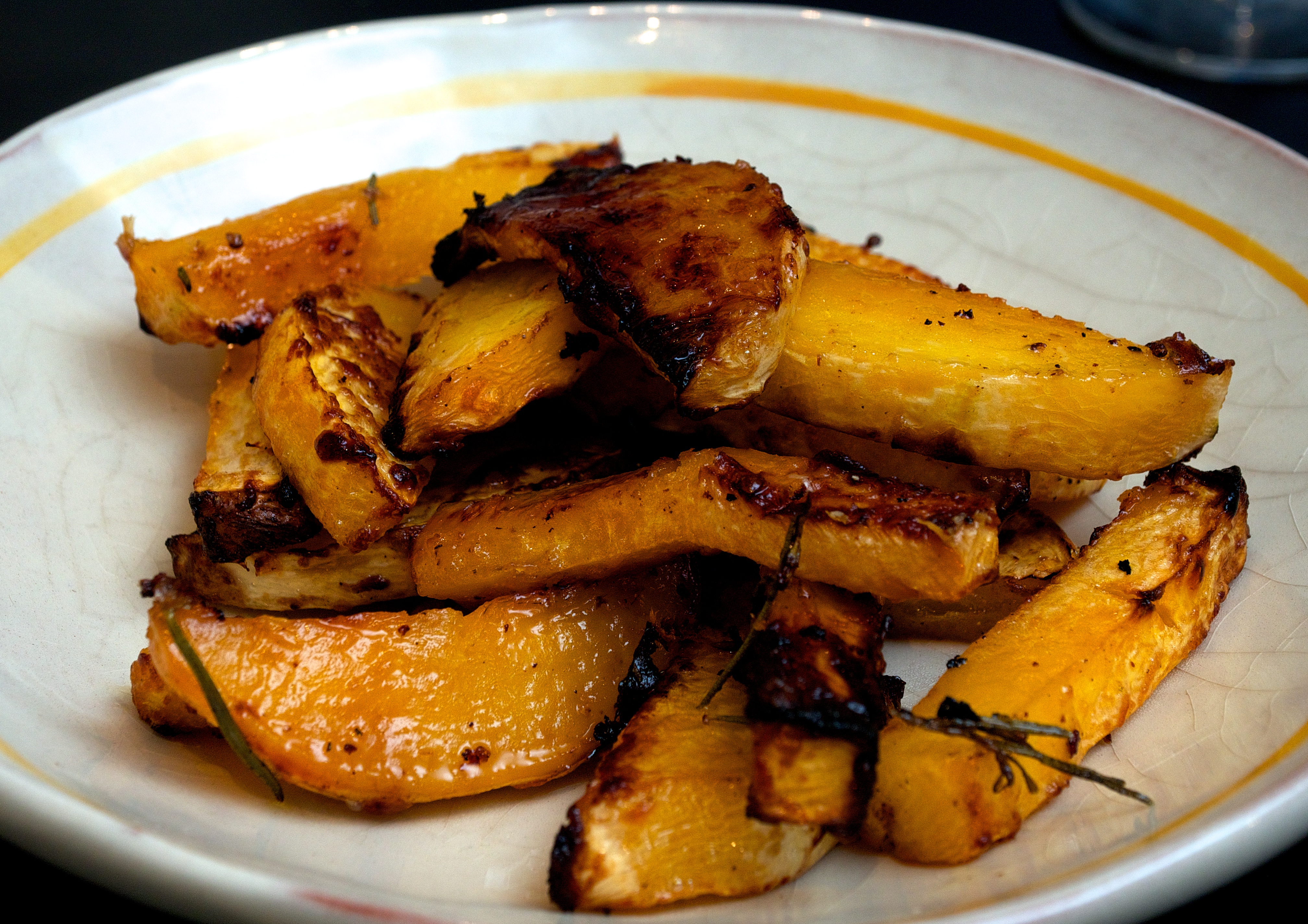
Parmesan Turnip / Swede
We insist on calling swede turnip in Ireland which can lead to confusion. To be clear we mean the large yellow-fleshed sort as opposed to the smaller, white-fleshed turnips.
We like both versions, but particularly the larger ones, and this is a great side dish which makes a change from mash.
Roasted turnip-swede with Parmesan – to serve 4
- 1 large swede/turnip, peeled and cut into chips
- 1 tbsp olive oil
- 50g Parmesan, grated
- 1 tbsp rosemary leaves
- knob of butter
- 2 garlic cloves, peeled
Heat oven to 220C/fan 200C/gas 7.
Put the turnip, olive oil, almost all of the Parmesan, and the rosemary leaves into a shallow roasting tin. Season, toss well, and arrange in a single layer.
Sprinkle over the remaining Parmesan, dot with butter and add the garlic cloves.
Roast for 35-40 minutes, turning halfway, until golden and cooked through.
(Original recipe from BBC Good Food)
Posted in Food, Side dish | Tagged Cooking, Food, Parmesan, Recipe, side dish, Swede, Turnip | 1 Comment »
15 April 2014 by jonoandjules

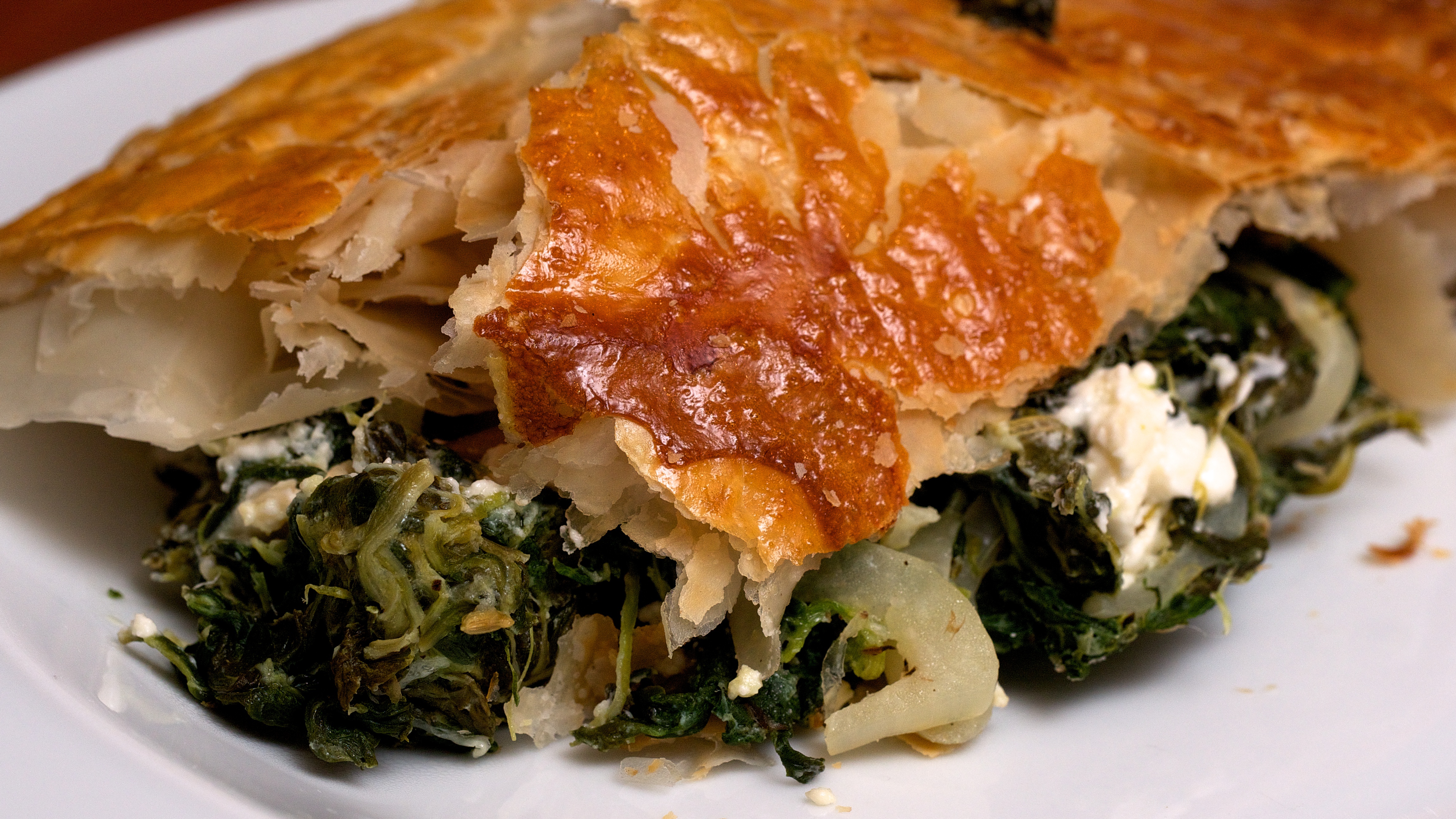
Easy Spanakopita
Inspired by Spanakopita, this is a simple recipe that’s easy to throw together when time is short and requires very little shopping.
Easy Spinach & Feta Pie (Cheat’s Spanakopita) – to serve 4
- 1kg frozen whole-leaf spinach
- 2 tbsp olive oil
- 1 tsp cumin, fennel or caraway seeds (use what you have)
- 1 large onion, finely sliced
- ½ tsp dried thyme or a few sprigs of fresh thyme, leaves only, chopped
- a squeeze of lemon juice
- 2 large eggs, lightly beaten
- 100g feta or soft goats cheese, broken into small chunks
- 35g pine nuts, toasted or roughly chopped cashew nuts (we used a mix of both)
- 375g all-butter, ready-rolled puff pastry
Heat the oven to 200°C /Gas Mark 6.
Put the frozen spinach into a saucepan with a splash of water. Cover and heat gently, stirring occasionally, until totally defrosted. Drain in a sieve, pressing with a wooden spoon.
Meanwhile, heat the olive oil in a frying pan over a medium heat. Add the spice seeds and cook for a couple of minutes, then add the onion and sauté until soft and golden. Add the thyme.
When the spinach has cooled a bit, squeeze as much liquid out of it as you can with your hands, then roughly chop. Mix with the onion, a squeeze of lemon juice and plenty of seasoning. Keep a few tablespoons of the egg for glazing and stir the rest into the spinach and onion mixture.
Spoon half the spinach mixture into an ovenproof dish (around 25 x 20 cm). Scatter over the cheese and pine nuts or cashews, and top with the remaining spinach. Brush a little beaten egg around the rim of the dish.
Lay the pastry over the dish and trim. Press the edge down on the rim of the dish so that it sticks. Brush with the rest of the beaten egg and bake for about 25 minutes or until the pastry is puffed up and golden brown.
(Original recipe from River Cottage Veg Everyday! by Hugh Fearnley-Whittingstall, Bloomsbury, 2011.)
Posted in Food, Vegetarian | Tagged Cooking, Easy, Feta, Food, Recipe, Spanakopita, Spinach, Vegetarian | 3 Comments »
14 April 2014 by jonoandjules
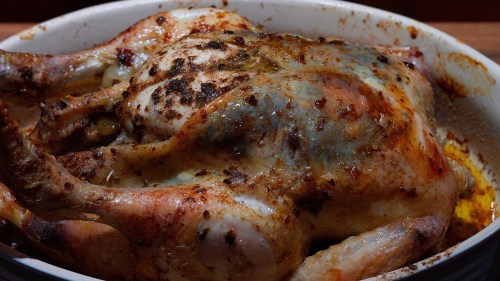
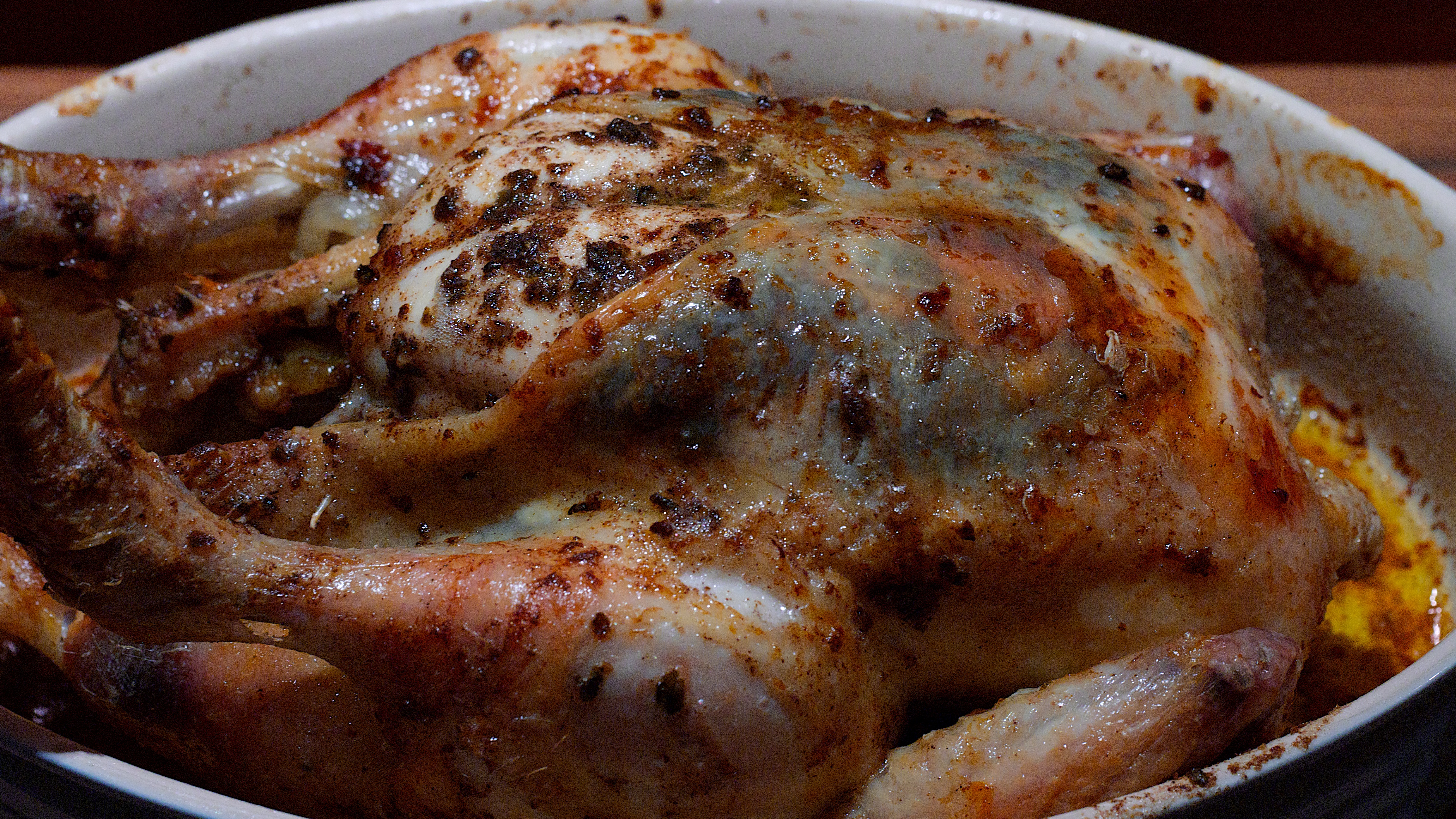
Roast Chicken with a green peppercorn and cinnamon butter
With Julie not being a massive fan of cinnamon, we were a bit hesitant about trying this recipe, but fear not – the green pepper and cinnamon butter is fabulous and a great way to jazz up roast chicken. The spice and pepper adds depth and personality but does not dominate in the slightest, rather allowing the succulent chicken to shine. If you’re really not convinced by cinnamon you can replace it with ground coriander, cumin or ginger.
Wine Suggestion: We drank an highly unusual white, Foradori’s Manzoni Bianco, and were blown away by both the delicious taste of the wine and the good match with the chicken. The Manzoni grape is a rare and unusual hybrid of Riesling and Pinot Bianco grown in the North East of Italy. There has been an obvious attention to detail in the vineyards and winery with a very complex yellow fruit flavour with layers of spice, flowers, smoke and an exotic hint of incense. This may sound heavy and cloying but the wine is fresh as a daisy and refreshing.
Chicken Baked with Green Pepper & Cinnamon Butter – to serve 4
- 1 chicken
- a few bay leaves
- 2 tsp green peppercorns
- a small sliver of garlic
- ½ tsp ground cinnamon
- 45g soft butter
- salt
- lemon quarters and watercress, to serve
To make the butter:
Crush the green peppercorns with the garlic and cinnamon in a pestle and mortar. Thoroughly combine the spice paste with the butter, then add 1 tsp of salt.
Lift the skin of the chicken and rub with salt and then some spiced butter. Slash the drumsticks and thick part of the legs before spreading with the butter. Save a little bit of butter and put it inside the chicken. If you have time you can leave the chicken for a couple of hours before cooking.
Preheat the oven to 180°C/Gas 4.
Put the chicken and bay leaves into a shallow baking dish into which it fits neatly. Cook, uncovered, on the middle shelf, allowing 20 minutes on each side. Continue to cook breast upwards until the juices run clear and the skin is golden and crisp.
Serve with the lemon quarters, watercress and the buttery juices.
(Original recipe from At Elizabeth David’s Table: Her very best everyday recipes, Penguin, 2010.)
Posted in Chicken, Food | Tagged Butter, Chicken, Cinnamon, cinnamon butter, Cooking, Elizabeth David, Food, Green Peppercorns, Manzoni Bianco, Recipe | 1 Comment »
12 April 2014 by jonoandjules

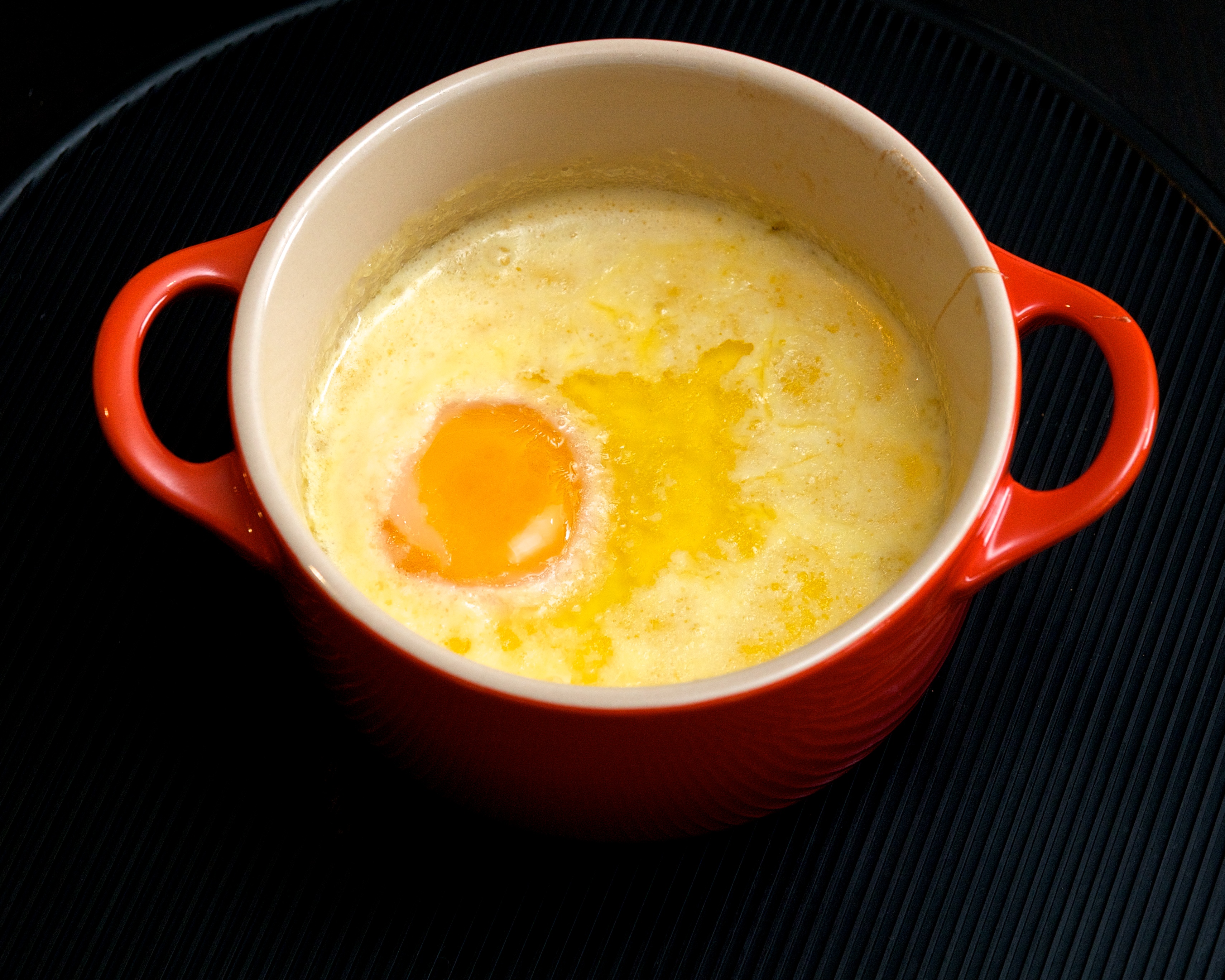
Ouefs en cocotte
A simple but indulgent weekend breakfast. Perfect for using up any leftover cream from the night before.
Ouefs en cocotte
- butter
- one egg per person
- one tbsp of cream per person
You need small oven-proof china dishes.
Pre-heat the oven to 190°C/Gas 5.
Get your eggs ready by breaking into separate mugs.
Put a lump of butter into each dish. Place in the oven and remove as soon as the butter has melted.
Slide an egg into each dish.
Pour a tablespoon of cream over each egg, avoiding the yolk, and return to the oven.
You need to watch these carefully but they are likely to take about 4-5 minutes. You want to remove them while you still have a runny yoke. If you practice these a few times you will get to know the perfect timings for your oven.
Serve with buttered toast soldiers.
(Original recipe from At Elizabeth David’s Table: Her very best everyday recipes, Penguin, 2010.)
Posted in Food, Vegetarian | Tagged Baked eggs, Breakfast, cocotte, Cooking, Cream, Eggs, Food, Ouefs, Recipe, Vegetarian | Leave a Comment »
10 April 2014 by jonoandjules
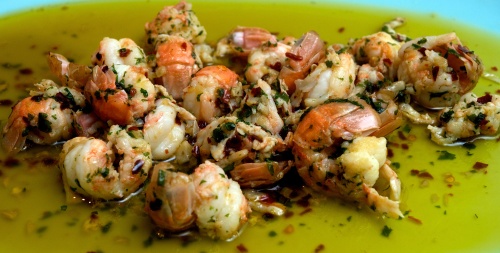
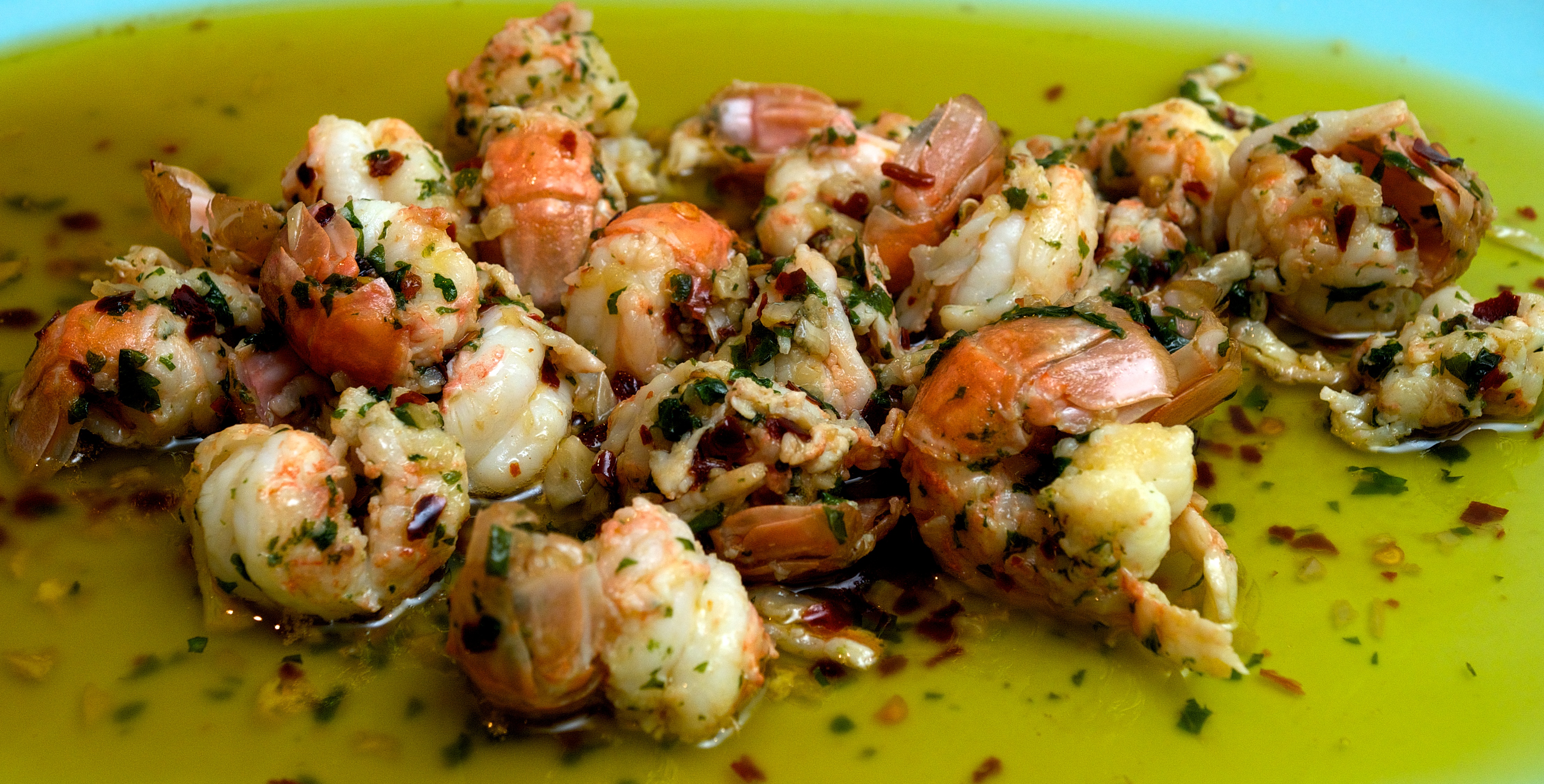
Gambas al ajillo
This is the same dish as Prawns Pil-Pil which you get in restaurants all over Spain. Ordinary food but absolutely delicious. Don’t forget some crusty bread to mop up the oil.
Wine Suggestion: This is great with a Manzanilla sherry, like the La Gitana by Hidalgo we had with it. The dry and savoury character of the wine makes every component sing and has a great ability to both entice hunger and also sate the palate.
Gambas al ajillo – to serve 4 as a starter
- 750g unpeeled prawns
- 8 garlic cloves
- 5g flat-leaf parsley leaves
- 300ml olive oil
- 2 tsp crushed dried chilli flakes
Peel the prawns but leave the last tail segment in place.
Sprinkle the garlic and parsley with ½ tsp of salt and chop together to form a course mixture.
Pour the oil into a large, deep frying pan over a low heat. When hot, at the chilli flakes and garlic and parsley mixture and cook gently for a few minute or until sizzling and smelling delicious.
Turn the heat up a touch before adding prawns and cooking for a few minutes or until just cooked through. Season with a bit more salt to taste.
(Original recipe from Rick Stein’s Spain, BBC Books, 2011.)
Posted in Food, Prawns, Shellfish, Spanish | Tagged Cooking, Food, Gambas, Garlic, Langoustine, Pil-Pil, prawns, Recipe, Rick Stein, Spain, Spanish, Starter, Tapas | 1 Comment »
8 April 2014 by jonoandjules
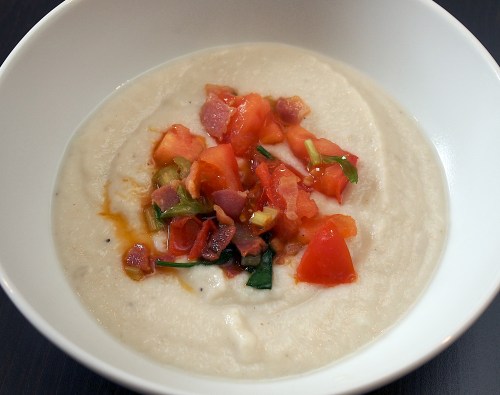
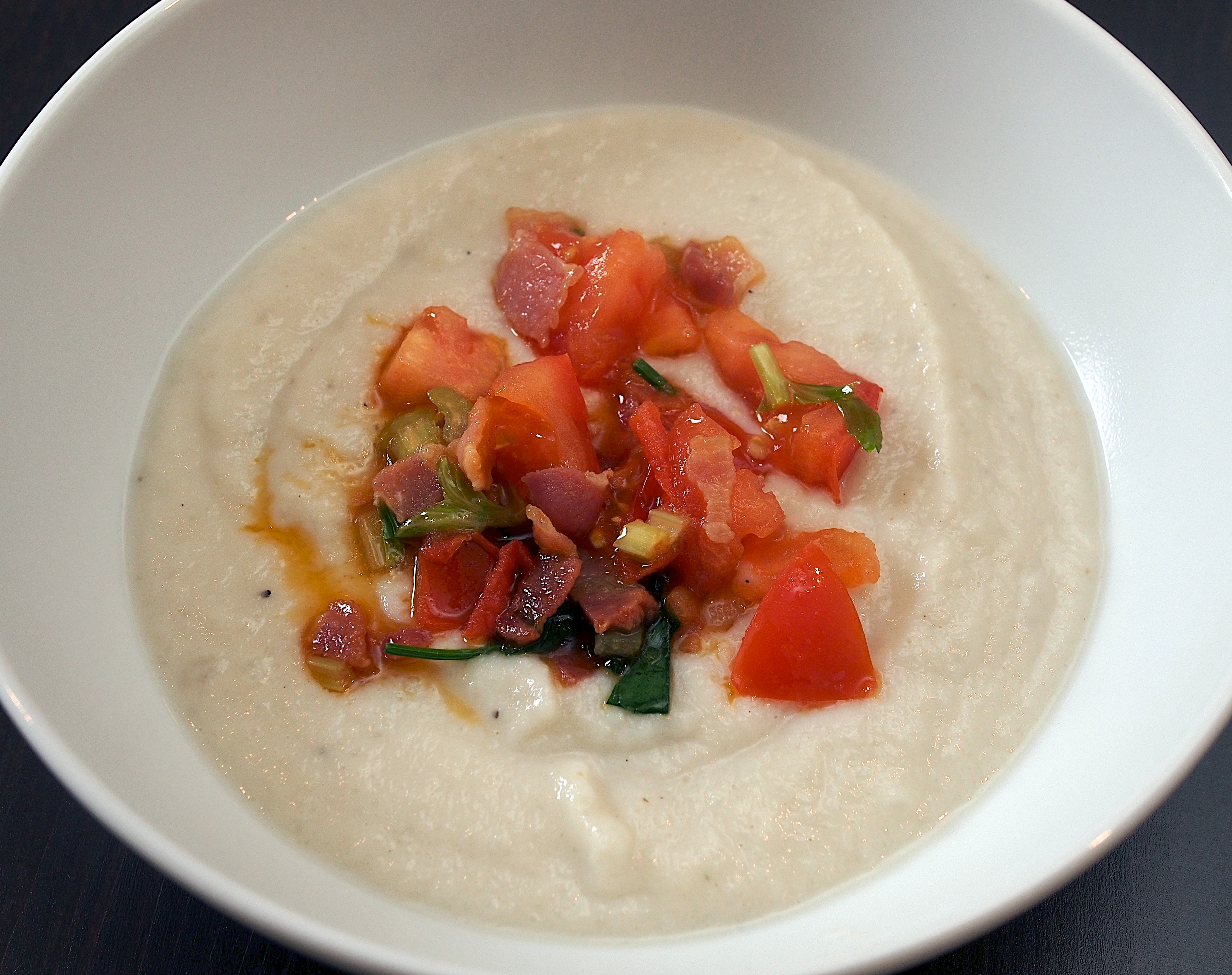
Jerusalem Artichoke soup
This is so refined in flavour and texture with the creamy and elegant soup working perfectly with the crunchy topping of celery, pancetta, garlic and fresh tomato. Highly recommended!
We’re a bit late with the recipe as Jerusalem artichoke season finishes in March but they’ll be back again at the end of the year and they’re probably still around somewhere in the world.
Jerusalem Artichoke Soup – to serve 4
- 1kg Jerusalem artichokes
- 1.8 litres of salted water
- 300ml milk
- 2 tbsp olive oil
- 2 tomatoes, chopped
- 1 clove of garlic, peeled
- small piece of celery, chopped
- a little parsley, chopped
- 2 tbsp chopped ham or bacon or pancetta
Peel and chop the Jerusalem artichokes into even sized chunks. Simmer in the water until tender, then drain and purée with a stick blender.
Heat up the artichokes and gradually add the milk.
Heat the olive oil in a small frying pan and fry the tomatoes, garlic, celery, parsley and bacon for just a few minutes, then pour into the soup (along with the oil).
(Original recipe from At Elizabeth David’s Table: Her very best everyday recipes, Penguin, 2010.)
Posted in Food, Soup | Tagged Cooking, Elizabeth David, Food, French, Jerusalem artichokes, Recipe, Soup | Leave a Comment »
« Newer Posts - Older Posts »


 Jono & Jules do food & wine