Feeds:
Posts
Comments

Posts Tagged ‘Easy’

These are flavour-packed and great to serve with drinks … cannot wait to have someone over for drinks!

Wine Suggestion: despite the spice in this dish we think these go great with a good sparkling, particularly one made using the Champagne method of double fermentation in the bottle. A touch of dosage, creamy mousse and the lift of naturally acidic grapes both lift the flavours and the mood.

Gochujang Chicken Skewers – serves 4 or more as a bite-sized canapé

  • 500g chicken thigh fillets, cut into small bite-size pieces
  • sesame seeds, to serve
  • scallions, finely sliced to serve

FOR THE MARINADE:

  • 2 cloves of garlic, grated
  • a thumb-sized piece of ginger, grated
  • 2 tbsp soy sauce
  • 1 tsp sesame oil
  • 1 tbsp white wine vinegar
  • 1 tbsp clear honey, plus a bit extra
  • 1 heaped tsp gochujang paste

Mix all of the marinade ingredients together in a large bowl. Add the chicken pieces and leave to marinate for no more than 30 minutes. 

Heat the oven to 190C/170C Fan/Gas 5.

Put pieces of chicken onto cocktail sticks or small skewers and put onto an oiled baking tray (keep the marinade). Cook for 10-12 minutes. 

Meanwhile, put the marinade into a small pan over a low-medium heat and reduce for a few minutes, you can add a bit of extra honey if you like.

Take the chicken out of the oven and brush with the reduced marinade, then sprinkle the scallions and sesame seeds over the top. 

(Original recipe by Milli Taylor in Olive Magazine, Christmas 2014)
Read Full Post »

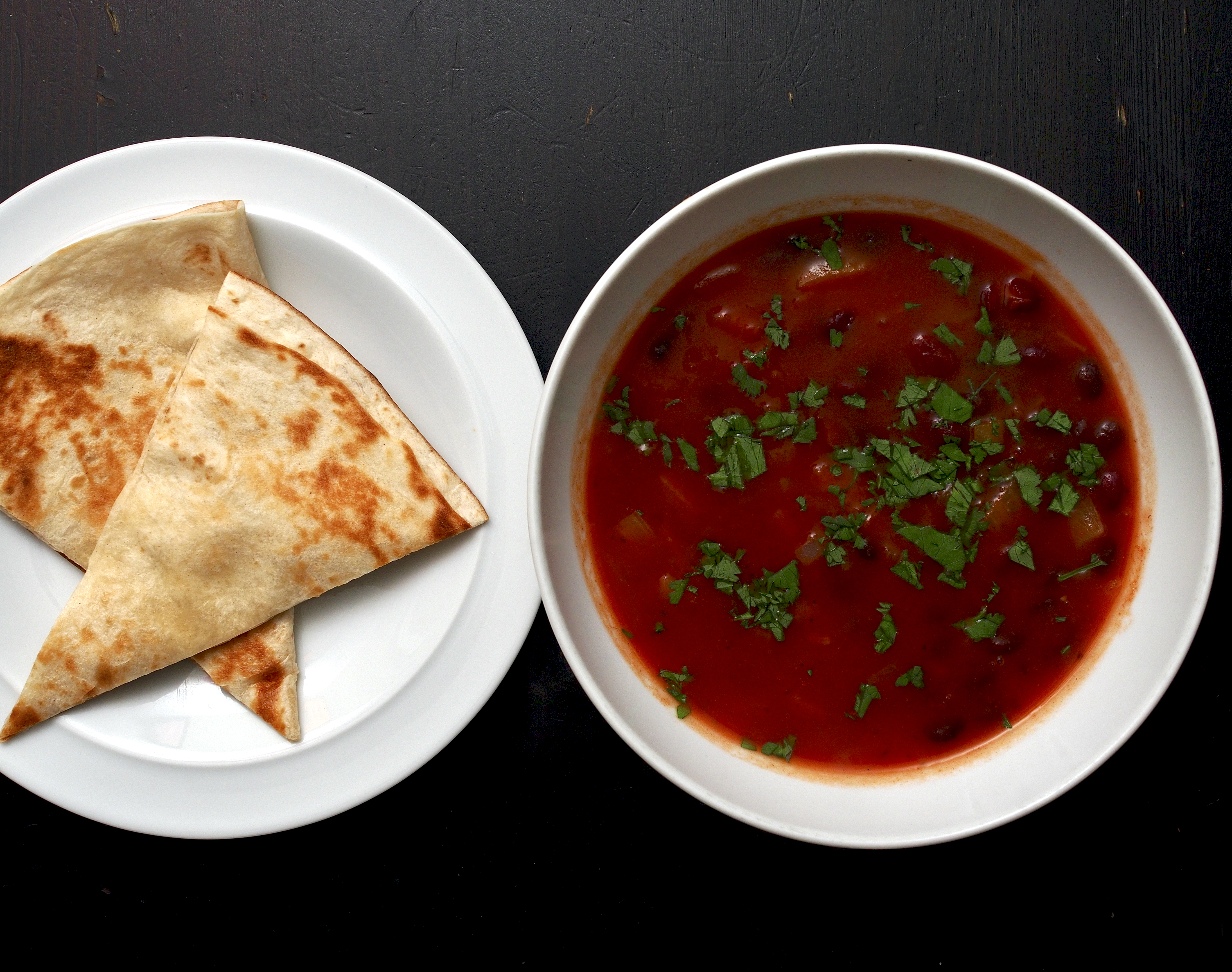
This soup is super simple but it’s really good with the toasted feta tortillas on the side for a weekday lunch.

Bean soup with feta tortillas – serves 4

  • 1 tbsp vegetable oil
  • 1 onion, chopped
  • 1 heaped tbsp chipotle paste
  • 500g carton passata
  • 500ml vegetable stock
  • 1 x 400g tin of red kidney beans, drained and rinsed
  • 1 x 400g tin of black beans, drained and rinsed
  • 200g feta
  • 4 large soft flour tortillas
  • a handful of coriander, roughly chopped
  • sour cream or yoghurt to serve

Heat the oil in a large saucepan and cook the onion over a medium-low heat for about 10 minutes, or until soft.

Add the chipotle paste, passata, stock and beans. Season, bring to the boil, then reduce the heat and simmer for 5 minutes.

Meanwhile, crumble the feta over one half of each of the tortillas, then sprinkle with the chopped coriander and season with black pepper. Fold the uncovered side over and press together. Heat a dry frying pan and cook the tortillas for a minute on each side or until crispy and the cheese has melted.

Serve the soup in warm bowls with a dollop of sour cream or yoghurt if you have it and the feta tortillas on the side.

(Original recipe from BBC Good Food)

Read Full Post »

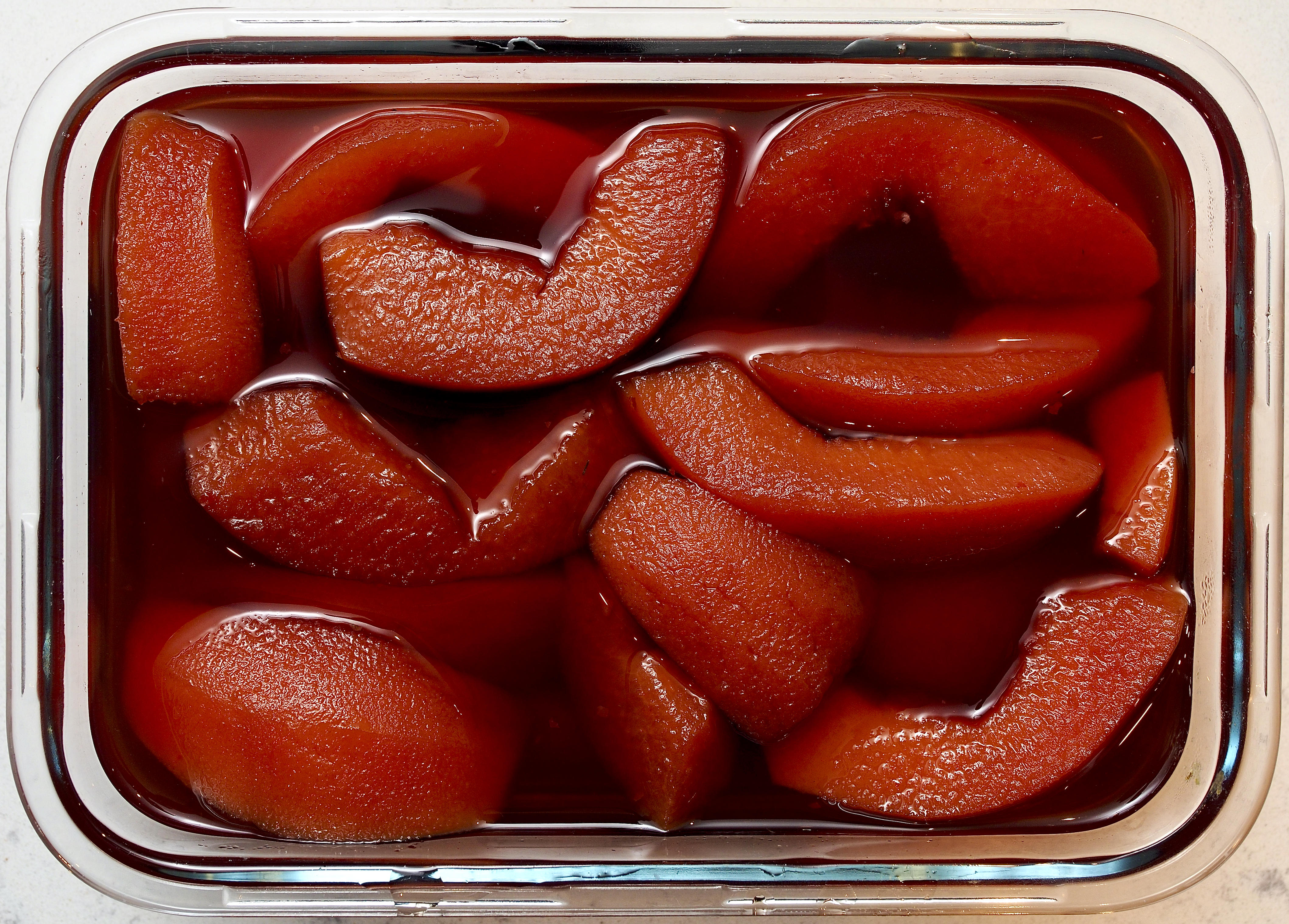
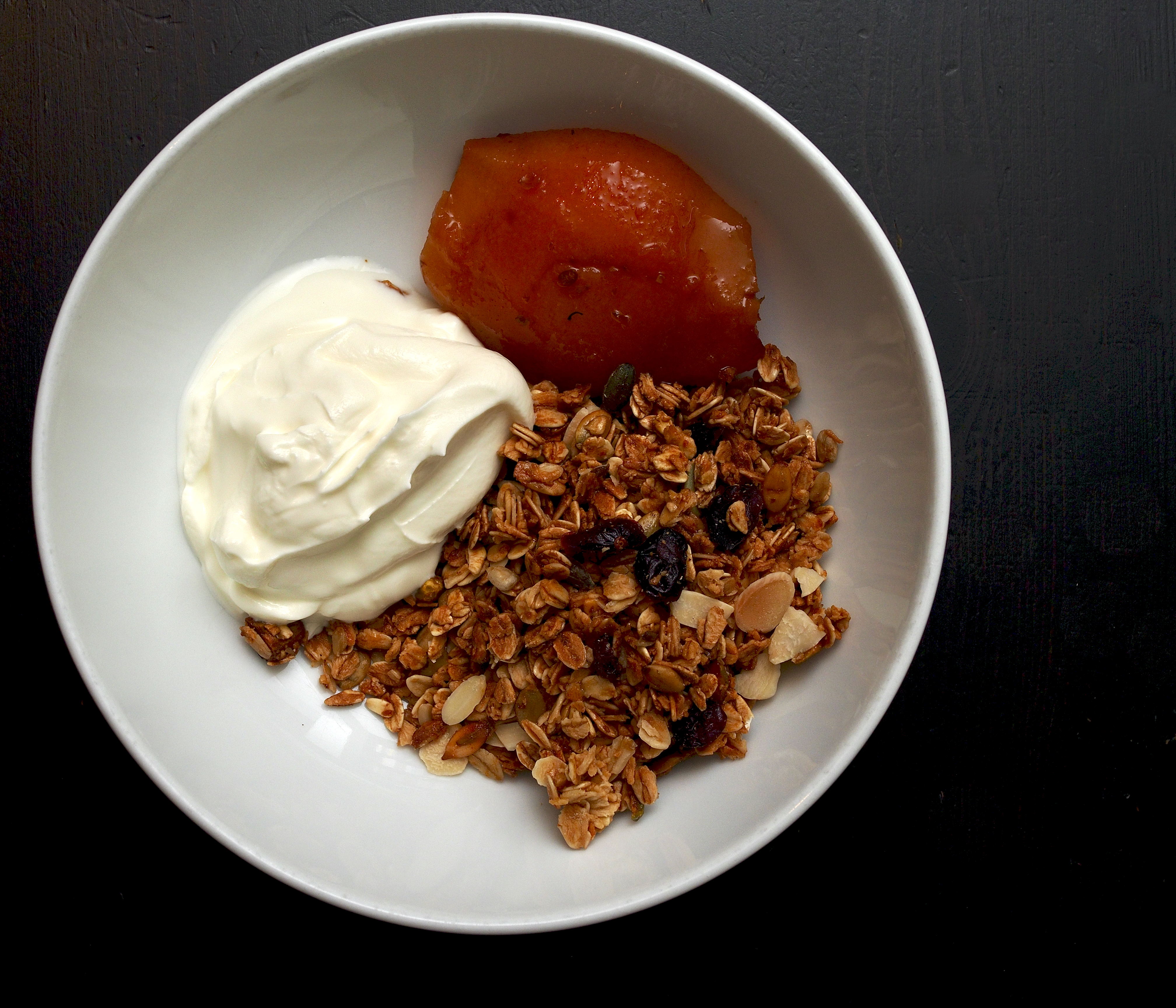
You could have these for dessert with some crème fraîche but we like them for breakfast with yoghurt and granola.

Pomegranate-poached quinces – serves 6

  • 700ml pure pomegranate juice
  • 300ml cold water
  • 350g caster sugar
  • 3 fresh bay leaves
  • 1 tsp pink peppercorns
  • a few sprigs of thyme
  • pomegranate seeds, to serve (we skipped these)

Heat the oven to 160C/140C fan. 

Put the pomegranate juice, water and sugar into a heavy casserole with a lid. Stir well, then add the bay leaves, peppercorns and thyme. Put the casserole over a low heat and leave to warm gently. 

Peel, quarter and core the quinces and add to the pan with the pomegranate juice. 

Bring to the boil, then scrunch up a piece of baking paper, slightly bigger than the pan, then unscrunch again and press down on top of the quinces, tucking it in and up the sides of the pan. Cover with the lid and place in the oven. 

Cook for 1½-2 hours or until tender. Remove the lid and baking paper, then scoop out the quinces with a spoon. Strain the liquid, then return to the heat and bubble until reduced by half. Pour the liquid back over the quinces and leave to cool. Keep in the fridge until ready to eat, they keep well for a few days. 

(Original recipe from Cook, Eat, Repeat by Nigella Lawson, Chatto & Windus, 2020)

Read Full Post »

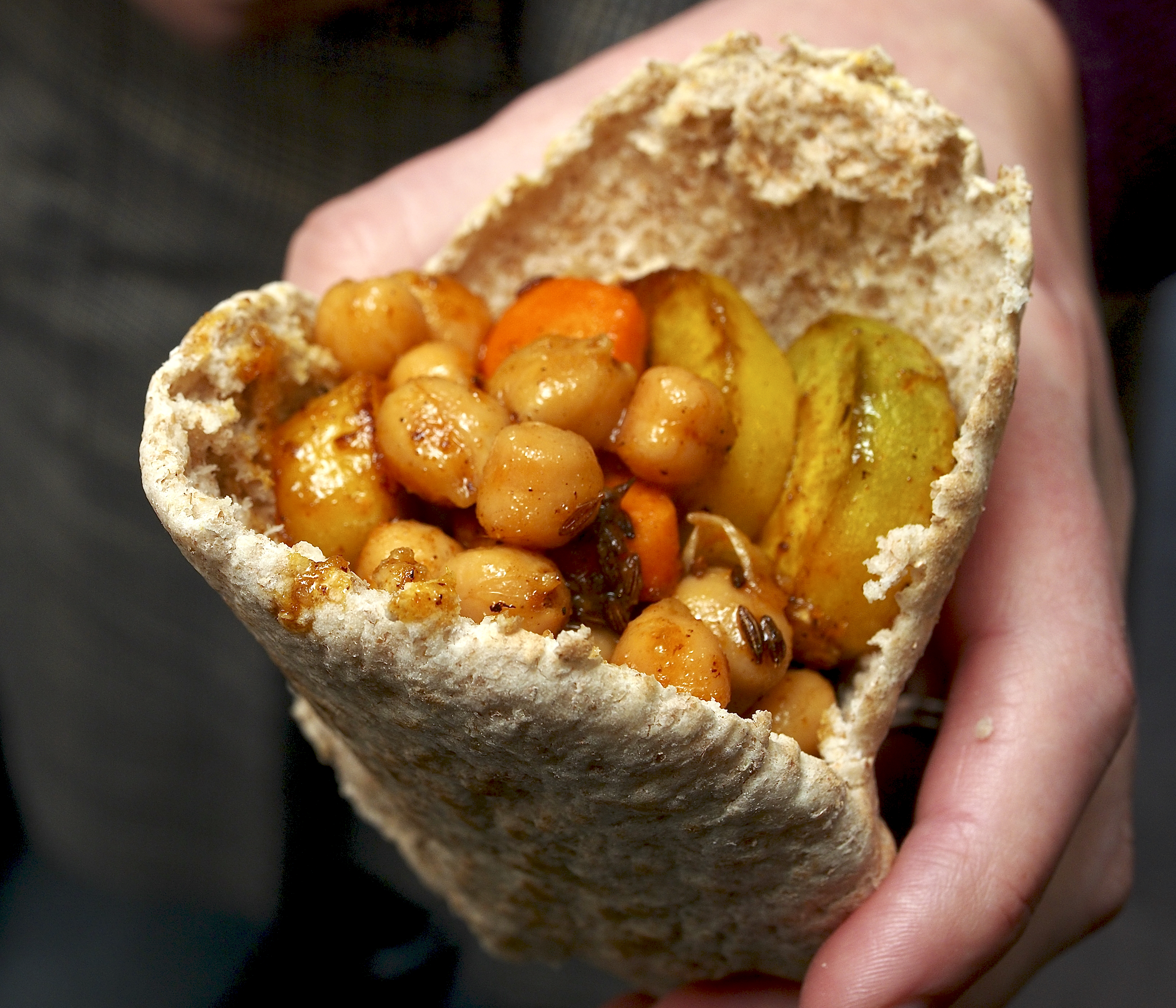
Our default lockdown lunch is soup, it helps with the heating bills! We ran out of soup last week and found this recipe when looking for lunch inspiration that would use the only ingredient left in the fridge – carrots. It was really very nice. 

Spicy Carrot & Chickpea Pitta – serves 4

  • 50g butter
  • 1 tbsp olive oil
  • 1 heaped tsp of cumin seeds
  • 4 large carrots, cut into 2cm thick rounds
  • 1 large garlic clove, finely sliced
  • finely grated zest of an orange, plus a good squeeze of the juice
  • 1 tsp hot smoked paprika
  • 400g tin chickpeas, drained and rinsed
  • 4 pitta breads
  • yoghurt or sour cream to serve

Heat the butter and oil in a frying pan over a medium heat. Add the cumin seeds and fry for a couple of minutes, then add the carrots and fry for 8-10 minutes. The carrots should be tender and starting to brown, but still with a bit of bite. 

Add the garlic, orange zest, paprika, and chickpeas and cook until the chickpeas are hot. Remove from the heat, season well with salt, pepper and a good squeeze of orange juice. 

Warm the pitta breads in a toaster or under the grill, then stuff the mixture into the pockets and top with yoghurt or sour cream. 

(Original recipe from River Cottage Veg Everyday! by Hugh Fearnley-Whittingstall, Bloomsbury, 2011.)

Read Full Post »

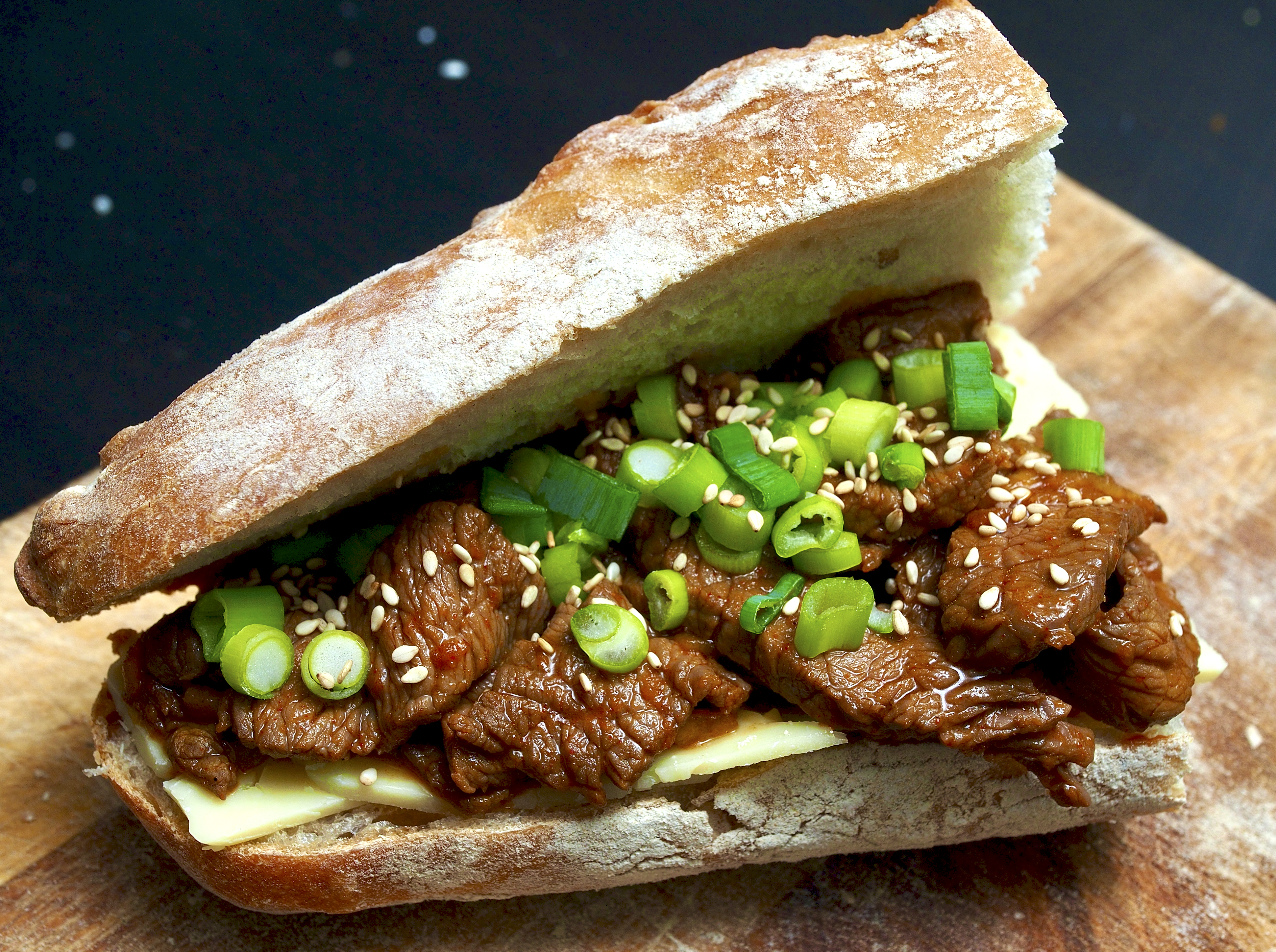
You can’t beat a steak sandwich and this one is super spicy and extra tasty! It certainly brightened up an otherwise uneventful Saturday for us. 

Bulgogi cheese steak sandwich – serves 4

  • 1 tsp grated ginger
  • 1 clove of garlic, grated
  • 1 tsp light brown soft sugar
  • 2 tbsp gochujang paste
  • 4 tbsp soy sauce
  • 2 tbsp sesame oil
  • 1 tbsp rice vinegar
  • ½ pear, peeled and cubed
  • 2 sirloin steaks, trimmed of fat and very finely sliced (this is easier if you freeze for 20 minute before slicing)
  • 1 baguette, cut into 4
  • mild cheddar cheese
  • 2 scallions, finely chopped
  • sesame seeds

Mix the ginger, garlic, sugar, gochujang, soy sauce, sesame oil and rice vinegar together in a large bowl, then mash in the pear. Add the steak and leave to marinate for an hour. 

Halve the pieces of baguettte and add a layer of cheese. 

Heat a wok over a high heat. Add the beef and marinade, bring to a simmer and stir until the meat is cooked through. 

Spoon the meat into the baguettes and sprinkle with scallions and sesame seeds. 

(Original recipe from Lulu Grimes and Anna Glover in Olive Magazine, January 2016.)

Read Full Post »

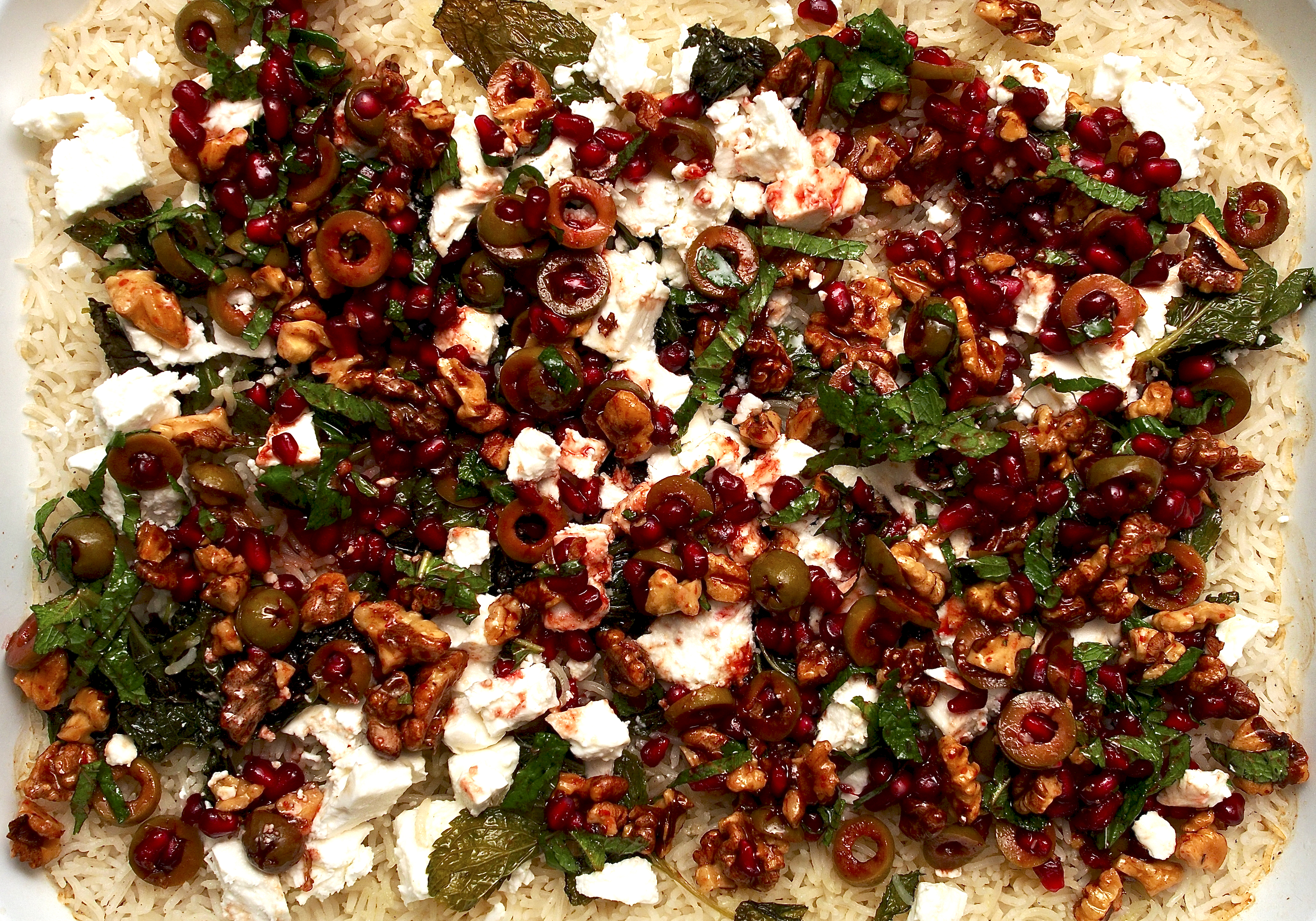
Such a simple and foolproof way of cooking rice from Ottolgenghi Simple. This gives a lovely texture and the salsa is delicious. We served with pulled lamb shawarma but it would be great with all sorts of dishes. 

Baked mint rice with pomegranate and olive salsa – serves 6

  • 400g basmati rice
  • 50g unsalted butter, melted
  • 800ml boiling water
  • 50g mint (leave 40g on the springs and shred the leaves of the remaining 10g for the salsa)
  • 150g feta, crumbled into 1-2cm pieces

FOR THE SALSA:

  • 40g pitted green olives, thinly sliced
  • seeds from a small pomegranate
  • 50g walnut halves, lightly roasted and roughly broken
  • 3 tbsp olive oil
  • 1 tbsp pomegranate molasses
  • 1 small clove of garlic, crushed

Preheat the oven to 230C fan or as high as your oven goes. 

Put the rice into a high-sided roasting tin, about 20 x 30cm. Season with ¾ tsp of salt and plenty of pepper, then pour over the melted butter and boiling water. Top with the mint sprigs and cover tightly with foil. Bake for 25 minutes, until the rice is fluffy and the liquid absorbed. 

Meanwhile, mix all of the salad ingredients, except the mint leaves, together in a bowl with ¼ tsp of salt. Mix well and set aside. 

When the rice is ready, pull the leaves off the mint sprigs and scatter them over the rice, then sprinkle over the feta. Just before serving, stir the shredded mint into the salsa and spoon over the rice. 

(Original recipe from Ottolenghi Simple, Ebury Press, 2018.)

Read Full Post »

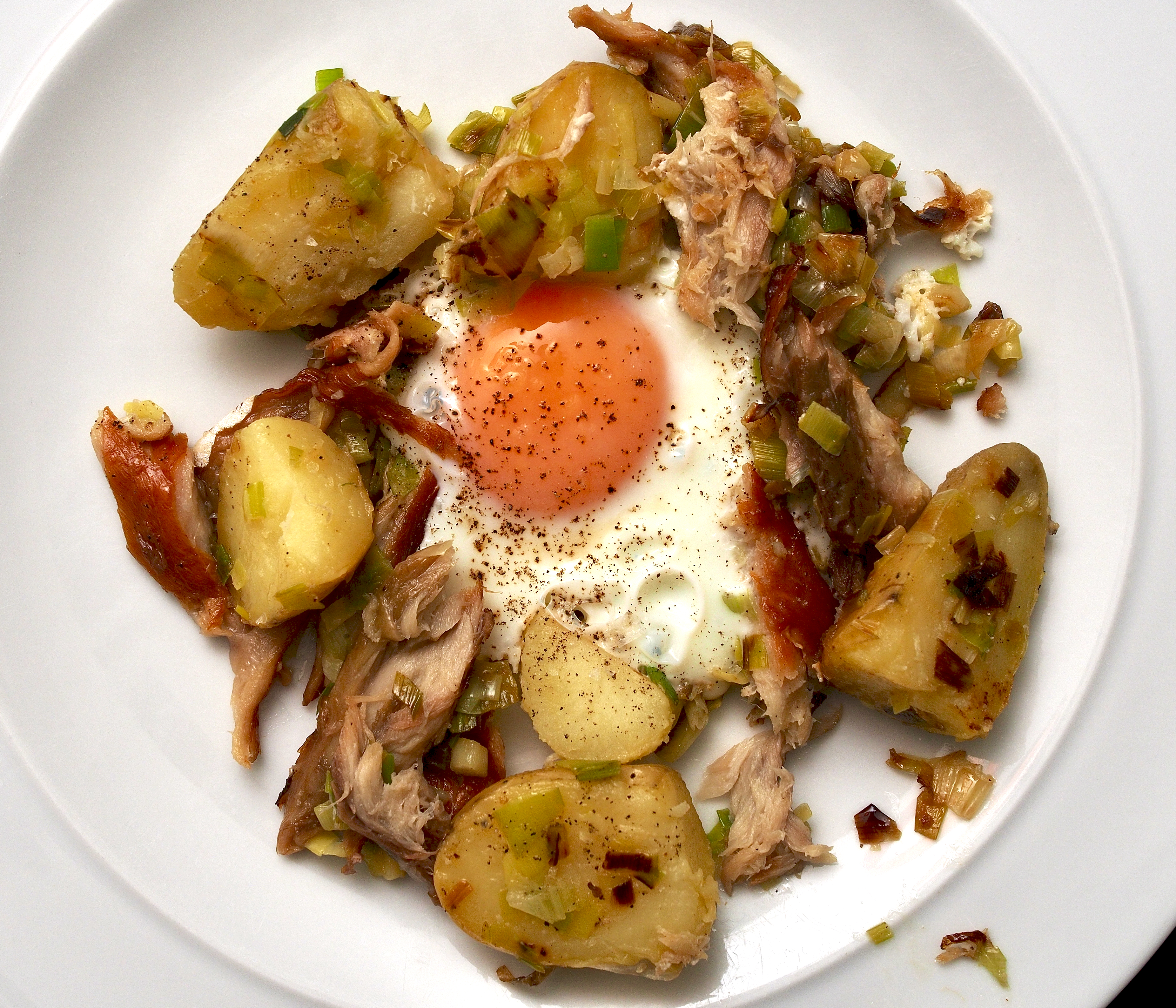
Thanks to a kind and generous birthday gift from friends we have been endowed with lovely smoked fish from the Connemara Smokehouse. The smoked mackerel made a lovely weekend brunch.

Smoked mackerel & leek hash with horseradish – serves 2

  • 250g new or salad potatoes, halved
  • 2 tbsp oil
  • 2 large leeks, thinly sliced
  • 2-4 eggs
  • 100g peppered mackerel, skin removed (we used regular smoked mackerel and that was good too)
  • 2 tbsp creamed horseradish

Steam the potatoes until tender. 

Meanwhile, heat the oil in a large frying pan over a medium heat, then add the leeks and a pinch of salt. Cook for about 10 minutes, or until softened. You will need to stir now and then to stop them sticking. 

Add the cooked potatoes, then turn up the heat and fry for a couple of minutes so they start to crisp and brown a bit, then flake through the mackerel.

Make some holes for the eggs in the mixture, then crack an egg into each, season, then cover the pan and cook for 6-8 minutes. You’re looking for set whites and runny yolks. Serve the horseradish sauce on the side. 

(Original recipe from BBC Good Food)

Read Full Post »

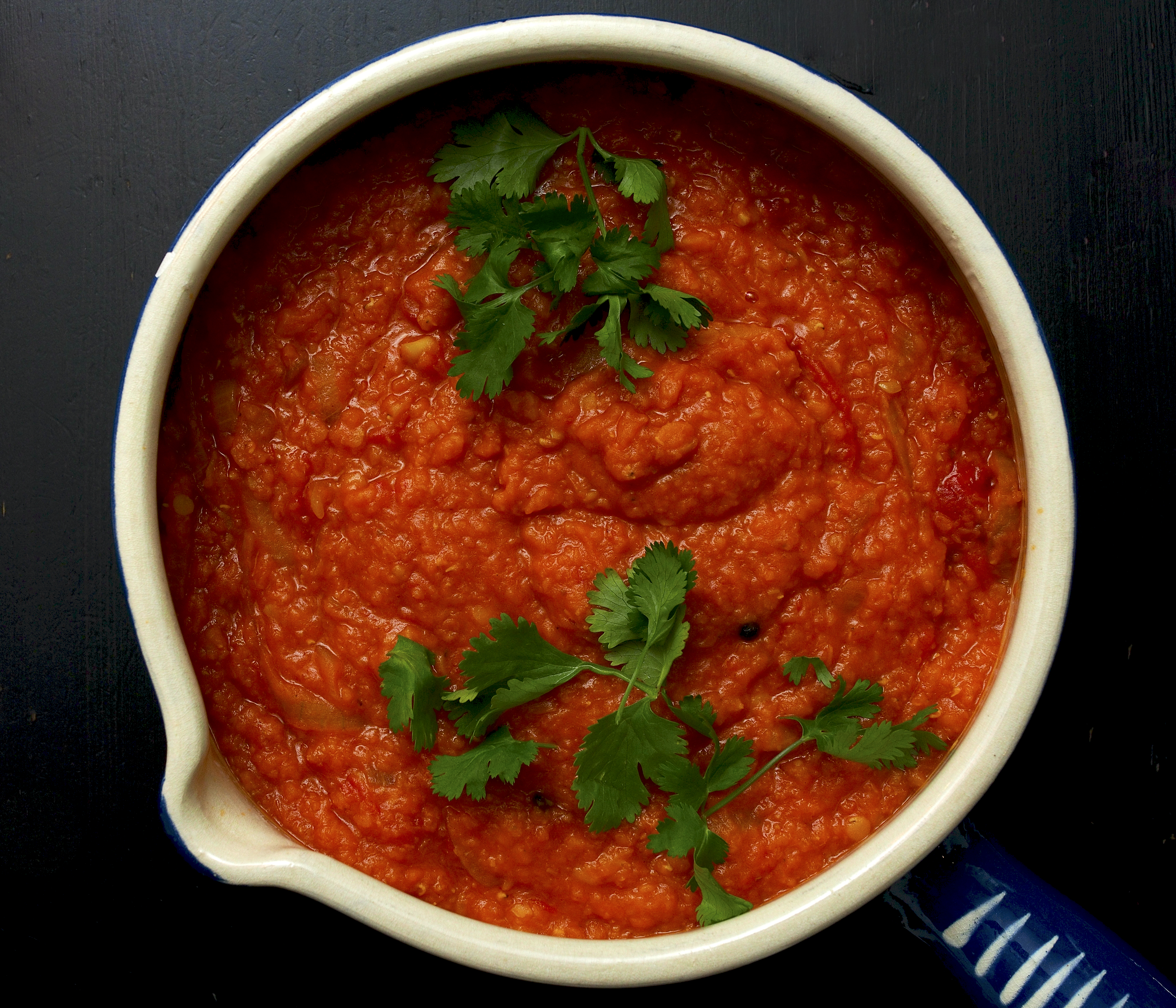
Meera Sodha’s daily Dal that she inherited from her mother. Nothing complex but very satisfying and like so many dishes, tastes better the next day. We served with rice, naan bread from the takeaway, yoghurt and mango chutney.

Daily dal – serves 4

  • 225g red lentils
  • 2 tbsp rapeseed oil
  • 12 peppercorns
  • 4 cloves
  • 1 onion, thinly sliced
  • 4 cloves of garlic, crushed
  • 6cm ginger, peeled and finely grated
  • ½ tsp chilli powder
  • ½ tsp ground coriander
  • ½ tsp ground turmeric
  • 1 tsp salt
  • 400g tin plum tomatoes

Rinse the lentils in a sieve until the water runs clear then put into a deep saucepan with a lid. Add 600ml of cold water, then bring to the boil over a medium-high heat. Cover with the lid and simmer gently for 10-15 minutes without stirring, until tender.

Meanwhile, put the oil into another deep saucepan. When hot, add the peppercorns and cloves and stir-fry for a minute, or until fragrant, then add the onion and cook for 8-10 minutes, until golden. 

Add the garlic and ginger and stir-fry for another 4 minutes before adding the chilli powder, coriander, turmeric and salt. Stir well, then add the tinned tomatoes, crushing them with your hand, then cover and simmer gently for about 8 minutes. 

The tomatoes should look paste-like now with only a little juice. Add the lentils using a draining spoon, then pour in any remaining water that they were boiling in, a little at a time, or until the consistency is good. 

Cover the pan again and cook on a low heat for a final 10 minutes. 

Taste and season with salt and more chilli if you like. 

(Original recipe from Made in India by Meera Sodha, Penguin: Fig Tree, 2014.)

Read Full Post »

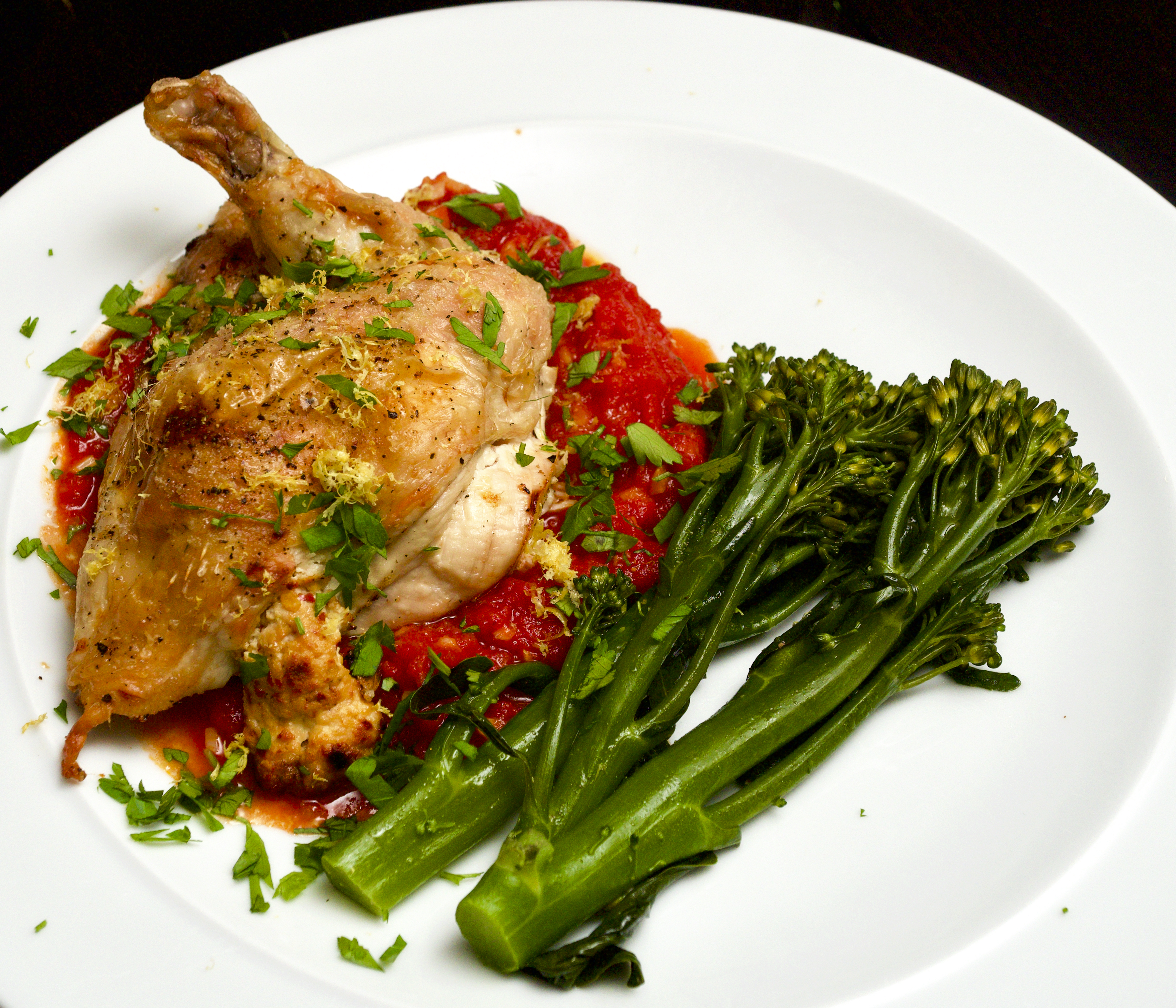
We made this a little while ago because we had some spare ricotta in the fridge. It was a really tasty mid-week meal with great flavours; lovely with some greens on the side.

Wine Suggestion: Keep it simple and go for a lightly oaked Chardonnay, Domaine Ventenac’s Cuvée Carole is a old favourite that has a lovely light touch.

Stuffed chicken with lemon, capers & chilli – serves 2

  • 2 large chicken breasts, with skin on
  • 4 tbsp ricotta
  • zest of 1 lemon
  • 2 tbsp grated Parmesan
  • 1 tsp capers
  • 1 tsp crushed chilli flakes
  • 2 tbsp olive oil
  • 2 garlic cloves, chopped
  • 400g tin chopped tomatoes
  • small handful of parsley
  • greens to serve or potatoes if you like

Heat the oven to 200C/180C fan/Gas 6.

Cut a slit in the side of each chicken breast, then use your fingers to make a pocket.

Mix the ricotta, half the lemon zest, Parmesan, capers, chilli flakes and seasoning in a bowl. Push this mixture into the chicken breasts, then secure with a cocktail stick.

Place the stuffed chicken into an ovenproof dish, drizzle over 1 tbsp of the olive oil and season. Bake for 15-20 minutes or until cooked through.

Meanwhile, make the sauce. Heat the other tbsp of oil in a saucepan. Add the chopped garlic and cook gently for a couple of minutes. Add the tomatoes, season well, then simmer for about 10 minutes or until thickened.

Spoon the tomato sauce onto plates, top with the chicken and sprinkle over the parsley and the rest of the lemon zest.

(Original recipe by Jennifer Joyce in BBC Good Food Magazine, October 2012.)

Read Full Post »

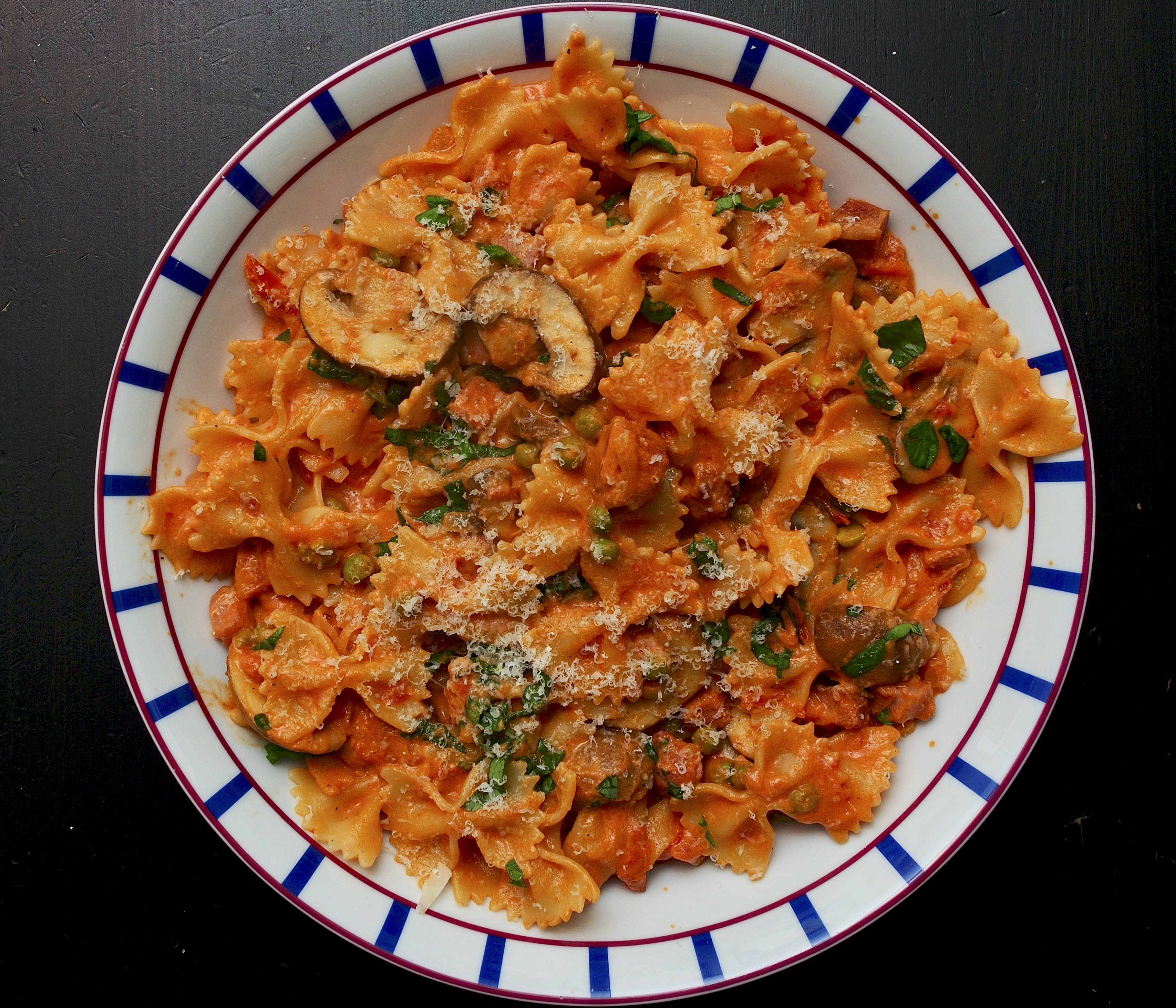
This is a good family meal, with lots of veg and a rich creamy sauce – it’s really filling. Quick and easy too and you can  double to serve many people or a crowd of kids, when crowds of kids exist again.

Wine Suggestion: This goes really well with a white that can cope with a rich, creamy dish.Keeping the Italian theme we’d suggest a good Verdicchio which tend to strike a nice balance between a fuller body, polyphenols (those white wine tannins that give texture and grip) and a nutty, saline freshness. The textures and the body make it work with the marscapone, ham and tomatoes especially well.

Farfalle with peas, mushrooms & ham – serves 4

  • 3 tbsp olive oil
  • a small onion, finely sliced
  • 125g diced cooked ham
  • 50g frozen peas
  • 100g chestnut mushrooms, sliced
  • 1 x 400g tins chopped tomatoes
  • 75g mascarpone cheese
  • 250g farfalle pasta
  • a small handful of chopped basil
  • grated Parmesan, to serve

Bring a very big pot of water to the boil and add lots of fine salt.

Heat the oil in a large frying pan and fry the onion for a few minutes over a medium heat. Add the ham, peas and mushrooms and keep cooking for about 5 minutes.

Add the chopped tomatoes, stir well and simmer gently for about 8 minutes, uncovered. Add the mascarpone, season well, then remove from the heat.

Meanwhile, cook the pasta in the boiling water until al dente, then drain and tip back into the pot. Pour the sauce over the pasta, then add the basil and stir together for about 30 seconds. Serve in warm bowls with Parmesan over the top.

(Original recipe from Pronto! by Gino D’Acampo, Kyle Books, 2014.)

Read Full Post »

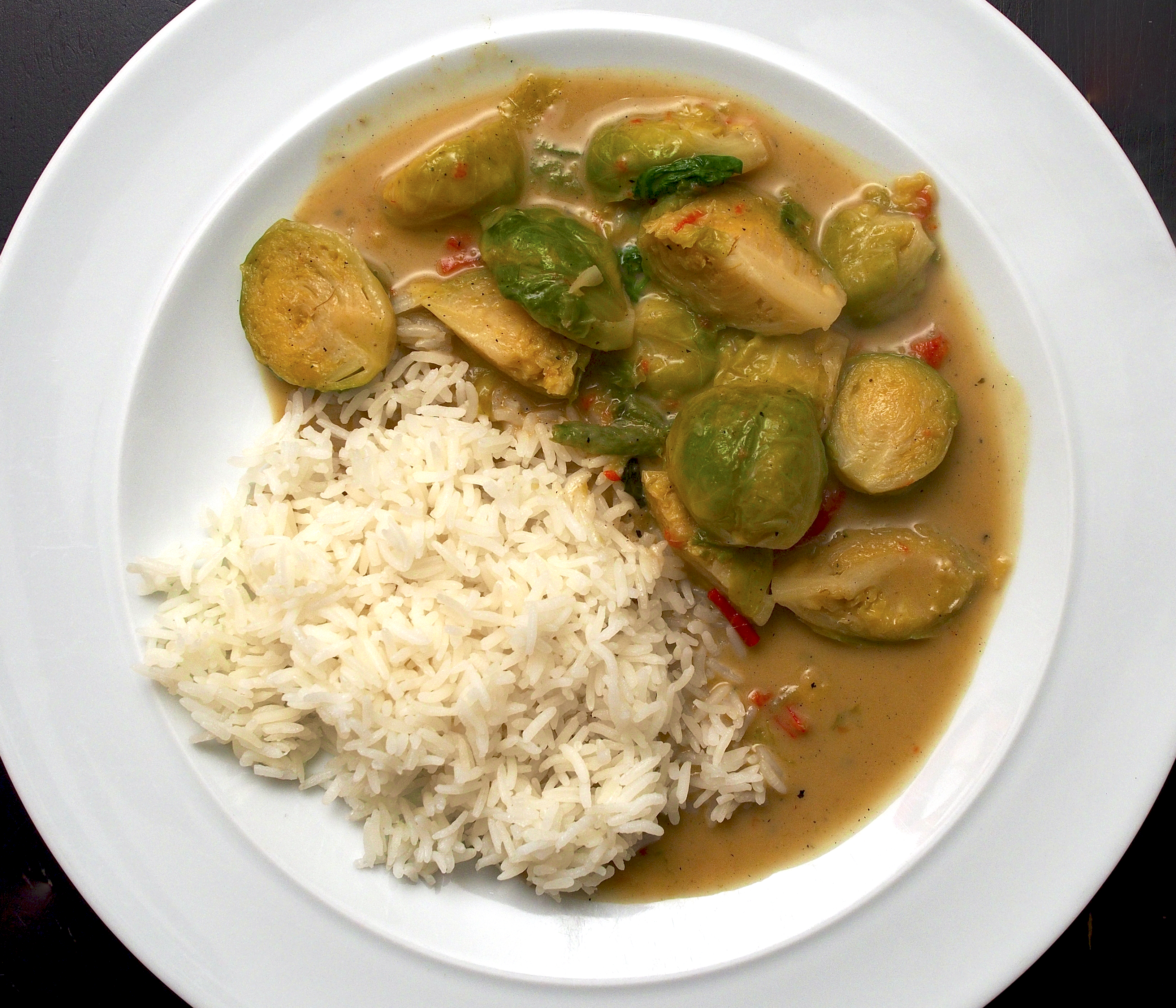
We don’t think you can covert sprout haters, but if you do like sprouts, you will love this! Serve with steamed rice.

Wine Suggestion: Albariño is not just great for seafood, its has versatility stamped into its very core and can be used for a good deal of food matching, like this dish here. Tonight’s wine was made by Pazo de Señorans, a distinct favourite in our house. Bone dry but with a lovely creamy core from the 5-6 months on lees.

Brussels Sprouts with Thai Flavours – serves 2-3

  • 400ml coconut milk
  • 1 tbsp Thai green curry paste, we use the Thai Gold brand
  • 1 green chilli, roughly chopped, then pounded in a pestle and mortar
  • 175ml chicken stock
  • 450g Brussels sprouts, cut in half, blanch in boiling salty water for 2 minutes, then drain in a colander and refresh under cold running water
  • 2 kaffir lime leaves, if you use dried ones you need to soak them in some warm water before using
  • ½ tbsp palm sugar
  • 2 tbsp fish sauce (nam pla)
  • 20 Thai basil leaves, regular basil will do if you can’t get Thai
  • 1 large red chilli, roughly chopped, then pounded in a pestle and mortar

Heat a wok over a gentle heat. Pour in 110ml of the coconut milk, then add the green curry paste and the green chilli and mix well.

Next, add the stock, the rest of the coconut milk, Brussels sprouts, kaffir lime leaves, palm sugar, fish sauce, half the basil leaves and the red chilli. Stir constantly over a medium heat for about 5 minutes or until the sauce boils and foams up. Reduce the heat and simmer, stirring all the time to avoid splitting, for about 10 minutes. The sprouts should be tender and the sauce slightly thickened.

Add the rest of the basil, season to taste and serve with steamed rice.

(Original recipe from Cook, Grow, Nourish by Darina Allen, Kyle Books, 2017.)

Read Full Post »

There’s not many treats to be had at the moment, so we recommend treating yourself at breakfast with this delicious granola recipe by Yasmin Khan. We like it with yoghurt and roasted quinces.

Persian granola – makes a large jarful for a few breakfasts

  • 3 tbsp sunflower oil
  • 150ml date molasses or maple syrup
  • 2 tbsp honey
  • ¾ tsp vanilla extract
  • 350g jumbo rolled oats
  • a large pinch of sea salt
  • 25g sunflower seeds
  • 25g pumpkin seeds
  • 35g pistachios, roughly chopped
  • 35g flaked almonds
  • 50g dried fruit (optional), we used dried cranberries but you could use any dried fruit or a mixture

Preheat the oven to 170C/Gas 3½

Mix the oil, date molasses or maple syrup, honey and vanilla extract, together in a small bowl. 

Mix the dried ingredients, except the flaked almonds and the dried fruit, together in a large bowl, then pour over the sticky mixture and stir well to coat. 

Divide the mixture between two baking trays and pat down with a wooden spoon. 

Bake in the oven for 12 minutes, then remove and stir through the flaked almonds. Return to the oven and cook for a further 10-15 minutes or until golden brown. Keep checking though as it can burn easily. 

Leave to cool on the trays, then stir through the dried fruit if you’re using. It will keep for a couple of weeks in an airtight jar. 

(Original recipe from The Saffron Tales by Yasmin Khan, Bloomsbury, 2016.)

Read Full Post »

This soup uses all store cupboard ingredients. You do need fresh coriander but we regularly have an almost full bag of this in the fridge and are happy to have this soup idea to use it up. We make soup almost every week in the winter months and this is definitely one of our favourites. The recipe is from Ottolenghi Simple where they suggest leaving it rough, which we did, but you can blend until smooth if you prefer.

Curried lentil, tomato & coconut soup – serves 4

  • 2 tbsp coconut oil or sunflower oil
  • 1 onion, finely chopped
  • 1 tbsp medium curry powder
  • ¼ tsp chilli flakes
  • 2 garlic cloves, crushed
  • 4 cm piece of ginger, peeled and finely chopped
  • 150g red lentils, rinsed and drained
  • 1 x 400g tin of chopped tomatoes
  • 25g coriander stalks, roughly chopped, plus 5g picked leaves to garnish
  • 1 x 400ml tin of coconut milk

Put the oil into a large saucepan and put over a medium-high heat. Add the onion and fry for 8 minutes, stirring often, until soft and caramelised.

Add the curry powder, chilli flakes, garlic and ginger and keep frying for another 2 minutes, stirring all the time.

Add the lentils, stir through for a minute, then add the tomatoes, coriander stalks, 600ml of water, 1 tsp of salt and a lots of black pepper.

Pour the coconut milk into a large bowl and whisk gently until smooth. Set aside 4 tbsp to garnish the bowls, then add the coconut milk to the soup. Bring to the boil, then reduce the heat to medium and simmer gently for 25 minutes, until the lentils are soft abut still holding their shape. Add a bit more water – 100-150ml – if the soup is too thick.

Divide the soup between warm bowls and garnish with a drizzle of coconut milk and some coriander leaves.

(Original recipe from Ottolenghi Simple by Yotam Ottolenghi, Tara Wigley and Esme Howarth, Ebury Press, 2018.)

Read Full Post »

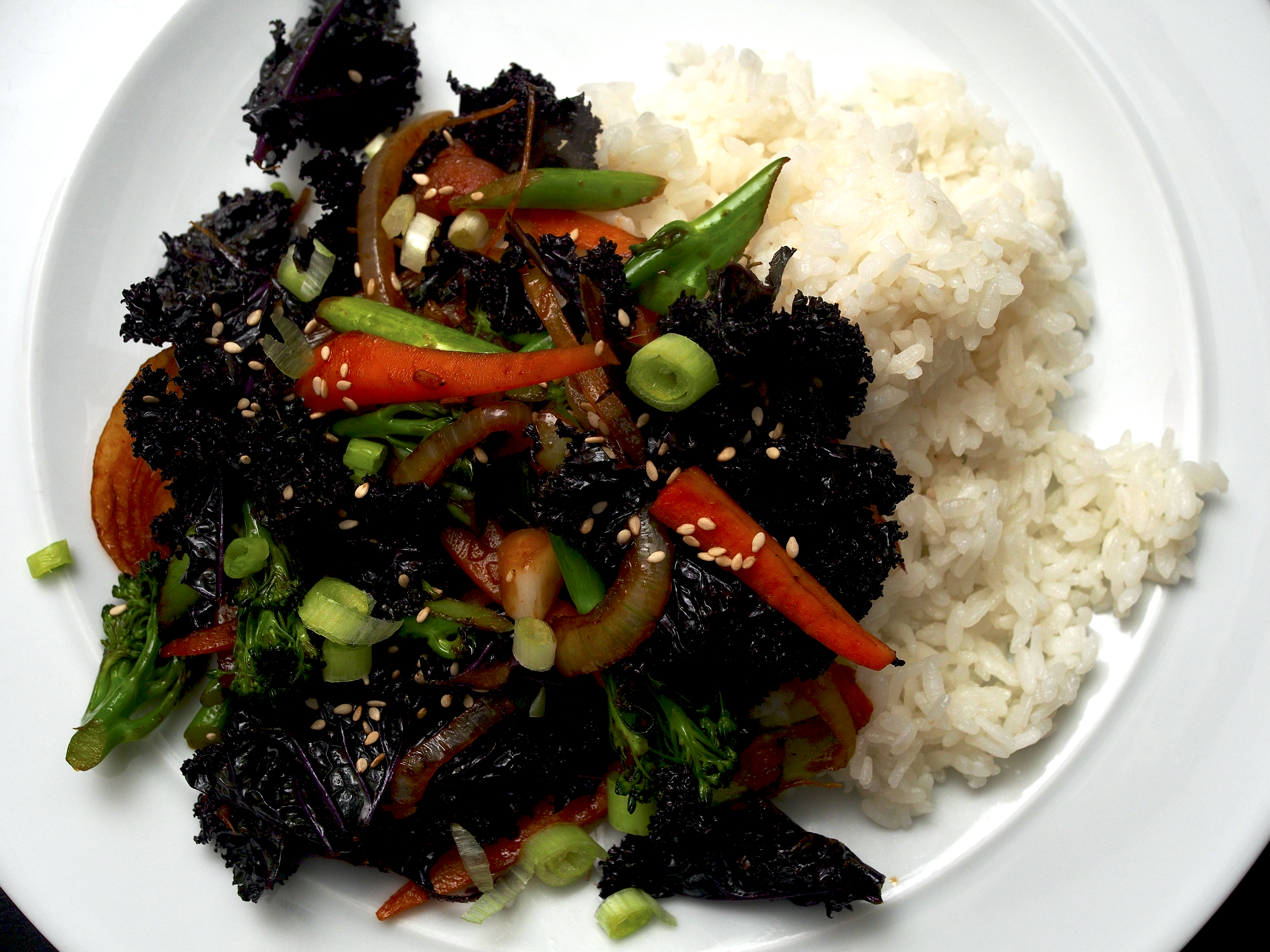
We’re not buying any meat or fish this January, it’s not veganuary, but just an effort to be a little frugal at the start of the year. We also want to make sure we use up all the odds and ends in the freezer. We’ve been making lots of Korean dishes but they tend to focus on meat or fish, so we decided to give some winter veg the Gochujang treatment. Serve with some sticky rice.

Wine Suggestion: The sommelier’s secret weapon: Quinta Soalheiro’s Allo. Light and fresh, but with fruit, texture and depth to stand up to any dish. The earthy, iodine kale and spicy flavours just work with this wine.

Korean Winter Veg Stir-fry – serves 2

  • 2 tbsp vegetable oil
  • 1 onion, halved and sliced
  • a small clove of garlic, chopped
  • 1 tbsp finely chopped ginger
  • a small bunch of long-stemmed broccoli, cut into bite-sized pieces
  • 1 carrot, cut into batons
  • 100g greens, we used purple kale but any kale or cabbage will be good, remove any thick stalks and shred
  • 4 scallions, 2 chopped and 2 cut into 4 cm lengths
  • ½ tbsp sesame seeds

FOR THE GOCHUJANG SAUCE:

  • 1 tbsp gochujang (Korean chilli paste)
  • 2 tbsp rice vinegar
  • 2 tbsp light soy sauce
  • 2 tbsp mirin or rice wine
  • 1 tbsp honey

To make the gochujang sauce, mix all of the ingredients together in a small bowl and whisk until smooth.

Heat a large wok over a high heat, then add 1 tbsp of the vegetable oil. Add the onion, garlic and ginger and stir-fry until softened, a couple of minutes.

Add another tbsp of oil to the wok, then add the broccoli, carrot and longer pieces of scallion, continue to stir-fry until slightly softened.

Add the sauce and the kale and stir-fry for another 2 minutes. The sauce should be sticky on the vegetables and everything piping hot.

Serve the veg over sticky rice and sprinkled with chopped scallions and sesame seeds.

(Original recipe from My Asian Kitchen by Jennifer Joyce, Murdoch Books, 2018.)

Read Full Post »

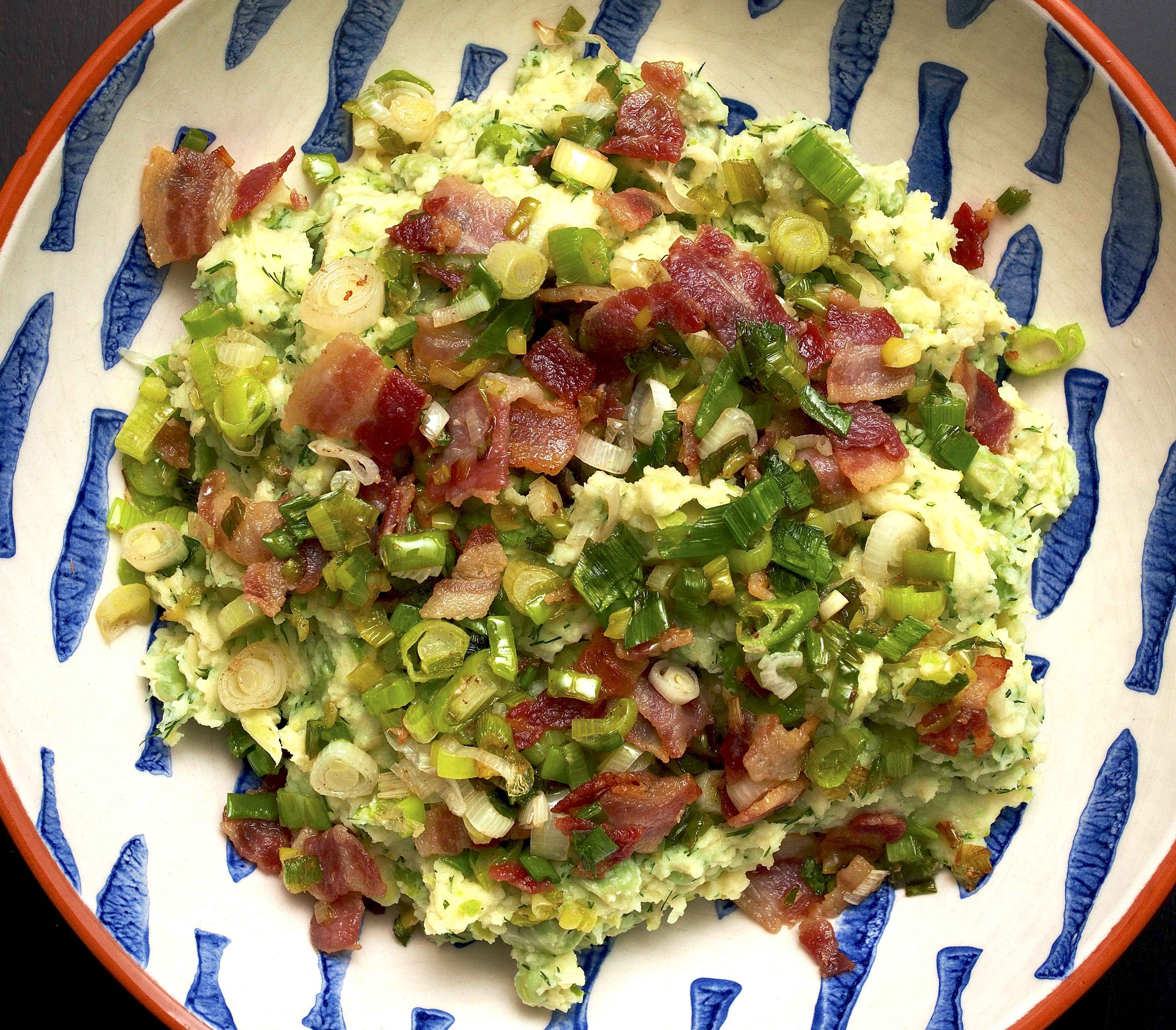
We know it’s not broad bean season, but frozen broad beans are right up there with frozen peas as an excellent frozen veg and so we eat them all year round. This is a recipe from Summer Kitchens by Olia Hercules and the perfect side dish for fish (or indeed fishfingers if you’re avoiding the shops!). It’s different from our usual potatoes as we tend to add lots of Irish butter, we didn’t miss it here, though we did spread some on the potato skins – it would be a shame to waste them!

Crushed potatoes with broad beans – serves 4 as a side

  • 350g baking potatoes, skins on
  • 50g streaky bacon
  • 4 scallions, thinly sliced
  • 150g frozen broad beans
  • 50g crème fraîche
  • 1 tbsp chopped dill

Preheat the oven to 220C.

Bake the potatoes for 20 minutes, then turn the heat down to 200C and cook for 40 minutes to 1 an hour, until completely soft inside. You don’t need the skins but this method will give perfectly crispy skins that you can eat with a bit of butter and salt while you finish the dish.

Meanwhile, heat a splash of vegetable oil in a frying pan over a medium-low heat, add the bacon and fry until the fat starts to release. When it starts to crisp, add the scallions and cook for a few minutes to soften.

Cook the broad beans in a pan of salty boiling water for about 5 minutes, then drain.

Scoop the warm potato out of the skins and put into a saucepan over a very low heat. Add the beans and crush until smoothish, but still with a bit of texture. Stir in the crème fraîche and dill, then season generously with salt and black pepper.

Spoon the bacon and its fat over the dish and serve.

(Original recipe from Summer Kitchens by Olia Hercules, Bloomsbury Publishing, 2020.)

Read Full Post »

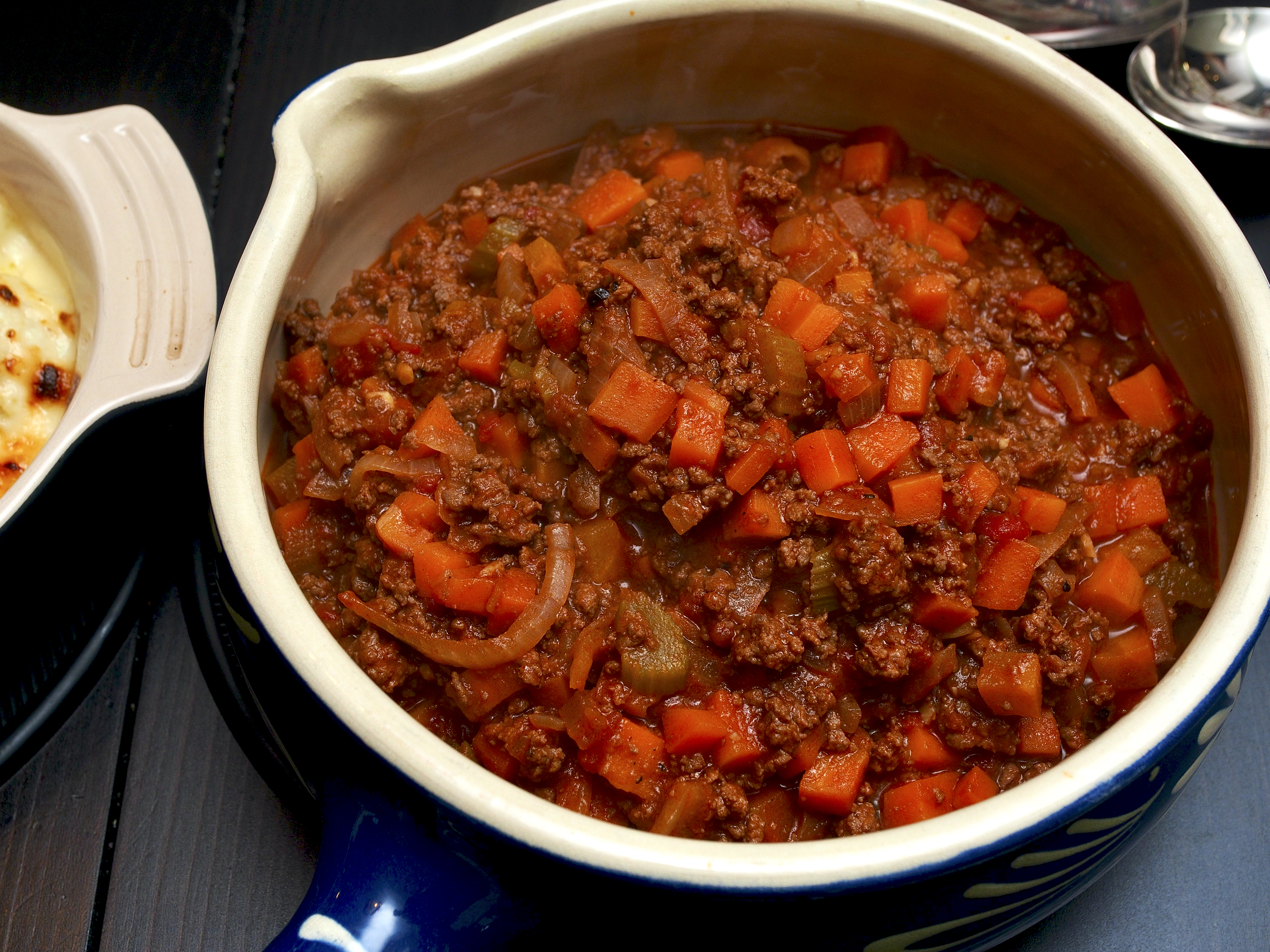
Growing up in Northern Ireland Jules often had mince and potatoes for dinner. The “mince” was minced beef with carrot and onions in gravy and it was served with boiled potatoes. We saw this recipe recently in a book of ‘British Classics’ where it was served with dumplings. Dumplings definitely did not feature on Jules’ childhood dinner table, so we left these out and served it with champ. A huge hit with the 7 year old and much more economical than many of our other weekend recipes.

Wine Suggestion: Keep it simple and choose a Grenache & Syrah blend like a Côtes du Rhône or similar. Rich enough but generally easy drinking with lovely bramble and spice flavours. Our current “find” is Jean-Paul Daumen’s version which balances this ease with a good dollop of class.

Mince – serves 6

  • 2 tbsp veg oil
  • 1 large onion, thinly sliced
  • 2 garlic cloves, finely chopped
  • 2 celery sticks, finely sliced
  • 2 carrots, diced
  • 500g beef mince
  • 400g tin chopped tomatoes
  • 2 tbsp tomato purée
  • 450ml beef stock
  • a pinch of caster sugar
  • 1 bay leaf

Heat the oil in a large pan and cook the onion, garlic, celery and carrots for 15 minutes or until softened and lightly browned.

Add the beef mince and cook for another 5 minutes, until it starts to brown. Break the mince up with a wooden spoon as it browns.

Add the tomatoes, tomato purée, beef stock, sugar and bay leaf. Season with salt and black pepper, then bring to the boil. Reduce the heat and simmer gently for 40 minutes, stirring occasionally. Cover with a lid if it reduces too much but you want it to be nicely thickened.

Serve with green veg and potatoes.

(Original recipe from The Hairy Bikers’ British Classics by Si King & Dave Myers, Seven Dials, 2018.)

Read Full Post »

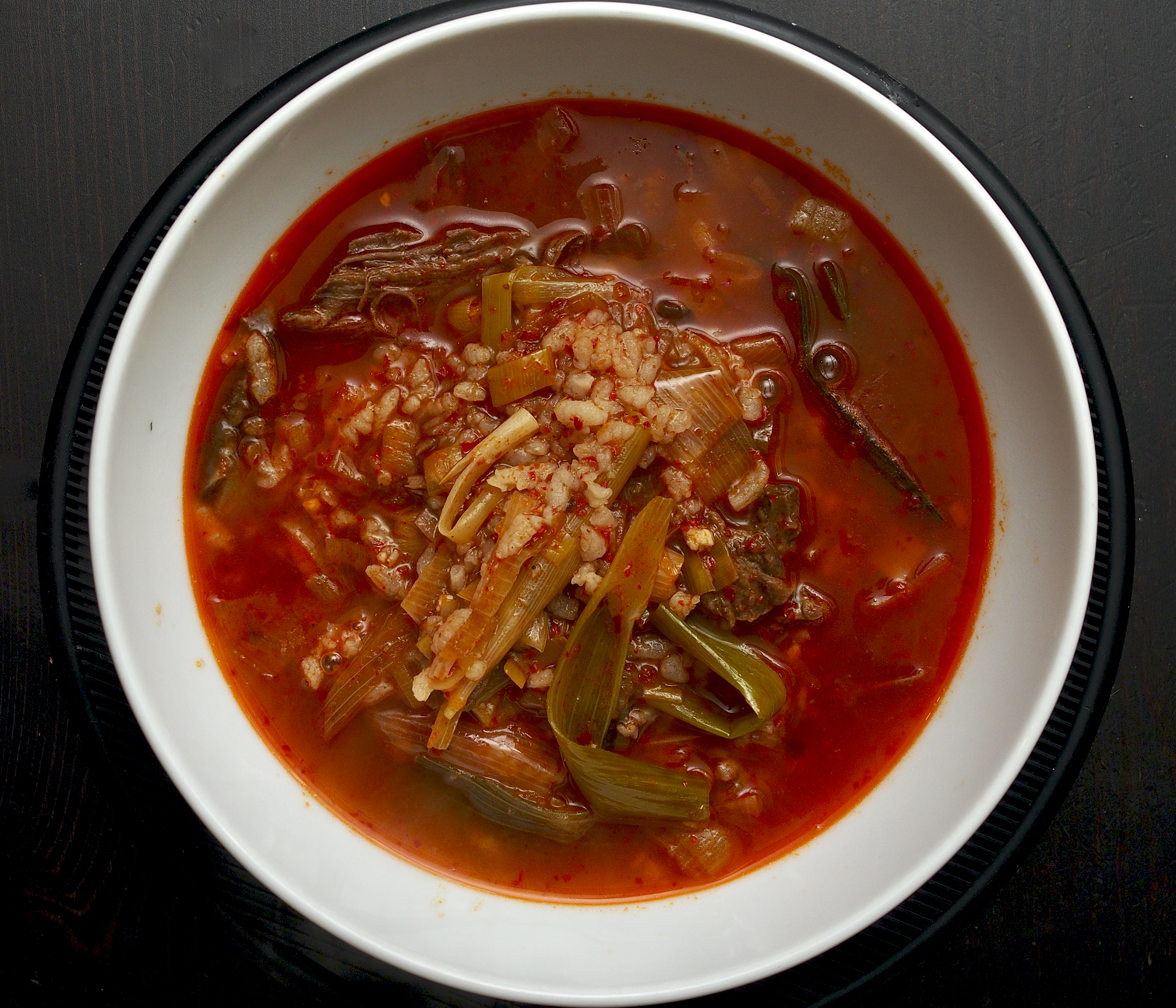
We ate this in those funny days between Christmas and New Year when you’re fed up eating but still feel you need to make the most of the time you have to cook. We’d had enough of leftovers and were craving spicy food, like this spicy beef stew, which is more like a soup, but with lots of sustenance. The recipe is from Our Korean Kitchen by Jordan Bourke & Rejina Pyo, probably our most used book this year. Serve with some sticky rice.

Spicy beef & vegetable stew – serves 4

  • 400g beef brisket
  • 1 onion, quartered
  • 10 cloves of garlic, 6 left whole and 4 crushed
  • 1 tbsp vegetable oil
  • 150g shitake mushrooms, sliced
  • 1 leek, halved and thinly sliced
  • 2 tbsp soy sauce
  • 2 tbsp roasted sesame seed oil
  • 3 tbsp gochugaru red pepper powder
  • 1½ tsp sea salt
  • 10 scallions, halved lengthways, then cut into 6cm strips
  • cooked rice, to serve

Put the brisket into a large pot and cover with 3 litres of water. Bring to the boil, then reduce the heat and add the onion and 6 whole garlic cloves. Simmer for 2 hours with the lid off, remove any scum that comes to the top and add water as needed to ensure the beef is submerged.

Transfer the brisket to a plate and set aside to cool. Strain the stock through a sieve into a jug, and discard the flavouring ingredients. When the brisket is cool enough to handle, tear it into bite-sized pieces, discarding any fat.

In the same pan, heat the vegetable oil over a medium heat, then add the mushrooms and leek and sauté for 5 minutes. Add the beef, soy sauce, crushed garlic, sesame seed oil and gochugaru powder. Turn up the heat and fry for a couple of minutes until aromatic. Pour 1.3 litres of the beef stock into the pan (freeze the rest for another dish). Add the salt and bring to the boil, then reduce the heat a  bit and add the scallions. Simmer for 3 minutes, then serve in bowls with some rice if you like.

(Original recipe from Our Korean Kitchen by Jordan Bourke and Rejina Pyo, Weidenfeld & Nicolson, 2015.)

Read Full Post »

This is a simple tomato sauce for pasta with a bit of magic from Marcella Hazan that makes it taste special. The sauce is intensely mushroomy and absolutely delicious. We don’t often cook from Marcella’s The Essentials of Italian Cooking but we are never disappointed when we do.

Wine Suggestion: This needs a simple red, but with a vibrant core and a new favourite for this brief is the Umani Ronchi Rosso Conero “Serrano”. Mostly Montepulciano but with a touch of Sangiovese this is engagingly easy to drink with ripe cherry flavours and a round and juicy core of fruit; very pleasurable without being too weighty.

Tomato sauce with porcini mushrooms – serves 4

  • 2 tbsp finely chopped shallot or onion
  • 35g butter
  • 1 tbsp vegetable oil
  • 2 tbsp pancetta/prosciutto cut in strips, we used cubed pancetta
  • 400g top quality plum tomatoes, cut up, with their juice
  • 25g dried porcini mushrooms, reconstituted (see below)
  • 450g pasta, we used penne, cooked to serve
  • freshly grated Parmesan, to serve

To reconstitute the mushrooms: soak the mushrooms in 500ml of barely warm for at least 30 minutes. Lift the mushrooms out of the water and squeeze out as much water as possible, do this over the bowl to catch the liquid. Rinse the mushrooms if needed to get rid of any soil, then pat dry with kitchen paper. Reserve the liquid.

Put the shallot into a saucepan with the butter and oil, over a medium heat. Cook until the shallot turns pale golden, then add the pancetta and cook for a couple of minutes.

Add the tomatoes, the reconstituted mushrooms, the reserved mushroom liquid, salt and plenty of black pepper. Let the sauce bubble at a steady simmer for about 40 minutes, you want the fat and the tomato to separate and the sauce to reduce to a nice consistency. Turn it up and bubble a bit faster to reduce if you need.

Toss the pasta with the sauce and serve with grated Parmesan.

(Original recipe from The Essentials of Italian Cooking by Marcella Hazan, Macmillan London Limited, 1992.)

Read Full Post »

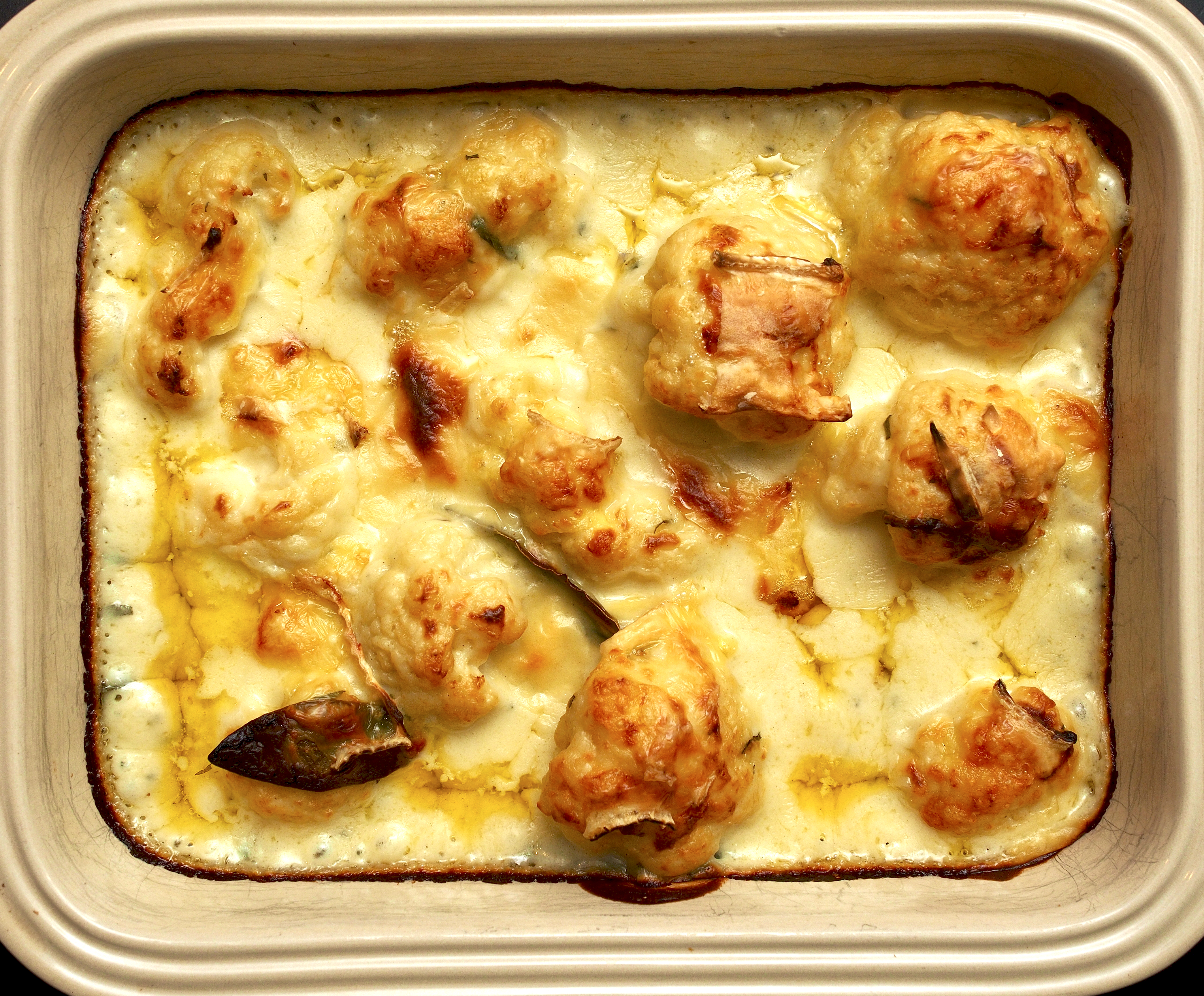
With a few days left before the New Year… when we, like many others are happy to change pace for a bit. For us that means lots of exercise, early nights and healthier food to eat. We don’t go on a diet but after all the excess of Christmas it’s just what we’re craving. All of this means that we have just a few days to get through all the delicious cheese in the fridge. Feel free to play around with the cheeses, we used Cooleeney from Tipperary, but Taleggio or Brie would work too.

Cooleeney & tarragon cauliflower cheese – serves 4 (easily doubled)

  • 50g butter
  • 50g plain flour
  • 500ml full fat milk
  • 1 bay leaf
  • 150g cheddar, grated
  • 50g Parmesan or similar, finely grated
  • 75g Cooleeney (or Taleggio or Brie), sliced
  • 5g tarragon, leaves picked, half chopped, half left whole
  • 1 cauliflower, broken into florets

Heat the oven to 220C/200Cfan/gas 7.

Melt the butter in a heavy-based pan, then stir in the flour to make a paste. Cook for a few minutes, then gradually add the milk, stirring the whole time, until you have a smooth sauce. Season.

Add the bay leaf, cheddar, Parmesan, half the taleggio and the whole tarragon leaves. Heat gently, stirring continuously, for 6 to 8 minutes or until the cheeses have melted and the sauce thickened. Remove from the heat and leave to infuse.

Cook the cauliflower in a steamer for 8 to 10 minutes or until just tender. Put the cauliflower into a baking dish. Add the chopped tarragon to the sauce and pour over the cauliflower.

Dot with the remaining taleggio and bake for 20-25 minutes until golden.

(Original recipe from BBC Good Food)

Read Full Post »

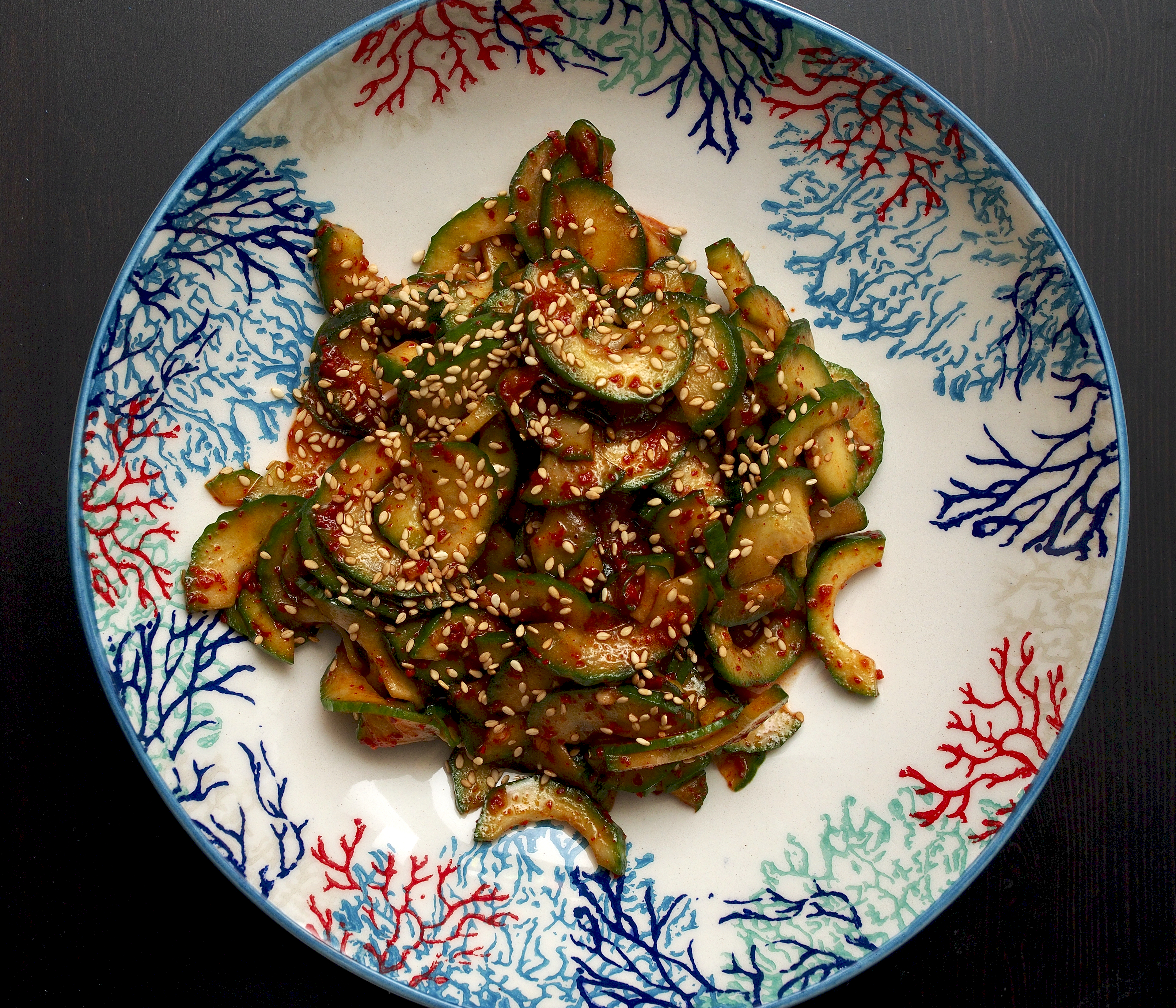
Well this was a revelation! We love kimchi but admit that we’ve only ever bought it in jars and never attempted to make it ourselves; a new year’s resolution in there perhaps. Having no kimchi in the cupboard we decided to give this a go and it’s nothing short of delicious. It’s ideally made with the small Persian cucumbers which we couldn’t find in our local shops over Christmas but a regular cucumber works fine too, just scoop out most of the seeds with a teaspoon first.

Almost-instant cucumber kimchi – serves 4-6 as a side

  • 3 Persian cucumbers or 1 regular cucumber (see note above)
  • 1 tsp fine sea salt
  • 1 garlic clove, crushed
  • 2 tsp gochugaru red pepper powder
  • 2 tsp unrefined sugar or coconut palm sugar
  • 2 ½ tsp rice wine vinegar
  • 2 tsp roasted sesame seed oil
  • 2 tsp toasted sesame seeds

Wash the cucumbers and pat dry. Halve them lengthways and slice very finely. Put the slices into a bowl with the salt, toss to combine, then leave aside for 30 minutes.

Combine the rest of the ingredients, apart from the sesame seeds, in a bowl. Drain the cucumber of any liquid, then add to the bowl with the other ingredients and stir well. Cover and put in the fridge for at least half an hour or until chilled.

Serve sprinkled with the sesame seeds. If you can resist eating it all this will keep in the fridge in a sealed container for up to a week.

(Original recipe from Our Korean Kitchen by Jordan Bourke and Rejina Pyo, Weidenfeld & Nicolson, 2015.)

Read Full Post »

« Newer Posts - Older Posts »