Feeds:
Posts
Comments

Posts Tagged ‘Easy’

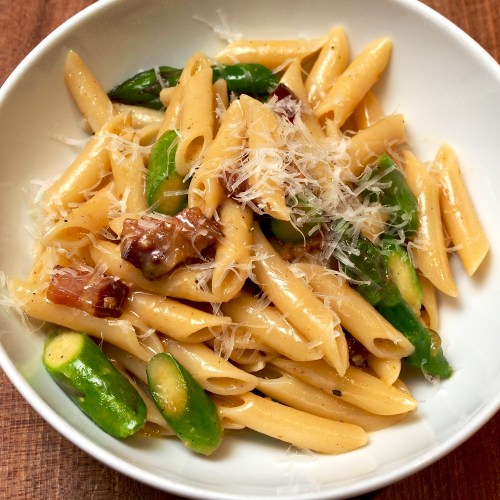
Asparagus Carbonara

Classic carbonara is in no way sullied by the addition of asparagus and in our house at the moment it’s asparagus with everything!!

Wine Suggestion: A difficult decision given the awkwardness of asparagus and wine, plus the creamy richness of the sauce. We settled on the delightful Chateau les Charmes Godard, a Sauvignon (Blanc & Gris) and Semillon blend from Bordeaux and were reminded why we love whites from this region, especially with food.

Asparagus Carbonara – serves 4

  • 200g pancetta or streaky bacon, cut into bite-sized pieces
  • 350g pasta
  • 2 bunches of thin asparagus, trimmed and cut into bite-size pieces
  • 2 cloves of garlic, finely chopped
  • 3 eggs
  • a large handful of grated Parmesan, plus extra to serve

Heat some olive oil in a frying pan over a moderate heat. Add the pancetta and fry for about 5 minutes, or until turning crispy.

Meanwhile, bring a large pan of salty water to the boil. Boil the pasta until al dente, then drain and reserve some of the pasta cooking water.

Add the asparagus and garlic to the pan with the bacon. Season with lots of black pepper and cook for 4-5 minutes or until the asparagus is cooked (it will take a bit longer if your asparagus is thick).

Break the eggs into a small bowl and whisk with the Parmesan and a splash of the cooking water.

Add the cooked pasta to the asparagus pan, then remove from the heat and stir in the egg mixture to combine. Add another splash of cooking water if needed to make a sauce.

Serve right away with extra Parmesan.

(Original recipe from New Kitchen Basics by Claire Thomson, Quadrille, 2019.)
Read Full Post »

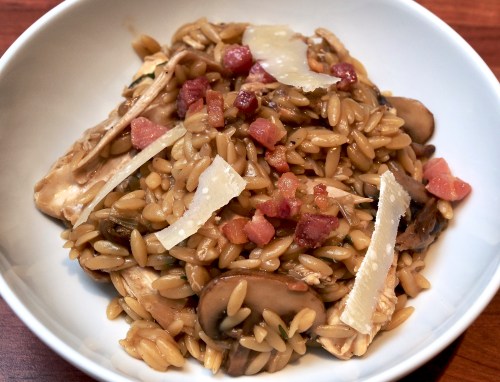
Roast Chicken, Pancetta & Mushroom Orzo

We really liked this easy recipe for leftover roast chicken, a very tasty dish for midweek.

Wine Suggestion: mid-week, or weekend, this works great with a Pinot Noir-Gamay blend like you can find in Cheverny in the Loire; freshness from Pinot and smoothness from the Gamay … both earthy and the right flavours for this dish. Our choice tonight was an old favourite Domaine Bellier.

Roast chicken, pancetta & mushroom orzo – serves 4

  • 15g porcini mushrooms
  • 30g pancetta cubes
  • 2 shallots, finely chopped
  • 2 garlic cloves, crushed
  • 50g chestnut mushrooms, sliced
  • 50g button mushrooms, sliced
  • 300g orzo
  • 2 sprigs of thyme, leaves stripped
  • 1 litre chicken stock
  • 300g roast chicken, skin removed and shredded
  • Parmesan, shaved to serve

Soak the porcini mushrooms in a small bowl of boiling water for 15 minutes.

Heat 2tbsp of olive oil in a large heavy-based frying pan. Cook the pancetta until golden, then scoop out with a slotted spoon.

In the same pan, cook the shallots and garlic until softened. Add the fresh mushrooms and fry until golden. Add the drained porcini, reserving the liquid, and cook for a minute.

Add the orzo and thyme and stir to coat in the oil, then add the porcini’s liquid and enough stock to cover. Simmer gently for 10-12 minutes, adding stock as needed, until tender.

Add the chicken and heat through, then serve with the pancetta and some Parmesan shavings sprinkled over.

(Original recipe by Justin Turner in Olive Magazine, April 2012.)

Read Full Post »

Chicken Sours

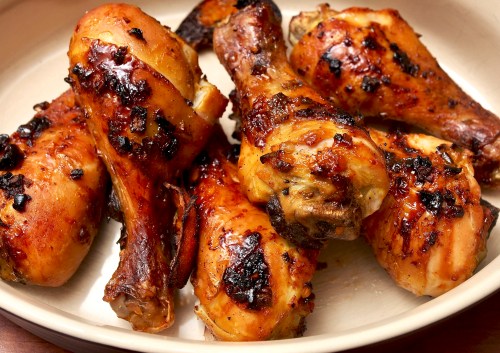
We’re forever looking for things to do with chicken drumsticks. This spicy and zesty recipe from Claire Thompson’s New Kitchen Basics doesn’t disappoint. Serve with some rice if you like.

Wine Suggestion: a zesty, dry Riesling is our choice. Something like the Pikes Riesling from the Clare Valley, or alternately the Dönnhoff QbA Dry Riesling (or even better one of their Grosses Gewächs (great growth) dry wines) from the Nahe in Germany.

Chicken sours – serves 4

  • 1kg chicken drumsticks and/or chicken wings
  • 2 small unwaxed oranges
  • 1-2 jalapeños or other green chillies, finely chopped
  • 3 cloves of garlic, peeled and finely chopped
  • 2 tsp runny honey
  • 2 tbsp vegetable oil
  • juice of 1 lime

Preheat the oven to 200C/fan 180C/gas 6.

Season the chicken with 1 tsp of salt and lots of coarsely ground pepper. Place on baking tray.

Grate the zest and squeeze the juice from 1½ of the oranges; finely slice the remaining half.

Combine the chilli, garlic, honey, oil, lime & orange zest and juice in a bowl, then brush over the chicken pieces.

Arrange the orange slices on the tray with the chicken and bake for 40-45 minutes or until cooked through and glazed. Baste occasionally with the pan juices as it cooks.

(Original recipe from New Kitchen Basics by Claire Thompson, Quadrille, 2019.)
Read Full Post »

Smoked Salmon, Horseradish & Dill Crostini

Do try this. It looks like regular smoked salmon crostini but the balance of ingredients is perfect, including the rather generous portion of salmon per toast. Don’t be tempted to scrimp on either quantity or quality!

Wine Suggestion: excellent with sparkling – your choice of Crémant, Champagne, or your local version. Just make sure that it a fresh, more acidic style … Prosecco need not apply as it doesn’t have enough zing for this. Tonight the Soalheiro Espumante, a sparkling made from alvarinho in northern Portugal and wonderfully citrus, vibrant and refreshing.

Smoked salmon, horseradish & dill crostini – makes 20 crostini

  • 250g crème fraîche
  • 2 tbsp Dijon mustard
  • about 3 tbsp freshly grated horseradish
  • pinch of caster sugar (optional)
  • 1 French stick, cut into discs and lightly toasted
  • 500g thinly sliced top quality smoked salmon
  • 20 dill sprigs
  • lemon juice

Make the horseradish cream by mixing together the crème fraîche, mustard and horseradish. Season with salt and pepper and add a little sugar if it tastes tart.

Put a generous slice of salmon in each piece of toast and top with a spoonful of horseradish cream. Decorate with a sprig of dill. Add a few drops of lemon juice and some black pepper before serving.

(Original recipe from Polpo: A Venetian Cookbook (of sorts) by Russell Norman, Bloomsbury, 2012.)

Read Full Post »

Breakfast quesadilla

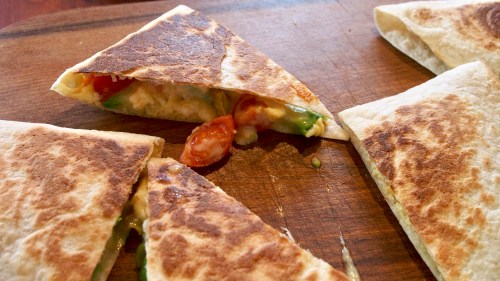
Quesadillas are a regular feature on our weekend breakfast/lunch table as we often have tortilla wraps leftover from pack lunches in the week. We loved these spicy, veggie ones for Saturday breakfast.

Breakfast Quesadillas – serves 2

  • a knob of butter
  • 2 eggs, beaten
  • ½ an avocado, sliced
  • 2 flour tortillas
  • 4 cherry tomatoes, chopped
  • 25g cheddar cheese, grated
  • 2 pickled jalapeños, chopped

Heat the butter in a small pan, tip in the eggs and stir until scrambled.

Scatter the avocado over one of the tortillas. Top with the scrambled eggs, the cherry tomatoes, the cheddar and the jalapeños. Top with the other tortilla and slide into a hot non-stick frying pan (we brush the tortillas on the outside with a tiny bit of oil to help them brown). Cook for 2-3 minutes then flip over and continue to cook until the cheese is melted and the insides are hot. Cut into wedges to serve.

(Original recipe by Janine Ratcliffe in BBC Olive Magazine, March 2019.)

Read Full Post »

Turmeric Roasted Cauliflower with Dhal

A vegan dish for mid-week that is not only super-healthy but very tasty too.

Turmeric Roasted Cauliflower with Dhal – serves 4

FOR THE CAULIFLOWER:

  • 1 large cauliflower, sliced into 1cm steaks (or you can break into florets but don’t waste the stalk)
  • 1 tbsp olive oil
  • 1 tsp ground turmeric
  • 1 garlic clove, thinly sliced

FOR THE DHAL:

  • ½ tbsp coconut oil
  • 1 onion, diced
  • 1 red chilli, deseeded and finely diced
  • 1 tsp cumin seeds
  • 2 garlic cloves, crushed
  • 1 tbsp medium curry powder
  • 250g red lentils
  • 400ml tin light coconut milk
  • 400ml vegetable stock
  • generous handful of spinach leaves
  • 2 tbsp fresh coriander, chopped
  • juice of ½ a lemon
  • 2 tbsp flaked almonds, toasted

Preheat the oven to 200C/Fan 180C/Gas 6.

Put the cauliflower into a large roasting tin and sprinkle with the olive oil.

Roast the cauliflower for 15 minutes, then remove from the oven and scatter over the turmeric and garlic. Return to the oven for a further 15 minutes or until browned and tender.

Meanwhile, heat the coconut oil in a lidded saucepan and gently fry the onion and chilli for about 4 minutes.

Add the cumin, garlic and curry powder and cook for another couple of minutes before stirring in the lentils, coconut milk and stock. Bring to the boil then cover and simmer for 15 minutes or until the lentils are soft.

Add the spinach and stir until wilted. Stir in the coriander and season to taste.

Squeeze the lemon over the cauliflower and serve with the dhal and the toasted almonds.

(Original recipe from The Fast 800 by Michael Mosley, Short Books, 2019.)


Read Full Post »

Spaghetti with Ricotta & Toasted Pine Nuts

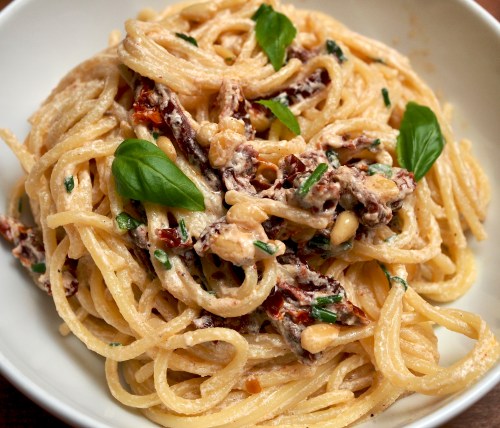
Mondays are all about leftovers in our house and we’re determined to use all bits and pieces hanging around after the weekend. This pasta dish helped us out with the remains of a jar of sundried tomatoes and some ricotta cheese. Also great to use the chives that have recently sprouted up in the garden – a positive sign of things to come.

Wine Suggestion: Look for a good Verdicchio with a fuller body, but still fresh and balanced. Tonight an old favourite, the Sartarelli Tralivio.

Spaghetti with Ricotta Cheese & Toasted Pine Nuts – serves 4 (easily halved)

  • 6 tbsp pine nuts
  • 250g ricotta cheese
  • 100g sundried tomatoes in oil, drained and sliced into thin strips
  • ¼ tsp freshly grated nutmeg
  • 10 fresh basil leaves, chopped, plus extra to garnish
  • 4 tbsp extra virgin olive oil
  • 2 tbsp hot water
  • 500g spaghetti

Toast the pine nuts in a dry frying pan until golden brown, then set aside.

Put the ricotta cheese, sundried tomatoes, chives, nutmeg, pine nuts and basil into a large bowl. Pour over the oil and hot water, season with salt and pepper, and mix together. Leave to rest at room temperature while you cook the pasta.

Cook the spaghetti in a large saucepan of boiling salty water until al dente. Drain and tip into the bowl with the ricotta mixture (don’t be too particular when draining as a little water will help to loosen the sauce). Gently fold everything together for 30 seconds to combine. Serve with the extra basil.

(Original recipe from Gino’s Pasta by Gino D’Acampo, Kyle Books, 2010.)

Read Full Post »

Radish Raita

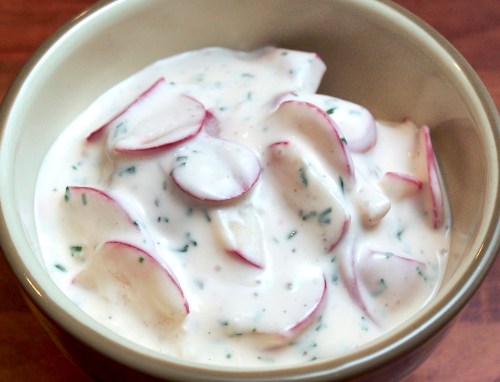
This makes a nice change from the usual cucumber variety. Good with barbecued lamb or pork and dishes with Greek flavours. We liked it on the side of our giant beans and spinach rice.

Radish Tzatziki – serves 2

  • 100g Greek yoghurt
  • ½ tbsp chopped dill, plus extra to serve
  • 8 small radishes, roughly chopped or sliced
  • ½ clove of garlic, crushed
  • juice of ½ lemon

Mix all the ingredients together and season. Garnish with some extra dill.

(Original recipe from BBC Good Food)

Read Full Post »

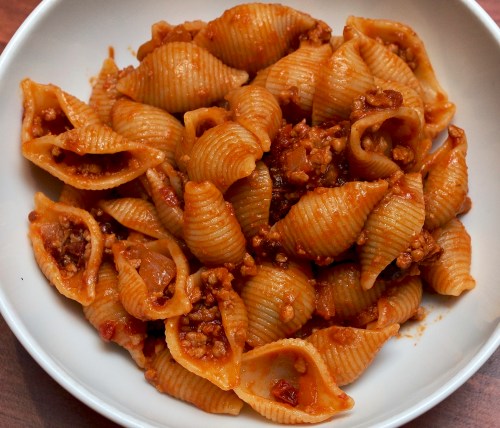
Conchiglie Rigate Piccanti

This pasta sauce is rich and full of flavour and works best without cheese, so don’t be tempted to add any. A new favourite for us and great for using up sun-dried tomatoes.

Wine Suggestion: Pico Maccario make some delicious Barbera and their entry “Lavignone” is a benchmark for the Asti region (Piedmont). Not only does it work with this dish, but we’d suggest versatile for many other dishes and occasions; a crowd pleaser and very food friendly.

Conchiglie Rigate Piccanti – serves 4

  • 5 tbsp olive oil
  • 1 onion, finely chopped
  • 80g pitted Kalamata olives, halved
  • 1 hot red chilli, deseeded and finely chopped
  • 80g sun-dried tomatoes in oil, drained and finely chopped
  • 300g pork mince
  • 300g passata
  • 400g conghiglie rigate (medium shell pasta)

Heat the oil in a medium saucepan over a medium heat and fry the onion and olives for a couple of minutes, stirring now and then.

Add the chilli, sun-dried tomatoes and the pork mince and continue frying for another 6 minutes.

Stir in the passata and gently simmer, uncovered, for 15 minutes. Keep stirring every couple of minutes. Season with salt and remove from the heat.

Meanwhile, cook the pasta in plenty of salty water according the timings on the pack. Drain and tip back into the saucepan.

Pour the sauce into the pasta pan and stir over a low heat for 30 seconds to combine.

(Original recipe from Gino’s Pasta by Gino D’Acampo, Kyle Books, 2010.)

Read Full Post »

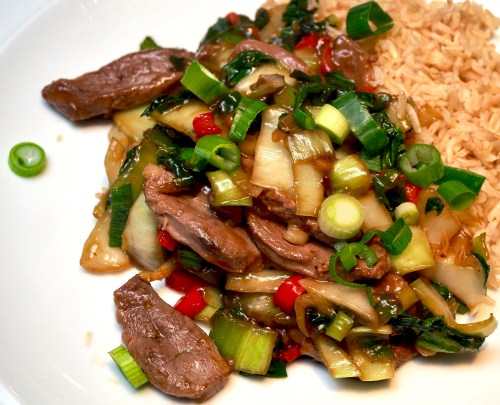
Duck Stir-Fry with Ginger & Greens

It’s not often you find a duck dish that is light and healthy. It pains us too to pull off and discard that duck skin but somedays it just has to be done. Can’t recommend this highly enough for a good food day. We served with some brown basmati.

Duck stir-fry with ginger and greens – serves 4

  • groundnut oil
  • 2 skinless duck breasts, cut into thin strips
  • 1 tbsp finely chopped ginger
  • 1 red chilli, sliced
  • 6 scallions, sliced
  • 500g pak choi, sliced
  • 1 tsp soy sauce
  • 1 tbsp honey
  • 2 tbsp oyster sauce
  • 1 tsp cornflour

Heat a wok until smoking hot, then add 2 tsp of oil. Add the duck and stir-fry for 2 minutes before removing with a slotted spoon. Add another teaspoon of oil and tip in the ginger, chilli, almost all the scallions and the pak choi. Cook until the pak choi is just wilted.

Add the soy, honey and oyster sauce to the wok and put the duck back in – bubble for a minute. Mix the cornflour with 2 tsp cold water and stir until smooth, add to the wok and cook until the sauce thickens and looks glossy. Garnish with the leftover scallions to serve.

(Original recipe by Jemma Morphet in Olive Magazine, February 2011.)


Read Full Post »

Valentines baked potatoes with caviar

This was our Valentine’s dinner and very special it was too!

Wine Suggestion: it’s any excuse for bubbly in our house and it makes a natural pair for this dish too. Our choice was the Domaine de la Paleine Cremant de Loire, a blend of Chardonnay and Chenin Blanc that celebrated the saltiness of the caviar and went seamlessly with the creamy potatoes.

Baked potatoes with crème fraîche and trout caviar – serves 4

  • 4 small baking potatoes
  • 1 ½ tbsp rapeseed or olive oil
  • sea salt flakes
  • 2 tbsp chopped flat-leaf parsley
  • 200ml crème fraîche
  • 40g trout caviar

Heat the oven to 200C/Fan 180C/Gas 6.

Drizzle the potatoes with ½ tbsp of the oil and a good pinch of salt and toss well. Put onto a baking tray and bake for 45 minutes.

When the potatoes are cool enough to handle, cut them in half lengthways and scoop the flesh out into a bowl, careful not to damage the shells. Mash the potatoes, then stir in the parsley, 120ml of the crème fraîche and seasoning. Brush the potato skins with the remaining oil, then spoon the potato mixture back into them.

Bake for 15 minutes or until heated through and crispy on the outside. Spoon the remaining crème fraîche on top, followed by a spoon of caviar and some black pepper.

(Original recipe by Clodagh McKenna in Olive Magazine, February 2019.)

Read Full Post »

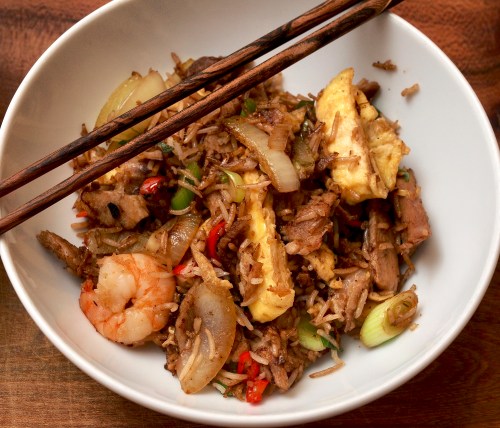
Nasi Goreng

This is just the dish for leftover roast pork. We freeze the right quantity and enjoy it a week or too later after a busy day – it’s really quick to throw together.

Wine Suggestion: there’s a vibrant immediacy to this dish and likewise we chose a Marlborough Sauvignon Blanc, in this case the Doctors’ SB from Forrest Estate; dry, full flavoured and ripe but only 9.5% abv.

John Forrest pioneered this technique and it’s a brilliant addition to the wine world so we can drink lower alcohol levels and yet keep the same ripeness and flavour profiles.

Nasi goreng – serves 4

  • 2 tbsp groundnut oil
  • 1 onion, halved and sliced 1cm thick
  • 3 garlic cloves, finely sliced
  • 2 red chillies, halved, deseeded and sliced
  • 300g leftover cooked pork, chop into little chunks
  • 400g cooked rice
  • 4 scallions, sliced on the diagonal
  • 3 eggs, beaten
  • 100g cooked, shelled prawns
  • 4 tbsp dark soy sauce

Heat 1½ tbsp of the oil in a large frying pan or wok. Add the onion and cook over a medium heat until soft, golden and starting to tinge. Add the garlic, chillies and pork and cook for a couple of minutes – let the pork colour a bit. Add the rice and spring onions – toss lightly and cook until heated through.

Meanwhile, quickly heat ½ tbsp of the oil in a nonstick frying pan and add the eggs. Cook as you would an omelette and when cooked cut into ribbons with a sharp knife.

Add the egg, prawns, soy sauce, salt and pepper to the rice and keep cooking for another 2 minutes to heat everything through, then serve.

(Original recipe from Food from Plenty by Diana Henry, Mitchelle Beazley, 2012.)

Read Full Post »

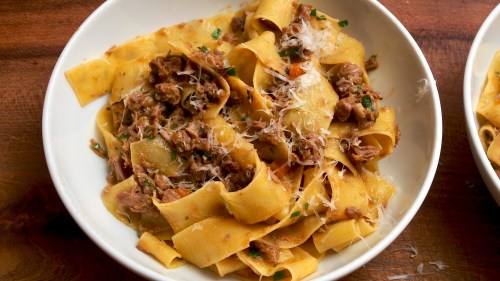
Lamb Ragoût

Lamb ragoût with fresh pasta

This lamb ragoût really reminds of holidays in Italy. Really simple but with a great concentrated flavour. No doubt it would be fab with some freshly made pappardelle, but dried was all we could muster on this occasion.

Wine Suggestion: While a red is often the first thought when matching a Ragoût, an oaked white would also work just as well with this dish. The Zuani Riserva from Collio in north eastern Italy would be a good choice. Delicately toasty with vanilla and touch of tropical fruit and some creamy, ripe stone-fruits. Broad and rich, creamy, thick fruit texture, peach and yellow plum with a long and gently spicy finish.

However if you feel like red, like Jules did tonight, then an elegant Sangiovese makes a good option and the Selvapiana Bucerchiale Chianti Rufina is a favourite of ours. Always superb.

Lamb Ragoût – serves 4 to 6

  • 3 tbsp olive oil
  • 2 onions, finely diced
  • 2 celery stalks, finely diced
  • 1 carrot, finely diced
  • 3 garlic cloves, chopped
  • 2 fresh or dried bay leaves
  • 1 thyme sprig
  • 1kg lamb shoulder, cut into small dice
  • 1 tbsp tomato purée
  • 125ml white wine
  • 500ml lamb stock
  • fresh or dried pappardelle pasta
  • chopped flat-leaf parsley, to serve
  • grated Parmesan, to serve

Heat the oil in a large casserole dish, add the onions, celery and carrot and sweat until translucent. Add the garlic, baby leaves and thyme. Add the lamb and season well with salt and pepper, sweat, then add the tomato purée.

Cook for a few minutes, then deglaze with the wine. Add the lamb stock and simmer for 3 hours, covered, until reduced – add more stock or water if it becomes too dry.

Cook the pasta until al dente. Drain and stir into the ragoût with the parsley and Parmesan.

(Original recipe from The Skills by Monica Galetti, Quadrille, 2016.)

Read Full Post »

Caponata Spaghetti

A really healthy mid-week pasta dish but with heaps of flavour. Don’t be tempted to use  more oil than specified, as you really don’t miss it in this dish.

Caponata Spaghetti – serves 4

  • 2 aubergines, cut into 3cm cubes
  • 4 tsp vegetable oil
  • ½ red onion, sliced
  • 2 sticks of celery, sliced
  • 2 cloves of garlic, sliced
  • 1 tsp dried oregano
  • 400g tin chopped tomatoes
  • a small handful of raisins
  • 1 tsp capers
  • a handful of kalamata olives, pitted and chopped
  • 2 tbsp red wine vinegar
  • 300g wholewheat spaghetti
  • a small bunch of parsley, chopped

Heat the oven to 220C/fan 200C/gas 7.

Toss the aubergine with 2tsp of oil and a little seasoning and tip into a large non-stick baking tray. Roast for 20 minutes or until charred and soft.

Meanwhile, heat the rest of the oil in a large pan and cook the red onion and celery with a large pinch of salt for 10 minutes or until softening and caramelised a little. Add the garlic and oregano, and cook for a minute before adding the tomatoes and 100ml water. Tip in the roasted aubergine and simmer for 15 minutes.

Add the raisins, capers, olives and red wine vinegar, and season. Keep on a low heat while you cook the pasta.

Cook the pasta according to the time on the pack, then drain, reserving a mug of the water. Tip the pasta into the caponata with the parsley, add a splash of water to loosen if needed. Stir well and serve.

(Original recipe by Adam Bush in Olive Magazine, February 2019)

Read Full Post »

Smoked Mackerel Loaded Leaves

This is the kind of nibble we like before dinner. Really tasty but light so it won’t spoil your appetite. Radicchio and/or chicory leaves are preferable but if you can’t find these you can substitute Little Gem lettuce – as we did.

Wine Suggestion: Your choice of bubbles, whether it’s Prosecco, Cremant, Cava or Champagne

Smoked Mackerel Loaded Leaves – serves 4-8

  • 200g smoked mackerel fillets, skin removed and flaked
  • 4 tbsp crème fraîche
  • juice and zest of ½ lemon
  • small bunch of chives, snipped
  • small handful of dill, chopped
  • 1 small radicchio, separated into leaves
  • 1-2 chicory heads separated into leaves

Gently mix the mackerel with the crème fraîche, lemon juice, half the herbs and some pepper. Chill until ready to serve.

Spoon generous amounts of the mackerel mixture into each leaf and arrange on a plates or a platter. Sprinkle over the remaining herbs and the lemon zest.

(Original recipe from BBC Good Food)

Read Full Post »

Wheaten bread

A Northern Irish classic, wheaten bread is also the classic plain soda bread from further south in Ireland. As Jules grew up near Belfast and went to the same school as Trish Deseine (who knew?), our inspiration for this recipe, we call it “Wheaten”. Whatever you call it, this is an Irish classic and intrinsic to Irish food culture. So simple to make, tasty and versatile, this should be part of any cooks repertoire. We like it with a bowl of soup for lunch and toasted for breakfast the day after.

Northern Irish Wheaten Bread – makes 1 loaf

  • 250g plain flour
  • 250g wholemeal flour
  • 1 barely round tsp baking soda
  • 1 tsp salt
  • 450-475ml buttermilk

Preheat the oven to 225C.

Mix the flours in a large, wide bowl, add the salt and sieved baking soda. Run the mixture through your fingers to distribute everything evenly.

Make a well in the centre and pour in the buttermilk. Stir the mixture in circles with outstretched fingers starting from the centre of the bowl and working outwards. It shouldn’t take long for the dough to almost come together. Give it a very quick knead in the bowl to make sure all the flour is incorporated.

Turn the dough out onto a floured work surface.

Sprinkle a little flour on your hands and gently tidy the dough into a round and transfer to an oven tray. Tuck the edges underneath with your hands, then gently pat with your fingers into a loaf about 4cm thick.

Cut a deep cross into the bread and prick the centre of the four sections with a fork.

Bake in the oven for 15 minutes, then turn the heat down to 200C for a further 15minutes. Turn the bread upside down and continue to cook for 5-10 minutes or until done – you can tell as it will sound hollow when tapped on the bottom. Cool on a wire rack.

(Original recipe from Trish Deseine’s ‘Home: Recipes from Ireland, Hatchette Livre, 2015.)

Read Full Post »

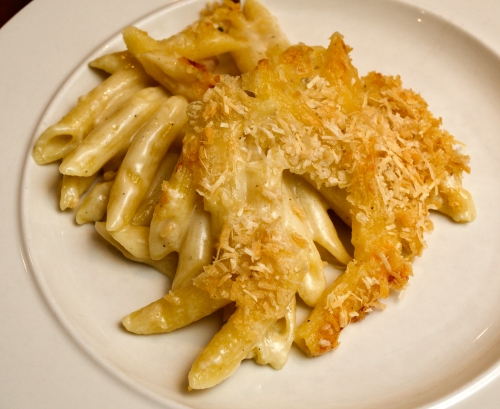
Penne baked with three cheeses

There is a never-ending supply of leftover cheese in our fridge but never more so than at this time of year. This is a super-easy pasta dish which will help to use up the cheeseboard leftovers.

Penne baked with three cheeses – serves 2

  • 200g penne
  • 25g butter
  • 25g plain flour
  • 350ml milk
  • 75g hard cheese e.g. cheddar/gruyère, grated
  • 50g blue cheese e.g. stilton/gorgonzola/roquefort, crumbled
  • a handful of breadcrumbs (we used panko)
  • 1 tbsp grated Parmesan

Heat the oven to 200C/Fan 180C/Gas 6.

Cook the pasta until al dente then rinse under cold water to stop it cooking any further and drain.

Melt the butter in a saucepan, then stir in the flour and cook for a couple of minutes. Gradually stir in the milk, stirring continuously, to make a white sauce. When the sauce has thickened and is starting to bubble, add the hard and blue cheese and stir until melted. Season to taste, then mix with the cooked pasta and pour into an ovenproof dish.

Mix the breadcrumbs and Parmesan together and sprinkle over the top, then bake in the oven for about 20 minutes or until golden and bubbling.

(Original Recipe from BBC Olive Magazine, December 2009.)

Read Full Post »

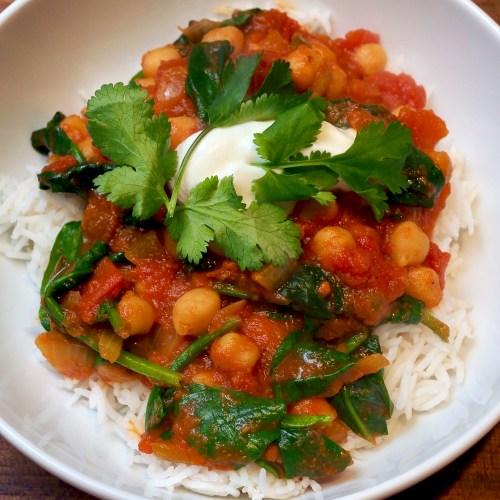
Chickpea and spinach curry

We don’t know about you lot but our bellies are crying out for a rest and we haven’t even got to New Year’s yet. This is a lightweight curry suitable for veggies and vegans (if you don’t serve with yoghurt) and it’s also substantial enough to serve as it is without any rice. The spices are very gentle as confirmed by our 5 year old who has developed a recent aversion to anything ‘too spicy!!’.

Chickpea & spinach curry – serves 4

  • 1 tbsp vegetable oil
  • 2 medium onions, finely chopped
  • 6 garlic cloves, finely grated
  • 6cm piece of ginger, finely grated
  • 2 long green chillies, finely chopped
  • 1 tsp ground cumin
  • 1 tsp ground coriander
  • 2 tsp garam masala
  • 1 tsp ground turmeric
  • 1 tsp sea salt flakes
  • 2 tbsp tomato purée
  • 2 x 400g tins chopped tomatoes
  • 400ml vegetable stock
  • 2 x 400g tins chickpeas, rinsed and drained
  • 150g baby spinach
  • 4 tbsp natural yoghurt (optional to serve)
  • Sprigs of coriander (to serve)

Heat the oil in a large non-stick pan over a high heat. Add the onions and cook for 5 minutes or until starting to brown, add a splash of water if they stick.

Add the garlic, ginger and chillies and cook for a couple of minutes. Add the spices and salt and stir for a minute, then add the tomato purée and cook for another minute.

Add the tinned tomatoes, stock and chickpeas, then bring to a simmer and cook for 20-30 minutes or until the sauce thickens.

When ready to serve, stir through the spinach and cook briefly until just wilted.

Divide between bowls (on top of some steamed rice if you like) and top with a spoon of yoghurt and some coriander.

(Original recipe from Lose Weight for Good by Tom Kerridge, Absolute Press, 2017.)

Read Full Post »

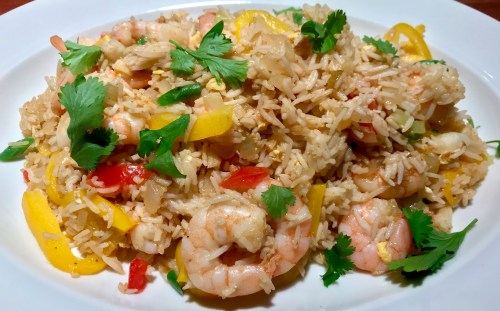
Thai Fried Rice - Khao Pad

We have an Australian cookbook called Thai Cooking that was originally published in 1994. Jono remembers it from home in Melbourne and we know other members of his family who also have a well-used copy. After much searching we managed to pick up a second-hand copy in Books for Cooks in Fitzroy. It’s full of reliable dishes like this simple Thai fried rice. You could have it as a side dish but we prefer to eat a big bowl by itself with some sriracha hot chilli sauce (our own addition!).

Thai Fried Rice – Khao Pad – serves 4

  • 100ml vegetable oil
  • 3 medium onions, finely chopped
  • 3 cloves of garlic, finely chopped
  • 1 tsp sugar
  • 1 tbsp Thai red curry paste
  • 500g cooked peeled prawns, beef, pork, chicken or ham (any combination)
  • 3 eggs, lightly beaten
  • 880g cooked rice, cooked the day before and chilled
  • 2 tbsp fish sauce
  • 1 pepper, sliced
  • 50g green beans, finely sliced
  • 1 tomato, chopped
  • 2 tbsp chopped scallions
  • coriander leaves (to garnish)
  • sriracha hot chilli sauce, to serve (optional)

Heat the oil in a large wok or frying pan over a medium heat. Stir-fry the onions and garlic until the garlic is golden. Add the sugar and stir to dissolve, then stir in the curry paste. Stir in the prawns and meat pieces and push to one side.

Add the beaten eggs. Wait to let them set a little, then slightly scramble.

Add the rice. Stir-fry until heated through. Sprinkle with fish sauce, then add the pepper, green beans, tomato and spring onions. Stir-fry briefly to heat through but don’t overcook.

Taste and add some extra fish sauce or sugar if needed. Serve garnished with coriander leaves and a drizzle of sriracha hot chilli sauce if that’s your thing.

(Original recipe from Thai Cooking Class by Sami Anuntra Miller & Patricia Lake, Bay Books, 1994.)

Read Full Post »

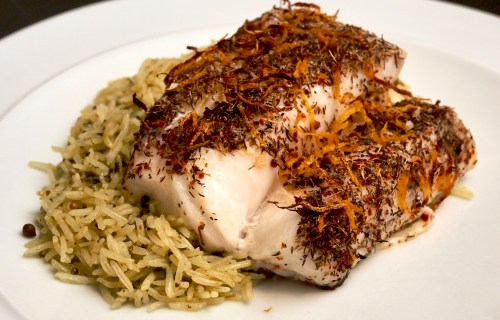
Roasted Cod with Wild Thyme & Pul Biber

Thick pieces of cod look so pretty when scattered with dried herbs and chilli flakes. Also an opportunity to use our new fish bone tweezers – interesting what excites us as we get older! This is a simple but very tasty idea from Sabrina Ghayour’s book ‘Feasts’.

We served this with some rice, greens and lemon wedges for squeezing over.

Wine Suggestion: this dish begs for a Greek Assyrtiko from the island of Santorini. A white that should always have a savoury profile, stony minerality and citrus freshness and a complimentary nature with the thyme and Aleppo pepper. If you’re fortunate to find one with “Nykteri” mentioned on it then this should be just as fresh as it is picked at night, and yet with a few months in oak fuller and deeper in flavour.

Roasted Cod Loins with Wild Thyme & Pul Biber – serves 4

  • 4 cod loins (about 200g each)
  • garlic oil
  • 4 tsp dried wild thyme
  • 2 tsp pul biber chilli flakes (Aleppo pepper)
  • finely grated zest of 2 unwaxed lemons

Preheat the oven to 220C/200C Fan/Gas 7.

Line a baking tray with baking paper.

Put the fish fillets onto the paper and coat each piece generously with garlic oil. Sprinkle over the wild thyme, pul biber, lemon zest and plenty of sea salt flakes and black pepper.

Roast for 8-12 minutes depending on how thick your fish is, or until cooked through. Serve immediately.

(Original recipe from Feasts by Sabrina Ghayour, Mitchell Beazley, 2017.)


Read Full Post »

« Newer Posts - Older Posts »