Feeds:
Posts
Comments

Posts Tagged ‘Easy’


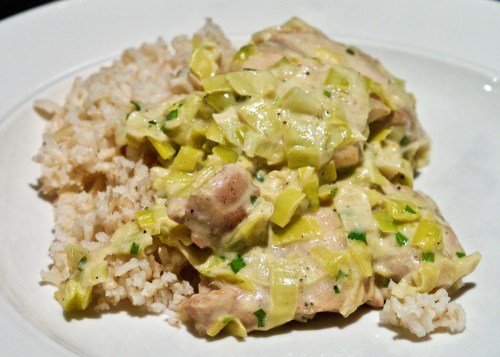
Butter chicken

Not an authentic recipe by any means but really tasty and much healthier than anything available in the local take-away. We have also made this with leftover cooked chicken with good results.

Wine Suggestion: We want to like wine with curry but most times we prefer something cool and bubbly – like beer! With this we had a bottle of Cooper’s Original Pale Ale to remind us of recent travels in Australia.

Butter Chicken Curry – serves 4

  • 500g skinless chicken breasts, cut into chunks
  • 1 tsp ground turmeric
  • a thumb-sized piece of ginger, peeled and grated
  • 2 cloves of garlic, crushed
  • ½ a lemon, juiced
  • 35g butter
  • 1 large onion, thinly sliced
  • curry paste (we used half a jar of Patak’s Madras which is quite spicy but use what you like)
  • 1 tbsp tomato purée
  • 2 tbsp ground almonds
  • 175ml full-fat natural yoghurt
  • 150ml chicken stock
  • coriander leaves
  • cooked basmati rice, to serve

Toss the chicken pieces with the turmeric, ginger, garlic, lemon juice and ½ tsp salt. Heat the butter in a large wide pan, then cook the onion for about 10 minutes or until soft and golden. Add the curry paste and tomato purée and cook for another 3 minutes. Add the chicken and cook until opaque (if using cooked chicken just heat through).

Mix the almonds and yoghurt together in a bowl then stir into the curry and cook for another 2-3 minutes. Add the stock and simmer gently for 10 minutes. Scatter over the coriander and serve with the rice.

(Original recipe from BBC Olive Magazine, April, 2017.)

Read Full Post »

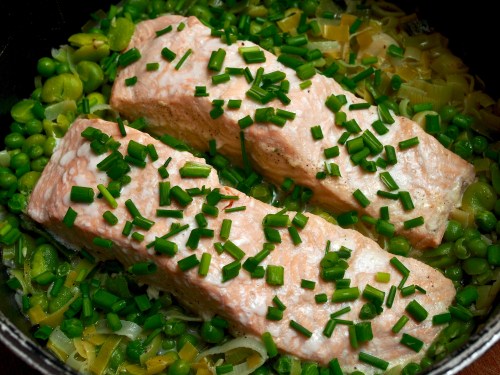
Salmon with greens & creme fraiche

Spring is such a lovely time for fresh ingredients, encapsulated by greens like peas and broad beans. It’s broad beans with pretty much everything in our house at the minute. Serve with steamed new potatoes or mash.

Wine Suggestion: We went with a fresh Chablis that had a similar Spring vitality to the food; a Domaine Gueguen from 2015 which had hints of white flowers and smokiness with green apple skins. It was crisp with a wonderful chalky, flinty, limestone character – a good match.

Salmon with greens & crème fraîche – serves 4

  • 1 tbsp olive oil
  • 1 leek, thinly sliced
  • 250ml chicken stock or fish stock
  • 100g crème fraîche
  • 140g frozen peas
  • 140g frozen broad beans
  • 4 skinless salmon fillets
  • small bunch of chives, snipped

Heat the oil in a deep frying pan with a lid. Cook the leek until soft but not coloured, about 5-10 minutes. Pour in the stock and simmer until reduced slightly, then add the crème fraîche and season. Cook for another minute.

Add the peas and beans, then gently add the salmon fillets, nestling them in amongst the veg. Turn down to a simmer, then cover and cook for 12-15 minutes or until cooked through. Sprinkle with chives and serve with mash or steamed new potatoes.

(Original recipe from BBC Good Food)

Read Full Post »

Radicchio & Gorgonzola pasta

In some ways this is an opportunistic dish because we don’t always see Radicchio in our grocer’s shop. We love the creamy, salty, bitter flavours  which come together with the rich creamy sauce. We like serving it with a bit of Parmesan too, but it’s not necessary.

Wine suggestion: The Rocca delle Macie’s Vermentino from the Maremma was our choice and the crisp, almost sappiness, helped to cut through the richness and complement the bitterness of the radicchio. If we’d had one we would have loved to have tried a good, dry Lambrusco from near Bologna. We could be wrong but think this might work too.

Pasta with Radicchio & Gorgonzola – serves 4

  • 1 onion, diced
  • 1 radiccio, shredded
  • 50ml white wine
  • 4 tbsp cream
  • 75g gorgonzola
  • 300g pasta

Cook the pasta in a large pan of boiling salted water according to the timings on the packet.

Heat 1 tbsp of olive oil and fry the onion until softened, then add the radicchio and continue to cook until wilted.

Add the white wine and season. Pour in the cream, melt in the gorgonzola and mix through the cooked pasta.

(Original recipe from BBC Olive Magazine, April, 2014.)

Read Full Post »

Picadillo

This is not dissimilar to a chilli con carne but it tastes really fresh and summery. We loved the addition of almonds and green olives.

Wine Suggestion: we echoed the summery freshness with the Flying Solo Rosé from Domaine Gayda in the Languedoc which made everything feel light and easy as we ate. If you feel like something more robust look to a good Grenache / Garnacha which we find work with the peppers and olives well.

Picadilo – serves 6

  • 2 tbsp oil
  • 750g minced beef
  • 1 onion, chopped
  • 1 red pepper, chopped
  • 1 green pepper, chopped
  • 4 garlic cloves, chopped
  • 2 red chillies, chopped
  • ½ tbsp ground cumin
  • a handful of plump raisins
  • 400g tin of cherry tomatoes
  • 1 tbsp tomato purée
  • 1 tsp dark brown sugar
  • 200ml stock (or water)
  • 1 lime, juiced
  • 50g green olives, chopped
  • a handful of coriander, chopped
  • a handful of toasted almonds
  • rice, avocado, sour cream & grated cheese to serve

Heat the oil in a casserole and cook the beef over a high heat until well-browned. This will work better if you do it in batches, then remove to a bowl.

Add the onion and chopped peppers to the pan and cook until soft and golden. Add the garlic, chillies and ground cumin, then cook for another minute before stirring in the raisins, tomatoes, tomato purée, sugar and stock/water. Cook, uncovered for 40 minutes, or until you have a thick sauce, stirring occasionally.

Add the lime juice, green olives and some seasoning. Lastly stir in the coriander and sprinkle with the toasted almonds.

Serve with steamed rice, avocado, sour cream & grated cheese.

(Original recipe from Food from Plenty by Diana Henry, Mitchell Beazley, 2010.)

Read Full Post »

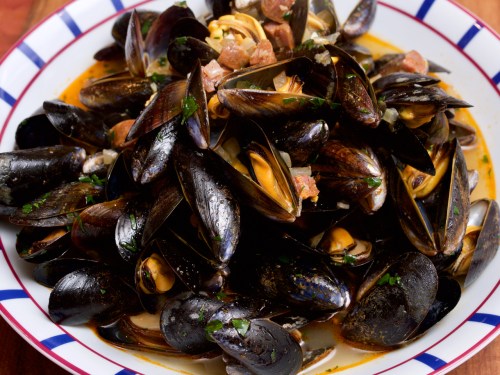
Mussels with chorizo and cider

We had a hankering for mussels, as we often do, and thought this sounded a bit different. There’s no finishing of the sauce required once the mussels are cooked unlike other classic mussel dishes. Last minute finishing can be fiddly, especially with guests, so this worked well for us. Easily scalable, provided you have a big pot, and a good party dish.

Wine Suggestion: we used Stonewell Dry Cider from Kinsale in County Cork for this dish which has a really good depth of flavour and it would equally work well as the accompaniment. Some ciders are lighter but the robust nature of the chorizo and mussels needed a more robust flavour like the Stonewell.

Alternately if you would prefer to drink some wine we’d suggest a good South African Chenin Blanc, like Adi Badenhorst’s Secateurs. The ripe yellow apple flavours are a good compliment and the freshness, texture and zing provide a good balance. The Secateurs is a great go-to wine in our house and we highly recommend it!

Spanish mussels with cider & chorizo – serves 4

  • 2kg mussels
  • 3 tbsp olive oil
  • 200g chorizo, skinned and cut into chunks
  • 2 onions, finely chopped
  • 2 garlic cloves, finely chopped
  • 500ml dry cider
  • 3 tbsp finely chopped parsley

Wash the mussels really well and scrape off any barnacles and beardy bits. Tap any opened mussels on the sink and throw them away if they don’t close.

Heat 3 tbsp olive oil in a large pan and sauté the chorizo with the onions until slightly coloured and softened. Add the garlic and cook for another 2 minutes.

Add the mussels, cider and some black pepper, then cover. Bring to the boil, reduce the heat and steam until the mussels have opened, about 4 minutes. Stir in the parsley and serve.

(Original recipe from Food From Plenty by Diana Henry, Mitchell Beazley, 2010.)

Read Full Post »

Pesto Lasagne

A really quick and easy lasagne full of Spring flavours. You don’t have to buy fresh pesto from the fridge as this tends to be more oily and makes this dish very rich; we successfully used a jar from a shelf instead.

Wine suggestion: A grassy European styled Sauvignon Blanc which tends to have a longer, if cooler, growing season is a good match. Avoid the big flavoured Sauvignon’s with the kiwi / tinned asparagus flavours that you might typically find from NZ and Chile as these flavours clash a bit. Exceptions to this always exist like the Dog Point Marlborough Sauvignon, but a good Touraine or Sancerre would be our match.

Pesto Lasagne – serves 4 to 6

  • 190g jar of pesto
  • 500g tub mascarpone
  • 200g bag spinach, roughly chopped
  • 250g frozen peas
  • small pack of basil
  • small pack of mint
  • 12 fresh lasagne sheets
  • 85g Parmesan, finely grated
  • 50g pine nuts
  • Green salad & garlic bread to serve

Heat the oven to 180C/160 fan/gas 4.

Put the pesto, half the mascarpone and 250ml vegetable stock in a saucepan. Heat, stirring, until smooth and bubbling. Add the spinach and peas and cook for another few minutes until the spinach has wilted and the peas have defrosted. Add the herbs and season but go easy with the salt.

Put a third of this pesto mixture into the base of a baking dish (approx. 18 x 25cm). Top with 4 lasagne sheets, then repeat with 2 more layers of sauce and lasagne sheets, finishing with a layer of pasta. Mix some milk into the remaining mascarpone to make a sauce consistency, season then pour over the top of the dish. Sprinkle with the Parmesan and pine nuts, then bake for 35-40 minutes or until brown on the top and bubbling. Scatter over a few basil leaves before serving.

(Original recipe from BBC Good Food Magazine, February 2014.)

Read Full Post »

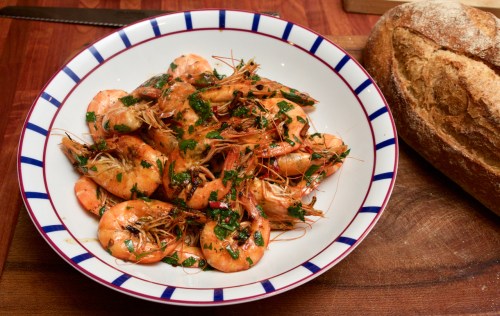
Buttery chilli prawns

Prawns in their shells are more often a holiday treat for us but they’re so easy to do and it’s nice to eat dinner with your hands. Finger bowls of warm water and lemon slices are useful – or you could lick them 😉

Wine Suggestion: If you are serving this as a special treat for two then go for a good pink sparkling. We had this as on a Friday night and luckily had a half-bottle of Billecart Salmon Rosé champagne which turned it into an extra special evening. On nights when this isn’t an option you should find a good Fiano, Verdicchio or Alvarinho.

Buttery Chilli Prawns – serves 2

  • 25g butter
  • 2 tbsp olive oil
  • 3 garlic cloves, finely chopped
  • 1 red chilli, finely chopped (leave the seeds in)
  • ½ tsp sweet paprika
  • 12-20 large raw ing prawns with shells (12 should be enough for a starter for 2, for a main course about 20 is better)
  • 1 lemon, juiced (plus a few extra slices for finger bowls if using)
  • ½ a small bunch of parsley, roughly chopped
  • crusty bread – warm it in the oven before serving

Melt the butter & oil in a frying pan. Add the garlic, chilli and paprika and cook for a coupled of minutes or until golden. Turn up the heat and throw in the prawns. Fry for a few minutes until they turn pink, don’t be tempted to cook them for any longer. Take the pan off the heat, season and stir in the lemon juice & parsley.

Serve with warm crusty bread for wiping the bowl.

(Original recipe from BBC Good Food)


Read Full Post »

Feta salad with spinach, crispbread, sumac & pinenuts

Another success from Sam & Sam Clark of Moro. Great textures and interesting flavours. Works as a starter or a side with grilled meat.

Feta salad with spinach, crispbread, sumac & pinenuts – serves 4

  • 500g young spinach, washed and dried (in a salad spinner ideally)
  • 200g good-quality feta cheese, crumbled
  • 1 dessertspoon fresh oregano or marjoram leaves
  • 75g pinenuts, very lightly toasted
  • 25g butter
  • 2 pitta breads
  • ½ garlic clove, crushed to a paste with salt
  • 1 tbsp good-quality red wine vinegar
  • 2 tsp sumac
  • 4 tbsp extra virgin olive oil
  • sea salt and black pepper

Preheat the oven to 180C/350F/Gas 4.

Melt the butter. Split the pitta in half lengthways and brush the melted butter on both sides. Put the pittas on a rack in the middle of the oven and bake for 10-15 minutes or until golden brown. Remove and cool.

Whisk the garlic, red wine vinegar, sumac, olive oil together to make a dressing. Season to taste with the salt and pepper.

Put the spinach, roughly broken crispbread, half the feta cheese, the oregano/marjoram and pinenuts into a large bowl. Pour over most of the dressing and toss together. Serve with the rest of the feta and dressing on top.

(Original recipe from Moro: the cookbook by Sam & Sam Clark, Ebury Press, 2001.)

Read Full Post »

Beef & black bean chilli

We’re forever trying new chillies and this one has become the current favourite. Great for feeding a crowd and it tastes even better if cooked the night before. It’s also worth using dried black beans though you have to soak them overnight. If you’re using tinned beans make sure you buy Mexican black beans rather than fermented black beans used in Chinese dishes.

Wine Suggestion: an easy choice here, juicy and red. We chose a Primitivo from Puglia in Italy, the Biancardi Ponteviro which had a wonderful depth of brambly fruit and a hint of menthol freshness. A really good Zinfandel from California (Ridge I’m looking at you, but there are a number of others) would be a good alternative if that’s easier as it’s the same grape.

Chunky Beef & Black Bean Chilli – serves 6

  • 200g dried black beans, soaked overnight
  • olive oil
  • 2 large onions, chopped
  • 3 cloves of garlic, crushed
  • 2 green chillies, seeded and finely chopped
  • 750g beef shin, trimmed and cubed
  • 3 tbsp tomato purée
  • 2-3 tbsp chipotle paste/chipotle chillies in adobo sauce
  • 1 tsp ground cumin
  • 1 tsp chilli powder
  • 1 cinnamon stick
  • ½ tsp dried oregano
  • 500ml beef stock
  • 2 tbsp malt vinegar
  • 2 tbsp dark brown sugar
  • 2 x 400g tins of cherry tomatoes
  • sour cream (to serve)
  • tortilla chips (to serve)
  • cooked basmati rice (to serve)

FOR THE GUACAMOLE:

  • 2 avocados, peeled & stoned
  • 1 small red onion, finely chopped
  • 1 red chilli, finely chopped
  • a good pinch of ground cumin
  • 2 limes, juiced
  • a handful of coriander, chopped

Put the soaked pans into a saucepan and cover with cold water. Bring to a fast boil and cook for 30 minutes. Drain & rinse.

Heat 2 tbsp olive oil in a wide casserole dish, add the onions and cook until soft and golden. Add the garlic and chilli and keep cooking for another minute, then scoop out onto a plate.

Heat another tbsp of oil in the same dish and use to brown the meat in batches. When all the meat is browned put it all back into the dish and add the onion mixture, the tomato purée, chipotle paste, spiced and dried oregano. Cook for a minute, then add the stock, vinegar, sugar and tined tomatoes. Season, stir well and bring to the boil. Reduce the heat to a very gentle simmer, cover with a tight lid and continue to cook for 2½-3 hours or until  the meat is very tender.

To make the guacamole, mash the ingredients roughly together with a generous pinch of salt.

Serve the chilli with the guacamole, sour cream, tortilla chips and basmati rice.

(Original recipe by Janine Ratcliffe in BBC Olive Magazine, October 2013.)

Read Full Post »

Braised chicken with mustard & leeks

Another suggestion for using up a leek. Chicken, mustard and leeks are natural friends and make for a delicious mid-week dinner.

Wine suggestion: choose a classic pairing with this and go for a Chardonnay. Your choice of which one but both simple and unoaked or sophisticated and expensive white burgundy will work.

Braised chicken with mustard & leeks – serves 2

  • olive oil
  • 4 chicken thigh fillets
  • 1 leek, chopped
  • 100ml white wine/chicken stock
  • 1 tbsp Dijon mustard
  • 3 tbsp double cream
  • 1 tbsp chopped tarragon

Heat a splash of oil in a wide, deep frying pan and cook the chicken thigh fillets until golden on both sides.

Add the leek to the pan and cook until softened.

Add the wine or stock, then cover and simmer for 5 minutes.

Stir in the Dijon mustard and double cream and continue to simmer with the lid off until slightly thickened.

Stir through the chopped tarragon, season to taste and serve with either some steamed rice or mashed potatoes.

(Original recipe from BBC Olive Magazine, January 2015.)

Read Full Post »

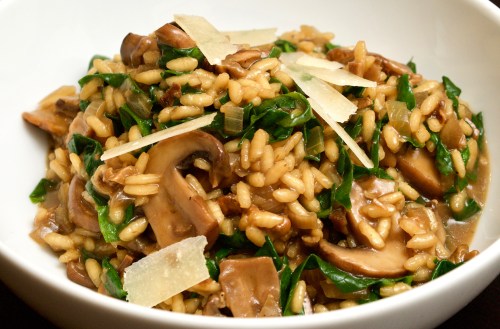
Porcini & spinach risottoWe love a good risotto and this simple one doesn’t disappoint. Perfect cold weather comfort food.

Wine Suggestion: as this is a richer flavoured mushroom dish our first choice would be to head to a Nebbiolo, especially a good Barolo. With the addition of the spinach which has a fresh, iron bitterness we would swing back to a full-bodied white and go for a good Alsace Pinot Gris. The depth of flavour of this dish can balance a really intense Pinot Gris like one from Zind- Humbrecht, which sometimes can be edgy and a bit much for many foods. This one can handle it so push the boat out for flavour and enjoy.

As we had this as a weeknight treat, however, we found that a more humbleVilla Wolf Pinot Gris from the Pfalz also worked.

Porcini & spinach risotto – serves 2

  • 25g dried porcini mushrooms
  • 50g butter
  • 1 small onion, finely chopped
  • 1 garlic clove, crushed
  • 200g chestnut mushrooms, sliced
  • 150g risotto rice
  • a glass of white wine
  • 750ml veg stock, simmering (we use Marigold Swiss Bouillon powder)
  • 100g spinach, washed & chopped
  • parmesan shavings

Soak the porcini mushrooms in a cup of boiling water for 10 minutes. Strain the liquid through a sieve to remove any gritty bits and keep for later. Roughly chop the porcini.

Heat the butter in a wide shallow pan and cook the onion and garlic until softened. Add the chestnut mushrooms and cook for 5 minutes, then add the porcini and risotto rice and stir until coated.

Pour in the wine and bubble until it has been absorbed by the rice. Gradually add the stock and porcini soaking liquid, stirring until the rice is al dente (you may not need all of the stock). Stir through the spinach until just wilted and serve sprinkled with shavings of parmesan.

(Original recipe by Janine Ratcliffe in BBC Olive Magazine, February 2009.)

Read Full Post »

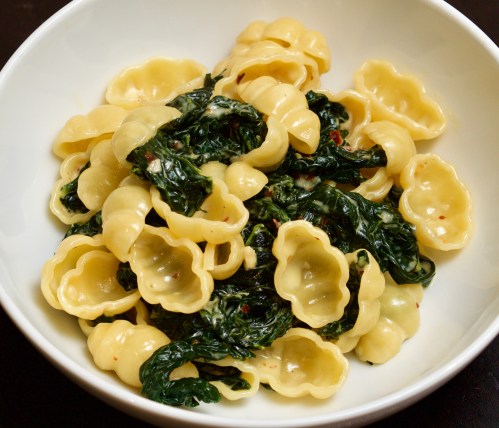
Conchiglie al Cavolo Nero

We’ve made this a couple times recently as  Cavolo Nero is around and we keep on being drawn to it. Especially as we’re starting to tire of root veg and looking forward to all the treats that will come with Spring.

The dish is  creamy and cheesy, with load of garlic and iron rich Cavolo Nero. Fairly rich for a main course in our opinion but absolutely perfect served in small starter portions.

If it suits you can blanch and dry the Cavolo nero and make the garlic puree in advance which leaves very little to do to get the dish on the table.

Wine suggestion: An old favourite came to the rescue here in the form of the Sartarelli Verdicchio dei Castelli di Jesi Classico Superiore “Tralivio” which has a great weight but also a freshness and vibrant texture. The flavour of the food isn’t shy, so make sure whatever you choose has enough body to cope.

Conchiglie al Cavolo Nero – serves 6 as a starter

  • 900g Cavolo Nero
  • 300ml double cream
  • 7 garlic cloves, peeled
  • 3 tbsp extra virgin olive oil
  • 2-3 dried chillies, crumbled or 2 tsp chilli flakes (adjust to your heat preference)
  • 150g Parmesan, freshly grated
  • 250g conchiglie or other shell-shaped pasta

Remove the central stalk from the Cavelo Nero leaves and cut each one into 3 or 4 pieces. Blanch the leaves in boiling salted water for 3 minutes by which time they should be tender and bright green. Drain and dry in a clean tea towel.

Put the double cream and 5 of the whole garlic cloves into a pan and simmer until the garlic is soft, about 15 minutes. Purée in a blender.

In a separate pan, heat the olive oil and fry the remaining 2 garlic cloves, cut into thin slices, and the chilli. When the garlic has coloured, add the blanched Cavolo Nero, stir & season. Pour in the cream and garlic purée, bring to the boil, and cook for 5 minutes until the Cavolo Nero is coated and the sauce has thickened. Add the Parmesan.

Meanwhile, cook the pasta in plenty of boiling salted water, then drain well before mixing well with the sauce.

(Original recipe from The River Cafe Cookbook by Rose Gray & Ruth Rogers, Ebury Press, 1995.)

Read Full Post »

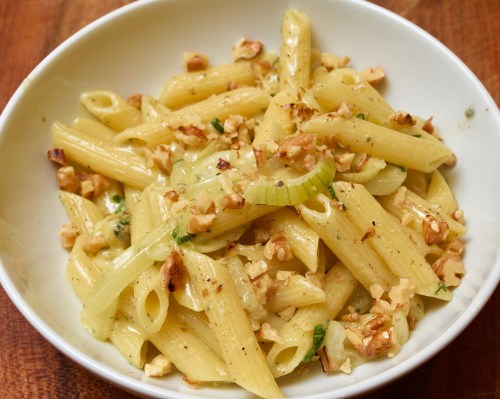
Penne Stilton

We often have lumps of leftover Stilton in the fridge after the weekend and particularly after Christmas. If you find yourself in a similar situation try this simple pasta dish for a mid-week dinner. If that doesn’t solve the problem here’s a few other ideas:

Broccoli and Stilton Soup

Creamy baked Brussels sprouts with stilton

Pasta with Blue Cheese Cream

Roussillon Baked Potatoes

Pork and Pears

Wine Suggestion: delicious with the Bott-Geyl Points Cardinal Metiss, a dry but rich and full white made from all the Pinot varieties you can think of, including the red and pink ones. When young this wine is fresh and enticing but with an extra year in the bottle it fills out and the aromas seem to ramp up a bit more with hints of honey, pears and apples and a lovely dry spice on the palate. More than a match for the powerful flavour of Stilton.

Stilton & Penne Pasta – serves 4

  • 400g penne pasta
  • 25g butter
  • 1 onion, thinly sliced
  • 1 garlic clove, crushed
  • 1 tbsp fresh chopped sage
  • 100g Stilton, cubed
  • handful toasted walnuts, chopped

Cook the pasta according to the instructions on the pack.

Melt the butter in a medium saucepan, then gently fry the onion until golden. Add the garlic and sage, fry for a further 2 mins, then remove the pan from the heat.

Drain the pasta and reserve some cooking water. Stir through the onions, Stilton and 2 tbsp cooking water, then sprinkle with the toasted walnuts to serve.

(Original recipe from BBC Good Food)

Read Full Post »

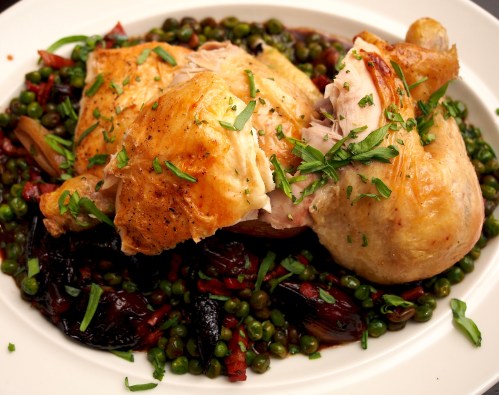
Herb roast chicken

This is an easy solution for feeding a crowd and almost everyone likes roast chicken. All you need is some new potatoes or creamy mash on the side. We love the fresh tarragon with the peas but you could use mint if you prefer. The combination of the peas, shallots, herbs and pancetta really add extra depth to the chicken and lift even ordinary chickens to feast-like levels. Of course, if the budget allows, get a good, free-range one as the extra flavour is really worth it.

Wine Suggestion: As this dish is a bit richer than your standard roast chicken it demands more than most white wines can deliver. We find Pinot Noir a good choice. This time we chose the Justin Girardin Santenay 1er Clos Rousseau and the earthy flavours danced with the salty, crispy pancetta and sweet peas. The tarragon made it all the more reminiscent of holidays in France.

Herb-Roast Chicken – serves 8-10 (easily halved)

  • 200g cubetti di pancetta
  • 800g shallots, trimmed
  • 2 tbsp olive oil
  • 2 chickens (about 1.5kg each)
  • 500ml hot chicken stock
  • 800g peas (frozen will be fine)
  • small pack tarragon, roughly chopped

Heat oven to 190C/170C/gas 5.

Fry the pancetta gently in a heavy frying pan until crisp – if you start with a cold pan you shouldn’t need to add any oil. Remove with a slotted spoon and set aside. Add the shallots to the pan and fry in the pancetta fat for 10-15 minutes or until golden and starting to soften. Tip the shallots into a very large roasting tin.

Rub the olive oil over the chickens and season well with salt and pepper, then place the chickens into the roasting tin with the shallots. Roast for about 1 hour 20 minutes or until golden and cooked through. Remove the chickens from the tin and cover with foil.

Put the roasting tin directly onto the hob and stir in the stock. Bubble for a few minutes and scrape any sticky bits off the bottom of the tin with a wooden spoon. Add the peas, pancetta and most of the tarragon to the stock and bubble for a few minutes or until the peas are cooked, then season.

Meanwhile carve the chicken into large pieces. Transfer the peas to a warm serving platter and serve the chicken on top with the rest of the tarragon sprinkled over.

(Original recipe from BBC Good Food Magazine, April 2010.)

Read Full Post »

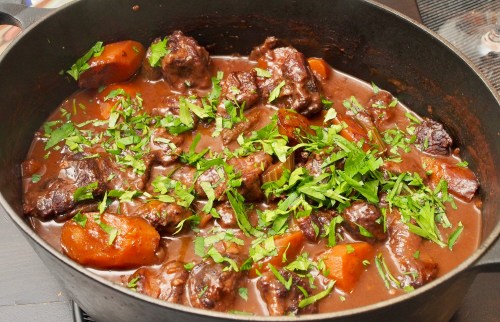
Daube of Beef

Daube of Beef

This dish was traditionally cooked in a glazed clay pot. However these have successfully been replaced by cast-iron casseroles, like our favourite oval shaped one from le Creuset. It keeps the heat stable which makes it perfect for the long and slow cooking required for this dish. Very like our Chianti Beef recipe but with a few French touches.

Wine Suggestion: with a nod to the French origins of this dish we’d suggest a good Gigondas from the Rhone to match. With rich brambly fruit, good spicy tannins and a touch of elegant leathery development the Grapillon d’Or Gigondas was immensely enjoyed last time we cooked this, but other GSM (Grenache-Syrah-Mourvedre) blends from around the world would work well too.

Daube of Beef – serves 6

  • 1.2kg shin of beef, cut into large pieces
  • 4 tbsp plain flour, well seasoned
  • oil for frying
  • 200g smoked bacon lardons
  • 2 onions, diced
  • 2 celery sticks, sliced thickly on a diagonal
  • 4 carrots, sliced thickly on a diagonal
  • 4 cloves of garlic, crushed
  • 750ml red wine
  • 2 tbsp tomato purée
  • 2 cloves, ground
  • 2 bay leaves
  • 2 strips of orange peel
  • flat-leaf parsley, to serve

Heat the oven to 150ºC/Fan 130ºC/Gas 2.

Toss the beef in the seasoned flour (we shake them together in a large freezer bag).

Heat 2 tbsp of oil in a large non-stick frying pan and brown the beef in batches before transferring with a slotted spoon to a large casserole dish with a lid. Add the bacon to the frying pan and cook until brown and crispy, then scoop out and add to the casserole with the beef. Cook the onions until golden and caramelised then add these to the beef. Finally fry the carrot and celery until just starting to colour. Add the garlic and cook for a minute then add to the beef. Add a splash of wine to the frying pan to deglaze, stirring to scrape any crusty bits from the bottom of the pan, then tip into the casserole. Add the rest of the wine to the casserole and bring to a simmer. Stir in the tomato purée, cloves, bay leaves and orange peel.

Transfer the casserole to the oven and cook for 2½ hours or until the meat is very tender – leave the lid off for a while at the end if you want the sauce to thicken to bit. Scatter with the parsley to finish.

(Original recipe by Lulu Grimes in BBC Olive Magazine, September, 2012).


Read Full Post »

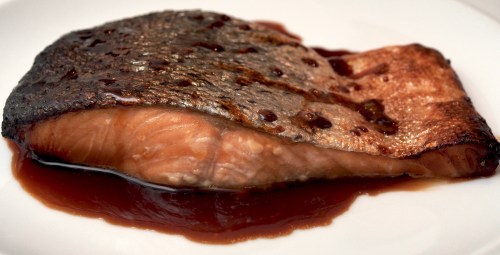
Salmon Teriyaki

Really delicious salmon with crispy skin and a rich sauce. Serve with rice and some asian greens.

Wine Suggestion: Soy sauce accentuates tannins in wine so we’d suggest avoiding reds for this dish. With ingredients that include Sake, Mirin/Sherry and sugar there are two options that we find work really well, and in a contrasting way. Firstly a non-dry, slightly sweet Oloroso sherry, like the Valdespino 1842 VOS Oloroso, will work with the umami savoury characters and compliment the rich sweetness. Alternately play with a bit of contrast and pick a good Rosé Champagne, like Billecart-Salmon’s benchmark example; this plays with the senses and adds an extra vibrancy to a dish already replete with flavour.

Salmon Teriyaki – serves 4

  • 250ml light soy sauce
  • 125ml sake or rice wine
  • 125ml mirin or dry sherry
  • 100g caster sugar
  • 4 salmon fillets, skin-on
  • 1 tbsp sunflower oil

Mix the first 4 ingredients together and stir until the sugar has dissolved to make a teriyaki sauce. Marinade the salmon in half of the sauce for at least 3 hours. Pour the rest of the sauce into a saucepan and bubble gently on a low heat for 30 minutes or until reduced and thickened.

Heat the oven to as high as it goes, then put the drained salmon fillets in an ovenproof dish, skin upwards. Cut small squares of foil to cover the salmon skin and stop it burning.

Bake for 5-6 minutes, then remove the foil and brush oil over the skin. Return to the oven for another 5-6 minutes or until the skin is crispy and starting to char.

Pour some of the reduced sauce onto each plate and sit the salmon on top to serve.

(Original recipe by Reiko Hashimoto-Lamber IN: BBC Good Food Magazine, April 2008.)

Read Full Post »

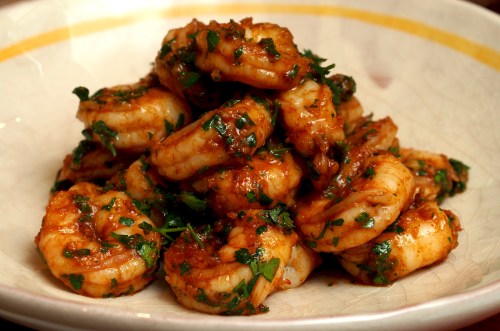
Spicy Prawns

These prawns, flavoured with lots of garlic and warm spices, make a simple but really tasty starter. Serve with plenty of bread for mopping up the juices.

Wine Suggestion: We really like unoaked, slightly lighter, Spanish reds with this dish especially with 30 minutes in the fridge to give a cool edge to them. A newish find has been the Jesus Romero “Rubus”, a delicious blend of Garnacha, Tempranillo and Syrah which has a purity and persistence of fruit that charms us every time.

Spicy Prawns – serves 4

  • 300g raw peeled king prawns
  • 4tbsp olive oil
  • 4 garlic cloves, crushed
  • 2 tsp paprika
  • 1½ tsp ground cumin
  • ¾ tsp ground ginger
  • a good pinch of cayenne pepper or chilli powder
  • 5 tbsp chopped coriander or parsley

Heat the oil with the garlic and spices in a large frying pan. Keep stirring until aromatic, then throw in the prawns and fry quickly over a medium heat until pink – about a minute. Stir in the coriander or parsley and serve.

(Original recipe from Foolproof Mediterranean Cookery by Claudia Roden, BBC Worldwide Ltd., 2003.)

Read Full Post »

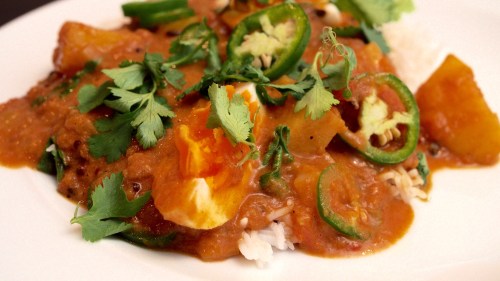
Egg & potato curry 1

A tasty mid-week veggie curry for two. Not much more to say really. Serve with a cold beer if you’ve got one.

Bombay Egg & Potato Curry – serves 2

  • 2 onions, 1 chopped and 1 quartered
  • sunflower oil
  • 2 green chillies, 1 halved and deseeded and the other finely sliced
  • 2 garlic cloves
  • a handful of coriander, leaves and stalks separated
  • 2 tsp turmeric
  • 2 tsp garam masala
  • 2 tsp ground cumin
  • 2 tsp fennel seeds
  • 2 tsp black mustard seeds
  • 1 vegetable or chicken stock cube
  • 1 tin chopped tomatoes
  • 150ml coconut milk
  • 400g potatoes, peeled and cut into 2.5cm dice
  • 3 eggs
  • juice of 1 lemon
  • basmati rice to serve

Fry the chopped onion in 1 tbsp of sunflower oil in a large frying pan or shallow casserole until soft and golden.

Meanwhile, whizz the quartered onion, halved chilli, garlic & coriander stalks with ¼ tsp salt to a paste – you might need to add a splash of water.

When the onions are softened, stir in the paste and spices and fry for about 5 minutes or until fragrant. Crumble in the stock cube, stir in the tomatoes and coconut milk along with a tinful of water and bring to a simmer. Add the potatoes, then cover and simmer for about 8 minutes.

Meanwhile, boil the eggs in boiling water for about 8 minutes, then cool under cold running water, peel and quarter.

Remove the lid from the curry and continue to simmer for another 10-15 minutes or until the potatoes are tender and the sauce has reduced and thickened.

Taste the curry and season with salt, black pepper and lemon juice to taste. Gently lay the quartered eggs into the sauce, turn off the heat and replace the lid to allow the eggs to gently warm for a minute or so.

Serve with the sliced green chilli, coriander leaves and steamed basmati rice.

(Original recipe by Sarah Cook in BBC Olive Magazine, April 2015.)

Egg & potato curry 2

Read Full Post »

Pizza baked potato

The vast majority of our weeknight dinners are based on whatever happens to be left in the fridge after the weekend.  It turns out that leftover pizza toppings taste pretty good on top of a baked potato too. Also suitable for those who don’t eat pizza dough.

Wine Suggestion: If you happen to have something open already, that will do nicely.

Pizza Jacket Potatoes – serves 4

  • 4 large baking potatoes
  • 1 tbsp olive oil
  • ½ red onion, finely chopped
  • 1 garlic clove, crushed
  • 60g sliced pepperoni, torn (the thin sliced stuff from a packet will do fine)
  • 400g tin chopped tomatoes
  • small handful of basil leaves, shredded
  • 100g grated mozzarella/cheddar cheese

Heat oven to 200ºC/180ºC fan/gas 6.

Prick the potatoes all over with a fork. Bake directly on the oven shelf for 1-1½ hrs, or until soft.

Meanwhile, heat the oil in a small pan and sauté the onion for 5 mins to soften. Stir in the garlic and pepperoni, and cook for a minute or two,  then add the chopped tomatoes. Bring to the boil, then simmer for 5 mins. Season and stir in half the basil. Spoon over the split potatoes and top each one with a good handful of cheese and the rest of the basil.

(Original recipe from BBC Good Food.)

Read Full Post »

Baked butternut squash, chickpeas, pepper & pomegranate

This was tasty for a mid-week veggie night. The pomegranate molasses add a pleasant sour note but if you don’t have any you can substitute a few tablespoons of lime juice and a teaspoon of soft brown sugar drizzled over the top.

Baked butternut squash, chickpeas & green chilli – serves 6

  • 1kg butternut squash, deseeded and cut into chunks
  • 3 tbsp olive oil
  • 1 onion, finely chopped
  • 3 garlic cloves, finely chopped
  • medium piece ginger, grated
  • 1 green chilli, finely diced
  • 2 tsp smoked paprika
  • 400g tin chopped tomatoes
  • 2 tbsp pomegranate molasses
  • 400g tin chickpeas, rinsed and drained
  • chopped parsley, pomegranate seeds, mint & Greek yoghurt and couscous to serve

Heat the oven to 180C/160C fan/gas 4.

Put the squash onto a baking tray, drizzle with 2 tbsp of the oil, season and toss to coat evenly. Roast for 25 minutes or until soft.

Put half the squash into a medium casserole dish and set the rest aside. Heat a medium-sized frying pan and add the rest of the oil, then the onion, garlic, ginger, chilli and paprika. Cook for 5-8 minutes or until the onion is soft. Add the tomatoes, pomegranate molasses and chickpeas, then simmer for a minute before turning off the heat.

Pour half the tomato sauce over the squash in the casserole dish in an even layer. Arrange the rest of the squash on top then finish with the rest of the sauce. Cover with a lid, transfer to the oven and bake for 25 minutes.

Remove the casserole from the oven and serve hot or at room temperature, scattered with chopped parsley, pomegranate seeds, and mint, with the yoghurt on the side. Serve with couscous.

(Original recipe by Bill Granger in BBC Good Food Magazine, March 2011.)

Read Full Post »

« Newer Posts - Older Posts »