Feeds:
Posts
Comments

Posts Tagged ‘Food’

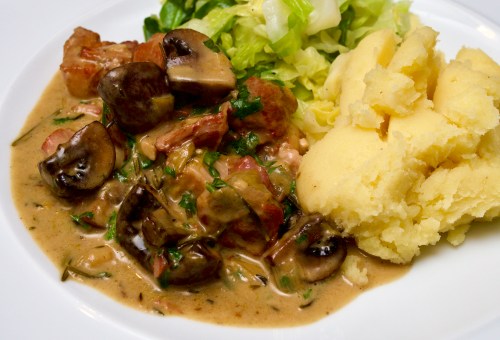
Pork, bacon & mushroom stew

A rich and delicious dish from Time by Gill Meller. This is the second outing for this recipe, the first being for friends on Jules’ birthday when we served with jacket potatoes and salad (Gill suggests salad and good bread). You can make it ahead and reheat on the hob, adding the cream and mushrooms, on the day. You may need to order the pork in advance from your butcher.

Wine suggestion: such a rich dish needs a wine with good body and also freshness to cut through the rich layers. To our mind this demands a good oaked Chardonnay so we opened a Pernand- Vergelesses white from Domain de Montille. It may have been youthful but it didn’t lose anything for this as we think an older wine wouldn’t stand up to the richness; an enjoyable choice.

A stew of pork, bacon & mushrooms with cream, cider & parsely – serves 4

  • a piece of cured pork belly (streaky bacon) about 350g, cut into 4-5cm cubes
  • 500g fresh pork belly, cut into 4-5cm cubes
  • 1 large leek, halved and sliced
  • 2 to 3 garlic cloves, peeled and thinly sliced
  • 4 to 6 bay leaves
  • 2 to 3 rosemary sprigs
  • 2 to 3 thyme sprigs
  • 2 tbsp plain flour
  • 450ml cider
  • 450ml pork, chicken or veg stock
  • knob of butter
  • 250g wild or chestnut mushrooms, halved
  • 200ml double cream
  • small bunch of parsley, chopped

Heat the oven to 150C/300F/gas mark 3.

Heat a splash of oil in a heavy-based casserole dish over a medium-high heat. Add all of the pork and cook until well browned – about 6-8 minutes. Remove from the pan with a slotted spoon and set aside.

Add the leeks, garlic, herbs and a little seasoning to the pan. Sweat for 10 minutes before returning the pork to the pan, sprinkle over the flour and stir well. Cook for another few minutes, then pour in the cider and stock and bring to a simmer. Cover with a tight lid and cook in the oven for 2 hours, or until very tender.

Meanwhile, heat a large frying pan over a high heat and add the knob of butter. When the butter is bubbling, add the mushrooms, season lightly and sauté until cooked through – 6 to 8 minutes. Set aside.

Remove the casserole from the oven after the 2 hours and add the fried mushrooms and double cream. Stir well, then put the casserole back into the oven for another 15 minutes without the lid.

Stir in the chopped parsley and season to taste.

(Original recipe from Time by Gill Meller, Quadrille, 2018.)
Read Full Post »

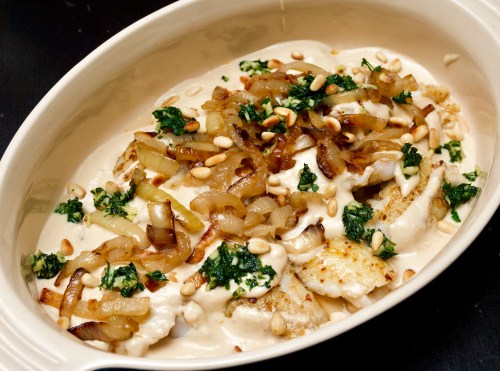
Fish in Tahini (Samak bi Tahina)

There is a recipe for fish in tahini sauce in almost every Middle Eastern cookbook, and for good reason. The caramelised onions really complement the slightly sour tahini sauce. Serve with rice and salad.

Wine Suggestion: Not having had tahini with fish before we weren’t sure what to open, so went with our classic standby for seafood – Muscadet. The Domaine de la Chauviniere worked a treat and we would highly recommend this as a match.

Fish in Tahini (Samak bi Tahina) – serves 2

For the fish:

  • ½ tsp ground cumin
  • ¼ tsp ground Aleppo pepper
  • ½ tsp salt
  • 1 tsp olive oil
  • 2 fillets of white fish

For the sauce:

  • 80ml tahini
  • 50ml lemon juice
  • 1 garlic clove, crushed
  • salt, to taste
  • 80ml water

For the topping:

  • 2 medium onions, sliced
  • 1 garlic clove, chopped
  • a handful of coriander, chopped
  • vegetable oil, for frying
  • a handful of toasted pine nuts

Mix the spices and oil and rub over the fish, then leave to marinate in the fridge for half an hour.

Caramelise the onions by frying them over a very low heat until soft and browned – about half an hour.

Make the tahini sauce by mixing the tahini, lemon juice, garlic, salt and water in a pan. Don’t worry if it curdles just keep stirring vigorously until it becomes smooth. Warm the sauce over a very low heat.

Heat a splash of oil in a large frying pan and fry the marinated fish for a few minutes on each side, then remove from the heat and place in a warm dish.

Fry the garlic and coriander in a pan with a little oil for a minute.

Pour the warm tahini sauce over the fish, then sprinkle over the onions, followed by the coriander, garlic and pine nuts. Serve with bulgar wheat or rice and a salad or vegetables if you like.

(Original recipe from Syria: Recipes from Home by Itab Azzam and Dina Mousawi, Trapeze, 2017.)

Read Full Post »

Mussels & cockles with garlic breadcrumbs

This is a great starter from Polpo that tastes similar to stuffed mussels but is nowhere near as fiddly to prepare. We used cockles instead of clams as that is what we could get the day we cooked this.

Wine Suggestion: we’d suggest a white from central or sourther Italy for this dish. Tonight it was a Verdicchio from the Marches, the Tralivio by the Sartarelli family which combines citrus, apricots and wild herbs with texture, body and hints of a bitter almond on the finish. Very attractive, refreshing and a perfect food wine.

Mussels & Clams with Garlic Breadcrumbs – serves 4 – 6 as a starter

  • 100g old bread
  • extra virgin olive oil
  • a small handful of flat parsley leaves, chopped
  • a large pinch of dried chilli flakes
  • 1 garlic cloves, finely chopped
  • flaky sea salt and black pepper
  • 1 kg mussels
  • 1kg clams
  • 100ml white wine
  • bread, to serve

Preheat the oven to 180ºC/Gas 4.

Tear the old bread into pieces, then scatter over a baking tray and pour over plenty of olive oil over them. Put the tray into the oven for 5 minutes or until the bread is crisp and golden, then set aside.

When the bread has cooled blitz it in food processor with the chopped parsley, half the dried chilli, half the garlic and some seasoning. When the bread has turned to fine crumbs, taste some and adjust the seasoning and add some more oil if they are too dry.

Clean the mussels and clams in cold running water and discard any that are damaged or that stay open when tapped.

Heat a large pan and add some olive oil. Throw in the mussels and clams with the rest of the chilli and garlic and stir until the shells start to open. As they do, pour in the white wine and cover the pan with a lid. The shells should all have opened after a couple of minutes, throw away any that haven’t opened.

Add a handful of breadcrumbs to the pan to thicken the sauce. Spoon the mussels and clams into shallow bowls and sprinkle with the rest of the crumbs. Serve immediately with crusty bread if you like.

(Original recipe from Polpo by Russel Norman, Bloomsbury, 2012.)


Read Full Post »

Carrot & parsnip soup with chorizo

A soup that looks like sunshine, perfect for grey days!

Parsnip & carrot soup with chorizo – serves 2

  • olive oil
  • 1 onion, chopped
  • 1 clove of garlic, crushed
  • ¼ tsp cumin seeds
  • 3 parsnips, peeled and chopped
  • 3 carrots, peeled and chopped
  • 800ml chicken stock
  • 2 cooking chorizo, chopped

Fry the onion, garlic & cumin in a little olive oil in a saucepan until softened.

Add the parsnips, carrots and chicken stock and simmer until the vegetables are soft.

Purée the soup and loosen with a little water if it’s too thick, season to taste.

Fry the chorizo in a little olive oil until crispy.

Serve the soup with the chorizo on top.

(Original recipe by Lulu Grimes in Olive Magazine, January 2013.)

Read Full Post »

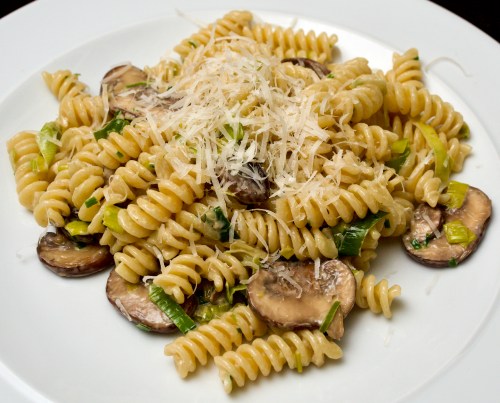
Fusilli with Chestnut Mushrooms, Leeks and Mascarpone Cheese

This pasta sauce can literally be made in the same time as it takes to boil the pasta. The recipe is easily halved for two and therefore good for using up mascarpone.

Wine Suggestion: A tasty supper like this pairs well with unoaked Chardonnay, particularly from slightly cooler areas like the Maçon in Burgundy. Tonight’s choice, the Domaine Manciat-Poncet Maçon-Charnay which has a fresh joy to it with red apples and citrus flavours.

Fusilli with chestnut mushrooms, leeks and mascarpone cheese – serves 4

  • 45g butter
  • 250g chestnut mushrooms, sliced
  • 2 leeks, washed and sliced
  • 2 garlic cloves, peeled and finely chopped
  • 250g mascarpone cheese
  • 3 tbsp finely chopped chives
  • 4 pinches of cayenne pepper
  • 400g fusilli pasta
  • plenty of freshly grated Parmesan to serve

Heat a large frying pan over a medium heat, then add the butter and allow to melt. When the butter is foaming add the mushrooms, leeks and garlic and fry for 5 minutes.

Add the mascarpone and cook for another minute or so, stirring continuously. Stir in the chives and cayenne pepper, then season carefully with salt and remove from the heat.

Meanwhile cook the pasta in lots of salty water according to the timings on the pack, then drain and return to the same pan.

Pour the mushroom sauce into the pasta pan and stir together for 30 seconds before dividing between warm bowls.

Sprinkle over the Parmesan and serve.

(Original recipe Gino’s Pasta by Gino D’Acampo, Kyle Books, 2010.)

Read Full Post »


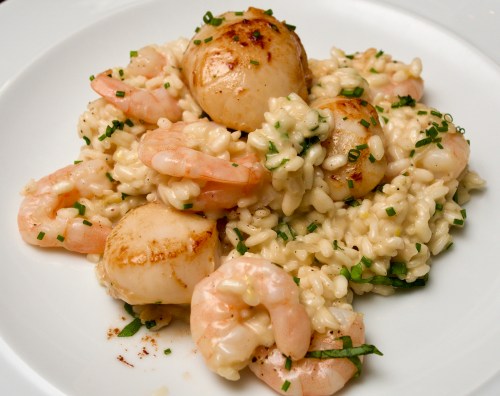
Scallop & prawn risotto

We brought in the new decade with this fabulous scallop and prawn risotto. Couldn’t be simpler to make but tastes really special. Scallops aren’t cheap but you only need a few for this and they are totally worth it.

Wine Suggestion: A special occasion with a special person requires a special wine. Made by the brilliant Dermot Sugrue, his Cuvée Dr Brendan O’Regan is multilayered, multidimensional and complex. To be honest this is the best English Sparkling we’ve tasted and it has a great roundness and weight alongside it’s natural freshness which allowed us to start with seaside, fresh oysters and then segue to a much richer risotto without breaking a sweat.

Scallop & Prawn Risotto – serves 4

  • 100g butter, plus a bit extra
  • 2 shallots, finely chopped
  • 450g risotto rice
  • 750ml-1 litre, hot fish or light chicken stock
  • 350-400g raw peeled prawns
  • 1 lemon, zested and juiced
  • 3 tbsp mascarpone
  • 12 scallops, orange roe and side muscles removed
  • a bunch of chives, finely chopped
  • a small bunch of basil, chopped

Melt the butter in a large heavy-based pan and gently cook the shallot until soft but not coloured. Add the rice and stir until the grains are coated in butter.

Gradually add the hot stock, stirring all the time, until the rice is just tender – about 20 minutes. Add the prawns when the rice is cooked but al dente, then season and add the lemon zest and juice. Turn the prawns until they have turned pink all over, then add the mascarpone and gently fold in.

Allow the risotto to rest for 5 minutes while you fry the scallops for a minute on each side in a knob of butter in a frying pan. Add these to the risotto and sprinkle with the herbs.

(Original recipe by Lulu Grimes in Olive Magazine, December 2015.)

Read Full Post »

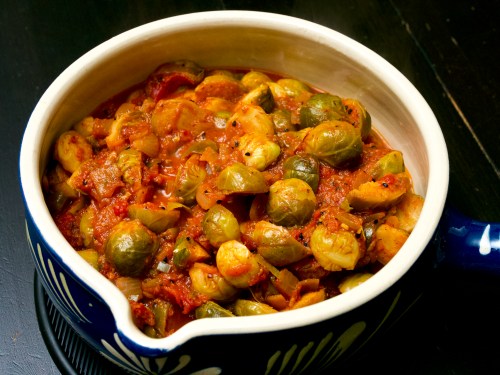
Vegan Achari Brussels Sprout Curry

Sprouts are not just for Christmas. They’ll be around for ages yet and we love them. This is also a useful dish for those choosing a spell of Veganism. Serve with yoghurt (non-dairy if you wish) and naan breads.

Wine Suggestion: tonight we opened a German white lager, the Grevensteiner Naturtrübes Helles. A slightly cloudy and smooth beer with fruit hints and a refined malty touch. This has character and roundness and is a good foil to the curry and a compliment to the Brussels.

Vegan Achari Brussels Sprout Curry – serves 2

  • 750g brussels sprouts, trimmed and quartered or halved depending on size
  • 1 tsp black mustard seeds
  • 1 tsp cumin seeds
  • 1 tsp coriander seeds
  • 1 tsp fennel seeds
  • 1 tsp nigella seeds
  • rapeseed oil
  • 1 onion, diced
  • 2cm piece of ginger, peeled and finely grated
  • 3 garlic cloves, peeled and crushed
  • 2 green chillies, very finely chopped
  • 1 x 400g tin of chopped tomatoes
  • 2 tbsp tomato purée
  • 1½ tsp salt
  • 1-2 tbsp lemon juice

Bash the mustard, cumin, coriander and fennel seeds together in a mortar as finely as you can, then stir in the nigella seeds.

Heat a large frying pan, then add 2 tbsp of oil. When hot, add the onion and fry for 5 minutes before adding the spice mix, then continue to cook for another 5 minutes or until the onions are soft and browning. Stir in the ginger, garlic and chilli and cook for a few minutes more.

Add the tomatoes, tomato purée and the salt, then cook for 15 minutes. Add 400ml water and the sprouts, cover with a lid and leave to simmer for until just tender – start checking after 12 minutes. Remove from the heat and season with lemon juice before serving.

(Original recipe by Meera Sodha in The Guardian, Saturday, 21 December 2019.)

Read Full Post »

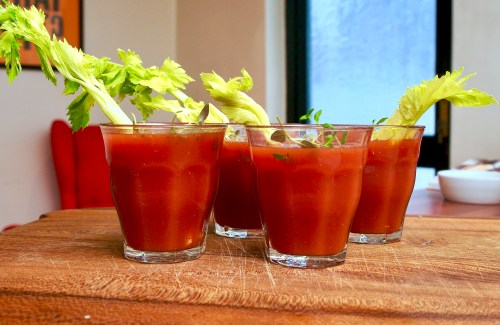
Horseradish Bloody Mary's

We start every year with a great big lunch with friends, some of whom may require a pick me up after the night before. What better excuse to make some horseradish spiked vodka! Not for the faint-hearted mind and you can of course use any good-quality vodka.

Blood Mary – serves 8 – 10 

  • 1 tsp sweet smoked paprika
  • 2-3 tsp Tabasco
  • 3 tsp Worcestershire sauce
  • 2 tsp sherry vinegar
  • 2 tsp soft brown sugar
  • 2 tsp celery salt, plus extra to serve
  • ½ tsp freshly ground black pepper, plus extra to serve
  • 350ml horseradish vodka (see below) or any good vodka, chilled
  • about 1 litre good-quality tomato juice, chilled
  • sticks of leafy celery, to serve
  • thyme sprigs, to serve

FOR THE HORSERADISH VODKA:

  • 1 horseradish root
  • 2 thyme sprigs
  • 1 tbsp runny honey
  • 1 litre good-quality vodka

To make the horseradish vodka: Peel the horseradish root and slice into long thin pieces. Put the horseradish and thyme into a clean 1 litre glass bottle. Combine the honey with a splash of vodka in a small bowl and stir to dissolve. Pour this into the bottle with the horseradish and thyme, then top up with the remaining vodka. Leave in a dark place to infuse for 3-5 days. When ready, pass the vodka through a sieve and throw away the horseradish (or make sauce!) and thyme. Return the vodka to the bottle and seal. It will keep for a long time.

To make the Bloody Mary, whisk the smoked paprika, Tabasco, Worcestershire sauce, vinegar, sugar, celery salt and black pepper together in a large, wide jug. Pour over the vodka and tomato juice and stir well.

Divide the Bloody Mary between glasses, then garnish each with a celery stick, a sprig of thyme, a pinch of celery salt and a twist of black pepper. Serve immediately.

(Original recipe from Time by Gill Meller, Quadrille, 2018.)

Read Full Post »

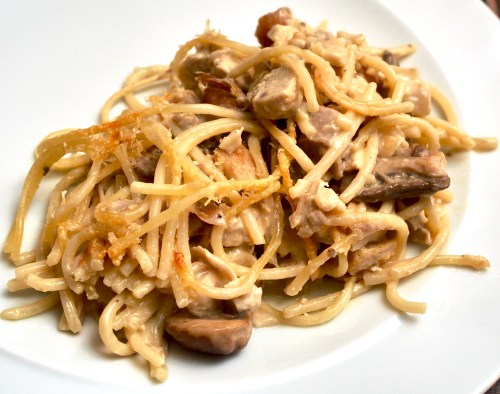
Turkey Tetrazzini

A creamy turkey and mushroom pasta bake for the inevitable leftovers. Tetrazzini was created by Italian immigrants to the USA adapting family recipes to local conditions and evolving tradition. We like this.

Wine Suggestion: Given this is American in origin we opened a Californian Chardonnay, the Cline Chardonnay from the Sonoma Coast. The richness of fruit and hints of oak were a great match.

Turkey Tetrazzini – serves 4

  • 200g chestnut mushrooms, sliced
  • 200g spaghetti
  • 50g butter plus a bit extra for frying the mushrooms
  • 2tbsp flour
  • 250ml hot chicken stock
  • a few drops of Tabasco
  • 1 egg yolk
  • 1 tbsp dry sherry
  • 3 tbsp single cream
  • 300g cooked turkey
  • 4 tbsp grated Parmesan

Preheat the oven to 180C.

Start by frying the mushrooms in a little butter until softened and browned. Remove from the heat and set aside.

Cook the spaghetti in a large pan of boiling salted water for the time indicated on the pack.

Meanwhile, make your white sauce. Melt the butter in a saucepan, add the flour and stir and cook for a minutes or so. Gradually whisk in the hot chicken stock until smooth and thickened. Remove from the heat and whisk in the tabasco, egg yolk, sherry and cream, then stir in the cooked turkey and mushrooms.

Layer the cooked spaghetti with the turkey mixture in a ovenproof dish, finishing with a layer of spaghetti and the Parmesan sprinkled over.

Bake in the oven for 25 minutes or until piping hot and bubbling. Put briefly under a hot to crisp up the spaghetti on top if needed.

Serve with a green salad.

(Original recipe by Lulu Grimes in Olive Magazine, January 2008)

Read Full Post »

Goose fat roasties

A seasonally appropriate side dish. Our advice is to make more than you think you could ever need!

Perfect Roasties – serves 8

  • 2kg roasting potatoes e.g. Maris Pipers or Roosters
  • 3 tbsp plain flour
  • 5 tbsp goose fat
  • 5 tbsp vegetable oil

Cut the potatoes into evenly sized chunks – a big potato should be quartered.

Put the potatoes into a large pan of salted water and boil for 5 minutes, then drain really well.

Return the potatoes to the pan and scatter over the flour and a little salt. Cover with the lid and shake the pan a few times to coat the potatoes in the flour and rough up the edges.

Heat the oven to 190C/170C fan/gas 5.

Put the goose fat and oil in a large roasting tin and heat in the oven for 5 minutes. Tip in the potatoes and roll them around to coat them in the hot fat. Cook for half an hour, turning once, then turn the oven up to 220C/200C fan/gas 7. Cook for a further 20 minutes or until crispy. Season with some more salt before serving.

Read Full Post »

We’re all about creamy sauces, gratins and roasts at this time of the year. This is a great Friday night pasta dish by Nigel Slater with all the roast chicken flavour but quick to put together.

Wine suggestion: this really needs a full bodied white wine with texture. We naturally fall towards Chardonnay when thinking this, but the Languedoc one we had in the fridge we knew was easy drinking but not able to stand up to the food despite it being fuller bodied. Luckily we also had Vouvray made by Vincent and Tania Carême from our holidays earlier this year, and despite it being “tendre” or off-dry, it was a delight and an excellent match. The key was the texture even with the residual sugars left in the wine.

Roast chicken pasta – serves 4 generously

  • 4 sprigs of rosemary, leaves stripped
  • 8 black peppercorns
  • 4 tbsp olive oil
  • 1 kg chicken thighs
  • 300g fusilli or trofie pasta
  • 7g tarragon, leaves stripped and chopped
  • 10g parsley, leaves stripped and chopped
  • zest of 1 lemon, grated
  • 75g pine nuts, toasted
  • 500ml double cream

Preheat the oven to 200°C/Gas 6.

Bash the rosemary, peppercorns and a tsp of sea salt in a pestle and mortar until you have a coarse powder, then blend in the olive oil.

Put the chicken thighs in a roasting tin, then pour over the rosemary mixture and rub to coat all over. Put into the oven and roast for 35 to 40 minutes. Remove from the oven and leave to rest for 10 minutes.

Cook the pasta in plenty of salty water according to the timings on the pack.

Remove the chicken from the bones, keeping it in large chunks if you can and catching any meaty juices.

Mix the tarragon, parsley, lemon and toasted pine nuts together.

Put the roasting tin over a medium heat, add the cream to the tin and stir to scrape all the crusty bits off the tin. When the cream starts to bubble, add the cooked pasta and chicken. Season with black pepper.

Serve the pasta in bowls with the pine nut and herb mixture scattered over the top.

(Original recipe by Nigel Slater in The Guardian, Sunday 1st December 2019)

Read Full Post »

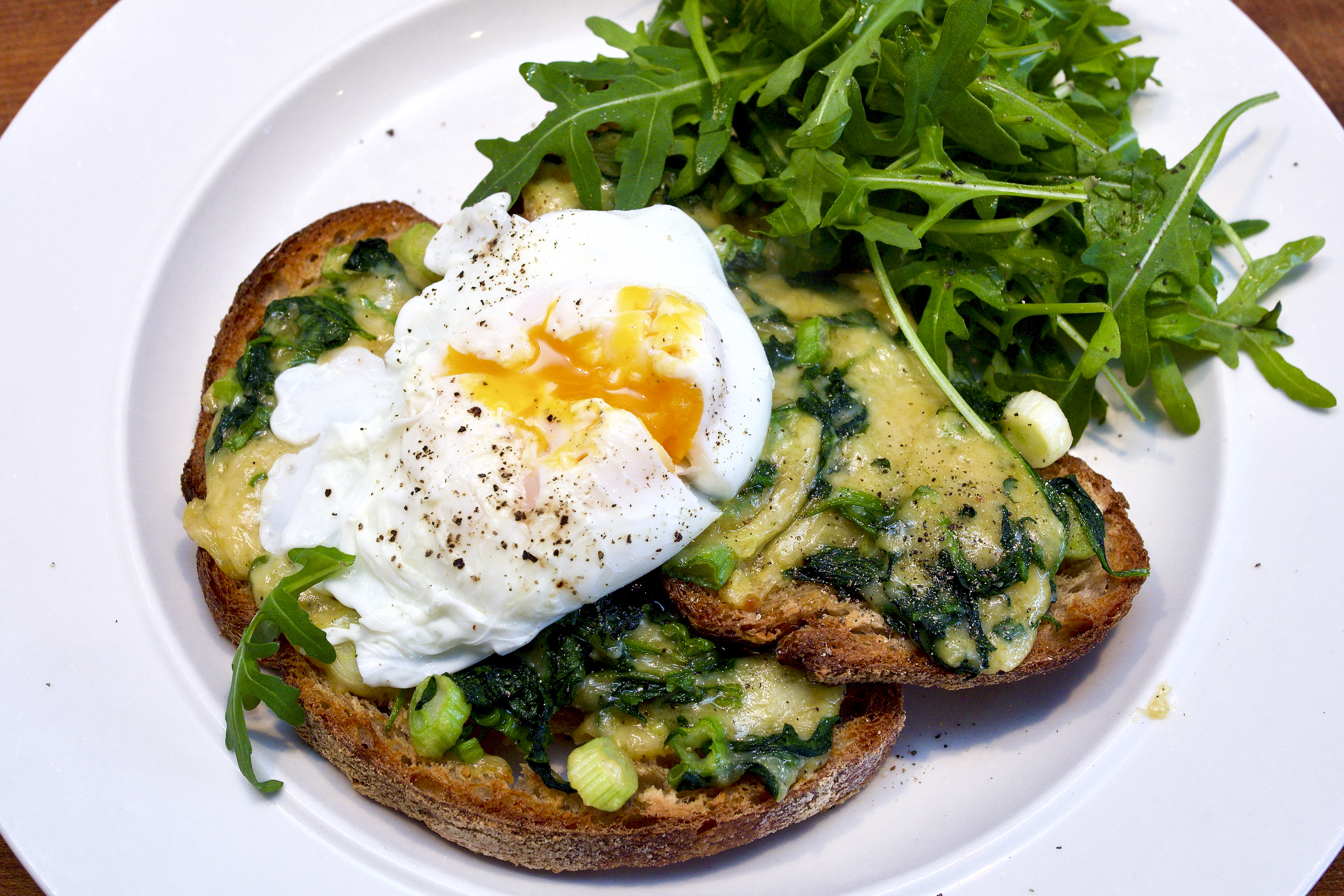
Spinach Rarebit with Poached Eggs

We sporadically try and make an effort with breakfast on the weekends though more often than not we fall back to poached eggs on toast – not that there is anything wrong with that. This rarebit was nice for a change and we’ll definitely be skipping lunch!

Spinach rarebit with poached eggs – serves 2

  • 100g baby spinach
  • 125g mature cheddar, grated
  • ½ english mustard – we used Dijon
  • 2 scallions, finely chopped
  • 2 dashes of worcestershire sauce
  • 1 egg yolk, plus 2 eggs for poaching
  • 4 small slices of sourdough
  • rocket dressed with lemon juice to serve

Put the spinach in a colander and pour over a kettleful of boiling water, then leave to cool. Squeeze out as much water as you can then chop.

Put the cheddar, mustard, scallions, worcestershire sauce, egg yolk and spinach in a bowl, season and stir to combine.

Poach the eggs in a small pan of simmering water.

Heat the grill to high. Toast the bread on both sides then spread the rarebit mixture over the slices. Grill until golden and bubbling, then top with an egg, plenty of black pepper and some dressed rocket on the side.

(Original recipe by Janine Ratcliffe in Olive Magazine, December 2019)

Read Full Post »

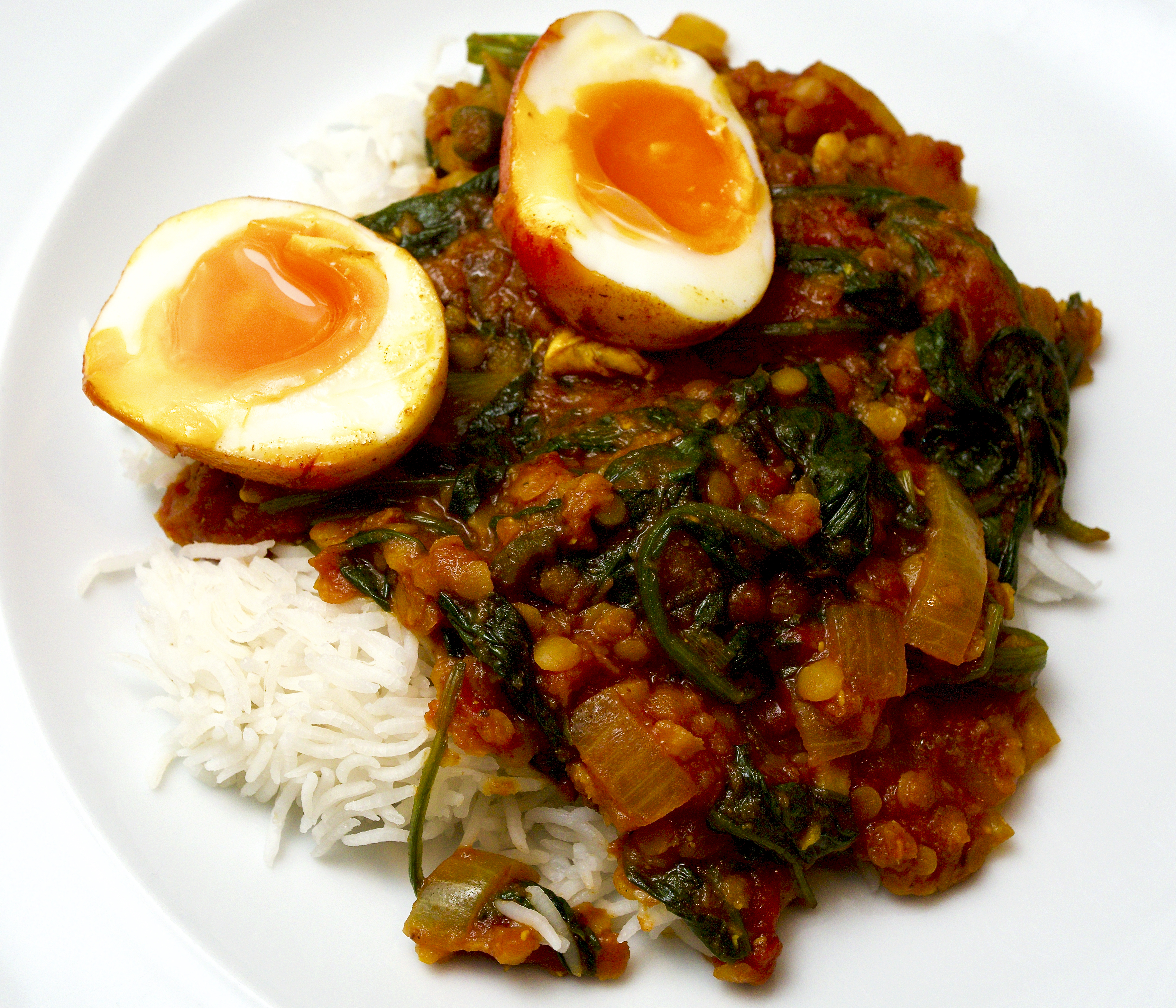
Spiced Crispy Egg & Lentil Curry

This is a great lentil curry but the star of the show is definitely the spiced crispy eggs. We’ll definitely be making these again with other dishes that could do with a crispy egg. Serve with steamed basmati rice.

Wine Suggestion: the spices in this dish will fight with tannins so we’d suggest pairing with a white wine. Our choice this evening was the Chayeau Pesquie Terrasses Blanc, a blend of Viognier, Roussanne, Clairette and Grenache Blanc – a real southern Rhône style blend with fresh stone fruit and citrus flavours.

Spiced crispy egg and lentil curry – serves 4

  • 100g red lentils
  • 2 onions, roughly chopped
  • 400g tin chopped tomatoes
  • 1 tsp ground turmeric
  • 2 tbsp oil for frying
  • 1½ tsp ground cumin
  • 1½ tsp ground coriander
  • 4 cardamom pods, squashed
  • a thumb-sized piece of root ginger, finely chopped
  • 4 cloves of garlic, crushed
  • 2-3 green chillies, sliced
  • 100g baby spinach, chopped
  • 1 tsp garam masala
  • a small bunch of coriander, chopped

FOR THE CRISPY EGGS

  • 6 eggs
  • ¼ tsp ground turmeric
  • ¼ tsp paprika

Put the lentils, onions and tomatoes in a pan with the turmeric and a teaspoon of salt. Add water to just cover, then simmer gently for 20 minutes or until the lentils are tender.

Drop the eggs into boiling water and cook for 7 minutes, then plunge them into iced water and leave to cool.

Heat 1 tbsp of the oil in a large pan, then stir in the cumin, coriander and cardamom. Cook for a couple of minutes, then add the ginger, garlic & chillies. Cook for a few minutes before adding the cooked lentils and 100ml water. Cover and simmer for 30 minutes, then add the spinach and cook for another 10 minutes.

Peel the eggs and heat the tbsp of oil in a frying pan. Add the eggs, turmeric, paprika and some salt. Cook the eggs until they start to blister and crisp.

Stir the garam masala and fresh coriander into the curry and serve with the halved eggs and some steamed basmati rice.

(Original recipe by Janine Ratcliffe in BBC Olive Magazine, December 2017)

Read Full Post »

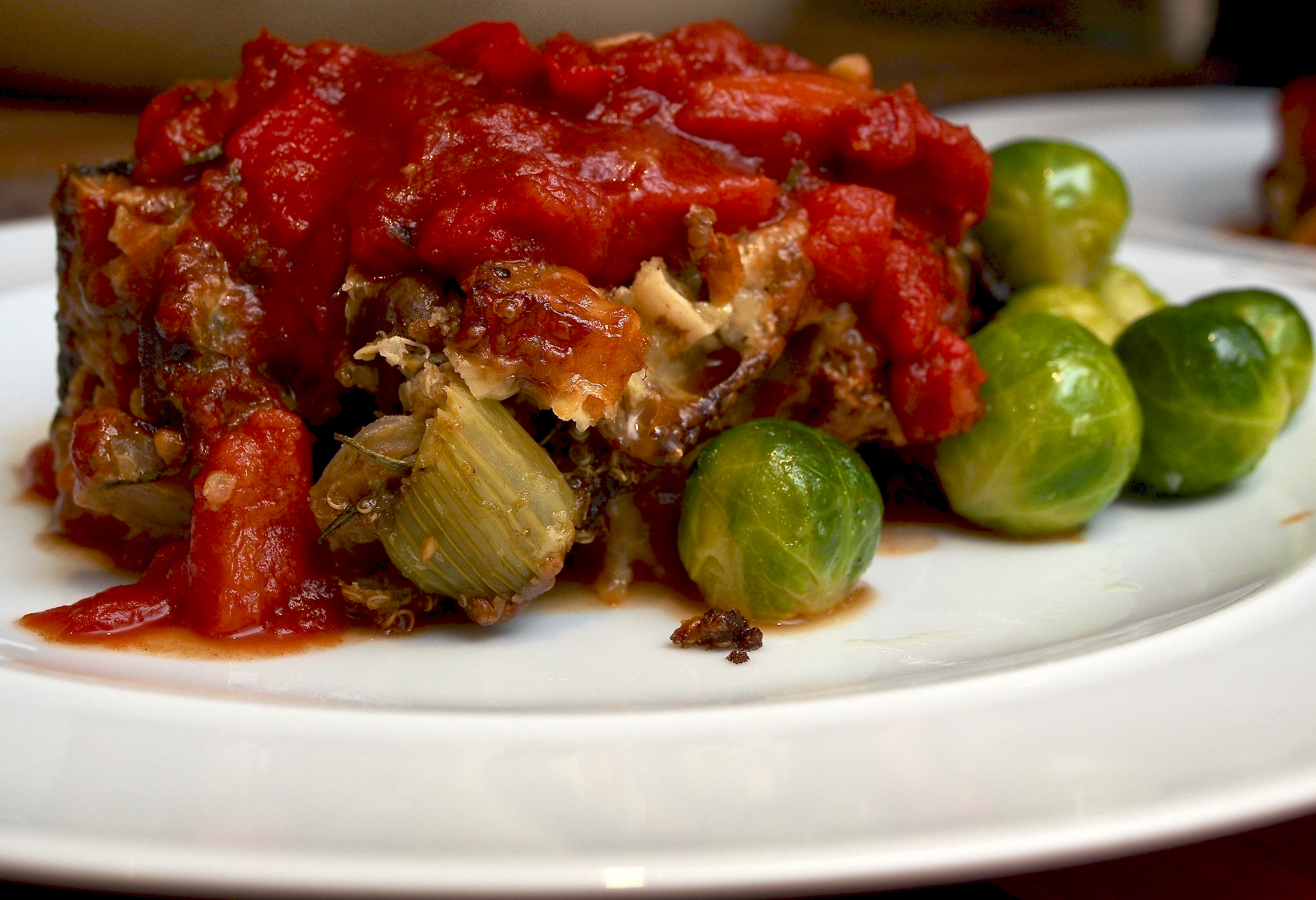
Christmas Nutroast

We made this nut roast in January when we were attempting to go meat-free for a few weeks but still wanted something suitable for Sunday lunch. This would make a great centre-piece for a veggie Christmas dinner and we’d also recommend for any celebratory meal, heaps of flavour and definitely challenged our pre-conceived notions about nut roast. Serve with all the usual trimmings.

Wine Suggestion: given the season we’d suggest a Southern Rhöne red, especially one that has fresh spices in the aromas. The Chateau Pesquie Terrasses rouge we think is sophisticatacted and wholesomely satisfying and a wine rack regular, though a step up at this time of year is needed so we opened a wine from Domaine de la Vieille Julienne. Known for their superb Chateauneuf-du Papes, we instead went for their Cotes du Rhone lieu-dit Clavin which is rich, smooth and powerful; a very sophisticated red indeed and belies it’s lowly classification … a hidden gem.

Christmas Nut Roast – serves 8

  • olive oil
  • 100g quinoa
  • 500g butternut squash, peeled and cut into 2cm chunks
  • 2 onions, chopped
  • 2 sticks of celery, chopped into 2cm pie
  • 200g vac-packed chestnuts
  • 2 springs of rosemary
  • 1 tsp sweet smoked paprika
  • 1 tsp dried oregano
  • 2 large field mushrooms, roughly chopped
  • 1 lemon
  • 60g fresh breadcrumbs
  • 120g dried apricots, chopped
  • 150g mixed unsalted nuts, chopped
  • 4 large eggs
  • 40g mature Cheddar cheese, grated

FOR THE SPICED TOMATO SAUCE:

  • 3 red chillies, halved lengthways but joined at the stalk
  • 1 stick of cinnamon
  • 2 cloves of garlic, sliced
  • 15g fresh thyme
  • 2 large roasted red peppers, drained and chopped
  • 2 x400g tins of plum tomatoes
  • 1 tbsp balsamic vinegar

Preheat the oven to 180ºC/350°C/gas 4.

Scrunch up a wet sheet of greaseproof paper and use to line all sides of an oiled 1.5 litre loaf tin. Leave an overhang at the ends so you can lift the roast easily out of the tin later.

Cook the quinoa according to the instructions on the pack, drain, then leave to cool in a large bowl.

Put the butternut squash, onions and celery into a large roasting tray, crumble in the chestnuts, strip in the rosemary leaves, add the paprika, oregano, a pinch of sea salt and black pepper, and 2 tbsp of olive oil, then toss well. Roast for 40 minutes, adding the mushrooms for the last 10 minutes.

Remove the tray from the oven and tip the vegetables into the quinoa bowl. Finely grate in half the lemon zest, add the breadcrumbs, then add the apricots and nuts. Add the eggs and mix well, then transfer to the lined loaf tin, piling it up high. Roast for 45 minutes, or until golden.

Meanwhile, make the tomato sauce. Heat 1 tbsp of olive oil in a roasting tray set on the hob over a medium heat. Add the chillies and cinnamon stick and cook for 5 minutes, stirring. Remove the chillies and cinnamon and set aside, then add the garlic and most of the thyme leaves and cook for 5 minutes. Add the peppers, tomatoes and a tin full of water, breaking the tomatoes up with a wooden spoon, then add the balsamic vinegar and a pinch of salt. Bring to the boil, then simmer for 20 minutes or until thickened and reduced, stirring occasionally.

Lift the nut roast out of the tin and sit into the sauce, discarding the paper. Sprinkle over the cheese and place one of the chillies on top with a few thyme sprigs and drizzle with a little oil. Return the rest of the chillies and the cinnamon to the sauce and roast for a final 15 minutes, then leave to sit for 5 minutes. Finely chop and stir the chillies into the sauce (according to taste), then slice and serve.

(Original recipe from Jamie Oliver’s Christmas Cookbook, Penguin, 2016.)


Read Full Post »

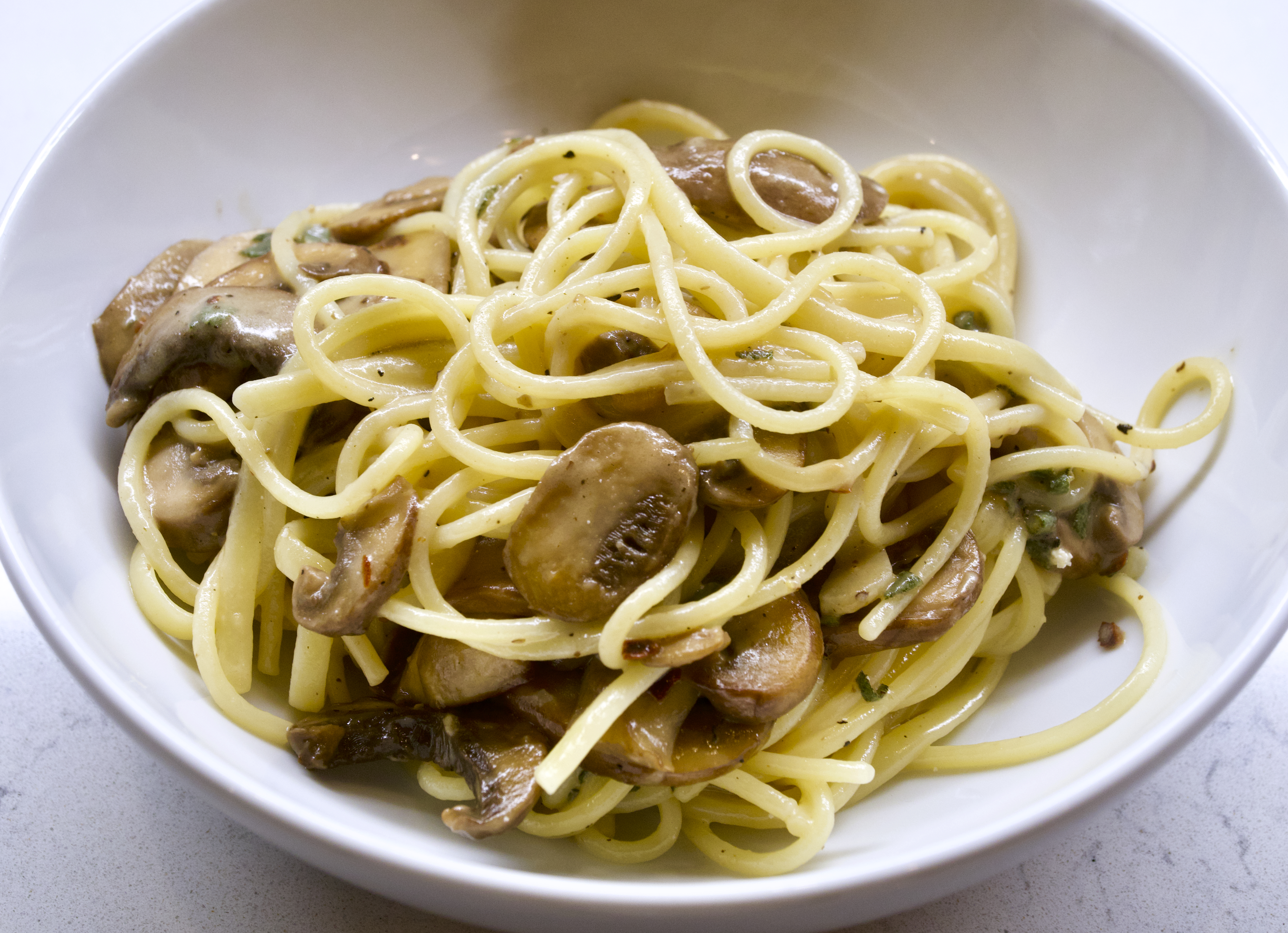
Linguine with garlic mushrooms & sage

Nothing fancy here but might be the break you need from all the Christmas festivities. Minimal effort required!

Wine Suggestion: a light red wine was our choice today; the Domaine Bellier Cheverny Rouge, a blend of Pinot Noir and Gamay from the Loire in France. Earthy and fresh plums and cherry flavours with fine, light tannins.

Linguine with garlic mushrooms & sage – serves 2

  • 150g linguine
  • 25g butter
  • 250g chestnut mushrooms, sliced
  • 1 clove of garlic, crushed
  • a good pinch of chilli flakes
  • a handful of sage leaves, chopped
  • juice of ½ a lemon
  • 50g Parmesan, finely grated

Cook the linguine in loads of salty water according to the timings on the pack.

Meanwhile, heat the butter in a frying pan and fry the mushrooms until very soft and golden and the any liquid has pretty much disappeared.

Add the garlic and chilli and cook for 2 to 3 minutes, then stir in the sage and cook for another minute. Season generously.

Drain the pasta but reserve some of the cooking liquid. Add the cooked pasta to the mushroom pan with the lemon juice, Parmesan and enough of the reserved water to make a sauce. Toss everything together until the pasta is coated.

Serve with a bit of extra Parmesan over the top if you like.

(Original recipe by Janine Ratcliffe in Olive Magazine, November 2015)

Read Full Post »

Cauliflower & chestnut soup

Got chestnuts? We made this with a vac-pack we still had in the drawer from last Christmas. A really delicious soup and perfect for using a post- or pre-season chestnut surplus!

Cauliflower & Chestnut Soup – serves 4

  • ½ tbsp olive oil
  • 1 large onion, finely chopped
  • 1 large cauliflower, cut into florets
  • 250ml milk
  • 850ml vegetable stock
  • 150ml double cream
  • 200g pack vacuum-packed chestnuts, roughly chopped
  • 25g grated Parmesan, to serve

Heat the olive oil in a large saucepan, then add the onion and cook gently for 8 to 10 minutes or until softened. Add the cauliflower, milk and stock, then bring to a simmer and cook for 10 to 12 minutes or until the cauliflower is tender.

Add the cream, season well, and bring back to the boil. Remove from the heat and add the chestnuts, then blend with a hand blender until smooth. Season to taste and serve with shaved Parmesan, lots of black pepper and a drizzle of olive oil.

(Original recipe from BBC Good Food)

Read Full Post »

Spanish rice with pork & spinach

Another great one-pot dish by Diana Henry – one our absolute favourite food writers (we might have said that already). Don’t be tempted to stir the rice, it’s not a risotto.

Wine Suggestion: this dish goes with juicy Spanish reds with a good option being the Finca Antigua Syrah from La Mancha. While not a traditional grape variety for Spain, Syrah is increasingly seen and seems to take on a local twist which we find works really well; creamy with warm spices.

Spanish rice with pork and spinach – serves 6

  • 350g pork fillet, halved lengthways and sliced
  • 7 tbsp olive oil
  • 100 chorizo, skin removed and cut into chunks
  • 300g bacon, cut into meaty chunks (you might have to order a piece of bacon from your butcher)
  • 2 large onions, roughly chopped
  • 2 red peppers, sliced
  • 4 garlic cloves, finely chopped
  • 2 tsp smoked paprika
  • ¼ tsp dried chilli flakes
  • 300g paella rice
  • 1.2 litres hot chicken stock
  • 650g spinach
  • 1 lemon

Season the pork. Heat 3 tbsp of the olive oil in a large frying pan and quickly brown the pork until cooked through, then set aside.

Reduce the heat and add another 3 tbsp of the oil and the chorizo and bacon. Sauté for a couple of minutes, then add the onions and peppers and cook over a medium-low heat for 20 minutes or until soft. Add the garlic, paprika and chilli and cook for another couple of minutes, then add the rice. Stir the rice into the juices (this is the only time you will stir it), then add the stock and season. Bring to the boil, then reduce to a simmer and cook for 15 minutes or until there is only a little liquid left and the rice almost tender.

Meanwhile, wilt the spinach in the last tbsp of oil and season. Scatter the spinach over the rice and tuck in the pork pieces. Check for seasoning, then reduce the heat to its lowest, cover and leave for 5 minutes. Squeeze lemon juice over the top and serve.

Original recipe from Food from Plenty by Diana Henry, Mitchell Beazley, 2010.)

Read Full Post »

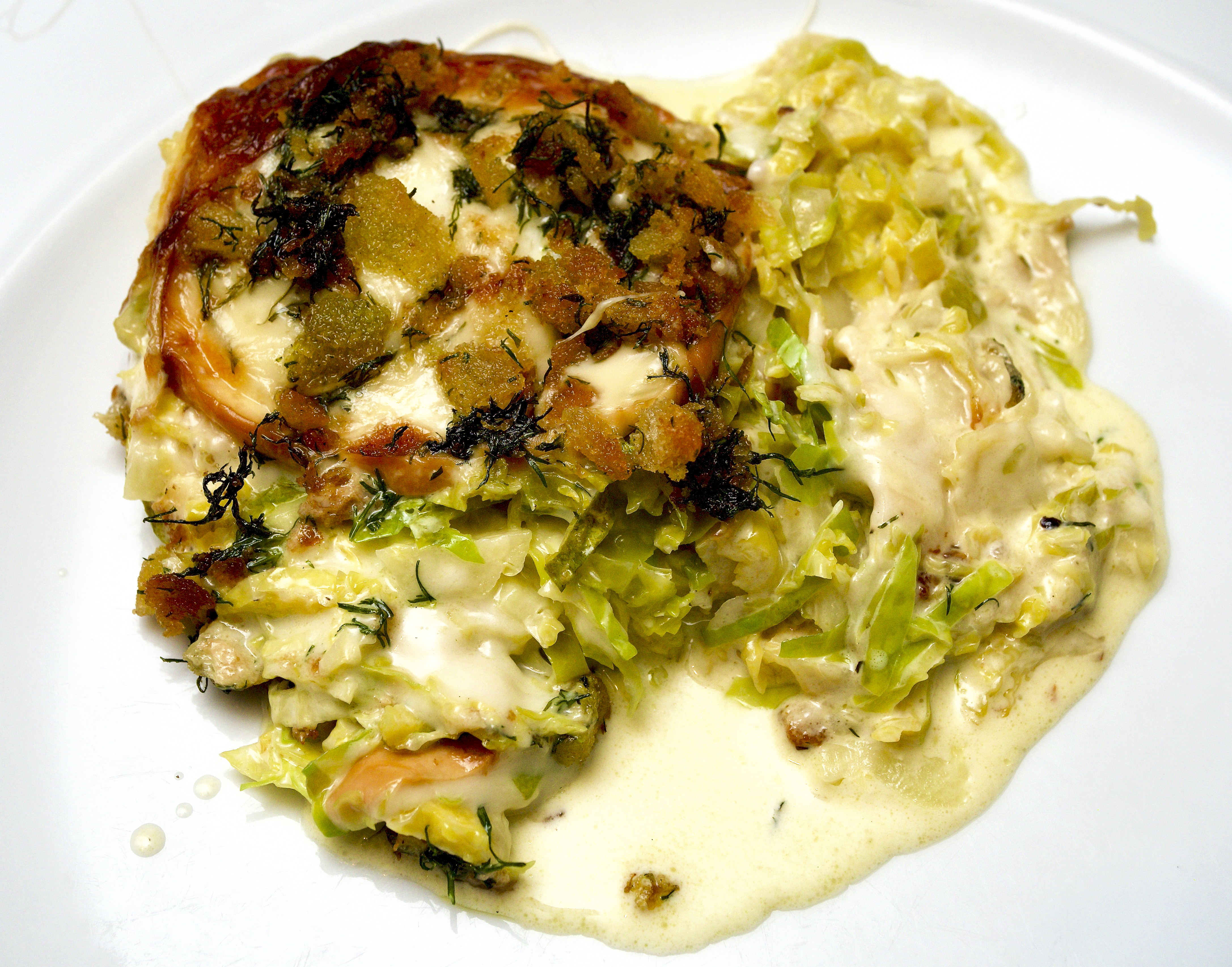
Brussel sprout & smoked cheese gratin

We need no encouragement to eat more Brussels sprouts, but we will certainly be making this dish again from Nigel Slater’s Greenfeast. It is super indulgent and would work well in small portions as a side dish – though we just had huge platefuls for dinner.

Wine Suggestion: A fresh and young Chardonnay with a hint of oak  would be our choice. Tonight the Domaine Ventenac, Les Dissidents Préjugés from Cabardès in the Languedoc, made in large oak barrels (20hl) and grown on clay; crisp with mineral textures and a round vibrant core. A wine to help break the prejudice some people have for this grape.

Brussels sprouts, smoked mozzarella and dill – serves 3 (or more as a side dish)

  • 300g Brussels sprouts, trimmed and shredded
  • 40g butter
  • 2 tbsp olive oil
  • 15g dill, chopped
  • 250g smoked mozzarella, cut into thick slices
  • 250ml double cream

FOR THE CRUMBS:

  • 40g butter
  • a handful of coarse breadcrumbs
  • 3 tbsp chopped dill

Heat the oven to 200ºC/Gas 6.

Warm the butter and olive oil in a shallow pan, then add the sprouts and cook for 2 minutes. They should turn bright green. Stir in the dill and season with black pepper.

Put half the sprouts in a baking dish and add most of the mozzarella. Put the rest of the Brussels sprouts and cheese over the top.

To make the crumbs: warm the butter in a shallow pan, add the crumbs and cook until golden, then stir in the dill. Pour the cream over the sprouts and cheese and top with a layer of breadcrumbs. Bake for 25 minutes or until browned and bubbling.

(Original recipe from Greenfeast: autumn, winter by Nigel Slater, 4th Estate, 2019.)


Read Full Post »

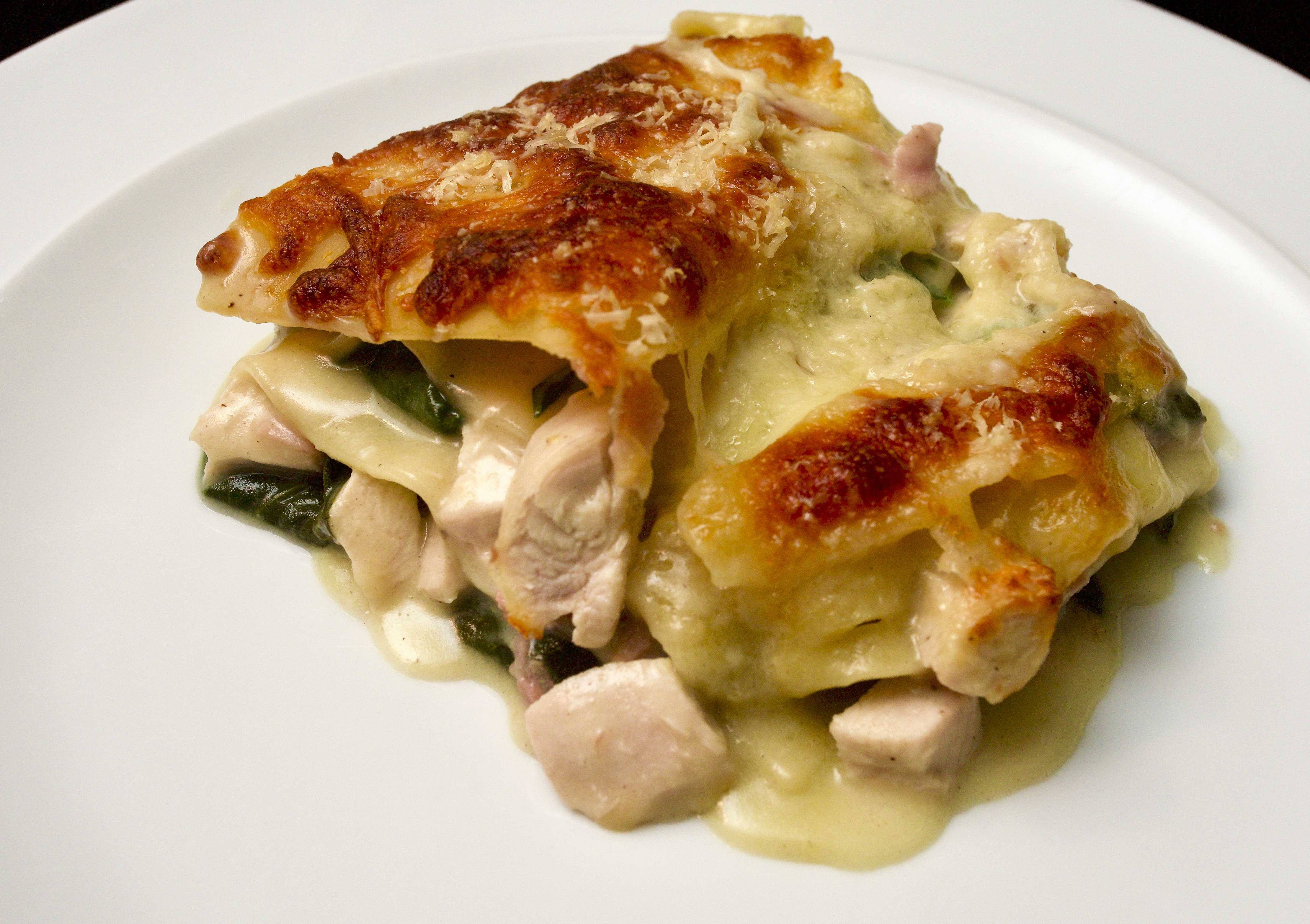
Chicken & Ham Lasagne

This is a good crowd pleaser and you can also freeze it so if you are fewer in number make two lasagnes in smaller dishes and save one for later.

Wine Suggestion: Rich and savoury; this goes really well with southern Rhône whites and our favourite, value option is the Chateau Pesquié Terrasses Blanc, a blend of Viognier, Roussanne, Clairette & Grenache Blanc. With floral hints, layers of citrus and a backbone of stonefruit flavours this is round, rich and fresh in equal measures; just what this dish needs.

Chicken & Ham Lasagne – serves 8

  • 6 boneless, skinless chicken breasts
  • ½ a medium onion, sliced
  • 2 bay leaves
  • 200ml white wine
  • 100g butter
  • 100g plain flour
  • 500ml semi-skimmed milk
  • 140g sliced smoked ham, cut into strips
  • 200g young spinach leaves
  • no pre-cook dried lasagne sheets
  • 200g ready-grated mozzarella
  • 25g Parmesan, finely grated

Put the chicken in a medium saucepan with the onion, bay leaves and wine. Pour over just enough water to cover, about 200ml. Put a lid on the pan and bring to a gentle simmer, then poach gently for 15 minutes or until the chicken is just cooked. Lift the chicken out onto a board and strain the liquid into a jug.

Melt the butter in a large saucepan over a medium heat. Stir in the flour with a wooden spoon and cook for a minute. Gradually add the milk, a little at a time, stirring well between each addition to keep the sauce smooth. When all the milk has been added, continue with the chicken cooking liquid. When all the liquid is added, continue to cook and stir for a few minutes or until thickened. Add salt and pepper to taste.

Heat the oven to 200C/180C fan/gas 6.

Cut the chicken into small chunks and stir into the sauce. Add the ham and spinach and cook until the spinach has wilted. Spoon a third of the mixture into the bottom of a 3-litre lasagne dish. Top with lasagne sheets, then repeat the layers twice more, ending with lasagne. Scatter over the mozzarella and Parmesan and season with black pepper. Bake for about 25 minutes or until the lasagne is soft and the topping well browned.

TO FREEZE: Assemble the dish but don’t bake it. Leave to cool and cover with a double layer of foil, then freeze for up to 2 months.

TO COOK AFTER FREEZING: Remove the foil and cover with cling film. Thaw overnight in the fridge. Remove the cling film, cover with foil and bake for about 40 minutes, then remove the foil and bake for another 10 or until browned and bubbling.

(Original recipe from BBC Good Food)

Read Full Post »

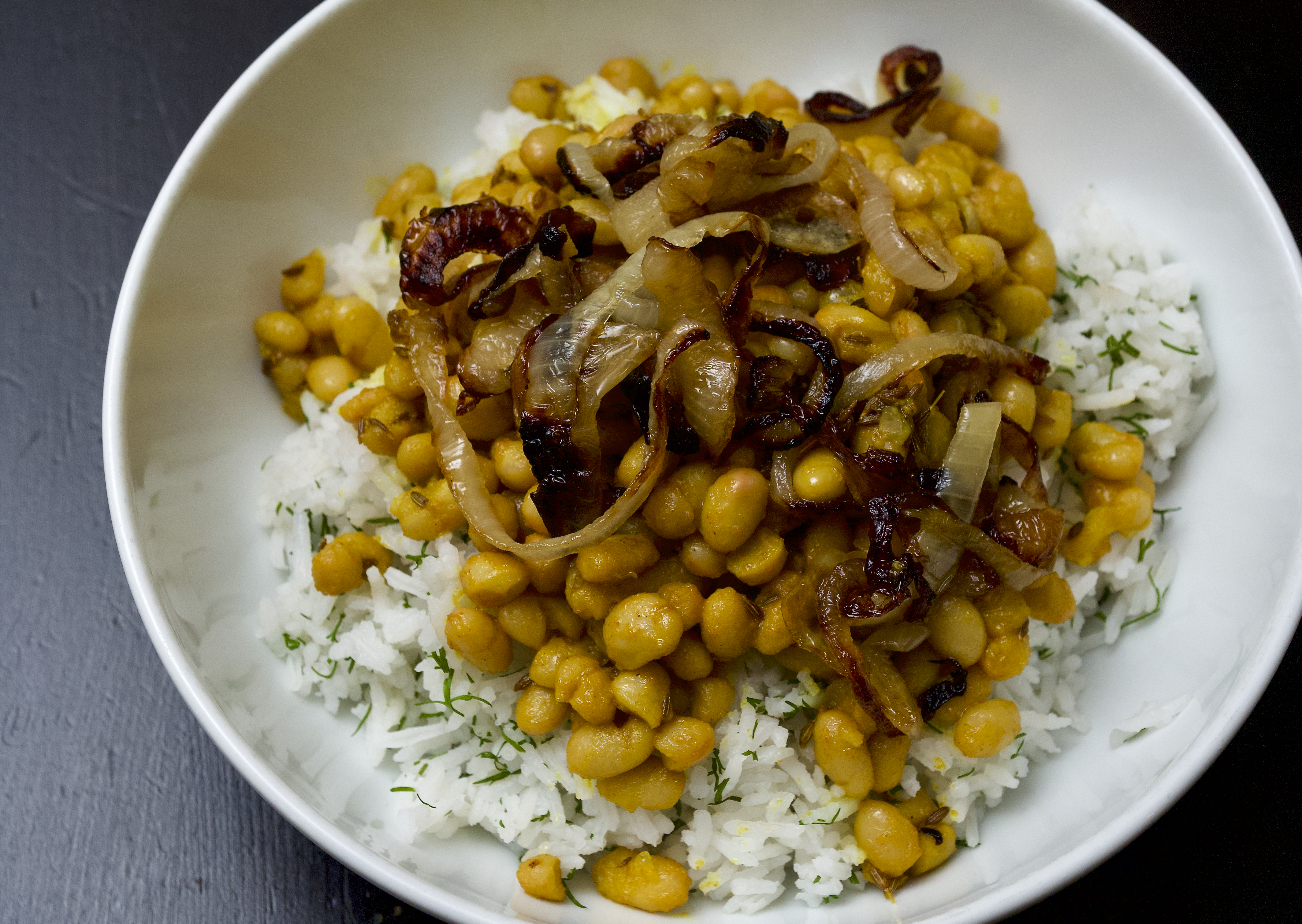
Haricot Beans with Rice & Onions

Another dish made for no other reason than half a bag of fresh dill in the fridge, threatening to go to waste. This is a big bowl of buttery deliciousness and the perfect comfort food for a cold night.

Wine Suggestion: to match the cold and damp evening, and this comfort food you need to look at a comforting, juicy red; tonight the Altosur Malbec, a wine that genuinely outperforms its pricepoint.

Haricot beans with rice and onions – serves 2

  • 2 medium onions, peeled and cut into thin rings
  • 1 clove of garlic, peeled and thinly sliced
  • 3 tbsp olive oil
  • 150g white long-grain rice
  • 2 cloves
  • 6 black peppercorns
  • 1 x 400g tin of haricot beans, drained
  • 60g butter
  • 2 tsp cumin seeds
  • 1 tsp turmeric
  • a handful of chopped dill

Warm the olive oil in a saucepan, add the garlic, then the onions, and leave to cook over a moderate heat until soft and golden. Remove from the heat, scoop out the onions and keep the pan for later.

Wash the rice in warm water, then drain and transfer to a saucepan and pour in water to cover by 2cm. Add salt, the cloves and the peppercorns, then bring to the boil. Turn down to a simmer, then cover tightly with a lid and leave for 10 minutes. Turn off the heat and leave the lid on for a further 5 minutes.

Melt the butter in the onion pan, then cook the cumin seeds and turmeric for a minute or until fragrant. Add the beans and heat through.

Fork through the rice, check the seasoning and pick out the cloves. Stir in the dill and divide between two bowls. Spoon over the hot beans and top with the fried onions.

(Original recipe from Greenfeast: autumn, winter by Nigel Slater, 4th Estate, 2019.)


Read Full Post »

« Newer Posts - Older Posts »