It is dishes like this that make Claudia Roden’s cookbooks so popular and still so relevant. This soup is from her recent book, Med, and it is delicious with loads of flavour. Not a looker, but you really must try it.
Egyptian red lentil soup – serves 6
1 large onion, chopped
1 carrot, finely chopped
4-5 cloves of garlic, finely chopped
3 tbsp olive oil
300g split red lentils
2 litres chicken or veg stock
1½-2 tsp ground cumin
1½ tsp ground coriander
a good pinch of chilli powder
juice of 1 lemon
Warm the olive oil in a large saucepan, then gently cook the onion, carrot and garlic for about 10 minutes.
Add the lentils and stock, then bring to the boil. Skim off the foam that forms on the top, then reduce the heat and simmer for 30-40 minutes or until the lentils have collapsed.
Stir in the cumin, coriander, chilli powder and lemon juice, then season to taste.
(Original recipe from Med by Claudia Roden, Ebury Press, 2021.)
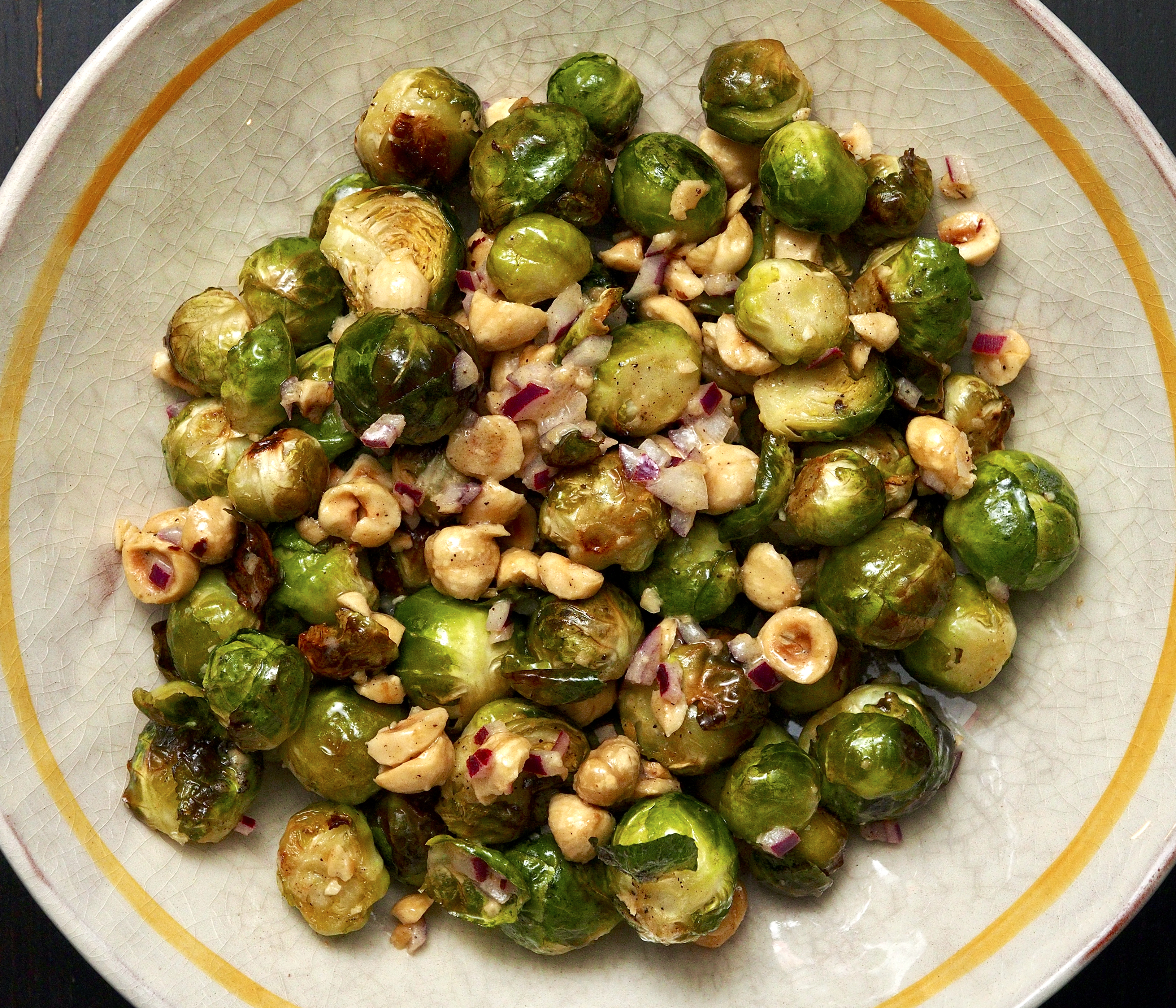
Sprouts are for winter, not just for Christmas. Here’s an idea to make them shine.
Brussels sprouts with hazelnuts – serves 4
50g hazelnuts
450g Brussels sprouts, halved lengthways if large
4 tbsp extra virgin olive oil
1 tbsp lemon juice
2 tsp Dijon mustard
½ red onion, very finely chopped
Preheat the oven to 180C.
Spread the hazelnuts out on a baking tray and roast for 8 minutes or until golden, then tip onto a clean tea-towel and rub to remove the skins. Roughly chop and set aside.
Put the sprouts in a bowl with 1 tbsp of the oil and season with salt and pepper. Toss well, then tip onto a baking tray and roast, shaking the tray from time to time, for 20-30 minutes or until tender and turning crispy.
Meanwhile, make a dressing by whisking the remaining 3 tbsp of olive oil with the lemon juice and mustard. Stir in the onion and season with salt and pepper.
When the sprouts are ready, transfer them to a bowl, add the hazelnuts and dressing and toss together.
(Original recipe from Everything I Love to Cook by Neil Perry, Murdoch Books, 2021.)
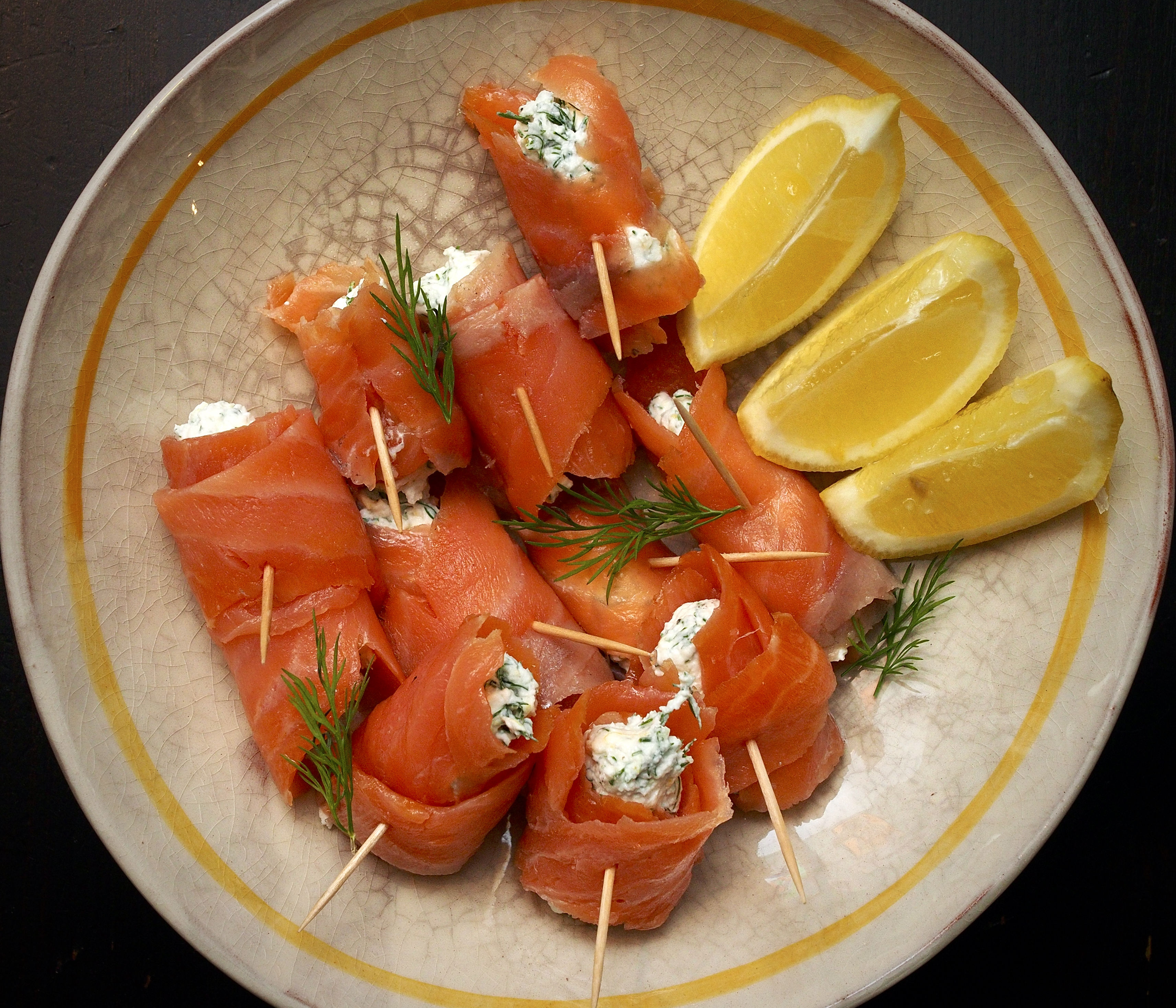
A simple idea to serve with drinks, something sparkly perhaps.
Wine Suggestion: a great match for any sparkling wine made with the Champenois method, double fermented in the bottle, and with some autolytic, yeasty, bready aromas that help give the structure for the food. Tonight a 100% Pinot Meunier from Laurent Lequart in the Vallée de la Marne, Champagne.
Smoked salmon, ricotta & dill wraps – makes 16
300g soft ricotta
zest and juice of 1 lemon (use a zester if you have one rather than a grater)
a handful of dill, chopped, plus a bit extra to serve
16 thin slices of smoked salmon
Mix the ricotta, lemon zest and dill together in a bowl. Season to taste with sea salt and black pepper.
Put 1 tsp of the ricotta mixture onto each slice of salmon and roll up, then skewer with a cocktail stick.
Arrange on a plaste and garnish with extra dill. Squeeze over some fresh lemon juice just before serving.
(Original recipe from Polpo by Russell Norman, Bloomsbury, 2012.)
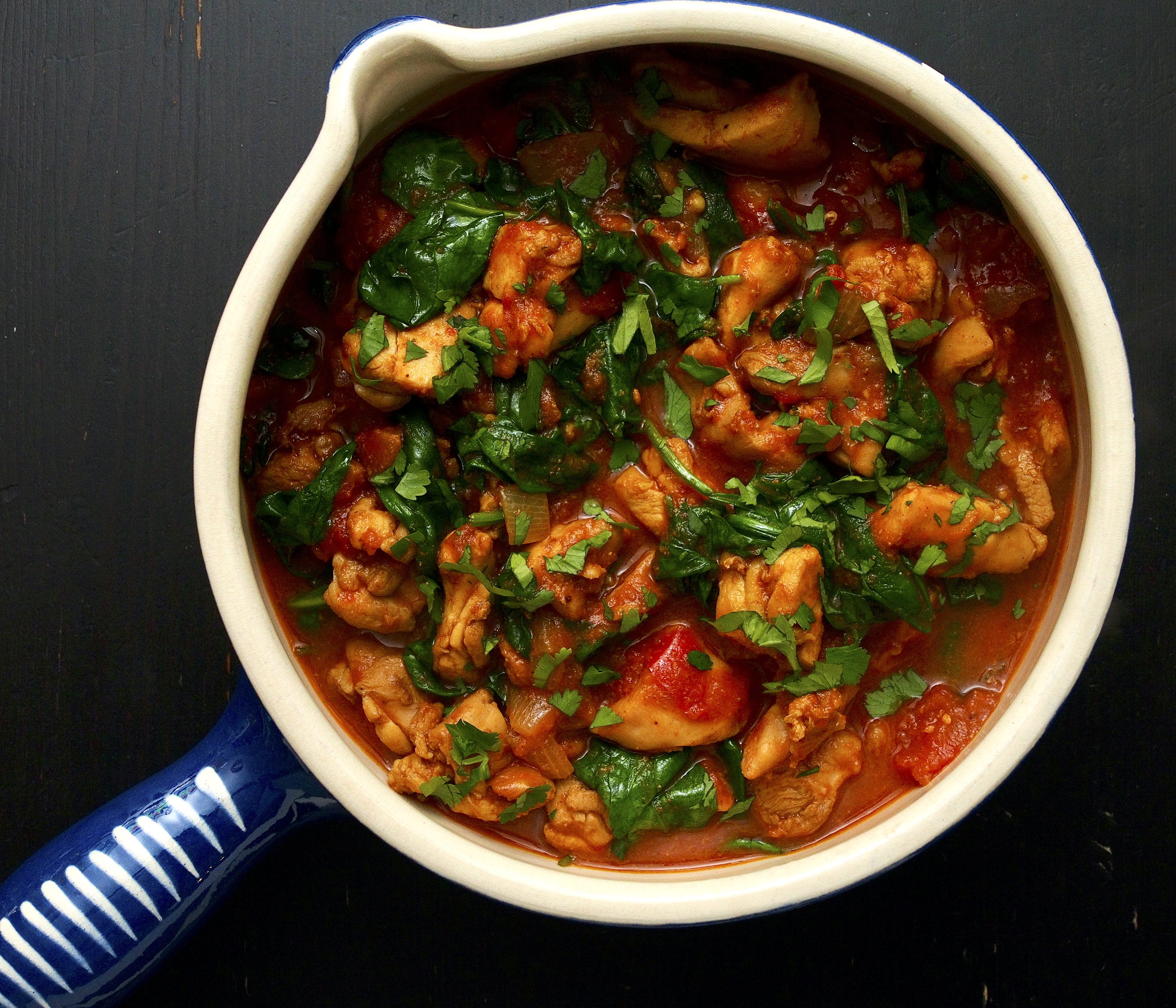
This is a mildly spiced curry and quick to prepare. We had it on Friday with some naan breads from the take-away, but it’s easy enough for a weeknight too. An easy, tasty treat.
Wine Suggestion: This dish needs a lighter red wine with lower tannins and little to no oak. We enjoyed Domaine de Boede’s Pavillon rouge with this. An easy, Cinsault-Syrah blend which has such purity and precision of fruit that we love; a good accompaniment for the food.
Chicken & spinach curry – serves 4
2 tbsp vegetable oil
1 large onion, chopped
2 tsp ground cumin
2 tsp ground coriander
½ tsp turmeric
a pinch of cayenne pepper
2 cloves of garlic, crushed
1 tbsp grated ginger
750g chicken thigh fillets, cubed
400g tin chopped tomatoes
1 tsp sea salt
2 tsp soft brown sugar
1 tbsp lime juice
90g baby spinach, chopped
a large handful of coriander leaves, chopped
Heat the vegetable oil in a heavy-based pan, then gently cook the onions for about 5 minutes or until softened.
Stir in the spices, garlic and ginger, and cook for another 2 minutes, stirring.
Turn the heat up to medium-high, then add the chicken and cook for about 5 minute until browned all over.
Add the tomatoes and salt, bring to a simmer, then cover and simmer on a low heat for 15 minutes.
Stir in the sugar and lime juice, then add the spinach and stir until wilted. Take the pan off the heat, scatter the coriander over the top and serve.
(Original recipe from Every Day by Bill Granger, Murdoch Books, 2006.)
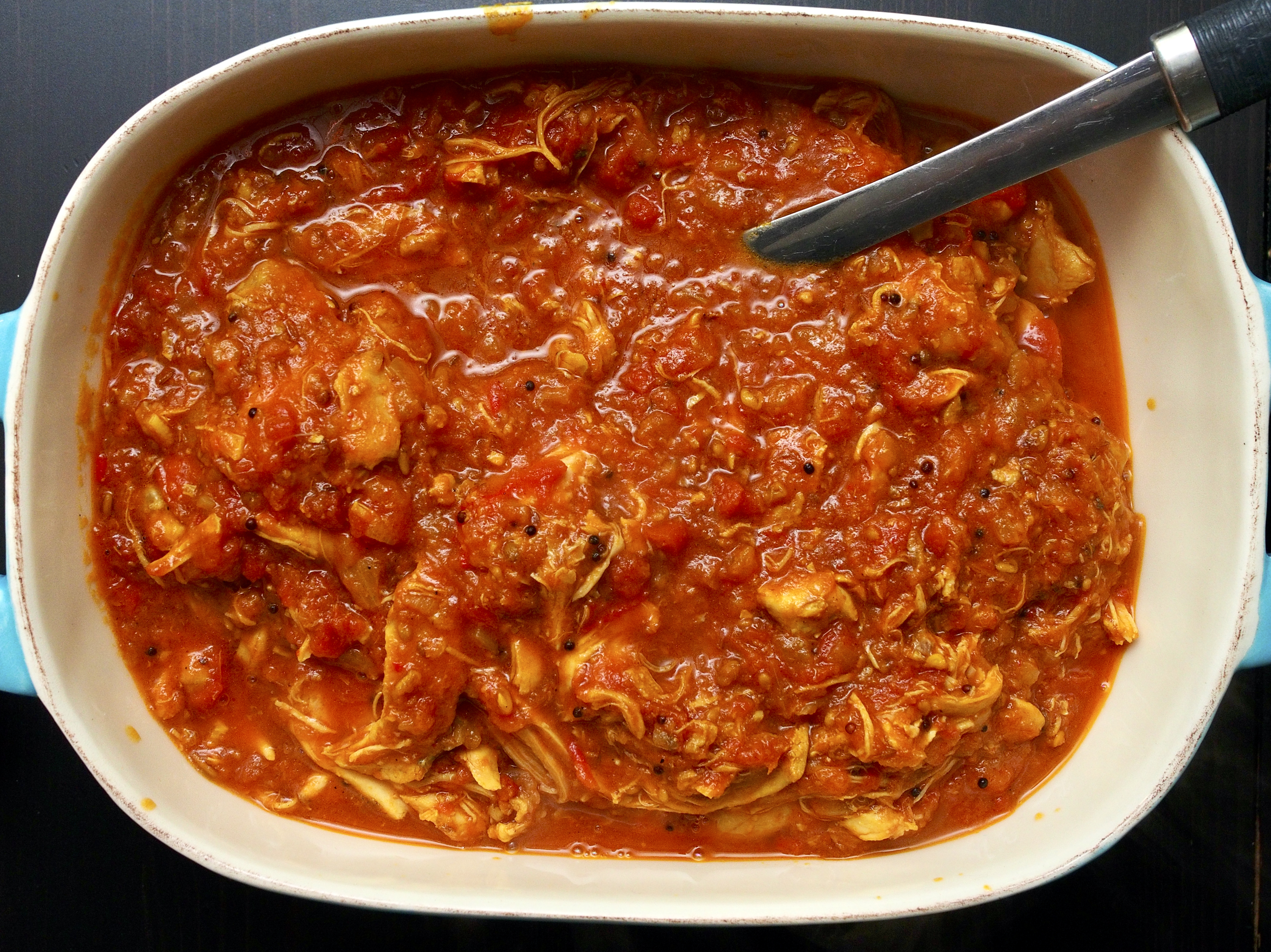
We made this a few weeks ago for a small group of friends (before omicron took hold) and it was devoured with gusto. Despite the list of ingredients it’s all quite straight forward and a recipe to keep up your sleeve for any occasion … for friends, or just for yourself.
Wine Suggestion: the wine opened at the time was determined by the event, the Altosur Malbec made by Finca Sophenia in Tuppangato, Mendoza and what a triumph it was. Body and depth with seemless and juicy tannins; it just made it taste the dish a bit richer and more sophisticated.
Chicken kari – serves 4 to 6
4 tbsp vegetable oil
1 tsp black mustard seeds
1 tsp fenugreek seeds
1 tsp cumin seeds
1 tsp coriander seeds
1 cassia bark stick (not a cinnamon stick)
3 cardamom pods, crushed
1 large onion, very finely chopped
thumb-size piece of fresh root ginger, peeled and finely grated
4 big cloves of garlic, thinly sliced
1-2 small green chillies or 1-2 long red chillies, split but leave the stalks intact
8 large chicken thighs, skin removed but bone-in
2 tsp ground turmeric
4 large tomatoes, roughly diced
400g tin chopped tomatoes
Steamed rice, to serve
Warm the vegetable oil in a large saucepan over a medium-high heat. Add the mustard, fenugreek, cumin and coriander seeds, the cassia bark and cardamom pods and fry until the mustard seeds start to pop. Keep giving the pan a shake.
Stir in the onion and cook for a few minutes until it starts to brown and caramelise.
Add the ginger, garlic and chillies and stir-fry for a minute, then add the chicken thighs, turmeric and lots of salt and pepper and stir well. Add the fresh and tinned tomatoes, then add enough cold water to cover the chicken. Bring to a simmer, then reduce the heat and simmer gently for 2 hours, stirring now and then. Top up with more water if needed.
Remove the cassia bark and cardamom pods, then season again to test if needed and serve.
(Original recipe from Simply by Sabrina Ghayour, Mitchell Beazley, 2020.)
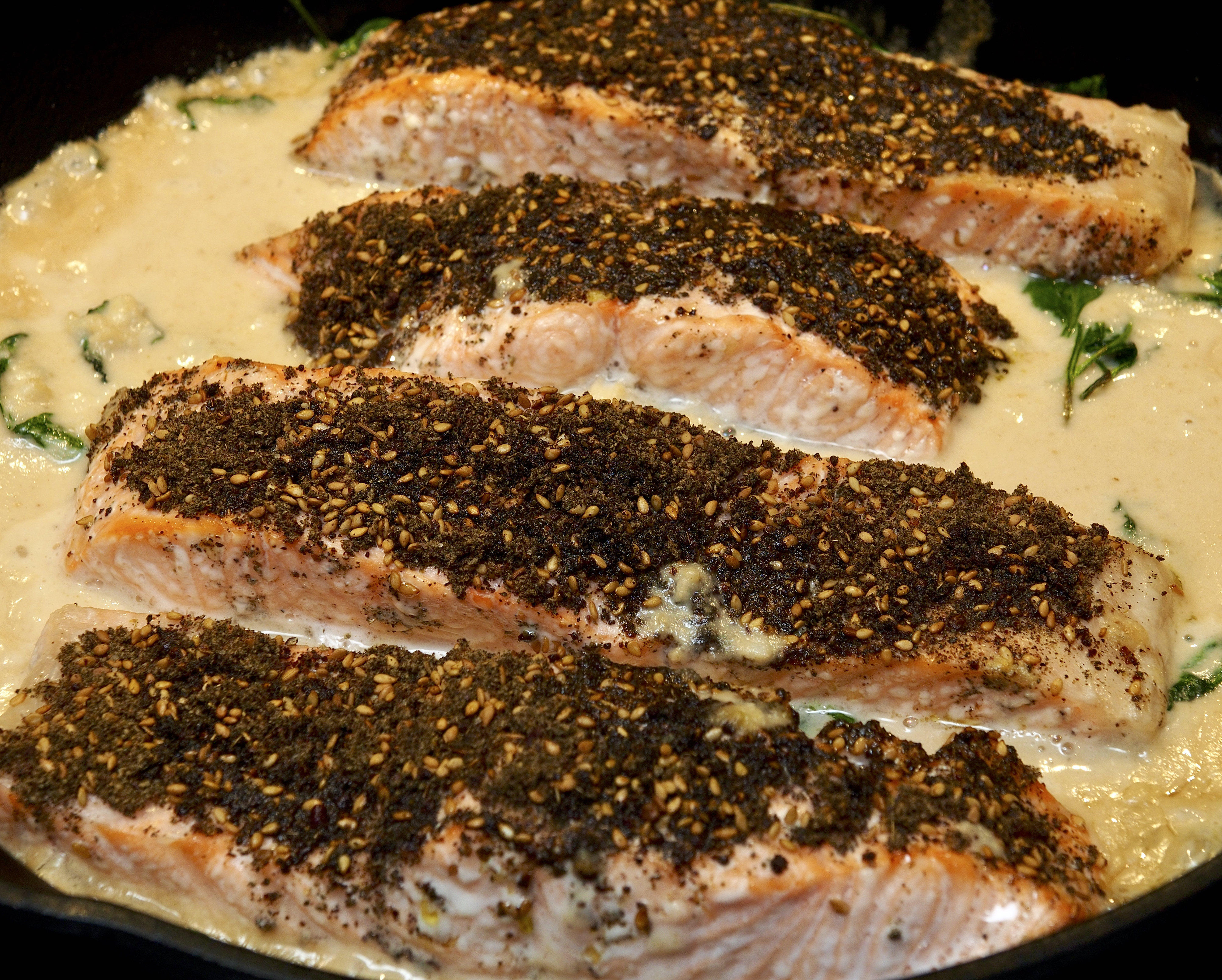
We’ve made plenty of fish and tahini dishes before but particularly liked this one with the additions of zingy za’atar and fresh spinch.
Wine suggestion: this works brilliantly with a juicy, crisp Verdejo, especially those that come from Rueda in Spain. Crunchy, juicy apples, lemons and grapefuit. In our glass was Dominio la Granadilla which demonstrates a passionate family all working together and speaking of the place they grew up.
Za’atar salmon and tahini – serves 4
4 salmon fillets (about 600g in total), skin on
2 tbsp za’atar
2 tsp sumac, plus and extra ½ tsp for sprinkling at the end
4 tbsp olive oil
250g baby spinach
90g tahini
3 cloves of garlic, crushed
3½ tbsp lemon juice
1½ tbsp roughly chopped coriander leaves
Heat the oven to 220C Fan.
Pat the salmon dry with kitchen paper and season.
Mix the za’atar and sumac together in a small bowl, then sprinkle this over the top of the salmon to form a crust.
Put a large ovenproof sauté pan over a medium-high heat and add 1 tbsp of the oil. When the pan is hot, add the spinach with a little seasoning and cook for 2-3 minutes or until just wilted.
Set the salmon fillets on top of the spinach, skin side down, then drizzle the top of the fish with 2 tbsp of oil. Bake in the hot oven for 5 minutes.
Meanwhile, whick the tahini, garlic, 2½ tbsp of lemon juice, a good pinch of salt and 100ml of water together until smooth. It will be quite runny.
Pour the tahini around the salmon (but not over the fish) and bake for another 5 minutes, or until the fish is just cooked through and the sauce is bubbling. Spoon over the rest of the lemon juice and oil and top with the coriander and extra sprinkle of sumac.
(Original recipe from Ottolenghi Test Kitchen: Shelf Love by Noor Murad & Yotam Ottolenghi, Ebury Press, 2021.)
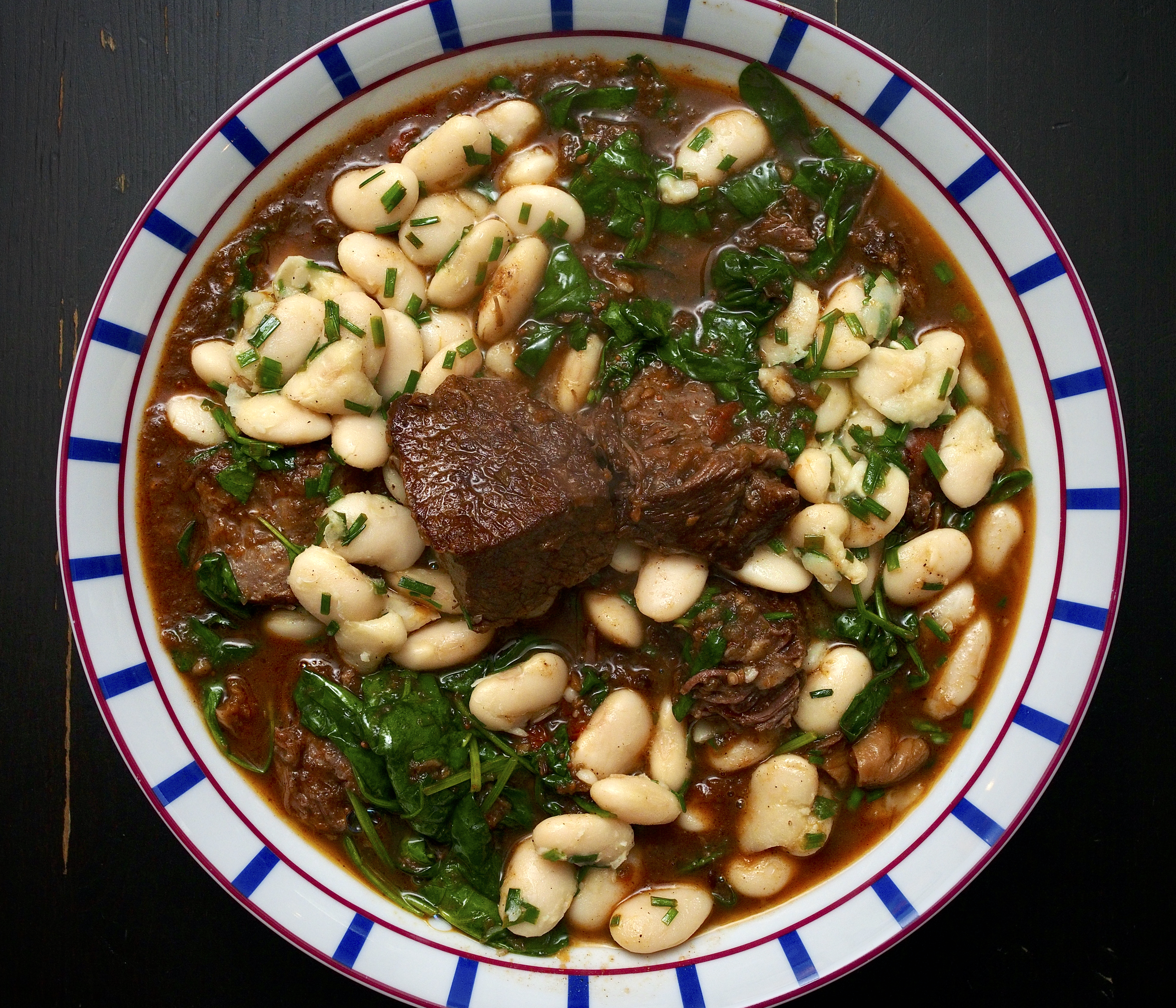
Your butcher should be able to get you beef short ribs if you ask, and the trick is slow-cooking. All that fat will ensure they become meltingly tender and the meat will literally fall off the bones. This dish takes a while to cook but there’s not much effort required and the result is worth it.
Wine Suggestion: This dish requires a serious, powerful red with a good structure. Tonight we had a youthful 3 year old Chateau Puygueraud from the Côtes de Francs, Bordeaux. A merlot, cabernet franc, malbec blend it was appropriate but all judged it too young and a little forceful. However a Domaine des Roches Neuves ‘Marginale’, Saumur-Champigny from 2015 brought by our friends proved to be the wine match we were looking for. Cabernet Franc from the Loire this cuvée showed the class of being the best selection of the best vineyards in a powerful, great vintage. All parts integrated but still in it’s infancy. A good match tonight, and we are all sad we don’t have any more in our cellars to see this in 10 years time too.
Braised beef short ribs with butter beans & figs – serves 4
2 onions, roughy chopped
6 cloves of garlic, peeled
4cm piece of ginger, peeled and roughly chopped
2 green chillies, roughly chopped, no need to discard the seeds
6 beef short ribs (about 1.5kg),trim off any big pieces of fat at the edges but don’t worry about being too particular with the rest, it all renders down into the rich sauce
60ml olive oil
4 whole star anise
10 cardamom pods, roughly bashed open with a pestle and mortar
1½ tbsp tomato purée
2 tsp ground allspice
2 tsp ground cumin
5-6 large plum tomatoes, two-thirds roughly chopped and the rest roughly grated and skin discarded
100g soft dried figs, roughly chopped into 1½ cm pieces
700g jar butter beans, drained
30g chives, very finely chopped
1½ tbsp lemon juice
300g regular spinach, discard the stems and roughly tear the leaves
Heat the oven to 165C fan.
Put the onions, garlic, ginger and chillies into a food processor and pulse until finely chopped.
Dry the short ribs with kitchen paper and season with salt and pepper. Put 2 tbsp of oil into a large ovenproof saucepan and turn the heat to medium-high. Fry the ribs in batches until well coloured on all sides, then remove and set aside.
Add the onion mixture to the pan along with the star anise and cardamom, and cook for 5 minutes to soften, stirring now and then. Add the tomato purée, ground spices, chopped tomatoes (don’t add the grated ones yet), 1½ tsp of salt and plenty of black pepper and cook for another 4 minutes or until the tomatoes start to soften.
Add the short ribs and 1.1 litres of water, bring to the boil, then cover and put into the oven for 3 hours, stirring a few times.
Add the figs and cook for another half hour, or until softened. The meat should now be very tender.
Meanwhile, put the butterbeans into a saucepan with a pinch of salt and cover with water. Bring to the boil and simmer for about 15 minutes, then drain. Stir in the chives, 2 tbsp of oil, the lemon juice and plenty of pepper.
When the beef is ready, take the ribs from the pan and pull the meat off the bones. Discard the bones and set the beef aside.
Heat the sauce and stir in the spinach, it should wilt in a few minutes, then add the grated tomato and remove from the heat.
Spoon the sauce over a large platter and top with beans and beef.
(Original recipe from OTK Shelf Love by Noor Murad & Yotam Ottolenghi, Ebury Press, 2021.)
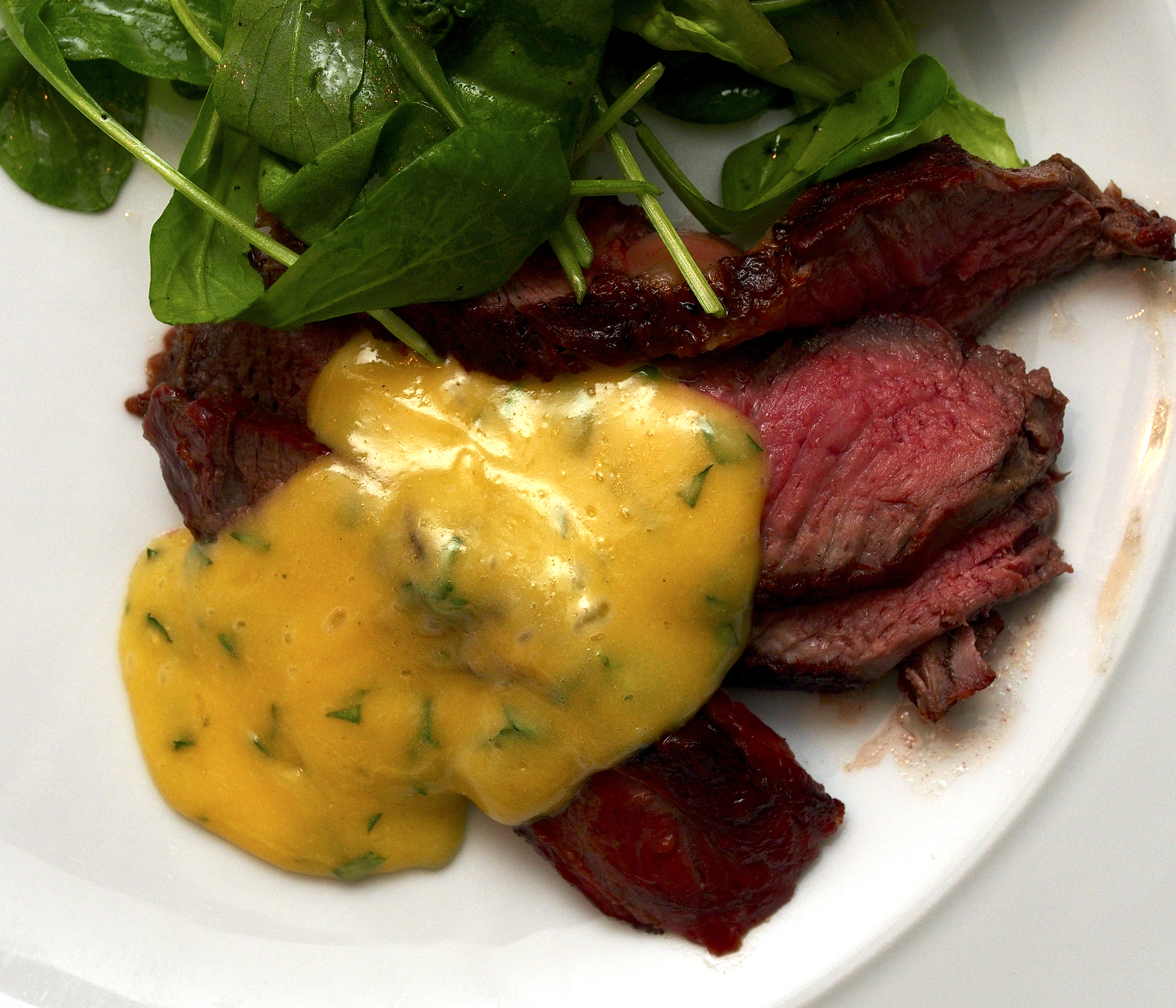
Sometimes we get a notion for steak and chips, so pull out the barbecue and crank up the oven. Béarnaise sauce is the perfect companion, not particularly hard, it just needs a little attention and you must never let it get too hot.
Wine suggestion: Another Greek classic, the Thymiopoulos Naoussa Xinomavro which plays a nice balance of being effortless and ethereal alongside a deep core of powerful, elegant tannins.
Béarnaise Sauce
1 small shallot, finely chopped
3 tbsp tarragon vinegar
6 black peppercorns
3-4 bushy tarragon sprigs
2 egg yolks
½ tsp Dijon mustard
150g butter, cut into small dice
Heat the vinegar, tarragon, peppercorns and shallot in a small pan. Bring to the boil and reduce until there is about 1 tbsp left, then strain and set aside.
Put a bowl over a pan of just-simmering water and make sure it isn’t touching the water. Add the egg yolks and mustard, then whisk in the reduced vinegar. Slowly add the butter, a cube at a time, whisking each time until smooth. You can turn the heat off about half way through. We like to stir-through a little chopped tarragon at the end but it’s up to yourself. Keep warm over a pan of warm water while you cook your steak.
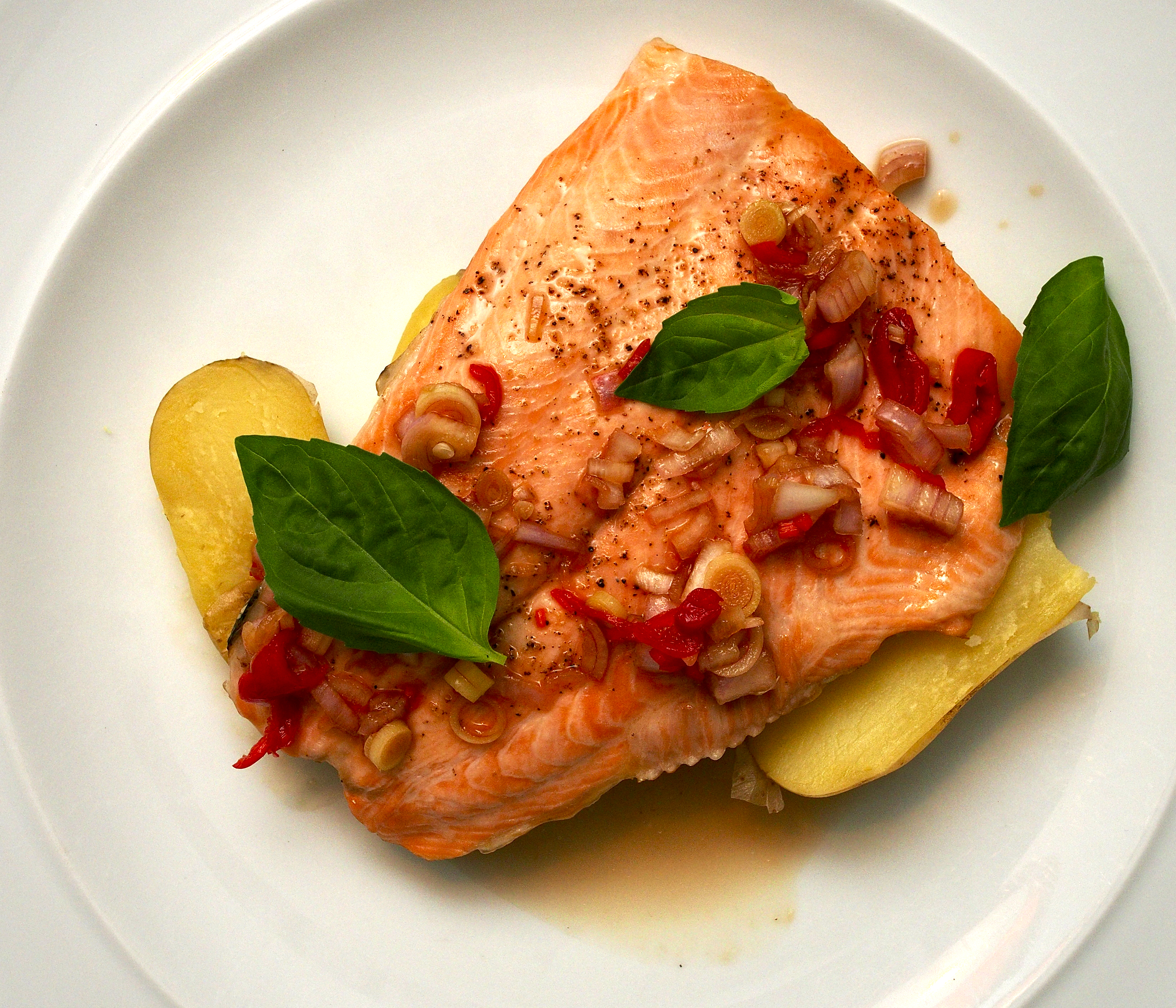
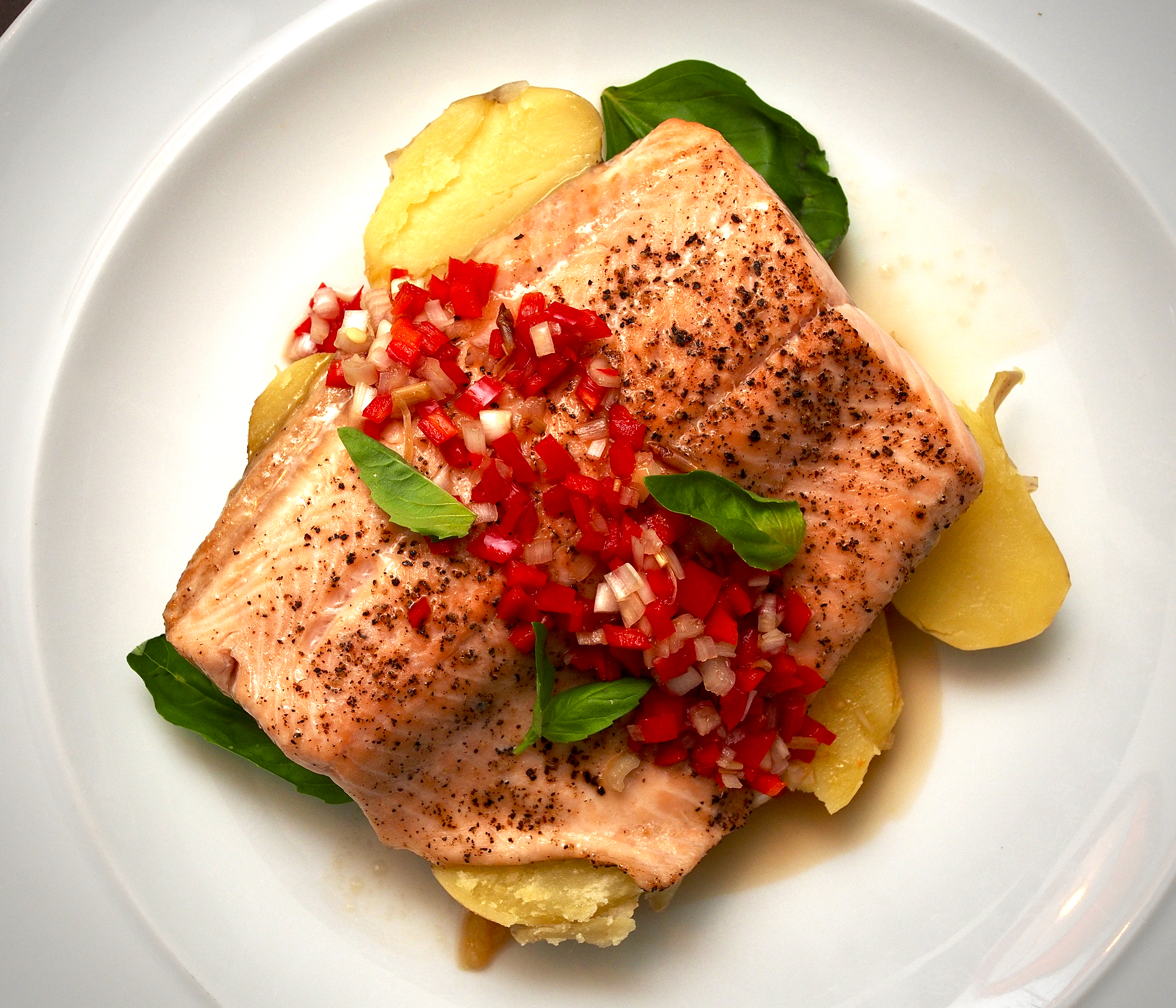
A simple fish dish for weeknights, and something a bit lighter before the feasting starts.
Wine Suggestion: A delight with a light, playful Riesling like Korrell’s Slice of Paradise from the Nahe in Germany, or Pikes Traditionale from the Clare Valley.
Grilled trout with Asian dressing – serves 2
300g Charlotte potatoes
2 skinless trout fillets
Thai basil or regular basil, to serve
FOR THE DRESSING:
1 small shallot, finely chopped
1 lemongrass stalk, remove the woody outer leaves and finely chop
2 tbsp lime juice
1 tbsp fish sauce
1 tsp brown sugar
1 red chilli, finely chopped
Boil the potatoes in salty water until tender, then drain and slice thickly, lengthways.
Season the trout, then grill for 3-4 minutes.
Arrange the potatoes onto plates and top with the trout. Whisk the dressing ingredients together and spoon over the top, then garnish with basil leaves.
(Original recipe by Janine Ratcliffe in Olive Magazine, November 2014.)
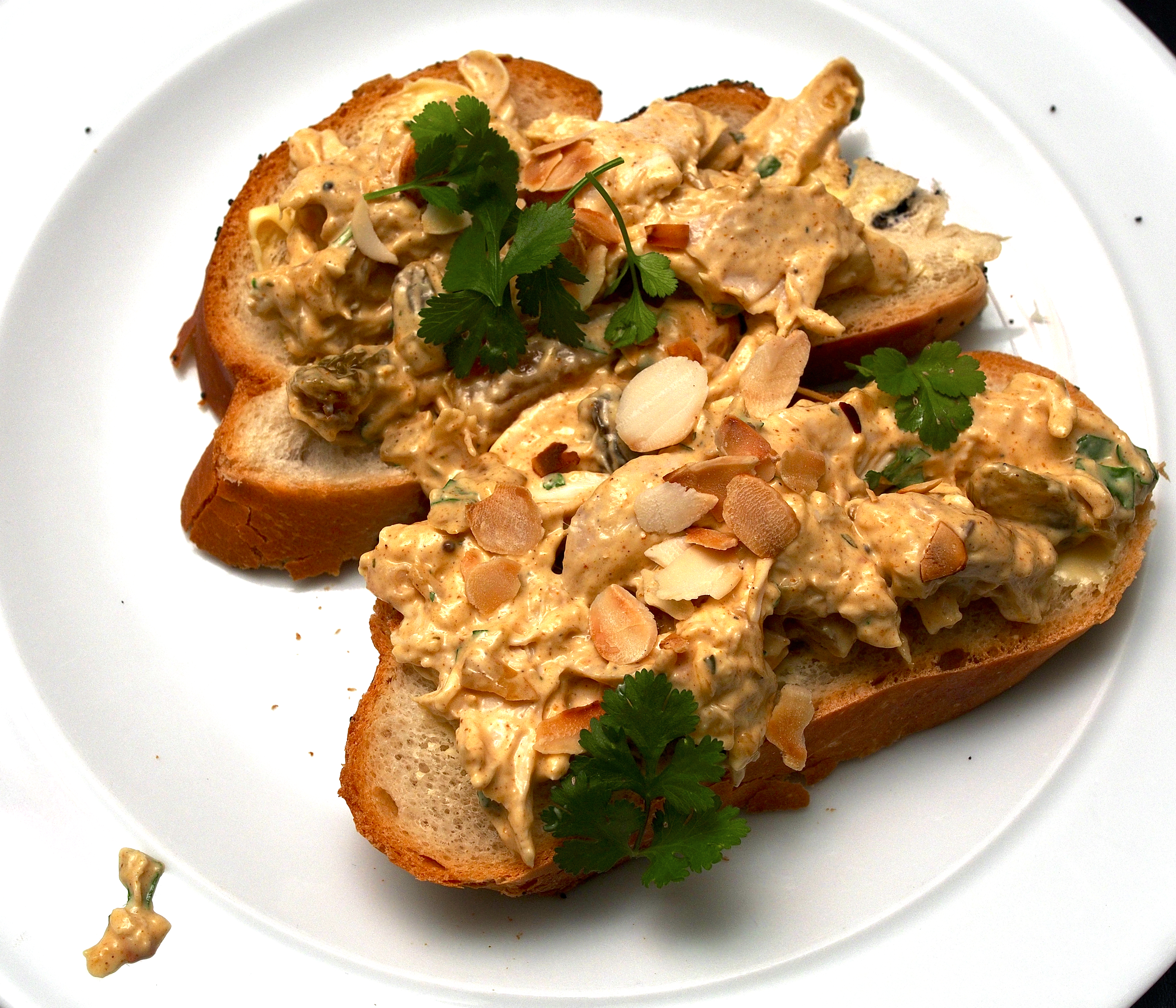
A tasty Saturday lunch. The leftovers were also popular with a few men who had been to a rugby match on the Saturday night.
Coronation chicken – serves 4 for lunch or in sandwiches
300g cold cooked chicken
1 tbsp sunflower oil
1 small onion, finely chopped
1 tbsp medium curry powder
60ml chicken stock
1 bay leaf
½ tsp tomato purée
25g sultanas
2 tbsp mango chutney
125g mayonnaise
50ml Greek yoghurt
½ tsp lemon juice
1 tbsp chopped coriander leaves
1 tbsp toasted flaked almonds
Shred the chicken, discarding any skin and bones.
Heat the oil in a small pan over a medium heat and cook the onion for about 3 minutes or until soft but not coloured. Add the curry powder and fry for a minute, then add the chicken stock, bay leaf, tomato purée and sultanas. Cook for 5 minutes until the stock is well redcued, then stir in the mango chutney. Stir well, remove the bay leaf and leave to cool.
When the onion mixture is completely cool, add the mayonnaise, yoghurt and lemon juice. Stir in the chicken and coriander.
Serve in sandwiches, on toast, or with salad leaves, and sprinkle over the flaked almonds.
(Original recipe from Rick Stein At Home, BBC Books, 2021.)
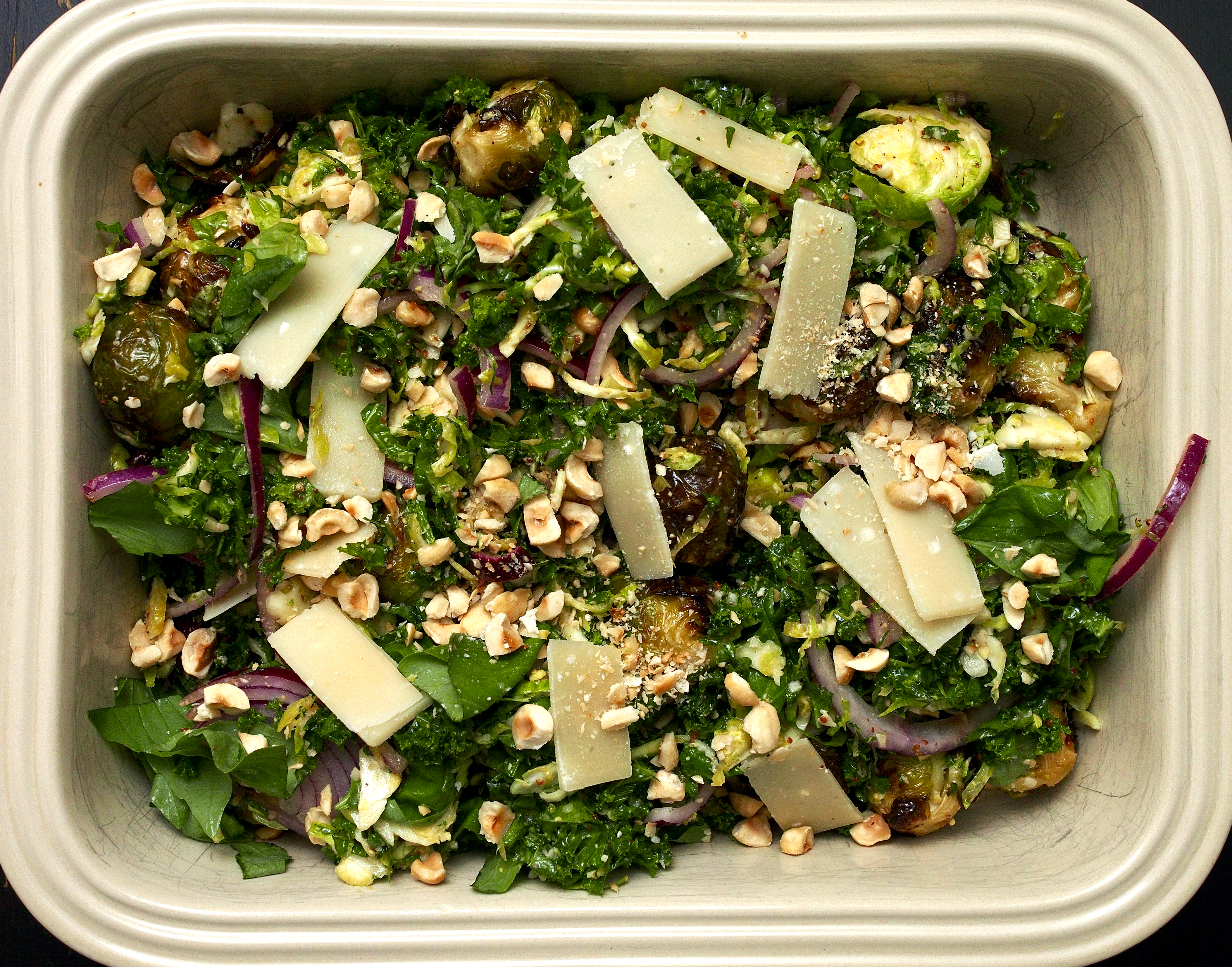
We loved this dish! Bursting with flavour and the perfect wintery side salad. The leftovers were also good the next day. You can use capers instead of anchovies if you prefer.
Wine suggestion: This dish works really well with a good, dry Chenin Blanc. Our current favourite is Bernard Fouquet’s Domaine Aubuissieres Vouvray Silex Sec. Dry and full of yellow apple fruits and layers of texture, while remaining discrete enough to allow the sprouts and parmesan to come through.
Brussels sprout and Parmesan salad with lemon dressing – serves 4
700g small brussels sprouts, trimmed, leave 500g whole and thinly shave the rest
4 tbsp olive oil, plus extra for drizzling
60ml lemon juice
3 cloves of garlic, crushed
1 ½ tbsp wholegrain mustard
2 anchovies in oil, drained and roughly chopped
60g Parmesan, 20g roughly grated and the rest cut into shards – a veg peeler will do this nicely
120g kale leaves, discard the stems and thinly shred the leaves
1 small red onion, halved and thinly sliced
20g basil leaves
70g blanched hazelnuts, well toasted and roughly chopped
Heat the oven to 220C fan.
Line a tray with baking paper and add the whole sprouts, 2 tbsp of oil, ½ tsp of salt and plenty of black pepper, toss to combine. Roast for 18 minutes, stirring halfway, until well browned and cooked through, then leave to cool.
Meanwhile, put the lemon juice, garlic, mustard, anchovies, grated Parmesan, 3 tbsp of oil, ¼ tsp of salt and plenty of black pepper into the small bowl of a food processor and whizz until smooth.
Put the kale, the shaved sprouts, the dressing, ¼ tsp of salt and plenty of black pepper into a large bowl and toss with your hands, massaging the leaves gently. Leave to soften and wilt for about 10 minutes.
Add the onion, basil, chopped hazelnuts, Parmesan shards and roasted sprouts to the bowl and mix to combine. Turn out onto a platter to serve.
(Original recipe from OTK Shelf Love by Noor Murad & Yotam Ottolenghi, Ebury Press, 2021.)
There has been a packet of mung dal in our cupboard for quite some time now which is really the only reason why we made this lovely dish from Meera Sodha’s East. We’re definitley tempted to buy another packet so we can make it again. Serve with steamed rice.
300g mung dal
250g vine tomatoes, chopped
3 big garlic cloves, crushed
2.5 cm piece of ginger, grated
½ tsp ground turmeric
1 tsp chilli flakes
3 tbsp rapeseed oil
10 fresh curry leaves
1½ tsp salt
1½ tsp black mustard seeds
1 tsp cumin seeds
1 long green chilli, very finely chopped
a handful of fresh coriander, chopped
Put the mung dal, tomatoes, garlic, ginger, tumeric, chilli flakes, 1 tbsp of oil, 4 curry leaves and 1.25 litres of water into a large saucepan. Put the pan over a medium heat, with the lid ajar, and bring to the boil, then turn down and simmer for 30-40 minutes. Give it a stir now now and again. It’s ready when soft and quite thick, then stir in the salt.
Heat 2 tbsp of the oil in a small frying pan over a medium heat until smoking hot, then add the mustard and cumin seeds, the chilli and the rest of the curry leaves. The leaves should crisp and the seeds start to pop after about a minute, then remove from the heat and pour over the dal. Stir to mix, then sprinkle over the coriander and serve.
(Original recipe from East by Meera Sodha, Fig Tree, 2019.)
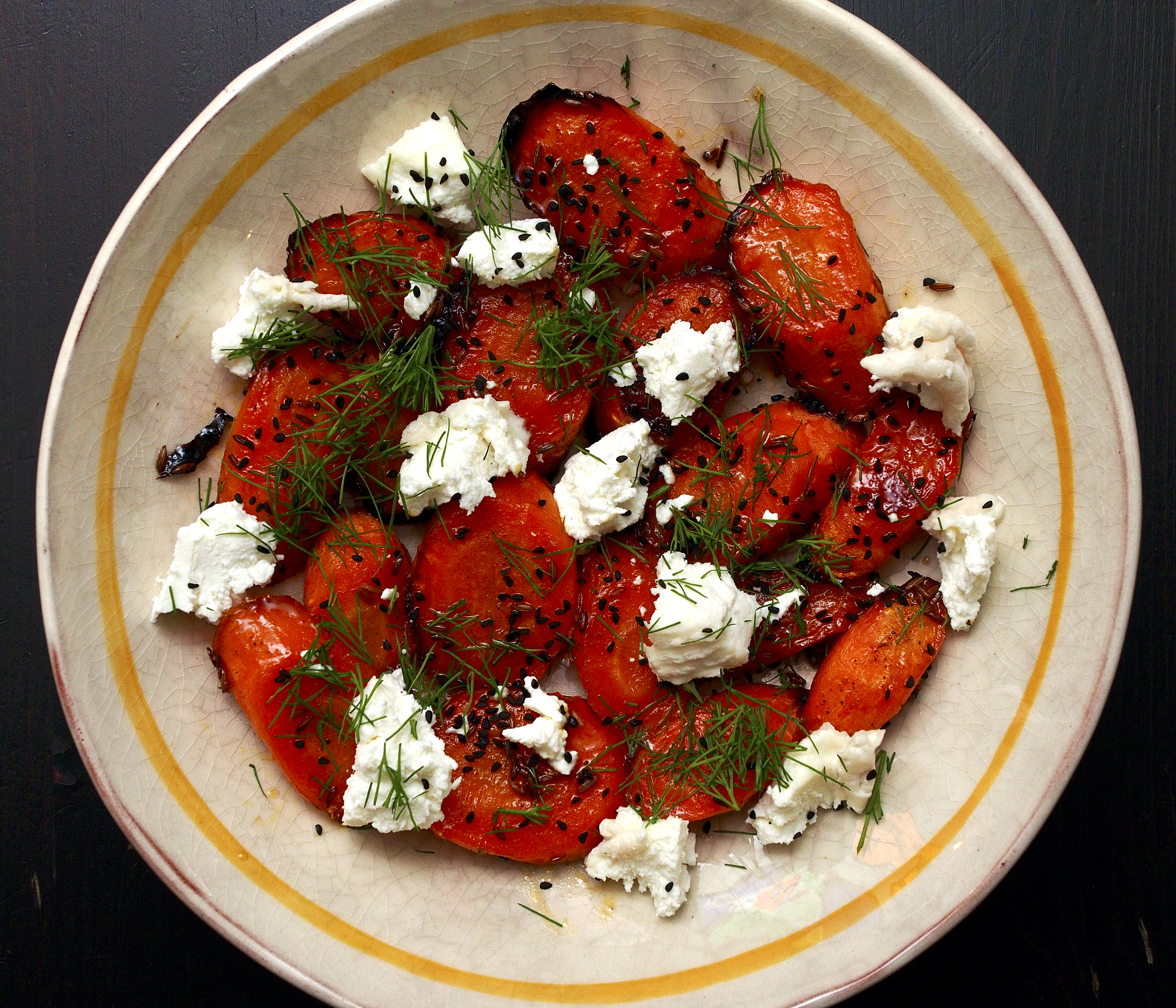
This is a great side dish for often uninspiring carrots. We served with chicken wings.
Cumin-roasted Carrots with Honey Lemon Dressing & St Tola – serves 4 to 6
750g carrots, cut diagonally into 2½ cm slices
olive oil
1½ heaped tbsp cumin seeds
juice of 1 lemon
3 tbsp clear honey
100g St Tola, or other soft goats’ cheese
a bunch of dill, leaves roughly chopped
a good sprinkle of nigella seeds
Heat the oven to 200C/fan 180C.
Line a large baking tray with baking paper.
Spread the carrots over the baking tray and drizzle with plenty of olive oil. Sprinkle over cumin seeds and season well with salt and peper. Toss to coat, then roast for 25-30 minutes, or until cooked through.
Mix the lemon juice and honey together until the honey dissolves. Drizzle this over the carrots and toss to coat, then roast for another 8 to 10 minutes, or until slightly sticky.
Transfer the carrots to a serving plate, crumble over the cheese, then sprinkle with dill and nigella seeds.
(Original recipe from Persiana by Sabrina Ghayour, Mitchell Beazley, 2014.)
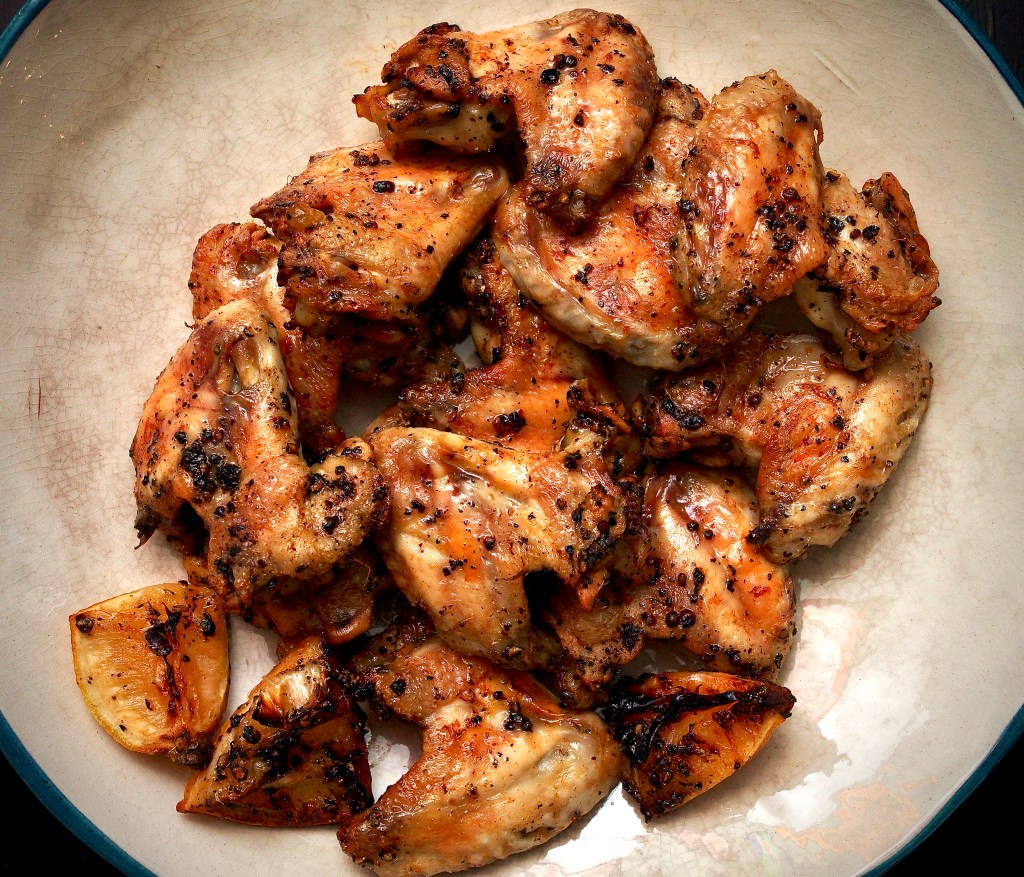
Who doesn’t love a chicken wing? This Nigel Slater recipe is simple but delicious, and somehow makes the chicken taste more chicken-y.
Wine Suggestion: An old favourite that we’ve not had for a while, the Secateurs Chenin Blanc from Swartland came out for this. We love how this grape is so adaptable and works with roast birds so well. Adi Badenhorst, who makes this one, is larger than life and yet guides this wine in a subtle and nuanced way. As he says, it makes itself, which says so much for how well he grows the grapes …
Roast chicken wings with lemon and black pepper – serves 2
12 large chicken wings
1 large lemon
1 heaped tbsp black peppercorns
2 tbsp olive oil
2 tsp sea salt flakes
Preheat the oven to 200C.
Put the chicken wings into a roasting dish. Halve the lemon and squeeze the juice over, then cut up the shells and tuck them amongst the wings.
Bash the peppercorns in a mortar until cracked into small pieces, not finely ground. Mix the cracked peppercorns with the olive oil, then toss with the chicken and lemon. Scatter over the sea salt flakes without crushing them.
Roast for 40-45 minutes, turning once, until golden and sticky with blackened edges.
(Original recipe from A Cook’s Book by Nigel Slater, 4th Estate, 2021.)
A simple fish supper for two, but with plenty of flavour; both delicate, fresh and rich.
Wine Suggestion: The higher acidity, fuller body and citrus-minerality of a good Albariño make this a match worth trying. Tonight Quinta Soalheiro’s Primeiras Vinhas Alvarinho from their oldest vineyards and partially made in oak really makes a statement. A velvety texture, deep and soulful, long, serious and elegant in the same breath. This wine makes a case for this grape to be considered “noble” and makes a good partner to the fattier fish and vibrant asian acidity, umami flavours.
Grilled trout with Asian Dressing – serves 2
300g Charlotte potatoes
2 skinless fillets of trout
a few basil leaves, Thai would be nice but regular will do
FOR THE DRESSING:
1 small shallot, finely chopped
1 lemongrass stalk, remove the woody outer leaves and finely chop
2 tbsp lime juice
1 tbsp fish sauce
1 tsp brown sugar
1 red chilli, finely chopped
Boil the potatoes in salty water until tender, then drain and slice thickly, lengthways.
Season the trout, then grill for a few minutes.
Arrange the potatoes over two plates, then top each with a piece of fish.
Whisk the dressing ingredients together and sppon over the fish, and finish with a few basil leaves.
(Original recipe by Janine Ratcliffe, Olive Magazine, November 2014.)
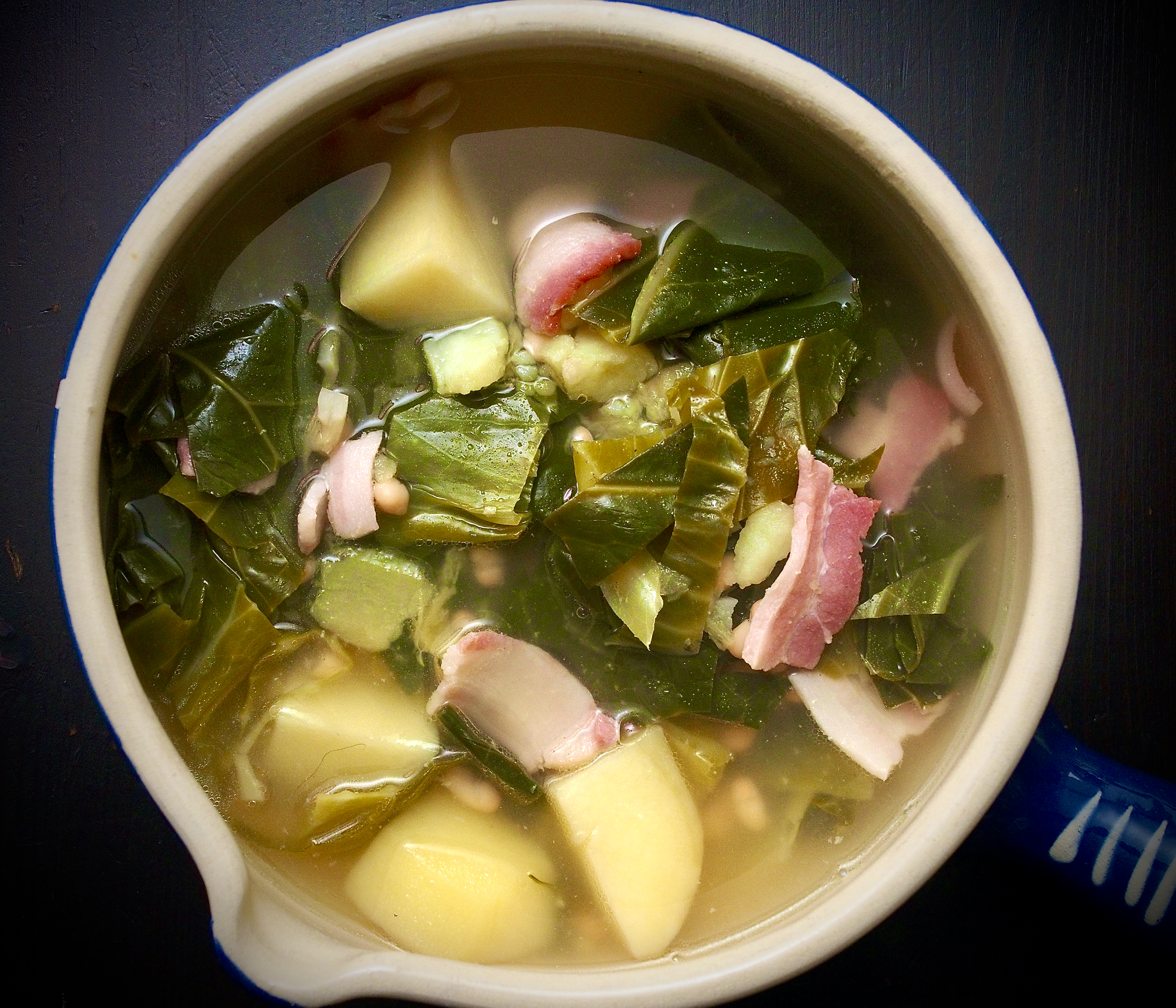
2 litres ham stock (you can also use chicken stock)
150g smoked streaky bacon rashers, cut into pieces
400g potatoes, peeled and cut into 2cm cubes
250g green cabbage leaves (pointed cabbage or spring greens), cut into thick strips
1 x 400g tin haricot beans, drained
Put the stock into a large saucepan with the bacon, potatoes and cabbage leaves. Bring to the boil,then season. Cover and simmer gently for 30 minutes.
Add the beans and warm through for 5 minutes, then serve.
(Original recipe from The Food of Spain by Claudia Roden, Michael Joseph, 2012.)
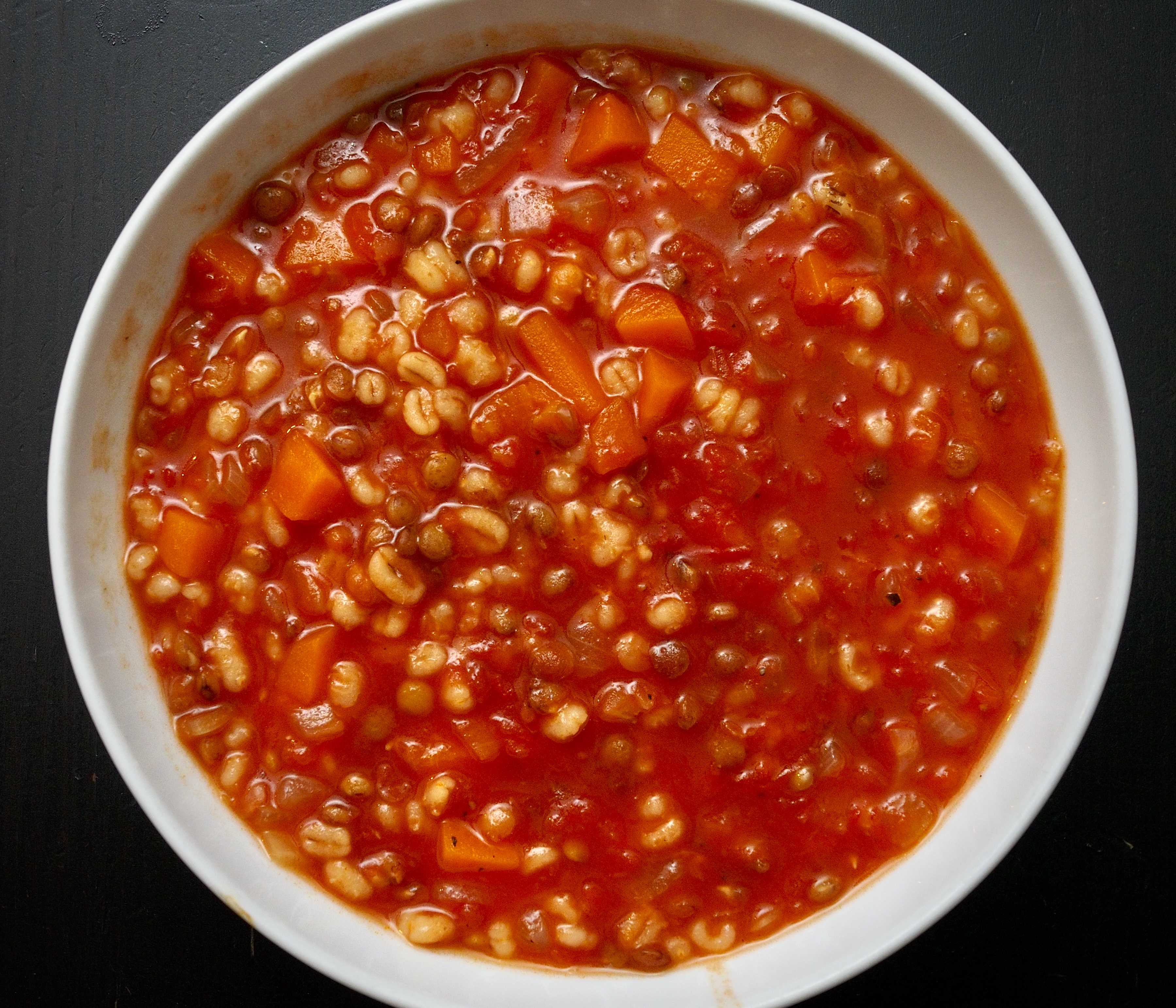
It’s definitely a bit more like soup weather in Dublin and this one’s good and hearty!
Puy lentil and pearl barley soup – serves 6
1 tbsp olive oil
1 large onion, finely chopped
2 carrots, finely chopped
2 cloves of garlic, crushed
100g dried Puy lentils
100g pearl barley
680g jar passata
1.5 litres vegetable stock
2 tsp sugar
1 tbsp balsamic vinegar
Heat the olive oil in a large pot, add the onion and carrots and cook over a medium heat for about 10 minutes or until softened and starting to colour.
Add the garlic, Puy lentils and pearl barley and stir for a minute, then add the passata and vegetable stock. Season with salt and black pepper.
Bring to the boil, then reduce the heat and simmer, covered, for 40-45 minutes or until everything is tender.
Add the sugar and balsamic vinegar, season again if needed, and serve.
(Original recipe from Mary Berry Cooks up a Feast with Lucy Young, DK Penguin House, 2019.)
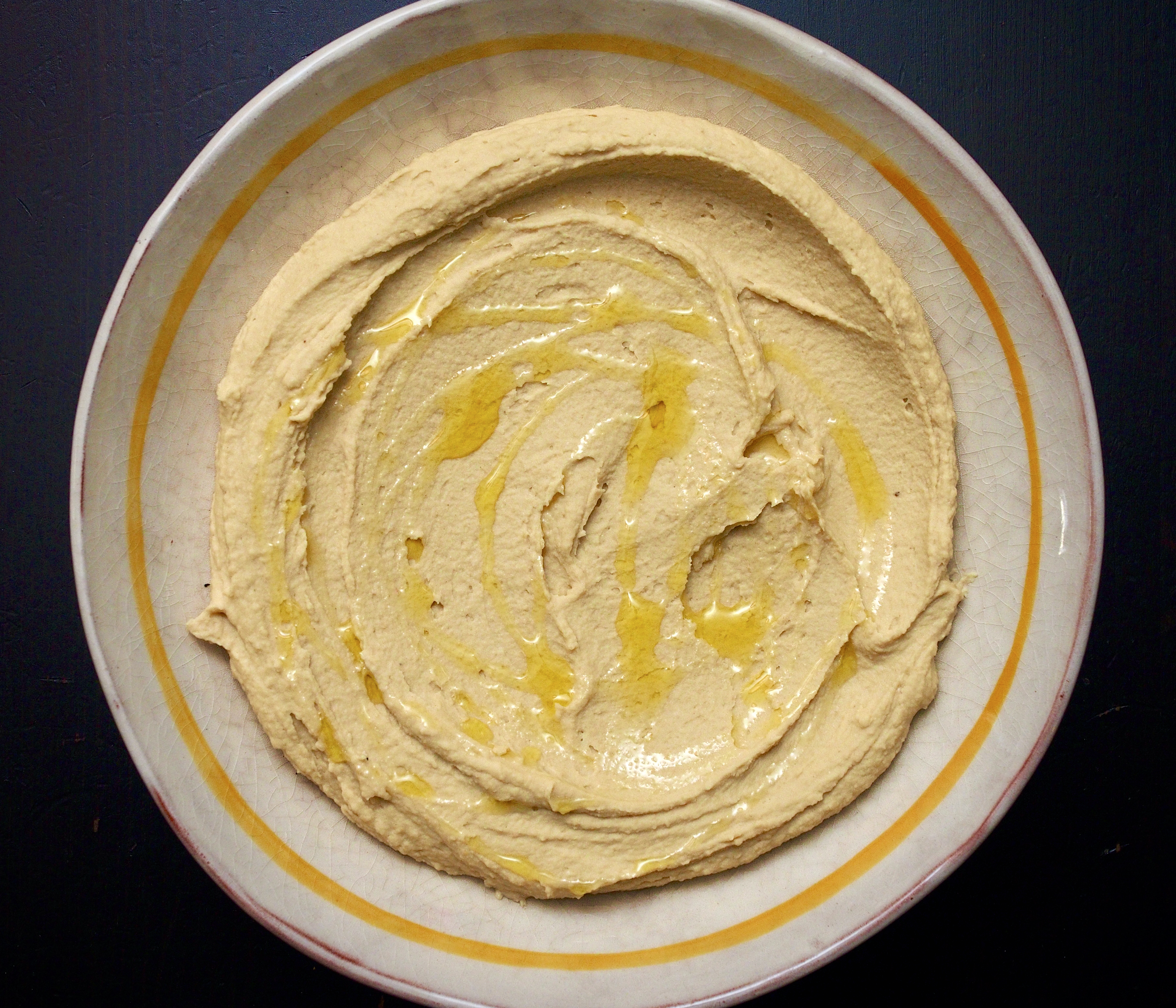
This is the Ottolenghi Tesk Kitchen’s hummus made with tinned chickpeas – confirmed creamy and dreamy.
Creamy dreamy hummus – serves 6
2 x 400g tins chickpeas
a pinch of ground cumin
120-150g tahini
1 clove of garlic, crushed
1½ tbsp lemon juice
25g ice cubes
salt
good olive oil, to serve
Spread the chickpeas out between two tea towels and rub together for a few minutes to release the skins. Don’t press too hard or you will crush the chickpeas. Discard the skins.
Put the peeled chickpeas into a saucepan, cover with water and add 1 tsp of salt and the pinch of cumin. Simmer for 15 minutes or until soft.
Drain the chickpeas over a bowl and save the cooking water. Put the warm chickpeas into a food processor with 120g of tahini, the garlic, lemon juice, ice cubes, 2 tbsp of the reserved cooking water and a good pinch of salt. Blitz until smooth, then taste and add more tahini, garlic, lemon, salt and chickpea water to taste. We added a good bit of chickpea water to get the right consistency, it needs to be quite loose as it will thicken.
Spread the hummus in a shallow bowl and create a dip in the centre. Top with a generous glug of your best olive oil.
(Original recipe from OTK Shelf Love by Noor Murad & Yotam Ottolenghi, Ebury Press, 2021.)
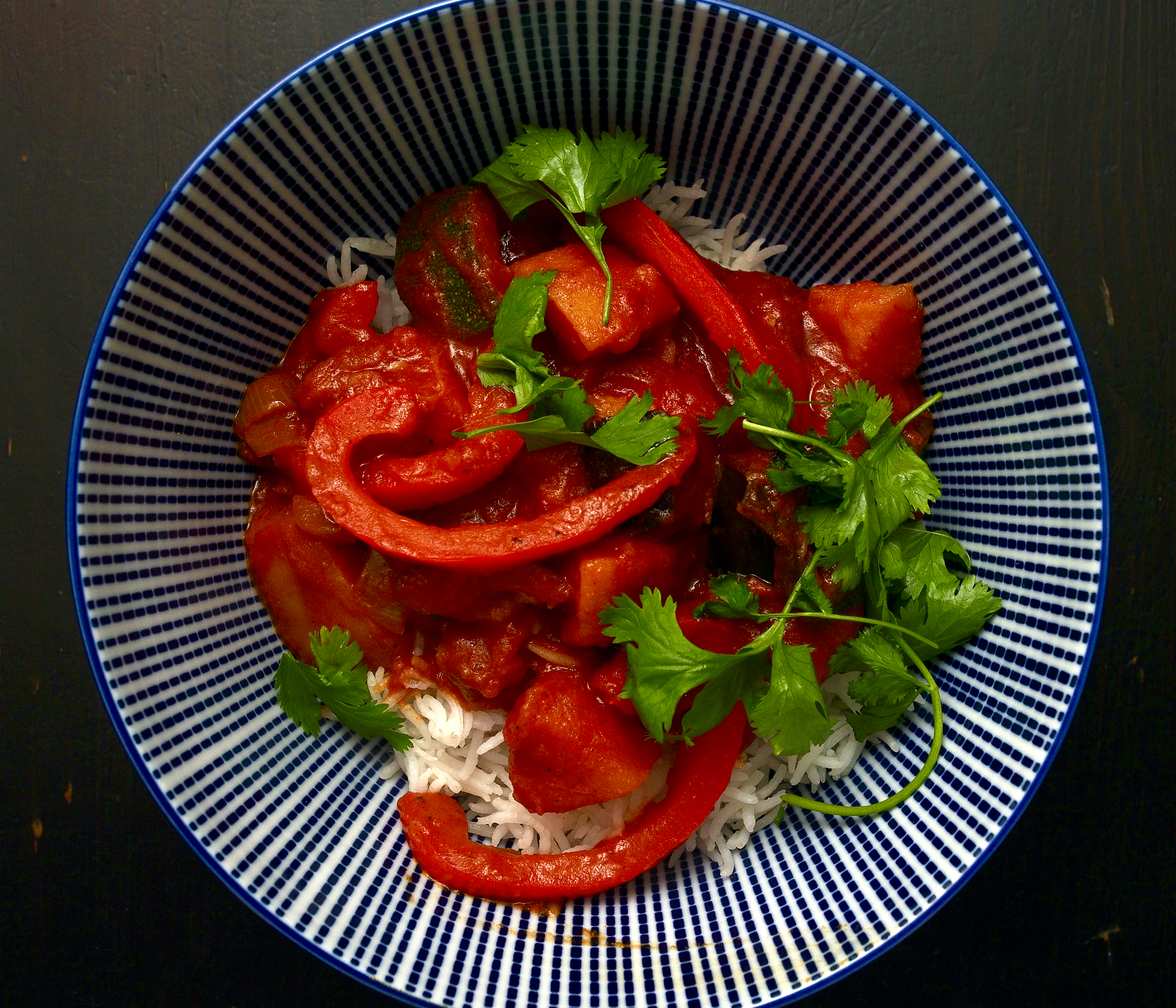
Some nights we just feel like loads of veg, and this was one of them! Serve with rice and naan. Keep the dice relatively small so they don’t take too long to cook. This is also gluten-free and vegan if that matters to you.
Wine Suggestion: Good with Cline’s Old Vine Zinfandel from Lodi in California. The juicy bramble fruits and warm spices make this a gentle hug of a combination. We love how Cline Family Cellars manage to get such great balance and texture in what could easily be just a fruit bomb: bravo!
A big veggie curry – serves 8
1 large potato, diced
1 small butternut squash, peeled and diced
1 aubergine, diced
6 tbsp curry paste, we used Patak’s Madras
3 tbsp vegetable oil
2 onions, sliced
700g jar tomato passata
400g tin coconut milk
2 red peppers, sliced
2 courgettes, cut into small cubes
coriander, to serve
Heat the oven to 200C/180C fan/gas 6.
Put the potato, squash and aubergine into a large roasting tin and toss with 2 tbsp of vegetable oil and 2 tbsp of the curry paste. Season, toss it all together and roast for 30 minutes.
Meanwhile, make the sauce. Heat 1 tbsp of vegetable oil over a medium heat in a large casserole or saucepan. Add the onions and fry until golden, you can add a splash of water if they start to stick. Stir in the remaining 4 tbsp of curry paste and cook for a few minutes, then add the passata, coconut milk and 100ml water. Simmer for 5 minutes.
When the roasted vegetables are tender, tip them into the sauce. Add the courgettes and peppers and simmer for 10-15 minutes or until tender. Scatter with coriander and serve.
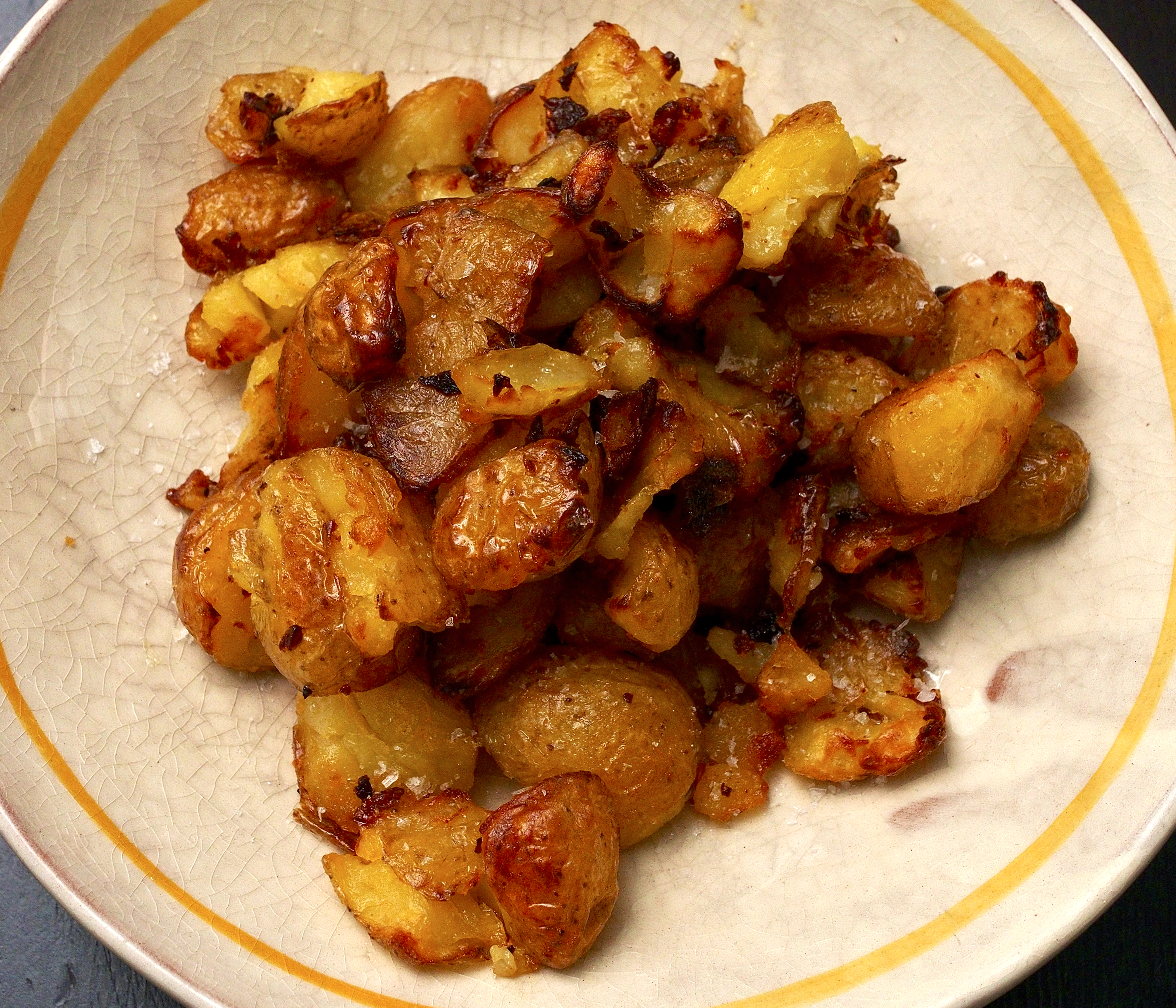
We’ve seen these many times on social media and yesterday someone else’s pic inspired us to make them. Likewise we hope we inspire a few others to try Nigella’s salt and vinegar potatoes, they’re as good as they sound!
Salt and vinegar potatoes – serves 2
500g baby new potatoes
3 tbsp olive oil
2 ½ tsp raw unfiltered apple cider vinegar, or to taste
sea salt flakes, to taste
Steam the potatoes until tender, about 20 minutes. Then allow to dry in the steamer basket over the empty pan, uncovered.
Preheat the oven to 220C/200C fan.
Pour the oil into a small shallow roasting tin and heat for 5 minutes in the oven.
Tip the potatoes out onto a board and crush with a fork. They should be roughly broken in two but with plenty of crumbly bits.
Toss the potatoes gently in the hot oil, then cook for 20 minutes, give them a turn and return to the oven for 10 minutes more, or until browned and crunchy.
Transfer to a serving bowl and sprinkle with the salt and vinegar.
(Original recipe from At My Table by Nigella Lawson, Chatto & Windus, 2017.)



 Jono & Jules do food & wine