Feeds:
Posts
Comments

Posts Tagged ‘Noodles’

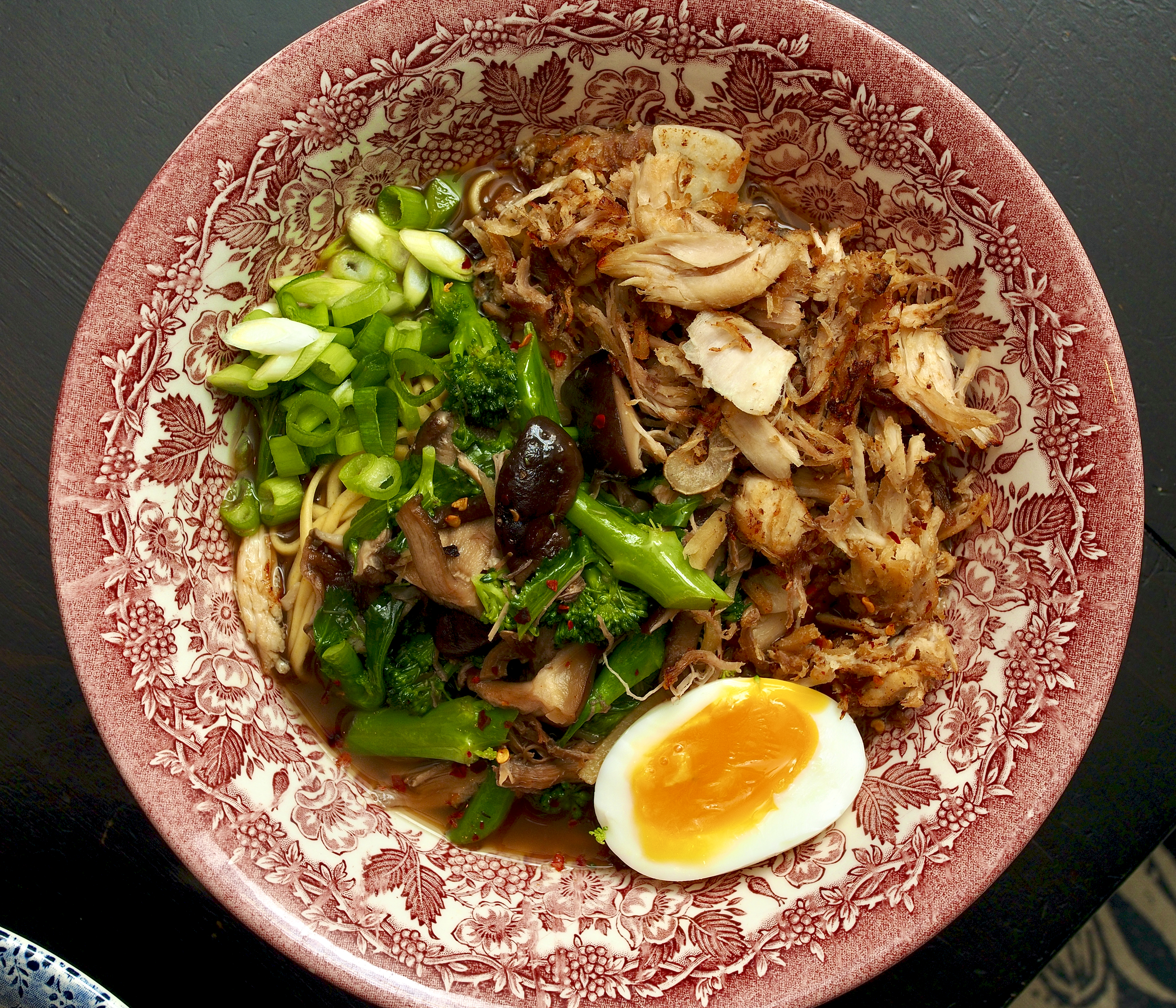
So, here’s what you have to do. Speak to whoever is cooking the Christmas turkey and tell them to save you the carcass. Break it into pieces, stuff it into a bag and put it in the fridge,  you can deal with it later. You will also need some turkey meat, about 400g, but any scraps will do, so you don’t have to take the prime cuts. Some day later in January you will be very pleased with yourself when you make this delicious ramen.

You can make the stock and freeze ahead, which is what we do. We also freeze the right quantity of meat in a freezer bag.

Wine Suggestion: This is lovely with a juicy, youthful Grenache, but avoid the big alcohol ones; look for warm spices but not a hot palate. There are some gems coming out of the Languedoc at the moment and Domaine Gayda’s Grenache had a real purity and lovely depth; the gentle tannins complimenting the turkey well.

Turkey ramen – serves 4

  • a thumb-sized piece of ginger, shredded
  • 3 tbsp soy sauce
  • 150g shiitake mushrooms, halved and quartered
  • 250g long-stemmed broccoli, cut into bite-sized pieces
  • 2 x 275g packs ready-cooked egg noodles (or cook your own and run under cold water to stop the cooking process)
  • 1½ tbsp toasted sesame oil
  • 400g cooked turkey meat, shredded
  • 2 cloves of garlic, thinly sliced
  • 2 tbsp white miso
  • 2 scallions, thinly sliced
  • a good pinch of dried chilli flakes
  • 2 soft-boiled eggs, halved (to soft boil, add the eggs to boiling water, then boil for 6½ minutes and peel under a cold running tap)
  • sriracha sauce, to serve (optional)

FOR THE TURKEY STOCK:

  • 1 turkey carcass, broken into pieces
  • 1 onion, quartered
  • 1 carrot, roughly chopped
  • 1 celery stick, roughly chopped
  • woody herbs e.g. bay leaf, thyme or rosemary

To make the stock, put the carcass into a large pan with the onion, carrot, celery and herbs. Add 2 litres of cold water and gently bring to the boil. Skim any fat or scum from the surface, then simmer for 1 hour.

Strain the stock through a fine sieve. When cooled, remove as much meat as possible from the carcass and discard the bones and vegetables. You can do this and freeze the stock and reserved meat for later.

When ready to make the ramen, bring the stock to the boil and add the ginger, soy sauce and mushrooms, and simmer for 20 minutes. Add the broccoli and cook for 2-3 minutes or until just tender.

Meanwhile, put the egg noodles into a colander and pour over a kettle of just-boiled water. Divide the noodles between 4 bowls. Ladle over the broccoli, mushrooms and stock.

Heat a non-stick frying pan over a high heat and add the sesame oil. Cook the turkey for 4-5 minutes or until starting to crisp, then add the garlic and cook for a minute. Add the miso and cook for a minute more. Divide the turkey between the 4 bowls, then finish with the scallions, chilli flakes and half a boiled egg. Drizzle over some sriracha sauce if you like.

(Original recipe by Adam Bush in Olive Magazine, Christmas, 2019)
Read Full Post »

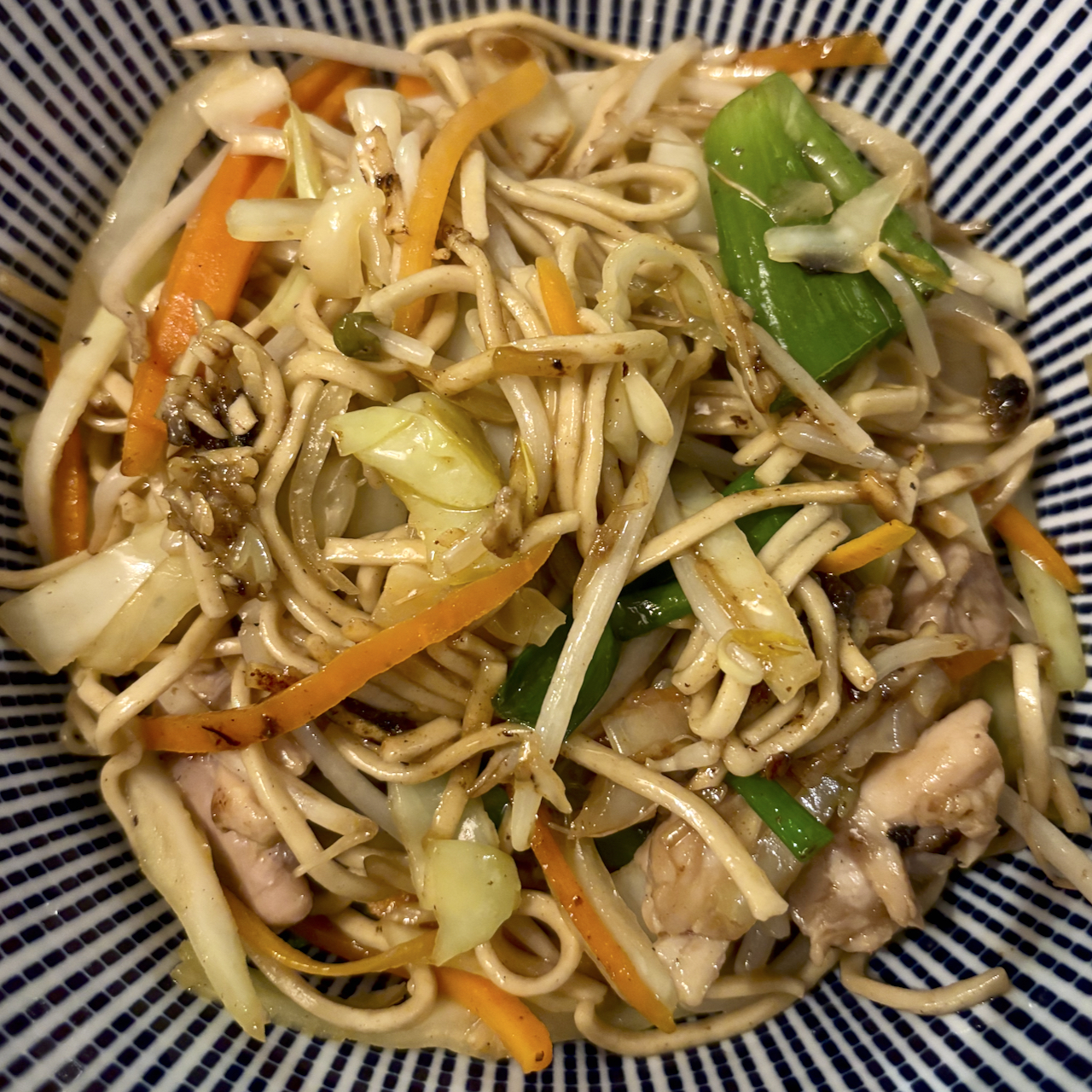
Delicious noodles and made in minutes!

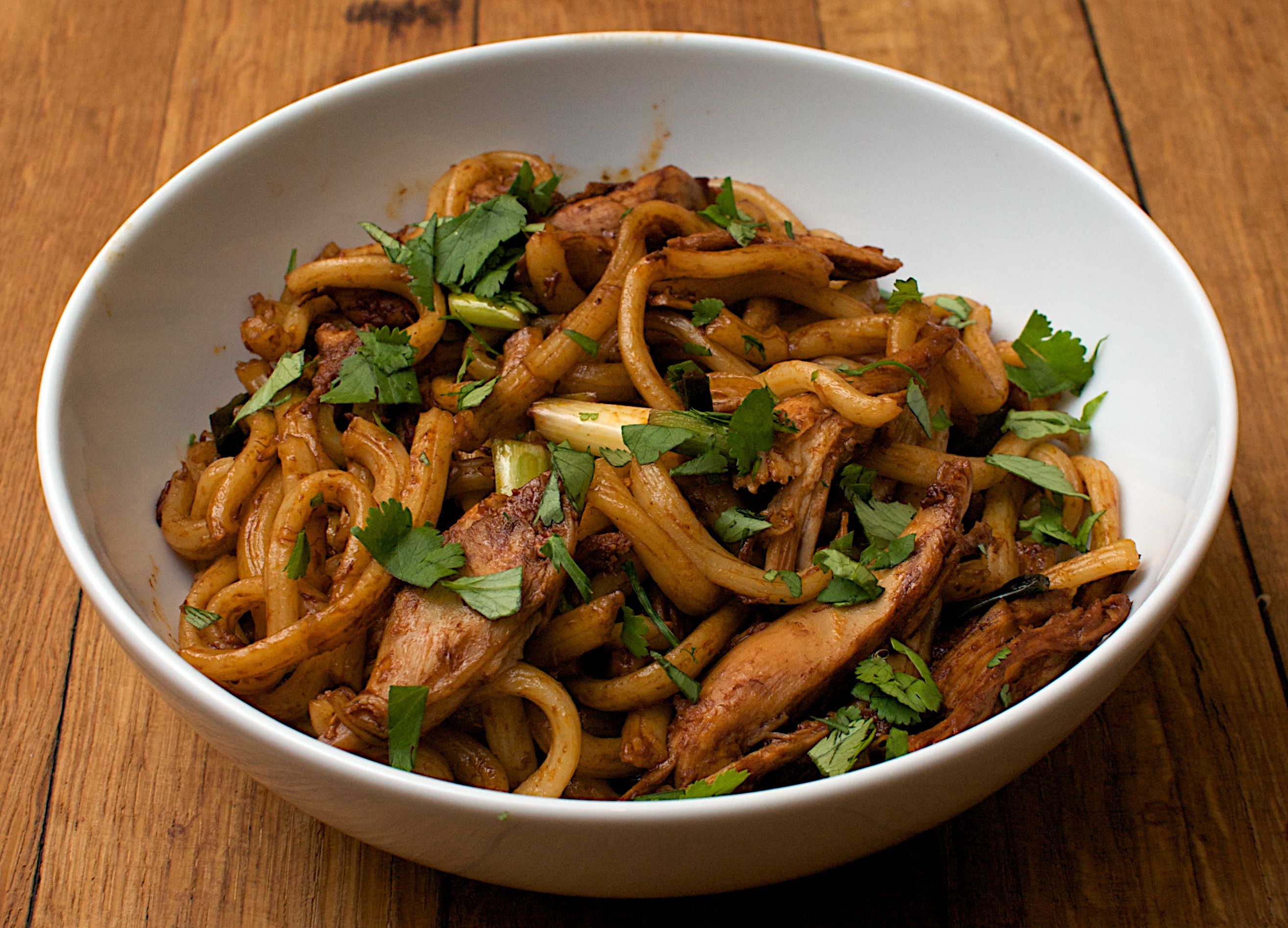
Chicken Chow Mein – serves 2

  • 200g chicken thigh fillets, finely sliced
  • ½ tsp bicarbonate of soda
  • 200g cooked noodles
  • 1½ tbsp rapeseed oil
  • 2 cloves of garlic, finely minced
  • 200g finely shredded green cabbage
  • 1 carrot, julienned
  • 3 scallions, cut into 5cm lengths, white and green parts separated
  • 60ml water
  • 120g bean sprouts

FOR THE SAUCE:

  • 2 tsp cornflour
  • 1½ tbsp light soy sauce
  • 1½ tbsp oyster sauce
  • 1½ tbsp Chinese cooking wine
  • 2 tsp white sugar
  • ½ tsp sesame oil
  • freshly ground white pepper

Put the chicken in a bowl and sprinkle over the bicarbonate of soda. Toss to coat, then set aside for 20 minutes. Rinse in a colandar under tap water for 5 seconds, then shake off the excess water and pat dry with kitchen paper.

To make the sauce, mix the cornflour and soy sauce in a small bowl, then mix in the rest of the ingredients. Pour 1 tbsp of the sauce over the chicken, mix to coat, then set aside to marinate for 10 minutes.

Heat the oil in a wok. Add the garlic and stir-fry for 10 seconds, then add the chicken and stir-fry until tinged brown but not cooked through – about 1 minute.

Add the cabbage, carrot and the white part of the scallions and stir-fry for 1½ minutes or until the cabbage is wilted.

Add the noodles, sauce and water and stir-fry for 1 minute, tossing the whole time, until the sauce thickens and coats the noodles.

Add the bean sprouts and the green parts of the scallions, toss for 30 seconds or until the beansprouts start to wilt. Remove from the heat and serve.

(Original recipe from Recipetin Eats Dinner by Nagi Maehashi, Pan Macmillan, 2000.)

Read Full Post »

Made to satisfy our daughter’s constant craving for noodles … and much bettter than the packets she tries to make us buy. We recommend you prep everything before you start cooking.

Wine Suggestion: we think dry Pinot Gris is great with loads Asian foods and this is no different. From Nelson in NZ, Neudorf’s Tiritiri Pinot Gris is a charmer. Great fruit and lovely texture with gentle spices mean this combination is a winner.

Singapore Noodles – serves 4

  • 200g fine egg noodles or rice noodles
  • 2 tbsp veg oil
  • 1 onion, sliced into thin wedges
  • 1 carrot, cut into fine matchsticks (use a mandonline if you have one)
  • 1 red pepper, thinly sliced
  • 2 cloves of garlic, finely chopped
  • 10g fresh root ginger, finely chopped
  • 200g pork fillet, finely sliced
  • 225g tin bamboo shoots, drained
  • 100g frozen peas, defrosted
  • 1 tsp Chinese 5-spice powder
  • 2 tsp mild curry powder
  • 2 tbsl light soy sauce
  • 1 tbsp rice wine
  • 1 tbsp rice wine vinegar
  • 140g cooked shelled prawns

To garnish:

  • 1 tsp sesame oil
  • 2 scallions, finely shredded
  • 1 green or red chilli, finely sliced
  • chopped fresh coriander
  • soy sauce, to serve

Cover the noodles with freshly boiled water and leave to stand for a minute, then drain and set aside.

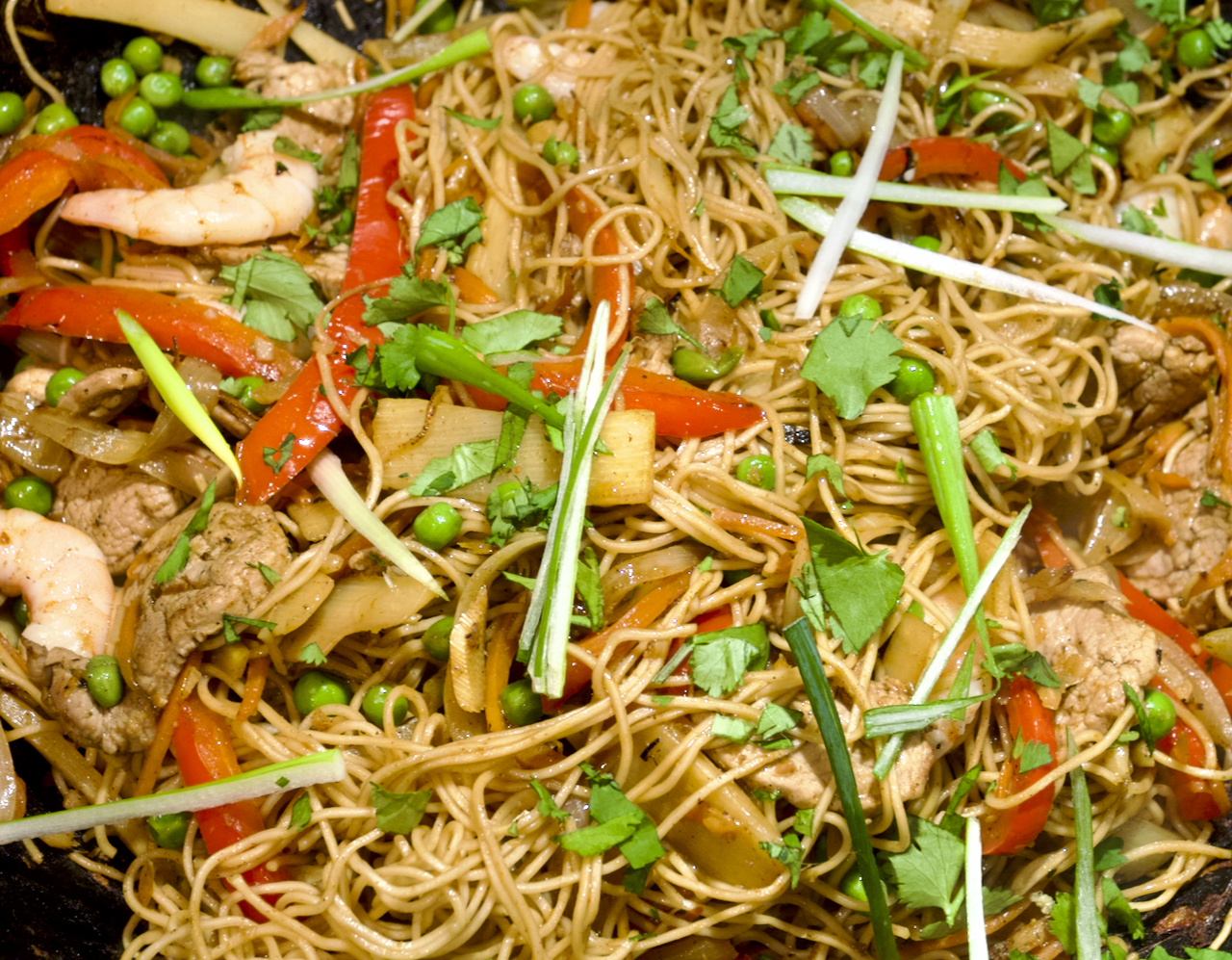
Heat the oil in a large work. Add the onion, carrot and red pepper and stir-fry over a high heat until they’re starting to brown. Add the garlic, ginger and pork and continue to stir-fry until the pork is coloured on all sides. Tip in the bamboo shoots, peas, spices, soy sauce, rice wine and rice wine vinegar, then add the noodles and stir to combine (chopsticks are good for separating the noodles). Leave to cook for a couple of minutes until hot, then stir in the prawns and allow to heat through. Serve with the sesame oil, scallions, chilli and coriander over the top. We like ours with extra soy sauce.

(Original recipe from The Hairy Bikers’ One Pot Wonders by Si King & Dave Myers, Seven Dials, 2019.)

Read Full Post »

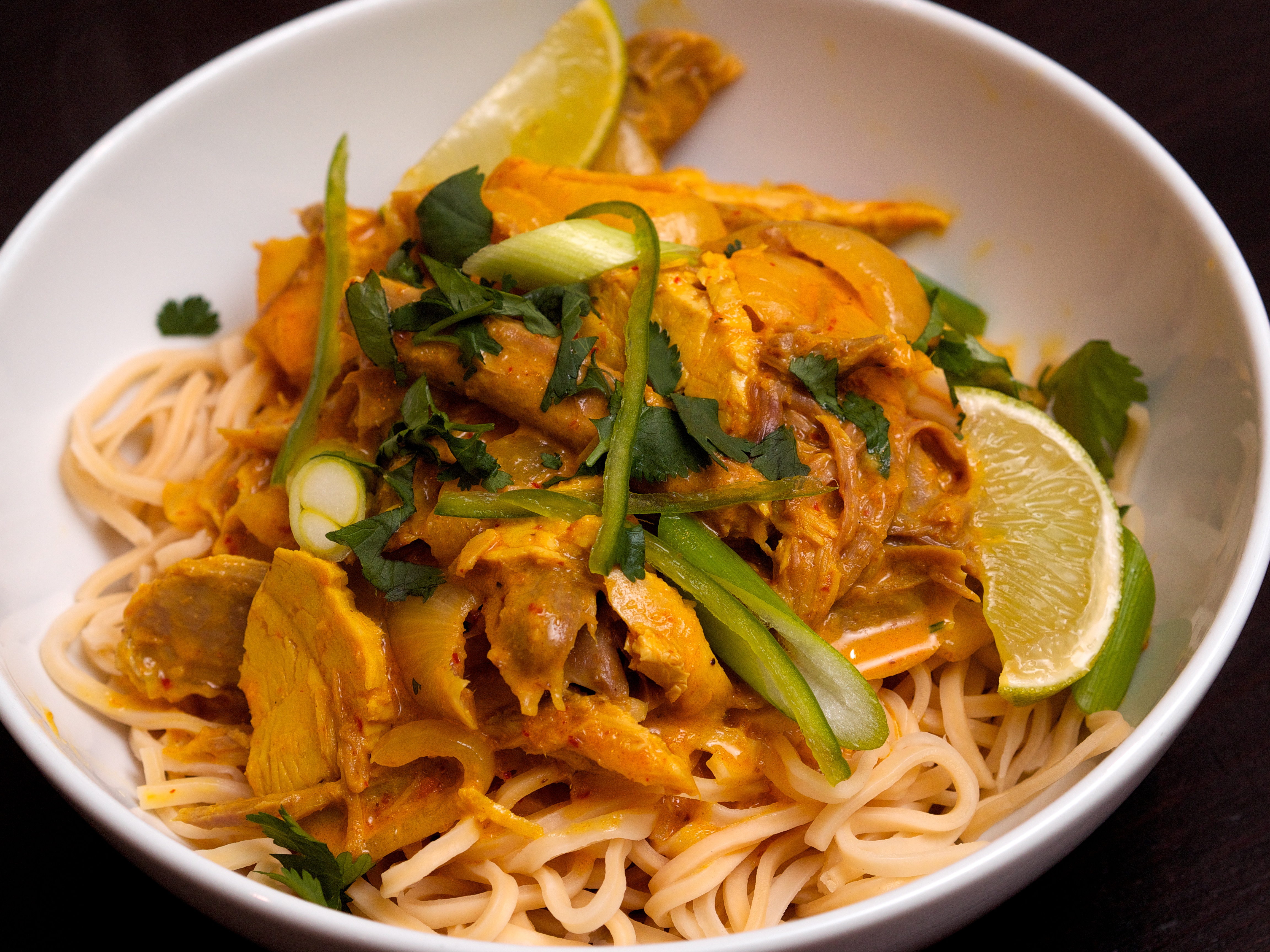
We made these noodles on the day we got our new puppy, Remy. We can barely remember what they tasted like as we were too busy congratulating ourselves on picking the best little dog ever. However we wrote, usefully, on the recipe that they tasted very good indeed … so we’ll go with that.

Wine Suggestion: The coconut and turmeric elements to this dish work really well with an off-dry Riesling, like those from the Mosel in Germany. The Dr Loosen “L” Riesling is an inexpensive, but very well made option with charming fruit and a very good balance, finishing clean and fresh.

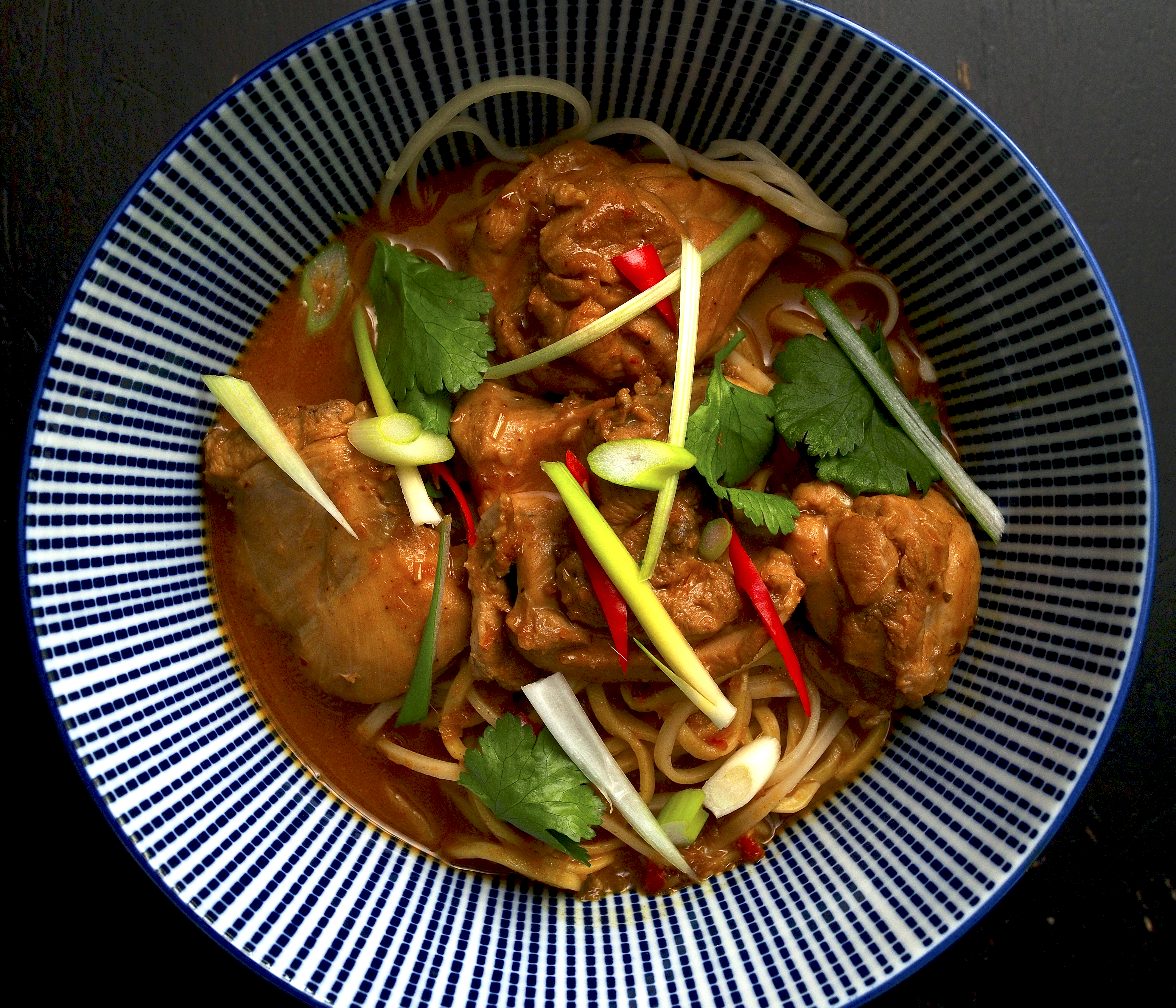
Spicy Coconut and Chicken Noodles – serves 4

  • vegetable oil
  • 2 onions, roughly chopped
  • 600g boneless and skinless chicken thighs
  • 4 green cardamom pods, lightly crushed
  • 1 tsp cumin seeds
  • 2 tsp ground turmeric
  • 2 tbsp rose harissa
  • 400ml tin coconut milk
  • 300g medium egg noodles

TO SERVE:

  • a handful of bean sprouts
  • lime wedges
  • coriander leaves, roughly chopped

Put a large saucepan over a medium-high heat, drizzle in some vegetable oil and fry the onions until soft. Add the chicken and dry spices along with lots of salt and pepper and stir to coat the chicken in the mixture, then stir-fry for a few minutes. Add the harrisa and stir-fry for a few more minutes.

Reduce the heat to medium, then pour in the coconut milk and some water so that the chicken is just covered. Stir, then cover the pan with a lid and cook gently for an hour, stirring now and then to make sure it hasn’t stuck. You can top up the liquid a little if needed.

Cook the noodles according to the pack instructions, then drain and divide between 4 bowls.

Pour the chicken over the cooked noodles, then add the bean sprouts, lime wedges and coriander.

(Original recipe from Flavour by Sabrina Ghayour, Aster*, 2023.)

Read Full Post »

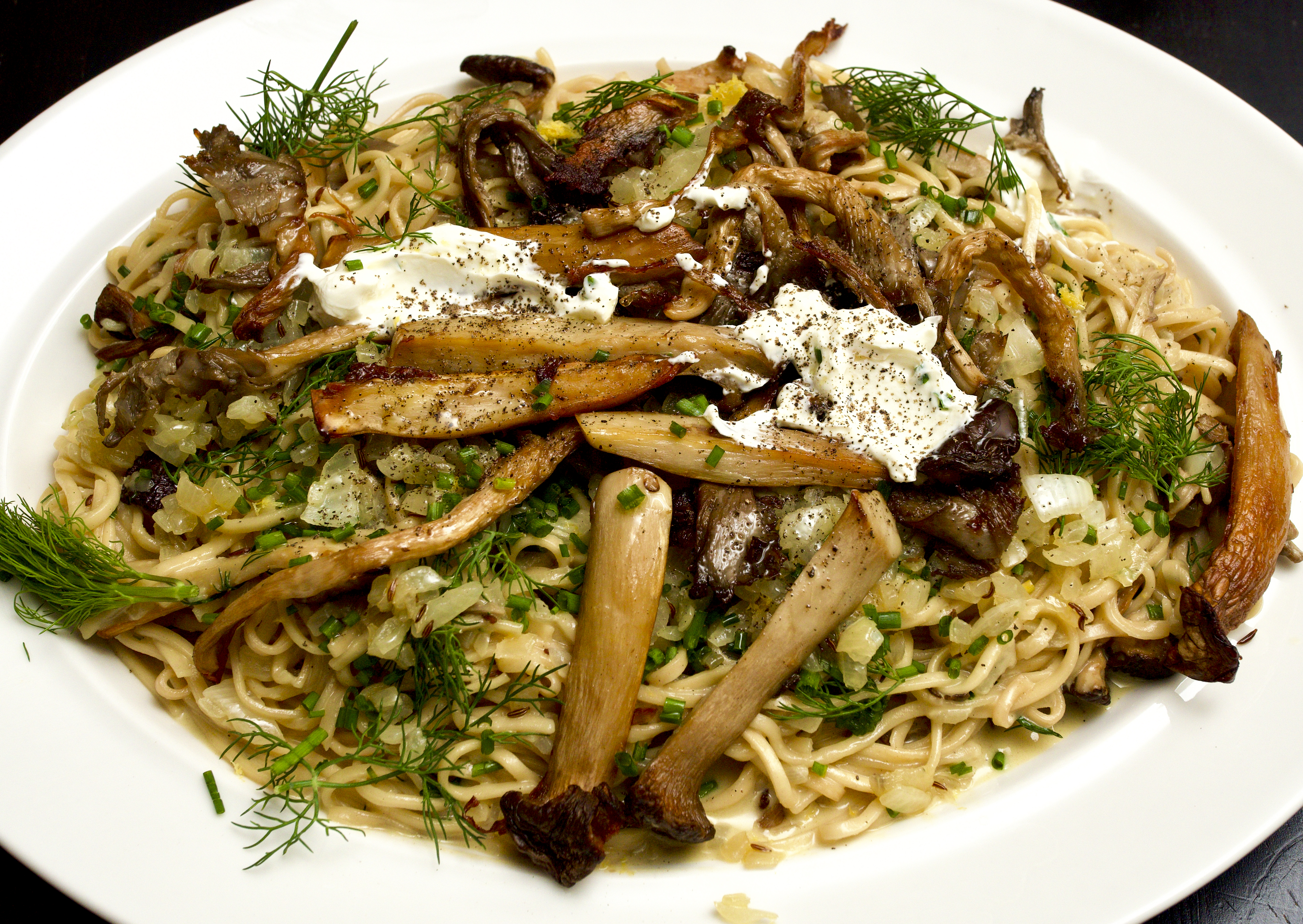
Ixta Belfrage’s book, Mezcla, is full of genuinely new dishes with lots of flavour combinations that we’ve never tried before. These mushroom noodles are a great example. We used a mix of oyster mushrooms and ceps which worked well, but oyster mushrooms are definitely the way to go here. You can make the sauce ahead of time if you like.

Wine Suggestion: It’s not only mushroom season, but it’s Beaujolais Nouveau week too, so we had the luck of matching this dish with a bottle from our friend Chris. The Lapalu Beaujolais Villages Nouveau was smooth, dark fruited and earthy.

Oyster mushroom noodles – serves 2 as a main very generously

  • 200g fresh medium egg noodles (if you have dried egg noodles, cook them first)
  • 1 tsp finely grated lemon zest and 2 tbsp juice
  • 10g chives, finely chopped
  • 10g dill, picked from the stems
  • créme fraîche or sour cream, to serve

FOR THE MUSHROOMS:

  • 400g oyster mushrooms
  • 3 tbsp olive oil
  • ½ tsp fine salt

FOR THE SAUCE:

  • 40g unsalted butter
  • 2 tbsp olive oil, plus extra to serve
  • 2 onions, very finely chopped
  • ¾ tsp caraway seeds
  • 1¼ tsp fine salt
  • 2 cloves of garlic, finely grated
  • 500g chicken stock or veg stock
  • 2 ½ tsp English mustard
  • 5 tbsp double cream

Preheat the oven to 200C fan/220C.

Tear the mushrooms in half. Line a large baking tray with parchment, add the mushrooms, oil and salt and toss with your hands, then spread out over the tray. Roast in the oven for 22-25 minutes, stirring halfway, or until golden-brown and starting to crisp at the edges. Set aside.

Meanwhile, make the sauce. Put the butter, oil, onions, caraway seeds and ¾ tsp of fine salt into a large sauté and put over a medium heat. Gently fry for about 12 minutes, stirring regularly, until soft and caramelized. Turn the heat down to the lowest setting and continue cooking for another 5 minutes, you are looking for deep golden-grown but not burned or crispy. Remove half the onions onto a plate and set aside. Add the garlic to the pan and fry for 1 minutes, stirring, then remove the pan from the heat.

Add the stock, mustard, cream, ½ tsp of fine salt and lots of black pepper to the pan with the onions. Stir, then add half of the roasted mushrooms. Return to a medium heat and cook for 4 minutes. Stir the noodles into the sauce and cook for 3 minutes, or until the sauce has thickened slightly and the noodles are hot.

Stir in the lemon juice and half the herbs. Transfer to a warm platter and top with the rest of the herbs, the lemon zest and the mushrooms and onions that you set aside before. Spoon over some crème fraîche or sour cream and finish with olive oil and black pepper.

(Original recipe from Mezcla by Ixta Belfrage, Ebury Press, 2022.)

Read Full Post »

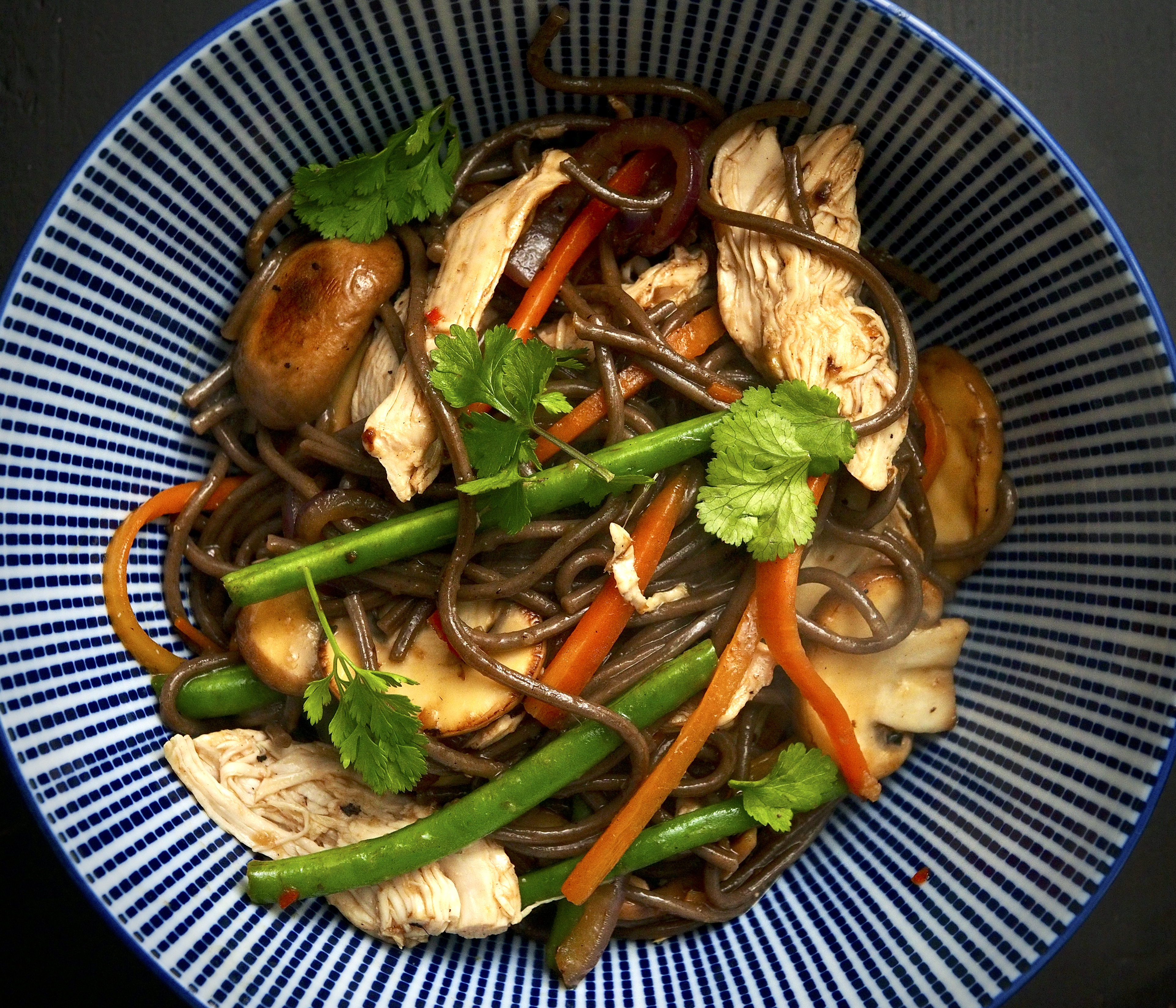
In our house almost anything will be eaten if it’s mixed with noodles (though not mushrooms sadly … but we’re working on it). Any leftovers of this will make a popular lunchbox too.

Chicken & soba noodle stiry-fry – serves 4

  • 800ml chicken stock
  • 400g chicken breasts
  • 200g dried soba noodles
  • 2 tbsp rapeseed oil
  • a thumb-sized piece of ginger, grated
  • half a red chilli, deseeded and finely chopped
  • 1 red onion, thinly sliced
  • 1 carrot, peeled and finely shredded
  • 150g green beans, trimmed
  • 150g chestnut mushrooms, sliced
  • 1½ tbsp light soy sauce
  • 1 tsp toasted sesame oil
  • a small handful of coriander leaves, roughly chopped

Bring the chicken stock to the boil in a pot, then add the chicken breasts and cook for 20 minutes. Make sure they are completely submerged in the stock. Remove the chicken breasts, shred with two forks and set aside.

Add the noodles to the chicken stock and cook according to the pack instructions. Remove the noodles from the stock with tongs and set aside, reserve the stock.

Heat the oil in a wok, then stir-fry the ginger, chilli and garlic for 30 seconds. Add the onion, carrot, green beans and mushrooms and stir-fry for 4-5 minutes.

Add the shredded chicken, the noodles, 50ml of the reserved stock, the soy sauce and the sesame oil. Toss to combine and heat through. You can add a little more stock for moisture if you need.

Divide between warm bowls and scatter the coriander over the top.

(Original recipe by Nadine Brown in Olive Magazine, May 2021.)

Read Full Post »

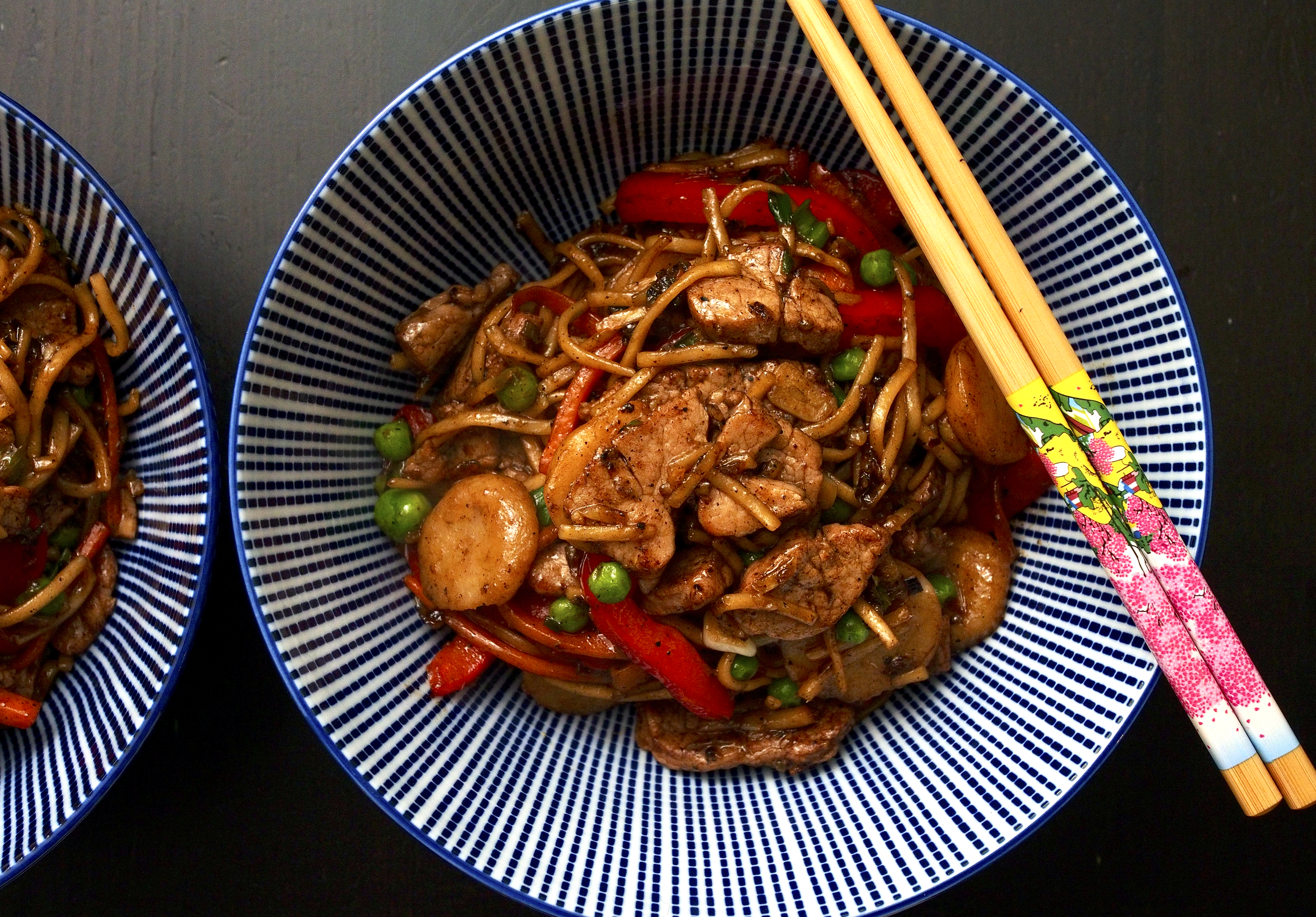
It’s Chinese New Year tomorrow so we thought we’d post some dinner inspiration for the year of the tiger. This is a good crowd-pleaser and definitely better than take-away. It’s simple too, just prep everything before you get your wok on.

Wine Suggestion: an umami laden southern-French red, like the schist laden Domaine Cébène Faugères à la Venvole. Textural and velvety Grenache with hints of Syrah plums and gravelly Carignan; loads of flavour but not too much weight.

Pork chow mein – serves 4

  • 500g pork fillet
  • 1 tsp Chinese five-spice powder
  • 200g dried medium egg noodles
  • 4 tbsp vegetable oil
  • 2 tbsp soft light brown sugar
  • 2 tsp cornflour
  • 4 tbsp dark soy sauce
  • 2 tbsp mirin or dry sherry
  • 1 red pepper, deseeded and sliced
  • 1 large carrot, cut into very thin strips
  • 25g fresh ginger, peeled and very finely sliced
  • 3 cloves of garlic, very thinly sliced
  • 6 scallions, sliced
  • 50g frozen peas
  • 225g tin water chestnuts, drained and sliced

Trim any fat and sinew off the pork, then cut in half lengthways and cut into thin slices. Put into a bowl and add the five-spice powder, ½ tsp sea salt and black pepper, then set aside.

Bring a large pan of water to the boil and cook the noodles acording to the pack instructions, then drain and rinse in a sieve under running water until cold, then toss with a 1 tbsp of vegetable oil and set aside.

Mix the sugar and cornflour together in a bowl and gradually stir in the soy sauce, mirin and 100ml water, then set aside.

Heat 1 tbsp of the oil in a wok. Add the pork and stir-fry over a high heat for 2 minutes or until browned. Scoop out and set aside.

Add another tbsp of oil and stir-fry the pepper and carrot for 2 minutes. Add the ginger, garlic, scallions, peas and water chestnuts and stir-fry for 2 minutes more until just softened, then scoop out onto a plate.

Pour the last tbsp of oil into the wok and add the noodles. Stir-fry for 2-3 minutes or until some have turned crispy and brown. Add the meat and veg back into the work and toss everything together for 1-2 minutes, or until well mixed and hot.

Stir the soy and mirin mixture again and pour it into the pan. Continue tossing for 1-2 minutes or until hot and glossy. Serve straightaway.

(Original recipe from The Hairy Bikers’ Meat Feasts by Si King and Dave Myers, Weidenfeld & Nicolson, 2015.)

Read Full Post »

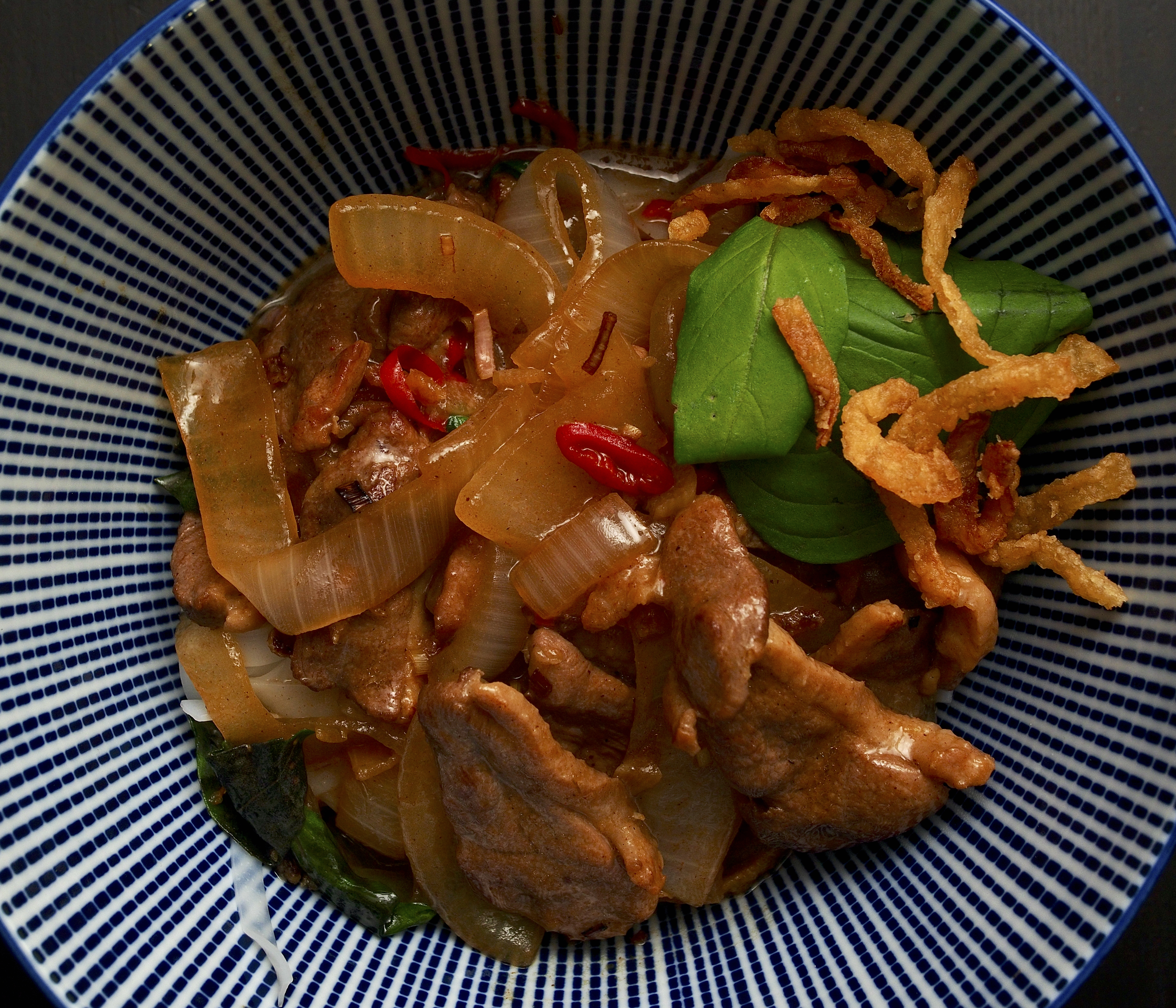
Thai basil can be hard to come by for us but they sometimes have it in our local farm shop which inspired us to cook this delicious duck dish by Neil Perry.

Wine Suggestion: A dry, but fruit forward Pinot Gris was our first thought, but tried the Domaine Bott-Geyl’s Pinot d’Aslace Points Cardinaux, which was to hand, and were delighted with it’s playful nature and depth to match the dish. A blend of all the Pinot grapes, including Pinot Noir this has a vibrant freshness and focus as well as roundness and layers of texture; altogether a good food wine.

Stir-fry duck with coconut milk, Thai basil & noodles – serves 4

  • 600g boneless duck breasts, with skin on
  • 2 cloves of garlic, thinly sliced
  • 1 stem of lemongrass, pale part only, thinly sliced
  • 1 long red chilli, thinly sliced on the diagonal
  • 80ml vegetable oil
  • 1 large white onion, halved and thickly sliced
  • 320ml coconut milk
  • 2 tbsp fish sauce
  • 1 tbsp oyster sauce
  • 1 tbsp tamarind paste
  • 1 tbsp caster sugar
  • 20g crispy fried shallots (shop bought)
  • a large handful of Thai basil leaves
  • 200g dried rice vermicelli or other rice noodles, cooked and drained (to serve)

Put the duck onto a board, skin side down, and cut into 5mm slices. Put the duck slices into a bowl and add the garlic, lemongrass and chilli. Mix well with your hands.

Heat 60ml of vegetable oil in a wok until smoking. Stir-fry the duck in batches for 1-2 minutes or until golden and cooked through. Transfer to a plate and set aside.

Add more oil if needed, then add the onion and stir-fry for 1-2 minutes or until light golden. Return the duck to the wok, then pour in the coconut milk and bring to thte boil. Turn down the heat and simmer for 2 minutes. Add the fish sauce, oyster sauce, tamarind paste, sugar and sea salt. Simmer for another few minutes, then check the seasoning.

Garnish with fried shallots and Thai basil and serve over noodles.

(Original recipe from Neil Perry’s Good Cooking, Murdoch Books, 2016.)

Read Full Post »

These curried noodles have a sourness that we particularly like and the whole dish is power-charged with flavour.

Leave the chicken thighs whole, or cut them in half if they’re big, they’ll stay nice and tender. The curry paste also makes much more that you need but will keep in the fridge for a month, or longer in the freezer. You can of course just buy a paste either.

Wine Suggestion: Despite all the powerful flavours in this dish there is a wine match that works superbly – Dry Tokaji, particularly if the wine is a blend of Furmint and Hárslevelu. Ch. Dereszla Tokaij Dry was at hand, and despite the title is actually off-dry. The Furmint being crisp and creamy with hints of mango and the Hárslevelu, which translates as lime-leaf, bringing a complimentary aromatic lime and peach character. These grapes on their own also work really well with the food so don’t worry if you find a wine with just one of these varietals.

Chiang Mai curried noodles – serves 4

  • 1 tbsp vegetable oil
  • 75g red curry paste (you can use a bought one, or make the recipe below)
  • 2 tsp mild curry powder
  • 50ml tamarind purée (we make this up using a block of tamarind – put 30g in a small bowl then pour over a little boiling water. Mash with a fork then push through a sieve. You will be left with the seeds which you can discard)
  • 1 tbsp palm sugar or soft brown sugar
  • 400ml tin coconut milk
  • 100ml chicken stock
  • 2 tbsp fish sauce
  • 1 tbsp soy sauce
  • juice of 2 limes
  • 700g boneless skinless chicken thighs (cut them in half if they’re huge but otherwise leave whole)
  • 300g egg noodles
  • coriander leaves, shredded scallions and chopped red chillies to garnish

FOR THE PASTE:

  • 2 Mexican dried chillies e.g. ancho/pasilla/gaujilo
  • 4 lemongrass stalks, inner part only, finely chopped
  • 75g small shallots
  • 5 cloves of garlic
  • 20g ginger, chopped
  • ½ tsp ground turmeric
  • 1 tbsp fish sauce
  • 2 Thai red chillies, seeded
  • 1 tbsp coriander root or stems
  • 2 tsp ground coriander
  • 1 tsp ground cumin

TO MAKE THE PASTE:

Remove the stems and seeds from the dried chillies, cover with boiling water and leave to soak for 15 minutes until very soft, then drain.

Put the soaked chillies into the small bowl of a food processor with all the remaining ingredients and 90ml water. Blend for a few minutes until very fine – you can add a little more water if needed. Scrape into a sterilised jar and keep in the fridge for up to a month or freeze.

TO MAKE THE CURRY:

Heat the vegetable oil in a large saucepan. Add the curry paste and fry for 5 minutes. Add the curry powder, tamarind and sugar. When the sugar has melted, add the coconut milk, stock, fish sauce, soy and lime juice. Bring to a gentle simmer and add the chicken pieces. Simmer for 20 minutes or until the chicken is tender.

Meanwhile, boil the noodles for about 4 minutes or until al dente. Drain the noodles and divide between deep bowls. Ladle the curry over the noodles and top with the coriander, scallions and some chopped red chilli.

(Original recipe from My Asian Kitchen by Jennifer Joyce, Murdoch Books, 2018.)

Read Full Post »

Gok's Traditional Noodles

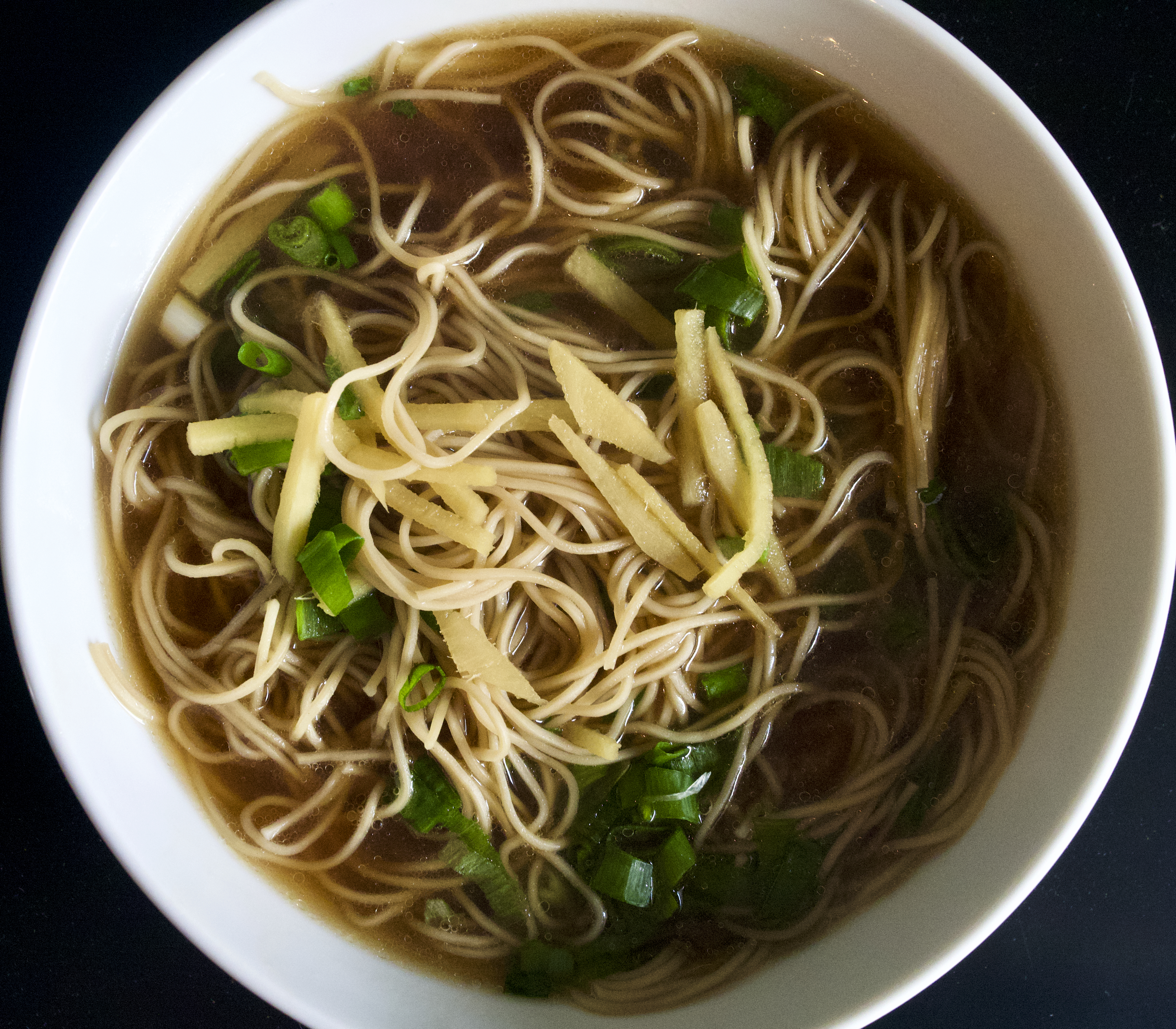
This is a favourite in our house; easy to whip up and wholesome and tasty. Think of it as proper pot noodle with no “E” numbers, just honest ingredients. Using homemade stock takes this to the next level, but we also really enjoy it with bought stock pots or cubes.

Easy traditional noodles – serves 2

  • 1 litre fresh chicken stock
  • 4cm piece of ginger, peeled and cut into fine matchsticks
  • 100g wonton noodles or thin egg noodles
  • 2 tsp sesame oil
  • 1 tbsp oyster sauce
  • 2 tbsp light soy sauce
  • 2 scallions, finely sliced

Bring the stock to the boil. Add the ginger and simmer gently for about 5 minutes.

Add the noodles and cook for about 4 minutes or until just tender. Remove the noodles from the pan with tongs and divide between the 2 bowls. Drizzle the noodles with the sesame oil and mix well.

Add the oyster sauce and light soy sauce to the stock and warm through.

Ladle the hot broth over the noodles and sprinkle with the scallions.

(Original recipe from Gok Cooks Chinese by Gok Whan, Michael Joseph, 2012.)

Read Full Post »

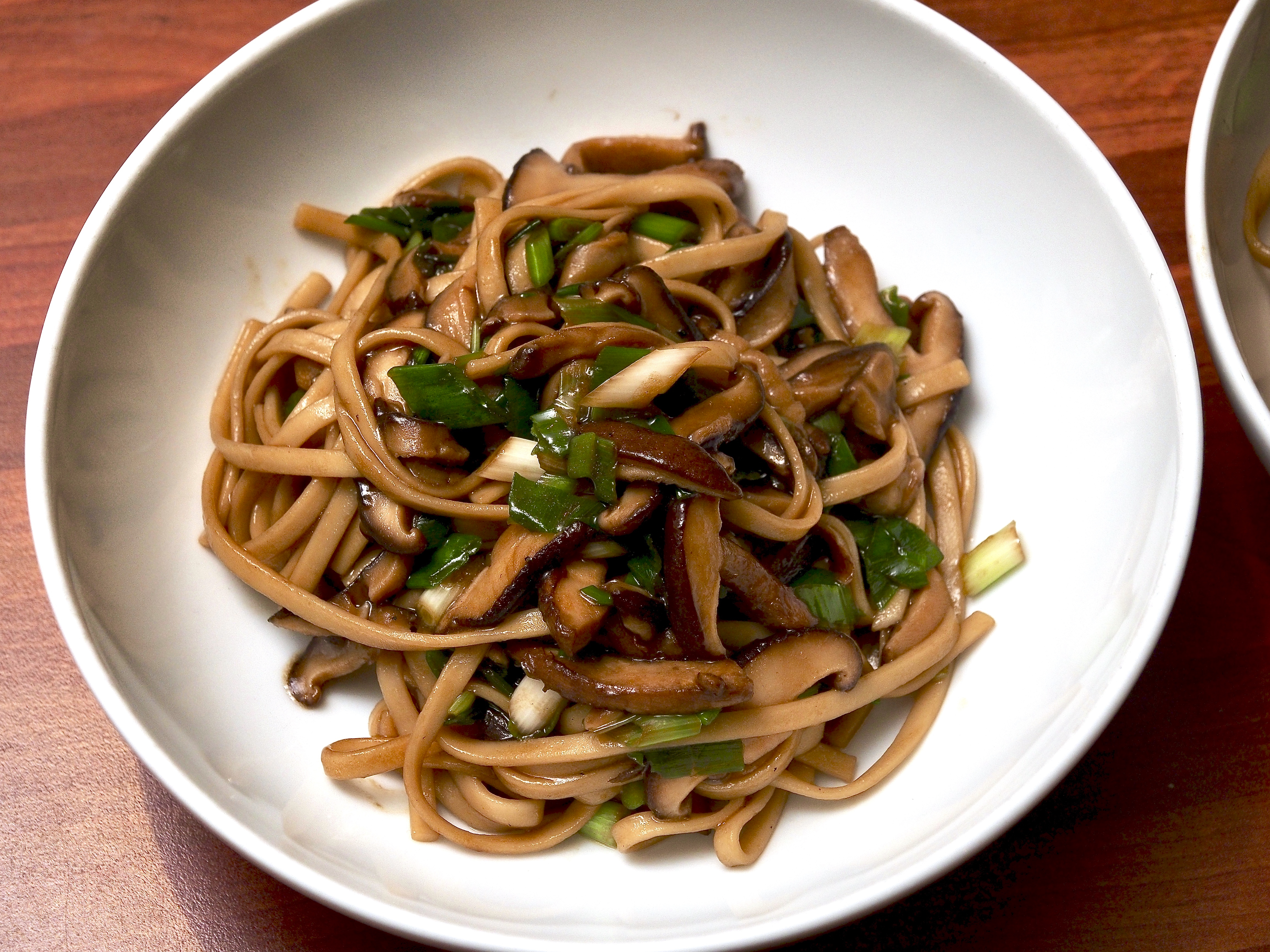
Noodles with shiitake mushrooms & scallions

We can think of nothing nicer to eat than a bowl of slurpy noodles. Perfect for a speedy lunch or snack.

Wine Suggestion: a friend has suggested that there are brilliant saki matches for dishes like this that play with the umami but we’ve not tasted enough to suggest which one. However, we really liked a couple of wine options: a Lustau dry Oloroso, a Deux Montille Rully Blanc or a Tyler Pinot Noir from California. In each case they have a wonderful textural vibrancy that this dish needs.

Udon noodles with shiitake mushrooms and spring onions – serves 2

  • 125g dried egg noodles
  • 1½ tbsp sesame oil
  • 1½ tbsp groundnut oil
  • 200g shiitake mushrooms, finely sliced
  • 6 scallions, finely sliced on the diagonal
  • few coriander springs, leaves picked
  • 2½ tbsp nam pla (fish sauce)
  • 2½ tbsp soy sauce

Bring a large saucepan of water to the boil, salt generously and cook the noodles for the time given on the pack. Drain and run under cold water, then stir through a few drops of sesame oil and groundnut oil to stop them from sticking.

Heat the oils over a high heat in a wok or frying pan. Add the mushrooms and cook until starting to soften. Add the scallions, nam pla, soy sauce and noodles. Heat stirring until the noodles are glazed with the sauce.

Serve sprinkled with the coriander.

(Original recipe from Leiths How to Cook by Claire Macdonald and Jenny Stringer, Quadrille, 2013.)

Read Full Post »

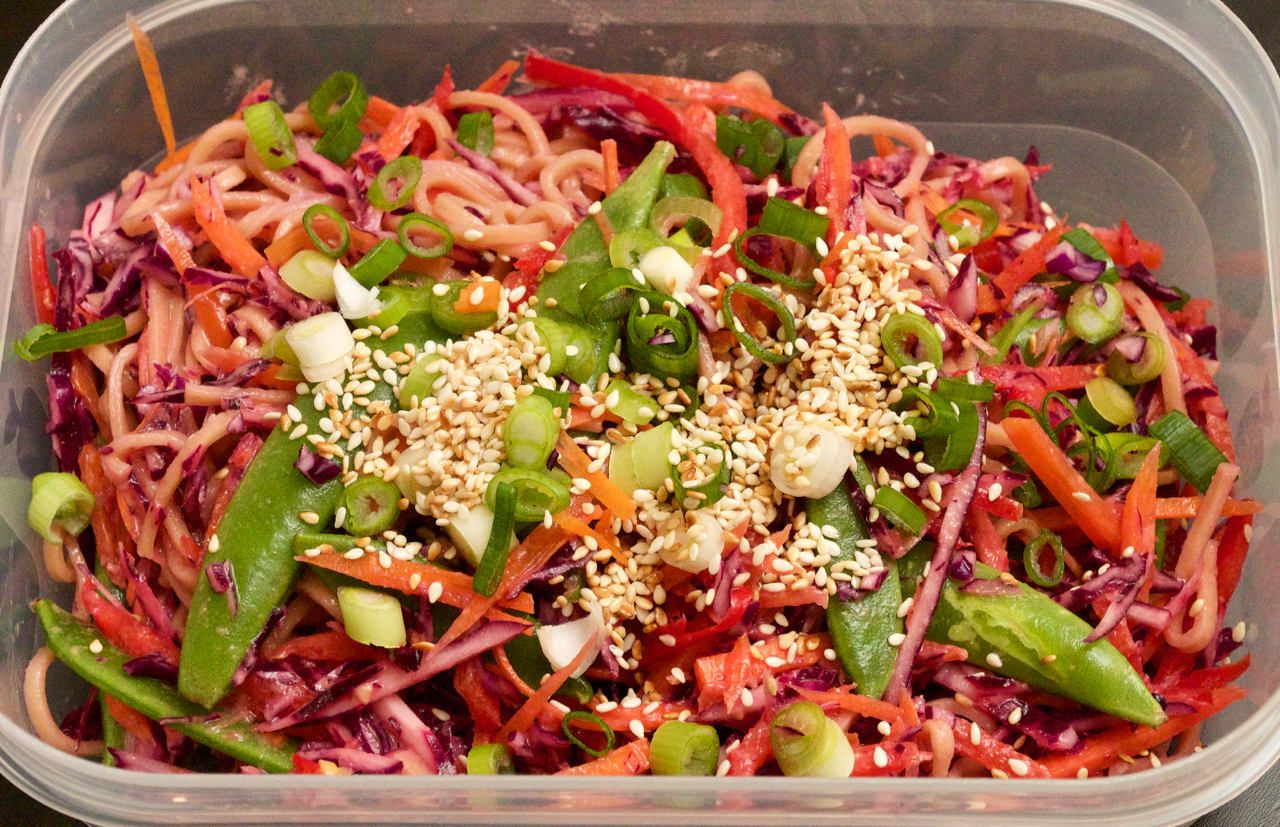
Rainbow noodle salad

A healthy salad for lunchboxes and a good use for red cabbage which always seem impossible to get through. If you have a mandolin it will make short work of shredding the vegetables.

Rainbow Veg Noodle Salad – serves 2

  • 50g medium egg noodles
  • sesame oil
  • juice of ½ a lime
  • 1 tbsp peanut butter
  • 1 tbsp rice wine vinegar
  • 1 carrot, peeled and julienned
  • ½ a red pepper, thinly sliced
  • ¼ of a small red cabbage, thinly sliced
  • 50g sugar snap peas
  • 1 scallion, sliced
  • 1 tsp toasted sesame seeds

Cook the noodles according to the instructions on the packet, then rinse under cold water and drain well.

Whisk 2 tsp of the sesame oil, the lime juice, peanut butter and rice wine vinegar together in a large bowl. Add a splash of boiling water if the dressing appears too thick.

Add the noodles, carrot, pepper, cabbage and sugar snaps and toss to coat.

Divide between 2 containers and scatter with the scallion and sesame seeds.

(Original recipe from BBC Olive Magazine, February, 2014.)


Read Full Post »

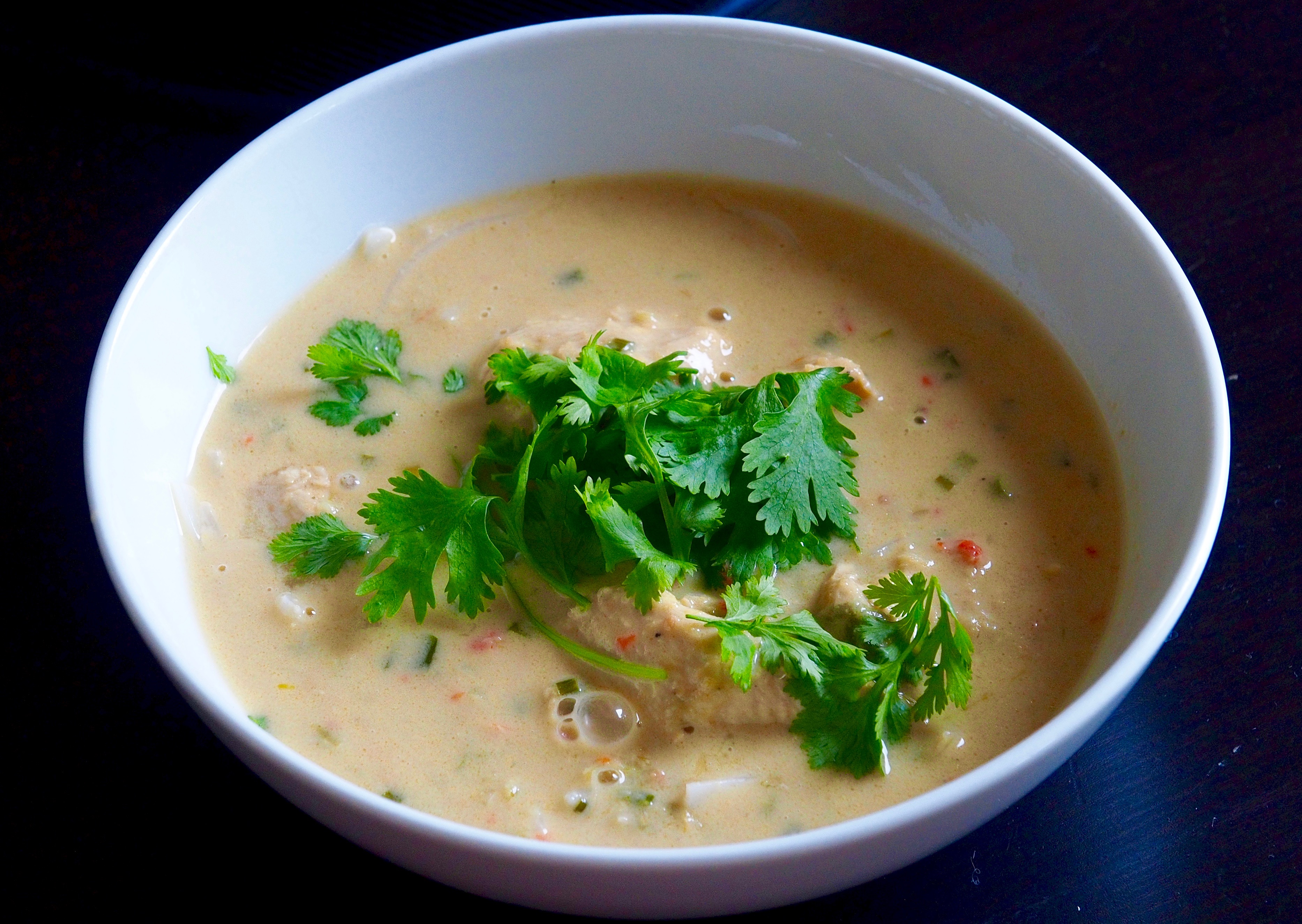
Easy laksa

Rice noodles often get forgotten in the back of our larder. Much better to use them up in a soup or laksa like this one which is substantial enough for a main course. This recipe is gluten-free – the only reason we’re telling you that is because from now on we are going to add a gluten-free tag to any recipes that are gluten-free. So very soon you will be able to search JonoandJules for gluten-free recipes.

Wine Suggestion: We quite often plump for a Riesling when eating aromatic Thai dishes but have found another gem that works superbly for this hot, spicy, creamy, coconut dish: Alsace Pinot Gris. Often overlooked the richer styles favoured in Alsace provide a counterpoint to the heat and bring spices and texture of its own to the mix. For this dish we had a Bott-Geyl Points Cardinale, which is a Pinot d’Alsace, that is a blend of Pinot Blanc, Pinot Gris, Pinot Auxerrois and Pinot Noir. We found it both elegant and rich with a fresh attractive fruit and a breadth of flavour to match the Laksa. We’re on the lookout for more Pinot Gris and dishes to try now after the success of this match.

Chicken Noodle Laksa – serves 4

  • 2 chicken breasts, sliced into strips
  • 100g medium rice noodles
  • 3 tbsp sunflower oil
  • 6 scallions, finely sliced
  • 2 x 400g tins coconut milk
  • 2 tsp Thai fish sauce
  • 1 lemon grass stalk, bashed
  • juice of ½ lime
  • coriander leaves, to serve

FOR THE PASTE:

  • 6 scallions, sliced
  • 1 red chilli, deseeded and chopped
  • 4cm piece of fresh ginger, peeled and grated
  • 3 tbsp peanut butter
  • 2 tsp lime juice
  • 1 tbsp light muscovado sugar

Make the paste by putting all the ingredients in the small bowl of a food processor or mini food processor and whizz until finely chopped (if you don’t have one of these you can grind them with a pestle and mortar).

Spoon 2 tbsp of the paste into a bowl. Add the chicken strips, season well with salt and pepper and stir until evenly coated with the paste.

Put the rice noodles into a shallow dish and pour over boiling water from the kettle to cover. Leave for 10-15 minutes or until softened. Drain and refresh under cold running water, then snip into short lengths with kitchen scissors and set aside.

Heat a large frying pan or wok over a high heat. Add 2 tbsp of sunflower oil and when hot, tip in the chicken and fry quickly for about 3 minutes or until nicely coloured and just cooked. Remove with a slotted spoon and set aside.

Heat the rest of the oil in the same pan, then add the scallions and the remaining paste and fry for a minute. Add the coconut milk, fish sauce and lemon grass. Bring to the boil, then simmer for about 5 minutes.

Add the chicken to the soup and simmer for another 3-4 minutes. Divide the noodles between 4 deep bowls. Remove the lemon grass stalk from the soup and add the lime juice. Ladle the soup over the noodles and sprinkle with coriander leaves to serve.

(Original recipe from Mary Berry’s Foolproof Cooking, BBC Books, 2016.)

Read Full Post »

Chiang Mai Turkey Noodles

We really meant to post this recipe before now, but we’re sure some of you still have a bit of turkey lurking in the freezer. Such a revitalising boost to the tastebuds after all the Christmas feasts. If the turkey is all done then try this the next time you have leftover roast chicken. Tone down the curry paste if you’re not so mad on the heat. The recipe comes from our obligatory Christmas cookbook which this year was ‘Food from Plenty’, by Diana Henry, and we highly recommend it!

Chiang Mai turkey noodles – serves 4 

  • groundnut or other flavourless oil
  • 1 onion or 6 shallots, sliced
  • 4 garlic cloves, sliced
  • 1 tsp ground turmeric
  • 2 tbsp red Thai curry paste
  • 400ml tin coconut milk
  • 200ml chicken stock (from a cube or stock pot is fine)
  • 350g leftover cooked turkey or chicken, in chunks
  • ½ tsp soft light brown sugar
  • 2 tsp fish sauce
  • juice of ½ lime
  • 400g egg noodles

To Serve:

  • 2 scallions, chopped fine on the diagonal
  • 1 red chilli, deseeded and shredded
  • 2 tbsp chopped coriander
  • lime wedges

Put a tbsp of the oil into a saucepan and sauté the onions until golden. Add the garlic and cook for another couple of minutes, then add the turmeric and curry paste. Stir for about a minute or until the spices are fragrant. Add the coconut milk and stock and bring to a simmer. Cook for 15 minutes.

Add the turkey and heat thoroughly.

Season with the sugar and fish sauce to taste (you may need to adjust the amount of lime/sugar).

Cook the noodles according to the pack. Divide between 4 bowls and spoon over the turkey and garnish with scallions, chilli and coriander. Serve lime wedges on the side.

(Original recipe from Food from Plenty by Diana Henry, Mitchel Beazley, 2010.)

Read Full Post »

We’re always on the lookout for low-calorie dishes for weeknights (so we can afford to redress the balance at the weekend!) This one was tasty and helpfully used up some of the bits and pieces we had in the fridge.

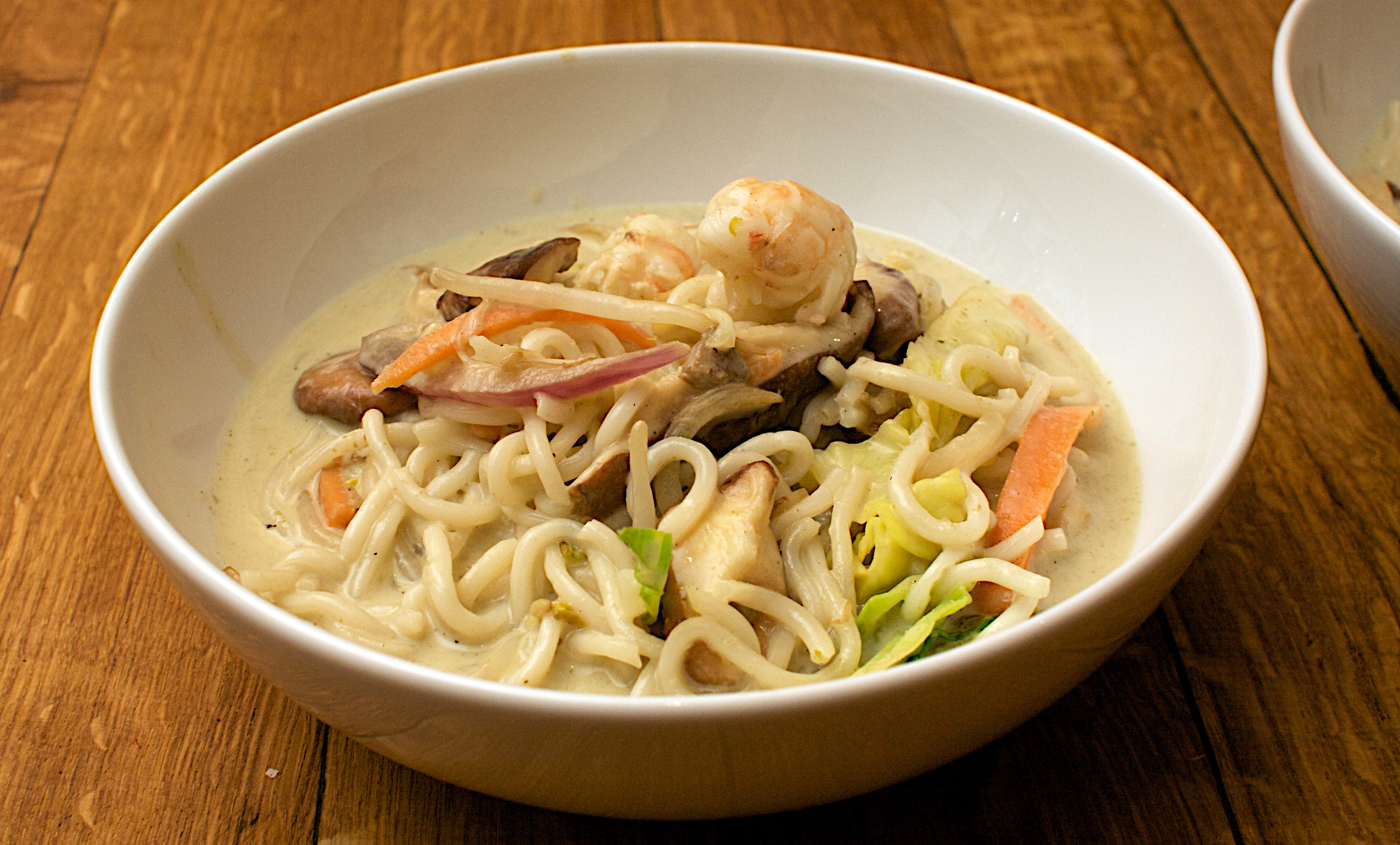
Coconut, noodle & vegetable soup – to serve 4

  • 1-2 tbsp Thai curry paste (use whatever colour you’ve got)
  • 1 tsp groundnut (or other flavourless oil)
  • 700ml vegetable stock
  • 300ml reduced-fat coconut milk
  • 200g thick-rice noodles
  • 200g chestnut mushrooms, sliced
  • 140g sugar snap peas, halved
  • 100g beansprouts
  • 1½ tbsp Thai fish sauce
  • juice of 1 lime
  • 3 scallions shredded
  • some mint and coriander leaves to serve (if you have some)

Put a large pot over a medium heat. Cook the curry paste in the oil for a minute until it starts to release its aroma. Add the stock and coconut milk and bring to the boil. Reduce the heat to a simmer and stir in the noodles. Simmer for 7 minutes, then stir in the mushrooms and sugar snaps. Cook for another 3 minutes, then add the beansprouts, fish sauce and lime juice. Take the pan off the heat.

Serve in bowls with some scallions, mint and coriander.

(Original recipe from BBC Good Food)

Read Full Post »

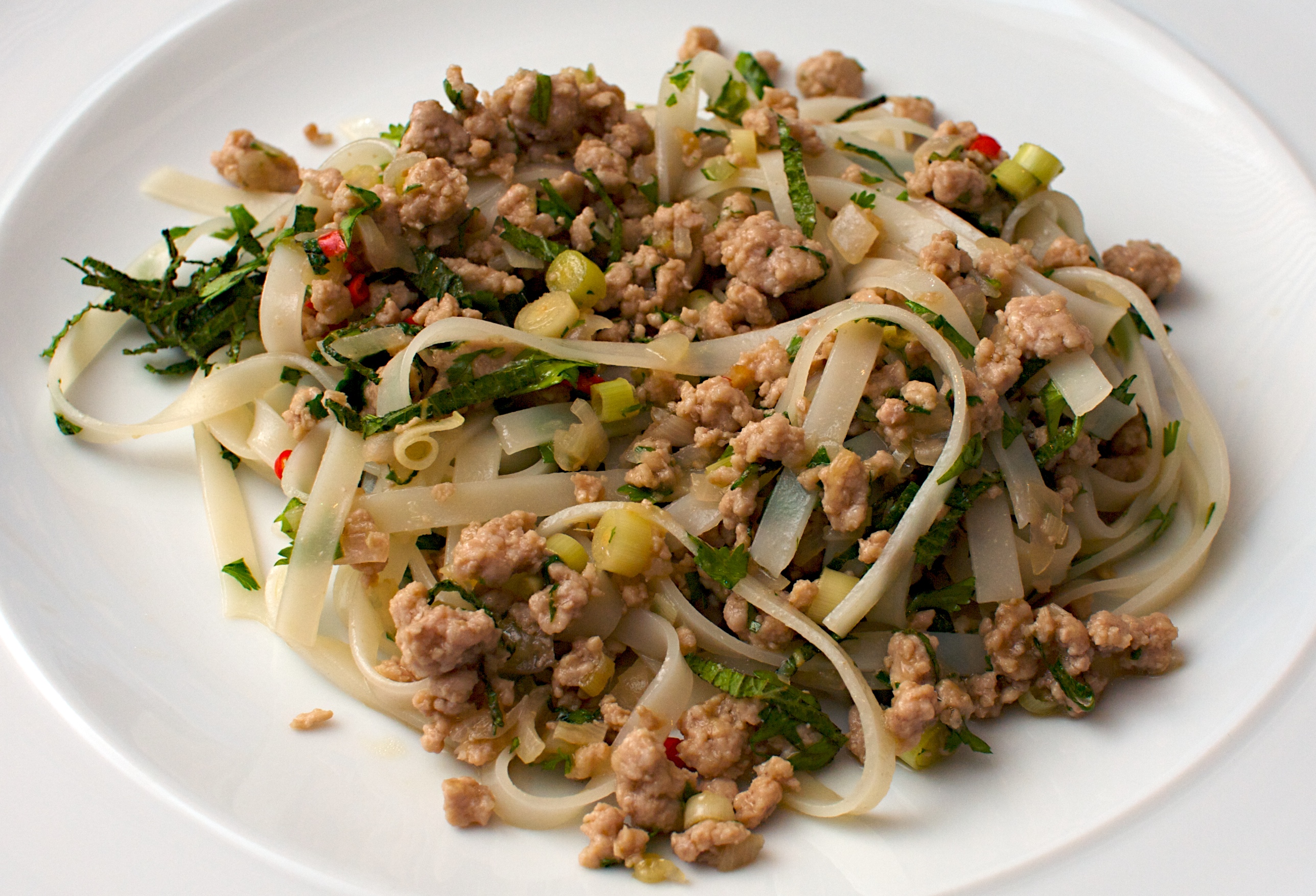
This is really quick and healthy, with nice fresh flavours.

Asian Pork Noodle Salad – to serve 2

  • 100g rice noodles
  • 2 stalks of lemongrass, chopped
  • 2 shallots, finely chopped
  • 200g lean minced pork
  • ½ tsp soft brown sugar
  • small bunch coriander, roughly chopped
  • small bunch mint, roughly chopped
FOR THE DRESSING:
  • ½ garlic clove, crushed
  • 1 red chilli, finely chopped
  • ½ tbsp soft brown sugar
  • 2 limes, juiced
  • 1 tbsp fish sauce

Pour boiling water over the noodles and leave to soak according to the pack instructions. Drain and cool under running water.

Cook the lemon grass and shallots for a couple of minutes, then add the pork and cook until browned and cooked through. Stir in the sugar and stir to dissolve.

Mix the dressing ingredients together and toss with the noodles and pork, then add the coriander and mint and serve.

Drink with: a glass of Riesling – try with one of the slightly off-dry New Zealand styles.

(Original recipe from BBC Good Food)

Read Full Post »

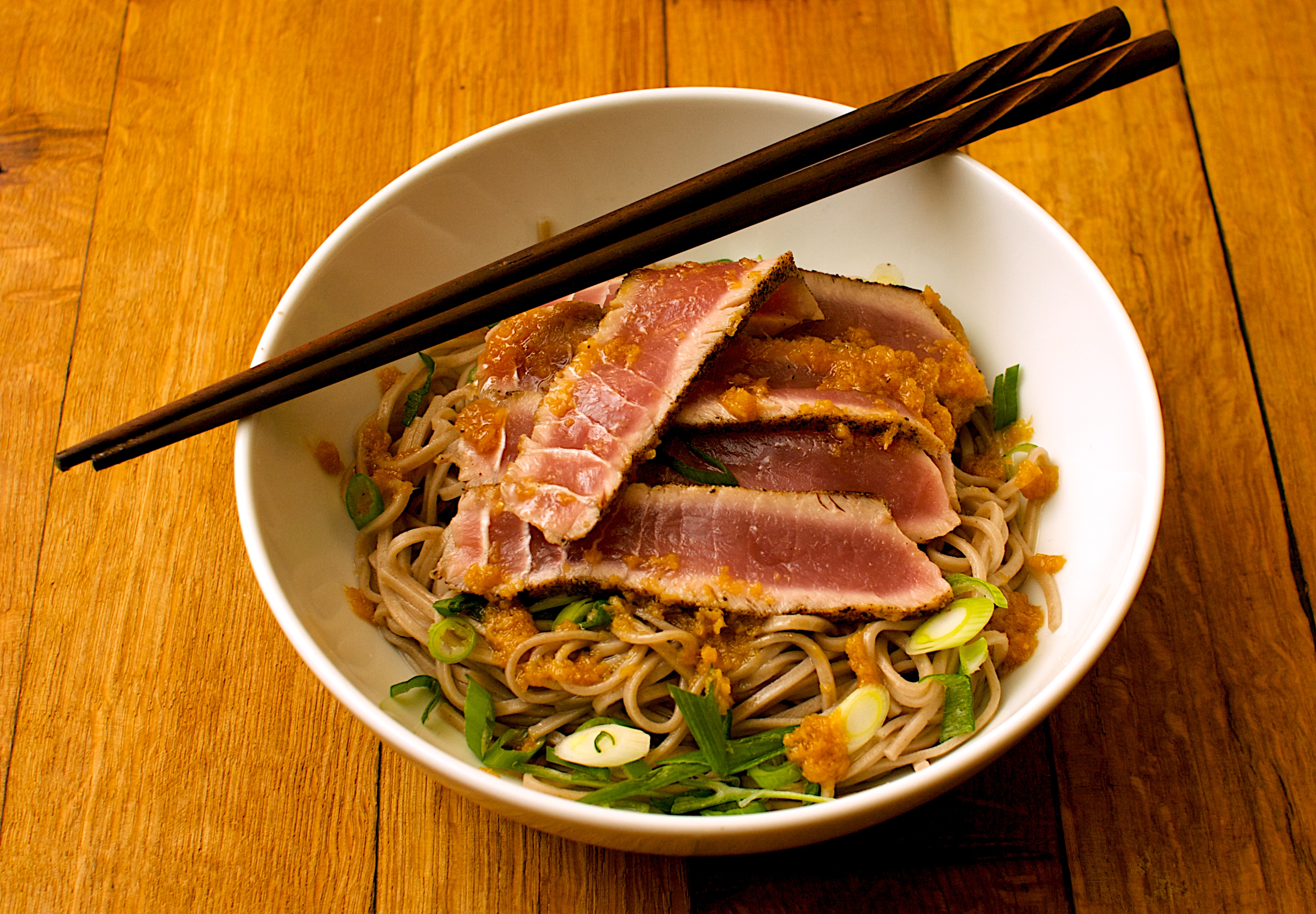
Tuna tataki noodles

Tataki is a Japanese way of preparing fish which involves searing it quickly, slicing thinly and serving with ginger that has been pounded into a paste.  This takes just 15 minutes to make and is fresh, tasty and healthy.

Tuna tataki noodles – to serve 2

  • 2 tuna steaks
  • 1 tsp black peppercorns, coarsely ground or cracked
  • 150g soba noodles, cooked according to the pack
  • 2 scallions, shredded
  • 1 tbsp groundnut oil
  • 1 tsp sesame oil
  • 1 tsp soy sauce
  • 1 garlic clove, grated
  • ginger grated to make 1 tbsp

Rub the tuna with the black pepper and sear in a hot non-stick pan for 1 minute on either side. Rest for a couple of minutes before slicing into strips.

Divide the noodles between 2 bowls and add half the tuna strips to each. Top with the scallions.

Mix the rest of the ingredients together to form a paste and drizzle this over the tuna and noodles.

Wine Suggestion: Tuna is meaty fish but this dish is definitely not heavy so a light red wine, such as a Beaujolais would work well. Stick it into the fridge for a short time so it is slightly chilled and it will give the whole meal a zing.

(Original recipe from BBC Good Food.)

Read Full Post »

If you’ve heard of Jamie’s 30 minute meals, well this is one of Jono and Jules’ 10 minute meals!

We have finally used the last of our Christmas turkey from the freezer – we draw the line at eating turkey leftovers in February. If you’ve eaten all your turkey already you can easily substitute some cooked chicken or prawns instead.

Sweet and sour noodle stir-fry (with turkey, chicken or prawns) – to serve 2 

  • 1 tbsp tomato purée
  • 2 tbsp soy sauce
  • 2 tbsp white wine vinegar
  • 1 tbsp caster sugar
  • a pinch of chilli flakes
  • 1 tbsp sunflower oil
  • 4 scallions, roughly chopped
  • 200g cooked turkey/chicken/prawns, chopped
  • 2 x 150g packs straight to wok thick udon noodles
  • 2 tbsp roughly chopped coriander

Mix the tomato purée, soy sauce, white wine vinegar, caster sugar and chilli flakes in a small bowl. Heat the oil in a wok or a big frying pan. Add the scallions and garlic and stir-fry for 30 seconds. Add the turkey, chicken or prawns along with the noodles and stir to separate the noodles. Stir in the sauce and add a couple of tablespoons of water to thin the sauce a bit. Cover and cook for a couple of minutes or until everything is heated through. Sprinkle the coriander over before serving.

Wine Suggestion: Don’t have a top-quality Meursault as we found this didn’t really work – which was absolutely no fault of the wine! A better match would be a white wine with a little bit of sugar in it to complement the spicy flavours in the dish. Something like some Pinot Gris would work well (look for the sweetness indicators on the label if it comes from Alsace which is a great region for this grape).

(Original recipe from Sainsbury’s Magazine, January 2008.)

Read Full Post »

A really quick and easy week-night supper with bags of freshness and flavour. It’s also infinitely variable depending on what crunchy vegetables you may have to hand. We would have added a couple of sliced red chillies if we’d had some!

Spicy Prawn Soup – to serve 4

  • 1 tbsp sunflower oil
  • 300g bag crunchy stir-fry vegetables
  • 140g shitake mushrooms, sliced
  • 2 tbsp Thai green curry paste
  • 400g can reduced-fat coconut milk
  • 200ml vegetable or fish stock
  • 300g medium straight-to-wok noodles
  • 200g large, raw prawns

Heat a wok, add the oil, and stir-fry the vegetables and mushrooms for a few minutes. Take out and set aside, then tip the curry paste into the pan and fry for a minute. Pour in the coconut milk and stock. Bring to the boil, drop in the noodles and prawns, then reduce the heat and simmer for 4 minutes until the prawns are cooked. Stir in the vegetables and serve.

(Original recipe from BBC Good Food)

Read Full Post »

This tastes so much better than it looks and it looked really good on the plate when served, but by that stage we were so starved we ate it instead of taking pics! So much healthier than a Thai takeaway and dead-on tasty. The marinade is a really neat trick which we’ll definitely use again.

  • 200g raw, peeled tiger prawns
  • 1 green chilli, chopped
  • 3 garlic cloves, crush 1 and finely slice the other 2
  • a bunch of coriander, separate the leaves from the stalks and save both
  • 1 tbsp caster sugar
  • juice of a lime
  • 3 tbsp fish sauce
  • 2 tbsp groundnut oil
  • 3 cm piece of ginger, finely slice and then shred it
  • 8 scallions, finely sliced
  • a red pepper, thinly sliced
  • 85g water chestnuts, sliced (we couldn’t find these and it was fine without them!)
  • 100g beansprouts
  • 1 tbsp soy sauce
  • pack of egg noodles to serve
  • lime wedges
Whiz the chilli, crushed garlic, coriander stalks (snip them with scissors to make them small) and caster sugar in a small food processor. Add half the lime juice and the fish sauce and then pour over your prawns.
Heat 1 tbsp oil in a wok, add the ginger and scallions and fry for a minute. Add the red pepper and fry for another minute or until it starts to soften. Add the water chestnuts and bean sprouts and toss until the sprouts start wilting. Add the soy sauce and plenty of black pepper and tip the lot into a serving dish.
Heat a bit of oil in the wok and toss your egg noodles until hot. They’ll pick up some of the juicy and crunchy bits from the veggies. Mix them into the serving dish with the vegetables.
Lift the prawns out of their marinade and cook in wok with the remaining oil for a minute or two or until they turn pink. Add the marinade and swirl it around in the wok to heat it. Tip everything over the vegetables and noodles. Add the coriander leaves and remaining lime juice before you serve. Put some lime wedges on the side of the plates.
Wine Suggestion: We had a glass of Chilean Sauvignon Blanc which went really well. The fruit was juicy and counter-acted the chilli instead of fighting against it which can happen. It was fresh and zingy.

Read Full Post »

Older Posts »