Wine Suggestion: It was a rare, for this year, sunny and warm day in Dublin that coincided with us making this dish so we straight away opened a Chateau Léoube Rosé from Provence that we had chilling for this moment (for far too long!). A properly dry Rosé with gentle red fruits and a long, fresh and savoury finish.
Pork and chorizo paella – serves 4
2 tbsp rapeseed oil
1 onion, finely sliced
1 clove of garlic, finely sliced
2 large vine tomatoes, grated (throw away the skin)
1 red pepper, finely sliced
225g Iberico pork steaks (we used Irish pork butt though Dunnes sometimes has Iberico pork steaks)
100g fresh chorizo, tear off the casing and crumble roughly or cut into small chunks
1 tbsp tomato purée
250g paella rice
a good pinch of saffron, soaked in a little just-boiled water
1 tsp smoked paprika
½ tsp fresh thyme leaves
600ml hot chicken stock
1 x 290g jar of grilled artichokes in olive oil, drained and quartered
1 tbsp chopped flat-leaf parsley
1 lemon, cut into wedges
Heat the oven to 180C/350F/Gas 4.
Put the oil into a large shallow casserole dish with a lid (if you don’t have one of these use a roasting tin and use a double layer of tinfoil to cover). Add the onion, garlic, grated tomatoes, red pepper, pork chorizo and tomato purée. Stir gently to combine, then roast, uncovered, for 20 minutes.
Stir in the rice, saffron, paprika and thyme, then pour in the stock and season generously. Stir gently to combine. Arrange the artichokes on the top.
Turn the oven down to 160C/325F/Gas3.
Cover the casserole with a tight lid or a double thickness of foil. Bake for an hour or until the stock has been absobed and the paella is starting to catch at the edges.
Serve with the parsley and lemon wedges scattered over the top.
(Original recipe from More Midweek Meals by Neven Maguire, Gill Books, 2022.)
There is nothing difficult about this dish but despite the ease of cooking this tastes sophisticated and has bags of flavour. Inspiration from Mezcla by Ixta Belfrage, a book jam-packed with delicious things! Serve with some grilled sourdough.
Wine Suggestion: A good Sangiovese is our suggestion and we particularly enjoyed the Morisfarms Mandriolo from the Maremma on the Tuscan coast. With crushed raspberry flavours layered over a smooth dark berry core and aromas of violets this cut through any richness and gave it all a lift, adding an extra dimension to the meal. Just what we wanted with this complex and sophisticated meal.
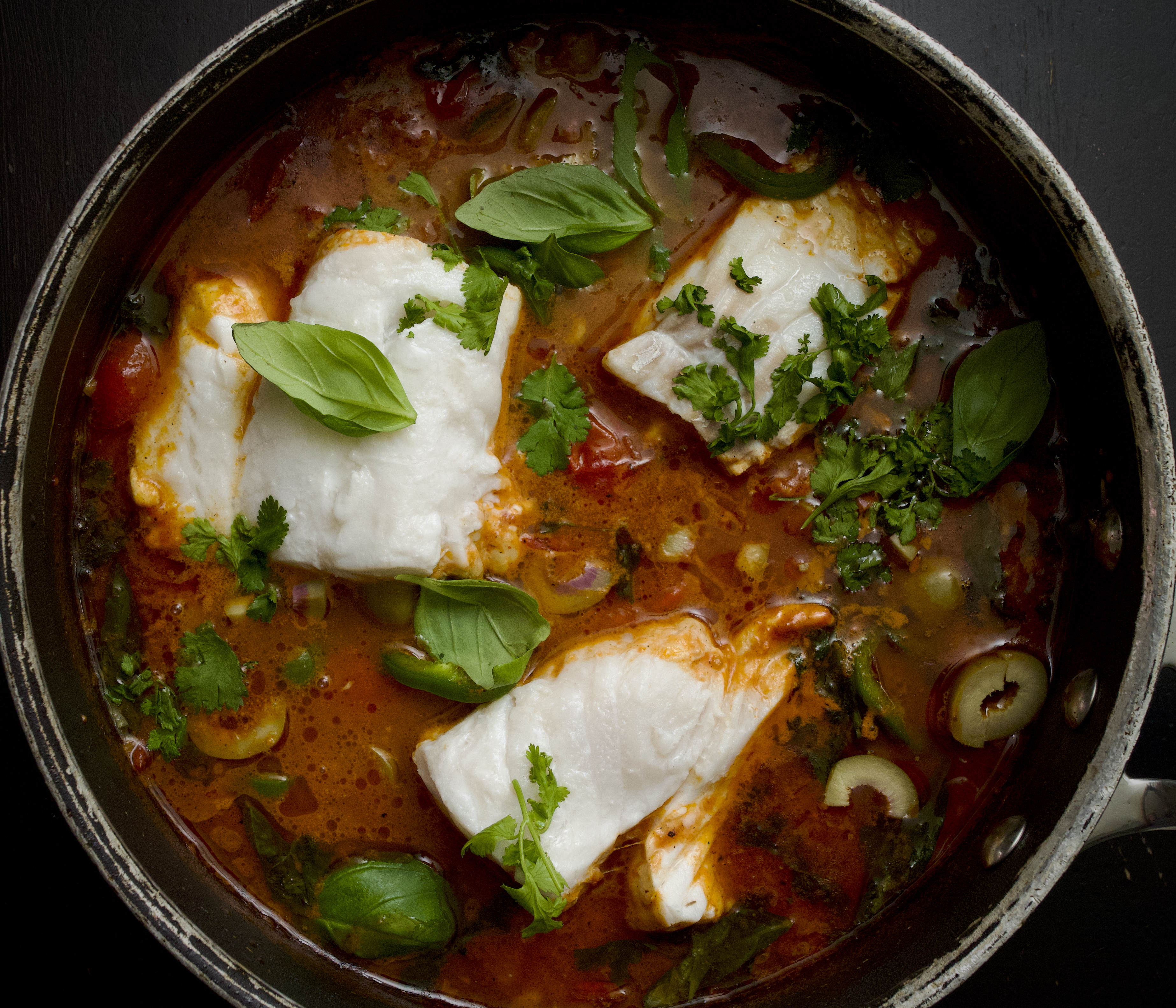
Poached fish and charred tomatoes – serves 4
4 x 100g white fish fillets e.g. cod or hake, skin and bones removed
1 tbsp lime juice
1 tsp fine salt
FOR THE AÏOLI:
3 egg yolks
¼ tsp fine salt
½ a small clove of garlic, crushed
¼ tsp sweet paprika
pinch of saffron
50g light olive oil
FOR THE BROTH:
250g cherry tomatoes
1 Scotch bonnet chilli, whole
½ tsp fine salt
5 tbsp olive oil
3 cloves of garlic, very finely chopped
½ tsp paprika
1 tbsp tomato purée
5g fresh coriander
5g fresh basil
350g water
15g unsalted butter
1 jalapeño or green chilli, thinly sliced
70g pitted green olives, roughly chopped
1 lime, cut into wedges, to serve
grilled sourdough, to serve
Place the fish in a dish with the lime juice and fine salt. Mix to coat, then aside while you prep everything else.
Make the aïoli by putting the egg yolks, salt, garlic, paprika, some black pepper and saffron into a medium bowl and whisk until smooth. Add half the oil and whisk hard for 30 seconds or until the mixture starts to thicken. Add the rest of the oil and whisk hard again for about a minute, then stir in the vinegar. You should end up with loose mayonnasie consistency.
Heat a large sauté pan over a high heat until smoking hot. Add the tomatoes and Scotch bonnet and cook for about 6 minutes, give the pan a shake now and then to get a bit of char on the tomatoes.
Remove from the heat and add the salt, oil, garlic, paprika, tomato purée, half the coriander and half the basil. Mix well then return to the heat and stir-fry for a couple of minutes. Add the water and butter and bring to a simmer. Simmer gently for 5 minutes, squeezing most of the tomatoes into the broth.
Lay the fish fillets into the broth, then cover with a lid and cook for a few minutes, or until just cooked through. Remove from the heat and leave covered for 2 minutes.
Throw away the Scotch bonnet and top the dish with the green chilli, olives and remaining herbs. Serve with the aïoli spooned on top and with lime wedges and grilled bread on the side.
(Original recipe from Mezcla by Ixta Belfrage, Ebury Press, 2022.)
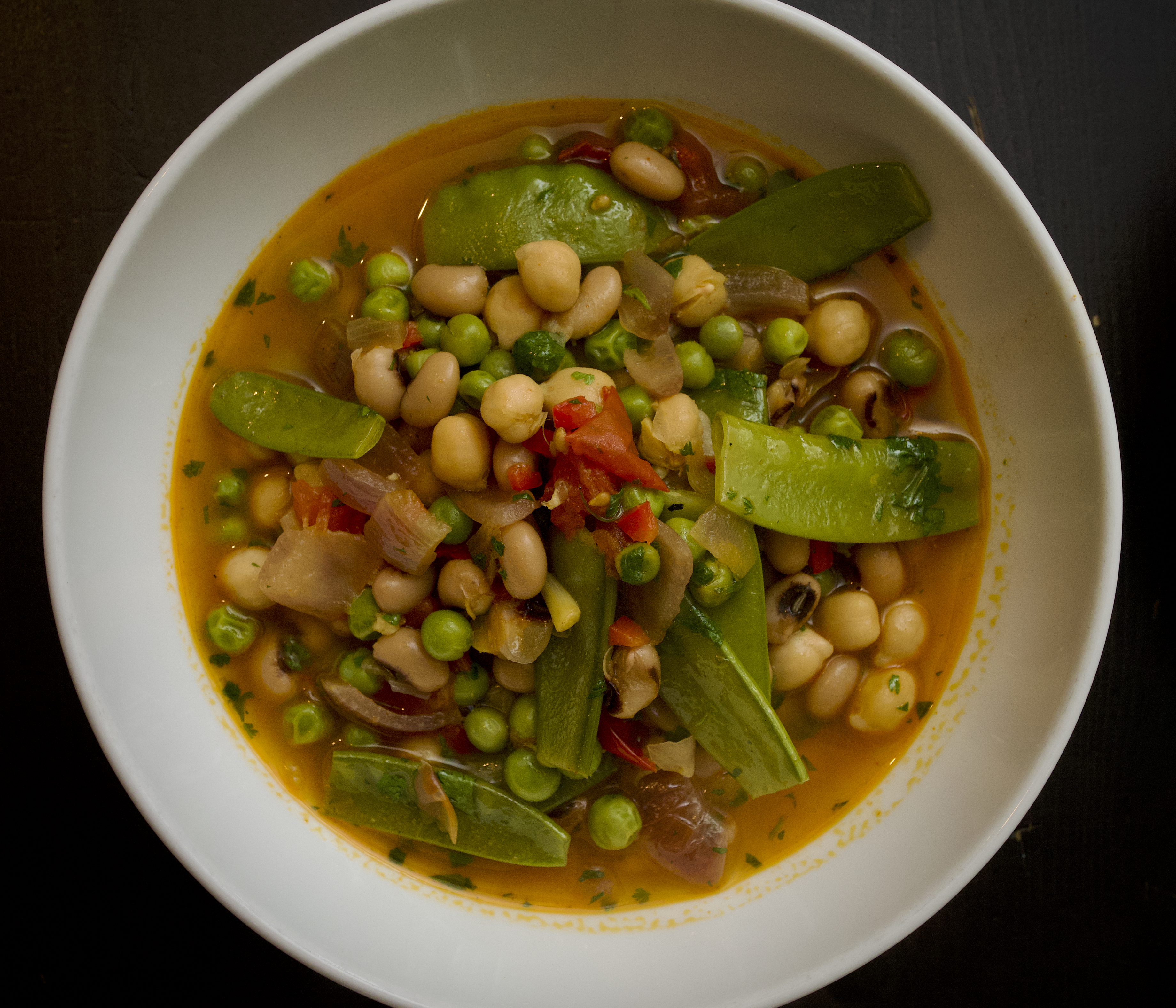
Our favourite vegetarian cookbook at the moment is East by Meera Sodha. This is an Indian main course dish but it’s like a soup and works well as both a mid-week dinner, and in a flask for lunch the next day. Also vegan and gluten-free if this is useful information for you. Serve with crusty bread.
Black-eyed bean and chickpea usal – serves 4
4 tbsp rapeseed oil
2 red onions, chopped
2 long green chillies, very finely chopped
4 cloves of garlic, crushed
2 large vine tomatoes, chopped
1¾ tsp salt
1 tsp Kashmiri chilli powder
1 tsp garam masala
1 tsp ground cumin
½ tsp ground turmeric
1 x 400g tin of black-eyed beans, drained
250g frozen peas, defrosted
1 x 400g tin of chickpeas, drained
200g mangetout
1 tbsp lemon juice
a handful of coriander leaves, finely chopped
Heat the oil in a saucepan over a high heat. Add the onion and chillies and cook for about 10 minutes, then add the garlic and cook for a minute more.
Add the tomatoes and cook for about 5 minutes or until they have broken down, then add the salt and spices and stiry-fry for another minute.
Stir in the black-eyed beans, peas, chickpeas and mangetout and continue cooking for 5 minutes.
Add the lemon juice and coriander, then taste and season with more salt if needed.
(Original recipe from East by Meera Sodha, Penguin, 2019.)
Gill Meller is a master of salads (among other things) and this one is no exception. We’ll also definitely be barbecuing more lettuce after trying this.
Barbecued little gems with cucumber, white beans and tahini – serves 8 as a side
3 tbsp extra virgin olive oil
2 garlic cloves, peeled and grated
1 x 400g tin of butter beans, drained
juice and zest of 1 lemon
2 tbsp tahini
4 tbsp natural yoghurt
2 tbsp chopped flat-leaf parsley leaves
4 little gem lettuces, halved, washed and patted dry
1 medium or 2 small cucumbers, halved lengthways and cut into 1.5 cm slices
a small bunch of chives, finely chopped and a few left whole to garnish
Light your barbecue.
Heat 1 tbsp of the olive oil in a medium frying pan over a medium-high heat, then add the garlic and fry for about 30 seconds, then add the white beans and lemon zest. Stir to combine and cook for another minute or two to warm through the beans. Stir in the tahini, yoghurt, lemon juice and parsley, and 2 tbsp of water. Cook for another minute or two, until a spoonable consistency. Add a bit more water if it’s too thick, then remove from the heat.
Season the little gems with salt and pepper and drizzle with 1 tbsp of oil. Place over the hot barbecue with the cut sides down and grill for 5-10 minutes on each side – they should be softened, and starting to caramelize and char. Place on a platter when done.
Warm the bean and tahini dressing through and stir well, then spoon it over the lettuce. Scatter over the cucumber, sprinkle with chives, then drizzle with the rest of the oil and season everything with salt and pepper. Serve.
(Original recipe from Gather by Gill Meller, Quadrille Publishing, 2017.)
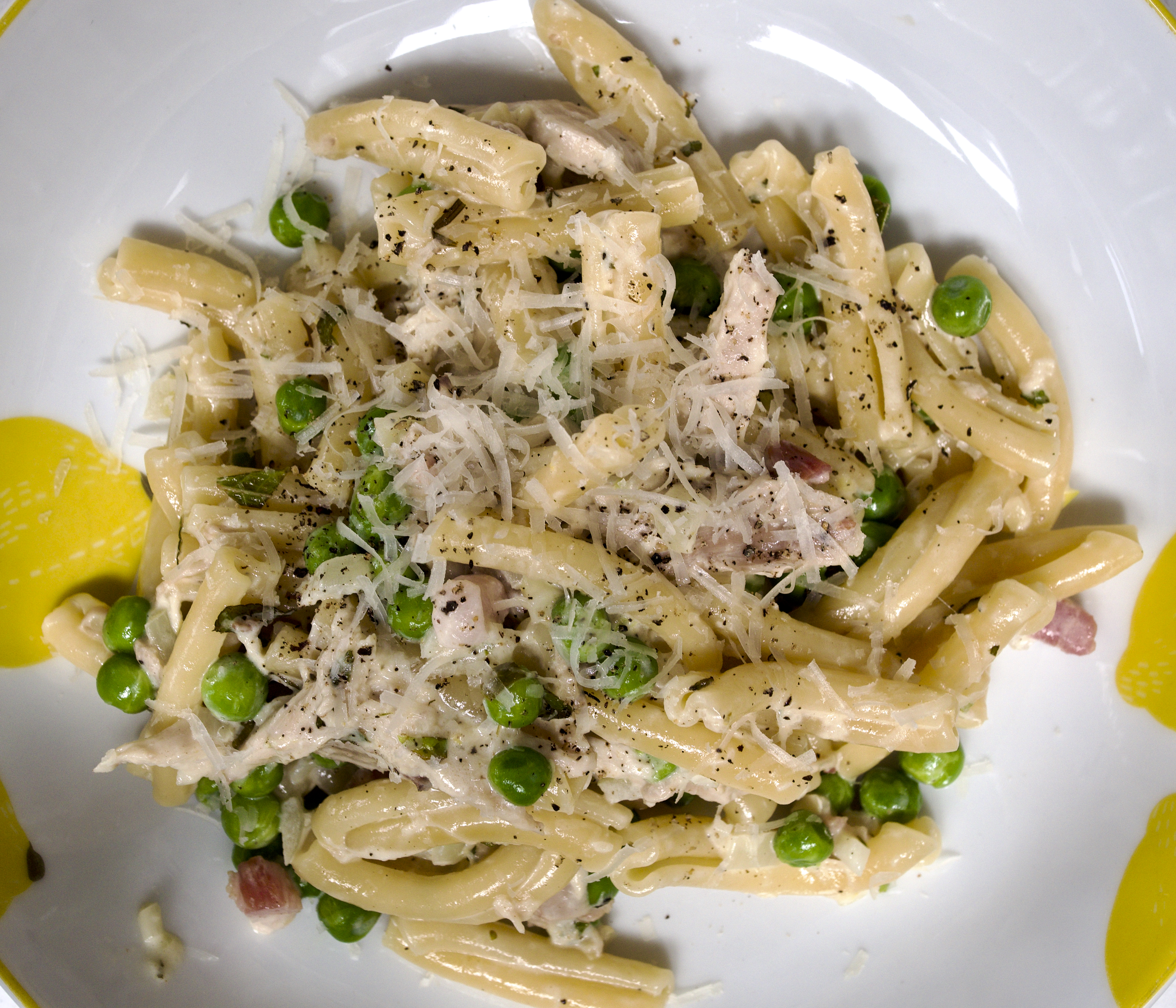
This is a great dish for some leftover roast chicken.
Wine Suggestion: This is great with a fun Chardonnay like from Domaine Gayda’s Sphere range. Serious, but light hearted and with a fresh, minerality at it’s heart this suits a creamy and summery pasta dish like this.
Casarecce with chicken, pancetta, peas & cream – serves 4
225g casarecce pasta
15g butter
1 small onion, finely chopped
70g pancetta, cubed
3 cloves of garlic, finely chopped
200g cooked chicken, torn into pieces
175g frozen peas
250ml double cream
finely grated zest of half a lemon
leaves from 6 sprigs of mint, roughly torn
freshly grated Parmesan, to serve
Bring a large pot of water to the boil and season generously with salt. Cook the pasta in the water according to the timings on the pack. Make the sauce while the pasta is cooking.
Melt the butter in a deep frying pan, then add the onion and pancetta and cook gently until softened. Add the garlic and cook for another 2 minutes, then stir in the chicken, peas, cream and lemon zest. Bring the sauce just to the boil and then turn down and add the mint. Season with salt and pepper and allow to mingle over a low heat for a minute or two.
Drain the pasta and return to the saucepan. Pour the sauce into the pasta pan and add some grated Parmesan. Stir to combine, then serve in warm pasta bowls with extra Parmesan.
(Original recipe from A Bird in the Hand by Diana Henry, Mitchel Beazley, 2015.)
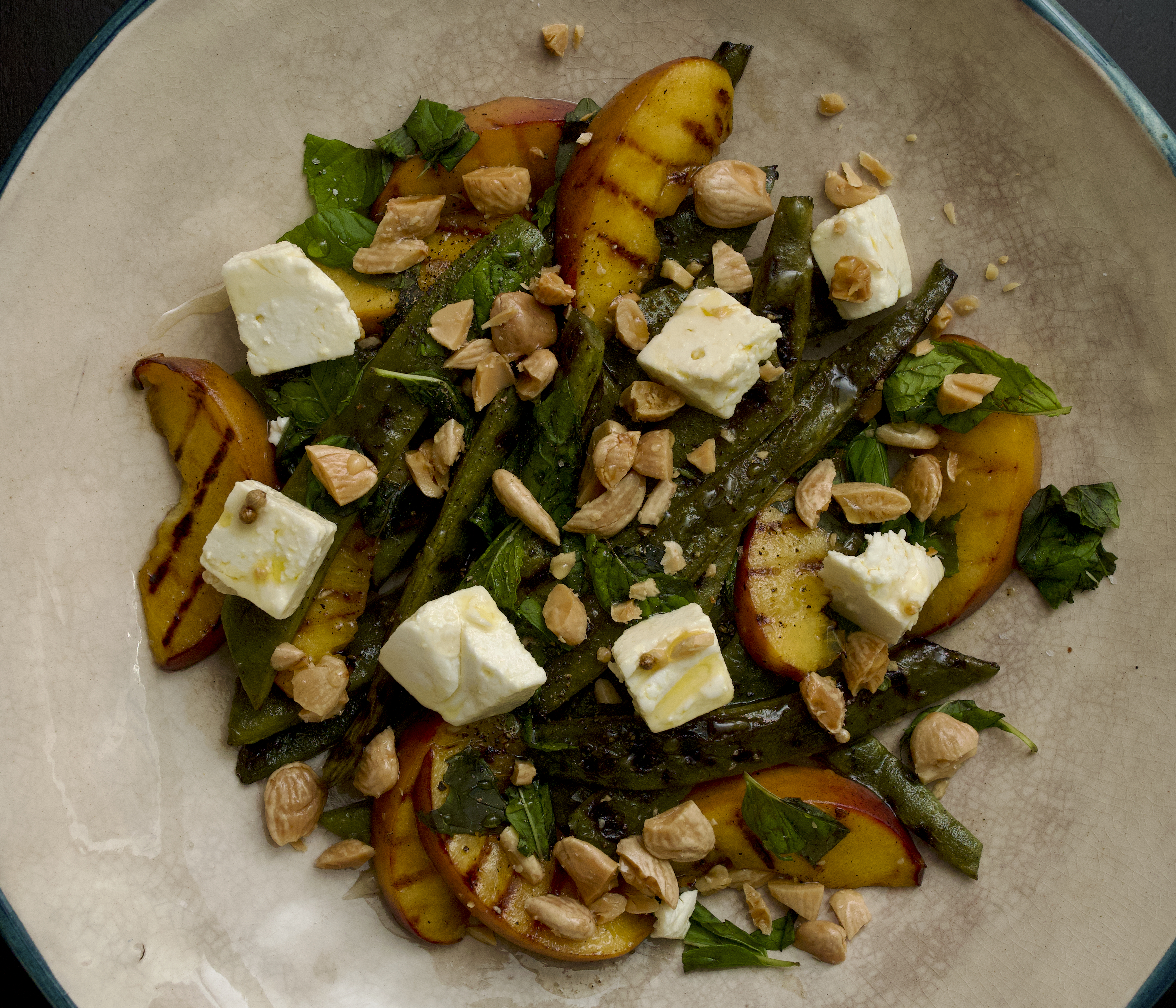
Inspired by a gift of some runner beans from a friend’s allotment, plus we just had to buy the fresh peaches we stare at everytime we walk past the veg shop. Once cooked it looks less vibrant than the flavours suggest – an excellent way to cook both the beans and peaches and a great combo. Delicious with some barbecued pork chops.
Barbecued peaches and runner beans – serves 4
400g runner beans, peel both sides with a vegetable peeler to remove the stringy bits, then trim both ends and halve widthways at an angle
3 tbsp olive oil
2 ripe but firm peaches, cut into ½ cm thick slices
5g mint leaves, roughly torn
¾ tbsp lemon juice
80g creamy goat’s cheese, we used marinated St Tola, broken into 4cm pieces
20g ready-roasted and salted almonds, roughly chopped
¾ tbsp runny honey
Toss the beans with 2 tbsp of the olive oil and ½ tsp of flaky salt. Cook the beans on a hot barbecue (ideally on a griddle pan so you don’t lose any through the bars) for 3-4 minutes on each side or until you get good grill marks and they are almost cooked through. Transfer to a bowl and cover with a plate. You can leave them now for 5 to 10 minutes, depending on how soft you like them, they will be more crunch at the shorter time but we like them soft.
Drizzle 1 tbsp of oil over the peach slices and toss to coat. Grill for 1-2 minutes on each side, until you get nice grill marks.
Toss the beans and peaches together in the bowl with the mint, then transfer to a serving dish. Sprinkle over the lemon juice and some flaky salt and black pepper. Scatter over the the goat’s cheese and almonds and finish with a drizzle of honey.
(Original recipe from Ottolenghi Flavour by Yotam Ottolenghi and Ixta Belfrage, Ebury Press, 2020.)
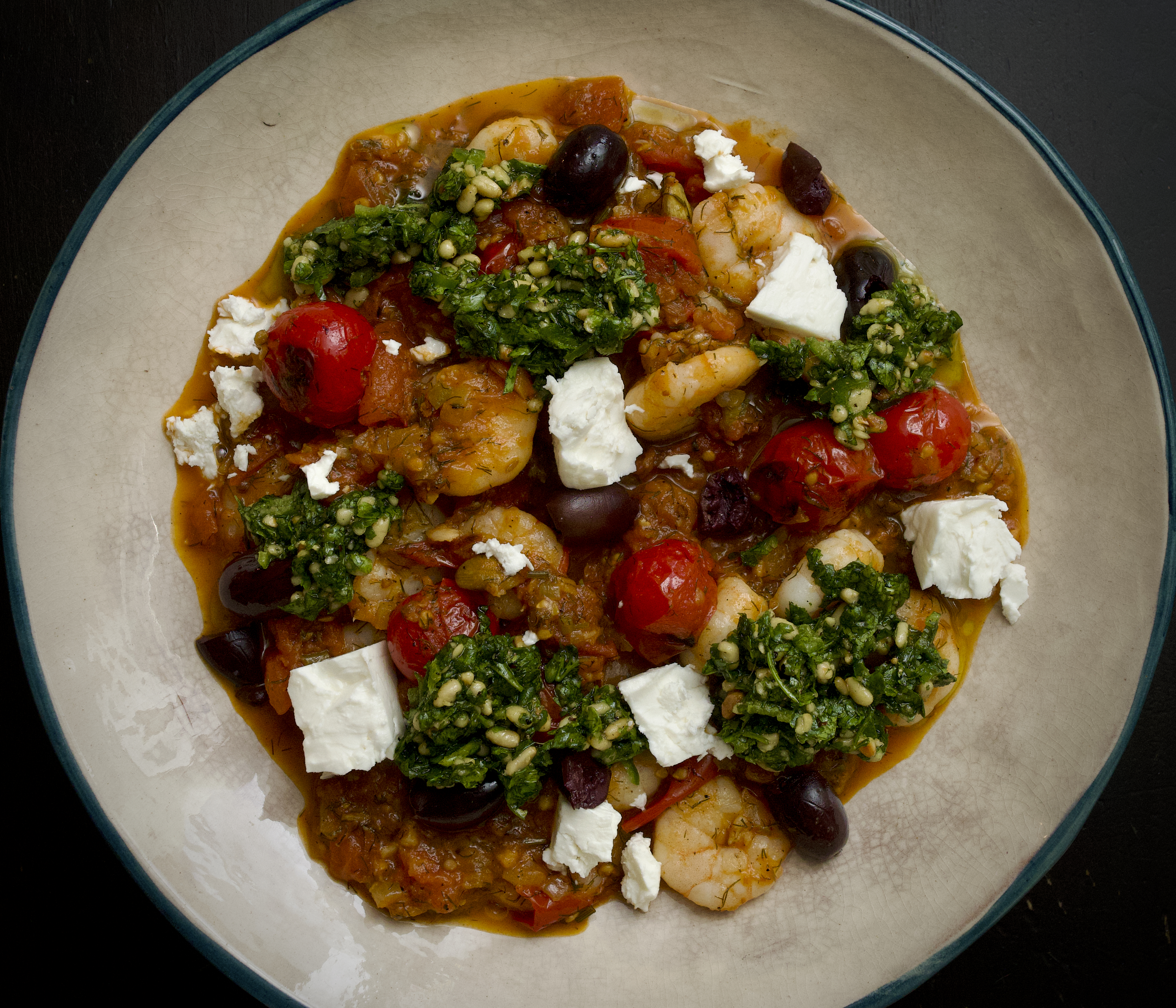
A dish from Falastin, it’s packed with flavour and we recommend adding the optional black olives and feta cheese. A green salad and some crusty bread is also a good choice. The tomato sauce and coriander sauce can both be made in advance, just char your cherry tomatoes and fry the prawns at the end.
Wine Suggestion: Despite this being a seafood dish we think a Southern French red is the way to go with this. Tonight something quite special: Roc des Anges Unic which is a super expressive Grenache with a thrilling tension and energy.
Prawn and tomato stew with coriander pesto – serves 4
250g cherry tomatoes
60ml olive oil
1 large onion, finely chopped
4 cloves of garlic, crushed
2cm piece of ginger, peeled and finely grated
1 green chilli, finely chopped
2 tsp coriander seeds, lightly crushed in a pestle and mortar
1½ cumin seeds, lightly crushed in a pestle and mortar
8 cardamom pods, lightly bashed in a pestle and mortar
20g dill, finely chopped
2 tsp tomato purée
6 plum tomatoes, roughly chopped
600g peeled raw king prawns
a handful of black kalamata olives (optional)
100g feta cheese, crumbled into chunky pieces (optional)
FOR THE CORIANDER PESTO:
30g coriander, roughly chopped
1 green chilli, finely chopped
50g pine nuts, lightly toasted
1 lemon, finely grate the zest to get 1½ tsp, then cut into wedges to serve
80ml olive oil
Toss the cherry tomatoes with 1 tsp of oil. Heat a large sauté pan over a high heat, then add the cherry tomatoes and cook for about 5 minutes, shaking the pan occasionally, until charred and blistered. Remove from the pan and set aside.
Wipe the pan out, then add 2 tbsp of olive oil and place over a medium-high heat. Add the onion and cook for 8 minutes, stirring now and then, until softened and lightly browned. Add the garlic, ginger, chilli, spices, dill and tomato purée, then cook for another 2 minutes until fragrant. Add the plum tomatoes and 300ml of water, 1½ tsp salt and plenty of black pepper. Bring to a simmer, then lower the heat and simmer for 25 minutes or until thickened and the tomatoes have broken down.
Meanwhile, make the coriander pesto. Put the coriander, pine nuts and chilli into a food processor and pulse a few times, just until the pine nuts are roughly crumbled. Transfer to a bowl and stir in the olive oil, lemon zest, ¼ tsp of salt and some black pepper. Stir to combine and set aside.
Dry the prawns well then mix in bowl with ¼ tsp of salt, 1 tbsp of oil and plenty of black pepper.
Put 2 tsp of oil into a large frying pan and place on a high heat. When the pan is hot, add the prawns in batches and fry for a minute on each side, until cooked and browned.
Stir the cooked prawns and the charred tomatoes into the tomato sauce and cook over a medium heat for another 3 minutes, to heat through. Transfer the prawns and tomatoes to a serving dish, drizzle over some of the coriander pesto and sprinkle over the olives and crumbled feta.
(Original recipe from Falastin by Sami Tamimi and Tara Wrigley, Ebury Press, 2020.)
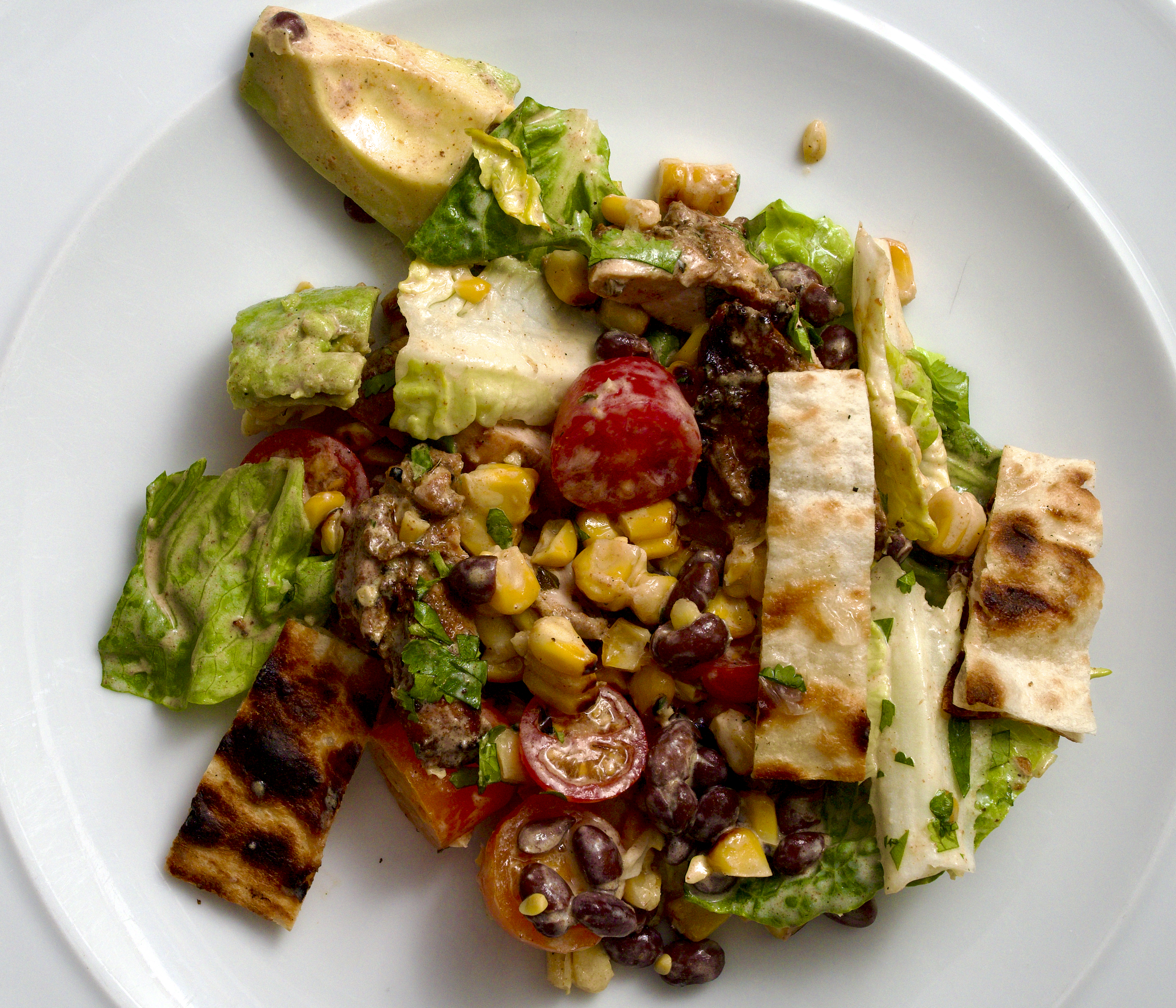
Yes, we know it’s like November outside but here’s a barbecue recipe for the next time the sun shines.
Wine Suggestion: We think the smokiness of Chipotle works well with the gentle and velvety spices of Grenache, or blends with this the dominant grape. From Jesus Romero in the obscure central Spanish village of Teruel is his Rubus which is grown on old terraced vineyards. A project of rediscovering and unearthing an old Roman tradition in an area depopulated and abandoned during the Spanish civil war. Bravo for the effort and idea, and bravo for the delicious wine: minimal intervention, just careful guidance to an expressive and joyous fruit.
2 limes, 1 zested and juiced, cut the other into wedges to serve
3 tbsp olive oil, plus extra for frying
6 chicken thigh fillets
150g natural yoghurt
2 tsp honey
2 corn cobs, husks removed
2 little gem lettuces, halved and leaves separated
1 x 400g tin black beans, drained and rinsed
200g cherry tomatoes, halved
2 avocados, cut into chunks
2 corn tortilla wraps
a small bunch of coriander, leaves picked and roughly chopped
Mix the parika, oregano, 1 tbsp chipotle paste, cinnamon, garlic, lime zest and 2 tbsp oil in a bowl with some seasoning. Pour this mixture over the chicken thighs, then cover and chill for a few hours or overnight.
Get your barbecue ready for cooking, or heat a griddle pan over a high heat.
Mix the yoghurt, lime juice, 1 tbsp olive oil, ½ tsp paprika, 1 tsp chipotle paste and the honey with a pinch of salt, set aside.
Brush the corn cobs with a little oil, then cook it and the chicken on the barbecue (or griddle) for about 10 minutes, turning often, until cooked through.
Transfer the chicken and corn to a plate and cover to keep warm.
Arrange the lettuce, beans, tomatoes and avocado on a large platter.
Cut the tortilla wraps into strips and heat a drizzle of oil in a frying pan. Fry the strips until crisp and golden, then drain on kitchen paper. Sprinkle with salt.
Slice the cooked chicken into strips and cut the corn from the cobs. Add the chicken and corn to the salad, then drizzle over the dressing and any juice from the chicken. Toss everything gently together. Scatter over the coriander and tortilla strips, and serve with the lime wedges on the side.
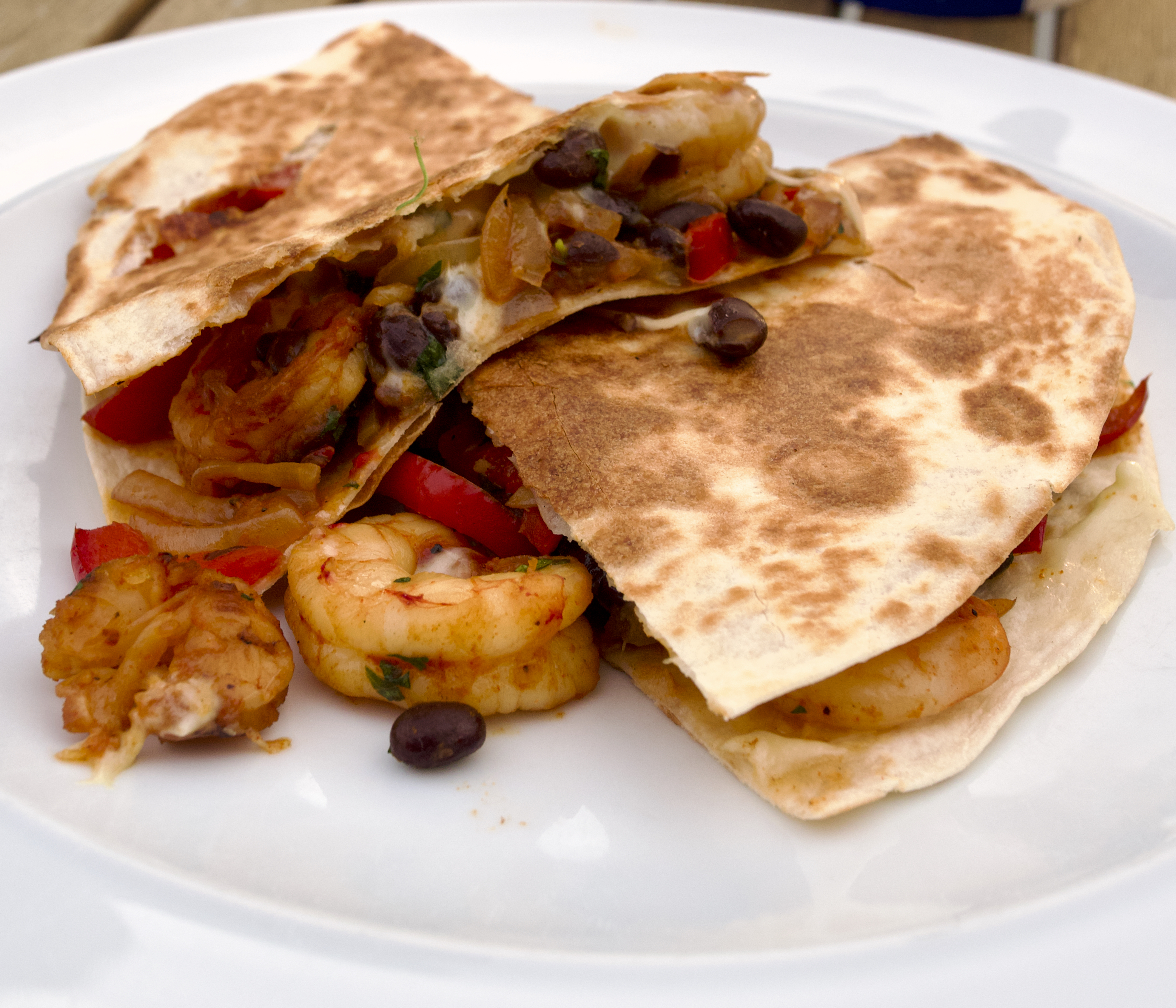
A very tasty lunch. Good for holidays, or a lazy weekend.
Prawn & black bean quesadillas – serves 2
1 tbsp olive oil
1 onion, finely sliced
1 red pepper, thinly sliced
150g raw king prawns
1 large clove of garlic, crushed
2 tsp hot smoked paprika
½ a small bunch of coriander, roughly chopped
½ x 400g tin black beans, drained
2 large flour tortillas
80g grated mozzarella
mixed salad and hot sauce, to serve (optional)
Heat the oil in a large frying pan, add the onion and pepper and cook for about 10 minutes or until softened and starting to brown. Add the prawns to the pan and cook for 3 minutes, then add the garlic and paprika and fry for another minute. Stir in the coriander and beans, then season.
Heat another large non-stick frying pan over a high heat. Put a tortilla in the pan and cover half with half the bean and prawn mixture and half the cheese. Flip the other side over to make a semi-circle and do the same with the second tortilla in the other half of the pan (or you can do one at a time if easier). Put a saucepan or something heavy on top to press down on the tortillas and cook for a minute or two. Carefully flip them over and weigh down for another minute or two. Cut each tortilla in two and serve with salad and hot sauce if you like.
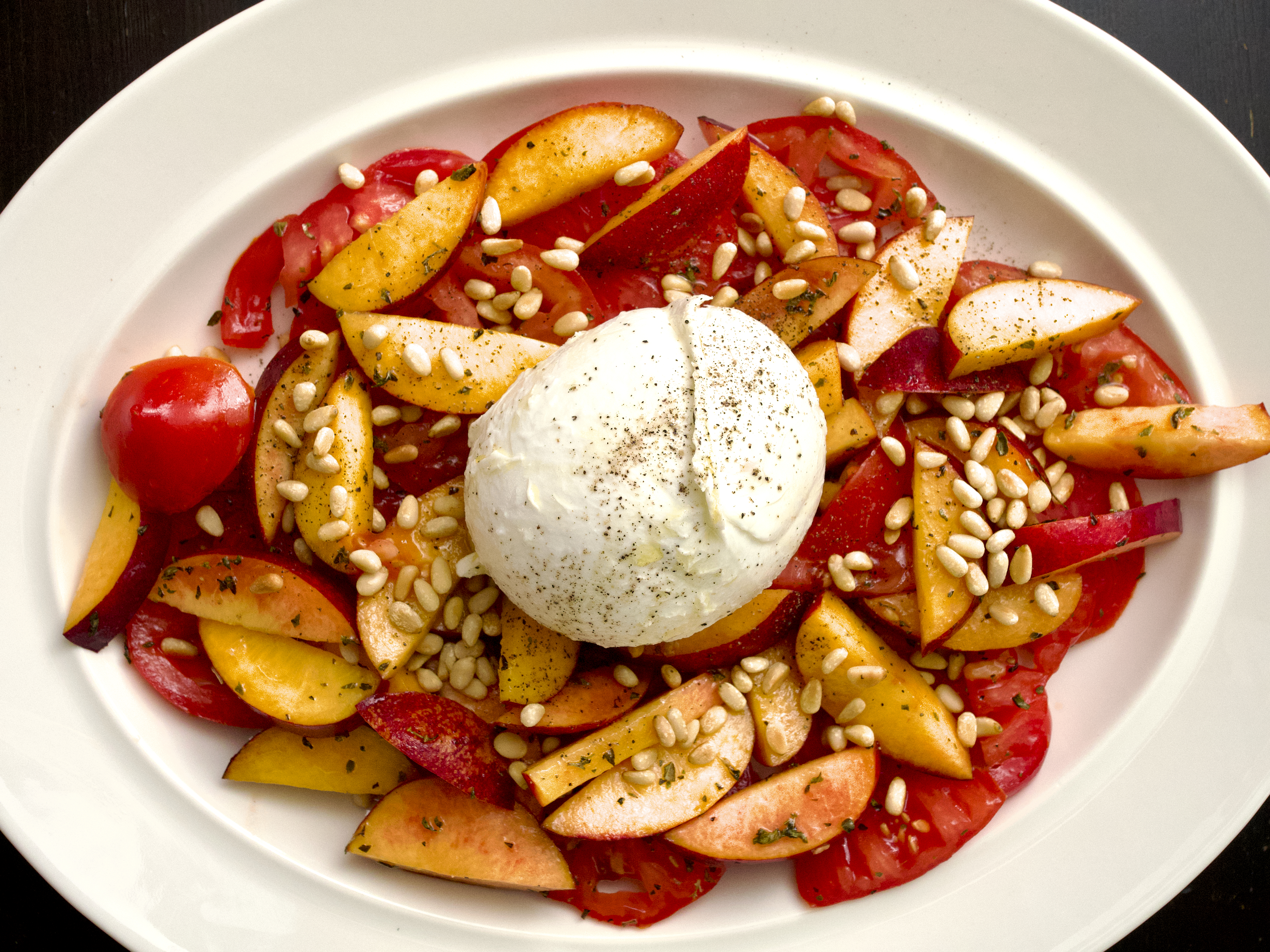
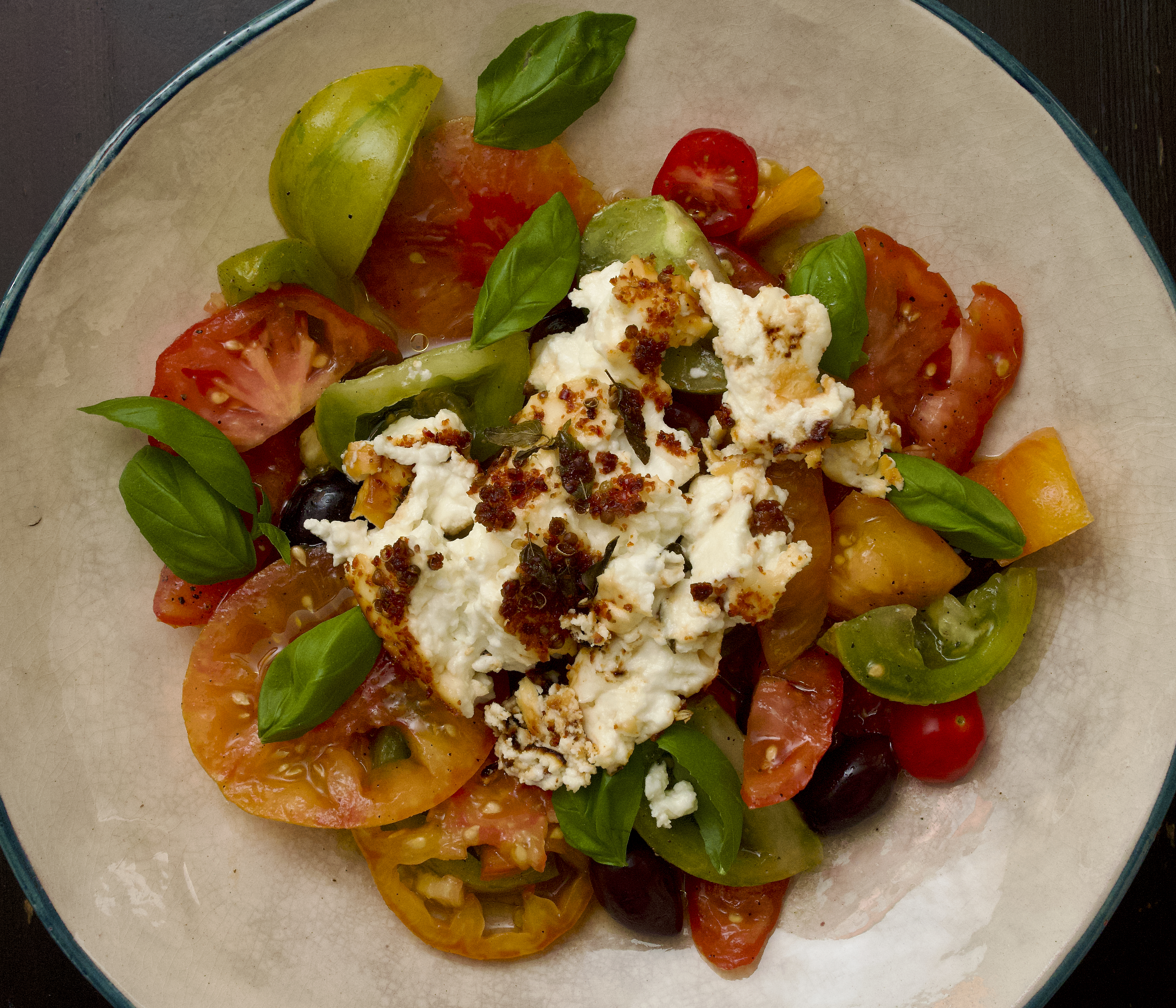
Fresh and summery and an opportunity to eat more peaches. There was a burrata shortage the day we made this and so we had to substitute mozzarella.
Mozzarella, tomato & peach salad – serves 4
400g large ripe tomatoes, ideally heirloom and/or beefsteak
400g ripe peaches or nectarines
extra virgin olive oil
a splash of white wine vinegar
1 tsp dried oregano, plus extra to serve
1 large ball of burrata (or buffalo mozzarella)
a small handfull of pine nuts, toasted
Slice the tomatoes into rounds, removing the cores.
Stone and slice the peaches into wedges. Put the tomatoes and peaches into a mixing bowl with the some olive oil, white wine vinegar and the dried oregano and toss to coat. Season with salt to taste.
Arrange the tomatoes and peaches on a platter and put the burrata in the middle. Drizzle with more olive oil and sprinkle with a little dried oregano. Season with flaky sea salt and black pepper. Scatter over the toasted pine nuts and serve.
(Original recipe from Stagioni by Olivia Cavalli, Pavillon, 2022.)
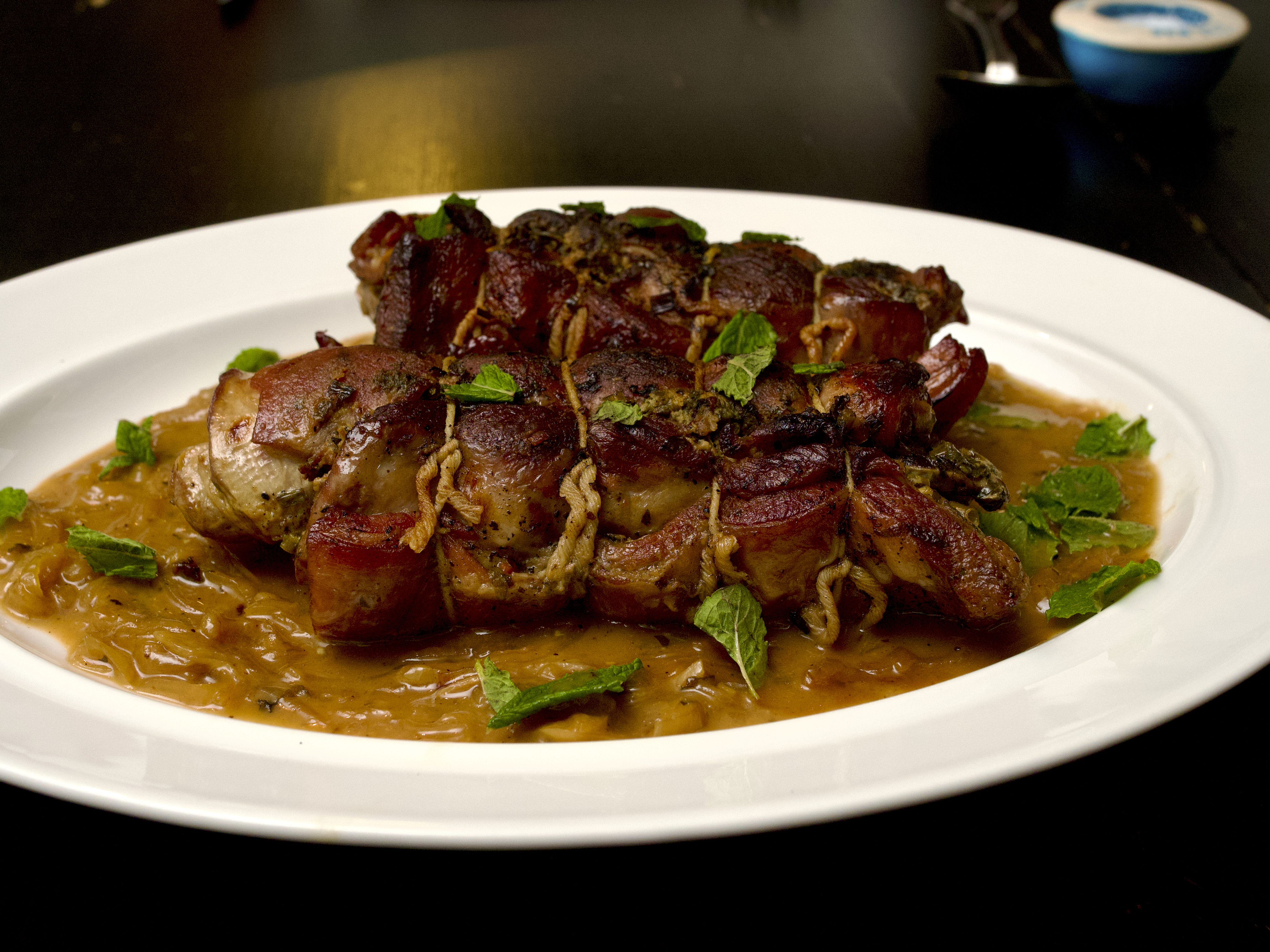
Lamb breast is a favourite cut for slow-cooking. It is melt in the mouth by the time it’s done and the onion gravy with this dish makes itself. We served with boiled new potatoes, steamed asparagus and roasted carrots on a cool and rainy Spring evening. It has taken us a while to post this as we thought we missed the seasonal boat but actually the weather in Ireland has been so bad that this would be perfect right now!
Wine Suggestion: This dish suits a good Cabernet Sauvignon and without spending the earth (and you can) the bargain of the moment is Parker Coonawarra Estate’s Cool Climate Cab. It hits the spot so well. Genuinely fresh because of Coonawarra’s proximity to the cold Antarctic winds hitting the coast, which combines with the Terra Rossa Soils, this wine has power and poise in equal measure. Freshness to cut through little bit of fattiness and poise to carry through the whole meal.
Herb-stuffed lamb breast with onion gravy – serves 4
800g lamb breast (we had to get two small ones which worked perfectly too)
2 tbsp Dijon mustard
a handful of flat-leaf parsley, finely chopped
a handful of chives, finely chopped
a handful of mint, finely chopped, plus extra to serve
1 tbsp vegetable oil
2 onions, finely sliced
4 cloves of garlic, finely sliced
250ml white wine
250ml chicken stock
Heat the oven to 170C/fan 150C/gas 3.
Season the lamb all over, then lay it out flat on a large board, with the flesh side facing upwards. Brush all over with the mustard, then sprinkle over the herbs. Roll up tightly lengthways and tie with pieces of kitchen string to hold it together.
Heat the oil in a large casserole and brown the lamb all over until golden brown. Remove the lamb to a plate, then tip the onions and garlic into the casserole, and cook for 10 mintues until starting to soften. Pour in the white wine and chicken stock, then return the lamb, cover with a lid and cook in the oven for 3 hours.
Lift the lamb onto a warm plate, cover tightly with foil and leave to rest for 20 minutes. Skim any excess fat of the gravy and keep warm, you can add a splash of warm water if looks too thick. Slice the lamb and serve with the onion gravy and some chopped mint.
(Original recipe by Janinie Ratcliffe and Adam Bush in Olive Magazine, May 2019.)
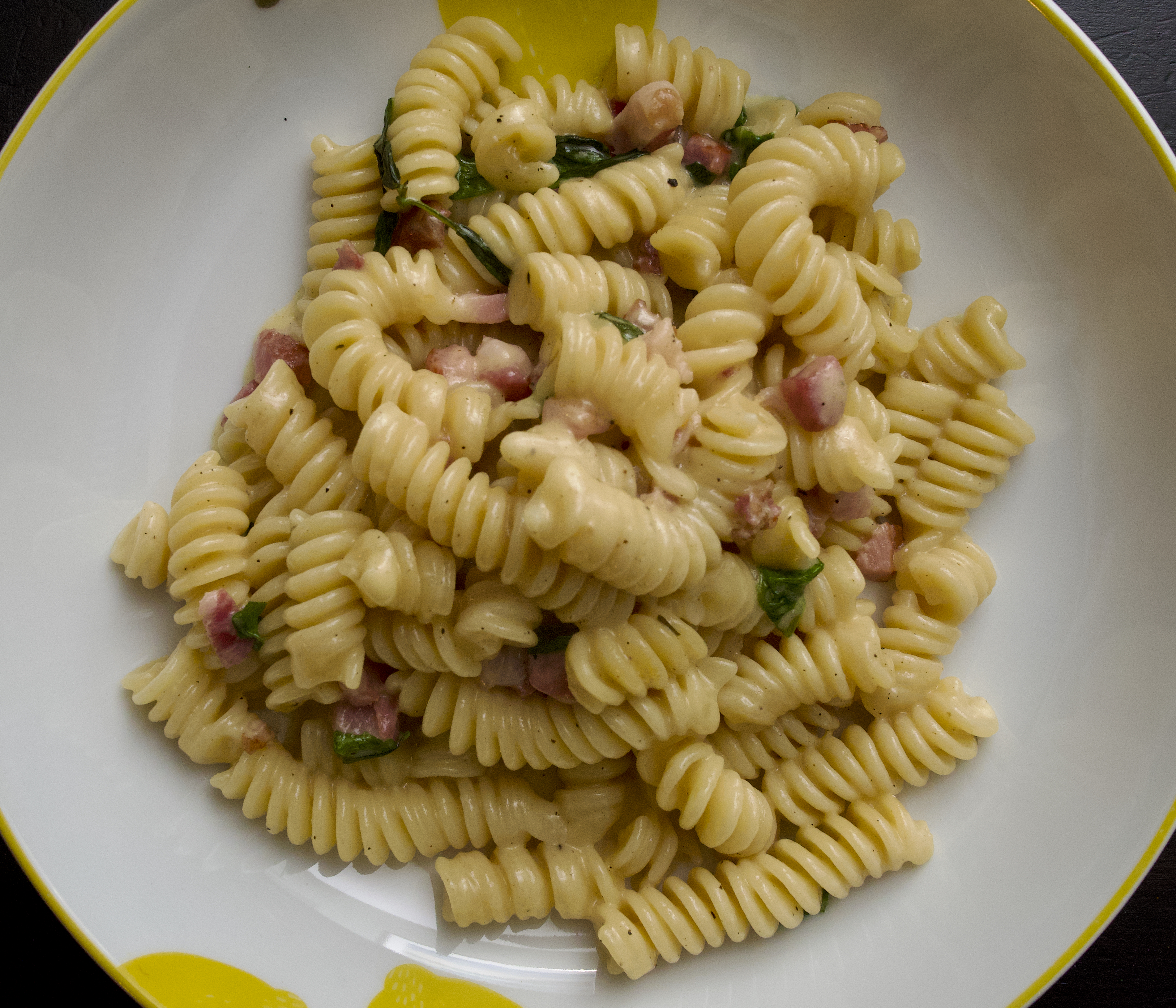
A dish for when you arrive home tired from work and realise you have almost nothing in the cupboard to eat … except pasta, a lurking packet of pancetta and a block of parmesan (a staple in our most fridges).
Wine Suggestion: A simple, dry Rosé caught our fancy, to reflect the long day and store-cupboard cooking. A reliable and refreshing wine-rack staple is the Domaine Gayda Flying Solo Rosé. Made from Grenache and Cinsault in the Languedoc by Tim Ford, an old friend, this is refreshing and has a classic textural character that allows it to be drunk with food like tonight, as well as sipped and enjoyed in the sunshine on its own.
Life-saving creamy pancetta and Parmesan pasta – serves 2
77g pack of pancetta cubes (that is one half of the two pack they come in)
2tbsp olive oil
600ml chicken stock
200g fusilli pasta
75ml double cream
30g Parmesan, finely grated
a handful of basil leaves, shredded
Heat the olive oil in a deep frying pan, then add the pancetta and cook until crisp.
Add the stock and pasta, bring to a simmer, then cook until tender (start testing a little before the suggested timings on the pasta pack).
Stir in the cream and Parmean and simmer for a couple of minutes, then season really well with plenty of black peper.
Stir in the basil and serve.
(Original recipe by Janinie Ratcliffe in Olive Magazine, June 2019.)
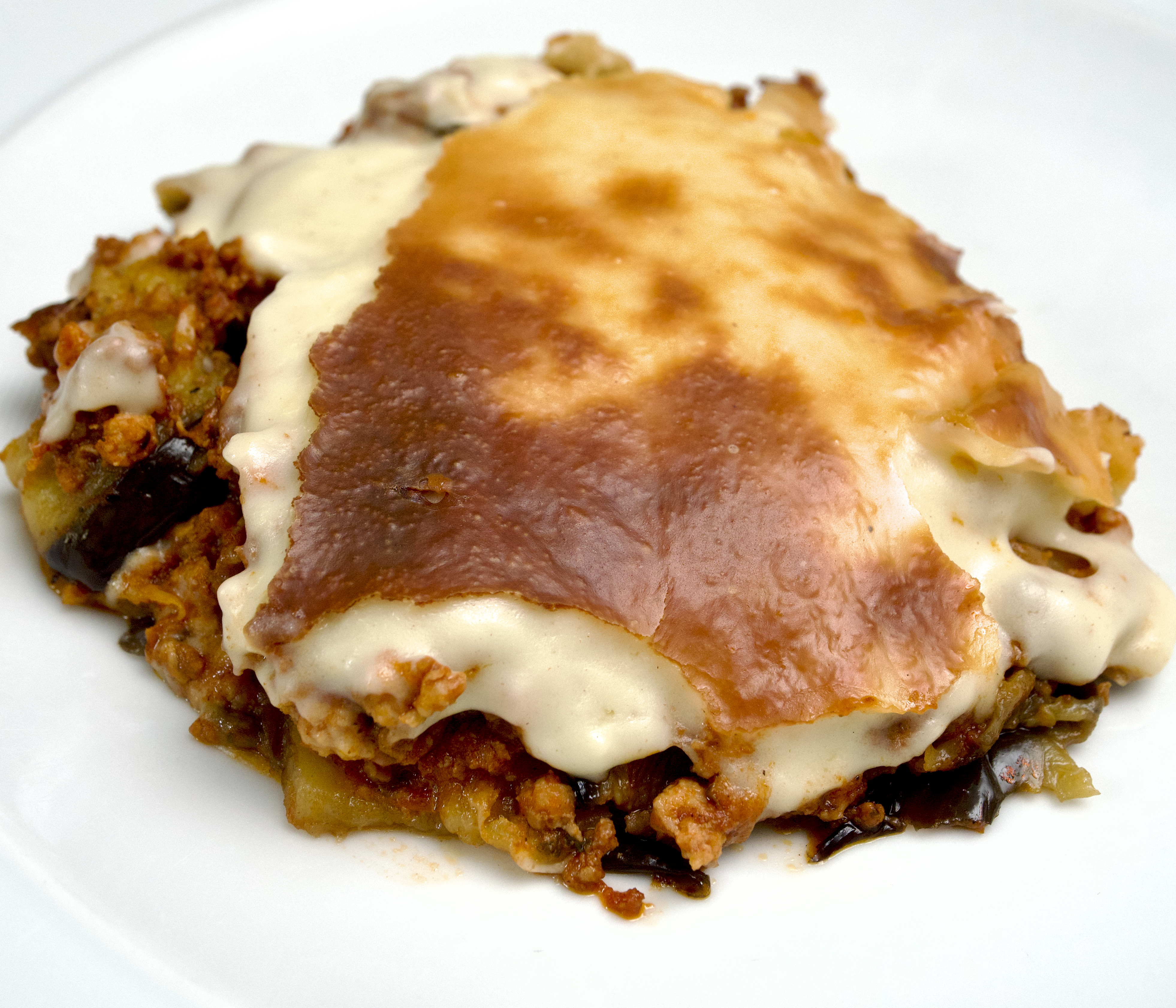
We make moussaka once a year … usually in the summer on a rainy day as it takes a bit of time and attention. This is the fourth version on the blog and we can’t decide which one we prefer and usually alternate between this recipe by Neil Perry and this one by Tamasin Day-Lewis. Recently someone sent us a message and suggested that we try a version by Tessa Kiros from Falling Cloudberries. Tessa’s version has a layer of fried potatoes which is an excellent addition and a really thick layer of bechamel on top – yet again another excellent moussaka recipe to add to our list. We love all three but they’re all slightly different. A delicious conundrum.
You can prepare the fried vegetables and mince a few hours in advance and layer it up in the dish but don’t make the béchamel until you’re ready to bake the moussaka. You will need a large rectangular dish about 35cm long, 24 cm wide and 6 cm deep.
Wine Suggestion: If you are lucky enough to have a Xinomavro, or Agiorgitiko to hand from Greece we’d highly recommend pairing with this. We had none lying around so instead opened a wonderfully fresh old-vine blend of Garnacha Fina and Garnatxa Peluda (Grenache Noir varieties) from Terra Alta in Spain. The Edetària via Edetana Negre is so expressive and minerally with red plum and deep, earthy cherry flavours and a balsamic twist. It shows why this region should be regarded as one of the best in the world for this grape, both red and white, with it’s combination sunshine, altitude, and fresh breezes on a landscape formed by an ancient sea bed.
Moussaka – serves 8
2 large aubergines (about 1kg)
light olive oil for frying
1 large onion, finely chopped
3 tbsp chopped flatleaf parsley
2 cloves of garlic, finely chopped
850g minced pork and beef
1 tsp ground cinnamon
½ tsp dried oregano
1 bay leaf
125ml white wine
500g tomato passata
500g potatoes
FOR THE BÉCHAMEL SAUCE:
120g butter
125g plain flour
1 litre warm milk
freshly grated nutmeg
Slice the tops off the aubergines, then slice lengthways into 5mm thick slices. Sprinkle generously with salt and set aside in a bowl for about 30 minutes.
Heat tbsp of the oil in a wide, deep saucepan. Sauté the onion until soft and golden, then add the parsley and garlic and cook for another minute, then add the mince. Cook over a medim-high heat until beginning to brown, then add the cinnamon, oregano and bay leaf and season with salt and pepper. Keep cooking until the mince is browned, then add the wine and allow most of it to evaporate off before adding the passata. Leave to simmer for 30 minutes, uncovered, if it looks dry add a splash of water.
Meanwhile, cut the potatoes lengthways into 5mm thick slices and pat them dry with kitchen paper. Heat 4-5 tbsps of the olive oil in a large non-stick frying pan and fry the potatoes in batches over a medium heat, until golden on both sides and cooked through. Remove to a plate lined with kitchen papper and sprinkle with a little salt.
Rinse the salt from the aubergine with cold water and pat dry. Fry the aubergine slices in the same oil that you used for the potatoes. When they are golden on one side, turn the slices over and prick any hard bits with a fork. Continue cooking until they are almost collapsing, then drain on kitchen paper. You will need to add another tbsp of olive oil between each batch as the aubergines tend to suck it up.
Preheat the oven to 180C/Gas 4.
Arrange half the aubergine slices over the base of the dish, you can overlap them a little if needed. Add the potatoes in a single layer if possible, then top with half the mince, pressing down with the back of a large spoon. Add the rest of the aubergine in a layer and top with a final layer of the mince, pressing it down.
Melt the butter for the béchamel in a saucepan, then whisk in the flour and cook for a few minutes, stirring constantly. Begin adding the warm milk, a ladleful at a time, until you have a thick white sauce. Stir continually until the sauce begins to bubble then allow to simmer for 5 minutes, still stirring. Season the sauce with salt and pepper and grate in a little fresh nutmeg. Spoon the sauce over the mince to completely cover.
Bake for 45 minute to an hour or until golden on top. If the moussaka comes near to the top of your dish you might like to put a baking sheet underneath to catch anything that bubbles over. Leave to cool for about 15 minutes before cutting into squares to serve. A green salad is all you need on the side.
(Original recipe from Falling Cloudberries by Tessa Kiros, Mudrdoch Books Pty Limited, 2004.)
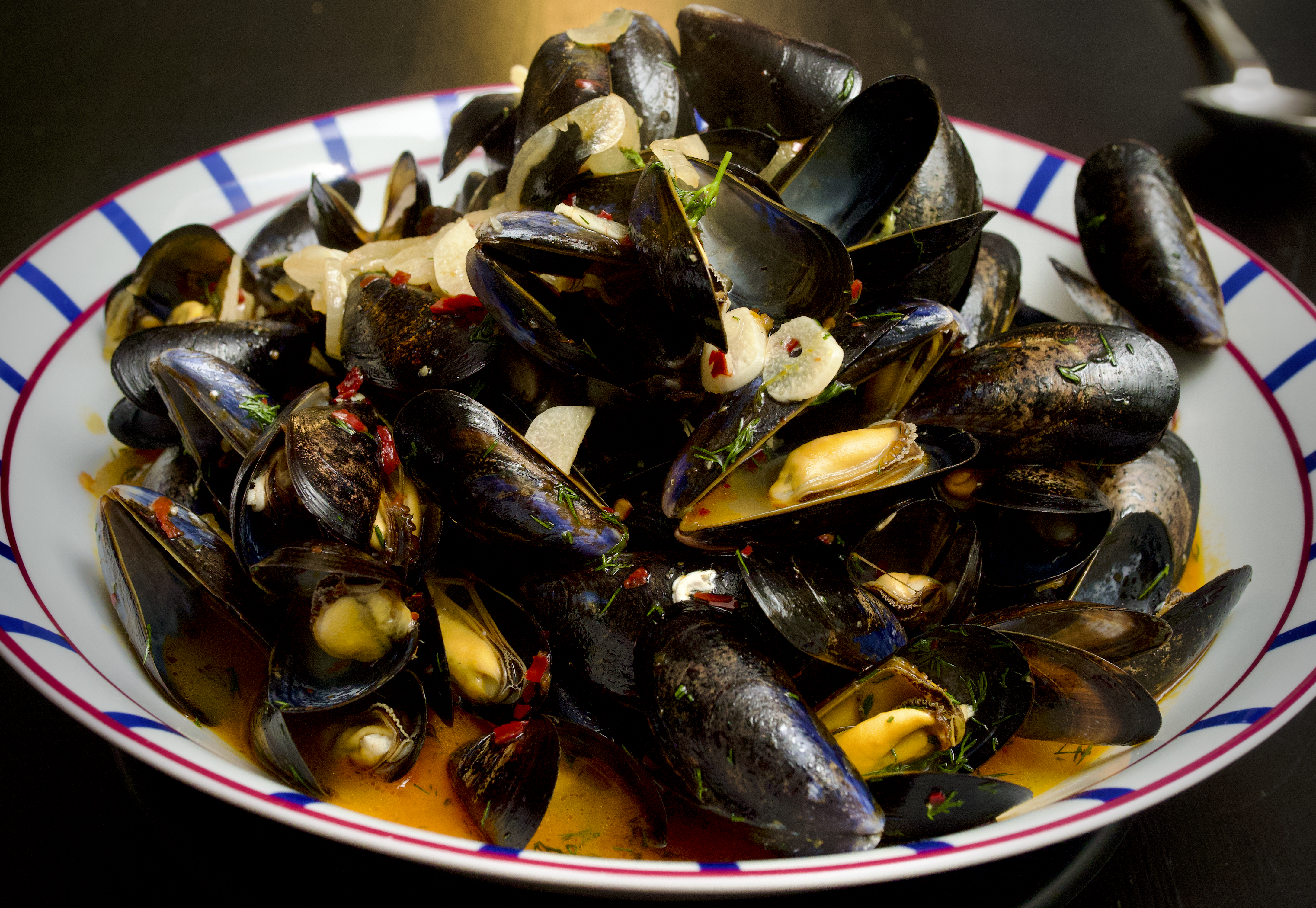
There’s no better holiday dish than a big bowl of mussels. Serve with crusty bread to mop up all the juice.
Wine Suggestion: A fruity, fresh and vibrant white is what we wanted here so we opened the Katxina Txakoli from the Basque country. We know it might be harder to find something made from Hondarribi Zuri but this grape is a great accompaniment to the local tapas, shellfish and pimenton.
Harissa Mussels – serves 2 to 4
olive oil, for frying
50g salted butter
1 large onion, halved and sliced
6 cloves of garlic, thinly sliced
2 heaped tsp rose harissa
1 kg mussels, scrubbed and beards removed
300ml white wine
1 heaped tsp clear honey
½ tbsp sea salt flakes
about 15g dill, fronds finely chopped
Heat a large saucepan over a high heat.
Add enough olive oil to cover the base of the pan, then add the butter and onion and cook until just starting to colour. Add the garlic and cook for a minute, keep stirring so it doesn’t burn.
Add the mussels to the pan and stir in the harissa to coat the mussels. Add the wine, honey and salt and mix well. Cover the pan with a lid and allow the mussels to cook until all the shells have opened – about 4 minutes.
Remove the lid, stir the mussels and mix in the chopped dill.
Serve in a large warm bowl.
(Original recipe from Sirocco by Sabrina Ghayour, Mitchell Beazley, 2016.)
We love a tomato salad and reckon we’ll be making this one all summer. Great for a barbecue.
Baked feta and tomato salad – serves 4
1 block of feta
100ml olive oil, plus 1 tsp
a drizzle of runny honey
½ tsp coriander seeds, lightly crushed
1 tsp fresh oregano leaves, or a good pinch of dried oregano
½ tsp pul biber
600g mixed tomatoes
2 tbsp kalamata olives, pitted
2 tsp red wine vinegar
a handful of basil
Heat the oven to 220C/200C/Gas 7.
Rub the feta with a tsp of olive oil. Place on a sheet of foil, then drizzle over the honey and sprinkle with the coriander seeds, oreganoa and pul biber. Wrap the foil around the feta to make a sealed parcel then bake for 10 minutes.
Unwrap the foil and roast for another 5-10 minutes or until caraemelised.
Meanwhile, slice the tomatoes and put them into a large bowl. Sprinkle over a good pinch of sea salt and lots of black pepper. Stir in the olives and red wine vinegar and set aside.
Spoon the tomatoes onto a serving platter and drizzle with olive oil (use a nice one). Sprinkle over the basil leaves and set the baked feta on top.
(Original recipe by Rosie Birkett in Olive Magazine, June 2023).
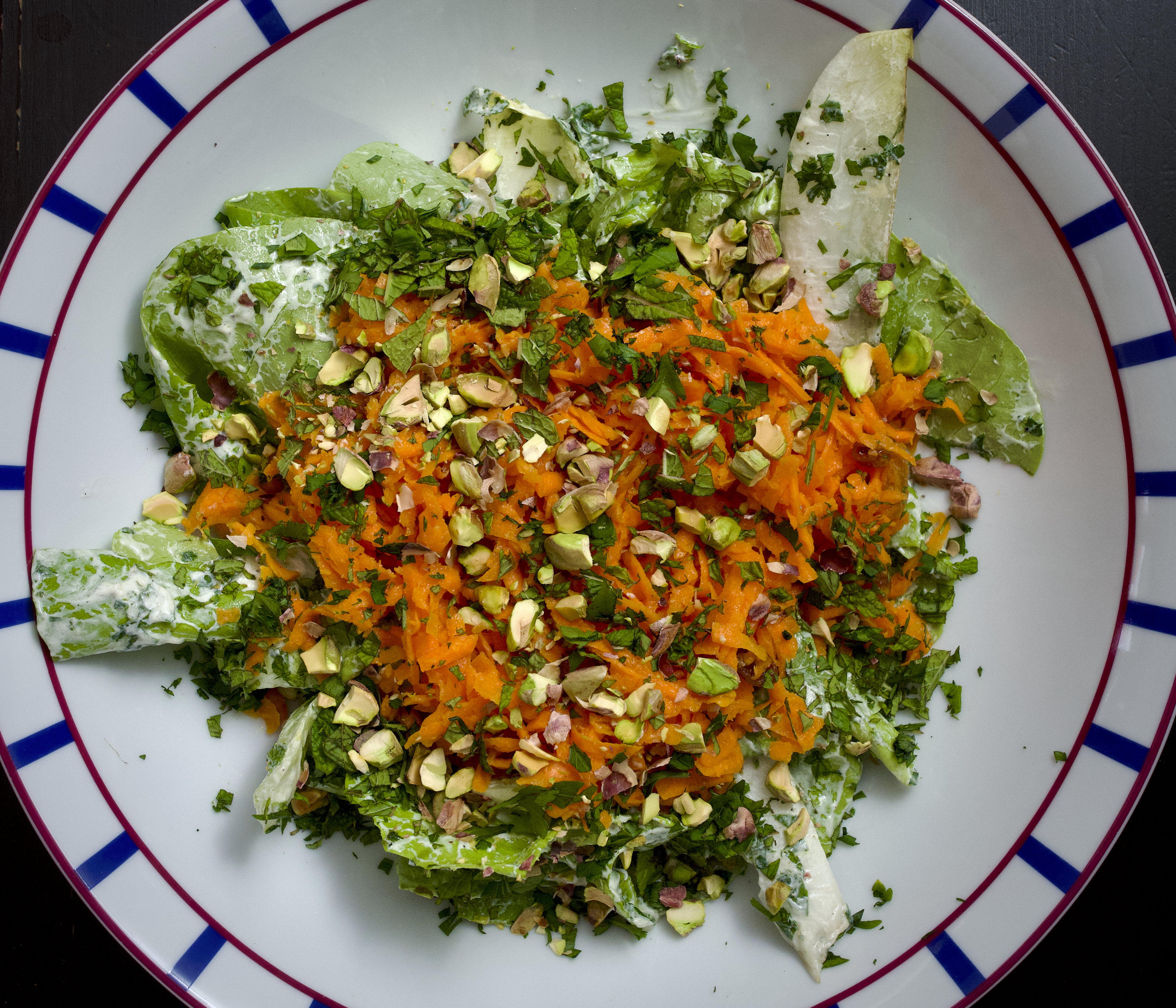
We spotted this salad idea in the Guardian so ate it outside with a barbecue … perfect!
Green salad with carrots and pistachios – serves 4
4 carrots, grated
1 tsp Dijon mustard
20g sultanas
5 tsp white wine vinegar
60ml olive oil
1 small clove of garlic, crushed
100g plain yoghurt
½ tsp caster sugar
10g mint leaves, finely chopped
20g parsley leaves, finely chopped
1 baby gem lettuce, leaves separated and halved lengthways
1 white chicory, leaves separated and halved lengthways
1 butterhead lettuce, leaves separated and large ones halved lengthways
30g pistachios, toasted and lightly crushed
Mix the grated carrots with the mustard, sultanas, 4 tsp of white wine vinegar, 1 tbsp of olive oil and ½ tsp of salt in a small bowl, then leave to marinate for at least 30 minutes.
Meanwhile, make the dressing in a large bowl by mixing 1 tsp white wine vinegar with 3 tbsp of the olive oil, the garlic, yoghurt, sugar, ¼ tsp of salt and plenty of black pepper.
Combine the chopped mint and parsley in a bowl.
Put the salad leaves and half the chopped herbs into the bowl with the dressing, then toss gently to coat.
Arrange the leaves on a shallot serving platter or bowl and scatter the marinated carrot on top. Serve with the rest of herbs and the pistachios sprinkled over.
(Original recipe by Yotam Ottolenghi in the Guardian.)
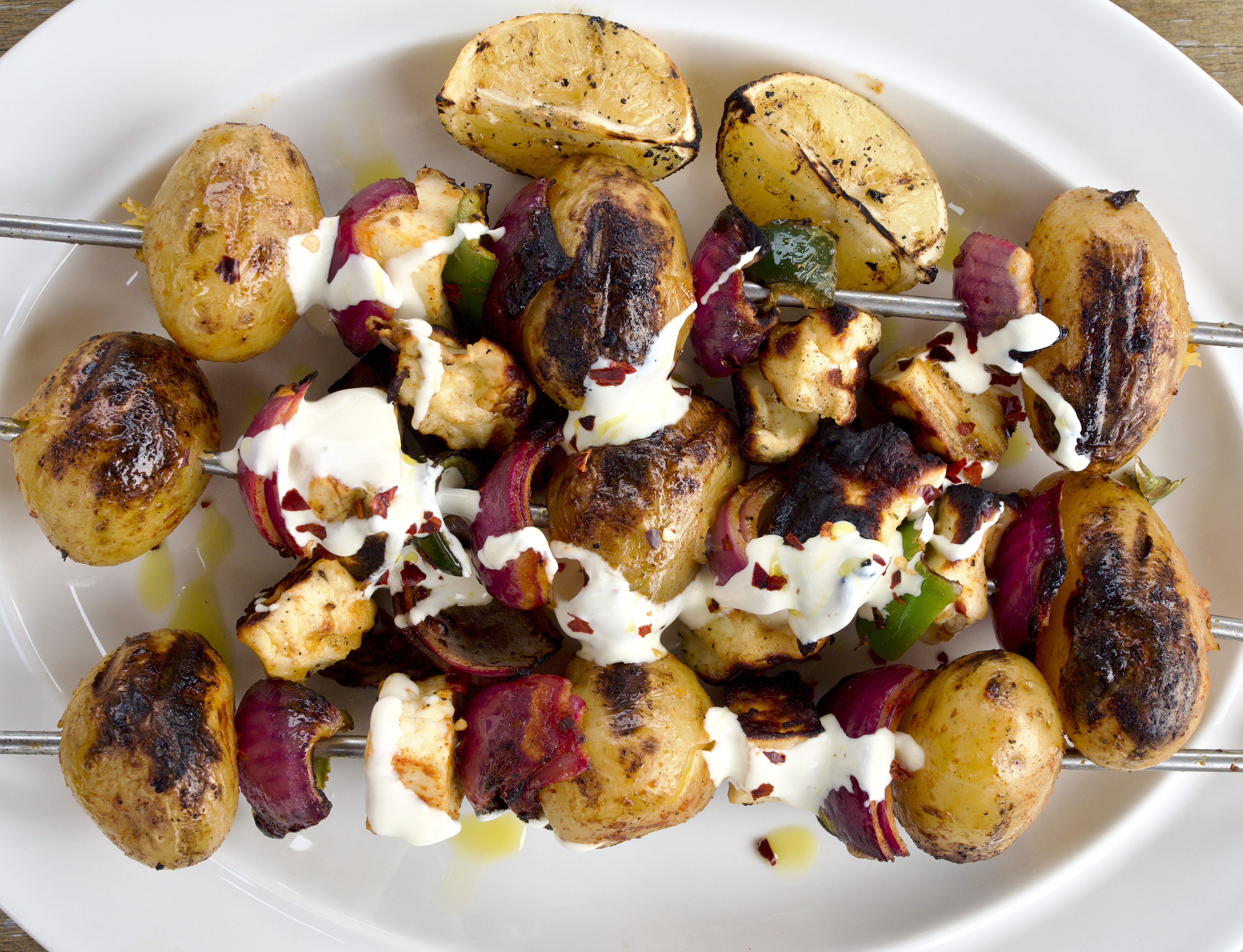
Sometimes it’s nice to cook the sides on the barbecue too. These skewers are tasty and could even be a main course with some salad.
Barbecue halloumi, potato and jalapeños with sour cream – serves 4
1 x 225g packet of halloumi cheese, cut into 3cm pieces
500g baby new potatoes, boiled until tender
2 jalapeño chillies (or other green chillies), cut into pieces and seeds discarded
1 large red onion, cut into pieces
3 tbsp olive oil, plus more to serve
1 tsp paprika
1 lemon, quartered
150g sour cream
chilli flakes, to serve
Put the halloumi, cooked potatoes, jalapeños and onion into a large bowl. Add the olive oil, paprika and juice from 2 of the lemon quarters. Season with salt and member and toss gently with your hands.
Thread everything onto metal skewers and cook on the barbecue for 5-10 minute, turning, until golden and lightly charred.
Grill the extra lemon quarters on the barbecue while the skewers are cooking.
Season the sour cream with a good pinch of salt.
Transfer the skewers to a platter and drizzle with the sour cream. Trickle over some olive oil and the juice from the barbecued lemons, then sprinkle with a few chilli flakes.
(Original recipe from Camper Van Cooking by Claire Thompson, Quadrille, 2021.)
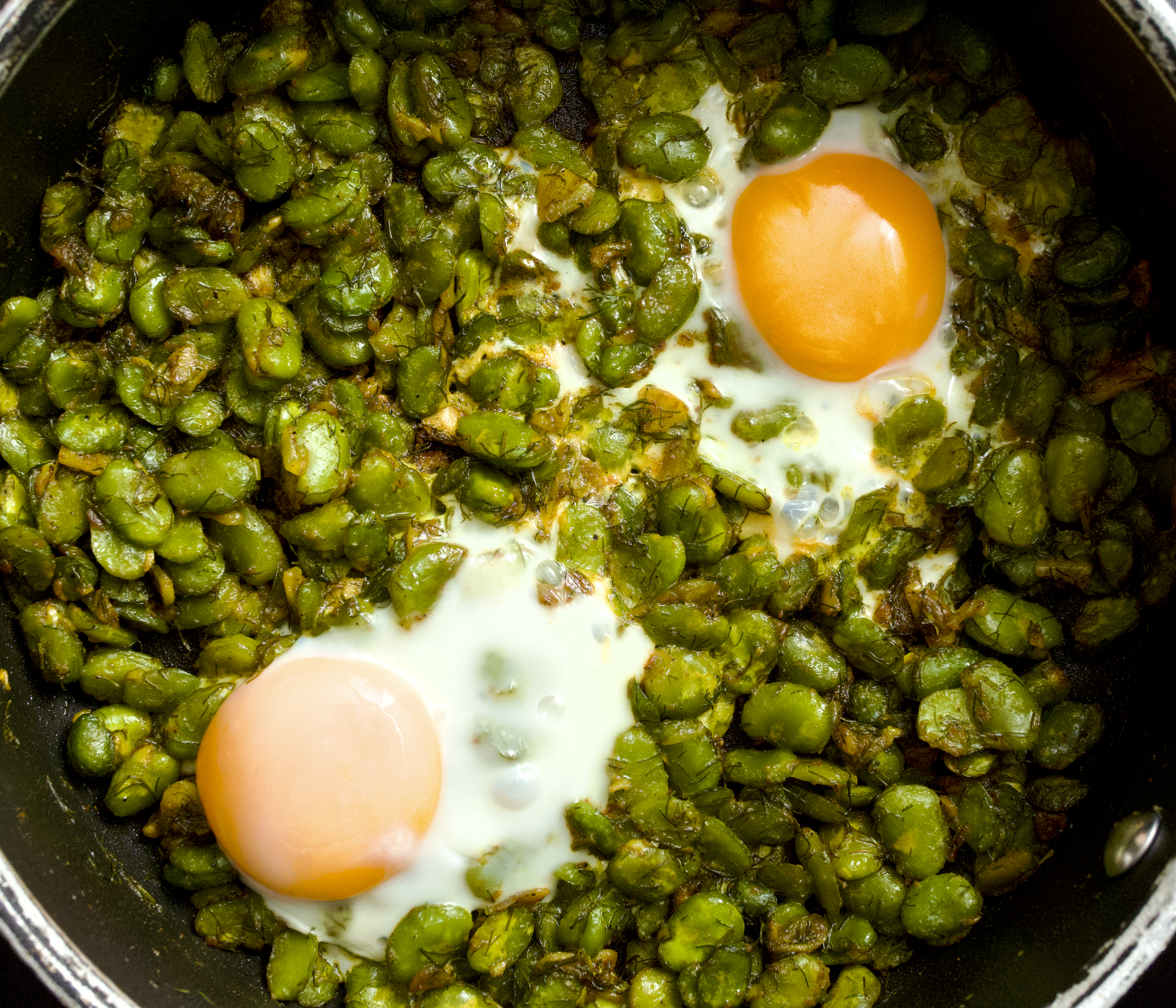
Jono picked this Iranian dish for his Father’s Day breakfast. It’s delicious! Serve with naan bread, tortillas or toast.
Broad beans with garlic, dill & eggs – serves 4
olive oil
1 bulb of garlic, cloves bashed and thinly sliced
1kg podded frozen broad beans, skins removed (blanch for a couple of minutes and the skins will pop off easily)
3 tsp turmeric
generous tsp crushed sea salt
freshly ground black pepper
60g dill, stalks and leaves finely chopped
25g butter
4 large free-range eggs
Heat a large deep frying pan over a low-medium heat, add a generous drizzle of olive oil and sweat the garlic until it softens. Add the broad beans and increase the heat to medium, then add the turmeric, sea salt and some black pepper and stir well. After 5 minutes, mix in the chopped dill and cook for another 8 minutes.
Add the butter to the pan and let it melt into the beans. Crack the eggs on to the surface of the beans and allow to cook using the heat from the beans – about 15 minutes. The beans will be a dull green by the end of the cooking time. Serve with your bread of choice.
(Original recipe from Persiana by Sabrina Ghayour, Mitchell Beazley, 2014.)
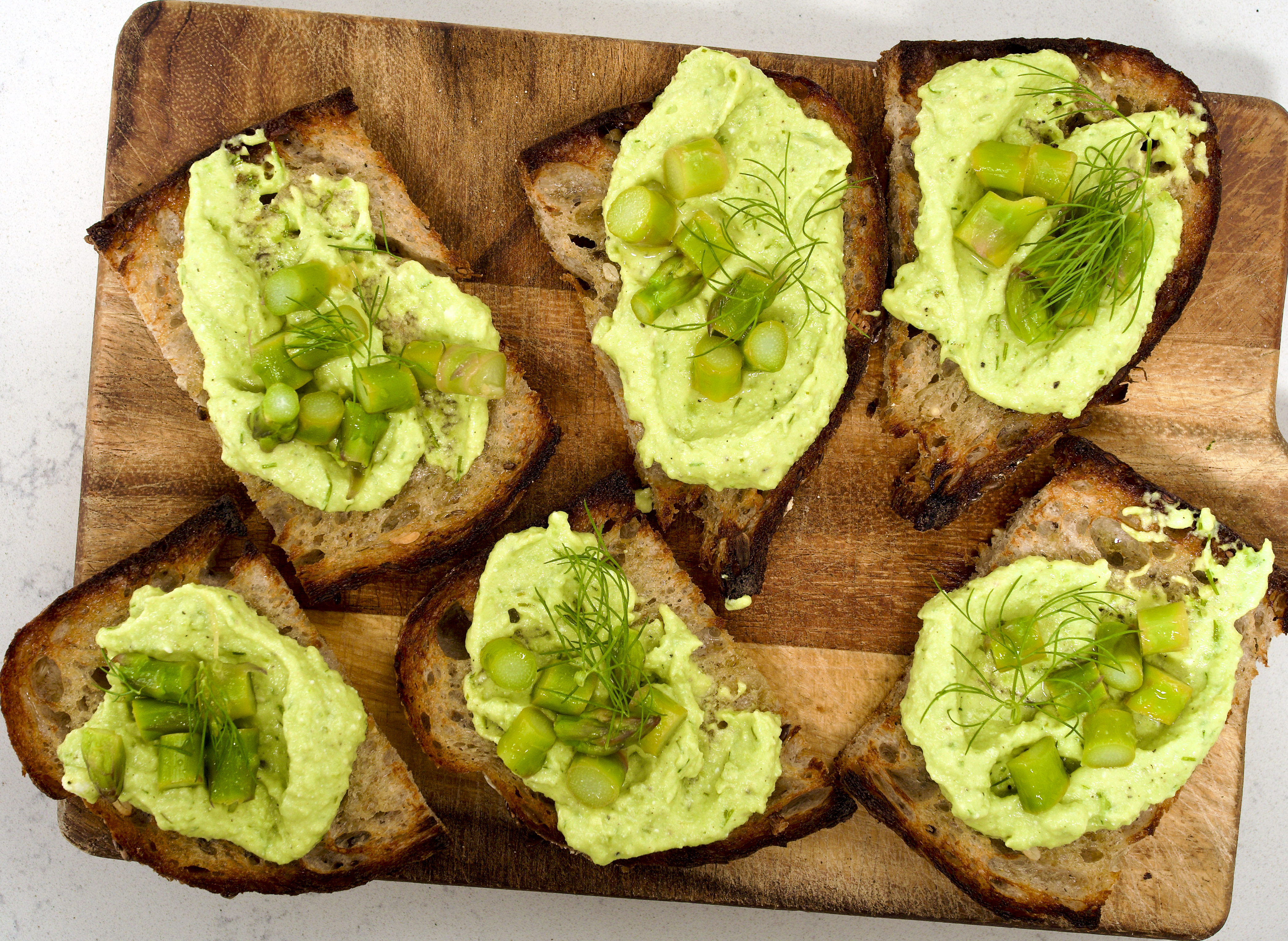
Look at the colour of these! A perfect starter or snack before the spring veg disappears.
Broad bean crostini with asparagus & dill – serves 4
160g broad beans
4 tbsp extra virgin olive oil
50g feta cheese, crumbled
1 tsp honey
juice of half a lemon
a large handful of dill fronds
4 slices of sourdough
1 clove of garlic, halved
4 blanched asparagus spears
Bring a large pot of salted water to the boil and cook the broad beans for 5-6 minutes or until tender. Drain and tip them into a bowl of ice-cold water, then pop the beans out of their pods and transfer to a food processor.
Add the olive oil, feta, honey, lemon juice and dill to the food processor, then season with black pepper and whizz to a purée.
Meanwhile, brush the bread with some olive oil and toast or griddle until golden, then rub with the cut side of the garlic clove.
Finely chop the asparagus spears and toss with a little olive oil and lemon juice.
Spread the broad bean purée over the toast and top with the asparagus and some extra dill.
After such a long, cool and wet Spring we are finally having sunny weather in Ireland and so we’re cooking anything over fire … on sticks … and lots of salads. Long may it last!
Wine Suggestion: If you’re having this as a starter we’d highly recommend a good, dry Oloroso like the Bodegas Hidalgo Oloroso Faraon which is nutty, smokey, round and honeyed on the nose, but with an enveloping roundness and richness on the palet, despite being bone dry. Very savoury and great with food.
Pork and Asparagus Kebabs – serves 4
500g pork fillet, cut across the grain into ½ cm thick slices
1 clove of garlic, finely chopped
1-2 tsp smoked paprika
3 tbsp olive oil
250g asparagus, woody ends snapped off and cut into thirds (don’t buy the very skinny stuff for this as it will be difficult to thread onto the skewers)
1 bunch of scallions, sliced into thirds
Put the pork into a large bowl, then add the garlic, smoked paprika, olive oil and sherry vinegar, then stir well to coat. Cover and put into the fridge for an hour or two, then stir in the asparagus and scallions to coat in the marinade.
Thread pieces of pork, aspargus and scallion onto skewers.
Prepare your barbecue for direct cooking, then place the skewers directly over the heat and cook for about 10 minutes, turning a couple of times to ensure they brown and cook through.
(Original recipe from Foolproof BBQ by Genevieve Taylor, Hardie Grant: Quadrille, 2021.)




 Jono & Jules do food & wine