Feeds:
Posts
Comments

Posts Tagged ‘Parsley’

Gill Meller is a master of salads (among other things) and this one is no exception. We’ll also definitely be barbecuing more lettuce after trying this.

Barbecued little gems with cucumber, white beans and tahini – serves 8 as a side

  • 3 tbsp extra virgin olive oil
  • 2 garlic cloves, peeled and grated
  • 1 x 400g tin of butter beans, drained
  • juice and zest of 1 lemon
  • 2 tbsp tahini
  • 4 tbsp natural yoghurt
  • 2 tbsp chopped flat-leaf parsley leaves
  • 4 little gem lettuces, halved, washed and patted dry
  • 1 medium or 2 small cucumbers, halved lengthways and cut into 1.5 cm slices
  • a small bunch of chives, finely chopped and a few left whole to garnish

Light your barbecue.

Heat 1 tbsp of the olive oil in a medium frying pan over a medium-high heat, then add the garlic and fry for about 30 seconds, then add the white beans and lemon zest. Stir to combine and cook for another minute or two to warm through the beans. Stir in the tahini, yoghurt, lemon juice and parsley, and 2 tbsp of water. Cook for another minute or two, until a spoonable consistency. Add a bit more water if it’s too thick, then remove from the heat.

Season the little gems with salt and pepper and drizzle with 1 tbsp of oil. Place over the hot barbecue with the cut sides down and grill for 5-10 minutes on each side – they should be softened, and starting to caramelize and char. Place on a platter when done.

Warm the bean and tahini dressing through and stir well, then spoon it over the lettuce. Scatter over the cucumber, sprinkle with chives, then drizzle with the rest of the oil and season everything with salt and pepper. Serve.

(Original recipe from Gather by Gill Meller, Quadrille Publishing, 2017.)
Read Full Post »

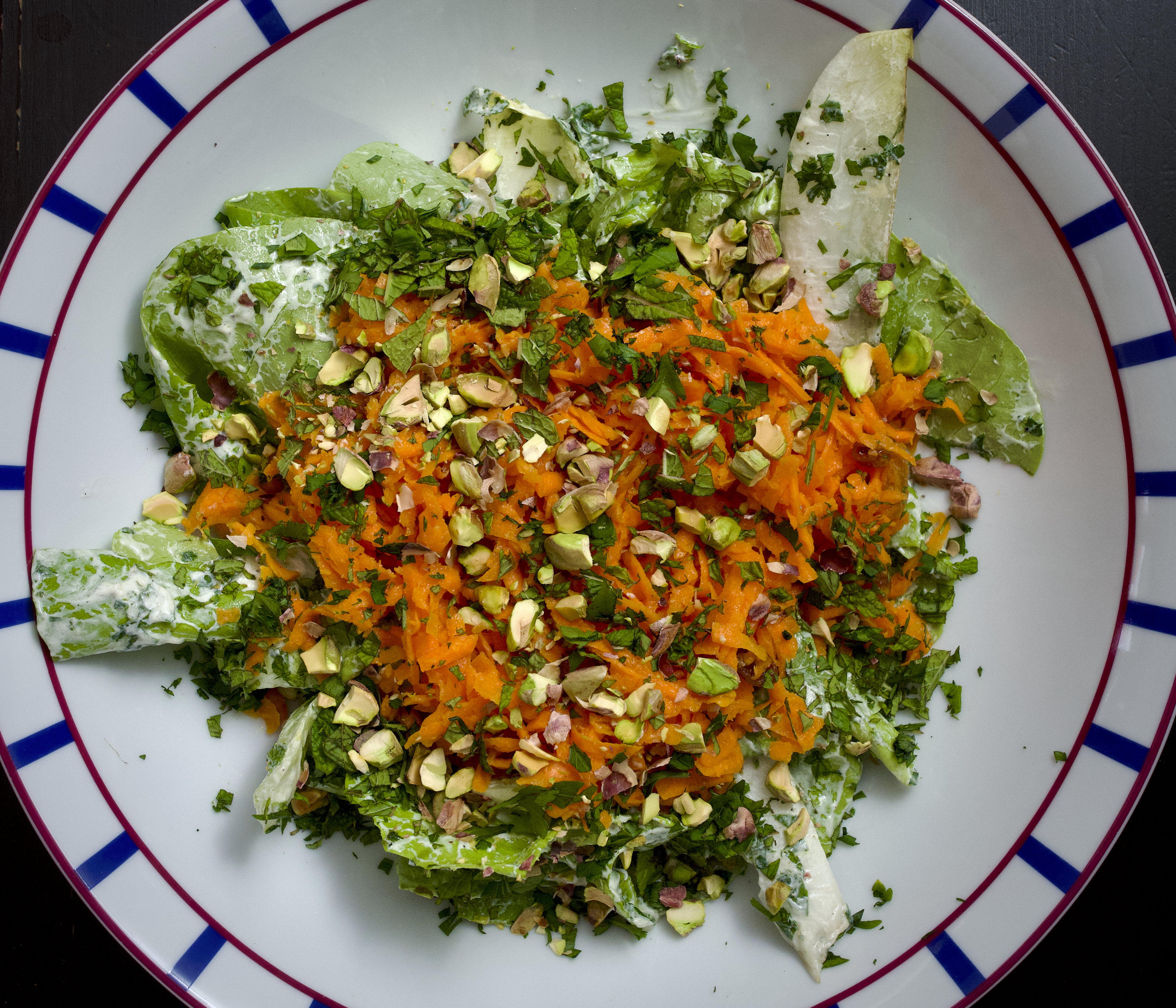
We spotted this salad idea in the Guardian so ate it outside with a barbecue … perfect!

Green salad with carrots and pistachios – serves 4

  • 4 carrots, grated
  • 1 tsp Dijon mustard
  • 20g sultanas
  • 5 tsp white wine vinegar
  • 60ml olive oil
  • 1 small clove of garlic, crushed
  • 100g plain yoghurt
  • ½ tsp caster sugar
  • 10g mint leaves, finely chopped
  • 20g parsley leaves, finely chopped
  • 1 baby gem lettuce, leaves separated and halved lengthways
  • 1 white chicory, leaves separated and halved lengthways
  • 1 butterhead lettuce, leaves separated and large ones halved lengthways
  • 30g pistachios, toasted and lightly crushed

Mix the grated carrots with the mustard, sultanas, 4 tsp of white wine vinegar, 1 tbsp of olive oil and ½ tsp of salt in a small bowl, then leave to marinate for at least 30 minutes.

Meanwhile, make the dressing in a large bowl by mixing 1 tsp white wine vinegar with 3 tbsp of the olive oil, the garlic, yoghurt, sugar, ¼ tsp of salt and plenty of black pepper.

Combine the chopped mint and parsley in a bowl.

Put the salad leaves and half the chopped herbs into the bowl with the dressing, then toss gently to coat.

Arrange the leaves on a shallot serving platter or bowl and scatter the marinated carrot on top. Serve with the rest of herbs and the pistachios sprinkled over.

(Original recipe by Yotam Ottolenghi in the Guardian.)

Read Full Post »

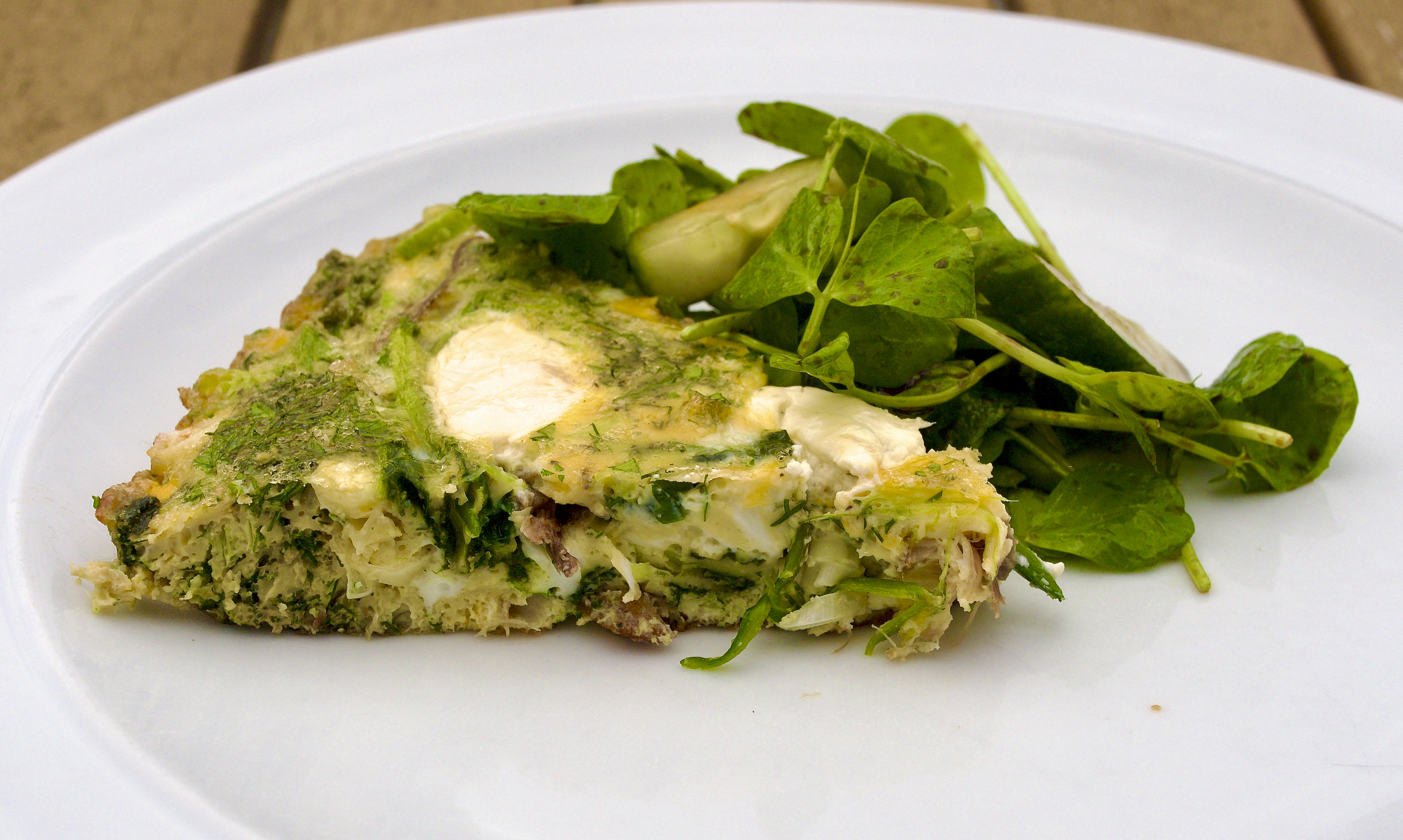
For no particular reason we’ve started cooking frittatas at last … why did no-one tell us how simple they are to make? We particularly enjoyed this one with mackerel and dotted with horseradish cream. Serve with a green salad.

Smoked mackerel and spinach frittata – serves 6

  • 60g butter
  • 50g baby spinach, washed and drained but still damp
  • 220g smoked mackerel
  • 3 scallions, trimmed and finely chopped
  • 4 tbsp chopped flat-leaf parsley
  • 3 tbsp chopped dill
  • 8 eggs, lightly beaten
  • 3 tbsp crème fraîche
  • 1 tsp horseradish sauce

Preheat the oven to 190C/170C/Gas 5.

Melt 20g of the butter in a heavy non-stick frying pan, about 25-30cm diameter, over a medium heat. Stir in the spinach, then cover with a lid and leave for a minute or two until wilted. Tip into a colander and leave to cool. Wipe the pan out with kitchen paper.

Put the cooled spinach into a bowl. Break the mackerel into pieces, discarding any skin and bones, and add to the bowl with the spinach. Add the scallions and herbs, then pour in the eggs and stir until will combined. Season with salt and pepper.

Melt the rest of the butter in the wiped-out pan and place back over a medium heat. Swirl the pan so the base is coated in butter, then tip in the frittata mixutre and smooth out. Let the eggs cook gently for about 5 minutes.

Meanwhile, whisk the crème fraîche and horseradish together, then dot over the top of the frittata. Put the pan in to the oven and cook for about 12 minutes or until set and golden on top.

Remove from the oven and allow to cool for 10 minutes before cutting. It will be delicious eaten warm or cold.

(Original recipe from Notes from a Small Kitchen Island by Debora Robertson, Michael Joseph, 2022.)

Read Full Post »

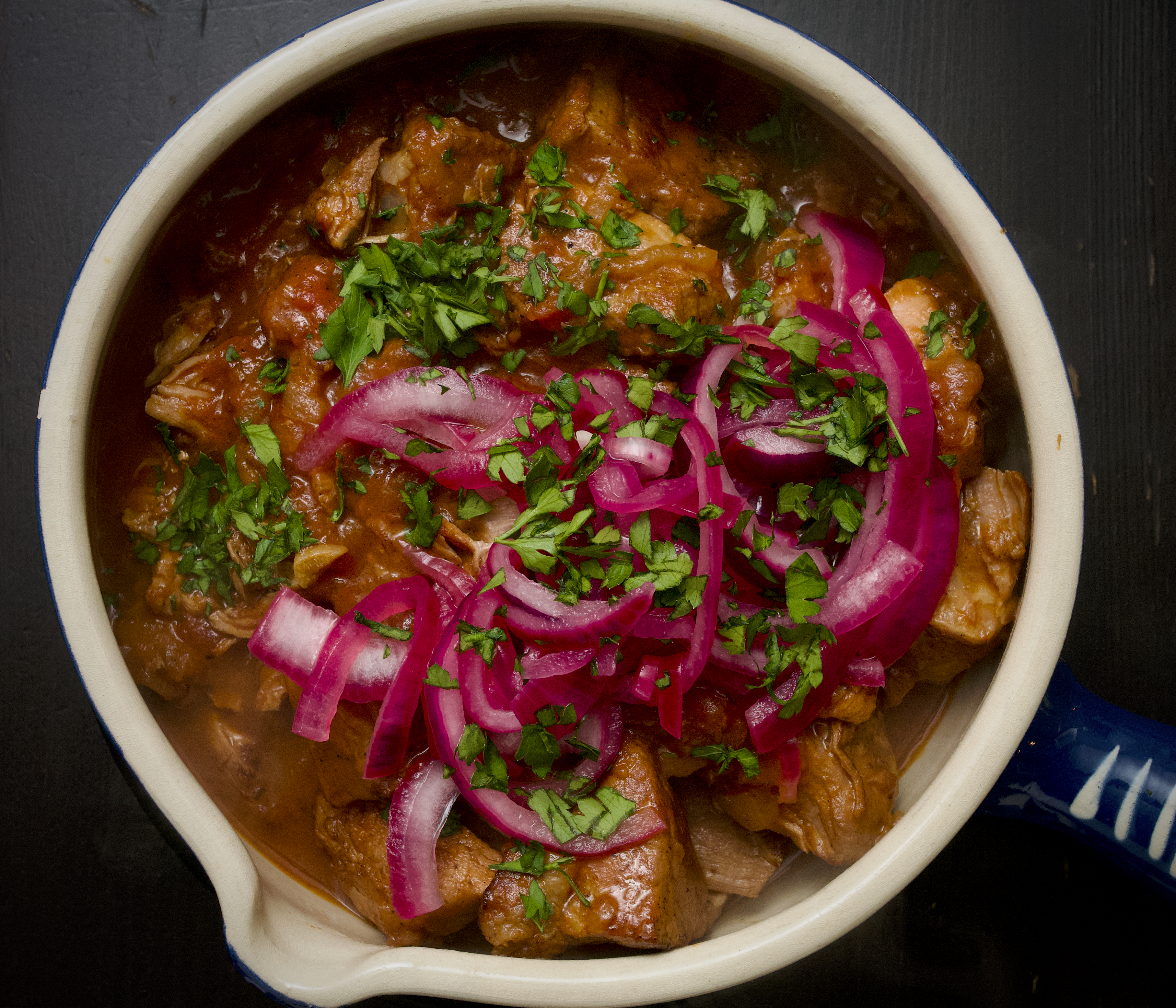
This is an Iberico pork dish inspired by José Pizarro. We did not have any Iberico and substituted Tamworth free-range pork from our butchers instead. This is not quite the same but the dish was still lovely, but of course use Iberico if you can find it.

Wine Suggestion: A dish that begs for a Spanish Garnacha.

Pork shoulder in tomato & sherry sauce with lemony couscous – serves 6

  • 2 tbsp olive oil
  • 1.5kg shoulder of pork (or Iberico pork), cut into 5cm chunks
  • 2 red onions, finely sliced
  • 3 cloves of garlic, finely sliced
  • 2 tsp coriander seeds, lightly crushed
  • 1 tbsp tomato purée
  • 150ml oloroso sherry
  • 1 x 400g tin chopped tomatoes
  • 400ml chicken stock

FOR THE COUSCOUS:

  • 1 red onion, finely sliced
  • juice of 1 lemon
  • 250g couscous
  • 3 tbsp extra virgin olive oil
  • 450ml chicken stock
  • a large handful of flat-leaf parsley, chopped, plus extra to serve
  • 2 preserved lemons, skin finely sliced and pulp discarded
  • ½ cucumber, peeled, deseeded and finely diced
  • 30g toasted flaked almonds

Heat the oven to 160C/140C fan/gas 3.

Season the pork with salt and pepper, then heat the olive oil in a large casserole and fry the pork in batches until well browned on all sides.

Reduce the heat to medium-low, then add the onions to the dish and fry gently for 10 minutes, then add the garlic and coriander seeds and fry for another 5 minutes.

Add the tomato purée and sherry and bubble for 1 minute, then return the pork to the pan and add the tomatoes and stock. Season and bring to a simmer, then cover and transfer to the oven. Cook for 2½-3 hours or until the meat is really tender.

Meanwhile, prepare the couscous. Put the onion into a heatproof bowl, then pour over boiling water from the kettle and leave to sit for 30 seconds. Drain and cool under running water. Tip the onion back into the bowl and squeeze over the lemon juice and season with salt. Set aside.

Put the couscous into a flat dish and stir in the olive oil and a good pinch of salt, then pour over the chicken stock. Stir and cover with clingfilm, then leave to steam for 10 minutes. Remove the cover and fluff the couscous up with a fork. Add the rest of the ingredients and stir to combine.

Serve the pork with the couscous, the pickled onion and its juices, and some extra parsley.

(Original recipe from The Spanish Home Kitchen by José Pizarro, Hardie Grant, 2022.)

Read Full Post »

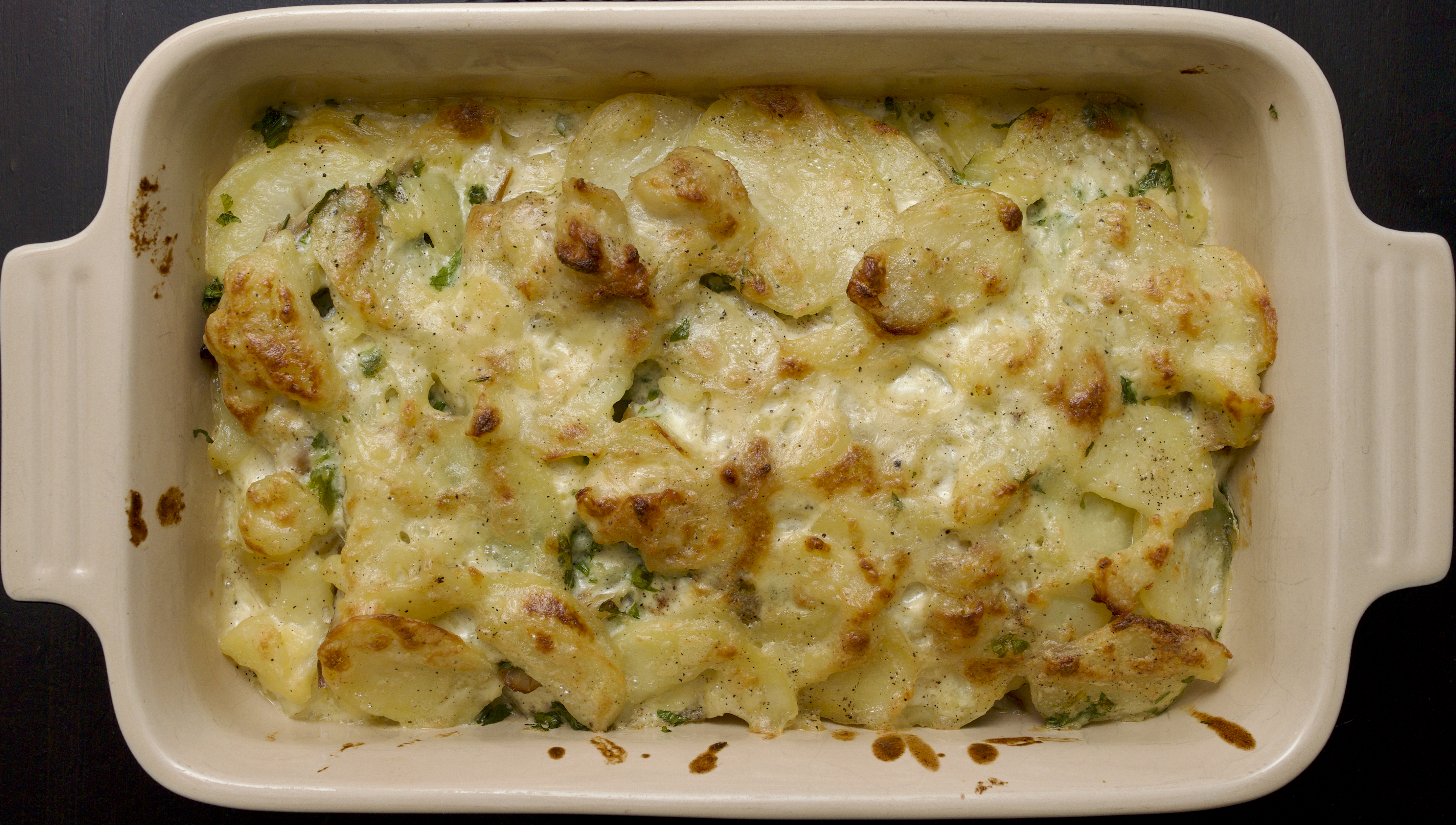
Who doesn’t love a dauphinoise? This one is extra special with some smoked mackerel and is a meal in itself with some green salad on the side.

Wine Suggestion: Chardonnay is not commonly found in the Loire, but there are gems to be found, especially around the appellation of Cheverny where it is brilliantly blended with Sauvignon Blanc. Tonight an outlier from Touraine, Domaine Bellevue’s IGP Chardonnay. Classic crisp red apple flavours with layers of tropical and citrus notes; good body but without any flabby weight. Perfect for fish and dairy combination

Smoked mackerel dauphinoise – serves 4

  • 900g potatoes
  • 250ml milk
  • 250ml double cream
  • a small clove of garlic, crushed
  • freshly grated nutmeg
  • 225g smoked mackerel, skin and bones removed and flaked into chunky pieces
  • a small handful of chopped flat-leaf parsley

Heat the oven to 200C/400F/Gas 6.

Peel the potatoes and slice very thinly, a mandoline is the best job for this but watch your fingers. Dry the potatoes slices with a clean cloth, then spread out and season with salt and black pepper, mixing with your hands.

Pour the milk into a saucepan, add the potatoes and bring to the boil. Cover, then reduce the heat and simmer gently for 10 minutes.

Add the cream, garlic and a generous grating of nutmeg and continue simmering for another 20 minutes. Stir occasionally to prevent the potatoes sticking to the pan. As soon as the potatoes are cooked, remove them with a slotted spoon and put a layer into a large ovenproof dish. Sprinkle over the mackerel and parsley, then cover with the rest of the potatoes. Pour the creamy liquid over the top. Put some water into the base of a large roasting tin and set the potato dish into the tin, the water should come about half-way up the sides. Bake the dish in the oven for 10 to 20 minutes or until the top is golden and bubbling.

(Original recipe from Darina Allen’s Ballymaloe Cookery Course, Kyle Cathie Limited, 2001.)

Read Full Post »

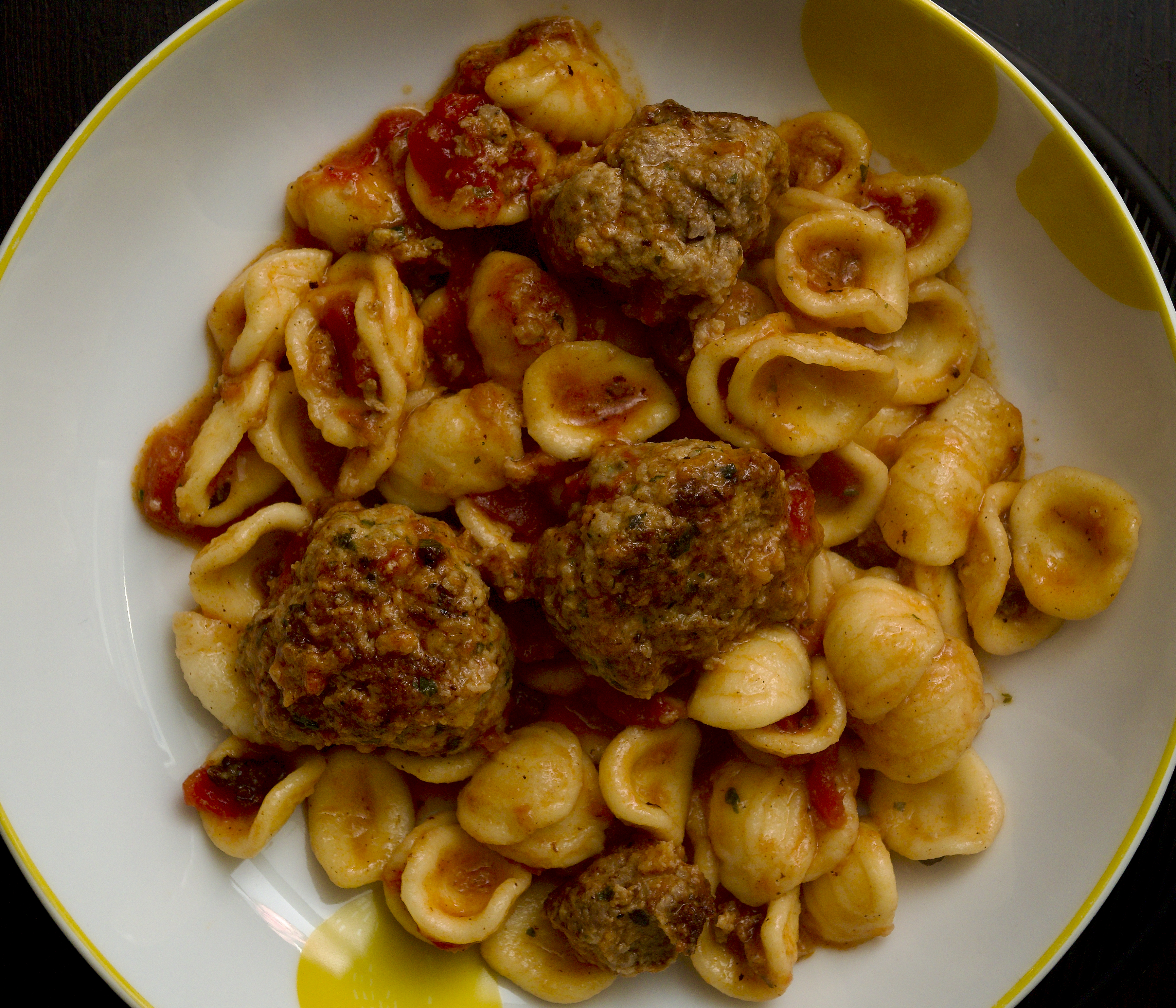
Who doesn’t love meatballs. There’s at least one person in this house who would have them every week. This recipe by Olia Hercules makes heaps to help with that problem.

Wine Suggestion: great with a simple Sangiovese with bright and slightly crunchy fruits and a good wack of tannins. Rocca delle Macie’s Chianti Vernaiolo is our standby and doesn’t hide behind oak, rather celebrates the joy of fruit. The added joy is the smooth tannins this wine brings despite the potentially awkward Sangiovese grape; they have a great feel for getting the balance right even with a bouncingly youthful cuvee.

Olia’s Meatballs – Sugo Della Mamma – makes 30 meatballs

FOR THE MEATBALLS:

  • 60g stale sourdough bread with crusts (or dry out 80g of fresh bread chunks in the oven)
  • 250ml hot whole milk
  • 20g parsley, very finely chopped
  • 400g beef mince
  • 400g pork mince
  • 1 small egg, lightly beaten
  • 2 cloves of garlic, finely grated
  • 100g Pecorino/Parmesan, finely grated, plus extra to serve
  • ¼ nutmeg, finely grated

FOR THE SAUCE:

  • up to 5 tbsp olive oil
  • 2 cloves of garlic, peeled and bruised but left whole
  • 800g tomato passata or 2 x 400g tins chopped tomatoes
  • a couple of sprigs of basil
  • Tagliagelle, pappardelle or orecchiette, to serve

Put the bread into a bowl and pour over the hot milk. Leave for 5 mintues then press the bread down to make sure it’s all soaked. Cover and leave for 15 minutes.

Mix the mince, egg, bread and soaking milk, grated garlic, parsley, cheese and nutmeg together. Season well with 1 tbsp of sea salt and lots of black pepper. Use your hands to mix it all together really well.

Wet your hands and shape the mixture into about 30 golf-ball sixed meatballs.

Heat 3 tbsp of the olive oil for the sauce. Fry the meatballs in batches until browned on a couple of sides. Remove from the pan and set aside.

If you need more fat you can add the extra 2 tbsp of oil, then add the bruised garlic and cook for a few minutes to infuse the oil, then remove and discard.

Add the passata or tomatoes to the pan, then fill the jar or tin with 200ml water and add that with a generous pinch of salt. Cook over a medium-low heat for 15 minutes. Gently place the meatballs into the sauce and cook for 15-20 minutes at a gentle bubble. Add the basil sprigs for the last 5 minutes of cooking time.

Cook the pasta, then roughy drain so a little water remains. Return the pasta to the pot it was cooked in, ladle over the sauce and meatballs and gently stir to combine.

Serve with extra grated pecorino.

(Original recipe from Home Food by Olia Hercules, Bloomsbury, 2022.)

Read Full Post »

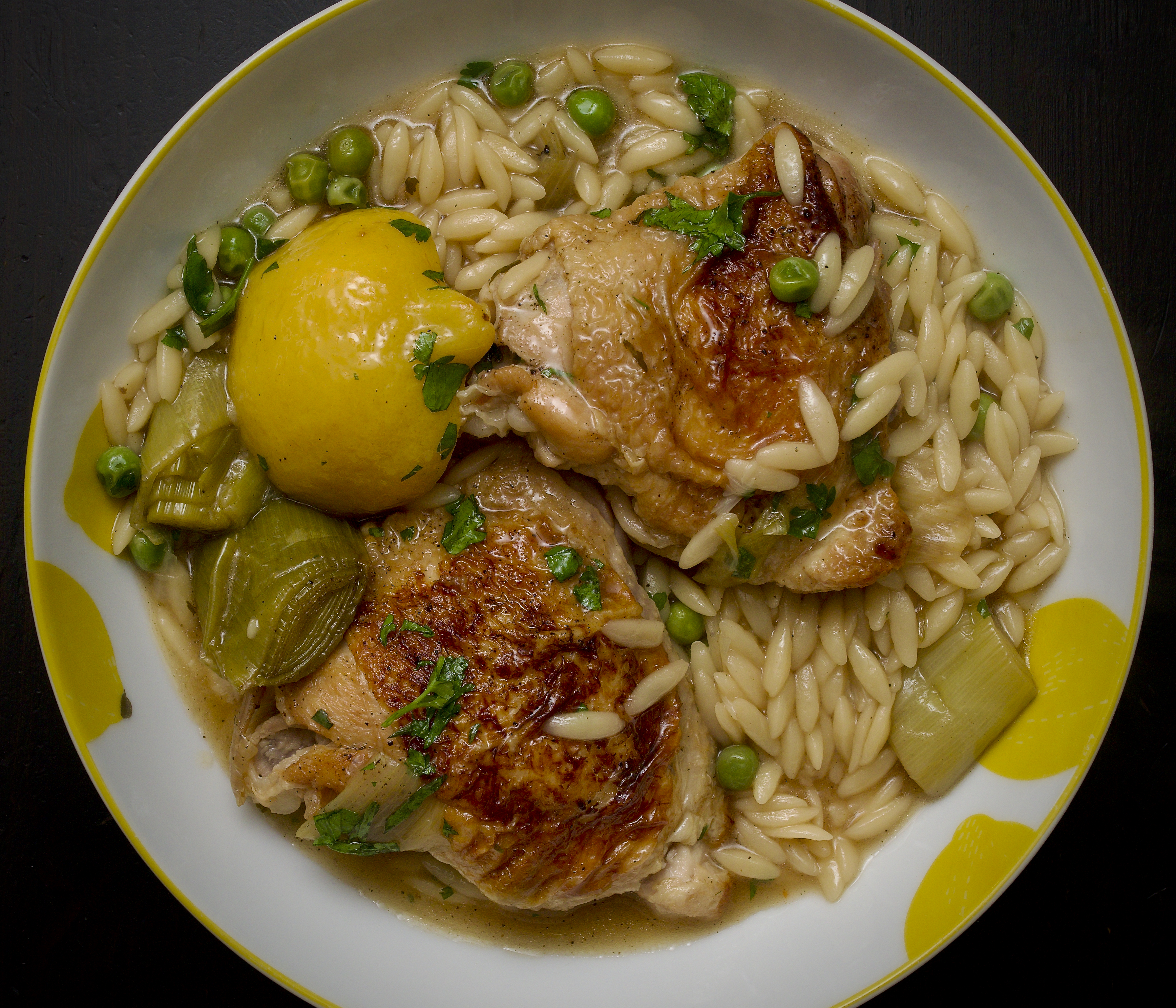
This is a nice soupy-stew sort of thing. Perfect for cold nights but still with nice fresh flavours.

Wine Suggestion: We went a bit left-field for this dish and look for an aged white Rioja where you get the roundness and poise of an oaked chardonnay but with a slightly softer acidity. Graceful in age the Urbina Rioja Bianco Crianza 2014 was both youthful with melon and citrus fruits, and with a layer of aged, tertiary fennel, aniseed and peach. A joy to know this is the current release from an under the radar winery.

Chicken with leeks & orzo – serves 3

  • 3 tbsp olive oil
  • 6 large chicken thighs
  • 250g leeks, cut into short lengths, wash well to get rid of any grit and pat dry with kitchen paper.
  • 1 litre chicken stock
  • half a lemon, cut into 2 fat wedges
  • 6 black peppercorns
  • 200g orzo
  • 150g frozen peas
  • a small handful of parsley, roughly chopped
  • a small handful of tarragon, roughly chopped

Preheat the oven to 200C.

Heat the oil in a large, deep casserole dish. Fry the chicken thighs until well-browned on both sides, then remove and set aside.

Add the leeks to the chicken fat in the pan and cook over a medium-low heat, with the lid on, for 5 minutes, you want them softened but not browned.

Add the stock and stir with a wooden spoon until it comes to the boil, then add half the lemon, peppercorns and 1 tsp of salt. Scatter in the orzo and boil for 3 minutes. Return the chicken to the pan, then cover and bake for 35 minutes.

Add the peas, then return to the oven for another 5 minutes. Add the tarragon and parsley and serve in warm bowls.

(Original recipe from A Cook’s Book by Nigel Slater, 4th Estate, 2021)

Read Full Post »

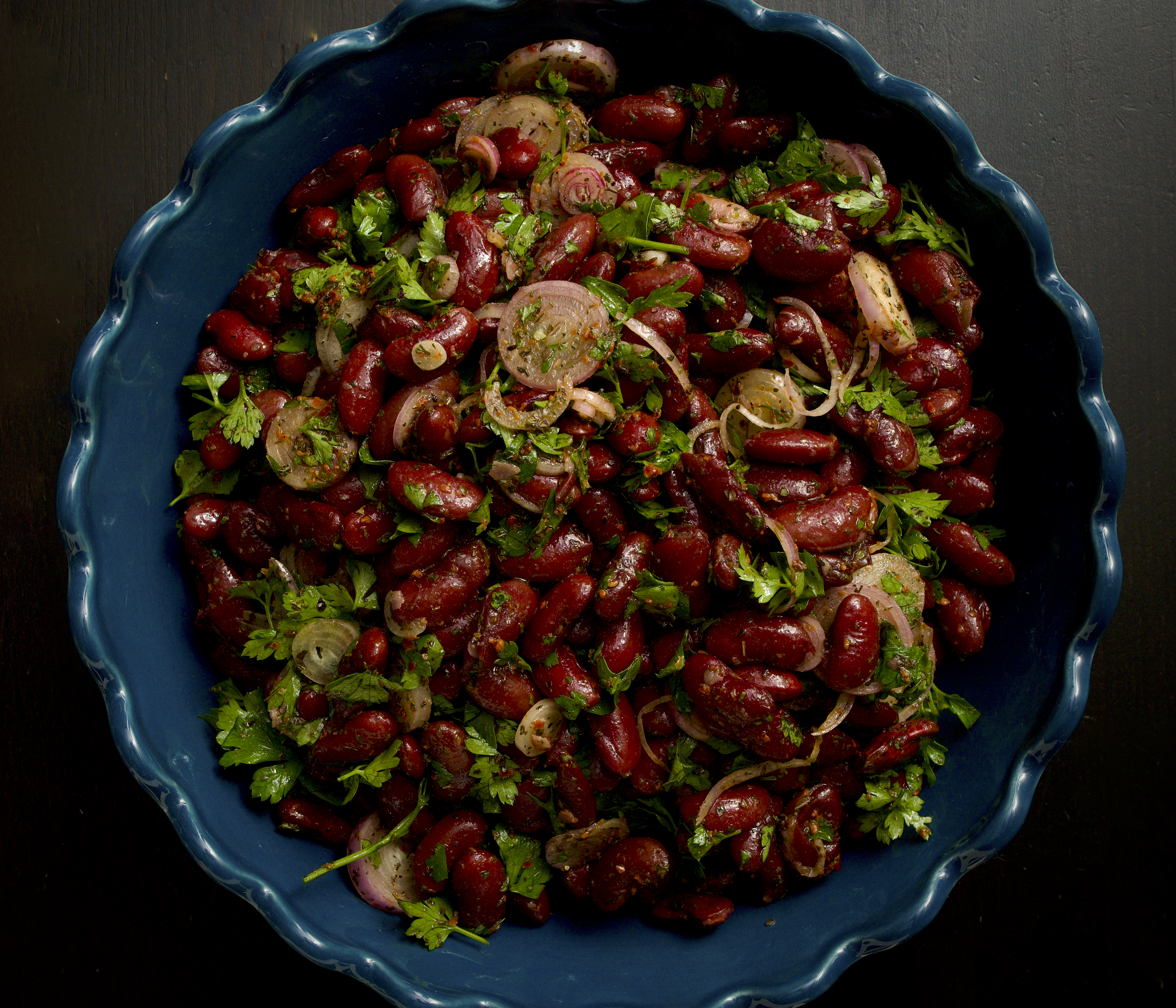
We’ve made a salad like this before but this one is fresher and makes a great side dish for a crowd. We served it with some spicy baked salmon.

Georgian kidney bean salad – serves 6 to 8

  • 2 x 400g tins kidney beans (we used 300g dried kidney beans, rinse then soak in 3 times the volume of cold water for 5 hours. Drain and put into a saucepan covered by an inch with cold water, then boil hard for 30 minutes, stirring to prevent any sticking)
  • 50g flat-leaf parsley, roughly chopped
  • 2 heaped tsp dried mint
  • 2 banana shallots, very thinly sliced into rings
  • 2 tbsp red wine vinegar
  • 2 tbsp olive oil
  • 2 tsp pul biber chilli flakes
  • Maldon salt & fresh ground black pepper

If you are using tinned beans, drain them rinse well under a cold tap to get rid of the briny liquid. Shake the beans dry, then tip into a large bowl.

Add the rest of the ingredints to the bowl and fold together gently, you don’t want to crush the beans. Season well with salt and pepper, stir again and leave at room temperature for 20-30 minutes.

Stir well again before serving.

(Original recipe from Persiana Everyday by Sabrina Ghayour, Aster, 2022.)

Read Full Post »

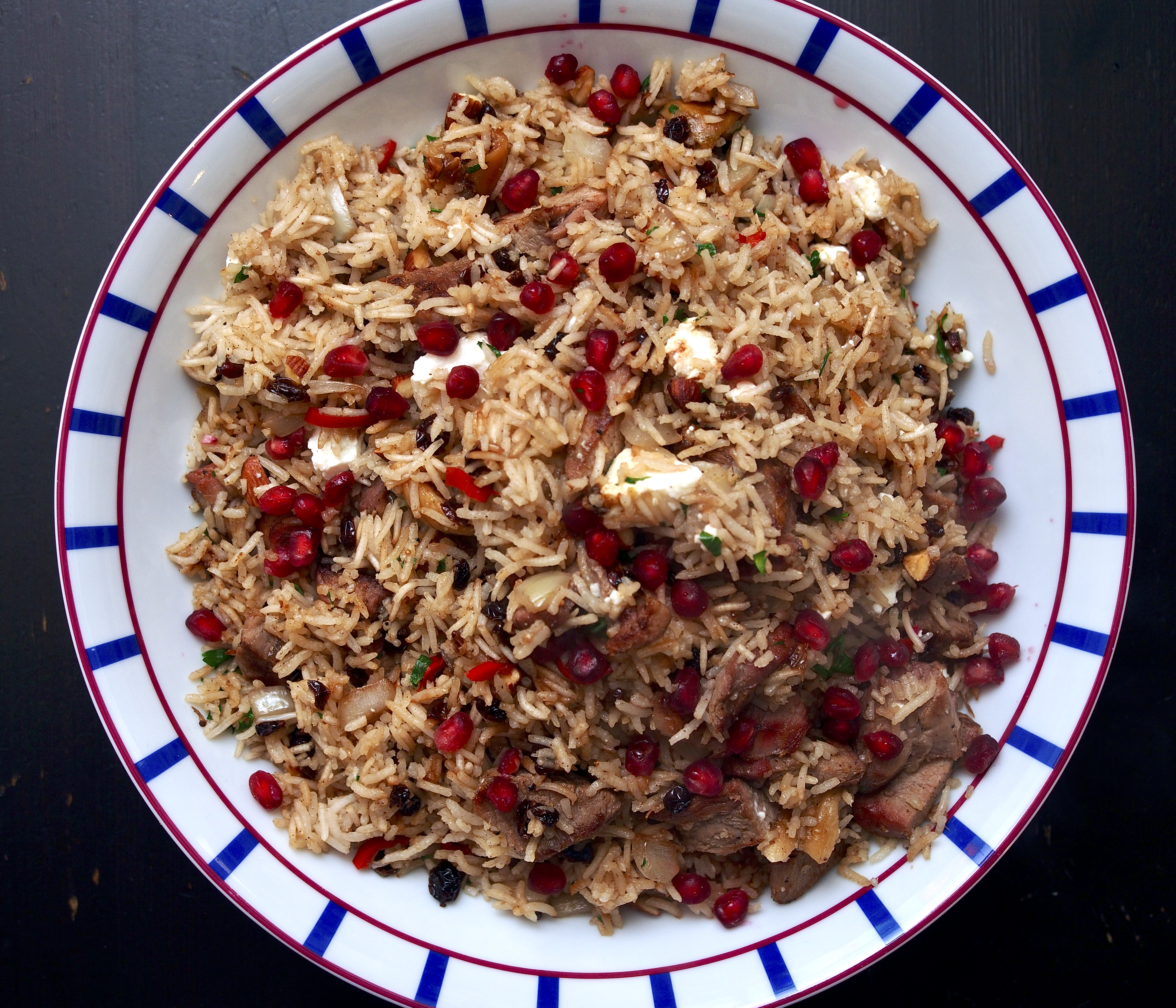
Another recipe for using up leftover cooked lamb. It doesn’t take very long so you could try it mid-week.

Wine Suggestion: This is delicious with a red with a good amount of age, where the gentle, aged spices and characters meld with the food. This isn’t always easily to hand, so Domaine Gayda’s Grenache from the border of the Languedoc and Roussillon was a more than adequate substitute, with the peppery spices from the grape providing a natural warmth and a juicy red fruit.

Leftover lamb pilaf – serves 4-6

  • 1 onion, roughly chopped
  • 1 red chilli, deseeded and finely sliced
  • ½ tsp ground allspice
  • 2 cloves of garlic, crushed
  • 350g basmati rice
  • 700ml chicken stock or lamb stock
  • 50g dried barberries (or you could use dried cherries or cranberries)
  • 50g dried figs, quartered
  • 500g leftover cooked lamb, in chunks
  • 75g feta cheese, crumbled
  • 2 tbsp chopped flatleaf parsley or mint
  • 35g toasted almonds, chopped (or pistachios)
  • seeds from ½ a pomegranate
  • Greek yoghurt to serve (optional)

Heat a splash of oil in a large heavy saucepan and cook the onion until soft and golden. Add the chilli, allspice and garlic and cook for another minute, then add the rice, stirring to coat in the oil. Add the stock and dried fruit and season well with salt and pepper. Bring to the boil, then reduce to a simmer and cover with a lid. Cook for 20 minutes or until the liquid has been absorbed and the rice is tender. Don’t be tempted to stir it! If the rice isn’t tender after 20 minutes, add a little boiling water, cover again and cook for another 4-5 minutes. If the stock isn’t completely absorbed, turn up the heat to quickly boil it off.

Heat 1 tbsp of oil in a frying pan and quickly fry the lamb until warm and crispy. Season, then fork through the rice with the feta, herbs and nuts. Transfer to a large dish and scatter over the pomegranate seeds. Serve with some yoghurt on the side if you like.

(Original recipe from Food from Plenty by Diana Henry, Mitchell Beazley, 2012.)

Read Full Post »

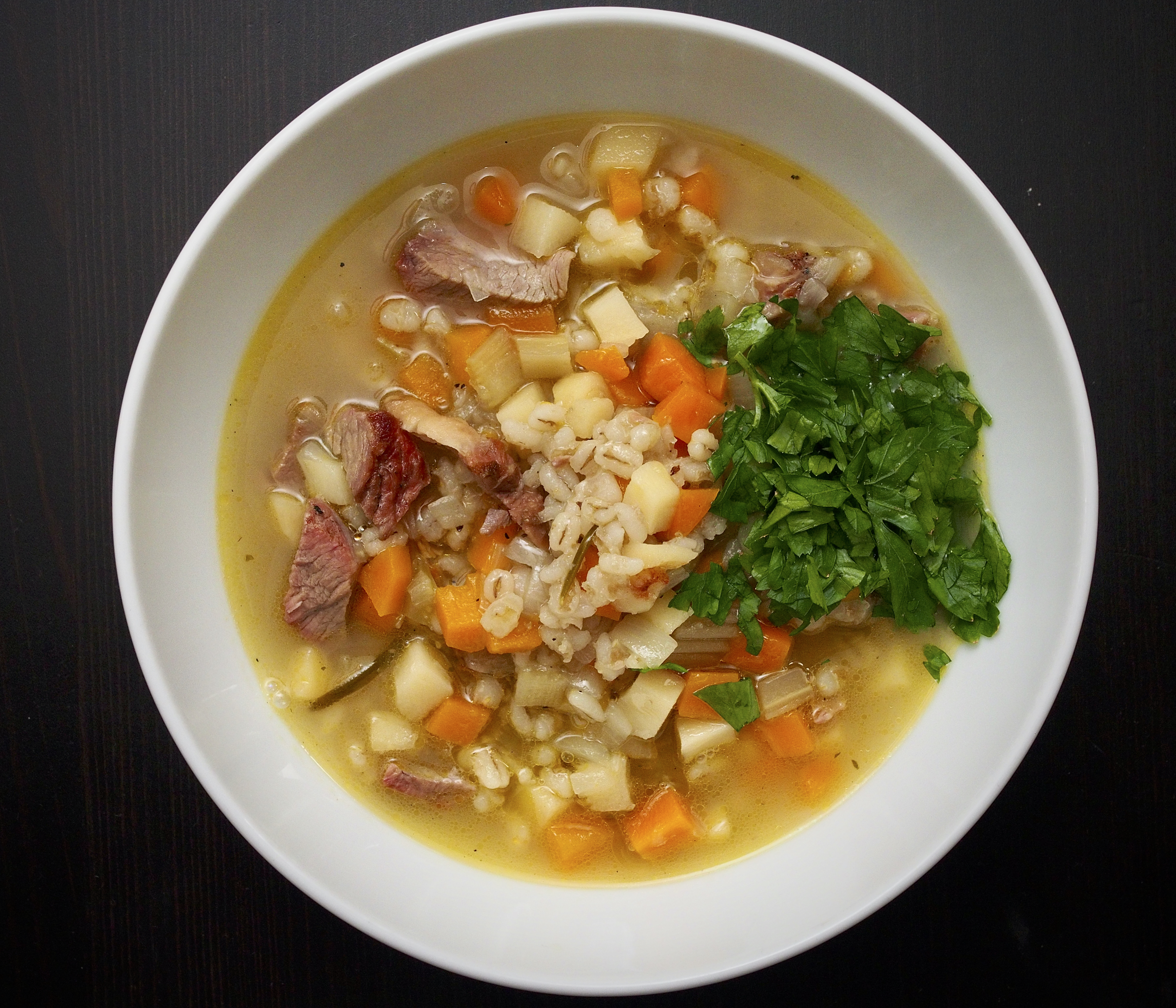
A delicious soup for leftover roast lamb and perfect for chilly weather.

Lamb & pearl barley broth – serves 6-8

  • 25g butter
  • 2 tbsp extra virgin olive oil
  • 2 medium onions, finely chopped
  • 2 celery sticks, finely chopped
  • 2 cloves of garlic, finely grated
  • 1 bay leaf
  • a sprig of rosemary
  • 200g leftover cooked lamb, sliced or shredded
  • 1 medium parsnip, peeled and finely chopped
  • 2 medium carrots, peeled and finely chopped
  • 100g pearl barley
  • 1.25 litres of chicken stock
  • 2 tbsp chopped parsley

Put the butter and oil into a large saucepan over a medium heat. When the butter is foaming, add the onions, celery, bay leaf and rosemary. Season with salt and pepper, then turn the heat to low, cover and cook gently for 10 minutes, or until softened.

Add the lamb, chopped parsnip and carrot, the pearl barley and the stock. Turn the heat up and bring to the boil. Cover and simmer for 25-30 minutes or until the barley and vegetables are tender.

Remove and discard the bay and rosemary. Stir in the chopped parsley, season to taste, and serve.

(Original recipe from Soup Broth Bread by Rachel Allen, Michael Joseph, 2021.)

Read Full Post »

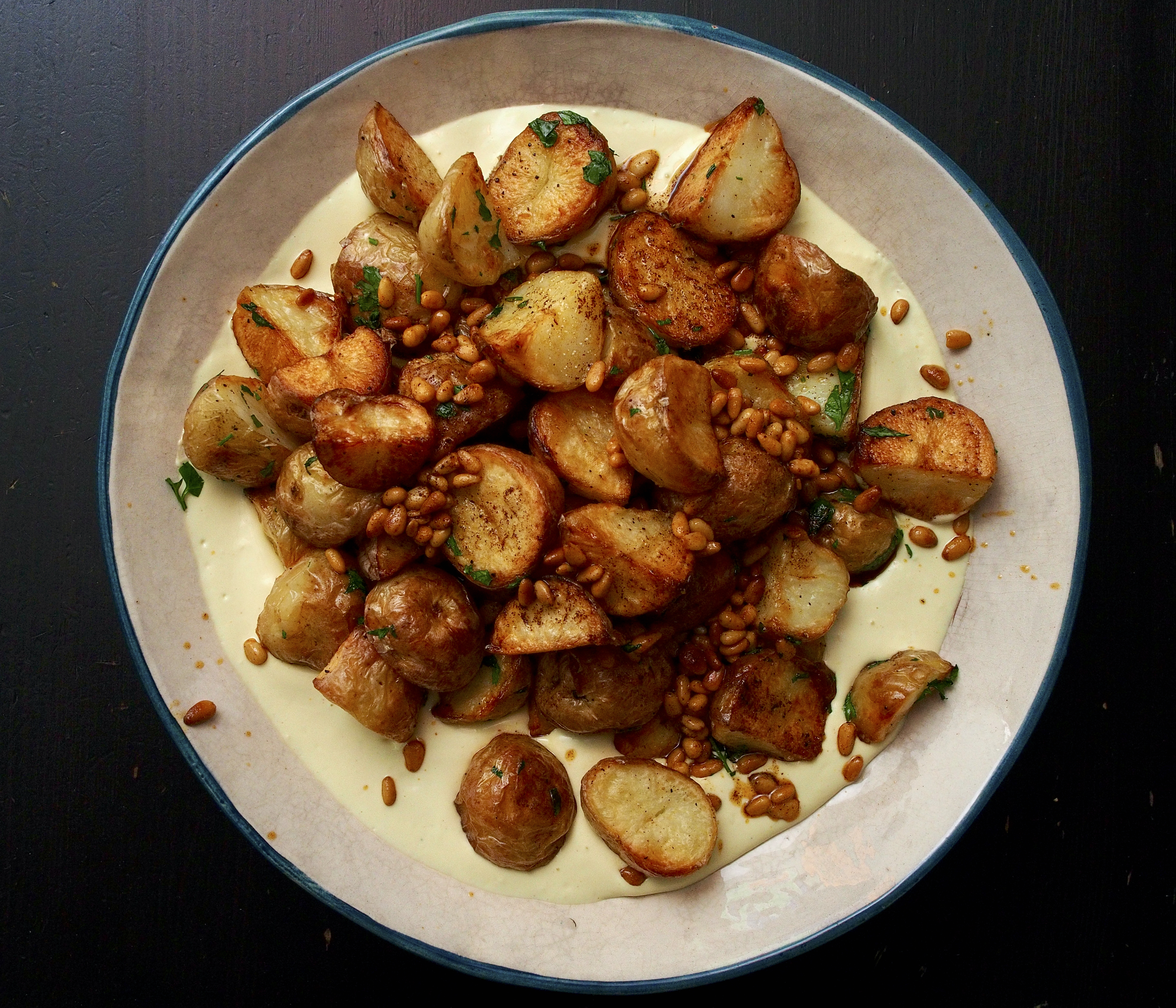
We love this side dish from the Ottolenghi Test Kitchen so much we’ve made it a few times over the past month and it’s been a hit every time. You can make the aïoli in advance and put it in the fridge which is useful.

Roast potatoes with aïoli and pine nut butter – serves 4

  • 750g baby new potatoes, halved lengthways
  • 2 tbsp olive oil
  • 5g parsley, roughly chopped

FOR THE AÏOLI

  • 2 large garlic cloves, crushed
  • 1 tsp Dijon mustard
  • 1 large egg, plus 1 egg yolk
  • 100ml olive oil
  • 100ml sunflower oil
  • 1 tbsp lemon juice
  • 75g Greek-style yoghurt

FOR THE PINE NUT BUTTER

  • 30g unsalted butter
  • 20g pine nuts
  • ¼ tsp smoked paprika

Our advice is to get the aïoli made first, it will keep fine in the fridge if you want to do it earlier in the day.

Put the garlic, Dijon, egg, egg yolk and a ¼ tsp of salt into the small bowl of a food processor. Whiss together for a few seconds, then gradually add both oils in a slow steady stream with the machine running the whole time. You should end up with a runny mayonnaise. Transfer this to a bowl and stir in the lemon juice and yoghurt. Cover and out in the fridge until needed.

Preheat the oven to 220C fan.

Put the potatoes into a saucepan with 2 tsp of salt and cover with cold water. Bring to the boil and simmer for 6 minutes or until almost tender. Drain in a sieve and pat dry with a clean tea towel. Spread the potatoes over a parchment lined baking tray and toss with 2 tbsp olive oil and some salt and black pepper. Roast these in the oven for 35 minutes or until golden brown, then toss with the parsley.

To make the pine nut the butter into a small frying pan over a medium heat. When the butter has melted, add the pine nuts and cook until golden, stir in the paprika and remove from the heat.

Spread the aïoli over a serving dish, top with the potatoes and drizzle over the butter.

(Original recipe from Ottolenghi Text Kitchen: Shelf Love, Penguin Random House, 2021.)

Read Full Post »

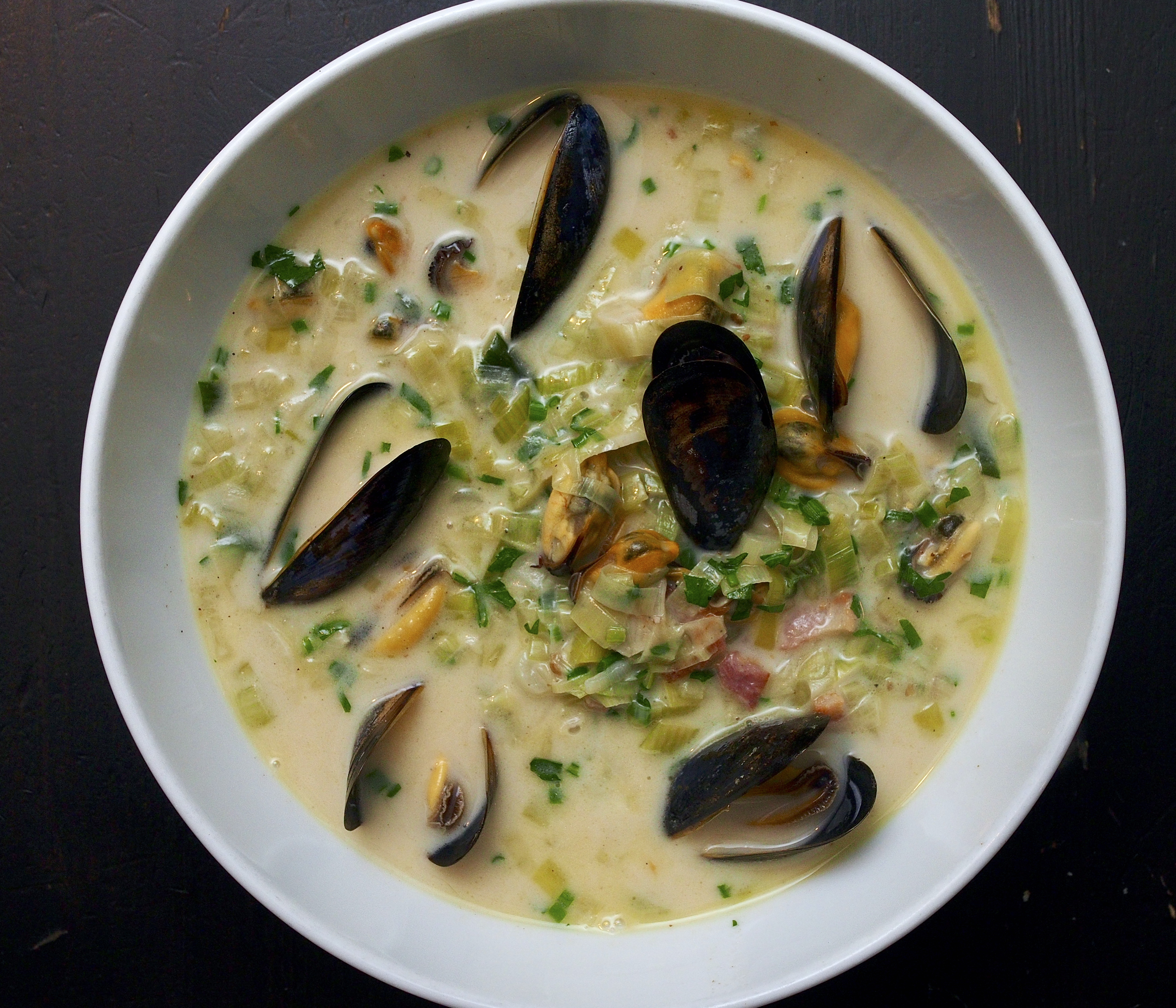
This is all you need with some fresh bread and butter. The simple things are the best.

Wine Suggestion: For a wine to work with this dish you need to balance a crisp, acidity to cut through the cream, body to match the depth of flavour and a minerally-savouriness to compliment the briny backbone of flavour from the mussels. If you look to a good Chablis producer or a top Muscadet then you’ll find your solution. We chose Jérémie Huchet’s lieu dit Les Montys le Parc from a very special vineyard in Muscadet that has that extra depth to match this rich, full flavoured dish.

Mussel, bacon and leek soup – serves 2

  • 750g mussels
  • 2 bay leaves
  • a small handful of parsley, leaves picked and chopped and stalks reserved
  • a knob of butter
  • 75g streaky bacon, cut into small pieces
  • ¼ tsp coriander seeds, toasted and crushed
  • 1 garlic clove, finely sliced
  • 1 leek, finely sliced
  • 250ml fish stock (or veg stock)
  • 75ml double cream
  • a small handful of chives, finely snipped

Wash the mussels in cold water and remove any beards. Give any open mussels a hard tap and discard them if they don’t close.

Put 75ml of water into a large saucepan with a tight fitting lid. Add the parsley stalks and bay leaves and bring to the boil. Add the mussels, clamp on the lid, and cook for 2-3 minutes or until the mussels have opened. Give the pan a good shake now and and then as they cook.

Tip the mussels into a colandar set over a bowl to catch all of the cooking juices, you will need the these later so don’t throw them away.

Wipe out the pan and return to the heat. Add a knob of butter, then gently fry the bacon until begining to crisp. Add the coriander seeds, garlic, and leek and season with salt and pepper. Cook for about 8 minutes, stirring now and then, until the leeks are nice and soft.

Add the mussel cooking liquid (watch out for the gritty bit at the bottom which you can discard) and the stock, then simmer uncovered for 5 minutes.

Meanwhile, pick the meat out of the mussels but leave about 12 in their shells to garnish.

Add the cream to the soup and bring back to a simmer. Add the mussel meat, chives and parsley and check the seasoning. Serve in warm bowls, garnished with the mussels in their shells and with bread and butter on the side.

(Original recipe from Outside by Gill Meller, Quadrille, 2022)

Read Full Post »

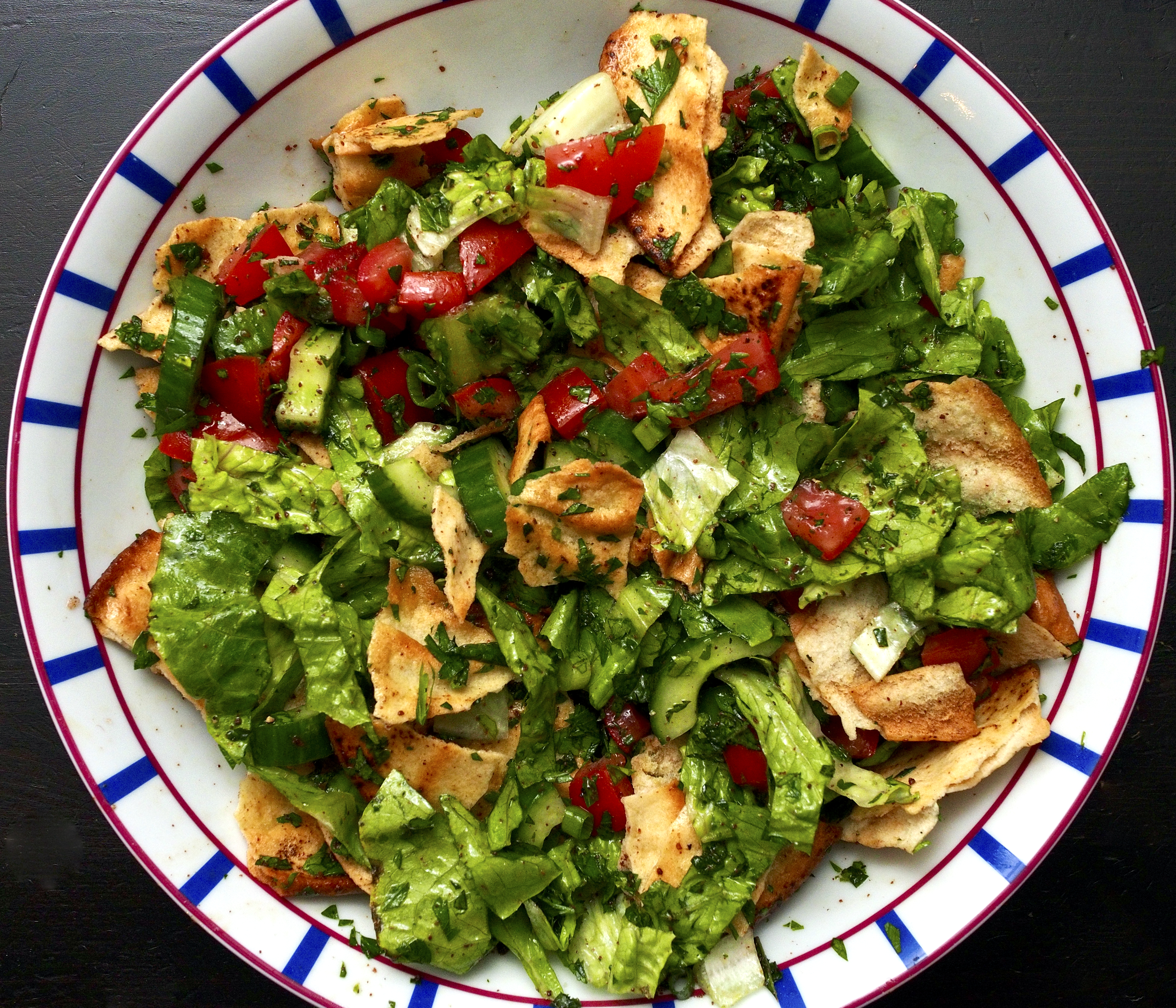
We love this fresh salad, the perfect side dish for so many summer dishes. You can crumble some feta over the top before serving if you like.

Fattoush – serves 4

FOR THE SALAD:

  • 2 flatbreads or pitta breads (about 120g in total)
  • 4 tbsp extra virgin olive oil
  • 3 small Persian cucumbers or 1 small regular cucumber
  • 4 tomatoes (about 450g in total)
  • 75g Romaine lettuce, roughly chopped
  • 3 scallions, finely chopped
  • 10g mint leaves, finely chopped
  • 20g parsley leaves, finely chopped
  • 75g feta cheese (optional)

FOR THE DRESSING:

  • 1 tbsp sumac
  • 3 tbsp lemon juice
  • 4 tbsp extra virgin olive oil

Preheat the oven to 200C/fan 180C/Gas 6.

Toss the pitta breads in the olive oil, then bake in the hot oven for 10 minutes or until very crisp. Leave to cool then snap into chunky pieces.

Cut the cumcumbers in half and scrape out the seeds with a teaspoon. Chop into 1-2cm pieces and put into a salad bowl.

Cut the tomatoes in half and scoop out the seeds, chop the flesh into pieces the same size as the cucumber and add the bowl with the crispy pieces of bread. Add the lettuce and herbs.

Mix the dressing ingredients together and season with salt and pepper. Pour over the salad, then use your hands to toss everything together. Adjust the seasoning to taste, then crumble over some feta if you like.

(Original recipe from Zaitoun by Yasmin Khan, Bloomsbury, 2018.)

Read Full Post »

This is tomato pasta sauce but with some unusual additions that make it taste a bit special. We hightly recommend you try this.

Pasta with tomato sauce & brown caper butter – serves 4

  • 400g penne pasta
  • Parmesan
  • flat-leaf parsley, chopped, to serve

FOR THE TOMATO SAUCE:

  • 1 onion, chopped
  • olive oil, for frying
  • 2 garlic cloves, finely chopped
  • 2 tsp finely chopped fresh rosemary
  • 1 tbsp tomato purée
  • 2 x 400g tins plum tomatoes
  • 1 tbsp white miso
  • 1 tsp runny honey

FOR THE BROWN CAPER BUTTER

  • 4 tbsp capers, drained
  • 75g butter

Fry the onion in a splash of olive oil over a lowish heat for about 5 minutes or until soft. Add the garlic, rosemary and tomato purée and fry for another minute, then add the tomatoes and simmer for 10-15 minutes, breaking them up with a wooden spoon.

Meanwhile, cook the pasta in lots of salty water until al denté.

Melt a small knob of the butter into a small frying pan, then add the capers and fry until they burst open, then tip into a small bowl. Add the rest of the butter to the frying pan and cook until it turns light brown and smells nutty, then pour over the capers.

Add the miso, honey and a little seasoning to the tomato sauce.

Drain the pasta but reserve a mug of the cooking water.

Mix the drained pasta with the tomato sauce and a splash of cooking water to loosen the sauce. Divide between warm bowls, then pour over the caper butter. Serve sprinkled with plenty of freshly grated Parmesan cheese and the chopped parsley.

(Original recipe by Ylva Bergqvist in Olive Magazine, December 2018.)

Read Full Post »

We know how to make parsley sauce but this version is definitely better. The milk is infused for an hour with grated carrot, onion, celery and bay – a game-changer!

Parsley Sauce

  • 1 carrot
  • ½ onion
  • 1 celery stick
  • 1 bay leaf
  • 500ml full cream milk
  • 50g butter
  • 50g plain flour
  • lots of parsley – about 100g of leaves when stripped from the stalks, chopped

Grate the vegetables and put into a saucepan with the bay leaf and milk. Bring to the boil, then remove from the heat and leave to infuse for about an hour. Strain out the veg and bay leaf.

Melt the butter in a saucepan and stir in the flour. Cook gently for a couple of minutes, then gradually whisk in the milk until you have smooth sauce. Simmer very gently for about 5 minutes. If it gets too thick you can thin with a little more hot milk.

Stir the parsley in just before serving and season to taste with salt and pepper.

(Original recipe from The River Cottage Cookbook by Hugh Fearnley-Whittingstall, Collins, 2001.)

Read Full Post »

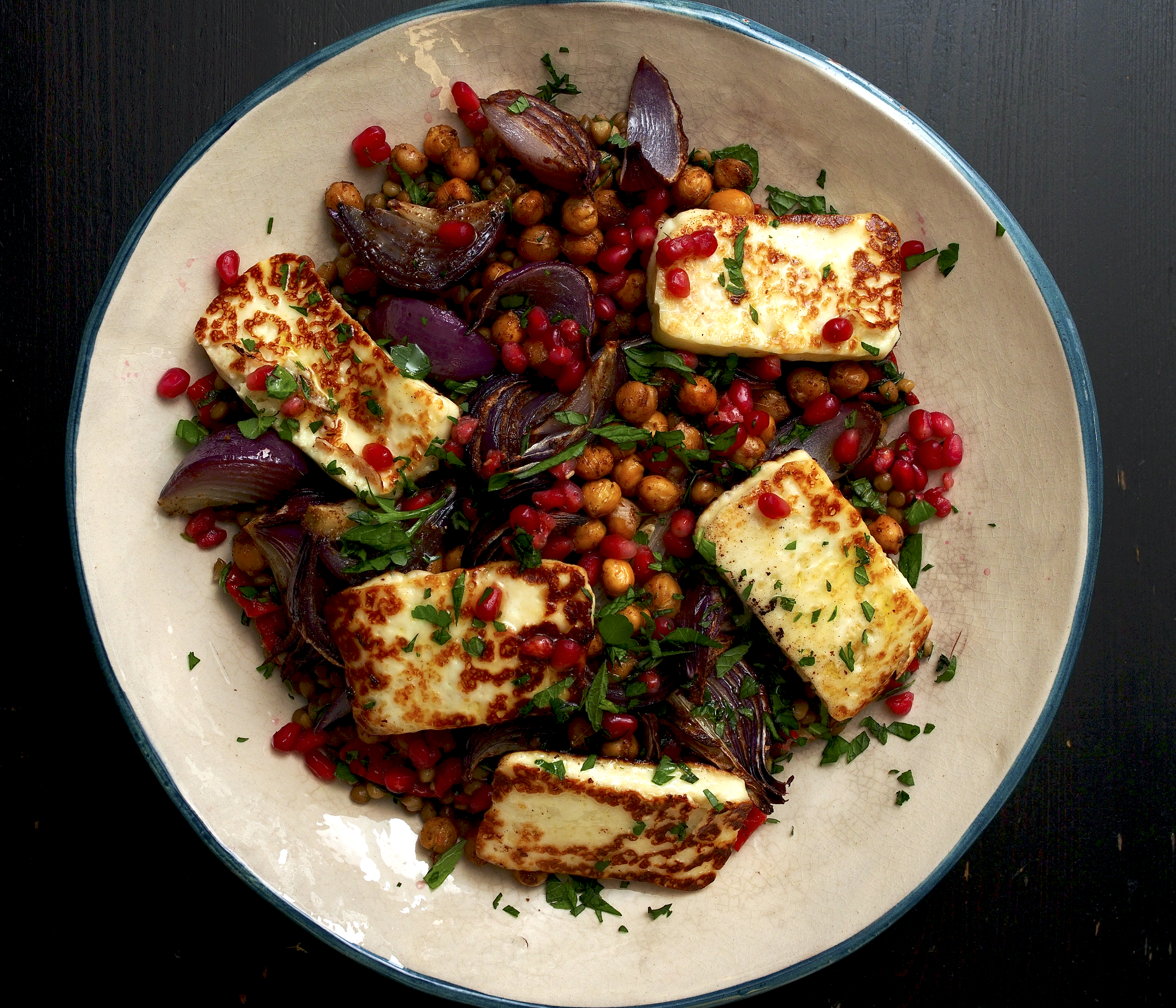
This is so simple for mid-week and the colours are just fab! Healthy too and generous portions.

Roast onion, chickpea & halloumi salad – serves 2

  • 2 red onions, peeled and each cut into 8 wedges
  • 400g tin chickpeas, drained and rinsed
  • 2 tsp ras el hanout
  • extra virgin olive oil
  • 250g cooked Puy lentils – we used a tin but you can of course cook them yourself or buy one of those pouches
  • 100g roasted red peppers, cut into strips
  • a large handful of mint leaves, finely chopped
  • a large handful of flat-leaf parsley, finely chopped
  • 2 tsp pomegranate molasses
  • 250g packet of halloumi, sliced
  • 2 tbsp pomegranate seeds

Preheat the oven to 220C/200C fan/Gas 7.

Line a baking tray with baking paper. Spread the onion wedges and chickpeas over the tray, then sprinkle with the ras el hanout and some salt and rub gently to coat, then drizzle with oil. Cook in the oven for 20-25 minutes or until the chickpeas or golden and crunchy.

Meanwhile, mix the lentils, roast peppers, mint and half the chopped parsley in a bowl. Drizzle over 1 tbsp of oil and the pomegranate molasses and season well with salt and pepper. Mix well and divide between serving plates.

Heat a large non-stick frying pan over a medium-high heat. When hot, add a little oil, then fry the halloumi slices for a couple of minutes on each side or until golden brown.

Spoon the onions and chickpeas over the lentils, then top with the halloumi and scatter over the pomegranate seeds and parsley to serve.

(Original recipe from Lose Weight & Get Fit by Tom Kerridge, Bloomsbury Absolute, 2019.)

Read Full Post »

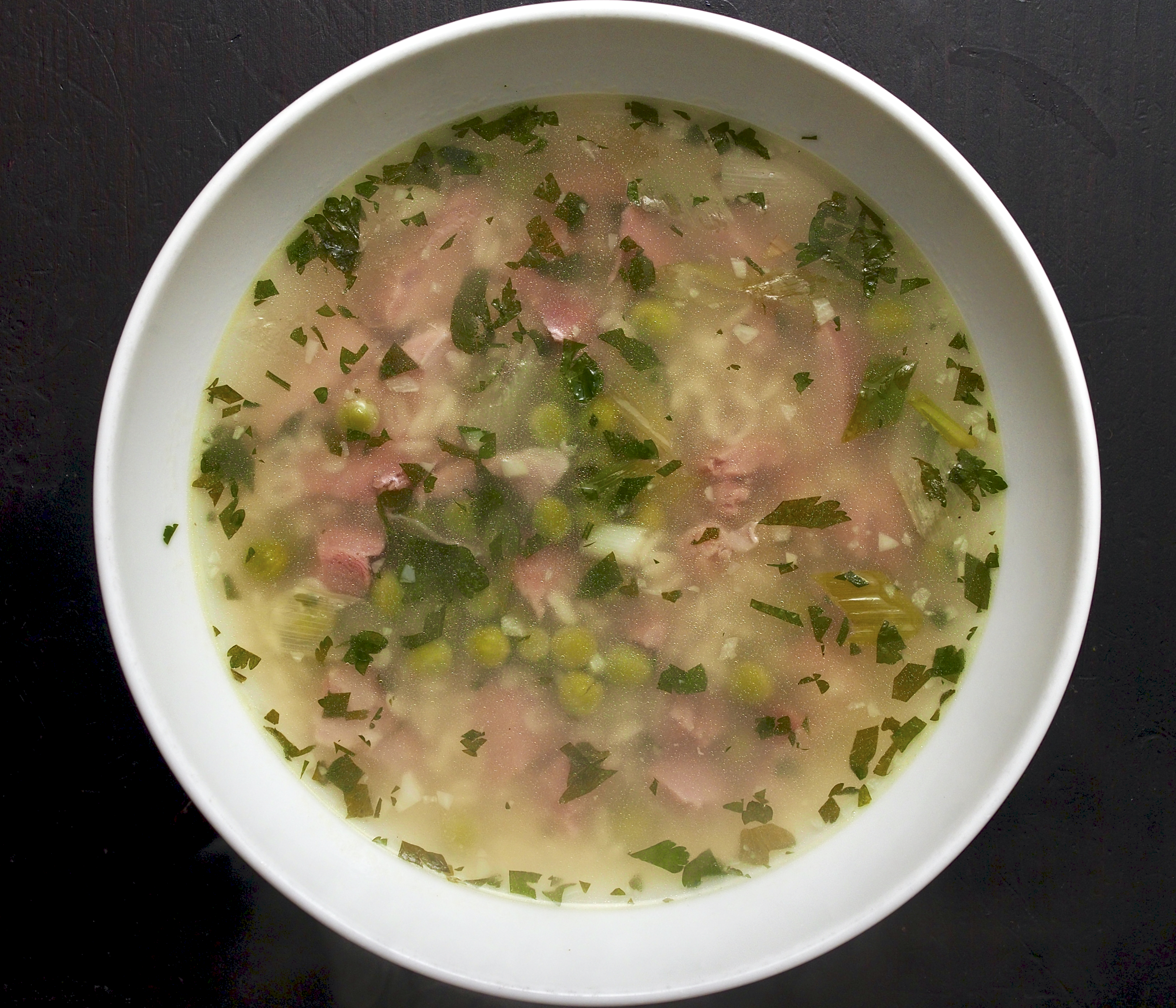
This is nice soup for Spring. It’s filling and definitely tastes better by the second or third day. Ham hocks are still cheap, despite becoming a bit trendy, and they make a great stock. 

Ham hock, pea & scallion soup – serves 6

  • 800g uncooked ham hock
  • 2 bay leaves, scrunched
  • 8 peppercorns
  • 200g frozen peas (or fresh if you have them)
  • 100g small pasta shapes, cooked as per timings on the pack
  • a knob of unsalted butter
  • 1 bunch of scallions, trimmed and finely sliced
  • 3 cloves of garlic, finely chopped
  • a small bunch of flat-leaf parsley, leaves picked and finely chopped
  • juice of ½ lemon (optional)

Put the ham into a large, deep saucepan and cover with enough cold water to just cover, then bring to the boil. Drain, then refill the pan with fresh water, adding the bay and peppercorns. Bring the pan up to the boil again, skim off any froth, then reduce the heat and simmer for about an hour, or until the ham is tender the whole way through when pierced with a skewer. 

Remove the ham from the liquid and set aside. Add the peas to the stock and cook for a minute until tender (5 minutes if using fresh peas). Add the cooked pasta and leave on the heat. 

While the peas are cooking, heat the butter in a small pan over a medium heat and fry the scallions and garlic for about 5 minutes, until soft. Add to the stock along with the parsley. 

Shred the cooked ham from the bone, removing any skin and excess fat, then add to the soup. Season generously with salt and pepper and add a spritz of lemon juice if you like. 

(Original recipe from Home Cookery Year by Claire Thompson, Quadrille, 2020.)

Read Full Post »

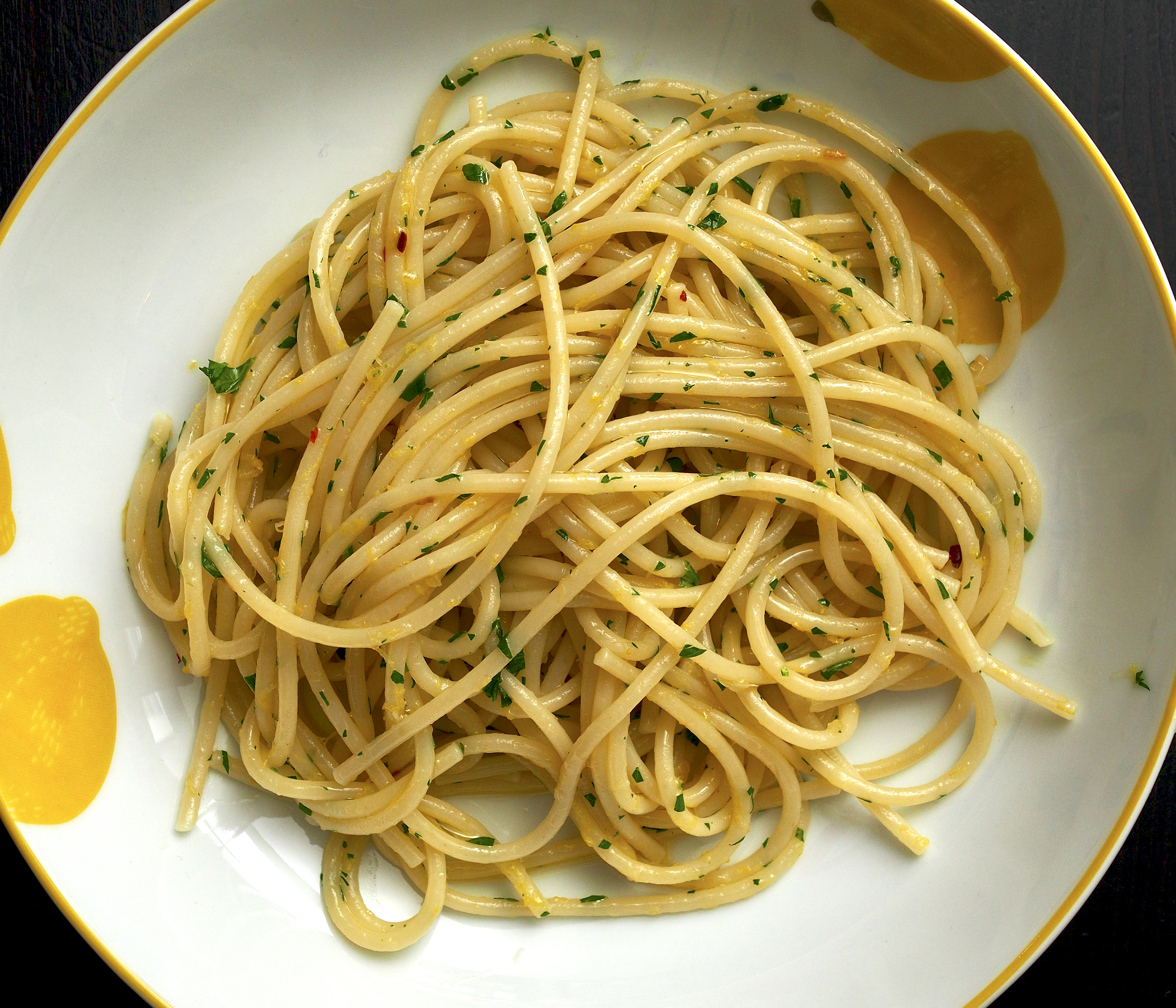
Rachel Roddy is a great inspiration for us in the kitchen. Her recipes are so simple but just right. This spaghetti dish has no pepper or cheese and doesn’t need them, it’s delicious as it is and a treat at any time of year.

Wine Suggestion: We were inspired by the bright Spring day and this dish to open the Spiaggia Marche Bianco. A youthful Verdicchio from the Sartarelli family who live and breathe Verdicchio. Joyful and charming; everything we were hoping for.

Spaghetti aglio, olio al limone – serves 4

  • 2 large unwaxed lemons, zest grated
  • a large handful of flat-leaf parsley, very finely chopped
  • 500g spaghetti
  • 1-2 garlic cloves, very finely chopped
  • 1 small dried chilli or a pinch of dried chilli flakes
  • 6 tbsp of olive oil

Mix the lemon zest and chopped parsley together and set aside.

Bring a large pan of water to the boil, add lots of salt, then stir in the spaghetti and cook until al dente.

Meanwhile, very gently warm the olive oil in a large frying pan with the chopped garlic and chilli. You want it to be fragrant but be very careful not to burn it.

Use tongs to lift the spaghetti out of the water and into the frying pan, you want a little of the residual cooking water. Stir the spaghetti to coat in the oil, then add the lemon zest and parsley and a pinch of salt. You can also add a squeeze of lemon juice if you like, we usually don’t feel it needs it. Divide between warm pasta bowls.

(Original recipe from Two Kitchens: Family Recipes from Sicily and Rome by Rachel Roddy, Headline Home, 2017.)

Read Full Post »

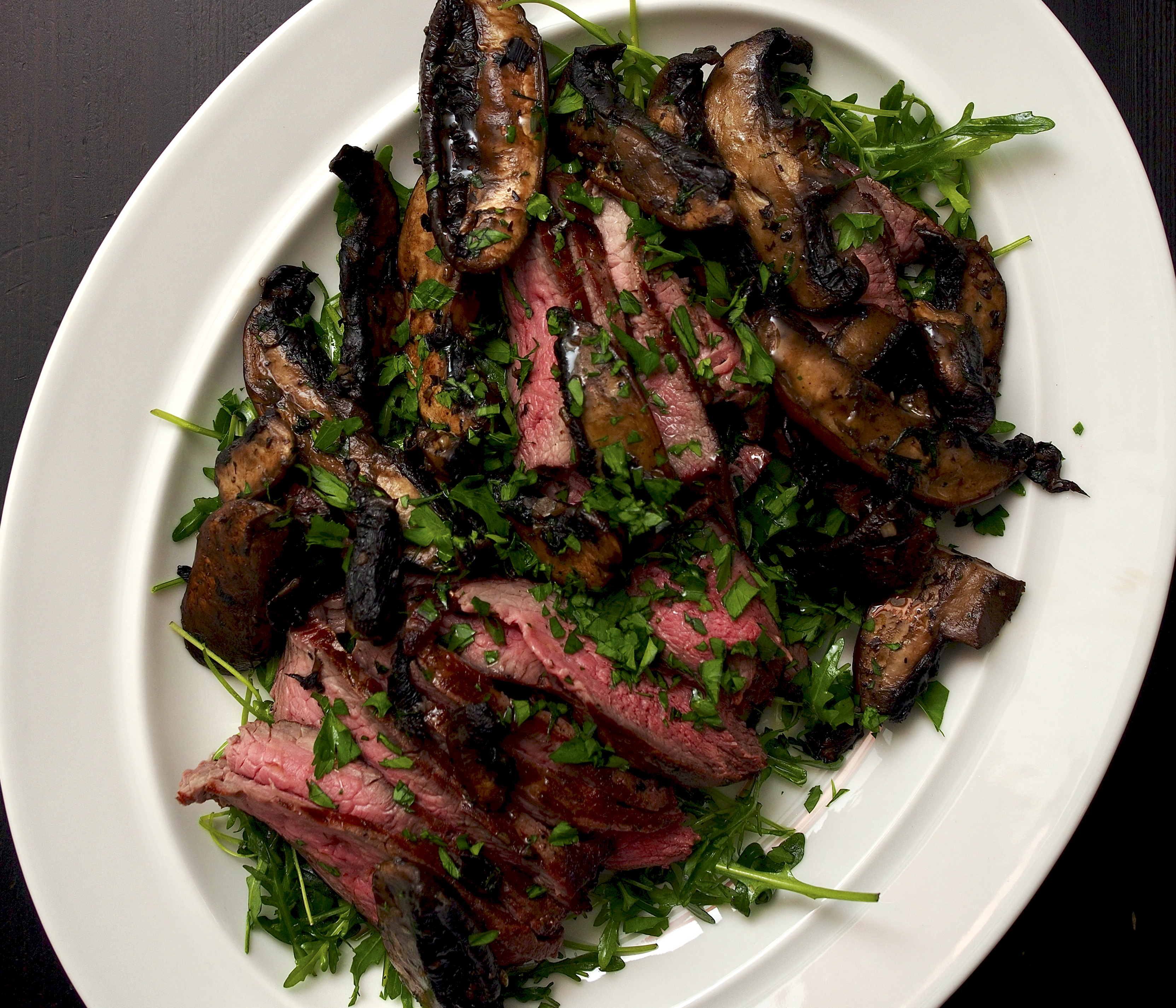
For many years we didn’t buy Polpo by Russell Norman. It has a fancy binding and was always wrapped in plastic in the bookshop, so there was no way to have a flick. We can’t remember now what made us take the plunge, but we’re so glad we did. We’ve cooked many of the recipes and recently took this book off the shelf again and cooked a few more, finishing with this steak dish. You probably don’t need Italian roast potatoes with rosemary as a side but we couldn’t resist.

Wine Suggestion: A kind birthday gift from our friends Nicola and Dave was a wine we knew nothing about, the Iuli Umberta and opening it to try with this dish was a revelation. From the Monferrato hills east of Turin, this Barbera is so full of energy and layered with subtle flavours and gentle spice; so easy and refreshing.

Flank steak with portobello mushrooms – serves 4

  • 800g flank steak, about 5cm thick
  • 4 handfuls of rocket leaves
  • 8 large Portobello mushrooms, sliced
  • 2 cloves of garlic, very finely chopped
  • 1 small handful of flat parsley leaves, chopped

Season the meat with plenty of salt and pepper.

We cooked ours on a hot barbecue but if you prefer you can oil a griddle pan and heat until hot, then grill the steak on both sides. 10-12 minutes in total should give you a medium-cooked steak. Leave it to rest in a warm place for 15 minutes.

Meanwhile, dress the rocket leaves in some good olive oil and season with salt and pepper. Divide the rocket between the serving plates or you can put it onto one large platter.

Heat 2 tbsp of olive oil in a large frying pan with the garlic and most of the parsley. Add the mushrooms and fry until soft and glossy, then set aside. We like to season these a little too.

When the meat has rested, sliced it thinly. Lay the steak on top of the rocket, then scatter with the mushrooms and serve with a drizzle of good olive oil and the rest of the parsley.

(Original recipe from Polpo by Russell Norman, Bloomsbury, 2012.)

Read Full Post »

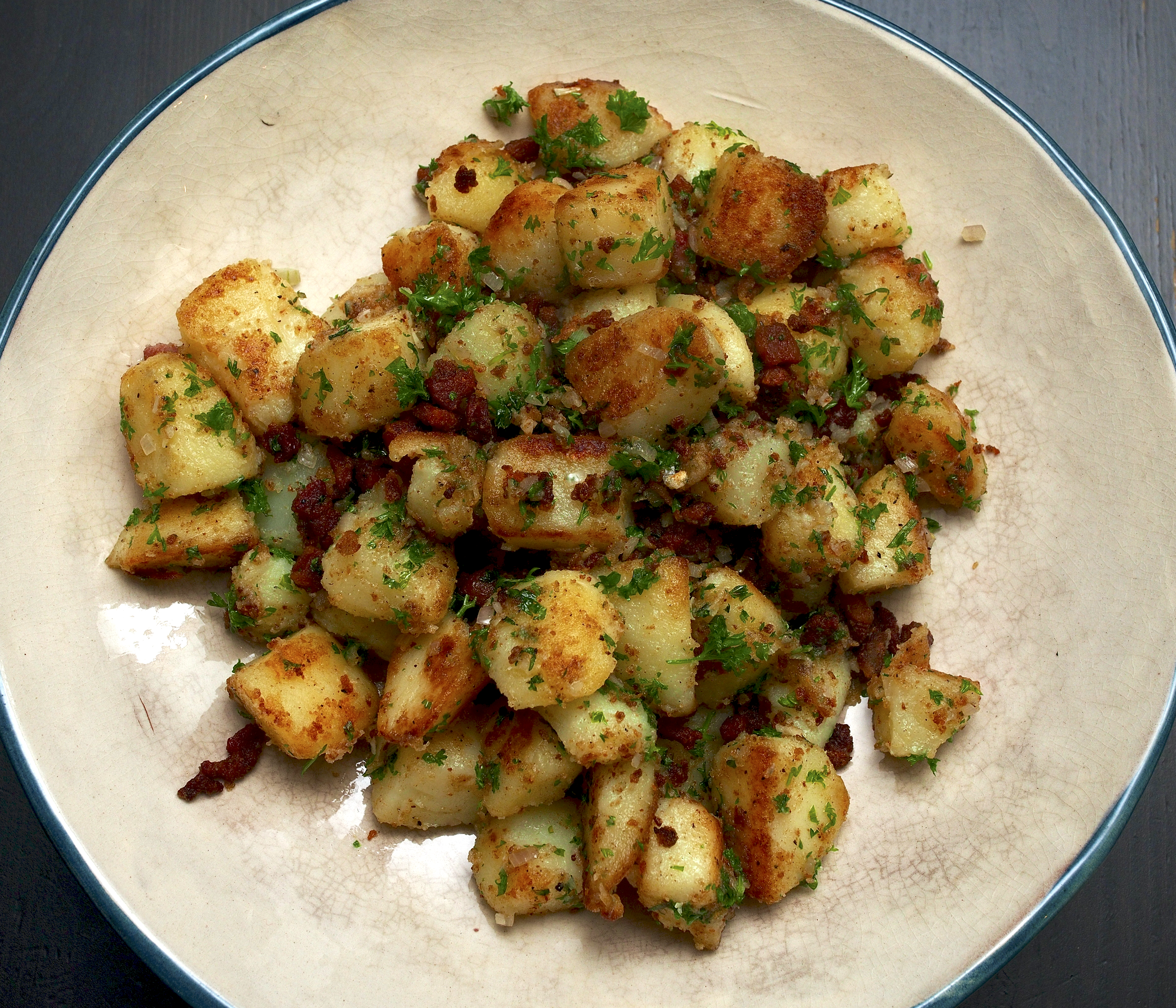
We often end up with all sorts of odds and ends after cooking at the weekend. So a regular Monday night dinner for us is lots of veggie side dishes, all served together. It’s a bit like a roast dinner but you really don’t need the meat and you get to try lots of new dishes too. We served these with Cooleeney & tarragon cauliflower cheese, roasted parsnips and steamed sprouts. Don’t worry to much about the herbs, just use what you have, parsley on it’s own would be fine.

Sautéed potatoes with bacon lardons & persillade – serves 6 (easily halved)

  • 1kg potatoes, cut into 2cm pieces
  • 2 tbsp rapeseed oil
  • 300g smoked bacon lardons (we used pancetta)
  • 25g unsalted butter

FOR THE PERSILLADE:

  • small handful of flat-leaf parsley, chopped
  • 2tsp chopped chervil
  • 1 tarragon sprig, leaves chopped
  • 1 banana shallot, finely chopped
  • 2 garlic cloves, crushed

Put the potatoes into a large saucepan, just cover with boiling water, then simmer for 5 minutes. Drain in a colander and leave to steam dry.

Mix all of the persillade ingredients together in a bowl and set aside.

Heat the oil in a large frying pan over a high heat, add the bacon or pancetta and cook for 8 to 10 minutes or until lightly caramelised. Add the potatoes, then the butter.

Season with salt and black pepper and cook for 10 minutes, stirring regularly, until golden brown all over. Stir in the persillade, then serve.

(Original recipe from BBC Good Food)

Read Full Post »

« Newer Posts - Older Posts »