Feeds:
Posts
Comments

Archive for September, 2011

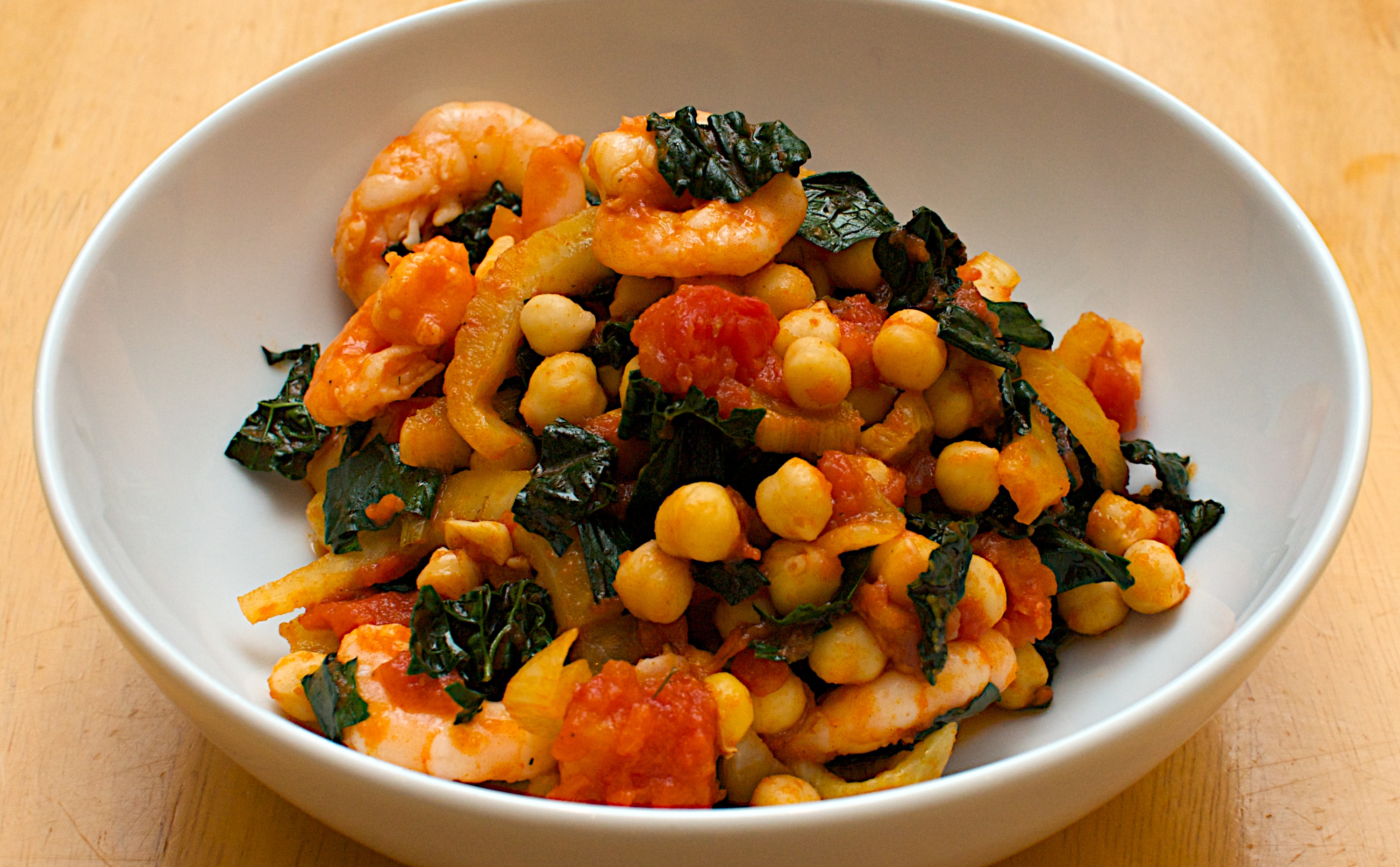
A much needed healthy dinner – we’ve been eating lots of meat and rich sauces recently and have more of the same planned for the weekend. Try this with a hunk of bread to mop your plate. Really easy and tasty but don’t forget to season!

  • 1/2 a bulb of fennel, finely sliced
  • 4 cloves of garlic, finely sliced
  • 1tsp paprika
  • 1  tin chopped tomatoes
  • 1  tin chickpeas, drained and rinsed
  •  a handful of cavelo nero or kale
  • 150g raw prawns
Heat 1 tbsp olive oil in a large frying pan and add the fennel. Cook for about 5 minutes, until softened. Add the garlic and paprika and fry for another minute before adding the tomatoes. Turn up the heat and cook for 5 minutes, until thickened.

Stir in the chickpeas, chopped greens, seasoning and a splash of water and cook for 2 minutes. Add the prawns and cook until just pink.

(Original recipe from BBC Good Food)

Read Full Post »

It is my Mum’s birthday today so when she came down to stay at the weekend I asked her what she would like us to cook. To this she replied “something in a creamy sauce” which sounded fairly straight forward until we went looking for a recipe. Have we all stopped eating meat in creamy sauce or something? We found a few stroganoff style things but as this is one of Mum’s specialities we couldn’t go down that route. Eventually we came across this in Darina Allen’s Ballymaloe Cookery Course and it seemed to fit the bill. Mushroom season is starting too so we’re looking forward to many more mushroomy things.

Carbonnade of Pork with Mushrooms

  • 900g pork fillet
  • 1-2 tbsp olive oil and a little butter
  • 110g onion, finely chopped
  • 60ml dry white wine
  • 150ml chicken stock
  • 225g mushrooms, sliced
  • 300ml sour cream
  • Roux (see below)
  • lemon juice
  • 2 tbsp chopped flat-leaf parsley
For the Roux:
You will only need a little bit of this so you can make it in smaller quantities if you like. It keeps for a couple of weeks in the fridge and can be used to thicken flour-based sauces or gravies.
  • 110g butter
  • 110g white flour
Melt the butter, add the flour, combine and cook for 2 minutes on a low heat, stirring.
For the carbonnade of pork: 

Cut the pork into slices about 7mm thick. Pour a little bit of oil into a very hot frying pan, sauté the pork pieces in batches until nicely browned. Remove to a plate and keep warm.

Add a bit more oil and cook the onions gently until soft and golden. De-glaze the pan with wine and bring to the boil, add stock and boil again until reduced by a quarter.

Meanwhile sauté the sliced mushrooms in batches in a little butter and oil in a really hot pan and add to the pork. Add the cream to the sauce, bring back to the boil and thicken with a little Roux. Add the cooked pork and mushrooms along with the juice to the sauce.

Taste, add a little lemon juice and simmer gently for a minute or two. Add the parsley and adjust the seasoning.

Serve with some curly kale and a glass of the wine you used to make the sauce.

(Original recipe from Darina Allen’s Ballymaloe Cookery Course published by Kyle Cathie Ltd, 2001).

Read Full Post »

So fresh and vibrant in flavour, much better than the raita you can buy in the supermarket and takes only a few minutes to make. We recommend you serve this with a curry (we cooked this one), a dahl, some rice and naan breads. An Indian feast!

Tomato, onion and cucumber raita – to serve 4

  • 1 small vine tomato, chopped into 1cm dice
  • 90g cucumber, peeled and chopped into 1cm dice
  • half a small red onion, finely chopped
  • large handful of chopped fresh coriander
  • 3/4 tsp roasted cumin powder (see below)
  • 1/3 tsp chilli powder
  • 400g plain yogurt, whisked until smooth
  • salt
To make the roasted cumin powder roast cumin seeds in a small dry pan, stirring constantly, until they have darkened quite a bit. Be careful as they can go from brown to black very quickly! Grind to a fine powder.

Stir all the ingredients together and season to taste.

(Original recipe from I ♥ Curry by Anjum Anand, Quadrille, 2010)

Read Full Post »

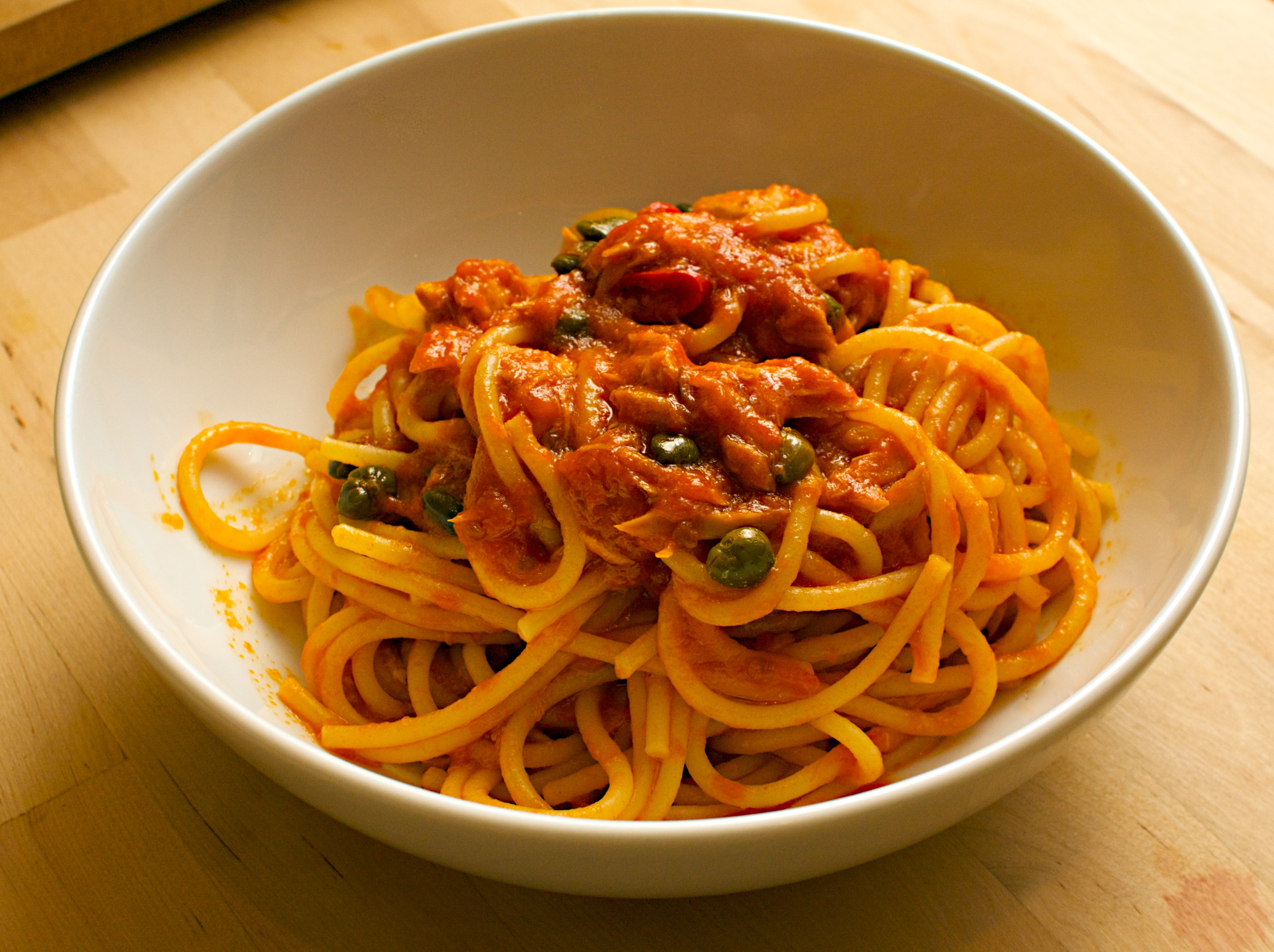
It’s amazing what you can throw together when rummaging through the cupboard. We always make huge batches of tomato sauce and freeze it as you can use it in so many things. We made pizza on Tuesday which didn’t quite use the whole tub and this is how we used up the leftover sauce. We recommend buying good quality pasta – we like Martelli which comes in cute yellow paper bags but most importantly has a great texture – you will notice the difference.

To make this dish we sliced up a red chilli and sautéed it in a glug of olive oil. We then added our leftover tomato sauce and some tuna chunks from a jar of tuna fillets in olive oil – much nicer than tinned and we always avoid brine! Heat this gently while you cook your spaghetti. Throw some rinsed capers in at the end and toss the sauce and spaghetti together. Yum!

Read Full Post »

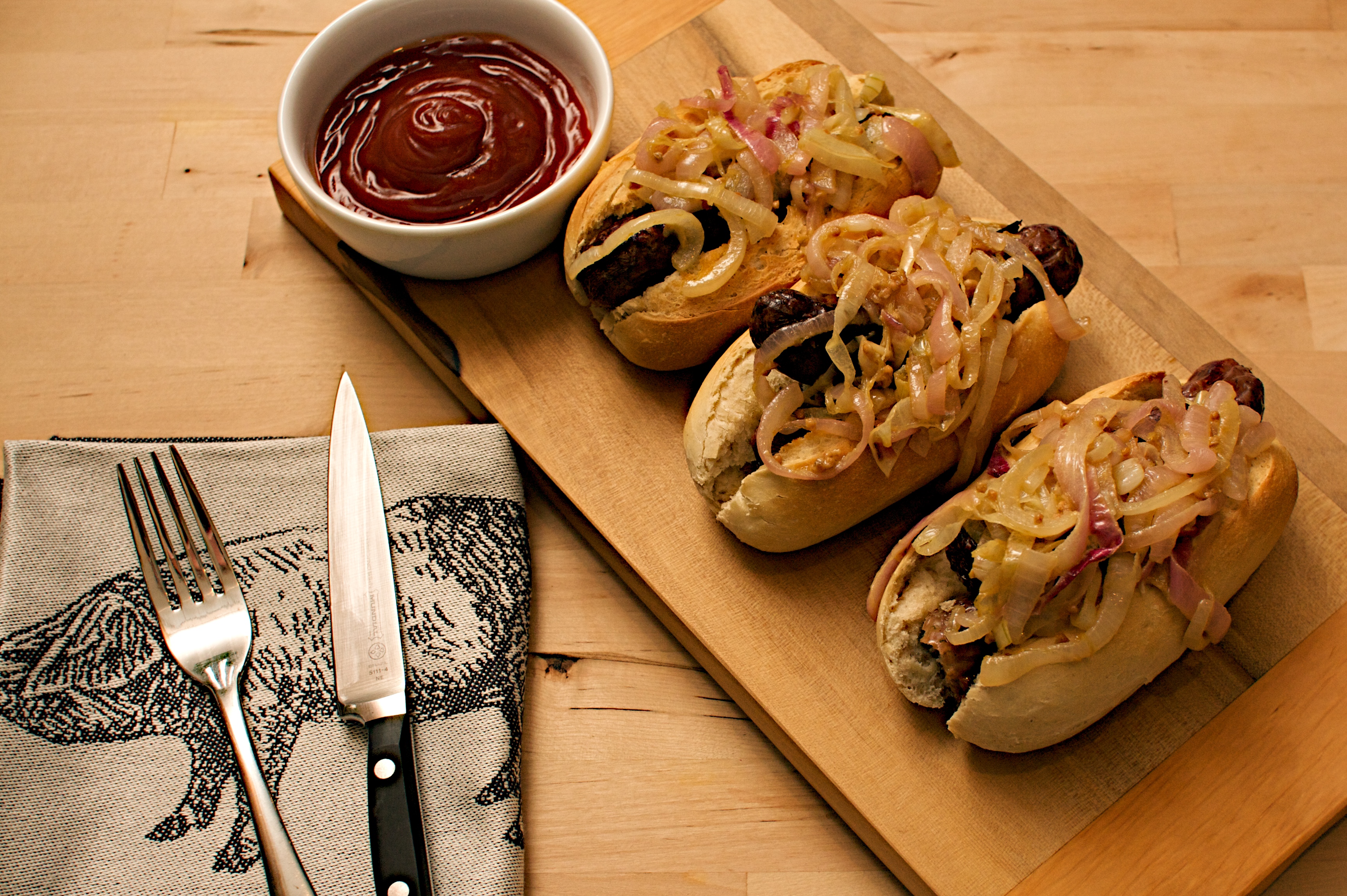
Hot Diggity Dogs!

Great mid-week feeds don’t need to be complicated. These are just hot dogs but made more tasty by adding a few extras you probably already have in the cupboard.

Hot dogs with mustardy onions to serve 4

  • 8 good-quality pork sausages
  • 2 tbsp sunflower oil
  • 2 onions, thinly sliced
  • 1 tsp mustard seeds
  • 4 part-baked mini baguettes
  • 1 tbsp Dijon mustard
  • large pinch brown or muscavado sugar
  • 2 tsp wine or cider vinegar
Heat the oven to 200C/180C fan/gas 6.

Put the sausages in a non-stick baking tray and bake for 20 minutes. Meanwhile, heat the oil in a large frying pan and fry the onions and mustard seeds for 10-15 minutes or until soft and golden.

Brush the sausages with maple syrup and return to the oven along with the baguettes. You should turn the oven up now to 220C/200 fan/gas 7 and cook for another 5-8 minutes or until the sausages are dark and sticky and the baguettes are cooked.

Stir the mustard, sugar and vinegar into the onions until the sugar has melted. Cut the baguettes open, stuff two sausages into each one and pile on the mustardy onions.

Reminds us of Halloween!

(Original recipe from BBC Good Food)

Read Full Post »

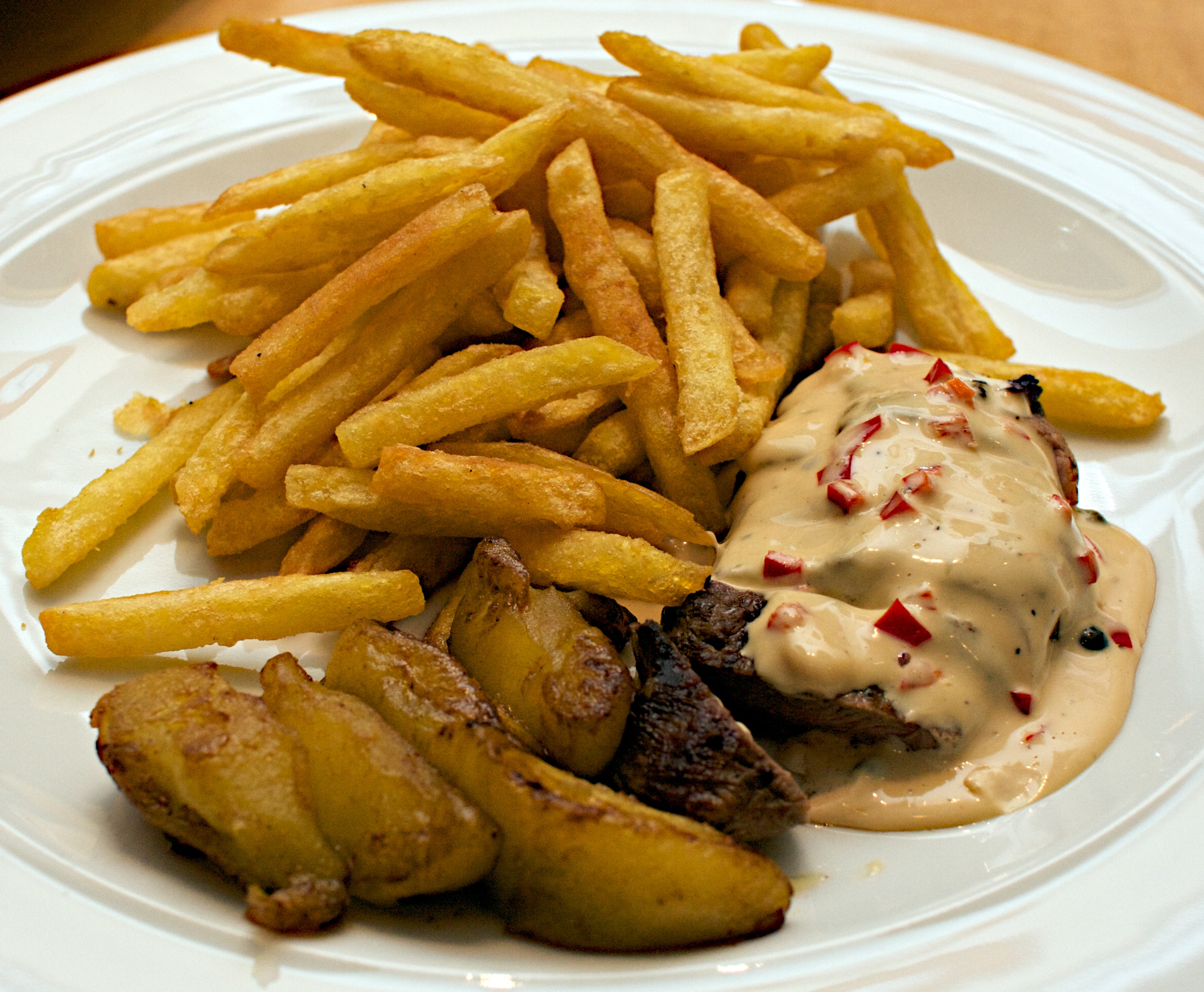
A classically styled recipe that really delivers on flavour. This is not difficult but you have to concentrate for about 20 minutes to get all the components done so it’s best to get all the ingredients together first. We probably wouldn’t have set out to cook this except that we happened to have two duck breasts and were looking for something different to do with them. We’re very glad we found this recipe.

Duck Breasts with Green Peppercorn Sauce – to serve 4 

  • 4 large duck breasts, skinned
  • 45g unsalted butter
For the sauce:
  • 150ml dry white wine
  • 3 tbsp brandy
  • 8 tbsp chicken stock
  • 290ml double cream
  • 2 tbsp wine vinegar
  • 1 tsp sugar
  • 1 tbsp port
  • 20g green peppercorns from a jar or can, well rinsed
  • 20g mild red chilli, chopped very fine
  • salt and pepper
To garnish
  • 20g unsalted butter
  • 2 firm dessert apples, peeled, cored and cut into eighths
  • a little caster sugar
To make the sauce, put the wine and brandy into a large saucepan and boil gently for about 5 minutes or until reduced by tw0-thirds.

Add the stock and boil for another 5 minutes. Add the cream and boil for a further 5 minutes, stirring now and again so it doesn’t catch. You want it to reduce by about a third and be pouring consistency.

Put the vinegar and sugar into a small saucepan. Boil until caramelized and reduced to about a tablespoon. Add to the cream sauce. Put it back over the heat again if you need to remelt the caramel. Stir well and add the port, peppercorns and chilli. Season with salt and pepper and set aside.

To cook the duck breasts, melt the 45g butter in a large, heavy frying pan. When it stops foaming, add the duck breasts and fry quickly on both sides to brown the surface. Reduce the heat and then fry slowly for 8-10 minutes or until the duck is medium-done in the centre. Our duck breasts were on the small side so we didn’t cook them this long. Remove from the pan and set aside to rest.

Melt the butter in another frying pan and add the sugar. Cook until starting to brown and then fry the apples until golden-brown.

Serve the duck breast with the apples and sauce.

Wine suggestion: As this is clearly a french inspired dish it’s probably best to stick to France. Perhaps something from the Languedoc-Rousillon but splash out a bit so that he quality of the fruit in the wine is more likely to match the quality of your ingredients. This would apply to both whites and reds – both could work well here.

(Original recipe from Leiths Technique Bible, Bloomsbery, 2003.)

Read Full Post »

To celebrate the first birthday of our blog we thought we’d cook a cheese cake, but being the inveterate bakers we aren’t we went for just the cheese 🙂

One year on and we love blogging about food even more and being connected to so many foodies around the world.

So happy birthday to us – we look forward to many more.

Jono and Jules

Wine suggestion: we went with a very nice Riesling from Wild Earth vineyards in Central Otago, NZ because we had no Champagne in the fridge. It went very nicely with the cheese.

Read Full Post »

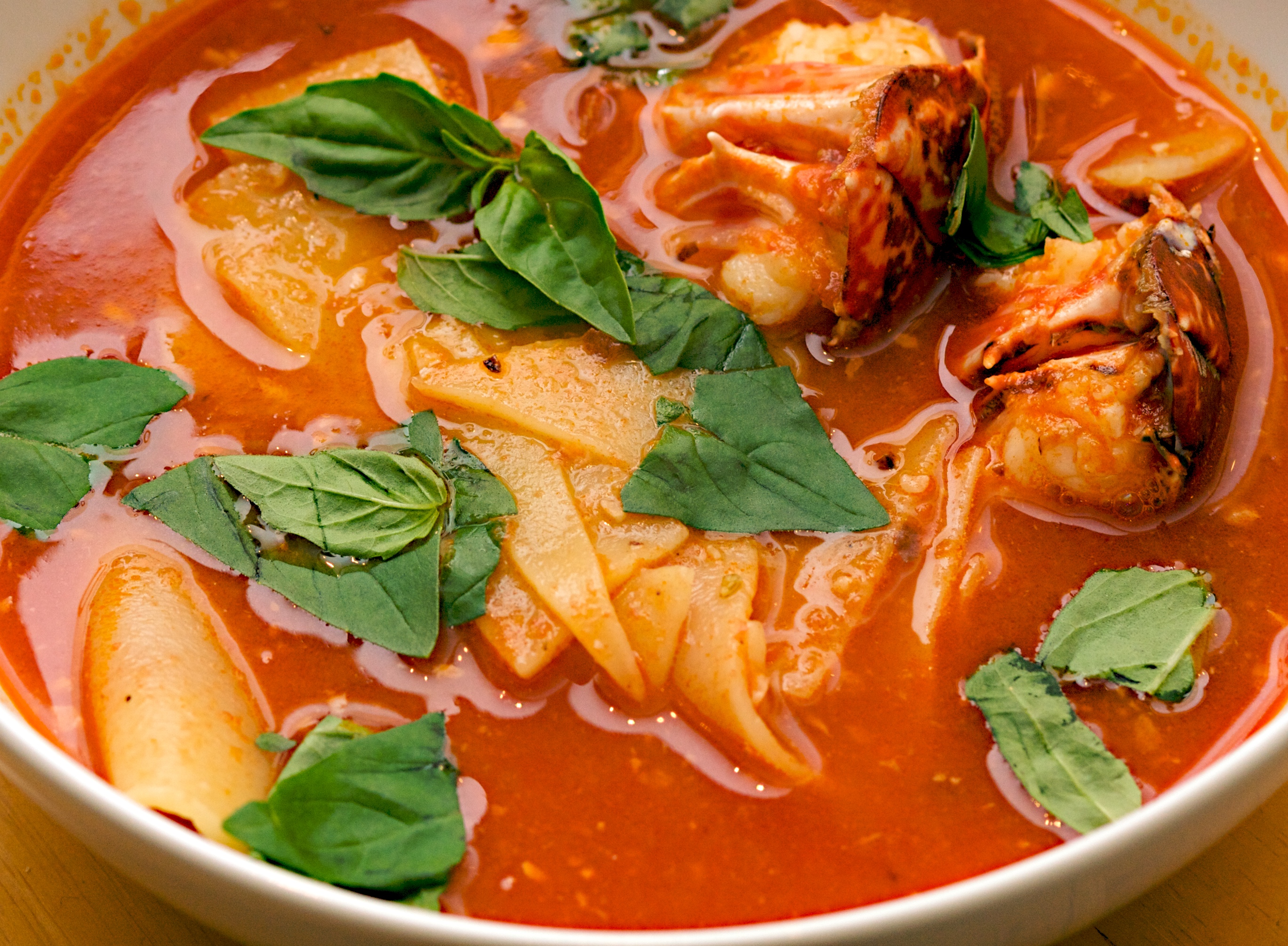
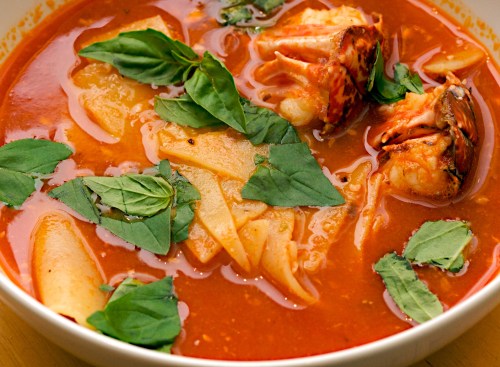
We got a surprise call from our great friend Ben who had some live lobsters which he was terrified of. He’s now got over this and is an expert lobster stabber and we got the benefit of two live lobsters too. I made this years ago before I met Jules and have always promised to cook it if two live lobsters arrive on our doorstep, so happy Friday night Jules! This recipe feeds 4 people – we had no problem finding 2 volunteers to help us eat it.

Il miglior brodo siciliano di aragosta – the best Sicilian  lobster broth – to serve 4

  • 150g dried lasagne sheets, smashed up
  • 2 x 1kg live lobsters
  • extra virgin olive oil
  • 1 large white onion, finely chopped
  • 6 cloves of garlic, peeled and finely chopped
  • 1 large carrot, peeled and finely chopped
  • 1 cinnamon stick
  • 1 tsp chilli flakes or 1 or 2 small dried red chillies, crumbled
  • 1 tsp fennel seeds, smashed
  • 1/2 a bottle of Sicilian white wine – you can substitute any white wine
  • 850ml passata or 3 x 400g tins plum tomatoes, liquidized
  • a large handful of whole almonds, skins on
  • a small handful of fresh basil leaves
First you’re going to have to kill the lobsters. The best way to do this – and the fairest way for the lobster – is to get a large sharp knife, place the tip on the little crown on the head and chop straight down between its eyes. Be brave! Once you’ve killed your lobsters you need to twist and pull the head away from the tail. Put the tails and claws aside for now. Open the heads and discard the little grey stomach sack which will be near the eyes. Then just cut the head up into little pieces, keeping all the brown meat and other stuff.

Put a large pot on a very gentle heat. When hot, pour a good glug of olive oil in along with all the head pieces and lobster legs. You can turn the heat up a bit now. Add your onions, garlic, carrots, cinnamon stick, chillies and fennel seeds. Continue frying this for about 15 minutes – keep moving it around in the pot – so the onions take on a bit of colour but careful they don’t burn. If the pan gets too hot just splash in a bit of water.

Add your white wine and boil hard for 5 minutes before adding the passata and the same quantity of water. Bring back to the boil, then reduce the heat and simmer for about 20 or 30 minutes. Now put a colander on top of another large pot and pass the soup through it. Press down on the shells with the back of a ladle and let them drip for 5 minutes to make sure you get all the flavour out of them. You can now throw the shells away. Put the soup back on the heat to simmer. It should look like tomato soup – if you think it looks to thick you can add a little water.

Slice the lobster tails across, through the shell and the meat, into 2.5cm slices and put these into the broth. Crack open the claws and pick out all the meat and add this to the broth too. Continue to simmer for 8 more minutes. Meanwhile, cook the pasta in salted boiling water, then drain and toss into the soup for 4-5 minutes.

Chop the almonds very finely and stir into the soup. Taste and season if needed. Divide between 4 bowls, tear over some basil leaves and drizzle with some extra virgin olive oil.

Wine Suggestions: as this is such a rich dish you need to pair it with a wine that is a little more robust and full-bodied. For whites there are a couple of options: stay local and choose Sicilian wines like Inzolia or Grillo which have weight and a herbal minerality. The other option is to look at a classic Chardonnay with a bit of oak for structure. Try to pick one that has a little bit of acidity for freshness too. This was the option we went for and it worked a treat. For red, do the opposite and look for a fruity, but lighter style of wine like an easy and inexpensive Pinot Noir or Grenache – you want to avoid too much tannin and weight which would overwhelm the sweet, delicate lobster.

(Original recipe by Jamie Oliver in Jamie’s Italy)

Read Full Post »
Rugby World Cup Brunch

This is a bit more exciting than your regular cheese and toast and it’s easy to throw together with one eye on the match. We don’t usually buy  sliced pan bread but admit it has its purposes and this is definitely one of them (bacon butties is another). Maybe we’ll try and cook something green for the next match.

Chilli Cheese Toast – to serve 2

  • approx. 100g Cheddar cheese, grated
  • 10g onion, finely chopped
  • 1/2 small tomato, finely chopped
  • a little bit of sliced green chillies – or more if you like
  • 1 tsp finely chopped coriander
  • 2 slices of bread
Heat the oven to 200°C/400°F/gas mark 6. Mix together all the ingredients except the bread. Pile the mixture on top of the bread and bake for a few minutes until crisp and turning brown at the edges.
(Idea from Anjum Anand Indian Food Made Easy, Quadrille, 2007.)

Read Full Post »

This is the  first recipe we’ve tried from Rick Stein’s Spain. Unusually made with white wine, this beef stew is a bit lighter but still rich and full-flavoured. Leftovers are particularly good the next day too. It takes a while to cook but is really easy and there are very few ingredients needed.

Rick says the Spanish serve this with patatas fritas but in an attempt to be not quite so unhealthy we did some roasted slices of potato instead.

Beef in White Wine, Oviedo-Style (Carne gobernada) – to serve 6

  • 1.5kg chuck or blade steak
  • 7 tbsp olive oil
  • 600g onions, chopped into 1cm pieces
  • 10 garlic cloves, crushed
  • 6 fresh bay leaves
  • 300ml dry white wine
  • 300g small carrots, cut into 5 cm lengths
  • salt and pepper
Trim the meat and cut it into bite-sized chunks. Season well with salt and pepper.

Heat 2 tbsp of the olive oil in a large flameproof casserole and fry the beef in batches until nicely browned. Set aside on a plate.

Add the rest of the olive oil and the onions, garlic, bay leaves and a half tsp of salt to the pan, then cook very gently for about 30 minutes or until the onions are soft and golden.

Add the beef back to the pan, add the wine, bring to the boil and season with another half tsp of salt and some pepper. Cover and leave to simmer gently for 2 hours, stir it now and again.

Add the carrots, cover again and cook for another 30 minutes or until the wine and meat juice have combined to make a rich sauce and meet is really tender. Adjust the seasoning and serve with some potatoes.

(Original recipe from Rick Stein’s Spain, published by

Wine Suggestion: Despite being a stew this dish is not heavy, so avoid big, full-fruited wines when trying to pick something to match this. We went around to O’Briens to find a medium bodied Spanish with not too much oak and really struggled as nothing really matched this brief. Our choice in the end was a Sierra Cantabria Crianza from Rioja which went well, but it would have been better with a Mencia from Bierzo or even a Doa from Portugal where the acidity is naturally a little higher and the use of oak normally much less dominant. You could also search for a joven or roble made from tempranillo and/or garnacha where the  wine is younger, fruitier and made for early drinking – just like the Spanish like it!

Read Full Post »

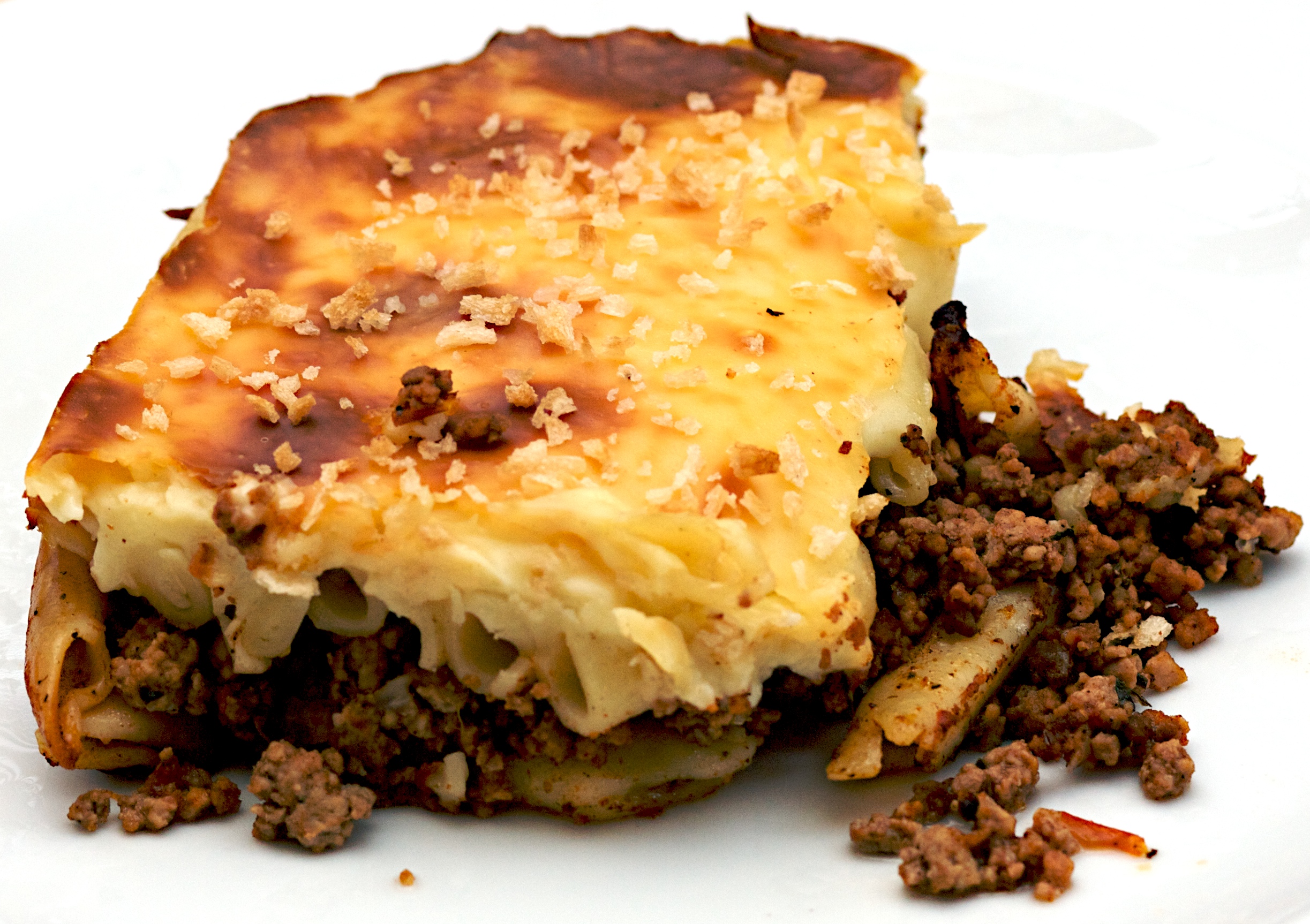
Cypriot PastitsioThe warmth of the cinnamon and the dried mint turns this pasta bake into something distinctively Cypriot rather than Italian. Serve it with a big Greek salad on the side for a stress-free dinner party. The Pastitsio takes a while to make but you can have all assembled in advance, ready to stick in the oven when your guests arrive. It is also best served warm, or even at room temperature, so you don’t need to worry if you get behind making your salad!

Tessa recommends a dish of dimensions very similar (and no bigger) than this: 35cm long, 24cm wide and 6cm deep. We used a big roasting tin.

Pastitsio – to serve 10

  • 4 tbsp olive oil
  • 1 large onion, chopped
  • 2 tbsp chopped parsley
  • 2 garlic cloves, chopped
  • 850g minced pork and beef
  • 1 bay leaf
  • 1 tsp ground cinnamon
  • 125 ml white wine
  • 400g tinned tomatoes, chopped
  • 450g short pasta (we used penne)
  • about 30g butter
  • 1/2 tsp dried mint
  • 1 tbsp breadcrumbs
Bechamel sauce
  • 120g butter
  • 125g plain flour
  • 1 litre warm milk
  • a little freshly grated nutmeg
Heat the oil in a large non-stick saucepan and fry the onion until soft and golden. Add the parsley and garlic and cook for a few second before adding the meat. Fry for a few minutes until all the moisture has gone and the mince is starting to brown. Season and add the bay leaf and cinnamon. When it starts to fry and brown, add the wine and cook until evaporated. Add the tomatoes and a cup of water and cook over a medium to low heat for 10-15 minutes. The meat shouldn’t be too dry. Take off the heat.

Preheat the oven to 180°C (350°F/Gas 4). Cook the pasta in boiling salted water for 2 minutes less than what it says on the packet. Drain and put in a bowl. Mix in the butter and crumble in the dried mint. Stir well and spoon half over the base of a large ovenproof dish. Pour the meat mixture over the top to evenly cover the pasta, then add the rest of the pasta over the top. Press down with a wooden spoon to make it quite compact. Set aside while you make the béchamel sauce.

Melt the butter in a saucepan. Stir in the flour and cook for a few minutes, stirring all the time, then start adding the warm milk. Work quickly, stirring while adding ladlefuls of milk as each one is absorbed. When the sauce is smooth and not too stiff, add salt, pepper and a grating of nutmeg. Keep cooking even after it comes to the boil, for about 5 minutes, stirring all the time. You should have a very thick and smooth sauce. Pour this over the pasta and meat in the dish. Sprinkle the breadcrumbs over the top and bake for 30-40 minutes until the top is golden. Let it cool for a bit before you serve or it will run everywhere.

(Original recipe from Falling Cloudberries by Tessa Kiros, published by Murdoch Books, 2004.)

Read Full Post »

Calamari with Butter and GarlicMade for Michael and Ben who don’t like squid …but both asked us to post this recipe, perhaps we have converted them! Chargrilled and smothered in lemony garlic butter and parsley – don’t forget to buy some bread as mopping up the sauce is the best bit!

Calamari with butter, lemon and garlic – to serve 6 as a starter

  • 1kg squid (baby squid is best)
  • 100g butter
  • juice of 1 1/2 lemons
  • 3 garlic cloves, finely chopped
  • 2 tbsp chopped parsley
  • lemon wedges, to serve
If you need to clean the squid yourself, pull the tentacles away from the body. Remove the clear bone from inside the body and rinse the body well under cold water. Hold the tenticles firmly in one hand and squeeze out the little beak and cut it away, leaving the tentacles whole. Rinse the tentacles. Cut the body into rings about 3cm thick, and leave the tentacles whole. Pat dry.

Heat the butter in a saucepan and when it sizzles, add the lemon juice. Season with salt and pepper. Add the garlic and sizzle for a minute or two to flavour the butter but don’t let it burn. Stir in the parsley and take it off the heat.

Heat a griddle to very hot (it should be just smoking). Scatter with some of the calamari in a single layer – you’ll have to cook in batches – and cook over the highest heat. When the squid has darkened in parts on the underside, turn it over with tongs and cook until the other side is darkened – careful it doesn’t burn or it will taste bitter. Move it around the pan and let it cook for another couple of minutes, then add to the warm butter while you cook the next batch. Season to taste and serve with lemon wedges and lots of bread.

(Original recipe from Falling Cloudberries by Tessa Kiros, published by Murdoch Books, 2004.)

Read Full Post »

A very eye-catching wine label and a delightful wine to drink as well. This was brought over by our friend Jennifer from one of our local wine shops: The Wine Boutique in Ringsend, Dublin.

Being from Rueda in central Spain this wine is dominated by Verdejo, but interestingly it also has some Albillo,  a little known grape. Albillo has very little flavour characteristics, but has been cleverly used by the winemaker because it is quite glycerous and smooths acidity in wines. Because Verdejo is fresh, aromatic and typically acidic this is a clever trick and has worked very well as the wine is fresh, fruity and smooth, so very easy to drink.

Well recommended by Jen and well enjoyed by all – worth checking out and great value at €11.00

Read Full Post »

Irish SaladThis caprese salad is made from all Irish ingredients – even the mozzarella (fellow Dubliners can pick some up in Fallon & Byrne). Perfect for what will probably be one of our last sunny lunches for this year.

Caprese di Mozzarella – serves 2

  • mozzarella cheese
  • 2-3 tomatoes, sliced
  • basil leaves
  • olive oil
  • salt
Drain the cheese and cut into thin slices. Arrange the tomato and mozzarella slices in concentric rings on a nice plate. Sprinkle with basil leaves, drizzle with olive oil and season with salt (salt is a necessity here!).

Read Full Post »

Really good spuds!

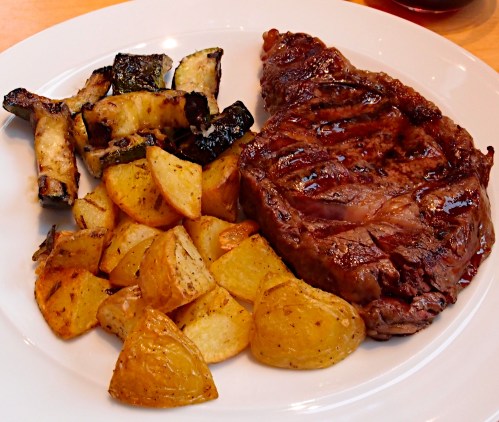
We cooked these recently and took pics, as always, so we could post the recipe on the blog later. Only to find out that we have in fact cooked them before and blogged the recipe also. So we would like to reiterate that this is a very nice way to cook potatoes. We also recommend that you make a little note beside every recipe you do so you don’t forget that you’ve made it before and whether or not you liked it. We almost always do this but clearly forgot this time. You can get the recipe here.

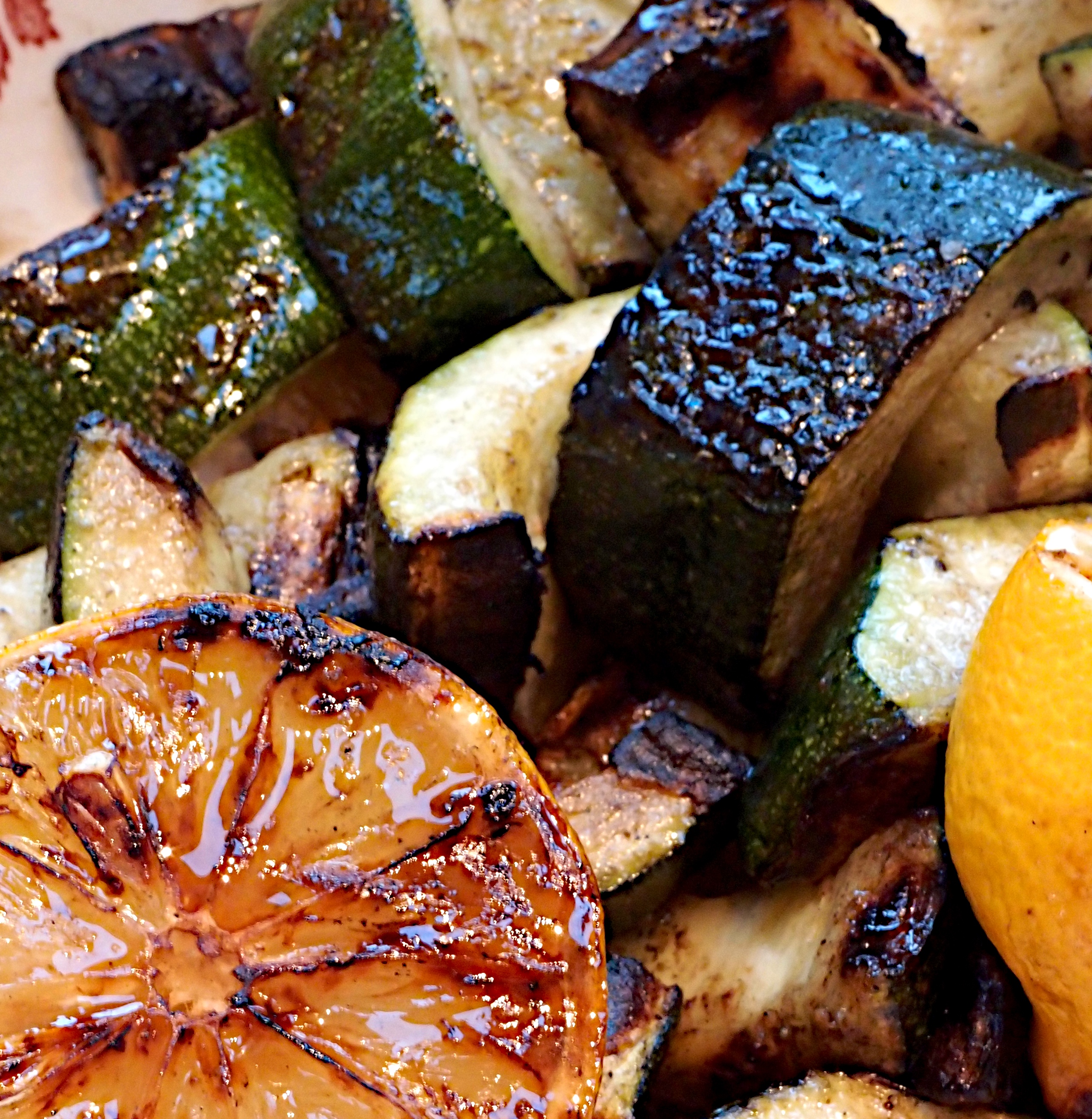
A great accompaniment to potatoes and steak were these courgettes from Johnny and Vivienne’s garden which barbecued superbly, especially with the lemon halves which contribute a caramel zing.

Read Full Post »

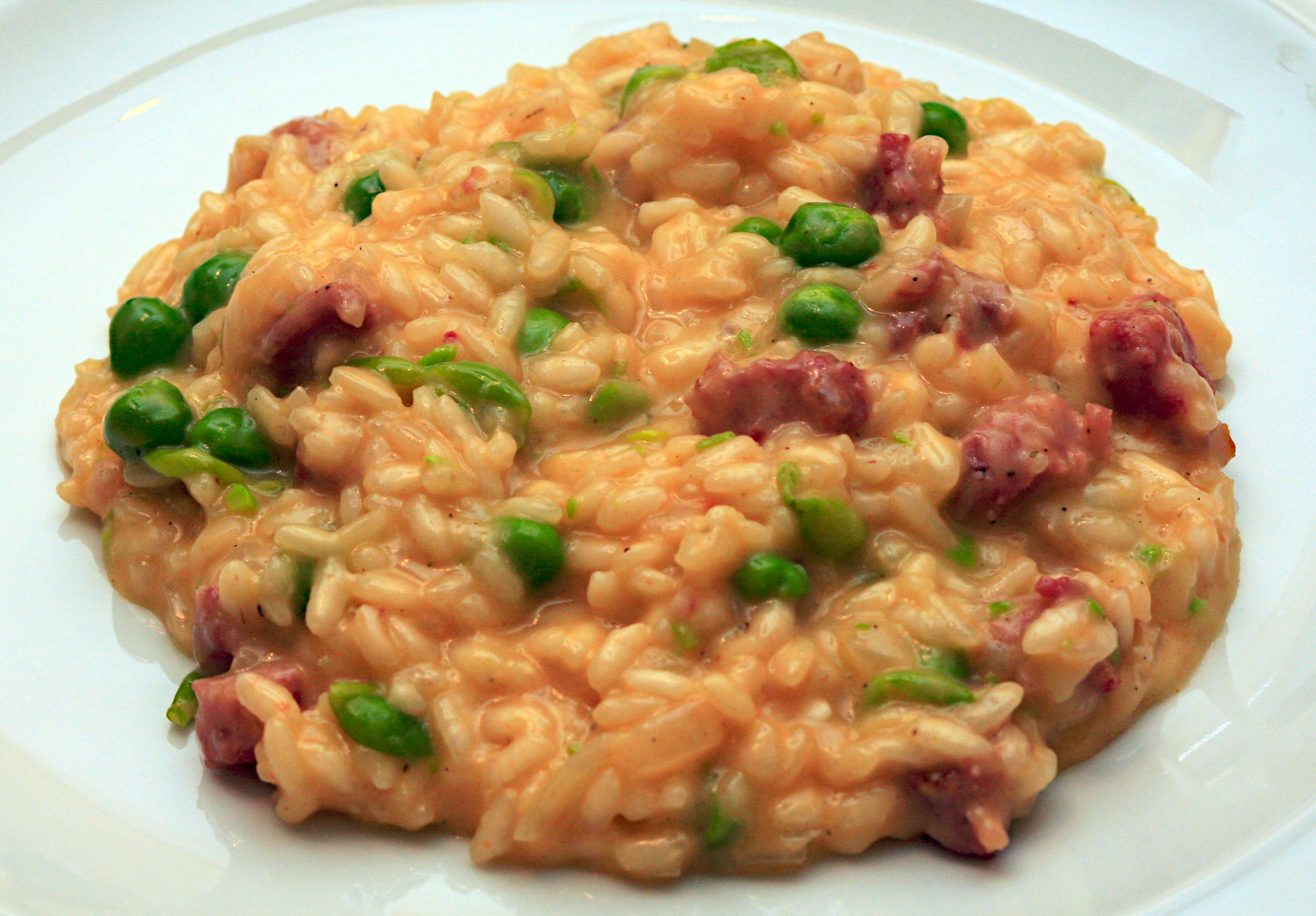
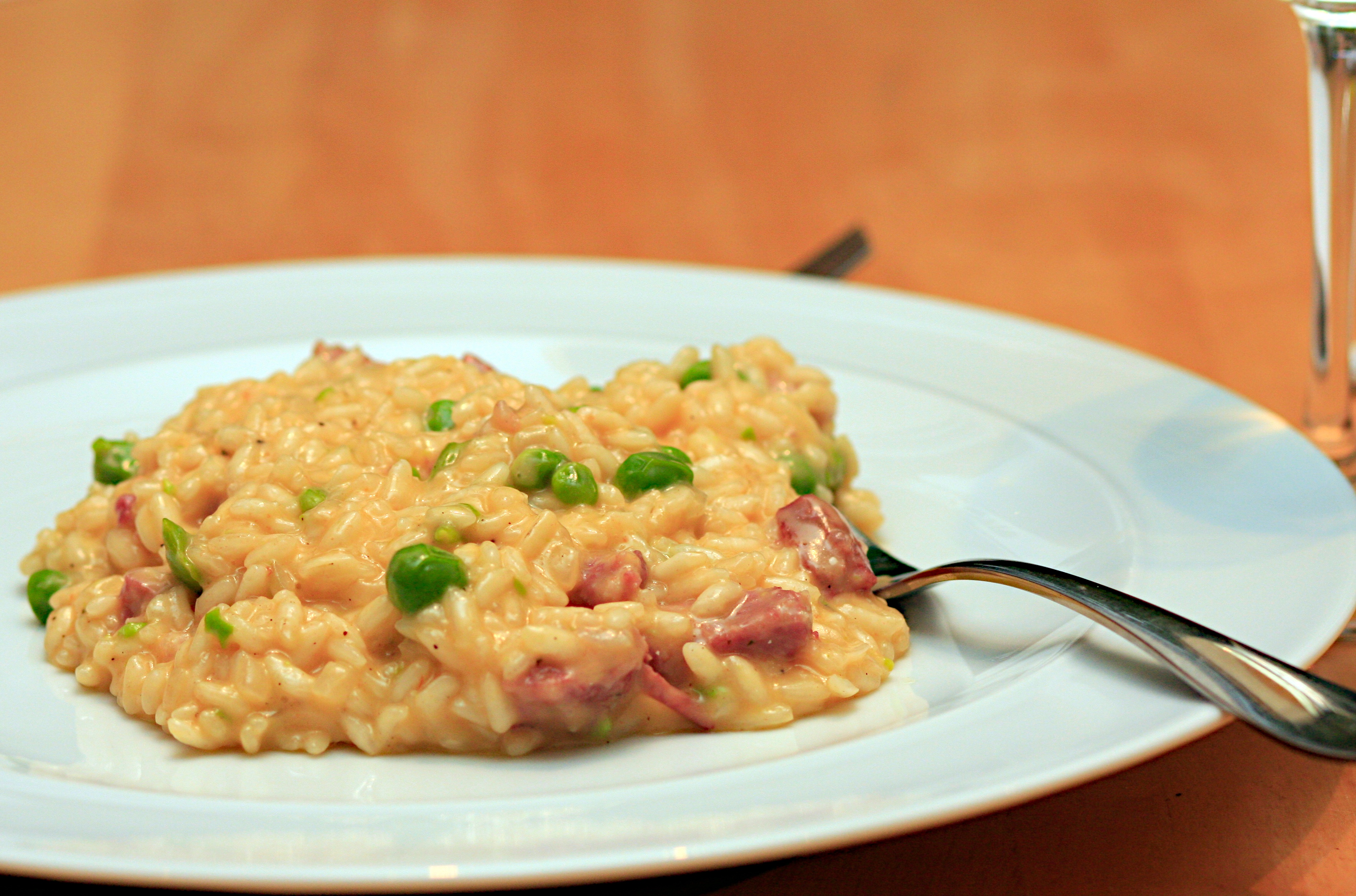
Giorgio Locatelli is a great inspiration when it comes to our Italian cooking and he hasn’t disappointed with this recipe either; fully flavoured and rich, yet fresh and exceptionally easy to eat … Jono kept on creeping back to attack the leftovers! We used some Italian sausages from Sicily that we convinced a local Italian restaurant to sell us but you can use whatever sausage you like as long as they are good quality. Georgio uses another Italian sausage called Luganica which he says are small and peppery so you could try seeking these out too.

Risotto con luganica e piselli – to serve 4

  • 150g freshly podded peas
  • 2 good pork sausages (see tips above)
  • 2.5 litres of good chicken stock
  • 50g butter
  • 1 onion, chopped very finely
  • 400g superfino carnaroli – we used regular carnaroli which worked fine
  • 125ml dry white wine
  • 2 tbsp tomato passata
For the mantecatura:
  • 75g cold butter, cut into small dice
  • 100g finely grated Parmesan
Blanch the peas in boiling salted water for a couple of minutes and drain. Crush one-third of them with a fork to make a coarse purée.

Chop the sausages into small pieces. Sauté half the chopped sausages in a pan until they are crispy and brown and set aside.

Bring your pot of stock to the boil and then turn it down so it is just simmering.

Melt the butter in a heavy-based pot and add the onion and the other half of the sausages (that you didn’t sauté). Cook gently until the onion is softened but hasn’t changed colour – about 5 minutes.

Add the rice and stir around so it gets coated in butter. Make sure all the grains are warm, before adding the wine. Let the wine evaporate totally until the onion and rice are dry.

Start adding the stock, a ladleful at a time, stirring continuously as you do so. Add the tomato passata along with the first ladeful. When each addition of stock has almost evaporated, add the next ladleful.

Carry on like this for about 15-17 minutes, continually adding stock as above. After about 12-14 minutes add, add the peas and the sausages that you sautéd earlier. Slow up on the stock when you get near the end so the rice doesn’t become too wet and soupy or it will get too sloppy when you add the butter and Parmesan at the end.

Turn the heat down and rest the risotto for a minute, then, for the mantecatura, use a wooden spoon to vigorously beat in the cold diced butter and finally the Parmesan, making sure you shake the pan hard while you beat. Season to taste and serve.

(Original recipe from Made in Italy: Food and Stories by Georgio Locatelli, published by Fourth Estate 2006)

Wine Suggestion: We suggest you serve the rest of the white that you used in the recipe. We went for a Falanghina made by Catello Ducale in Campania, the heel of Italy. The risotto is rich so you want a white wine that ‘s  reasonably full bodied and full of fruit, but maintaining freshness  which southern Italian whites like this often bring. Alternately you could try a fruity and medium bodied red with some acidity, again an Italian blend with some sangiovese would work a treat.

Read Full Post »

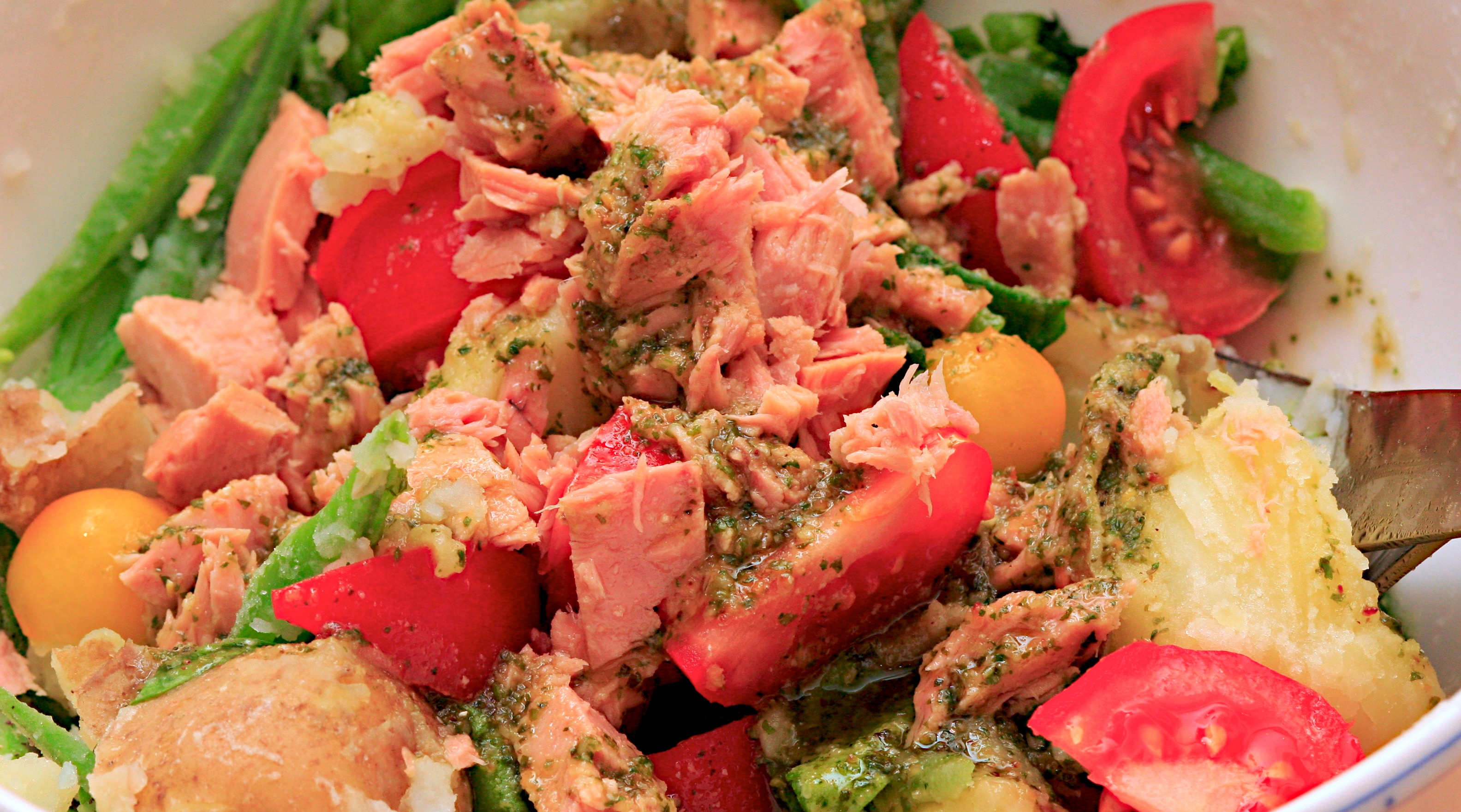
Yum yum yum yum! Throw this together after work and you won’t be disappointed. Try and get salad potatoes – we could only find floury new potatoes in the village and they sort of went to mush. A great way to use up pesto.

Warm potato and tuna salad with pesto dressing – to serve 4

  • 650g new potatoes, halved lengthways (try and get waxy/salad potatoes)
  • 2 tbsp pesto (fresh is best – see recipe below)
  • 4 tbsp olive oil
  • 8 cherry tomatoes
  • 175g can tuna (we like to use the tuna in oil that comes in jars)
  • 200g runner beans, sliced finely on the diagonal (or you can use halved green beans)
  • couple of handfuls of spinach
Put the potatoes in a pan of boiling water, bring back to the boil and simmer for 8-10 minutes or until tender.

Meanwhile, mix the pesto and oil together. Halve the tomatoes, drain and flake the tuna. Add the beans to the potatoes for the last 3 minutes.

Drain the potatoes and beans and tip into a salad bowl. Stir in the spinach so it starts to wilt. Season well. Scatter the tomatoes and tuna over the top and drizzle over the pesto. Give it a final toss and you’re ready to go.

(Original recipe from BBC Good Food)

Read Full Post »

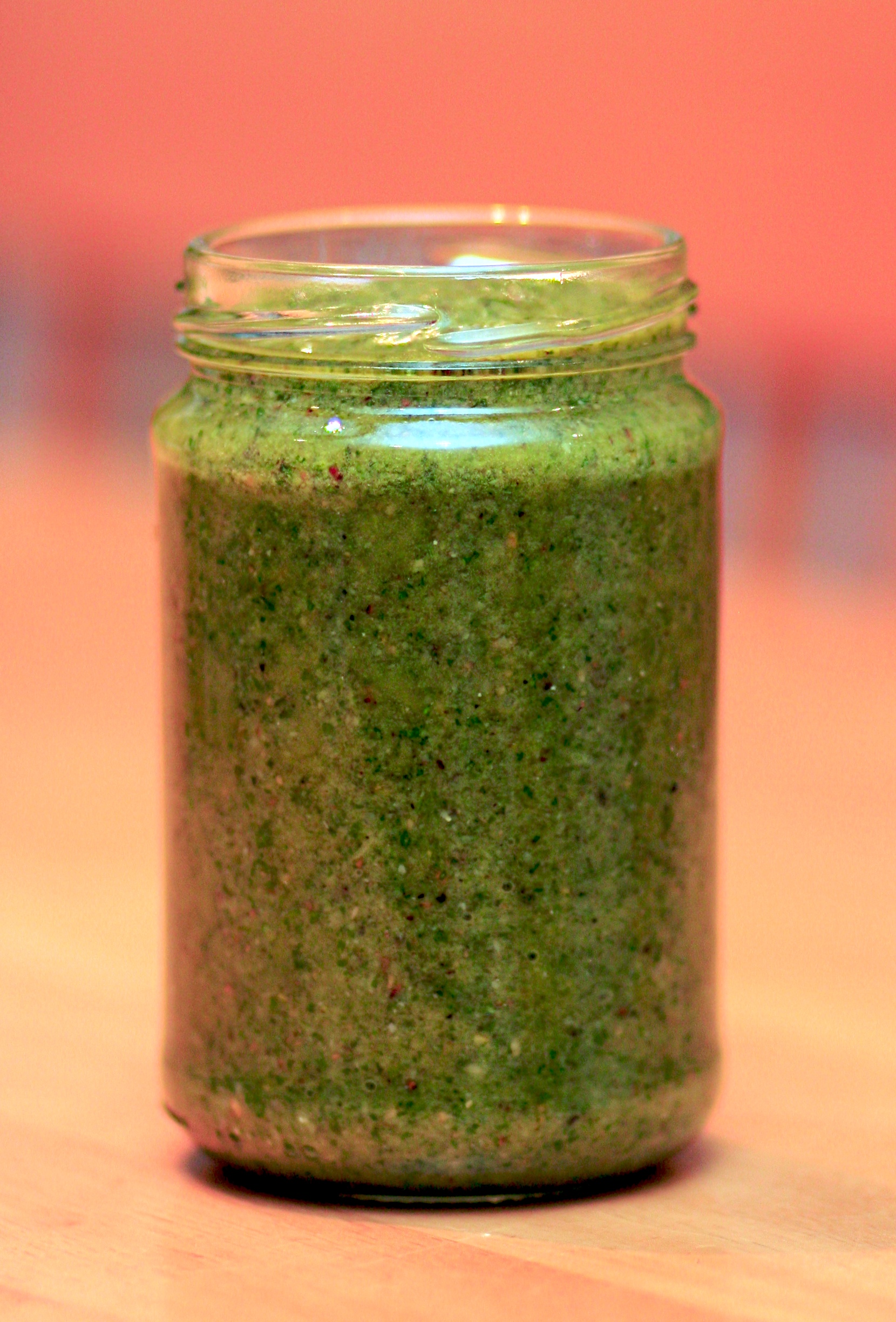
Our kitchen window was bursting with basil plants and sort of like “the Day of the Triffids” as they were out of control and growing like mad despite the neglect after being away for a week. So if like us you have some basil on your windowsill then make pesto – those leaves aren’t going to last forever! This makes about 250ml and will keep in the fridge for a couple of weeks. You can expect some pesto recipes from us to follow.

Pesto – about 250ml

  • 50g pine nuts
  • large bunch basil
  • 50g parmesan
  • 150ml olive oil, plus a bit extra for storing
  • 2 garlic cloves
Heat a small frying pan over a low heat. Cook the pine nuts until golden, shaking the pan. Keep an eye on them as they burn easily and very quickly.Put the toasted pine nuts into a food processor along with the rest of the ingredients and process until smooth, then taste and season.

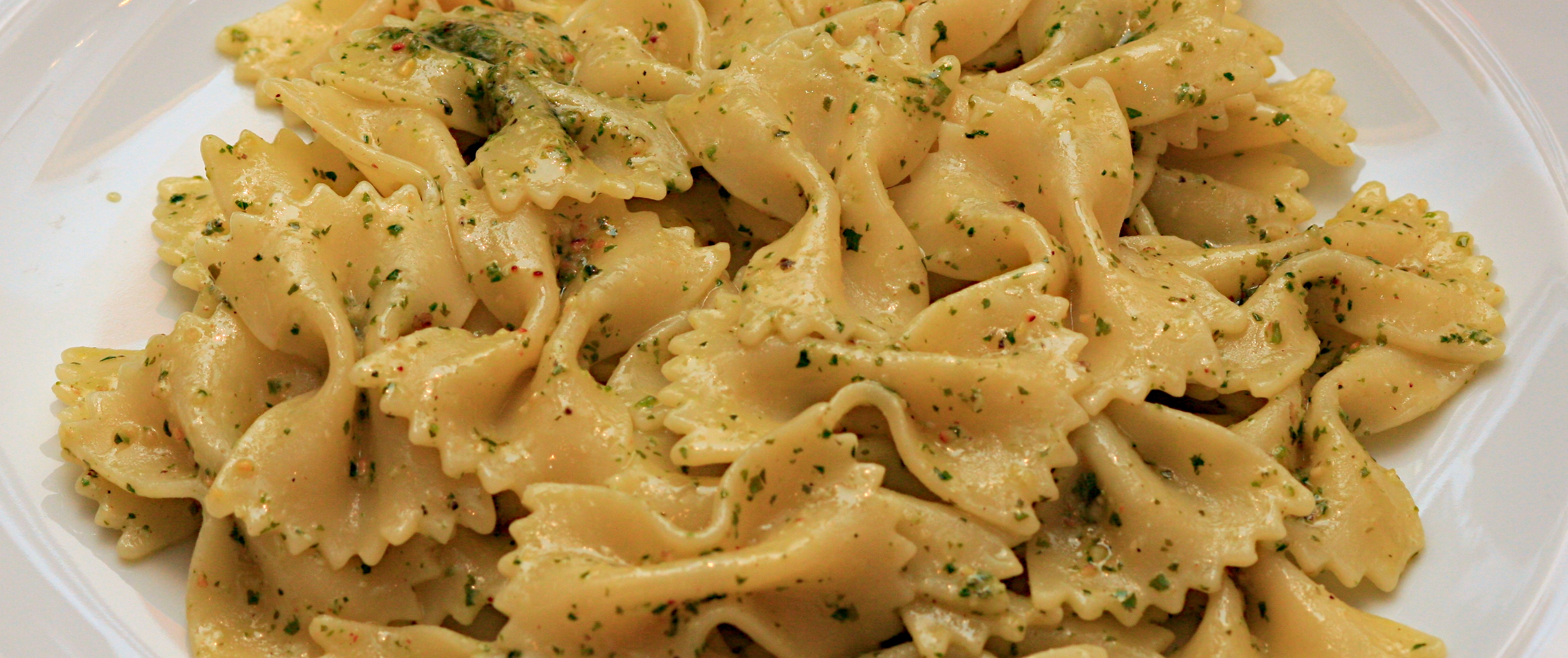
Pour into a jar and cover with a little bit of extra oil and store in the fridge. Keeps for around 2 weeks – ready for instant dinners like the one below.

Read Full Post »

We know we have done this before but this is a really simple mid-week version and not at all stressful to cook. If you’re not keen on butter beans you could use haricot or borlotti instead. We love butter beans!

Sausage tomato and butter bean bake – to serve 3-4

  • 6-8 large pork sausages, plain or flavoured
  • 1 large onion, finely chopped
  • 1 tbsp chopped fresh sage
  • 400g can chopped tomatoes
  • 2 x 400g cans butter beans, rinsed and drained
  • 4 tbsp extra-virgin olive oil
Heat the oven to 180C/160C fan/gas 4. Heat 1 tbsp of the oil in a large, heavy frying pan. Add the sausages and cook gently for a minute or two or until just sealed and lightly browned on both sides. Transfer to a plate.

Wipe out the frying pan and add the rest of the oil. Tip in the onion and sage and sauté very gently for around 10 minutes until the onion is very soft but not coloured. Add the tomatoes, bring to a simmer, then cook for about 5 minutes, stirring now and then, until the sauce has reduced a bit and thickened. Season to taste.

Put the tomato mixture into an ovenproof dish, stir in the beans, then arrange the sausages on top, burying them in the mixture. Roast for 15-20 minutes until the sauce bubbles and the sausages are cooked.

[Original recipe by Ainsley Harriott for BBC Good Food, August 2009]

Wine suggestion: Try a lighter red with a bit of acidity as the tomatoes will be acidic and it’s all about balance. Try something with Sangiovese or  a Cabernet Franc from the Loire.

Read Full Post »

We’re determined to cram in as many salads as we can before it turns properly autumnal. Chicken thighs are the way forward for flavour and moisture – breasts have their purposes but they dry out terribly so get thighs for this dish. Nice fresh flavours.

Spicy Chicken Thighs with Cucumber and Cashew Salad – to serve 4

  • 3 tbsp fish sauce
  • 3 garlic cloves, crushed
  • 2 large red chillies, finely chopped
  • 2 tsp sugar
  • 8 bonesless skinless chicken thighs
  • 2 tbsp vegetable oil
For the cucumber and cashew salad:
  • 3 tbsp lime juice
  • 3 tbsp caster sugar
  • 200g vermicelli noodles
  • 2 cucumbers, halved and thinly sliced
  • small handful fresh mint leaves
  • 4 scallions, thinly sliced
  • 2 tbsp cashew nuts, crushed
Whisk the fish sauce, pepper, garlic, chillies and sugar in a bowl. Put the chicken in another bowl and pour half the marinade over. Cover and leave in the fridge for 20 minutes.

Heat the oil in a large frying pan over medium-high heat. Add the chicken, in two batches, and cook for about 3 minutes on each side, or until cooked through.

While the chicken cooks, add the lime juice and sugar to the remaining marinade. Stir until the sugar dissolves to make a dressing.

Pour boiling water over the vermicelli and leave for a minute or two until soft. Drain under cold water, put in a large bowl and add the cucumber, mint, scallions and cashews. Add the dressing, toss well and serve with the chicken.

(Original recipe from ‘Bill Granger Every Day’ published by Murdoch Books, 2006)

Read Full Post »