Feeds:
Posts
Comments

Archive for March, 2021

This is a Romanian dish called Pilaf cu pui ciuperci. We haven’t knowingly cooked any Romanian dishes until now, but we recently purchased Carpathia: Food from the Heart of Romania by Irina Georgescu. This is a beautiful book and we’re looking forward to cooking many more dishes. While Irina suggests blitzing the veg in the food processor, we chopped them by hand. Either way you want them nice and fine but not blitzed to a pulp. Serve with salad.

Wine Suggestion: Unfortunately we didn’t have a Romanian wine to hand but we can attest it works well with one of our favourite wines: the Ch du Hureau Saumur-Champigny “Tuffe”. Elegance, style and grace, but also very grounded and earthy and what we love about Cabernet Franc from the Loire.

Oven-baked pearl barley pilaf with chicken and mushrooms – serves 4-6

  • 3 tbsp vegetable or sunflower oil
  • 1.5kg chicken pieces, we used thighs and drumsticks but you can joint a whole chicken
  • 2 onions, sliced
  • 300g pearl barley
  • ¼ celeriac, finely diced
  • 2-3 celery sticks, finely diced
  • 1 carrot, finely diced
  • 1 red pepper, finely diced
  • 1 x 400g tin chopped tomatoes
  • 200g chestnut mushrooms, quartered
  • 600ml chicken stock
  • 2 tsp salt
  • 5g black pepper
  • 25g butter, roughly chopped
  • a bunch of parsley, roughly chopped

We found it easier to fry the chicken in a large, heavy frying pan and then to transfer to a large roasting tin. Irina suggests frying and baking in a large deep casserole dish, but we didn’t have one big enough. A roasting tin covered with two layers of foil worked well.

Heat the oil in a large heavy frying pan or casserole dish, over a medium heat. Brown the chicken pieces on all sides – it’s easiest to do this in batches. Transfer the browned chicken to a plate and set aside.

Add the onions to the pan and cook for 10 minutes, then add the pearl barley and stir to coat the grains in the oil, cook for another few minutes.

Preheat the oven to 180C.

Add the chopped vegetables to the pan with the tomatoes, mushrooms, stock and seasoning and gently combine. You might need to transfer to a large roasting tin at this point. You need to be generous with the salt. Arrange the chicken pieces on top and cover the dish with a layer of foil and a lid or if using a roasting tin you can cover with a double layer of foil.

Bake for 40 minutes, then remove the lid and foil and cook for another 10 minutes. Check the vegetables are tender and that the chicken is cooked through, then remove from the oven. Dot the top of the dish with the butter and sprinkle with parsley.

(Original recipe from Carpathia: Food from the Heart of Romania by Irina Georgescu, Frances Lincoln Publishing, 2020.)
Read Full Post »

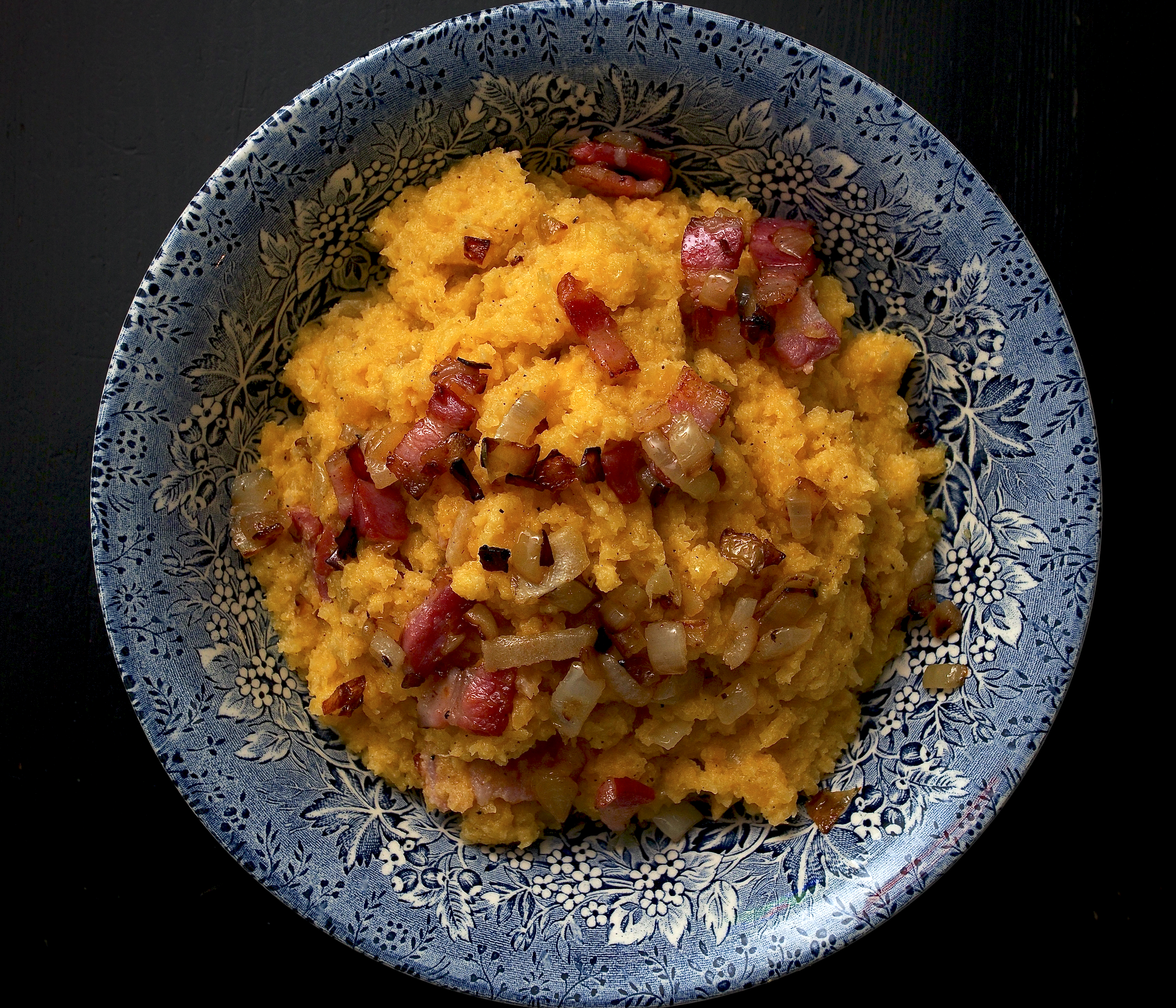
This is barely a recipe but it is an excellent way to serve turnip, which you may refer to as a swede. For clarity, we’re talking about the large orange-fleshed variety. We served this on St Patrick’s Day with some Irish stew but it’s lovely with sausages or on the side of a roast dinner. We’ve posted this before but it’s definitely worth mentioning again. 

Turnip with Crispy Bacon & Onion – serves 4 to 6

  • 900g turnip, peeled and cut into 2.5 cm chunks
  • 1 tbsp rapeseed oil
  • 1 small onion, finely chopped
  • 50g rindless piece of smoked bacon, diced
  • butter

Cook the turnip in lots of salt water until tender when pierced with a knife. 

Meanwhile, heat the oil in a frying pan over a medium heat and sauté the onion and bacon until crisp and golden. 

When the turnip is tender, drain and allow to dry, then roughly mash with a generous lump of butter. Season with salt and lots of black pepper. 

Serve in a warm bowl with the crispy bacon and onion on top. 

(Original recipe from Neven Maguire’s Complete Family Cookbook)

Read Full Post »

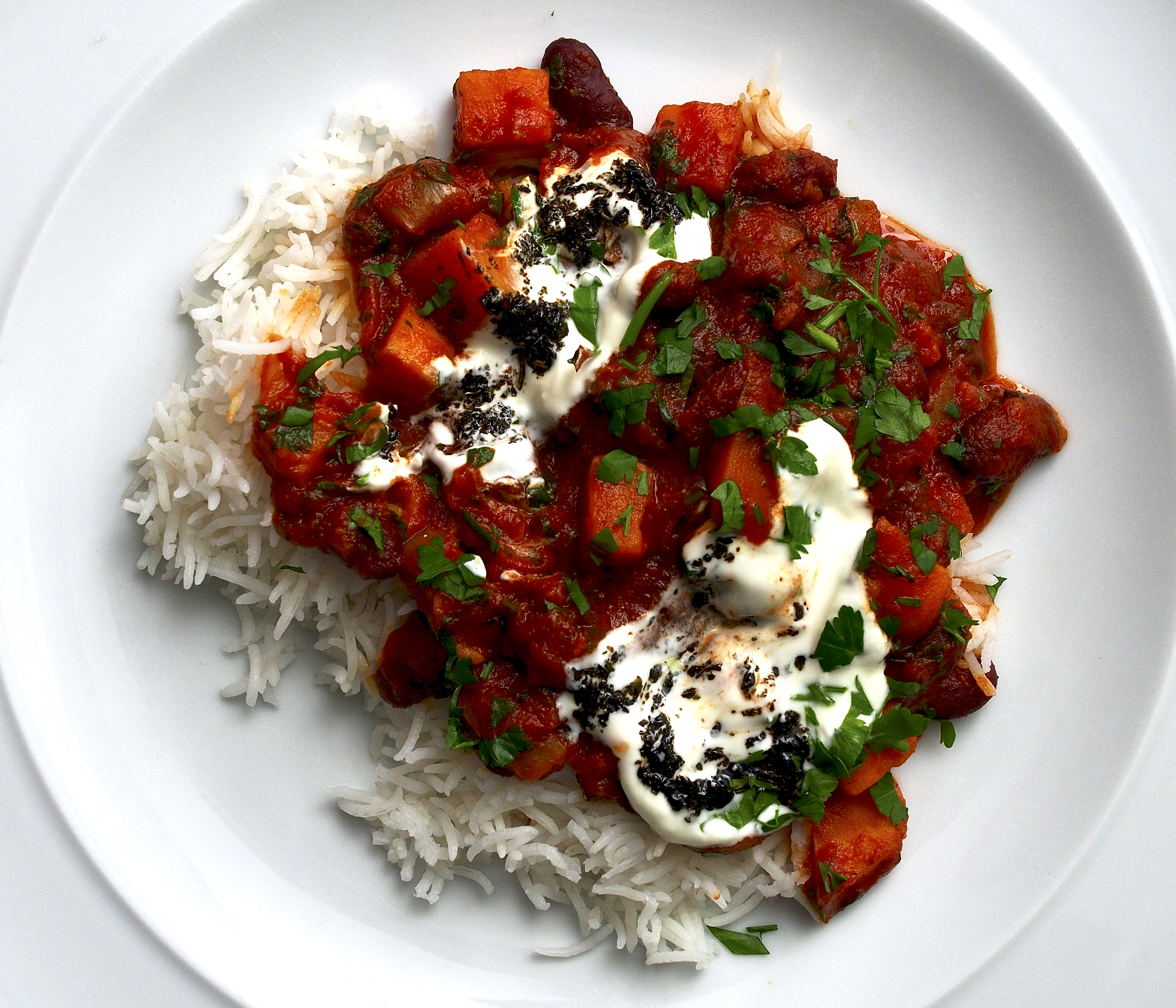
For no particular reason we tend to eat mostly meat and fish dominant dishes on the weekend, and mostly veg during the week. This has been unsettled recently as we have no one to share our dishes with, so there is inevitably lots of leftovers from the weekend, and fewer opportunities to cook vegetables. This weekend we made sure to include a veggie dish in the line up and we’re looking forward to the leftovers already. Lots of lovely warm spices in this one. Serve with steamed rice.

Wine Suggestion: a nice accomaniment to this was from a young turk in Chateauneuf du Pape, Jean-Paul Daumen’s Méditerannée. From Southern France this contains the usual Rhone varieties alongside Cab Sauv and Merlot for a very pleasurable taste of sunshine. A well thought out biodynamic and organic blend that demonstrates why we shouldn’t always insist on what was grown traditionally in the area; this expands the range of taste on offer in a good way.

Red kidney bean & sweet potato stew with yoghurt & hot mint oil – serves 4

  • vegetable oil
  • 1 large onion, chopped
  • 4 big garlic cloves, thinly sliced
  • 2 tsp cumin seeds
  • 1 tsp ground cinnamon
  • 1 tsp ground turmeric
  • 1 tsp chilli flakes
  • 690g jar of passata
  • 500g sweet potato, peeled and cut into 1cm chunks
  • 400g tin red kidney beans, drained
  • 30g flat leaf parsley, roughly chopped
  • 1 tbsp dried mint
  • Greek yoghurt

Put a large saucepan over a medium heat and pour in enough vegetable oil to coat the bottom. Add the onion and cook for a few minutes, then add the garlic and stir until both have softened but not coloured.

Stir in the spices and cook for a minutes, then season generously with Maldon salt and black pepper, then stir in the passata. Reduce the heat to low and simmer uncovered for about 25 minutes. Add a splash of water now and then if needed to prevent it sticking.

Stir in the sweet potato and cook for a further 30-40 minutes, or until tender, then add the beans and most of the parsley and heat through.

Meanwhile, put a small pan over a medium heat. Add 1 tbsp of vegetable oil and heat before stirring in the dried mint. Stir for a minute or two then remove from the heat.

Serve the stew with some yoghurt, the extra parsley and a drizzle of the hot mint oil.

(Original recipe from Simply by Sabrina Ghayour, Mitchell Beazley, 2020.)

Read Full Post »

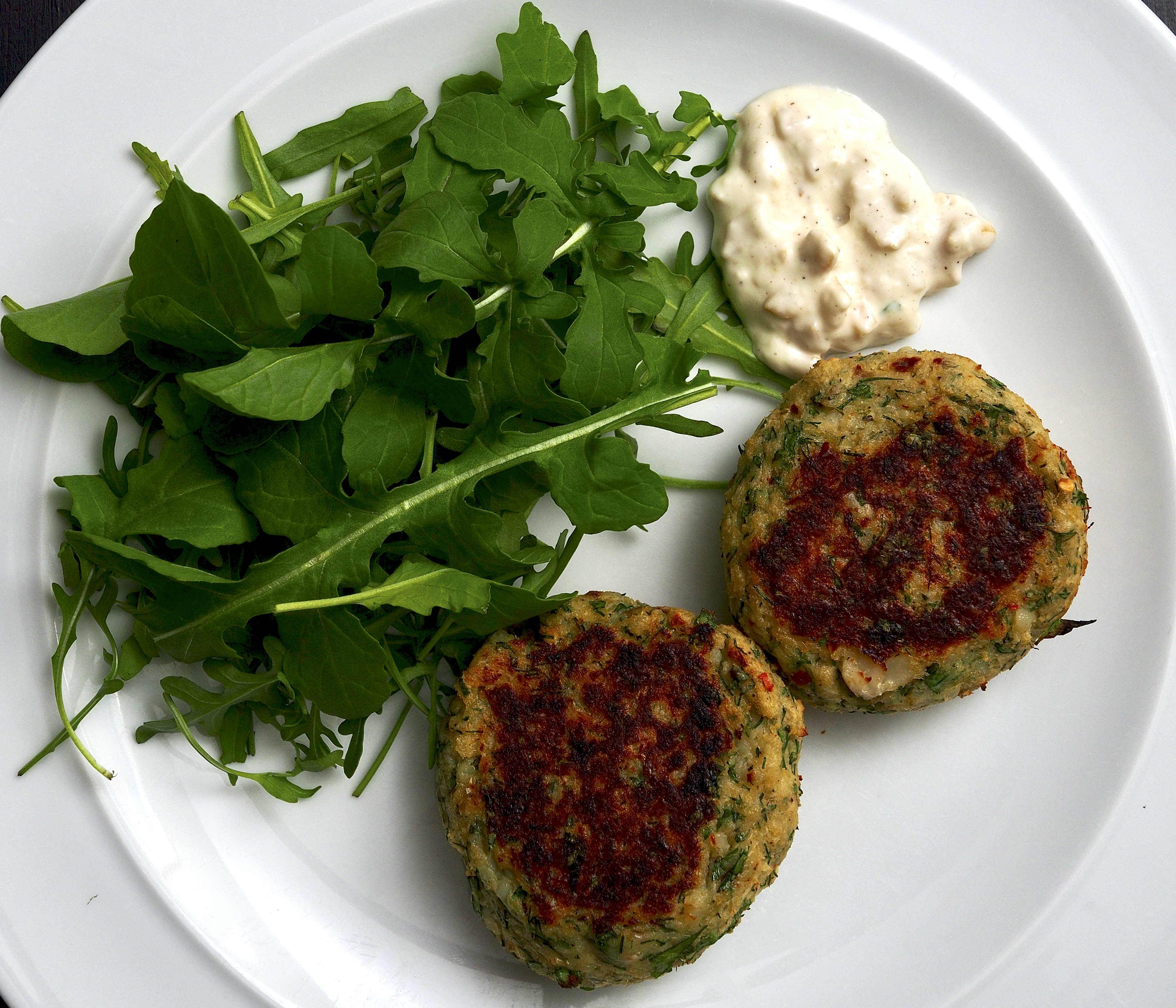
We loved these fishcakes by Sabrina Ghayour, they are jam-packed with herbs and full of flavour. The preserved lemon mayonnaise is the perfect accompaniment. We had them for dinner but they would work well as a starter too.

Wine Suggestion: A wine we haven’t had in ages, the Beauvignac Picpoul de Pinet. A wine that has been described by Andrew Jefford as “springtime in liquid form”. Refeshing, crisp and lively, plus a depth only old-vine, lower yielding vines can give.

Fish cakes with preserved lemon mayonnaise – serves 6 to 8

FOR THE FISH CAKES:

  • vegetable oil, for frying
  • 300g skinless chunky white fish fillet, we used cod, diced
  • 400g mashed potatoes
  • 30g dill, finely chopped
  • 30g coriander, finely chopped
  • 2 tbsp English mustard powder
  • 4 tbsp plain flour
  • 1 tsp chilli flakes
  • 1 tsp ground ginger
  • 1 tsp garlic granules
  • 1 egg

FOR THE PRESERVED LEMON MAYONNAISE:

  • 6 small preserved lemons, deseeded and finely chopped
  • 8 tbsp mayonnaise

Heat a frying pan over a gentle heat, add a little oil and the fish. Cook until opaque, then transfer to a sieve and leave to drain.

Preheat the oven to 230C or as high as your oven goes.

Mix the fish with the rest of the fish cake ingredients in a large mixing bowl and season well with maldon salt and black pepper. Use your hands to mix the ingredients together until you have a smooth paste, this will take a few minutes. Shape into 6-8 cakes and place on a baking tray.

Bake the fish cakes for about 12 minutes or until just starting to brown (we took ours out of the oven after about 9 minutes).

Finish cooking the fish cakes in a hot frying pan with a drizzle of oil for about 4 minutes on each side, or until nicely browned.

Mix the preserved lemons with the mayonnaise in a small bowl, season with pepper and serve with the hot fish cakes and some salad leaves.

(Original recipe from Simply by Sabrina Ghayour, Mitchell Beazley, 2020.)

Read Full Post »

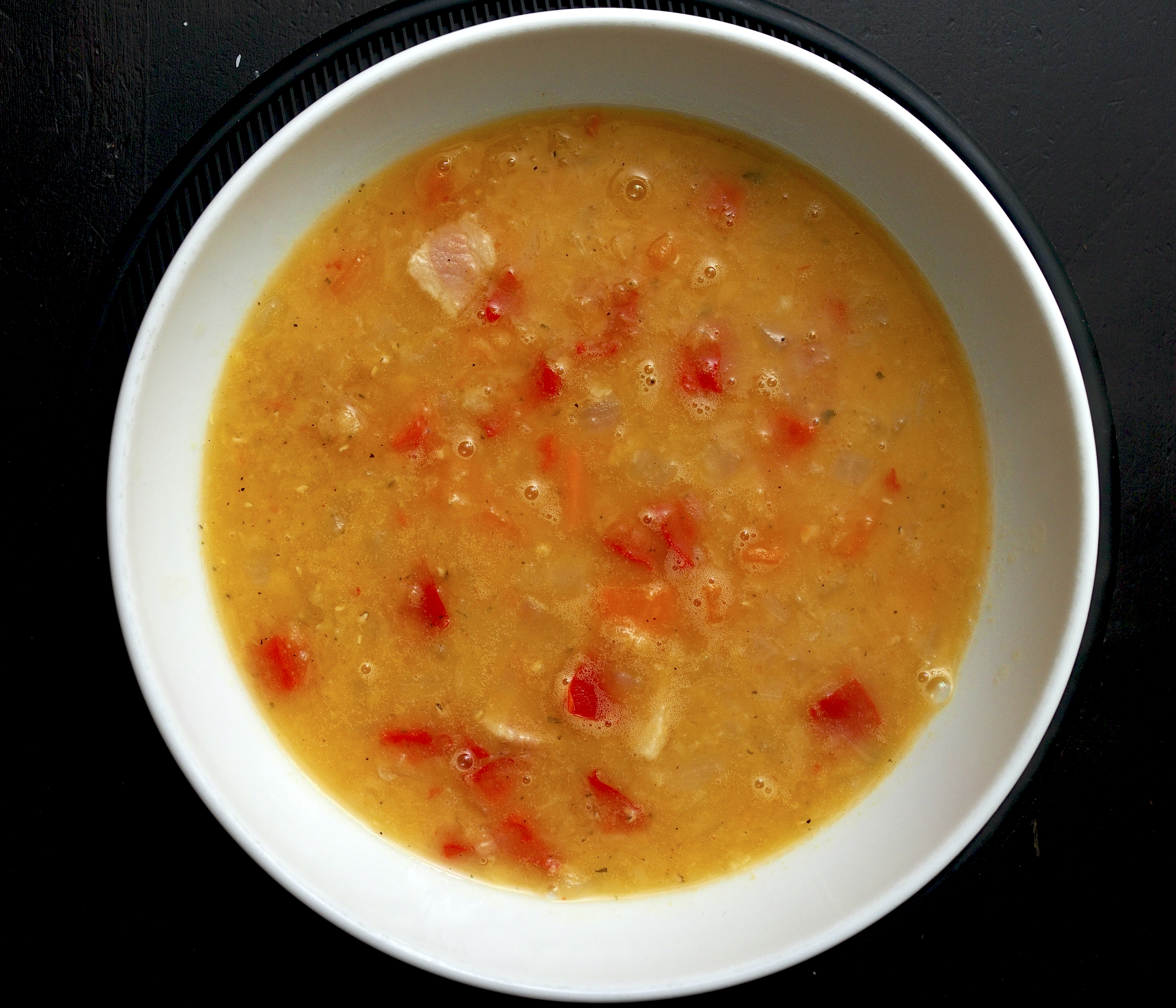
Not much to look at perhaps but this is genuinely one of our favourite soup recipes. It makes a big potful and it’s really tasty, perfect for weekday lunches. 

Red lentil and bacon soup – serves 6

  • 1 tsp vegetable oil
  • 75g smoked back bacon, finely chopped
  • 1 onion, finely chopped
  • 1 red pepper, finely chopped
  • 1 small sweet potato, finely diced
  • 1 garlic clove, chopped
  • 200g red lentils, rinsed
  • 1.5 litres hot chicken or vegetable stock
  • a large sprig of thyme
  • 1 bay leaf

Heat the oil in a large saucepan and add the bacon, onion and red pepper. Cook on a low heat for 5 minutes or until the veg has started to soften. Add the sweet potato, garlic and lentils and stir for another couple of minutes. 

Pour the hot stock into the pan, add the herbs and season well with salt and pepper. 

Turn the heat up and bring to the boil, then cover and simmer for 15-20 minutes, or until the lentils are soft. 

(Original recipe from The Hairy Bikers’ British Classics by Si King & Dave Myers, Seven Dials, 2018.)

Read Full Post »

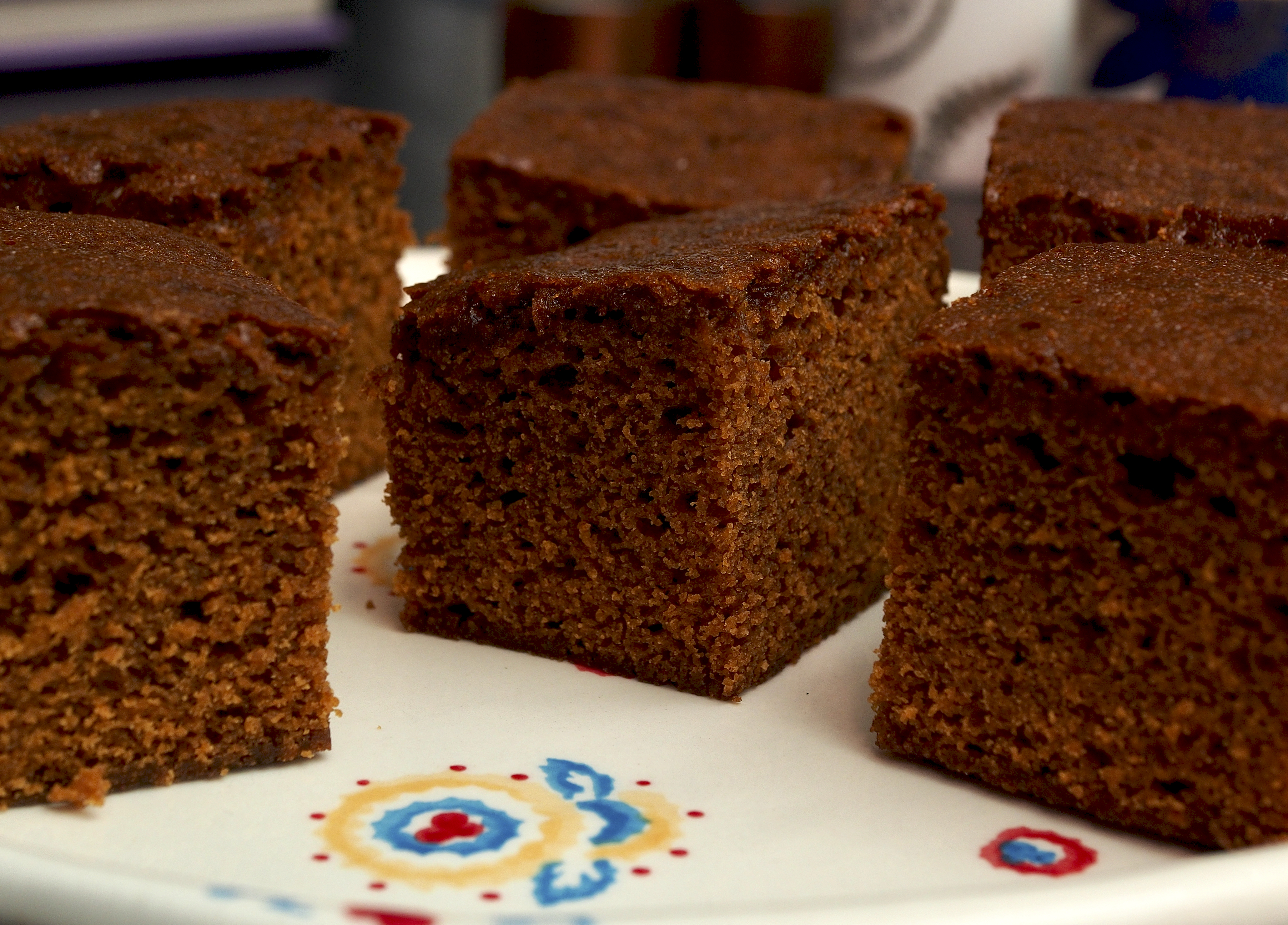
Jono has taken to baking in lockdown, not something we do much of normally. You can’t beat the smell of this baking in the oven. The recipe makes loads so you may not get through it all straight away, but don’t worry, gently warm in an oven for 5 minutes and serve with a dollop of cream and it’ll last a week or more.

Gingerbread Traybake 

  • 275g golden syrup
  • 275g black treacle
  • 225g light muscovado sugar
  • 225g softened butter
  • 450g self-raising flour
  • 2 tsp ground mixed spice
  • 2 tsp ground ginger
  • 4 large eggs, lightly beaten
  • 4 tbsp milk

Preheat the oven to 160C/Fan 140C/Gas 3. 

Grease a 30 x 23cm traybake or roasting tin and line with baking parchment. 

Put the syrup, treacle, sugar and butter in a large pan and heat gently until the butter has melted. Remove from the heat and stir in the flour and spices. Add the beaten eggs and milk, and beat until smooth, then pour into the prepared tin. 

Bake for 45-50 minutes or until the cake has shrunk from the sides of the tin and springs back when pressed in the centre with your fingertips. Leave to cool in the tin for a few minutes then turn out, peel off the parchment and finish cooling on a wire rack. 

(Original recipe from Mary Berry’s Baking Bible, BBC Book, 1993.)

Read Full Post »

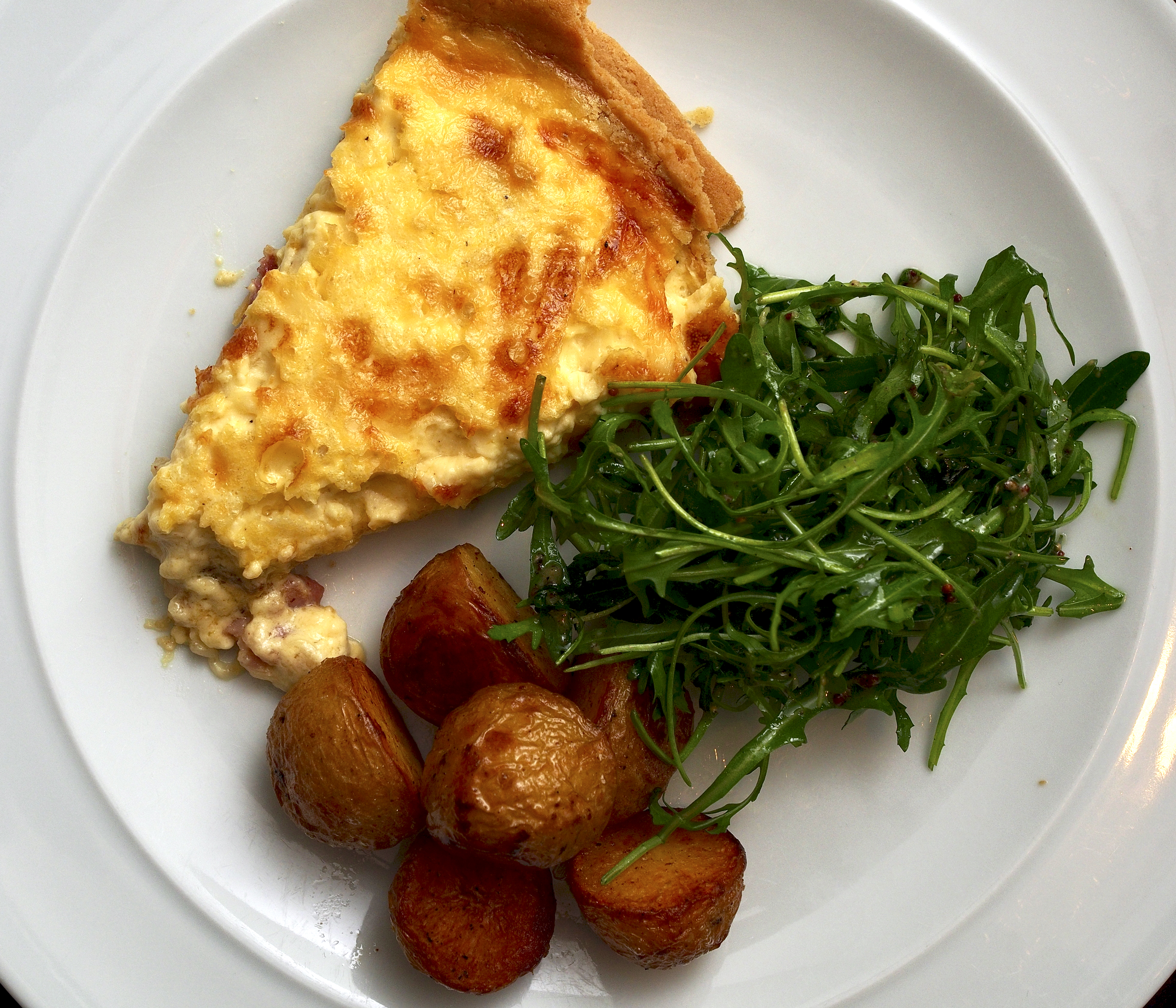
Pastry is not an area of expertise for us, as we make it so rarely. We tend to attempt a quiche or similar about once a year but we really must try and squeeze in a few more before next March. The crust for this was super short and melt-in-the-mouth crumbly and the filling is so comforting and flavoursome.

Wine Suggestion: We think quiche is great with a red or white like you’d find in a country French Bistro, possibly a Beaujolais or Rhone for the reds but always leaning towards Alsace for the white (though many others work well too). We’ve gone on a bit of a Sylvaner kick recently and with this we had one from across the border in the Rheinhessen from Wagner-Stempel. Always under-rated, in good hands this grape combines a maturity and presence with vibrancy. Ripe apple and quince flavours finishing dry, fresh and invigorating.

Quiche Lorraine – serves 6

  • 1 tbsp olive oil
  • 1 onions, finely sliced
  • 200g smoked streaky bacon, cut into 2cm pieces
  • 300ml double cream, 
  • 200ml crème fraîche
  • 3 large eggs
  • 75g Gruyère cheese

FOR THE PASTRY:

  • 250g plain flour, plus extra for dusting
  • 150g cold butter, cut into cubes
  • 1 large egg, beaten

To make the pastry, put the flour and and butter in a food processor and pulse until the mixture resembles breadcrumbs. Add the beaten egg and mix until the dough just starts coming together, then shape into a ball. 

Roll the pastry out on a lightly floured surface to about 3mm thick. Place the pastry in a 23cm loose-based tart tin, pressing it well into the sides. Trim away the excess pastry and lightly prick the base. Leave the pastry case to chill in the fridge for 30 minutes. 

Preheat the oven to 200C/Fan 180C/Gas 4. 

Place a piece of baking paper over the chilled pastry and fill with baking beans. Put the tin on a baking tray and bake for 25 minutes. Remove the paper and beans and bake for another 5-10 minutes, then remove from the oven. 

Turn the oven temperature down to 170C/Fan 150C/Gas 3½.

Heat the oil in a frying pan and fry the bacon and onion together until lightly browned. Tip them onto a plate and leave to cool. Put the cream, crème fraîche and eggs into a jug and beat until well combined, then season with salt and pepper. 

Spread the cooled onions and bacon evenly over the pastry case, then sprinkle the cheese on top. Slowly pour in most of the egg mixture, then put the tin on a baking tray, in the oven. Pull the oven shelf out slightly and pour in the rest of the egg mixture. 

Bake for 35-40 minutes or until the filling is just starting to brown and no longer wobbling. If you press the back of a teaspoon onto the centre, no liquid should be visible. Take out of the oven and leave to cook in the tin for 15 minutes before removing. Serve warm or at room temperature 

(Original recipe from The Hairy Bikers’ British Classics by Si King & Dave Myers, Seven Dials, 2018.)

Read Full Post »

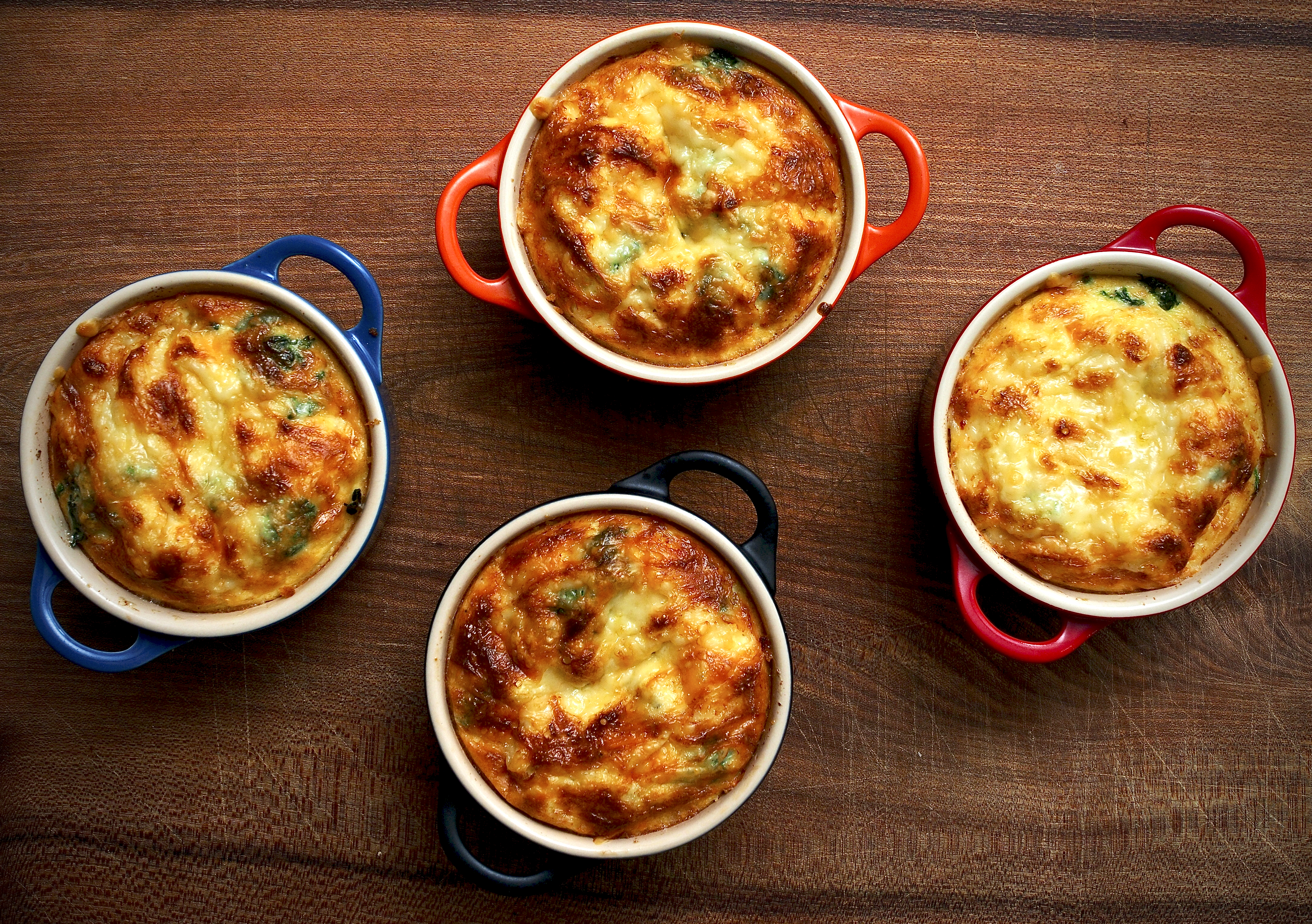
These make a nice brunch or lunch dish with some brown bread or toast. 

Smoked haddock & spinach egg pots – serves 4

  • a little soft butter for greasing
  • 4 tbsp fresh breadcrumbs
  • 200g skinless smoked haddock fillets, diced
  • 200g baby spinach
  • 6 large eggs
  • 200ml crème fraîche
  • ¼ tsp freshly grated nutmeg
  • 50g Cheddar, grated
  • a pinch of sweet smoked paprika
  • a small bunch of flat-leaf parsley, chopped
  • Brown bread or buttered toast, to serve

Preheat the oven to 200C/Fan 180C/Gas 6. 

Grease the inside of four 250ml ramekins or oven-proof dishes with butter, then dust with the breadcrumbs. 

Divide the fish between the dishes and put onto a baking tray. 

Wilt the spinach in a large saucepan with a tiny amount of water. Stir over a high heat for a few minutes, until wilted. Remove from the heat and drain in a colander. Leave to cool slightly, then squeeze as much liquid as you can out of the spinach. Roughly chop and divide between the dishes. 

Whisk the eggs and crème fraîche together in a bowl and season with a little grated nutmeg and some salt and pepper. Pour the egg mixture into the dishes and sprinkle with the cheese and a little smoked paprika. 

Put the tray on the middle shelf of the oven and bake for 10 minutes. Turn the oven to the grill setting and cook for a further 5 minutes or until golden brown on top. 

Sprinkle with the parsley and serve with the toast or bread. 

(Original recipe from Fresh Start by Tom Kerridge, Bloomsbury Publishing, 2018.)

Read Full Post »

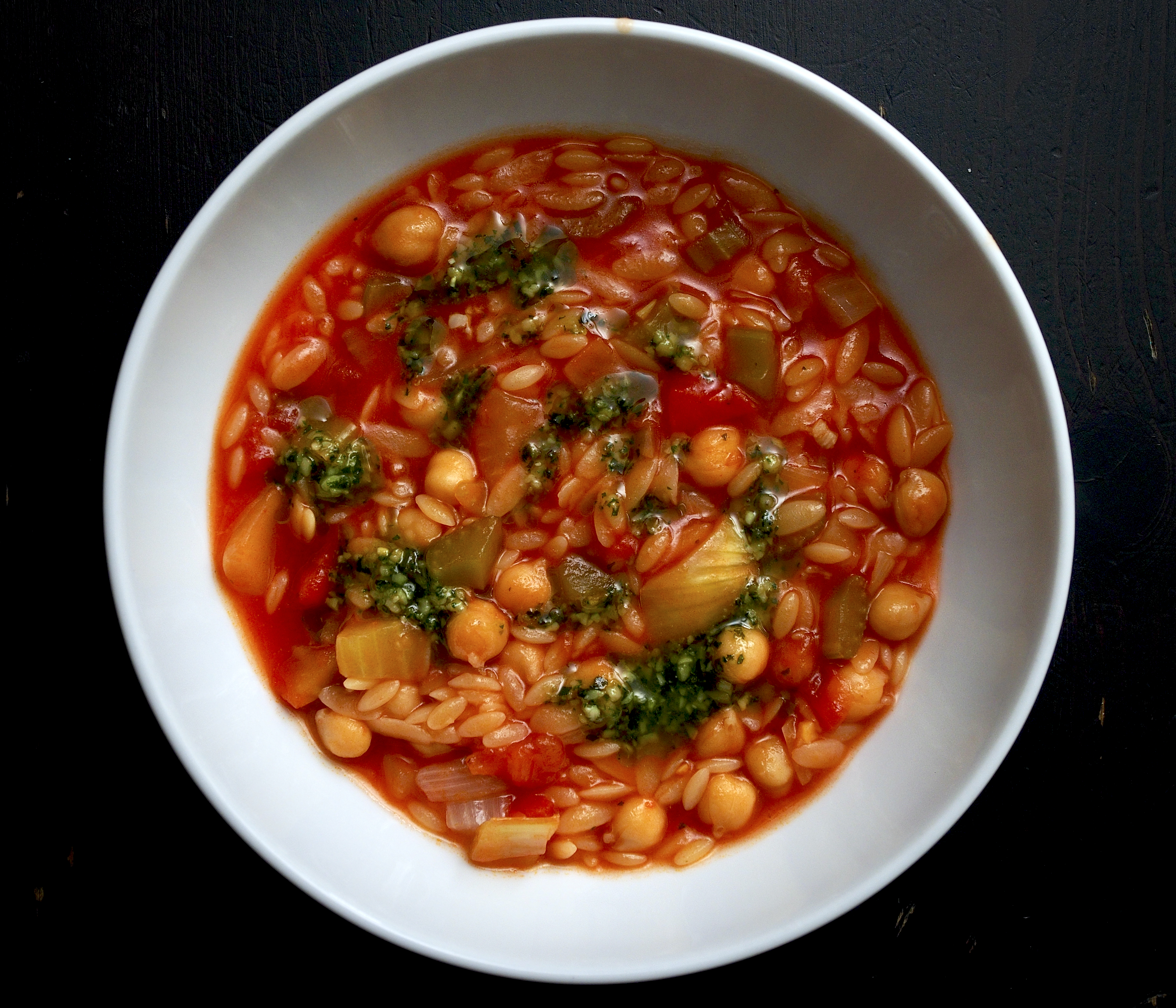
This soup really couldn’t be simpler and it’s nice and filling for lunchtime. 

Tomato Soup with Chickpeas, Orzo & Pesto – serves 4

  • 2 tbsp olive oil
  • 1 onion, chopped
  • 2 celery sticks, chopped
  • 2 garlic cloves, crushed
  • 1 tbsp tomato purée
  • 400g tin chopped tomatoes
  • 400g tin chickpeas
  • 150g orzo pasta
  • 700ml vegetable stock
  • 2 tbsp basil pesto

Heat 1 tbsp olive oil in a large saucepan. Add the onion and celery and fry for 10-15 minutes, or until starting to soften, then add the garlic and cook for another minute. Add all of the other ingredients, except for the pesto and remaining oil, and bring to the boil. 

Reduce the heat and leave to simmer for 6 to 8 minutes or until the orzo is tender. Season to taste and divide between warm bowls. Stir in the remaining olive oil with the pesto, then drizzle over the soup. 

(Original recipe form BBC Good Food)

Read Full Post »

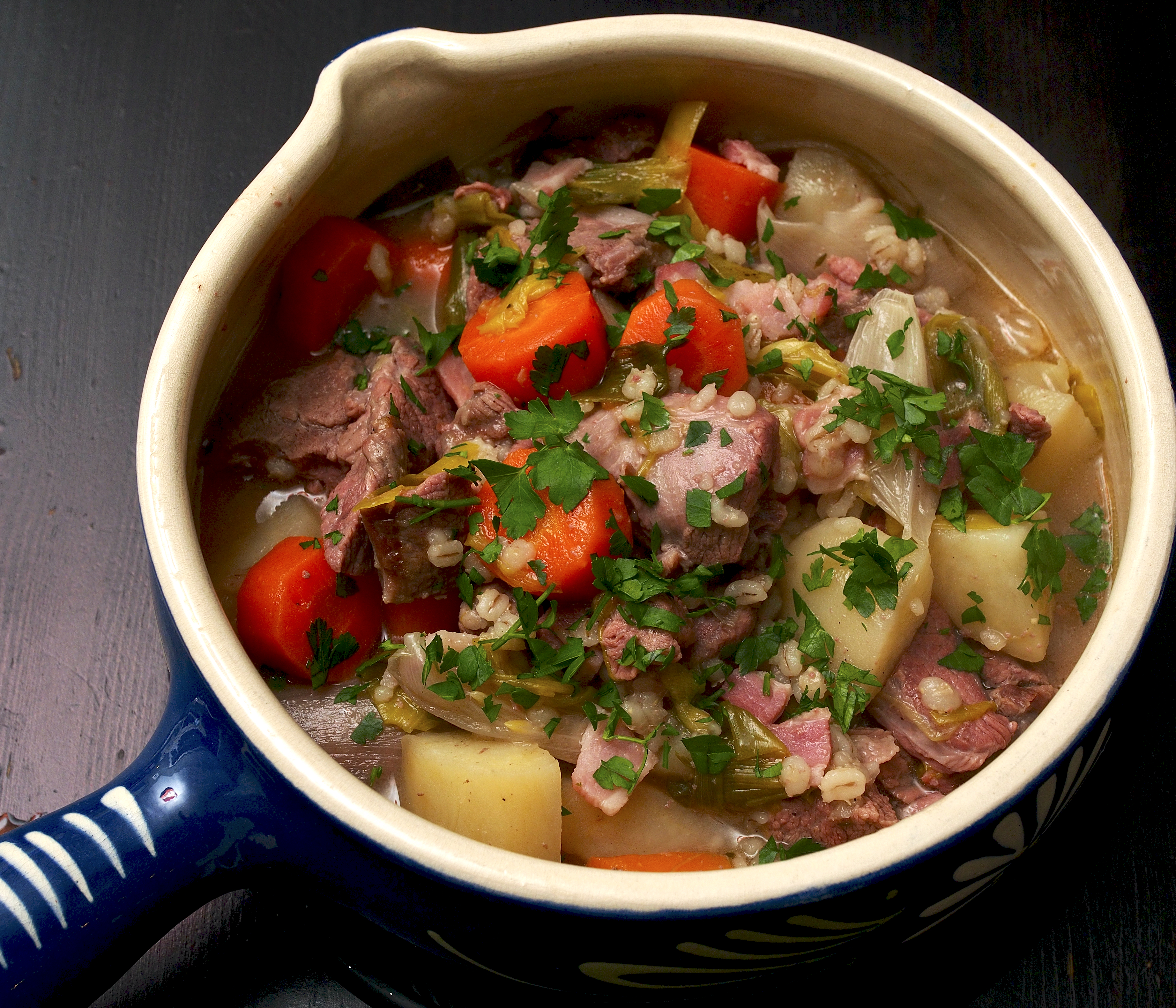
This is a classic for a reason and you really shouldn’t wait until St Patrick’s day to make it; although for some reason that’s what we do every year. It’s a meal in a bowl but if you want to go all out you can serve it with colcannon and turnip mash with bacon and onions. Beware… we kept on taking seconds … and thirds…

Wine Suggestion: The Irish have a great affinity with Spanish wine, so we picked a Mencia from Bierzo, the Dominio de Tares “Baltos” which was full of flavour as well as vibrantly fresh with resolved and mildly spice tannins.

Irish Stew – serves 6 to 8

  • 900g boneless lamb neck or shoulder, trimmed and cut into cubes
  • 900ml lamb or chicken stock, home-made preferably
  • 50g pearl barley, washed
  • 225g potatoes, cut into chunks
  • 225g carrots, thickly sliced
  • 225g leeks, well trimmed and thickly sliced
  • 225g pearl onions, peeled (if you can’t get these you can use halved shallots)
  • 100g smoked bacon, diced
  • 2 sprigs of thyme
  • chopped flat-leaf parsley to garnish

Put the lamb pieces into a large flameproof casserole and pour over the stock.

Bring to the boil, then skim off any scum from the surface and stir in the barley. Reduce the heat and simmer gently for 50 minutes, until slightly reduced and the lamb should be almost tender.

Add the potatoes, carrots, leeks, pearl onions, smoked bacon and thyme and simmer for 30 minutes or until the lamb and vegetables are completely tender but not falling apart. Season to taste with salt and pepper. Scatter the parsley over the top and serve.

(Original recipe from Neven Maguire’s Complete Family Cookbook, Gill Books, 2016.)

Read Full Post »

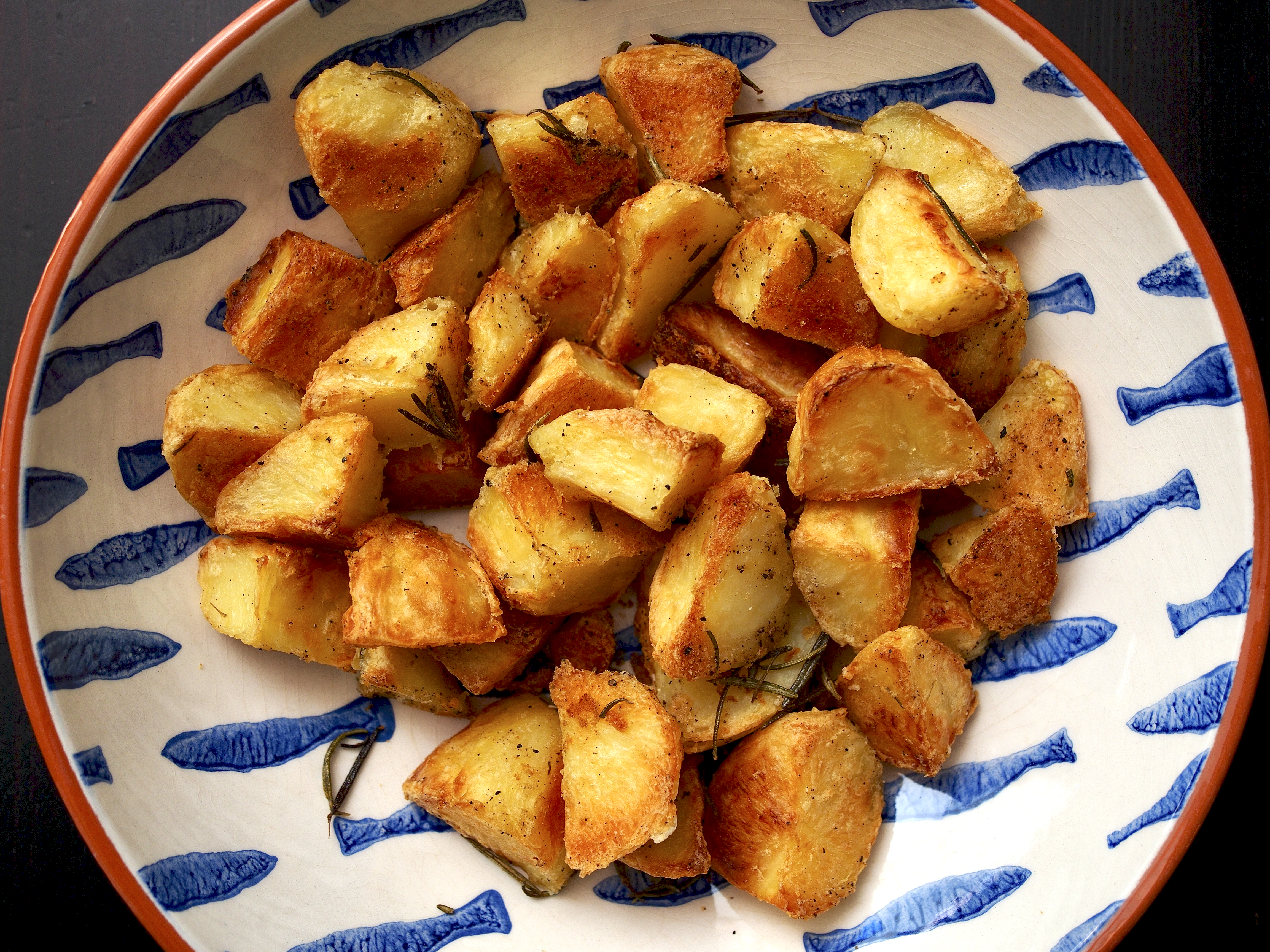
Do we need to provide another recipe for Italian roast potatoes with rosemary? Probably not, but this version uses regular potatoes, rather than the baby waxy variety. So perhaps it will come in handy, as it did for us. 

Roast Potatoes with Rosemary – serves 4 to 6

  • 2kg potatoes e.g. Maris Piper or Roosters
  • a large handful of rosemary sprigs, leaves picked
  • extra virgin olive oil
  • Maldon salt and black pepper

Peel and cut the potatoes into chunks, then boil in salted water until just cooked through. Drain in a colander and leave for 10 minutes to cool slightly and lose some mixture. 

Preheat the oven to 220C/220C Fan/Gas 7.

Heat a roasting tray in the oven with most of the rosemary leaves and a good few glugs of olive oil, salt and pepper. 

Remove the tray from the oven and add the potatoes, turning to coat well in the oil and rosemary .

Roast for about 45 minutes, turning every 15 minutes or so. 

(Original recipe from Polpo by Russell Norman, Bloomsbury Publishing, 2012.)

Read Full Post »

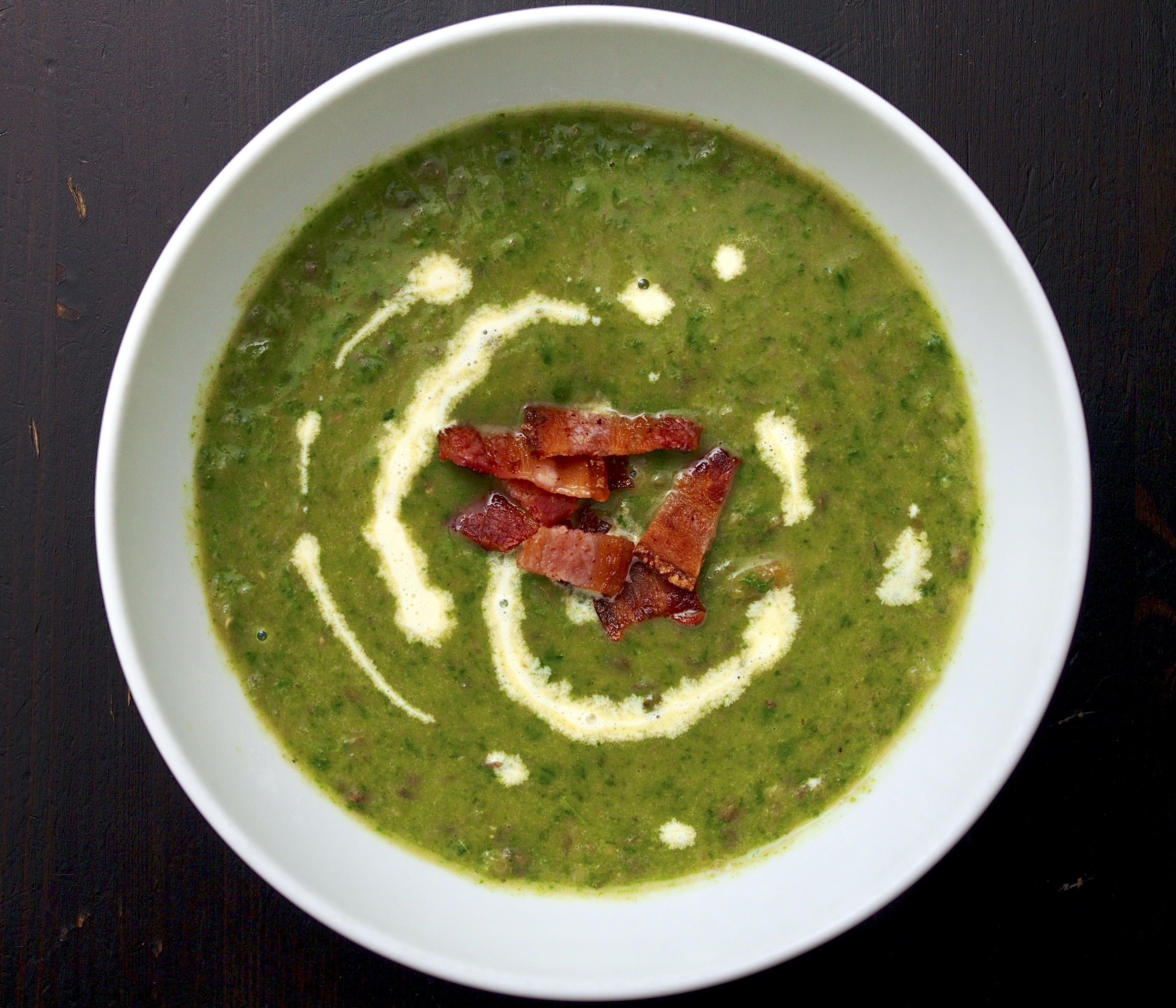
We make soup most weeks during the cooler months and we really loved this one! The streaky bacon garnish is nice but it’s also good without it.

Creamy lentil & spinach soup with bacon – serves 4

  • 2 tbsp olive oil, plus a bit extra for frying
  • 2 onions, finely chopped
  • 2 carrots, finely chopped
  • 2 sticks of celery, finely chopped
  • 140g green lentils
  • 1.5 litres weak vegetable stock
  • 200g baby spinach
  • 4 tbsp double cream, plus a drizzle to serve if you like
  • 6 rashers smoked streaky bacon (optional)

Heat 2 tbsp of olive oil in a large saucepan, then add the onions, carrots and celery, and cook for about 10 minutes or until softened.

Stir in the lentils and pour in the stock. Bring to the boil, then reduce to a simmer for 30-35 minutes or until the lentils are soft, add more water if you need too.

Add the spinach and cook for a couple of minutes to wilt.

Whizz the soup until smooth (we like it smooth-ish with a bit of texture left), then stir in the cream and season.

Meanwhile, heat a little oil in a frying pan and fry the bacon until crispy and golden. Ladle the soup into bowls and top with some crispy bacon and a drizzle of cream.

(Original recipe from BBC Good Food)

Read Full Post »

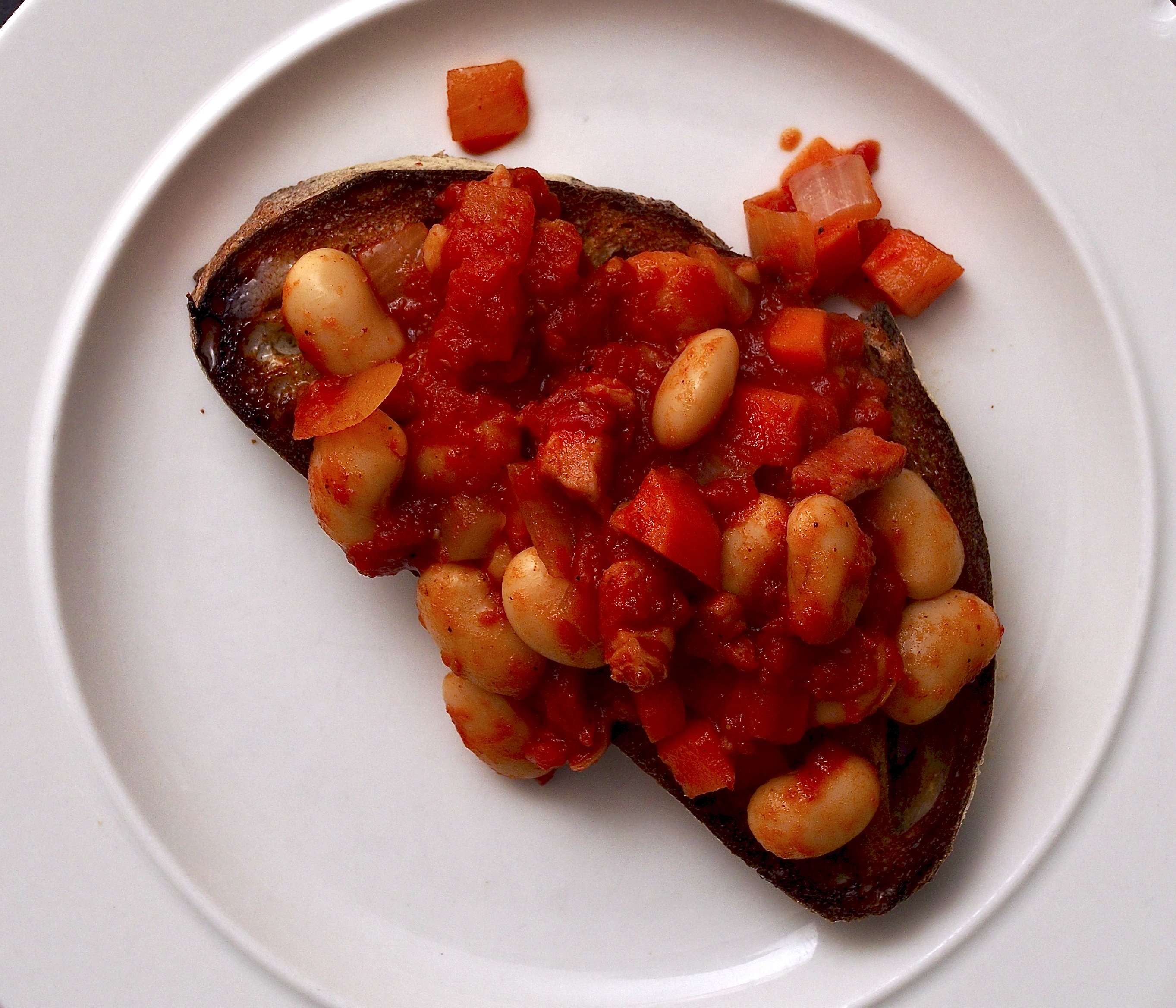
Much more filling than the tinned variety but unlike a number of other baked bean recipes, you don’t have to start with dried beans. This is quick and still pretty handy for lunch.

Beans on toast – serves 4 to 6

  • 200g bacon lardons or pancetta cubes
  • 1 onion, roughly chopped
  • olive oil
  • 1 stick of celery, finely chopped
  • 2 carrots, finely chopped
  • 2 x 400g tins of beans e.g. pinto, haricot or butter beans, drained and rinsed
  • 1 tsp black treacle
  • sourdough toast, to serve

Fry the bacon in a deep pan over a medium heat until golden, then add the onion. You can add a splash of olive oil if you need it.

Add the carrots and celery and cook for 5 minutes, until softened.

Add the tomatoes and simmer for 10 minutes. Next add the beans and simmer for another 10 minutes. Add the treacle and season with salt and black pepper.

Serve with toasted sourdough.

(Original recipe from The Kitchen Diaries II by Nigel Slater, Fourth Estate, 2012.)

Read Full Post »

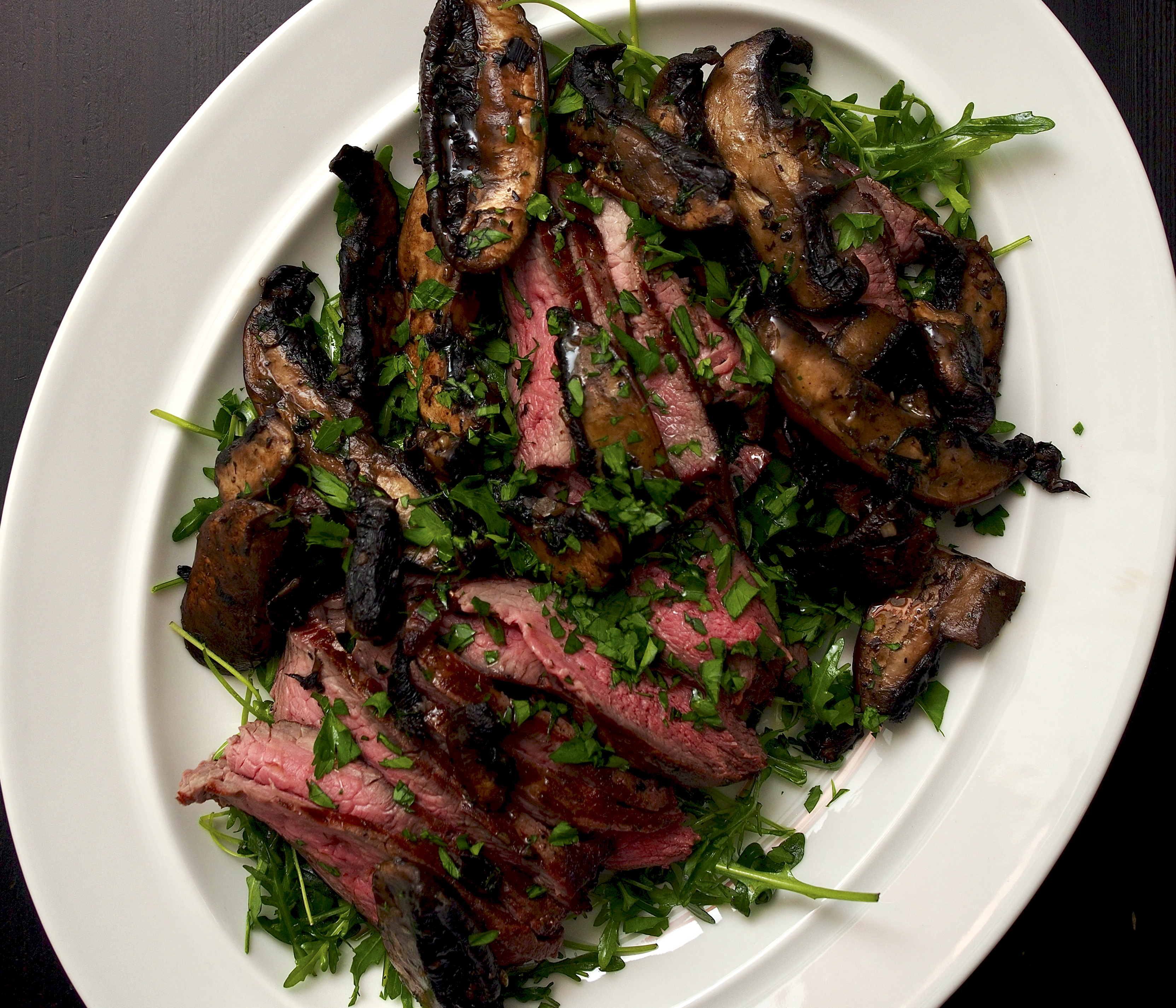
For many years we didn’t buy Polpo by Russell Norman. It has a fancy binding and was always wrapped in plastic in the bookshop, so there was no way to have a flick. We can’t remember now what made us take the plunge, but we’re so glad we did. We’ve cooked many of the recipes and recently took this book off the shelf again and cooked a few more, finishing with this steak dish. You probably don’t need Italian roast potatoes with rosemary as a side but we couldn’t resist.

Wine Suggestion: A kind birthday gift from our friends Nicola and Dave was a wine we knew nothing about, the Iuli Umberta and opening it to try with this dish was a revelation. From the Monferrato hills east of Turin, this Barbera is so full of energy and layered with subtle flavours and gentle spice; so easy and refreshing.

Flank steak with portobello mushrooms – serves 4

  • 800g flank steak, about 5cm thick
  • 4 handfuls of rocket leaves
  • 8 large Portobello mushrooms, sliced
  • 2 cloves of garlic, very finely chopped
  • 1 small handful of flat parsley leaves, chopped

Season the meat with plenty of salt and pepper.

We cooked ours on a hot barbecue but if you prefer you can oil a griddle pan and heat until hot, then grill the steak on both sides. 10-12 minutes in total should give you a medium-cooked steak. Leave it to rest in a warm place for 15 minutes.

Meanwhile, dress the rocket leaves in some good olive oil and season with salt and pepper. Divide the rocket between the serving plates or you can put it onto one large platter.

Heat 2 tbsp of olive oil in a large frying pan with the garlic and most of the parsley. Add the mushrooms and fry until soft and glossy, then set aside. We like to season these a little too.

When the meat has rested, sliced it thinly. Lay the steak on top of the rocket, then scatter with the mushrooms and serve with a drizzle of good olive oil and the rest of the parsley.

(Original recipe from Polpo by Russell Norman, Bloomsbury, 2012.)

Read Full Post »

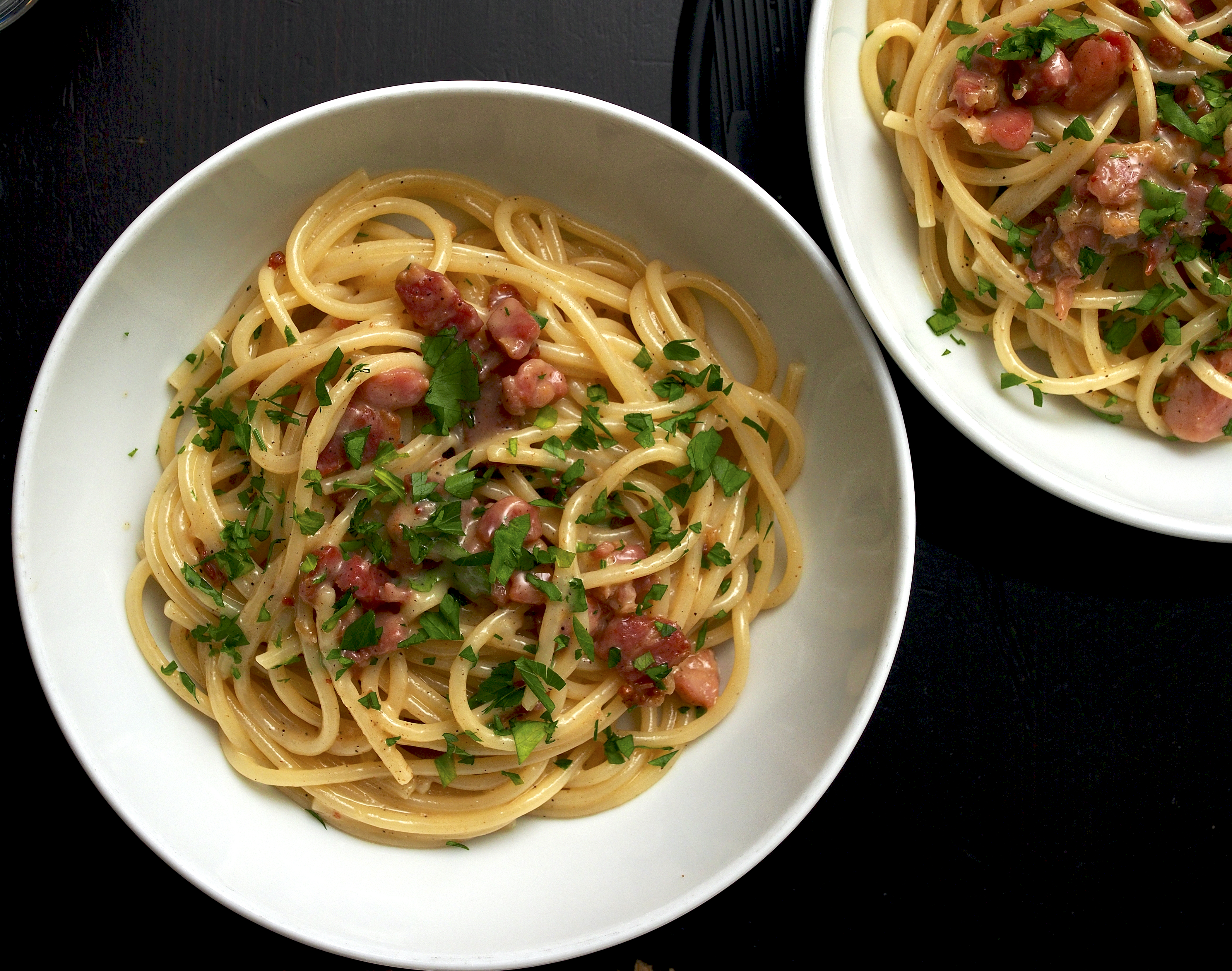
Somewhere along the line we forgot about spaghetti carbonara, but remembered it again last night. This really is a store-cupboard dish. We’re never without pasta, eggs or Parmesan and more often than not there’s a half packet of pancetta or bacon lardons in the fridge needing used. Thursday night might turn into carbonara night!

Wine Suggestion: An open bottle of Edetaria via Terra red, made from Garnache Tinta grown in Terra Alta south of Barcelona was a joyful accompaniment. Fresh with refined spices and tannins; a gourmand wine. We don’t know whether it was the night or the wine but we had the chats all night after this food and wine.

Spaghetti Carbonara – serves 2 – though you can of course double to serve 4

  • 200g spaghetti
  • 1 tbsp olive oil
  • 100g pancetta cubes or bacon lardons
  • 1 clove of garlic, crushed
  • 25ml vermouth or white wine
  • 1 large egg
  • 50g grated pecorino or Parmesan
  • 1 tbsp chopped flat-leaf parsley

Cook the spaghetti in lots of very salty water according to the timings on the pack.

Meanwhile, heat the olive oil in a large frying pan and fry the pancetta over a medium heat until crispy. Add the garlic and cook gently for a couple of minutes before the vermouth or white wine and bubble until well reduced. Remove from the heat and set aside.

Put the egg into a large bowl and beat it with a fork. Add a little salt and plenty of black pepper, then add the cheese and stir to combine.

Drain the pasta in a colander and immediately transfer to the bowl with the egg and cheese, don’t be too fussy when you’re draining as a little of the pasta cooking water will help make a silky sauce. Stir together until the spaghetti is coated in a glossy sauce, then add the pancetta and stir again.

Serve in warmed bowls and sprinkle with the parsley.

Read Full Post »

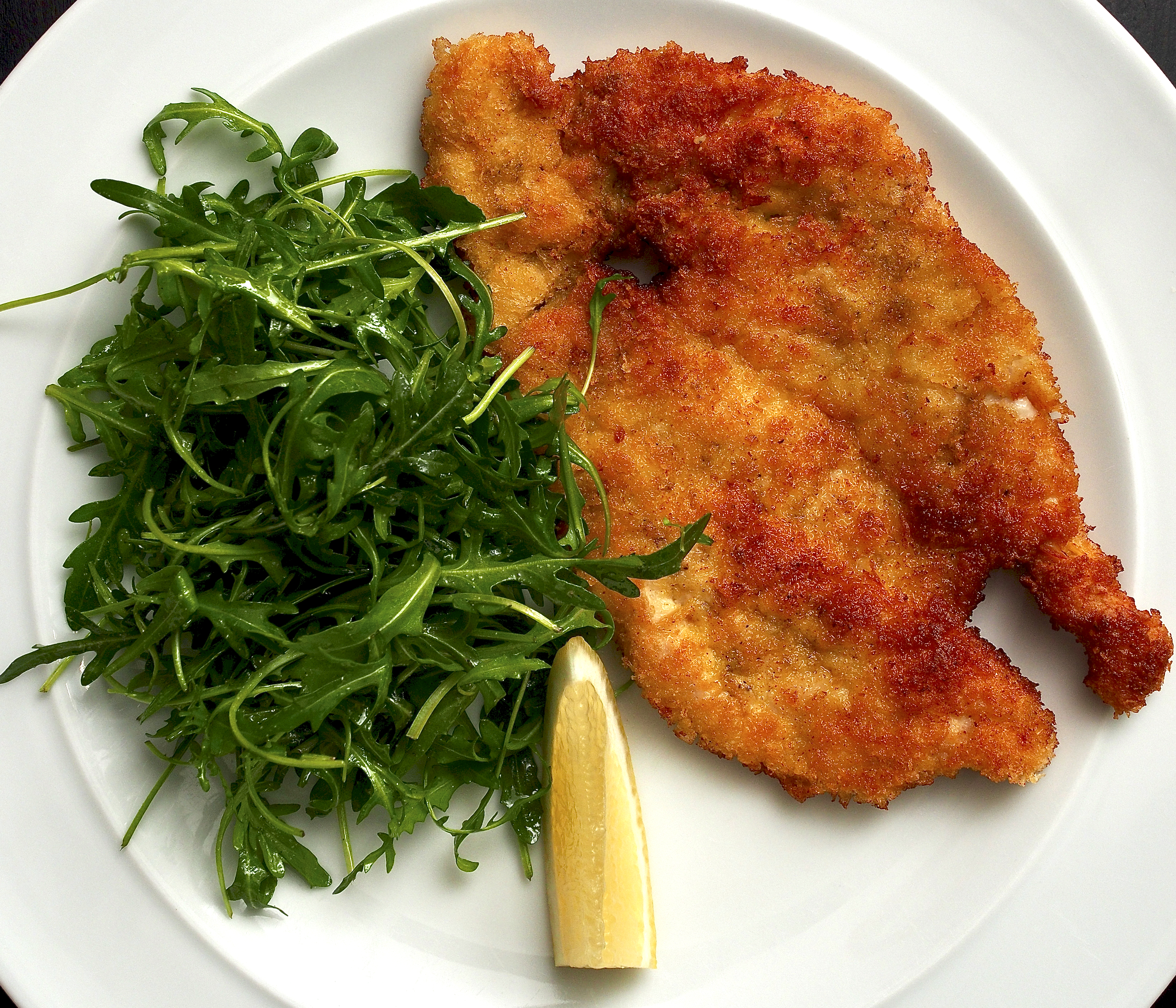
This handy Italian chicken dish is great for a Friday night and kids love it! Serve with a green salad, lemon wedges and mayonnaise. If you have eggs leftover you can pop them in the fridge to scramble the next morning.

Wine Suggestion: keep it simple with an easy, dry white of your choice: Chardonnay, Verdicchio, Chenin … or tonights choice the Flying Solo Grenache Blanc – Viognier blend from Domaine Gayda. Easy, friendly citrus and apple flavours with hints of heather and a slight nuttiness, finishing clean and dry.

Chicken Cotoletta – serves 4

  • 2 chicken breasts, sliced lengthways with your knife parallel to the board to give 4 thin fillets (your butcher will do this for you if you ask)
  • juice of ½ lemon
  • 1 handful of Italian 00 flour
  • 3 medium free-range eggs, lightly beaten
  • about 300g panko breadcrumbs

Put each piece of chicken between sheets of clingfilm, then beat them gently with a rolling pin until nice and thin. Season and sprinkle with the lemon juice.

Get 3 plates out and put the flour on one, the eggs on the next, and finally the breadcrumbs. Dip the chicken into the flour, shaking off any excess, then gently into the egg and finally into the breadcrumbs.

Heat a large frying pan with plenty of olive oil and fry the chicken until golden and crispy, a couple of minutes on each side. You can do this in batches if easier.

(Original recipe from Polpo by Russell Norman, Bloomsbury, 2012.)

Read Full Post »

Sometimes all you want is a plate of greens. Here they are with a Japanese-style sauce and some sticky rice and sesame seeds. 

Wine Suggestion: We find this combination of flavours in the sauce work well with Riesling, especially if it’s the lighter styles with a touch of fruit. This could be a German Kabinett with lower alcohol, residual sugar and refreshing acidity, or one of the dry Clare Valley cuvées that leave a hint of sugar in making them very approachable in youth like Pike’s Hills & Valleys. 

Greens with Sticky Sesame Rice – serves 2

  • 1 tbsp caster sugar
  • 140g sushi rice
  • 1 tbsp sesame seeds, toasted
  • 1 tsp sesame oil
  • 1 tbsp sunflower oil
  • 350g purple sprouting broccoli or other long-stemmed broccoli
  • 6 scallions, halved lengthways

FOR THE SAUCE: 

  • 2 tbsp brown miso paste
  • 1 tbsp mirin
  • 1 tbsp rice wine vinegar
  • 1 tbsp soft brown sugar
  • 2 tsp finely grated ginger
  • 1 red chilli, deseeded and diced

Stir the sauce ingredients together with 1 tbsp water, then set aside.

Bring a large pan of water to the boil with the caster sugar and ½ tsp salt. Add the rice and boil for about 15 minutes (or whatever time it suggests on the pack) until just cooked. Drain well, return to the pan and sprinkle over the toasted sesame seeds and sesame oil. Cover and keep warm. 

Heat the sunflower oil in a wok until smoking hot. Add the broccoli and stir-fry for a few minutes until almost tender, add a splash of water now and then to create a bit of steam. Add the scallions and stir-fry for 30 seconds, then stir in the sauce and cook for another minute or two, stirring constantly. 

Divide the rice between 2 plates and top with the stir-fry. 

(Original recipe from BBC Good Food)

Read Full Post »

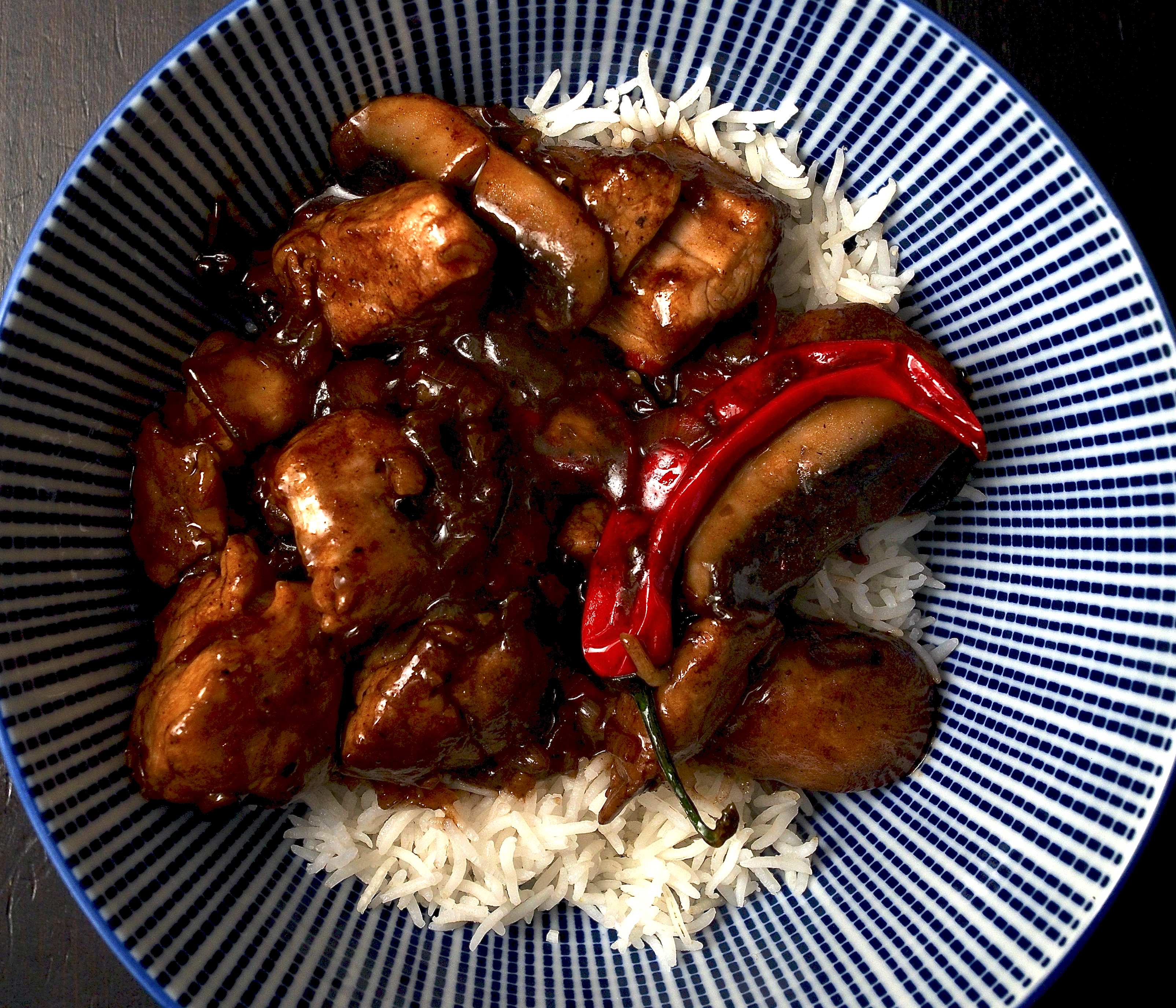
Every now and again we take one of Nigel Slater’s Kitchen Diaries off the shelf for a bit of inspiration, and this is what we chose from the February chapter. We like Nigel’s recipes as they’re tasty but rarely require too much shopping. We served this with rice, a few greens on the side would be nice too.

Wine Suggestion: A dry, or just off-dry Alsace Pinot Gris or similar. Tonight Zind Humbrecht’s Pinot Gris Roche Calcaire from the Clos Windsbuhl has all the texture and layers of fruit we were looking for and more; superb.

Pork with garlic & oyster sauce – serves 2

  • 5 tbsp of flavourless oil, we use groundnut oil
  • 350g pork fillet, cubed
  • 3-4 garlic cloves, finely chopped
  • 2 shallots, finely sliced
  • 4 small hot red chillies, two chopped finely with the seeds left in and two left whole
  • 150g mushrooms, roughly sliced
  • 3 heaped tbsp oyster sauce
  • 3 tbsp Shaoxing wine

Heat your wok until very hot.

Add 2 tbsp of the oil and when it starts to smoke, add half the meat. Toss, until browned then remove to a plate and brown the rest.

Add the remaining oil to the wok and heat until smoking hot, then add the garlic, shallots and chillies. Toss for a minute or two until starting to colour. Add the mushrooms and continue to fry until they are soft and starting to colour, then return the meat to the pan. When the meat is hot, stir in the oyster sauce and Shaoxing wine and bring to the boil.

Allow the sauce to simmer and reduce for a couple of minutes, then serve.

(Original recipe from The Kitchen Diaries II by Nigel Slater, Fourth Estate, 2012.)

Read Full Post »

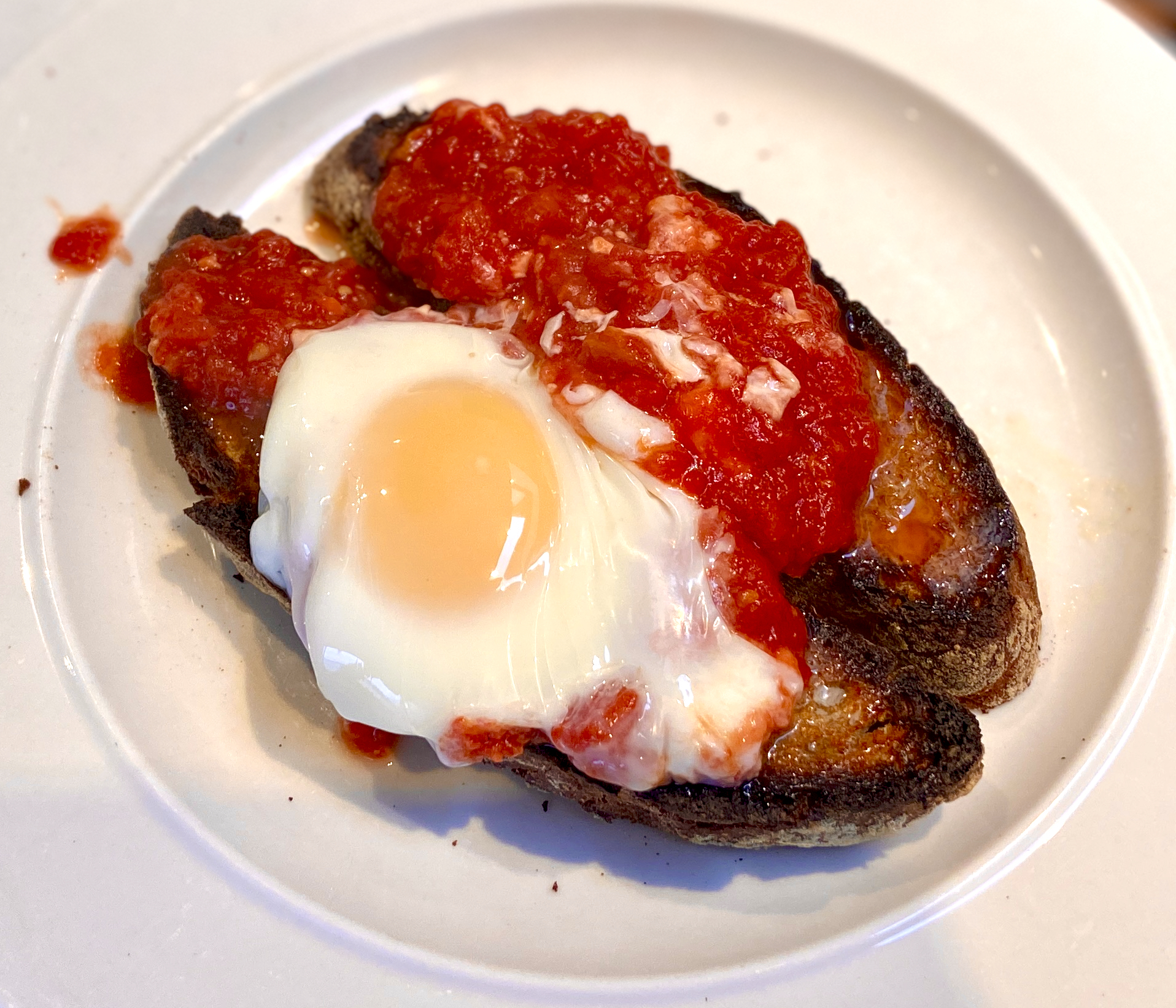
This makes a delicious veggie breakfast with toast or with bread and a salad for lunch. It is so simple but you need to use top quality tinned tomatoes as they are the star of the show.

Baked eggs with tomatoes – serves 4

  • 500g tinned tomatoes, drained, seeded and chopped
  • 3 tbsp olive oil
  • 8 fresh eggs

Preheat the oven to 220C/425F/Gas 7.

Put the tomatoes into a saucepan with 2 tbsp of water and a couple of pinches of salt. Cover and simmer slowly for 30 minutes, give it a stir occasionally.

Pour the olive oil into an ovenproof dish, then pour the tomatoes on top.

Break the eggs into the dish on top of the sauce and season with black pepper. Bake for 5 minutes or until the whites are just set and the yolks still runny.

(Original recipe from Southern Italian Cooking by Valentina Harris, Pavilion Books Limited, 1993.)

Read Full Post »

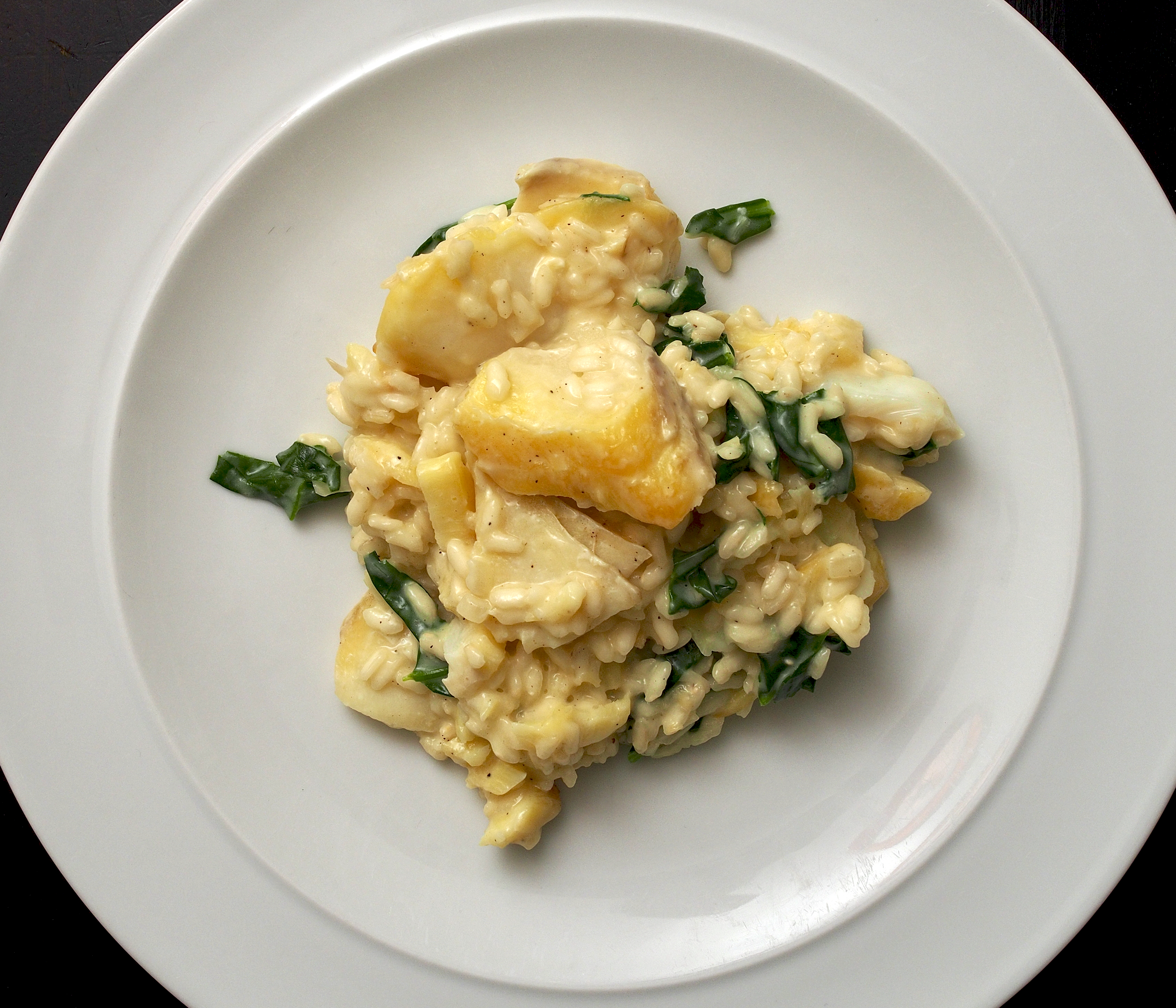
This is a little different given the use of the milky poaching liquor which makes this creamy and rich. Not that we partake in the cheese and fish rule anyhow, but cheese was genuinely not required. 

Wine Suggestion: Choose a white with a higher acidity to match the creamy stock and a bit of body as this is quite rich. We chose an alpine/cool-climate Chardonnay from Cantina Colterenzio from north-eastern Italy in the foothills of the Alps. Melon and apple fruit flavours with hints of buttery toast; refined and characterful.

Smoked Cod & Spinach Risotto – serves 2-3

  • 450ml full fat milk
  • 400g smoked cod or haddock
  • 2 bay leaves
  • 6 black peppercorns
  • 450ml hot stock
  • a small onion
  • 50g butter
  • 250g risotto rice
  • a glass of white wine
  • 2 handfuls of spinach leaves, washed and torn into small pieces

Pour the milk into a saucepan large enough to take the fish in a single layer. Put the fish into the milk and add the bay leaves and peppercorns, then bring to the boil. When the milk starts to foam, lower the heat and simmer for 10 minutes. Remove the pan from the heat and set aside with the fish left in the milk to infuse. 

Heat the stock in a saucepan until gently simmering.

Peel and finely chop the onion, then fry gently in the butter in a heavy-based pan. When the onion is soft, but not coloured, add the rice and stir to coat. 

Pour in the wine and allow to evaporate, then start adding the stock, a ladleful at a time. Keep stirring continually until each ladle of stock has been absorbed, then add some more. Keep the heat low to medium. When the stock is finished, start adding the poaching liquid from the fish (discard the peppercorns and bay leaves). Start tasting when almost all the milk has been absorbed. The rice should be soft but still have a little bite and it should take about 20 minutes. 

Stir the spinach into the rice. Break the fish into big pieces and gently fold into the rice, trying not to break them up too much. Check for seasoning before serving. 

(Original recipe from The Kitchen Diaries II by Nigel Slater, Fourth Estate, 2012.)

Read Full Post »

Older Posts »