Feeds:
Posts
Comments

Archive for November, 2022

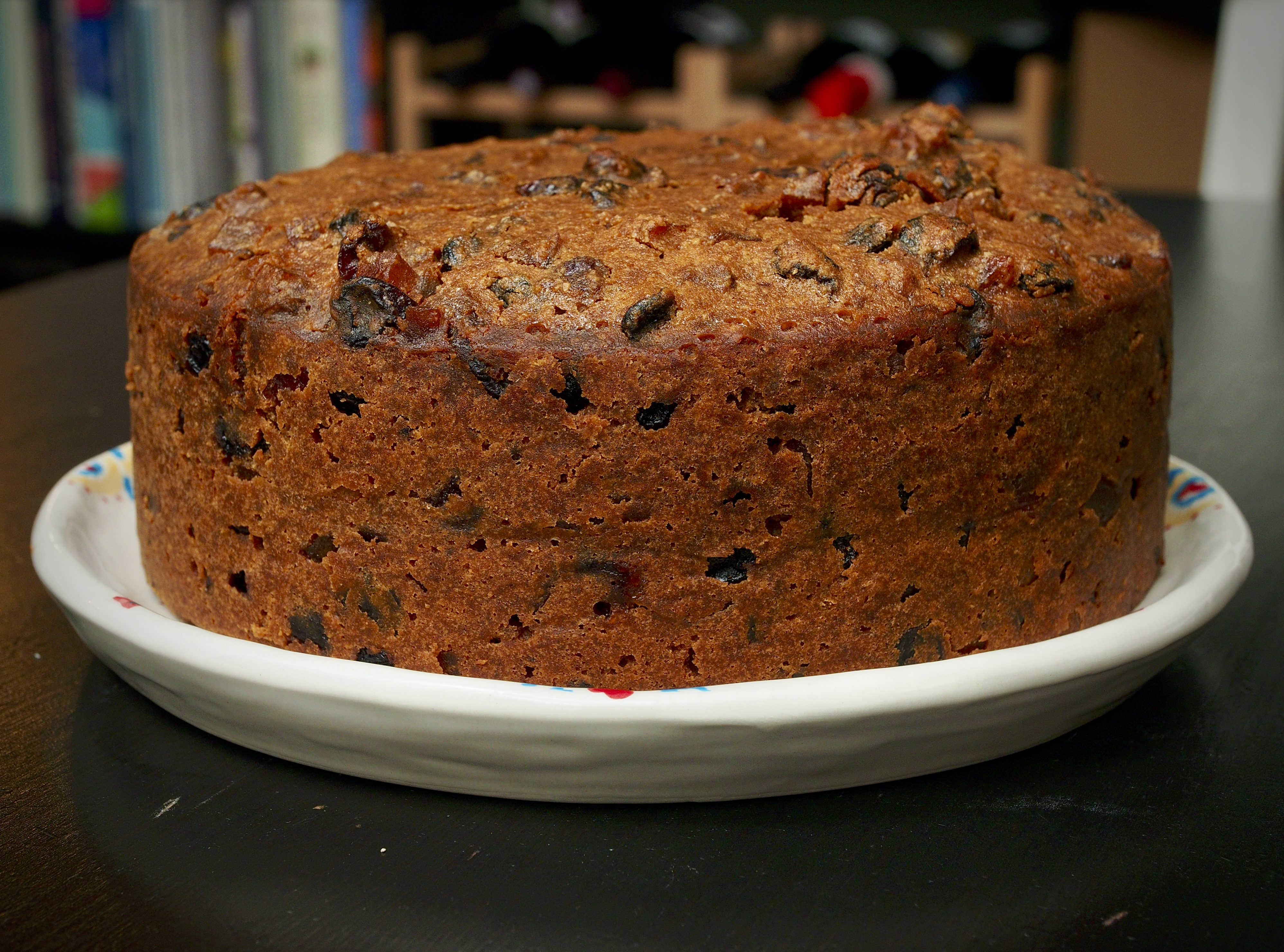
It’s never really too late to make your Christmas cake, though if you’re organised and have done it in October/November you’ve got longer to “feed” it. To be frank, I always have the best of intentions to make one early but never seem to get around to it until the very end of November or sometimes a week or two before the big day.

This version is fruit and booze rich, plus it has the added bonus of warm spices and stem ginger which makes it feel like a good hug alongside a mid-morning coffee.

We’re not big on icing, so when we’re ready to eat it I just glaze it with a spoon or two of apricot jam melted on the stovetop with a teaspoon or two of water. You can put blanched almonds on top for decoration if you like at this point. Sometimes we skip this stage too and just dig in.

Note: when looking for candied peel look out for the best you can find as it really makes a difference and you’ll get great flavours without them being too sweet and confected. This year our friends in Cavistons had whole candied oranges and clementines that we just couldn’t go past.

A warm and spicy Christmas cake

  • 200g of the best candied peel you can find
  • 800g mixed dried fruit (we used blueberries, raisins and cranberries this year, but quite often have currants in the mix too)
  • 150ml dark rum, plus extra to feed
  • 250g unsalted butter
  • 200g dark muscovado sugar
  • 1 orange, zested & juiced
  • 1 lemon, zested & juiced
  • 175g plain flour
  • 125g ground almonds
  • 1/2 tsp baking powder
  • 2 tsp mixed spice
  • 1 tsp ground cinnamon
  • 1 tsp ground ginger
  • 5 balls of stem ginger (in syrup), drained and chopped
  • 5 medium eggs
  • 1 tsp vanilla extract

Put the peel and dried fruit into a large saucepan with the rum, butter, sguar and citrus zest and juice. Bring to the boil over a medium heat, then reduce to a simmer and heat until the butter has melted. Leave to cool for 30 minutes.

Meanwhile, heat the oven to 150C/130C fan/Gas 2.

Line a deep 20cm cake tin with a double layer of baking parchment, then wrap a double layer of brown paper (or newspaper) around the outside and secure with string.

Tip the flour, ground almonds, baking powder and spices into the saucepan with the cooled fruit and syrupy liquid, then add the stem ginger, eggs and vanilla. Stir with a wooden spoon until there are no floury bits.

Tip the mixture into the prepared tin, level the top and bake on the middle shelf for 2 hours until cooked through. Remove from the oven, poke holes into the top with a skewer and spoon over 2 tbsp rum, then leave to cool completely in the tin.

When the cake has cooled, peel off the baking parchment, then wrap in fresh parchment and store in an airtight tin. Feed the cake with 1-2 tbsp rum every fortnight, up to four times, but don’t feed it in the final week if you plan on icing or glazing it as you need the surface to be dry.

(Original recipe from BBC Good Food)
Read Full Post »

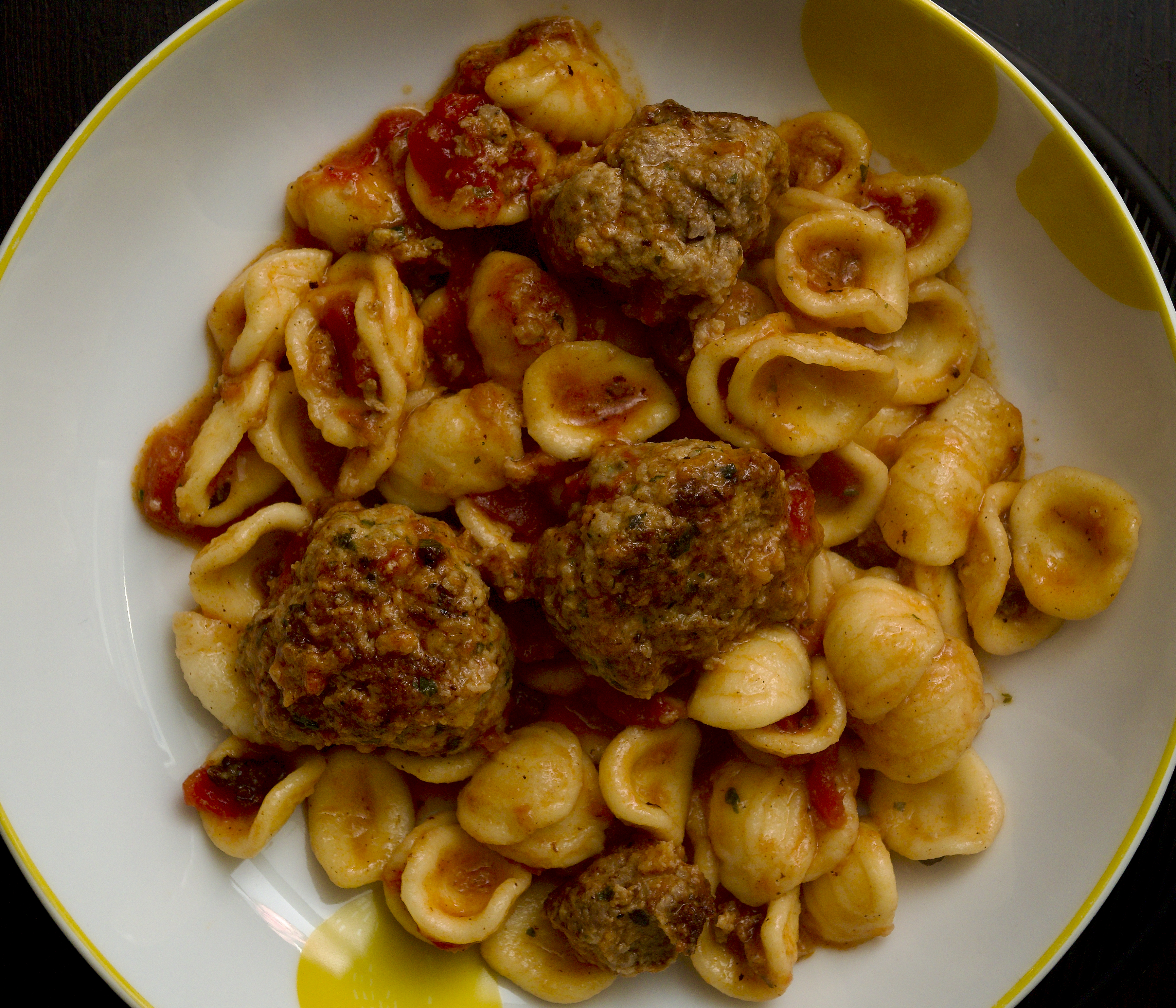
Who doesn’t love meatballs. There’s at least one person in this house who would have them every week. This recipe by Olia Hercules makes heaps to help with that problem.

Wine Suggestion: great with a simple Sangiovese with bright and slightly crunchy fruits and a good wack of tannins. Rocca delle Macie’s Chianti Vernaiolo is our standby and doesn’t hide behind oak, rather celebrates the joy of fruit. The added joy is the smooth tannins this wine brings despite the potentially awkward Sangiovese grape; they have a great feel for getting the balance right even with a bouncingly youthful cuvee.

Olia’s Meatballs – Sugo Della Mamma – makes 30 meatballs

FOR THE MEATBALLS:

  • 60g stale sourdough bread with crusts (or dry out 80g of fresh bread chunks in the oven)
  • 250ml hot whole milk
  • 20g parsley, very finely chopped
  • 400g beef mince
  • 400g pork mince
  • 1 small egg, lightly beaten
  • 2 cloves of garlic, finely grated
  • 100g Pecorino/Parmesan, finely grated, plus extra to serve
  • ¼ nutmeg, finely grated

FOR THE SAUCE:

  • up to 5 tbsp olive oil
  • 2 cloves of garlic, peeled and bruised but left whole
  • 800g tomato passata or 2 x 400g tins chopped tomatoes
  • a couple of sprigs of basil
  • Tagliagelle, pappardelle or orecchiette, to serve

Put the bread into a bowl and pour over the hot milk. Leave for 5 mintues then press the bread down to make sure it’s all soaked. Cover and leave for 15 minutes.

Mix the mince, egg, bread and soaking milk, grated garlic, parsley, cheese and nutmeg together. Season well with 1 tbsp of sea salt and lots of black pepper. Use your hands to mix it all together really well.

Wet your hands and shape the mixture into about 30 golf-ball sixed meatballs.

Heat 3 tbsp of the olive oil for the sauce. Fry the meatballs in batches until browned on a couple of sides. Remove from the pan and set aside.

If you need more fat you can add the extra 2 tbsp of oil, then add the bruised garlic and cook for a few minutes to infuse the oil, then remove and discard.

Add the passata or tomatoes to the pan, then fill the jar or tin with 200ml water and add that with a generous pinch of salt. Cook over a medium-low heat for 15 minutes. Gently place the meatballs into the sauce and cook for 15-20 minutes at a gentle bubble. Add the basil sprigs for the last 5 minutes of cooking time.

Cook the pasta, then roughy drain so a little water remains. Return the pasta to the pot it was cooked in, ladle over the sauce and meatballs and gently stir to combine.

Serve with extra grated pecorino.

(Original recipe from Home Food by Olia Hercules, Bloomsbury, 2022.)

Read Full Post »

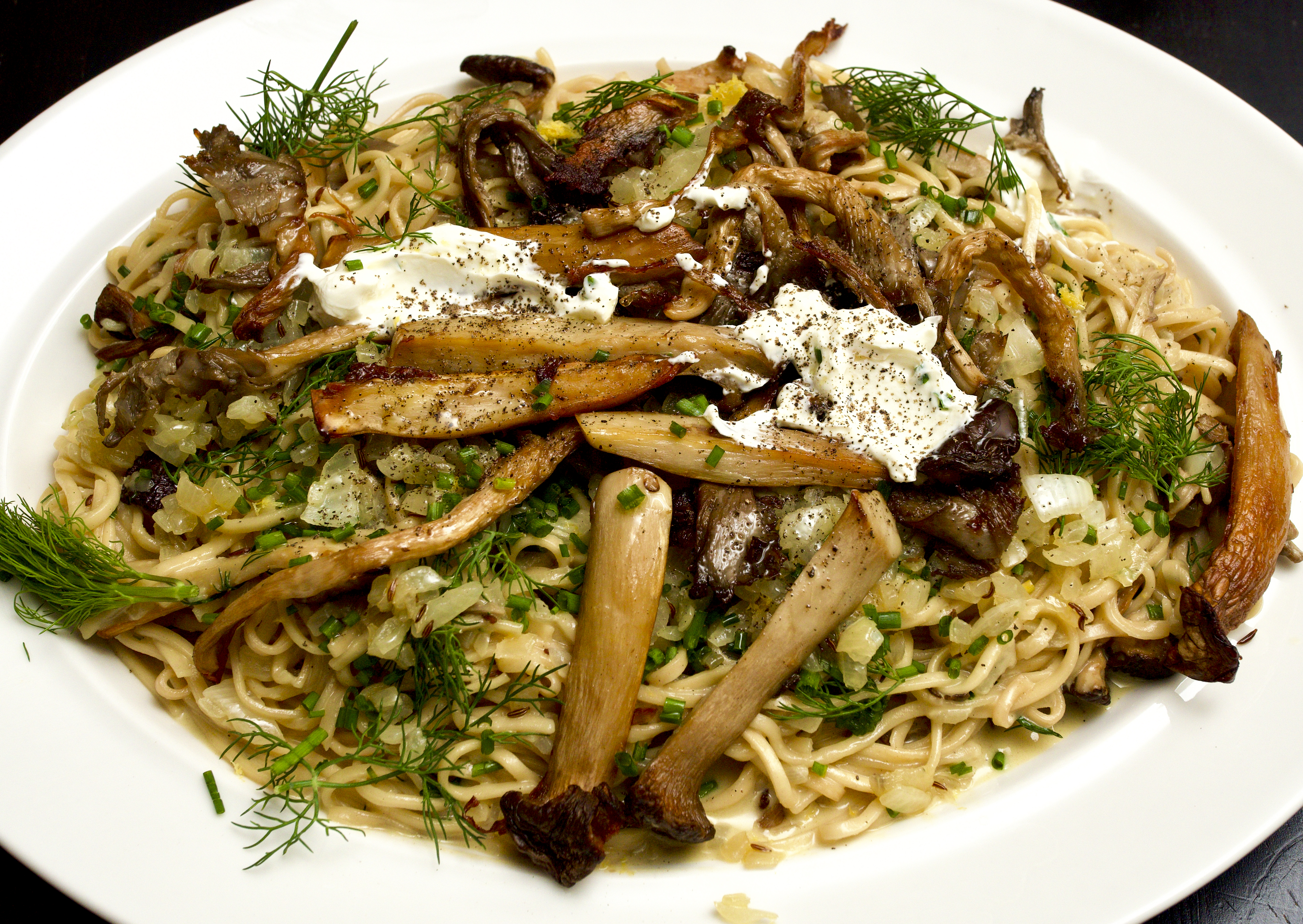
Ixta Belfrage’s book, Mezcla, is full of genuinely new dishes with lots of flavour combinations that we’ve never tried before. These mushroom noodles are a great example. We used a mix of oyster mushrooms and ceps which worked well, but oyster mushrooms are definitely the way to go here. You can make the sauce ahead of time if you like.

Wine Suggestion: It’s not only mushroom season, but it’s Beaujolais Nouveau week too, so we had the luck of matching this dish with a bottle from our friend Chris. The Lapalu Beaujolais Villages Nouveau was smooth, dark fruited and earthy.

Oyster mushroom noodles – serves 2 as a main very generously

  • 200g fresh medium egg noodles (if you have dried egg noodles, cook them first)
  • 1 tsp finely grated lemon zest and 2 tbsp juice
  • 10g chives, finely chopped
  • 10g dill, picked from the stems
  • créme fraîche or sour cream, to serve

FOR THE MUSHROOMS:

  • 400g oyster mushrooms
  • 3 tbsp olive oil
  • ½ tsp fine salt

FOR THE SAUCE:

  • 40g unsalted butter
  • 2 tbsp olive oil, plus extra to serve
  • 2 onions, very finely chopped
  • ¾ tsp caraway seeds
  • 1¼ tsp fine salt
  • 2 cloves of garlic, finely grated
  • 500g chicken stock or veg stock
  • 2 ½ tsp English mustard
  • 5 tbsp double cream

Preheat the oven to 200C fan/220C.

Tear the mushrooms in half. Line a large baking tray with parchment, add the mushrooms, oil and salt and toss with your hands, then spread out over the tray. Roast in the oven for 22-25 minutes, stirring halfway, or until golden-brown and starting to crisp at the edges. Set aside.

Meanwhile, make the sauce. Put the butter, oil, onions, caraway seeds and ¾ tsp of fine salt into a large sauté and put over a medium heat. Gently fry for about 12 minutes, stirring regularly, until soft and caramelized. Turn the heat down to the lowest setting and continue cooking for another 5 minutes, you are looking for deep golden-grown but not burned or crispy. Remove half the onions onto a plate and set aside. Add the garlic to the pan and fry for 1 minutes, stirring, then remove the pan from the heat.

Add the stock, mustard, cream, ½ tsp of fine salt and lots of black pepper to the pan with the onions. Stir, then add half of the roasted mushrooms. Return to a medium heat and cook for 4 minutes. Stir the noodles into the sauce and cook for 3 minutes, or until the sauce has thickened slightly and the noodles are hot.

Stir in the lemon juice and half the herbs. Transfer to a warm platter and top with the rest of the herbs, the lemon zest and the mushrooms and onions that you set aside before. Spoon over some crème fraîche or sour cream and finish with olive oil and black pepper.

(Original recipe from Mezcla by Ixta Belfrage, Ebury Press, 2022.)

Read Full Post »

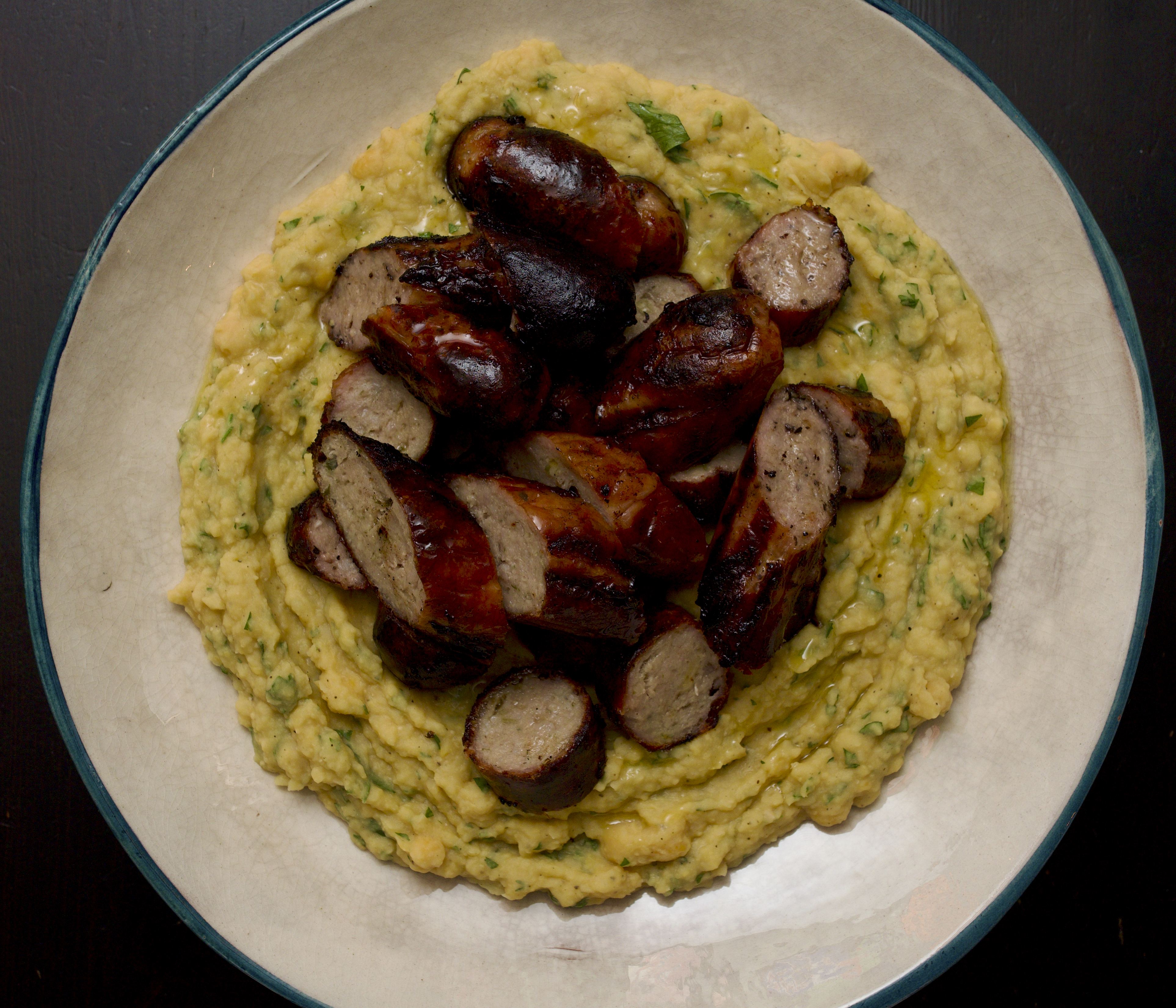
My friend Antoinette made me this a few years ago after seeing the recipe in the Guardian. Nigel Slater has since published it in A Cook’s Book and it’s still good. Super simple but do go to town on good sausages.

Wine Suggestion: go for an easy, central Italian Red, like Umani Ronchi’s Serrano. From the Marches on the Adriatic coast this is a Rosso Conero DOC made from Montepulciano and a touch of Sangiovese. Smooth and medium bodied, but with character, refinement and substance.

Sausages with Chickpea Mash – serves 2 to 3

  • 2 x 400g tins chickpeas
  • 4 bay leaves
  • 1 medium onion, peeled and halved
  • 6-8 top-quality sausages with fennel
  • 60ml olive oil
  • 6 sprigs rosemary
  • 25g parsley, leaves picked
  • 4-5 bushy sprigs of thyme, leaves picked
  • 120ml cooking water from the chickpeas

Drain the chickpeas and put them into a large saucepen. Cover with water and bring to the boil. Add the baby leaves and onion, then partially cover and simmer for 5-10 minutes.

Cook the sausages in a pan or under the grill with a little of the oil and the rosemary (we cooked ours on a barbecue).

Roughly chop the parsley and thyme.

Drain the chickpeas and discard the onion and bay leaves but keep 120ml of the cooking water.

Warm the rest of the olive oil in a small pan. Mash the chickpeas with a blender but careful not to over process. Pour in the warm oil and cooking water, then stir in the herbs and sesaon well with salt and pepper.

Thickly slice the cooked sausages and pile them onto the mash, drizzle with some more olive oil if you like.

(Original recipe from A Cook’s Book by Nigel Slater, 4th Estate, 2021.)

Read Full Post »

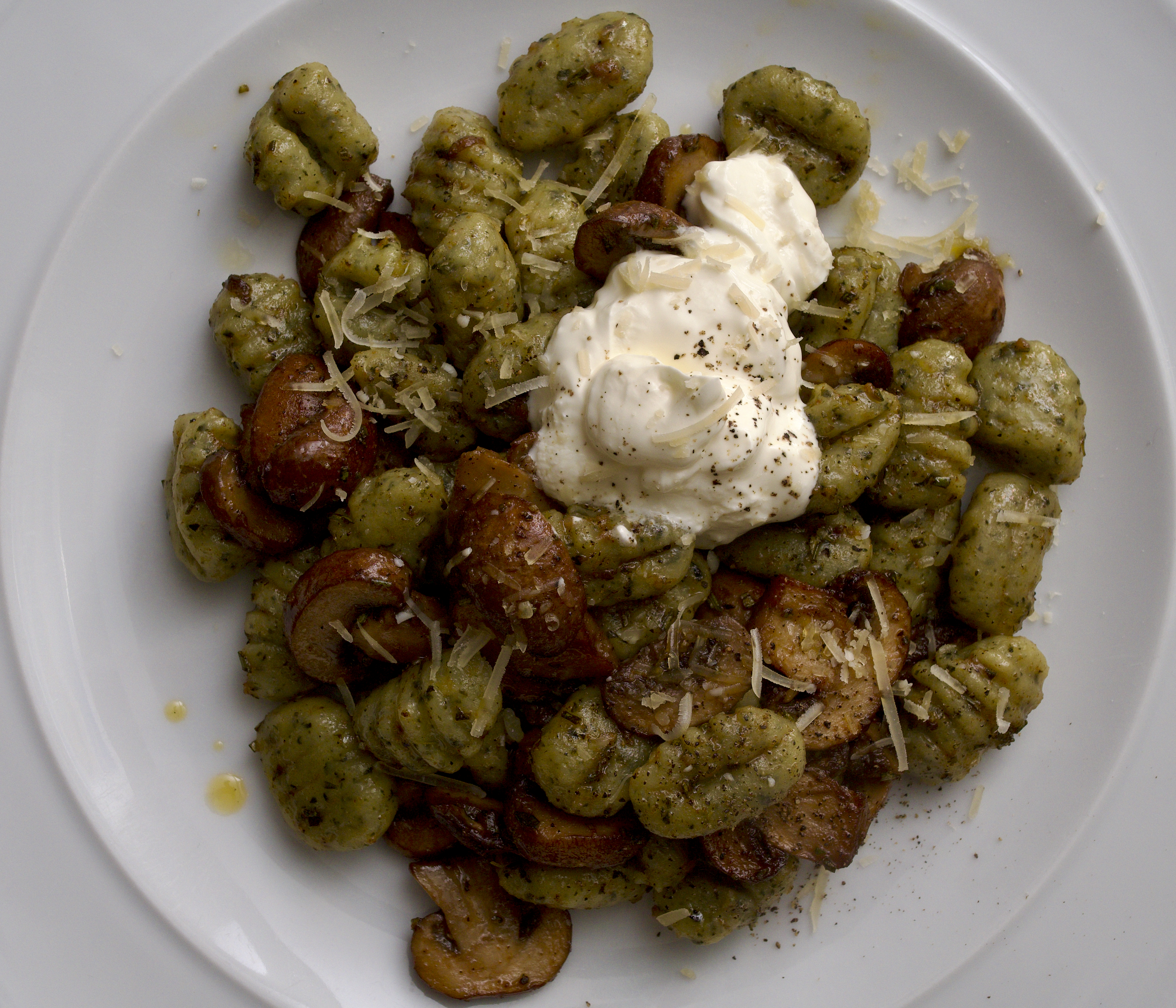
We love simple ideas like this one for mid-week inspiration. We used ready-made spinach gnocchi, try and find a decent brand if you can.

Gnocchi with mushroom and paprika butter – serves 3

  • 50g butter
  • 400g chestnut mushrooms
  • 1 clove of garlic, crushed
  • 2 tsp chopped rosemary
  • ½ tsp hot smoked paprika
  • 500g pack gnocchi
  • 100ml sour cream or crème fraîche
  • grated Parmesan, to serve

Heat a small knob of the butter in a pan, add the mushrooms and ½ tsp salt, and cook until soft and golden.

Add the rest of the butter, garlic and rosemary, then cook gently for 4-5 minutes.

Stir in the paprika and season with black pepper, then keep over a low heat while you cook the gnocchi.

Drain the gnocchi and tip into the mushroom pan. Toss everything together and serve in warm bowls with a dollop of cream, lots of black pepper and some Parmesan.

(Original recipe by Janine Ratcliffe in Olive Magazine, October 2019.)

Read Full Post »

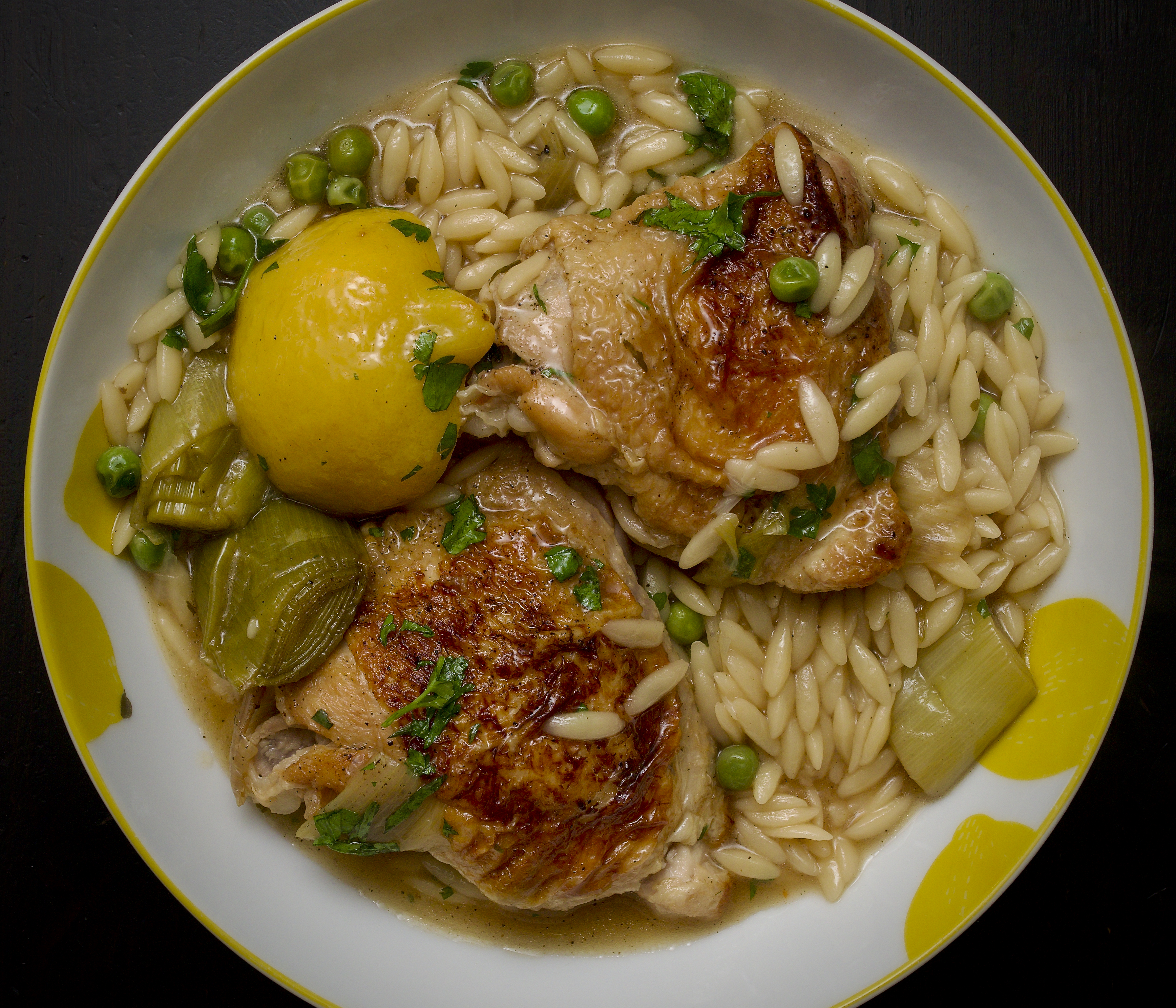
This is a nice soupy-stew sort of thing. Perfect for cold nights but still with nice fresh flavours.

Wine Suggestion: We went a bit left-field for this dish and look for an aged white Rioja where you get the roundness and poise of an oaked chardonnay but with a slightly softer acidity. Graceful in age the Urbina Rioja Bianco Crianza 2014 was both youthful with melon and citrus fruits, and with a layer of aged, tertiary fennel, aniseed and peach. A joy to know this is the current release from an under the radar winery.

Chicken with leeks & orzo – serves 3

  • 3 tbsp olive oil
  • 6 large chicken thighs
  • 250g leeks, cut into short lengths, wash well to get rid of any grit and pat dry with kitchen paper.
  • 1 litre chicken stock
  • half a lemon, cut into 2 fat wedges
  • 6 black peppercorns
  • 200g orzo
  • 150g frozen peas
  • a small handful of parsley, roughly chopped
  • a small handful of tarragon, roughly chopped

Preheat the oven to 200C.

Heat the oil in a large, deep casserole dish. Fry the chicken thighs until well-browned on both sides, then remove and set aside.

Add the leeks to the chicken fat in the pan and cook over a medium-low heat, with the lid on, for 5 minutes, you want them softened but not browned.

Add the stock and stir with a wooden spoon until it comes to the boil, then add half the lemon, peppercorns and 1 tsp of salt. Scatter in the orzo and boil for 3 minutes. Return the chicken to the pan, then cover and bake for 35 minutes.

Add the peas, then return to the oven for another 5 minutes. Add the tarragon and parsley and serve in warm bowls.

(Original recipe from A Cook’s Book by Nigel Slater, 4th Estate, 2021)

Read Full Post »

We served this with steak but it would be nice with other vegetable dishes too.

Pomegranate-glazed aubergine – serves 4

  • 2 large aubergines, peeled and cut into 2.5cm rounds
  • 3-4 tbsp olive oil
  • 2 tbsp pomegranate molasses
  • 3 tbsp maple syrup
  • 1 scallions, finely sliced on the diagonal
  • a generous handful of salted peanuts, chopped

Preheat the oven to 220C/200C fan/Gas 7.

Line a large baking tray with baking paper.

Set the aubergine slices onto the baking tray, then brush both sides with olive oil. Bake in the oven for 22-25 minutes until cooked through but not browned.

Mix the pomegranate molasses and maple syrup together, then use a pastry brush to brush evenly over both sides of the aubergines, then sprinkle with some flaked sea salt. Roast for another 5-6 minutes or until glazed and sticky.

Scatter with the scallion and peanuts before serving.

(Original recipe from Persiana Everyday by Sabrina Ghayour, Asteer, 2022.)

Read Full Post »

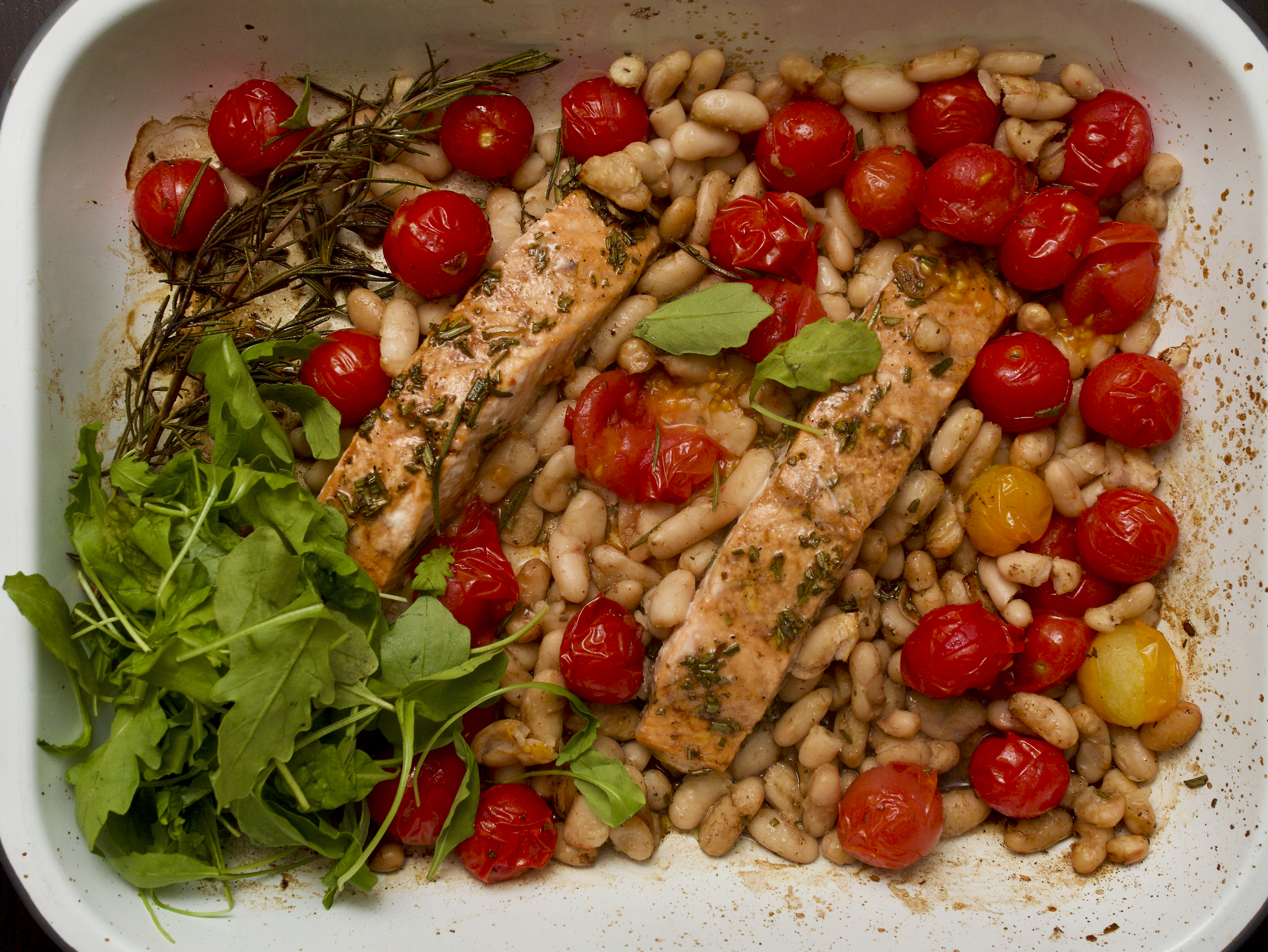
A roasting tin dinner for busy evenings and when a batch of “very” late season cherry tomatoes land in our lap.

Rosemary & balsmic salmon with tomatoes – serves 4 (easily halved)

  • 4 tbsp balsamic vinegar
  • 2 tbsp extra virgin olive oil
  • 4 sprigs rosemary, 2 left whole and needles picked and finely chopped from the rest
  • 1 clove of garlic, finely sliced
  • 600g cherry tomatoes
  • 2 x 400g tins cannellini beans, rinsed and drained
  • 4 small salmon fillets
  • 2 handfuls of rocket

Heat the oven to 220C/200 Fan/Gas 7.

Whisk the baslsamic, olive oil, chopped rosemary, garlic, and seasoning, together in a small bowl.

Tip the tomatoes and beans into a large roasting tray. Nestle in the salmon fillets, then pour over the dressing. Toss gently to make sure everything is coated in dressing.

Bake for 12-14 minutes or until the fish flakes easily. Give the beans and tomatoes another gentle toss and push down on a few tomatoes to burst them. Scatter over the rocket and serve.

(Original recipe by Anna Glover in Olive Magazine, October 2021.)

Read Full Post »

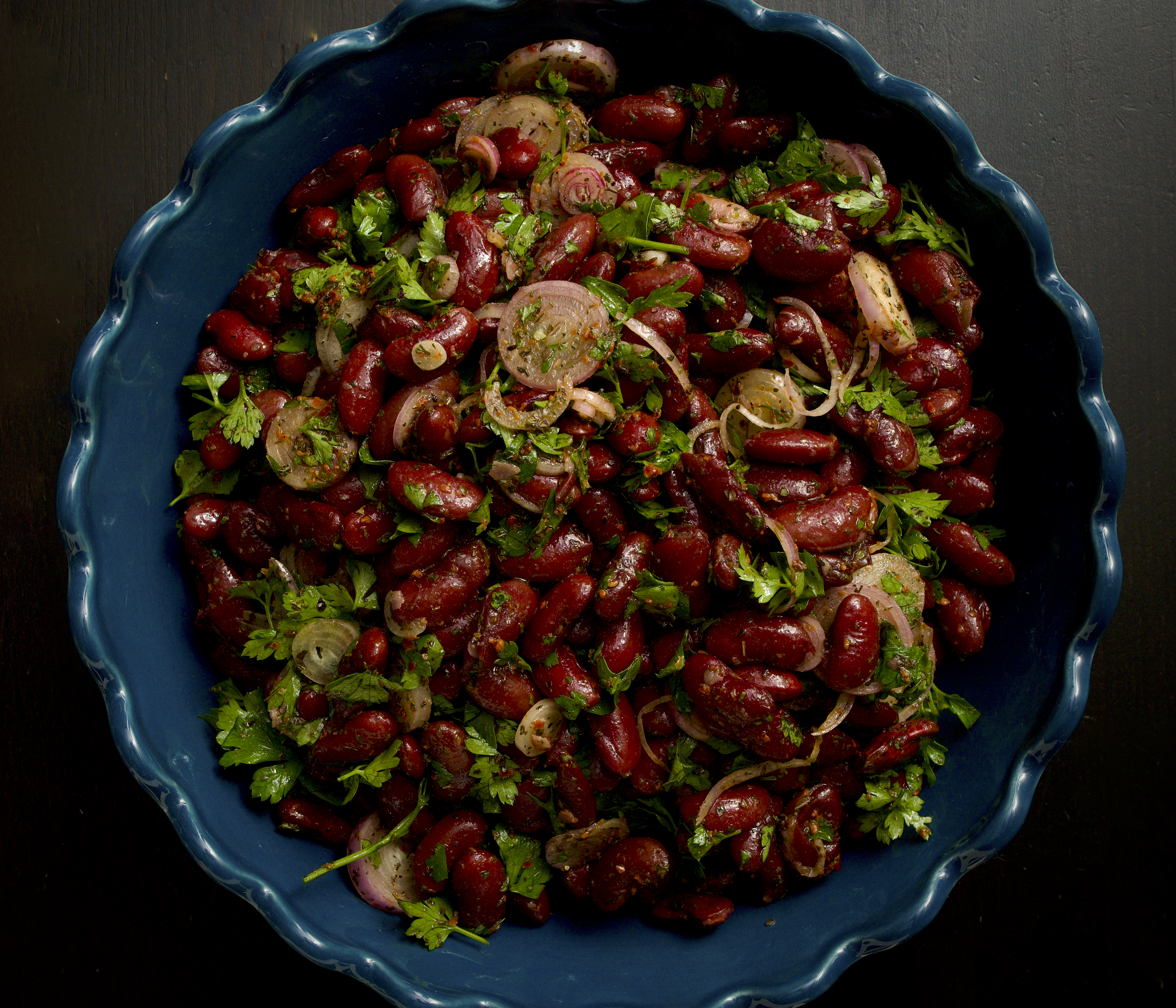
We’ve made a salad like this before but this one is fresher and makes a great side dish for a crowd. We served it with some spicy baked salmon.

Georgian kidney bean salad – serves 6 to 8

  • 2 x 400g tins kidney beans (we used 300g dried kidney beans, rinse then soak in 3 times the volume of cold water for 5 hours. Drain and put into a saucepan covered by an inch with cold water, then boil hard for 30 minutes, stirring to prevent any sticking)
  • 50g flat-leaf parsley, roughly chopped
  • 2 heaped tsp dried mint
  • 2 banana shallots, very thinly sliced into rings
  • 2 tbsp red wine vinegar
  • 2 tbsp olive oil
  • 2 tsp pul biber chilli flakes
  • Maldon salt & fresh ground black pepper

If you are using tinned beans, drain them rinse well under a cold tap to get rid of the briny liquid. Shake the beans dry, then tip into a large bowl.

Add the rest of the ingredints to the bowl and fold together gently, you don’t want to crush the beans. Season well with salt and pepper, stir again and leave at room temperature for 20-30 minutes.

Stir well again before serving.

(Original recipe from Persiana Everyday by Sabrina Ghayour, Aster, 2022.)

Read Full Post »

The mussels are cooked in a fairly light sauce but packed with flavour. Serve with some crusty bread if you like.

Wine Suggestion: This dish demands a white with good bones, though you need to keep it fresh and savoury as well for the taste of the sea the mussels bring. We chose to good effect Quinta Soalheiro’s Alvarinho Reserva which comes from some of their oldest vineyards in the north of Portugal. Aromatically intense with a complex structure, it nonetheless also maintains a salty freshness from the grape making it a great match for mussels.

Mussels and orzo with coconut & saffron – serves 4

  • 1kg mussels, scrubbed and debearded
  • 80g orzo pasta
  • 30g unsalted butter
  • 2 tbsp olive oil
  • ½ a small onion, finely chopped
  • 4 cloves of garlic, very finely chopped
  • 1 yellow pepper, chopped into 1cm pieces
  • 1 Scotch bonnet chilli
  • 1¼ tsp fine salt
  • 150g yellow cherry tomatoes, roughly chopped
  • ½ tsp tomato purée
  • ¾ tsp saffron threads
  • 400g tin coconut milk
  • up to 2 tsp chilli paste, we used paté bomba con peponcini piccanti (optional)
  • 1 lemon

FOR THE HERB OIL:

  • 5g chives, finely chopped
  • 5g coriander, finely chopped
  • 3 tbsp olive oil
  • a pinch of fine salt

Put the orzo into a medium-sized ball and cover with boiling water. Set aside to soak for 15 minutes, then drain and rinse.

Heat the butter and oil in a large, shallow sauté pan over a medium-low heat. Add the onion, pepper, the whole Scotch bonnet and the salt. Cook gently for about 8 minutes, or until soft but not coloured.

Add the tomatoes, tomato purée and saffron and stir-fry for 2 minutes, then stir in the coconut milk and simmer for 3 minutes.

Add the orzo, then spread the mussels out on top. Cover with a lid, turn the heat to the lowest setting and cook for 5 minutes or until the mussels have all opened.

Discard the whole chilli, you can give it a squeeze into the sauce first if you like heat. Taste the sauce and add some chilli paste if you like.

Squeeze plenty of lemon juice over the mussels, then mix all the ingredients for the herb oil together and spoon over the top.

(Original recipe from Mezcla by Ixta Belfrage, Ebury Press, 2022.)

Read Full Post »

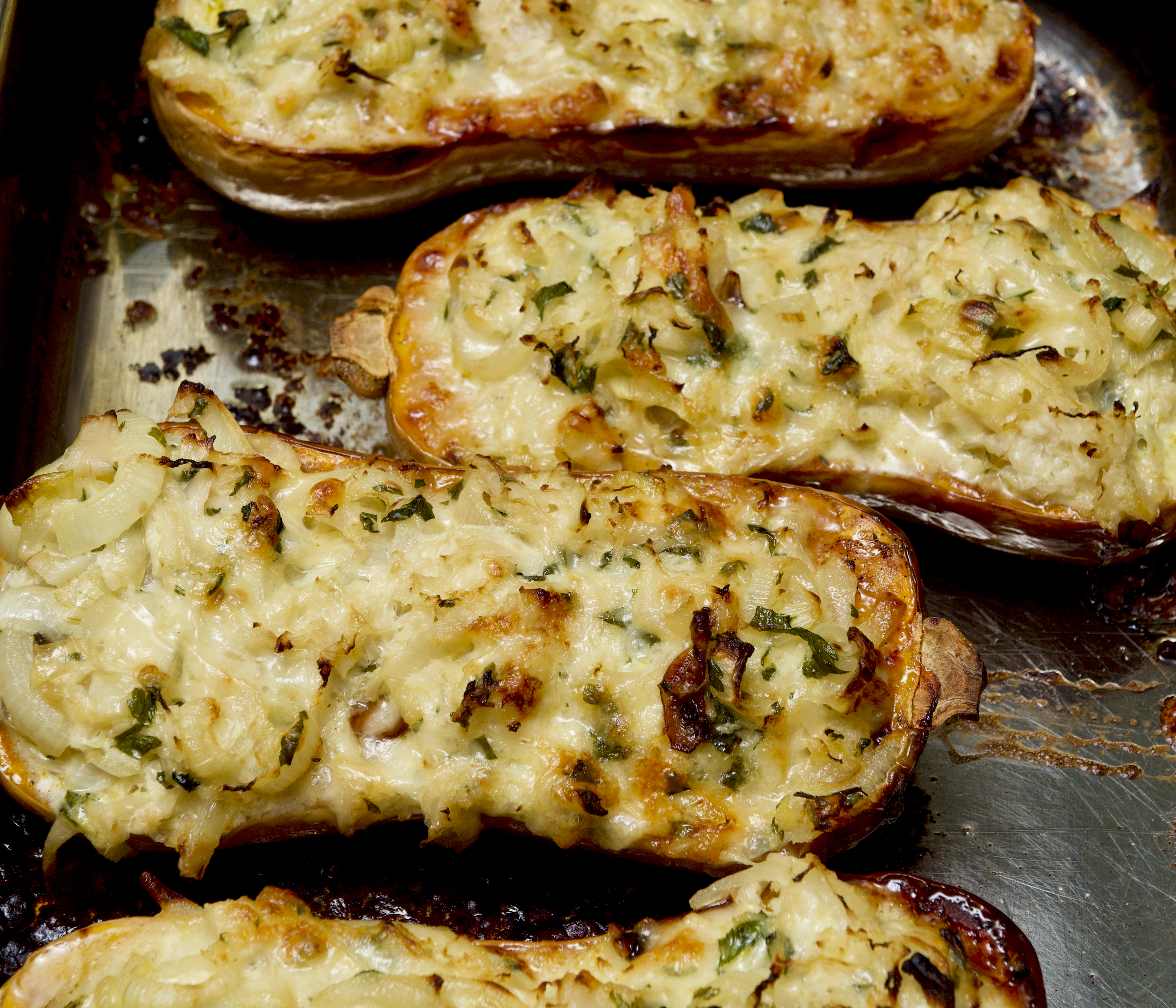
A delicious autumnal dish for not just sauerkraut lovers, but we think something to convert skeptics too. The sauerkraut provides freshness to the rich cream and cheese, plus it complements the velvety butternut texture.

Butternut squash with sauerkraut and gruyère – serves 3

  • 3 small butternut squash
  • 30g butter
  • 1 tsp thyme leaves
  • 2 medium to large onions, finely sliced
  • 3 tbsp olive oil
  • a small bunch of parsley, roughly chopped
  • 250g sauerkraut
  • 150ml double cream
  • 125g Gruyère, grated

Heat the oven to 200C.

Cut the butternut squash in half and scoop out the seeds and fibres with a spoon. Set the halves in a large roasting tin, then dot over the butter, sprinkle over the thyme and season with salt and pepper. Bake in the hot over for 45 minutes to 1 hour or until soft.

Meanwhile, warm the oil in a large deep pan, over a medium heat. Add the onions and cook for about 20 minutes or until pale gold and soft. Stir the parsley into the onions, then remove from the heat and add the sauerkraut, cream and cheese. Season.

When the squash are ready, divide the cheese and sauerkraut mixture betwen them, then return to the oven for another 20 minutes or until golden and bubbling.

(Original recipe from A Cook’s Book by Nigel Slater, 4th Estate, 2021.)

Read Full Post »

We’re starting to switch to more autumnal dishes. This is thoroughly traditional in style and will put a bit of warmth in your belly. The best side for all pies is peas to which we added a few glazed carrots. Comfort food for cold weather.

Wine Suggestion: We’ve gone a bit mad for Portuguese reds the past while and for this it was no different as we opened, and enjoyed the Herdade do Sobroso Red. From the Alentejo this is an Aragonez, Alicante Bouschet, Cabernet Sauvignon and Syrah blend, having the joy of having a rich core, alongside an elegance and freshness that sits very nicely with the sausages and gravy.

Sausage & Mash Pie – serves 4

  • 1 tbsp sunflower oil
  • 8 large pork sausages
  • 25g butter
  • 2 onions, finely sliced
  • a pinch of golden caster sugar
  • 2 tbsp plain flour
  • 1 tbsp tomato purée
  • 1 tbsp red wine vinegar
  • 500ml beef stock
  • frozen peas, cooked to serve

FOR THE MASH:

  • 1.25kg floury potatoes, such as Maris Piper or Roosters, peeled and cut into large chunks
  • 150ml whole milk
  • 25g butter
  • 25g mature cheddar, coarsely grated

Heat the oil in a large frying pan and gently cook the sausages over a medium-high heat for 10-12 minutes or until browned on all sides. Transfer to a plate and set aside.

Add the butter to the pan and heat until sizzling, then add the onions and sugar and cook for 8-10 minutes or until golden. Scatter over the flour and stir to make a paste, then add the tomato purée and cook for a minute. Add the vinegar, then pour in the stock and bring to the boil. Reduce the heat to a simmer. Tip any juices from the sausages into the pan, then slice the sausages into chunky pieces and add these too. Simmer for 5 minutes or until you have a rich and glossy gravy. Tip the mixture into a large baking dish.

Meanwhile, put the potatoes into a pan of cold salted water and bring to the boil. Reduce the heat and simmer for 10-12 minutes or until just cooked. Drain and leave to steam dry for a minute. Pour the milk into the pan and bring to a simmer, then tip in the drained potatoes and butter, and mash. Season to taste.

Top the sausages with the mash, starting at the edge and working into the middle, careful not to leave any gaps or the gravy will bubble through. Use a fork to scrape lines along the surface and sprinkle with the cheese.

Heat the oven to 200C/180C fan/gas 6.

Bake for 35-40 minutes or until browned. Remove the oven and allow to rest for 5 minutes before serving with the peas.

(Original recipe from BBC Good Food)
Read Full Post »