Feeds:
Posts
Comments

Posts Tagged ‘Gluten-free’

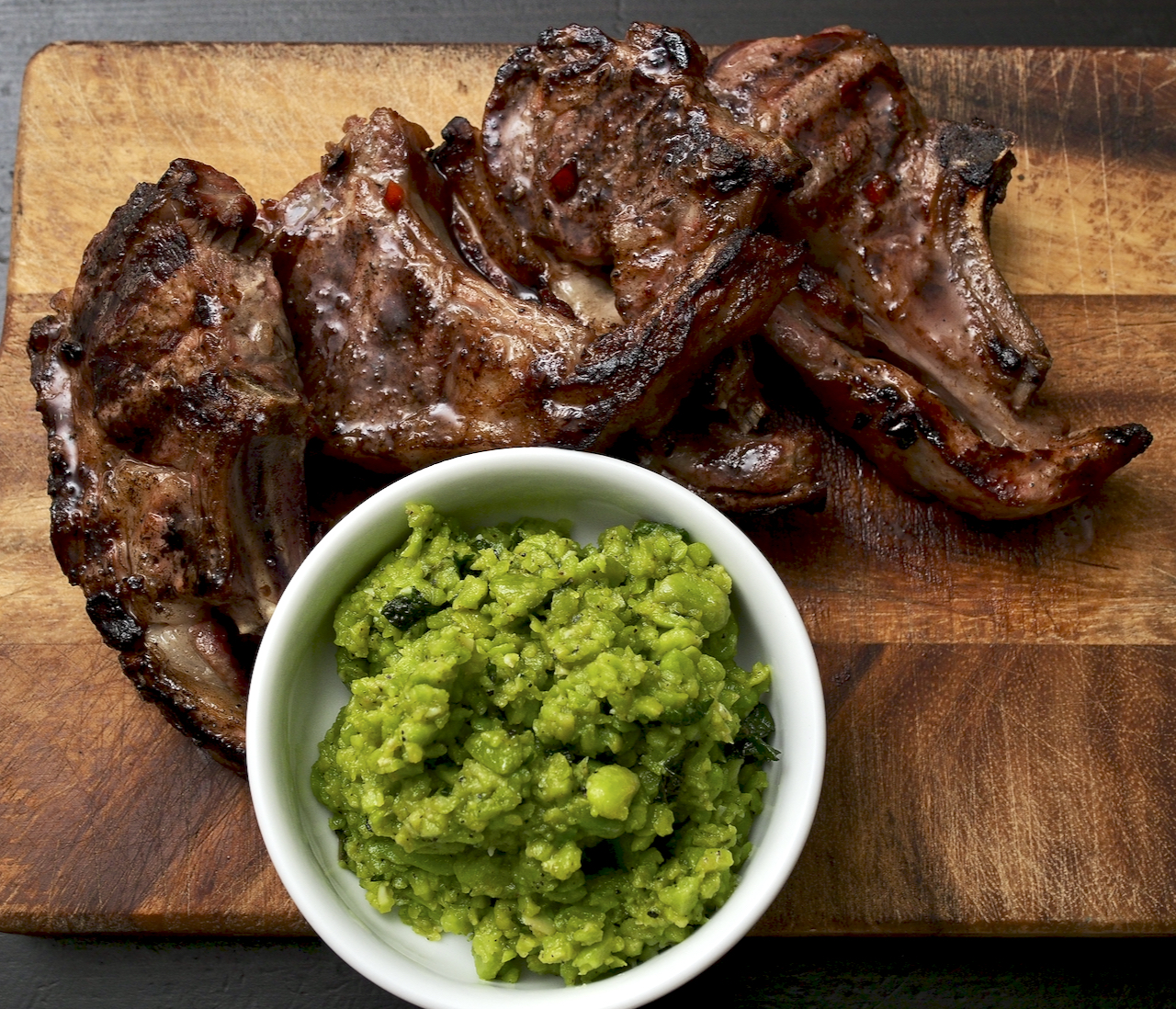
Lamb Chops with Minty Broad Beans

Our beloved broad beans, one of our absolute favourite vegetables, and they work perfectly with lamb and mint. Double podding seems like a bit of a faff but it’s definitely one of Jules’ favourite kitchen jobs, even better outside in the sunshine.

Wine Suggestion: Domaine Brusset’s Cotes du Rhone Red; mid-weight, open and friendly fruit and gentle spices. The Brusset’s are a lovely family and we’ve not tasted anything from them for a long time so we’re glad to see they’re even better than we remember. We’ll definitely get a few more bottles for the cellar.

Lamb chops with smashed minty broad beans – serves 4

  • 1 garlic clove, crushed
  • juice of ½ a lemon
  • a small red chilli
  • 8 small lamb chops

FOR THE BROAD BEANS:

  • 300g podded and skinned broad beans (1.2kg unpodded)
  • 3 tbsp olive oil
  • juice of ½ a lemon
  • a handful of mint leaves, roughly chopped

Mix the garlic, lemon and chilli with a splash of olive oil. Put the lamb chops in a dish and pour over the marinade. Cover and marinade for an hour in the fridge. Remove about half an hour before you want to cook them though so they come to room temperature.

Put the broad beans in a processor with half the olive oil, plenty of seasoning and the lemon juice. Whizz to a chunky purée, then tip into a small saucepan.

Cook the lamb on a hot barbecue for a few minutes on each side. Meanwhile, gently heat the broad beans, then stir in the mint and the rest of the olive oil. Check the seasoning, then serve the lamb with the broad beans on the side.

(Original recipe from BBC Good Food)

Read Full Post »

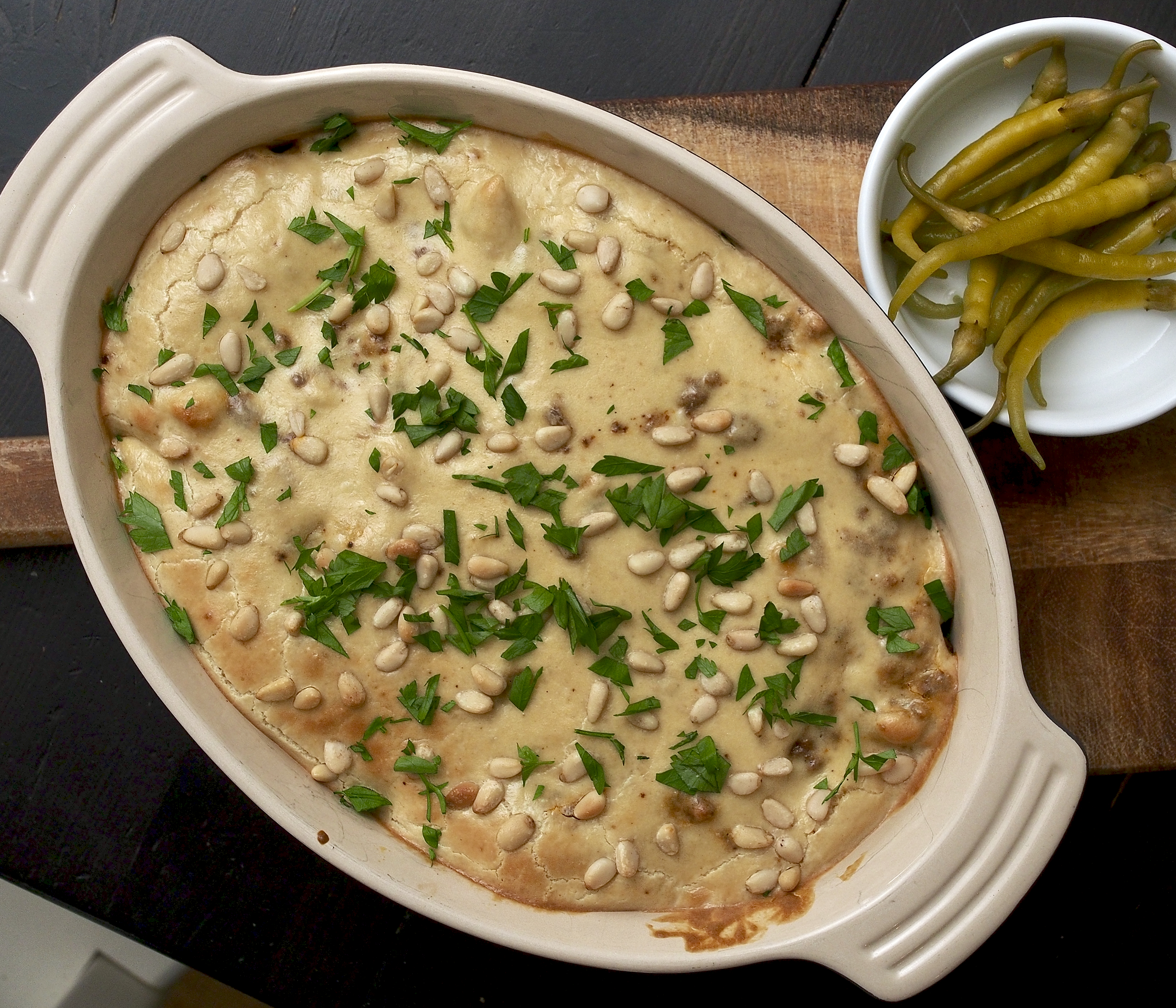
Lamb Siniya

This is a bit like a Middle-Eastern shepherd’s pie but lighter and spicier. It’s also very quick and easy to make. Serve with pickled chillies, a tomato salad and some flatbreads if you like (we had pickled chillies alone and it was perfect). We can’t recommend the books by Honey & Co highly enough, everything works.

Wine Suggestion: Another lockdown cellar raid unearthed our last bottle of Domaine du Vieux Télégraphe Châteauneuf-du-Pape 2005 from the famed La Crau vineyard. At a very good point in its develeopment with beautiful, pure red fruits and layers of subtle spicing. Lots of power still but with so much elegance and refinement.

If you don’t have this wine to hand we most successfully match middle eastern dishes containing warm spices with southern Rhône and other Grenache dominant Mediterranean reds.

Lamb siniya – serves 4 to 6

  • 1 small cauliflower, broken into florets

FOR THE LAMB:

  • 2 onions, peeled and finely chopped
  • 2 tbsp vegetable oil
  • 500g lamb mince
  • 1 tsp coarsely ground fennel seeds
  • 2 tbsp baharat spice mix
  • 1 tbsp tomato purée

FOR THE TOPPING:

  • 200g natural yoghurt
  • 200g tahini paste
  • 2 eggs
  • 1 tbsp lemon juice
  • 2 tbsp pine nuts

1 tbsp chopped parsley, to serve

Preheat the oven to 180C/160C fan/gas 4.

Put the cauliflower into a large saucepan, add about a litre of water and a teaspoon of salt. Bring to the boil and cook for 4 to 6 minutes or until soft. Drain and spread over the base of a shallow casserole dish (about 22cm).

Heat the oil in a large frying pan and fry the onions with half a teaspoon of salt until starting to turn golden. Add the lamb mince, turn the heat up to hight and break it up with a wooden spoon. When the lamb starts to brown, sprinkle over the ground fennel and baharat spice and continue to cook for another few minutes. Stir in the tomato purée and cook, stirring, for another few minutes, then spread over the cauliflower. You can do up to this stage a day in advance if you like.

Mix all the ingredients together for the topping, except the pine nuts. If the mixture is very thick you can add a tablespoon or two of water to loosen it slightly – it should be like thick yoghurt. Spread the topping over the cauliflower and lamb, then sprinkle the pine nuts over the top. Bake in the centre of the oven for 15 minutes or until set and slightly golden. Sprinkle with the parsley to serve.

(Original recipe from Honey & Co: Food from the Middle East by Sarit Packer & Itamar Srulovich, Saltyard Books, 2014.)


Read Full Post »

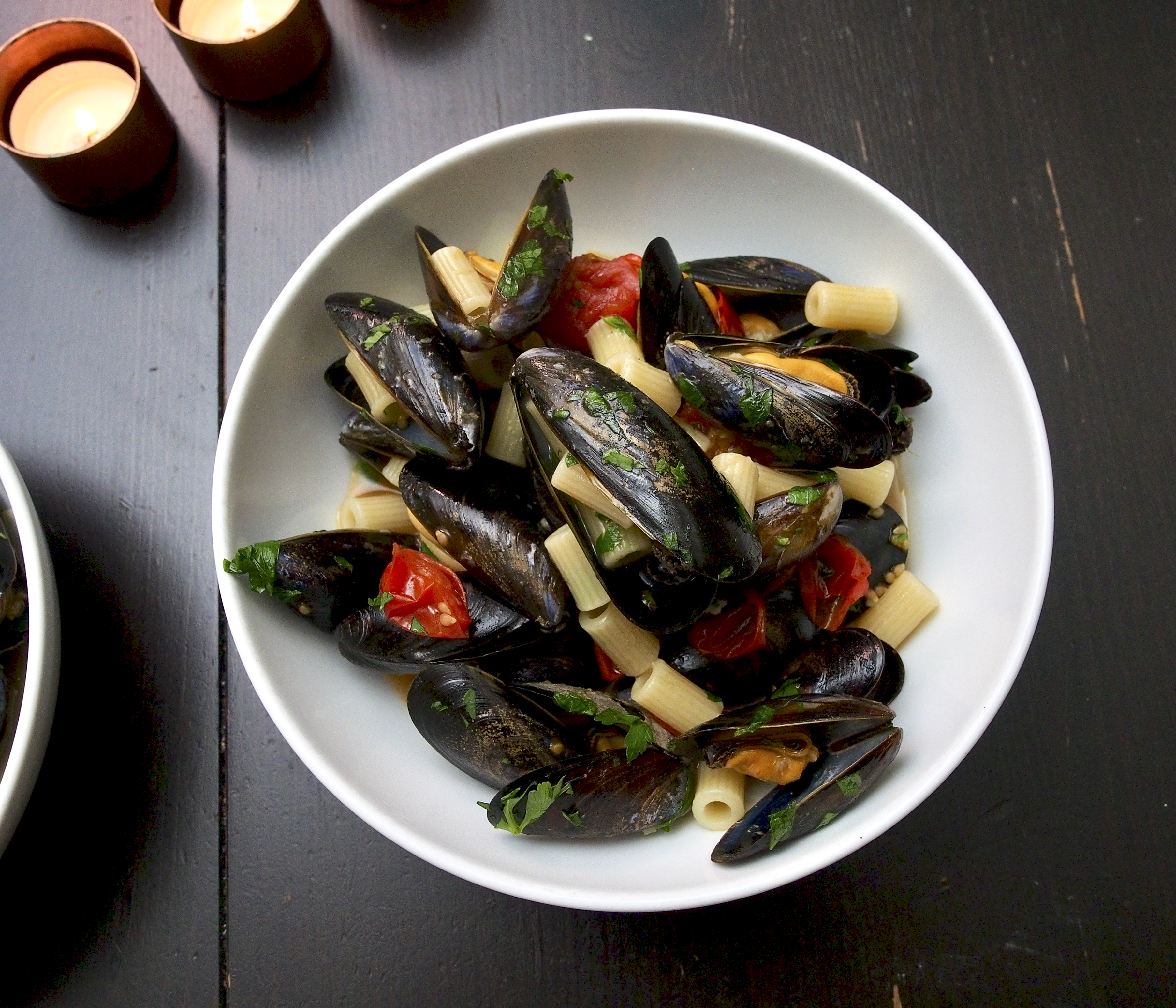
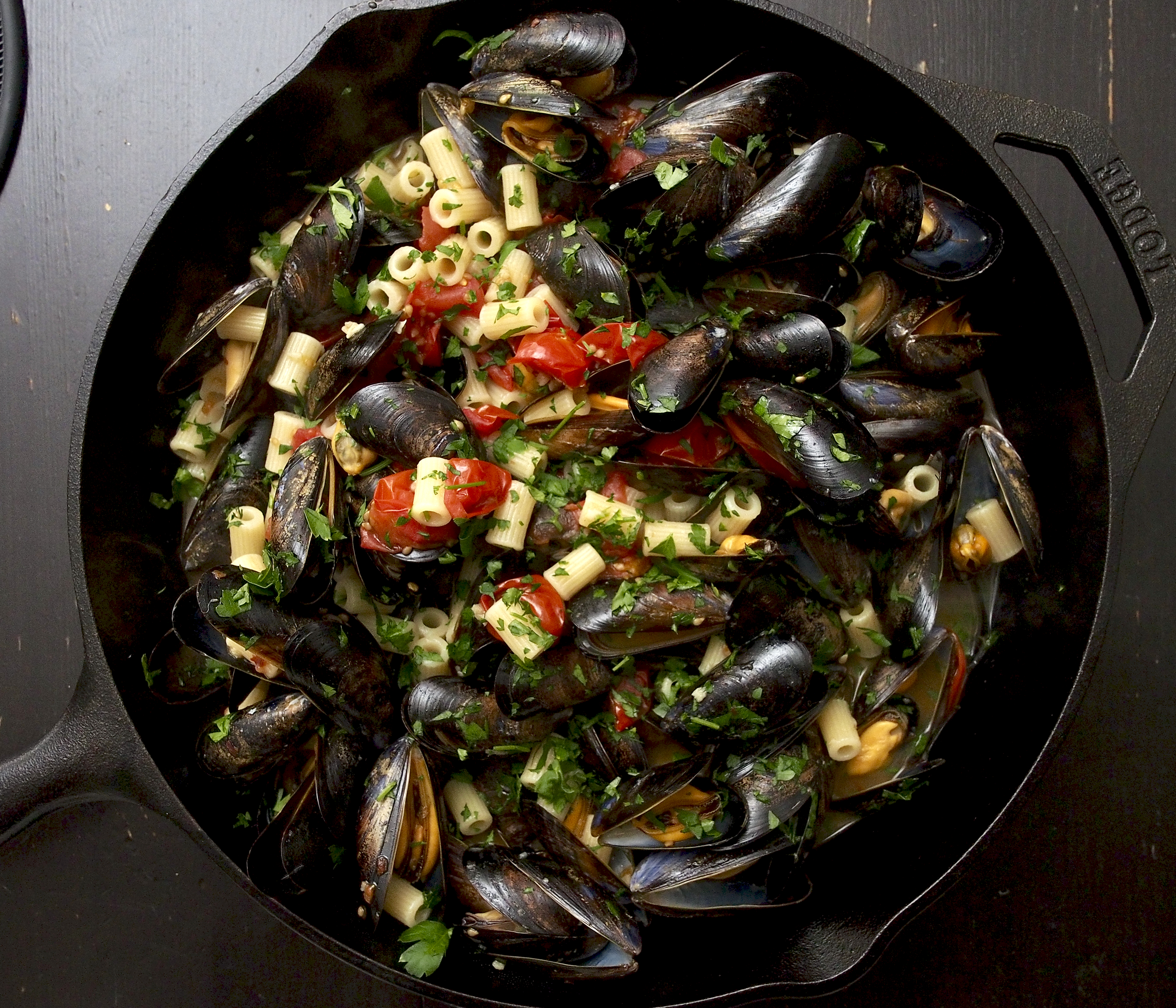
Mussels with Ditalini & Tomatoes

We love mussels on a Friday, so cheap and quick to cook, but still so special and luxurious. We halved the pasta to serve 2 but kept everything else the same – a feast!

Wine Suggestion: Digging into the lockdown cellar again and the Sugrue, Trouble with Dreams 2014 came to hand. A beautifully precise and focussed sparkling from the South Downs in England. If this isn’t to hand a good traditional method, double fermented sparkling would be a good choice too.

Mussels with Ditalini & Tomatoes – serves 4

  • 1kg mussels, scrubbed, remove any beards and throw away any that are open and don’t close when tapped
  • 250g ditalini pasta
  • 2 tbsp olive oil
  • 200g cherry tomatoes, halved
  • 2 cloves of garlic, crushed
  • ¼ tsp dried chilli flakes
  • ½ tsp sea salt flakes
  • 80ml red vermouth, we used Martini Rosso
  • 4 tbsp chopped flat-leaf parsley

Cook the pasta according to the time on the pack in lots of very salty water.

Meanwhile, heat the oil in a wide pan that has a lid. Add the tomatoes and cook for a couple of minutes to soften, over a medium-high heat.

Add the garlic, chilli and sea salt, then keep stirring until the tomatoes start to melt and make a juice. Add the vermouth and bubble up to get rid of the alcohol, then stir.

Add mussels and cover with the lid. Cook for 2 to 4 minutes or until the mussels have opened, give the pan a good shake now and then. Throw away any mussels that haven’t opened.

Drain the pasta and reserve a little cooking water. Add the pasta to the mussel pan with 2 tbsp of the pasta water. Stir everything together, put the lid back on and leave for a minute or two off the heat. Stir in most of the parsley, then scatter the rest on top.

(Original recipe from At My Table by Nigella Lawson, Chatto & Windus, 2017.)

Mussels with ditalini & tomatoes

Read Full Post »

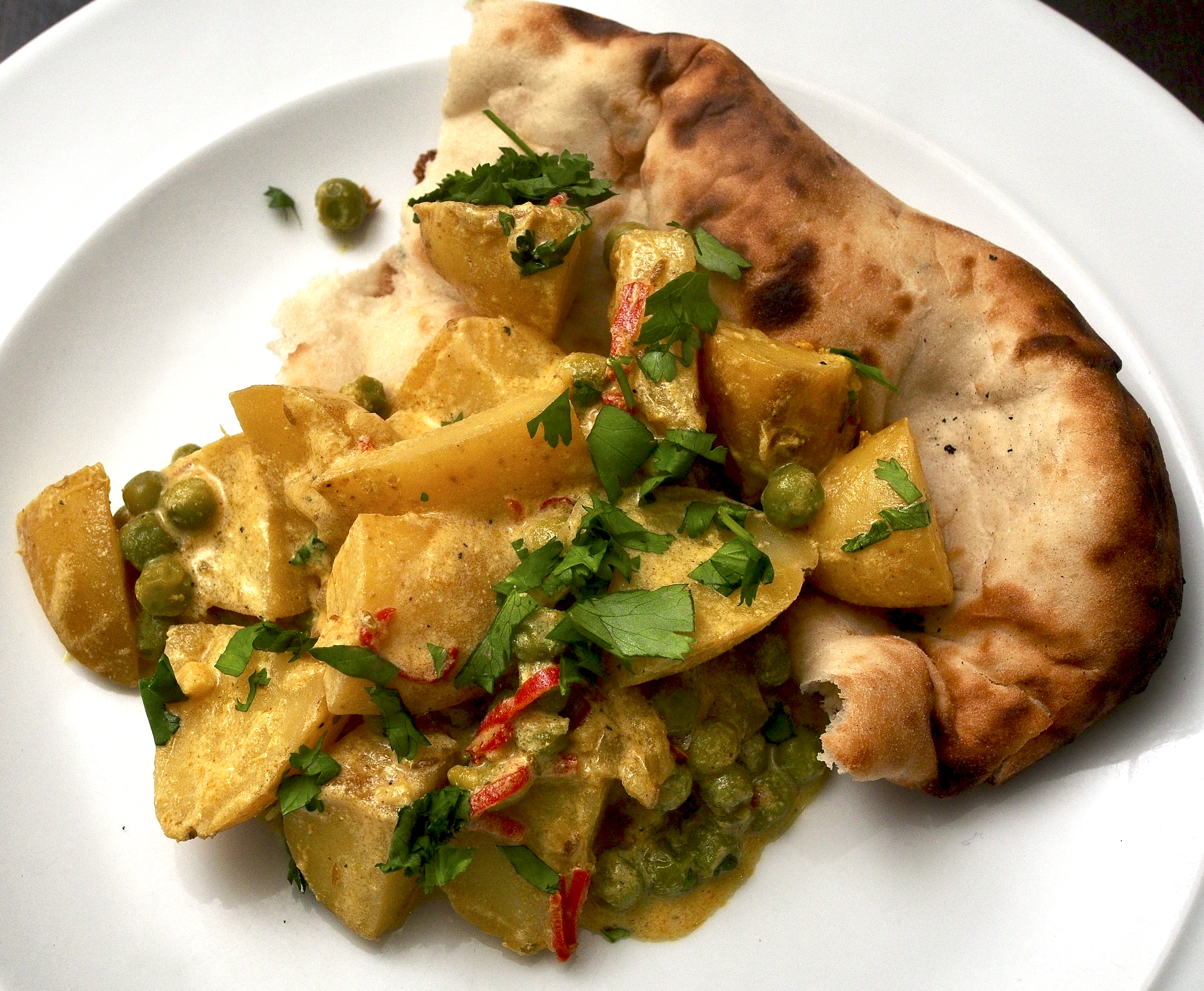
Pea & New Potato Curry

We’ve cooked pretty much everything from scratch since lockdown but tonight we treated ourselves to a naan bread from the local takeaway. Every evening they fire up the tandoor and we get the most delicious smells in our back garden. This is an easy curry which is perfect for a weeknight.

Wine Suggestion: a local Lager was our choice tonight, from the White Gypsey Brewery in Tipperary. Their Munich Lager is light and fresh but with a real character and personality.

Pea & new potato curry – serves 4

  • 1 tbsp vegetable oil
  • 2 onions, sliced
  • 3 red chillies, deseeded and finely sliced
  • a thumb-sized piece of ginger, roughly chopped
  • 2 tsp cumin seeds
  • 1tsp Madras curry powder
  • ½ tsp turmeric
  • 750g new potatoes, halved or quartered
  • juice of 1 lime
  • 500ml natural yoghurt, full-fat so less likely to split
  • a small bunch of coriander, stalks and leaves finely chopped, but kept separate
  • 200-300ml veg stock
  • 300g frozen peas
  • lime wedges and naan breads, to serve

Before you start, put the potatoes in a pan and cover with water. Bring to the boil and simmer for about 5 minutes or until slightly tender – they’ll continue to cook in the curry. Drain and set aside.

Heat the oil in a large, deep frying pan. Add the onions and cook for 10-15 minutes over a gentle heat. Add the chillies, ginger and spices, and cook for a few minutes, then stir in the potatoes and lime juice and stir to coat in the spices.

Add the yoghurt, coriander stalks and stock. Simmer gently for 35-40 minutes or until the potatoes are soft and the sauce reduced (we put the lid on for a few minutes at the end as the sauce was reduced enough). Keep the temperature low as the yoghurt can easily split. Stir through the peas and cook for another 5 minutes.

Serve with the coriander leaves sprinkled over and lime wedges and naan breads on the side.

(Original recipe from BBC Good Food)

Read Full Post »

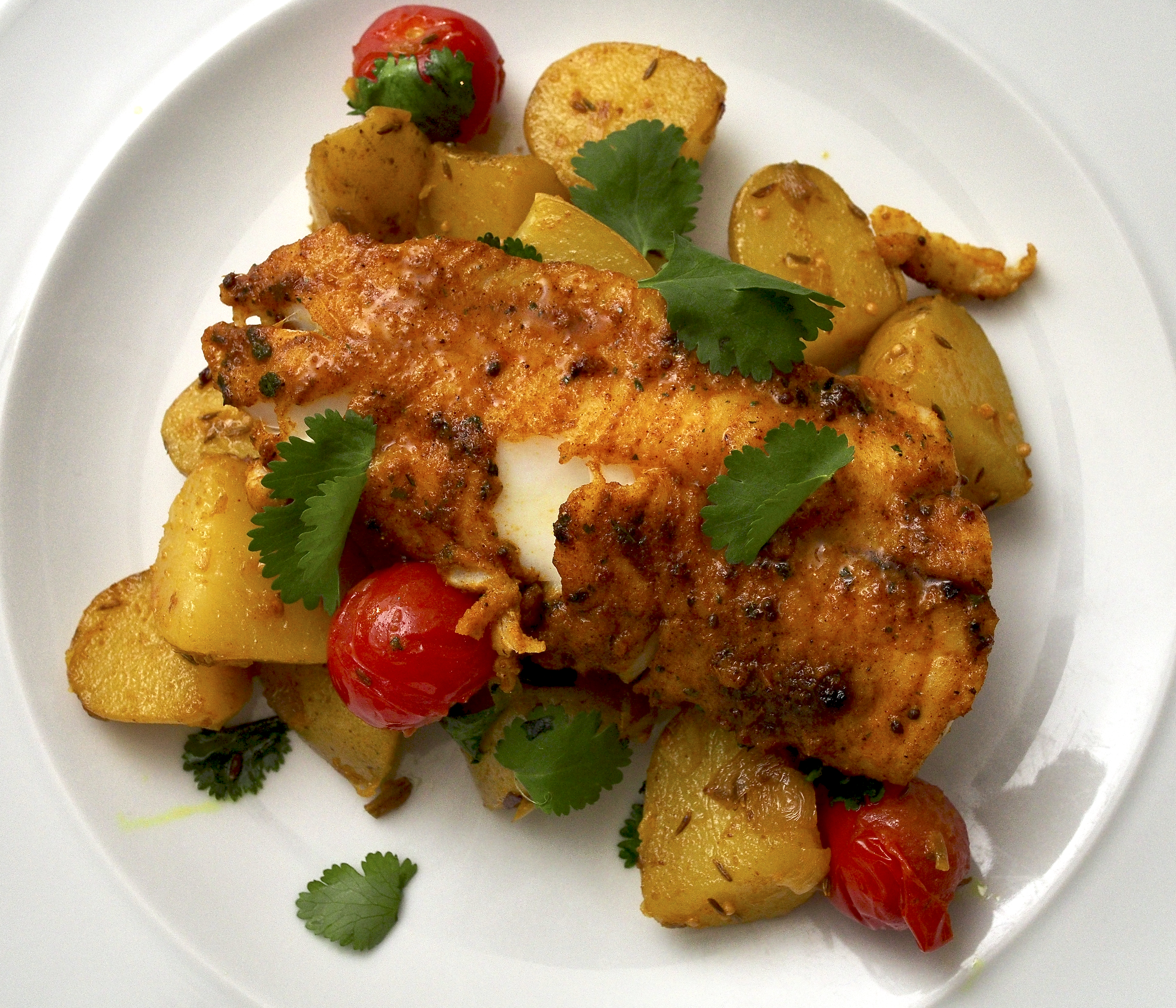
Spiced Haddock with Bombay PotatoesThis is really simple but full of fresh and spicy flavours. Great for a weeknight as it only takes 30 minutes to cook.
Wine Suggestion: matched with a perrenial favourite, the ALLO by Quinta Soahleiro from northern Portugal. Enough fruit for the spices and complimentary texture and vibrancy.

Smoked haddock with Bombay potatoes – serves 2

  • 2 thick skinless haddock fillets
  • 2 tsp curry powder
  • groundnut oil
  • ½ tsp turmeric
  • a handful of coriander leaves
  • lemon wedges, to serve

FOR THE POTATOES:

  • 500g waxy potatoes, diced (peel if you prefer)
  • sunflower oil
  • 2 shallots, chopped
  • ½ tsp cumin seeds
  • ½ tsp mustard seeds
  • ½ tsp turmeric
  • 100g cherry tomatoes

Boil the potatoes in salty water until just cooked, then drain well.

Put the haddock in a dish. Mix the curry powder, groundnut oil and turmeric together with a good pinch of salt. Rub all over the fish and leave for 10 minutes.

Heat 2 tbsp sunflower oil in a large non-stick frying pan. Gently cook the shallots until softened then add the cumin seeds and mustard seeds. Fry until fragrant, then stir in the turmeric and potatoes. Stir to heat through and coat in the spices, then add the tomatoes and cook until they start to break down. Season with salt. Stir in half the coriander.

Grill the haddock for a couple of minutes on each side until just cooked, it will flake easily with a fork. Divide the potatoes between two plates and gently place the haddock on top. Scatter with the remaining coriander and serve with a lemon wedge.

(Original recipe by Janine Ratcliffe in Olive Magazine, May 2013.)

Read Full Post »

Monkfish Stew with Tomatoes, Garlic, Chilli & Black Olives

This is delicious served on some toasted sourdough and drizzled with your best olive oil.

Wine Suggestion: The dish is from the Marche and from near the region’s capital, Ancona s grown some of the best Verdicchio and we’re lucky to be friends with the Sartarelli family who make some of the best. Our regular is their Tralivio made from the oldest vineyards in the property, though if you push to the Balciana you’ll get one of the best Verdicchio’s in Italy and something quite special. Both work with this dish.

Monkfish stew with tomatoes, garlic, chilli & black olives – serves 6

  • 3 cloves of garlic, finely chopped
  • 1 mild red chilli, finely chopped
  • 3 sprigs of rosemary
  • 1 tbsp finely chopped rosemary leaves
  • 4 tbsp black olives, stones removed
  • 1.5kg monkfish fillet, cut into chunks (make sure the fishmonger removes the grey membrane for you)
  • 70ml white wine
  • 500ml good fish stock
  • 4 tbsp tomato passata
  • 15 cherry tomatoes, halved

To serve:

  • 6 large slices of good bread, toasted
  • 3 tbsp extra virgin olive oil

Heat a splash of olive oil in a large deep sauté pan with a lid. Add the garlic, chilli, rosemary sprigs and chopped rosemary, and sauté for a minute.

Add the olives, then the fish and season. Sauté for about 5 minutes, stirring.

Add the wine and bubble to burn off the alcohol, then add the fish stock, tomato passata and tomatoes. Cover with the lid and cook for 10 minutes or until the fish is tender. Discard the rosemary sprigs and  transfer to a large serving dish.

Our monkfish threw heaps of watery liquid. If this happens to you, just scoop the fish out with a slotted spoon and reduce the sauce, then return the fish to the stew and continue to cook as above.

Serve the fish on top of the toasted bread, drizzled with your best olive oil.

(Original recipe from Made at Home by Giorgio Locatelli, HarperCollinsPublishers, 2017.)


Read Full Post »

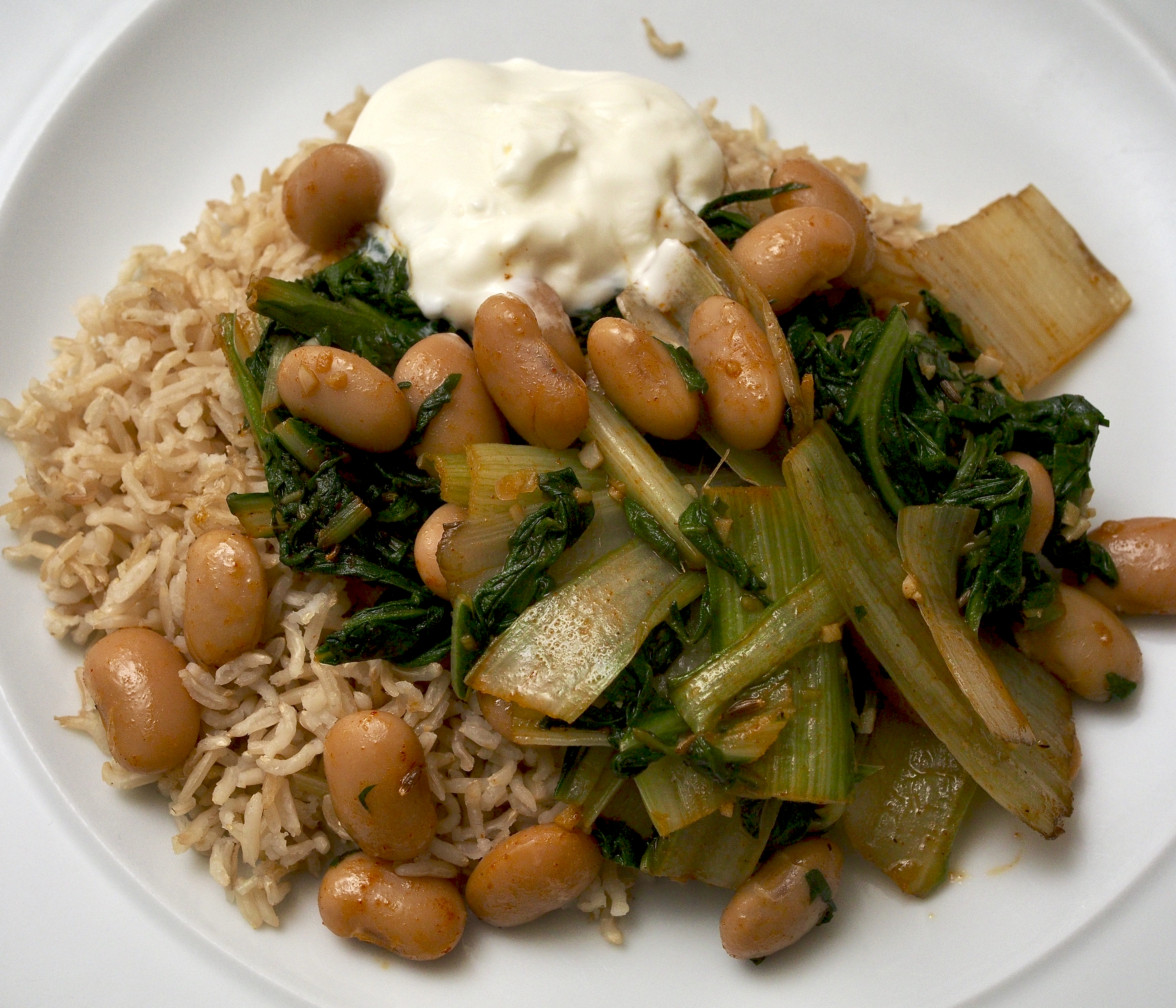
Smoky Butter Beans & Greens

We’re eating our way through lockdown but still making a vague attempt at keeping healthy on weekdays. This approach has been slightly more successful this week than others! We used some leftover chard for this but spring greens would also be good and it’s pretty much store-cupboard stuff after that.

Wine Suggestion: given the mild nature of this dish it weirdly works with Prosecco Rosé made from the Raboso grape. Raboso can be fierce and awkward, especially made as a red wine, but the light extraction of colour and addition of residual sugar in Prosecco can (but not always) make a charming, food friendly wine; choosing a good producer is suggested.

Smoky butter beans & greens – serves 4

  • 200g brown rice
  • 3 tbsp extra virgin olive oil
  • 200g spring greens or chard, roughly chopped (if using chard, cut out the stalks and chop into short lengths, then roughly chop the leaves)
  • 3 garlic cloves, finely sliced
  • 400g tin butter beans, rinsed and drained
  • ½ tsp cumin seeds
  • 1 tsp smoked paprika
  • natural yoghurt, to serve

Rinse and cook the rice. We use a rice cooker but you can cook in a pot according to the pack instructions or cook in salty boiling water for 20-25 minutes, then drain.

Heat 2 tbsp of the olive oil in a large, deep frying pan with a lid. Add the greens, season with plenty of salt and pepper, then cover and cook for 4 to 5 minutes, stirring now and then, until wilted (if you are using chard, add the stalks first and cook for a few minutes before adding the leaves).

Add the garlic and cook without the lid for a few minutes, stirring. Add the butterbeans and stir until heated through, then add another tbsp of olive oil, the cumin seeds  and the smoked paprika. Stir to combine and allow the flavours to come together, then serve over the rice with some natural yoghurt.

(Original recipe by Celia Brooks Brown in BBC Good Food Magazine, May 2010.)

Read Full Post »

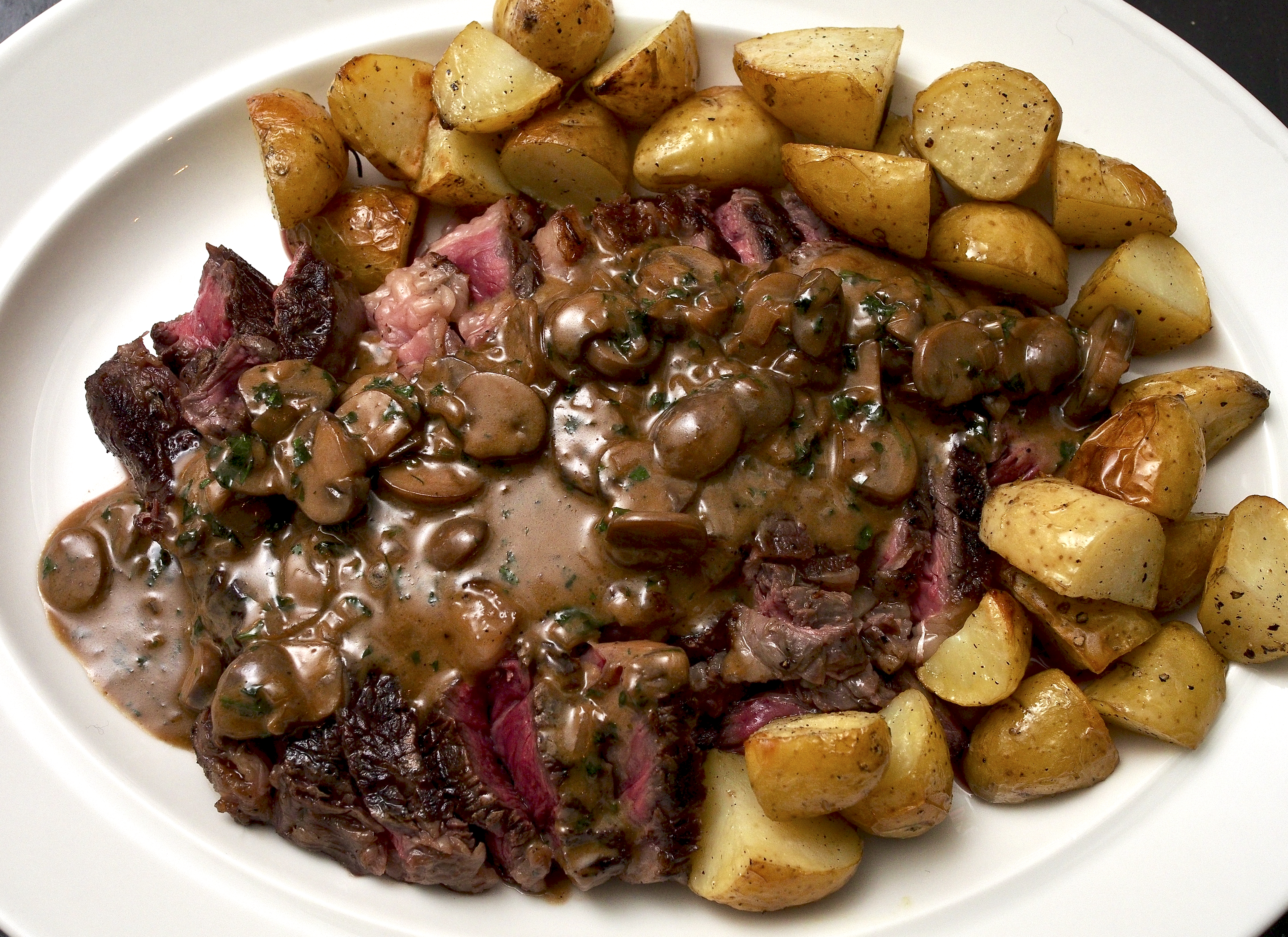
Steak Diane

Remember this!?!?

We’re not sure if we’ve definitely had it before but remember it on every restaurant menu when we were kids and it has ingredients we’d choose. However, we were probably opting for the Chicken Maryland or something just as classy! It tastes reminiscent of those old fashioned dishes you still get in French restaurants. Bring it back we say – it’s absolutely delicious and you get to flambé, which is always very exciting! We served this with a rib-eye steak cooked rare on the barbecue, but it’s up to you for cut and doneness. Some watercress or other greens work for a side too.

Wine Suggestion: It was a special occasion for us so we raided the our dwindling cellar and chose a classic Bordeaux, the Chateau Haut Bages Averous 2005. Even if this isn’t to hand we’d suggest a Cabernet dominant blend and you’ll be happy.

Sauce Diane – serves 4

  • 1 tbsp olive oil
  • 25g butter
  • 1 shallot, finely chopped
  • 150g button mushrooms, sliced
  • 120ml brandy
  • 150ml white wine
  • 150ml beef stock
  • 150ml cream
  • 1 tbsp Worcestershire sauce
  • a good pinch of caster sugar
  • 1 tbsp chopped flat-leaf parsley
  • a squeeze of lemon juice

Heat a large sauté pan and heat the olive oil and the butter until foaming. Add the shallot and mushroom and cook for a few minutes to soften.

Pour over the brandy, then light the pan with a match and allow the flames to subside. Add the white wine and simmer until reduced by half.

Stir in the stock, cream, Worcestershire sauce, sugar and some seasoning. Bring to the boil, then reduce the heat and simmer for 20-25 minutes or until thickened to a sauce consistency. Stir in the parsley and lemon juice.

(Original recipe from Neven Maguire’s Complete Family Cookbook, Gill Books, 2016.)

Read Full Post »

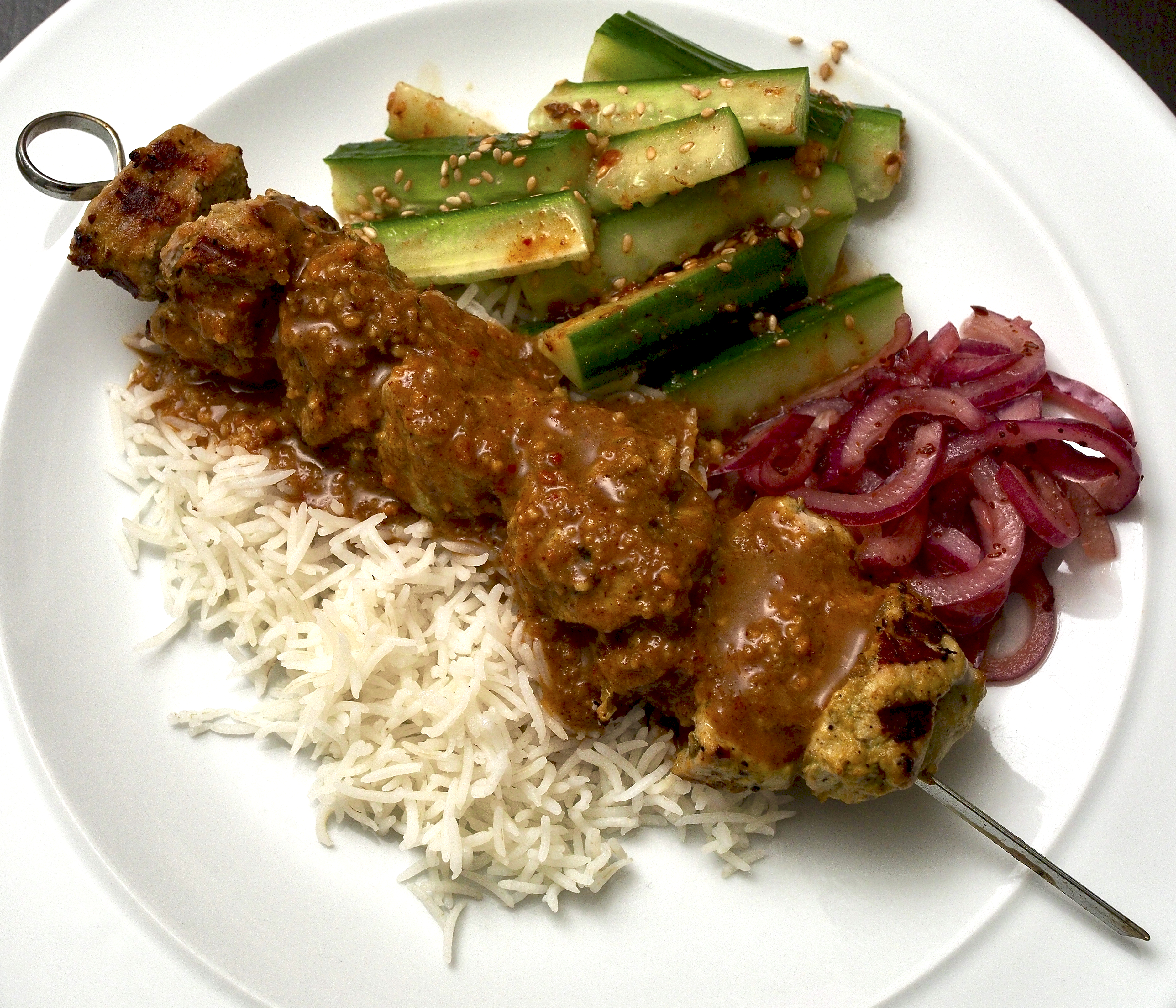
Pork Satay with Spicy Peanut Sauce

A really tasty dish for the barbecue. Marinate the pork for up to 24 hours in advance if you can, or if not put the marinade on and leave out of the fridge for an hour before cooking. The peanut sauce can be made up in advance too. Good served with rice and salad. We served Sabrina Ghayour’s ‘shaken’ sweet quick pickled onions and smacked cucumber salad from her book – Bazaar.

Wine Suggestion: We think this goes really well with red wines with easier tannins and tonight we had the elegant Ex Arena by Domaine de Cebene from Faugeres in southern France. 100% Grenache, perfumed, juicy red fruits and refined finish. The fruit complimented the spices and it wasn’t too rich or heavy either.

Pork satay with spicy peanut sauce – serves 4

  • 450g pork fillet, cut into 2cm cubes

FOR THE MARINADE:

  • 150ml coconut milk
  • 1 tbsp finely grated ginger
  • 1 tbsp finely chopped lemongrass
  • ½ tsp ground turmeric
  • 2 tsp freshly ground coriander seeds
  • 2 tsp freshly ground cumin seeds
  • 1 tsp freshly ground black pepper
  • 1 tsp salt

FOR THE SPICY PEANUT SAUCE:

  • 3 generous tbsp crunchy peanut butter
  • ½ red chilli, chopped
  • 2 cloves of garlic, crushed
  • 2 tsp finely grated fresh root ginger
  • ¼ tsp ground turmeric
  • 1 generous tbsp honey
  • 2 tbsp soy sauce
  • 1 tbsp lemon juice

Mix the marinade ingredients together in a large bowl, then add the meat and toss to coat. Set aside for at least an hour or up to 24 hours in the fridge.

Place the peanut sauce ingredients in a food processor with 50ml of water and whiz until smooth.

Thread the pork unto metal skewers (you can use wooden skewers but you need to soak them first).

Heat the barbecue, then cook the skewers for a few minutes on each side or until cooked through.

Meanwhile, gently heat the peanut sauce in a small saucepan. Serve immediately with the peanut sauce spooned over.

(Original recipe from Rachel’s Everyday Kitchen by Rachel Allen, HarperCollins, 2013.)

Read Full Post »

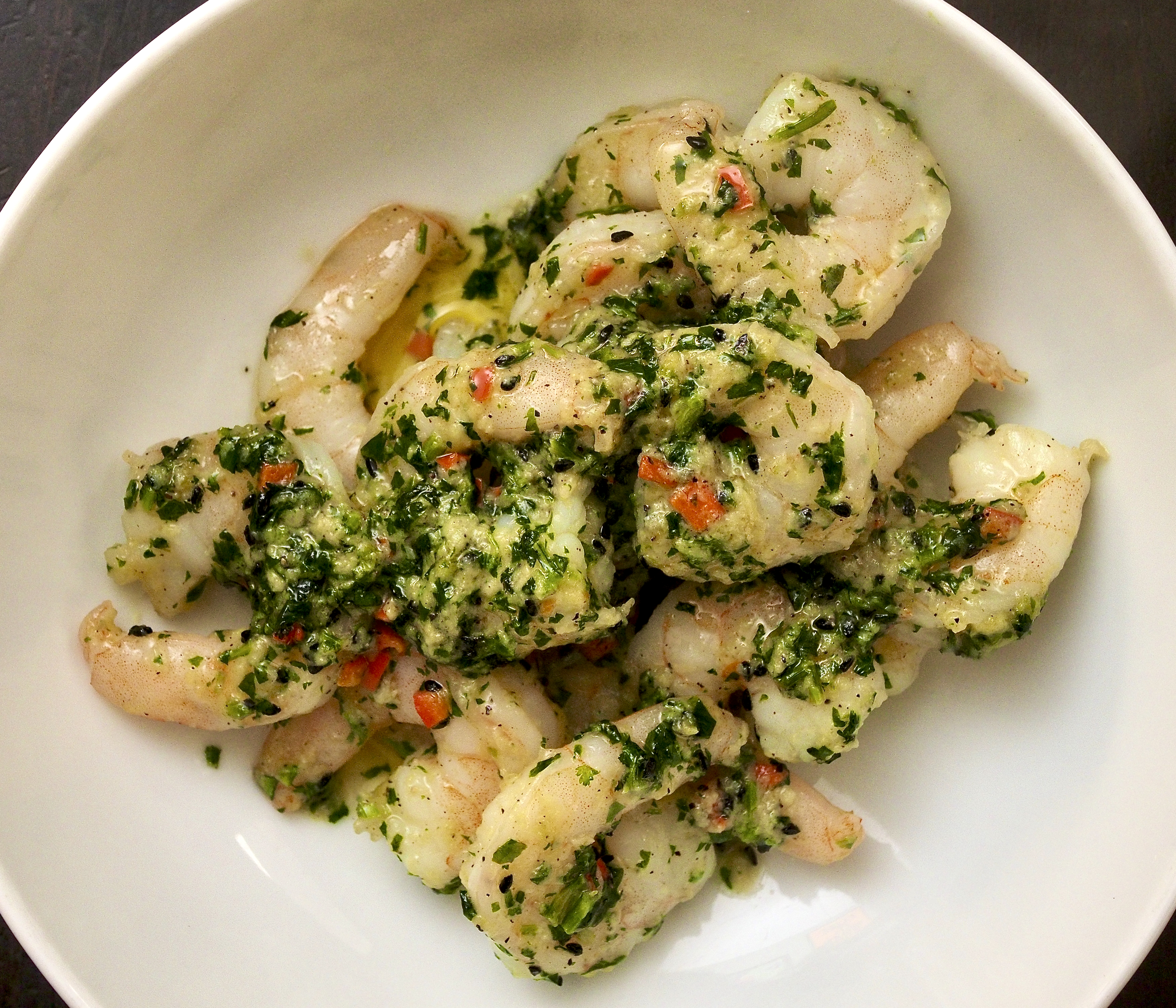
Garlic, Chilli & Coriander Prawns

You will need lots of crusty bread for these to mop up all the delicious butter. What a treat.

Wine Suggestion: Light, white, youthful and with a salty tang. Our pick today, the Allo from Quinta Soalheiro from Northern Portugal, an Alvarinho-Loureiro blend which was in the firdge. We could have easily had a Muscadet, Picpoul or Verdicchio either.

Garlic, chilli & coriander prawns – serves 4

  • 5 garlic cloves, grated
  • ½ red chilli, deseeded and finely chopped
  • large bunch of coriander, leaves and stalks finely chopped
  • 100g unsalted butter
  • ½ tsp nigella seeds
  • 600g raw tiger prawns, shells off but you can leave the tails on if you like
  • 1 lemon

Mash the garlic, chilli and coriander into the butter.

Heat a large frying pan, add the butter and let if melt. Add the prawns, nigella seeds and some seasoning.

Stir-fry for a couple of minutes to cook through. Squeeze over some lemon juice and serve with loads of crusty bread.

(Original recipe by Anjum Anand in BBC Good Food Magazine, April, 2014)

Read Full Post »

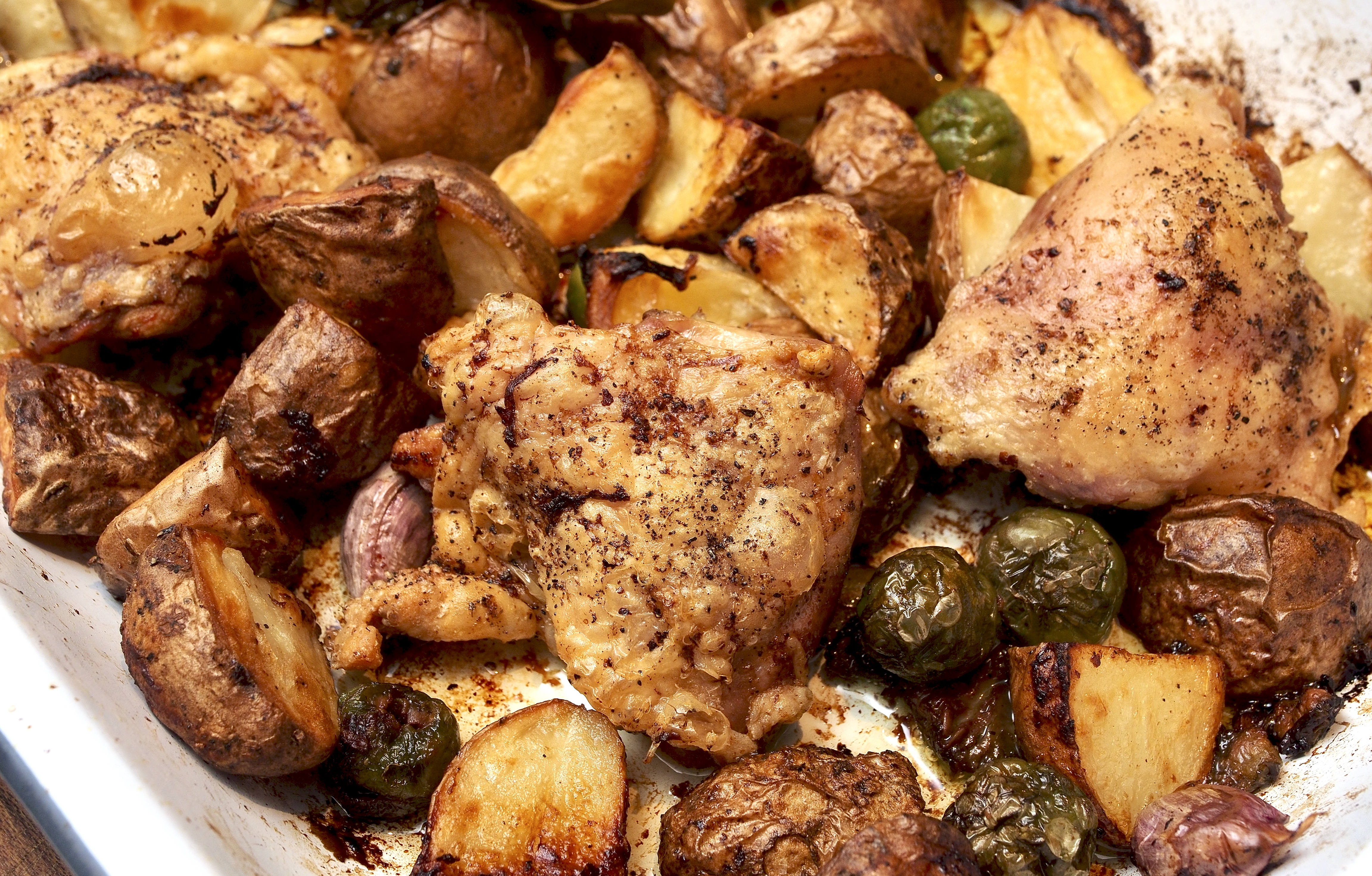
Chicken & new potato traybake

This really couldn’t be easier, everything in the one pan and shoved in the oven. New potatoes haven’t quite landed in Ireland yet but we chopped up some waxy ones which worked pretty well. Lemon, olives, bay, chicken & garlic – made for each other! Serve with a green salad.

Wine Suggestion: a joyously inexpensive southern French white, the Les Terrasses de la Negly, a Sauvignon Blanc, Muscat Petit Grains and Muscat d’Alexandria blend. One highly popular grape with two that are deeply out of fashion. The wine: easy, fruity, fresh and with texture to work with the food.

Chicken & new potato traybake – serves 2

  • 3 tbsp olive oil
  • 500g new potatoes
  • 140g large pitted green olives
  • 1 lemon, quartered
  • 8 fresh bay leaves
  • 6 garlic cloves, unpeeled
  • 4 large chicken thighs

Heat the oven to 200C/180C fan/Gas 6.

Pour the olive oil into a large roasting tray, then add the potatoes, olives, lemon, bay leaves, and garlic. Toss to coat everything in the oil, then nestle in the chicken thighs, skin-side up of course, and season well.

Put the dish in the oven and cook for an hour, basting half-way through. Check the chicken and potatoes are cooked, then return to the oven for a final 15 minutes to crispy up the chicken skin.

Remove the tin from the oven and squash the roasted garlic, discard the papery skin and stir the garlic into juices. Serve with a green salad, we had peppery watercress.

(Original recipe from BBC Good Food)

Read Full Post »

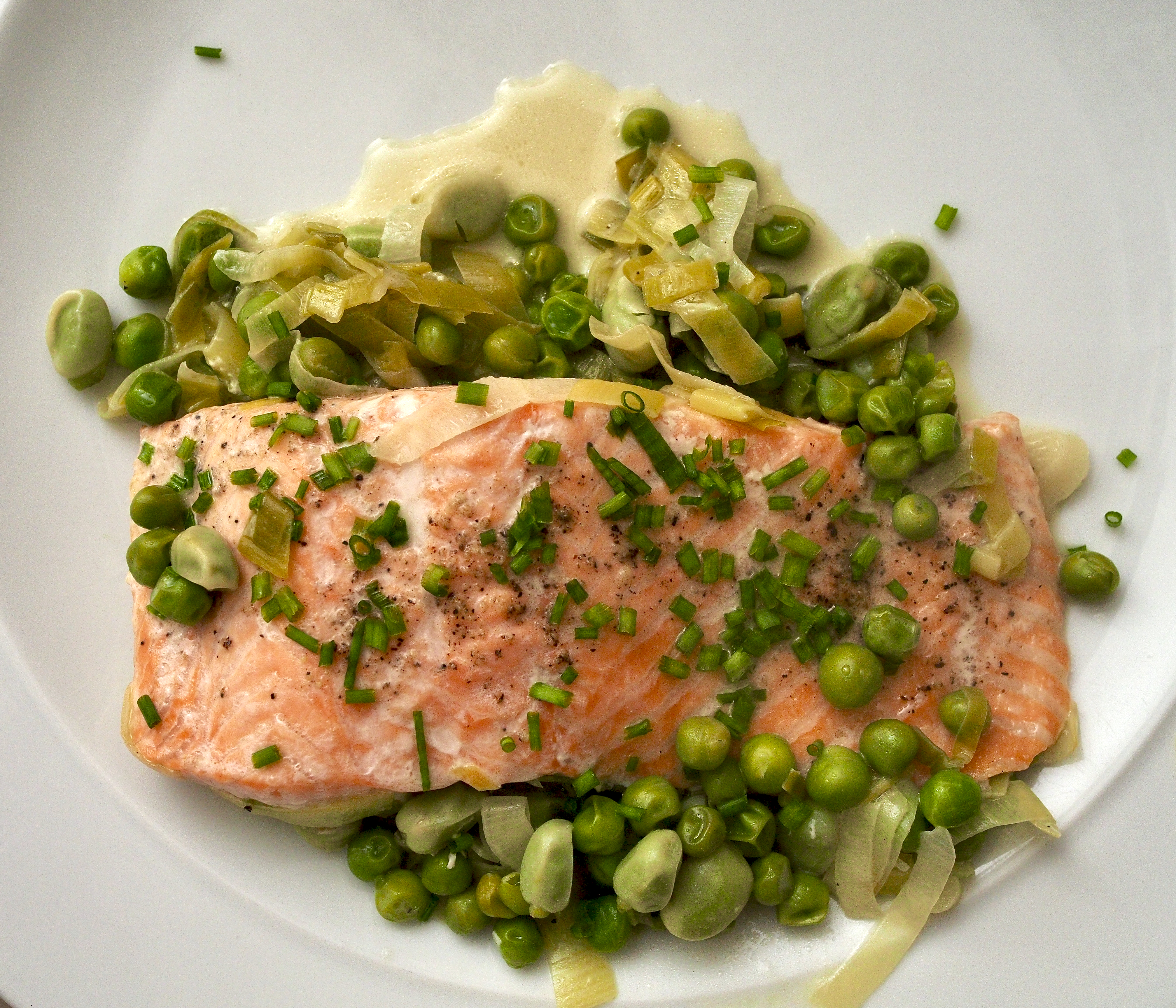
Salmon with Greens & Crème Fraîche

It’s often fish at ours on Friday and this one tasted of Spring. The perfect end to a sunny day. We don’t freeze much veg but are never without frozen peas and broad beans. We served with steamed waxy potatoes with butter and mint but mash would be good too.

Wine Suggestion: a light, seafood friendly white. One of our favs is the Allo from Northern Portugal which has a salty tang and tastes of sunshine in a glass.

Salmon with Greens & Crème Fraîche – serves 4

  • 1 tbsp olive oil
  • 1 leek, thinly sliced
  • 250ml chicken stock/fish stock
  • 100g crème fraîche
  • 140g frozen peas
  • 140g frozen broad beans
  •  4 skinless salmon fillets
  • small bunch of chives

Season the salmon with salt and pepper.

Heat the olive oil in a large, deep frying pan with a lid. Add the leek and cook gently for 5-10 minutes, until softened but not browned.

Add the stock, bring to the boil, then simmer for a few minutes to reduce a bit.

Add the crème fraîche, peas and broad beans and season, then nestle in the salmon fillets. Cover and simmer gently for about 12 minutes or until the salmon is cooked.

Sprinkle over the chives to serve.

(Original recipe from BBC Good Food)

Read Full Post »

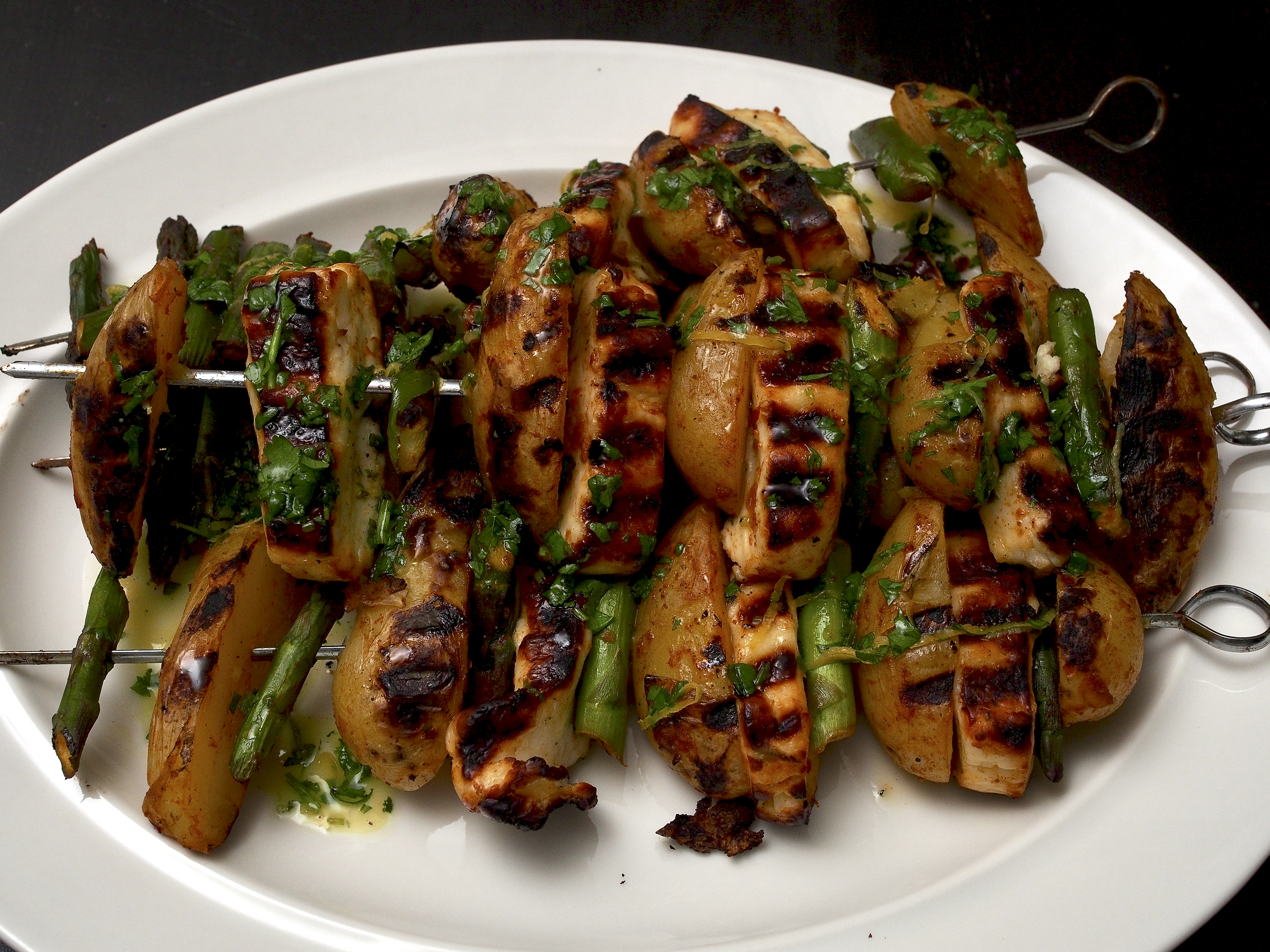
Harissa Potato, Halloumi & Asparagus with Coriander and Lemon Oil

Genevieve Taylor has written a delicious book of vegetarian recipes for the barbecue, and the season has arrived to spend more time outdoors! This is the first recipe we’ve tried and it was really good. Serve with a green salad on the side or as a veggie side with barbecued meat.

Wine Suggestion: A light red wine is what you need here; think a Cabernet Franc, Pinot Noir or something similar. Tonight our choice was an Aussie Pinot, from Pike & Joyce in the Adelaide Hills. Delightful fruit, an earthiness and hints of smoke that compliment the cooking process.

Harissa potato, halloumi and asparagus with coriander and lemon oil – makes 6 skewers

  • 500g salad potatoes e.g. Charlotte, sliced in half lengthways
  • 250g asparagus, snap off the woody end, then cut each spear in 3
  • 2 x 250g packs of halloumi, cut into finger-thick wedges
  • 2 tbsp rose harissa paste

FOR THE CORIANDER AND LEMON OIL:

  • 75ml extra virgin olive oil
  • a small bunch of coriander, leaves finely chopped
  • zest and juice of 1 lemon
  • ½ – 1 tsp caster sugar

Bring a pan of salted water to the boil, add the potato halves and cook until just tender – about 10 minutes. Add the asparagus pieces for the last 30 seconds, just to blanch.

Drain the potatoes and asparagus and return to the pan. Add the halloumi and harissa and stir gently until everything is evenly coated.

Thread onto metal kebab sticks (wooden ones will do but you need to soak them for 20 minutes before using and don’t overload them as these are heavy).

Cook the kebabs on the barbecue over a medium-high heat for about 15 minutes, turning once.

Make the coriander and lemon oil by whisking all the ingredients together with some seasoning.

When the kebabs are cooked transfer to a plate and drizzle over the oil.

(Original recipe from Charred by Genevieve Taylor, Hardie Grant: Quadrille, 2019.)


Read Full Post »

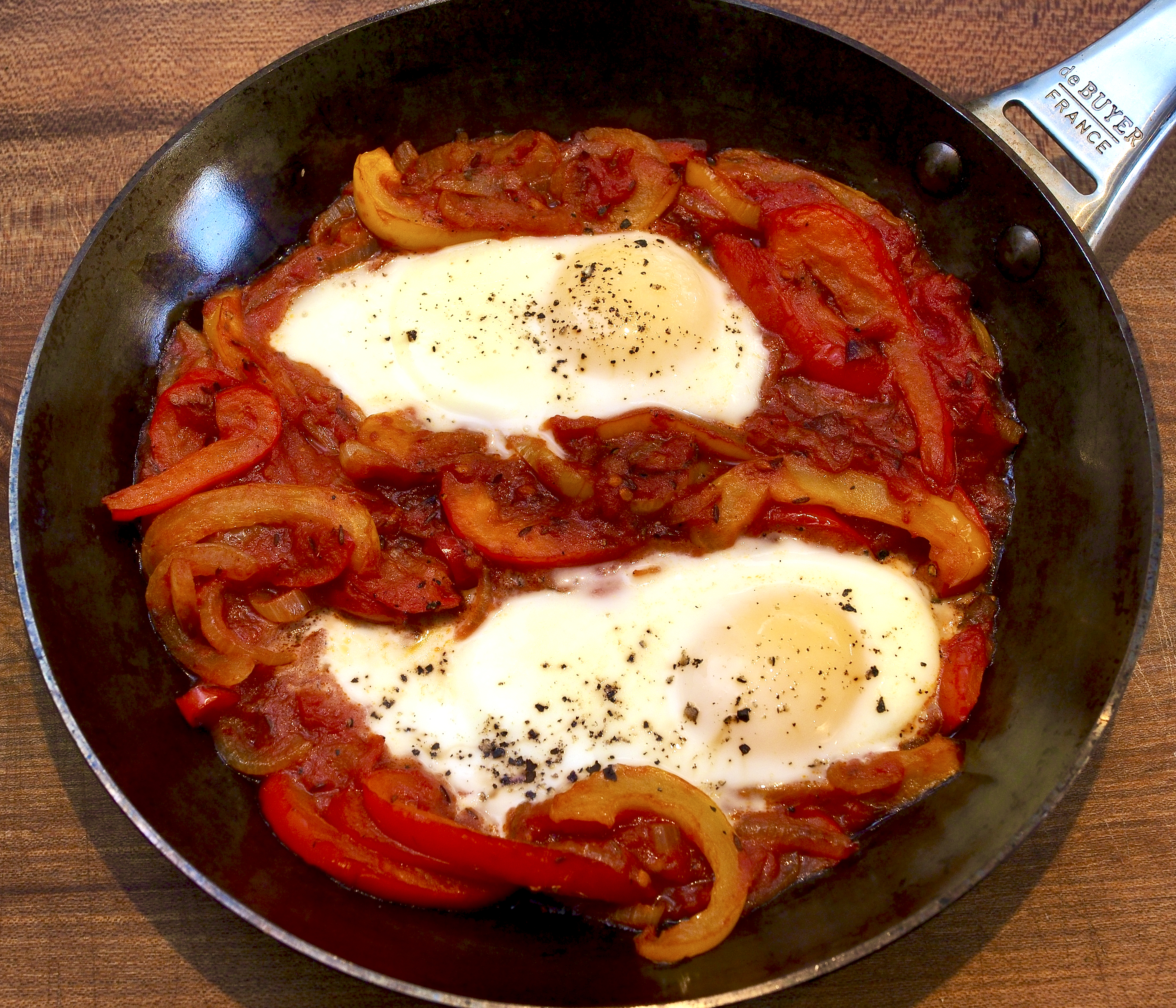
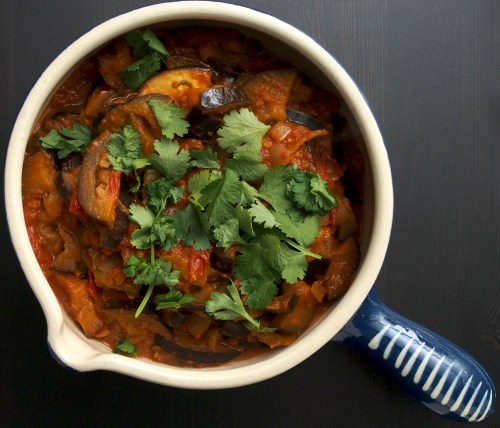
Chachouka

This is the second version of this we’ve done in the last few weeks. Both times inspired by two extra peppers in a pack when we only needed one. This version is more caramelised and uses less fresh ingredients but it also takes a lot longer to cook. We loved the addition of saffron too.

You can cook the sauce the night before if you like  or keep half of it for the following day. You just need to reheat, then crack in the eggs and bake.

Chachouka – serves 4

  • 3 tbsp olive oil
  • 1 tsp cumin seeds
  • 1 large onion, halved and finely sliced
  • 1 garlic clove, crushed
  • 1 red pepper, finely sliced
  • 1 yellow pepper, finely sliced
  • ½ tsp hot smoked paprika
  • a pinch of saffron strands
  • 400g tin plum tomatoes, squeeze with your hands to break them up as you add to the dish
  • 4 eggs

Heat the oil in an ovenproof frying pan, then add the cumin seeds and fry gently for a couple of minutes. Add the onion and cook gently for about 10 minutes or until golden.

Add the garlic and peppers and continue to cook for at least 20 minutes, stirring often, until the peppers are soft and wilted. Add the paprika and saffron, then the tomatoes and some seasoning. Cook gently for another 10 to 15 minutes.

Preheat the oven to 180C/Gas Mark 4.

Taste and adjust the seasoning. If you can’t put your pan in the oven just transfer the sauce into a baking dish. Make holes in the mixture and gently break in the eggs (easier if you break into a mug first). Season the eggs with salt and pepper. Transfer to the oven and cook for 10 to 12 minutes or until the eggs are set but the yolk still runny.

(Original recipe from River Cottage Veg Everyday by Hugh Rearnley-Whittingstall, Bloomsbury, 2011.)

Read Full Post »

Pan-fried Salmon with Curried Mussels

How disappointed we were when we left it too late to get mussels from our local fish shop last Saturday. So this ended up being dinner on Thursday – a bit fancier than what we usually serve on a weeknight but to be honest we’ve lost track of what day it is anyway! Plenty of pans needed for this dish but it’s worth it.

Wine Suggestion: this needs a white to match that can stand up to a rich, creamy base. Sometimes it also necessary to choose not only a type of wine but also a producer … we suggest cultivating a good wine shop to help with this. Tonight we had a Txakoli, a local wine from near San Sebastion in Spain made from Hondarrabi Zuri. Normally very light and with a spritz-freshness and great with lighter seafood dishes and other tapas. The Astobiza Txakoli we had was fuller bodied while still maintaining the texture, saltiness and freshness of a more typical wine of the region and thus able to step up to the rich creaminess of the food.

As Txakoli isn’t as easy to find we’d also suggest a fuller, textural Albarino as an option.

Pan-fried salmon with curried mussels – serves 4

  • 4 salmon fillets with the skin on, about 120g each
  • vegetable oil

FOR THE MUSSELS:

  • olive oil
  • 1 onion, chopped
  • a handful of parsley, chopped
  • 1kg mussels, scrub them clean, rip off any beards and chuck any that don’t close when you tap them
  • 225ml white wine

FOR THE SAUCE:

  • 50g butter
  • 1 onion, diced
  • 1 carrot, diced
  • 1 celery stick, diced
  • 1 tsp medium curry powder
  • 150ml double cream
  • 100g potatoes, peeled and cut into small dice
  • 1 tbsp chopped chives
  • lemon

Heat the oven to 180C/fan 160C/gas 4.

Start with the mussels. Heat a tbsp of olive oil in a large, heavy pan, with a lid. Add the onions and parsley and cook gently until soft. Add the mussels, salt and pepper and wine. Bring to the boil, then cover and give the pan a shake. Cook for a few minutes or until the mussels have opened (throw away any that don’t open).

Strain the mussels but keep the cooking liquid. Pour the liquid through a fine sieve to get rid of any grit. Remove the mussels from the shells and set aside.

To make the sauce, melt the butter in a saucepan, add the onion, carrot and celery and sweat over a low heat, with the lid on, until softened, about 10-15 minutes. Stir in the curry powder and cook for another few minutes. Stir in 150ml of the mussel cooking liquid and cook for another minute. You can turn the heat off now and leave the sauce aside while you cook the salmon.

Dry the salmon well with kitchen paper, then slash the skin diagonally a few times with a sharp knife. Season well.

Heat a non-stick, oven-proof frying pan over a medium heat, the add 2 tbsp of vegetable oil. Cook the salmon, skin-side down for 4-5 minutes or until the skin is crispy. Don’t be tempted to move it around. Turn the salmon fillets over and put the pan in the oven for another few minutes to finish cooking.

Stir the double cream into the sauce and bring back to the boil, add the potato and cook until softened, 5 to 10 minutes. Add the mussels to the sauce and warm through briefly. Add the chives and a squeeze of lemon to the sauce and taste for seasoning. Serve the sauce with the salmon on top.

(Original recipe by Bryn Williams in Olive Magazine, April 2011.)


Read Full Post »

Chicken Cacciatore

We were missing all the family and friends we were supposed to be with on Easter Sunday but had fun with an Easter egg hunt, Quiche Lorraine for lunch and this for dinner, which was truly delicious. Served with Italian-style roast potatoes, plus we pulled the rest of the chicken off the bones and stirred into the sauce for pasta another day. Our little bunny has already claimed the leftovers for her dinner for the rest of the week.

Wine Suggestion: As it was Easter and we wanted to have something special with dinner … off to the small cellar of hoarded wines we went. The first Italian we came across was chosen, and though we knew it wasn’t cheap, we’d purchased it many years ago at a very good price. We very much enjoyed the Sassicaia 2008. A classic wine of the world, made from Cabernet Sauvignon and Cabernet Franc, and drinking truly fabulously now. Interestingly it was the vintage that had no “signature” head winemaker at the winery; well done those cellar hands and winery workers who just made the wine as it should be! Ignore the price if you have one and just enjoy this wine as a special event like we did. Lucky us, and pity we only had a single bottle.

Chicken cacciatore – serves 4

  • 1 large chicken jointed into 8, we used 8 chicken thighs
  • 1 onion, finely chopped
  • 2 cloves of garlic, sliced
  • 70g pancetta cubes – didn’t have these so cut some thick-cut back bacon into strips
  • a glass of red wine, about 200ml
  • 2 x 400g tins of cherry tomatoes or tins of chopped tomatoes
  • 2 tbsp capers, rinsed and drained
  • 10 black olives, pitted and halved
  • a handful of basil leaves

When you get your chicken home, remove all the packaging and season it generously with salt, then put back into the fridge until ready to cook. If, like us, you had the chicken in the freezer and forgot to season, take it out of the fridge and season with salt, then leave out of the fridge for 30 minutes before you start cooking.

Before you start to cook, season the chicken all over with some black pepper.

Heat 2 tbsp of olive oil in a large frying pan and fry the chicken until golden all over. You will probably need to do this in two batches. Remove the chicken from the pan and set aside.

Add the onions and garlic and cook gently until soft. Add the pancetta (or bacon substitute) and continue to cook for another few minutes.

Add the glass of wine to the pan and simmer until almost evaporated, then add the tomatoes and plenty of seasoning. Simmer for 15 minutes or until the sauce is thickened. Stir in the capers and olives.

Heat the oven to 190C/fan 170C/gas 5.

Tip the sauce into an ovenproof dish that can fit the chicken in a single layer. Lay the chicken pieces into the sauce, leaving the skin exposed. Cook in the oven for 30-40 minutes or until cooked through. Stir in the basil and serve.

(Original recipe by Lulu Grimes & Janine Ratcliffe in Olive Magazine, April 2012)

Read Full Post »

Chilli Con Carne

These times definitely call for easy freezer meals. The one and only preparation we made when the restrictions were first announced, was to make a big pot of chilli. No soap, toilet rolls or hand sanitiser but we had chilli, which was enough to reassure us. It’s also one of those dishes that seems to improve in the freezer. Serve with guacamole/avocado, sour cream, fresh coriander, grated cheese, tortilla chips, jacket potatoes, rice, lime wedges or whatever else you like with your chilli.

Wine Suggestion: Juicy and red is our rule with Chilli and your choice will depend on personal taste and wines that come to hand. It could be a rich, brambly and chocolatey Puglian Primitivo or Cali Zinfandel; or an Aussie Shiraz; a standout Languedoc or Southern Rhone Blend; possibly Ribera del Duero; or for us tonight a northern Rhone Syrah from Cornas and the warm vintage of 2009. Fruit is the key factor, just make sure you have a balance of freshness too as the food won’t help wines that tip over the edge in alcohol without balance.

Chilli Con Carne – serves 6 to 8

  • 2 tbsp rapeseed oil
  • 2 onions, finely chopped
  • 450g beef mince
  • 225g pork mince
  • 2 x 400g tins of chopped tomatoes
  • 3 cloves of garlic, crushed
  • 2 tbsp dark brown sugar
  • 1 tbsp paprika
  • 1 tsp hot chilli powder
  • 1 tsp ground cumin
  • 1 tsp ground coriander
  • 600ml beef stock
  • 2 x 400g tins red kidney beans, drained and rinsed

Heat the oil in a large, heavy pan over a medium heat, then gently fry the onions for 15-20 minutes, or until golden and caramelised. Don’t be tempted to cook them any quicker or they won’t give the dish as much flavour.

Add the beef and pork mince and fry for about 5 minutes, breaking it up with a wooden spoon, or until browned and no pink bits remain. Stir in the tomatoes, garlic, sugar, spices and stock. Season well and bring to the boil, then reduce the heat and simmer over a low heat for an hour, stirring now and again (no need to cover). Stir in the beans and cook for another 20 minutes, then season to taste.

Serve with your choice of sides but we can’t do without rice/jacket potatoes, lime wedges, sour cream, grated cheddar cheese, chopped coriander, tortilla chips and avocado/guacamole.

(Original recipe from Neven Maguire’s Complete Family Cookbook, Gill Books, 2016.)

Read Full Post »

Paprika & Oregano marinated fish with Cherry Tomato Salsa

We made it too late to the fish shop to get mussels. I tried to sign through the window to get something for the barbecue instead and Oralith (age 6) opened the door and yelled – try and get a lobster! Entertained the fishmonger anyway and we had tuna steaks in the end. Little did he know that she wanted to bring the lobster home to keep as a pet.

Wine Suggestion: We never get over how the Rustenberg Chardonnay so completely over delivers for its price and perfectly works with food, but as we’d not had some for ages opened this on a whim and we weren’t disappointed. Another successful match for this wine.

Paprika- and oregano-marinated fish with cherry tomato salsa – serves 4

  • 4 tuna steaks
  • juice of 1 lemon
  • 3 tbsp olive oil, plus extra
  • 2 cloves of garlic, crushed
  • 2 tbsp chopped fresh oregano
  • 1 tsp paprika
  • 1 tsp smoked Spanish paprika

FOR THE SALSA:

  • 250g cherry tomatoes, quartered
  • 4 scallions, finely chopped
  • 1 tbsp chopped fresh oregano
  • 1 long red chilli, seeded and finely chopped (we only had a green one which worked fine too)
  • 1 tbsp sherry vinegar or red wine vinegar

Mix the lemon juice, olive oil, garlic, oregano, paprika and some seasoning together in a bowl. Put the tuna steaks into a ceramic dish and pour over the marinade. Cover the dish and leave in the fridge for half an hour.

To make the salsa, mix the tomatoes, scallions, oregano, chilli and vinegar in a bowl and season with salt and pepper.

Cook the tuna over a hot barbecue for a couple of minutes on each side.

Serve the tuna with some salsa spooned over and some lemon wedges to squeeze over.

(Original recipe from Holiday by Bill Granger, Murdoch Books, 2007.)

Read Full Post »

Fennel, Pernod and Red Mullet Parcels

We cooked this the night that further restrictions were placed on Ireland. We were a bit unsure how it would all work and if we would still be able to get fresh produce in the local shops or if we’d be stuck with supermarkets. Yesterday we heard that we’d be home for another few weeks but thankfully we can still get fresh fish and almost anything else we need (except plain flour!) from our local shops. We served this with some steamed waxy potatoes.

Wine Suggestion: Light, white and minerally. Our choice is the Allo by Quinta Soalheiro from northern Portugal made from Alvarinho for texture and body, and Loureiro for the fruity, aromtic white flowers. All at 11.5% abv.

Fennel, Pernod and red mullet parcels – serves 4

  • 2 fennel bulbs, sliced thinly
  • 2 tbsp chopped herb fennel leaves
  • 180ml dry white wine
  • 2 tbsp Pernod
  • 1 tbsp butter
  • 4 fillets of red mullet or sea bass

Preheat the oven to 190C/375F/Gas 5.

You need large 4 pieces of double thickness  tin foil – probably bigger than you think. Divide the sliced fennel between the sheets – keep the edges turned up so you don’t lose anything. Divide the rest of the ingredients between the parcels and lay the fish fillets on the top with the fennel leaves sprinkled over. Season everything well with salt and pepper.

Fold the foil up around the ingredients to make parcels, twisting the edges together to seal, make sure you leave some air inside.

Place the parcels on a baking sheet and bake in the oven for about 15 minutes or until the fish flakes easily. Remove the fish and ingredients from the parcels and arrange on warm plates. Pour the juices from the parcels over the top.

(Original recipe from Herbs by Judith Hann, Nourish, 2017.)

Read Full Post »

Spicy fish soup

We often have fish on Fridays. It’s quick to cook and light enough that we’ve room for cheese afterwards. Mussels are a favourite too and they’re fantastic value. This soup by Nigel Slater is crammed with them, and full of flavour.

Wine suggestion:  an old favourite white wine, the always versatile ALLO by Quinta Soalheiro. Light bodied so it doesn’t overwhelm the delicate play of flavours in the dish, but textured and concentrated at the same time. A wine that is the sommeliers’ secret weapon for matching.

Spiced fish soup – serves 2

  • 1kg mussels, scrubbed, de-bearded, chuck any with broken shells or that don’t close when you give them a sharp tap
  • 2 large banana shallots, peeled and separated into layers
  • a splash of olive oil
  • 1 tbsp mustard seeds
  • ½ tsp chilli powder
  • 2 tsp turmeric
  • 12 cherry tomatoes, halved
  • 250g white fish fillet – we used hake – cut into 4 pieces
  • a handful of chopped coriander

Put the cleaned mussels into a large pan and add 500ml of water. Cover with a lid, bring to the boil and cook until the mussels have opened (a couple of minutes).

Remove the mussels from the liquid but keep the cooking water, you need to strain this through a fine sieve. Remove the mussels from the shells and set aside.

Heat a splash of oil in a deep frying pan, then fry the shallots over a gentle heat until softened. Add the mustard seeds, chilli powder and turmeric, and continue cooking for another few minutes. Add the cherry tomatoes and cook for about 5 minutes.

Pour in the reserved mussel stock, bring to the boil, then lower the heat to a simmer. Lay the pieces of fish in the liquid and cook briefly until opaque (just a couple of minutes should do it). Return the mussels to the pan, season to taste with salt, and stir in the coriander.

(Original recipe from Eat by Nigel Slater, Fourth Estate, 2013.)

Read Full Post »

« Newer Posts - Older Posts »