Feeds:
Posts
Comments

Posts Tagged ‘Gluten-free’

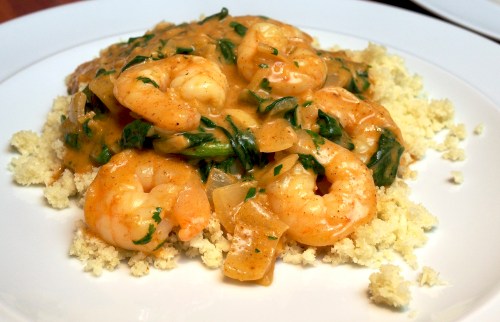
Prawn Korma with coco cauli rice

This is absolutely a diet dish but for a diet dish it’s particularly tasty.  Low calories and low carbs but we guarantee it will fill you up so if you’re cutting down we highly recommend this. You can buy bags of cauliflower rice but it is literally just cauliflower whizzed until it resembles rice. A large cauliflower will be fresher and cheaper! We like Madras curry paste (Patak’s is our preference) but you could use something less spicy, like a Korma.

Prawn Curry with with Cauliflower Rice – serves 4

FOR THE RICE:

  • a large cauliflower, broken into florets
  • 1 tbsp coconut oil
  • 1 tbsp desiccated coconut

FOR THE KORMA:

  • 1 tbsp coconut oil
  • 2 large onions, diced
  • 4 garlic cloves, sliced
  • 2cm root ginger, peeled and diced
  • 3 tbsp curry paste
  • 400ml tin of coconut milk
  • 400g frozen tiger prawns, defrosted
  • large handful of spinach leaves
  • 2 tbsp full-fat Greek yoghurt
  • 2 tbsp fresh coriander, chopped

To make the rice, whizz the cauliflower in a food processor until it looks a similar texture to rice.

Heat the coconut oil in a large frying pan and add the cauliflower and desiccated coconut.

Fry over a low heat, stirring occasionally, for about 12 minutes, or until tender.

For the curry, heat the coconut oil in a saucepan and sauté the onions, garlic & ginger for 8-10 minutes or until lightly coloured.

Add the curry paste and cook for a minute, before adding the coconut milk. Bring to the boil, then reduce the heat and simmer for 8-10 minutes or until the sauce has reduced and thickened.

Add the prawns and simmer gently for 3-4 minutes, then stir in the spinach, yoghurt & some seasoning.

Serve the curry with the cauliflower rice and top with the coriander.

(Original recipe from The Fast 800 by Michael Mosley, Short Books, 2019.)

Read Full Post »

Confit Salmon with Citrus & Herb Salad

Alison Roman is often featured in the New York Times and her recipes have a huge following – check out #alisonroman on Instagram. Jono was gifted a copy of her fabulous cookbook, Dining In, and it has now been released in the UK. We suggest you order a copy and in the meantime try her excellent method for cooking salmon. You’ll find the salmon almost impossible to overcook and it ends up meltingly tender.

Wine Suggestion: We think that a fresh white works best and we’d suggest either a Verdicchio or a white Bordeaux made from Semillon & Sauvignon blanc both of which have fresh acidity and texture but won’t overwhelm the melt in the mouth flavours.

Slow Salmon with Citrus & Herb Salad – serves 4 to 6

  • 700g piece of skinless salmon
  • 2 lemons, thinly sliced
  • 1 blood orange or regular orange, thinly sliced
  • 6 sprigs of thyme, rosemary, oregano or marjoram (optional)
  • 375ml olive oil
  • a large bunch of parsley, coriander, dill and tarragon, leaves picked
  • 1 tbsp lemon juice

Preheat the oven to 150C.

Season the salmon with salt and black pepper on both sides and place in a large baking dish with the lemons, oranges and herb sprigs (if using).

Drizzle the olive oil over everything and cook in the oven for 20-25 minutes or until almost cooked through.

Toss the herbs with the lemon juice and some sea salt flakes and serve with the salmon.

(Original recipe from Dining In by Alison Roman, Clarkson Potter, 2017.)

Read Full Post »

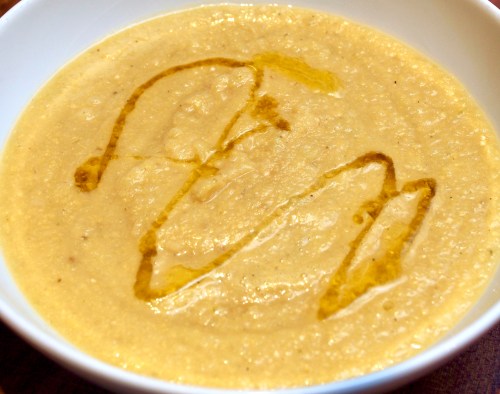
Chickpea fennel & leek soup

We recently bought a copy of the Venetian cookbook, Polpo, by Russell Norman – it’s about 7 years since it was published and we’ve been coveting it ever since. This soup doesn’t sound exciting but it’s absolutely delicious and will fill even the hungriest of bellies (perhaps with some bread).

Chickpea, leek  & fennel soup – serves 6 to 8

  • 500g dried chickpeas
  • 2 litres chicken stock
  • a pinch of dried chilli flakes
  • 2 shallots, finely diced
  • 2 leeks, cut into 1cm pieces
  • 2 small fennel bulbs, cut into 1cm pieces

Cover the chickpeas in water and soak overnight. Drain and put into a heavy-based pan with the chicken stock. The stock needs to cover the chickpeas by about 3 cm. Add the dried chilli and cook until tender (start checking after the first 30 minutes but they could take an hour).

Heat a little olive oil in another heavy pan and sweat the shallots, leeks and fennel until soft. Season with salt and pepper. Combine the chickpeas and stock with the sweated vegetables and simmer for 5 minutes.

Remove about a quarter of the veg and chickpeas and set aside (we forgot to do this!). Blend the remainder until smooth. Return the reserved veg and chickpeas to the pan and season to taste. Serve with a drizzle of good olive oil.

(Original recipe from Polpo: A Venetian Cookbook (of sorts) by Russell Norman, Bloomsbury, 2012.)


Read Full Post »

Turmeric Roasted Cauliflower with Dhal

A vegan dish for mid-week that is not only super-healthy but very tasty too.

Turmeric Roasted Cauliflower with Dhal – serves 4

FOR THE CAULIFLOWER:

  • 1 large cauliflower, sliced into 1cm steaks (or you can break into florets but don’t waste the stalk)
  • 1 tbsp olive oil
  • 1 tsp ground turmeric
  • 1 garlic clove, thinly sliced

FOR THE DHAL:

  • ½ tbsp coconut oil
  • 1 onion, diced
  • 1 red chilli, deseeded and finely diced
  • 1 tsp cumin seeds
  • 2 garlic cloves, crushed
  • 1 tbsp medium curry powder
  • 250g red lentils
  • 400ml tin light coconut milk
  • 400ml vegetable stock
  • generous handful of spinach leaves
  • 2 tbsp fresh coriander, chopped
  • juice of ½ a lemon
  • 2 tbsp flaked almonds, toasted

Preheat the oven to 200C/Fan 180C/Gas 6.

Put the cauliflower into a large roasting tin and sprinkle with the olive oil.

Roast the cauliflower for 15 minutes, then remove from the oven and scatter over the turmeric and garlic. Return to the oven for a further 15 minutes or until browned and tender.

Meanwhile, heat the coconut oil in a lidded saucepan and gently fry the onion and chilli for about 4 minutes.

Add the cumin, garlic and curry powder and cook for another couple of minutes before stirring in the lentils, coconut milk and stock. Bring to the boil then cover and simmer for 15 minutes or until the lentils are soft.

Add the spinach and stir until wilted. Stir in the coriander and season to taste.

Squeeze the lemon over the cauliflower and serve with the dhal and the toasted almonds.

(Original recipe from The Fast 800 by Michael Mosley, Short Books, 2019.)


Read Full Post »

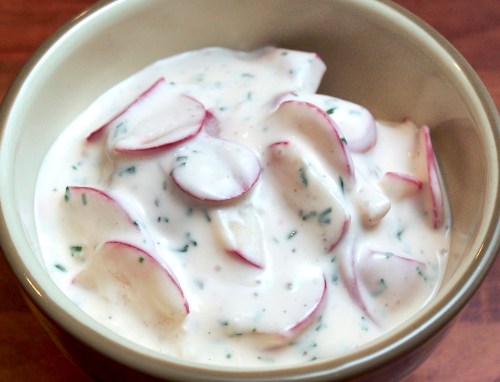
Radish Raita

This makes a nice change from the usual cucumber variety. Good with barbecued lamb or pork and dishes with Greek flavours. We liked it on the side of our giant beans and spinach rice.

Radish Tzatziki – serves 2

  • 100g Greek yoghurt
  • ½ tbsp chopped dill, plus extra to serve
  • 8 small radishes, roughly chopped or sliced
  • ½ clove of garlic, crushed
  • juice of ½ lemon

Mix all the ingredients together and season. Garnish with some extra dill.

(Original recipe from BBC Good Food)

Read Full Post »

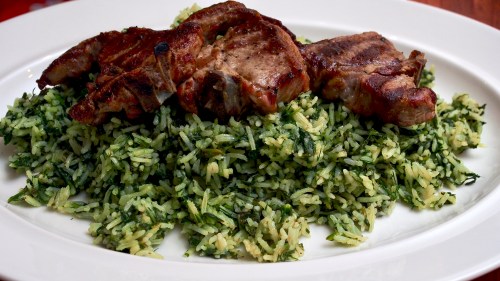
Spinach Rice

This rice is seriously delicious. The spinach is cooked with the rice from the start, rather than stirred through at the end, which makes it really flavoursome. We served with some barbecued lamb, Greek butter bean stew and radish tzatziki.

Spinach rice – serves 6

  • 100ml extra virgin olive oil
  • 1 onion, finely chopped
  • 500g baby spinach leaves, finely chopped
  • bunch of dill, finely chopped
  • 300g basmati rice
  • juice of a lemon

Heat the oil in a large pan, add the onion and cook the onion gently until softened but not coloured. Add the spinach and half the dill. Cook over a high heat until the spinach has wilted and any liquid has evaporated.

Stir in the rice and add 600ml of water, then bring to the boil. Turn the heat down to a very gentle simmer, cover the pan with a tight lid (or some tinfoil and a lid) and cook for 25-30 minutes or until the rice is cooked and the water absorbed. Check and stir after the first 15 minutes and add some more water if needed.

When the rice is cooked, stir in the remaining dill, season well and add the lemon juice to taste.

(Original recipe from BBC Good Food)

Read Full Post »

Baby Octopus and Peas

At last we’ve got our hands on The Modern Italian Cook by Joe Trivelli and what a treat it is! Our local fish shop often has baby octopus on the counter but you can also buy it frozen. This was Jono’s pick for his birthday dinner and he wasn’t disappointed.

Wine Suggestion: as befits a birthday dinner, it was Champagne to match and tonight we drank the Billecart-Salmon Blanc de Blancs Grand Cru NV which plays a delightful balance of delicacy, elegance, depth and bags of character. Both the dish and Champagne a wonderful treat.

Baby Octopus & Peas (Polipetti e Piselli) – serves 4

  • 1 kg frozen baby octopuses, defrosted (or fresh if you can find them)
  • extra virgin olive oil
  • 1 red onion, finely diced
  • 2 cloves of garlic
  • 3 bay leaves
  • 2 dried chillies
  • 50g small black olives, pitted
  • 300g shelled peas (we used defrosted frozen peas)
  • 600g new potatoes, peeled and cut into 1cm dice
  • 175ml dry wine – red or white

Rinse the octopuses under the tap then transfer to a heavy-based casserole dish or pan. Coat with a few tablespoons of extra virgin olive oil. Add the onion, garlic, bay leaves and chillies, cover with some baking paper and place over a high heat with the lid on.

When everything is hot and cooking, turn the heat down and continue to cook the octopuses for 15 minutes. Remove the lid and add the olives, peas, potatoes and wine. Bring to a simmer and continue to cook until the peas and octopuses are soft, about 20 minutes more.

(Original recipe from The Modern Italian Cook by Joe Trivelli, Seven Dials, 2018.)

Read Full Post »

Syrian Spiced Fish

This Syrian fish dish is bursting with delicious herbs and spices. We loved it! Really great with spinach & sumac and spicy potatoes. One of the best meals we’ve had in ages!

Wine Suggestion: Our choice tonight was the Rustenberg Five Soldiers Chardonnay which had power and complexity but also elegance and a beautiful, supple balance so it finished light and persistent. An excellent wine well worth seeking out and a great match for this dish.

Spiced Fish (Samaka Harra) – serves 2

  • 6 garlic cloves, chopped
  • 2 red chillies, finely chopped
  • ½ tsp ground cumin
  • 40g walnuts chopped
  • 2 tbsp olive oil, plus extra
  • 2 whole fish e.g. sea bream or snapper (we used bass)
  • a bunch of fresh coriander, roughly chopped, including stems
  • 1 lemon, plus ½ a lemon, sliced

Heat the oven to 180C/350F/Gas 4.

Mix the garlic, chillies, cumin, walnuts and 2 tbsp of olive oil, salt and pepper.

Stuff the fish with the mixture, keeping 2 tbsp aside for later, then add a handful of coriander, saving some to garnish.

Squeeze the lemon over both fish, then drizzle with olive oil and season with salt and pepper. Marinate in the fridge for a good half hour.

Put the fish into a large oven tray with the reserved stuffing sprinkled over the top and some lemon slices, then bake for 30 minutes.

(Original recipe from Syria: Recipes from Home by Itab Azzam and Dina Mousawi, Trapeze, 2017.)

Read Full Post »

Spinach with Sumac

This simple Syrian side dish has fantastic flavour. We ate it with some spiced fish but it would complement many things. Also great on its own with some plain yoghurt and flatbreads.

Spinach with Sumac (Spanekh wa Sumac) – serves 4

  • 1 small red onion, finely diced
  • oil, for frying
  • 350g baby spinach
  • 1 tbsp sumac
  • a squeeze of lemon

Fry the onion over a very low heat for 20-30 minutes or until softened and almost caramelised. Add the spinach and cook until wilted. Remove from the heat, sprinkle with the sumac, lemon juice, salt and pepper.

(Original recipe from Syria: Recipes from Home by Itab Azzam & Dina Mousawi, Trapeze 2017.)

Read Full Post »

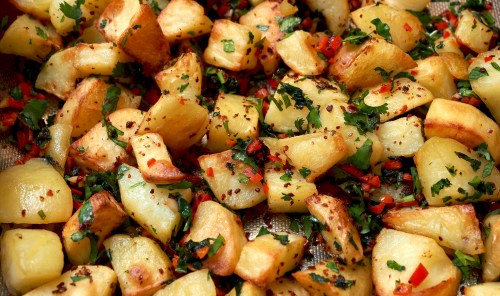
Spicy Syrian Potatoes

These spicy Syrian potatoes are really delicious and we’re going to be cooking them with lots of dishes. A great alternative to roast potatoes.

Spicy Syrian Potatoes (Batata Harra) – serves 4

  • 4 potatoes, peeled and cut into 1-2 cm cubes
  • olive oil, for roasting
  • 3 garlic cloves, finely chopped
  • 2 chillies, deseeded and finely chopped
  • a bunch of coriander, chopped
  • 1 tbsp Aleppo pepper

Heat the oven to 200C/400F/Gas 6.

Roast the potatoes with olive oil and salt for about 30 minutes or until nicely browned.

Meanwhile, quickly fry the garlic, chillies and half the coriander. When the potatoes are ready, mix the fried ingredients with the potatoes, ground Aleppo pepper and the rest of the coriander.

(Original recipe from Syria: Recipes from Home by Itab Azzam and Dina Mousawi, Trapeze, 2017.)

Read Full Post »

Valentines baked potatoes with caviar

This was our Valentine’s dinner and very special it was too!

Wine Suggestion: it’s any excuse for bubbly in our house and it makes a natural pair for this dish too. Our choice was the Domaine de la Paleine Cremant de Loire, a blend of Chardonnay and Chenin Blanc that celebrated the saltiness of the caviar and went seamlessly with the creamy potatoes.

Baked potatoes with crème fraîche and trout caviar – serves 4

  • 4 small baking potatoes
  • 1 ½ tbsp rapeseed or olive oil
  • sea salt flakes
  • 2 tbsp chopped flat-leaf parsley
  • 200ml crème fraîche
  • 40g trout caviar

Heat the oven to 200C/Fan 180C/Gas 6.

Drizzle the potatoes with ½ tbsp of the oil and a good pinch of salt and toss well. Put onto a baking tray and bake for 45 minutes.

When the potatoes are cool enough to handle, cut them in half lengthways and scoop the flesh out into a bowl, careful not to damage the shells. Mash the potatoes, then stir in the parsley, 120ml of the crème fraîche and seasoning. Brush the potato skins with the remaining oil, then spoon the potato mixture back into them.

Bake for 15 minutes or until heated through and crispy on the outside. Spoon the remaining crème fraîche on top, followed by a spoon of caviar and some black pepper.

(Original recipe by Clodagh McKenna in Olive Magazine, February 2019.)

Read Full Post »

Fesenjoon

We love this Persian dish, so rich and full of unusual but intriguing flavours. We’ve tried to make it before with limited success but this version by Yasmin Khan was much more like the dish we remembered. Serve with steamed basmati rice and salad.

Chicken with Walnuts & Pomegranates – Fesenjoon – serves 4

  • 250g walnuts (fresh is best)
  • 1.2 litres of cold water
  • 100ml pomegranate molasses
  • 1 tbsp tomato purée
  • ¼ tsp ground cinnamon
  • 2 tbsp sugar
  • 2 tsp sea salt
  • 1 tsp black pepper
  • 800g skinless chicken thighs, on the bone
  • a handful of pomegranate seeds to garnish

Grind the walnuts in a food processor until extremely fine – they will eventually turn into a smooth paste. Transfer the ground nuts into a large casserole pot with a litre of water and mix well. Bring to the boil and cook over a high heat for 5 minutes, then reduce the heat and simmer for 1 hour, partially covered. Stir occasionally to make sure the walnuts don’t stick.

Stir in the remaining 200ml of water and simmer for another hour with the lid on. Add more cold water if the sauce starts to look dry – in the end it should have a thick, porridge-like consistency.

By the end of the time the sauce should have thickened and darkened in colour. Add the pomegranate molasses, tomato purée, cinnamon, sugar, salt and pepper and stir well. Add the chicken, put the lid back on the pot and cook over a low heat for 45 minutes, until the chicken is cooked and the sauce is dark and glossy.

Taste the sauce and season, you might like to add more sugar or pomegranate molasses to adjust the sweet/sour balance. Cook for a final 10 minutes with the lid off so the sauce thickens around the meat. Serve over rice and sprinkled with the pomegranate seeds.

(Original recipe from The Saffron Tales by Yasmin Khan, Bloomsbury, 2016.)


Read Full Post »

Turmeric Broth

We try and cook healthy mid-week, with some weeks being more successful than others. That said, we rarely eat anything particularly unhealthy, so we don’t beat ourselves up too much. This dish is low fat and low calorie – but it tastes really full-flavoured and restorative, almost medicinal, and you can’t help but feel better for eating it.

Turmeric broth with chicken & ginger dumplings – serves 4

  • 50g ginger sliced
  • 1.5 litres light chicken stock
  • 3 scallions, green parts and white parts separated
  • 2 star anise
  • 2-3 tsp ground turmeric
  • 200g baby leaf greens, chopped – we used pak choi
  • 300g cooked egg noodles
  • 1 red chilli, finely chopped

FOR THE DUMPLINGS:

  • 500g chicken mince or turkey mince
  • 1 tbsp finely grated ginger
  • ½ red chilli, seeded and finely chopped
  • a handful of coriander, finely chopped
  • sesame oil
  • 1 tbsp cornflour
  • 1 egg white
  • white pepper

Put the sliced ginger, chicken stock, scallion greens, star anise and turmeric in a large pot. Bring to a simmer and cook with a lid on for 20 minutes.

Meanwhile, finely chop the scallion whites and put into a bowl with the mince, grated ginger, chilli, coriander, 1 tsp of sesame oil, the cornflour and egg white. Season with salt and white pepper then mix well and roll into balls.

Strain the broth and return to the pot. Add the chicken dumplings and simmer for 8-10 minutes or until cooked through. Add the greens and noodles for the last 2 minutes. Finish with the chilli and a drizzle of sesame oil.

(Original recipe by Janine Ratcliffe in Olive Magazine, January 2017.)

Read Full Post »

Dill potatoes

We’re always banging on about food waste but can honestly say that at least half the recipes we try, are chosen solely on the basis that they use an ingredient left over from another dish. This is precisely how we came to try this potato dish from Caroline Eden & Eleanor Ford’s beautiful book, Samarkand. Dill is one of the herbs we find most difficult to use up and it’s also one we haven’t had a lot of success growing ourselves. Never again will we shy away from recipes using fresh dill, instead we will look forward to melting potatoes with dill the following day.

Melting Potatoes with Dill – serves 4

  • 50g butter
  • 2 tbsp olive oil
  • 2 onions, sliced
  • 500g waxy potatoes, unpeeled and cut into 1cm slices
  • 3 garlic cloves, finely sliced
  • 1 tsp cracked black peppercorns
  • a small handful of dill fronds, chopped

Heat the butter and oil in a large frying pan and cook the onions very slowly until soft and golden. Add the potato slices and garlic and stir into the buttery onions. Season well with salt and cover with a lid.

Cook the potatoes over a very low heat, stirring occasionally, for about 45 minutes. Stir through the peppercorns and a handful of fresh dill before serving.

(Original recipe from Samarkand by Caroline Eden & Eleanor Ford, Kyle Books, 2016.)

Read Full Post »

Turnip & Gruyere Gratin

Turnip (or swede as some of you call it) gets a lot of bad press but we absolutely love it and even more so when cooked with lots of cream and cheese. Jono has declared this his favourite turnip dish and has demanded we cook it again.

Gruyère and turnip gratin – serves 4

  • 700g turnip/swede (the large, orange-fleshed variety)
  • 300ml double cream
  • 1 tbsp dijon mustard
  • 1 clove of garlic, crushed
  • 100g gruyère, grated

Heat the oven to 180C/fan 160C/gas4.

Peel and thinly slice the turnip – a mandolin or food processor works really well for this.

Bring a pan of salted water to the boil then add the turnip and cook for 4 minutes. Drain really well.

Whisk the cream, mustard and garlic together and season. Layer the turnip and mustardy cream alternately and sprinkle in half the cheese. Sprinkle the rest of the cheese over the top.

Bake for 40-50 minutes, or until very tender, browned and bubbling.

(Original recipe by Janine Ratcliffe, Olive Magazine, January 2017)

Read Full Post »

Smoked Mackerel Loaded Leaves

This is the kind of nibble we like before dinner. Really tasty but light so it won’t spoil your appetite. Radicchio and/or chicory leaves are preferable but if you can’t find these you can substitute Little Gem lettuce – as we did.

Wine Suggestion: Your choice of bubbles, whether it’s Prosecco, Cremant, Cava or Champagne

Smoked Mackerel Loaded Leaves – serves 4-8

  • 200g smoked mackerel fillets, skin removed and flaked
  • 4 tbsp crème fraîche
  • juice and zest of ½ lemon
  • small bunch of chives, snipped
  • small handful of dill, chopped
  • 1 small radicchio, separated into leaves
  • 1-2 chicory heads separated into leaves

Gently mix the mackerel with the crème fraîche, lemon juice, half the herbs and some pepper. Chill until ready to serve.

Spoon generous amounts of the mackerel mixture into each leaf and arrange on a plates or a platter. Sprinkle over the remaining herbs and the lemon zest.

(Original recipe from BBC Good Food)

Read Full Post »

Pea & Mint Soup

It’s getting close to that time of year when we start to really crave some daylight and spring veg. Fresh peas are a long way off yet but this hearty pea and mint soup is full of promise. Leave out the swirl of cream to keep it vegan.

Pea & Mint Soup – serves 4 generously

  • 80g yellow split peas
  • 1 tbsp olive oil
  • 2 large onions, finely diced
  • 3 garlic cloves, finely chopped
  • 1.2 litres vegetable stock
  • 700g frozen peas
  • 2 handfuls of mint leaves, roughly chopped
  • 4 tsp single cream (optional to garnish)

Put the split peas into a saucepan and add 800ml of water. Bring to the boil, then lower the heat and simmer for 30-45 minutes, or until just tender. Remove any scum from the surface as they cook.

10 minutes before the split peas are cooked, heat the oil in a large saucepan over a medium heat. Add the onions and cook for 5 minutes to soften, add a splash of water if they start to stick. Add the garlic and cook for another 2 minutes.

Drain the split peas and add to the onions along with the vegetable stock. Bring the boil, then simmer gently for 5 minutes.

Stir in the frozen peas and chopped mint and season with salt and black pepper. Simmer for another 5 minutes, then remove from the heat.

Whizz the soup with a blender until smooth (or smoothish if you prefer) – you might have to do this in batches.

Ladle into warm bowls and drizzle with cream if you like.

(Original recipe from Lose Weight for Good by Tom Kerridge, Absolute Press, 2017.)

Read Full Post »

Jules' granola

We love granola but often find it too sweet. This home-made version by Tom Kerridge is a super-flavoursome breakfast option. Serve with plain yoghurt and fresh fruit.

Homemade Granola 

  • 300g rolled oats
  • 100g mixed seeds -e.g. pumpkin, sunflower and sesame seeds
  • 50g hazelnuts, roughly chopped
  • 50g pecans, roughly chopped
  • 50g pistachios, roughly chopped
  • 50g flaked almonds
  • 4 tbsp coconut oil
  • 125ml maple syrup
  • 50ml honey
  • 2 tbsp vanilla extract
  • ½ tsp ground cardamom
  • ½ tsp ground ginger
  • 1 tsp ground cinnamon
  • 1 tsp sea salt flakes
  • 50g coconut flakes
  • 150g mixed dried fruits e.g. cranberries, chopped apricots, chopped dried apple, raisins

Preheat the oven to 170C/Fan 150C/Gas 3.

Line two baking trays with baking parchment.

Mix the oats, seeds, chopped nuts and flaked almonds together in a big bowl.

Put the coconut oil, maple syrup, honey, vanilla and spices into a small saucepan and heat gently, stirring, until the coconut oil has melted. Pour over the oat mixture, add the salt and mix well.

Spread the mixture out in a thin layer on the baking trays and bake for 15 minutes. Add the coconut flakes and dried fruit. Mix well and bake for a further 8-10 minutes or until the coconut flakes have browned. Remove from the oven and leave aside to cool.

Store in an airtight container and serve with yoghurt and fresh fruit.

(Original recipe from Tom Kerridge’s Fresh Start, Bloomsbury Publishing, 2018.)

Read Full Post »

Purple sprouting broccoli with smoked paprika, yoghurt & eggs

We’re trying to make more of an effort at breakfast time. This dish by Gill Meller of River Cottage is more suited to a weekend when you have a bit more time but it’s worth it as the flavours are great. The vegetable shop can get a bit boring at this time of year but then arrives Purple Sprouting Broccoli to keep us in good spirits.

Serve this with some toasted brown bread for mopping up the hot, smoky butter.

Purple Sprouting Broccoli with Smoked Paprika, Yoghurt & Eggs – serves 2

  • 2 eggs
  • 250g purple sprouting broccoli
  • 50g butter
  • 1 garlic clove, thinly sliced
  • 1 rosemary sprig
  • 2 tsp sweet smoked paprika
  • 4 tbsp natural yoghurt
  • toasted brown bread, to serve

Start by poaching the eggs and keeping them warm.

Bring a large pan of salted water to the boil and simmer the purple sprouting broccoli for a few minutes until tender. Drain and allow to steam dry.

Meanwhile, melt the butter in a small pan until sizzling then add the garlic, rosemary and smoked paprika. Cook for about a minute or until the garlic is softened but not browned, then remove from the heat.

Divide the yoghurt between two warmed bowls. Lay the broccoli in the bowls with the poached eggs. Season everything with salt and pepper and spoon over the smoky butter. Serve immediately with plenty of toast.

(Original recipe from Time by Gill Meller, Quadrille, 2018.)


Read Full Post »

Potato & leek soup with smoked Gubbeen cheese & chives

This is no ordinary leek and potato soup but rich and complex with a subtle smoky flavour from the cheese. We’ve been cooking from Gill Meller’s latest book, Time, and the recipes are stunning.

This is the kind of soup that goes well with Northern Irish Wheaten Bread.

Leek & Potato Soup with Smoked Gubbeen & Chives – serves 4

  • 1 litre of vegetable stock or chicken stock
  • 3 floury white potatoes (about 350g), peeled and cut into 1-2cm cubes
  • 3 medium-large leeks, sliced into 1cm rounds
  • 25g butter
  • 1 tbsp olive oil
  • 2 shallots or 1 onion, thinly sliced
  • 2 garlic cloves, peeled and thinly sliced
  • 2 or 3 thyme sprigs, leaves stripped
  • 100ml double cream
  • 50g smoked Gubbeen (Gill suggests smoked Cheddar or goat’s cheese), grated, plus extra to serve
  • a small bunch of chives, finely chopped

Bring the stock to the boil in a large heavy pan. Add just a third of the potato, bring the stock back to a simmer and cook, uncovered, for 6-8 minutes, or until the potato cubes are tender. Add a third of the leeks and cook for a few minutes to soften, then drain the vegetables in a colander set over a bowl to catch the stock.

Return the pan to a medium heat and heat the butter and olive oil. When bubbling, add the onion, garlic and thyme leaves. Cook, stirring, for 4-5 minutes, then add the remaining leeks and potato to the pan, seasoning well with salt and pepper. Cook gently for 3-4 minutes, then add the reserved stock and bring to a gentle simmer.

Cook the soup for about 15 minutes or until the leeks and potatoes are tender. Remove from the heat and blend until smooth.

Return the soup to the pan. Add the cooked leeks and potatoes from earlier, along with the cream, grated cheese and chopped chives. Season again, then put back on the heat and bring slowly to a simmer. Stir well, remove from the heat, and stand for 5 minutes before serving. Garnish with some extra cheese, chives and seasoning.

(Original recipe from Time: A Year & a Day in the Kitchen by Gill Meller, Quadrille, 2018.)

Read Full Post »

« Newer Posts - Older Posts »