Feeds:
Posts
Comments

Posts Tagged ‘Vegetarian’

Easy Koshari

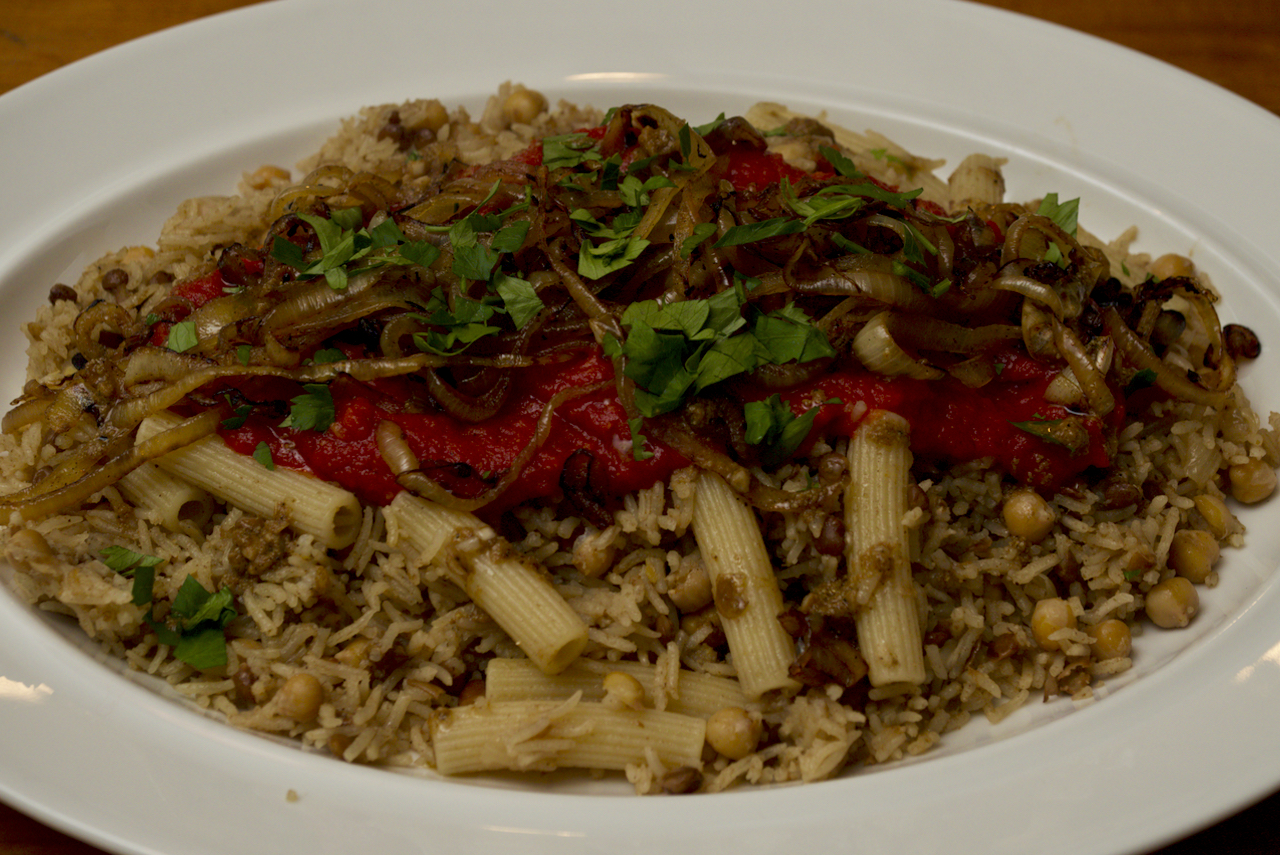
We’ve made Koshari a few times, but this one is defintely the easiest. Less fuss, but still the classic Egyptian mix of rice, lentils, and pasta with lots of flavour. You can serve it as a side, but we reckon it’s perfect on its own. 

Wine Suggestion: with the warm spices in this dish we love pairing this with Gamay. Instead of heading to Beaujolais we went to the headwaters of the Loire and the Côte Roannaise, a marginal wine region benefiting from the extra warmth of climate change. Domaine des Pothiers l’Integrale we found on our last trip to France and it has a charming pure-fruited earthiness and freshness.

Easy Koshari – serves 6 to 8

  • olive oil
  • 1 large onion, very finely chopped
  • 2 tbsp ground cumin
  • 300g basmati rice
  • 450ml cold water
  • 400g tin chickpeas, drained
  • 400g tin green lentils, drained
  • 150g macaroni

FOR THE TOMATO SAUCE:

  • olive oil
  • 3 cloves of garlic, finely chopped
  • 1 tsp ground cumin
  • ¼ tsp chilli flakes
  • 500g passata
  • 1 tsp caster sugar

FOR THE CUMIN OIL:

  • 2 tsp ground cumin
  • 1 large clove of garlic, crushed
  • 2 tbsp olive oil
  • 1 tbsp wine vinegar

FOR THE CRISPY FRIED ONIONS:

  • olive oil
  • 2 large onions, thinly sliced into rings

TO SERVE:

  • a handful of flat leaf parsley, chopped

Make the tomato sauce first by putting a small saucepan over a medium heat, add a generous glug of olive oil and cook the garlic for a minute. Stir in the cumin and chilli flakes, then add the passata, sugar and season generously. Cook, uncovered, for about 30 minutes or until reduced by about a third.

Meanwhile, put a large saucepan over a medium-high heat and pour in enought olive oil to coat the base. When the oil is hot, add the onion and fry until well browned. Add the cumin and stir, then add the rice and plenty of seasoning. Add 100ml of the cold water and stir, then add the chickpeas, lentils and the rest of the water and stir again. Cover with a tight lid and cook over a medium heat for 30 minutes.

While the rice is cooking, you can cook your pasta in a ban of salted boiling water according to the timings on the pack. Drain, then rinse in cold water and drain again.

Mix the cumin oil ingredients together in a small bowl with plenty of seasoning, then set aside.

For the crispy onions, heat a glug of oil in a pan and fry the onions until golden brown and crisp, then drain on some kitchen paper.

When the rice is cooked, add the pasta and leave to sit on top of the rice, then cover again with the lid for a minute or two to gently reheat the pasta. Check the seasoning, then gently fold the pasta into the rice mixture. Transfer the rice and pasta to a platter, then pour over the tomato sauce and finish with the cumin oil, crispy onions and parsley.

(Original recipe from Persiana Easy by Sabrina Ghayour, Mitchell Beazley, 2025.)
Read Full Post »

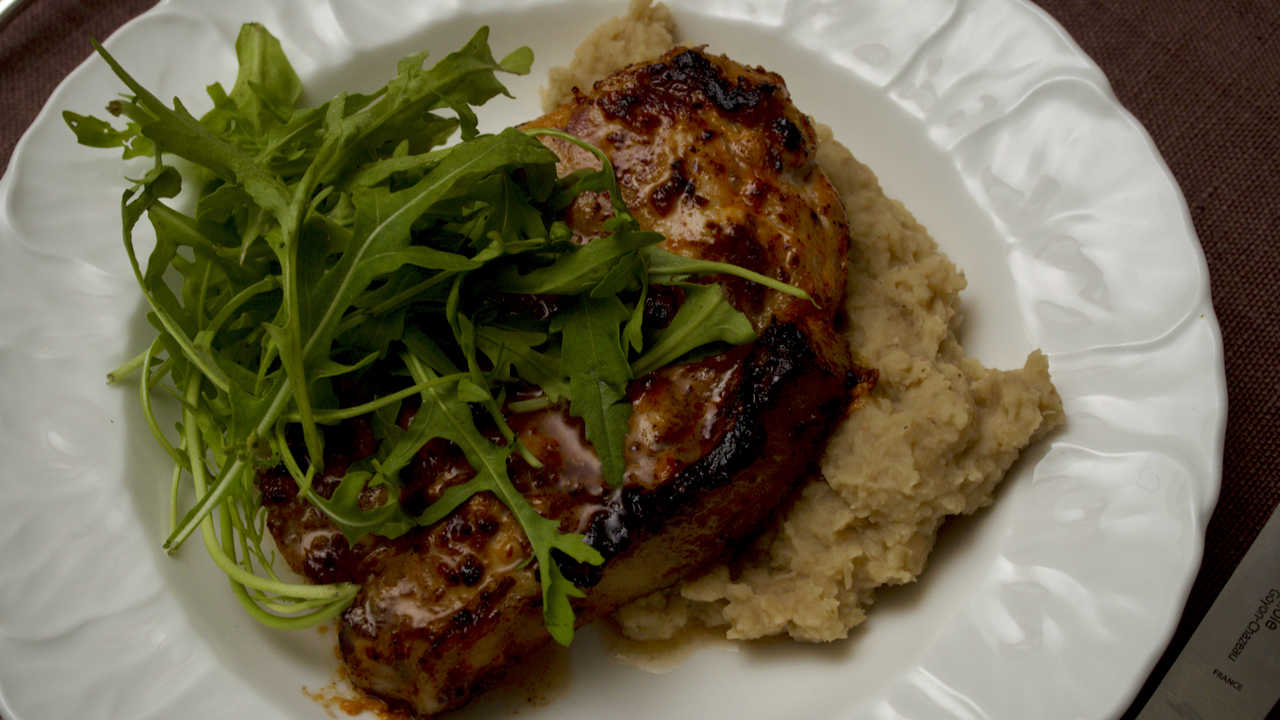
We’re loving The Bold Bean Company range of jarred beans. This simple butter bean mash is super tasty and would make a great side to almost anything. In fact our daughter has demanded this mash with other things since – a miracle in itself!

Wine Suggestion: This demands a fuller bodied white, but we didn’t feel like an oaky style so went with Podere Guardia Grande’s Saldenya, which is an unoaked Vermentino from an old vineyard in Sardinia that runs down to the sea. Fresh and dare we say it, salty, but with a plushness and weight of sunshine. A joy on its own as we cooked and then a good match with the dinner.

Pork chops with butter bean mash – serves 4

  • 50g mayonnaise
  • 1 tbsp lemon juice
  • 2 tsp tomato purée
  • 1 tsp pul biber
  • 1 tsp freshly ground black pepper
  • 4 pork chops
  • 1 tbsp olive oil
  • 1 clove of garlic, thinly sliced
  • 1 large jar of good quality butter beans
  • 1 tsp ground cumin
  • rocket, to serve

Get a barbecue ready for direct grilling.

Mix the mayonnaise, lemon juice, tomato purée, pul biber, black pepper and a good pinch of salt, together in a large bowl. Add the pork chops and toss to coat in the marinade.

Cook the pork chops on a hot barbecue for 3-4 minutes on each side or until charred and tender.

Meanwhile, heat the oil in a pan over a medium heat. Add the garlic and cook for a minutes, then add the drained butter beans, 70ml of just boiled water, the cumin and plenty of salt and pepper. Stir to combine then mash to whatever consistency you like.

To serve, divide the mash between plates, top with a pork chop and a handful of rocket leaves. Drizzle over any tasty juices over the top.

(Original recipe by John-Gregory Smith in Olive Magazine, July 2022.)

Read Full Post »

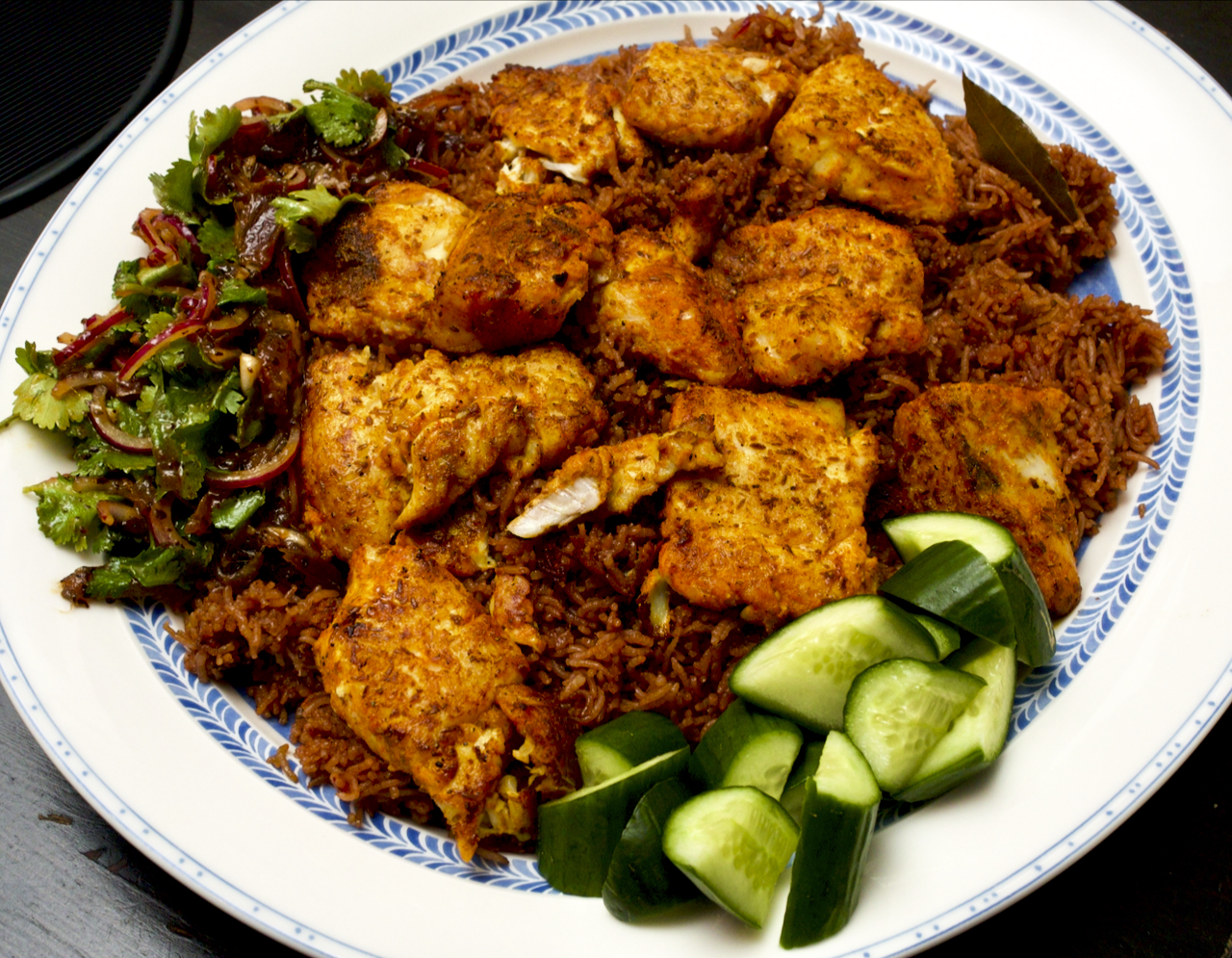
Every element of this dish from Lugma by Noor Murad, but it’s the date pickle that truly brings everything together. It lifts the whole plate and we can definitely see it making repeat appearances alongside all sorts of other dishes.

Wine Suggestion: We’ve been exploring the fresher, lighter reds from north-western Spain, a joyful match for spiced or richly flavoured fish like this. A recent gem is the Finca Millara Lagariza, a youthful, fruit forward and light bodied Mencía that we served lightly chilled. A brilliant pairing.

Fish with rice and date pickle – serves 4

FOR THE FISH:

  • ½ tsp ground turmeric
  • ½ tsp paprika
  • 2 tsp cumin seeds
  • seeds from 15 cardamom pods
  • 600g skinless hake fillet, cut into 6cm pieces
  • 1½ tbsp melted ghee
  • ½ lemon

FOR THE RICE:

  • 2 tbsp melted ghee
  • 5 cardamom pods
  • 5 cloves
  • 1 cinnamon stick
  • 3 fresh bay leaves
  • 150g date molasses
  • ½ tsp loosely packed saffron threads, roughly crushed
  • 300g basmati rice, washed until the water runs clear, then soaked for at least 20 minutes and up to 2 hours, then drained well

FOR THE DATE PICKLE:

  • 2 tbsp olive oil
  • 1 tsp fennel seeds
  • 1 tsp Aleppo chilli flakes
  • 120g Medjool dates, pitted and thinly sliced
  • 3 tbsp apple cider vinegar
  • 30g red onion, thinly sliced
  • 10g coriander, leaves and soft stems picked

Use a pestle and mortar to finely crush the cumin seeds and cardamom seeds.

Mix all the ground spices for the fish in a large bowl with ½ tsp salt and plenty of black pepper. Add the fish and mix well to coat, then put in the fridge until needed.

For the rice, add the ghee, whole spices and bay leaves to a medium, lidded saucepan and place over a medium heat. Cook for a few minutes, stirring now and then, until fragrant.

Stir in the molasses then pour in 620ml of hot water, the saffron and ¾ tsp salt. Bring to the boil, then stir in the rice. Bring up to a fast boil for exactly 5 minutes, without stirring, until the grains have started to plump up and have absorbed at least half of the water. Cover with a clean tea towel followed by the lid, securing the ends of the tea towel over the lid. Turn the heat to low and cook, without touching, for 30 minutes.

Meanwhile, make the pickle. Add the oil and fennel seeds to a small frying pan over a medium heat. Cook for 2 minutes, until fragrant, then stir in the chilli and a small pinch of salt and pour into a medium heatproof bowl. Allow to cool for 5 minutes, then stir in the dates, vinegar and onion. Set aside to pickle.

When the rice is read, remove the lid and tea towel. Allow the rice to cool slightly while you fry the fish.

Heat the ghee in a large frying pan over a medium-high heat. Add the fish and cook for 2-3 minutes on each side, until nicely browned and cooked through. Squeeze over the lemon juice.

Transfer the rice to a large platter and top with the fish and any fat in the pan. Stir the coriander into the pickle and serve alongside.

(Original recipe from Lugma by Noor Murad, Quadrille, 2025.)

Read Full Post »

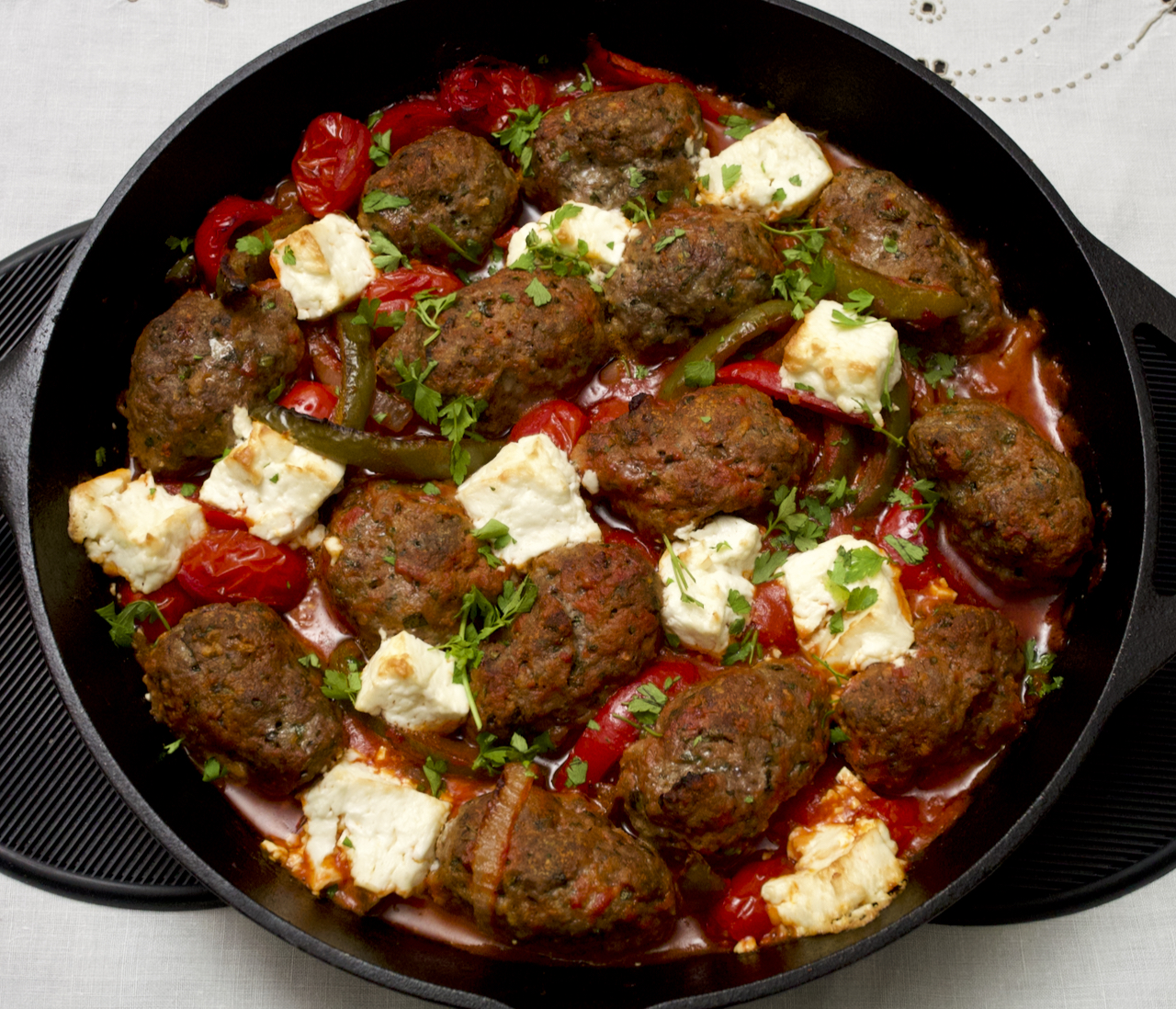
Some bold and tasty flavours in this dish by Noor Murad — lamb koftas baked with sweet peppers, salty feta, and oregano. This is minimal fuss for maximum payoff. Another standout from Noor’s beautiful new book, Lugma, a collection we’re really enjoying cooking from.

Wine Suggestion: Grenache all the way with this one. Tonight, we opened a rare treat, the Edetaria La Personal made from old-vine Garnacha Peluda. You won’t find this particular clone outside of Terra Alta, and we think it’s one to watch in a warming climate. The fine hairs on the backs of the vine leaves help trap humidity and conserve moisture, a clever natural adaptabion. It’s also delicious with the lamb and feta.

Lamb koftas with peppers and feta – serves 4

  • 1 large onion, sliced
  • 1 green pepper, sliced
  • 1 red pepper, sliced
  • 1 tbsp fresh thyme leaves
  • 3 tbsp olive oil, plus a bit extra
  • 1½ tsp sweet paprika
  • 200g Datterini or cherry tomatoes
  • 150g passata
  • 2 tbsp apple cider vinegar
  • ¾ tbsp maple syrup
  • 150g feta, broken into large chunks

FOR THE KOFTAS:

  • 500g lamb mince
  • 40g panko breadcrumbs
  • 20g parsley, leaves and soft stems finely chopped, plus a bit extra to serve
  • 10g oregano leaves, finely chopped, plus a bit extra to serve
  • 3 cloves of garlic, crushed
  • 1 tsp ground cinnamon
  • 1 tsp ground cumin
  • ¼ bicarbonate of soda
  • 1 onion, halved
  • 1 large ripe plum tomato

Heat the oven to 200C fan.

Make the koftas first by adding the lamb mince, panko, herbs, garlic, spices, bicarbonate of soda, 1 tsp of salt and plenty of black pepper to a large bowl. Grate the onion halves on the coarse side of a grater and squeeze out the excess liquid with your hands (it’s easiest in a clean teatowel). Add this to the bowl, then grate the tomato in the same way, straning off the juice through a sieve. Add this to the bowl too.

Grease your hands with a little olive oil and knead the meat mixture for about 4 minutes, then set aside to rest for 20 minutes.

Meanwhile, add the sliced onion, peppers, thyme, 2 tbsp of the oil and ½ tsp salt to a large cast-iron frying pan and mix to combine. Bake for 15 minutes or until starting to brown, then remove from the oven and turn the temperature up to 220C fan.

Divide the meat mixture into 12 pieces, about 55-60g each, and form into torpedo-shaped koftas with oiled hands.

Stir the paprika and the tomatoes into the frying pan.

Whisk the passata, vinegar, maple syrup and ¼ tsp of salt together in a jug, then pour this into the pan.

Add the koftas, then drizzle over the final tbsp of oil.

Return to the oven for 8 minutes, then turn each kofta over. Dot with the feta and bake for 12 minutes or until the feta is nicely browned and the dish is bubbling.

Sprinkle over the extra herbs to finish.

(Original recipe from Lugma by Noor Murad, Quadrille, 2025.)

Read Full Post »

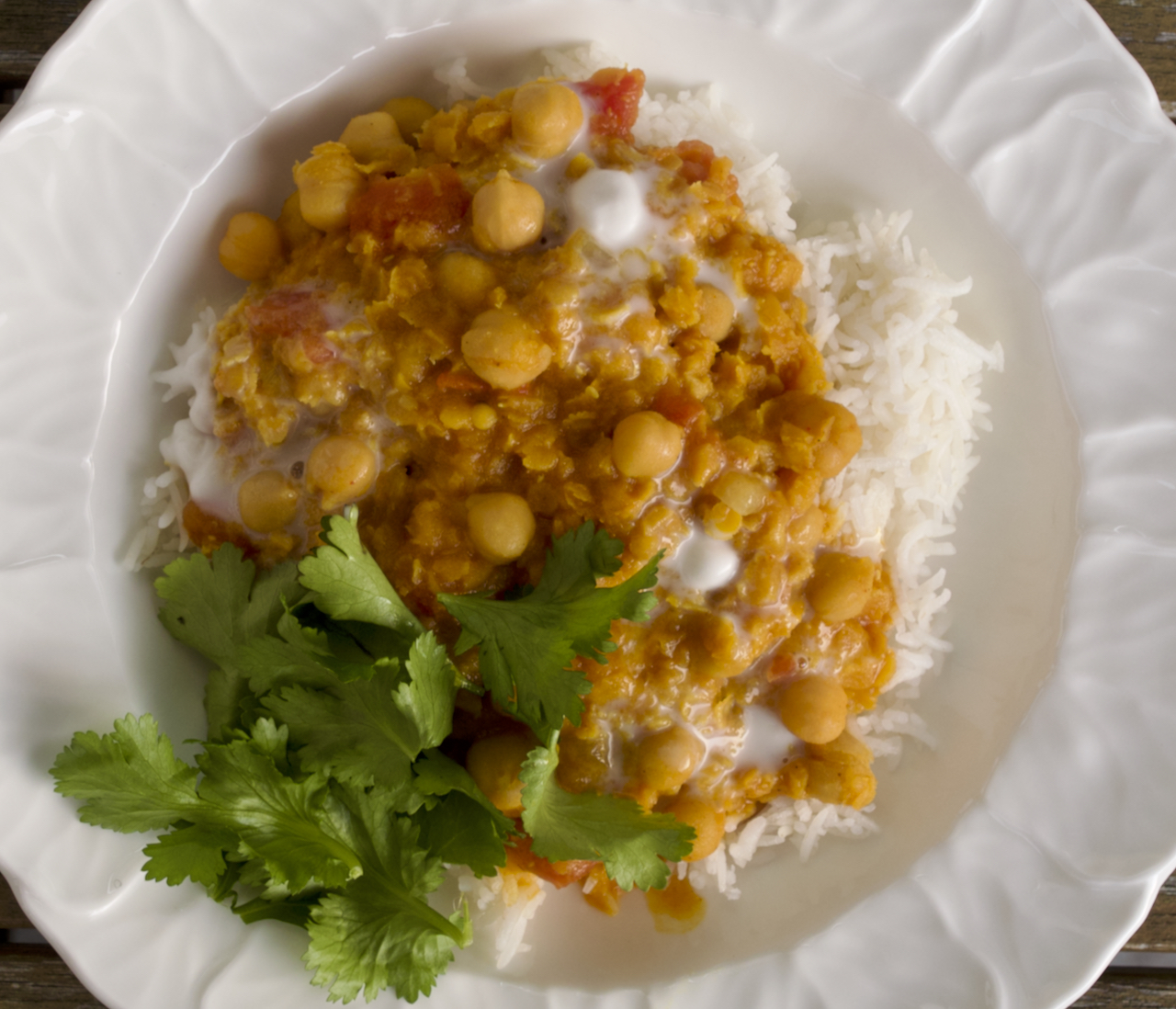
Make this when you want something warm, healthy and with minimum fuss. Exactly what you need after a long day. Ready in less than an hour and the perfect weeknight dinner.

Lentils & Chickpeas with Coconut – serves 8 (freeze leftovers for another day)

  • 400ml tin of coconut milk
  • 2 tbsp ghee or coconut oil
  • 3 cloves of garlic, crushed
  • 1 onion, finely chopped
  • ½  tsp cayenne pepper
  • ½  tsp ground ginger
  • 1 tsp ground turmeric
  • 1 tsp curry powder
  • 1 tsp ground cumin
  • 1½  tsp salt
  • 2 tsp ground coriander
  • 400g tin chopped tomatoes
  • 200g dried split lentils
  • 400g tin chickpeas
  • a pinch of chilli flakes, to serve
  • coriander leaves, to serve
  • steamed basmati rice, to serve

Measure 60ml of the coconut milk and set aside for drizzling over at the end.

Melt the ghee or coconut oil in a large saucepan over a medium-high heat. Add the garlic and onion and cook for a few minutes, then add the spices and stir for 1 minute.

Add the tomatoes, the remaining coconut milk, 750ml of water, lentils and chickpeas. Bring to a simmer, then reduce the heat and simmer gently for 15 minutes, uncovered, sitrring occasionally. The lentils should be soft and creamy.

Serve over steamed rice with a drizzle of the coconut milk, a pinch of chilli flakes and some fresh coriander.

(Original recipe from RecipeTin Eats Tonight by Nagi Maehashi, Pan Macmillan, 2024.)

Read Full Post »

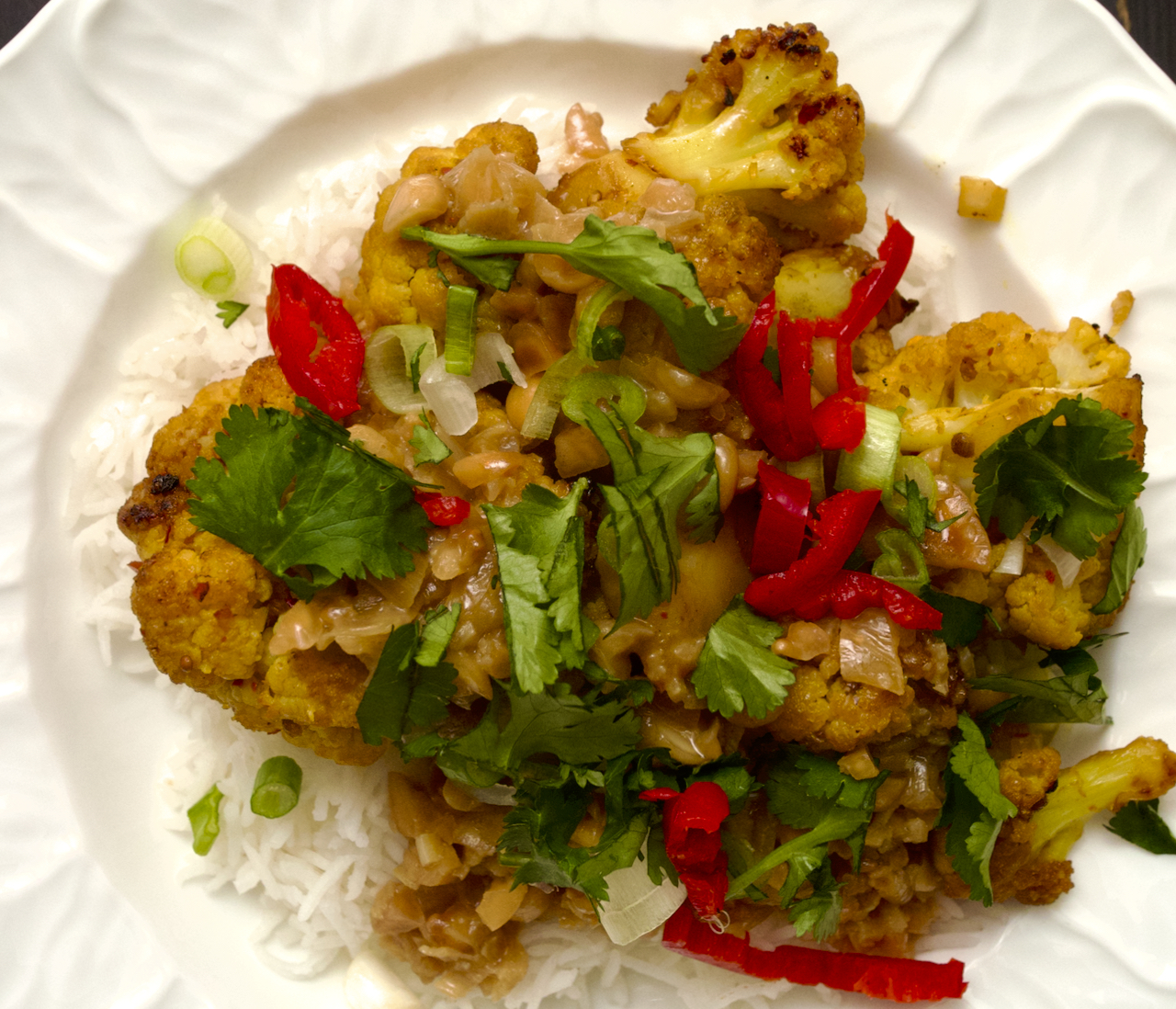
We tend to cook outside when the weather allows but don’t always feel like meat. There are lots of good veggie recipes for the barbecue about now and we particuarly like this one. You won’t miss the burnt sausages.

Wine Suggestion: It was a warm, summer evening so wanted to choose a chilled wine to accompany our dinner. Fortunately this goes great with rosé so we chose the Flying Solo from Domaine Gayda which is just as good as many wines from Provence; dry, textural, easy-drinking but with good weight, plus summery red fruit flavours.

BBQ Cauliflower with Satay Sauce – serves 4 to 6

  • 1 medium cauliflower, broken into florets

FOR THE MARINADE:

  • 1 tbsp coriander seeds
  • 1 tsp chilli flakes
  • 1 tsp ground turmeric
  • 1 banana shallot, finely chopped
  • ⅓ of a 400ml tin coconut milk (use the rest for the sauce)
  • 2 tbsp soy sauce
  • 2 tsp soft brown sugar
  • 2 cloves of garlic, finely chopped

FOR THE SATAY SAUCE:

  • 1 tbsp vegetable oil
  • 2 banana shallots, finely chopped
  • 2 cloves of garlic, finely chopped
  • 2.5cm ginger, grated
  • 1 lemongrass stalk, finely chopped
  • ⅔ of a 400ml tin coconut milk
  • 125g salted peanuts, roughly crushed
  • 2 tbsp soy sauce

TO SERVE:

  • steamed rice
  • coriander, roughly chopped
  • scallions, roughly chopped
  • red chillies, roughly chopped

Make the marinade first. Put the coriander seeds in a small frying pan and toast over a medium heat for a couple of minutes. Roughly grind in a pestle and mortar, then transfer to a bowl. Add the chilli flakes, turmeric, shallot, coconut milk, soy sauce, brown sugar and garlic. Season with salt and pepper and stir well.

Bring a large pan of water to the pan and add some salt. Blanch the caulilfower for 5 minutes until starting to soften, then drain well and add to the marinade. Stir gently to coat, then set aside for 2 hours.

Next, make the satay sauce. Heat the oil in a small pan over a low heat. Add the shallots and cook gently for 15 minutes, until golden. Add the garlic, ginger and lemongrass and fry for another 5 minutes. Add the rest of the coconut milk, the peanuts and the soy sauce. Simmer for 5 minutes or until thickened, then keep warm while you cook the caulilfower.

When you are ready to cook you need to get your barbecue ready for direct grilling.

Thread the cauliflower onto skewers, reserving any leftover marinade. Put the skewers onto the hot barbecue, cover with the lid and cook for 2-3 minutes, then baste with the leftover marinade and turn them over. Keep cooking and basting for about 10 minutes or until the cauliflower is tender.

Serve the cauliflower over rice and scatter over the coriander, scallions and chillies. Serve the satay sauce on the side.

(Original recipe from Foolproof BBQ by Genevieve Taylor, Quadrille, 2021.)

Read Full Post »

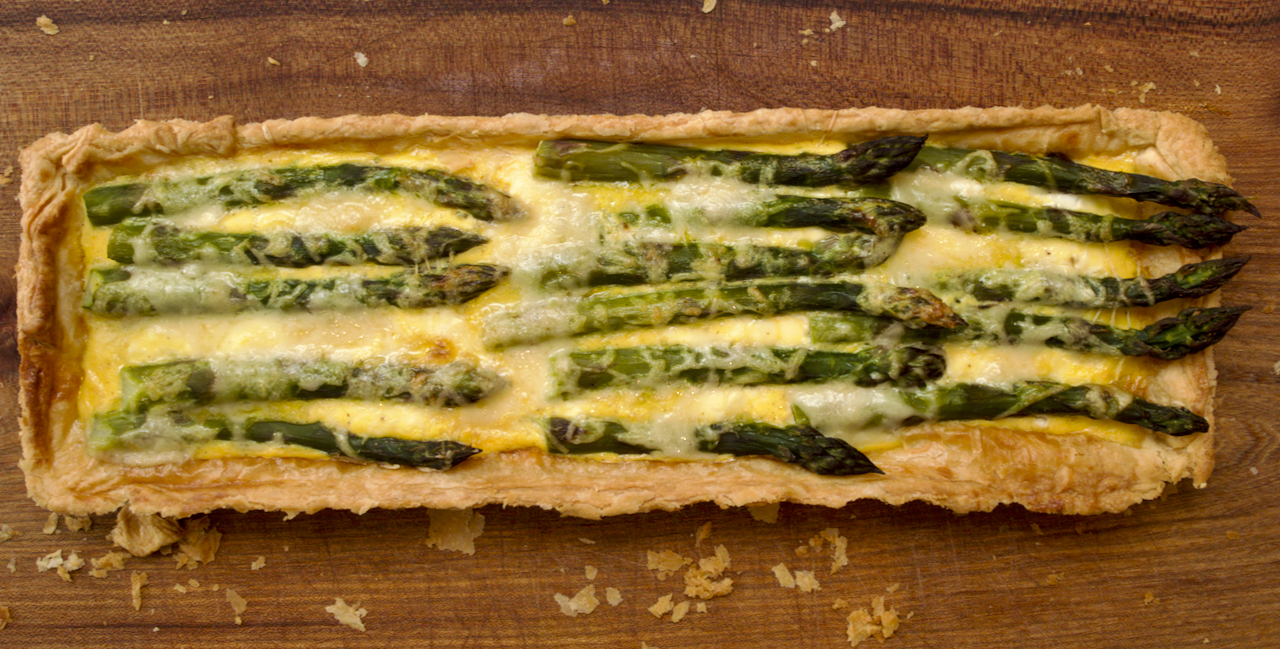
This is perfect for lunch with salad or for a spring starter. We are always nervous with even shop-bought pastry but this is not difficult!

Wine Suggestion: it feels a very French style of dish so we opened a favourite, the Chateau du Hureau Argile, a super dry and savoury Chenin Blanc from Saumur. Ours had a number of years in bottle so had extra roundness and depth but we enjoy this from the moment it released as well.

Asparagus Tart – serves 4 as a main or 6 as a starter

  • 1 x 250g sheet of puff pastry
  • flour for dusting
  • 1 egg
  • 2 egg yolks
  • 3 tbsp crème fraîche
  • roughtly 400g asparagus (preferable the fine stuff), snap off the woody ends
  • 30g butter, plus a bit to grease the tin
  • 3 small shallots, thinly sliced
  • 120g chestnut mushrooms, sliced
  • 120g soft, rindless goat’s cheese
  • 25g Parmesan, finely grated

We used a loose bottom rectangular tin 36cm x 12cm.

Lightly grease the tin with butter.

Dust a clean surface with a little flour and roll out the pastry so that it fits in the tin. Chill for 20 minutes (or longer) in the fridge.

Heat the oven to 200C/180C fan/Gas 6.

Beat the egg and egg yolks together with the crème fraîche.

Line the tin with some crumpled baking parchment and fill with baking beans or rice, then bake for about 15 minutes. Carefully remove the paper and beans or rice, then prick the base all over with a fork and brush lightly with the egg mixture.

Put the tart back into the oven for another 10 minute or until the pastry is completely cooked and the base is dry. Press the pastry down with a fork if it has puffed up a bit.

Reduce the oven temperature to 180C/160C fan/Gas 4.

Steam the asparagus for about 5 minutes or until tender, then drain and run under cold water.

Melt the butter in a frying pan and cook the shallot with a good pinch of salt for a few minutes or until softened. Add the mushrooms and turn up the heat. Fry until they have lost their moisture and are starting to colour, then remove from the heat.

Tip the shallots and mushrooms into the cooked pastry case and spread them out evenly. Crumble over the goat’s cheese and arrange the asparagus over the top in a single layer.

Season the egg and crème fraîche mixture then pour evenly over the asparagus. Sprinkle over the grated Parmesan.

Bake the tart until the egg is just set – about 20-25 minutes. Cool slightly before removing from the tin. Serve warm or at room temperature.

(Original recipe from Lickedspoon with Debora Robertson on Substack, 15 APR 2025.)

Read Full Post »

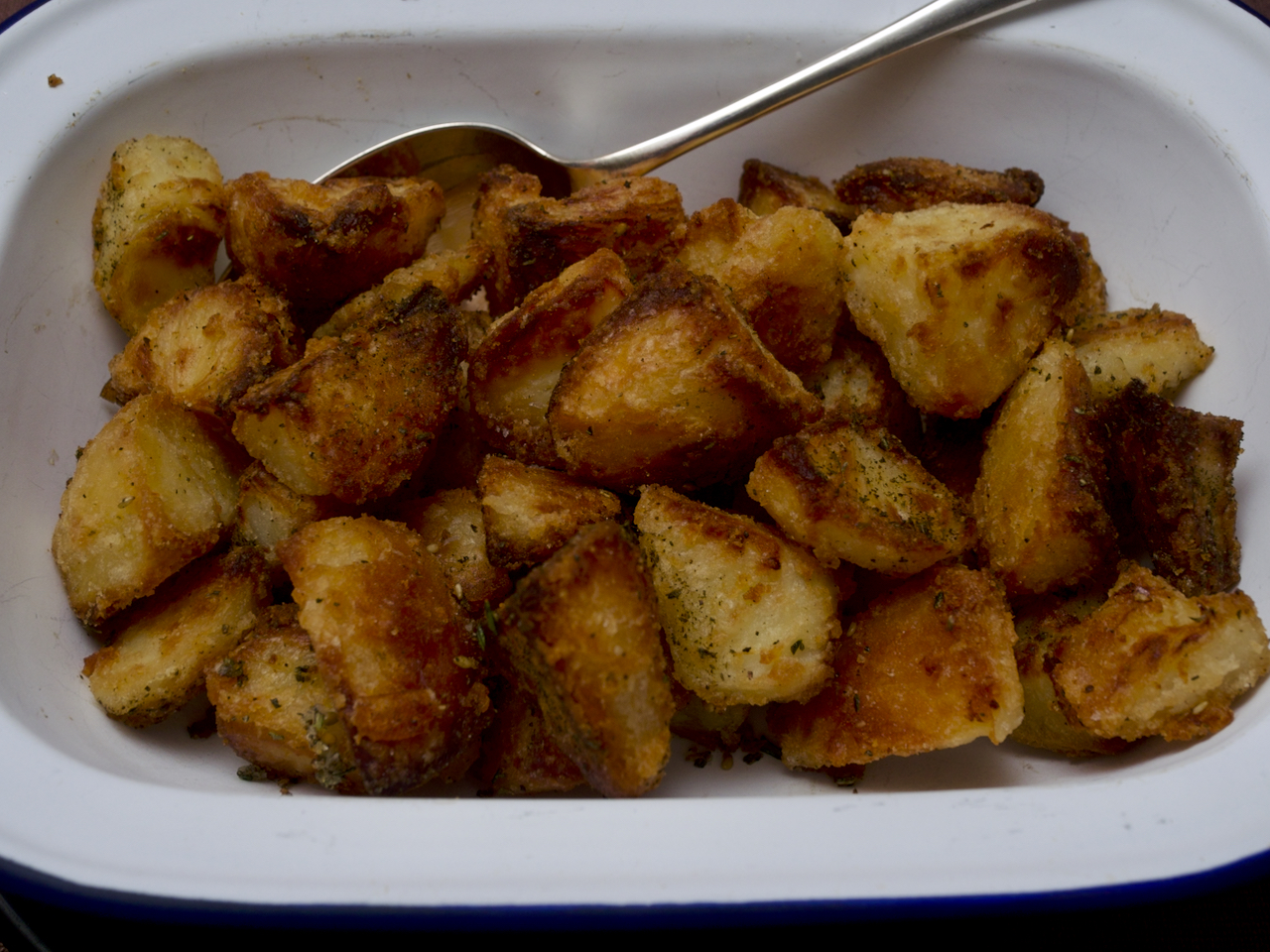
Ottolenghi potato dishes are always a big hit and these were no exception. The rice flour makes them particularly crispy.

Roast potatoes with rosemary & za’atar – serves 6 to 8

  • 2.5kg Maris Piper potatoes, peeled and cut fairly small – about 4-5cm chunks
  • 2 tbsp fine salt
  • 3 large sprigs of rosemary, 1 left whole and the leaves of the other 2 finely chopped
  • 150ml sunflower oil
  • 2 tbsp rice flour
  • 1 tsp sea salt flakes
  • 2 tbsp za’atar

Put the potatoes into a large pan and cover with cold water. Add the fine salt and the whole rosemary sprig, then bring to the boil. Simmer for 10-15 minutes, or until just tender. Drain well and throw away the rosemary, then return the potatoes to the warm pan. Leave to dry for at least 15 minutes.

Heat the oven to 220C Fan.

Put the oil in a large roasting tray and put into the oven to heat for 10 minutes.

Add the rice flour to the dry potatoes and gently toss to coat.

Carefully add the potatoes to the hot oil in the tray, then roast for 50 minutes, turning halfway. Add the chopped rosemary and gently toss, then return to the oven for a further 3 minutes. Remove the potatoes from the oven and stir in the sea salt flakes and za’atar.

(Original recipe from Ottolenghi Comfort, Penguin Random House, 2024.)

Read Full Post »

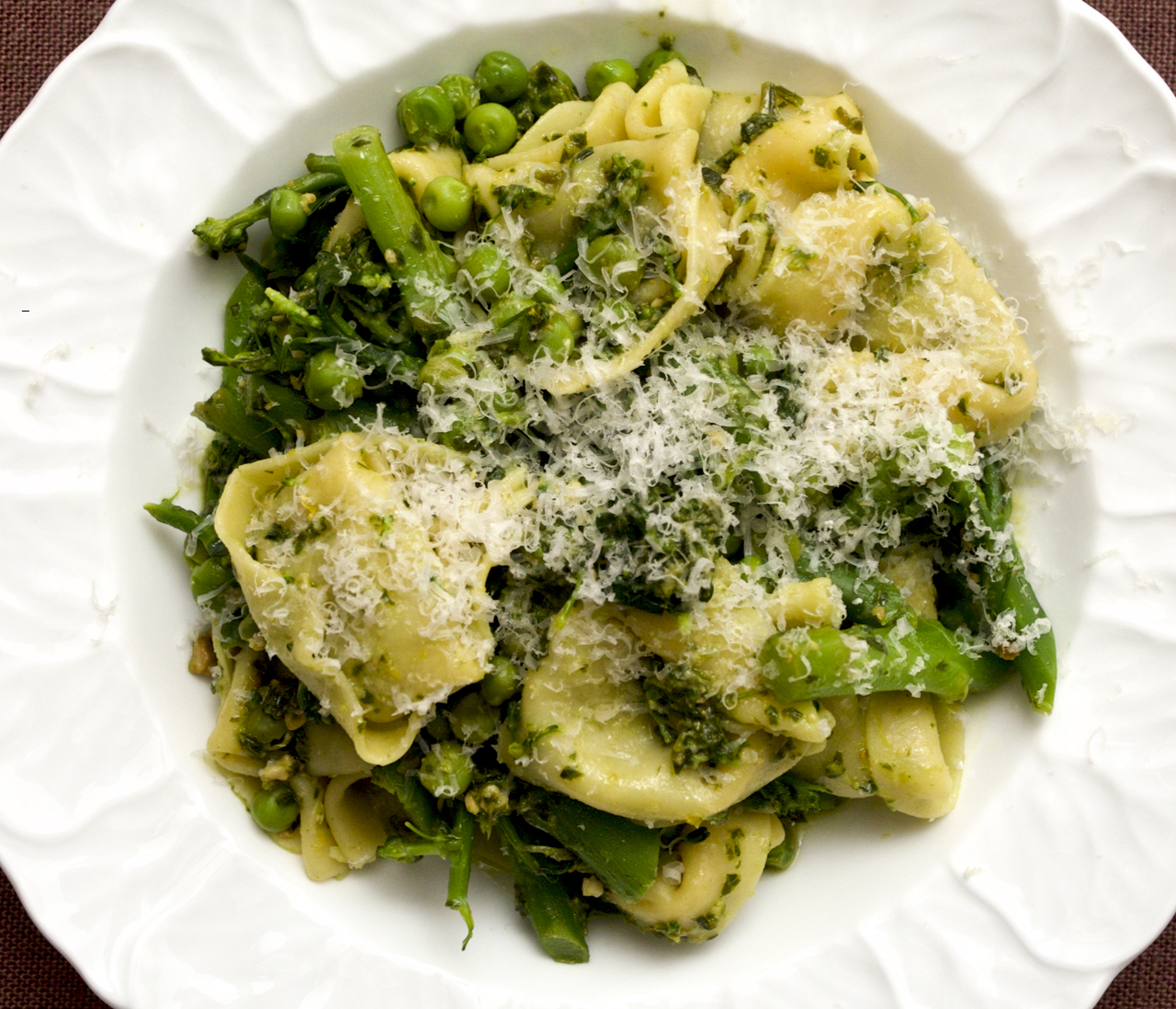
This isn’t really a recipe but it might just save your dinner some evening.

Wine Suggestion: This really works with a zippy, fresh white like the Höpler Gruner Veltliner. Elegant and minerally with a real purity of pear and lemon flavours overlaid with a light white pepperiness and savoury umami finish

Pea, broccoli & pesto tortellini – serves 2

  • 200g tenderstem broccoli, cut into short pieces
  • 100g frozen peas
  • 250g pack spinach & ricotta tortellini
  • 1 lemon, zested and juiced
  • 4 tbsp fresh pesto
  • Parmesan, to serve
  • best extra virgin olive oil, to serve

Bring a large pot of salty water to the boil, then add the broccoli and cook for 1 minutes. Add the frozen peas and cook for 2 more minutes, then scoop all the veg out with a slotted spoon and set aside.

Bring the water back to the boil and cook the pasta according to the pack instructions.

Drain the pasta well and return it to the pan. Add the lemon, cooked veg and pesto and gently toss to combine. Serve in warm bowls with Parmesan and a glug of olive oil if you like.

Read Full Post »

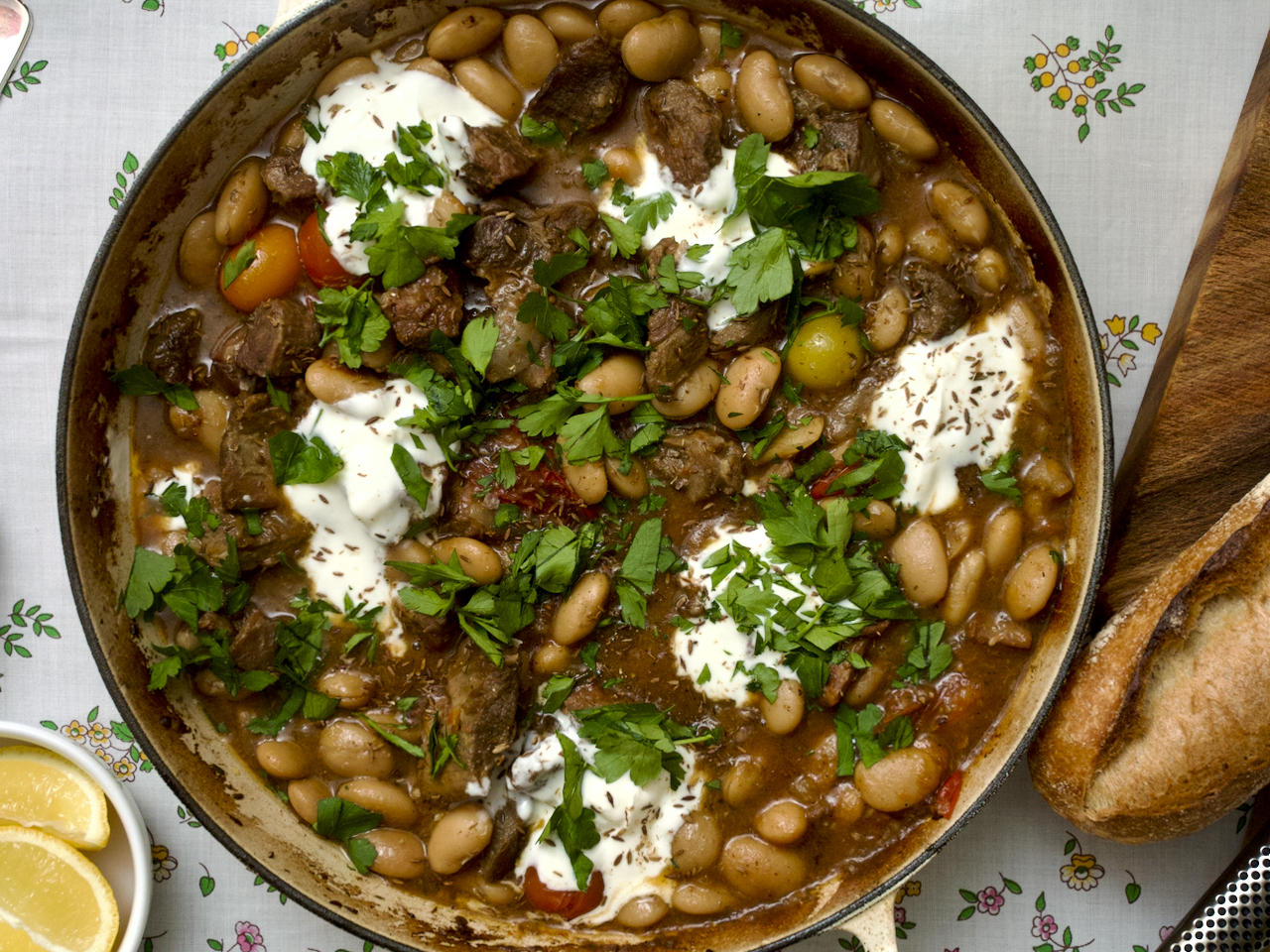
A delicious prep-ahead dish that only improves if made in advance. Serve with salad and crusty bread.

Slow-cooked lamb with butterbeans – serves 4

  • 2 tsp coriander seeds, toasted and lightly crushed
  • 2 ½ tsp cumin seeds, toasted and lightly crushed
  • ¼ tsp sea salt flakes
  • 800g lamb neck, cut into bite-size cubes
  • 4 tbsp olive oil
  • 2 onions, quartered
  • 2 bay leaves
  • 1 lemon, finely shave the skin into strips, then cut into wedges to serve
  • 6 cloves of garlic, peeled and lightly smashed
  • 4 anchovies, finely chopped
  • 1 tbsp thyme leaves
  • 1 tbsp rosemary leaves, finely chopped
  • 250g cherry tomatoes
  • 75ml white wine
  • 500ml chicken stock
  • 1 x 700g jar good quality butter beans, drained and rinsed
  • 150g thick Greek-style yoghurt
  • 10g parsley, roughly chopped

Mix the coriander seeds and 2 tsp of the cumin seeds together in a small bowl.

Mix the remaining ½ tsp of cumin seeds with the sea salt flakes and set aside.

Season the lamb with salt and pepper.

Heat 2 tbsp of the olive oil in a large shallow ovenproof casserole over a medium-high heat. Add the lamb in batches and cook until nicely browned. You can add another tbsp of oil if needed. Scoop out with a slotted spoon onto a plate and set aside.

Add 2 tbsp of the oil to the pan and reduce the heat to medium. Add the onions, bay leaves, lemon strips and garlic and cook for about 6 minutes, stirring now and then. Add the anchovies, the coriander-cumin mix, thyme, rosemary and half the tomatoes. Cook for a minute, then return the lamb to the pan. Cook for a minute, then add the wine. Let it bubble for 30 seconds, then add the stock and season well with salt and pepper. Increase the heat and bring to a simmer, then cover and transfer to the oven for 1½ hours, until the lamb is very soft and the liquid well-reduced.

Add the butter beans and the rest of the tomatoes. Stir, cover again and return to the oven for another 20 minutes. Remove from the oven and allow to rest for 15 minutes.

Serve sprinkled with the salt and cumin seed mix and the chopped parsley.

Salad and crusty bread is all you need on the side.

(Original recipe from Ottolenghi Comfort by Yotam Ottolenghi, Helen Goh, Verena Lochmuller and Tara Wigley, Ebury Press, 2024.)

Read Full Post »

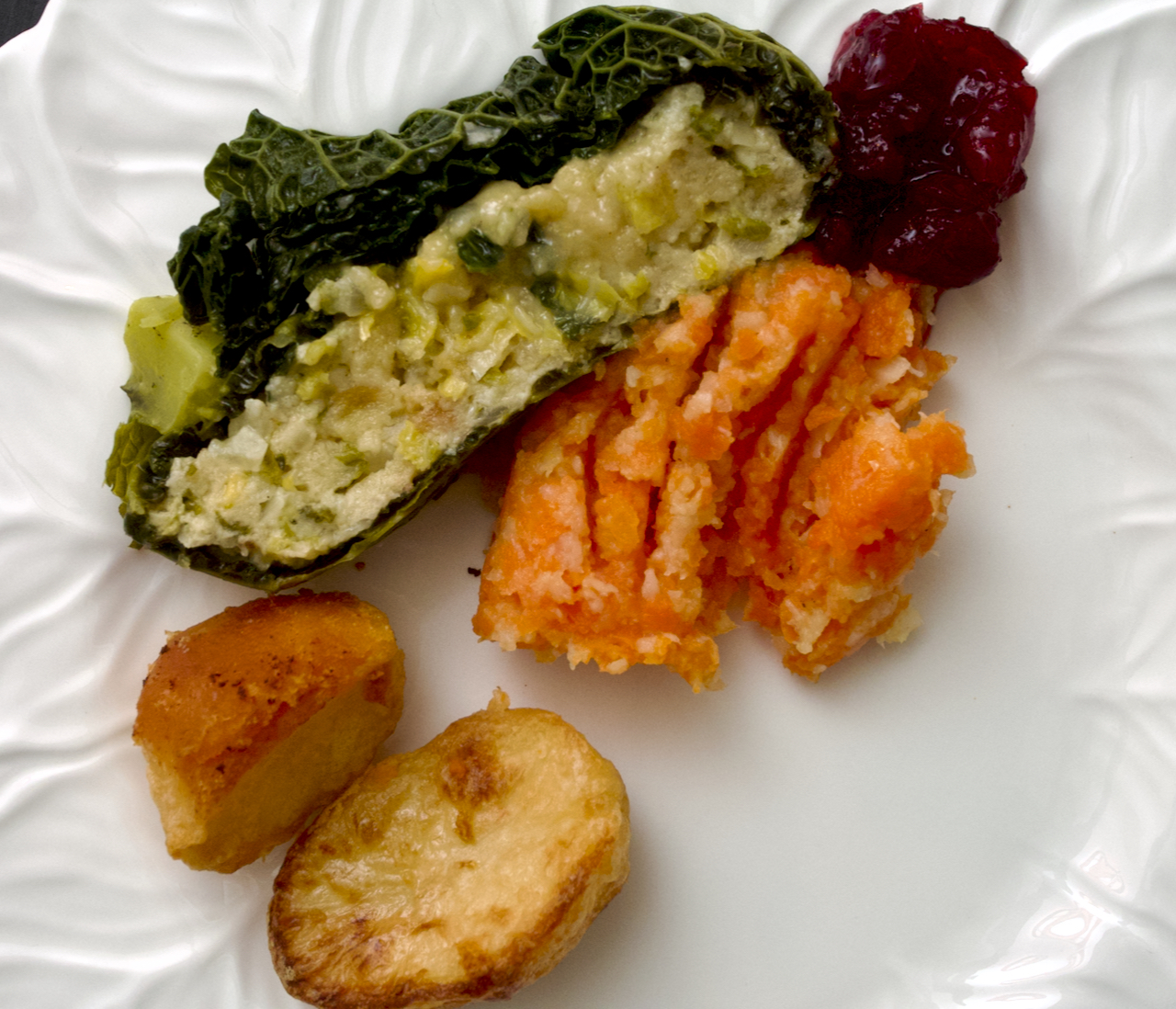
This is a handy veggie recipe to have up your sleeve. It works perfectly with all the sides you would typically serve with a roast dinner and it would also be nice as a side dish. Even better you can have it all prepped in advance and you can freeze it.

Wine Suggestion: Perfect with an oaked white like Oliver Leflaive’s Bourgogne Blanc Les Setilles, which has real class despite it’s lowly level within the Burgundy classification system.

Stuffed cabbage – makes 2 and each serves 4 to 6

  • 1 Savoy cabbage
  • 160g butter
  • 50ml extra virgin olive oil
  • 3 onions, finely chopped
  • 4 cloves of garlic, crushed
  • 200g Cheddar cheese, finely grated
  • 200g Parmesan, finely grated
  • 180g breadcrumbs
  • 4 eggs, lightly beaten
  • nutmeg
  • vegetable stock

Remove 8 of the outer leaves from the cabbage and simmer for 5-10 minutes until softened, then drain and set aside.

Melt the butter and oil together in a large pan over a medium-low heat. Add the onions and garlic with 1tsp salt and cook for 20 minutes, stirring regularly, until softened.

Cut the cabbage into quarters and discard the tough core. Shred it very finely, then add to the pan and cook for another 10 minutes or so, until soft and wilted.

Turn the heat off, then mix both cheeses into the cabbage until melted. Add the breadcrumbs and eggs and stir well to combine. Season with salt and pepper and a little grated nutmeg.

Divide the filling in half. Take 4 of the cooked cabbage leaves and lie them down in a rough circle so they are slightly overlapping. Spoon half the filling on top in a rough rectangle shape, then wrap the leaves around to enclose. Tie it in multiple places along it’s length to hold it together, then tie it again along the length. Repeat with the rest of the cabbage leaves and stuffing. You can now store these in the fridge until your’re ready to cook them or freeze for another day.

To cook, bring a large pot of vegetable stock to the boil. Carefully lower one stuffed cabbage into the stock and simmer gently for 30-40 minutes. Carefully lift out of the pan and leave to rest for 10 minutes before carving into slices.

(Original recipe from Stagioni by Olivia Cavalli, Pavilion, 2022.)

Read Full Post »

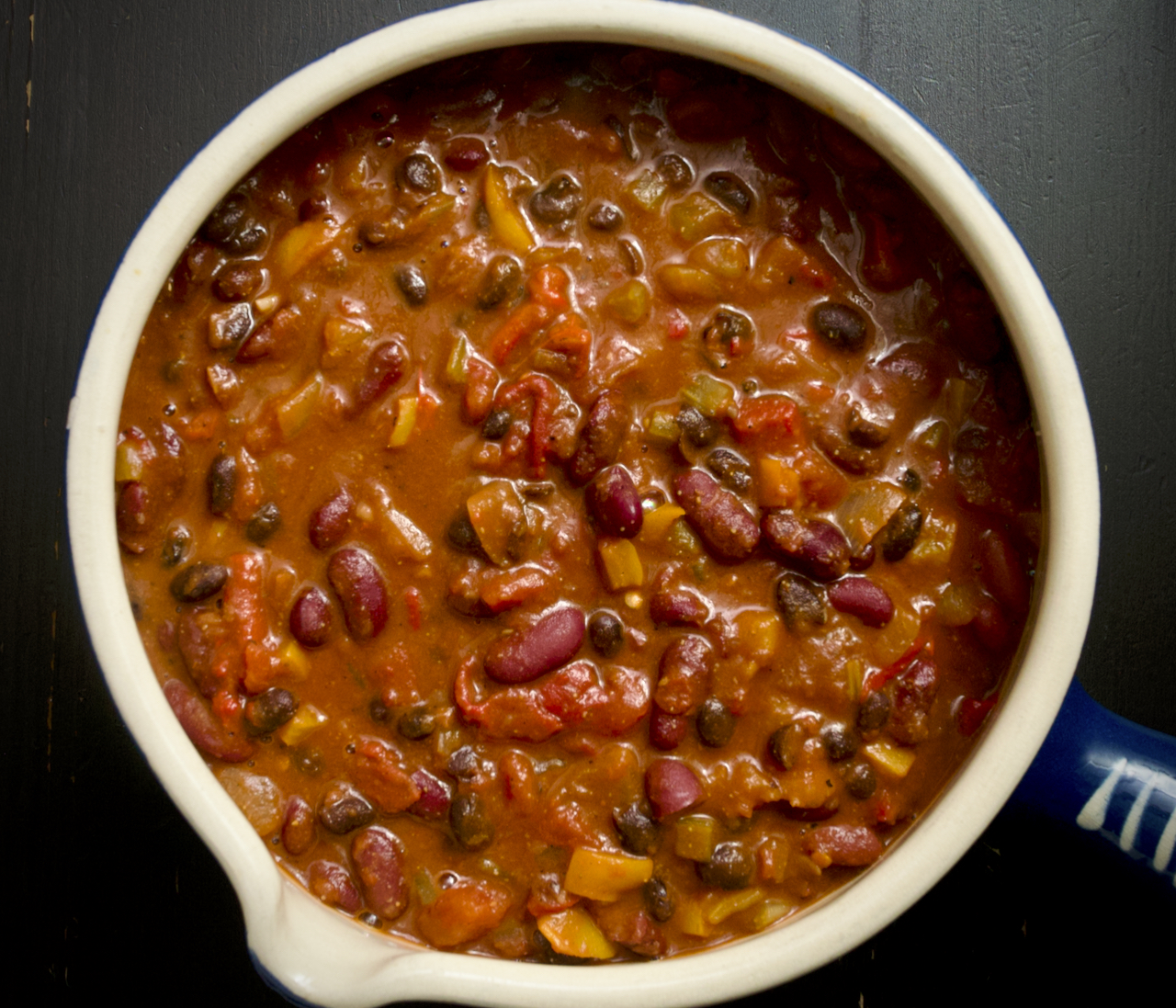
This makes a big batch and it freezes well. Serve with rice, tortilla chips, sour cream, avocado and lime wedges.

Wine Suggestion: We like the textures and juiciness of a good Côtes du Rhône, like Domaine Romain Roche’s Cairanne which is a blend of Grenache and Syrah plus a herbal, earthy touch of Carignan that works well with the earthy beans

Bean chilli – serves 6 to 8

  • 2 tbsp vegetable oil
  • 2 onions, finely chopped
  • 4 cloves of garlic, finely chopped
  • 2 yellow peppers, deseeded and roughly chopped
  • 2 roasted peppers from a jar, drained and roughly chopped
  • 15g coriander, stalks finely chopped and leaves kept to serve
  • 2 tbsp ground cumin
  • 1 tsp ground coriander
  • ¼ tsp ground cinnamon
  • 2 tsp dried oregano
  • 1 tbsp light brown soft sugar
  • 1-2 tbsp chipotle paste
  • 400g tin of black beans
  • 400g tin of kidney beans
  • 400g tin of cannellini beans
  • 400g tin chopped tomatoes
  • 300ml vegetable stock

Heat the oil in a large casserole or a deep pan over a medium-low heat. Add the onion with a pinch of salt and cook for 10-12 minutes. Add the garlic and peppers and cook for a further 5 minutes.

Stir in the coriander stalks, spices, oregano, sugar and chipotle paste. Cook for 5 minutes more, then pour in the beans with their liquid, the tomatoes and the stock. Season well and bring to a simmer.

Leave the chilli on a gentle simmer for about an hour or until it has thickened and reduced. Taste for seasoning before serving with rice, tortilla chips, avocado, sour cream, lime wedges, and the coriander leaves.

(Original recipe from BBC Good Food Magazine, January 2024.)

Read Full Post »

These little savoury diamonds are perfect with aperitifs.

Cheese & tapenade puffs – makes 28-32

  • 1 x 320g ready-rolled puff pastry sheet
  • 2 tbsp black olive tapenade
  • 55g mature Cheddar, grated
  • 1 egg, beaten
  • 55g Parmesan, grated

Place the puff pastry sheet on a lightly floured work surface.

Spread the tapenade over one half of the pastry. Sprinkle the Cheddar cheese over the tapenade then fold the other side of the pastry over to encase the tapenade.

Dust the top of the pastry with a little flour then reroll to the oringal size and shape. Brush the surface with beaten egg and sprinkle over the Parmesan. Very gently roll the rolling pin over the top just to press the cheese into the pastry. Transfer to a tray lined with baking paper and chill in the fridge for 30 minutes.

Heat the oven to 200C/180C/Gas 6.

Line 2 baking sheets with non-stick baking paper.

Trim the edges of the rectangle to make it neat, if needed, then divide the pastry into 4 strips vertically. Remove a small triangle from each end, then slice each strip into 6-7 diamond shapes. Chill in the fridge again for just 10 minutes.

Put the diamonds the prepared baking sheets and bake in the hot oven vor about 15 minutes, or until golden brown . Leave to cool slightly on a wire rack and serve warm.

(Original recipe from Mary’s Foolproof Dinners by Mary Berry, Penguin: Random House UK, 2024.)

Read Full Post »

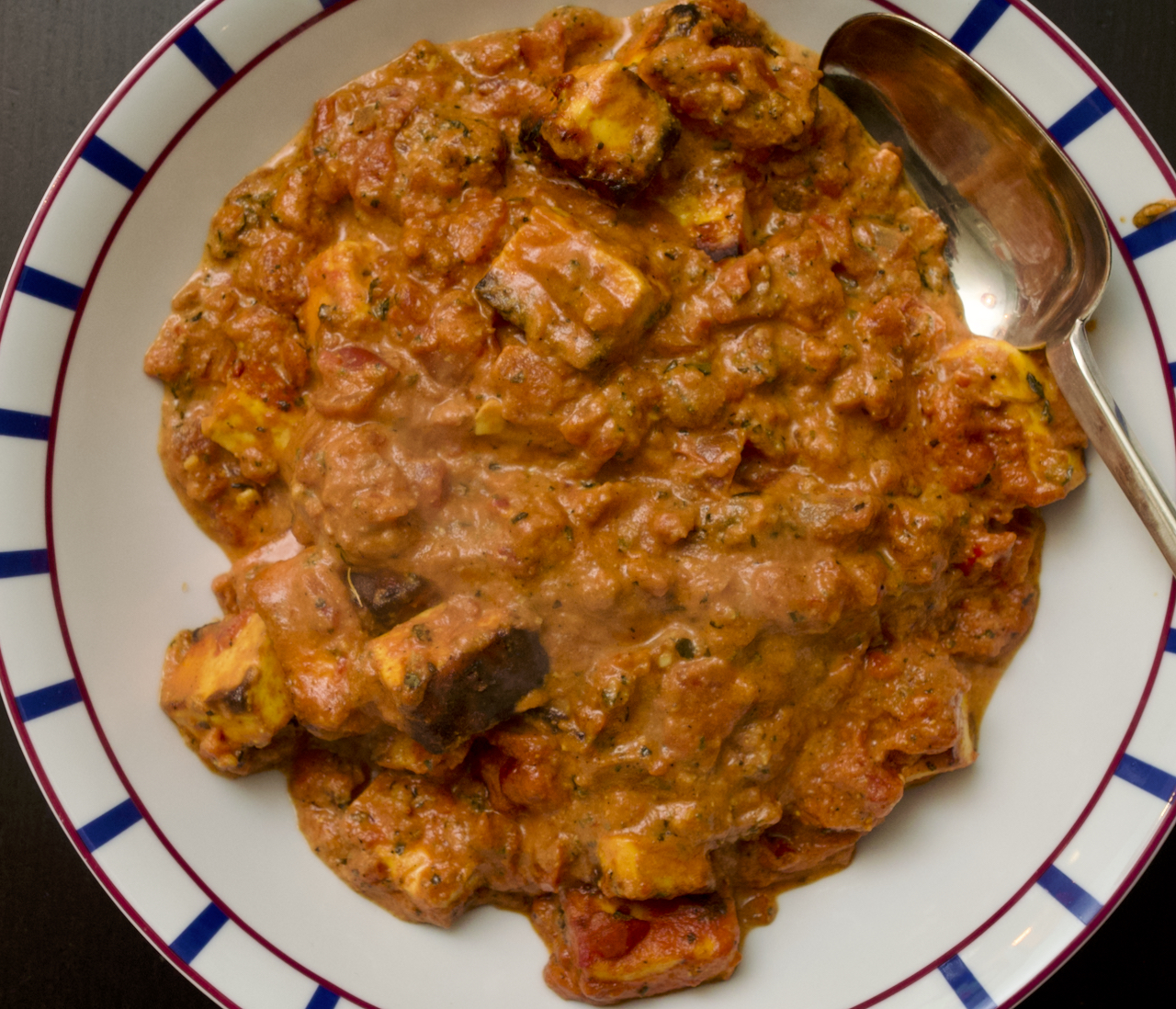
This is baked in the oven and couldn’t be easier to make. Serve with naan breads.

Butter Paneer – serves 4

FOR THE PANEER:

  • rapeseed oil
  • 600g hard paneer, cut into large cubes
  • 6 cloves of garlic, crushed
  • 2cm x 2cm ginger, finely grated
  • 1 tsp Kashmiri chilli powder
  • ½ tbsp lemon juice
  • ¾ tsp salt
  • ½ tsp ground turmeric
  • 5 tbsp Greek yoghurt

FOR THE BUTTER SAUCE:

  • 1 tsp Kashmiri chilli powder
  • 1 tsp garam masala
  • 1 tsp ground cumin
  • ½ tsp ground cardamom
  • ¾ tsp salt
  • 2 tbsp runny honey
  • 2 x 400g tins finely chopped tomatoes
  • 150ml double cream
  • 1½ tbsp kasoori methi
  • a slab of butter

Preheat the oven to 200C fan/ 220C/ gas 7.

Line a large, deep baking tray with non-stick baking paper and brush it lightly with oil.

Put the panneer cubes into a large bowl and add half the garlic, half the ginger, the chilli powder, lemon, salt, turmeric and yoghurt. Mix well to coat the paneer, then tip into the lined tray.

Bake the panner in the oven for 25 minutes or until it’s starting to blacken at the edges.

Take the tray out of the oven and stir in 3 tbsp of oil and the rest of the garlic and ginger, then add the spices for the sauce, the salt and the honey. Stir to mix well, then add the tomatoes, making sure the paneer is completely covered. Return to the oven for another 30 minutes.

Remove the tray from the oven and stir through the cream, crumble over the kasoori methi, then stir again and put back in the oven for another 10 minutes. Remove the tray from the oven and stir in the butter. Serve with hot naan breads.

(Original recipe from Dinner by Meera Sodha, Penguin: Fig Tree, 2024.)

Read Full Post »

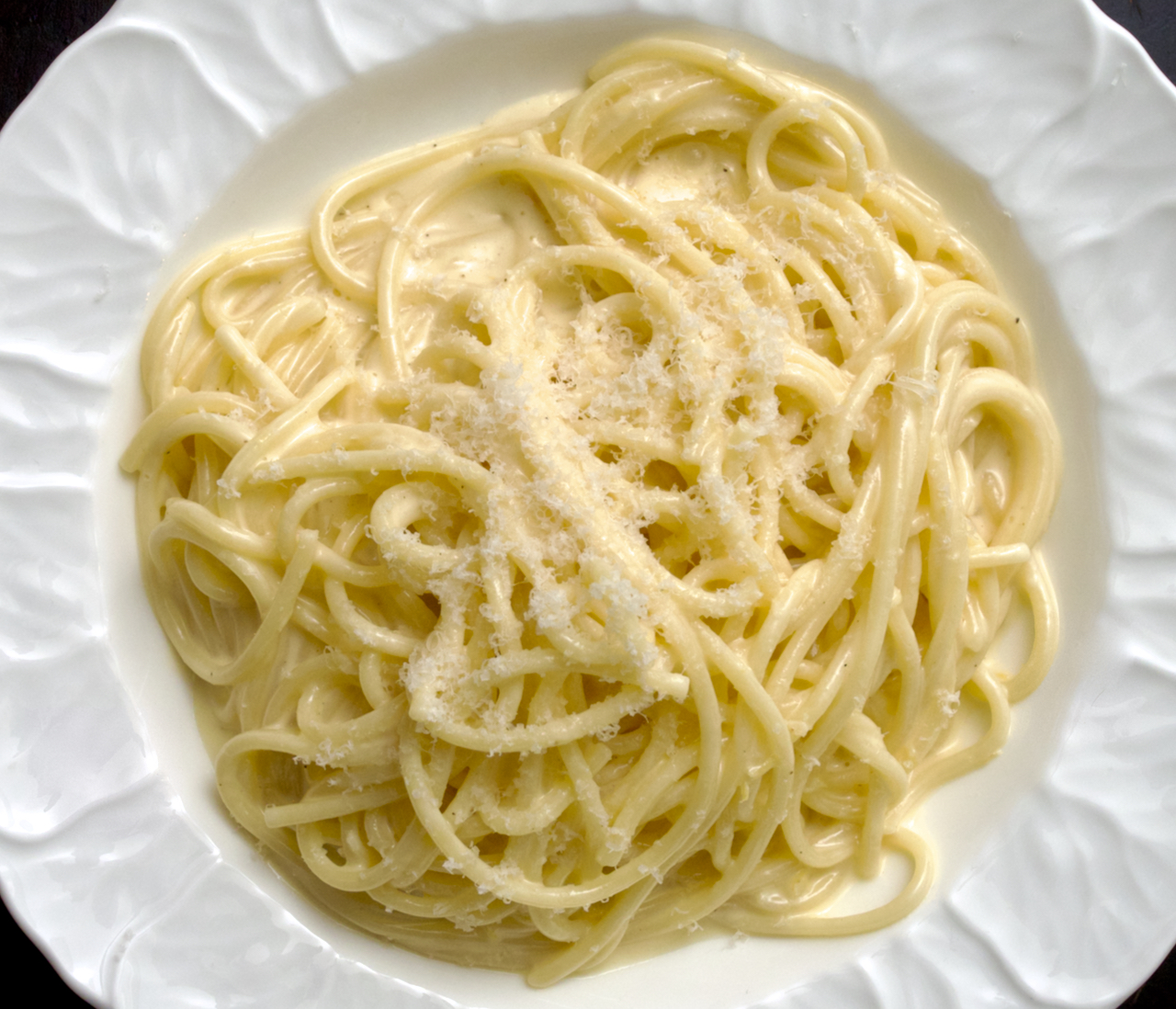
This is very rich and delicious so you can serve it in slightly smaller portions. The cooking time is a bit longer than our usual lemon spaghetti but it’s worth it for the flavour and silky texture. Perfect for an indulgent lunch at the weekend.

Wine Suggestion: An oaky white like the Dominio de Tares Old Vine Godello which is fermented with wild yeasts and aged in oak barrels. This makes it more complex, savoury and gtreat with rich, velvety foods like this.

Spaghetti al Limone – serves 6

  • 225ml cream
  • 2 unwaxed lemons (zest of 2 and juice of 1)
  • 100g butter
  • 500g spaghetti
  • 150g grated Parmesan cheese, plus extra to serve

Put the cream and the lemon zest into a large heavy-based saucepan and bring to the boil. Lower the heat and simmer for 2 minutes.

Now start adding the butter, about 1 tbsp at a time while stirring continuously. Wait for 30-45 seconds before adding the next tbsp of butter – it should be completely melted before you add any more. Keep going until you have used all the butter and you have a rich sauce. Set aside.

Cook the spaghetti in lots of salty water until al dente. Scoop out a mugful of the pasta water before draining.

Add half the pasta water to the cream sauce and bring to a simmer. Season generously with salt and pepper.

Turn the heat back down to low, then add the cooked spaghetti and toss to coat. Add the Parmesan, 1 tbsp at a time, as you did with the butter and waiting 30-45 seconds between each addition. Stir continuously and add another splash of pasta water if it starts to get stiff. Keep going until all the Parmesan has been added, then pour in the lemon juice and toss once more.

Serve in warm pasta bowls and top with a little extra Parmesan.

(Original recipe from Avoca at Home, Penguin Random House, 2022.)

Read Full Post »

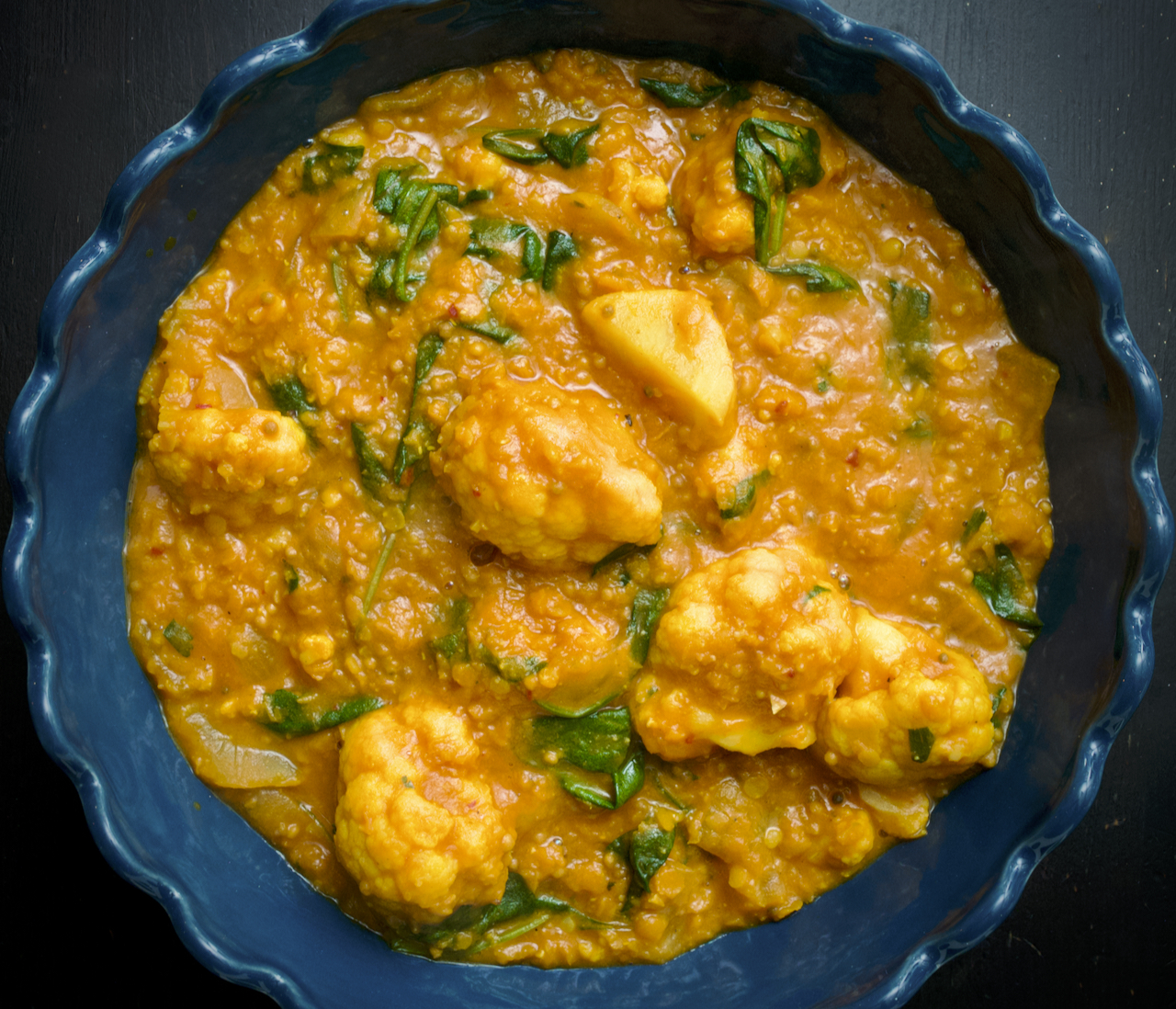
There is one person in our household of 3 who has decided to be a vegetarian for January. We’re not all joining in as there was far too much other stuff in the freezer but we’re trying to batch cook things like this to keep her going for the month and to avoid her living on koka noodles. This is a simple and lovely dahl. Serve with rice and naan or flatbreads. It is also suitable for those doing veganuary.

Wine Suggestion: We quite like an earthy dahl with a beer and chose a local brew, the Barrelhead Hopsburgh Helles, a creamy pale golden German style lager that’s lovely and smooth.

Cauliflower, lentil & coconut dahl – serves 4 to 6

  • 4 tbsp coconut oil
  • 2 tbsp mustard seeds
  • 1 large onion, diced
  • 4 cloves of garlic, finely chopped
  • 2 tsp ground coriander
  • 2 tsp ground turmeric
  • 1 tsp ground cumin
  • ½ to 1 tsp chilli flakes, to taste
  • 1 medium head of cauliflower, cut into bite-size pieces
  • 180g dried red lentils
  • 1 x 400ml tin coconut milk
  • 400ml tomato passata
  • 600ml water
  • 75g baby spinach
  • 2 tbsp chopped coriander
  • juice of 1 lemon

Melt the coconut oil in a large heavy-based saucepan over a medium heat. Add the mustard seeds and cook until they start to pop.

Add the onion with a large pinch of salt and cook for 10 minutes, until softened but not browned. Add the garlic and cook for a further minute, then add the ground coriander, turmeric, cumin and chilli flakes and cook for another minute.

Add the cauliflower, lentils, coconut milk, tomato passata and water. Stir well and bring to the boil, then reduce the heat and simmer for 20 to 25 minutes or until the lentils and cauliflower are cooked. Give it a stir occasionally to prevent it sticking.

Add the spinach, coriander and lemon juice and season well with salt and pepper.

Serve with rice and daal or flatbreads.

(Original recipe from Avoca at Home, Penguin Random House, 2022.)

Read Full Post »

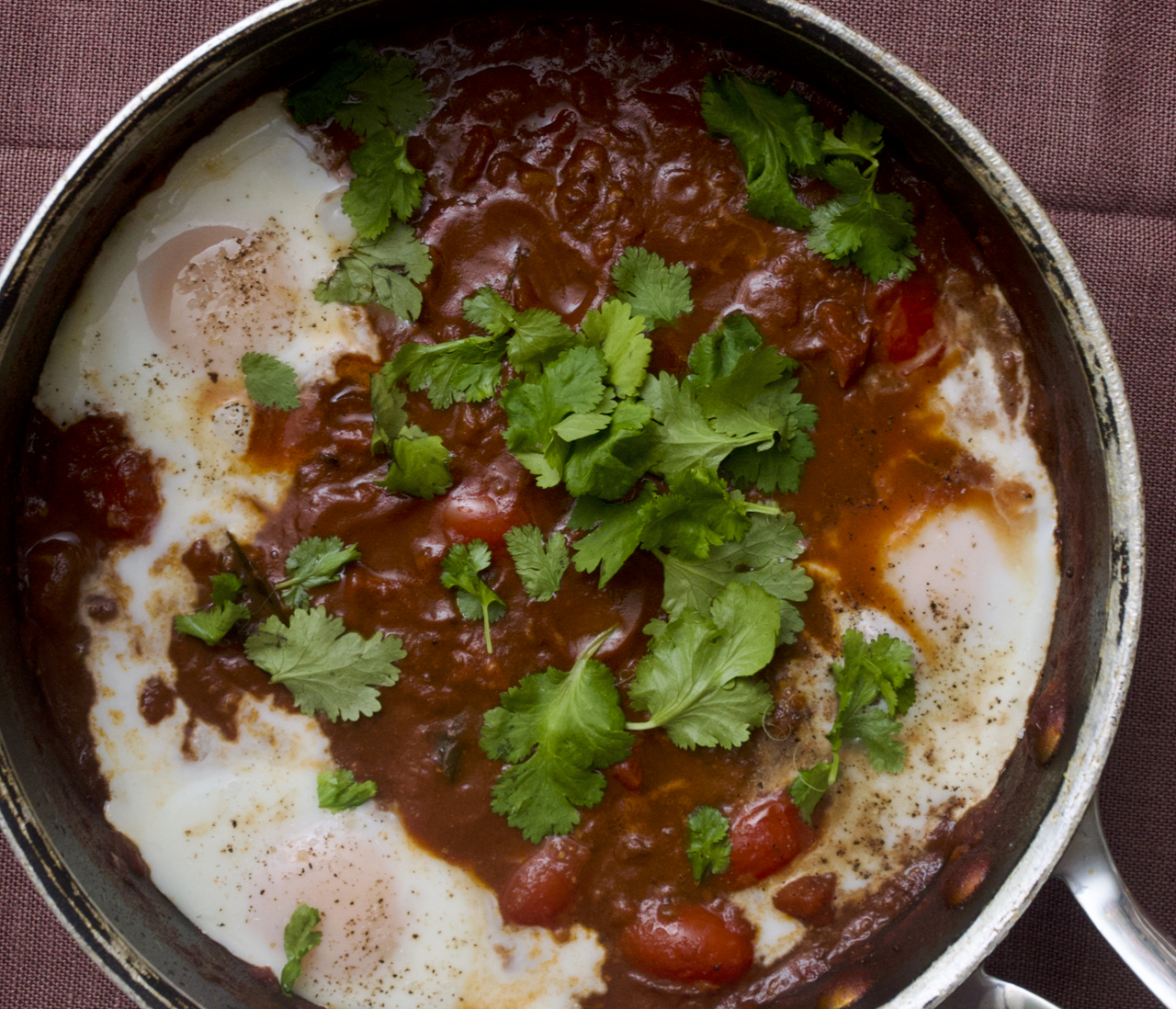
We usually have shakshuka at breakfast time but this shakshuka-style dish works well for dinner with some steamed basmati. We did crack an extra egg into the leftover sauce the following morning though.

Egg Sambal Shakshuka – serves 4

  • 1½ tsp fennel seeds
  • 2 cloves
  • seeds from 2 cardamom pods
  • ½  tsp ground cinnamon
  • 1½  tbsp medium curry powder
  • 60ml olive oil
  • ½ tsp black mustard seeds
  • 20 curry leaves
  • 1 red onion, halved and thinly sliced
  • 10g ginger, peeled and finely grated
  • 5 cloves of garlic, crushed
  • 10g coriander, stalks finely chopped and leave to serve
  • 150g datterini or cherry tomatoes
  • 2 tsp sambal oelek
  • 1 x 400g tin crushed tomatoes
  • 100ml tamarind concentrate
  • 300ml water
  • 15g palm sugar or light brown soft sugar
  • 5 eggs

Put the fennel seeds, cloves and cardamom into a small dry frying pan and toast lightly for a couple of minutes or until fragrant, then grind to a powder in a pestle and mortar. Add the cinnamon and curry powder and set aside.

Put 3 tbsp of the oil into a large sauté pan and place on a medium heat. Add the mustard seeds and 10 curry leaves and cook for 1 minute, until the seeds start to pop. Add the onion and cook for about 7 minutes, until starting to colour. Add the ginger, garlic, coriander stalks and fresh tomatoes, cook for another 5 minutes, then add the fennel spice mix. Cook for 2 minutes, then add the sambal oelek, tinned tomatoes, tamarind, water, sugar and 1½  tsp of salt. Stir and bring to a simmer. Reduce the heat to meidum-low and cook for 20-25 mintues, until thickened.

Crack the eggs into the sambal and sprinkle them with salt and pepper. Cover the pan and cook for 7-8 minutes, until the egg whites are cooked and the yolks just soft.

Meanwhile, put 3 tbsp of the oil into a small pan over a medium heat. Add the rest of the curry leaves, cook for about a minute or until very fragrant. Remove from the heat and drizzle the oil and curry leaves over the eggs and scatter over the coriander, leaves. Serve.

(Original recipe from Ottolenghi Comfort by Yotam Ottolenghi, Helen Goh, Verena Lochmuller and Tara Wigley, Ebury Press, 2024.)

Read Full Post »

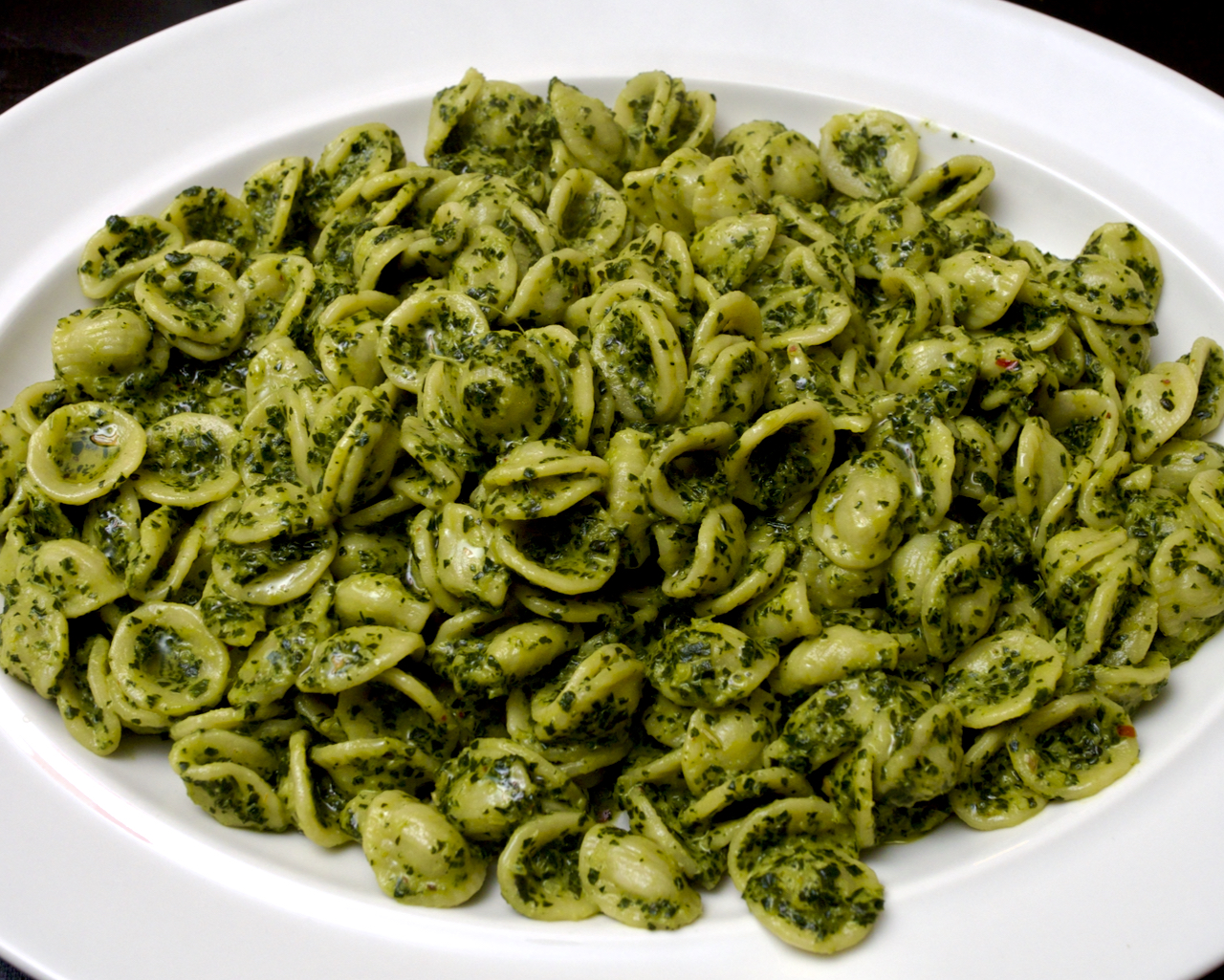
Lovely flavours and smells in this. We don’t have a blender but a food processor did an ok job – a blender will give a smoother sauce.

Wine Suggestion: We think this dish suits a white with a complex mix of fruit, herbal and mineral flavours and some of the best with this combination come from Sicily. Tonight the Casematte Grillo Pharis which is grown facing the straights of Messina and made in a combination of large oak barrels and concrete. Smooth and deep with a lovely Sicilian citrus twiest at the end.

Miso butter greens pasta – serves 4

  • 60g unsalted butter
  • 5 cloves of garlic, chopped
  • ½ tsp fennel seeds
  • ½ tsp chilli flakes
  • 100g broccoli, chopped
  • 400g cavolo nero, discard the stalks and slice the leaves
  • ¾ tsp salt
  • 2½ tbsp white miso paste
  • 3 tbsp extra virgin olive oil
  • 500g orecchiette
  • extra virgin olive oil, to serve

Melt the butter in a large pot on a medium-high heat. Wait until it bubbles, then add the garlic, fennel seeds and chilli flakes. Cook, stirring, for 2-3 minutes until the garlic smells cooked.

Add the broccoli, cavolo nero, salt and 250ml of water. Stir, then cover and turn the heat to medium-low and cook, stirring every few minutes, for 8-10 minutes or until the greens have wilted and become tender.

Scrape the contents of the pan into a blender or food processor and add the miso and olive oil. Blend until smooth, you can add a little water if you need.

Rince out the greens pan, fill with water and bring to the boil (don’t add salt as the miso is salty). Cook the pasta according to the packet instructions and reserve a mug of the pasta cooking water before draining.

Drain the pasta, then return to the pot and add the sauce. Add enought of the cooking water to get the sauce to a nice consistency. Taste and season with salt if needed.

Spoon onto a serving platter and drizzle with olive oil.

(Original recipe from Dinner by Meera Sodha, Penguin: Fig Tree, 2024.)

Read Full Post »

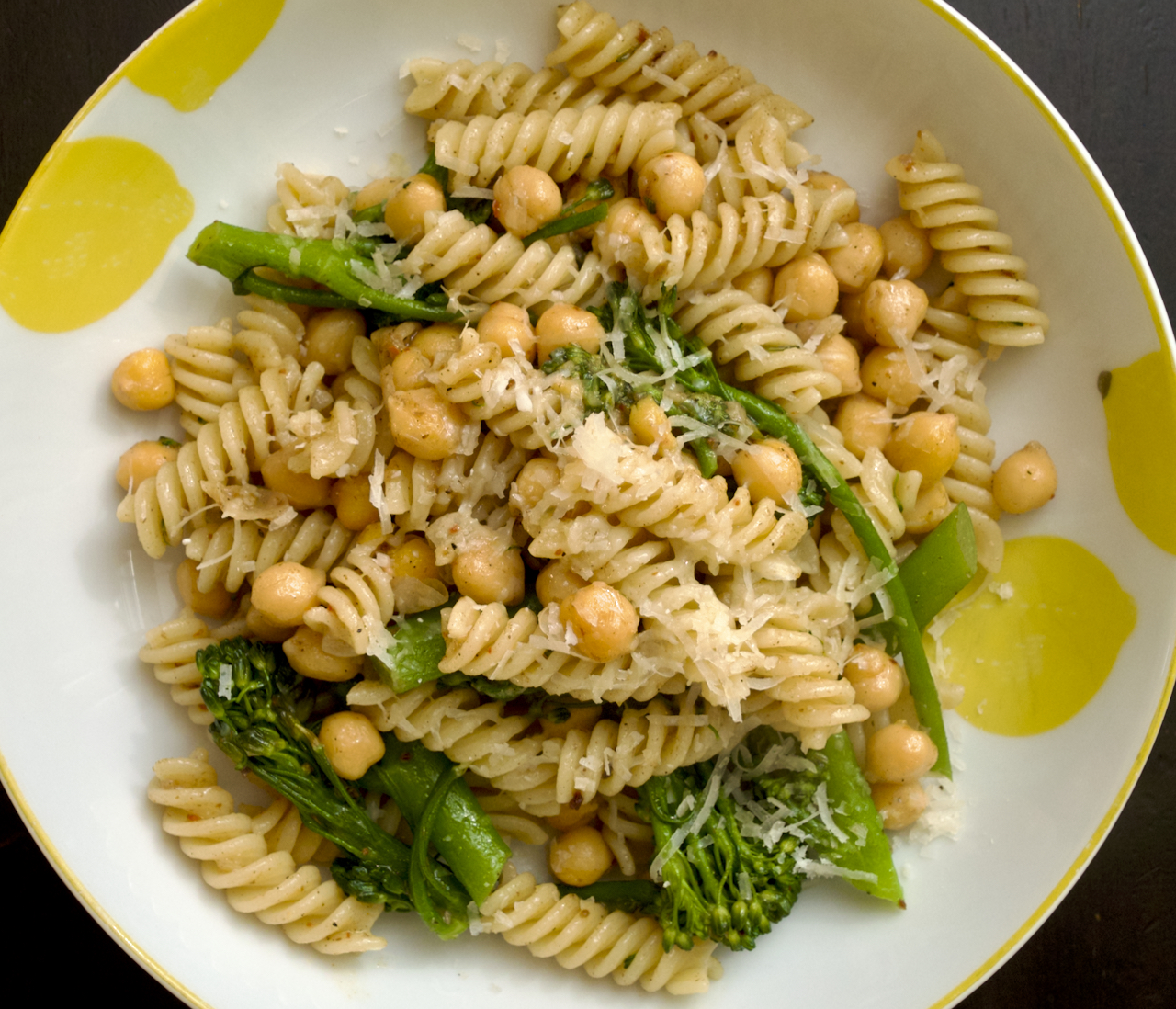
Back to school routine and quick fixes are required. This one is nice!

Wine Suggestion: An uncomplicated, but tasty dish requires similar from a wine. Tonight’s choice was Graziano Pra’s “Otto” Soave Classico with classic green apple and almond flavours. Fresh and lighlty floral with a gentle texture that helps it pair with food.

Pasta with broccoli, anchovy and cumin – serves 4

  • 300g dried fusilli or other short pasta
  • 90ml olive oil
  • 3 cloves of garlic, peeled and crushed
  • 6 anchovy fillets, drained and finely chopped
  • zest and juice of ½ lemon
  • 1 tsp ground cumin
  • 370g jarred chickpeas, drained (but don’t rinse)
  • 1 tsp aleppo chilli powder
  • 200g tenderstem broccoli, cut into 2½ cm lengths
  • 30g Parmesan, finely grated

Bring a large pan of water to the boil and add plenty of salt. Add the pasta and cook for 3 minutes less than the time indicated on the pack.

Meanwhile, pour the oil into a large sauté pan and put over a medium heat. Add the garlic and fry for a minute, then stir in the anchovies, lemon zest and cumin, and cook for another couple of minutes. Add the chickpeas, chilli and a good grind of black pepper, mix well and turn off the heat.

When the timer goes for the pasta, add the broccoli to the pasta pot and cook for the remaining 3 minutes. Reserve about 100ml of the pasta cooking water, then drain and add the pasta and broccoli to the chickpea pan. Scatter over two-thirds of the Parmesan, then return the pan to the heat and toss well for a minute, adding enough of the reserved pasta water to make a sauce that coats the pasta.

Spoon into warm bowls, add a squeeze of lemon juice, a pinch of aleppo chilli and the remaining Parmesan.

(Original recipe by Yotam Ottolenghi in The Guardian, 13 Apr 2024.)

Read Full Post »

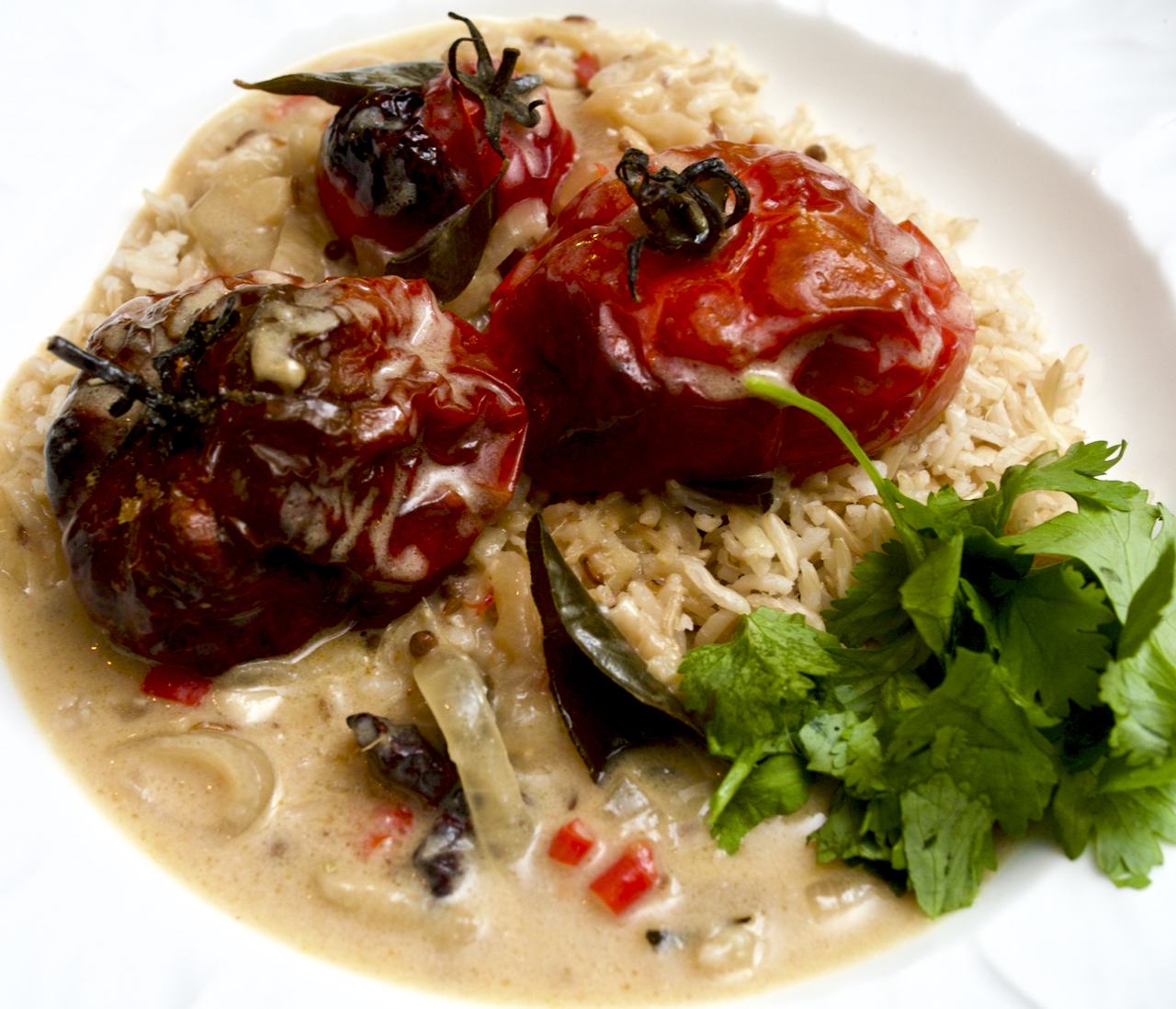
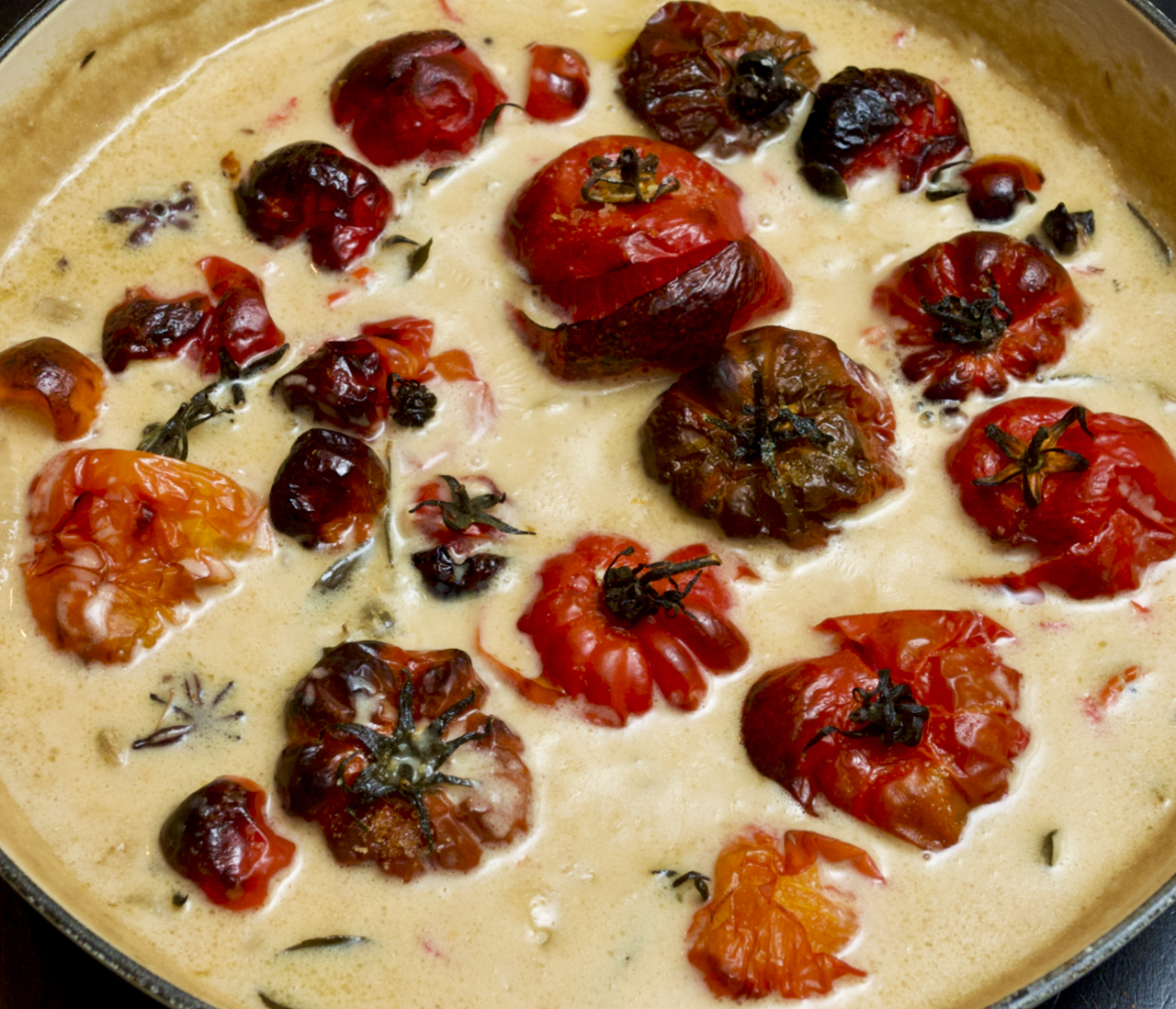
You should be making this curry in late summer / early autumn when the tomatoes are just bursting with ripeness. It’s really only worth it if you can find amazing tomatoes, grown for flavour, rather than a consistent size and shape. We buy ours from a farm shop and you can really taste the difference.

Wine Suggestion: Tomatoes we often pair with higher acid and tannic reds like Sangiovese. However, combined with the creamy coconut and yoghurt we eased off on the acidity and chose Frasca La Guaragna Barbera d’Asti which has a mellow softness and depth. Both wine and food are comforting as the nights begin to turn colder.

Tomato Curry – serves 6

  • 5 star anise
  • 10 cardamom pods
  • 1 heaped tsp cumin seeds
  • 1 heaped tsp coriander seeds
  • 1kg top quality, very ripe tomatoes, lots of different sizes, shapes, and colours if you can
  • 3 tbsp olive oil
  • 2 tbsp coconut oil
  • a big sprig of fresh curry leaves
  • a large onion, finely sliced
  • 5 cloves of garlic, finely sliced
  • 1 or 2 red chillies, finely sliced
  • 40g fresh ginger, peeled and finely chopped
  • 2 x 400g tins of full-fat coconut milk
  • 50ml natural yoghurt
  • cooked brown rice, to serve
  • fresh coriander, to serve

Heat the oven to 200C fan.

Line a large baking sheet with parchment, place all the tomatoes on top and drizzle generously with the olive oil. Season well with salt and bake for 45 minutes to 1 hour. The tomatoes should be slightly caramelised but not totally collapsed.

Meanwhile, heat the coconut oil in a large heavy-based pan over a medium heat. When the oil starts to shimmer, add the spices and fry for 1 minute or until fragrant. Add the curry leaves and sizzle for a few seconds before adding the onion, garlic, chillies and ginger. Season generously with salt and mix together. Cook the onions over a low heat for about 15 minutes or until they are well softened.

Pour in the coconut milk, then rinse out both tins with a little splash of water and add that too. Simmer gently for about 40 minutes, or until thickened, then turn off the heat. Put the yoghurt into a bowl and pour in a ladle of curry sauce. Mix well, then pour the yoghurt mixture into the curry. Taste and adjust the seasoning if needed.

Gently add the baked tomatoes to the curry sauce, taking care not to break them up. Serve with brown rice and fresh coriander leaves.

(Original recipe from The Farm Table by Julius Roberts, Ebury Press, 2023.)

Read Full Post »

Older Posts »