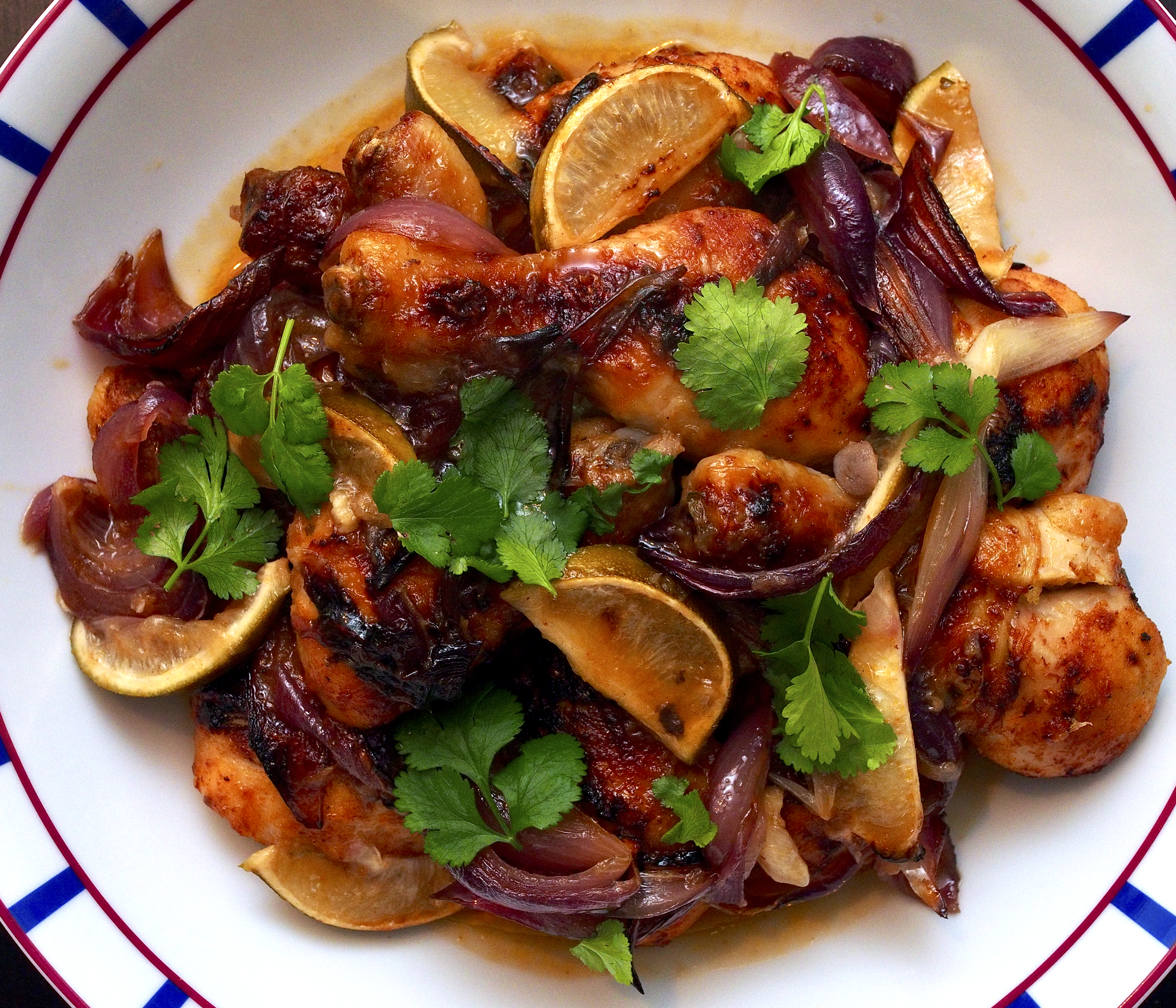
We regularly cook chicken drumsticks mid-week. This is mainly because we end up taking them when we buy chicken thighs from the butchers, we know we’ll always use them. They’re cheap and good for taking on bold flavours, and we particularly liked this marinade.
Wine Suggestion: Find a white with a hint of lime/citrus and juicy, zesty fruits like a good Riesling, Verdejo or Sauvignon Blanc. For us tonight Anthony Girard’s La Clef du Recit Menetou Salon, a Sauv Blanc grown on soils similar to Chablis and becoming a regular at our house.
steamed rice, asian greens & fresh coriander, to serve
Heat the oven to 220C.
Mix the flour and paprika and season well with salt and pepper.
Dry the drumsticks with kitchen paper, then dust them in the seasoned flour and put into a large roasting tin with the onions. Drizzle with the olive oil and roast for 30 minutes, turning once.
Meanwhile, mix the ginger, honey, and chicken stock together. Pour the mixture over the chicken and add the lime wedges. Return to the oven for another 10-15 minutes or until the chicken is cooked and golden brown.
Serve with steamed rice, greens and lots of coriander.
(Original recipe from Bill Granger Every Day, Murdoch Books, 2006.)
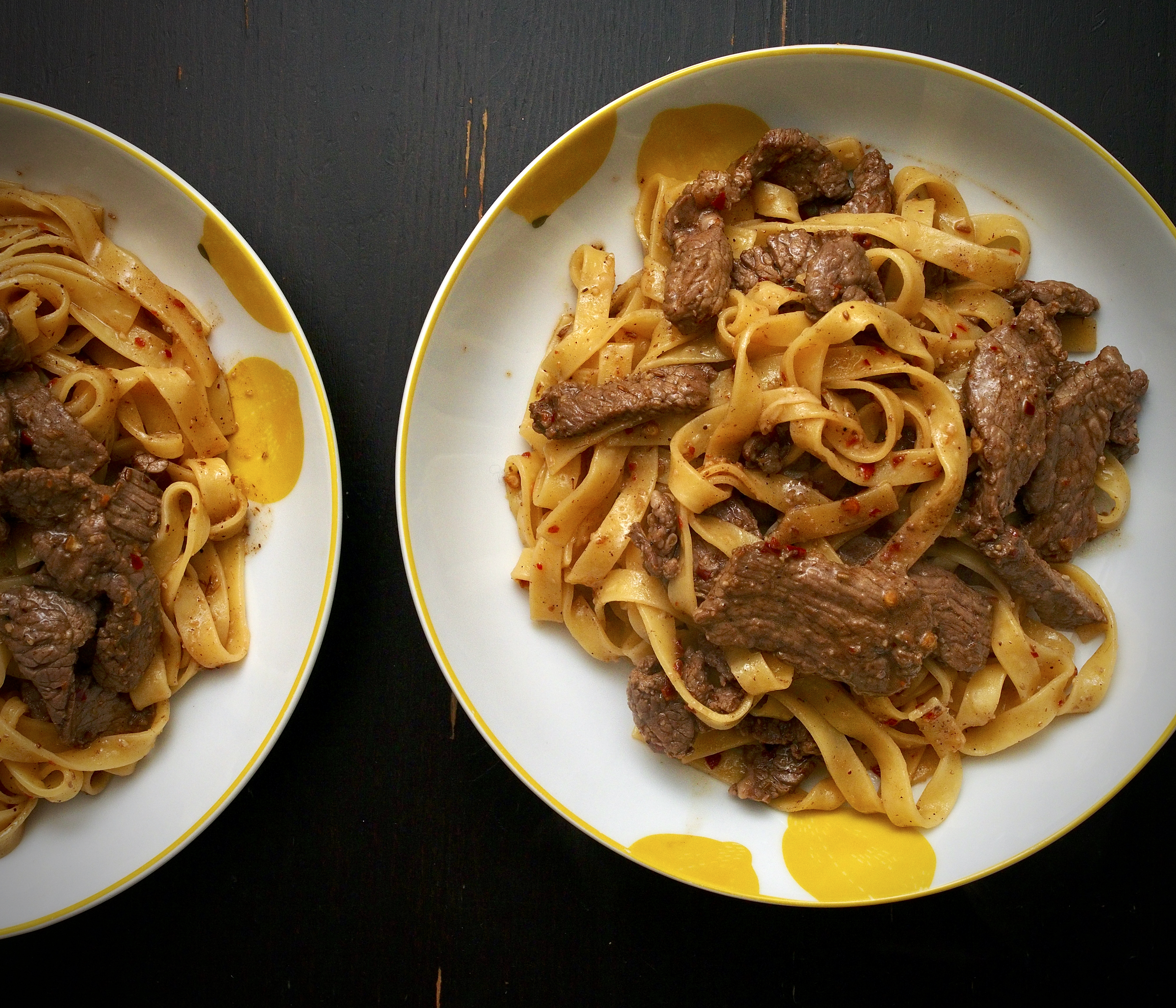
Tender lamb and a sauce rich with cumin and warm spices. Certainly not a combination we’re used to but one that works very well. Do remember to put the lamb in the marinade when you get home from work, don’t skimp on the butter, and don’t be tempted to use any cheese on the pasta, it is not required!
Wine Suggestion: warm, red and spicy; like a good Primitivo (Zinfandel), Monastrell (juicy Mourvedre) or Shiraz. Our choice tonight was Finca Bacara’s Crazy Grapes Monastrell from Jumilla in Spain; juicy, brambly and velvety tannins.
Lamb & Cumin Pasta – serves 4
500g lamb leg steaks
1 tbsp garlic granules
2 tbsp cumin seeds, toasted and ground
1 tbsp chilli flakes
1 tsp ground cinnamon
1 tsp ground coriander
3 tbsp olive oil
1 tsp toasted sesame oil
4 tbsp light soy sauce
1 tsp rice vinegar
250g tagliatelle
50g butter
Put the lamb between sheets of cling film and bash with a rolling pin to flatten. Thinly slice the lamb into strips about ½ cm thick and put them into a non-reactive bowl. Add the garlic granules, spices, olive oil, sesame oil, soy sauce, vinegar and plenty of seasoning and mix well. Cover the bowl and leave to marinate at room temperature for at least an hour.
Cook the pasta in lots of salty water, then drain but keep the cooking water.
Meanwhile, heat a wok over a high heat. When hot, add the lamb and the marinade, cook until seared all over, this shouldnt take more than a few minutes, avoid stirring constantly to allow it to sear.
Remove the wok from the heat and add the butter. Check the seasoning, then add the cooked pasta with a little cooking water to loosen. Serve straightaway.
(Original recipe from Simply by Sabrina Ghayour, Mitchell Beazley, 2020.)
This is tomato pasta sauce but with some unusual additions that make it taste a bit special. We hightly recommend you try this.
Pasta with tomato sauce & brown caper butter – serves 4
400g penne pasta
Parmesan
flat-leaf parsley, chopped, to serve
FOR THE TOMATO SAUCE:
1 onion, chopped
olive oil, for frying
2 garlic cloves, finely chopped
2 tsp finely chopped fresh rosemary
1 tbsp tomato purée
2 x 400g tins plum tomatoes
1 tbsp white miso
1 tsp runny honey
FOR THE BROWN CAPER BUTTER
4 tbsp capers, drained
75g butter
Fry the onion in a splash of olive oil over a lowish heat for about 5 minutes or until soft. Add the garlic, rosemary and tomato purée and fry for another minute, then add the tomatoes and simmer for 10-15 minutes, breaking them up with a wooden spoon.
Meanwhile, cook the pasta in lots of salty water until al denté.
Melt a small knob of the butter into a small frying pan, then add the capers and fry until they burst open, then tip into a small bowl. Add the rest of the butter to the frying pan and cook until it turns light brown and smells nutty, then pour over the capers.
Add the miso, honey and a little seasoning to the tomato sauce.
Drain the pasta but reserve a mug of the cooking water.
Mix the drained pasta with the tomato sauce and a splash of cooking water to loosen the sauce. Divide between warm bowls, then pour over the caper butter. Serve sprinkled with plenty of freshly grated Parmesan cheese and the chopped parsley.
(Original recipe by Ylva Bergqvist in Olive Magazine, December 2018.)
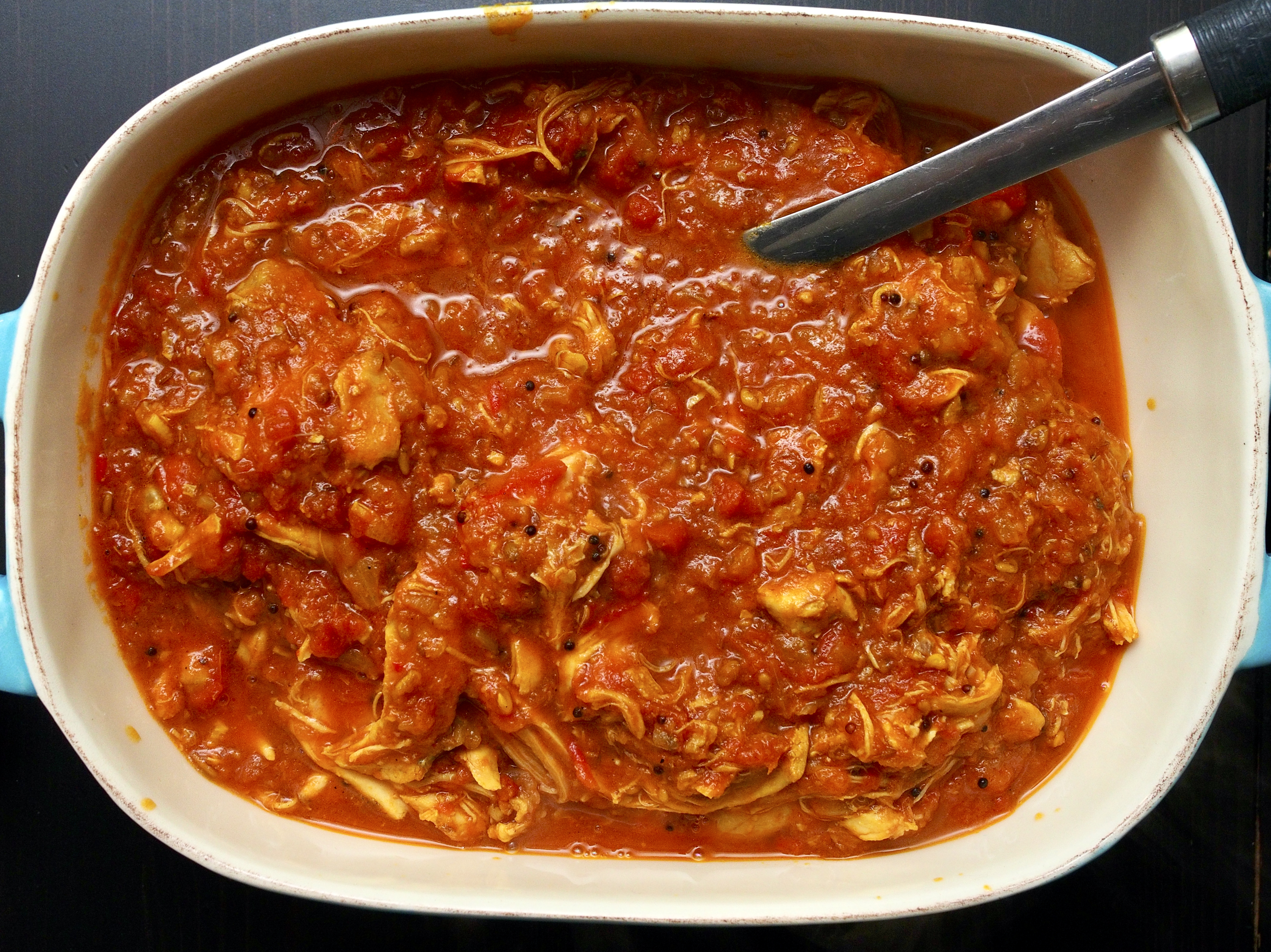
We made this a few weeks ago for a small group of friends (before omicron took hold) and it was devoured with gusto. Despite the list of ingredients it’s all quite straight forward and a recipe to keep up your sleeve for any occasion … for friends, or just for yourself.
Wine Suggestion: the wine opened at the time was determined by the event, the Altosur Malbec made by Finca Sophenia in Tuppangato, Mendoza and what a triumph it was. Body and depth with seemless and juicy tannins; it just made it taste the dish a bit richer and more sophisticated.
Chicken kari – serves 4 to 6
4 tbsp vegetable oil
1 tsp black mustard seeds
1 tsp fenugreek seeds
1 tsp cumin seeds
1 tsp coriander seeds
1 cassia bark stick (not a cinnamon stick)
3 cardamom pods, crushed
1 large onion, very finely chopped
thumb-size piece of fresh root ginger, peeled and finely grated
4 big cloves of garlic, thinly sliced
1-2 small green chillies or 1-2 long red chillies, split but leave the stalks intact
8 large chicken thighs, skin removed but bone-in
2 tsp ground turmeric
4 large tomatoes, roughly diced
400g tin chopped tomatoes
Steamed rice, to serve
Warm the vegetable oil in a large saucepan over a medium-high heat. Add the mustard, fenugreek, cumin and coriander seeds, the cassia bark and cardamom pods and fry until the mustard seeds start to pop. Keep giving the pan a shake.
Stir in the onion and cook for a few minutes until it starts to brown and caramelise.
Add the ginger, garlic and chillies and stir-fry for a minute, then add the chicken thighs, turmeric and lots of salt and pepper and stir well. Add the fresh and tinned tomatoes, then add enough cold water to cover the chicken. Bring to a simmer, then reduce the heat and simmer gently for 2 hours, stirring now and then. Top up with more water if needed.
Remove the cassia bark and cardamom pods, then season again to test if needed and serve.
(Original recipe from Simply by Sabrina Ghayour, Mitchell Beazley, 2020.)
A very useful cake for entertaining Coeliac friends though you do need to check your ingredients state they are gluten-free. This is both richly chocolatey and light as air, plus really easy to make. Serve alongside a coffee, or with cream or vanilla ice-cream. It’s a good idea to boil the orange the day before.
Chocolate Orange Cake – serves 8
2 small or 1 large thin-skinned orange, about 375g total weight
6 eggs
1 heaped tsp baking powder
½ tsp bicarbonate of soda
200g ground almonds
250g caster sugar
50g cocoa
Put the oranges into a pan with cold water, bring to the boil and cook for 2 hours until soft. Drain and leave to cool, then cut in half and remove the pips. Pulp the oranges in a food processor (with skin and all).
Preheat the oven to 180C.
Butter and line a 20cm springform tin.
Add the eggs, baking powder, bicarbonate of soda, almonds, sugar and cocoa to the orange in the food processor. Whizz until the mixture comes together but still a bit rough with some flecks of puréed orange.
Scrape the mixture into the prepeared tin and bake for an hour, a skewer inserted into the middle should come out fairly clean. Check after 45 minutes and cover if needed, you can also check it for doneness at this point.
Leave the cake to cool in the tin, on a rack. When cold remove from the tin and serve with cream.
(Original recipe from Feast by Nigella Lawson, Chatto & Windus, 2004.)
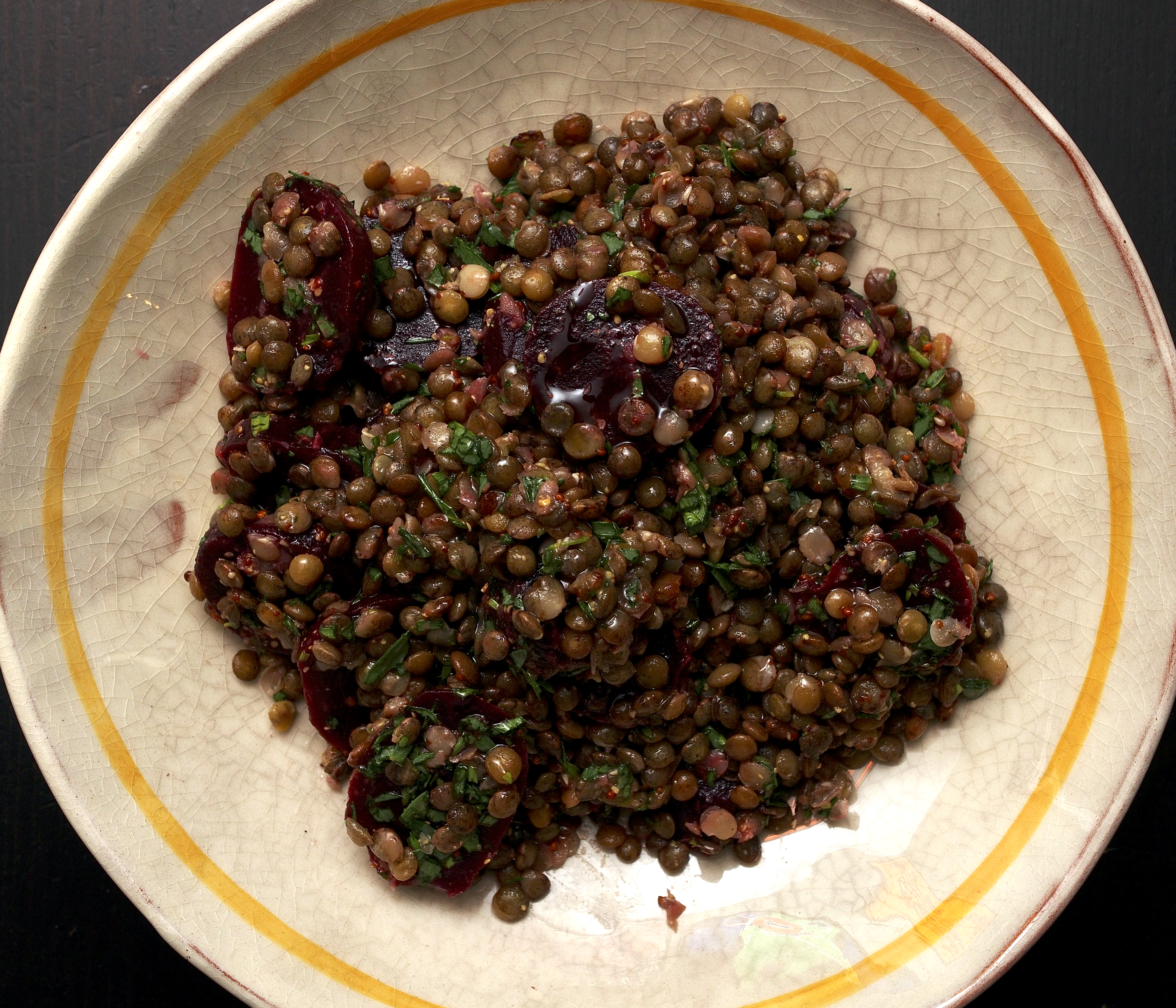
Are you ready for something healthy yet? A delicious, quick and easy side dish. We served this with roast chicken, but we can see it happily going with lamb, sausages or a few other veggie dishes too.
Beetroot & lentil salad with mustard dressing – serves 5-6
200g puy lentils
1 tbsp grainy mustard
1½ tbsp extra virgin olive oil
300g cooked beetroot (not in vinegar), sliced
a large handful of tarragon, roughly chopped
Put the lentils into a saucepan, cover with water and bring to the boil. Simmer for 20 minutes, then drain and leave to cool.
Whisk the mustard, olive oil and seasoning together in a small bowl.
Put the lentils into a bow, mix in the dressing, then stir in the beetroot, tarragon and more seasoning.
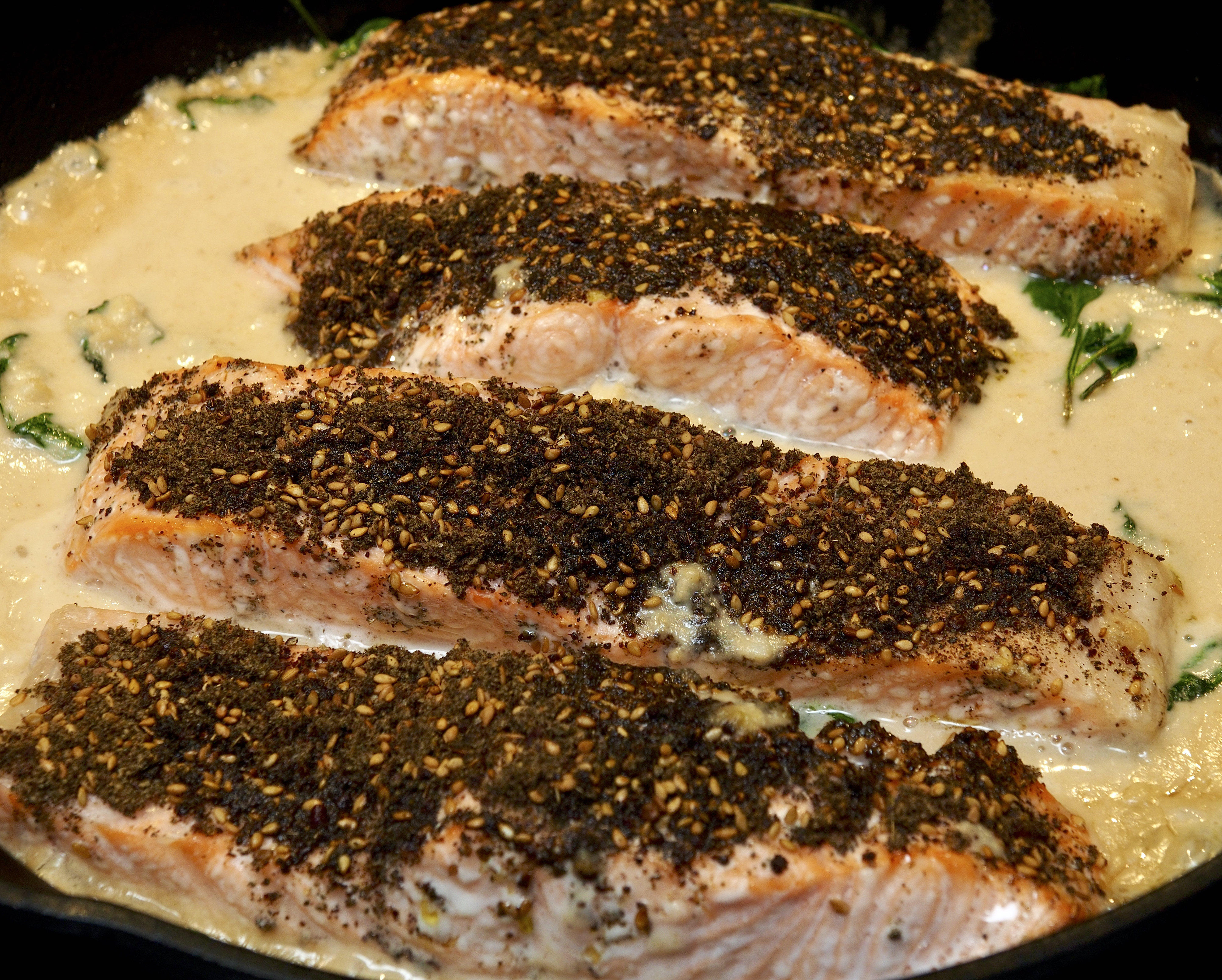
We’ve made plenty of fish and tahini dishes before but particularly liked this one with the additions of zingy za’atar and fresh spinch.
Wine suggestion: this works brilliantly with a juicy, crisp Verdejo, especially those that come from Rueda in Spain. Crunchy, juicy apples, lemons and grapefuit. In our glass was Dominio la Granadilla which demonstrates a passionate family all working together and speaking of the place they grew up.
Za’atar salmon and tahini – serves 4
4 salmon fillets (about 600g in total), skin on
2 tbsp za’atar
2 tsp sumac, plus and extra ½ tsp for sprinkling at the end
4 tbsp olive oil
250g baby spinach
90g tahini
3 cloves of garlic, crushed
3½ tbsp lemon juice
1½ tbsp roughly chopped coriander leaves
Heat the oven to 220C Fan.
Pat the salmon dry with kitchen paper and season.
Mix the za’atar and sumac together in a small bowl, then sprinkle this over the top of the salmon to form a crust.
Put a large ovenproof sauté pan over a medium-high heat and add 1 tbsp of the oil. When the pan is hot, add the spinach with a little seasoning and cook for 2-3 minutes or until just wilted.
Set the salmon fillets on top of the spinach, skin side down, then drizzle the top of the fish with 2 tbsp of oil. Bake in the hot oven for 5 minutes.
Meanwhile, whick the tahini, garlic, 2½ tbsp of lemon juice, a good pinch of salt and 100ml of water together until smooth. It will be quite runny.
Pour the tahini around the salmon (but not over the fish) and bake for another 5 minutes, or until the fish is just cooked through and the sauce is bubbling. Spoon over the rest of the lemon juice and oil and top with the coriander and extra sprinkle of sumac.
(Original recipe from Ottolenghi Test Kitchen: Shelf Love by Noor Murad & Yotam Ottolenghi, Ebury Press, 2021.)
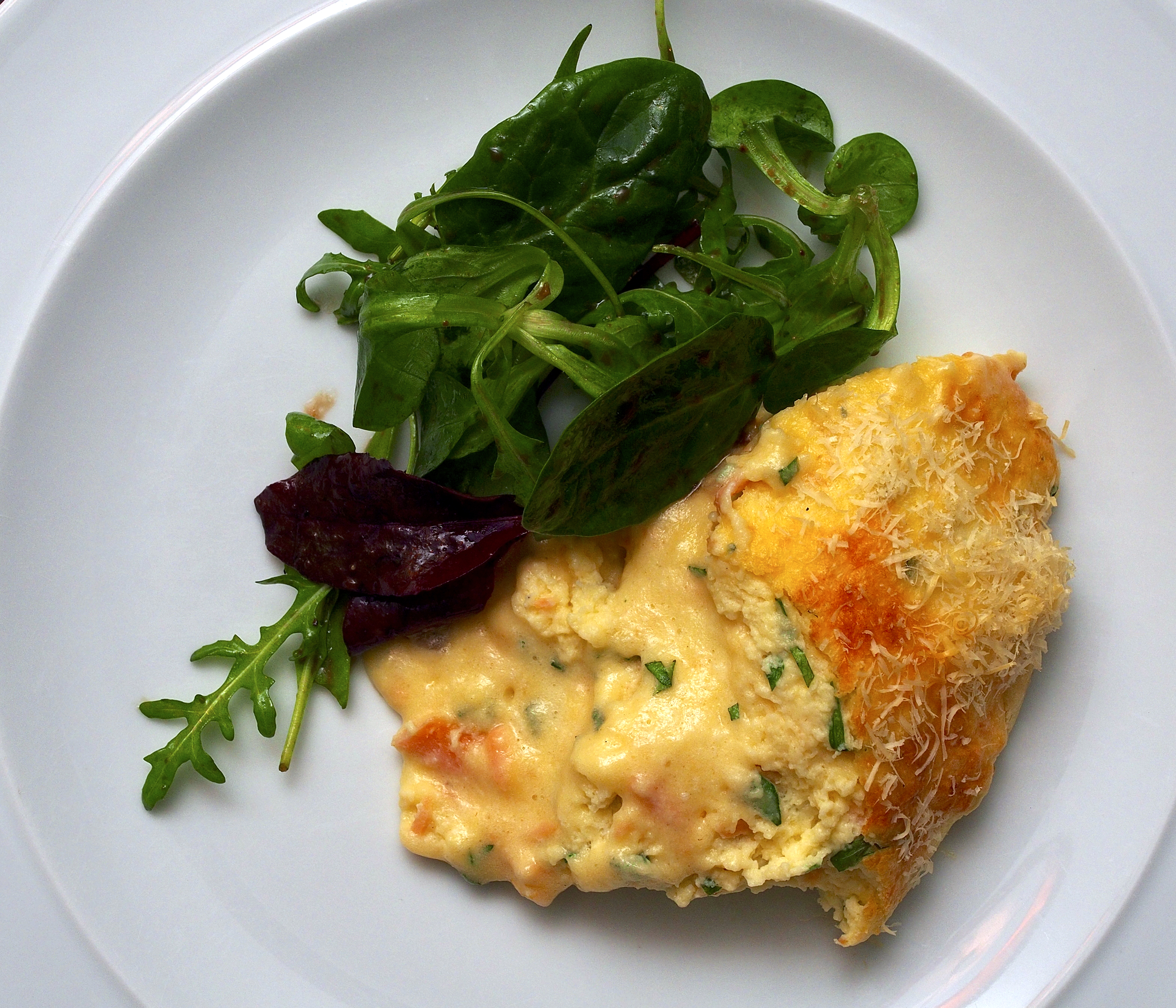
This has to be the perfect post-Christmas dish; great for using up the cheeseboard leftovers and all that smoked fish you though you would eat. Our daughter was so enamoured of this that she has been demanding it ever since. Serve with a green salad and some crusty bread.
Wine Suggestion: Find yourself a Chardonnay made on the lees, but not necessarily in oak. This will preserve a freshness and mid-weight while giving a yeasty, buttery character. A good producer from the Maçon, like Manciat-Poncet, would be ideal and that’s what we had.
Smoked Salmon Soufflé – Serves 3
20g freshly grated Parmesan, plus an extra 1 tbsp
1 small onion, peeled
100g smoked salmon or smoked trout, finely chopped
300ml full fat milk
1 bay leaf
50g butter
55g plain flour
4 large eggs, separated
2 tbsp chopped tarragon
You will need a soufflé dish or baking dish, approximately 18-20cm.
Lightly grease the inside of the dish with butter, then dust with the 2 tbsp of grated Parmesan.
Preheat the oven to 200C/Gas 6.
Put the milk into a small saucepan with the onion and bay leaf. Bring to the boil, then remove from the heat and leave to sit for a few minutes. Remove the onion and bay leaf and discard.
Melt the butter in a heavy saucepan, then stir in the flour and cook, stirring, for a few minutes. Then pour in the warm milk and stir vigorously until you have a smooth, thick sauce. Continue to cook for another couple of minutes, then remove from the heat.
Lightly beat the the egg yolks with a fork, then stir them into the sauce with 20g of Parmesan, the chopped fish and the tarragon.
Beat the egg whites until stiff with a whisk in a large bowl. Fold the egg whites into the sauce, then spoon into the buttered dish. Smooth the top if needed, then sprinkle over the remaining Parmesan. Put the dish onto a baking sheet and bake for 20-25 minutes. The crust should be pale brown and the centre slightly soft, it should still have a little wobble when you give it a shake.
Serve immediately with dressed salad leaves and crusty bread. You need to eat it all up as this dish will not keep.
(Original recipe by Nigel Slater in The Guardian, Tuesday, 28 December 2021.)
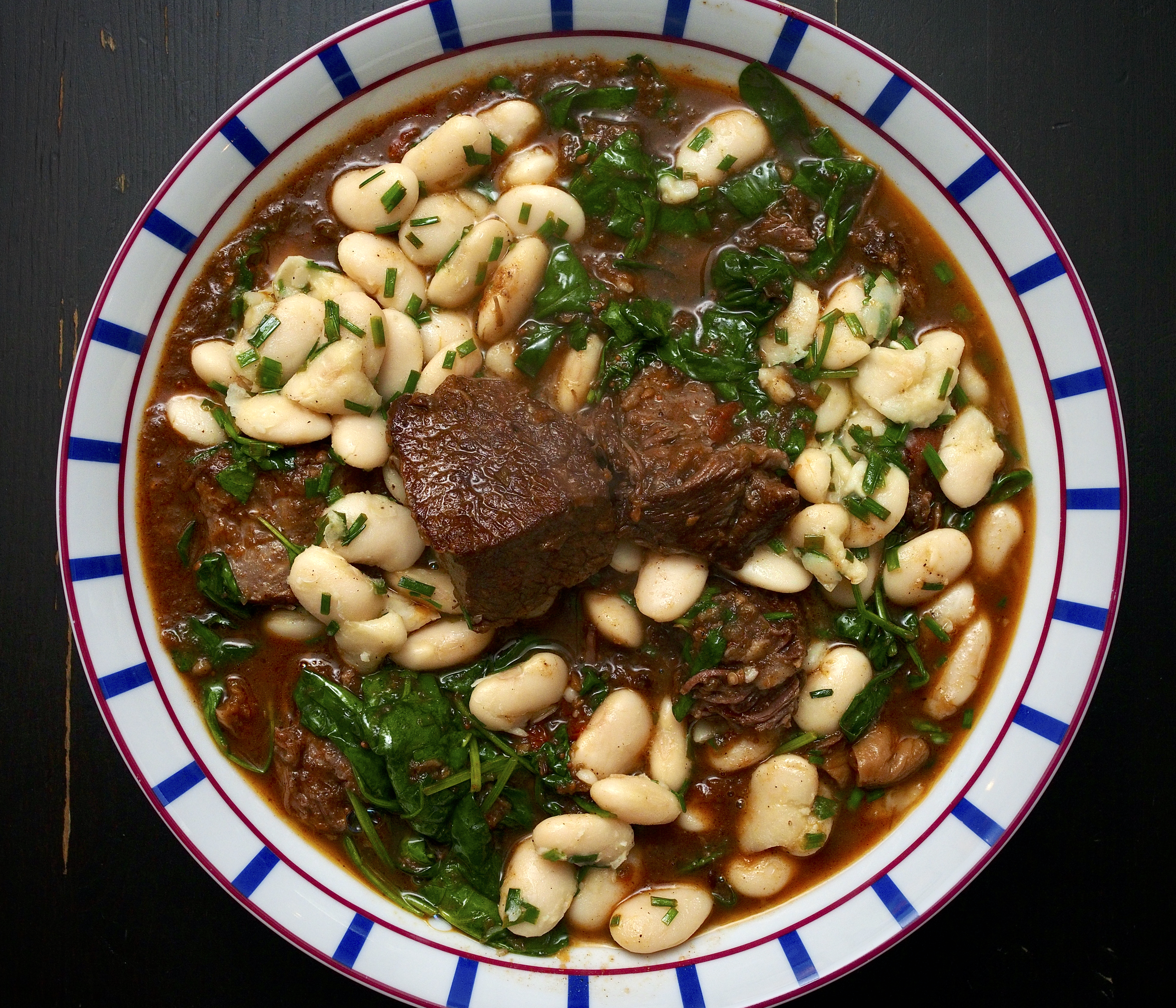
Your butcher should be able to get you beef short ribs if you ask, and the trick is slow-cooking. All that fat will ensure they become meltingly tender and the meat will literally fall off the bones. This dish takes a while to cook but there’s not much effort required and the result is worth it.
Wine Suggestion: This dish requires a serious, powerful red with a good structure. Tonight we had a youthful 3 year old Chateau Puygueraud from the Côtes de Francs, Bordeaux. A merlot, cabernet franc, malbec blend it was appropriate but all judged it too young and a little forceful. However a Domaine des Roches Neuves ‘Marginale’, Saumur-Champigny from 2015 brought by our friends proved to be the wine match we were looking for. Cabernet Franc from the Loire this cuvée showed the class of being the best selection of the best vineyards in a powerful, great vintage. All parts integrated but still in it’s infancy. A good match tonight, and we are all sad we don’t have any more in our cellars to see this in 10 years time too.
Braised beef short ribs with butter beans & figs – serves 4
2 onions, roughy chopped
6 cloves of garlic, peeled
4cm piece of ginger, peeled and roughly chopped
2 green chillies, roughly chopped, no need to discard the seeds
6 beef short ribs (about 1.5kg),trim off any big pieces of fat at the edges but don’t worry about being too particular with the rest, it all renders down into the rich sauce
60ml olive oil
4 whole star anise
10 cardamom pods, roughly bashed open with a pestle and mortar
1½ tbsp tomato purée
2 tsp ground allspice
2 tsp ground cumin
5-6 large plum tomatoes, two-thirds roughly chopped and the rest roughly grated and skin discarded
100g soft dried figs, roughly chopped into 1½ cm pieces
700g jar butter beans, drained
30g chives, very finely chopped
1½ tbsp lemon juice
300g regular spinach, discard the stems and roughly tear the leaves
Heat the oven to 165C fan.
Put the onions, garlic, ginger and chillies into a food processor and pulse until finely chopped.
Dry the short ribs with kitchen paper and season with salt and pepper. Put 2 tbsp of oil into a large ovenproof saucepan and turn the heat to medium-high. Fry the ribs in batches until well coloured on all sides, then remove and set aside.
Add the onion mixture to the pan along with the star anise and cardamom, and cook for 5 minutes to soften, stirring now and then. Add the tomato purée, ground spices, chopped tomatoes (don’t add the grated ones yet), 1½ tsp of salt and plenty of black pepper and cook for another 4 minutes or until the tomatoes start to soften.
Add the short ribs and 1.1 litres of water, bring to the boil, then cover and put into the oven for 3 hours, stirring a few times.
Add the figs and cook for another half hour, or until softened. The meat should now be very tender.
Meanwhile, put the butterbeans into a saucepan with a pinch of salt and cover with water. Bring to the boil and simmer for about 15 minutes, then drain. Stir in the chives, 2 tbsp of oil, the lemon juice and plenty of pepper.
When the beef is ready, take the ribs from the pan and pull the meat off the bones. Discard the bones and set the beef aside.
Heat the sauce and stir in the spinach, it should wilt in a few minutes, then add the grated tomato and remove from the heat.
Spoon the sauce over a large platter and top with beans and beef.
(Original recipe from OTK Shelf Love by Noor Murad & Yotam Ottolenghi, Ebury Press, 2021.)
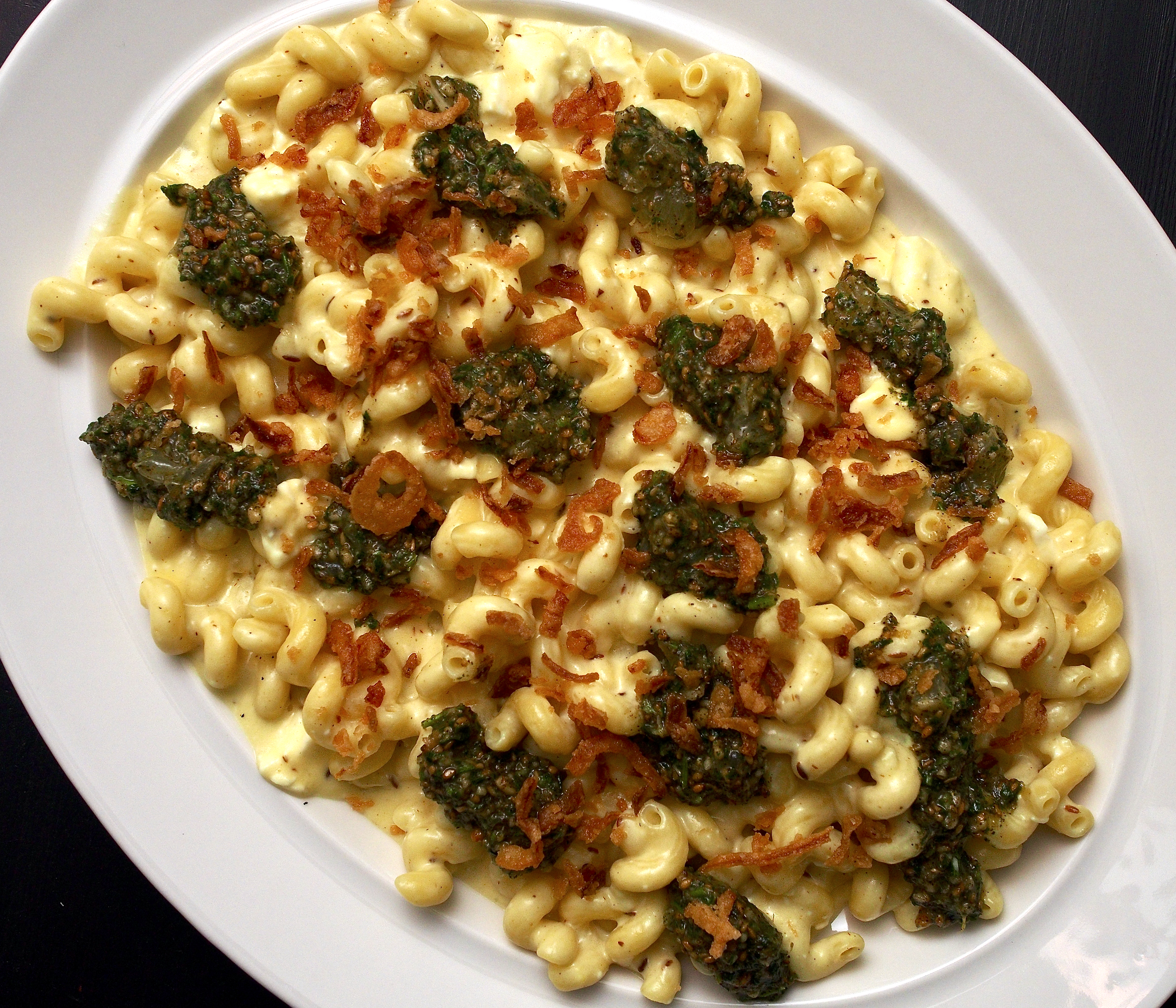
This is a rather unconventional method but it does work, and the resulting dish is perfect comfort food for a cold day. The za’atar pesto is a good addition to cut through the richness and the feta provides creamy nuggets. A crazy but good idea from the Ottolenghi Test Kitchen.
Wine Suggestion: A crisp white with body and texture is called for here to help cut through rich layers and stand up to the complex flavours. Domaine Ventenac’s Cassandre waas our choice and a very happy match indeed. Vermentino from Cabardes in the south of France, this comes from vineyards that have cooling breezes and a little altitude to give it depth of flavour as well as a scintillating freshness; finishing with a slight nutty twist that gave the pesto an extra lift.
Middle Eastern mac n cheese with za’atar pesto – serves 4 to 6
300g dried cavatappi or fusilli pasta
600-700ml whole milk
65g unsalted butter, cut into 3cm cubes
3 garlic cloves, crushed
⅛ tsp ground turmeric
1½ tsp cumin seeds, toasted and roughly crushed
75ml double cream
150g mature cheddar, roughly grated
180g Greek feta, roughly crumbled
45g shop-bought crispy onions or shallots
FOR THE ZA’ATAR PESTO
1 large lemon
3 tbsp za’atar
20g fresh coriander, roughly chopped
1 clove of garlic, roughly chopped
40g pine nuts, lightly toasted
6 tbsp olive oil
Put the pasta, 600ml of milk, 350ml of water, the butter, garlic, turmeric, 1 tsp of salt and plenty of black pepper into a large sauté pan over a medium-high heat. Bring to a simmer, then turn the heat down the heat and cook, stirring now and then, for 8-14 minutes, or until the pasta is al dente and the sauce thickened. You can add the extra 100ml of milk if you need it thinned a bit.
Turn the heat to low and stir in the cumin, cream and cheeses. Stir until the cheddar has melted.
Meanwhile, make the pesto. Finely grate the lemon to get 1½ tsp of zest. Peel the lemon, cut into segments and roughly chop. Put the lemon and zest into a bowl.
Put the za’atar, coriander, garlic, pine nuts, a pinch of salt, plenty of black pepper and 3 tbsp of the oil into a food processor, then pulse a few times to get a coarse paste. Add to the lemon and stir in the remaining 3 tbsp of oil.
Transfer the cheesey pasta to a large serving platter, dot all over with the pesto and top with the crispy onions.
(Original recipe from Ottolenghi Test Kitchen Shelf Love by Noor Murad & Yotam Ottolenghi, Ebury Press, 2021.)
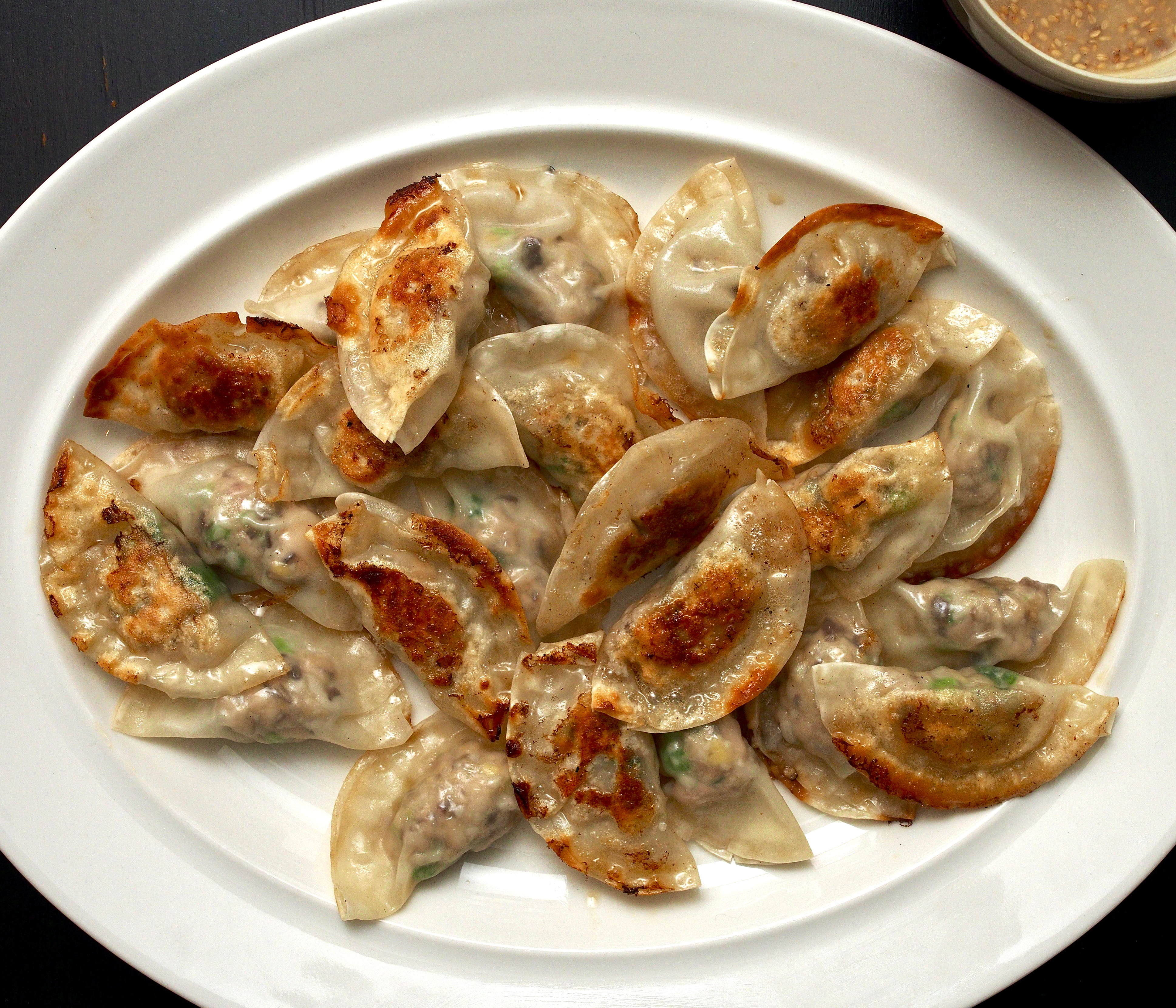
Our daughter is a gyoza addict and luckily we have a good local Japanese restaurant. She would order three or more portions if we let her. So in order to avoid bankruptcy we’ve decided to start making them ourselves. They are actually very straightforward, and helped immensely by shop-bought gyoza wrappers and a little gyoza folding gadget.
The wrappers keep in the freezer and defrost in an hour at room temperature. Just put them in the fridge afterwards until you’re ready to make the gyoza.
Chicken & Shiitake Gyoza with Miso Lemon Dipping Sauce – makes about 30 gyoza
300g chicken thigh fillets, quartered
10 shiitake mushrooms, finely chopped
8 water chestnuts, finely choped
3 tsp light soy sauce
2 tsp finely chopped ginger
1 tsp sake or mirin
6 scallions, finely chopped
1 tbsp cornflour
30 gyoza wrappers
1 tbsp sesame oil
FOR THE DIPPING SAUCE
2 tbsp pale miso
2 tbsp lemon juice
2 tsp caster sugar
1 tbsp maple syrup
2 tsp toasted sesame seeds
Pulse the chicken thighs in a food processor until minced, then tip into a bowl.
Add the mushrooms, water chestnuts, soy sauce, ginger, sake/mirin, scallions and cornflour. Season with salt and plenty of black pepper, then mix together well with a metal spoon. You can leave the mixture in the fridge until you’re ready to cook.
Mix together the ingredients for the dipping sauce and set aside.
Line a large tray with non-stick baking paper and have a bowl of water handy.
Put a gyoza wrapper into your gyoza maker, floured side down, and put 1 tbsp of the filling in the middle (you can and should use a piping bag for this). Dip your finger in the water and lightly run it round the edge of the wrapper. Close the gyoza maker and squeeze tight to seal. If you don’t have a little machine, you can look up how to fold them on youtube.
Heat a large frying pan with a lid over a medium high heat. Add ½ tbsp sesame oil, then place the gyozas into the pan, you will probably have to do 2 batches. Leave them for about 2 minutes or until the bottoms have turned golden, then add 40ml water and cover with a lid. Cook for another 2 minutes until most of the water has evaporated, then remove the lid. Drizzle over another ½ tsp of sesame oil and allow to crisp up for about 30 seconds.
Remove from the pan and serve with the dipping sauce.
(Original recipe from My Asian Kitchen by Jennifer Joyce, Murdoch Books, 2018.)
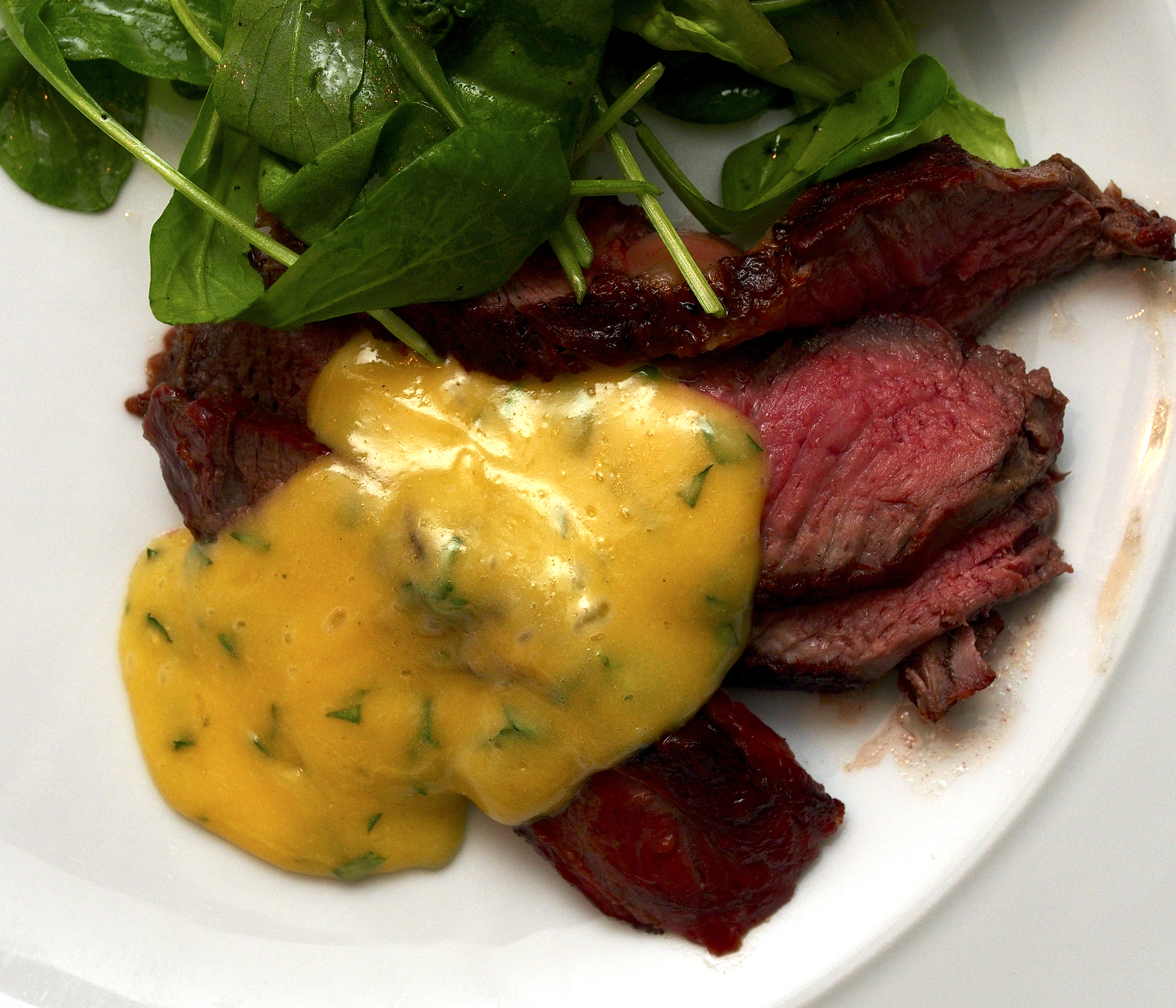
Sometimes we get a notion for steak and chips, so pull out the barbecue and crank up the oven. Béarnaise sauce is the perfect companion, not particularly hard, it just needs a little attention and you must never let it get too hot.
Wine suggestion: Another Greek classic, the Thymiopoulos Naoussa Xinomavro which plays a nice balance of being effortless and ethereal alongside a deep core of powerful, elegant tannins.
Béarnaise Sauce
1 small shallot, finely chopped
3 tbsp tarragon vinegar
6 black peppercorns
3-4 bushy tarragon sprigs
2 egg yolks
½ tsp Dijon mustard
150g butter, cut into small dice
Heat the vinegar, tarragon, peppercorns and shallot in a small pan. Bring to the boil and reduce until there is about 1 tbsp left, then strain and set aside.
Put a bowl over a pan of just-simmering water and make sure it isn’t touching the water. Add the egg yolks and mustard, then whisk in the reduced vinegar. Slowly add the butter, a cube at a time, whisking each time until smooth. You can turn the heat off about half way through. We like to stir-through a little chopped tarragon at the end but it’s up to yourself. Keep warm over a pan of warm water while you cook your steak.
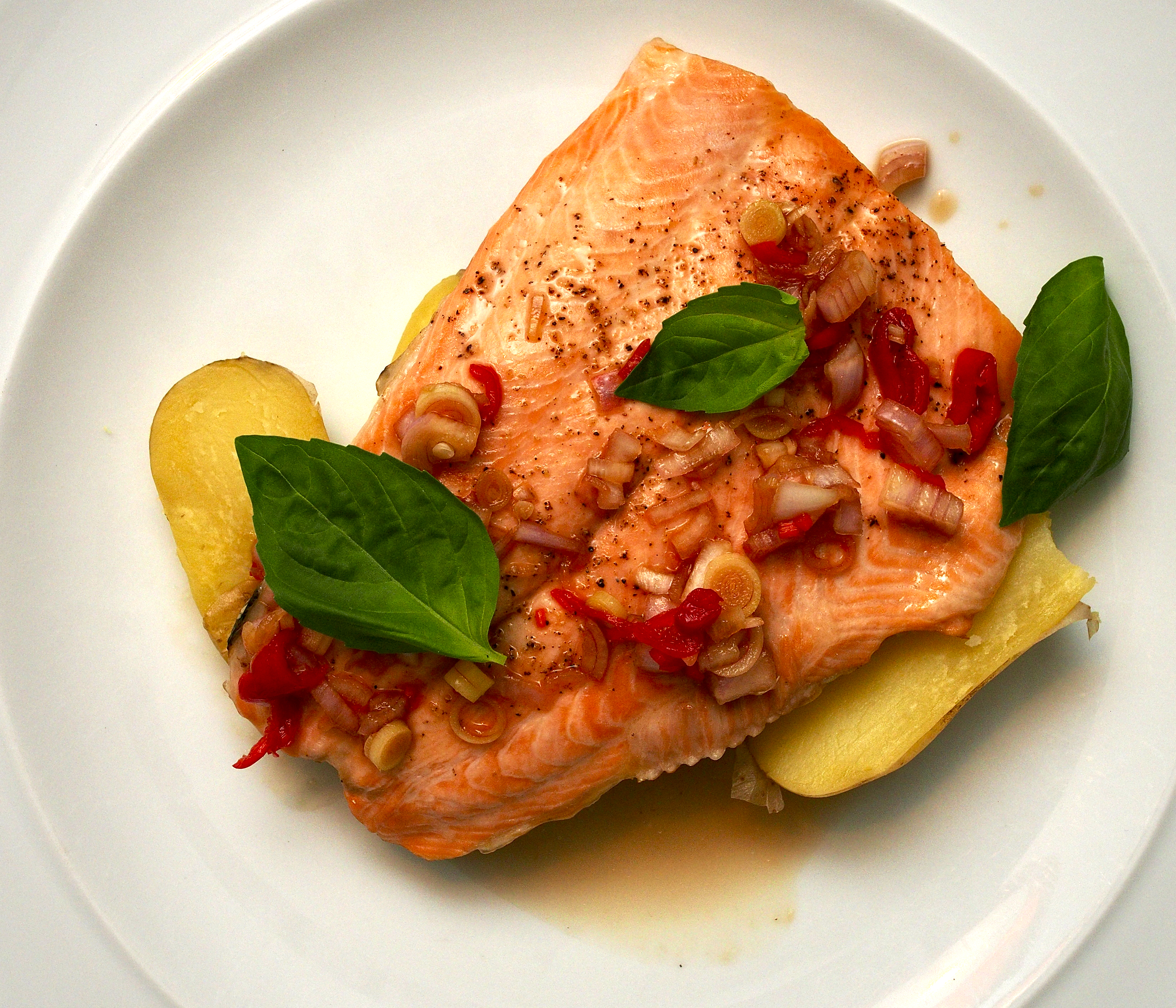
A simple fish dish for weeknights, and something a bit lighter before the feasting starts.
Wine Suggestion: A delight with a light, playful Riesling like Korrell’s Slice of Paradise from the Nahe in Germany, or Pikes Traditionale from the Clare Valley.
Grilled trout with Asian dressing – serves 2
300g Charlotte potatoes
2 skinless trout fillets
Thai basil or regular basil, to serve
FOR THE DRESSING:
1 small shallot, finely chopped
1 lemongrass stalk, remove the woody outer leaves and finely chop
2 tbsp lime juice
1 tbsp fish sauce
1 tsp brown sugar
1 red chilli, finely chopped
Boil the potatoes in salty water until tender, then drain and slice thickly, lengthways.
Season the trout, then grill for 3-4 minutes.
Arrange the potatoes onto plates and top with the trout. Whisk the dressing ingredients together and spoon over the top, then garnish with basil leaves.
(Original recipe by Janine Ratcliffe in Olive Magazine, November 2014.)
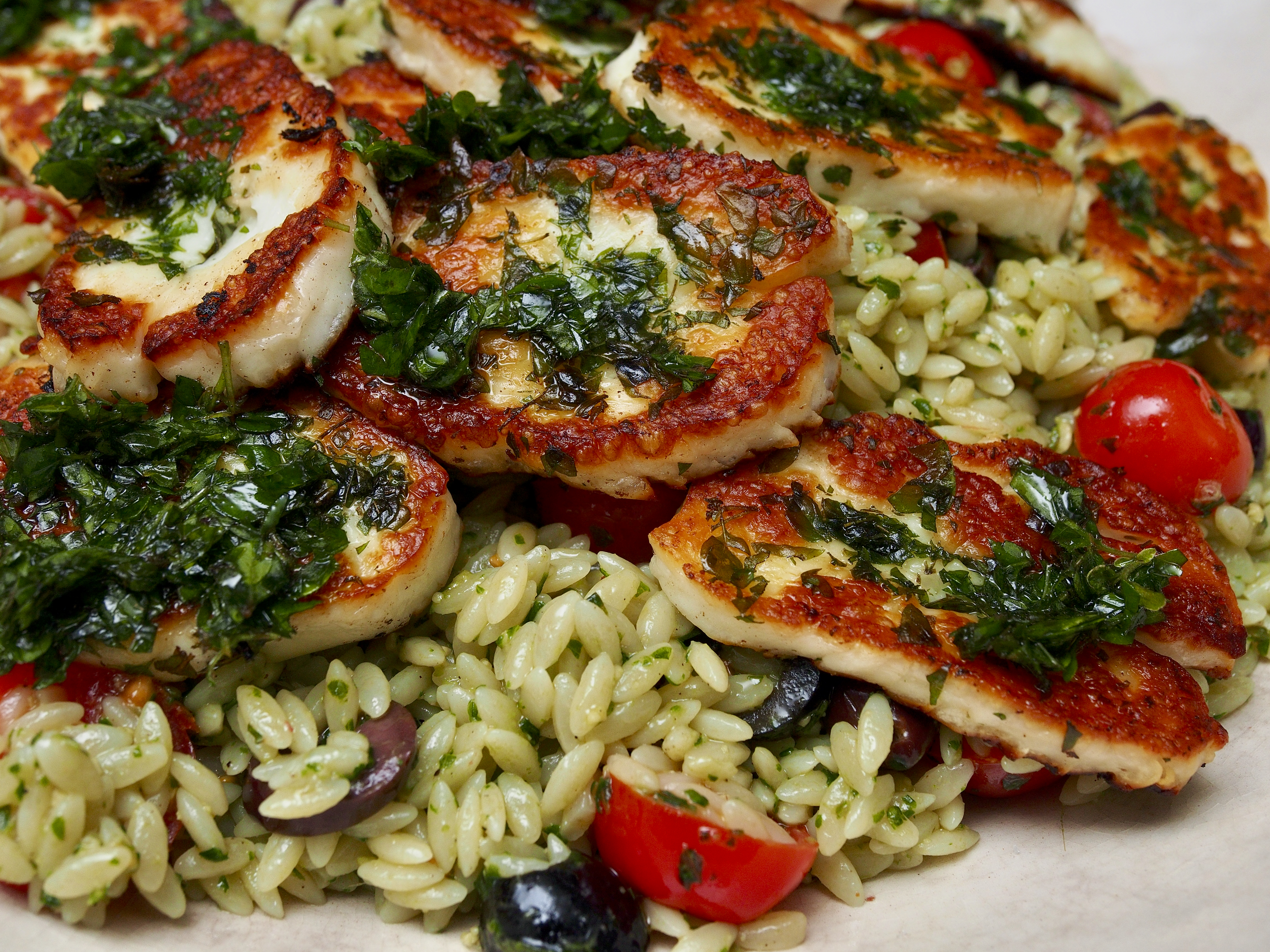
A perfect lunchbox dish, keeping our December weekdays cheery.
Fried halloumi with oregano, orzo & pesto – serves 4
350g orzo
15g oregano, leaves picked
3 tbsp olive oil
250g halloumi, sliced
200g plum cherry tomatoes, halved
handful black olives, chopped
140g tub fresh pesto
Bring a pan of salty water to the boil and cook the orzo according to the pack instructions.
Meanwhile, mix the oregano in a small bowl with the oil and brush some over the halloumi.
Heat a non-stick frying pan and fry the halloumi for a few minutes on each side or until golden.
Drain the orzo and mix in a large bowl with the tomatoes, olives and pesto, then season. Divide into lunchboxes, then top with the halloumi and drizzle over the rest of the oregano oil.
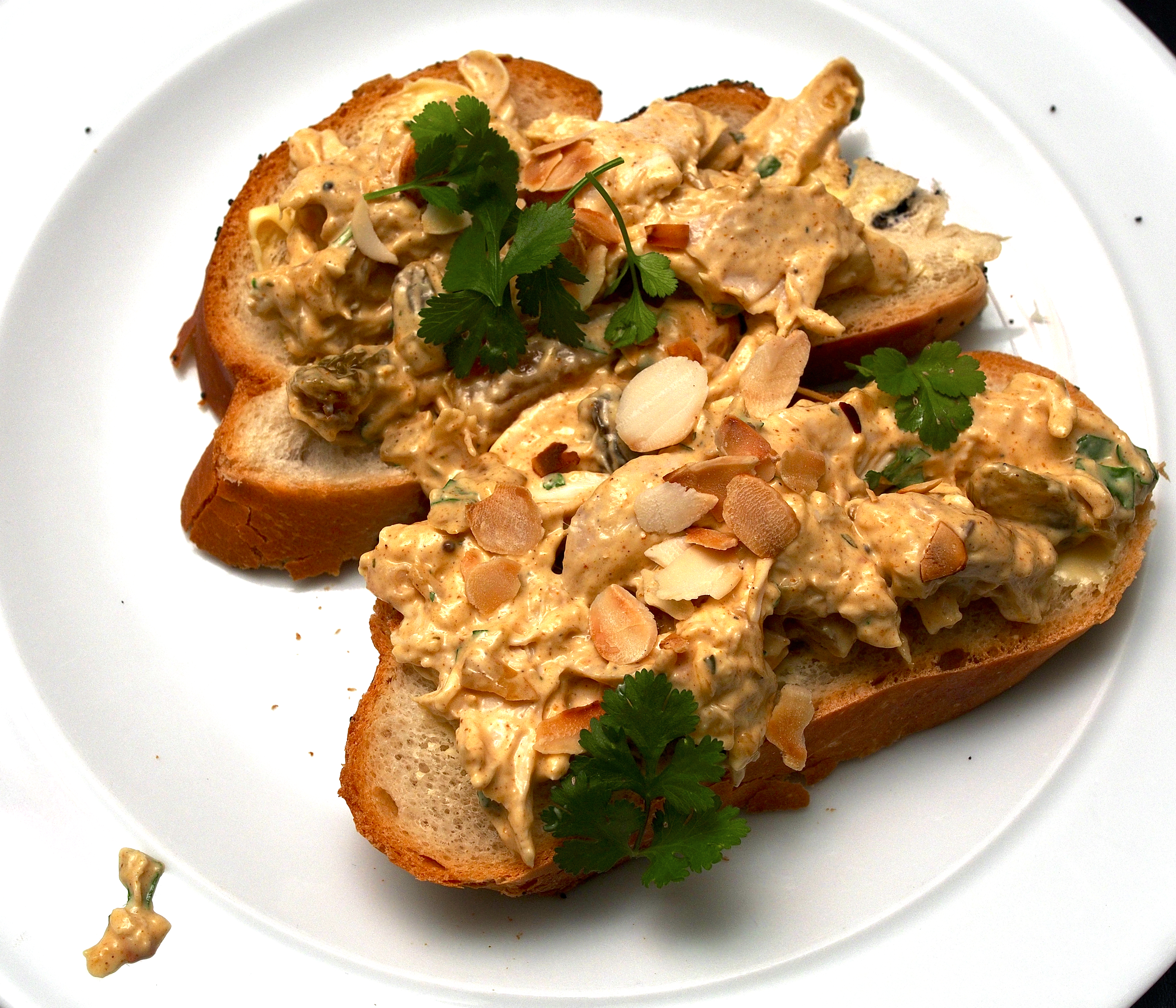
A tasty Saturday lunch. The leftovers were also popular with a few men who had been to a rugby match on the Saturday night.
Coronation chicken – serves 4 for lunch or in sandwiches
300g cold cooked chicken
1 tbsp sunflower oil
1 small onion, finely chopped
1 tbsp medium curry powder
60ml chicken stock
1 bay leaf
½ tsp tomato purée
25g sultanas
2 tbsp mango chutney
125g mayonnaise
50ml Greek yoghurt
½ tsp lemon juice
1 tbsp chopped coriander leaves
1 tbsp toasted flaked almonds
Shred the chicken, discarding any skin and bones.
Heat the oil in a small pan over a medium heat and cook the onion for about 3 minutes or until soft but not coloured. Add the curry powder and fry for a minute, then add the chicken stock, bay leaf, tomato purée and sultanas. Cook for 5 minutes until the stock is well redcued, then stir in the mango chutney. Stir well, remove the bay leaf and leave to cool.
When the onion mixture is completely cool, add the mayonnaise, yoghurt and lemon juice. Stir in the chicken and coriander.
Serve in sandwiches, on toast, or with salad leaves, and sprinkle over the flaked almonds.
(Original recipe from Rick Stein At Home, BBC Books, 2021.)
We know how to make parsley sauce but this version is definitely better. The milk is infused for an hour with grated carrot, onion, celery and bay – a game-changer!
Parsley Sauce
1 carrot
½ onion
1 celery stick
1 bay leaf
500ml full cream milk
50g butter
50g plain flour
lots of parsley – about 100g of leaves when stripped from the stalks, chopped
Grate the vegetables and put into a saucepan with the bay leaf and milk. Bring to the boil, then remove from the heat and leave to infuse for about an hour. Strain out the veg and bay leaf.
Melt the butter in a saucepan and stir in the flour. Cook gently for a couple of minutes, then gradually whisk in the milk until you have smooth sauce. Simmer very gently for about 5 minutes. If it gets too thick you can thin with a little more hot milk.
Stir the parsley in just before serving and season to taste with salt and pepper.
(Original recipe from The River Cottage Cookbook by Hugh Fearnley-Whittingstall, Collins, 2001.)
This is a great alternative chilli for those not so fussed on red meat. Serve with rice, feta, coriander, sour cream, steamed rice, tortilla chips and lime wedges. Add the chipotle with caution, the brand we used was very hot!
Wine Suggestion: Given the heat this needs a juicy wine to match. If you’d like a white some Pinot Gris would be great, however tonight we felt like a red and so opened an Altosur Malbec made by Finca Sophenia in the wonderful Gualtallary area of Mendoza. Stony and super-high altitude freshness and yet expressive, perfumed and juicy, brambly fruit.
Chicken & Black Bean Chilli – serves 4
2 tbsp sunflower oil
2 onions, sliced
4 chicken thigh fillets
3 cloves of garlic, finely chopped
1 tbsp oregano
1 tsp cumin seeds
2 tbsp chipotle in adobo or 1 tsp chipotle paste (if using chipotles in adobo check how hot they are)
350g passata
½ chicken stock pot
400g tin black beans, drained but don’t rinse!
juice of ½ a lime
rice, feta, coriander, sour cream, steamed rice, tortilla chips and lime wedges – to serve
Heat the 2 tbsp of oil in a shallow casserole dish with a lid. Add the onions and cook gently for 5 minutes or until softened. Add the chicken and turn the heat up to medium. Add the garlic, a small pinch of sugar, the oregano, cumin seeds and seasoning. Cook for a couple of minute, then add the chipotle and cook for another few minutes. Add the passata, 100ml water and the stock, then bring to a simmer.
Cover and cook for 40-50 minutes, stirring now and then, until the chicken is tender. Shred the chicken with two forks and mix through the sauce, then stir through the beans. Simmer for 5 minutes, then take off the heat and squeeze in the lime juice.
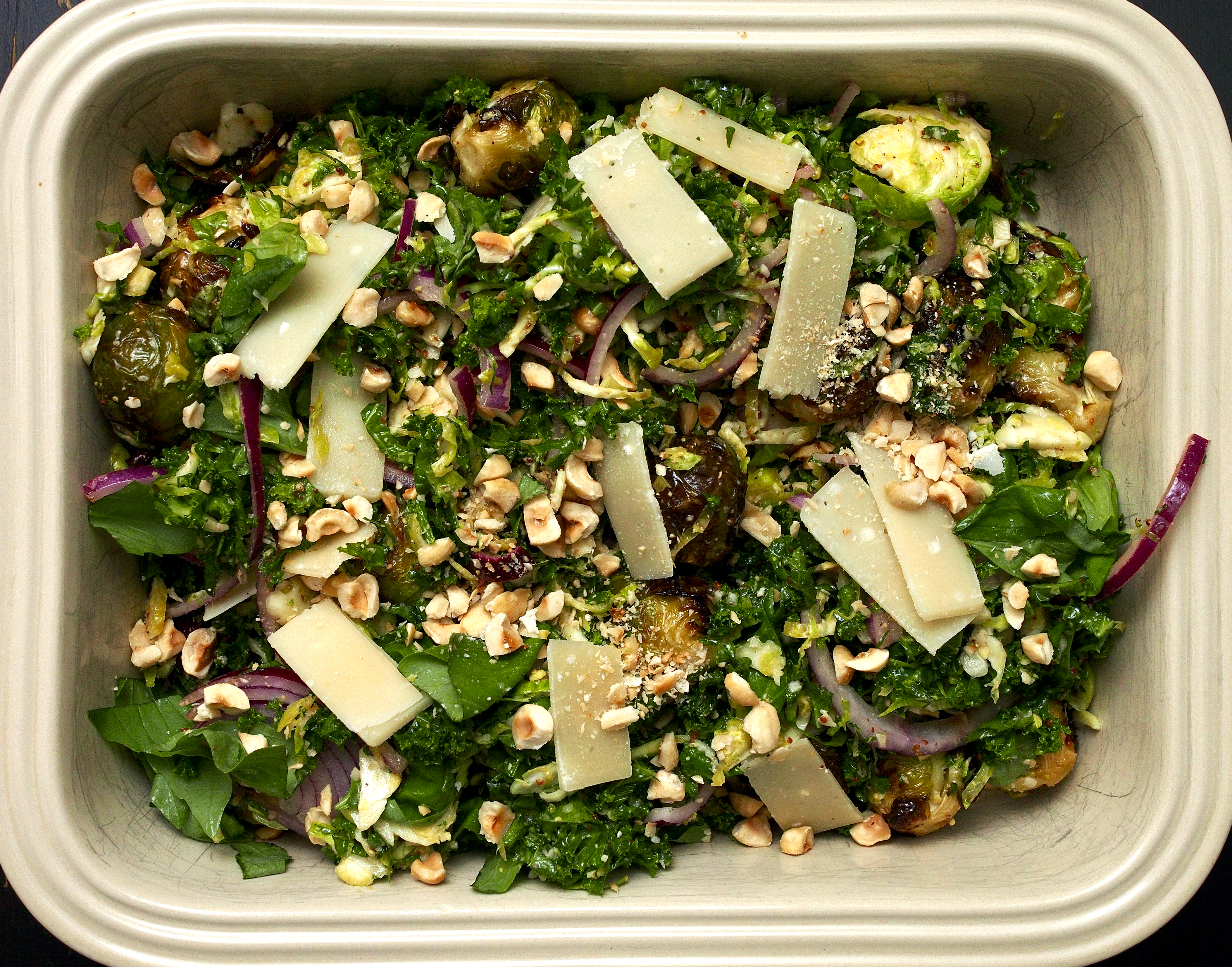
We loved this dish! Bursting with flavour and the perfect wintery side salad. The leftovers were also good the next day. You can use capers instead of anchovies if you prefer.
Wine suggestion: This dish works really well with a good, dry Chenin Blanc. Our current favourite is Bernard Fouquet’s Domaine Aubuissieres Vouvray Silex Sec. Dry and full of yellow apple fruits and layers of texture, while remaining discrete enough to allow the sprouts and parmesan to come through.
Brussels sprout and Parmesan salad with lemon dressing – serves 4
700g small brussels sprouts, trimmed, leave 500g whole and thinly shave the rest
4 tbsp olive oil, plus extra for drizzling
60ml lemon juice
3 cloves of garlic, crushed
1 ½ tbsp wholegrain mustard
2 anchovies in oil, drained and roughly chopped
60g Parmesan, 20g roughly grated and the rest cut into shards – a veg peeler will do this nicely
120g kale leaves, discard the stems and thinly shred the leaves
1 small red onion, halved and thinly sliced
20g basil leaves
70g blanched hazelnuts, well toasted and roughly chopped
Heat the oven to 220C fan.
Line a tray with baking paper and add the whole sprouts, 2 tbsp of oil, ½ tsp of salt and plenty of black pepper, toss to combine. Roast for 18 minutes, stirring halfway, until well browned and cooked through, then leave to cool.
Meanwhile, put the lemon juice, garlic, mustard, anchovies, grated Parmesan, 3 tbsp of oil, ¼ tsp of salt and plenty of black pepper into the small bowl of a food processor and whizz until smooth.
Put the kale, the shaved sprouts, the dressing, ¼ tsp of salt and plenty of black pepper into a large bowl and toss with your hands, massaging the leaves gently. Leave to soften and wilt for about 10 minutes.
Add the onion, basil, chopped hazelnuts, Parmesan shards and roasted sprouts to the bowl and mix to combine. Turn out onto a platter to serve.
(Original recipe from OTK Shelf Love by Noor Murad & Yotam Ottolenghi, Ebury Press, 2021.)
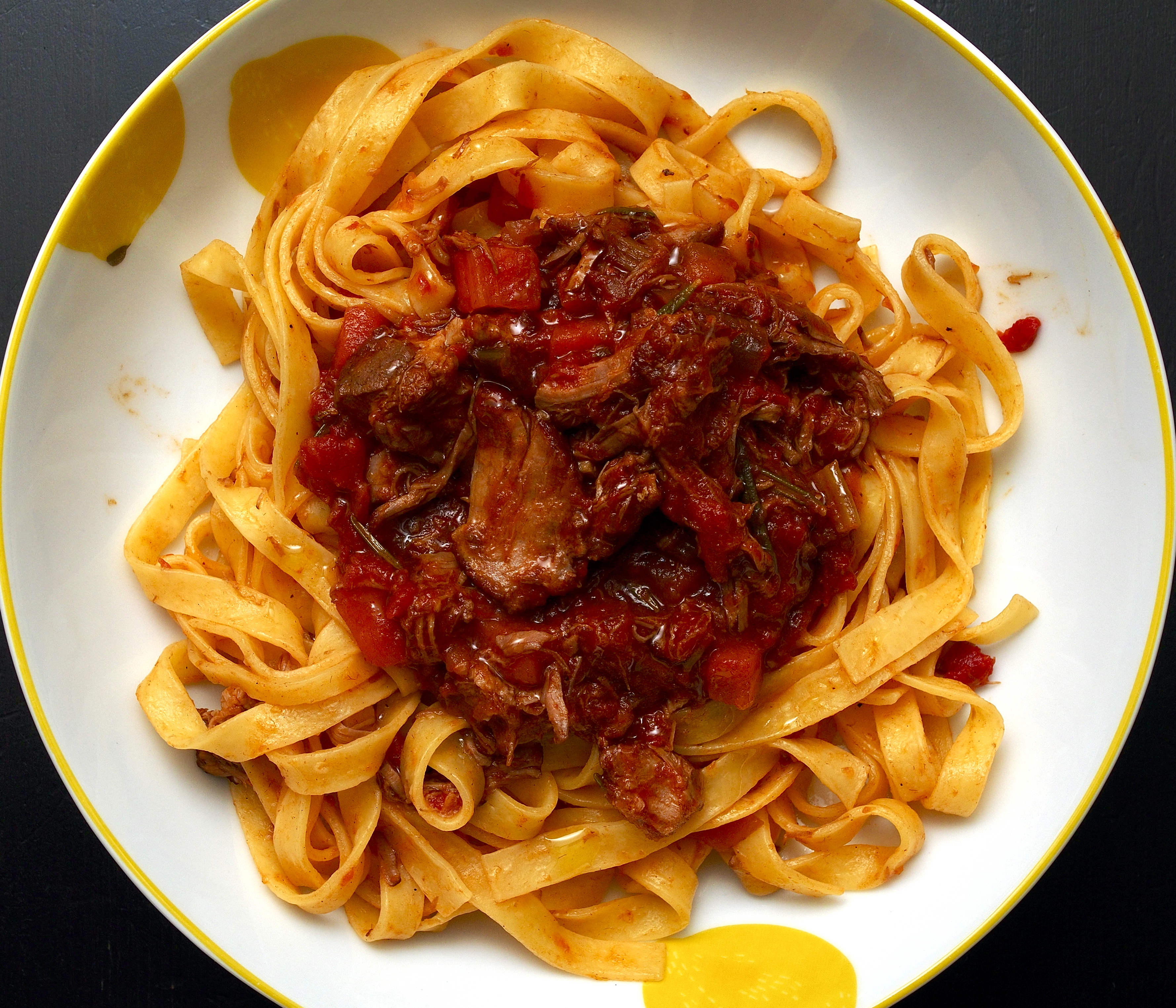
You can start cooking this the day before, the flavours will improve and your home will smell delicious. Serve with fresh tagliatelle and grated Parmesan.
Wine Suggestion: find a rich red with some stuffing to stand up to the richer flavours. A touch of acidity and a good grip of tannin will also help. Ideally you’ll finish the bottle used to cook with, as we did tonight; Cline’s Old Vine Zinfandel from Lodi in California. Heady, brambly and with juicy tannins.
Italian slow-cooked lamb ragu – serves 8
2 tbsp olive oil
1.2kg boneless lamb shoulder, cut into 3.5cm cubes
2 onions, diced
3 carrots, peeled and diced
4 celery sticks, diced
4 cloves of garlic, finely chopped
3 tbsp tomato purée
6 anchovy fillets in oil, drained
400ml red wine
4 sprigs of thyme
2 sprigs of rosemary
2 bay leaves
500ml lamb stock
2 x 400g tins chopped tomatoes
Put on the oven to 170C/Fan 160C/Gas 3.
Heat 1 tbsp of olive oil in a large casserole over a high heat. Season the lamb and brown in batches, then remove to a plate and set aside.
Add another tbsp of oil to the pan, then add the onions and cook over a medium heat for 5 minutes. Add the carrots, celery and garlic and cook for a further 8 minutes. Stir in the tomato purée and anchovies.
Add the wine and scrape up any bits that are stuck to the base of the pan. Bring to the boil and reduce by half, then add the herbs, lamb stock, tomatoes and browned lamb. Cover with a lid and cook in the oven for 2 hours.
Transfer the casserole from the oven to the hob, remove the lid and stir, then simmer gently for 1 hour to reduce and thicken. Remove the large herb sprigs, then shred the lamb with two forks and season.
Serve with pasta and Parmesan.
(Original recipe from Tom Kerridge’s Fresh Start, Bloomsbury Publishing Plc, 2018.)
There has been a packet of mung dal in our cupboard for quite some time now which is really the only reason why we made this lovely dish from Meera Sodha’s East. We’re definitley tempted to buy another packet so we can make it again. Serve with steamed rice.
300g mung dal
250g vine tomatoes, chopped
3 big garlic cloves, crushed
2.5 cm piece of ginger, grated
½ tsp ground turmeric
1 tsp chilli flakes
3 tbsp rapeseed oil
10 fresh curry leaves
1½ tsp salt
1½ tsp black mustard seeds
1 tsp cumin seeds
1 long green chilli, very finely chopped
a handful of fresh coriander, chopped
Put the mung dal, tomatoes, garlic, ginger, tumeric, chilli flakes, 1 tbsp of oil, 4 curry leaves and 1.25 litres of water into a large saucepan. Put the pan over a medium heat, with the lid ajar, and bring to the boil, then turn down and simmer for 30-40 minutes. Give it a stir now now and again. It’s ready when soft and quite thick, then stir in the salt.
Heat 2 tbsp of the oil in a small frying pan over a medium heat until smoking hot, then add the mustard and cumin seeds, the chilli and the rest of the curry leaves. The leaves should crisp and the seeds start to pop after about a minute, then remove from the heat and pour over the dal. Stir to mix, then sprinkle over the coriander and serve.
(Original recipe from East by Meera Sodha, Fig Tree, 2019.)






 Jono & Jules do food & wine