Feeds:
Posts
Comments

Posts Tagged ‘Vegetarian’

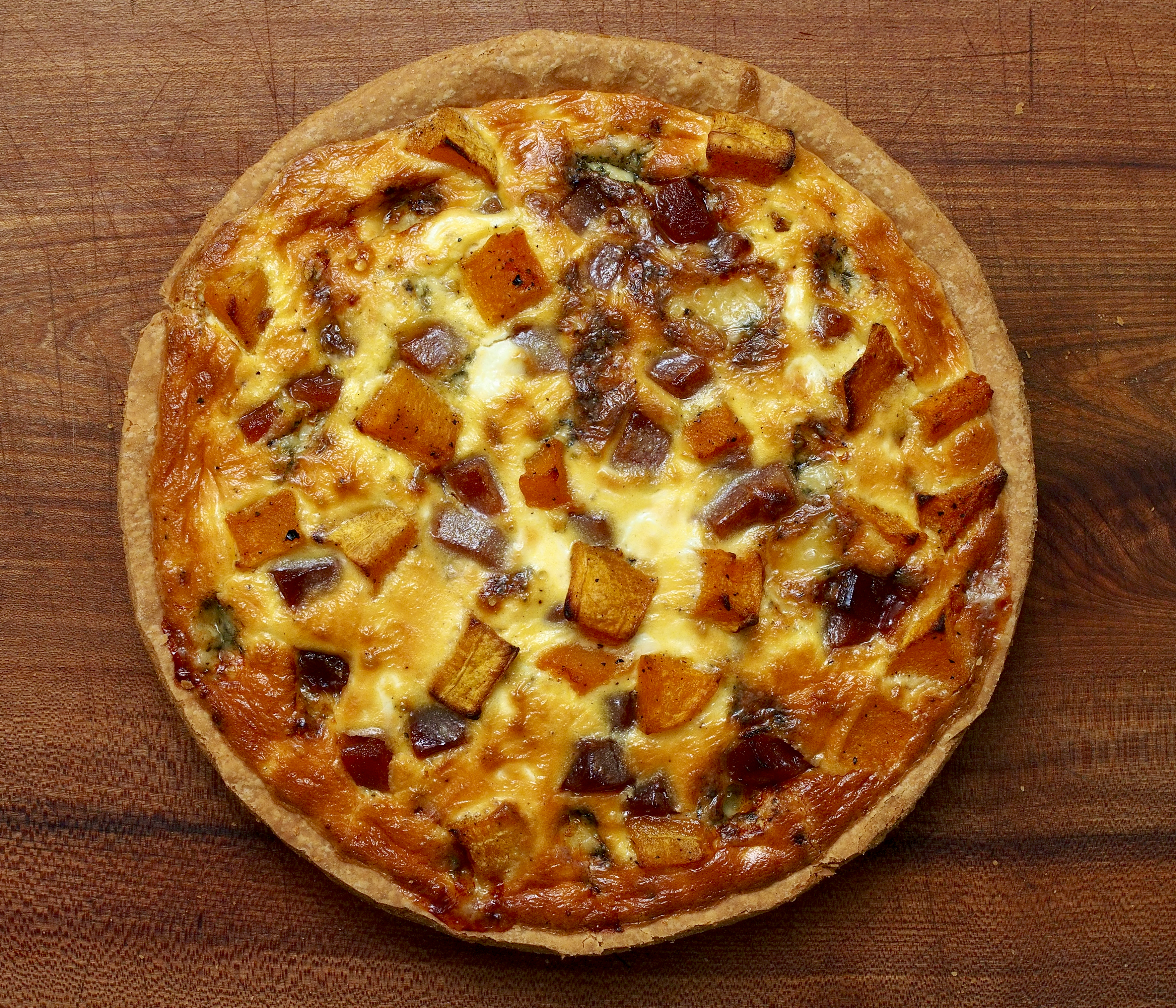
We have lovely friends who always bring a cheese course when they come to ours for dinner, and inadvertently we have ended up with a backlog of membrillo / quince paste. This is not a big problem as it keeps for ages, however it also gave us an opportunity to make this seasonal quiche from Plenty More by Yotam Ottolenghi.

Wine Suggestion: This demands a big, well-balanced, but oaky Chardonnay. Splurge if you can on good Jura, or a Meursault; or like us tonight an old friend, the Rustenberg Stellenbosch Chardonnay. Full-bodied to cope with the richness, and texture and fresh acidity to also cut through this and provide a counterpoint.

Membrillo and stilton quiche – serves 6

  • 1 medium butternut squash, about 700g, peeled and cut into 2cm cubes
  • 1 ½ tbsp olive oil
  • 250g top quality shortcrust pastry
  • plain flour, for dusting
  • 200g Stilton, for dusting
  • 75g mebrillo (quince paste), cut into 1 cm dice
  • 3 eggs
  • 150ml double cream
  • 150ml crème fraîche

Preheat the oven to 220C/200C fan/Gas 7.

Toss the cubes of squash with the oil and ¼ tsp of salt and some black pepper, then spread over a baking tray. Bake for about 30 minutes, turning once, until golden-brown. Leave to cool.

Reduce the oven temperature to 190C/170C fan/Gas 5.

Roll the pastry out on a floured work service until roughly 3cm thick and big enough to line a 24cm quiche tin with some pastry hanging over the edge. Line the tin with the pastry and prick the base with a for, then put into the fridge for 20 minutes.

Line the pastry case with baking parchment, then fill with baking beans and cook in the oven for 30 minutes. Remove the beans and paper and cook for another 10 minutes or until the pastry is golden-brown. Remove from the oven and leave to cool.

Spread the squash over the base of the pastry case, dot the Stilton between and sprinkle over the membrillo.

Put the eggs, cream and crème fraîche in a bowl with ¼ tsp of salt and some black pepper. Whisk together, then pour over the squash and cheese, leaving some of the filling exposed. Put into the oven for 40 minutes or until set, then remove from the oven and rest before removing from the tin and breaking off the over-hanging pastry. Serve warm.

(Original recipe from Plenty More by Yotam Ottolenghi, Ebury Press, 2014.)
Read Full Post »

We are working are way through every recipe we can find that uses black limes, having finally found some without having to resort to mail order. It is all such a hassle now that we’re not all Europeans as some of our sources are in the UK. The sauce is truly delicious and you will need flatbreads for mopping it all up. Some rice would be good too but not essential.

Wine Suggestion: Black limes have such an introverted and complex character you can’t just match it with anything, but do look for wines that have either lime flavours or a savoury, umami texture. Combine this with the pickle and we had a conundrum. We solved it with Pajzos’ Hárslevelu dry Tokaji whose lime-leaf, savoury character plus a little residual sugar (despite the dry finish) came to the rescue.

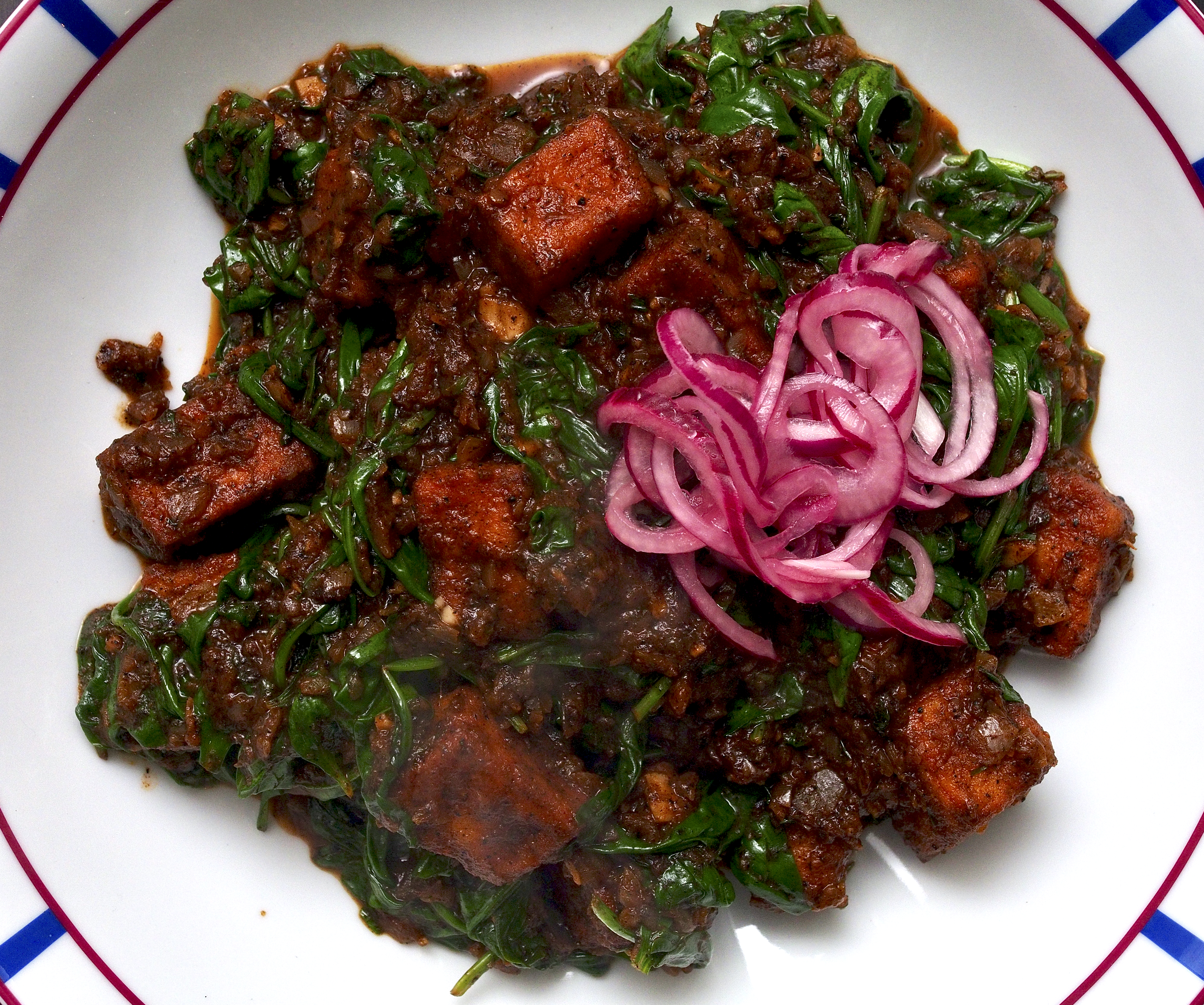
Black lime tofu with spinach and pink pickled onions – serves 4

  • 1 tbsp apple cider vinegar
  • 2 tsp caster sugar
  • 1 small red onion, very thinly sliced into rounds
  • 600ml sunflower oil, for deep-frying
  • 2 blocks of extra-firm tofu (560g), patted dry and cut into 2cm cubes
  • 2 tbsp cornflour
  • 2 onions, roughly chopped
  • 6 cloves of garlic, roughly chopped
  • 60ml olive oil
  • 2 tsp cumin seeds, roughly crushed in a pestle and mortar
  • 2-3 dried black limes, grind to a powder using a spice grinder you need about 2 tbsp (if you don’t have a spice grinder you can whizz in a food processor, then sieve)
  • 2 tbsp tomato purée
  • 20g flatleaf parsley, roughly chopped
  • 250g baby spinach

Make the pink pickled onions first by mixing the vinegar, 1 tsp of sugar, the red onion and tsp of salt in a small bowl. Set aside while you make everything else.

Heat the sunflower oil in a sauté pan or wok. Toss the tofu in a bowl with the cornflour until coated. When the oil is hot, fry the tofu in two batches until crispy and lightly browned, about 6 minutes, then transfer to a paper-lined plate.

Meanwhile, make the sauce. Put the onions and garlic in a food processor and pulse until finely minced but not puréed. Heat the oil in a large sauté pan over a medium-high heat. Add the onion mixture and cook for about 10 minutes, until softened and lightly browned. Add the cumin, black limes and tomato purée and cook for another minute. Add 400ml water, 1tsp of sugar, 1 1/4 tsp of salt and lots of black pepper. Bring to a simmer and cook for 6 minutes, until rich and thick. Add the crispy tofu, parsley and more black pepper and stir. Gradually stir in the spinach until just wilted.

Serve in a shallow dish with the pink pickled onions spooned over.

(Original recipe from Ottolenghi Flavour by Yotam Ottolenghi and Ixta Belfrage, Ebury Press, 2020.)

Read Full Post »

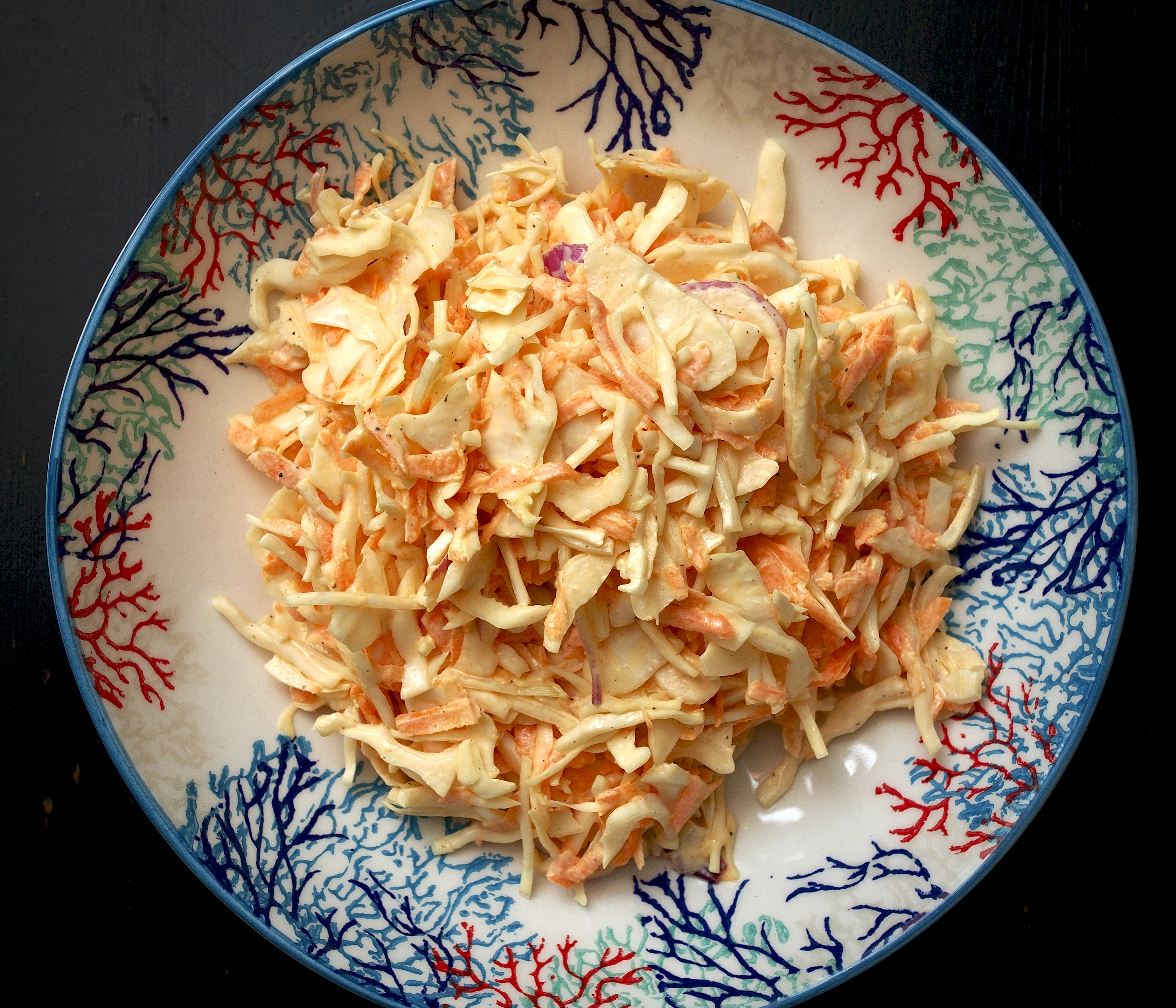
Coleslaw is a bit divisive, people tend to love it or hate it, and not helped by that gloopy stuff you buy in plastic tubs. This version is much superior!

Coleslaw – serves 4 or more

  • 50g crème fraîche or sour cream
  • 50g mayonnaise
  • 1 tbsp Dijon mustard
  • ¼ small white cabbage, finely shredded
  • 1-2 carrots, peeled and coarsely grated
  • ½ white onion, very finely sliced
  • juice of ½ a lemon, or 1 tbsp cider or white wine vinegar

Mix the crème fraîche or sour cream with the mayonnaise and mustard, and season to taste.

Put everything else into a large bowl, then add the mayonnaise mixture and mix to combine. Keep in the fridge until ready to serve.

(Original recipe from Camper Van Cooking by Claire Thompson & Matt Williamson, Quadrille: Hardie Grant Publishing, 2021.)

Read Full Post »

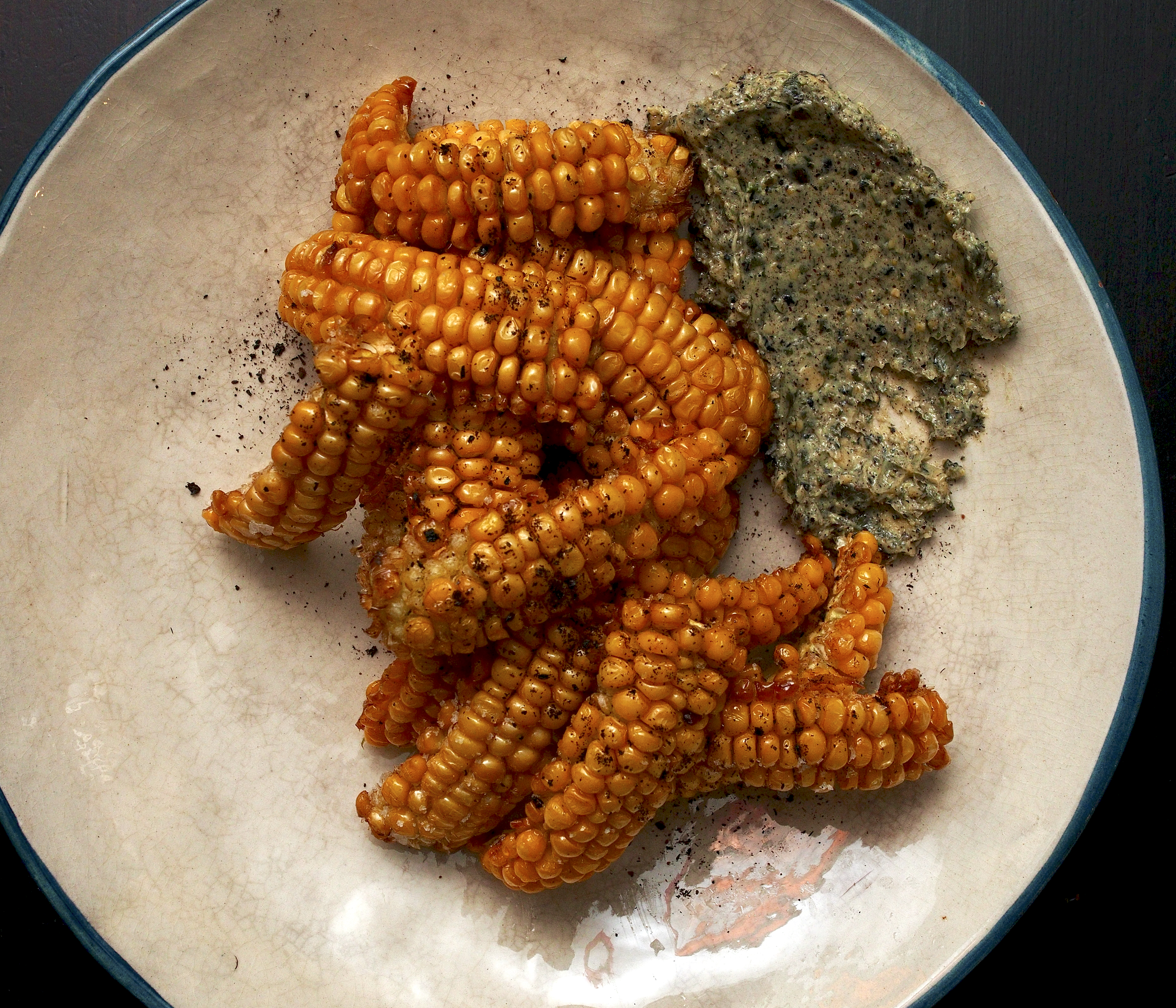
Truly original and truly delicious. Try them while we’ve got fresh corn cobs in the shops. Black limes are trendy at the moment but if you can’t find them you can use grated lime zest instead.

Corn ribs with black lime and pumpkin seed butter – serves 4 as a starter

  • 3 corn cobs, husks removed
  • 1.3 litres sunflower oil, for deep-frying
  • 1½ tsp runny honey

FOR THE BUTTER

  • 25g pumpkin seeds
  • 60g unsalted butter, softened
  • 1-2 dried black limes, roughly broken, then whizzed to a powder using spice grainder to get 2¼ tsp (if you don’t have black limes you can substitute grated lime zest)

Preheat the oven to 160C fan.

Spread the pumpkin seeds over a small baking tray and toast in the oven until golden-brown and starting to split, about 10 minutes. Coarsely blitz in a spice grinder (or finely chop) and allow to cool for 10 minutes.

Mix the butter with 2 tsp of the ground black lime, the chopped pumpkin seeds and 1 tsp flaked sea salt to combine. You can make this ahead but remove from the fridge half an hour before you need it.

Cut the corn cobs in half widthways, then cut each half lengthways into quarters.

Heat the oil in a medium, high-sided saucepan on a medium heat. When very hot (about 180C if you have a probe), test by lowering in the end of a piece of corn; it should sizzle but not turn brown immediatley.

Fry the corn in batches for 6-7 minutes, turning a few times until they have curled and turned golden brown. Remove with a slotted spoon and drain on kitchen paper. Transfer the cooked corn to a bowl and toss with the honey and 1½ tsp of sea salt flakes.

Serve the corn on a platter with the butter on the side and sprinkle with the rest of the ground lime.

(Original recipe from Ottolenghi Flavour by Yotam Ottolenghi and Ixta Belfrage, Ebury Press, 2020.)

Read Full Post »

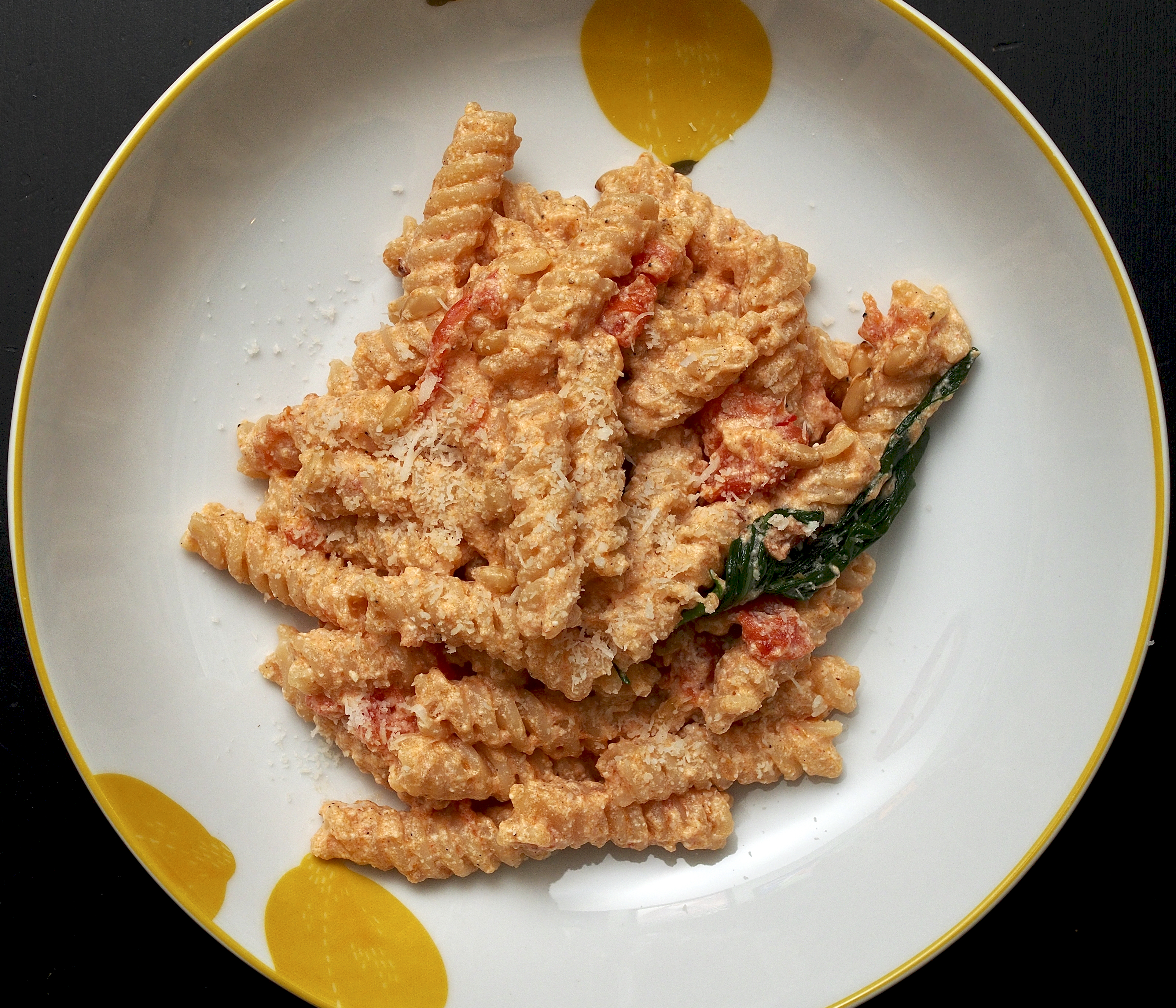
We came across this Joe Trivelli recipe at the weekend when trying to find a lunch dish that would use up half a tub of ricotta. It’s definitely worth buying a tub of ricotta for too.

Wine Suggestion: This dish needs a wine that has a bit of acidity and freshness, so taking inspiration from the grated Pecorino on top we went for the similarly named Pecorino grape from the Marche. The crunchy, characterful Vellodoro Pecorino from Umani Ronchi well met the mark and reminded us of summer too, which was a bonus.

Pasta with pine nuts and ricotta – serves 4

  • 3 cloves of garlic, peeled
  • a pinch of dried chilli flakes
  • 60g pine nuts
  • 300g tomatoes, peeled and chopped (Joe recommends yellow tomatoes but we had red)
  • 3 sprigs of basil
  • 400g short pasta, we used fusilli
  • 200g ricotta
  • 50g grated pecorino
  • extra virgin olive oil

Put the garlic into a wide pan with 3 tablespoons of oil and place over a medium heat. When the garlic starts to turn golden, add the chilli. Turn the heat down low, remove the garlic and add the pine nuts. Allow them to colour but watch carefully or they could burn.

Add the tomatoes and basil sprigs and season. When the sauce starts to boil, reduce the heat and simmer for 15 minutes.

Meanwhile, cook the pasta in lots of boiling salty water until al dente. Scoop out a mug of cooking water before draining.

Toss the pasta with the tomatoes and pine nuts, then add the ricotta, half the pecornio and a few spoons of cooking water. Keep turning the pasta over until you have a nice consistency, adding more water if it looks dry. Serve in warm bowls with the rest of the cheese and a drizzle of your best olive oil.

(Original recipe from The Modern Italian Cook by Joe Trivelli, Seven Dials, 2018.)

Read Full Post »

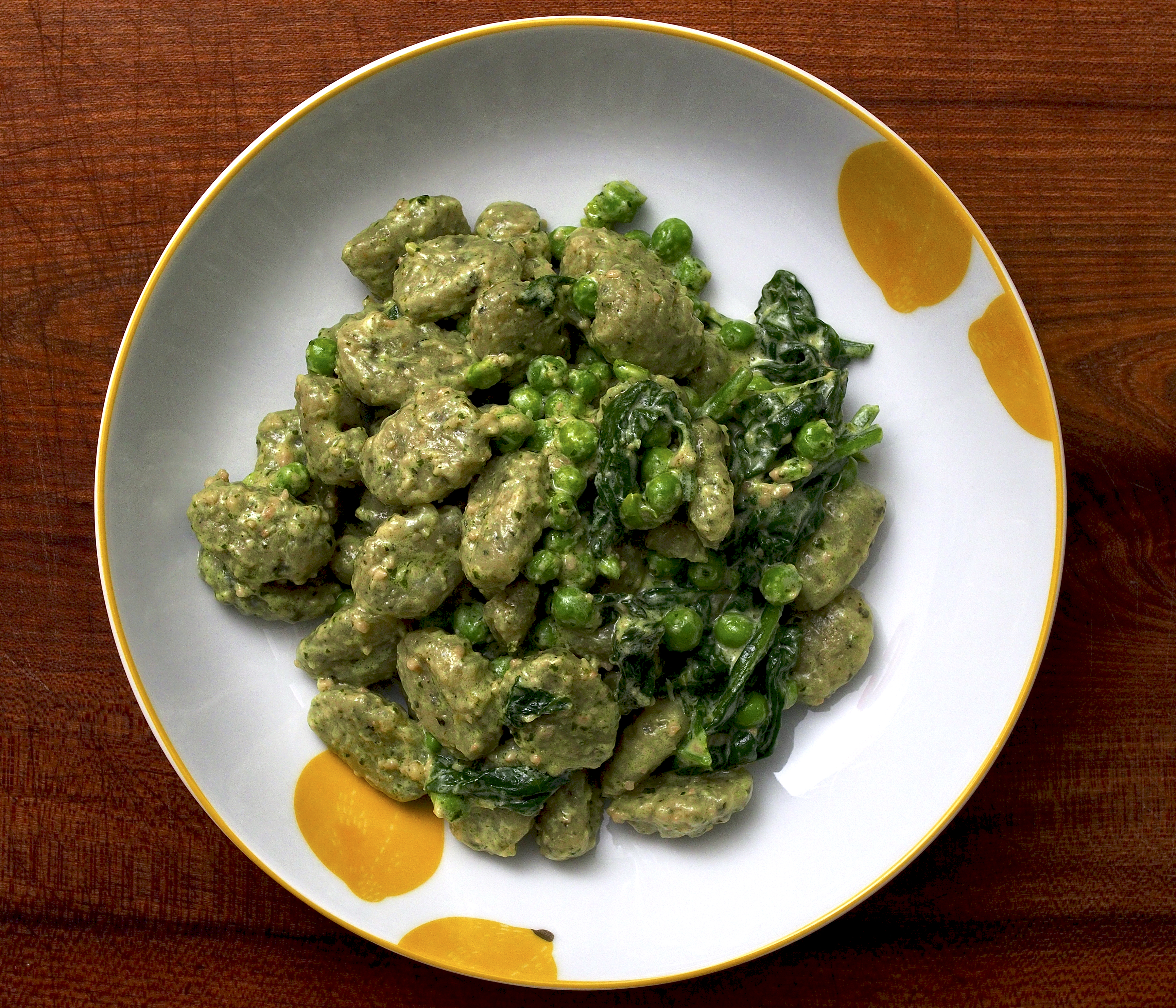
We regular base our dinner on packets of fresh gnocchi. They’re perfect for when you haven’t much time.

Gnocchi with peas, pesto and spinach – serves 2

  • 50g baby spinach
  • 100g frozen peas, defrosted
  • 4 tbsp fresh pesto
  • 3 tbsp crème fraîche
  • 300g pack gnocchi (you can use a plain variety or one with spinach)

Put the defrosted peas, the spinach and a splash of water into a large frying pan. Season, then heat, stirring, until the spinach has wilted.

Add the pesto and crème fraîche, and gently heat through.

Meanwhile, cook the gnocchi in lots of boiling salty water. As they rise to the surface, scoop them out with a slotted spoon and add to the spinach pan.

Toss it all together, then serve.

(Original recipe by Janine Ratcliffe in Olive Magazine, August 2018.)

Read Full Post »

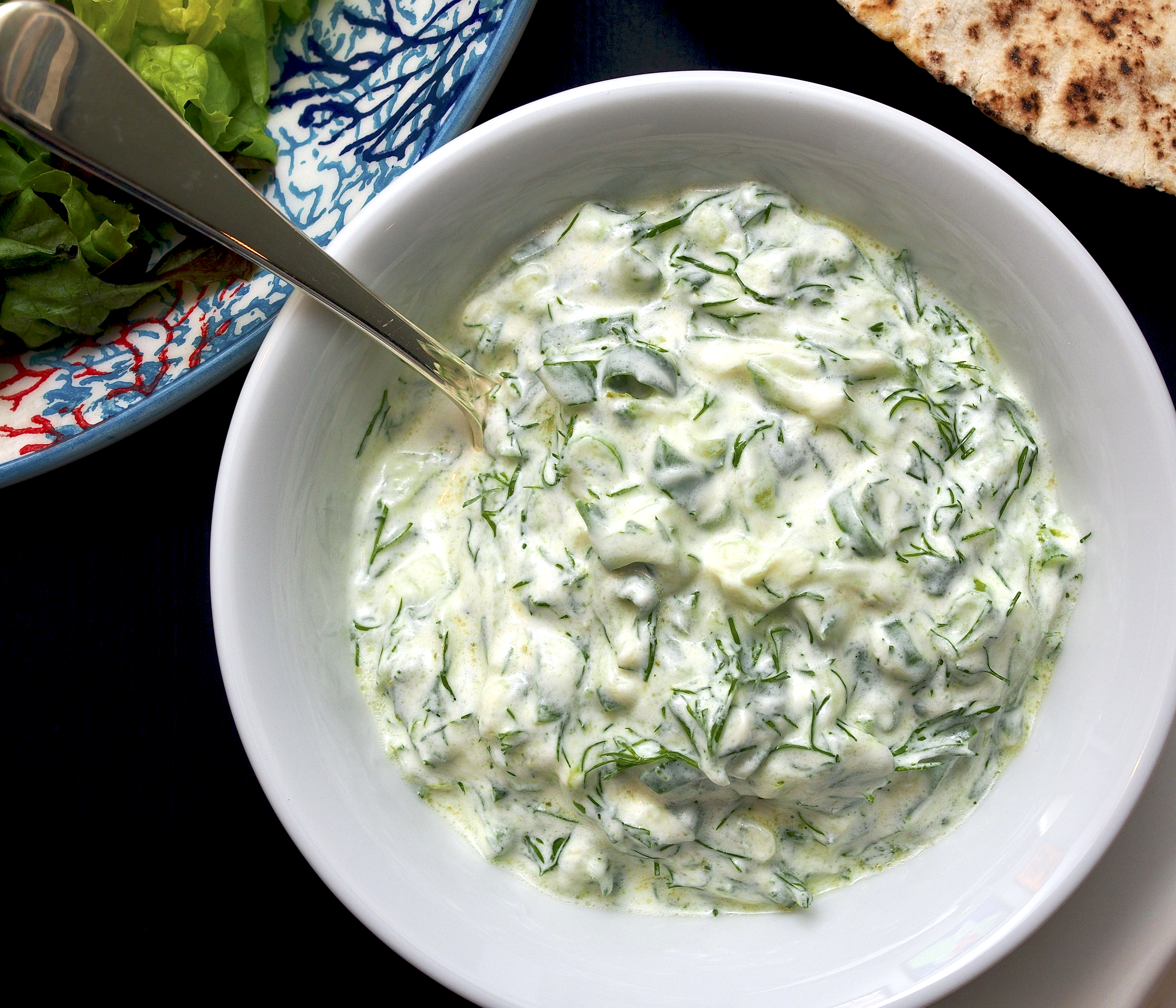
This is such a handy yoghurt number. Serve with barbecues, roasts, with flatbreads, as a side, for a starter – it’s an all rounder and it keeps for a couple of days in the fridge.

  • 250g full fat Greek-style yoghurt
  • 30g scallions, green parts only, finely chopped (keep the white parts for something else)
  • about 10g of dill, chopped
  • 1 clove of garlic, peeled and grated
  • zest and juice of 1 lime
  • 200g cucumber, coarsely grated
  • 3 tbsp olive oil
  • ½ tsp sea salt flakes, crumbled

Put the grated cucumber into a clean tea towel and squeeze tightly to get rid of the excess liquid.

Tip the cucumber into a bowl and mix with all of the other ingredients.

(Original recipe from Chasing Smoke: Cooking over Fire Around the Levant by Sarit Packer and Itamar Srulovich, Pavilion, 2021)

Read Full Post »

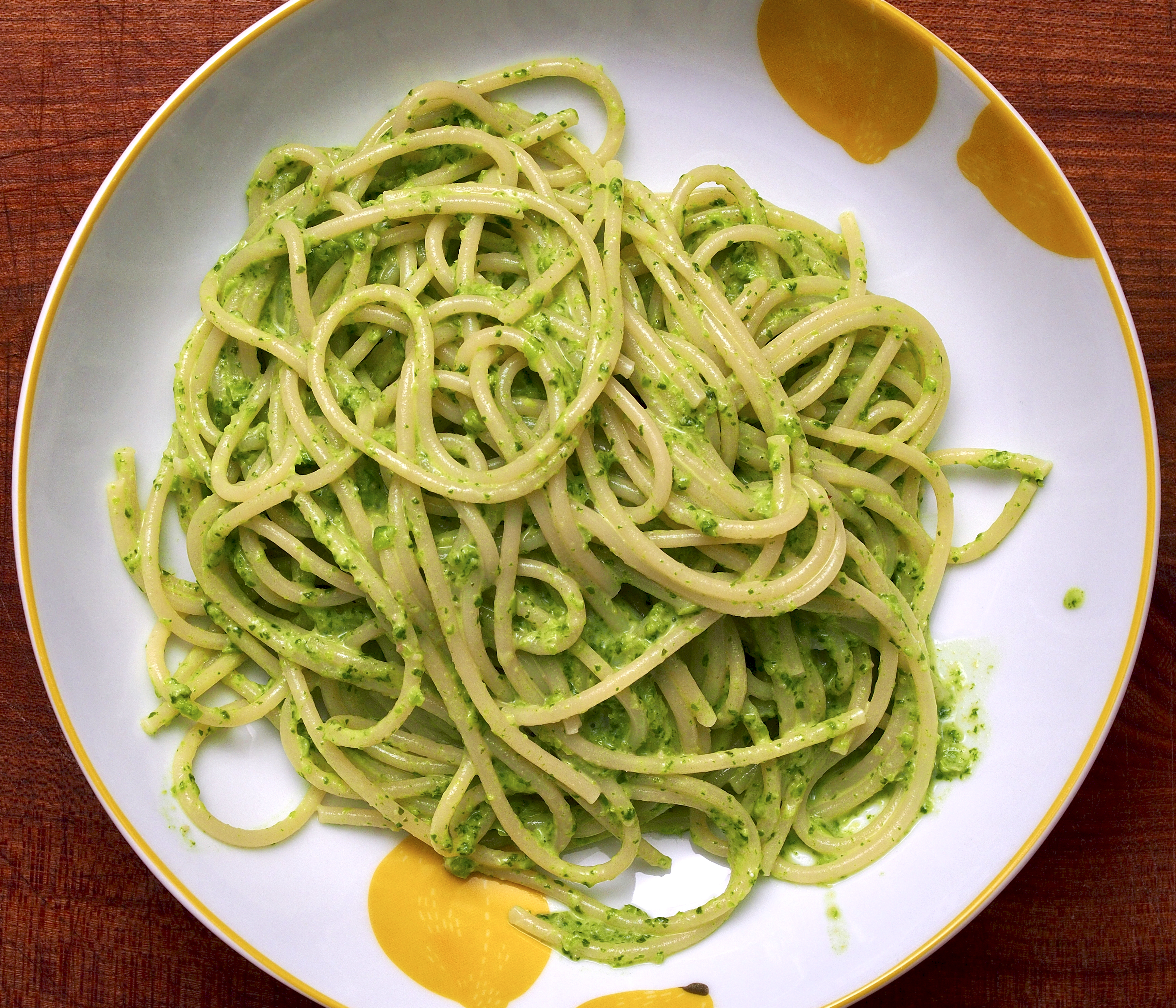
Yummy sauce for using up leftover pesto and perfect for mid-week.

Green Spaghetti Sauce – serrves 4

  • 400g spaghetti
  • 100g baby spinach
  • 140g frozen peas
  • a small bunch of basil, leaves picked
  • 3 tbsp green pesto
  • 150ml single cream
  • 50g Parmesan, grated, plus extra to serve

Cook the spaghetti in lots of salty water for the time stated on the packet.

Meanwhile, put the spinach and peas in a bowl and pour over boiling water to cover. Leave for 3 minutes, or until the peas are tender, then drain well.

Tip the peas and spinach into a food processor, then add the basil, pesto, cream and Parmesan. Whizz to make a smooth sauce.

Drain the pasta, but reserve a mugful of the cooking water, then return to the pan. Pour over the green sauce and place over a low heat to cook for a few minutes, you want the sauce to cling to the spaghetti. Add a little pasta water if it looks dry, season to taste and serve with extra Parmesan.

(Original recipe from BBC Good Food)

Read Full Post »

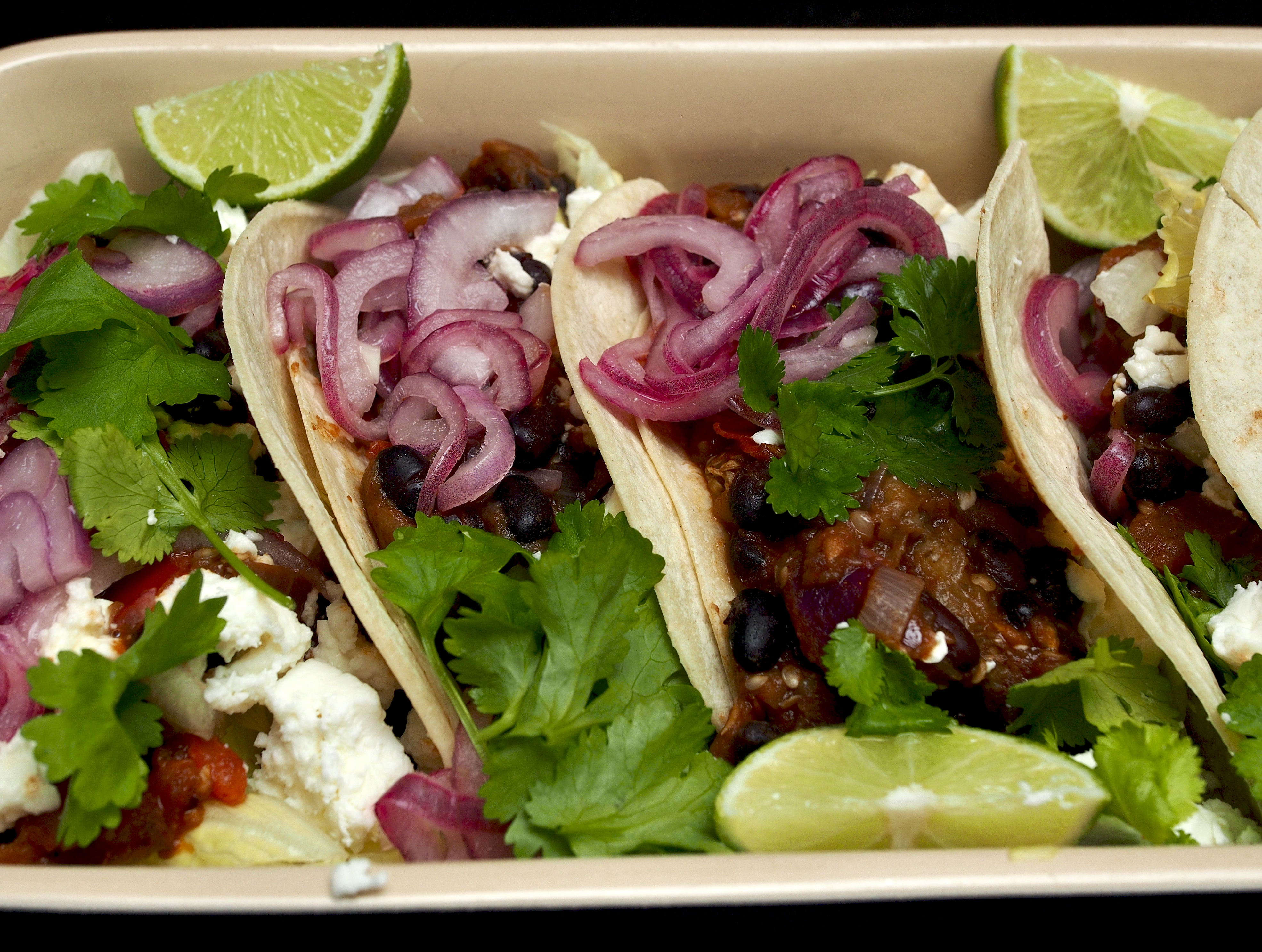
Give these a go for a super tasty mid-week and meat-free meal. The aubergines and beans really fill you up and the extras are non-negotiable as they all come together to make these tacos taste great. If you have too many pickled onions they will keep in the fridge for a few days and are great on the side of all sorts of things or in toasted sandwiches.

Wine Suggestion: The pickles need to be matched with a touch of residual sugar in the wine, or else the vinegar gets accentuated. The aubergine and black beans also need a touch of rich, earthiness but not too much weight. We found our match in Finca Bacara’s Crazy Grapes, a Monastrell from Jumilla in Spain. Superbly balanced juicy fruits, all brambles, black plums and berries, with a hint of earthy tannins and so easy to drink.

Aubergine and Black Bean Tacos with Feta & Pickled Red Onions

FOR THE QUICK PICKLED ONIONS:

  • 1 large red onion, halved and very thinly sliced
  • 1 tbsp caster sugar
  • 1 tbsp rice vinegar

FOR THE AUBERGINE & BLACK BEAN FILLING:

  • 2 aubergines
  • 2 tbsp olive oil
  • 1 bay leaf
  • ½ tsp cumin seeds
  • 1 red onion, diced
  • 2 garlic cloves, crushed
  • 1 tbsp tomato purée
  • 400g fresh tomatoes, chopped
  • a pinch of dried oregano
  • ½ tsp chilli powder
  • a pinch of chilli flakes
  • 2 tsp red wine vinegar
  • 2 x 400g tins black beans, 1 drained and rinsed
  • ½ lime, juiced, plus extra wedges to serve

TO SERVE:

  • 8 small tortillas, warmed
  • a handful of coriander leaves
  • 50g feta cheese, crumbled
  • ½ an iceberg lettuce, shredded

Start by making the pickled onions. Combine all of the ingredients with a generous sprinkle of sea salt flakes in a plastic container with a lid. Close the lid and shake hard for a couple of minutes or until the onions soften.

Next, you need to burn your aubergines. Prick them all over with a fork, then either place them directly over a gas flame, on the barbecue, or under a hot grill. Turn them until they are blackened and burnt all over and starting to collapse, then aside on a plate to cool.

When the aubergines are cool enough to handle, scoop out the flesh with a spoon and discard the blackened skins.

Heat the oven to 200C/180C fan/Gas 6.

For the aubergine and black bean filling, you need to heat the oil in a large ovenproof frying pan with the bay leaf and cumin seeds. When they start sizzling, you can add the onions and garlic. Fry for about 5 minutes or until soft but not coloured, then stir in the tomato purée and cook for a few minutes. Add the chopped tomatoes and dried oregano and cook for another few minutes or until they have collapsed into the sauce. Add the aubergine flesh, chilli powder, chilli flakes and vinegar and stir for a minutes, then tip in the drained and undrained beans. Squeeze in the juice of half a lime and cook for about 5 minutes until reduced, then transfer to the oven for 15-20 minutes until rich and thick.

Fill the warm tortillas with shredded lettuce and the aubergine and black bean filling. Top with feta, coriander, pickled onions and a squeeze of lime.

(Original recipe from BBC Good Food)

Read Full Post »

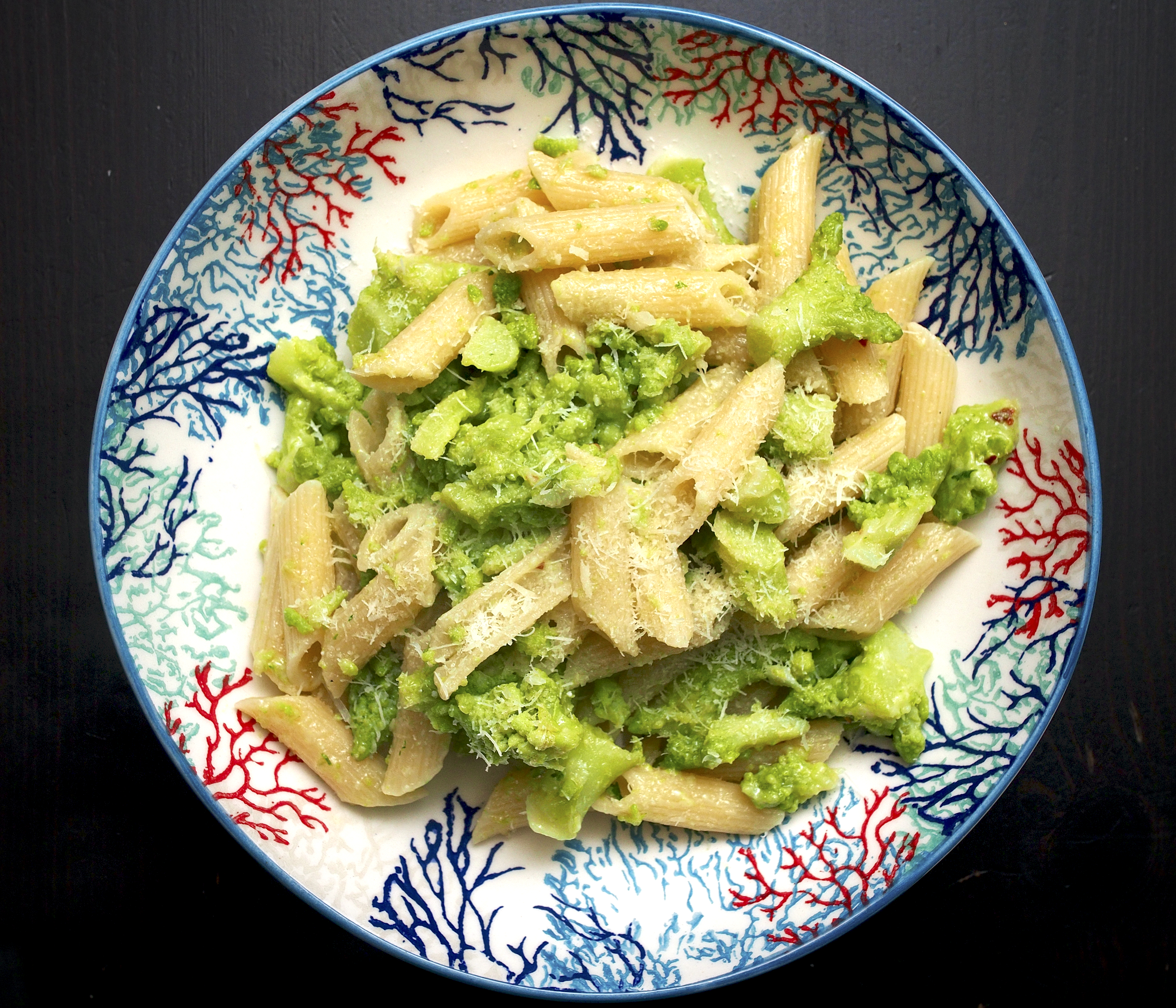
Romanesco cauliflower is a vegetable that we can’t resist picking up when we see it. It’s flavour really shines in this simple pasta recipe. It is very important to cook the romanesco until completely soft (you will be crushing it later with your wooden spoon), there is no place for al dente in this recipe!

Wine Suggestion: This is best served with a joyful white, and while we initially thought about an Italian Pecorino from the Marches instead went for Domaine Ventenac’s Colombard Vermentino, which is quite simply summer in a glass.

Pasta and Romanesco – serves 4

  • 1 large head of romanesco cauliflower, discard the stalk and break into small florets
  • 6 tbsp olive oil
  • 1 clove of garlic, crushed with the flat side of a knife and left whole
  • 1 red chilli or 1 dried red chilli, chopped, or a pinch of chilli flakes
  • 400g penne pasta (or similar)
  • 30g grated pecorino, plus extra to serve

Cook the romanesco in a very large pan of boiling salty water for 6-8 minutes or until completely soft. Scoop the florets out with a slotted spoon into a colandar.

Meanwhile, warm the olive oil in a large frying pan. Add the garlic and chilli and cook gently until golden, take care not to let it go brown or it will be bitter. Discard the garlic clove.

Cook the pasta in the water used to cook the romanesco.

While the pasta cooks, tip the romanesco into the olive oil and toss to coat in the oil. Season with salt, then crush the florets gently with a wooden spoon so they break up. Scoop the pasta out of the cooking water with a slotted spoon straight into the frying pan. Add the pecorino and stir to mix everything together.

Serve with extra pecorino.

(Original recipe from Five Quarters by Rachel Roddy, Saltyard Books, 2015.)

Read Full Post »

This is like a cross between a lasagne and a parmigiana. If you have a gas barbecue it makes a very easy job of griddling the aubergines in big batches which attracted us to this dish in the first place as the barbecue was on a good run. Nice with some crusty bread.

Wine Suggestion: Light, crunchy red wines just seem to fall into place with lasagne, or aubergine and tomato. This was no different. Tonight to good effect, our favourite Loire red, the Chateau du Hureau Saumur Champigny Tuffe.

Aubergine Parmigiana Lasagne – serves 6

  • 3 large aubergines, thinly sliced lengthways
  • 4 tbsp olive oil
  • 250g mozzarella, drained and coarsely grated
  • 50g Parmesan cheese, finely grated
  • a bunch of basil, leaves picked and roughly chopped, plus extra to serve
  • 8 dried egg lasagne sheets

FOR THE TOMATO SAUCE:

  • 2 tbsp olive oil
  • 6 cloves of garlic, finely sliced
  • ¼ tsp golden caster sugar
  • 1 tbsp red wine vinegar
  • 3 x 400g tins chopped tomatoes

Make the sauce by warming the olive oil and garlic in a large pan for a minute or until golden, go gently or the garlic will brown and turn bitter. Add the sugar and red wine vinegar and allow to bubble up for 30 seconds, then add the tomatoes. Season with salt and return to a simmer. Bubble gently for 10 minutes, then remove from the heat and set aside.

Meanwhile, heat a gas barbecue or a griddle pan to a medium-high heat. Brush the aubergine slices with oil on both sides and season with a little salt. Griddle or barbecue in batches until softened and slightly charred. Don’t let the heat get too high or they will char before they are softened.

Heat the oven to 200C/180C fan/gas 6.

Lay a third of the aubergine slices over the base of a large baking dish, then spoon over a third of the sauce. Scatter with a small handful of both cheeses (but not too much as you want most of it for the top) and half the basil, then top with 4 lasagne sheets. Repeat once more, then finish with a layer of aubergines topped with the rest of the sauce and scattered with the remaining cheese.

Place the dish in the hot oven and bake for 30 minutes. Leave to cool for at least 10 minutes then serve with the rest of the basil sprinkled over.

(Original recipe from BBC Good Food)

Read Full Post »

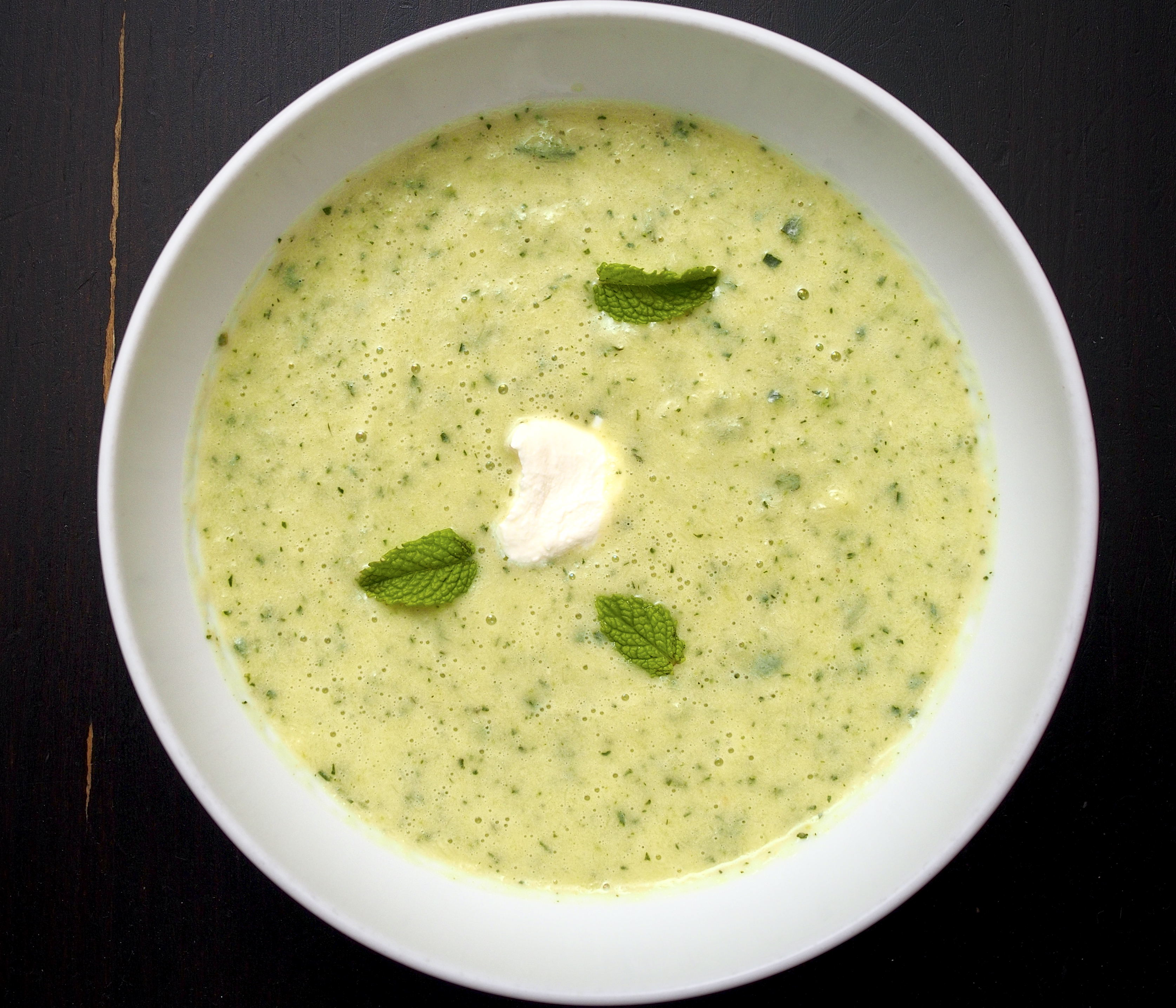
We like to have soup for lunch but tend to get out of the habit in the summer months. This one is suitably summery and really captures the flavour of courgette.

Courgette and mint soup – serves 4

  • 3 tbsp olive oil
  • 1 onion, finely chopped
  • 3 cloves of garlic, sliced
  • 6 courgettes, halved lengthways and thinly sliced
  • 750ml veg stock
  • 150ml crème fraîche, plus a bit extra to serve
  • a small bunch of mint leaeves, chopped

Heat the oil in a large saucepan, then cook the onions withs ome salt for about 10 minutes or until soft but not browned. Add the garlic and cook gently for a few minutes, then add the courgettes and cook gently for 20 minutes.

Add the vegetable stock and bring to the boil for a few minutes. Whizz the soup until smooth, then stir in the crème fraîche and mint, then whizz again. Season.

Serve in warm bowls with some extra crème fraîche and mint leaves to garnish.

(Original recipe by Adam Bush in Olive Magazine, June 2020.)

Read Full Post »

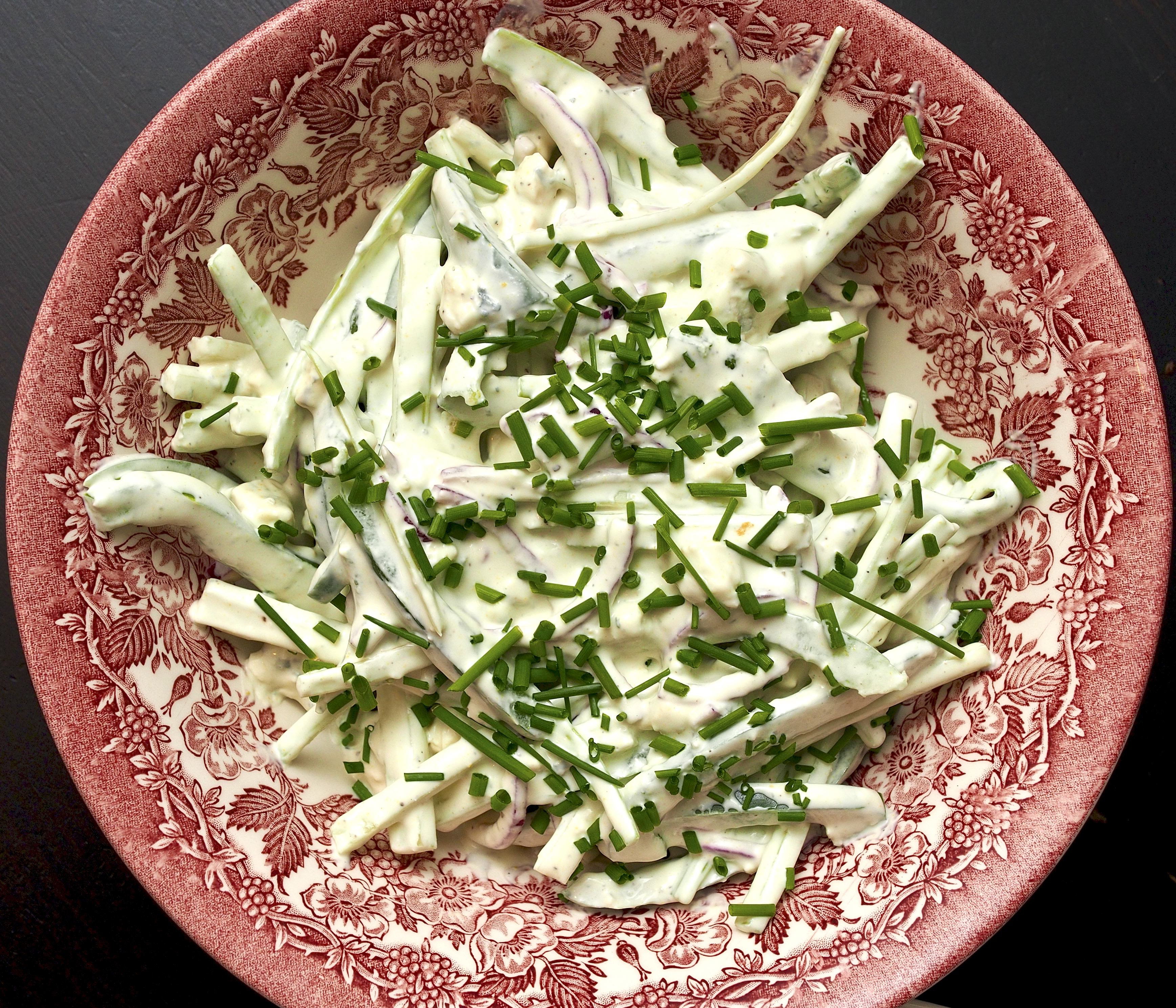
This is good with some spicy barbecued chicken, it’s a bit like the celery sticks and blue cheese sauce you get with chicken wings.

Blue Cheese Slaw – serves 4 as a side

  • 75g hard blue cheese
  • 100g sour cream
  • 50g mayonnaise
  • 1 tsp English mustard
  • a squeeze of lemon juice
  • 4-6 celery sticks, shredded
  • 1 green pepper, finely sliced
  • ½ a red onion, finely sliced
  • a few chives, finely chopped

Crumble the blue into a large bowl. Stir in the sour cream, mayonnaise and mustard.

Season and add a squeeze of lemon juice. You can whizz until smooth if you like at this stage but we didn’t bother.

Fold in the celery, pepper and onion and scatter over the chives to serve.

(Original recipe by Adam Bush and Anna Glover in Olive Magazine, June 2021.)

Read Full Post »

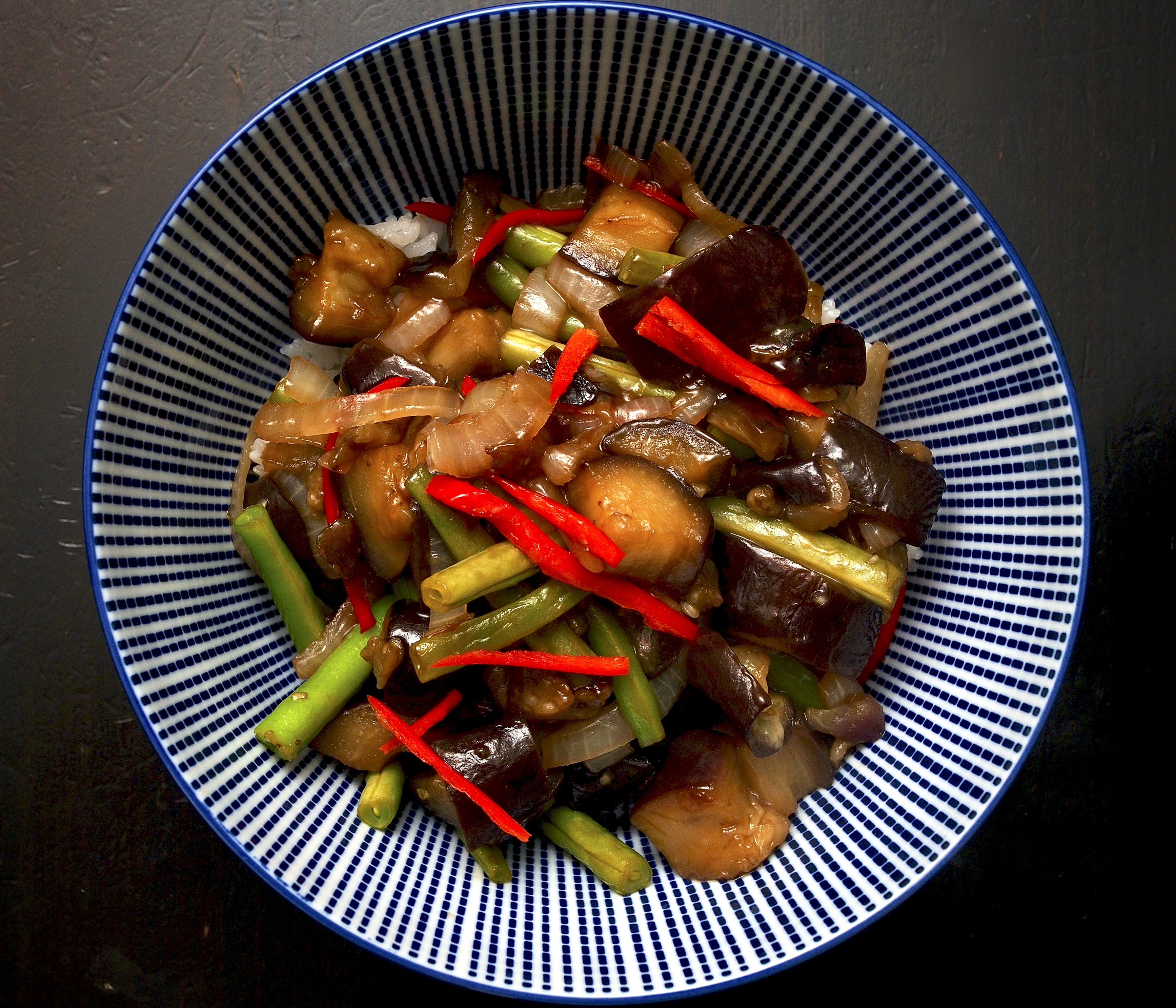
This is perfect for mid-week – tasty, healthy and just a few ingredients.

Wine Suggestion: The hot and sour flavours pair well with dry Rieslings, like the exhuberant Domaine Bott-Geyl Les Elements. Apples, zesty lemon, a hint of apricot and a taut freshness.

Hot and sour aubergine with sticky rice – serves 2

  • 150g sushi rice
  • 1 onion, sliced
  • 1 aubergine, chopped into bite-sized pieces
  • 1 tbsp veg oil
  • 2 tbsp golden caster sugar
  • 2 tbsp red wine vinegar
  • 2 tsp soy sauce, plus extra to serve
  • 2 tsp cornflour
  • 100g green beans, halved
  • 1 red chilli, shredded, plus extra to serve

Cook the rice according to the packet instructions.

Fry the onion and aubergine in the oil in a wide shallow pan with a lid until golden and softened. Stir it every few minutes.

Mix the sugar and vinegar together, then add the soy sauce and stir until the sugar dissolves. Add the cornflour and stir to dissolve.

Add the beans and red chilli to the pan and cook for 4 minutes with the lid on. Add the liquid mixture, stir and continue cooking for another 2 minutes with the lid on.

Serve with the rice and some extra soy sauce and chillies on the side.

(Original recipe by Kate Calder in Olive Magazine, June 2012.)

Read Full Post »

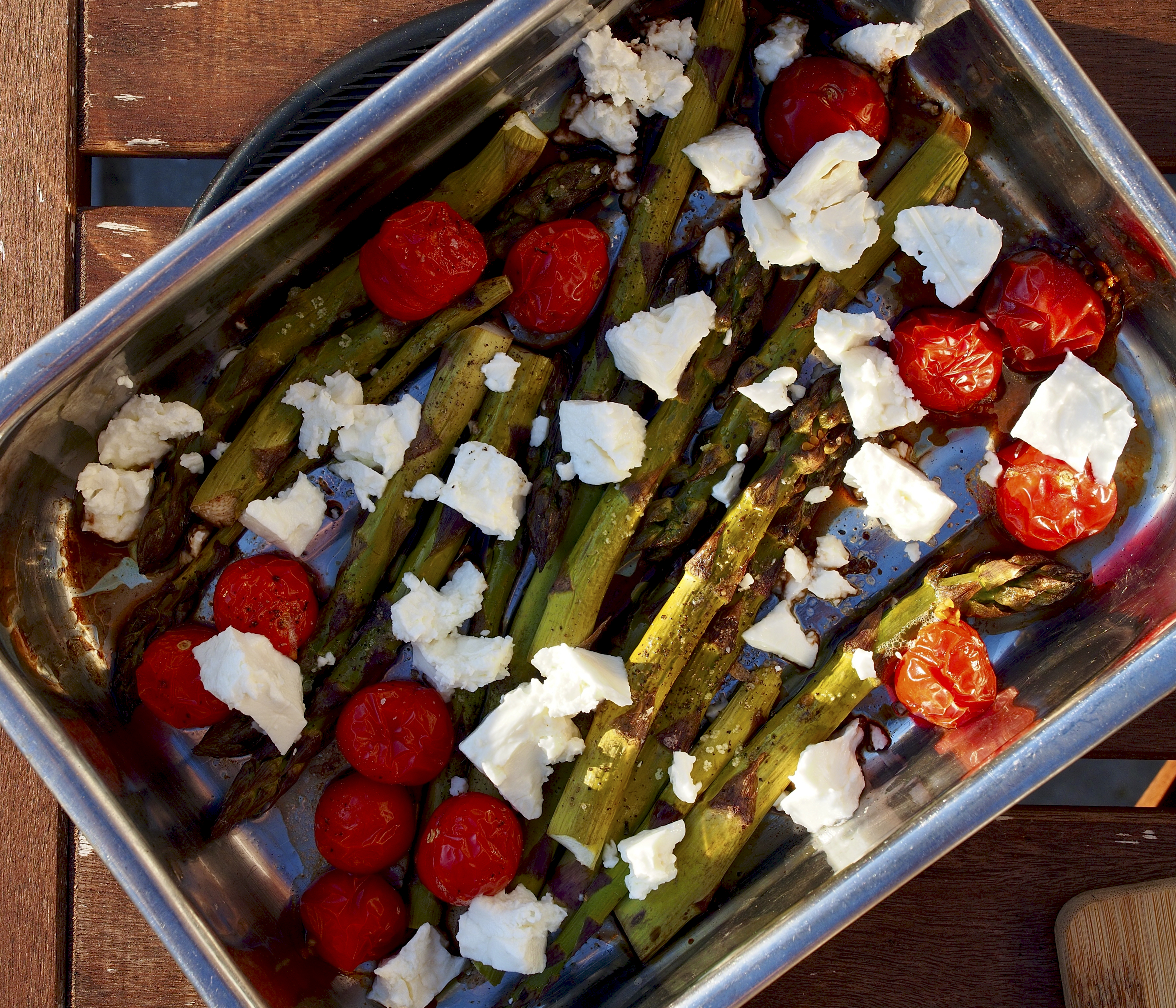
We’ve done this a few times this week. It’s a great side for a barbecue and it looks after itself in the oven while you organise everything else. Make it while you can still get local asparagus.

Roasted balsamic asparagus & cherry tomatoes – serves 4 as a side

  • 350g asparagus, snap off the woody ends and discard
  • 330g pack cherry tomatoes, halved
  • 2 tbsp olive oil
  • 1 tbsp balsamic vinegar
  • 50g feta, crumbled

Heat the oven to 200C/180C fan/gas 6.

Put the asparagus and cherry tomatoes onto a baking sheet and drizzle over the olive oil and balsamic. Season, then toss together. Bake for 15 minutes or until the asparagus is cooked through. Sprinkle over the feta to serve.

Read Full Post »

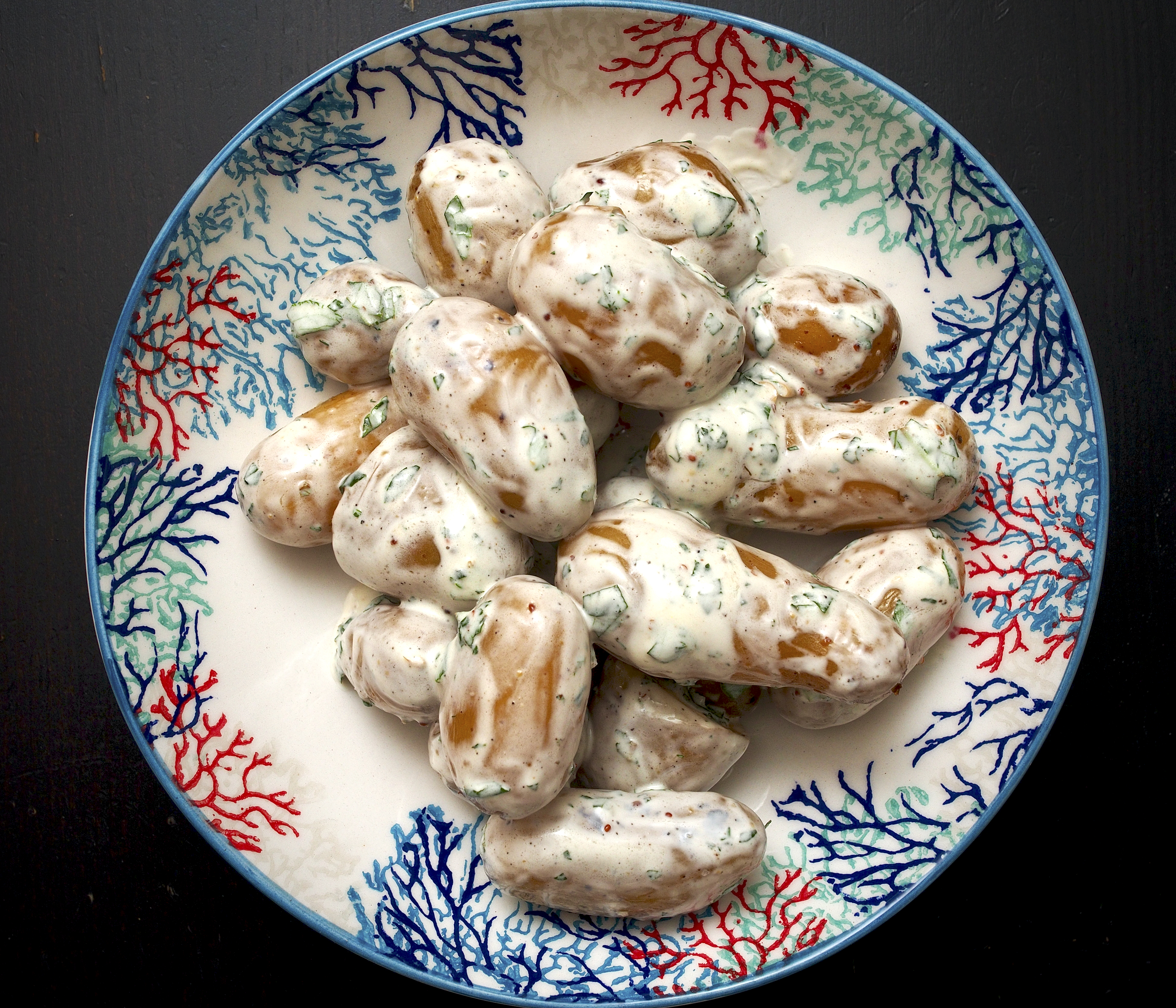
Barbecue season is coming (hopefully!) and potato salad is the perfect accompaniment. The dressing will make far more than you need but you can keep it in the fridge for a couple of weeks and dress all your salads with it, so worth making.

Potato Salad – serves 4

  • 900g small new potatoes
  • 2 tbsp French dressing (see below)
  • 6 tbsp mayonnaise
  • 2 tbsp natural yoghurt
  • a large bunch of mint, chopped

FOR THE FRENCH DRESSING:

  • 100ml red or white wine vinegar
  • 100ml extra virgin olive oil
  • 200ml sunflower oil
  • ½ a clove of garlic, finely chopped
  • 1 ½ tbsp wholegrain mustard
  • 1 tbsp honey

To make the French dressing, put all the ingredients into a food processor, season with salt and pepper, and whizz to combine (or you can do like us and shove it all in a jar and give it a good shake!).

Put the potatoes into a pan of salty water and bring to the boil. Simmer for about 15 minutes or until completely tender, then drain and put into a bowl. Mix in 2 tbsp of French dressing and leave to cool.

Mix the mayonnaise, yoghurt and mint together and toss with the potatoes. Season with salt and pepper to serve.

(Original recipe from Avoca Salads, edited by Hugo Arnold, Avoca Ltd, 2007.)

Read Full Post »

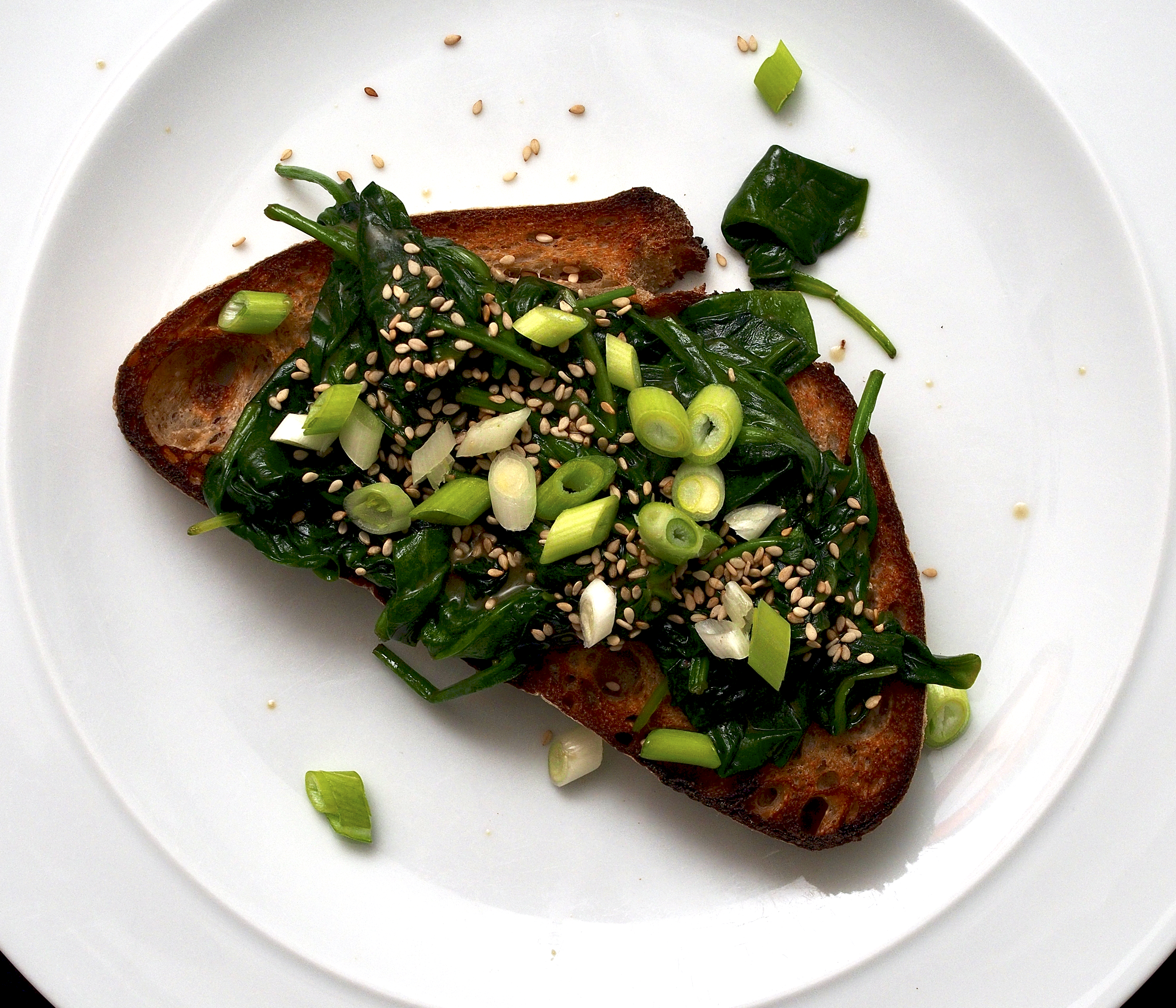
Try this if you’re in a bit of a lunch rut … or if like us you have bought an extra bag of spinach and have some miso lingering in the fridge. It takes 5 minutes and it’s delicious.

Miso spinach on sourdough toast – serves 2

  • 1 tbsp miso paste
  • 1 tbsp melted butter
  • 200g spinach
  • 2 tsp soy sauce
  • 1 tbsp sesame seeds
  • 2 sliced scallions
  • 2 large slices of toasted sourdough (to serve)

Mix the miso paste with the melted butter, then tip into a frying pan.

Add the spinach and cook over a medium heat until wilted, then add 2 tsp soy sauce. Divide between the toasts and sprinkle over the spinach & scallions.

(Original recipe from BBC Good Food)

Read Full Post »

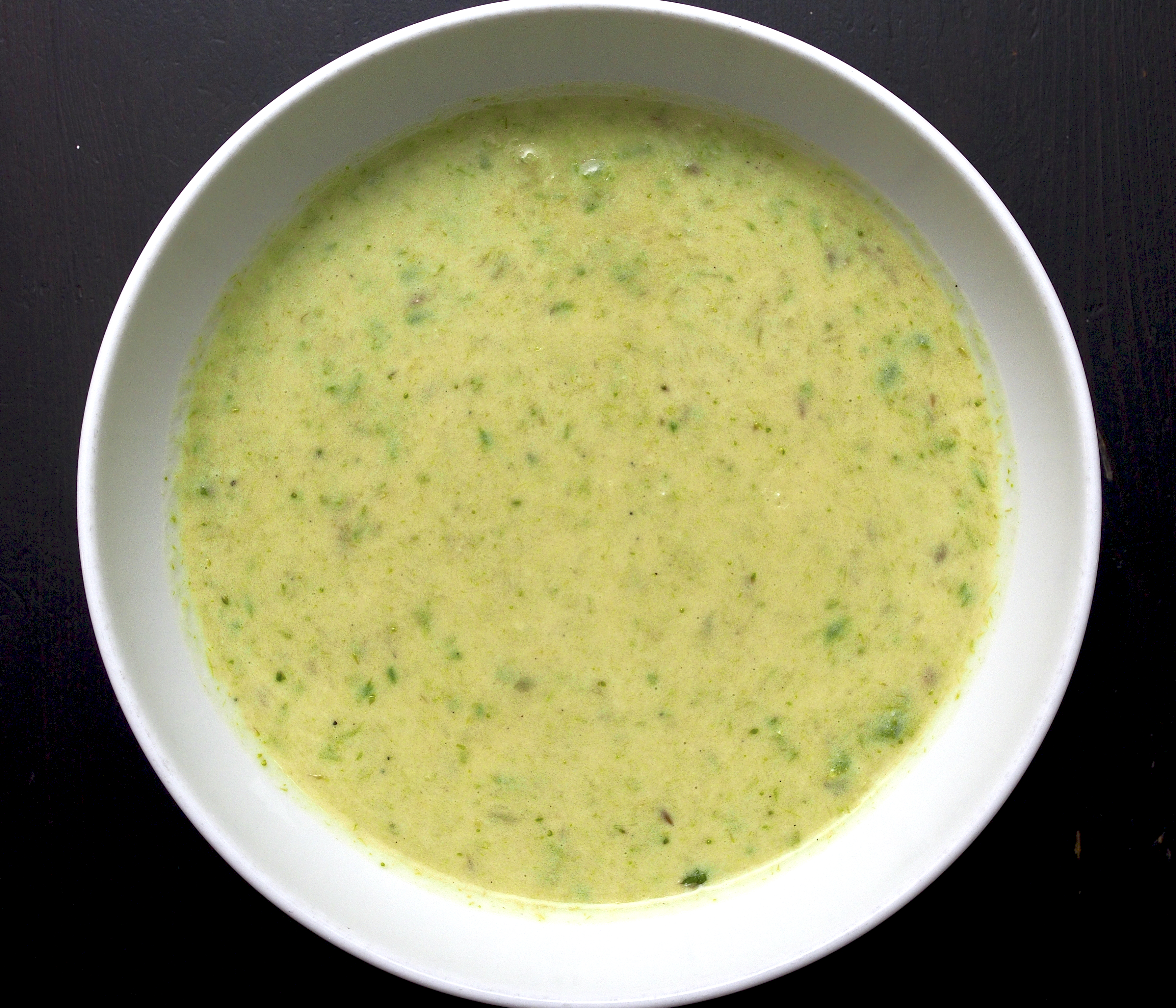
It just wouldn’t be spring without asparagus soup would it? Though the weather is far from spring-like in Dublin. This is from Roast Chicken and Other Stories by Simon Hopkinson, though I suspect Simon may not approve of our half-whizzed texture. You can of course whizz until smooth and pass through a fine sieve if you’re equally fussy.

Asparagus soup – serves 4

  • 100g butter
  • 4 small leeks, white parts only, trimmed and chopped
  • 750ml water
  • 1 potato, peeled and chopped
  • 450g fresh asparagus, snap off the woody ends and peel the thicker ends a little
  • 250ml double cream

Melt the butter in a large saucepan, then sweat the leeks until soft.

Add the water and potato, season with salt and pepper, and cook for 15 minutes.

Chop the asparagus and add to the soup, then boil rapidly for 5 minutes.

Whizz the soup in a blender or food processor, then pass through a fine sieve (or if you’re lazy like us you can just roughly whizz with a stick blender).

(Original recipe from Roast Chicken and Other Stories by Simon Hopkinson, Ebury Press, 1994.)

Read Full Post »

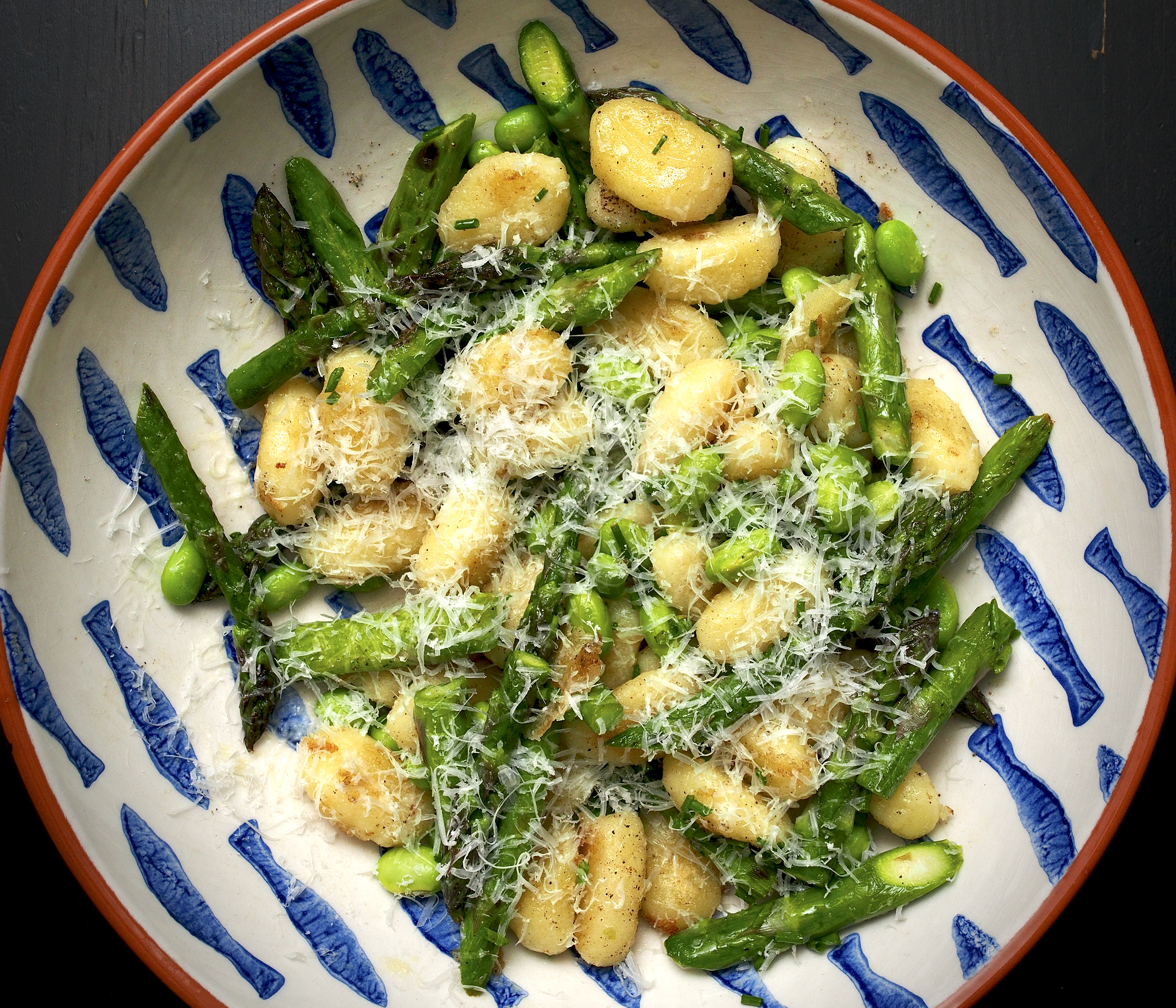
This is simplicity itself but tastes just like the season.

Wine Suggestion: Pick a good, top-notch, dry Sauvignon Blanc to match this dish like the André Dezat Sancerre which is flinty, grassy-fresh and has great concentration and power despite being super balanced and effortless.

Gnocchi with asparagus, edamame & Parmesan – serves 4

  • 500g pack of gnocchi
  • good extra virgin olive oil
  • 500g asparagus, snap off the woody part of the stems, then cut into 5cm pieces
  • 150g frozen edamame beans
  • 1 tbsp chopped chives
  • 1 lemon, for squeezing over at the end
  • 60g Parmesan, grated

Bring a large pot of salty water to the boil, then add the gnocchi and cook according the pack instructions. It’s done when if floats to the top. Drain and refresh under cold running water.

Heat a large fraying pan over a medium-high heat, then drizzle with oil, and when hot, add the asparagus with a pinch of sea salt. Fry for a few minutes or until the pieces are starting to char but are still crisp. Remove from the pan and put into a warmed dish.

Add the frozen edamame beans to pan with a splash of water and a pinch of sea salt. Cook for 2 minutes, then scoop ot and add to the asparagus.

Drizzle some more oil into the pan and warm over a medium-high heat, then add the gnocchi. Fry until golden and crispy. Don’t be tempted to turn them too quickly or they will stick. Remove from the pan and into a large dish.

Combine the gnocchi with the asparagus, edamame, and chives. Squeeze over some lemon juice to taste and drizzle with olive oil, then season with sea salt and black pepper. Scatter over the Parmesan to serve.

(Original recipe from Family by Hetty McKinnon, Prestel, 2019)

Read Full Post »

We tend to be a bit suspicious of salads that claim to be a main course but we promise you won’t be hungry after this one.

Wine Suggestion: Naturally when eating asparagus we gravitate to Grüner Veltliner, but for this dish we felt drawn to Souther France and opened the Ch Vignelaure, La Source Blanc from Provence. Made mostly from Vermentino with a touch of Semillon and Sauvignon Blanc. Fresh and summery with citrus fruits and a gently herbal twist; full of energy and vitality.

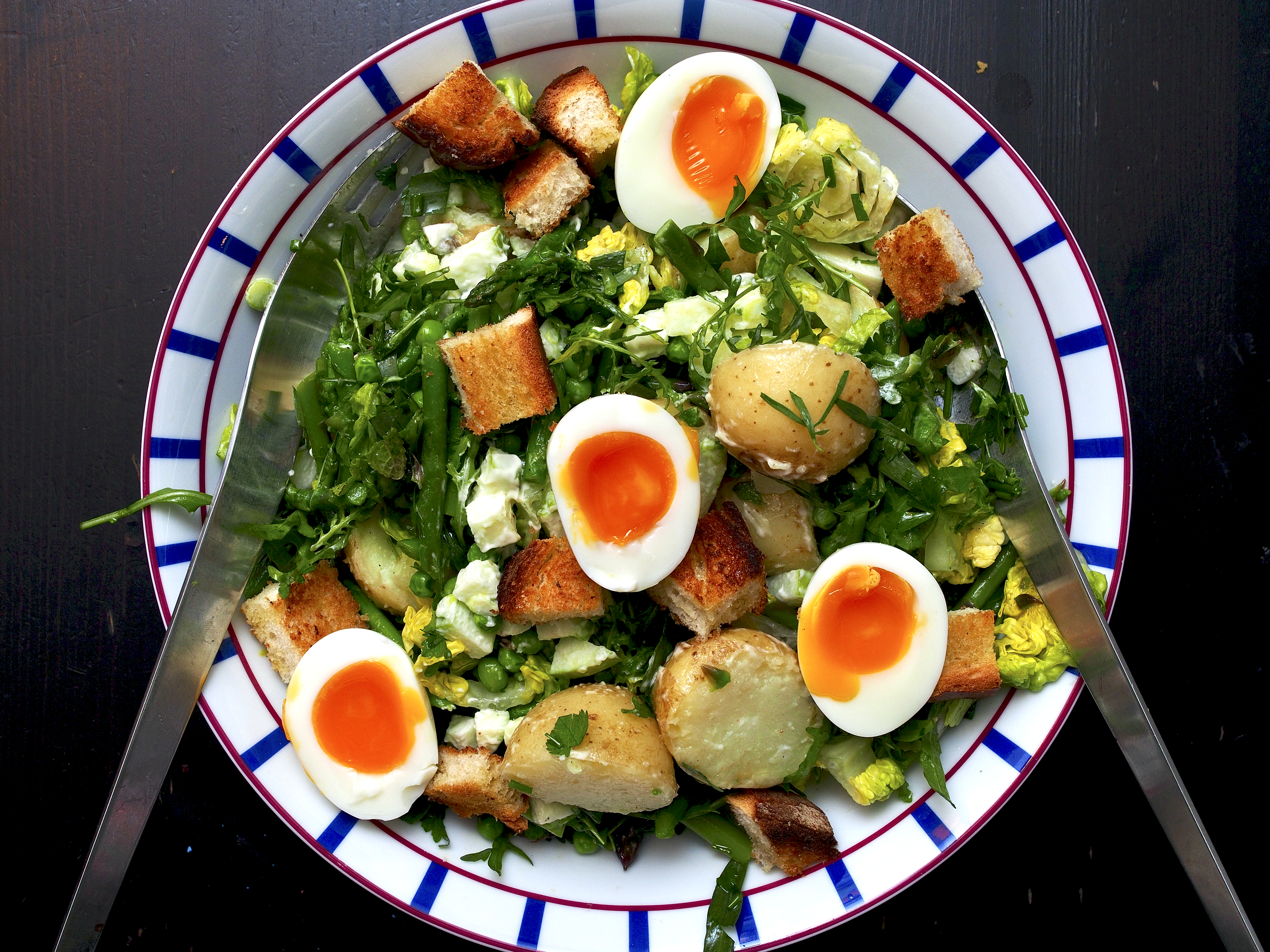
Spring Salad – serves 4 as a main

  • 300g baby new potatoes, half any biggish ones
  • 1 spring of mint
  • 2 eggs
  • 200g asparagus, woody ends snapped off and saved
  • 50g frozen peas
  • 4 tbsp mayonnaise
  • 1 green apple, cored and finely chopped (we used a Granny Smith)
  • 3 scallions, finely sliced
  • 1 tsp capers, drained
  • 2 tbsp olive oil
  • 1 tbsp white wine vinegar
  • 1 Little Gem lettuce, leaves washed and dried, heart split in two
  • a few handfuls of soft herbs e.g. tarragon, parsley, mint, chives

FOR THE GARLIC CROUTONS:

  • 2 slices of sourdough or white baguette
  • a drizzle of olive oil
  • 3 cloves of garlic

Heat the oven to 200C/180C fan/gas 6.

Drizzle the bread with some oil and season, then roast in the oven for 12-15 minutes, turning halfway through. They should be crispy and golden.

Once baked, rub the bread with the raw garlic and cut into croutons.

Bring a pan of water to the boil. Add the potatoes, mint sprig and 1 tsp salt, then simmer for 15 minutes or until the potatoes are tender, no firmness should remain. Drain and discard the mint.

Meanwhile, bring another pan of water to the boil and add the eggs. Cook for 6 minutes and 30 seconds for firm whites and runny yolks, then drain under cold running water to cool and peel.

Bring another pan of salty water to the boil. Chop the asparagus spears into three and boil for 3-4 minutes or until just tender. Remove with a slotted spoon, then bring the water back to the boil and ad a pinch of sugar. Add the peas and cook for 2-3 minutes or until tender. Drain.

Toss the potatoes with 2 tbsp of the mayonnaise, apple, scallions and capers. Whisk the olive oil and white wine vinegar together, season, then dress the lettuce and soft herbs, the asparagus and peas. Spread the rest of the mayonnaise across a serving plat, top with the postates and dressed salad, halve the eggs and add more mayonnaise if you like. Garnish with the croutons and extra herbs.

(Original recipe from BBC Good Food)

Read Full Post »

« Newer Posts - Older Posts »